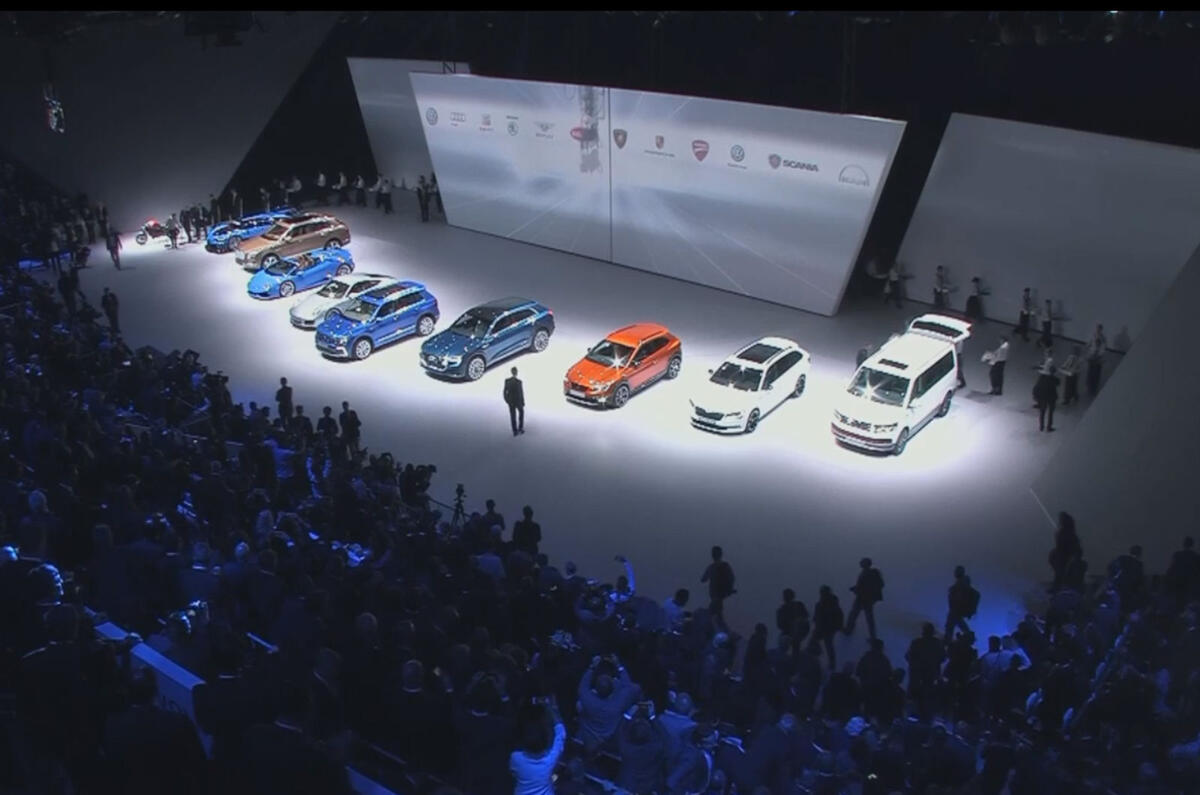
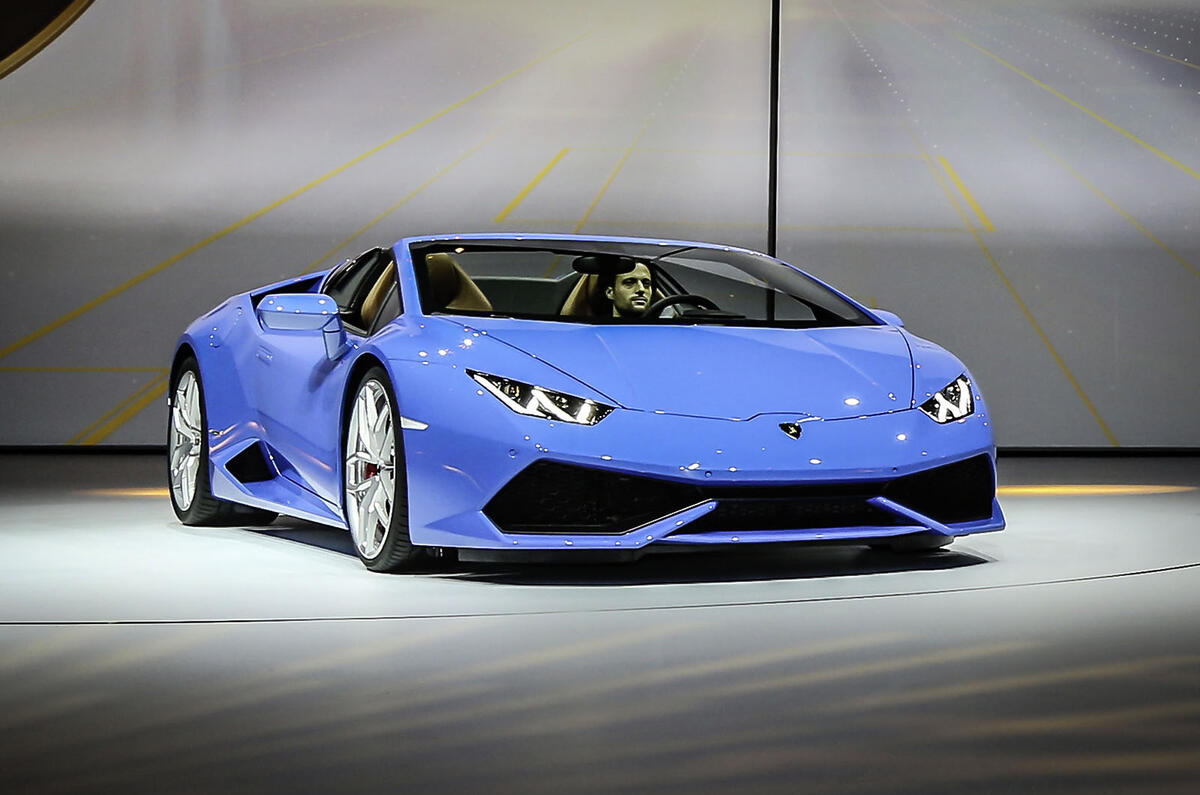
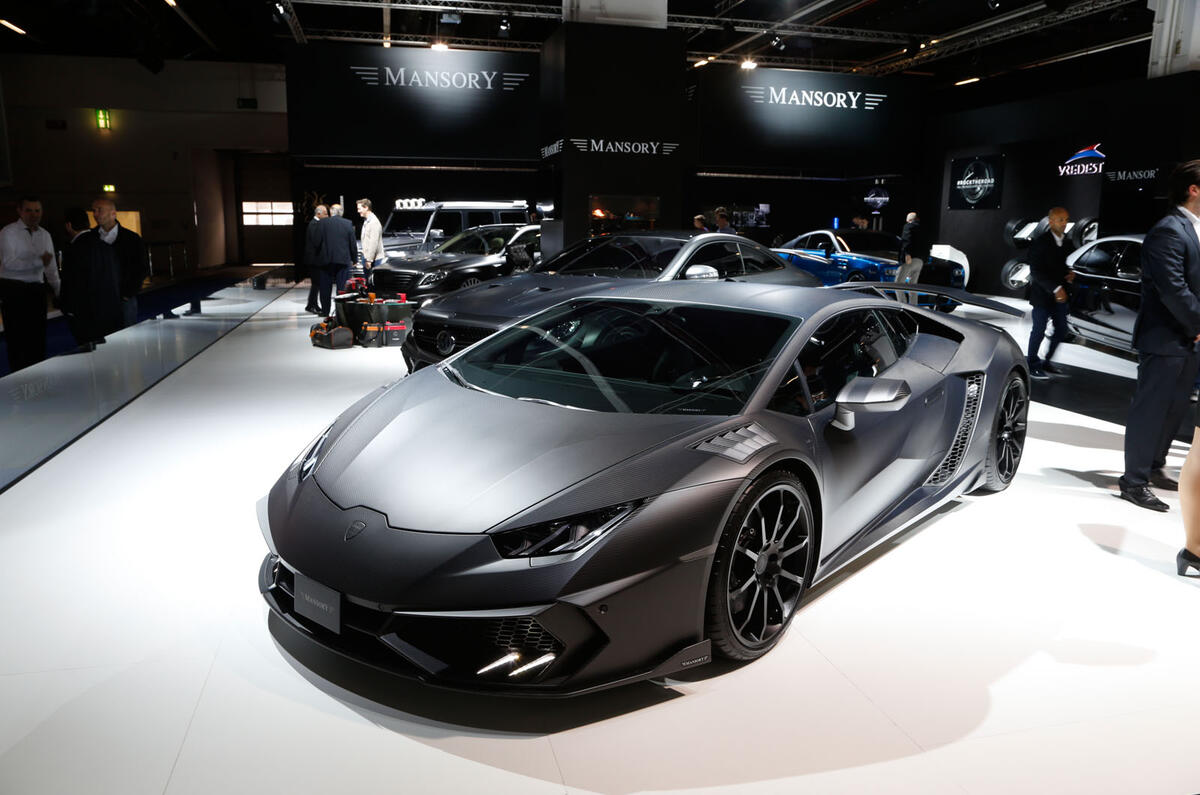
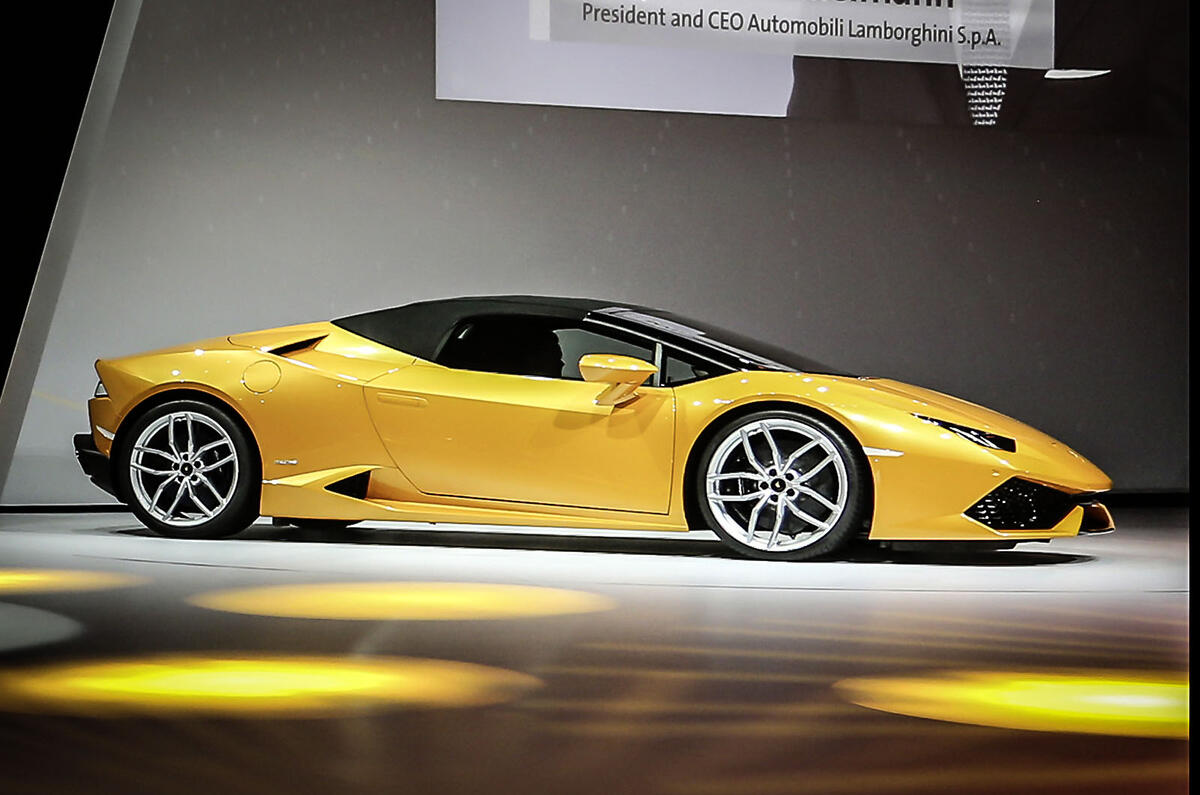
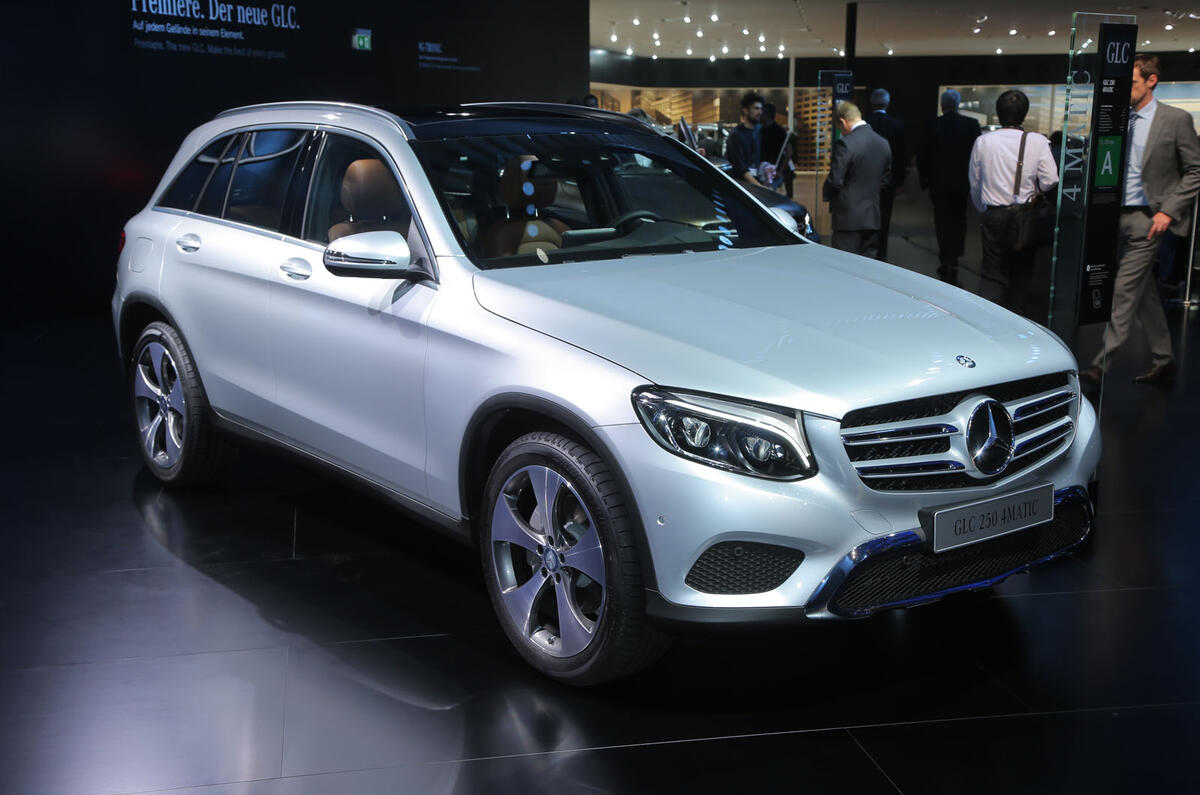
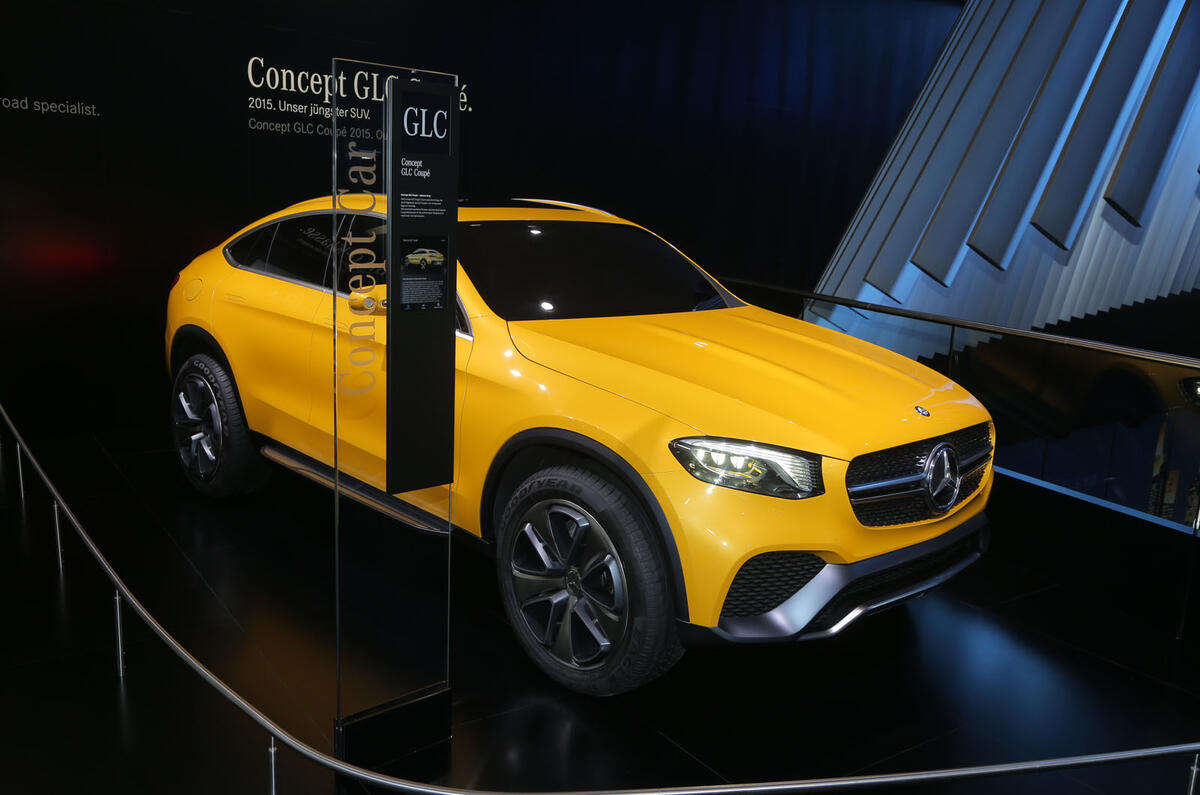
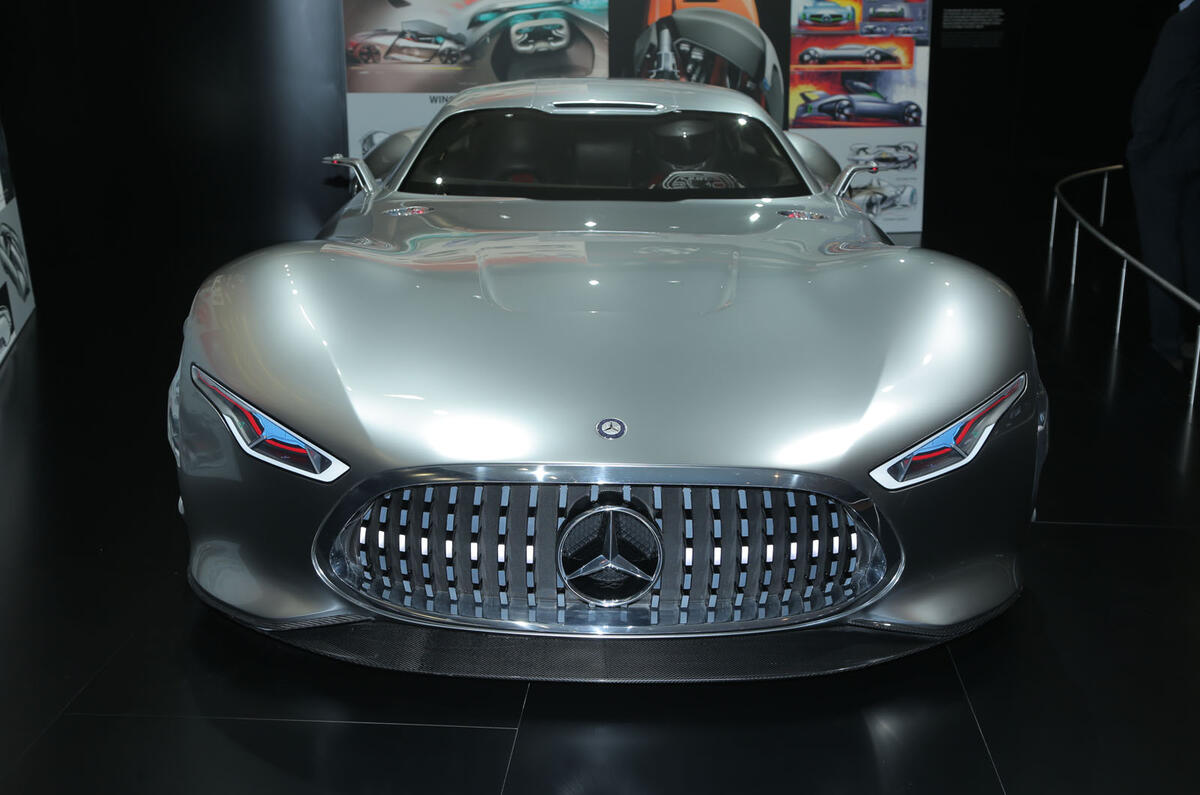
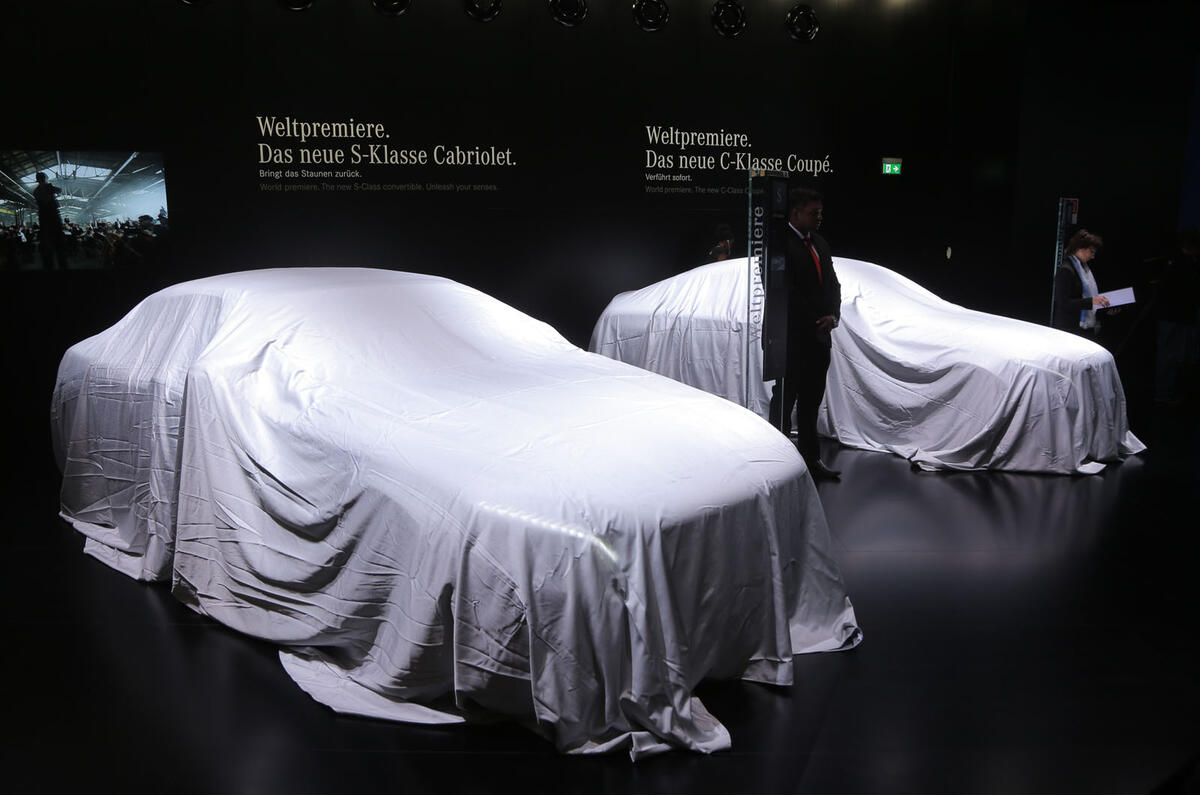
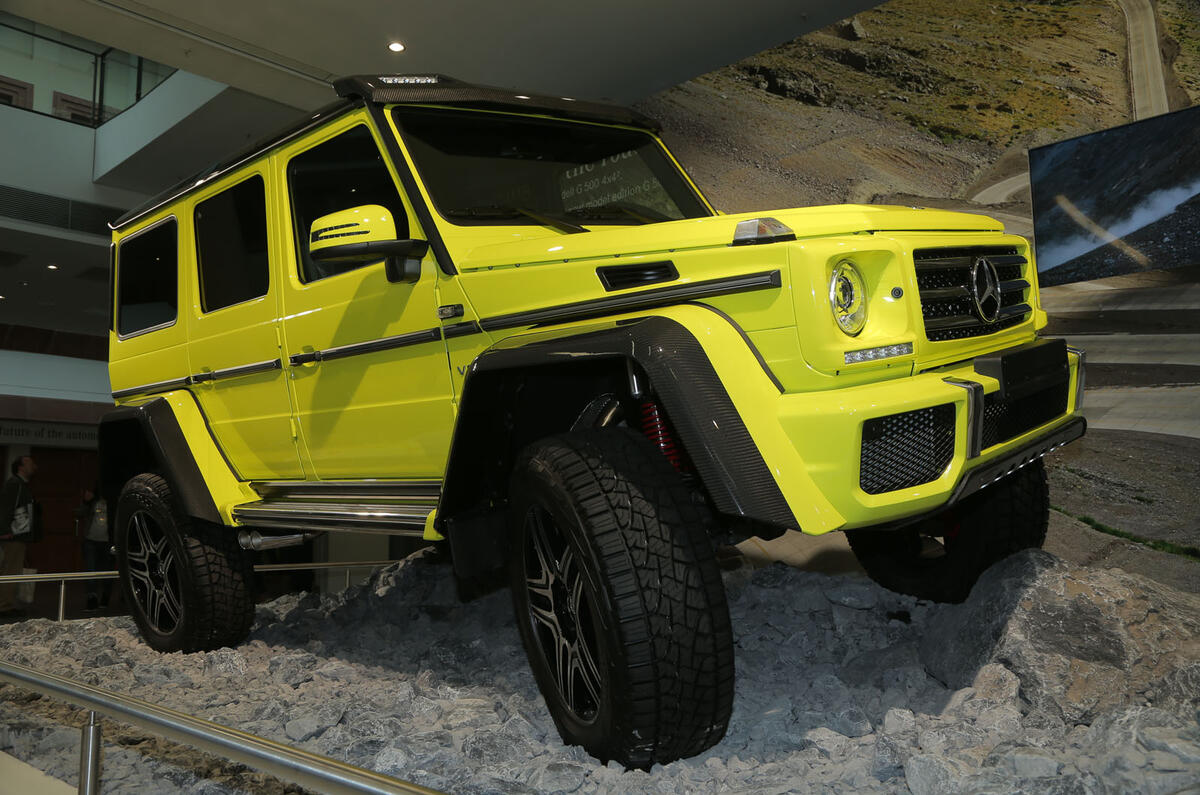
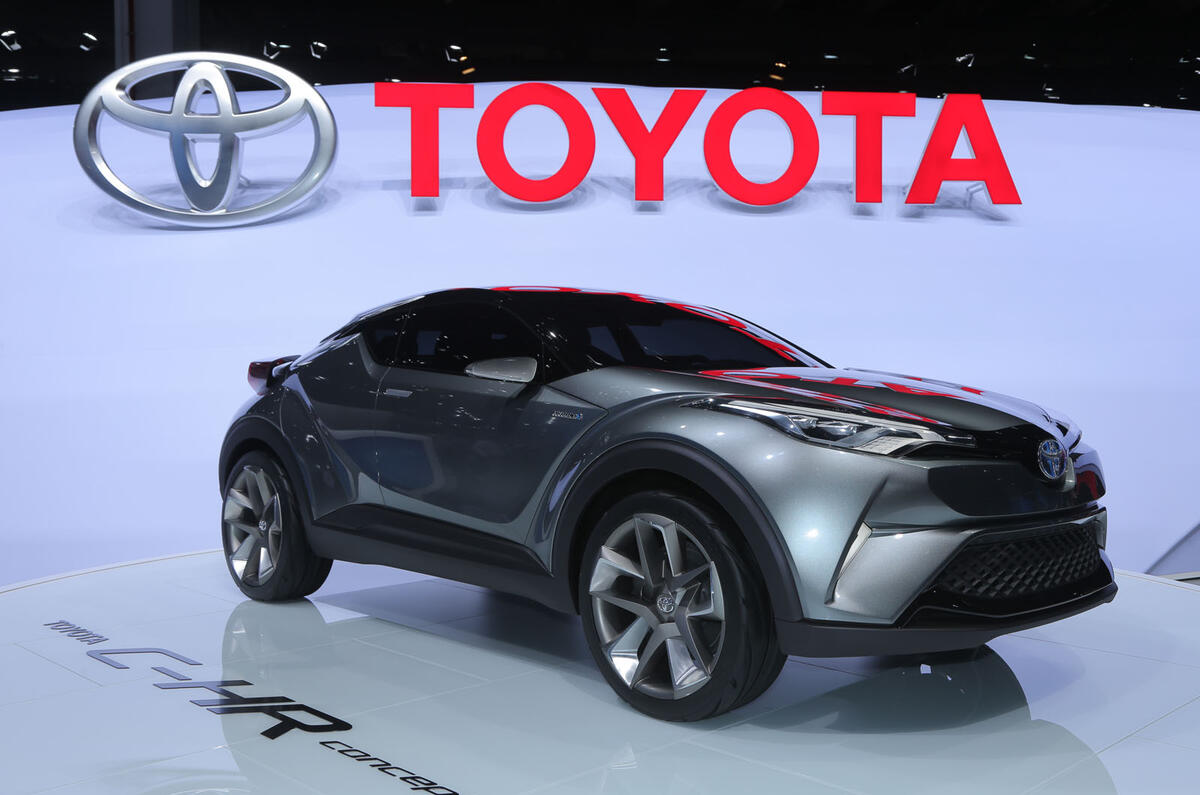
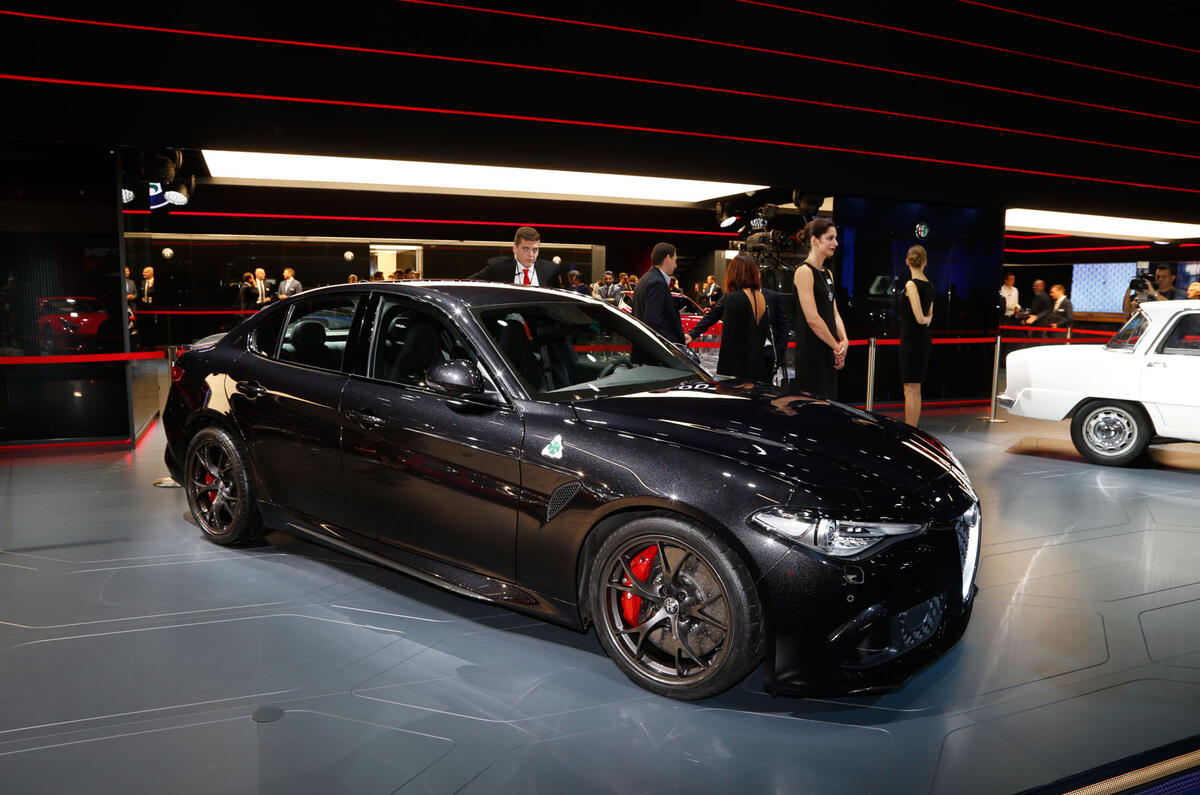
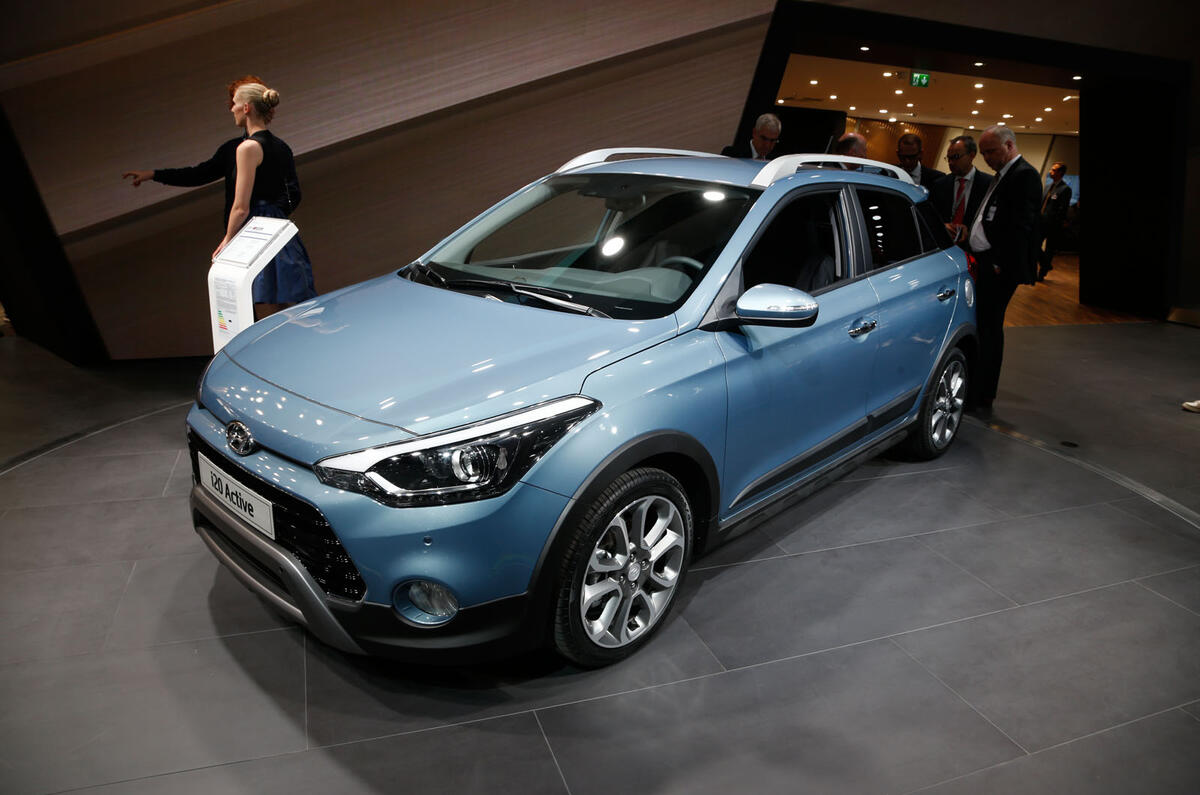
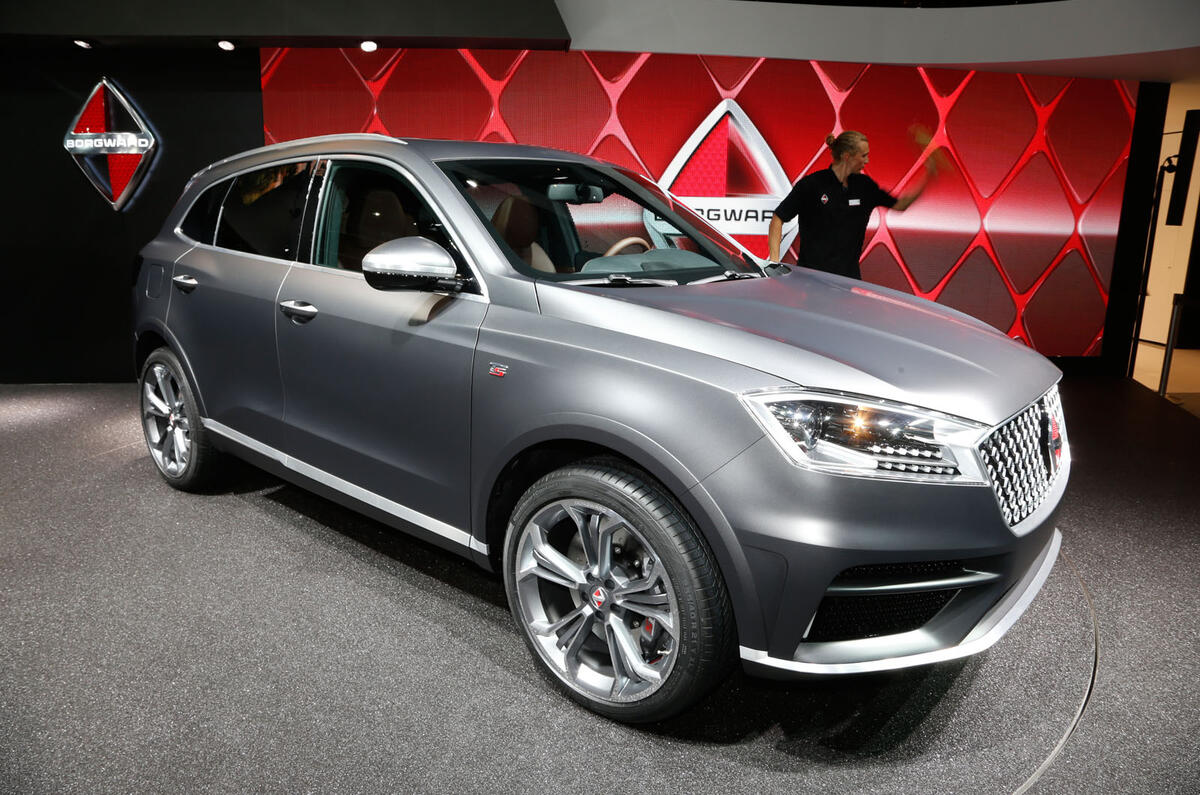
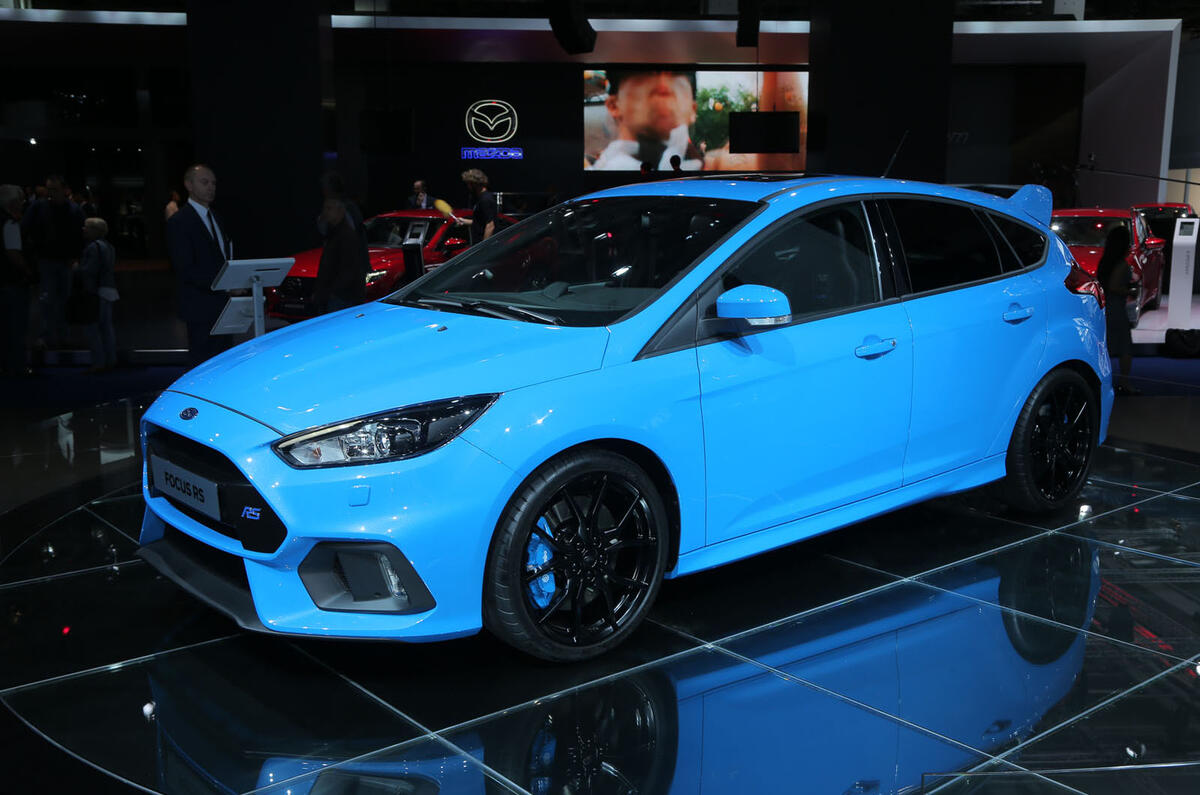
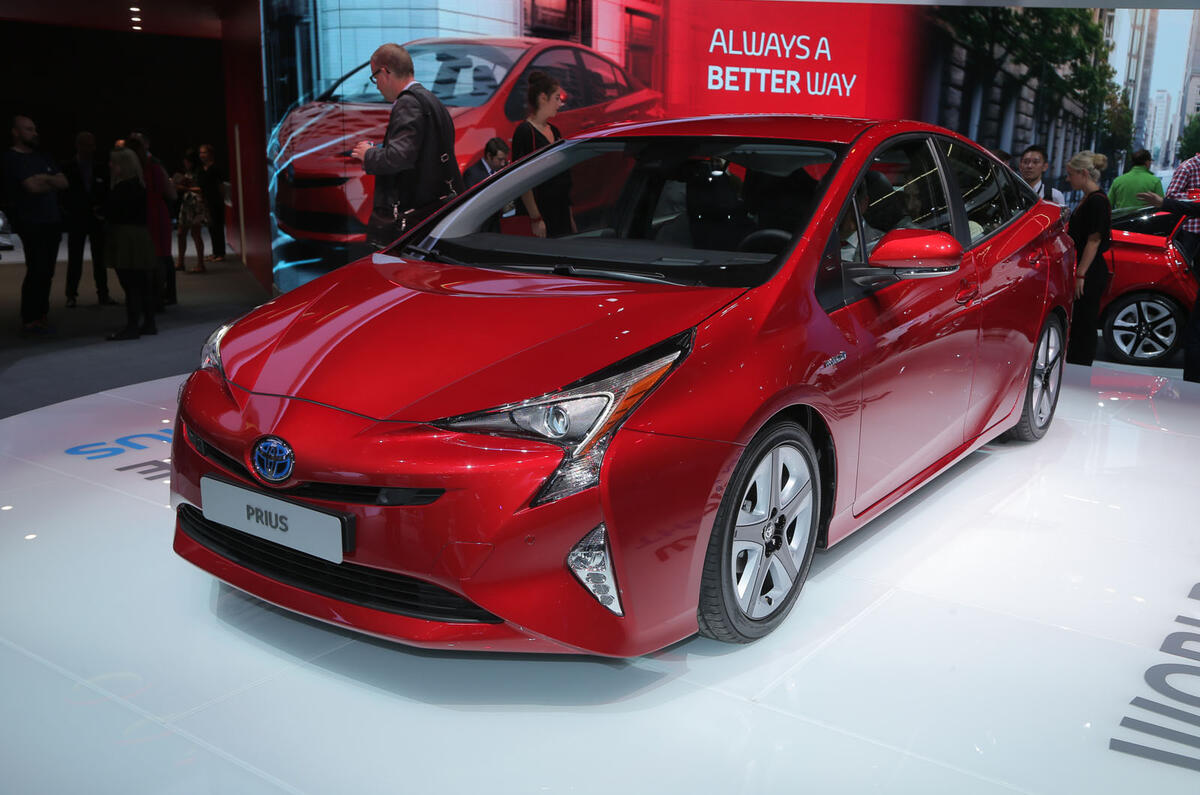
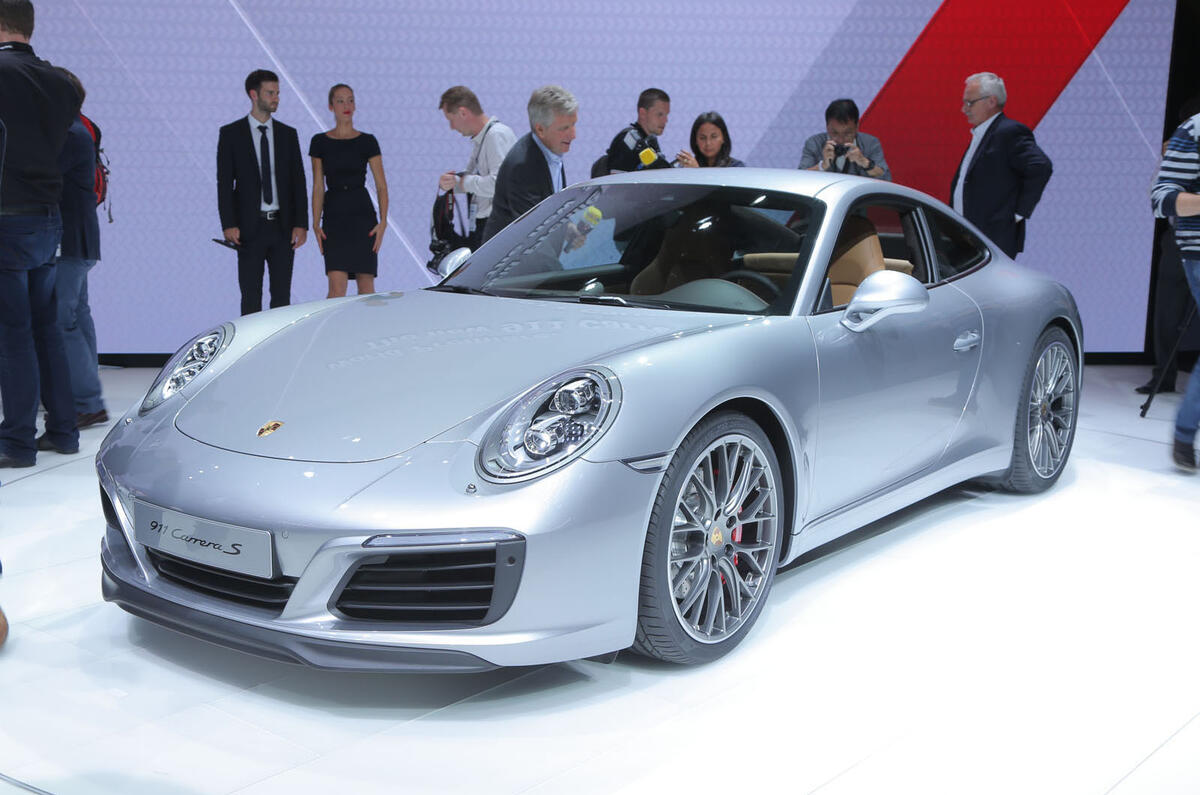
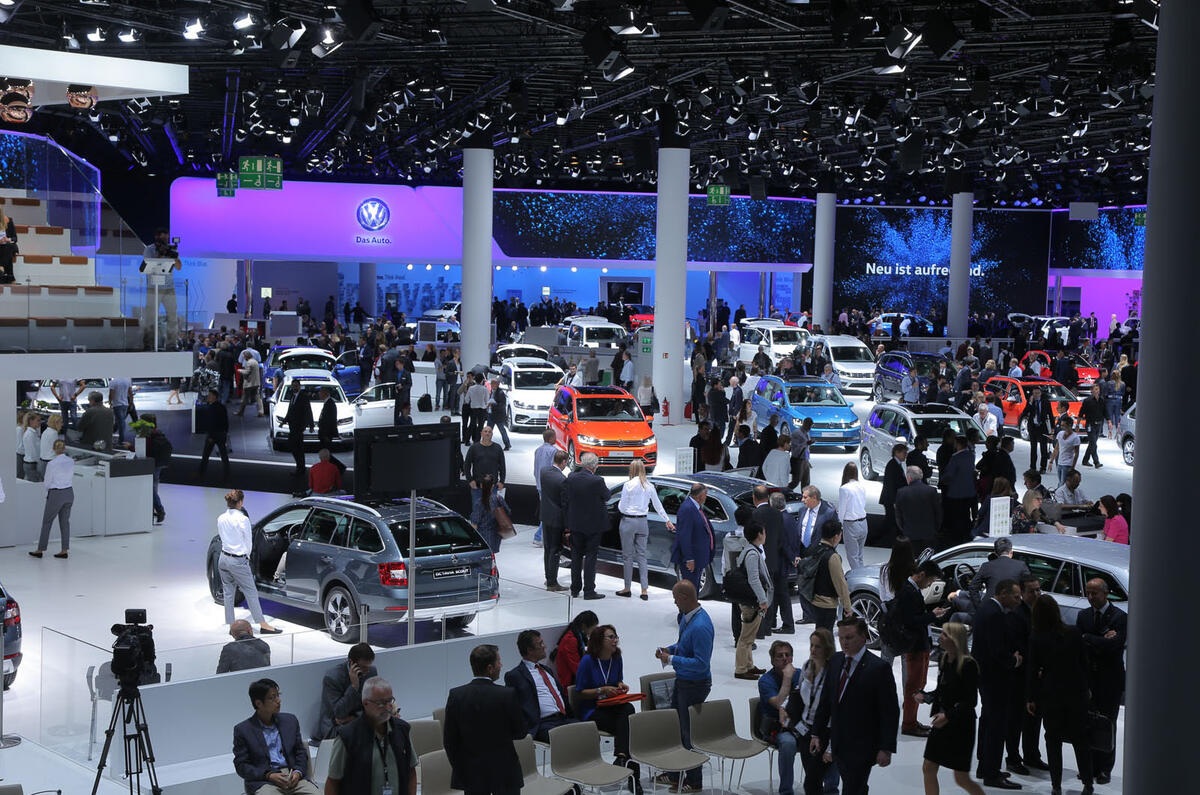
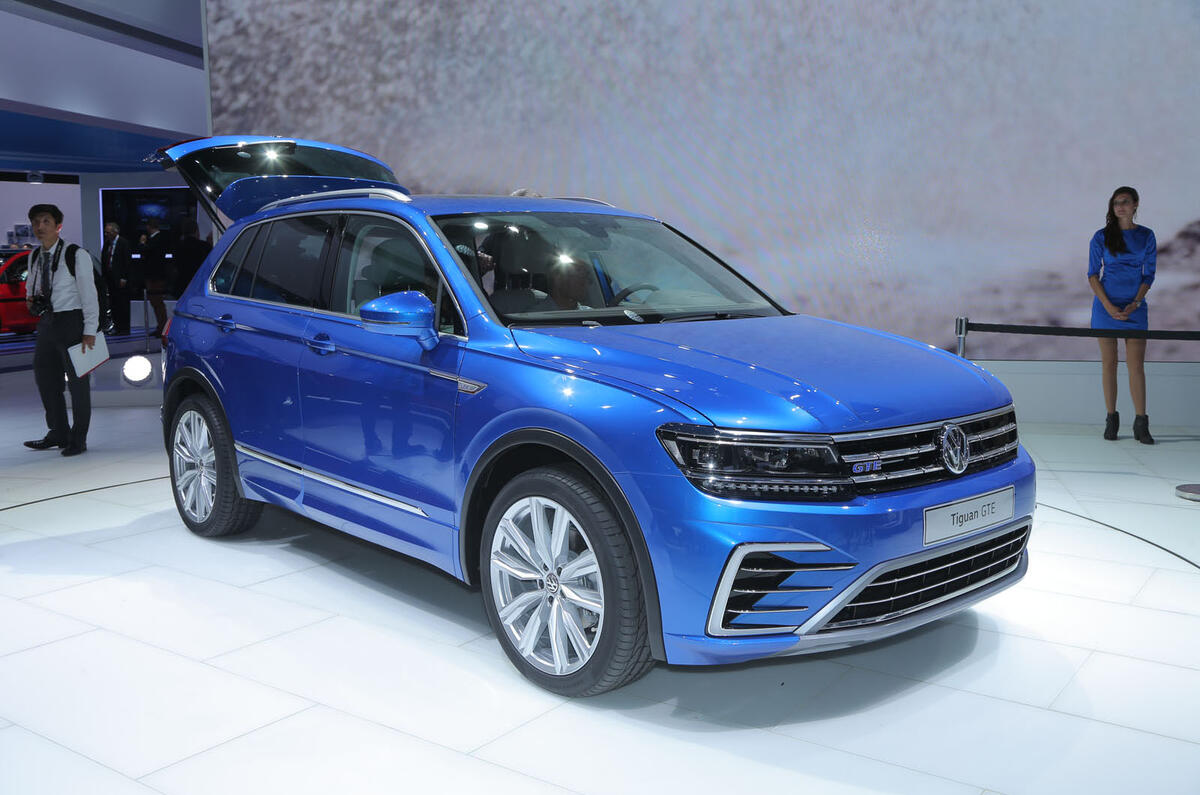
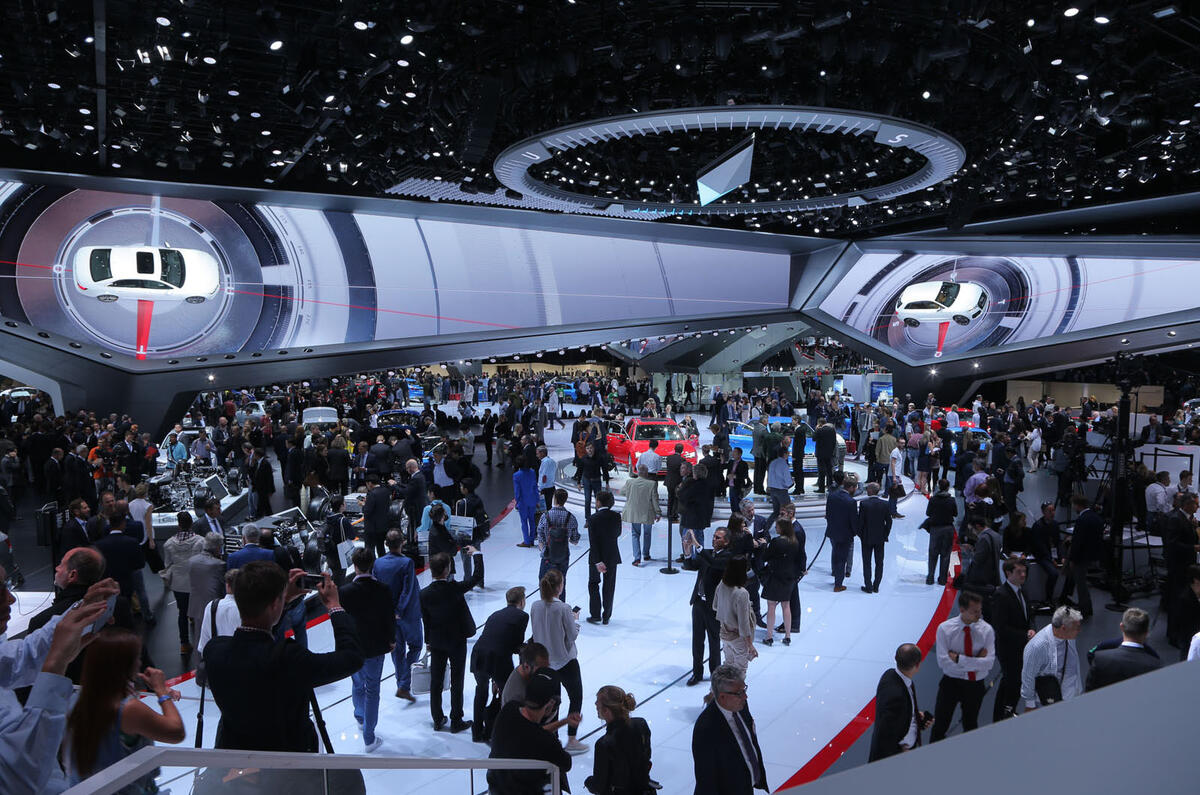
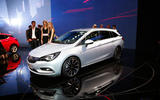
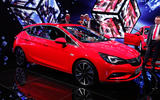
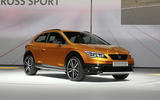
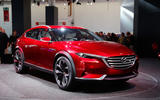
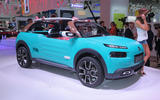
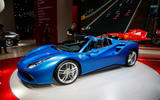
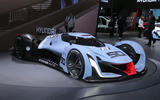
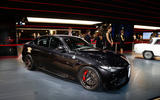
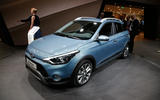
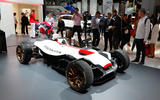
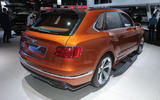
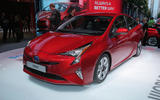
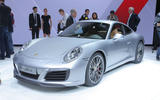
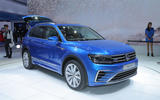
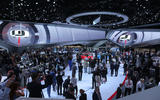

This would be a happy show, the pundits said, but car makers would smile through gritted teeth.
New product would be thick on the ground but the Chinese, Russian and South American markets, whose expansion had recently done so much to generate the product rush, had waned and selling cars in these places was now going to get difficult.
In the event, it wasn't like that at all. Sure, there were concerns, but most sellers seemed to reckon they could cope.
China, after all, was still expanding at 6% annually. The US market was healthy, Southern Europe was improving and the good old UK was doing what it always seems to do these days - reliably accepting premium products in generous numbers.
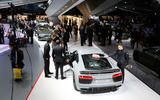
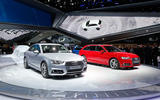
Thus the Frankfurt motor show could get on with treating us to one of the most remarkable sets of new car launches ever; each of the new models the product of a series of bold decisions that must have been taken in the light of the "bottomless" recession that began in 2008.
The recession had confronted every car maker with the stark choice of investing heavily in an uncertain future, or losing vital ground to its deadly rivals. Frankfurt seemed to show that the biggest risk-takers had been the most successful.
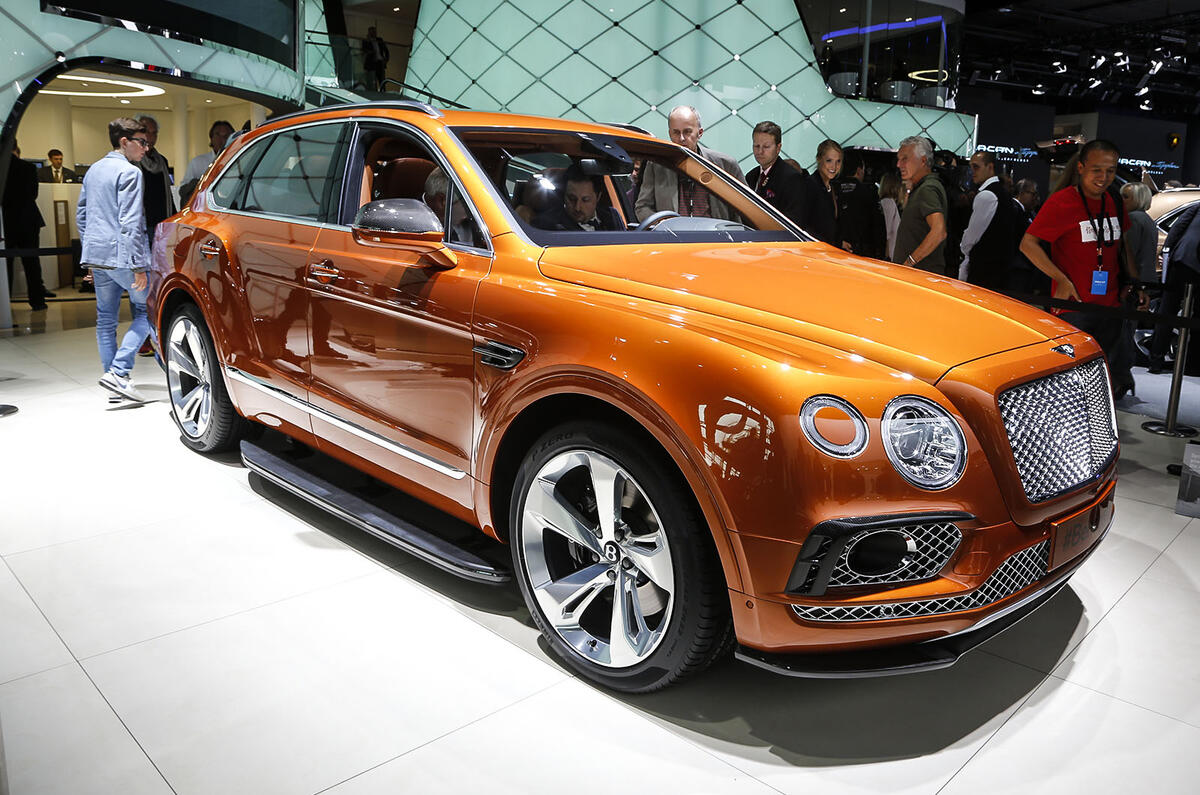
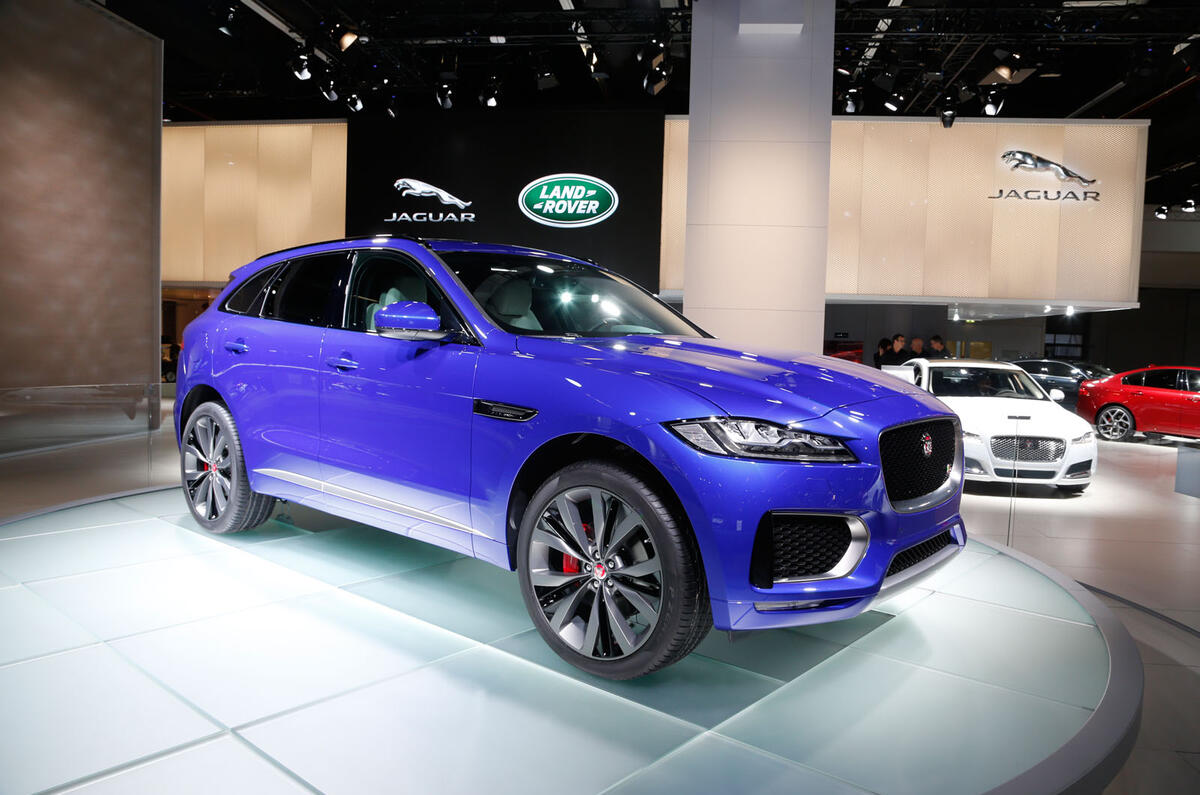
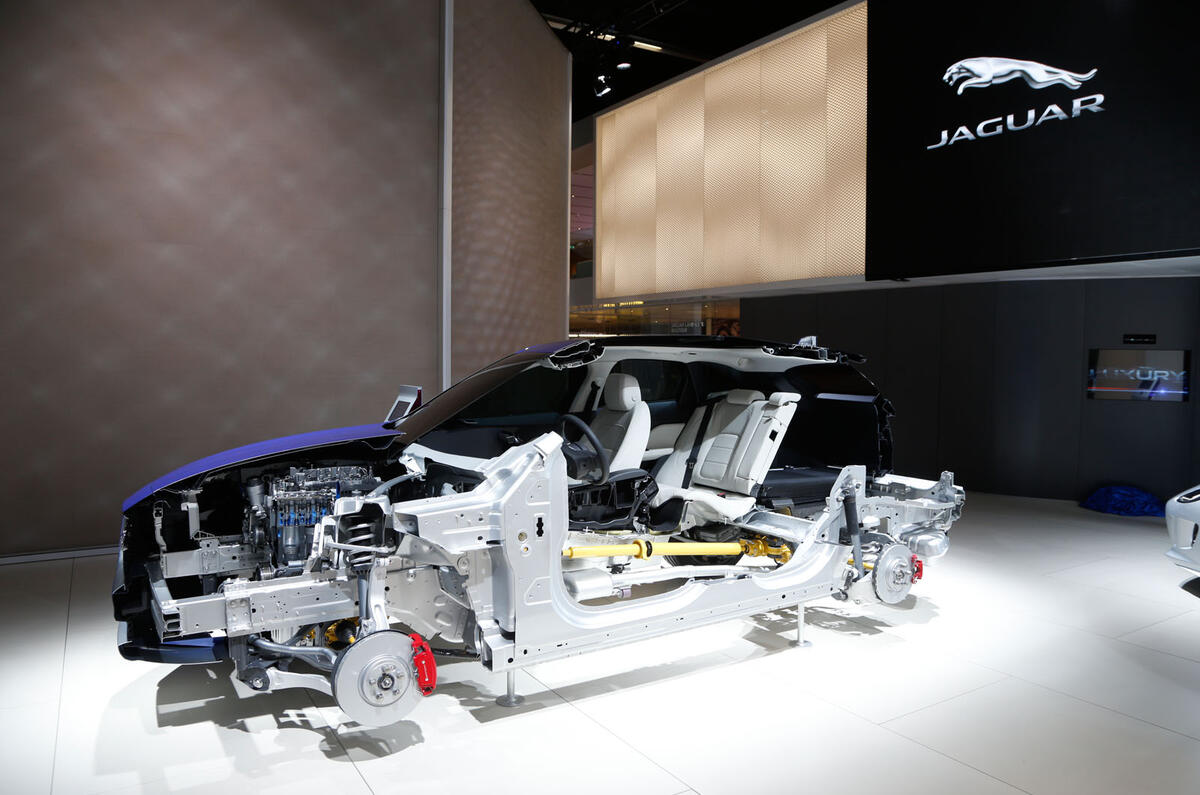
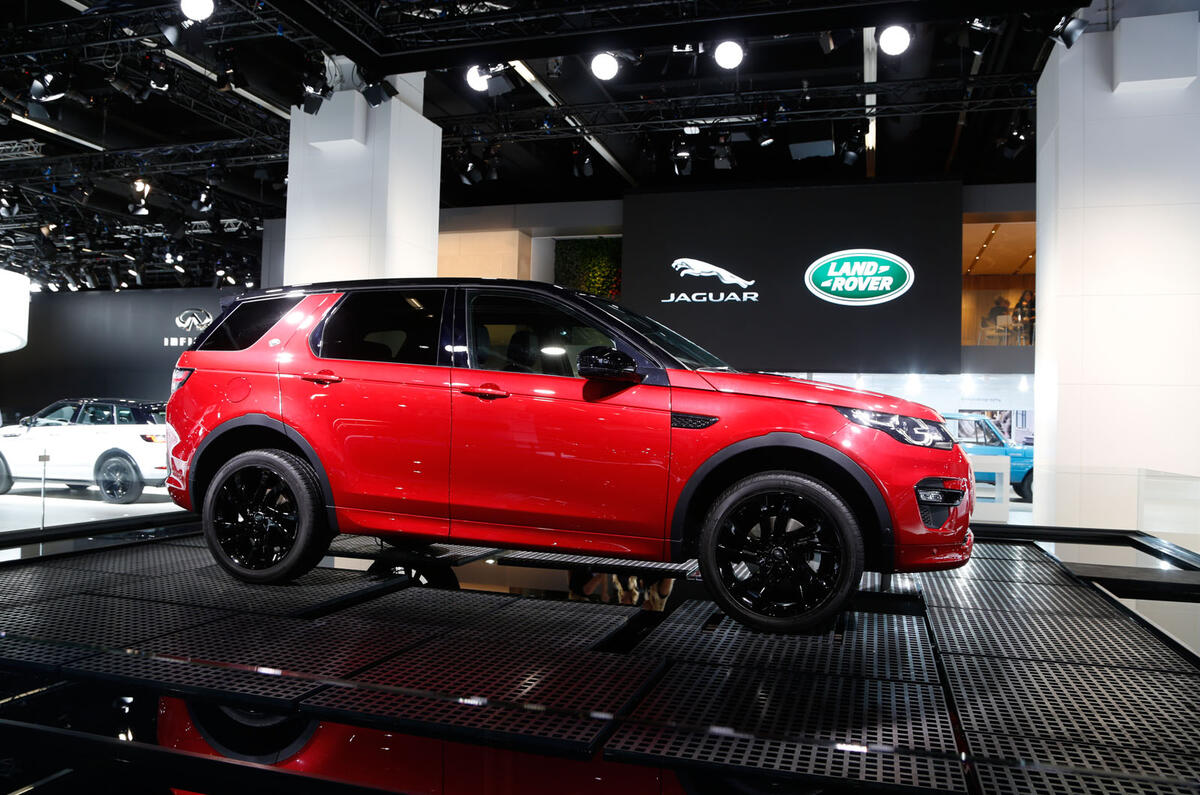
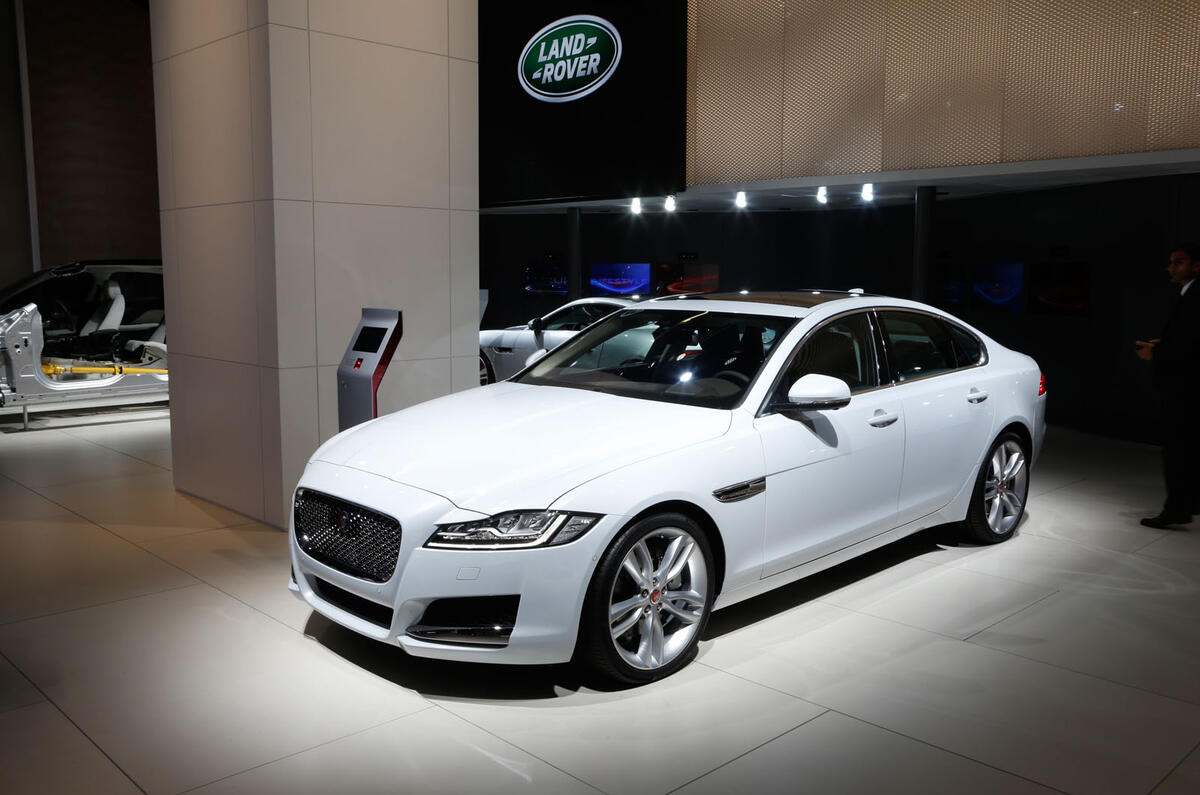
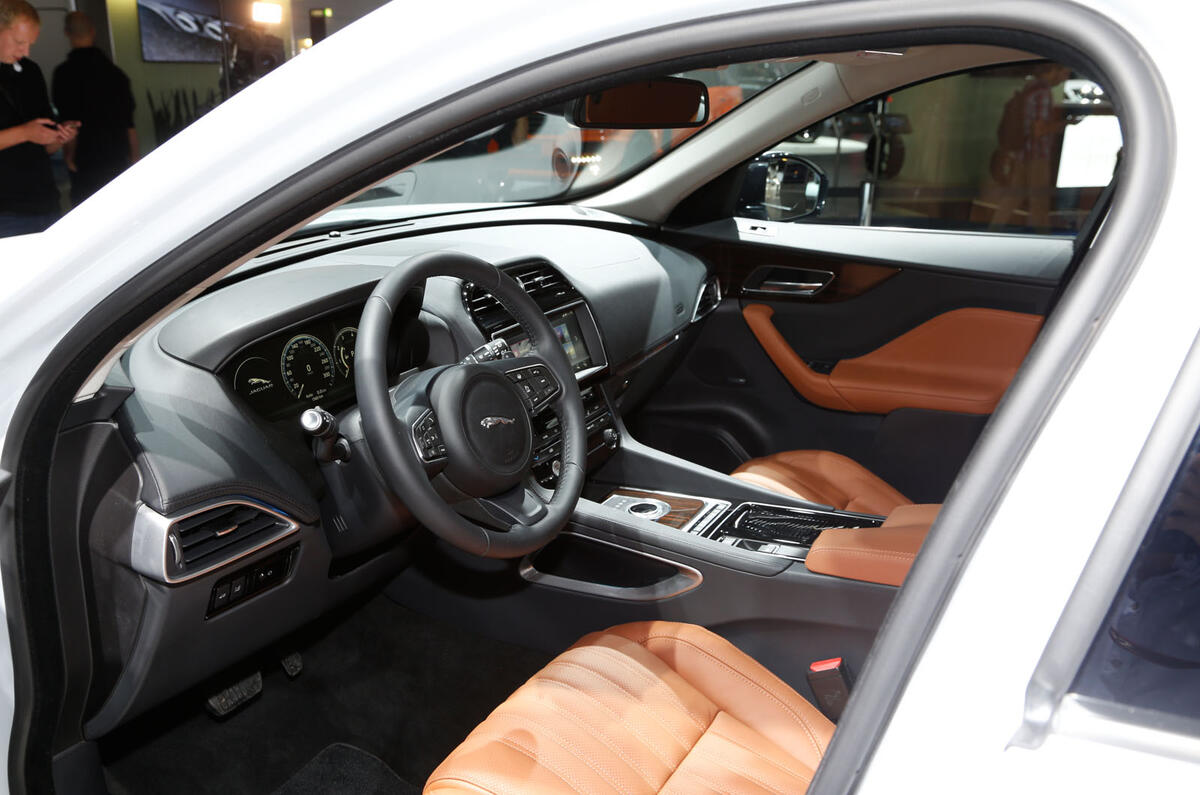
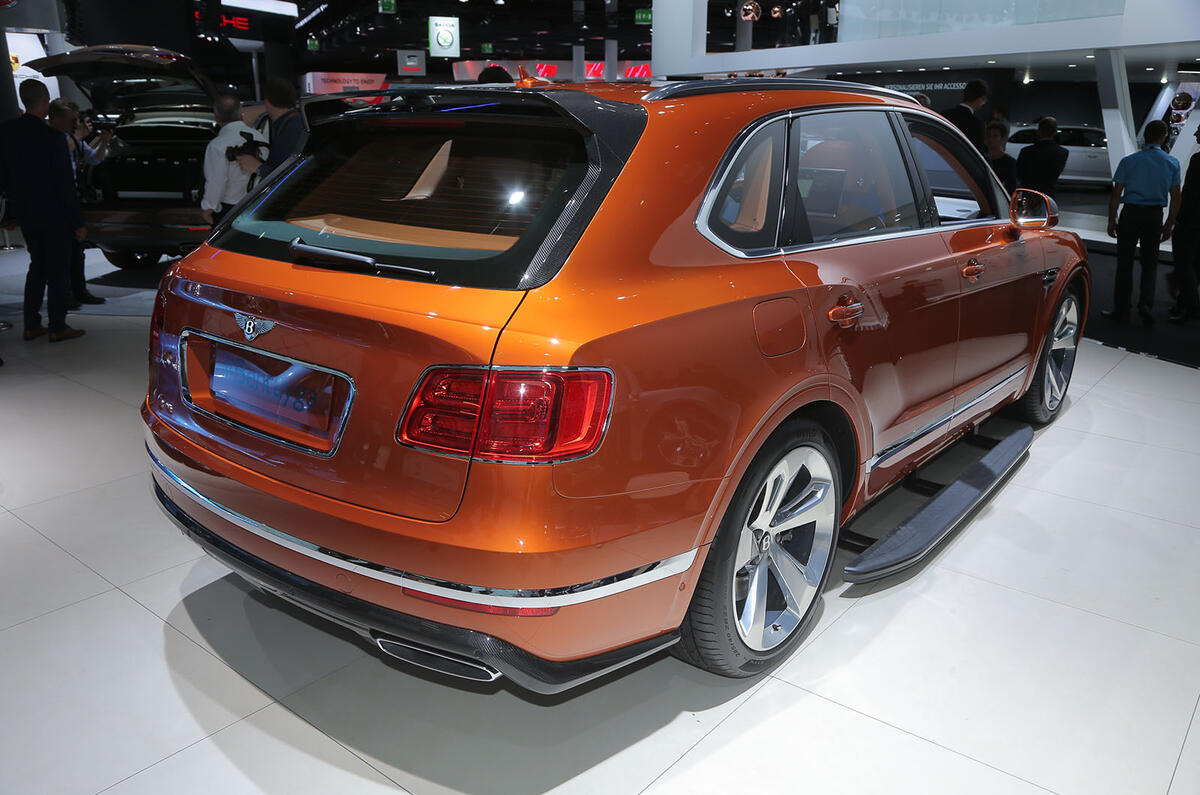
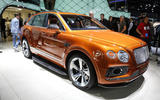
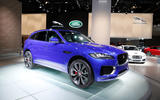
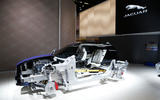
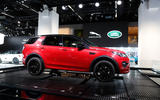
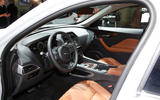
UK-based premium manufacturers Jaguar and Bentley both unveiled cars of a type they'd never built before – SUVs.
To make matters better, the F-Pace and Bentayga were pronounced impressively competent and handsome by the show's swirling hordes of journalists and industry experts, and each manufacturer was able to report that strong demand had been established from faithful customers and frantic dealers even before anyone had driven their cars.
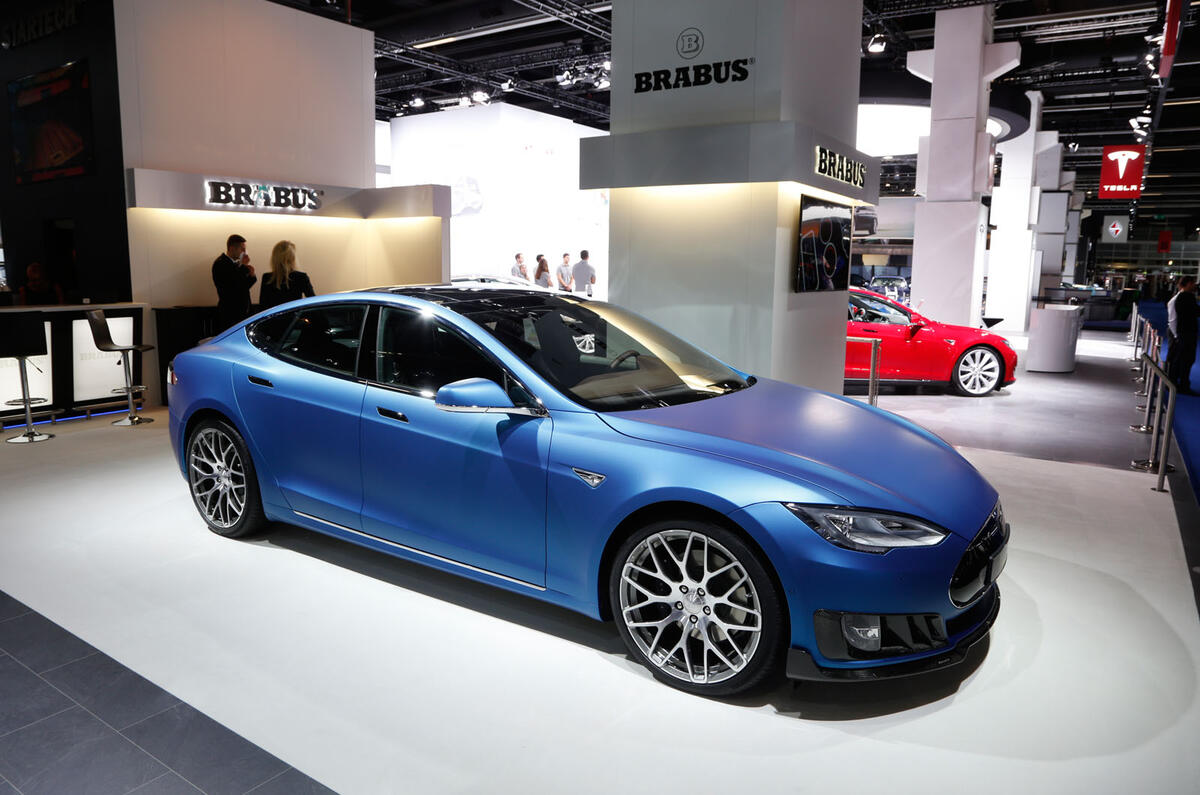
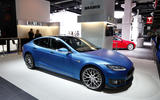
Two more key big-car debuts, apparently stimulated by the extraordinary success and notoriety of Tesla, seemed to stress the point that in the medium term, battery power is most likely to be associated with luxury.
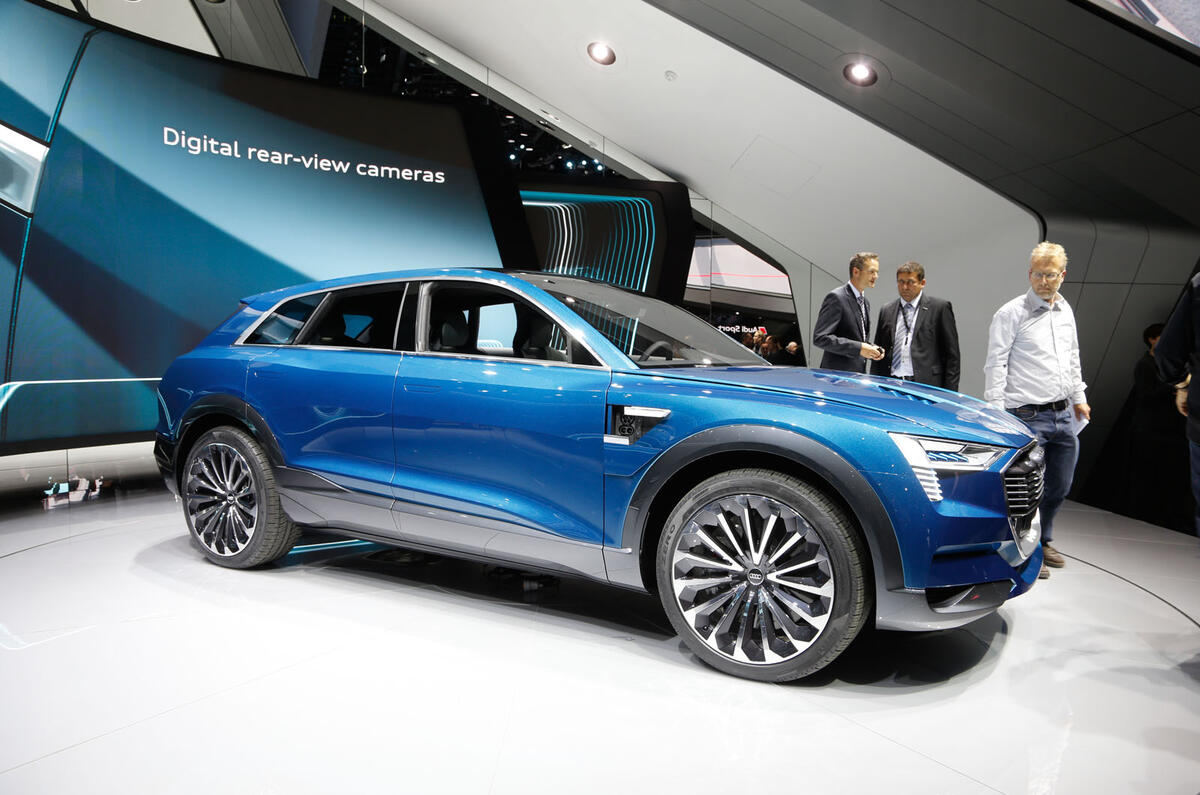
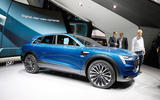
Audi's handsome e-tron Quattro concept, promising a 300-mile range, was an obvious signpost to a Q6 e-tron production model with big performance and an almost affordable price.
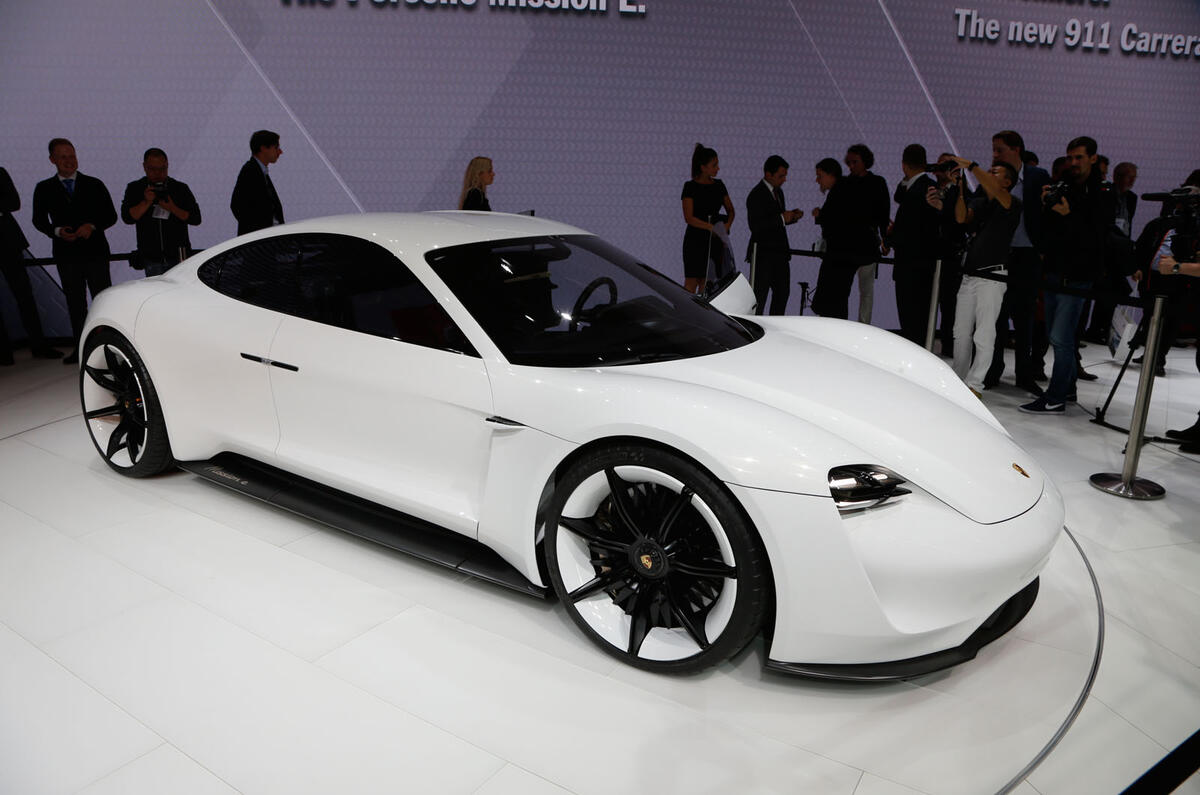
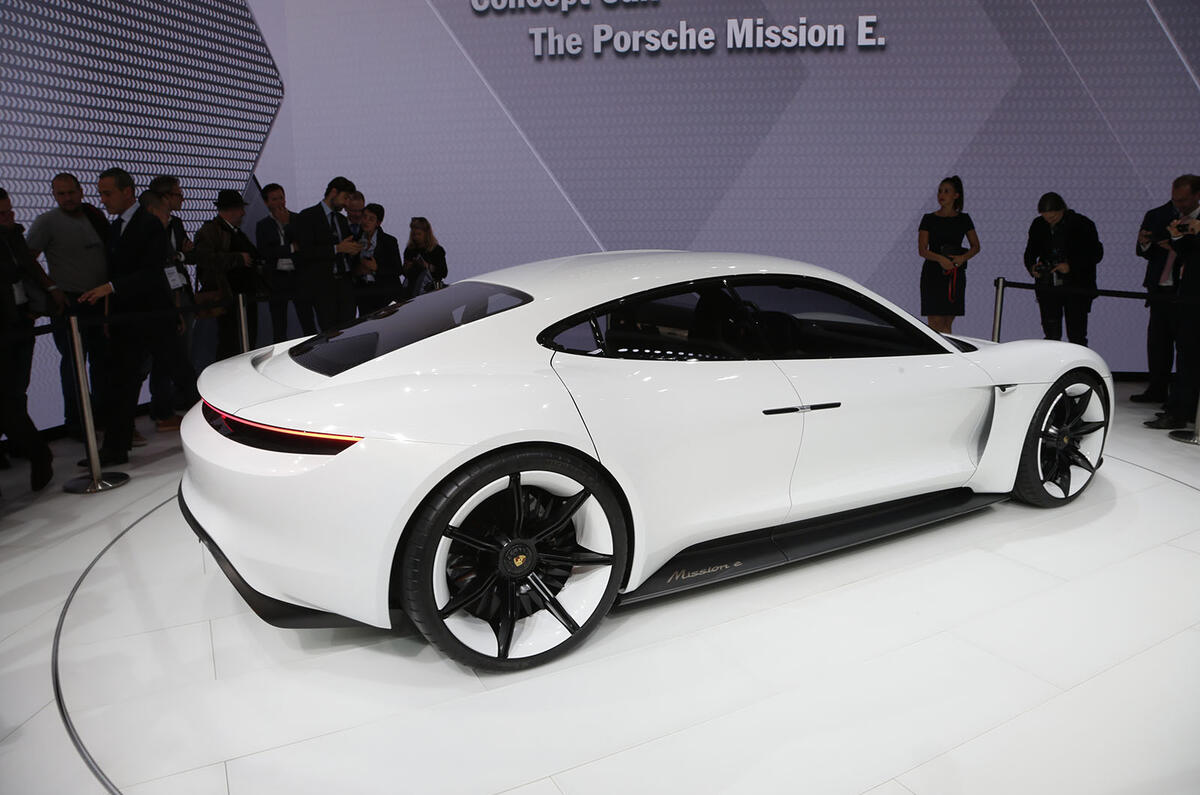
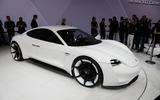
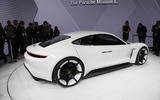
Porsche bowled over everyone with the superb Mission E four-seat concept, which also has a 300-mile battery range, plus a 125mph top speed (with vivid off-the-mark acceleration) and the implicit promise that, as with every other Porsche concept, this one would lead to a similar-looking and functioning production car.
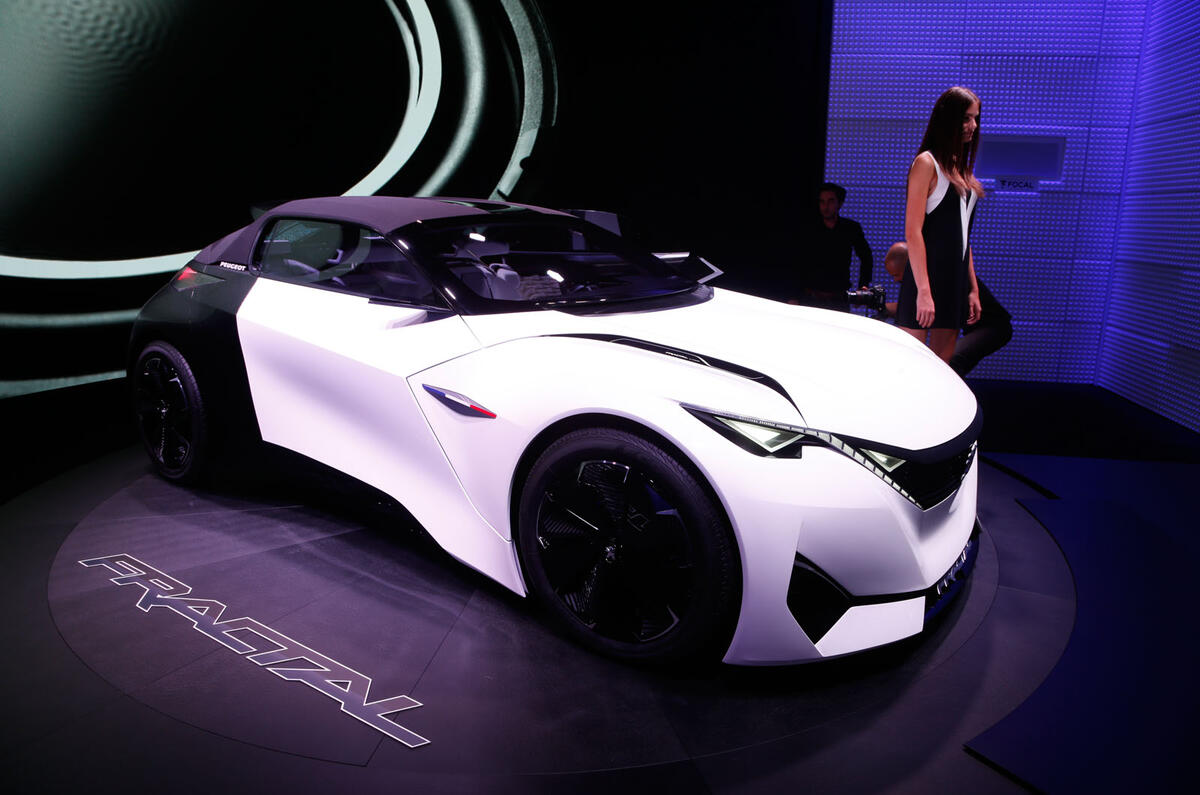
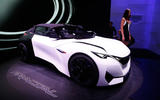
Peugeot chimed in with its own brand of premium electric car, a city coupé called Fractal, which had Mazda MX-5 proportions but still promised a 280-mile range. And then there was Taiwanese-based Thunder Power, tucked in a corner, whose exotically named CEO, Wellem Sham, was promising to best them all with a 450bhp electric saloon that could manage 400 miles on a single charge.
Clearly, progress with batteries and battery control systems, plus a keen appreciation of customers' concerns about range anxiety, is spurring those manufacturers betting on electric cars to increase electric ranges radically.
Meanwhile Tesla, generator of all this activity, ducked the limelight with the much-delayed car that should spur the company to even bigger things: the Model X electric SUV. Elon Musk, Tesla's boss, is famously lukewarm about motor shows and once more kept his cards close to his chest.