


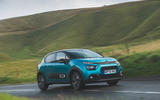


The ‘under new management’ signs – or ‘changement de direction’, if you prefer – have been up across the French car industry lately.
Following the spectacular downfall of Carlos Ghosn, former Seat boss Luca de Meo took the helm at the Renault Group. Meanwhile, Carlos Tavares has taken control of Stellantis, the new, Dutch-registered firm created by the French PSA Group’s merger with the Italian-American Fiat Chrysler Automobiles.
Both men have strong track records, but they face formidable challenges in ensuring that some of the world’s most storied car brands can thrive in a new era of motoring.
Stellantis
The recent merger of the PSA Group and Fiat Chrysler Automobiles has created the world’s fourth-largest car maker, with its 8.1 million global sales in 2019 behind only Toyota, the Volkswagen Group and Ford. But there’s one area in which Stellantis dwarfs those rivals: brands.
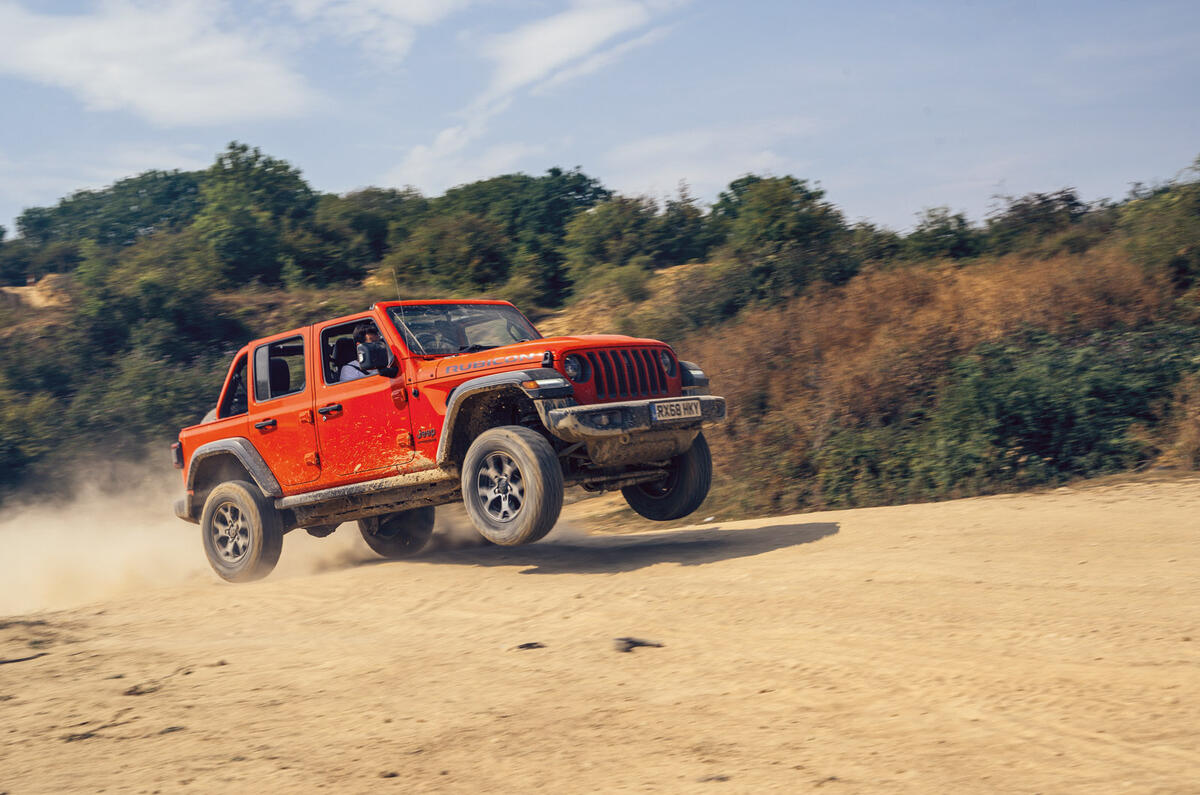
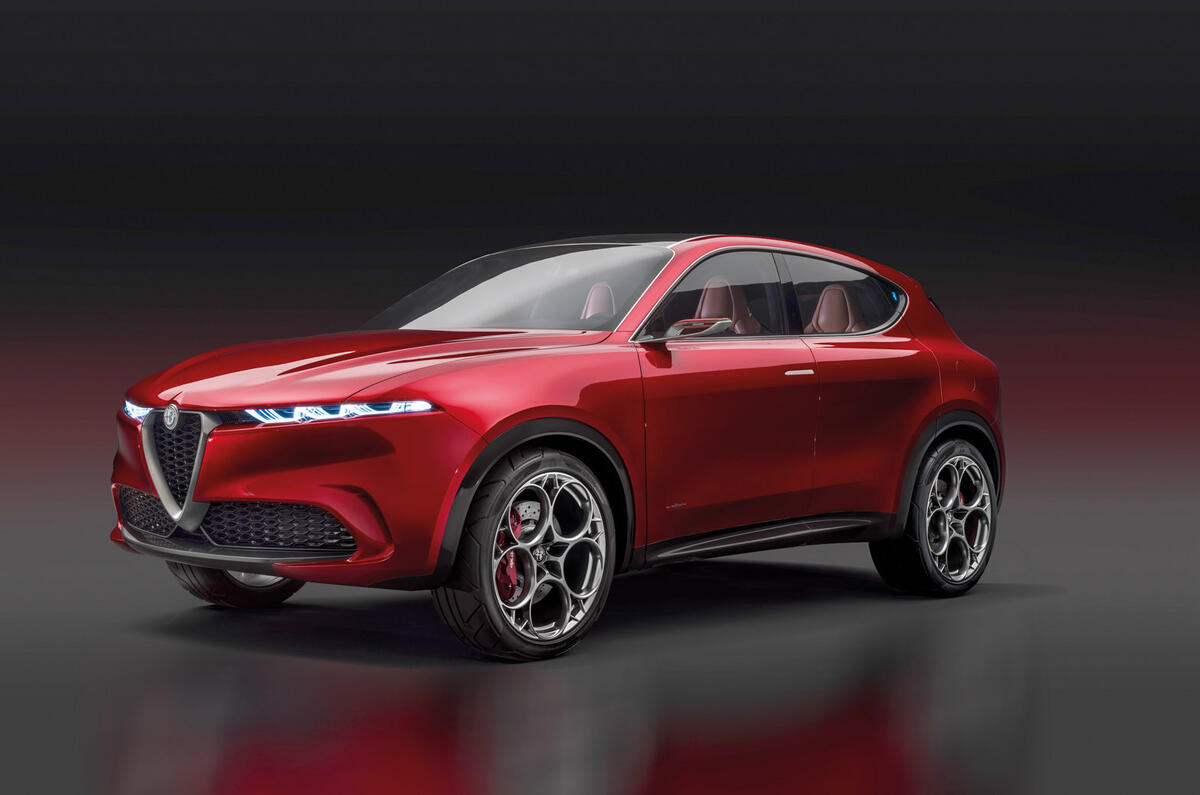
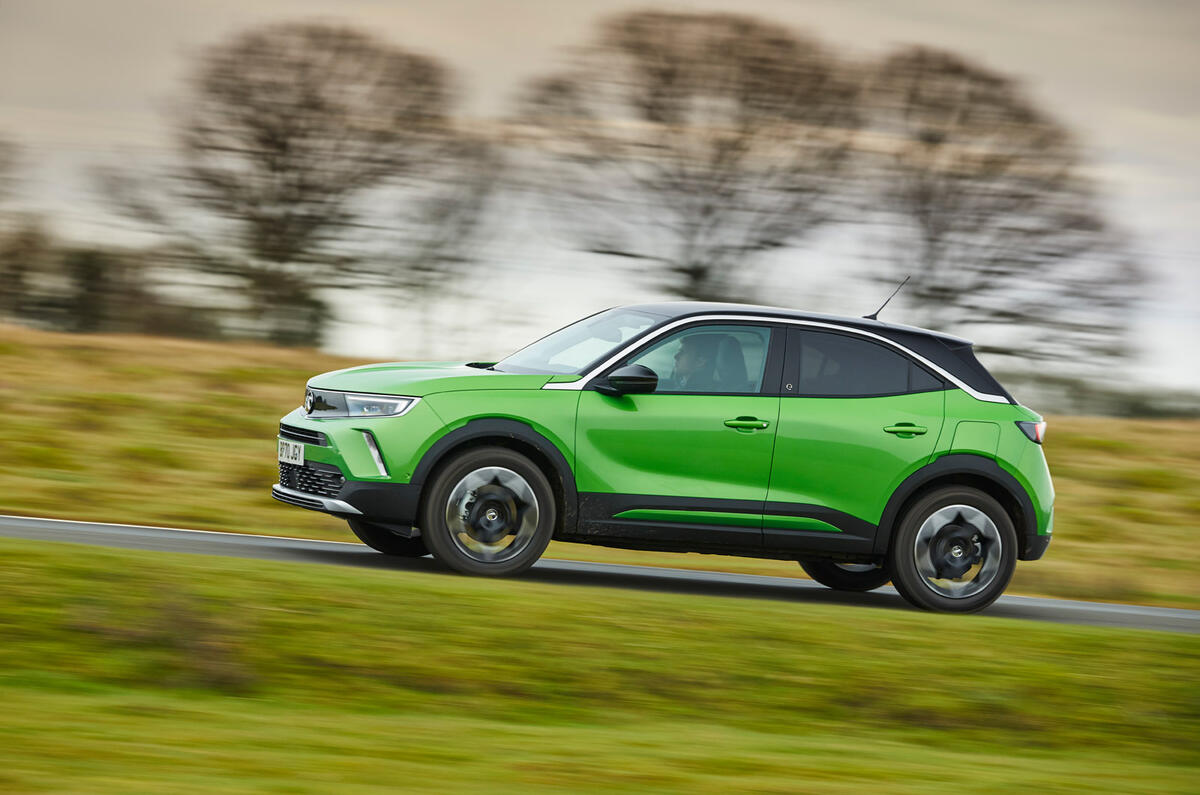
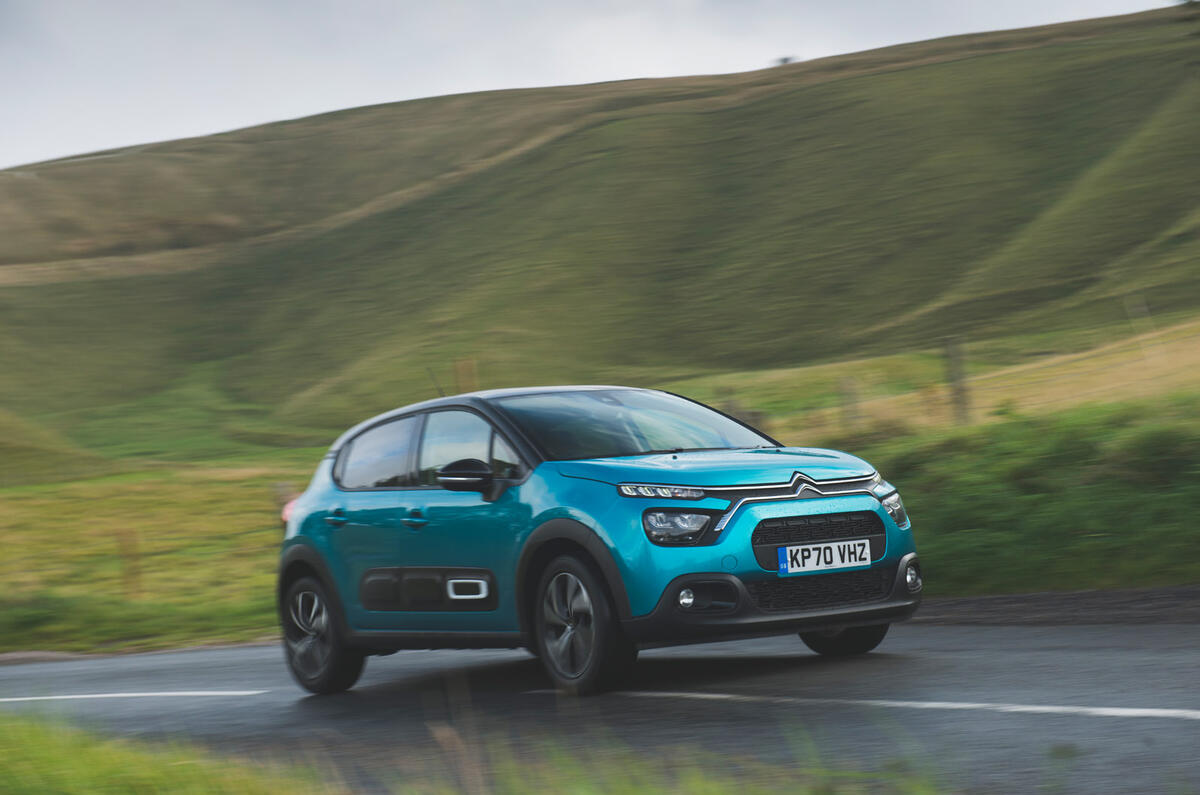
Stellantis encompasses 14 of them, covering every major market segment from electric city cars to mainstream hatchbacks and SUVs, sports cars, supercars and even the booming US pickup truck market. Not even the Volkswagen Group’s many marques can match such breadth, which for Stellantis presents both opportunities and challenges.
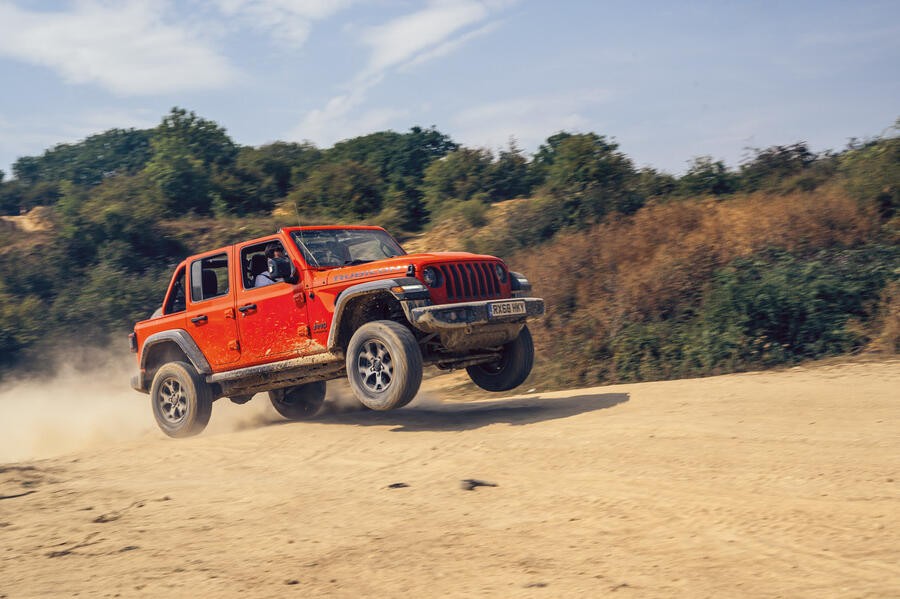
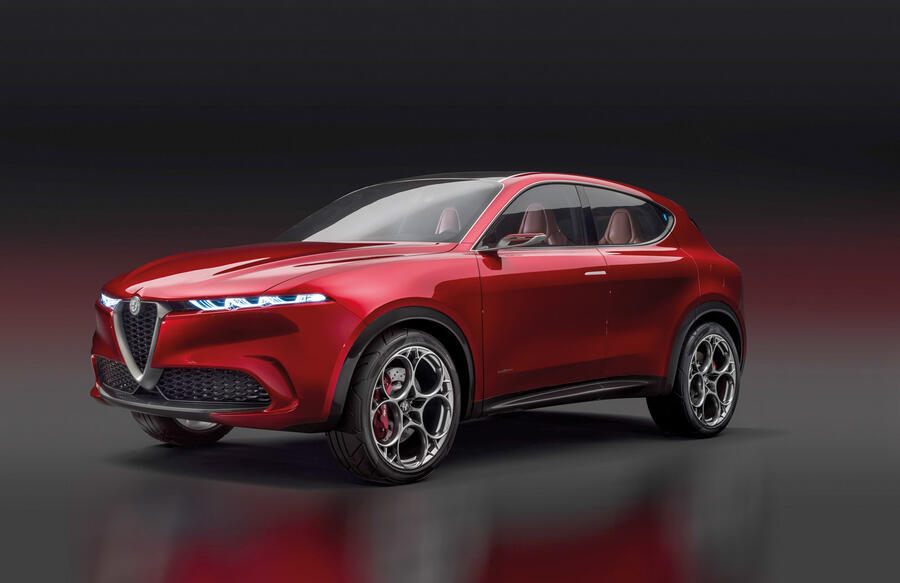
The opportunities lie in the reach of those brands, and the heritage of names such as Alfa Romeo, Fiat, Jeep, Peugeot and Vauxhall.
“We have with those iconic brands a high diversity of models,” says Stellantis CEO Carlos Tavares. “With this brand portfolio, we’re present in the most significant markets and profit pool areas of the market.”
The challenges come from ensuring the brands don’t encroach on one other and thus cannibalise sales. Equally, their disparity can militate against economics of scale: you can hardly build a Maserati sports car on a Ram truck platform.
These are challenges that FCA battled with. While the American side of the business thrived, fuelled by the success of Ram, the Italian side struggled. Where common ground could be found, the results – such as Jeep’s Italian-built Renegade, based on a platform shared with the Fiat 500L – were indifferent.
Meanwhile, as FCA focused resources on successful brands and those in lucrative markets, particularly Alfa Romeo, Jeep and Ram, it neglected others. Fiat struggled to find success with any model beyond the 500 city car, while Chrysler and Lancia withered: the only Chrysler still being sold is the Pacifica minivan, while the sole Lancia, the ancient Ypsilon, is now offered only in Italy.