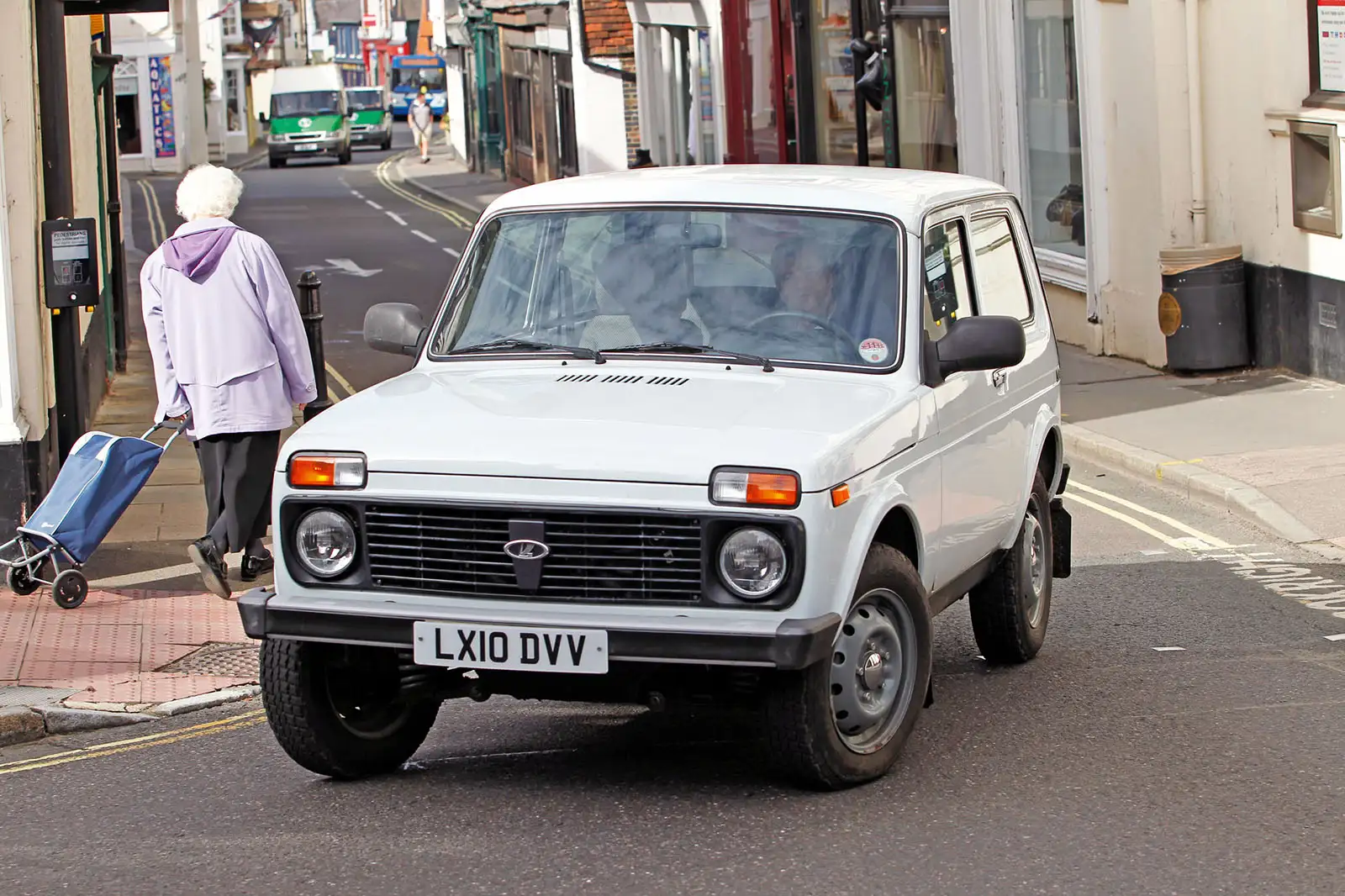
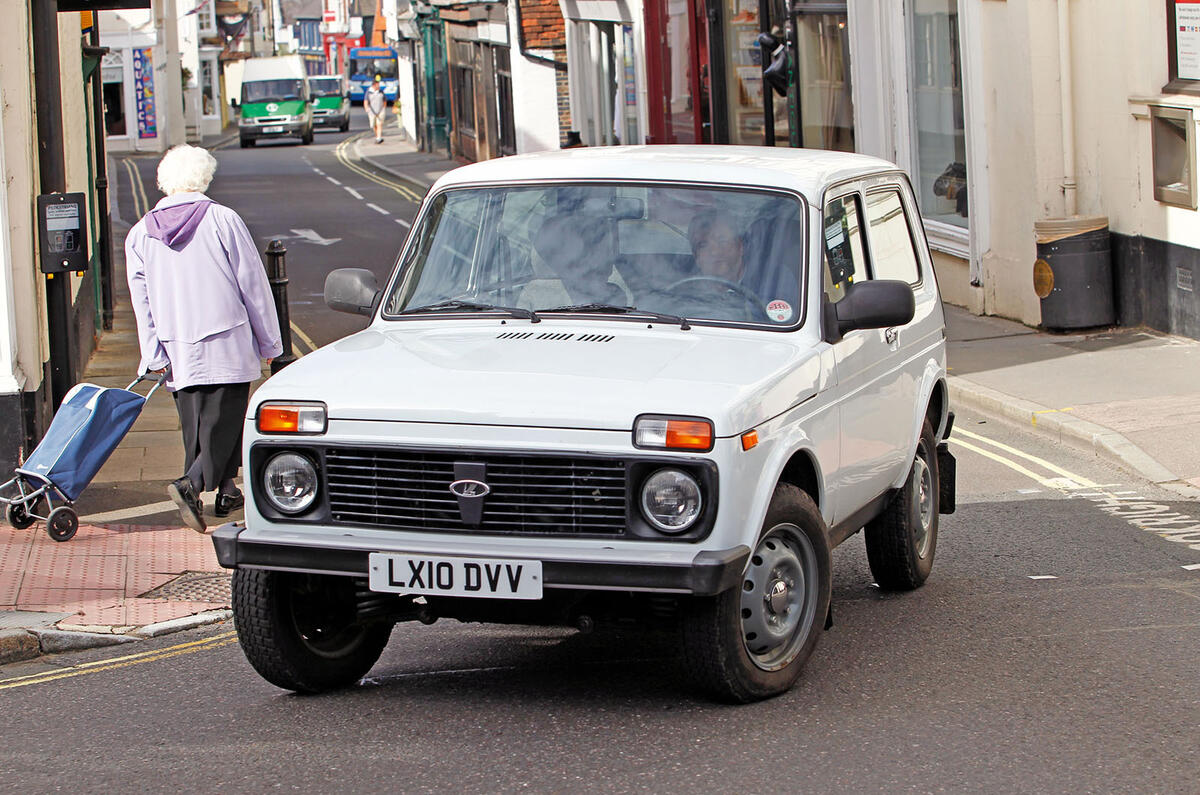
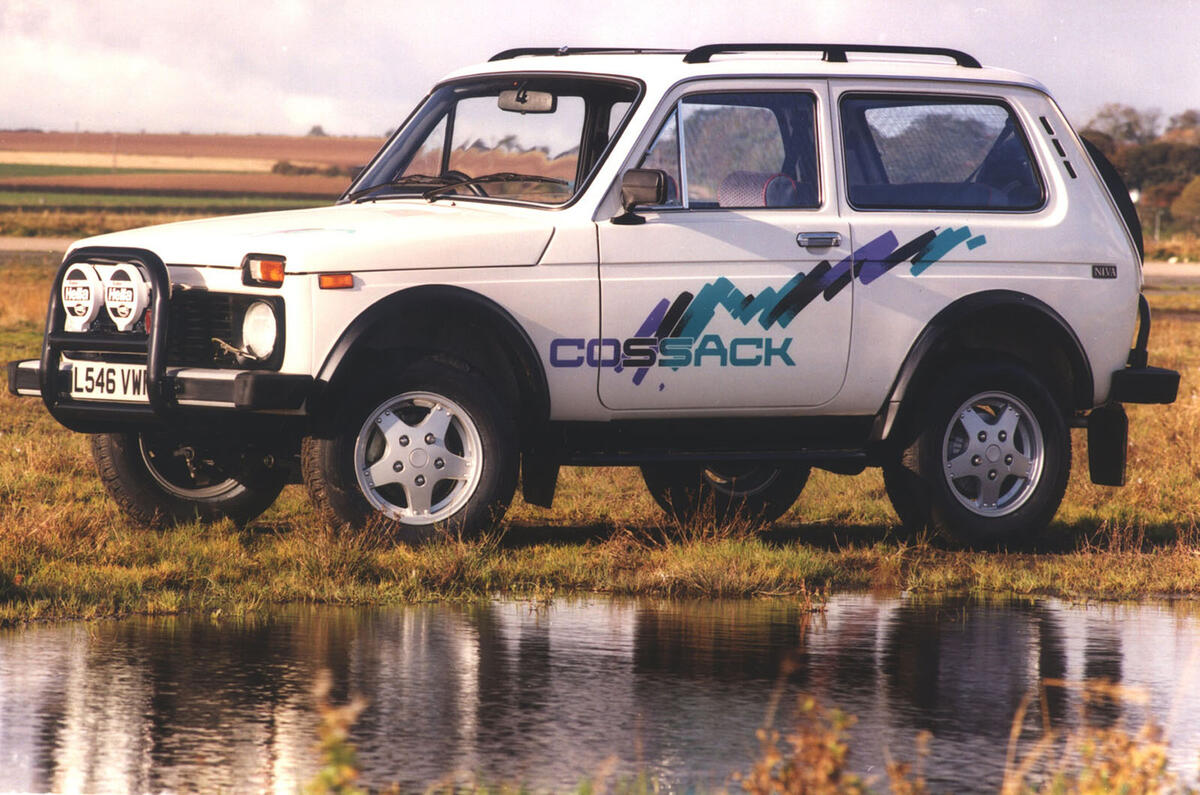
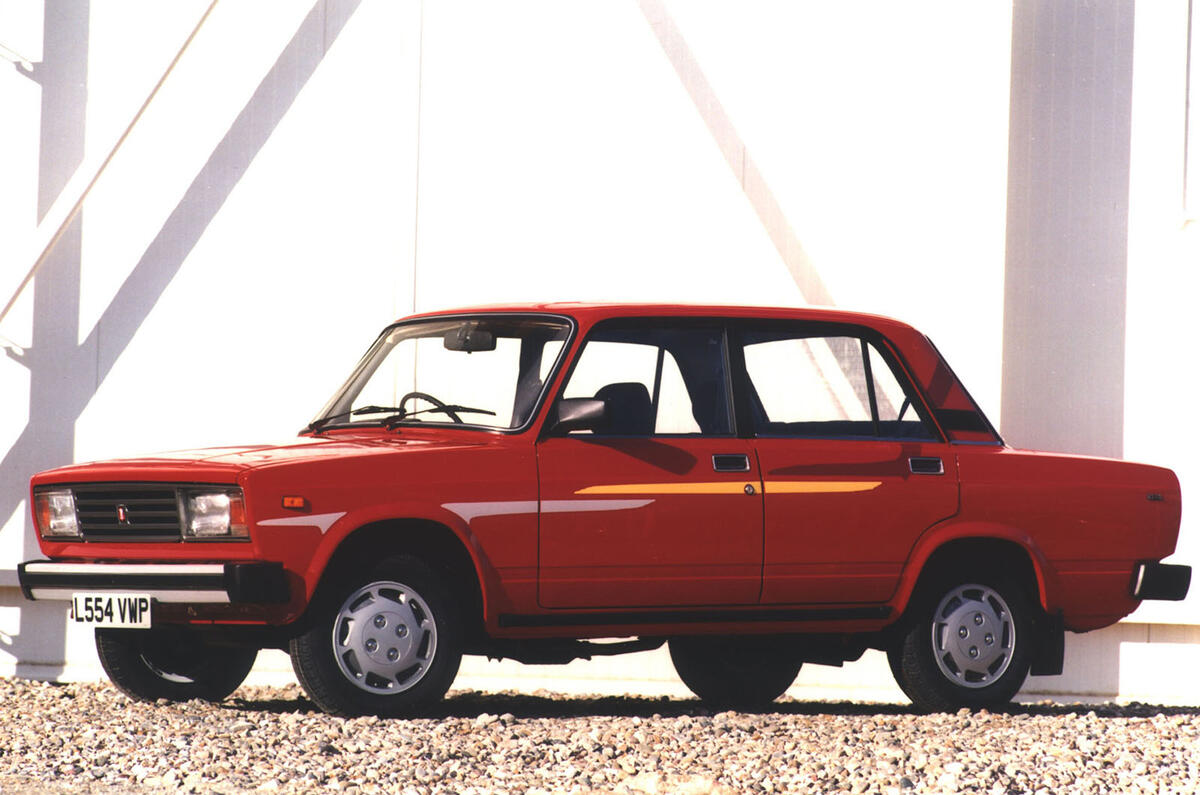









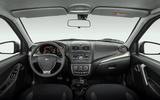
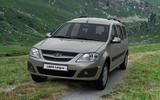

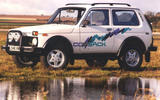
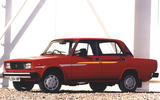

The Lada Riva was emphatically not one of the finest cars of the 1990s. It was based on the platform of the Vaz 2101 from 1970, which was a reworked version of 1966’s Fiat 124.
So when EU emissions regulations led to the Riva, along with the rest of Lada’s range, being withdrawn from sale in the UK in 1997, the only people who mourned were those seeking a punchline for jokes about bad cars.
But the story of Lada didn’t end in 1997. It was Russia’s national car brand and its ageing models – including the Riva – continued to be hugely successful in its home country. In fact, a Russian financial crisis in 1998 sent the price of imported cars soaring and helped Lada increase its market dominance.
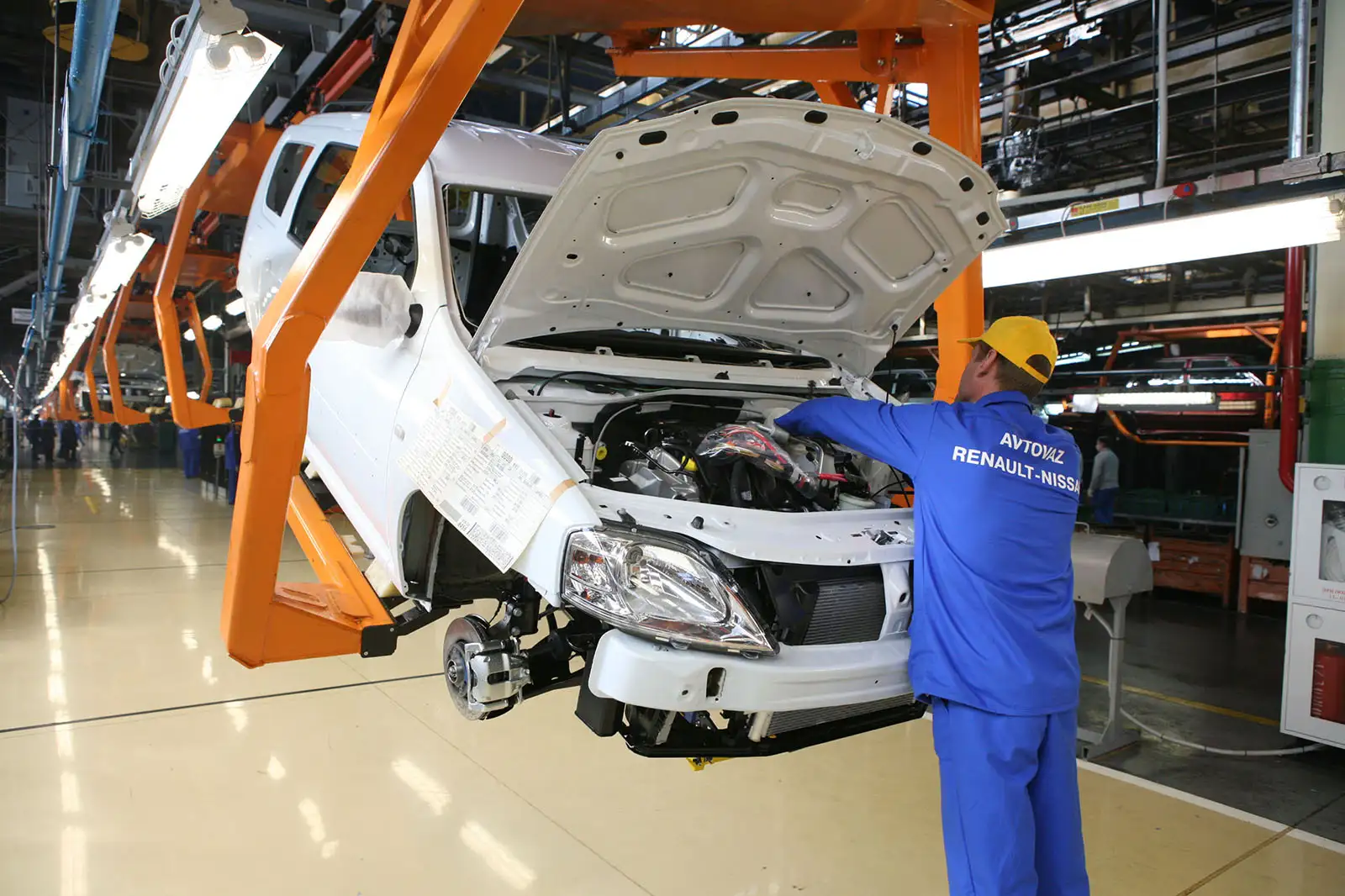
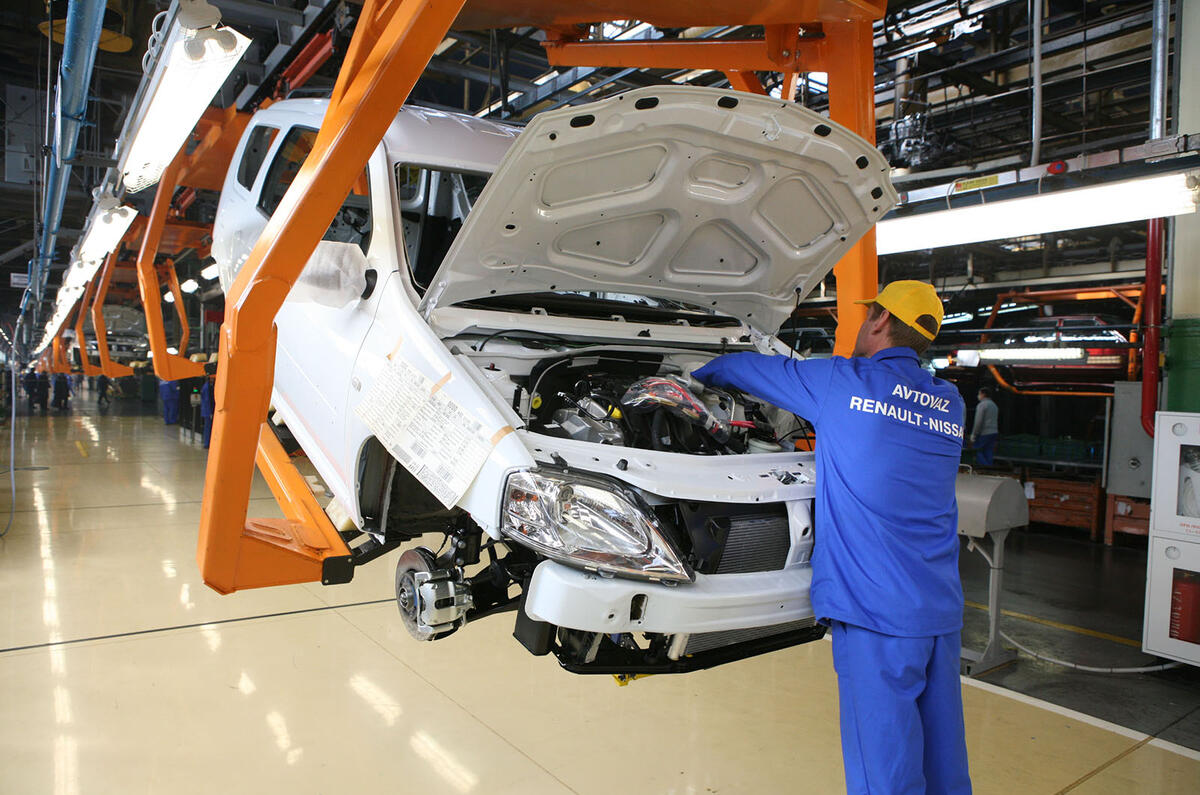
But its market lead slowly eroded over the next decade, despite a few new models. In 2008, Renault bought a share in Lada’s parent company, Avtovaz. Shortly after, the global financial crisis hit Russian firms particularly hard and Avtovaz required a bailout from the Russian government to survive. Yet that low also led to Lada’s resurgence.
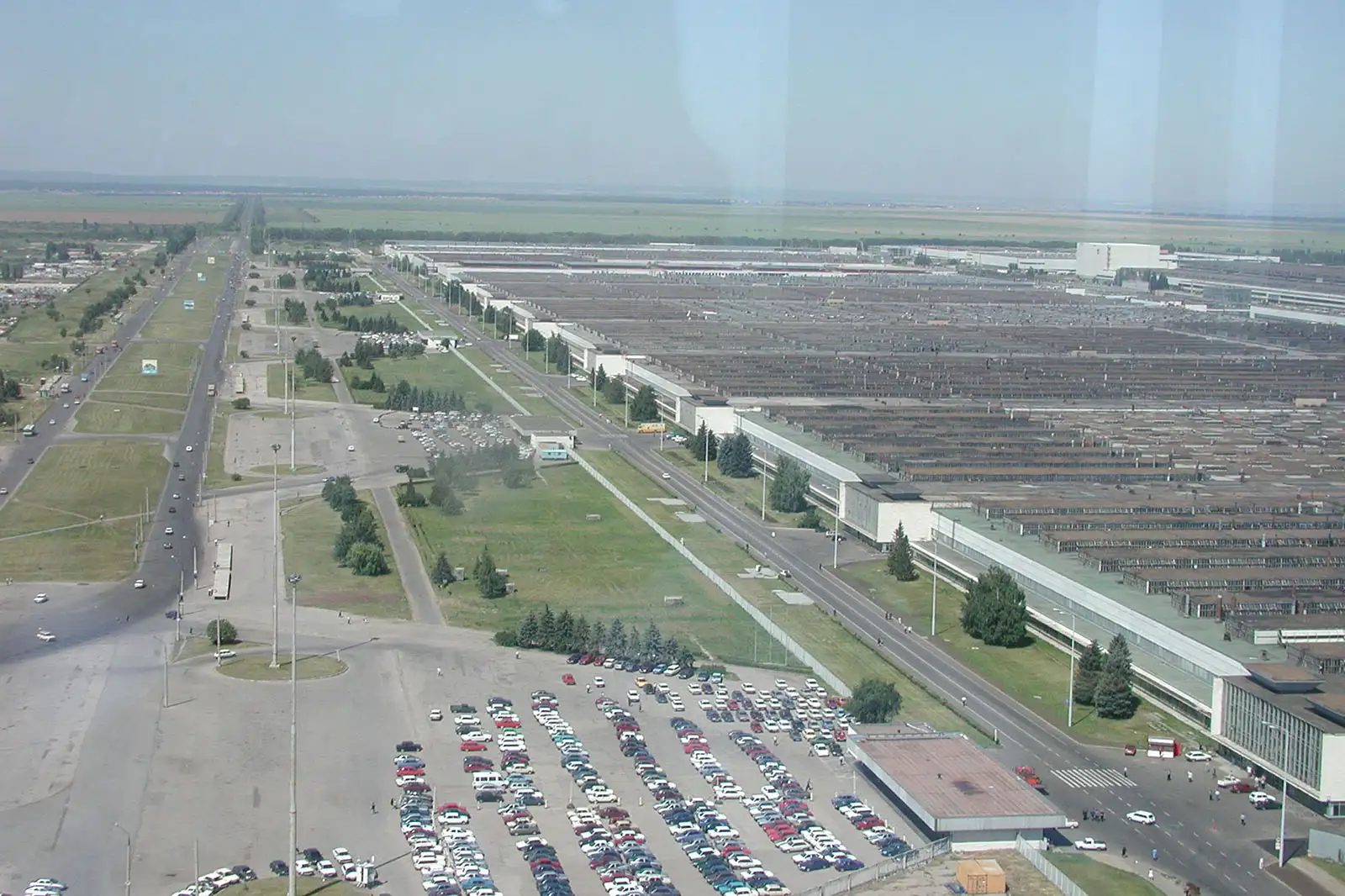
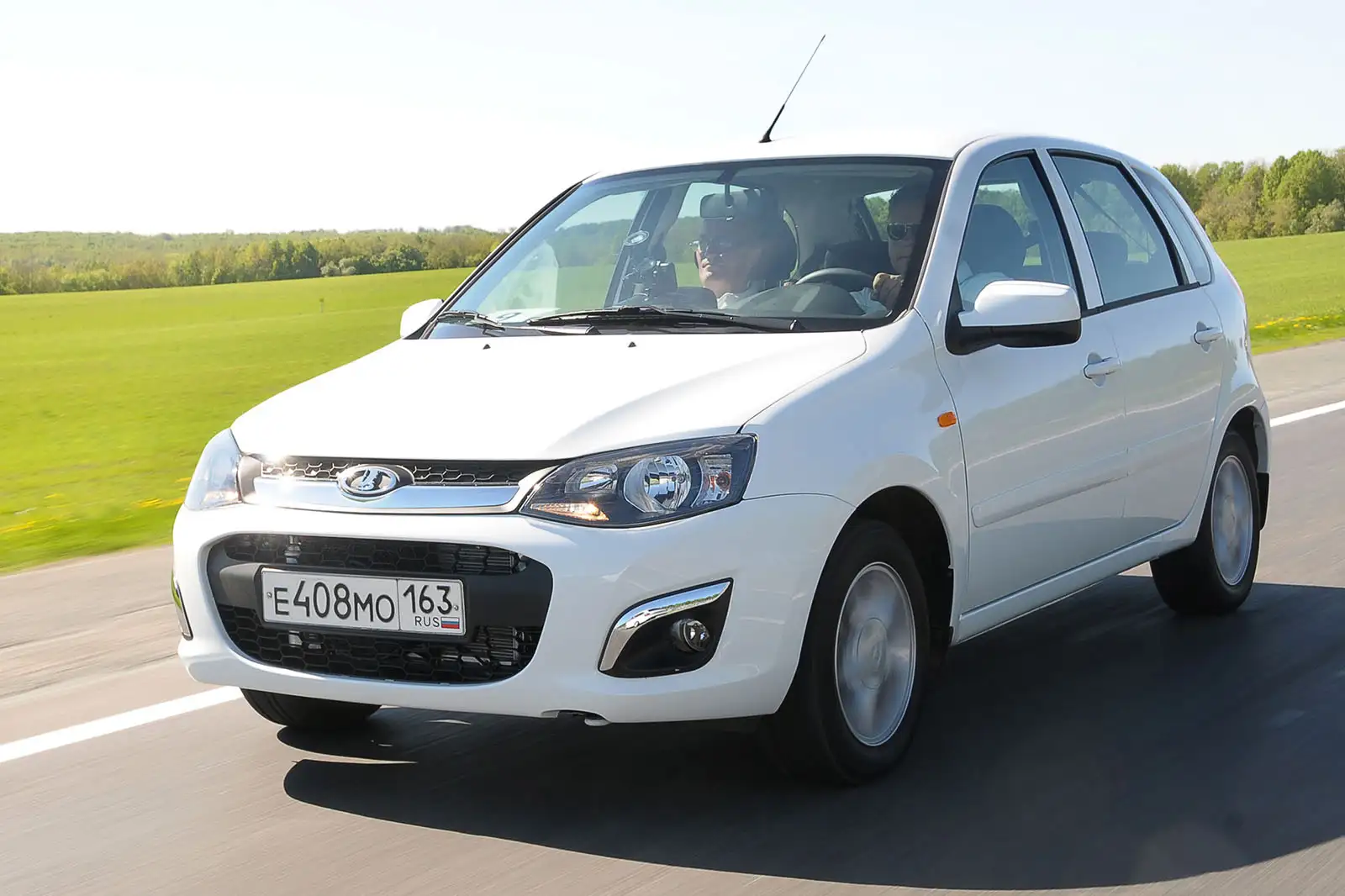
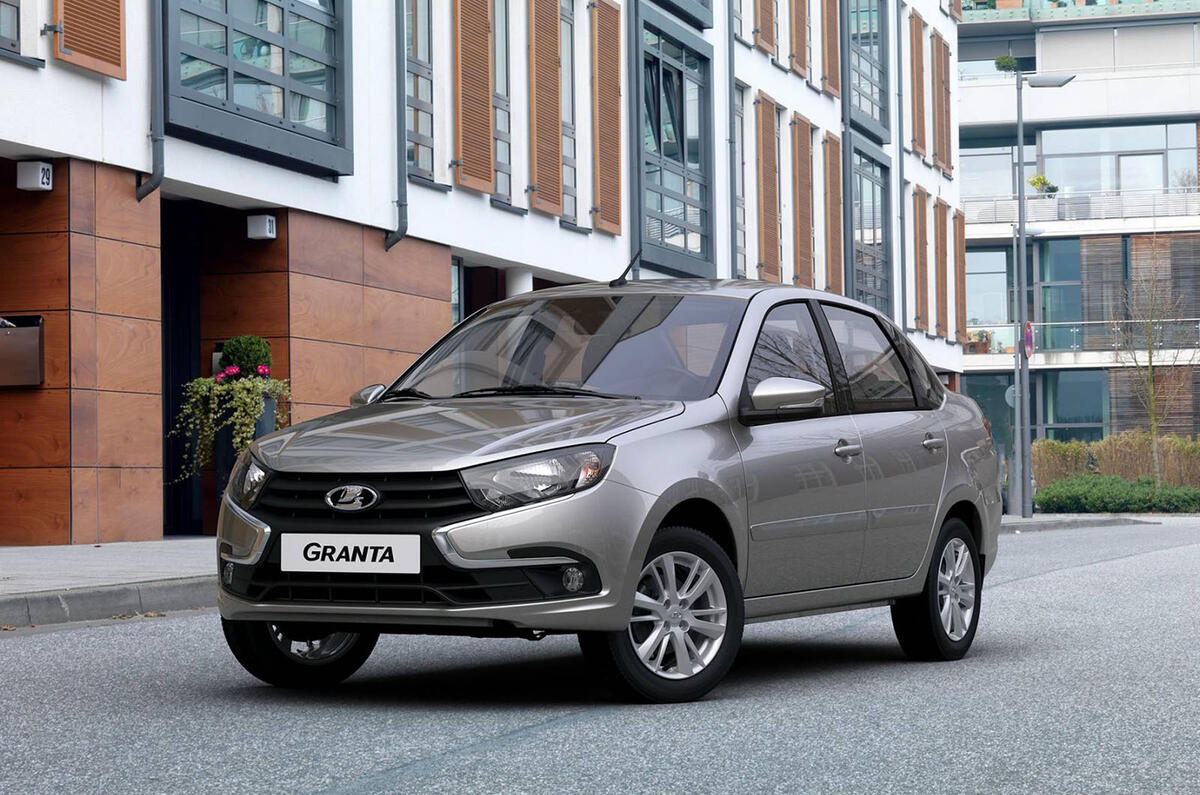
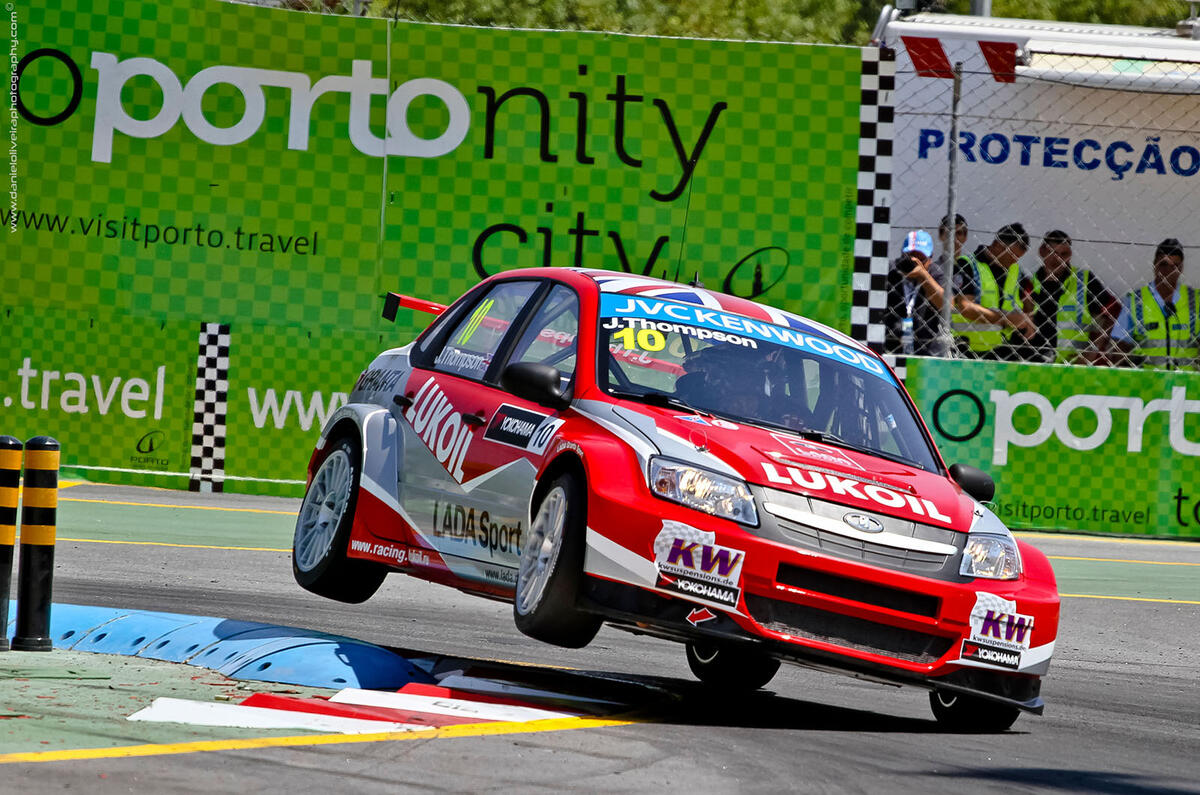
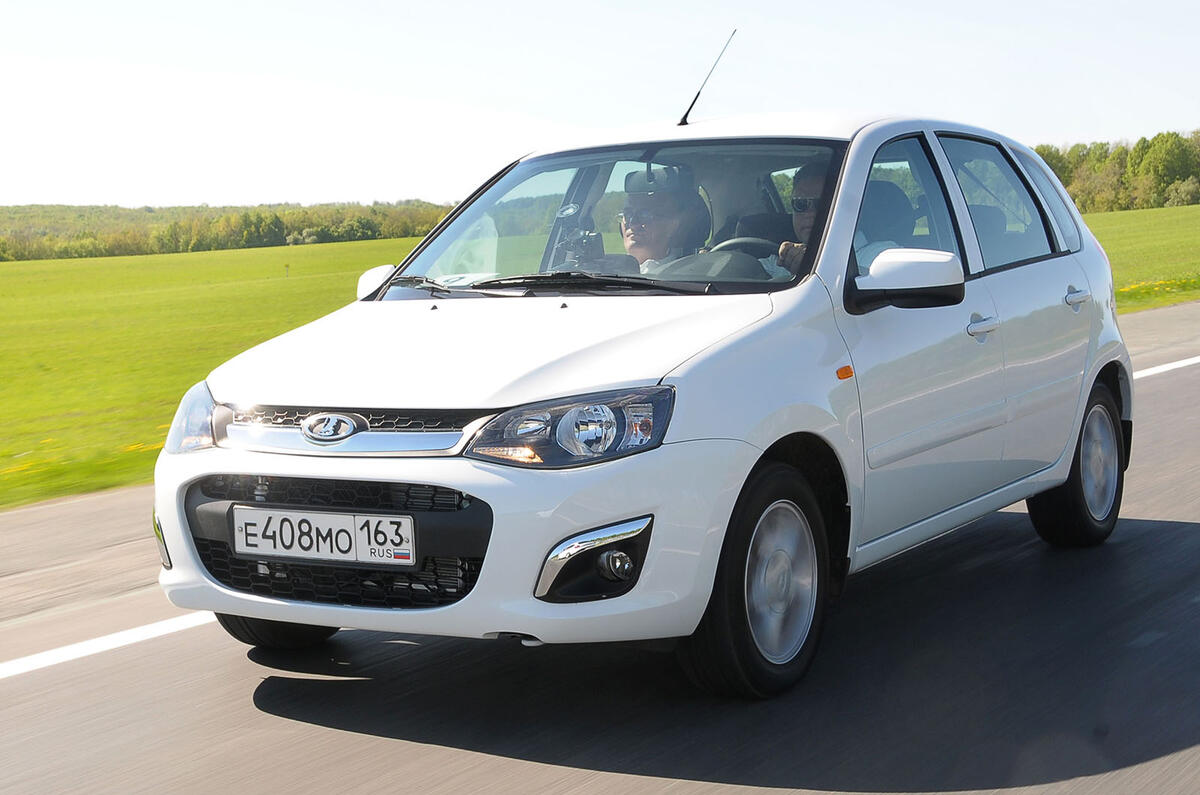
The revival of the most Russian of car brands has been led by the French. Renault helped Lada develop the Granta in 2011, a small car that quickly became Lada’s – and Russia’s – bestseller. The following year, Renault took a controlling stake in Avtovaz, although the firm’s market share kept slipping as foreign firms – led by Kia and Hyundai – closed in fast. Lada needed bold, new models and a renewed sense of purpose.
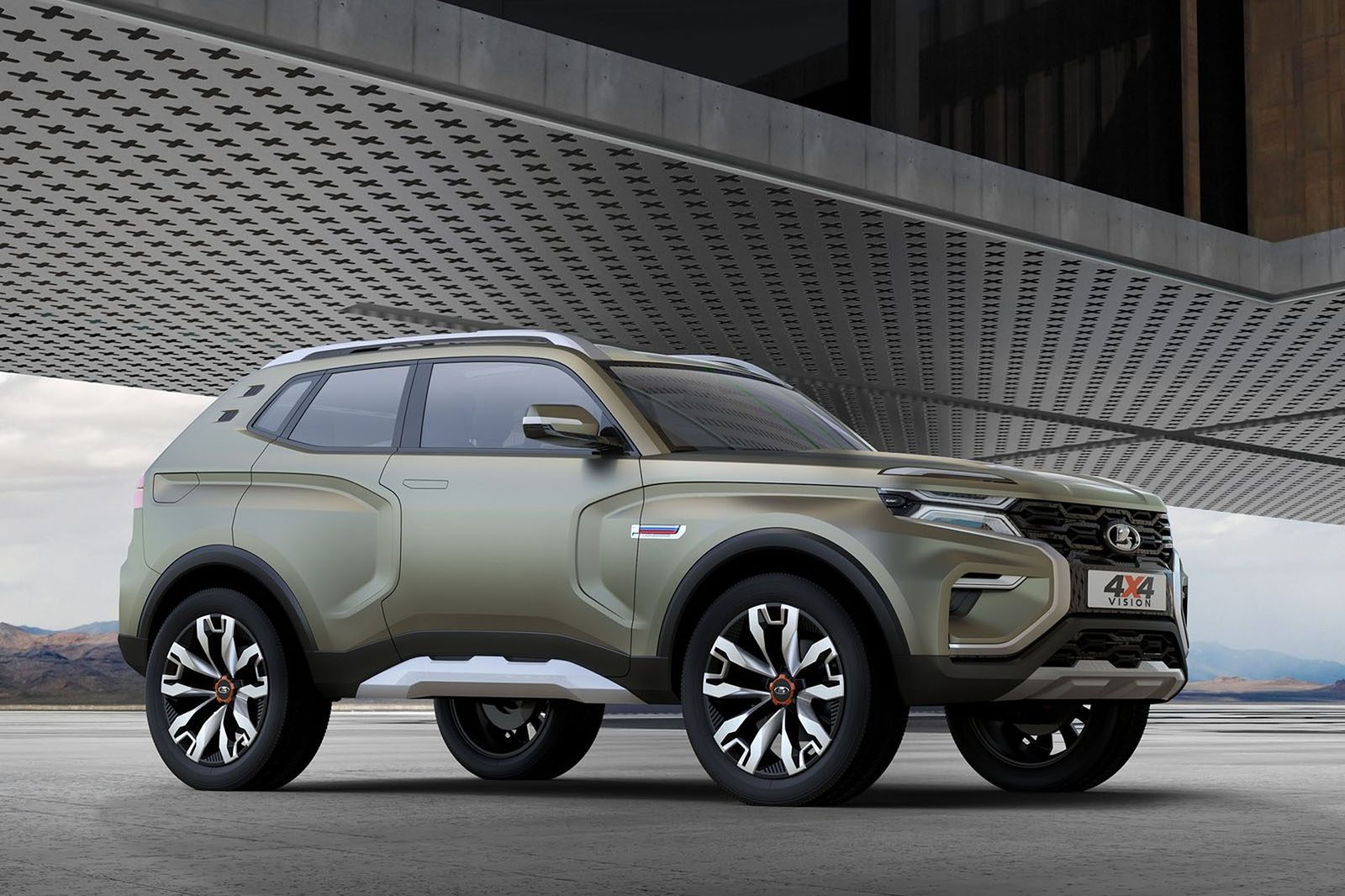
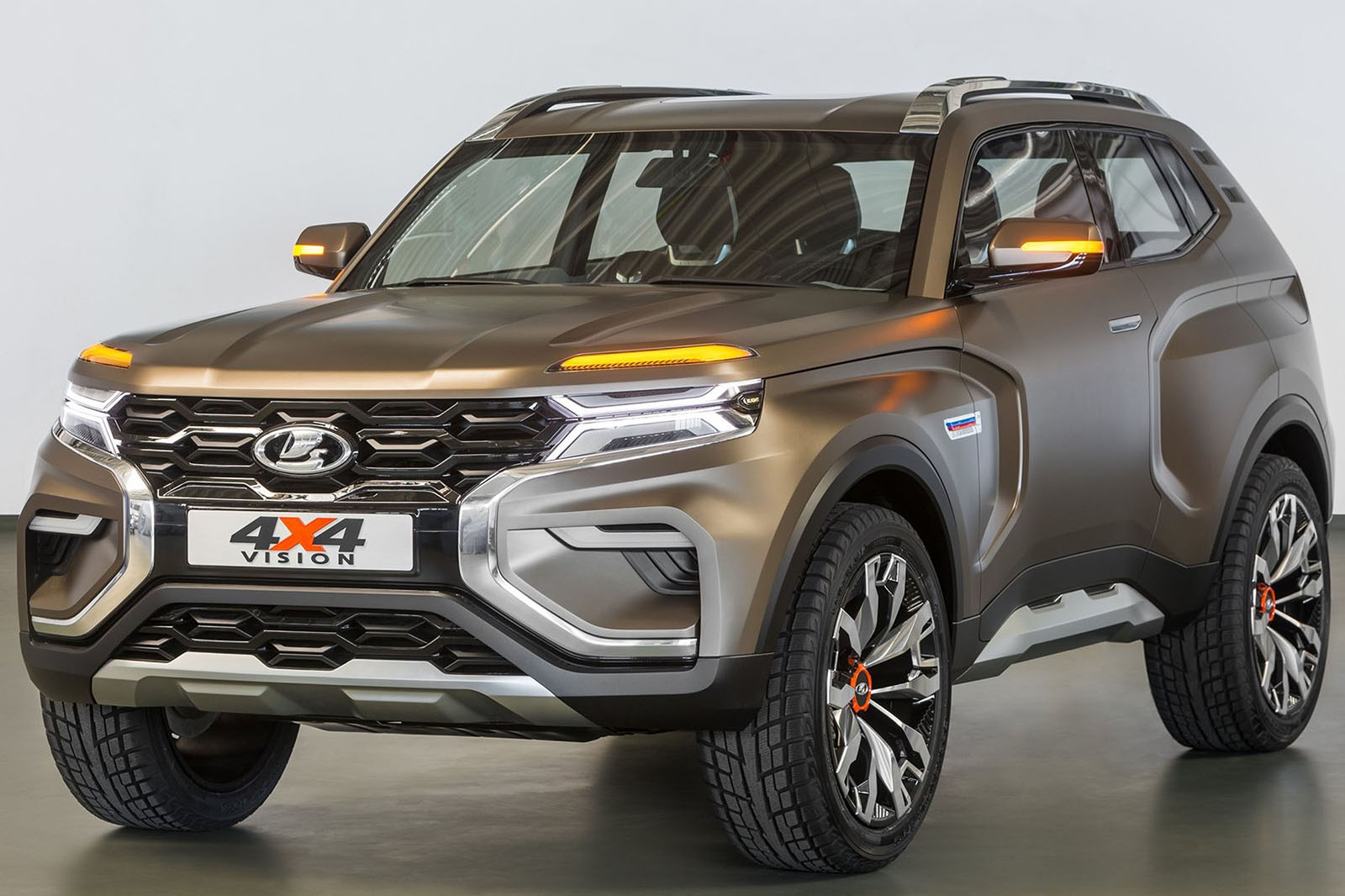
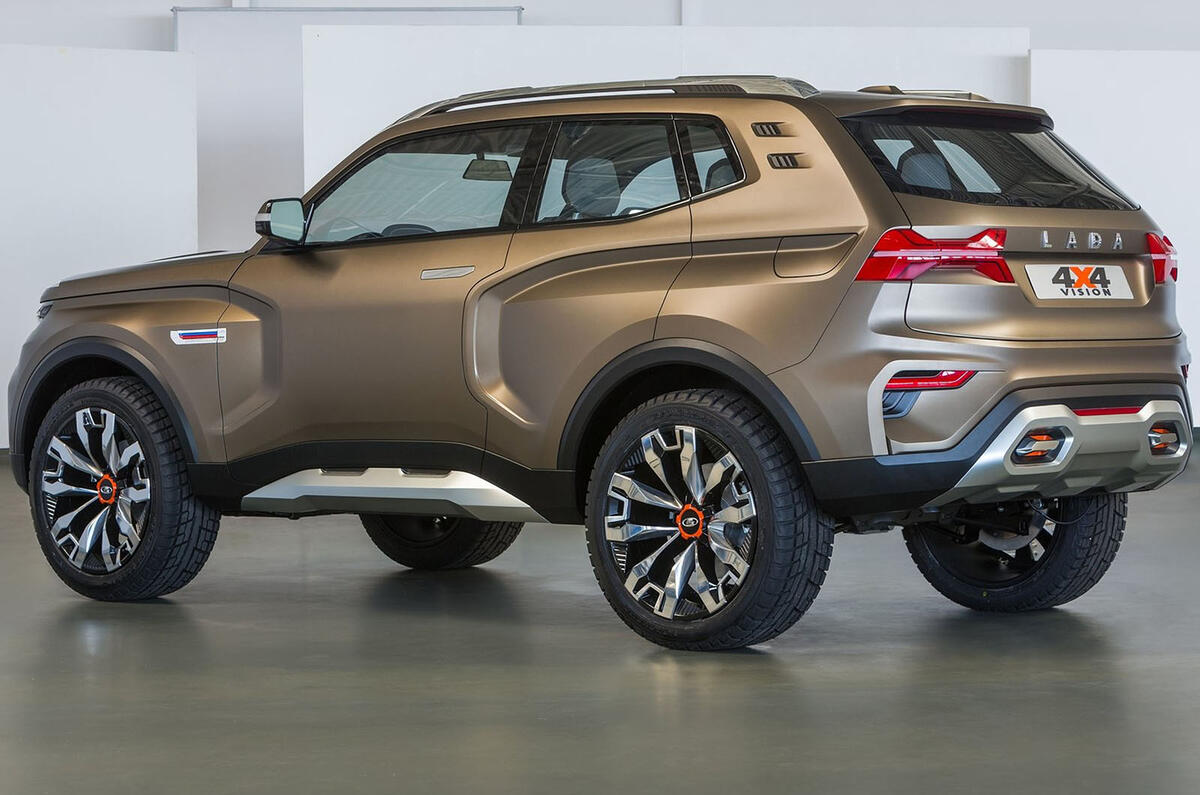
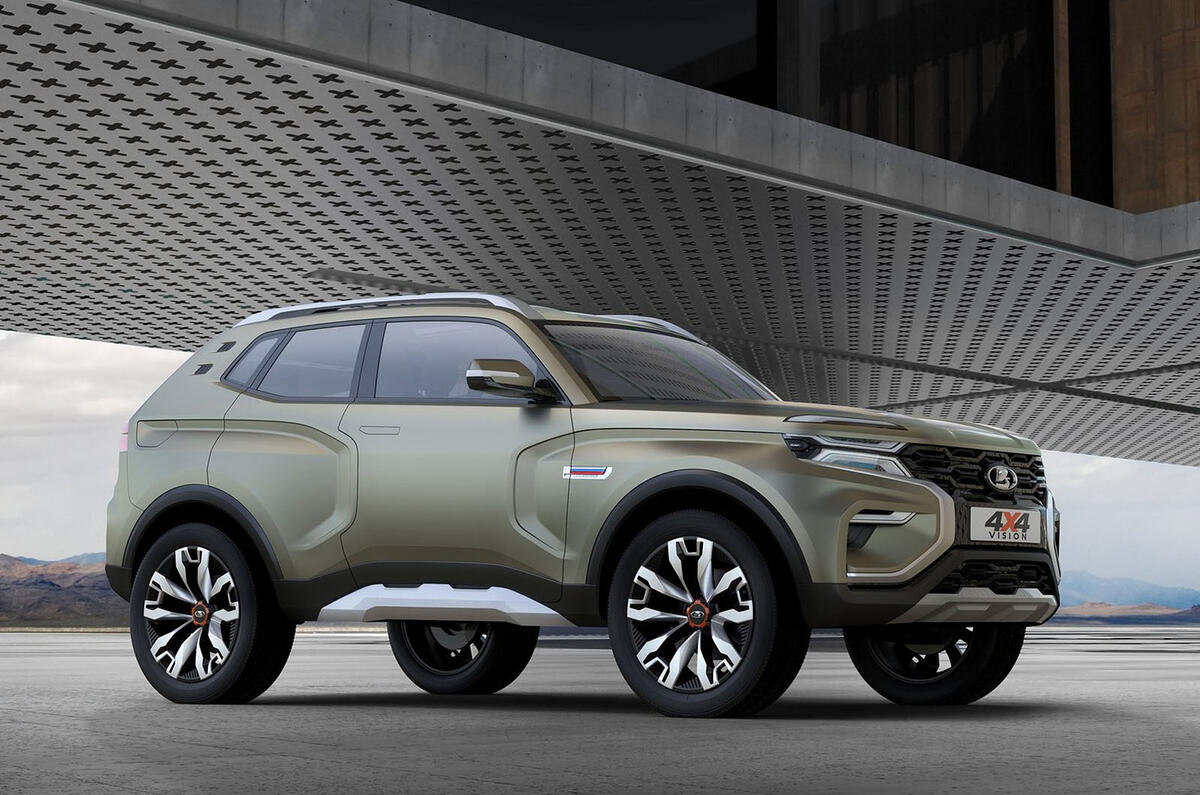
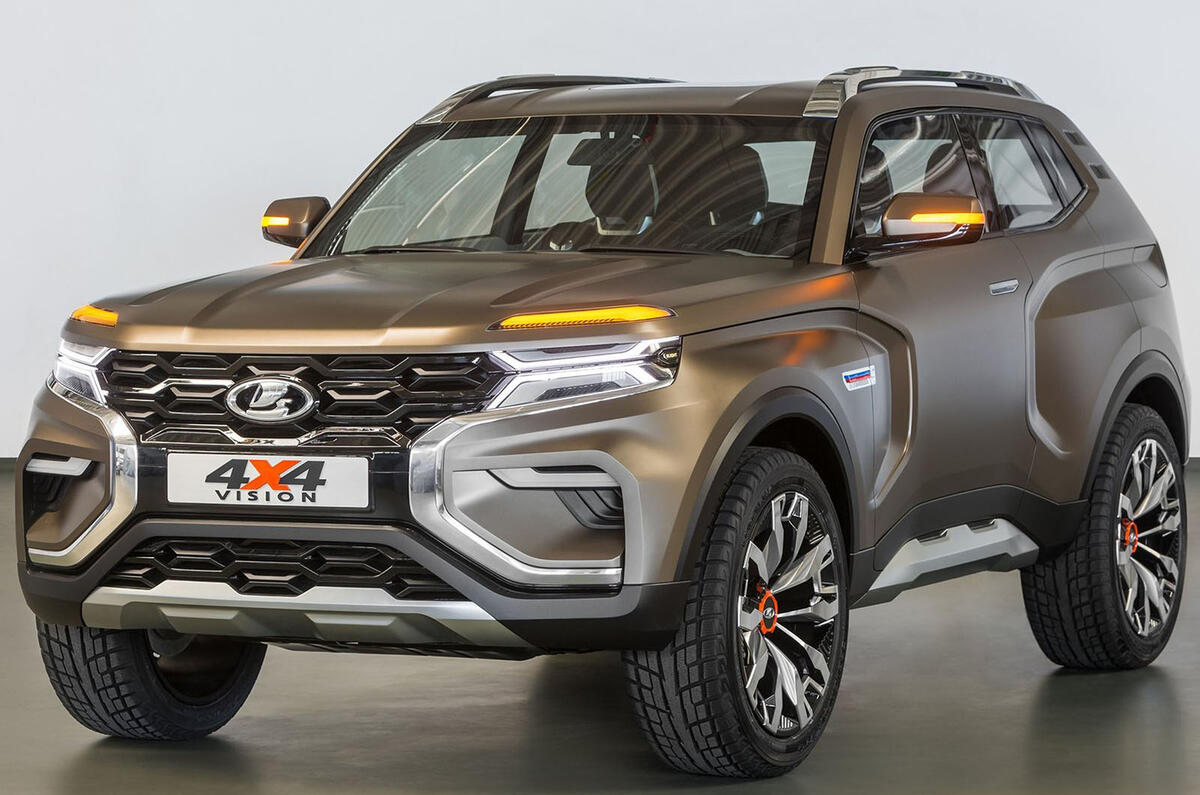
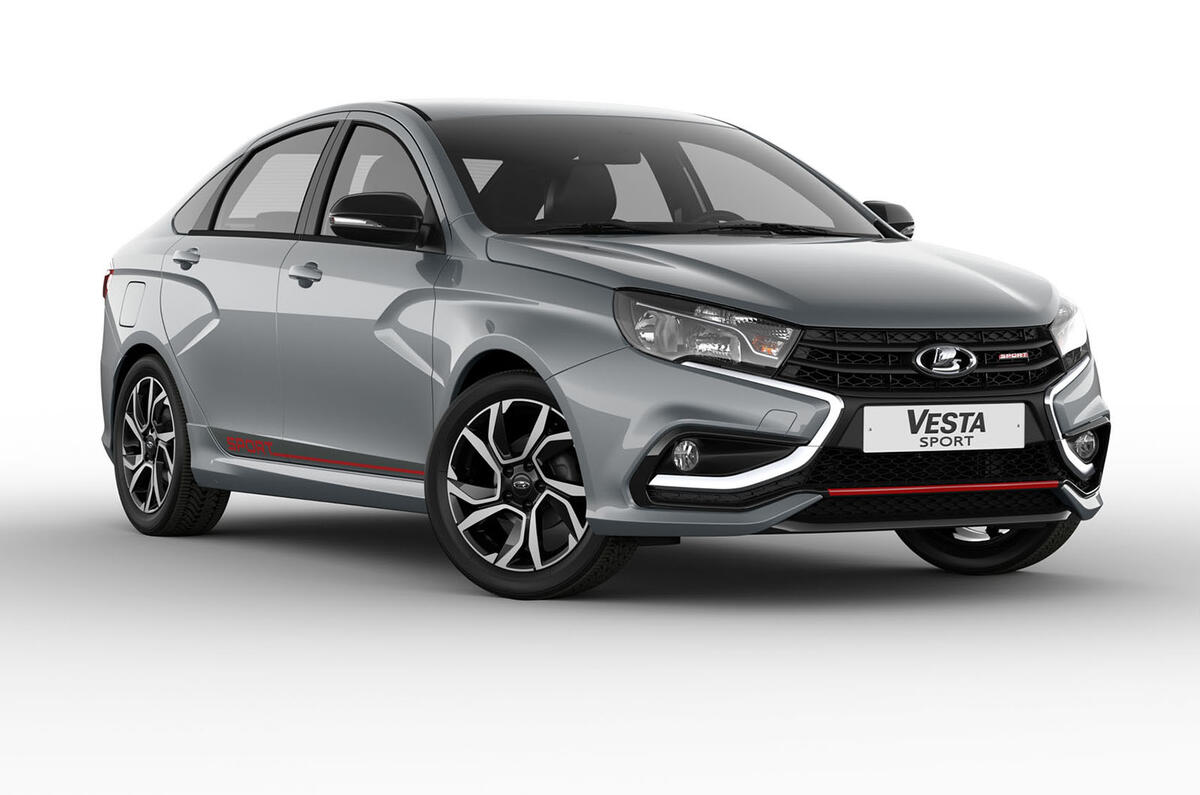
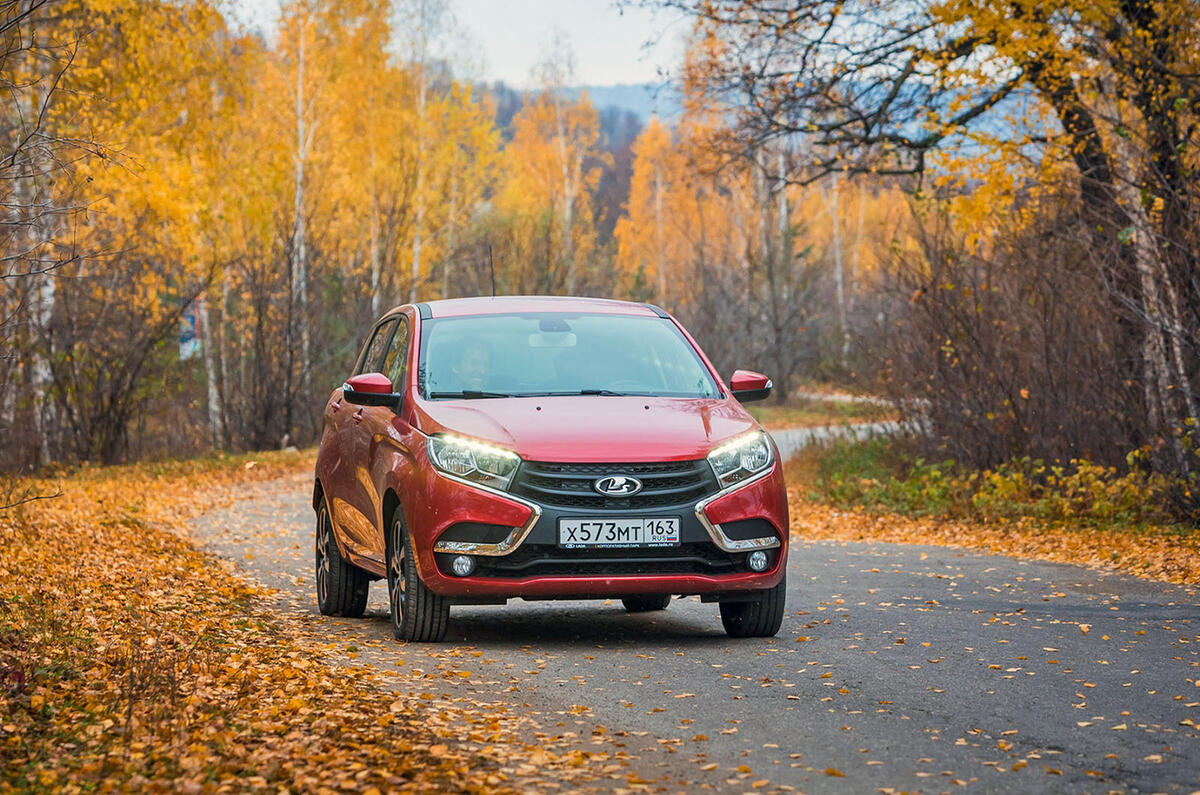
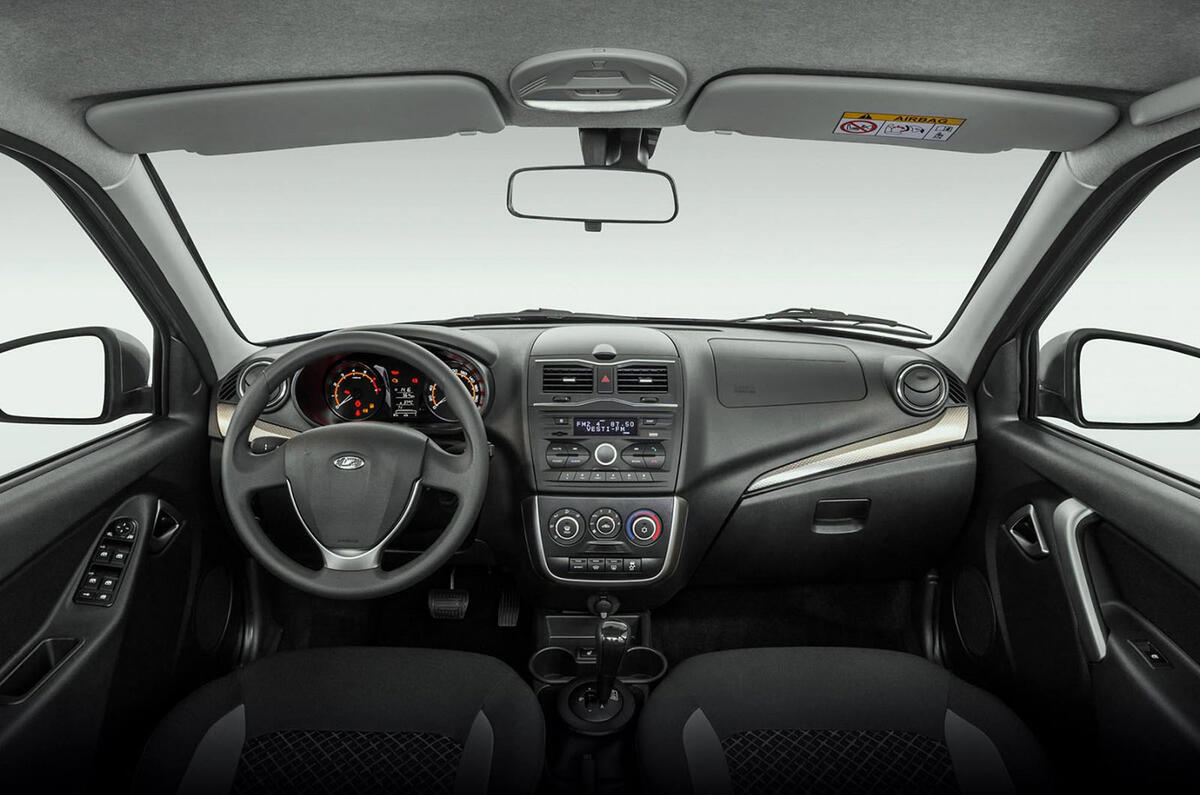
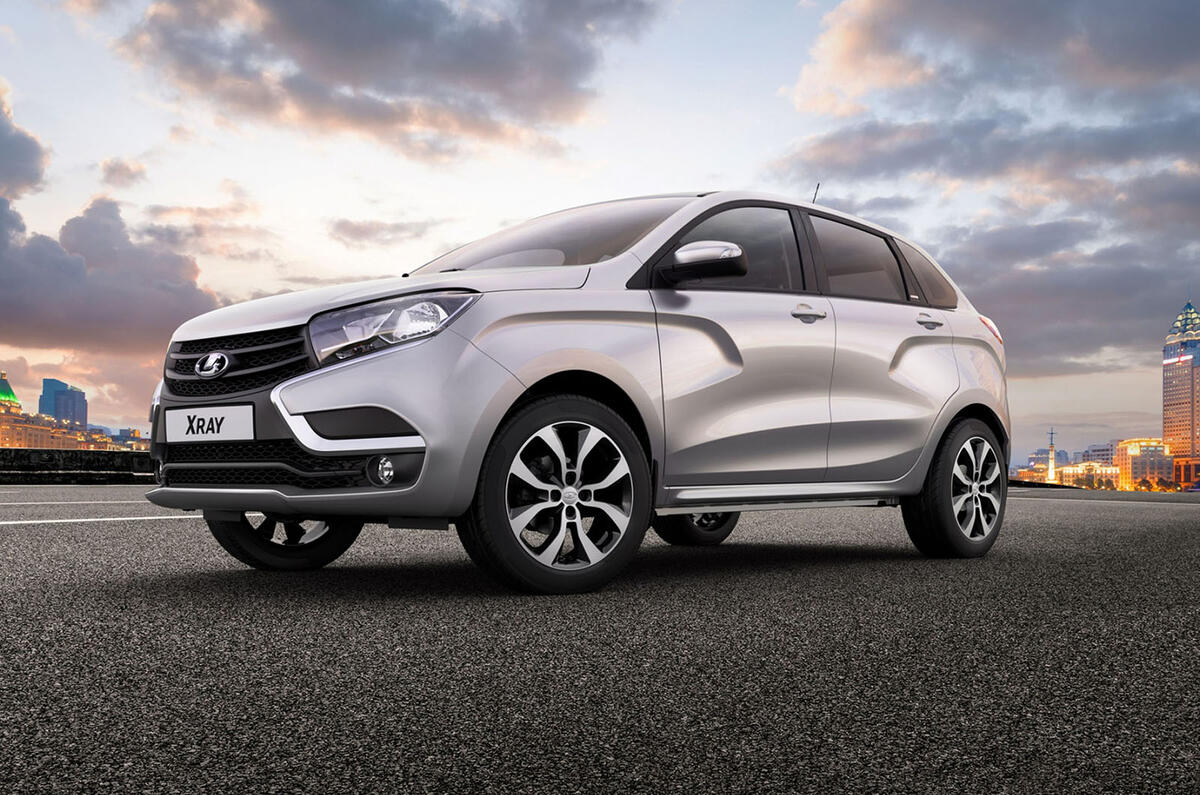
That came with the mid-sized Vestain 2015 and the X-Ray SUV–built on a Dacia Duster platform – the following year. Both cars were the work of British chief designer Steve Mattin and featured bold styling with numerous ‘X’ elements, first seen on the X-Ray Concept in 2012. Lada’s market share has crept back up to around 20%, and by 2017 – when Renault took full ownership – the firm was back in profit, helped considerably by the Russian car market starting to grow again after a long decline. The company’s goal now is to shore up its position. “When you have a strong market share, it’s difficult just to keep it,” says Yves Caracatzanis, who took over as head of Avtovaz this year. “We are renewing all our products in keeping with the DNA of the brand: strong design, confidence in reliability and value for money.”
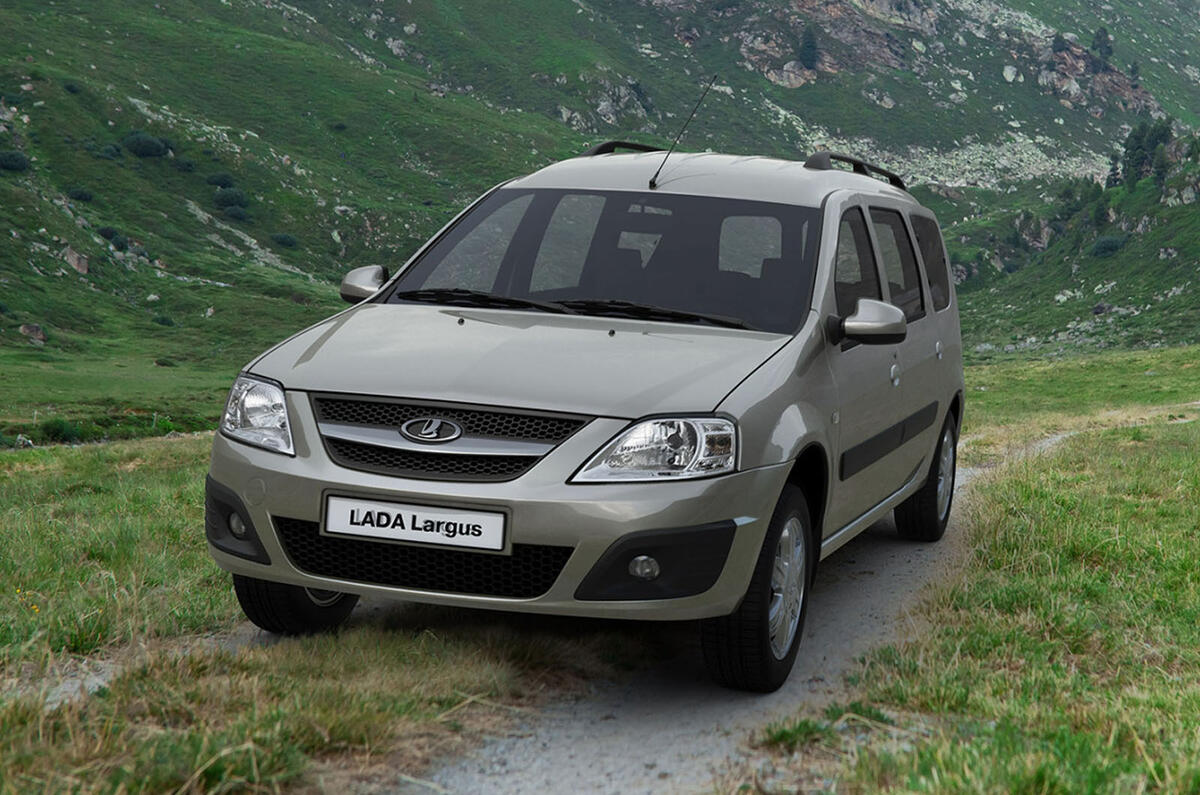
Those traits are critical to Lada’s success. The firm’s main customer base has never been in Russia’s cities – “Russia is not Moscow and St Petersburg,” says Caracatzanis – but out in the countryside. The alterations made to the Fiat 124 to create Vaz 2101 were all to make it easier for customers to maintain it themselves, given that many lived hours from their nearest dealership. To that end, Lada’s current range renewal – eight new models and nine facelifts are planned by 2026 – includes SUVs such as the X-Ray and jacked-up ‘Cross’ versions of its saloons. In the bitter Russian winter, having extra ground clearance isn’t really a lifestyle choice. They’re affordable too: depending on which way the rouble is blowing, an entry-level Vesta will set you back around £4700.