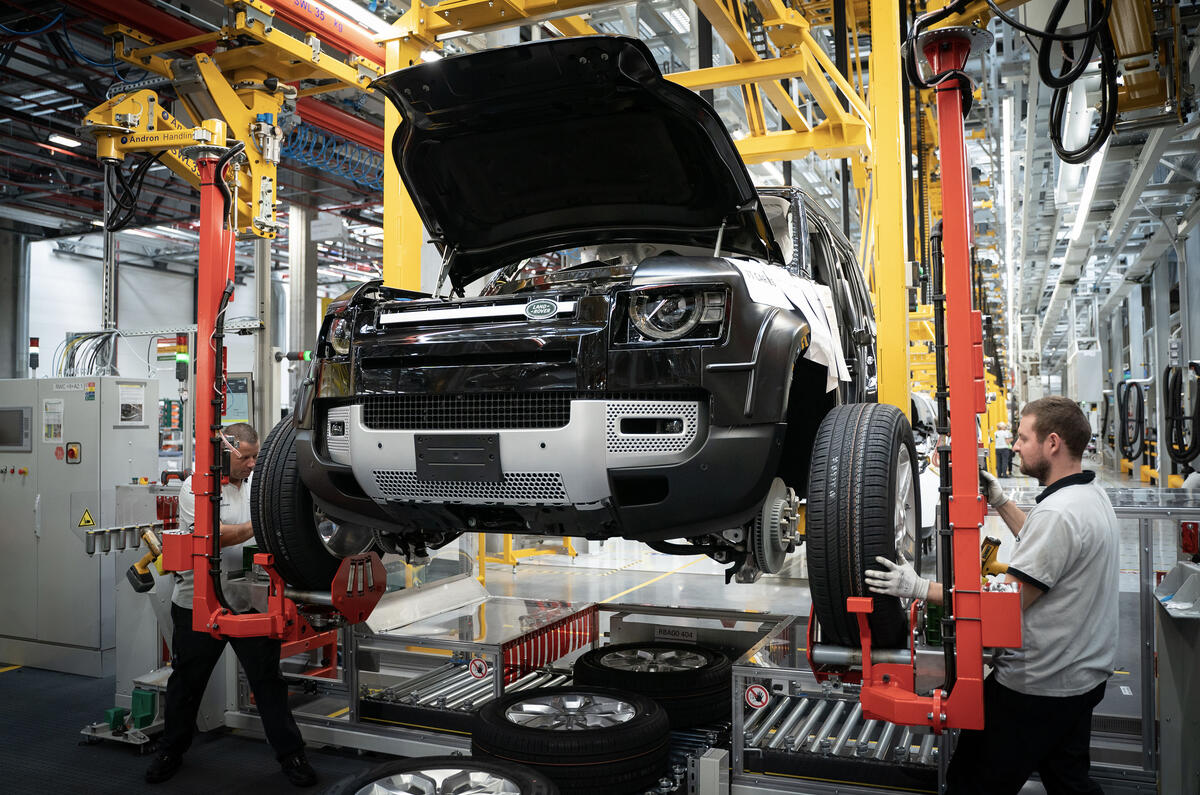
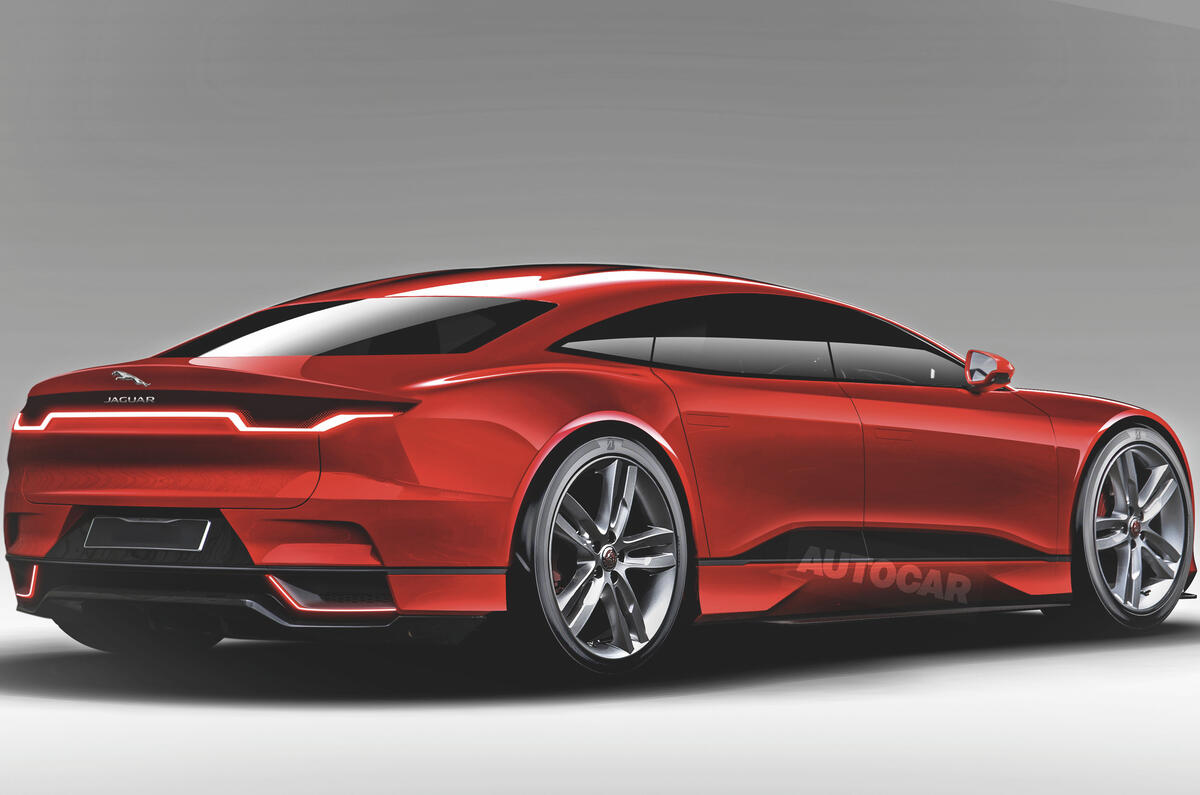

Jaguar Land Rover (JLR) is now focused on delivering more sustainable growth and profits rather than chasing volume, according to chief commercial officer Felix Bräutigam.
Falling sales in China and the impact of the likes of Brexit and the drop in demand for diesel caused JLR to announce a £2.5 billion turnaround plan a year ago. Called Charge and Accelerate, the plan has completely changed the way the company operates.
The move followed almost a decade of record volume growth (sales in 2017 exceeded 600,000, more than treble 2009’s total, and were spearheaded in recent years by growth in China) and that helped fuel profits, which topped £2bn in 2015.
But at the end of the 2018/19 fiscal year, that had turned into a £3.6bn loss (including a £3.1bn write-down in assets, centred on diesel) so dramatic had the JLR decline been. And the positive progress is continuing, with the firm posting a £156 million pre-tax profit in the most recent financial quarter.
JLR CEO Ralf Speth said at the recent Frankfurt motor show that the Charge and Accelerate plan is on track and “going very well”. He said: “We’re ahead of targets so we will achieve them.”
He added that each investment decision is still a process of “turning a stone three times” to check it is right but the “right products” have had investment protected. That process meant temporary factory shutdowns in response to falling demand and cutting 4500 jobs. But it has also refocused how the company does business.
When asked about sales targets for the reborn Land Rover Defender, Bräutigam said more broadly that volume is not something JLR now judges itself on.
“We don’t want to be driven by volume. It’s not the measure of success for a premium brand,” he said. “We want to build great cars and make money, not just shift units. “It’s more about profit, delivering that and having a sustainable business model. Not just business profits, but added value for the brand as well as the company.”
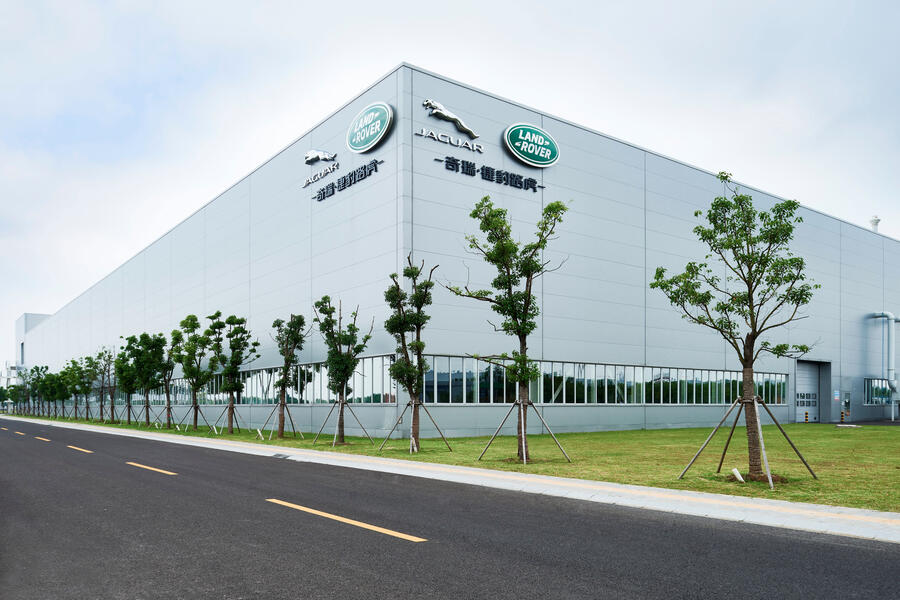
JLR was hit particularly hard by falling sales in China. Its sales fell 22% there in 2018. Sales of premium rivals BMW, Mercedes-Benz and Audi rose in China in 2018, with JLR’s drop put down to quality issues and an unruly dealer network.
Protesters complaining about the quality of their cars have been a regular feature at JLR’s Shanghai HQ and it’s understood that JLR is awash with models on airfields in the UK that had been destined for China but can’t be sold there due to quality reasons, although no one in the company will confirm this.