























From £20,0158

Once a superstar in the supermini class, can the elderly Ibiza find a new lease of life?

It wasn’t so long ago that the Cupra brand was introduced and we weren’t sure what to make of it. It grew out of Seat’s performance division, launching with fast versions of Seats, but then started offering cars with simple 1.5-litre engines as well. It seemed a bit directionless.

Actually, it was a masterstroke, because Cupra managed what Seat never could: become the slightly hipper, sporty, semi-premium brand of the Volkswagen Group with the margins to wash its own face. It exemplifies the art of the rebrand.

Seat insiders reckon the 'Ibiza' name is more recognisable than the brand to which it is attached, so it's going nowhere.

So where does that leave Seat? Previously announced plans to turn it into an e-mobility brand are on ice, and instead Seat will for the foreseeable future continue as the group’s provider of affordable, largely combustion-powered cars, since that role has been vacated by the upwardly mobile Skoda. And in that vein, enter the facelifted Seat Ibiza.

The Ibiza supermini plays an important part in this plan, because while superminis are no longer in the limelight like they were 20 years ago, they still provide a very appealing balance of affordability and practicality, and as a result sales remain healthy. The segment doesn’t fit the sporty, premium Cupra brand as well, so the Ibiza carries on as a pure Seat.

After being somewhat neglected recently, the Seat range is finally getting some love. While there are reportedly no plans for an all-new generation of the Ibiza, Seat is planning some targeted upgrades, with plans for more efficient engines next year. For now, though, all it’s getting is a light-touch facelift. Considering this is fundamentally a car that came out in 2017, can the Ibiza still cut it?


Advertisement
Back to top

DESIGN & STYLING

6
Seat Ibiza review 2026 002

It may have been pushed to the margins somewhat in its nine-year life, but the current, fifth-generation of Ibiza felt like quite a significant little car when it was launched. 

It was the first of a flurry of new models on the then new MQB A0 platform, which promised much-improved refinement and capability for small cars, with superior materials, bigger dimensions and a new generation of engines. It was soon joined by the VW Polo and Audi A1, as well as a bunch of crossover-flavoured siblings like the Skoda Kamiq and Seat Arona

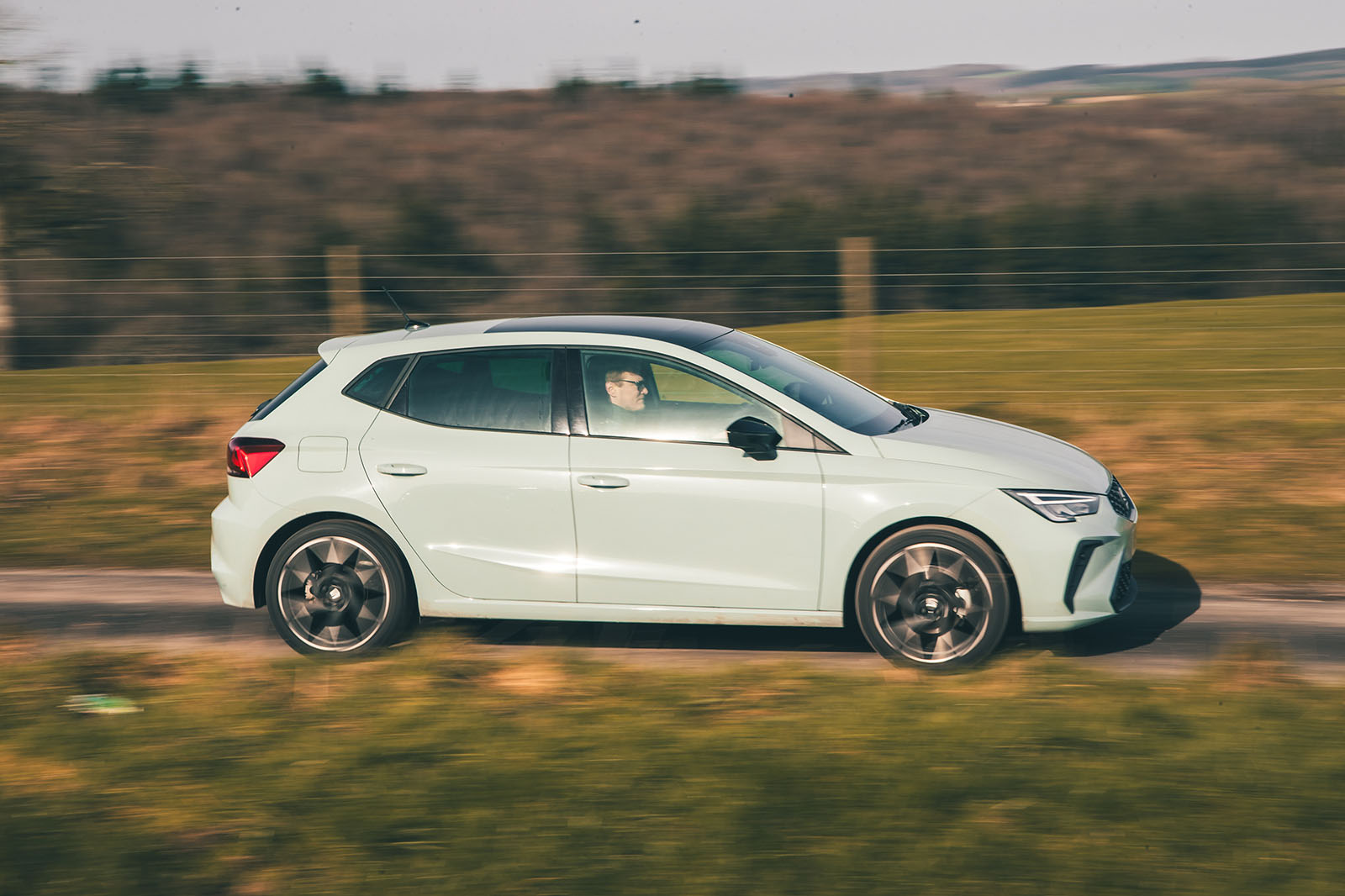
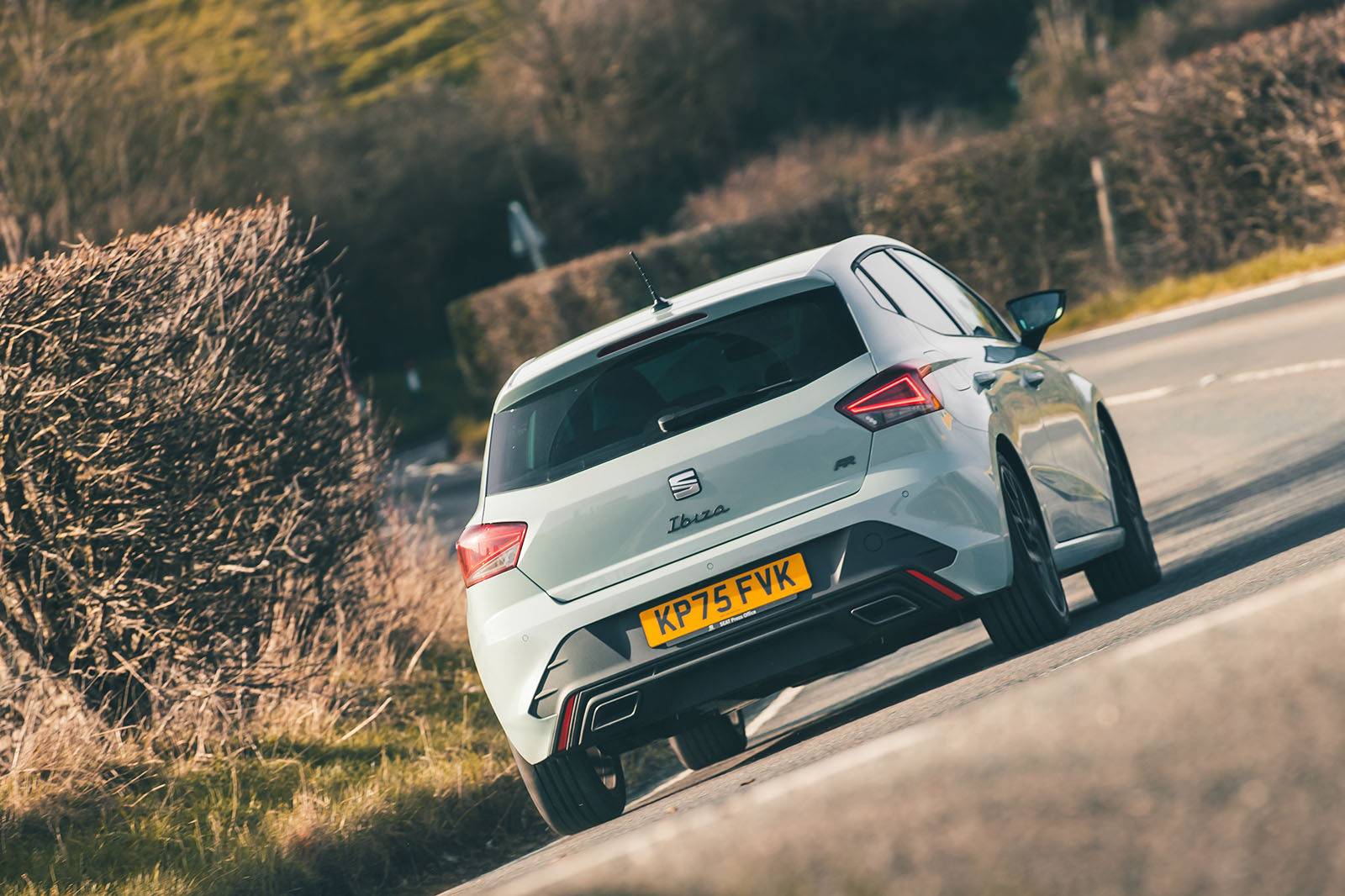
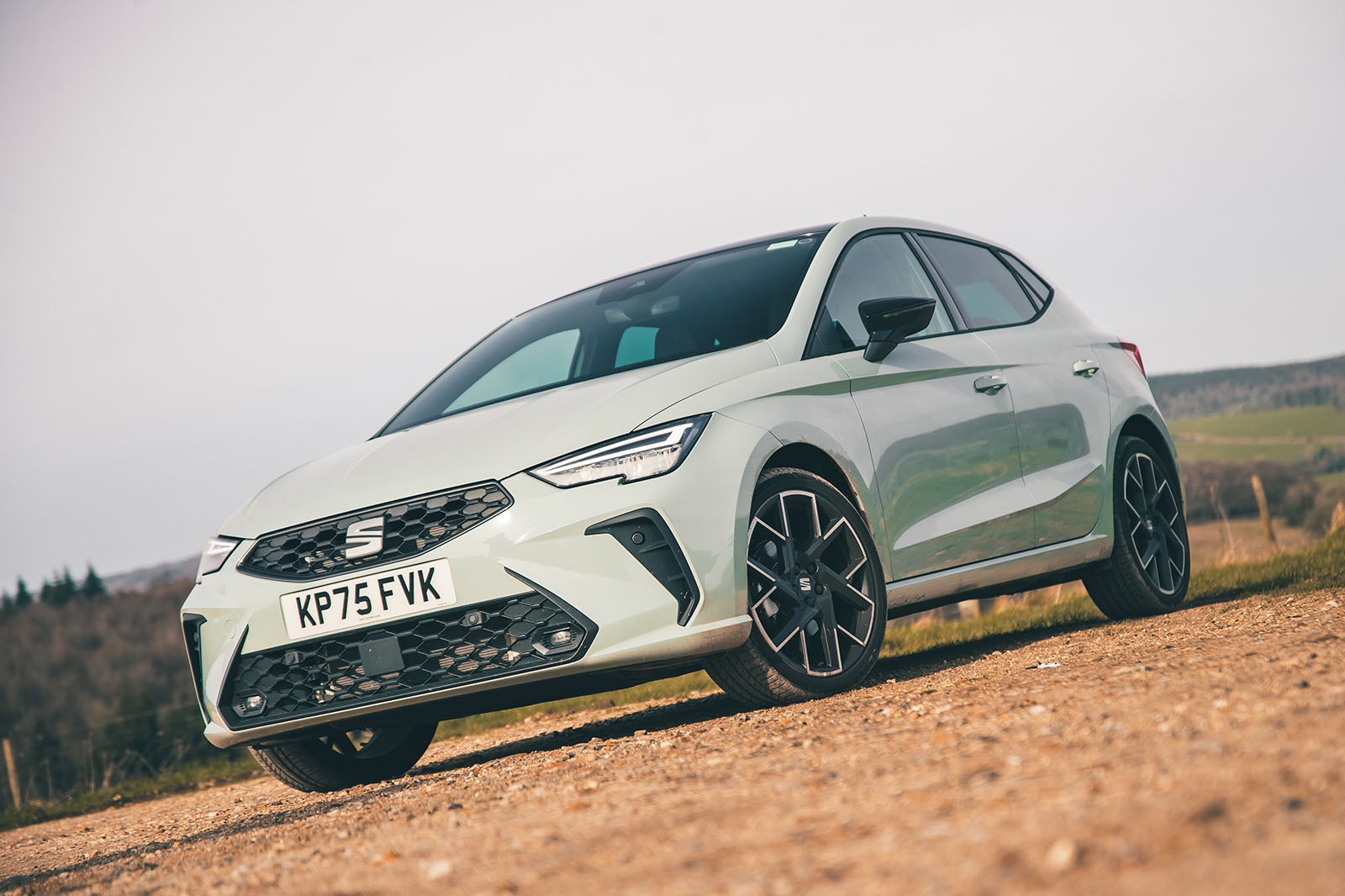
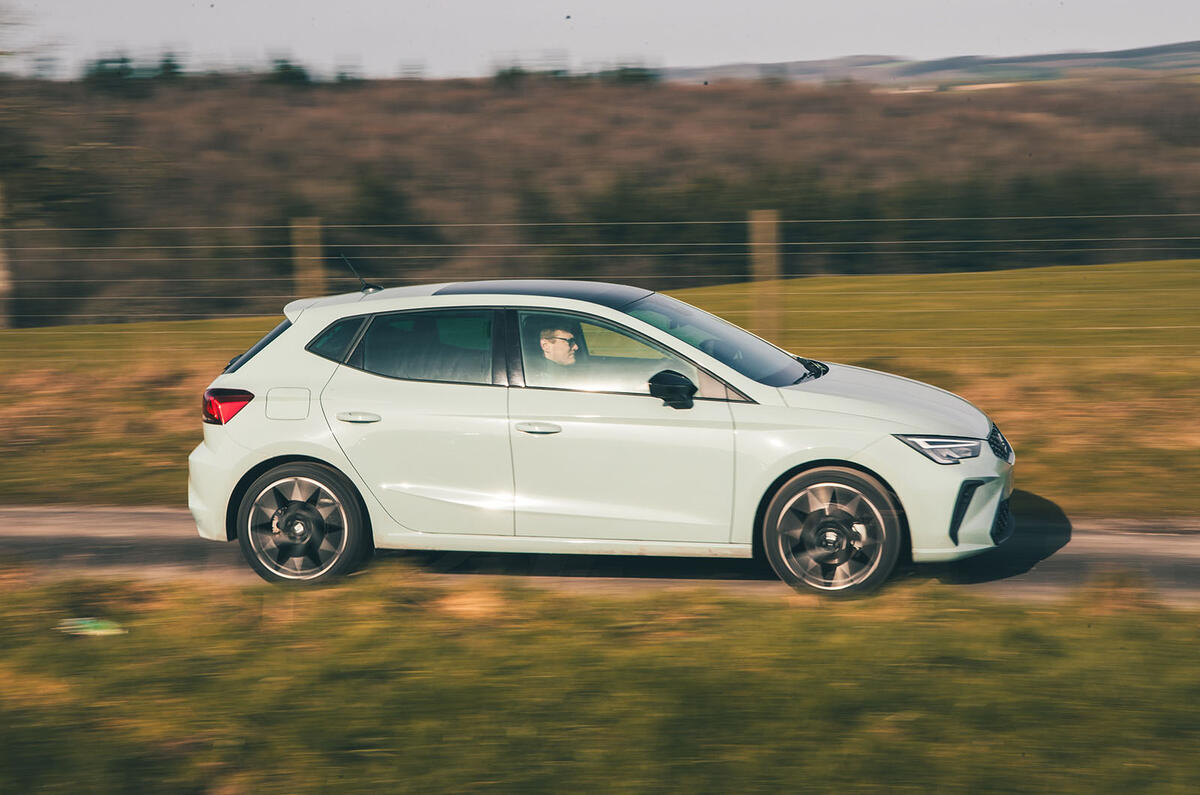
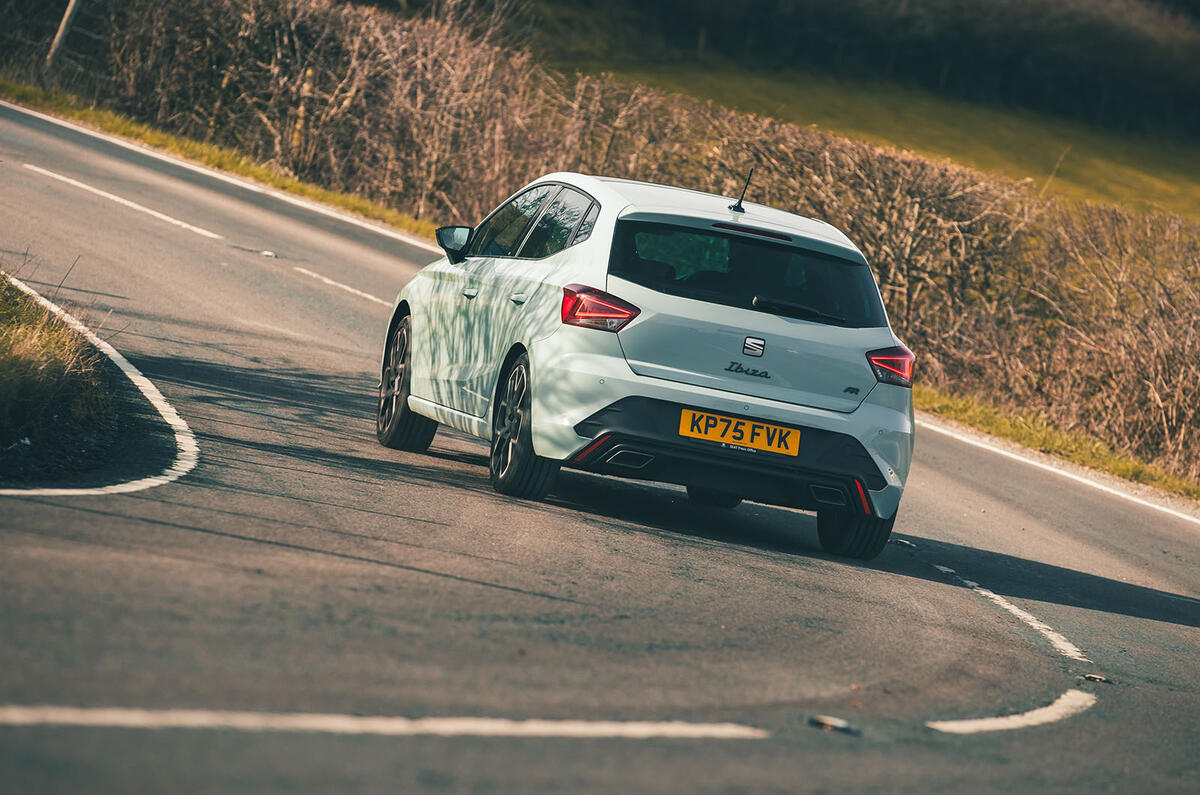
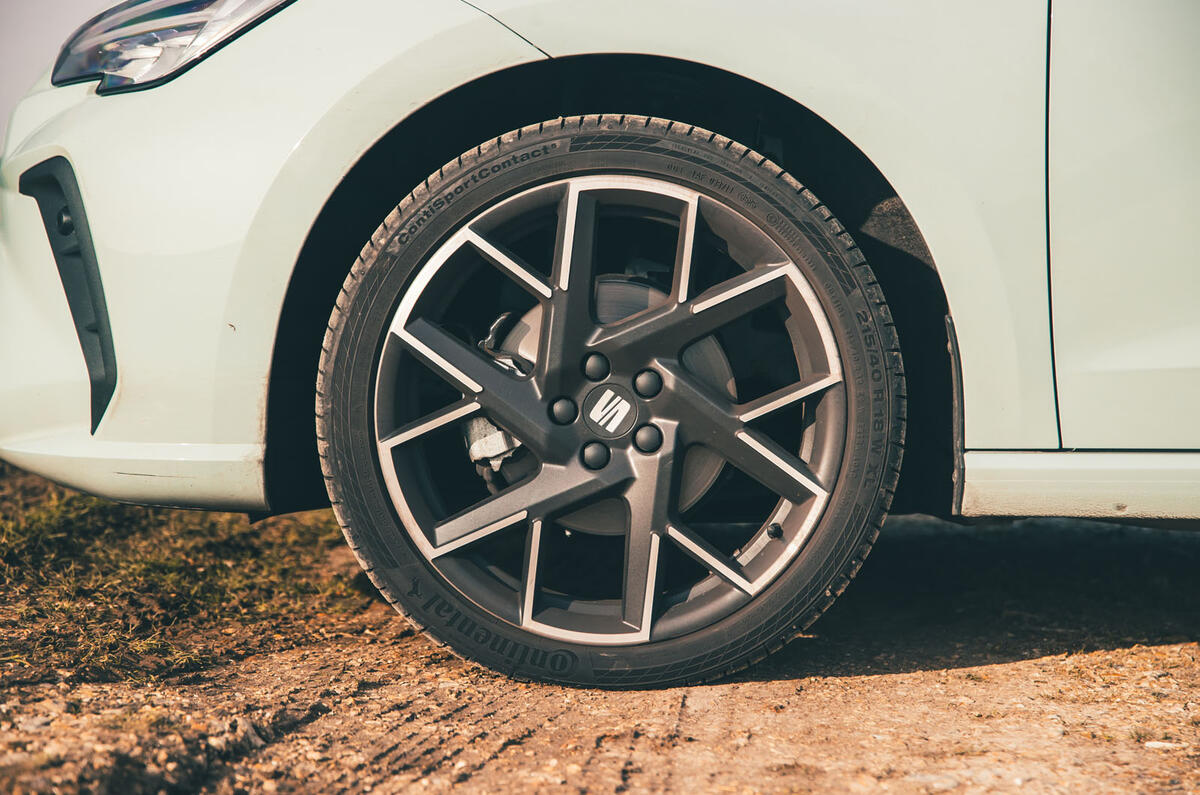
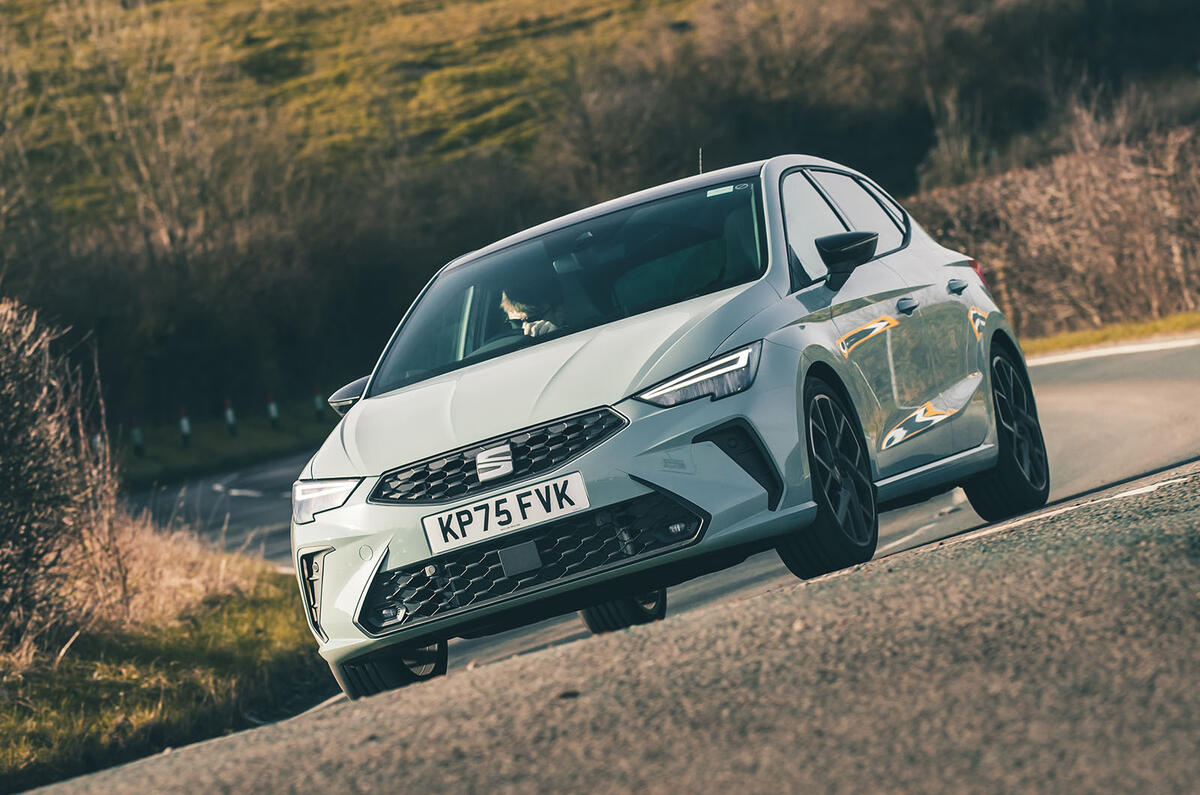
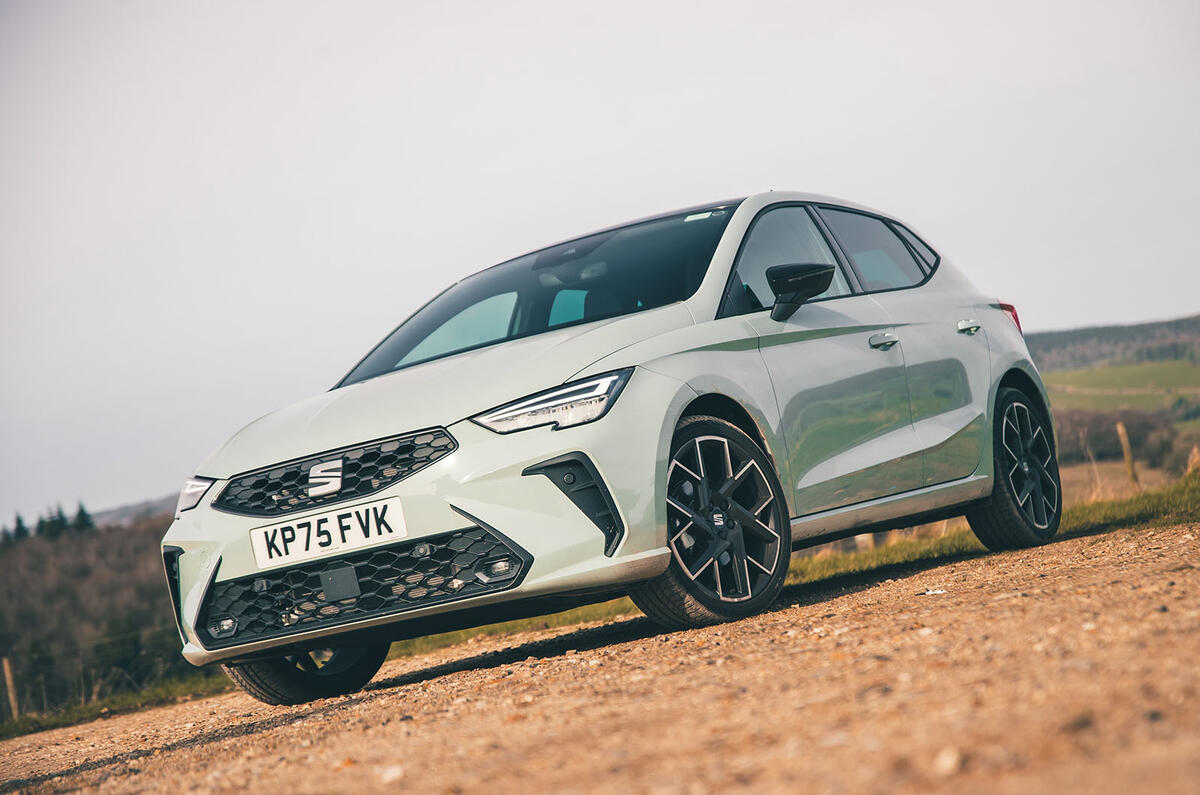
FR Sport trim gets the 18in wheels pictured, with 215-section sport tyres. They’re arguably overkill for a 114bhp supermini, but the wheels do look great and don’t completely ruin the ride. SE and SE Technology have 16in alloys with 195-section tyres, and FR First Edition has 17in wheels.

In nine years, the Ibiza has seen some changes, few of them momentous. There was a first facelift in 2021, which brought a subtly redesigned front end and a much bigger interior overhaul that swapped out the very geometric and Polo-adjacent dashboard for a cheerier one with rounder shapes.

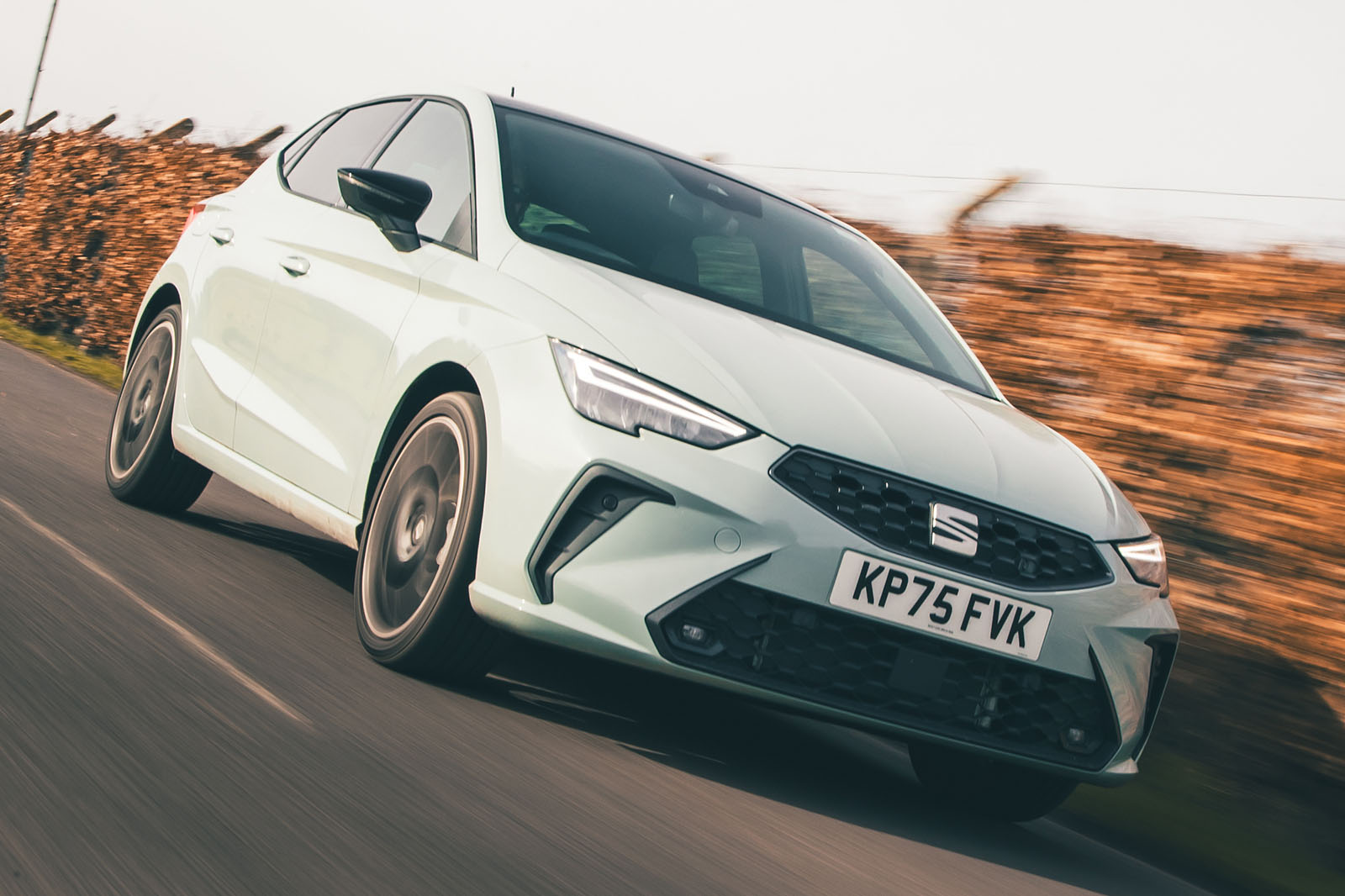
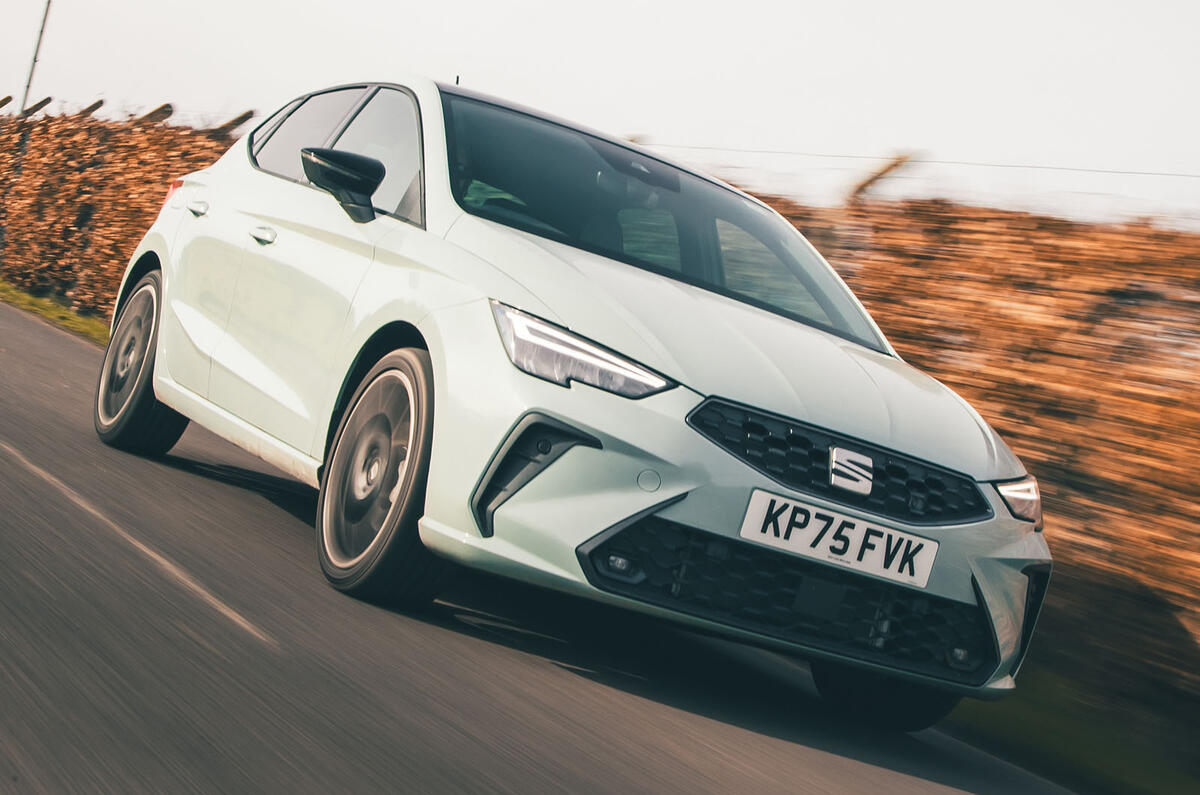
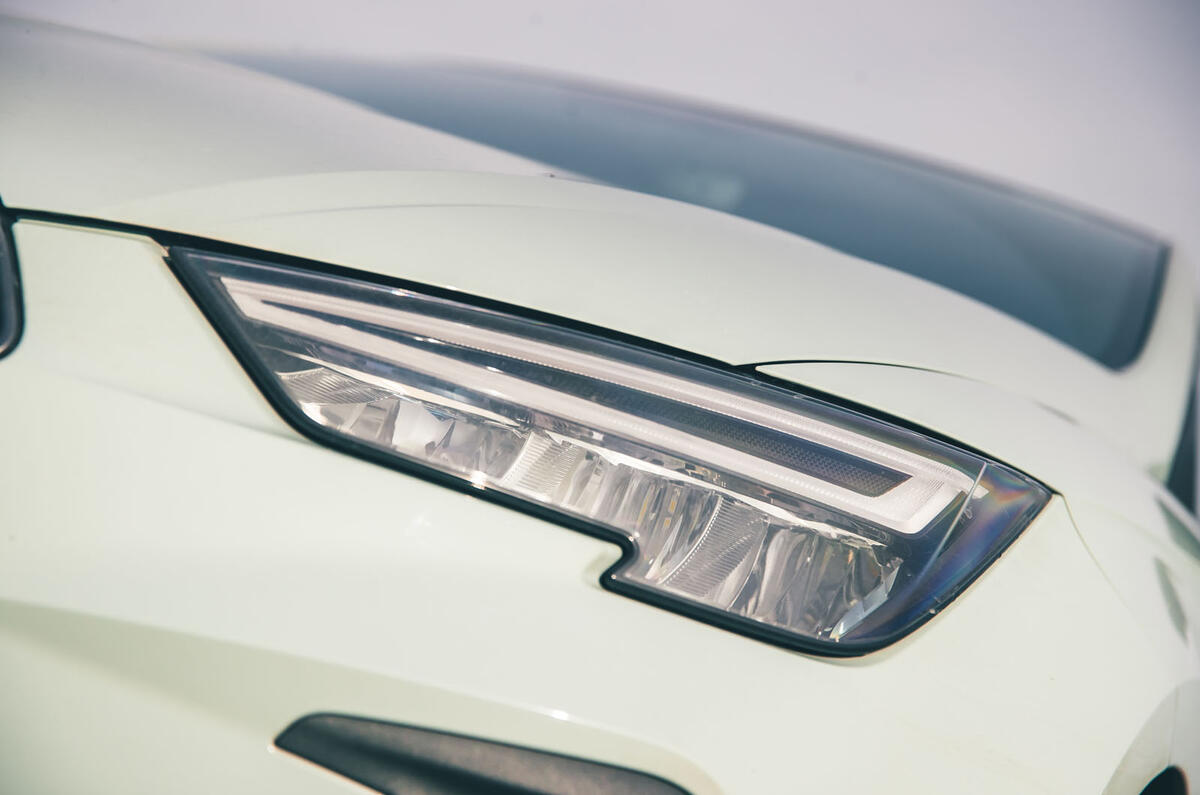
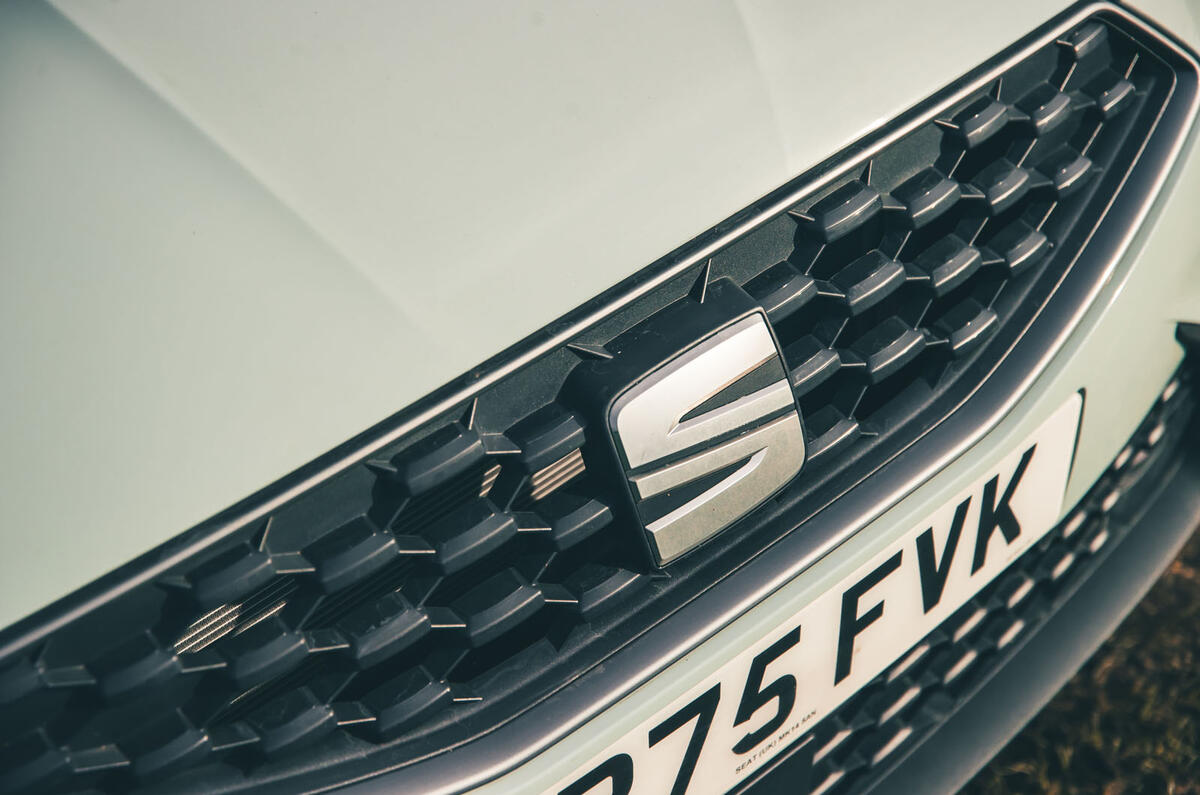
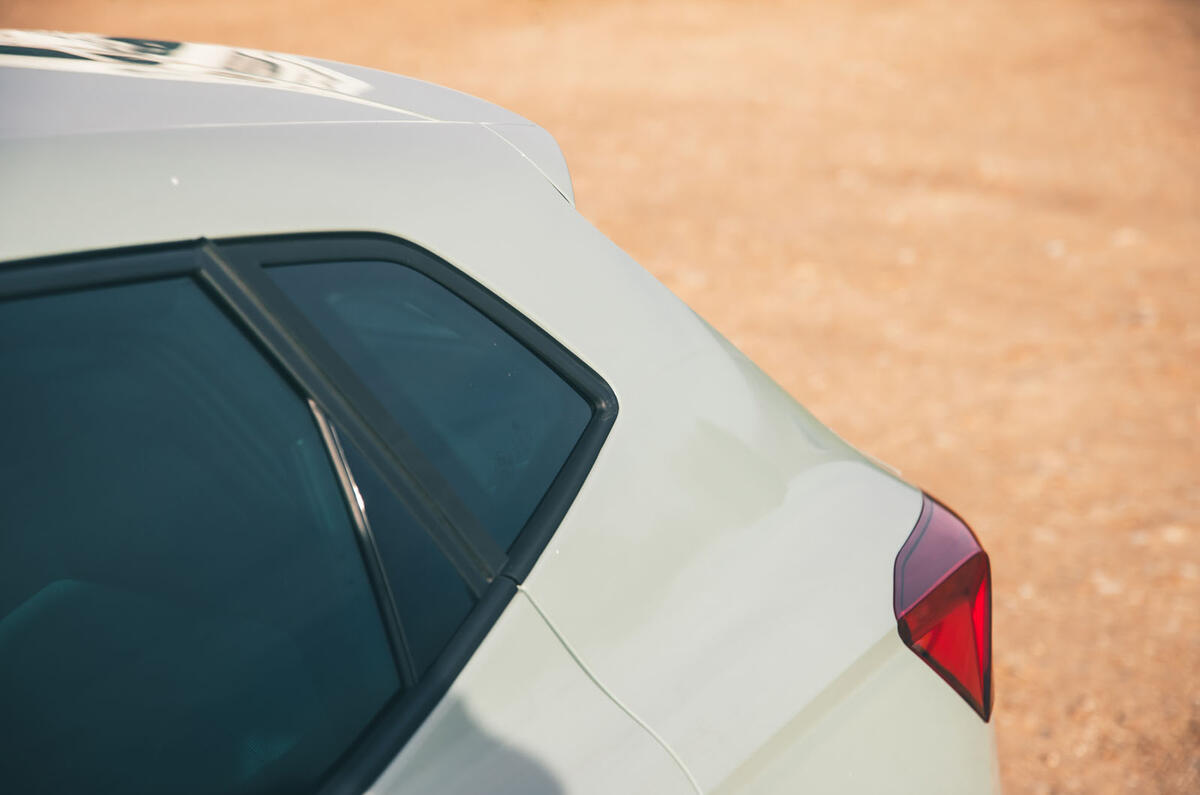
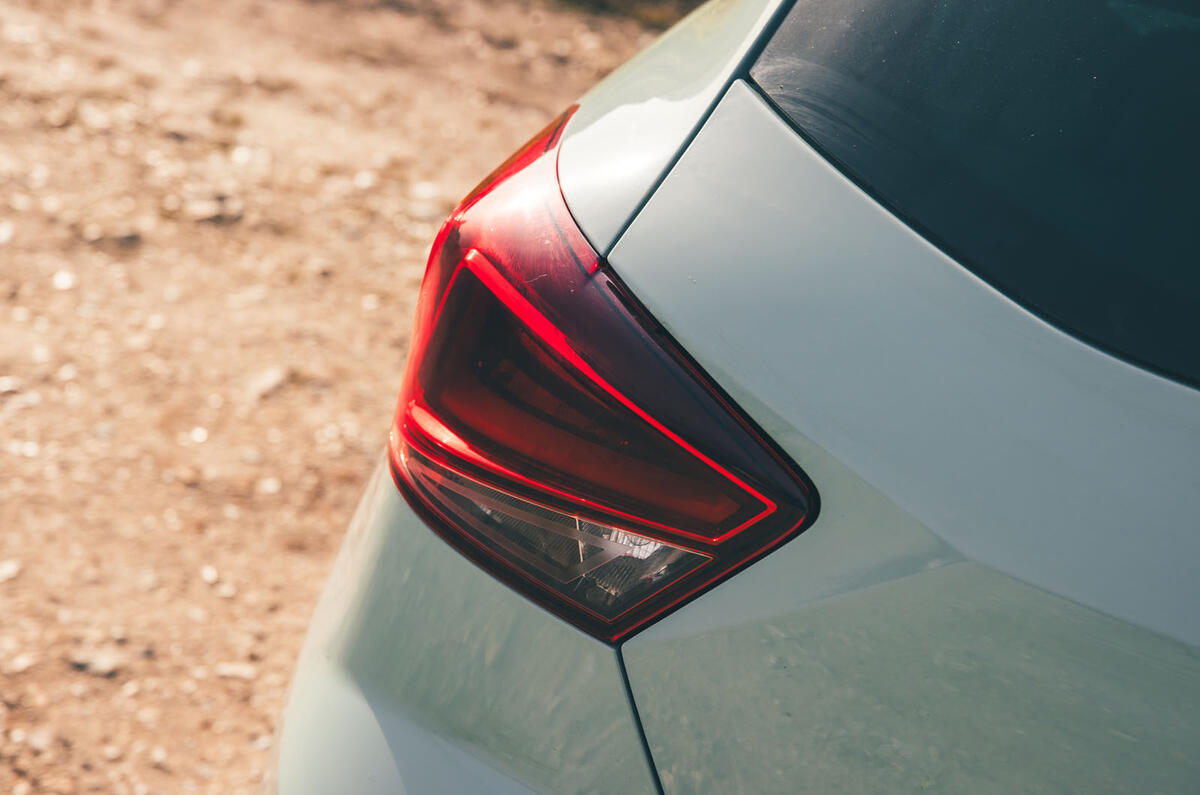
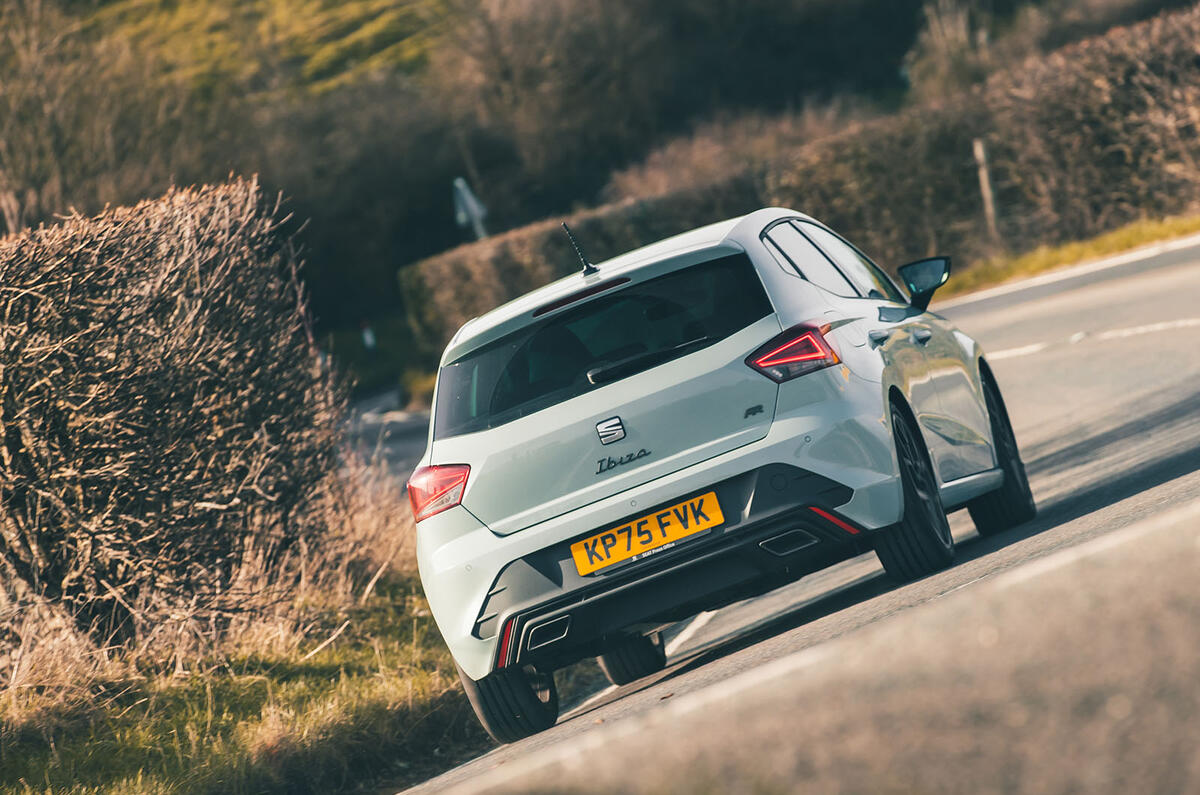
Now it has had a second facelift, which brings a very aggressive front bumper and new headlights, whose notched design reminds us more than a bit of the pre-facelift Vauxhall Corsa. In the metal, it looks fairly harmonious with the Ibiza’s generally very angular design, which does date it a little. Naturally, there’s a fresh crop of alloy wheel designs ranging from 16in to 18in.

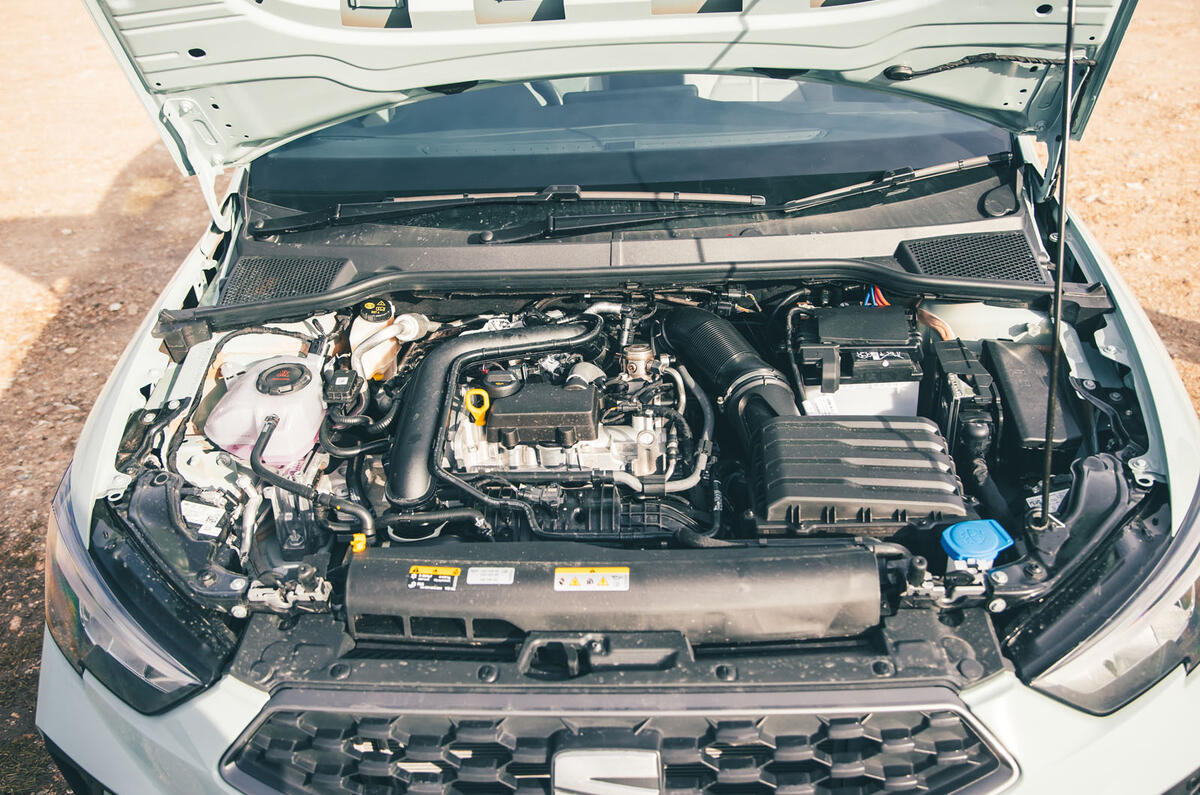
For the UK, only one engine is offered, the familiar 1.0-litre turbocharged three-cylinder unit, albeit with either 94bhp or 114bhp. The lower-power version is always mated to a five-speed manual gearbox; the higher-power version usually comes with a seven-speed dual-clutch automatic, but on FR trims it can also be combined with a six-speed manual. In other markets, Seat also off ers a naturally aspirated 1.0-litre and a turbocharged 1.5-litre four-cylinder. The former is probably no great loss, but we have always thought the Ibiza could do with some more power.

To keep the Ibiza compliant with future emission norms, 2027 will bring mild-hybrid engines. Seat hasn’t announced details, but these will most likely take the form of a 48V starter-generator for the automatic version of the 1.0-litre, as used to be offered on the Volkswagen Golf.

The Ibiza’s suspension follows the supermini norm, with coil springs, MacPherson struts up front and a torsion beam at the back. FR trims get stiffer sport suspension, which is somewhat unusual these days as most car makers have realised that buyers generally want the big wheels and sporty-looking attire but are ambivalent about increased body control.

As a range-topping FR Sport, our test car features that sport suspension and 18in wheels. It’s also the most powerful version with the DSG dual-clutch automatic gearbox. That all adds up, and while 1205kg is relatively light for a new car, it’s pretty heavy for a supermini.

INTERIOR

7
Seat Ibiza review 2026 010

In the past 10 years, there has been a shift in the design philosophy for superminis. When the fourth-gen Ibiza was launched, there was a general push for small cars to feel sensible and grown-up. The Ibiza, VW Polo, Vauxhall Corsa and Ford Fiesta all duly complied.

More recently, though, arrivals like the Renault 5, the Citroën C3 and the latest Mini have raised the bar in terms of the luxury and design appeal that can be injected into a small car, albeit sometimes at the expense of ease of use.

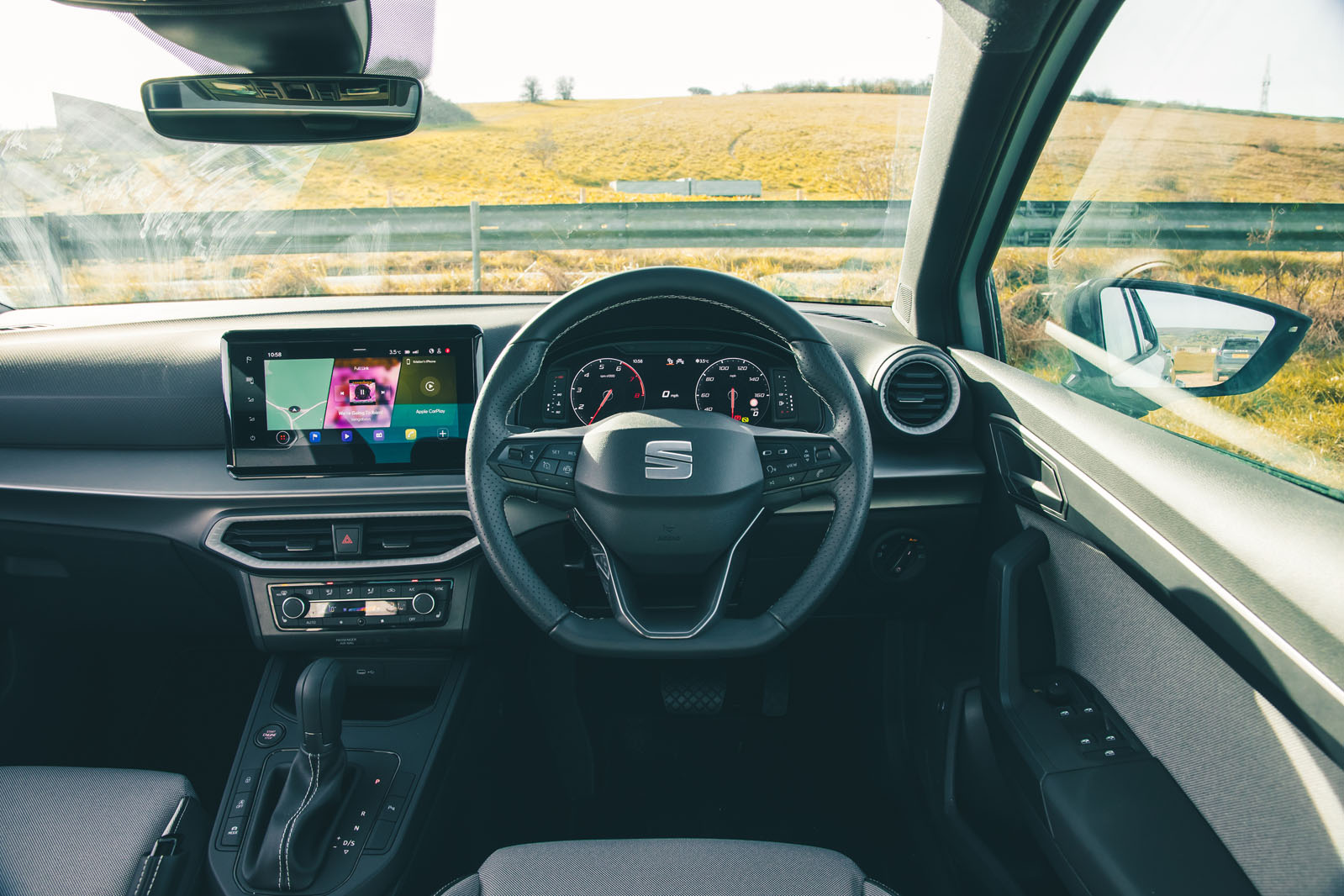
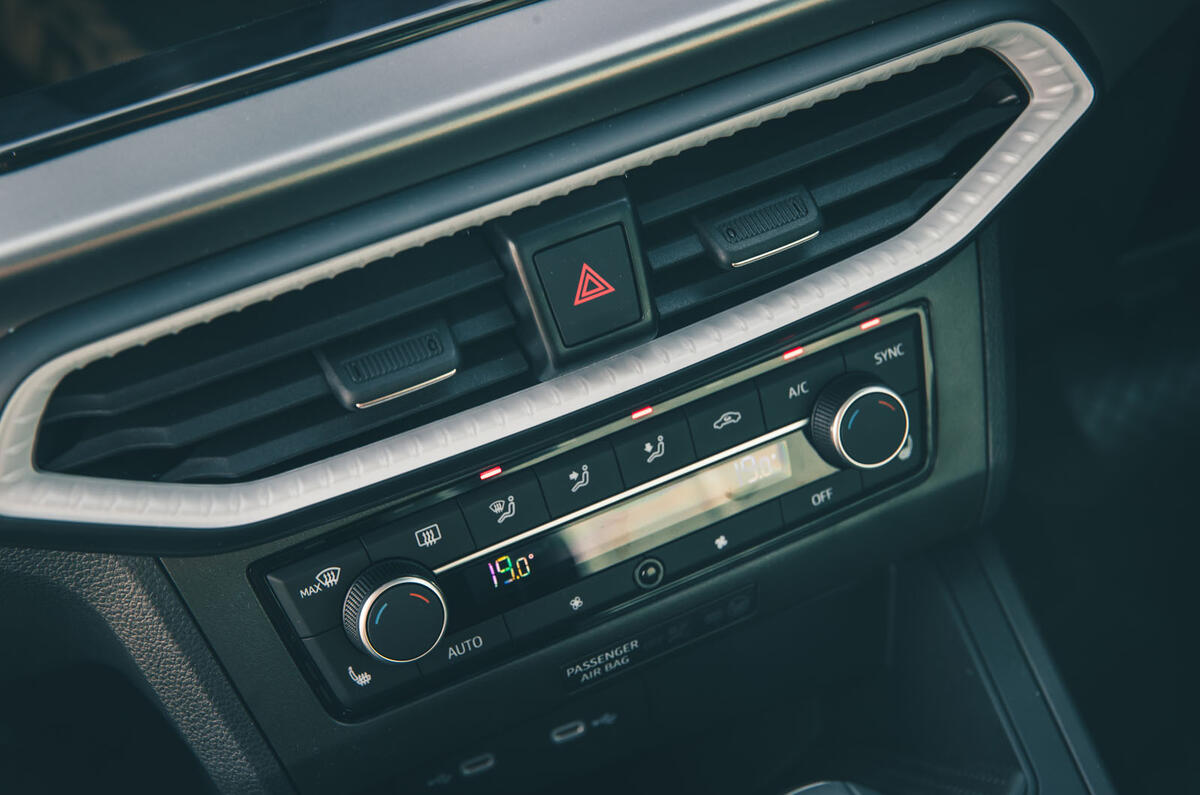
The Ibiza's buttons and dials have a satisfying click to them, serving up a reminder of how excellent the Volkswagen Group's interiors were a generation ago.

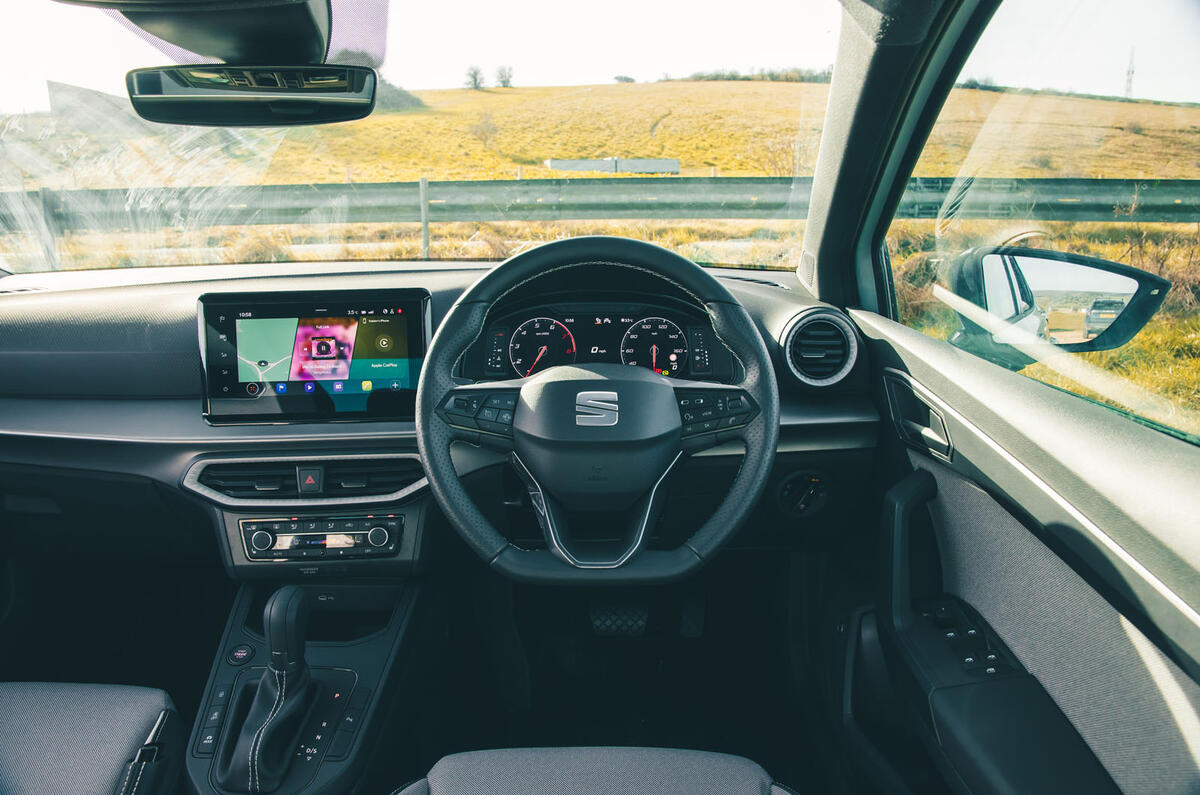
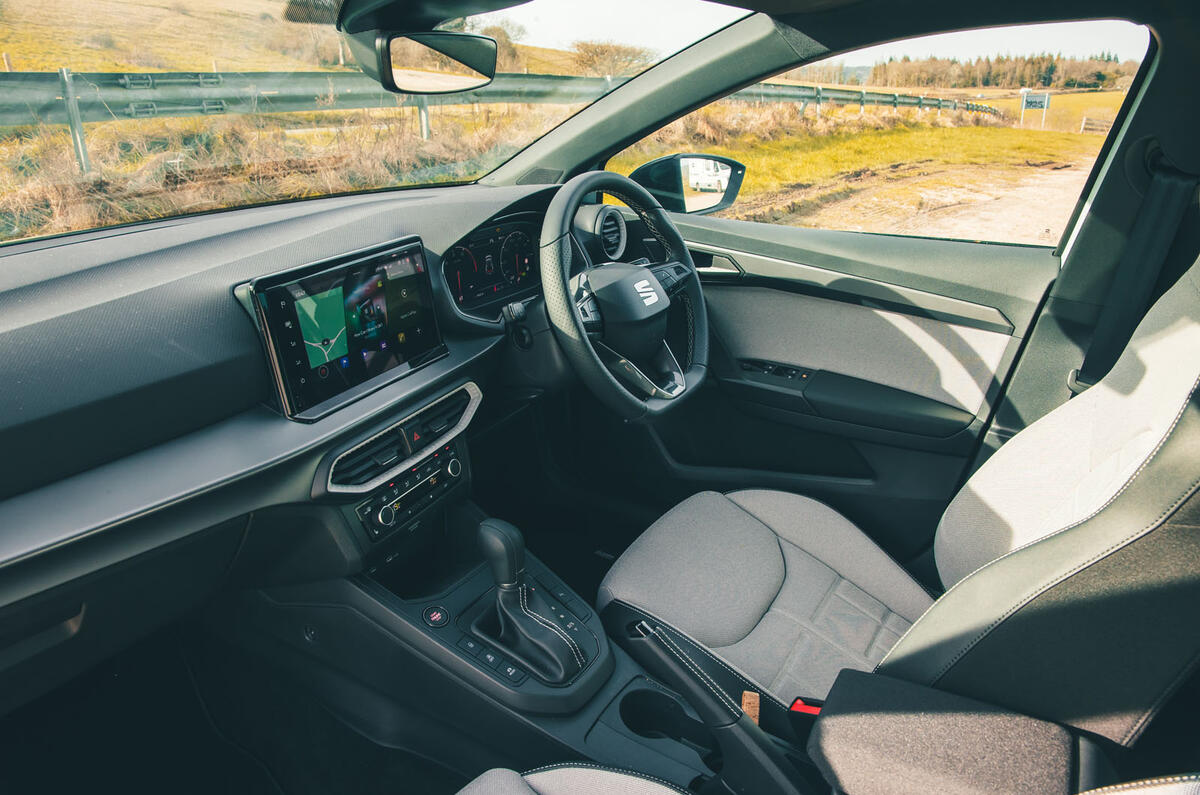
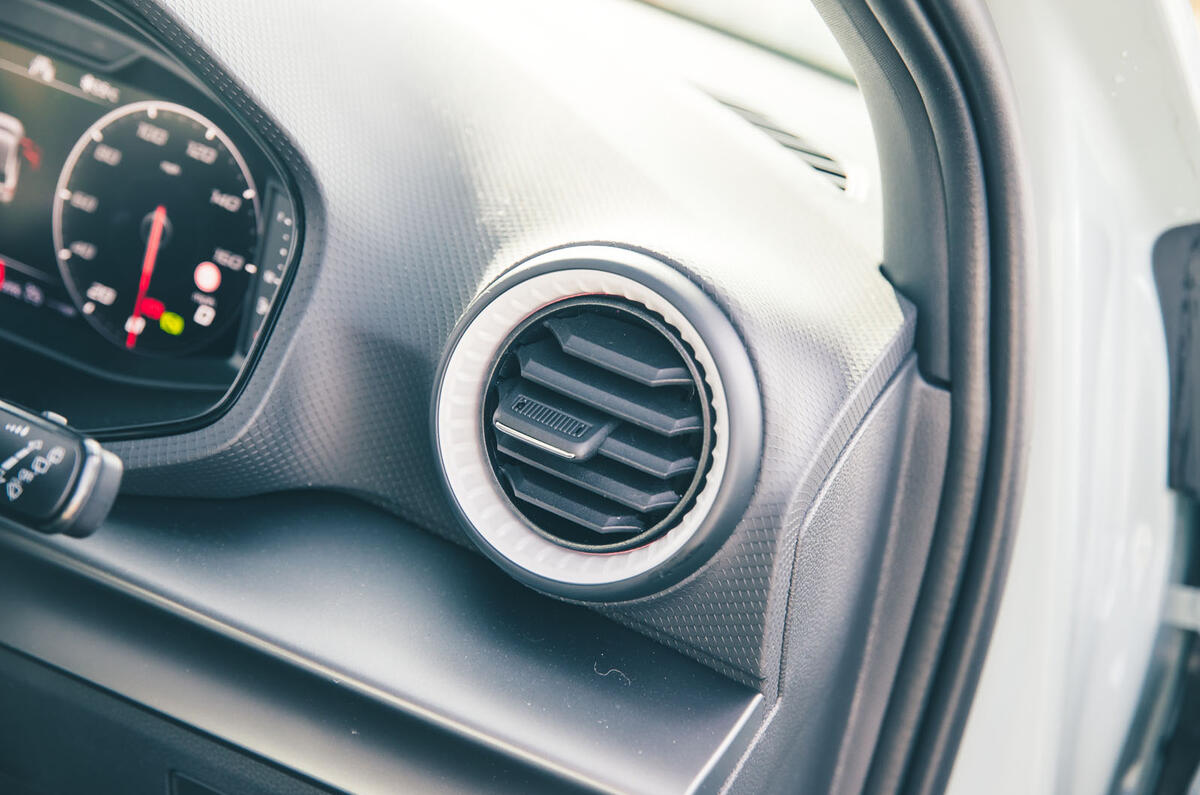
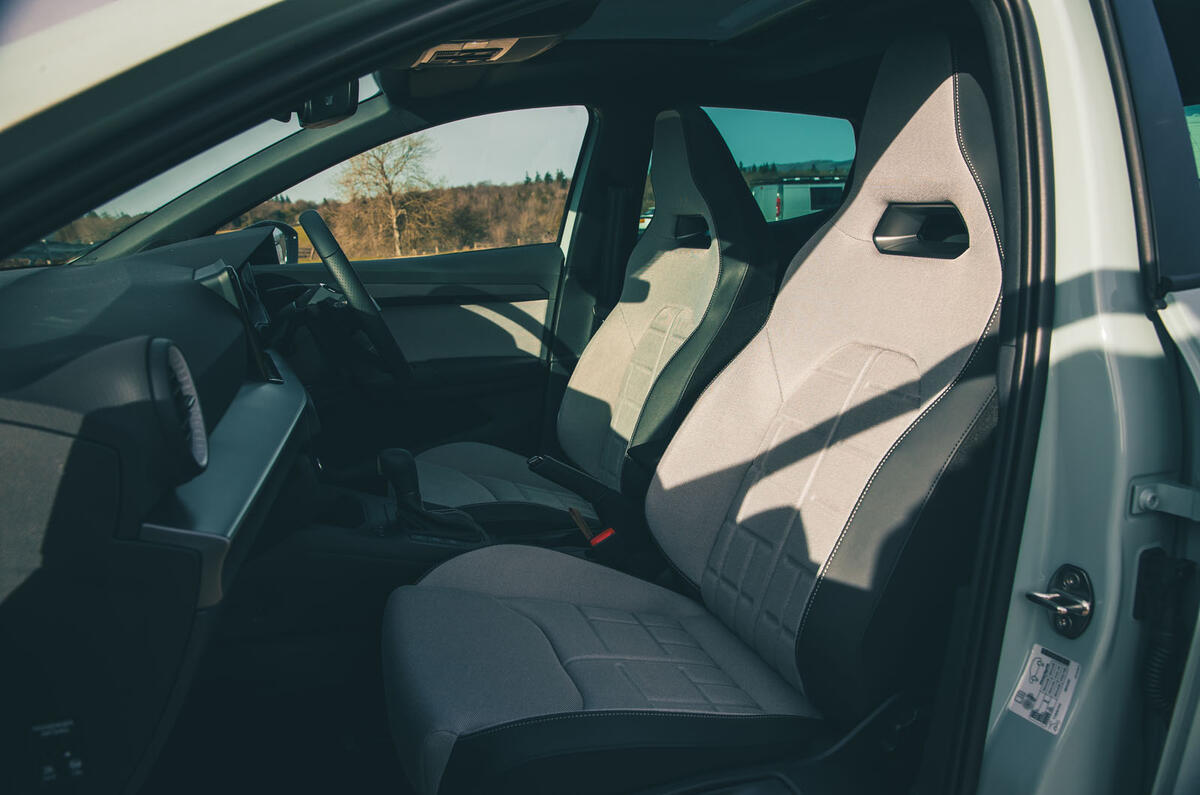
The current Ibiza actually finds itself in quite a good place. Although its structure hasn’t changed, its interior has gently evolved with the times. In 2021 it got a more shapely soft-touch dashboard with playful round air vents and coloured mood lighting. The latest updates introduce new fabrics, including the light grey on the seats and door cards of our FR Sport test car that really lift the ambience.

It’s certainly not on the same level as some of the plushest rivals. The shapes are fundamentally conventional, and there’s plenty of hard plastic mouldings, though thankfully no glossy ones. Making the dashboard soft-touch is a strange choice, since that bit of budget for premium materials could have been better employed on the door cappings, where you’re more likely to rest an elbow. Build quality is beyond reproach, though, and superior to that of a Skoda Fabia.

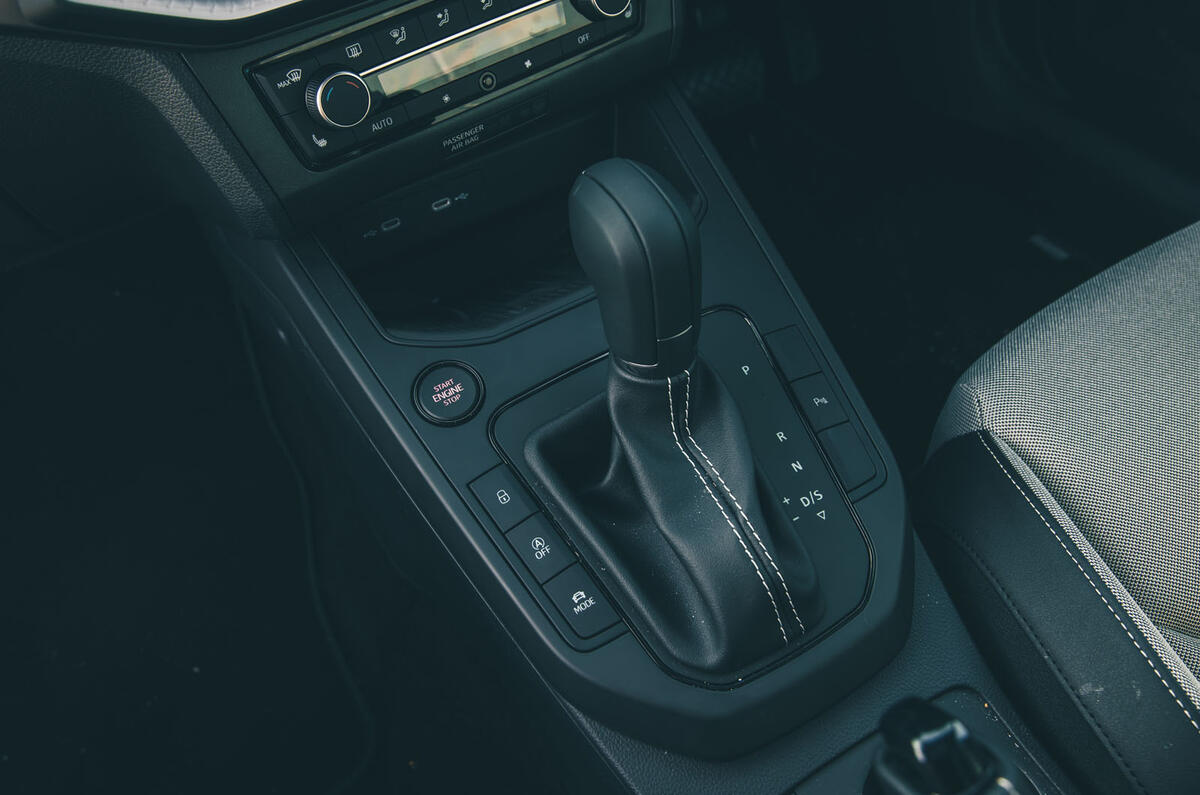
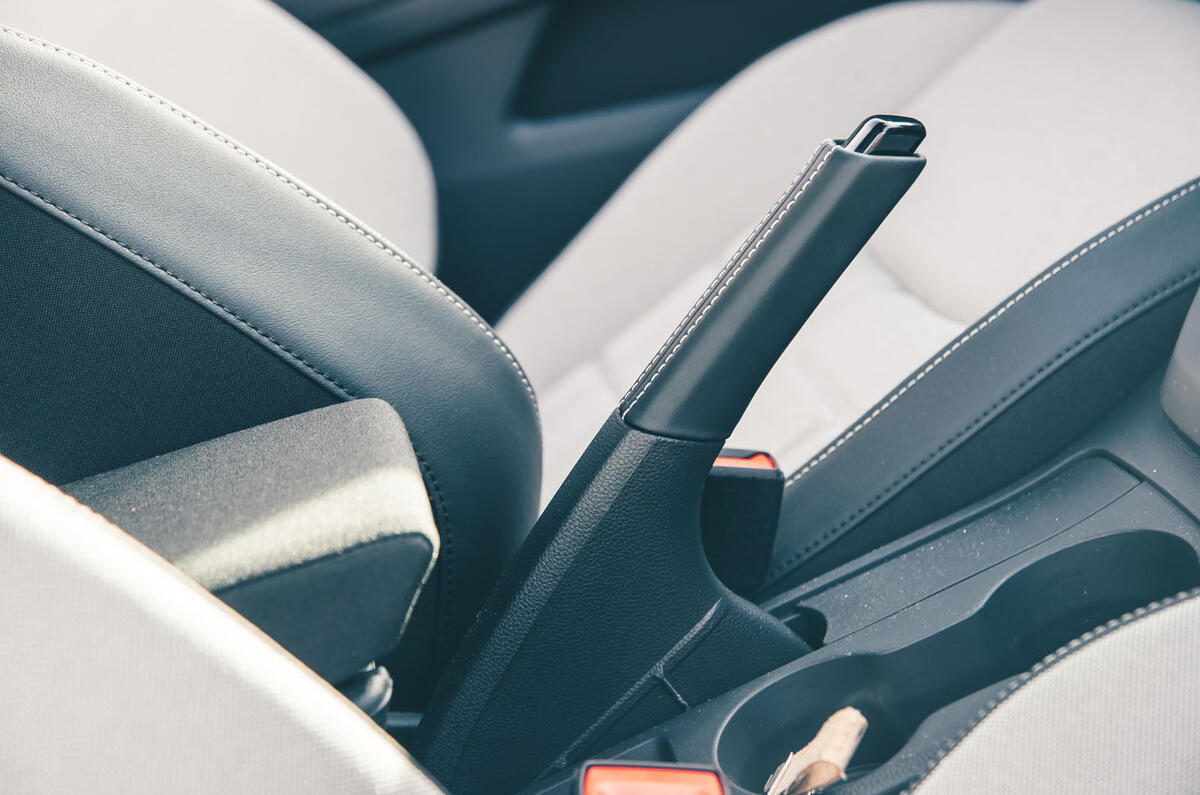
Meanwhile, the Ibiza feels like a 2017 car in the best way by offering tactile physical controls for almost all the important functions, such as the lights, climate control and drive modes. There are even physical levers for the automatic gearbox and handbrake.

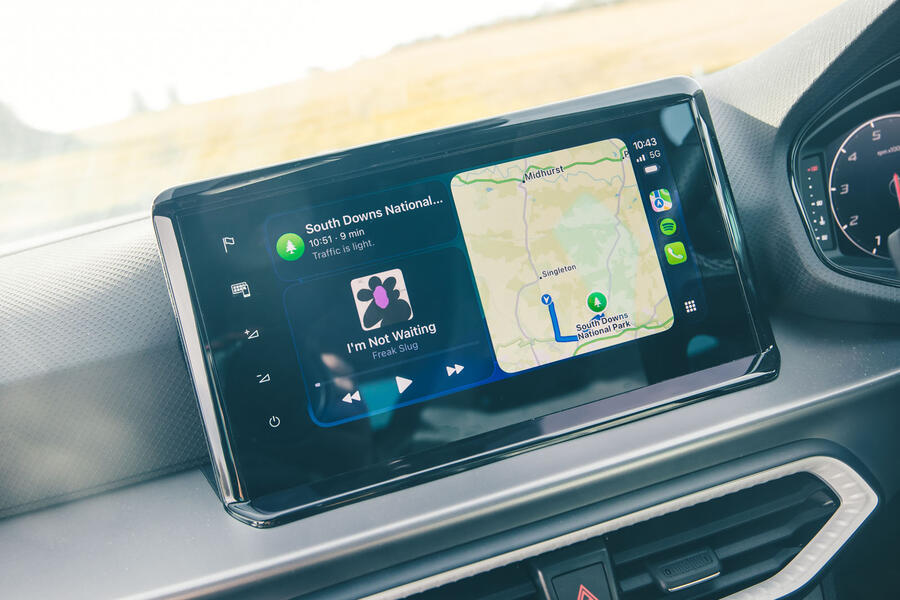
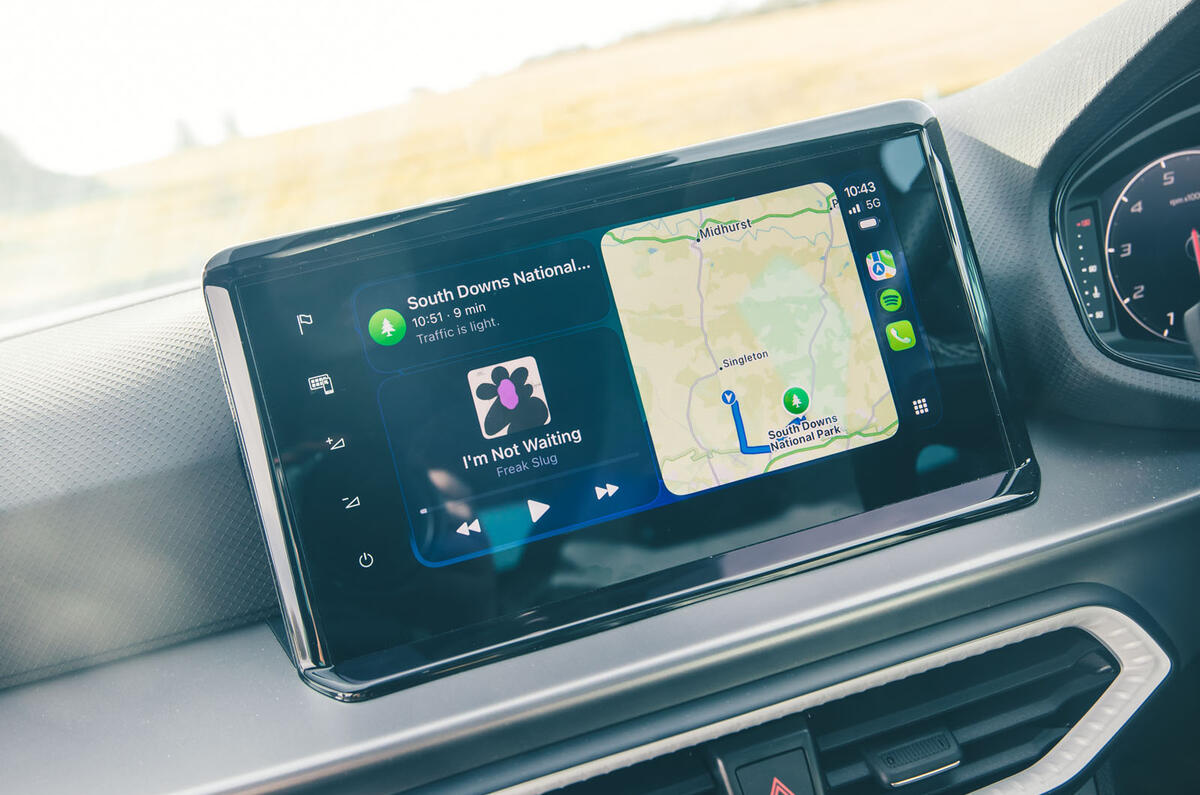
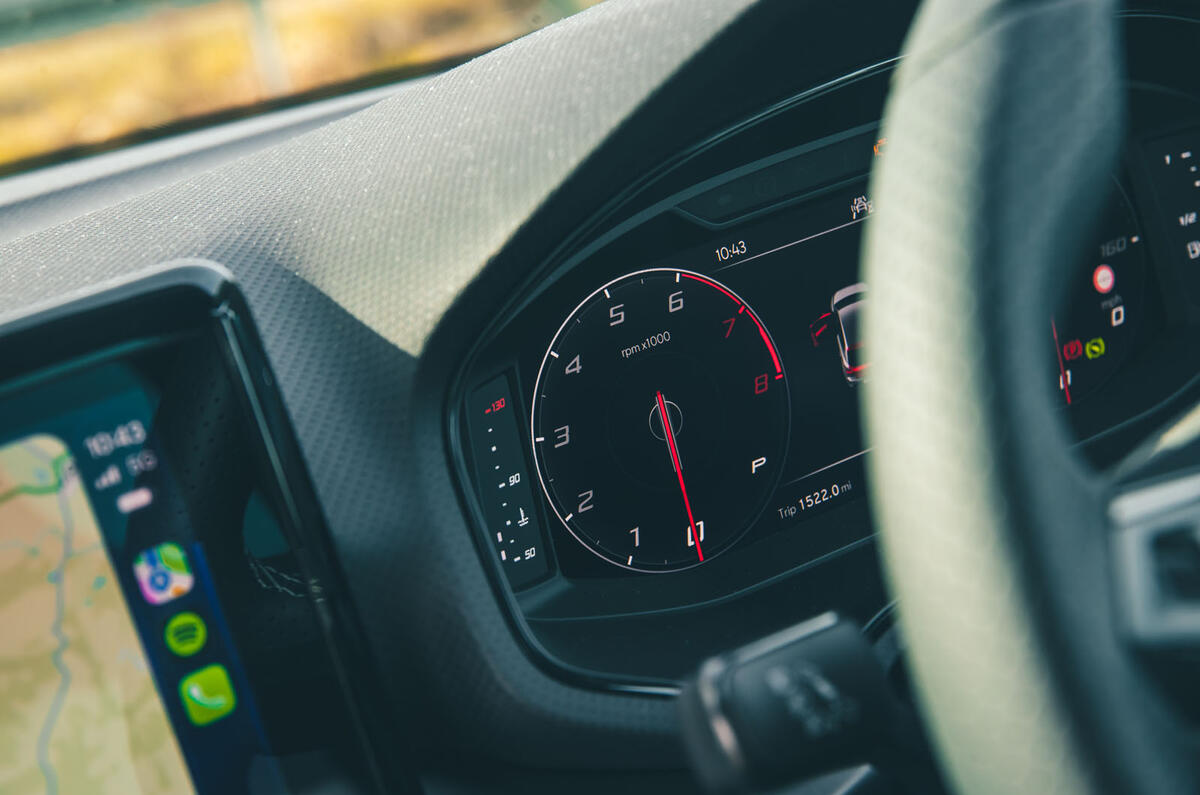
The same can be said for the technology on board – none of it is particularly cutting-edge, but nor does any of it feel desperately outmoded or difficult to use. The centre touchscreen’s (8.2in on SE, 9.2in on other trims) built-in navigation and voice control are too rudimentary to be of much use; it is put to much better use mirroring your phone, which it does reliably and wirelessly. The digital driver display (10in on FR Sport, 8in on other trims) is simple, crisp and easily readable, with a choice of layouts. On FR Sport trim, there’s even a wireless charger with active cooling to stop your phone from melting.

FR versions feature a pair of surprisingly figure-hugging sport seats that are at the same time quite comfortable. They’re heated but even on the range-topping version lack cushion angle adjustment or adjustable lumbar support. Thankfully, both have an appropriate default setting.

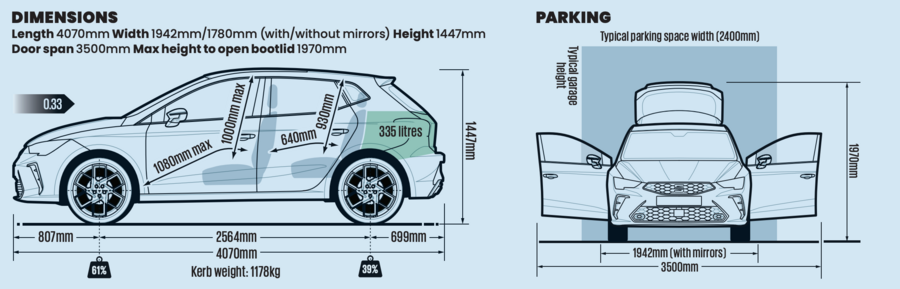
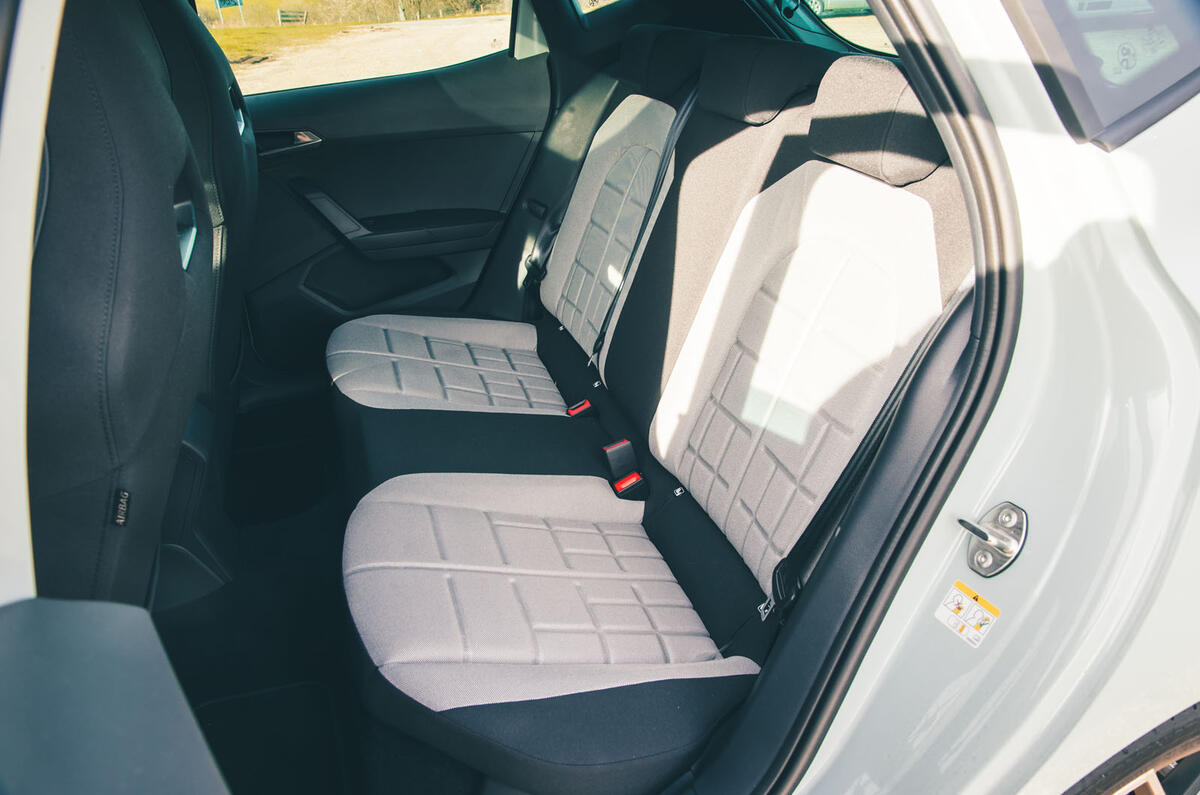
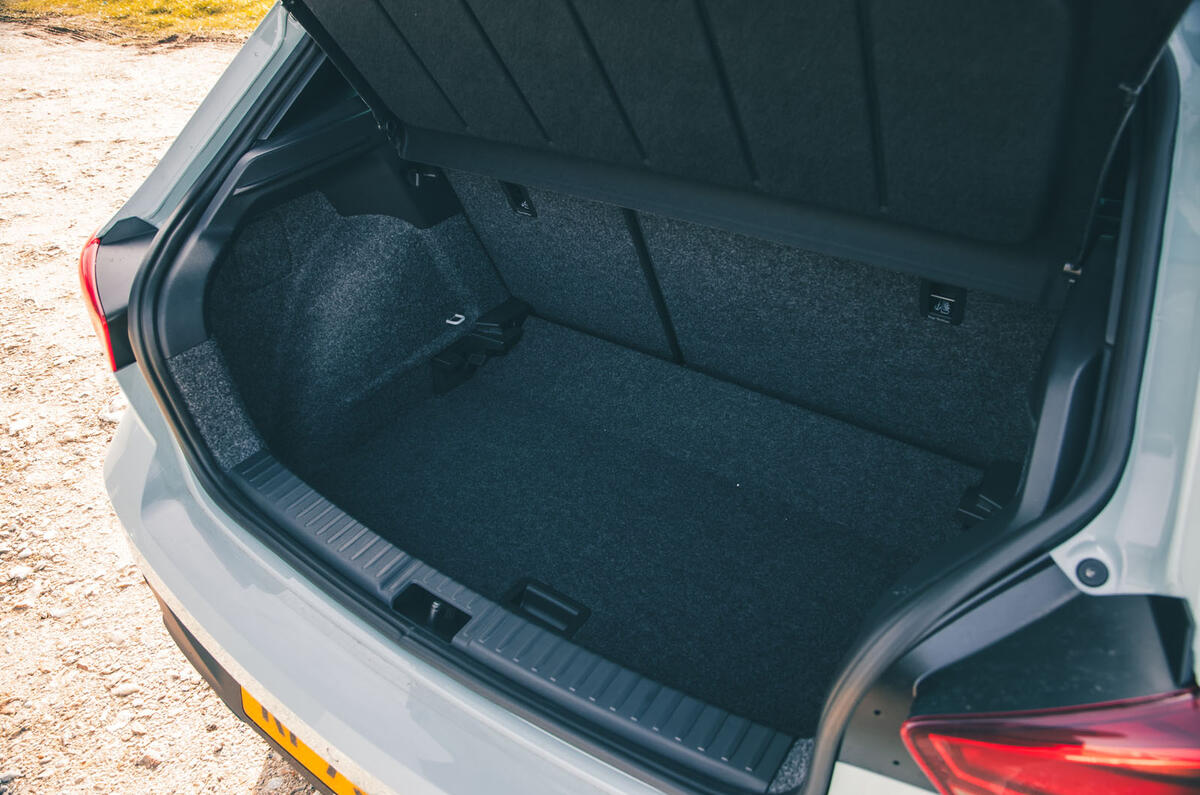
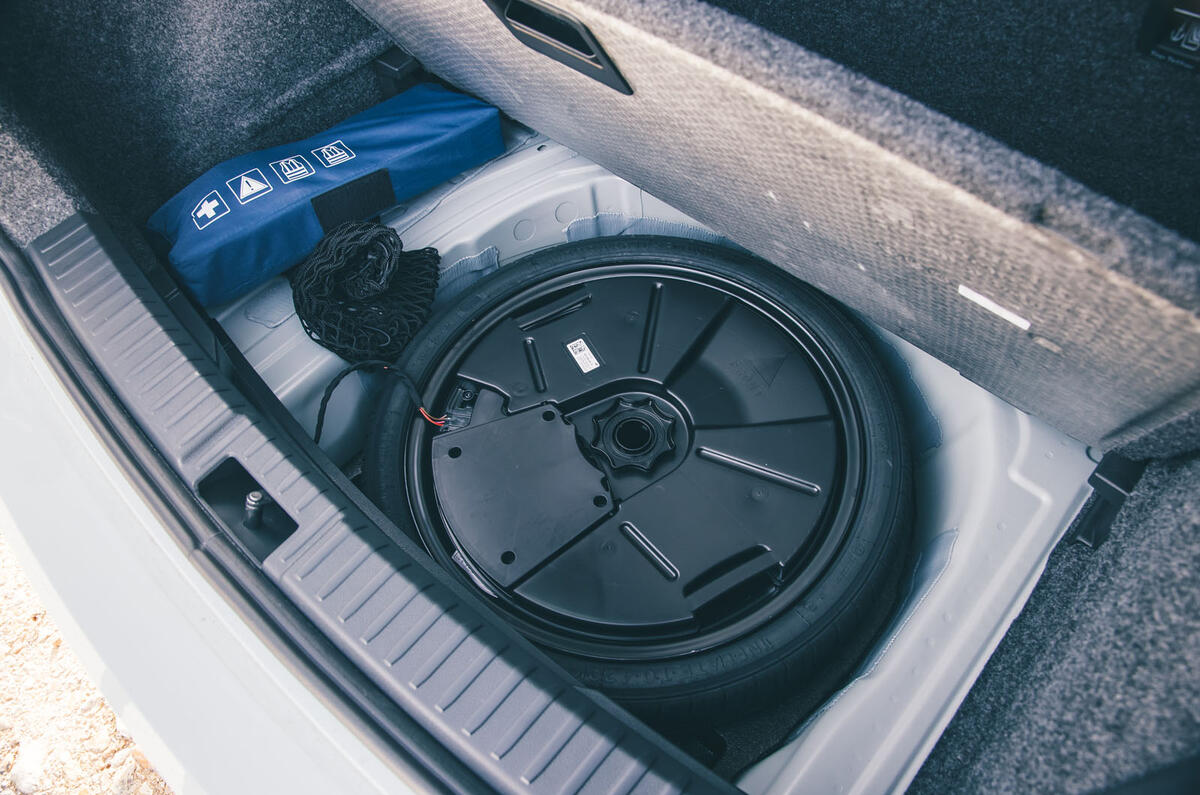
This generation of Ibiza brought big gains in interior space compared with the previous one, but roomier rivals have come along since. Rear leg room of 640mm is more than adequate for a small car, but adults would be wise to turn down the offer of a lift if there was a Skoda Fabia or Hyundai i20 offering an alternative. At 335 litres, the boot is far from the most spacious in the class – the Renault Clio and Fabia offer closer to 400 litres – but has a usefully even shape and on FR Sport it gets a variable-height floor.

ENGINES & PERFORMANCE

9
Seat Ibiza review 2026 022

With the exception of some hybrid-only models, all the mainstream superminis we have road tested since 2016 have had a manual gearbox. Quite simply, that has always been the most popular option. But the tide is turning and a big proportion of small cars now have just two pedals.

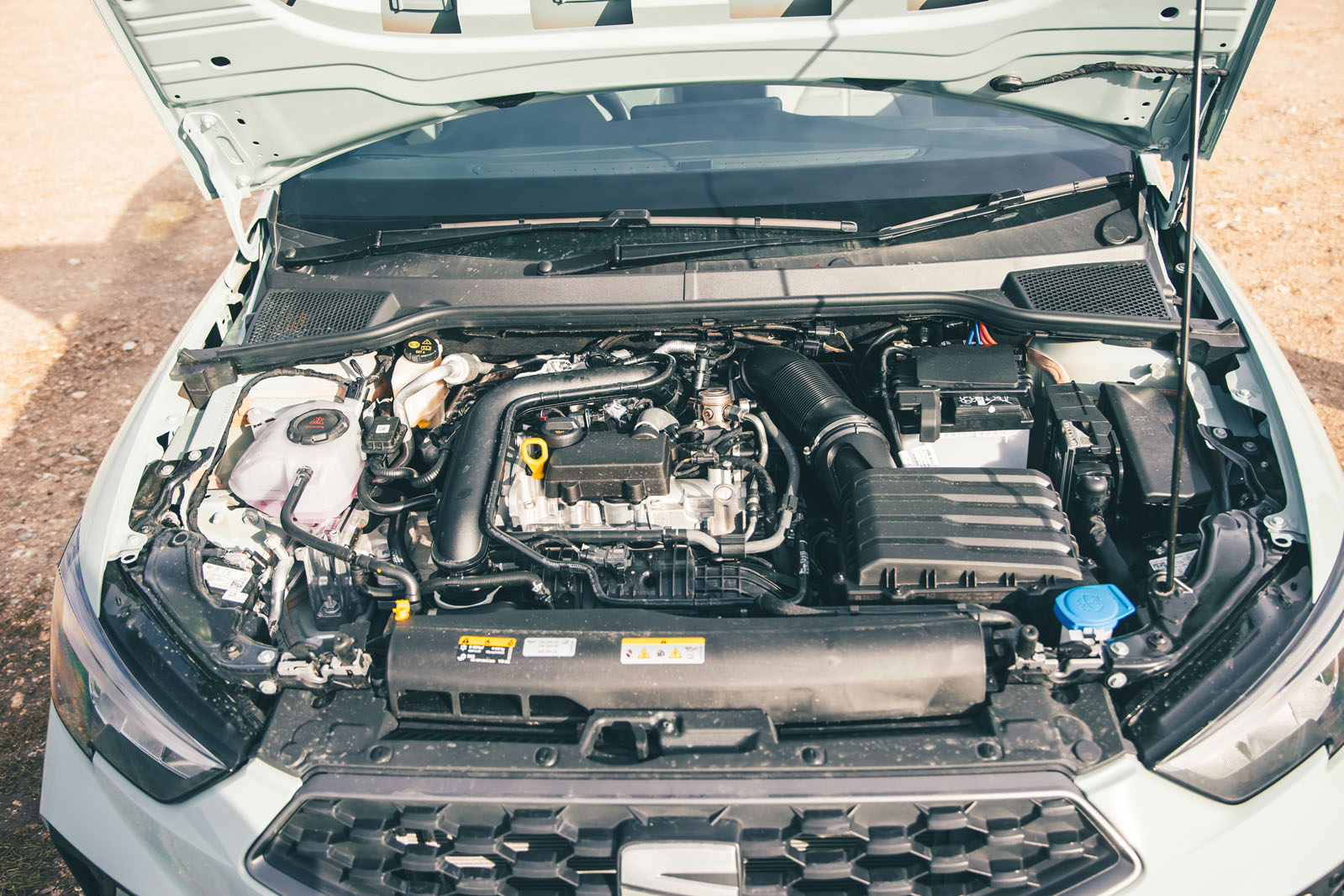
That includes this road test subject, which is powered by the higher-output version of the VW Group’s familiar ‘EA211’ triple, with a seven-speed dual-clutch automatic.

Mild-hybrid engines are due to join the line-up in 2027, when the Euro 7 emissions regulations come into force.

While the DSG doesn’t allow for the most energetic getaway, the intermediate gears are usefully short and shift speeds relatively quick. These lower-end dry-clutch units never have the immediacy of wet-clutch ones, but this application is much better than some we have experienced. In everyday motoring it’s generally smooth and is happy to drop down a gear when you prod the throttle. It also lacks the hesitancy at low speeds we have observed with many DSGs.

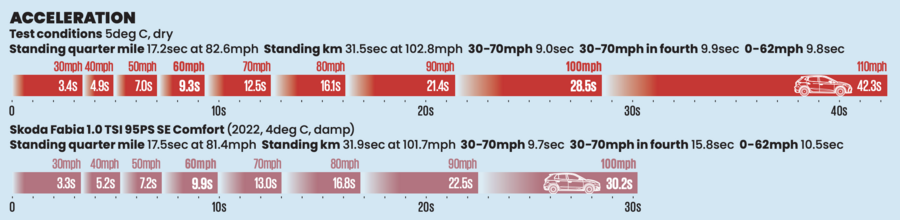
The Skoda Fabia that we tested a few years ago had the same 94bhp and five-speed manual as is also offered in the Ibiza. Look at the difference in 0-60mph times on p38 and the extra outlay for the more powerful version may not seem worth it, but the real value lies in the in-gear punch. The Ibiza needed 5.9sec less for the 30-70mph-in-fourth benchmark, and that translates to much greater flexibility in the real world.

Although the vital statistics are nothing to shout about, there’s a surprising muscularity about this engine. It pulls well in the mid-range, and it’s happy to rev out when the situation calls for it. The three-cylinder’s voice is a bit gruffer and more muffled than the particularly vivacious one in the Suzuki Swift but still has much more character than most four-cylinders. One slight annoyance is that the car always starts in Eco mode, which excessively dulls the accelerator response. Thankfully, one press of the drive mode button by the gear selector puts it in normal mode, which works nicely.

The engine matches well with the DSG automatic, which is smoother and more responsive than in many other applications. We have found the six-speed manual slightly underwhelming, since the throws of the shifter are rather long and indistinct, and the ratios themselves are long as well (third and sixth on the manual are similar to fourth and seventh on the DSG), which dulls performance.

Braking performance was impressive too. The 94bhp version gets drums at the back, but 114bhp Ibizas like ours gain discs. They displayed no notable fade in the dry, and in the wet our test car needed less than 50m to come to a stop from 70mph, which is excellent, particularly considering that it was a cold day. In everyday use, we found the pedal a bit too sensitive, but it’s nothing you won’t get used to.

RIDE & HANDLING

8
Seat Ibiza review 2026 024

FR Sport Ibizas are fitted with performance tyres. That means Continental ContiSportContact 5 or Michelin Pilot Sport 4 – the former in the case of our test car. That’s some serious rubber for a 114bhp supermini, but does show that Seat still wants to position itself as a sporty choice.

Indeed, a session on Horiba MIRA’s handling circuits proved that an Ibiza could make for a competent ‘my first track car’. Whereas most mainstream cars’ tyres start to wilt very quickly, the Ibiza felt up for more. Its handling balance invites the same. While it’s far from the most entertainingly oversteery small car, it’s simply neutral.

It maintains very good grip in the wet, though the wet handling circuit did expose some heavy-handedness in the stability control system. The Ibiza is much more throttle-adjustable with the systems left on than in the ‘TCS off’ mode, because the electronics are dialling out understeer by applying the inside brakes. However, after a few laps, we got the distinct  smell of hot brakes.

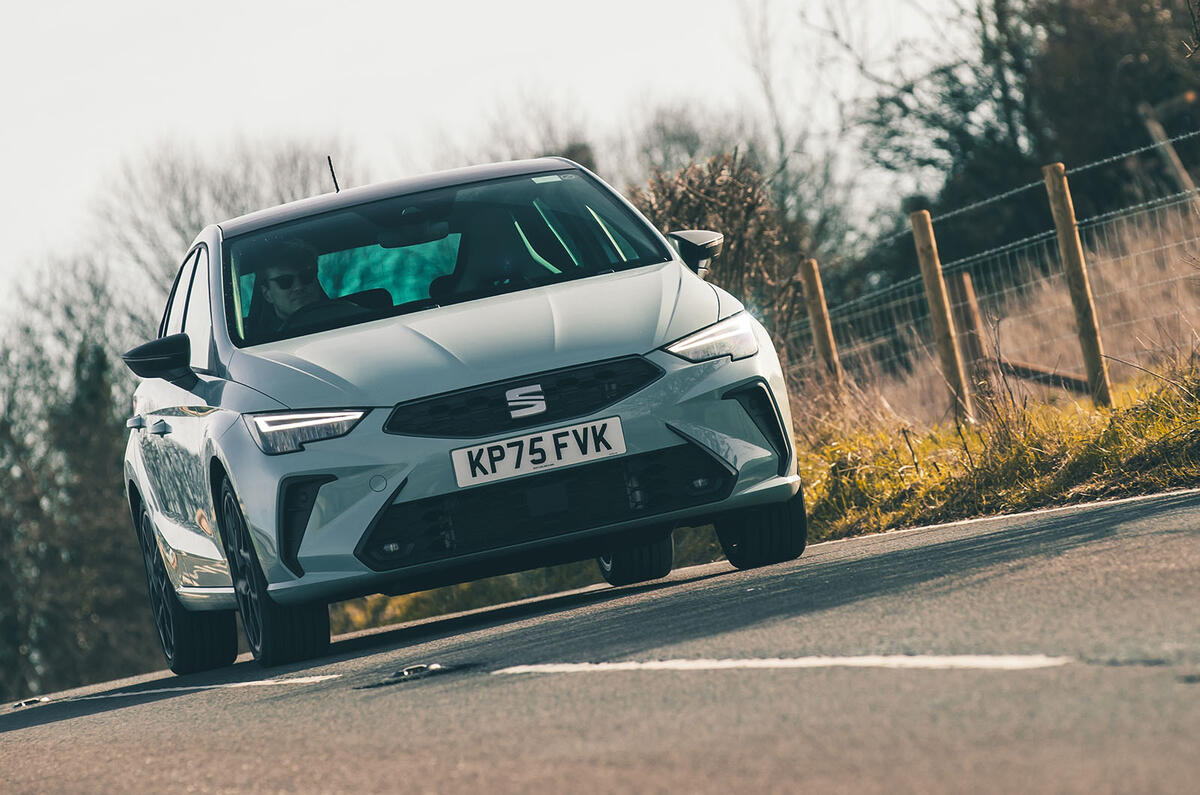
On the road, this translates into a car that isn’t quite as engaging as a Ford Fiesta used to be, but has grip, response and body control to spare. Although the Ibiza’s steering is overly light in its default mode, Sport adds some welcome heft. It never communicates like a Mini Cooper’s, but neither is it completely devoid of feel like a Hyundai i20’s.

The sport suspension and 18in wheels do mean that the ride is firm at all times, though not insufferably so for a car with some handling talent. It can be a little excitable on bumpy roads and impacts from corrugations are certainly felt, but things settle down well enough on the motorway and the suspension is rarely harsh. While it’s all definitely on the sportier end of things, it’s relatively well judged.

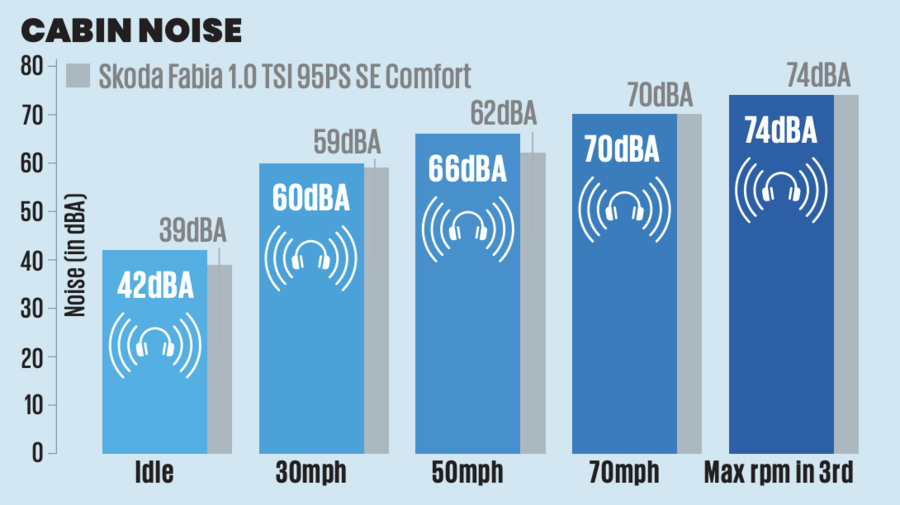
If there’s one thing that makes the Ibiza tiring to drive over longer distances, it’s the level of road noise. While 70dBA at 70mph isn’t horrendous for a supermini, you will find much more hushed driving environments in the Renault Clio, Mini Cooper and Peugeot 208. Even the upgraded audio system is merely okay, and you tend to crank the volume quite high to drown out the road noise, so there’s the danger of arriving at your destination rather over-stimulated.

Even on the top FR Sport trim, adaptive cruise control is an option - it’s in the £275 Safety and Driving Pack (M) with high beam assist - which our test car didn’t have. Basic cruise control is standard, even on SE trim, though. Lane keep assist is typically irritating, but the overspeed warning comes in the form of quite a friendly chime. Both are very quick and easy to turn off.

MPG & RUNNING COSTS

6
Seat Ibiza review 2026 001

If Seat is to become the VW Group’s Dacia, it does still have a bit of a problem in that the Ibiza isn’t all that cheap. Sure, it’s less expensive than the hybrid options like the Toyota Yaris and Honda Jazz, or the more premium Mini, but the Renault Clio (an all-new generation is coming, but the outgoing one remains available for the foreseeable future), Citroën C3 and Suzuki Swift are cheaper however you buy them, and while the Vauxhall Corsa looks expensive on list price, it’s also cheaper than the Ibiza on finance.

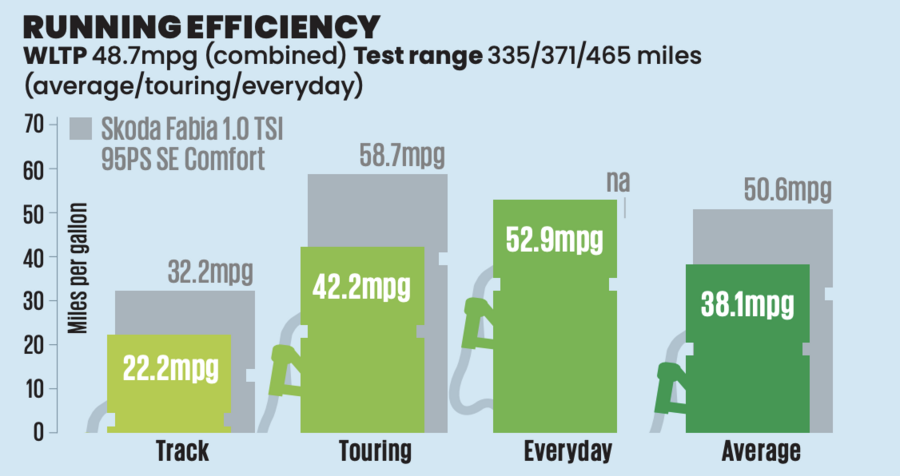
We were also quite disappointed by our test car’s fuel consumption. We would expect a supermini with a 1.0-litre engine to easily crack 50mpg in mixed motoring and even get into the 60s with some careful driving. Instead, the most we ever saw from our test car was 52.9mpg in our ‘everyday’ suburban test. Most of the time, around 40mpg was the order of the day. Although a 40-litre fuel tank isn’t unusually small for the class, it does make for relatively frequent fill-ups.

It’s a somewhat surprising result, and we suspect the culprit here is the tyres. The ContiSportContact 5 is an unusually (and probably excessively) performance-oriented choice for this sort of car, and a few generations old (there’s already a SportContact 7). A PremiumContact would probably give up next to no meaningful handling but gain a few MPGs. We have also found the VW Group’s mild-hybrid engines tend to be substantially more efficient than their conventional counterparts, so unless you’re wedded to the manual ’box, we would hold out for next year’s update.

VERDICT

8
Seat Ibiza review 2026 026

When the Ibiza was launched in 2017, it climbed straight to the top of our supermini rankings. But while the segment can seem less than vibrant, plenty of newer contenders have come along to attack the Seat from all sides.

The Clio offers more refinement for less cash, the Mini Cooper more fun, the Yaris more economy, and the Fabia more space. It feels like a missed opportunity to have a facelift now but hold the technical updates back.

Apart from the disappointing fuel economy, the Ibiza still performs very well in all areas,  though. That makes it an appealing all-rounder with a slight edge in driving enjoyment thanks to its energetic engine and taut chassis. Although, with the loss of the Fiesta and Mazda 2, Seat could probably have leaned into that aspect a little bit more to make the Ibiza continue to stand out despite its advancing years.

Charlie Martin

Charlie Martin Autocar
Title: Staff Writer

As part of Autocar’s news desk, Charlie plays a key role in the title’s coverage of new car launches and industry events. He’s also a regular contributor to its social media channels, creating content for Instagram, Tiktok, Facebook and Twitter.

Charlie joined Autocar in July 2022 after a nine-month stint as an apprentice with sister publication What Car?, during which he acquired his gold-standard NCTJ diploma with the Press Association.

He is the proud owner of a Mk4 Mazda MX-5 but still feels pangs of guilt over selling his first car, a Fiat Panda 100HP.

Illya Verpraet

Illya Verpraet Road Tester Autocar
Title: Road Tester

As a road tester, Illya drives everything from superminis to supercars, and writes reviews and comparison tests, while also managing the magazine’s Drives section. Much of his time is spent wrangling the data logger and wielding the tape measure to gather the data for Autocar’s in-depth instrumented road tests.

He loves cars that are fun and usable on the road – whether piston-powered or electric – or just cars that are very fit for purpose. When not in test cars, he drives an R53-generation Mini Cooper S or a 1990 BMW 325i Touring.