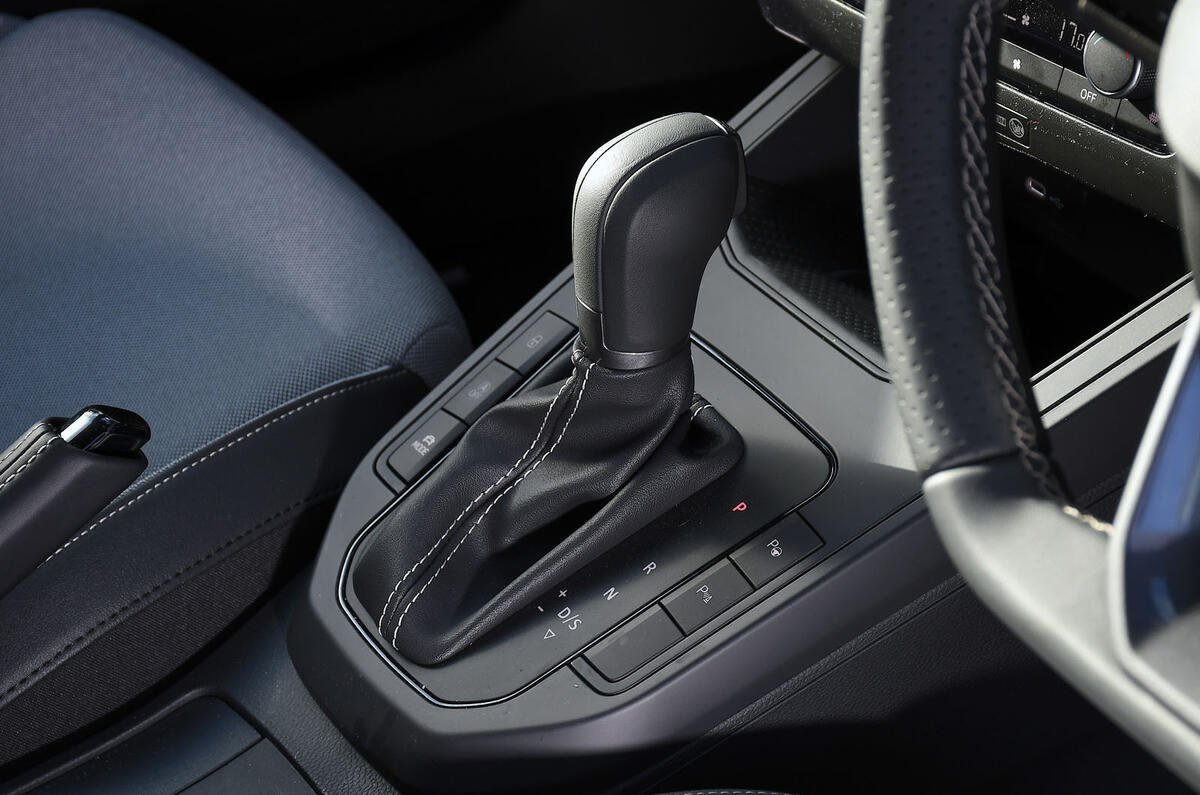
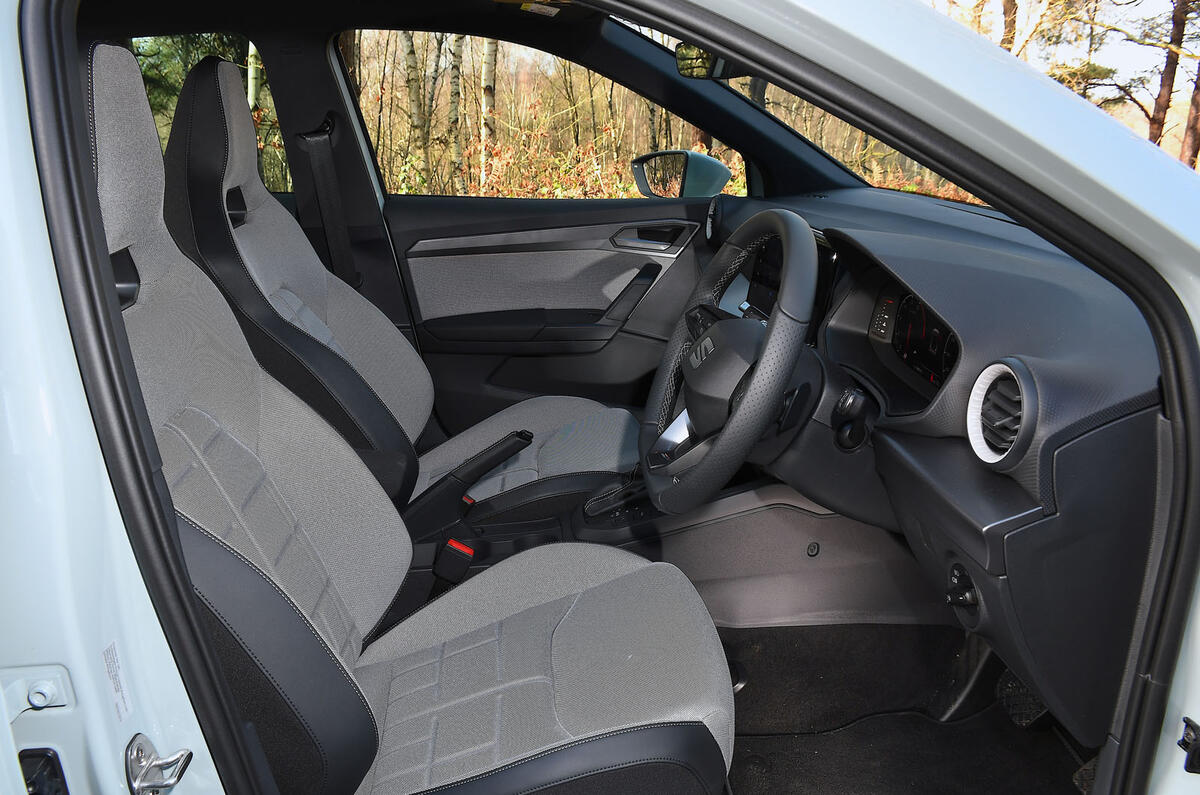
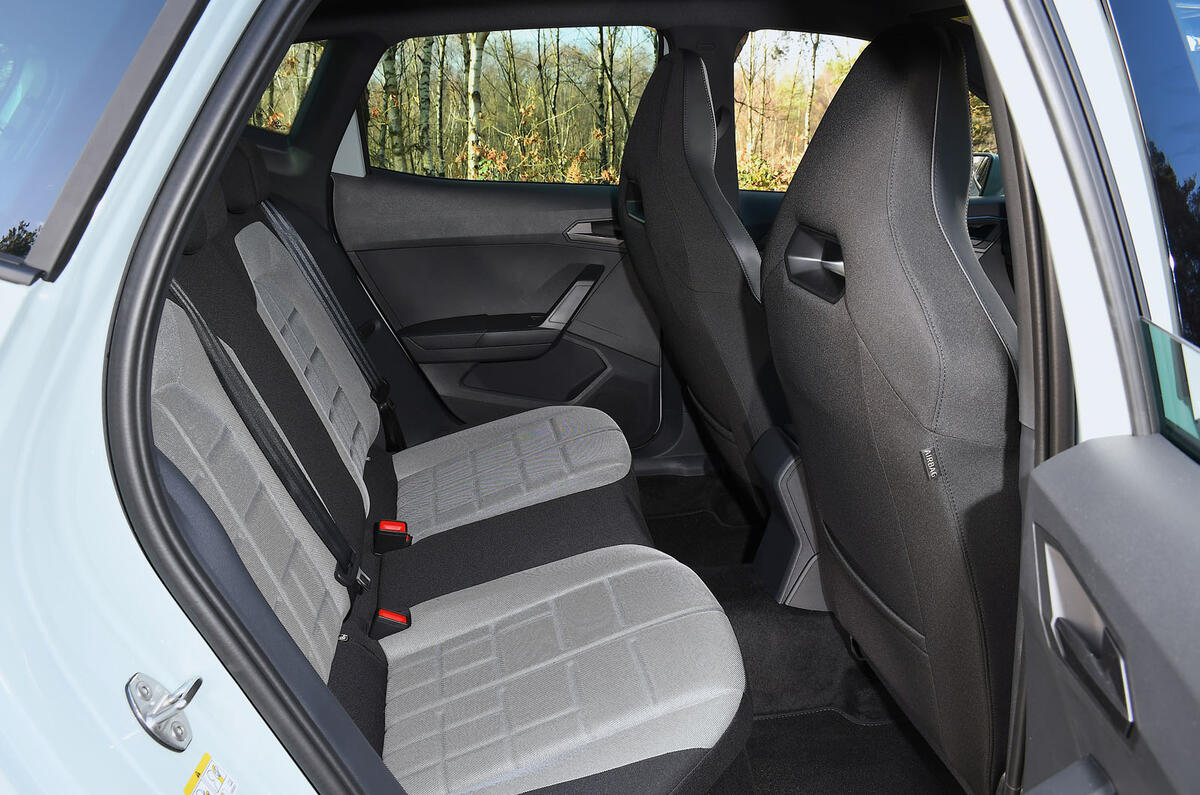
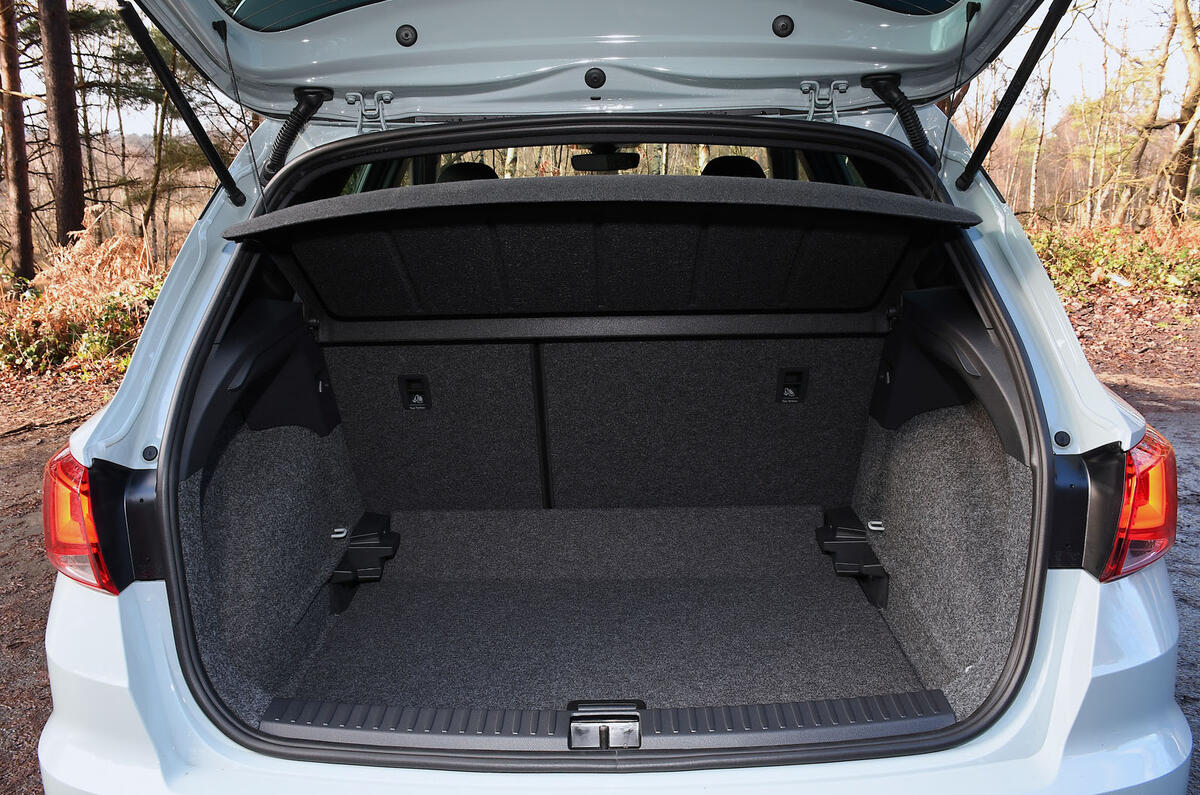
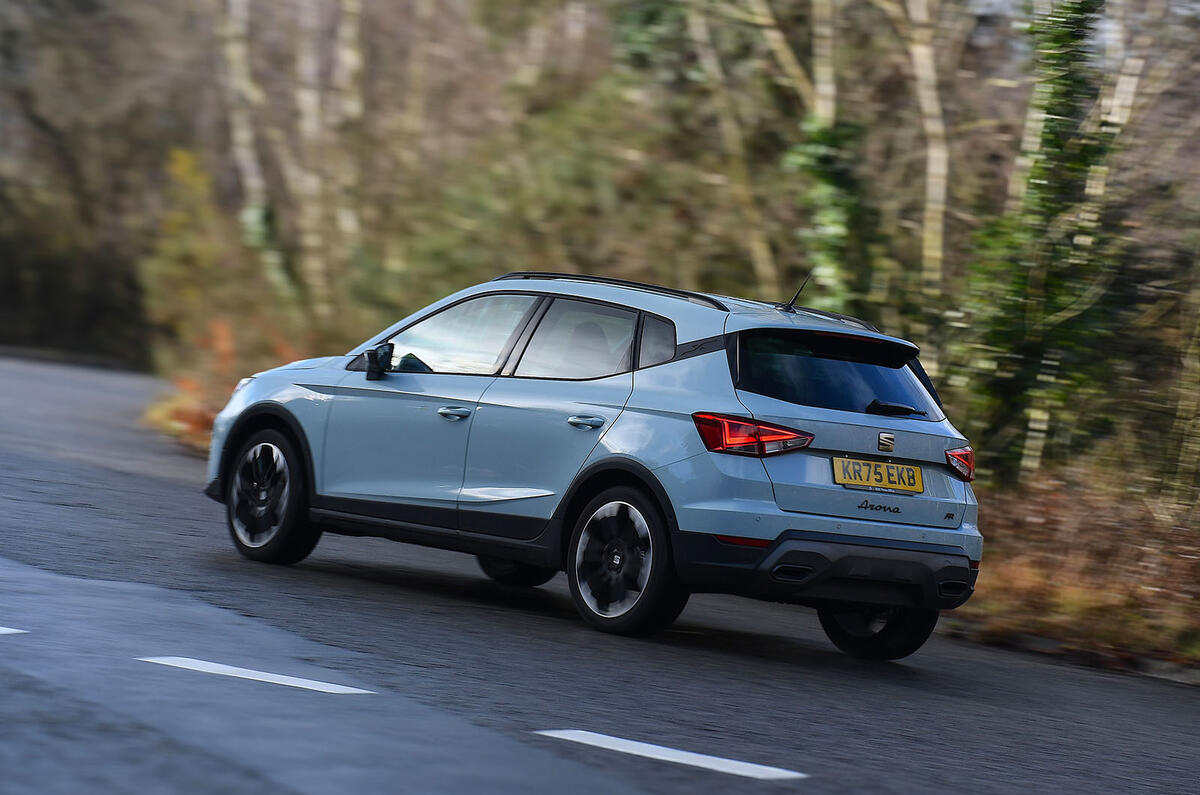
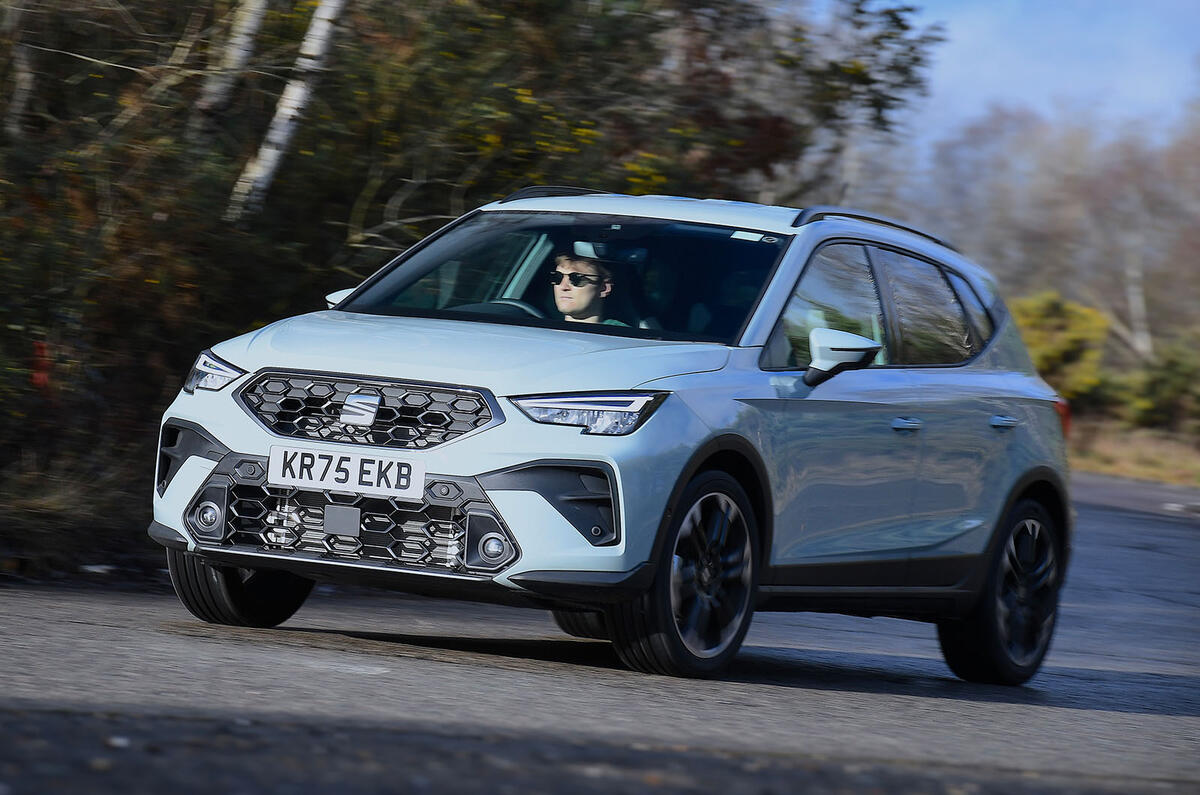
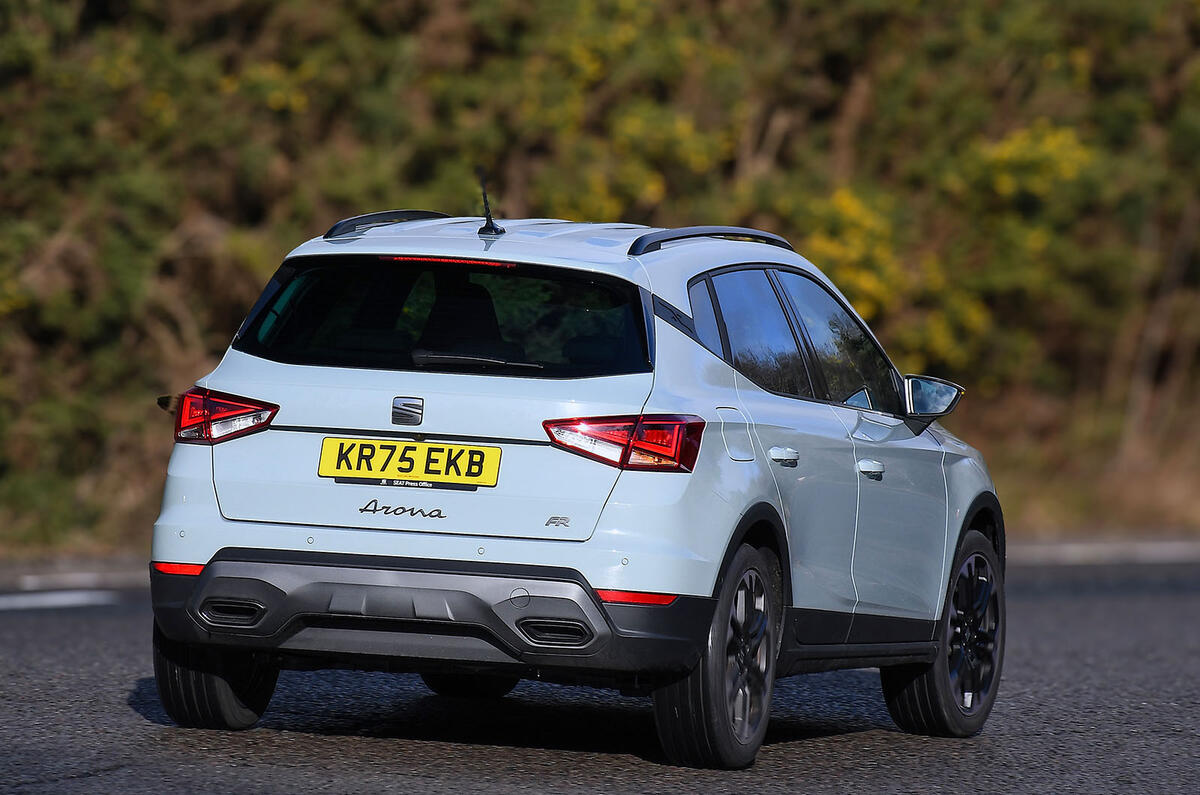
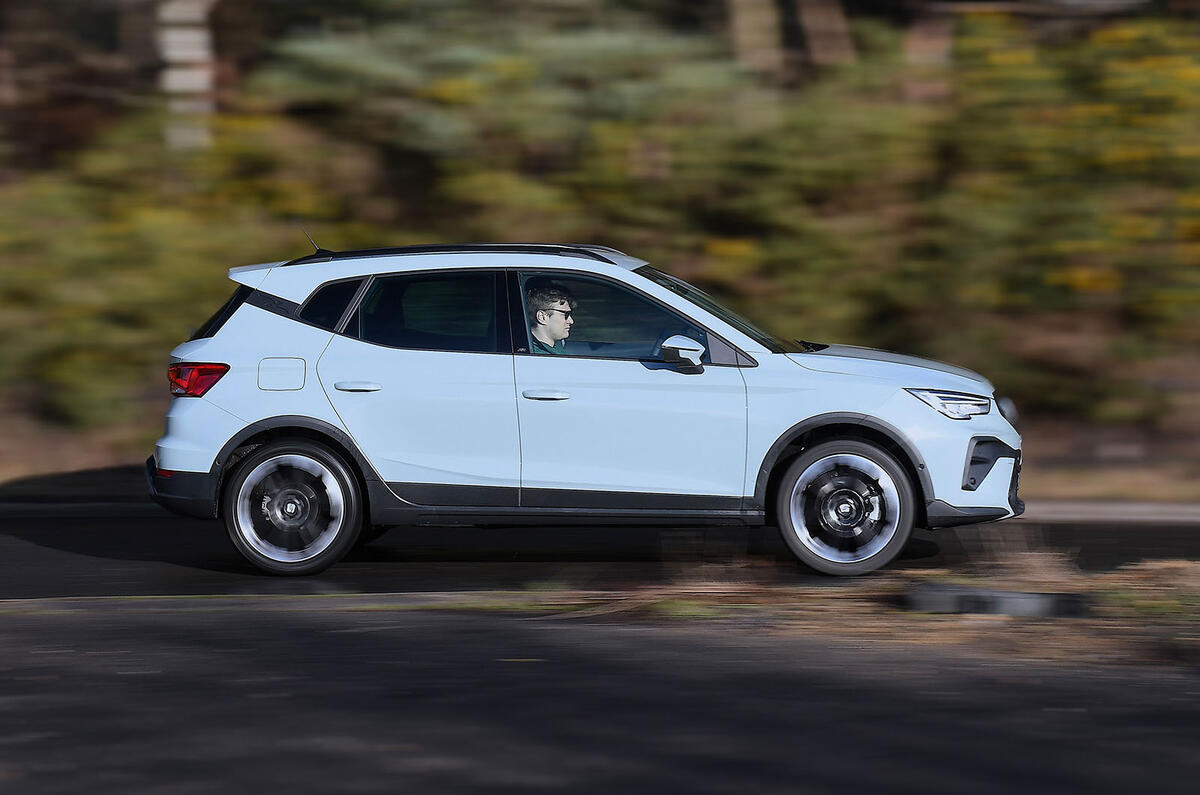
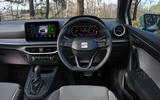
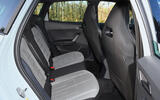
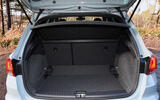
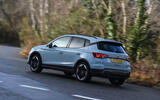
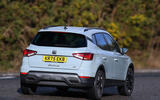
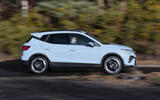
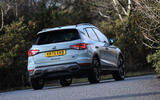
The Arona is usefully larger inside than its supermini counterpart. There's plenty of leg room in the back for taller adults and there are two Isofix mounts for child seats.
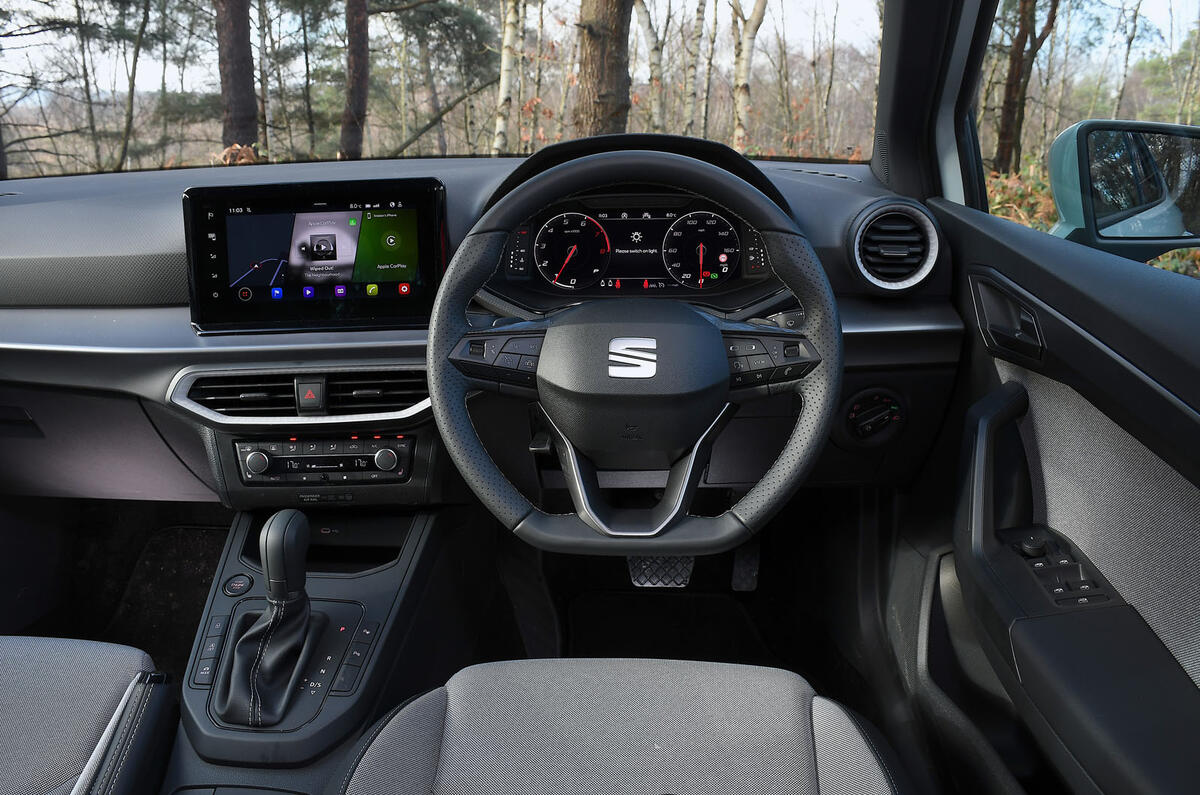
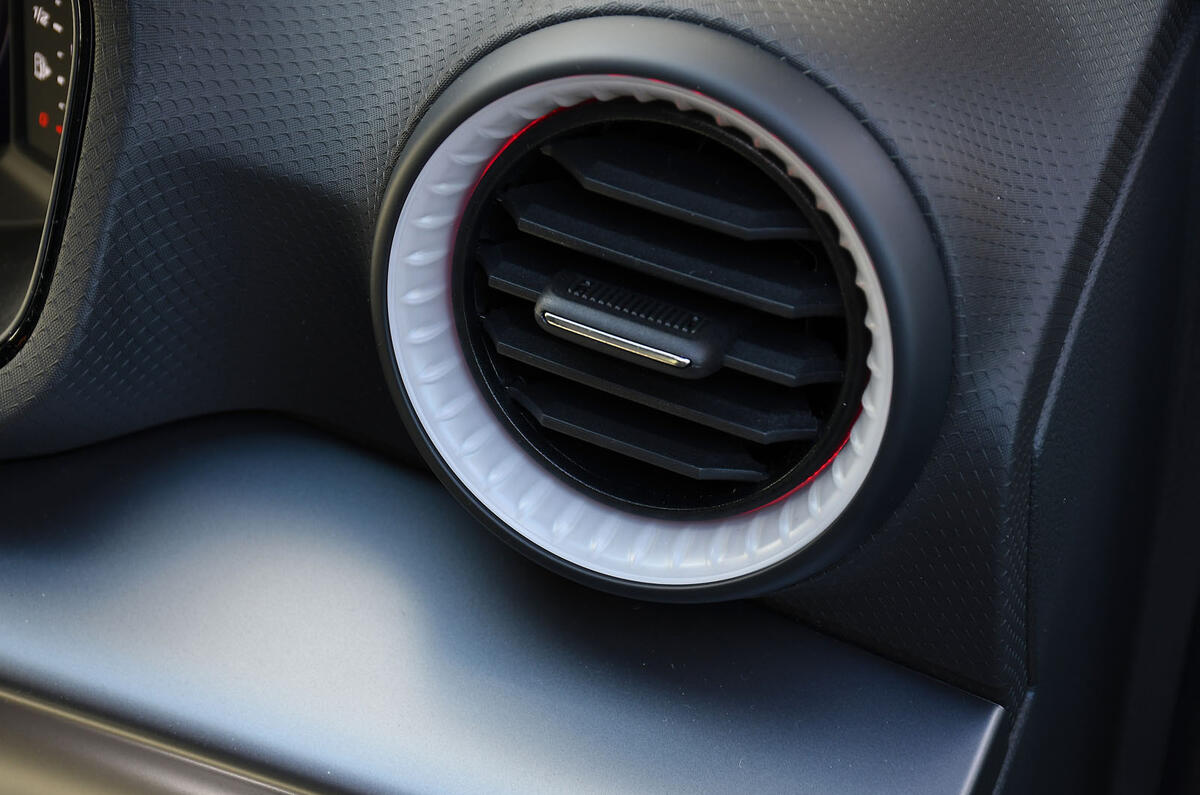
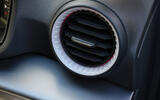
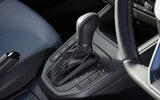
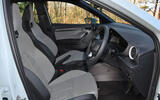
But it's snoozeworthy to sit in. Amorphous black plastics abound and, although higher trims do introduce a splash of colour, they too are slightly dull shades.
Despite that, however, the interior may actually prove to be the Arona's USP in this latter part of its career.
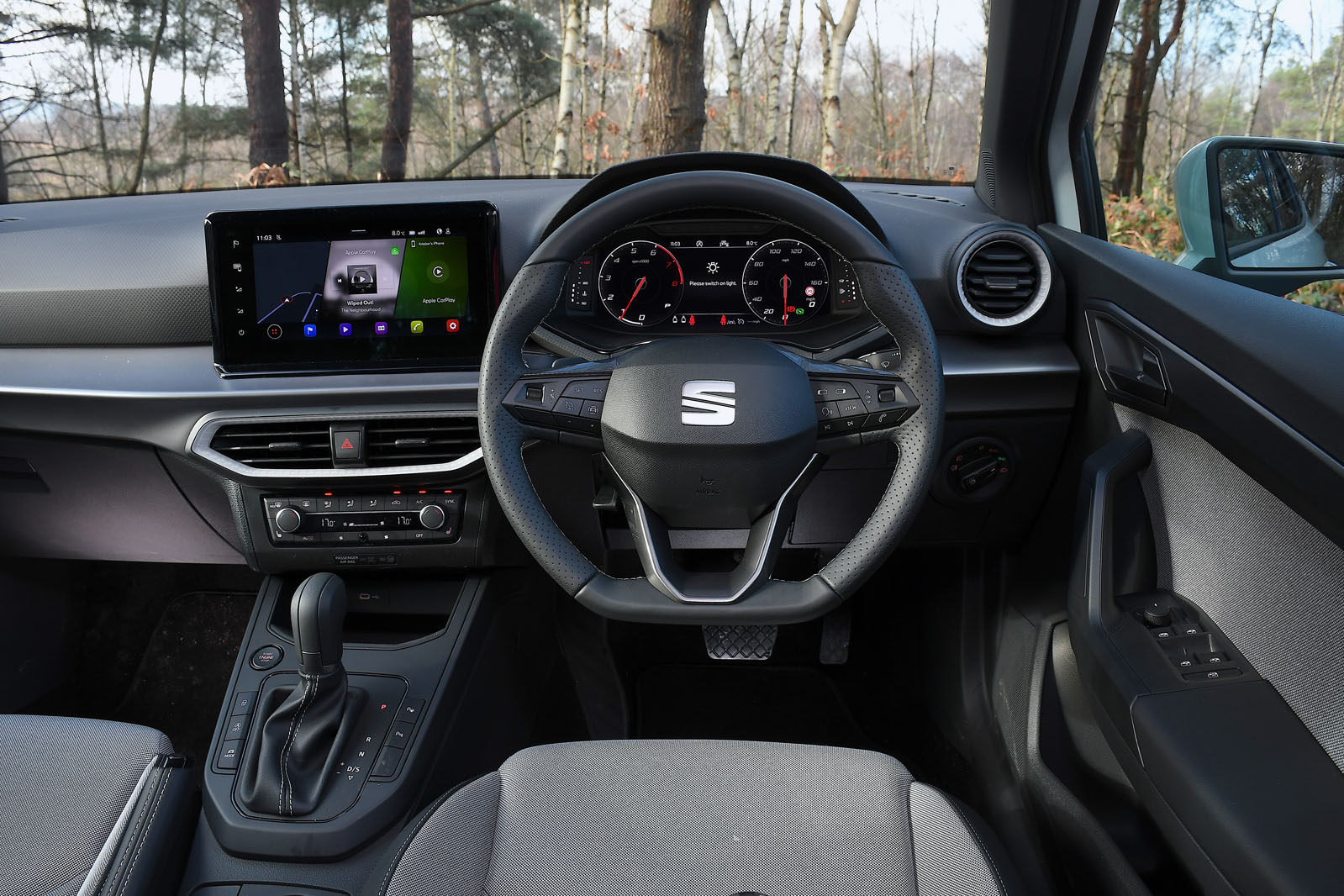
Whereas most rivals have removed the majority of their physical controls, the Arona remains resolutely traditional in its ergonomic approach.
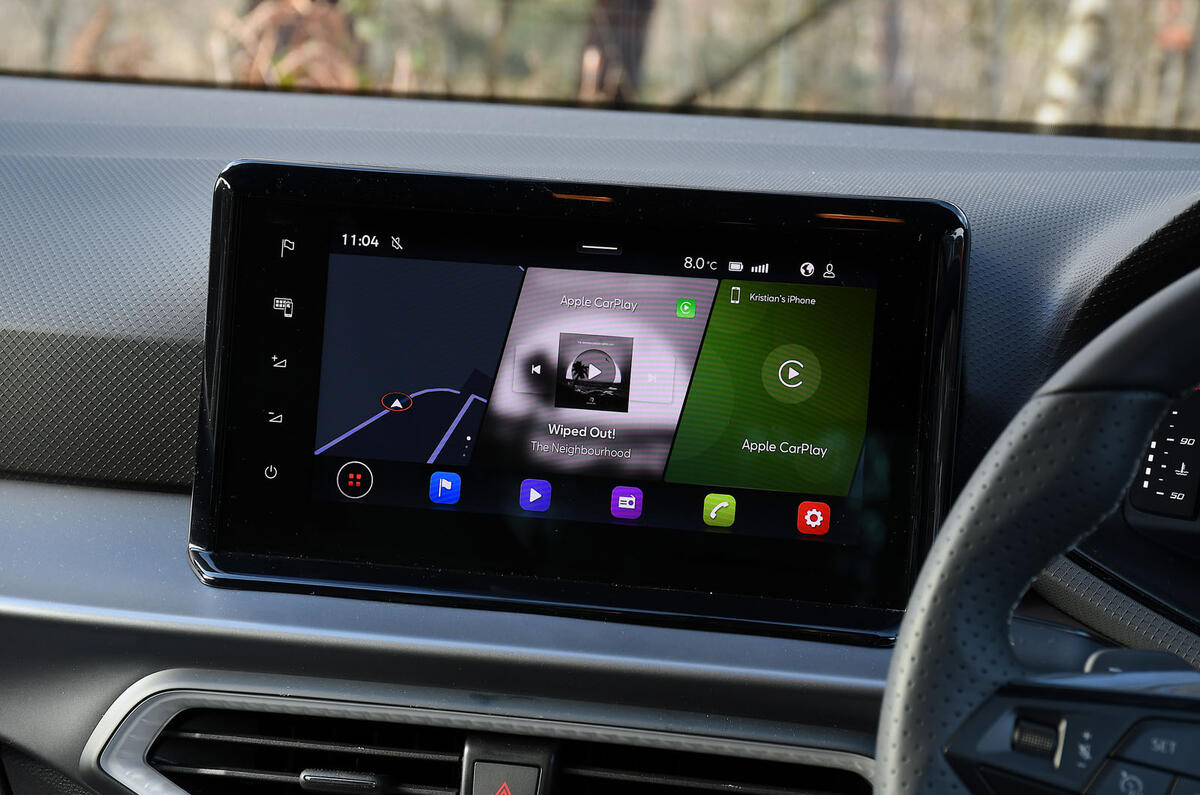
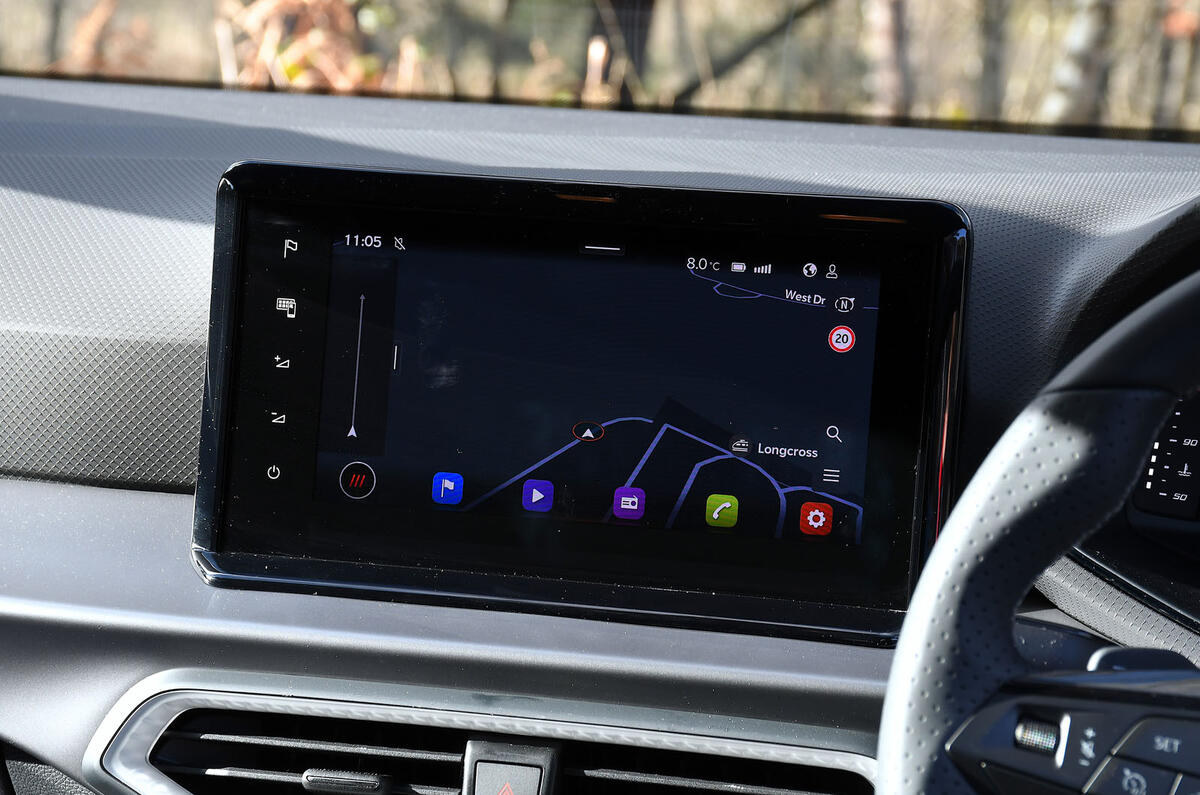
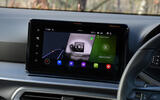
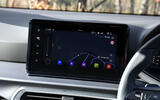
Yes, you get that must-have large touchscreen for your sat-nav, phone mirroring, radio and more, but there's also a full complement of physical controls at the driver's convenience.
The climate control is delightfully intuitive to adjust, with its many buttons and big temperature dials, while the steering wheel gives you natural control of the stereo, the adjustable digital instrument display (traditional dials with whatever information you want between them – again, no longer always available) and key ADAS controls (just four presses of your left thumb and the now-mandatory speed limit warning and lane keeping assistance will bother you no more).
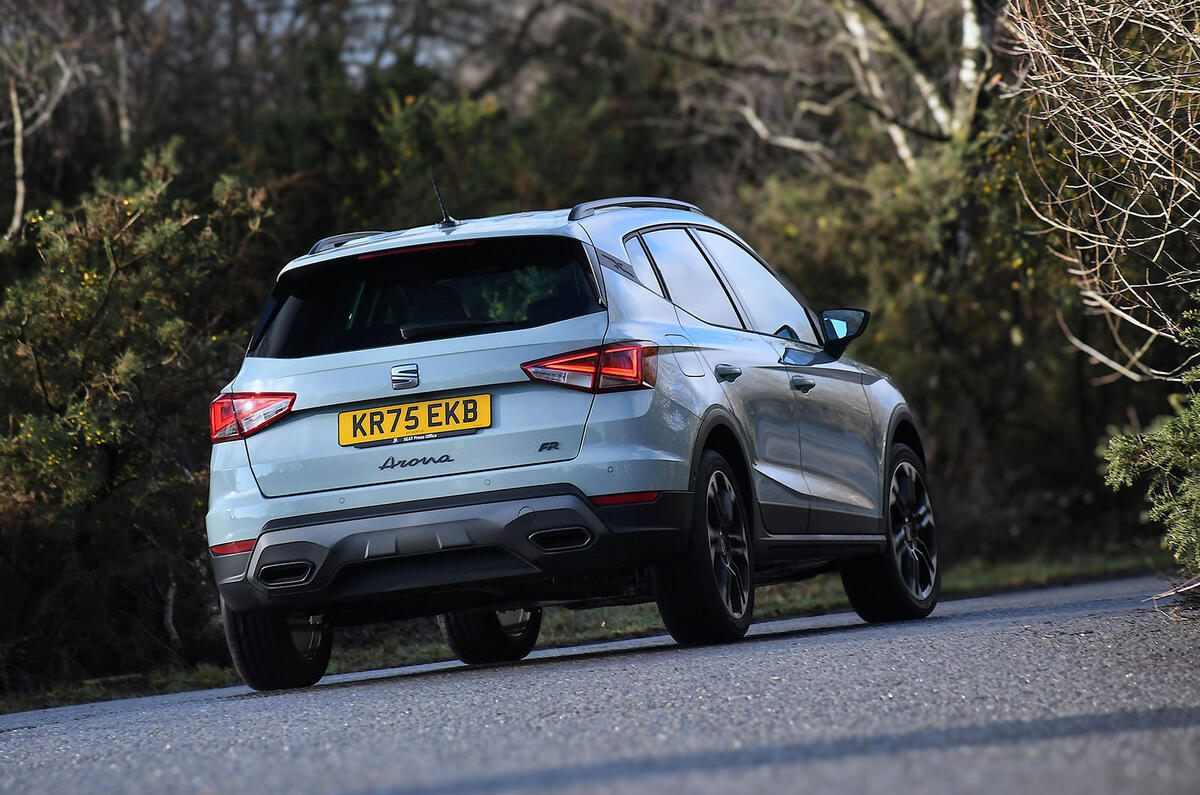
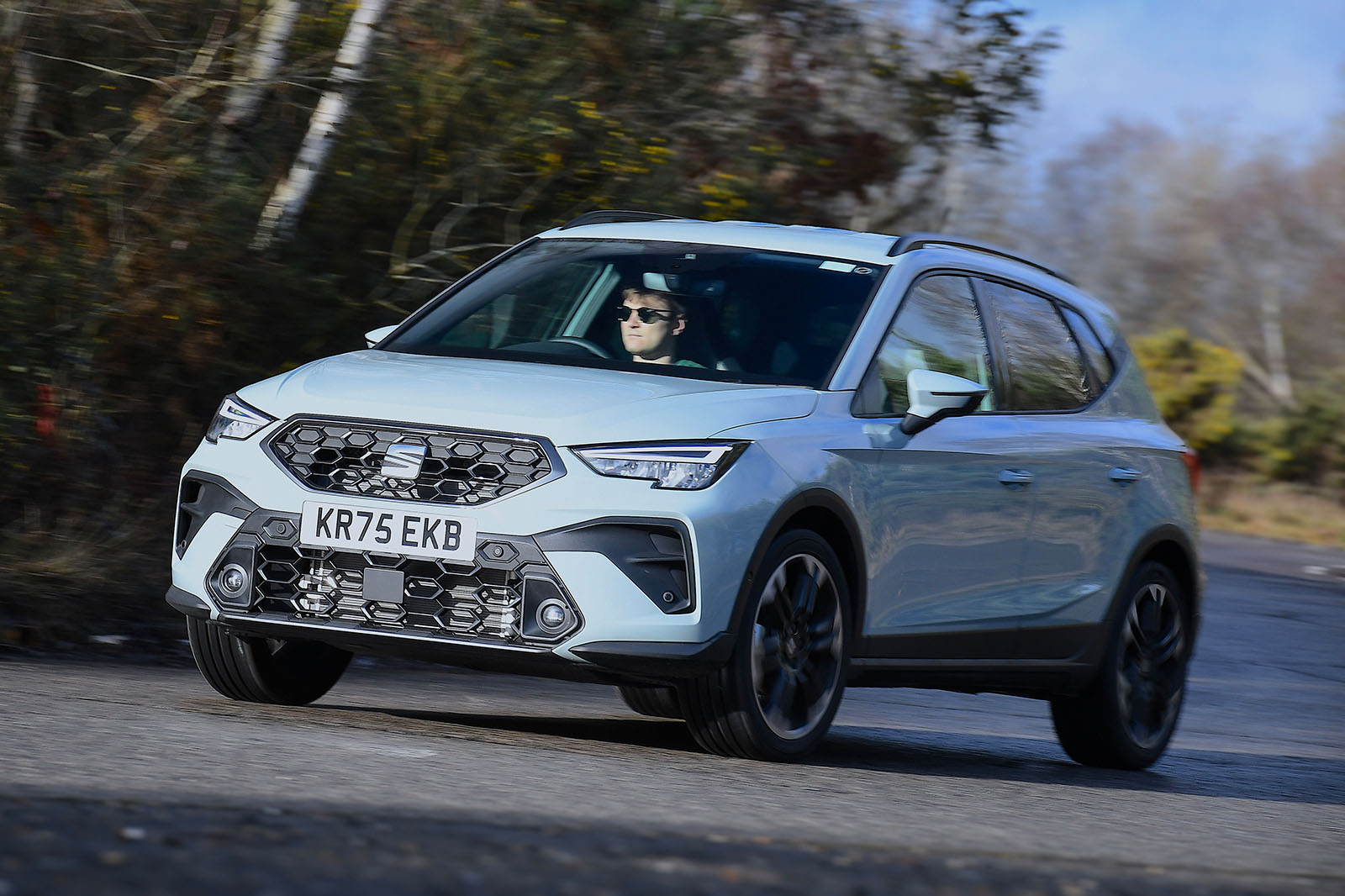
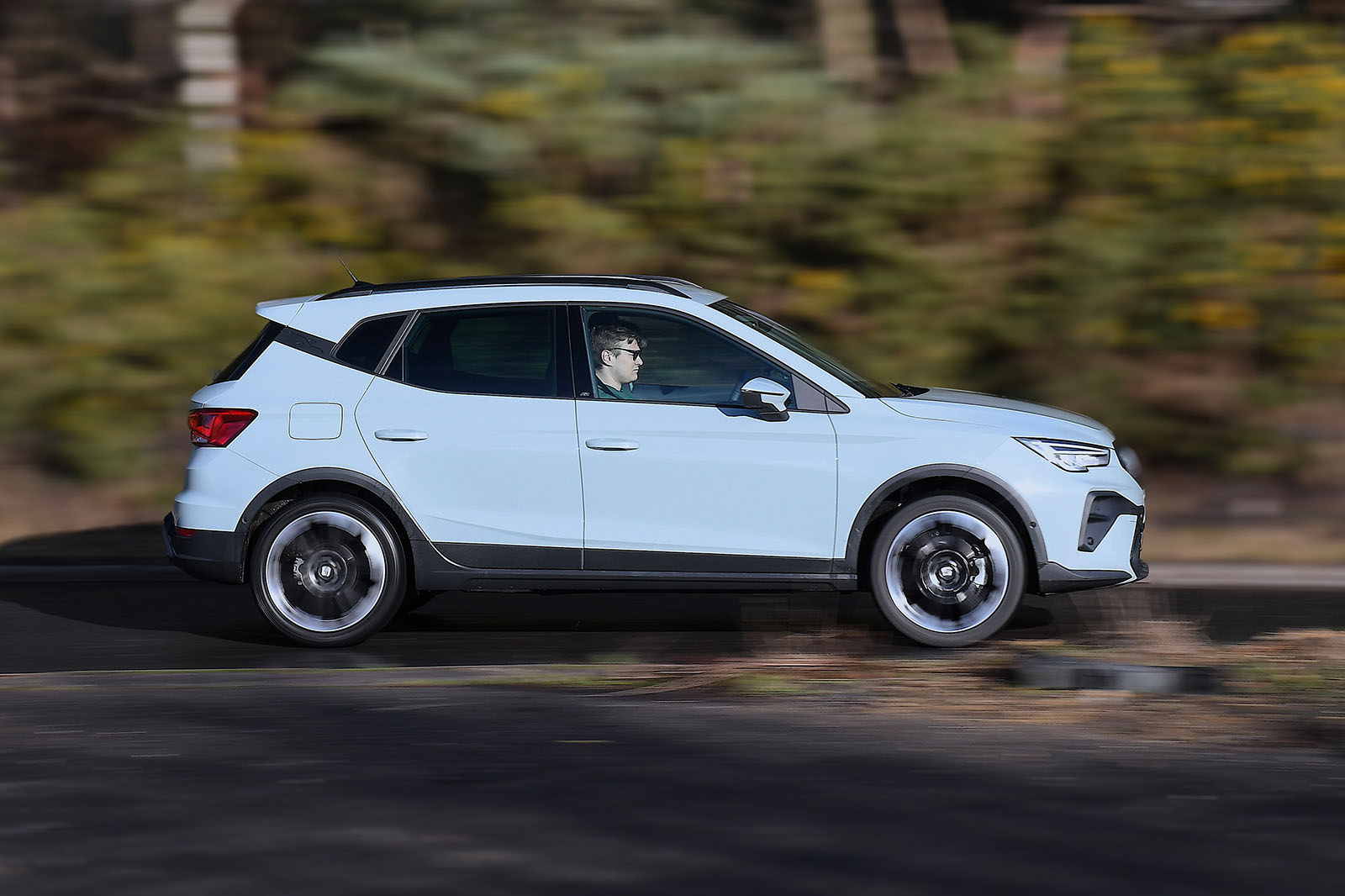
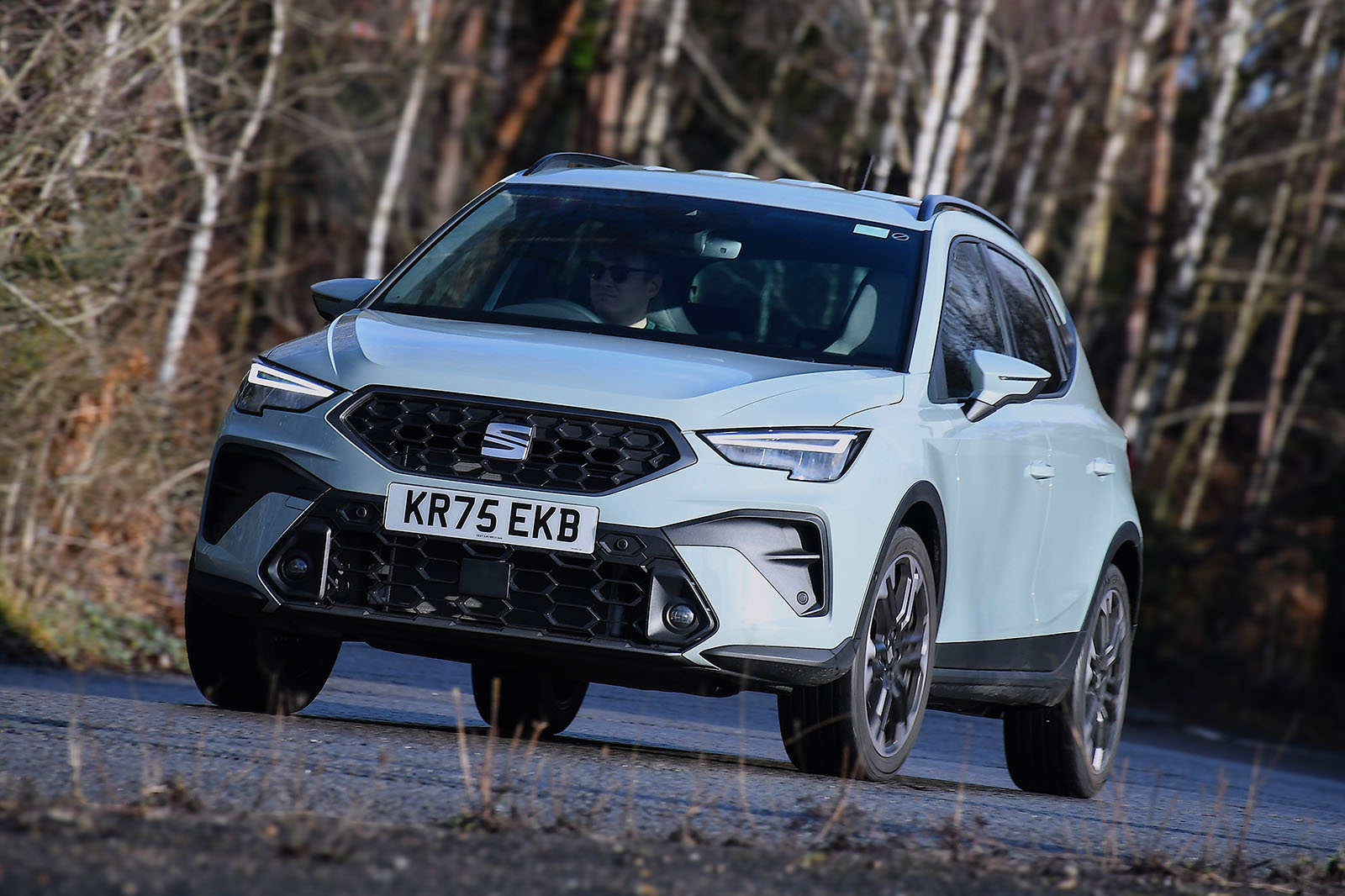
We often call cars like this ‘jacked-up superminis’, and that’s almost literally true of the Arona and the Ibiza, whose interiors and footprints are close to identical, while their variance in ride height is only slight.
The driving position is therefoe more entrenched than you might expect, which will be either good or bad depending on your reasons for buying a crossover.
Certainly we preferred it to the sitting-on-the-loo vibe of the Hyundai Kona, and the rear is still high enough to accommodate tall people.