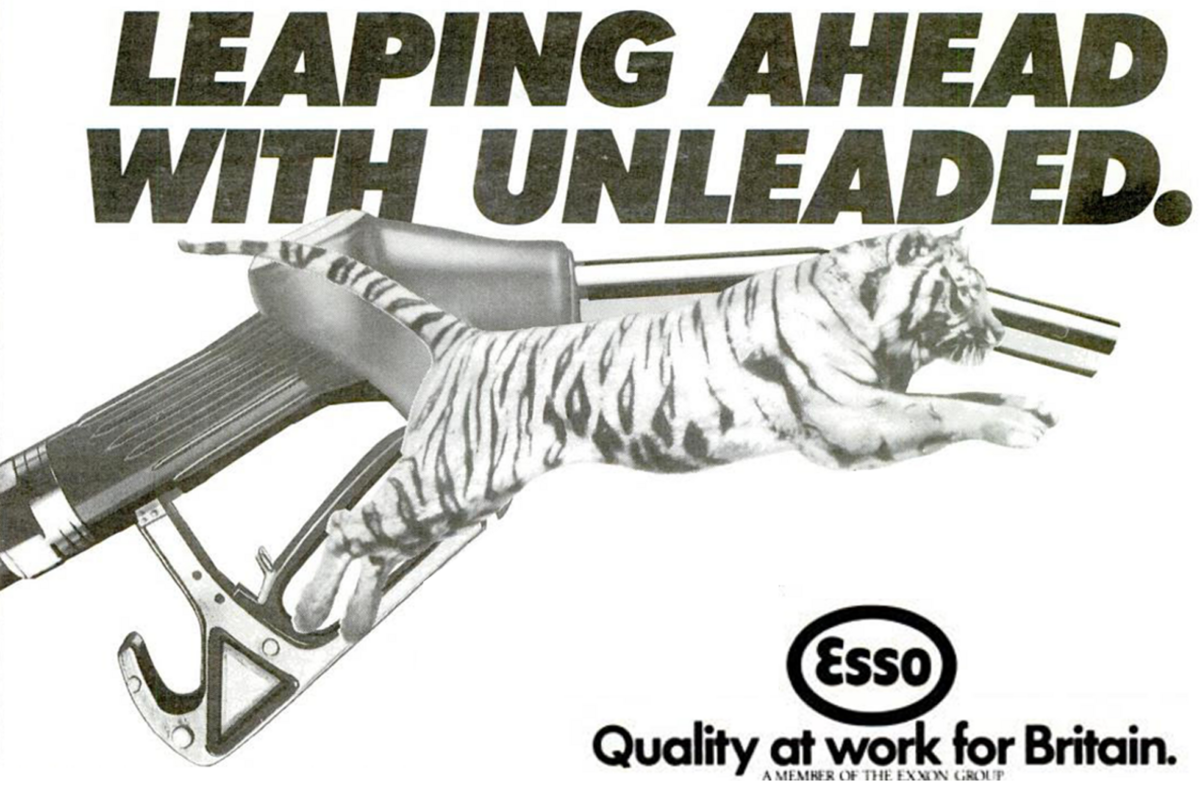

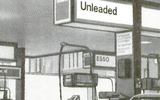




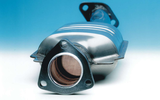

“Unleaded fuel is now an inevitability – sooner or later, we will all be filling our cars with it,” Autocar wrote in its 11 January 1989 issue.
“For environmentalists – indeed, anyone even mildly green-conscious – the widespread use of unleaded cannot come enough.”
Petrol infused with Tetraethyllead was introduced in the early 1920s, having been found to reduce engine knocking. “It’s a convenient way of preventing pre-ignition,” our article explained, “or pinking – the metallic rattling sound from the engine when it is under load in a high gear. Pre-ignition doesn’t just sound nasty – if allowed to continue, it will burn out the pistons. Lead, too, has advantages; it lubricates the moving part of the upper cylinder.
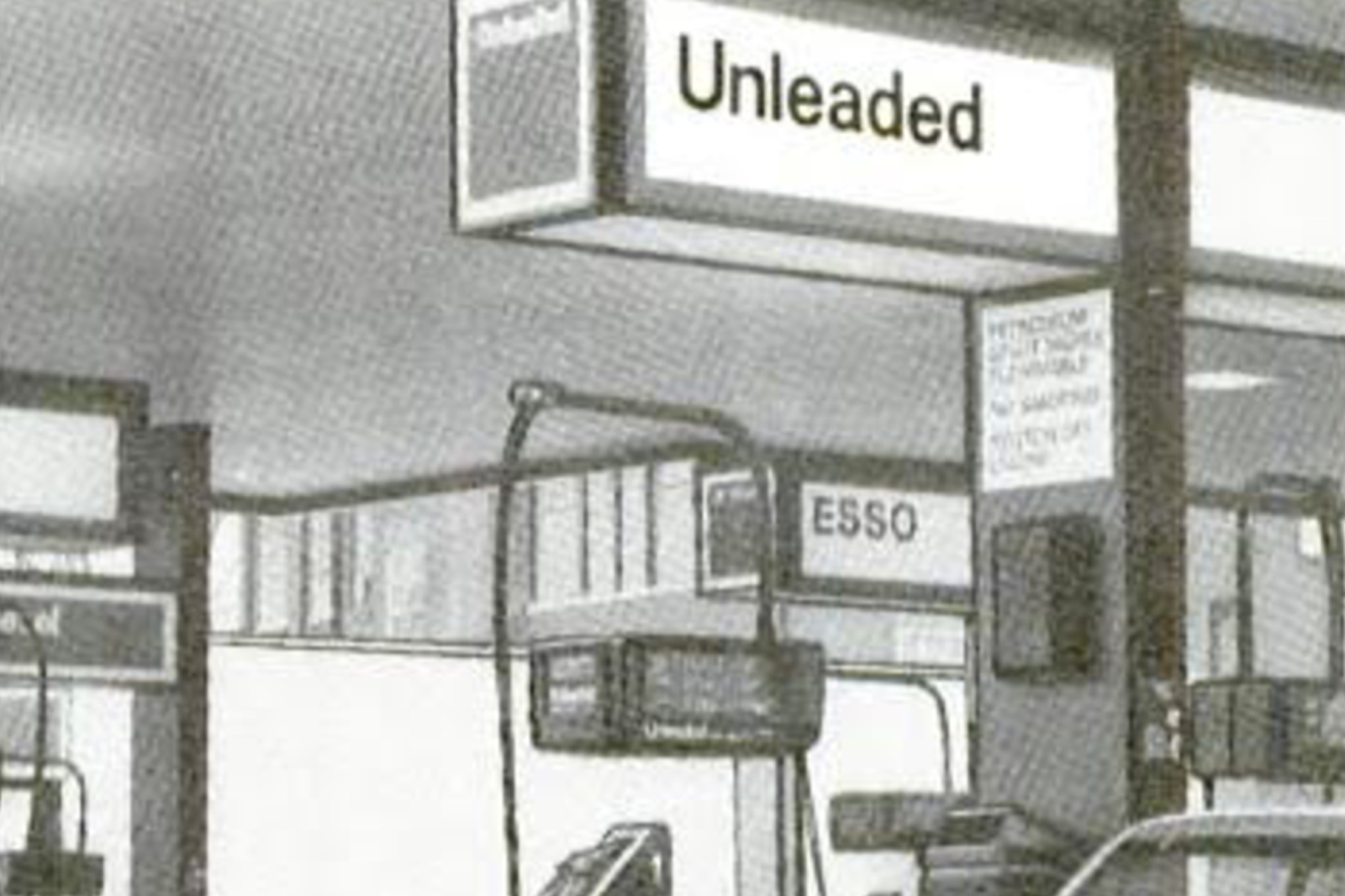 "Leaded petrol reached a peak during the war, when the fighter aircraft engines needed maximum power and efficiency. Levels stayed high throughout the 1950s and 1960s, and lead’s importance increased with the growth in high-compression engines.”
By the start of the 1970s, the standard level stood at 0.84g per litre of petrol, steadily coming down to 0.40g/l by 1986, when a change in the law slashed it to 0.15g/l. Unleaded petrol is allowed to contain up to 0.013g/l.
“Lead is an extremely nasty pollutant – it can cause brain damage, particularly in children,” we said back in 1989, when the UK was pumping 3000 tonnes of the stuff into the atmosphere annually.
Indeed, studies had proven that raised lead levels in children's blood had a direct link with brain damage, hypertension and learning disorders and that children who lived near motorways and town centres had a far higher likelihood of developing these illnesses.
A 1985 study in the US estimated that leaded petrol caused one million cases of hypertension per year and more than 5000 deaths from heart attacks, strokes, and other diseases related to blood pressure – and that was just for men aged between 40 and 59.
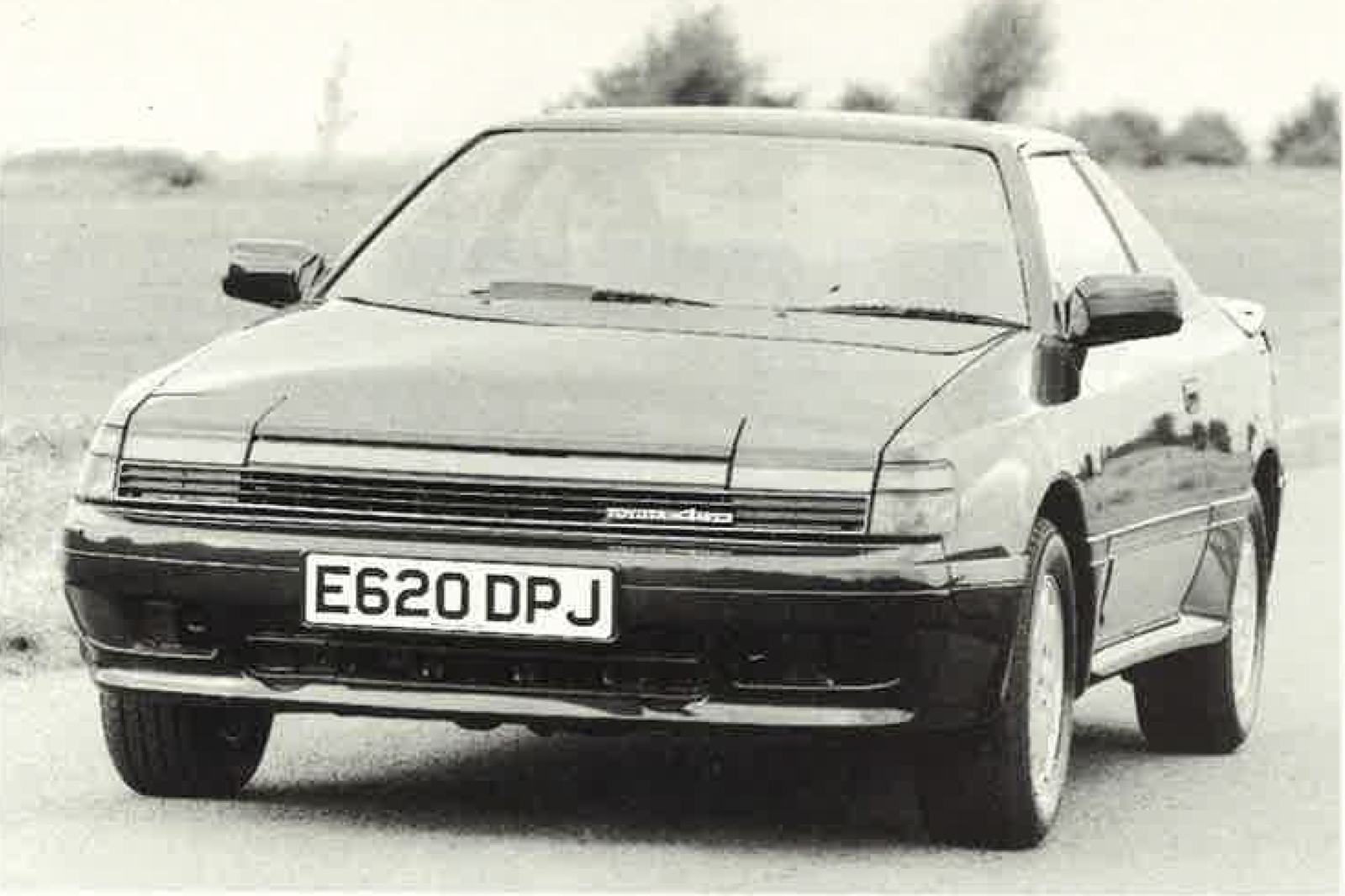 Something had to change, and fast.


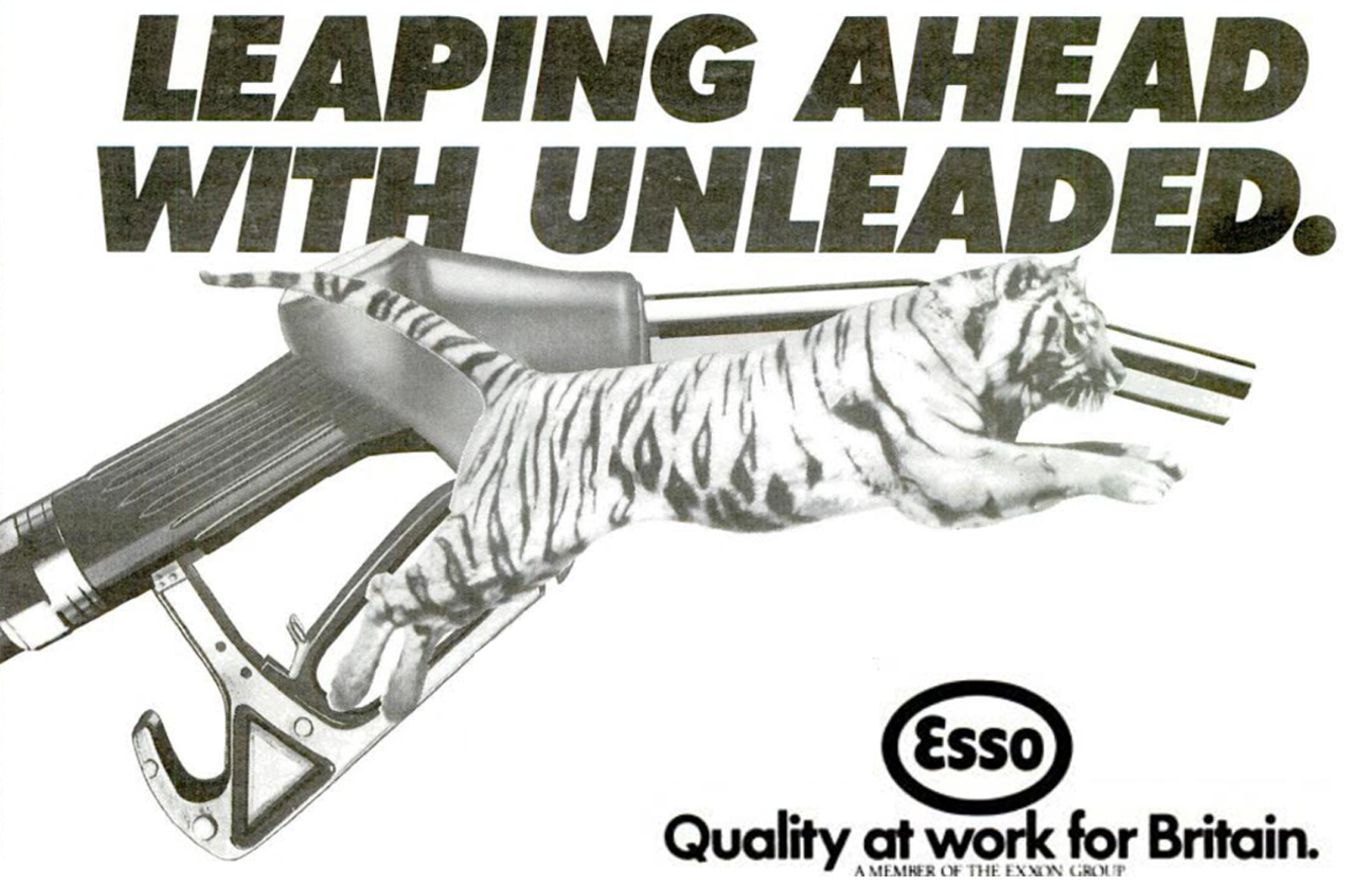
 So, how easy would the switchover be?
 “The oil industry has invested something like £400 million in making unleaded petrol available,” said Ian Berwick, director general of the UK Petroleum Industry Association, back in 1989. “So it’s disappointing that sales are increasing so slowly. They reached almost 2% last November, but that’s still low."