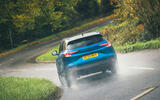
From £33,8058

Facelifted family SUV eyes class honours with a more down-to-earth approach

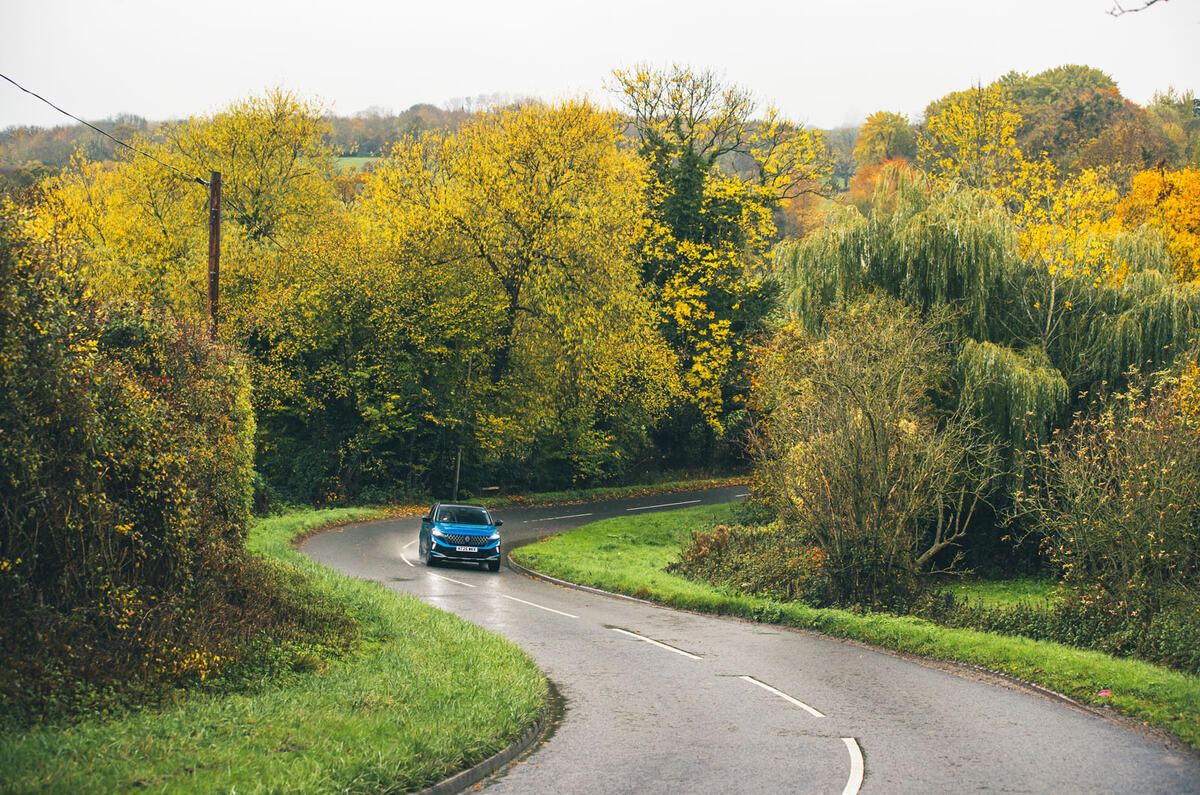
Renault is flying at the moment, with most of the headlines going to its electric cars, not least the critical and popular success that is the Renault 5. At the same time, the brand hasn’t neglected its range of combustion-engined cars.

With the Austral, it has a player in the hugely popular medium SUV segment, yet since launching in 2023, it has only sold a fraction of its chief rivals, the Kia Sportage and Nissan Qashqai.

So what gives? When it was launched, we found a generally likeable car with excellent fuel efficiency that was undone by some ambitious but undercooked chassis tech.

Now the Austral has been facelifted, and it seems Renault took this criticism to heart, because the Austral has lot its flawed four-wheel steering system (at least in the UK) and gained a couple of refinement-boosting upgrades.

Read on to find out if it’s now finally in contention for the class lead.

Advertisement

DESIGN & STYLING

8
Renault Austral review 2026 026

It’s easy to forget that Renault isn’t a lone wolf but is in fact part of an alliance with Nissan. As such, the Austral shares its platform with the perennially popular Qashqai. However, Renault and Nissan’s cooperation is of a very different nature to the one between the Stellantis brands. The two look nothing alike, have different interiors and multimedia and even use vastly different hybrid powertrain concepts.

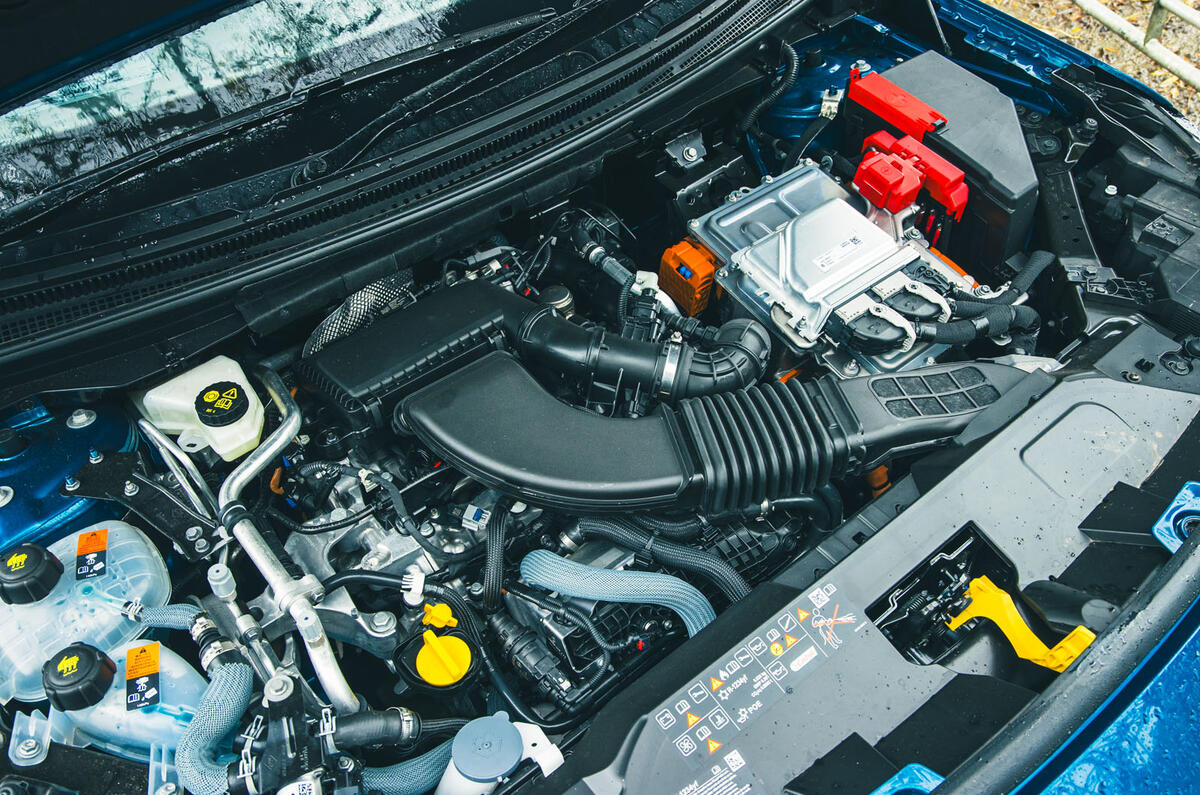
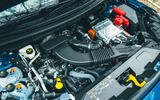
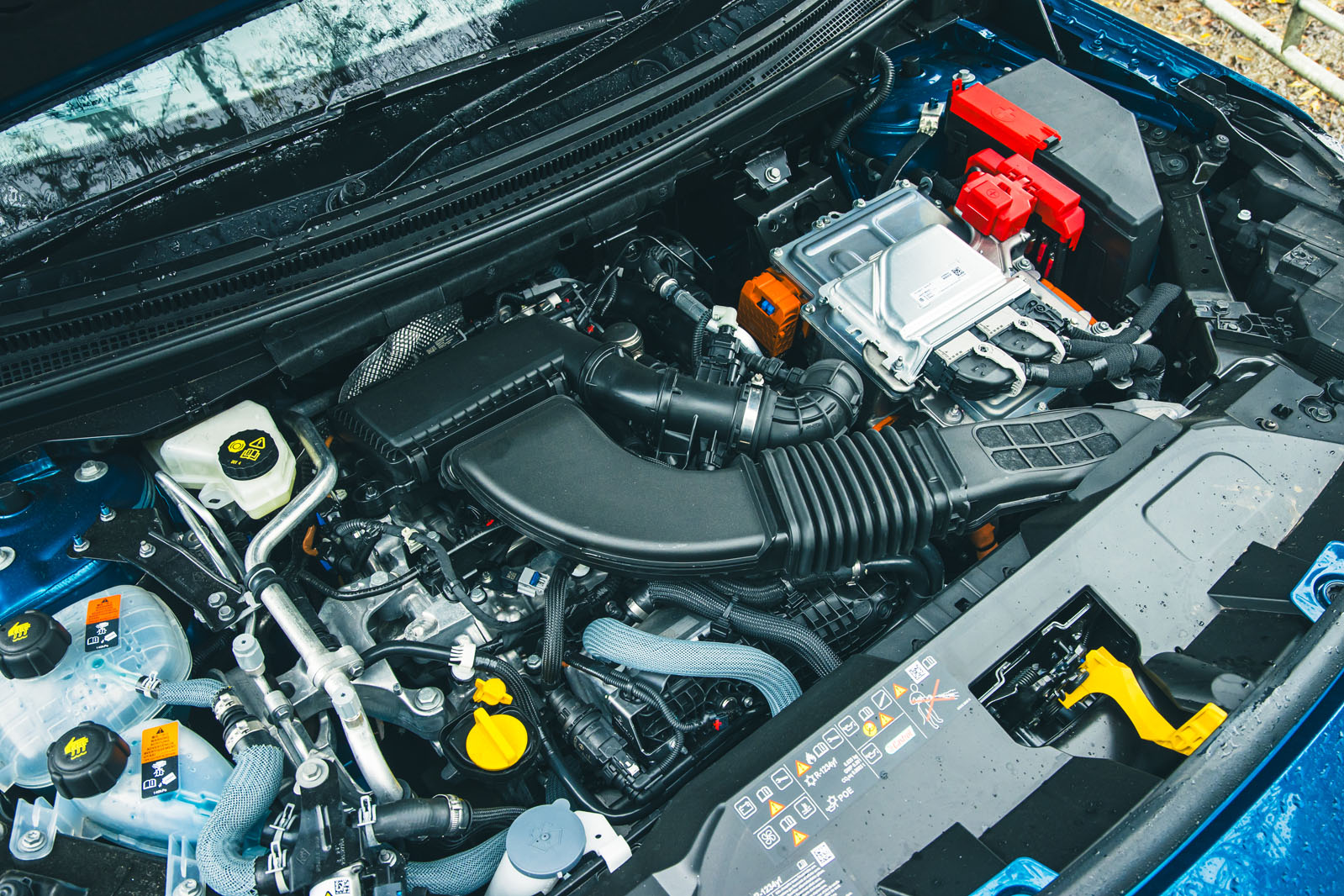
The Austral uses Renault’s now familiar E-Tech hybrid powertrain. Unlike the cheaper Renault hybrids, which use a naturally aspirated 1.6- or 1.8-litre engine and a four-speed gearbox, the Austral has an upgraded version that’s more suitable for bigger, heavier cars. The petrol engine is a torquier 129bhp 1.2-litre turbocharged three-cylinder that was developed for this application. The electric motor puts out more power and the battery is bigger and cooled by the air-con system to allow for more electric miles and sustained acceleration. Also, an extra gear ratio has been added between second and third gear, specifically to reduce the engine revs during high-load situations such as climbing hills on the motorway.

Outside the UK, Renault also offers a slightly longer version of the Austral with seven seats, called the Espace. No, it doesn’t look how you expect an Espace to look.

It still operates according to the same principle. It’s not quite as simple as saying there are five ratios for the petrol engine and two for the electric motor, because one of them is shared between the two. In total, there are 15 combinations, making it apt that Renault calls it a ‘multi-mode’ gearbox. Thanks to the unusual design, it is normal for the engine to use one ratio and the motor another, meaning the gearbox is effectively in two gears at the same time.

In other markets, the Austral is also available as a mild hybrid. Although full hybrids tend to be popular, Renault must be giving away a big chunk of sales by not offering a mild hybrid here.

Although the platform supports a plug-in hybrid powertrain (as in the closely related Renault Rafale), Renault has no plans on offering one in the Austral.

When the Austral arrived, the high-spec versions came with 4Control four-wheel steering to increase agility and tighten the turning circle – quite an advanced feature for a car in this class. We found that the admittedly small turning circle didn’t justify the twitchy handling. For the updated version, the system has been ditched, although the multi-link rear axle has gone with it, to be replaced with a torsion beam. In addition, the Austral has gained revised gearbox software, additional soundproofing and new dampers.

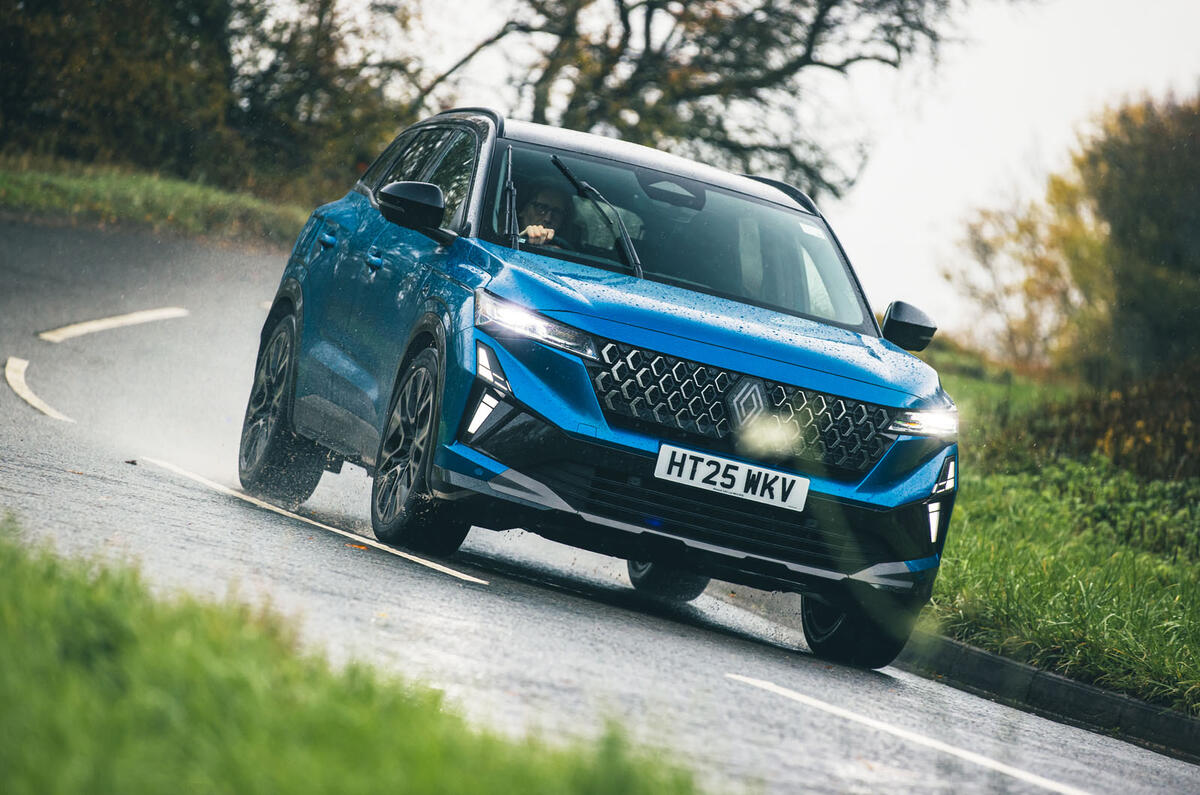
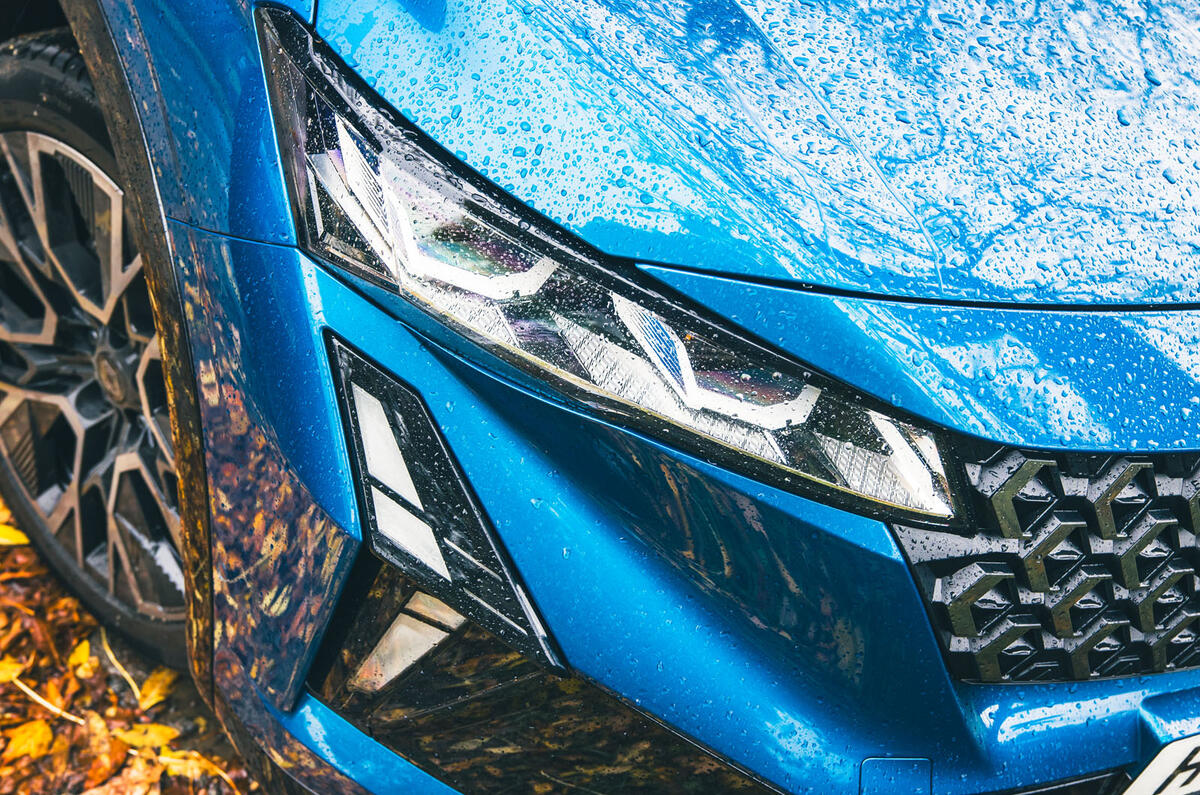
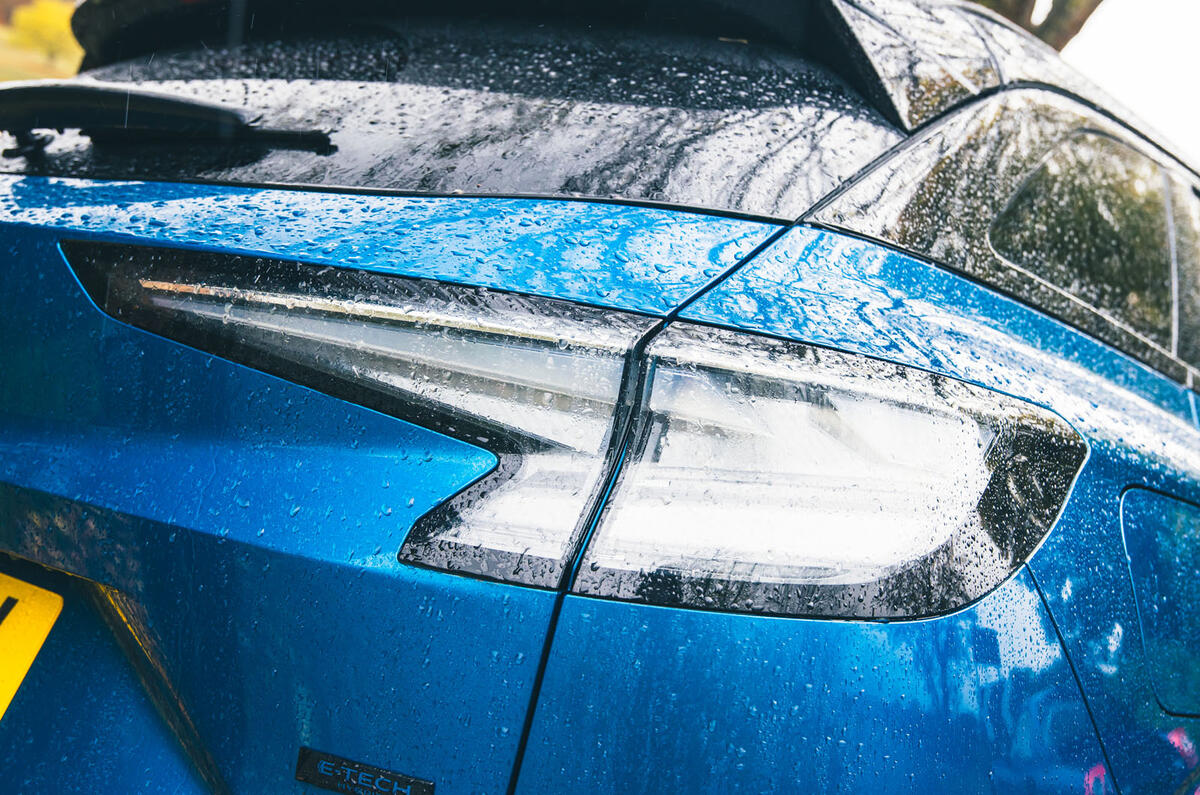
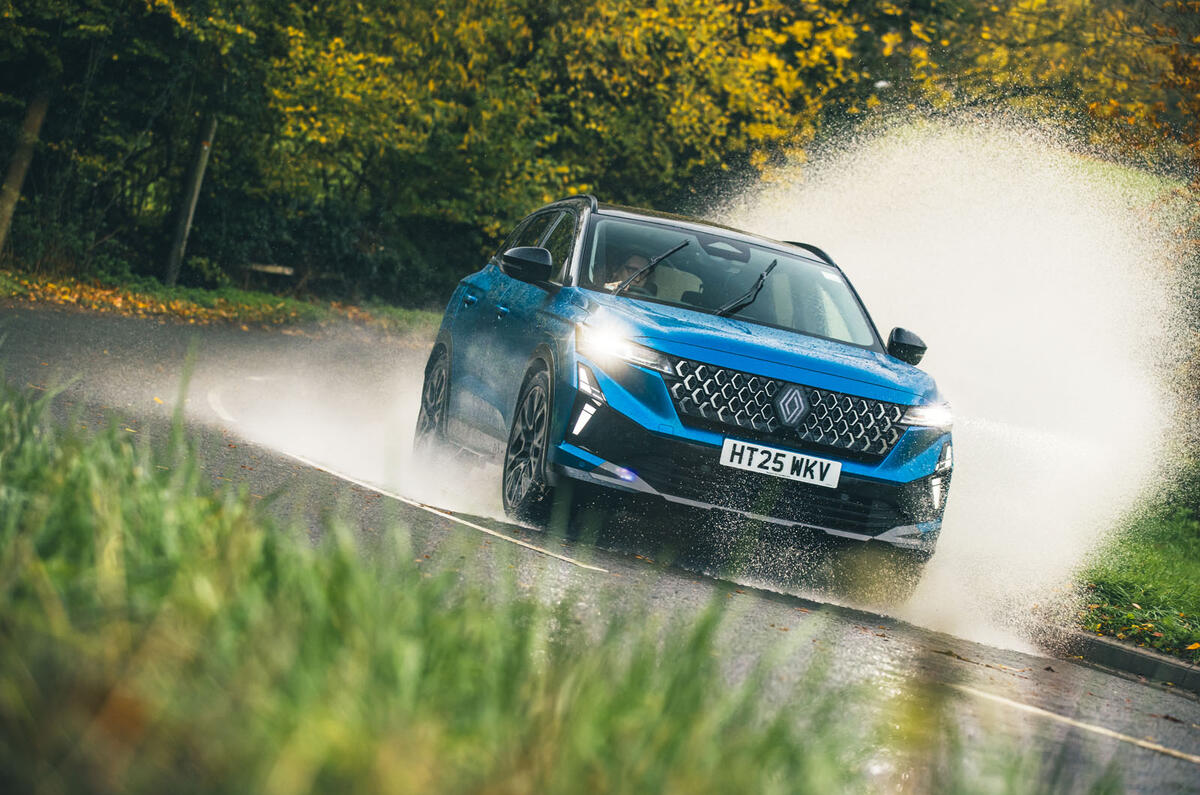
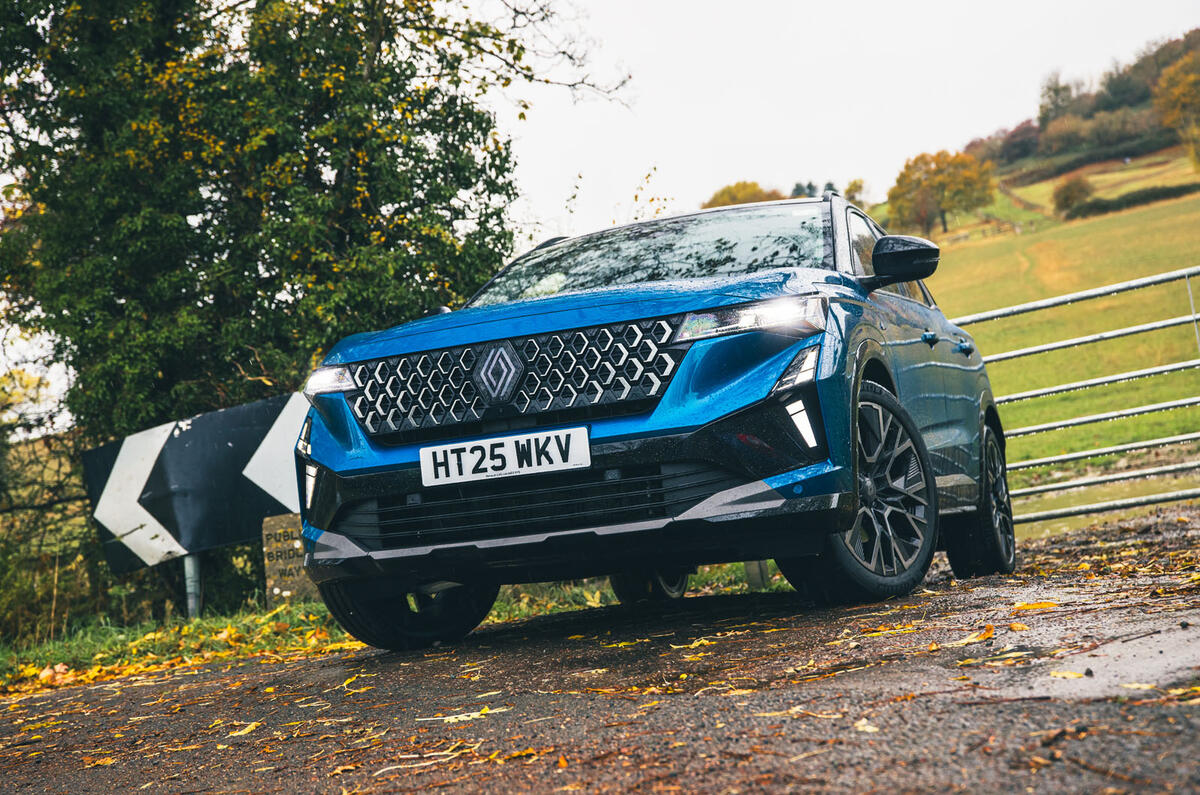
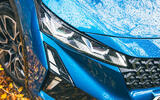
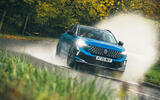
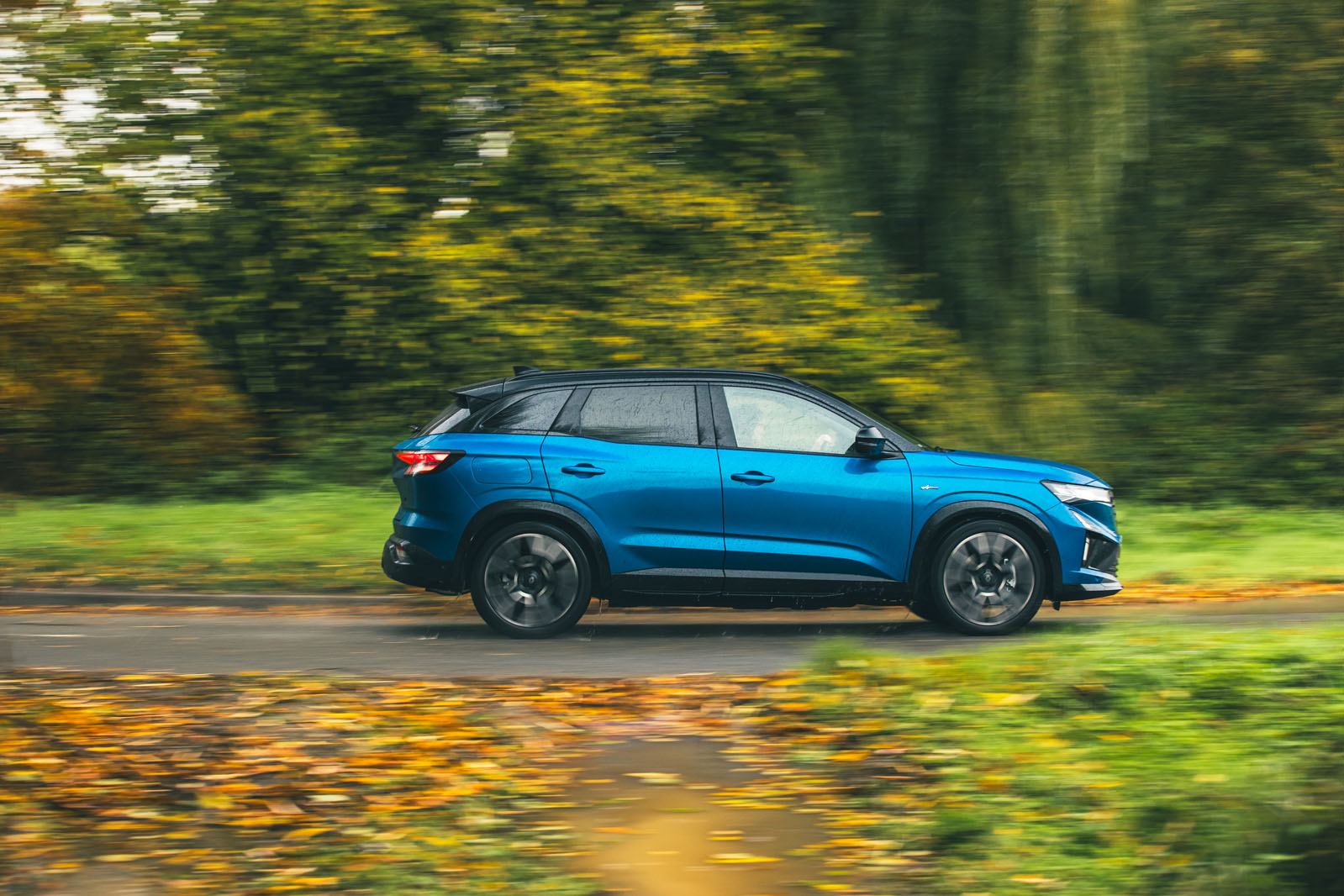
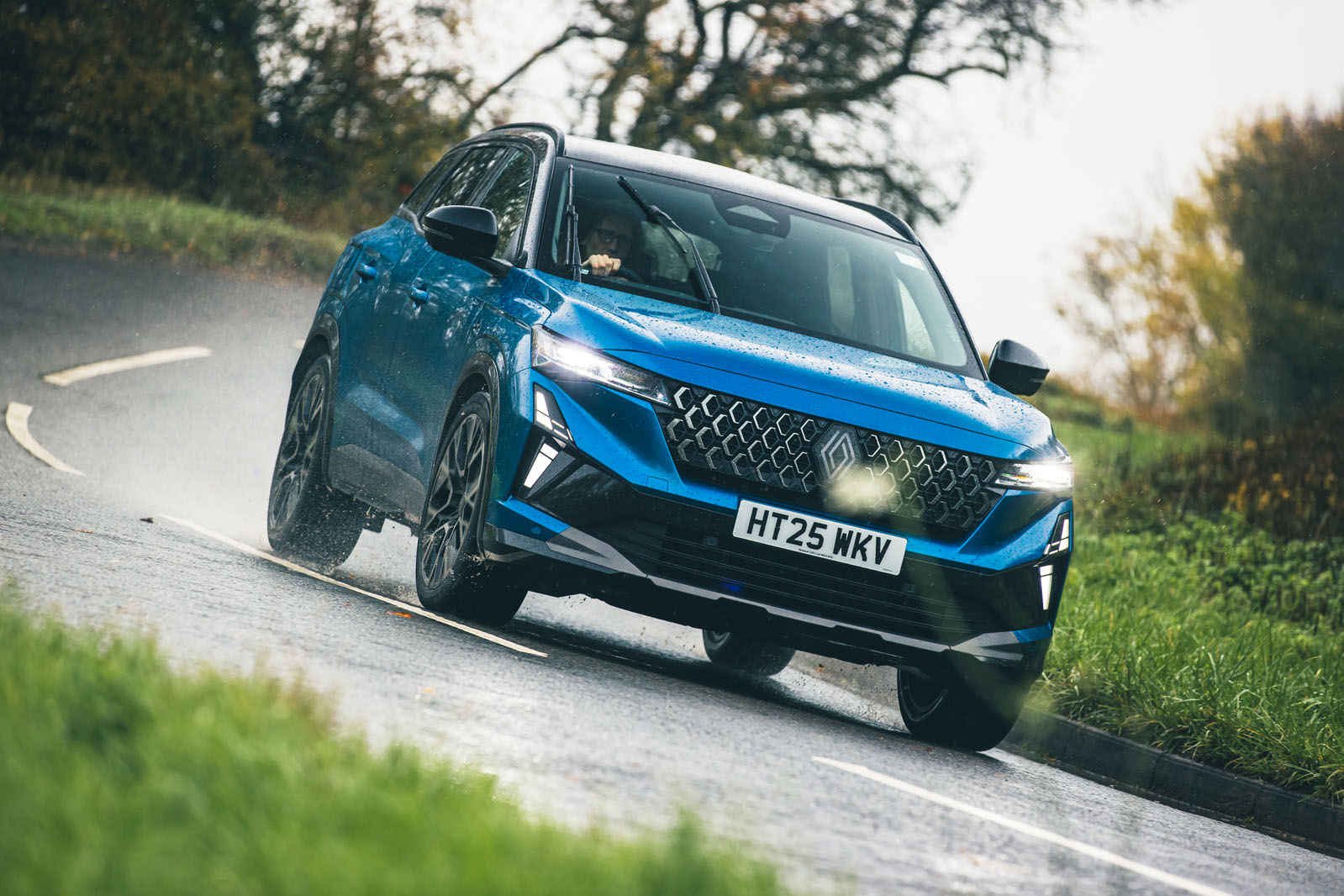
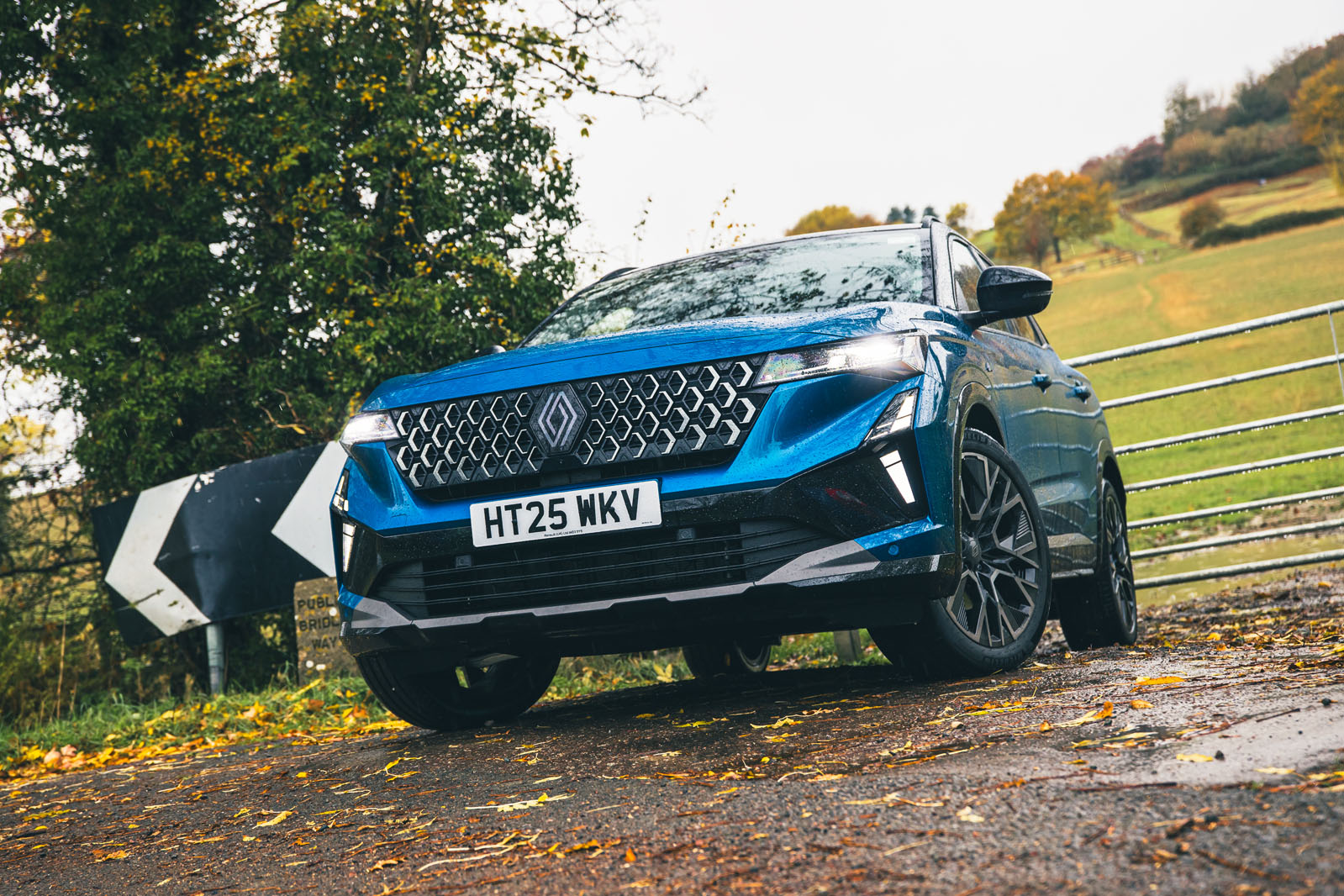
Visually, you will recognise the 2025 Austral by the new headlights, which trade the distinctive C-shape of the original for slimmer main units and Scenic-style light-up sideburns.

INTERIOR

8
Renault Austral review 2026 033

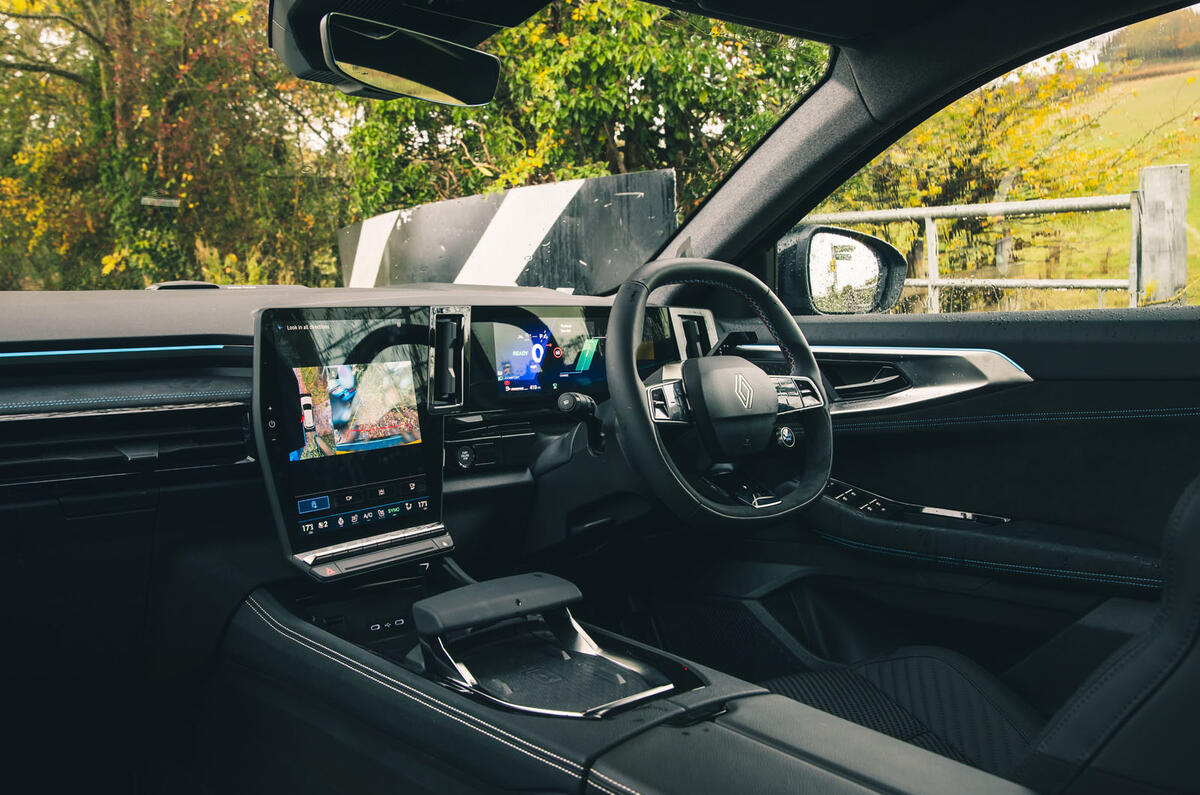
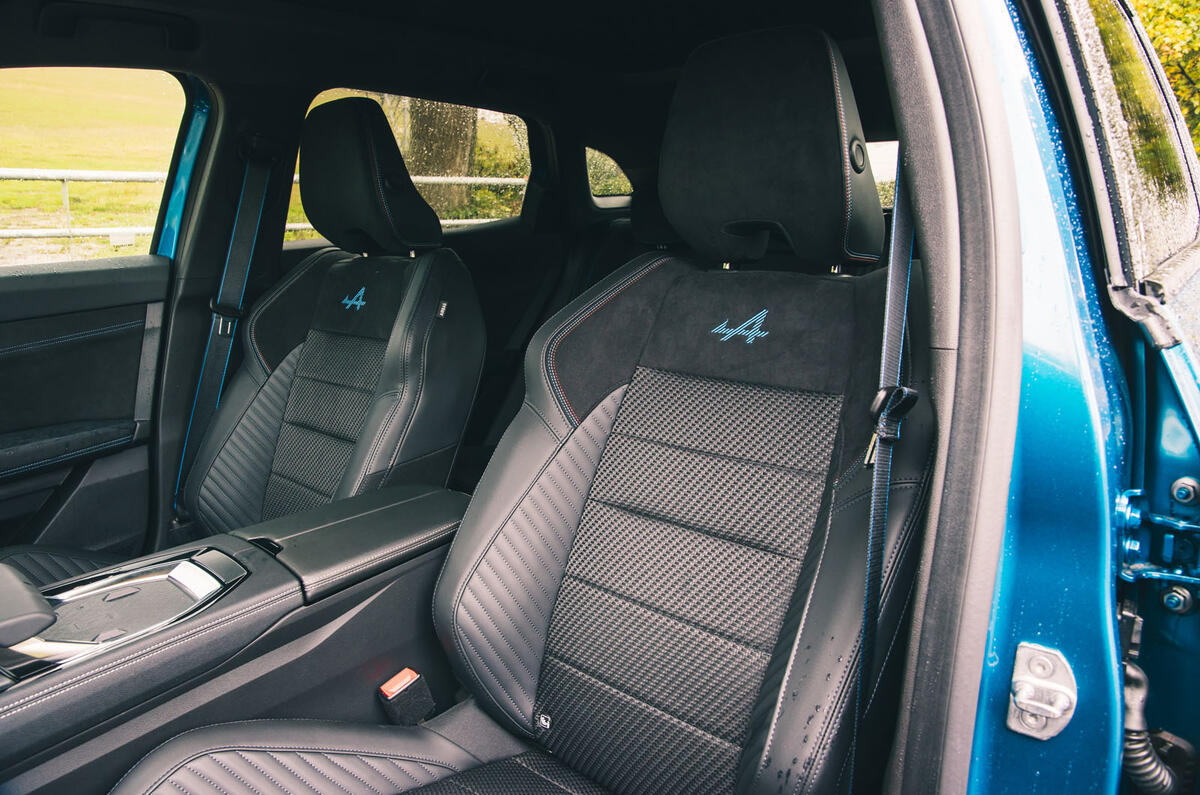
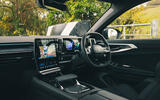
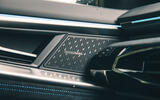
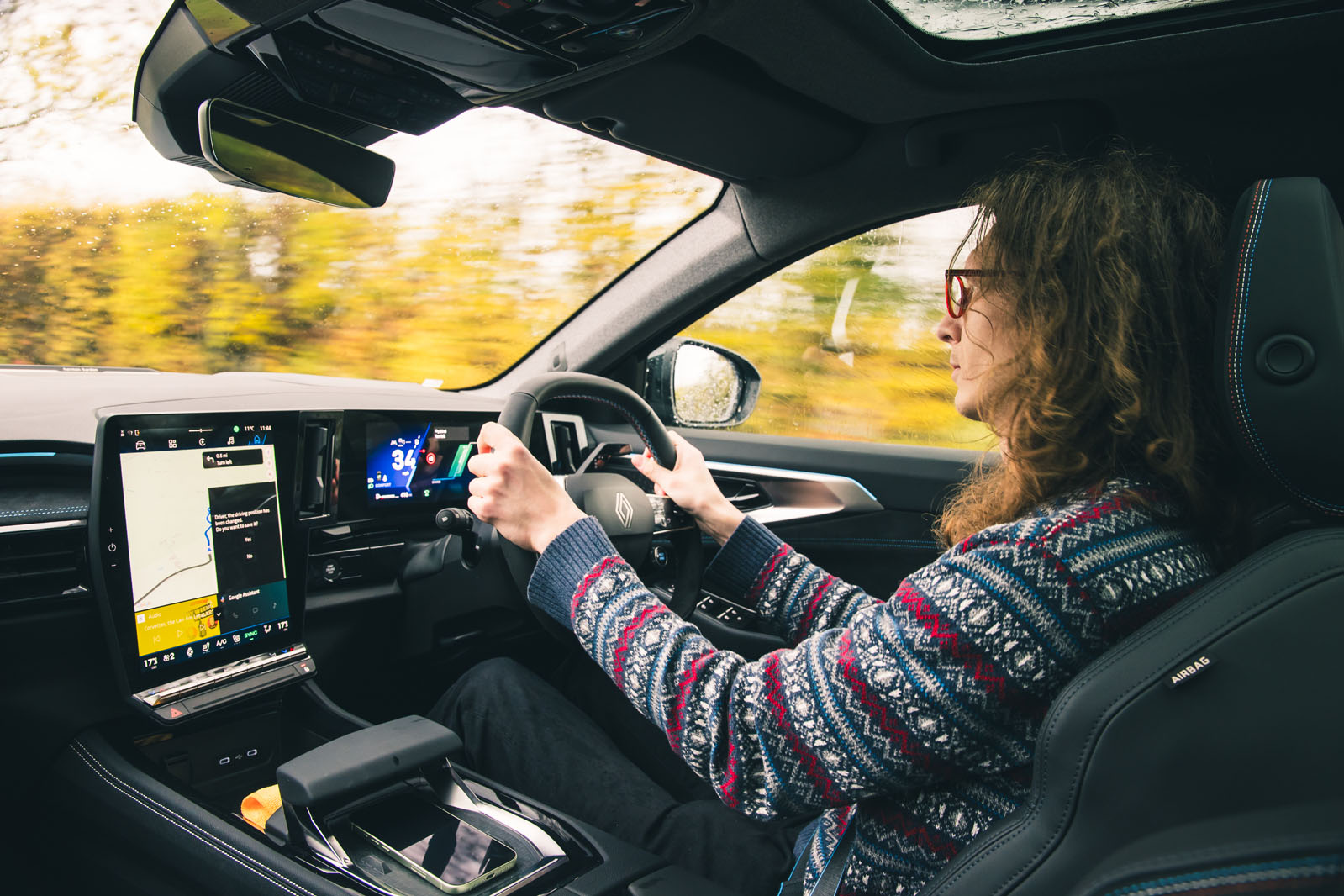
As with the technical spec, it’s remarkable how different the Austral’s interior is from the Qashqai’s. You won’t find a single button that’s shared between the two, and where the Nissan is squarer and more businesslike, the Renault is more flamboyant and techy, without neglecting perceived quality. One isn’t necessarily better than the other, but at least it sets the two apart.

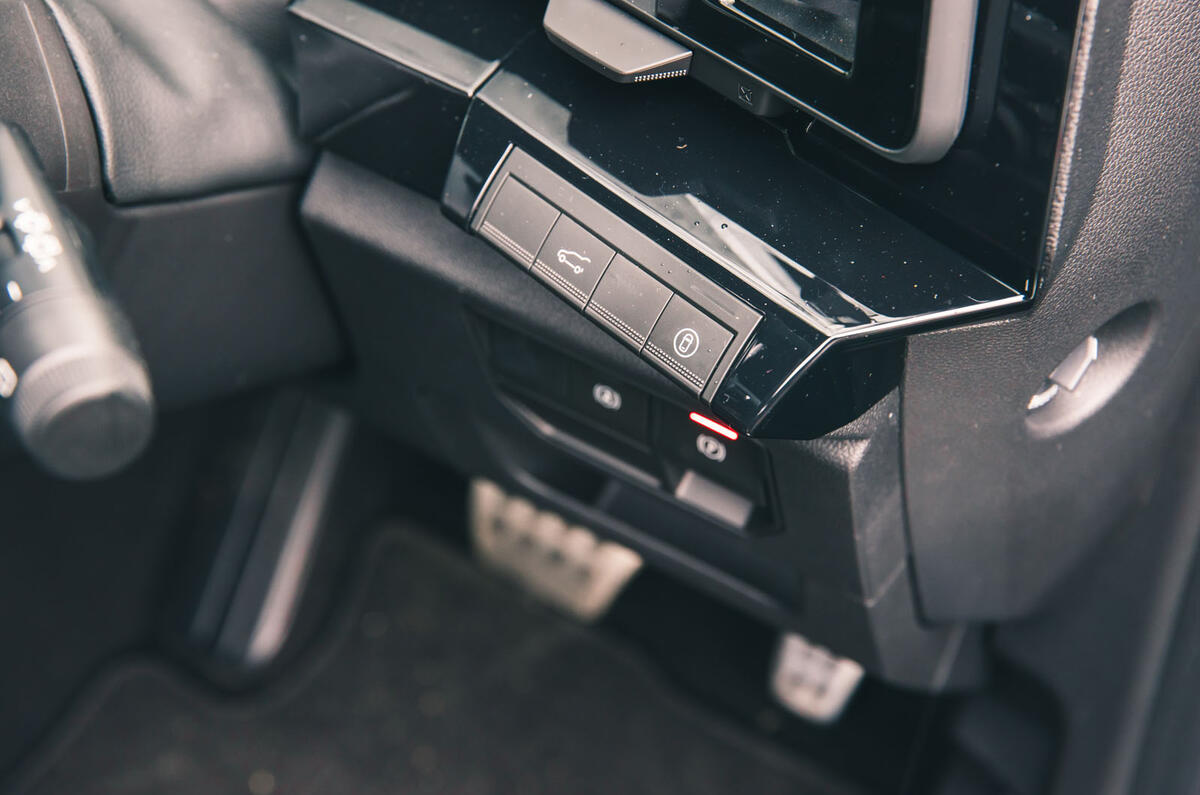
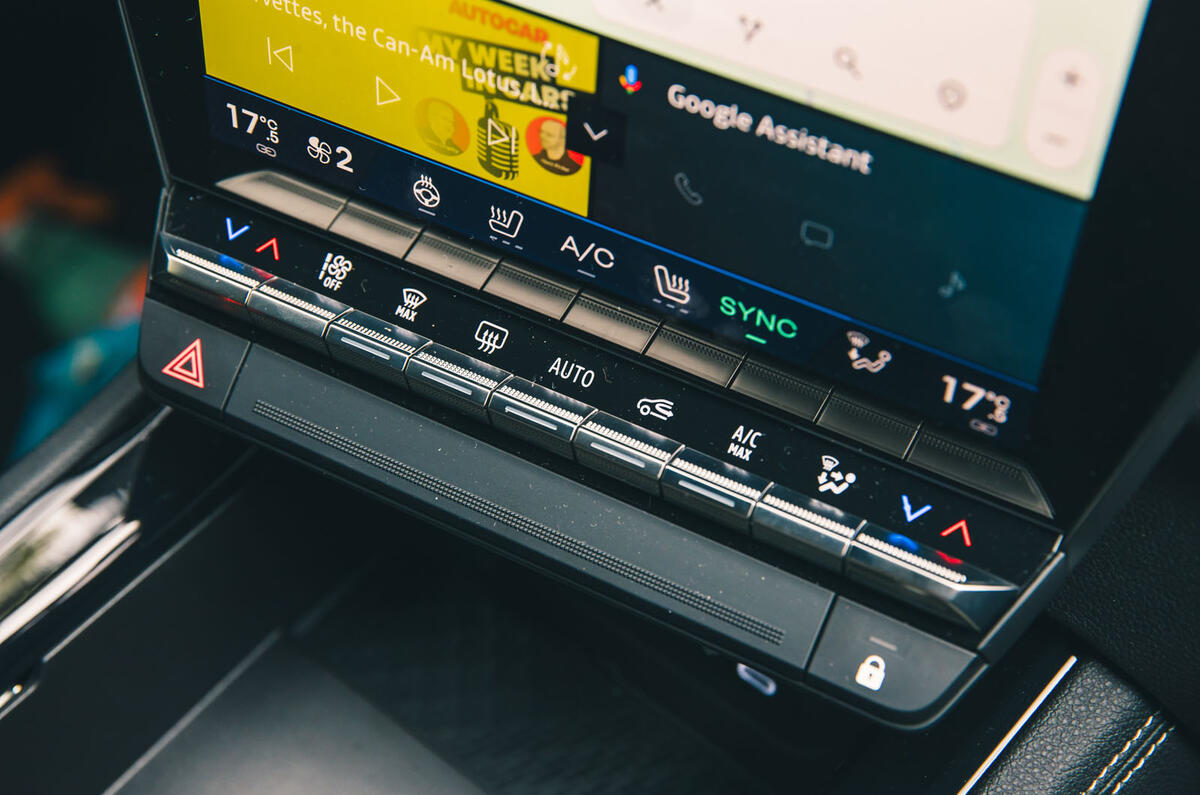
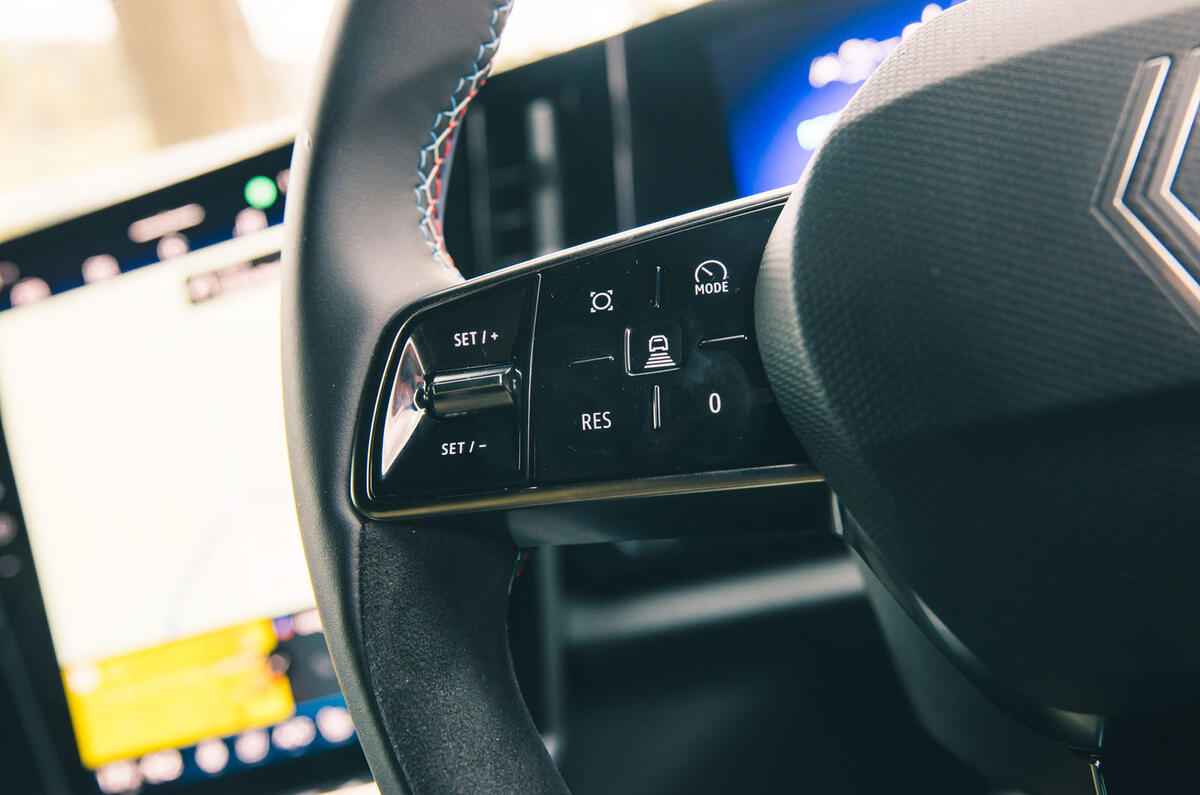
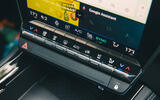
The Austral may have its tech front and centre, but Renault hasn’t neglected usability. There are rocker switches for the main climate control functions and the heater setting for the seats is fairly easily accessible on the screen. All the buttons on the steering wheel are real buttons too.

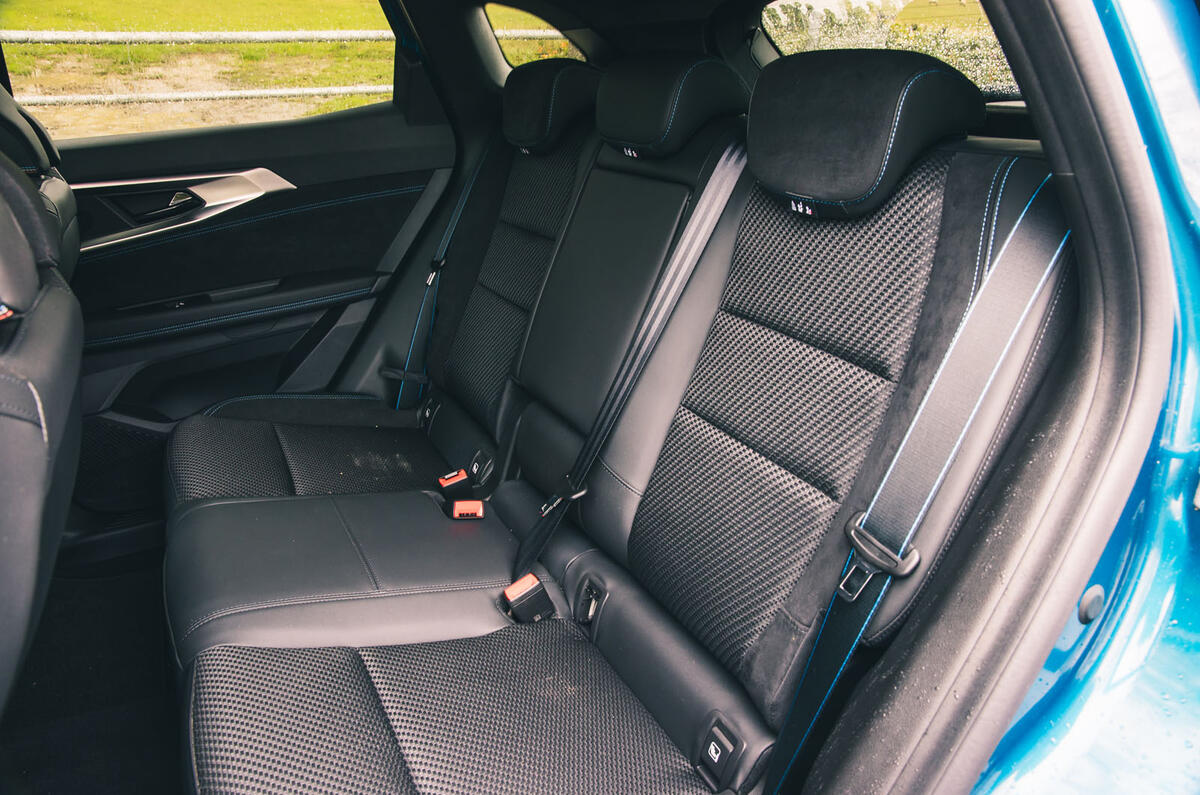
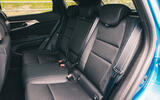
I'm over 6ft tall, and while I had more than enough leg room to find a comfortable position in the back, head room was less generous and not helped by the optional panoramic roof.

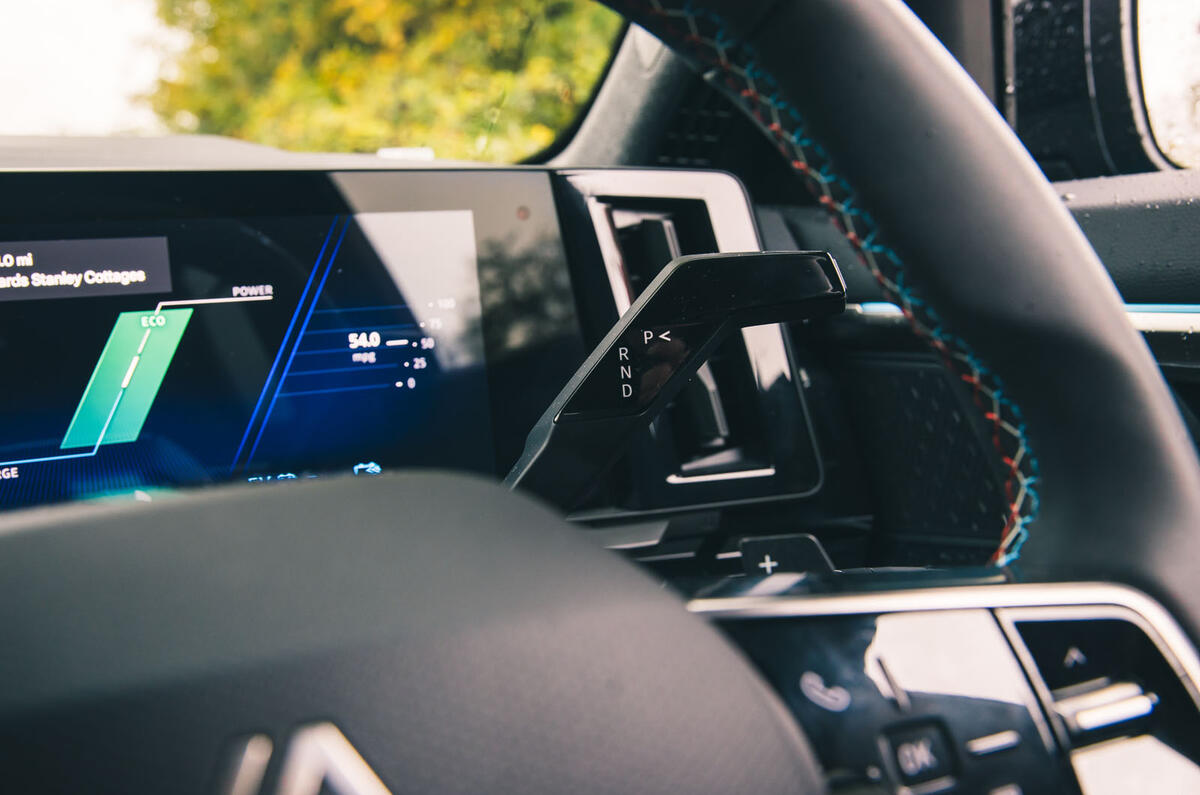
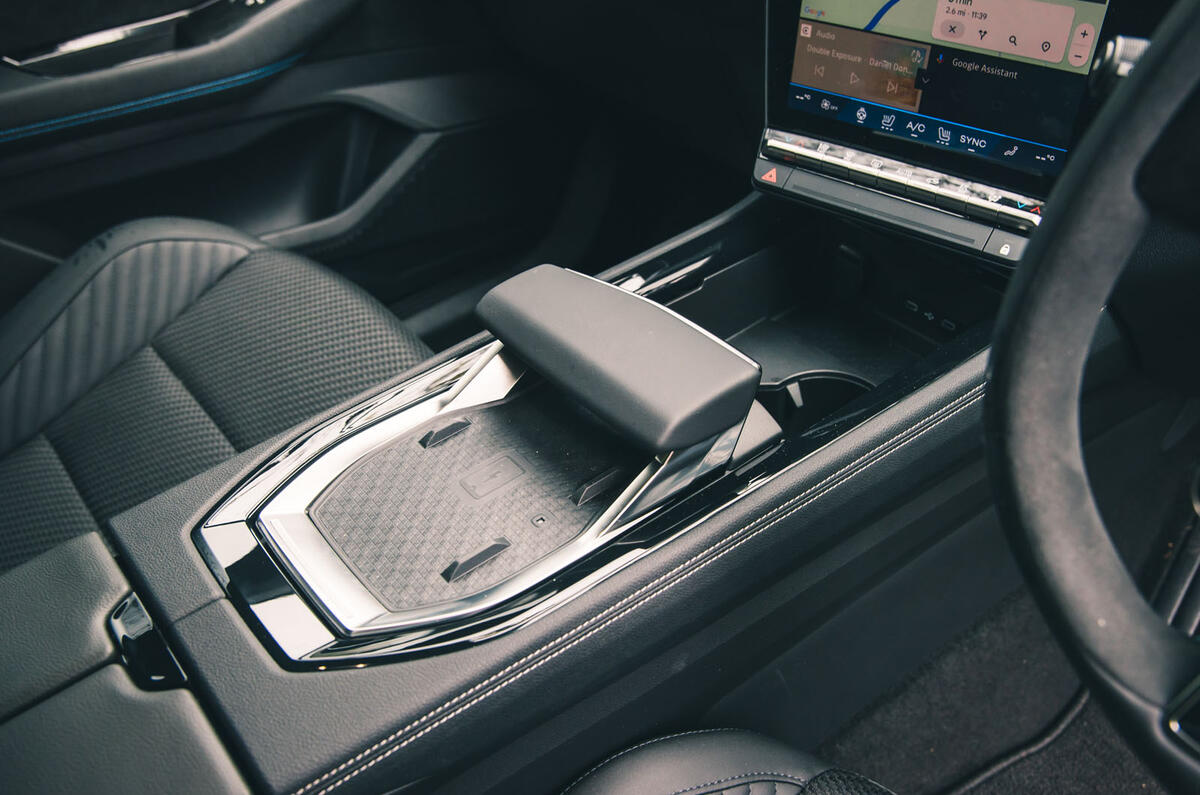
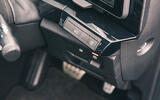
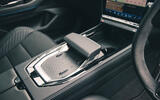
The centre console design is only a partial success. The drive selector is mounted on the column, which is very convenient when manoeuvring and liberates centre console space. The various bins aren’t especially deep, though, because they sit on top of the hybrid battery. As a result, when you want to put anything in the cupholders, you have to slide the phone tray back, making the rear storage bin inaccessible and rendering the palm rest redundant because it will be too far away from the screen.

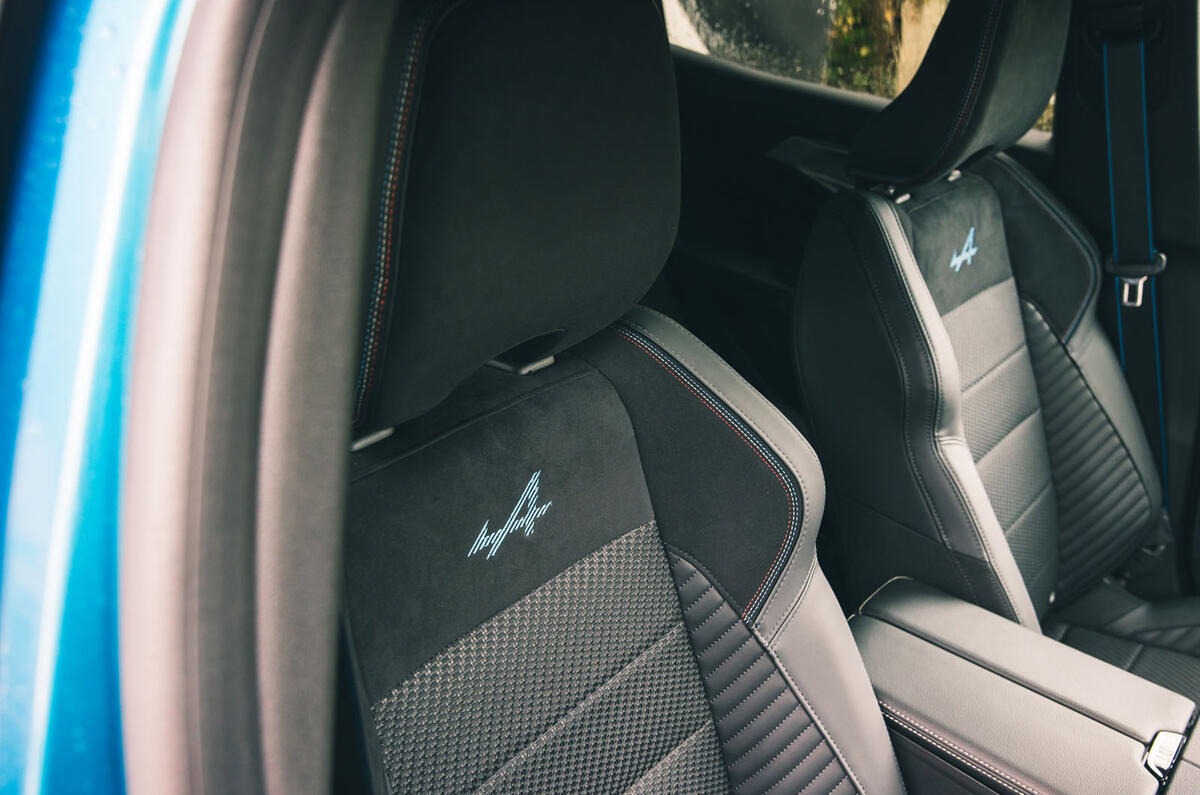
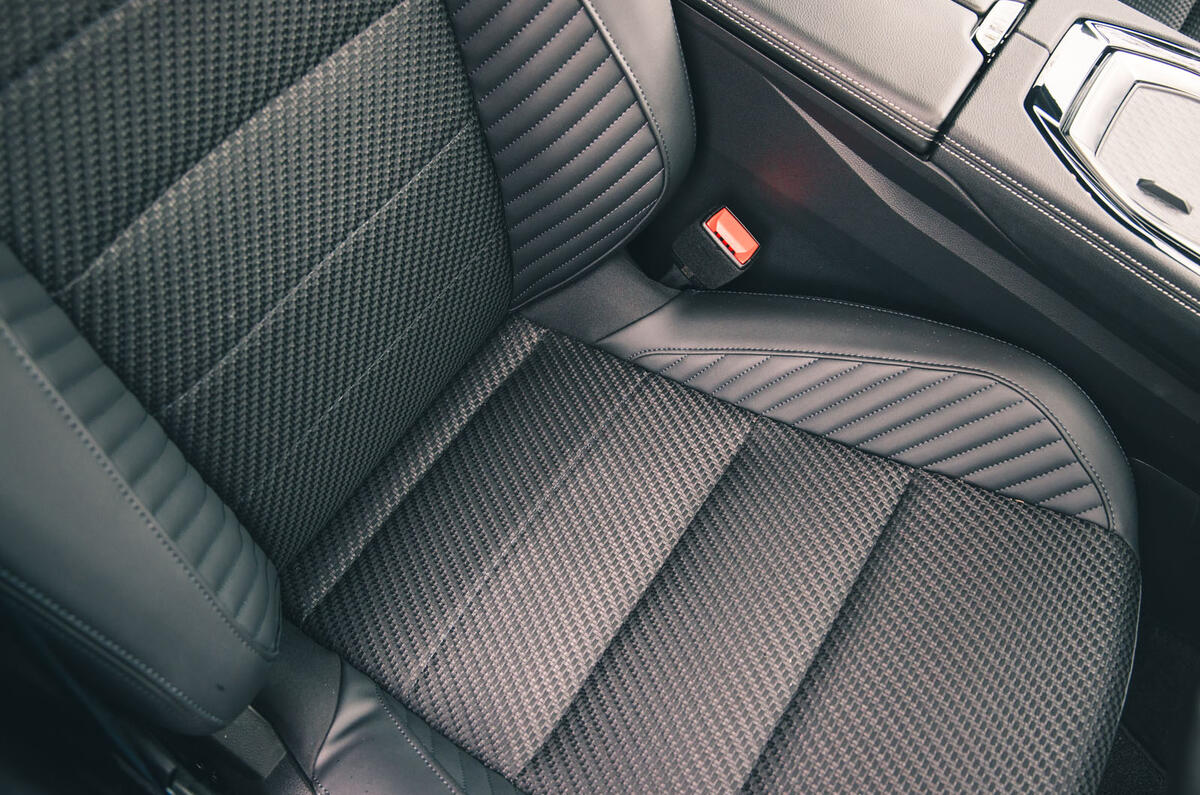
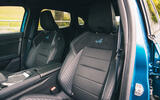
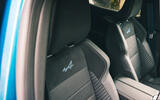
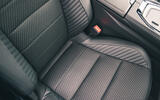
Up front, the seats are relatively comfortable, and have a massage function but lack cushion tilt adjustment. The Austral’s rear seats offer usefully more leg room than those of the Qashqai and only very slightly less than those of the Sportage.

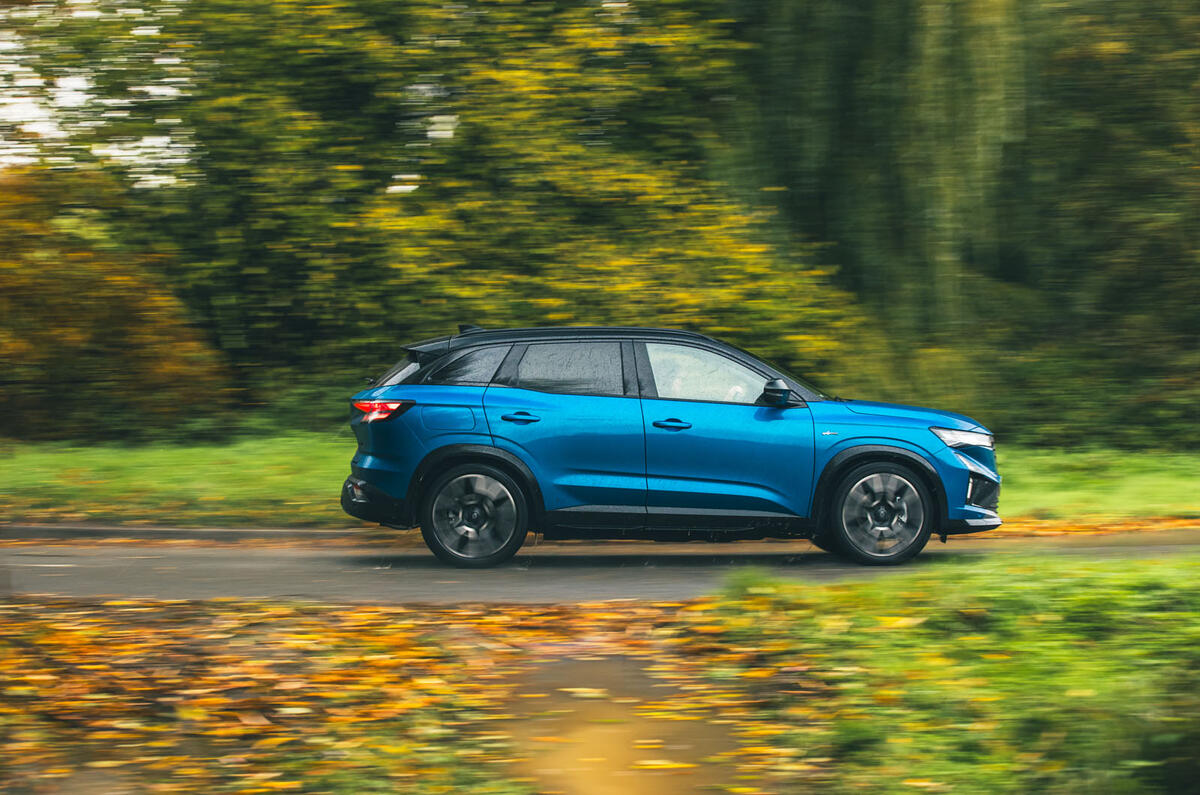
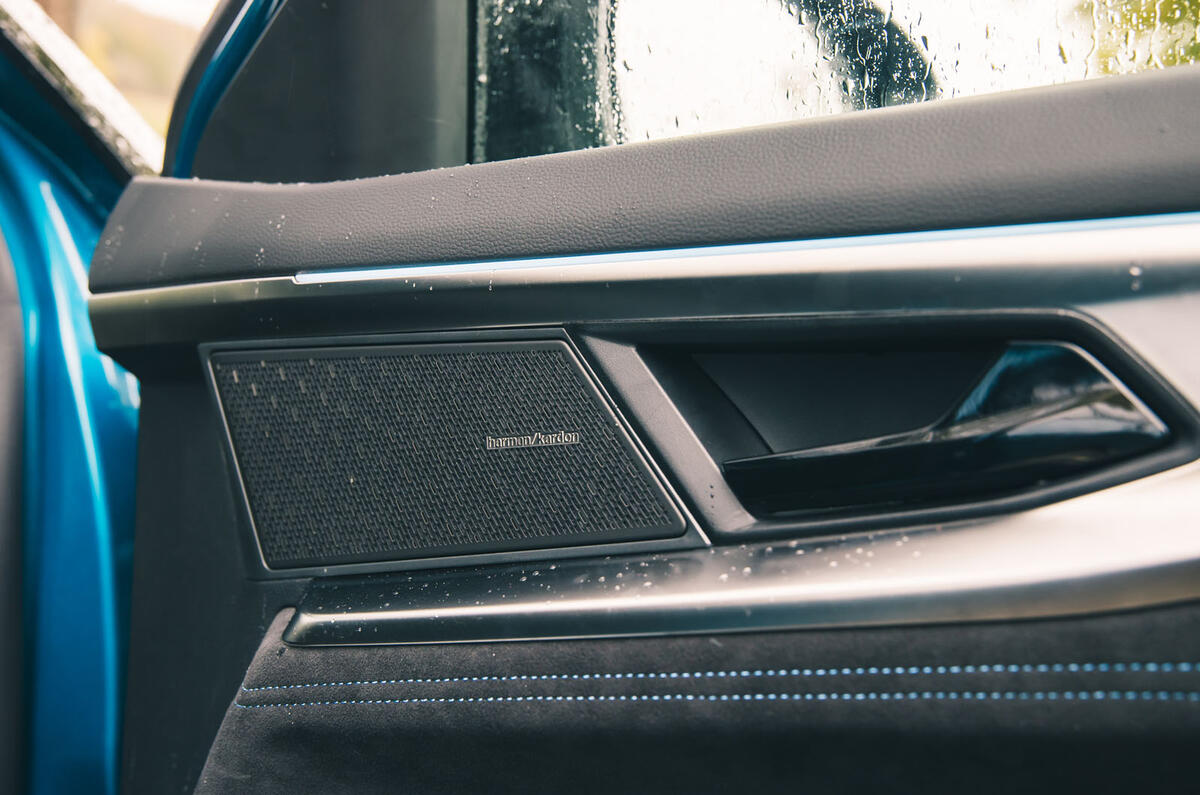
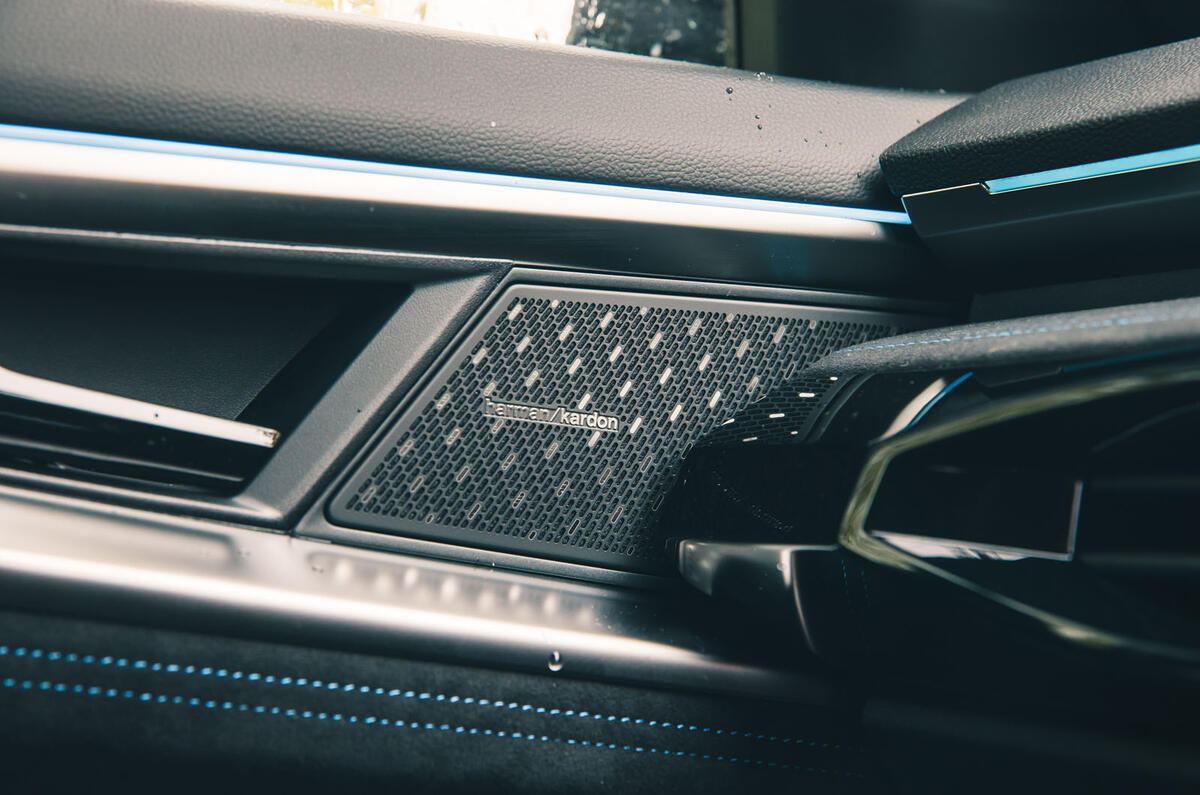
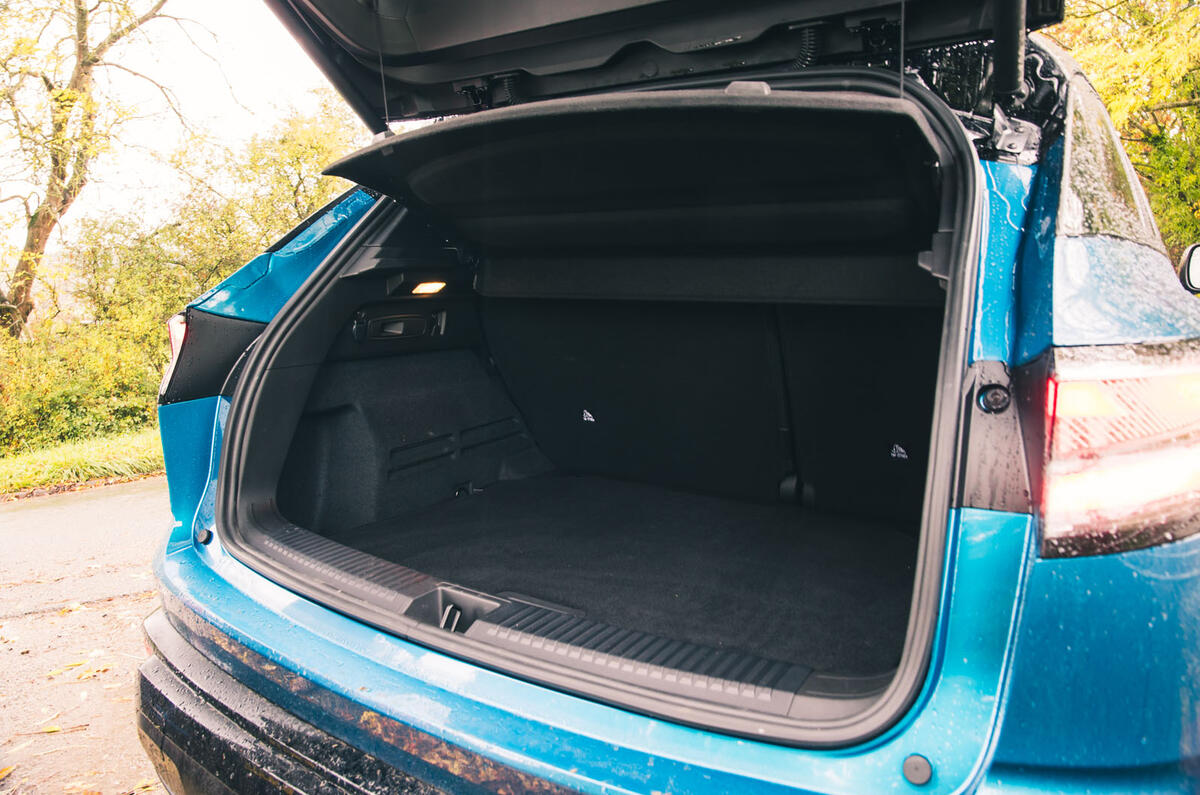
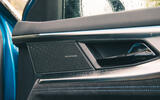
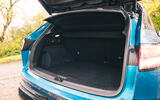
Boot space is a little tighter than in the Sportage (527 litres versus 587) and can be expanded further by sliding the rear bench forwards. The rear seats don’t fold completely flat, but the handles positioned in the boot area to release the seatbacks are a useful touch. It’s an otherwise fairly practical space, and if you choose a trim level without the Harman Kardon stereo (and its subwoofer), there is a big space under the floor that can optionally house a spacesaver wheel.
Infotainment

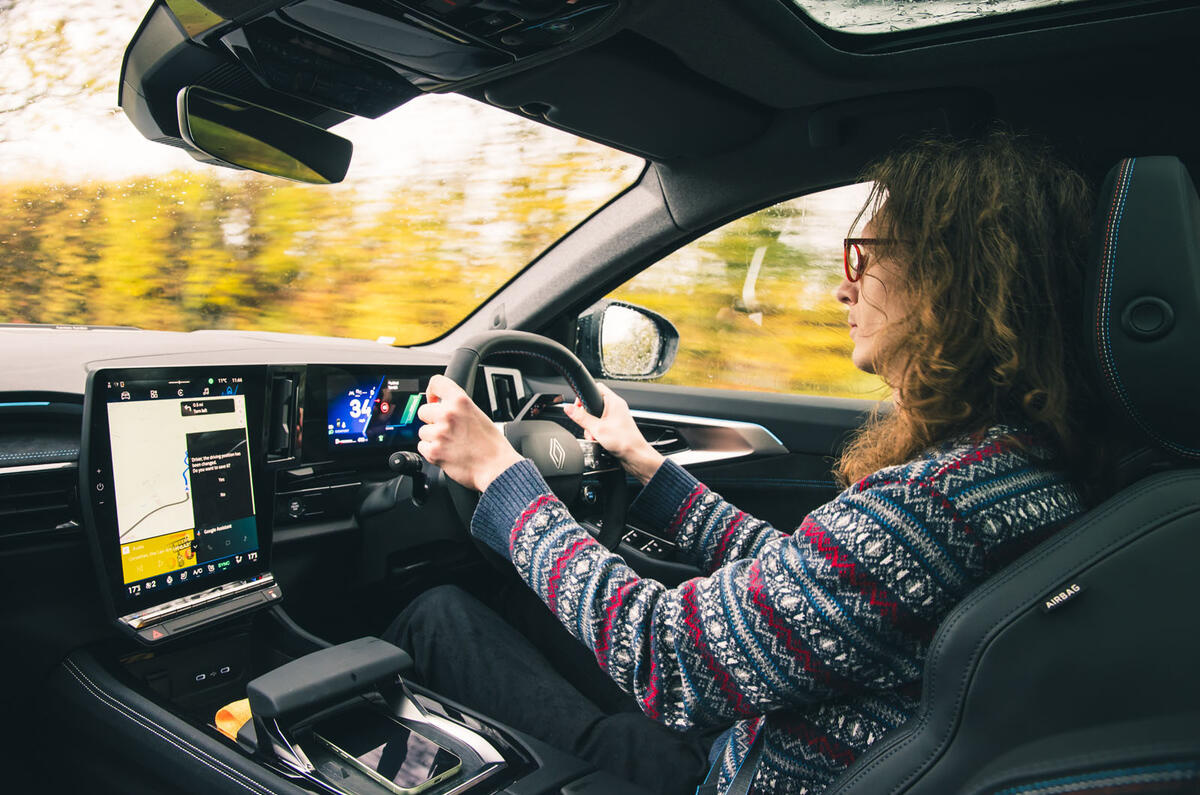
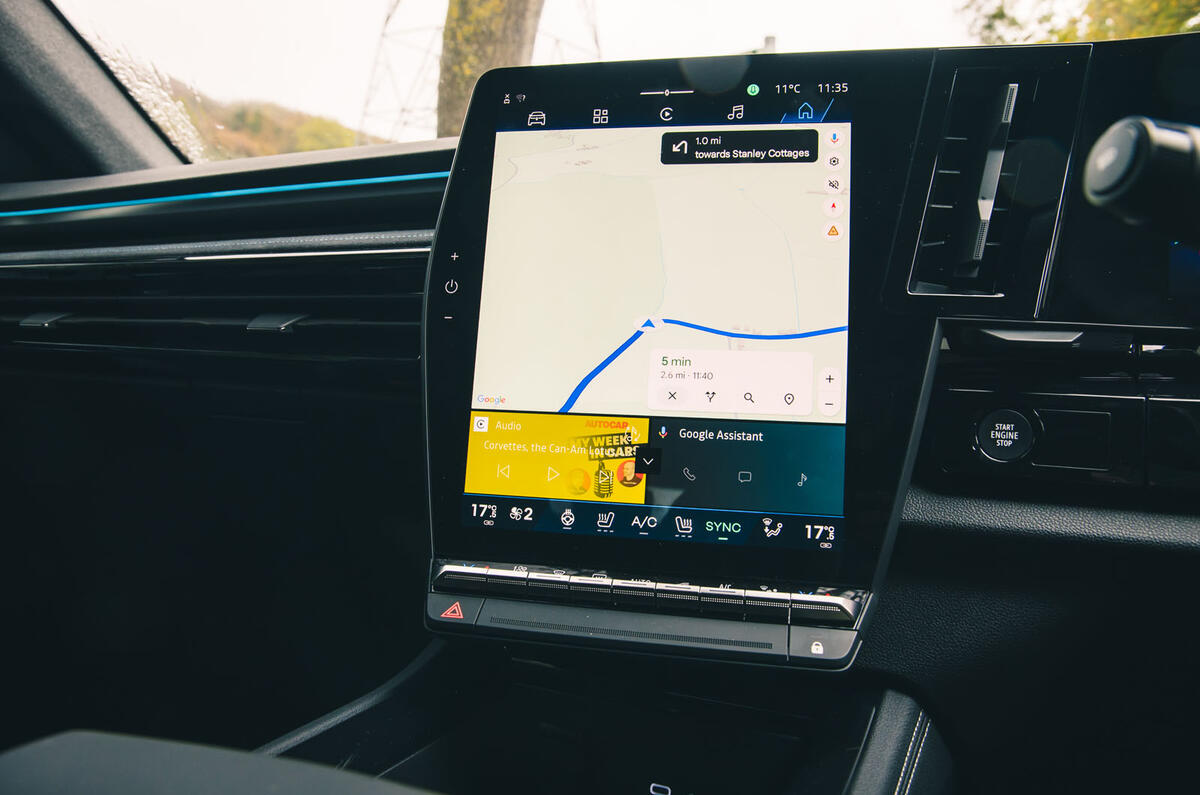
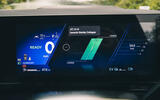
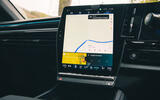
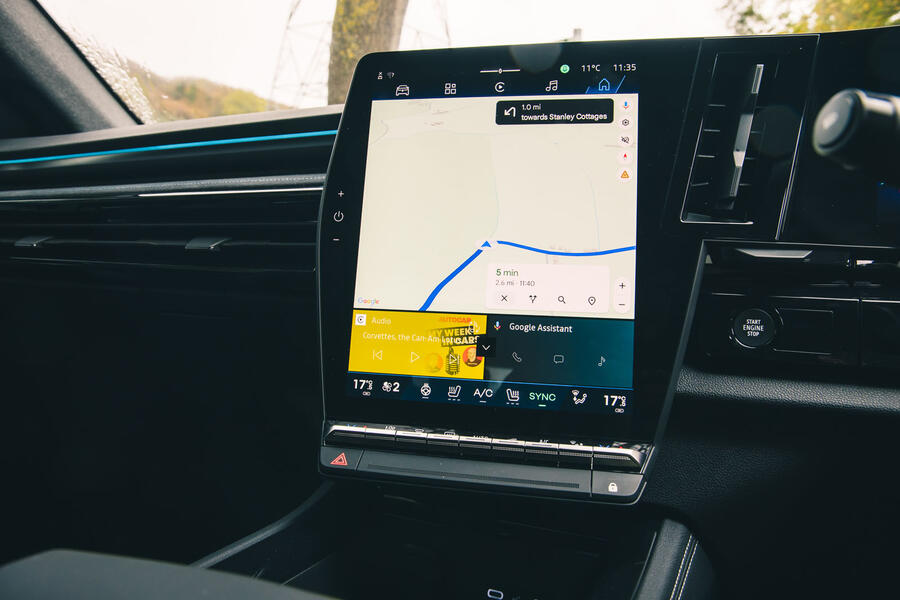
Like other recent Renaults, the Austral uses the brand’s Google Android Automotive-based multimedia system, which we know as logical and responsive. Having it projected on a larger, 12.0in screen can only be a good thing, because it gives a bit more room to various shortcuts and widgets than in cars like the 5.

Being Google-based, the native navigation is Google Maps, which is excellent, and it comes with the benefit that you can simply log in to your Google account and have your home and work addresses, as well as the recent searches you made on your phone or other devices, waiting for you. There is also an app store with third-party services such as Waze navigation. To keep everyone happy, there’s wireless Apple CarPlay and Android Auto, which integrate very well with the native interface.

Renault persists with its media stalk behind the steering wheel and it works well once you get used to it, although a physical volume and tuner button in the centre console would have been welcome. This also means the right-hand side of the steering column has three stalks: for the drive selector, the wipers and the media control. Some testers got on well with this set-up, others found it too easy to accidentally flick on the wipers during a three-point turn.

ENGINES & PERFORMANCE

8
Renault Austral review 2026 050

Due to the unique way Renault’s E-Tech hybrid system operates, the Austral is one of the stranger cars to do standing-start sprints in. Because there is no clutch or torque converter to slip, it always needs to set off on the electric motor, with the engine in neutral.

Given that the electric motor has only 67bhp to get 1696kg of SUV moving, the Austral gets off to a slightly slow start. By about 12mph, the engine can spin fast enough to be able to idle, so from then on it can help with motive power. Until about 45mph, when it needs to perform a gearchange. Because the gearbox is unsynchronised and the integrated starter-generator needs to carefully adjust the engine revs to shift, this takes about half a second – during which time the electric motor again needs to do everything, so the acceleration tails off noticeably. The car then accelerates smartly again until about 75mph, when another gearchange is needed and you feel about 1.5sec of noticeably diminished acceleration. It appears to shift into top gear at 108mph (one of the gears is skipped under maximum acceleration), when the car actually slows slightly because the electric motor can’t maintain this speed by itself. It then starts accelerating again briefly until it hits its limiter at 111mph.

It’s all slightly odd, but the good news is that in normal driving you’re generally unaware of the black magic going on in this drivetrain. So long as you’re not flat out, the motor has enough power to fill in the gaps during the engine’s gearchanges, making them smooth to undetectable. The engine is also impressively refined and only under hard acceleration can you make out some three-cylinder thrum. The sole exception to that is when it needs to fire up from cold to urgently put charge in the battery. Then it can sound slightly rattly, but that lasts only a few seconds at most.

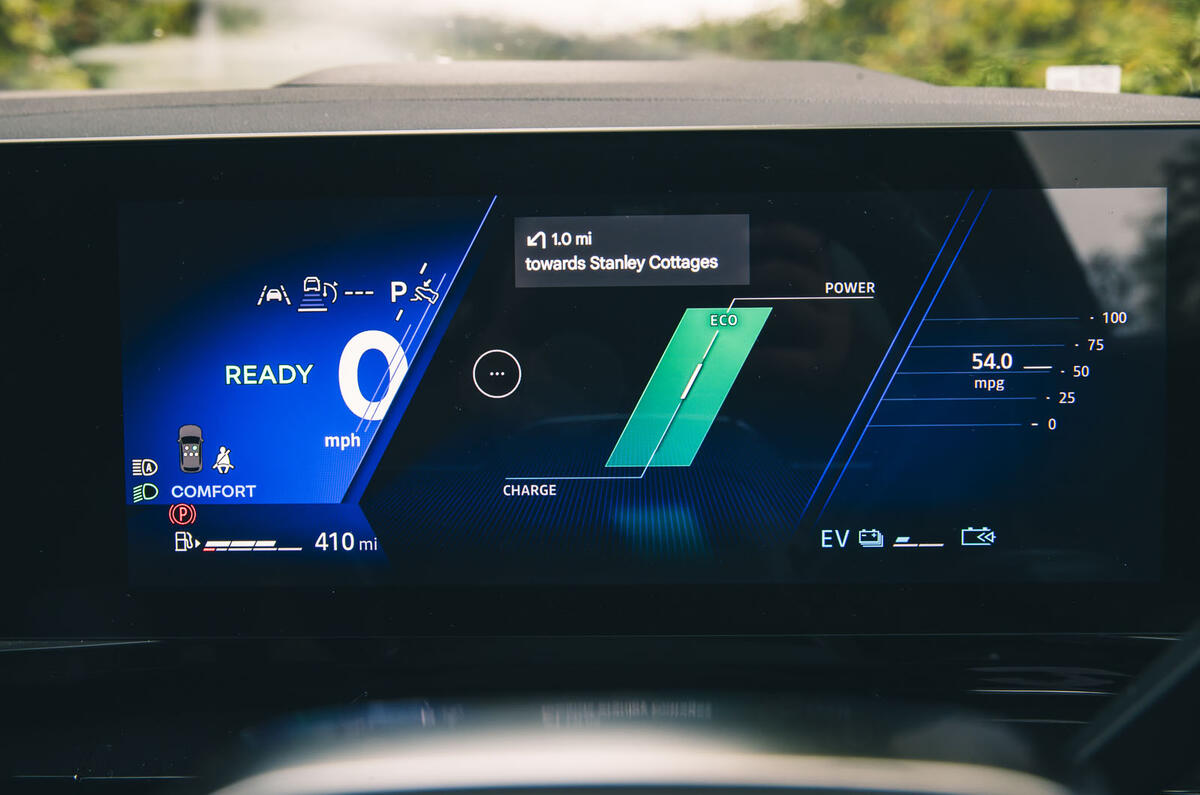
Because the battery is quite large for a full hybrid, at 1.7kWh, the Austral can genuinely drive meaningful distances in electric mode, making town motoring more pleasure than pain. Overall, it’s a more refined powertrain than any of the Austral’s rivals from Kia, Toyota or Honda possess and on a par with the one in the latest Qashqai. Nevertheless, it is disappointing that the Austral missed its claimed 0-62mph time by half a second and proved slower than the Sportage and Qashqai.

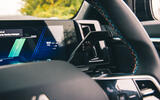
As a driver, you have absolutely no control over the car’s gear selection, so one might be surprised to find paddles behind the steering wheel. Instead, they control the level of regeneration, which is made possible by that big battery and the fairly beefy electric motor. There’s not as much retardation available as in an EV and you won’t find a one-pedal driving mode, but there’s enough for it to be worthwhile. The brake pedal is a bit soft and oversensitive but easy enough to attune to.

RIDE & HANDLING

6
Renault Austral review 2026 052

The original Austral’s specification, at least in the popular range-topping trim, read like something more exotic than a mainstream crossover, with its multi-link rear axle and four-wheel steering. Unfortunately, we found the 4Control system annoyingly twitchy and unpredictable and the ride overly firm and harsh for no benefit to the handling. Lower-end cars always had a simple torsion-beam rear axle and no rear-wheel steering, but Renault UK never had one on its press fleet.

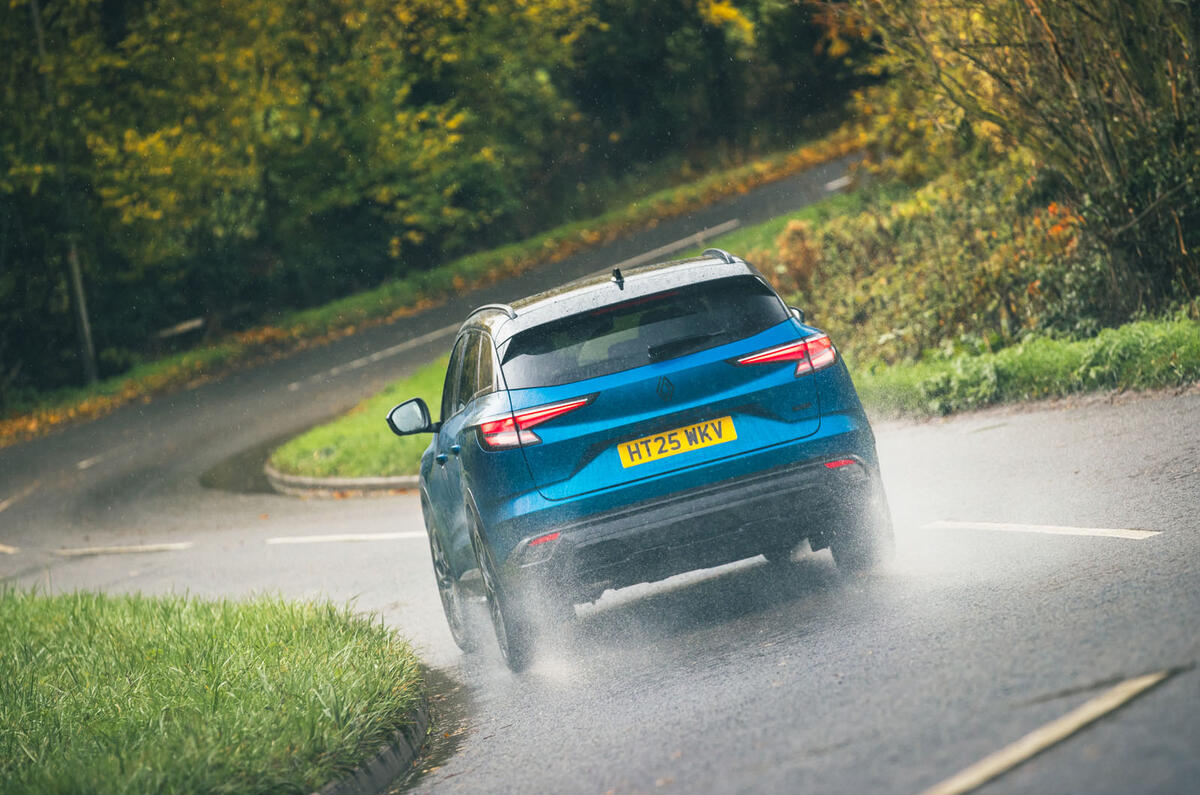
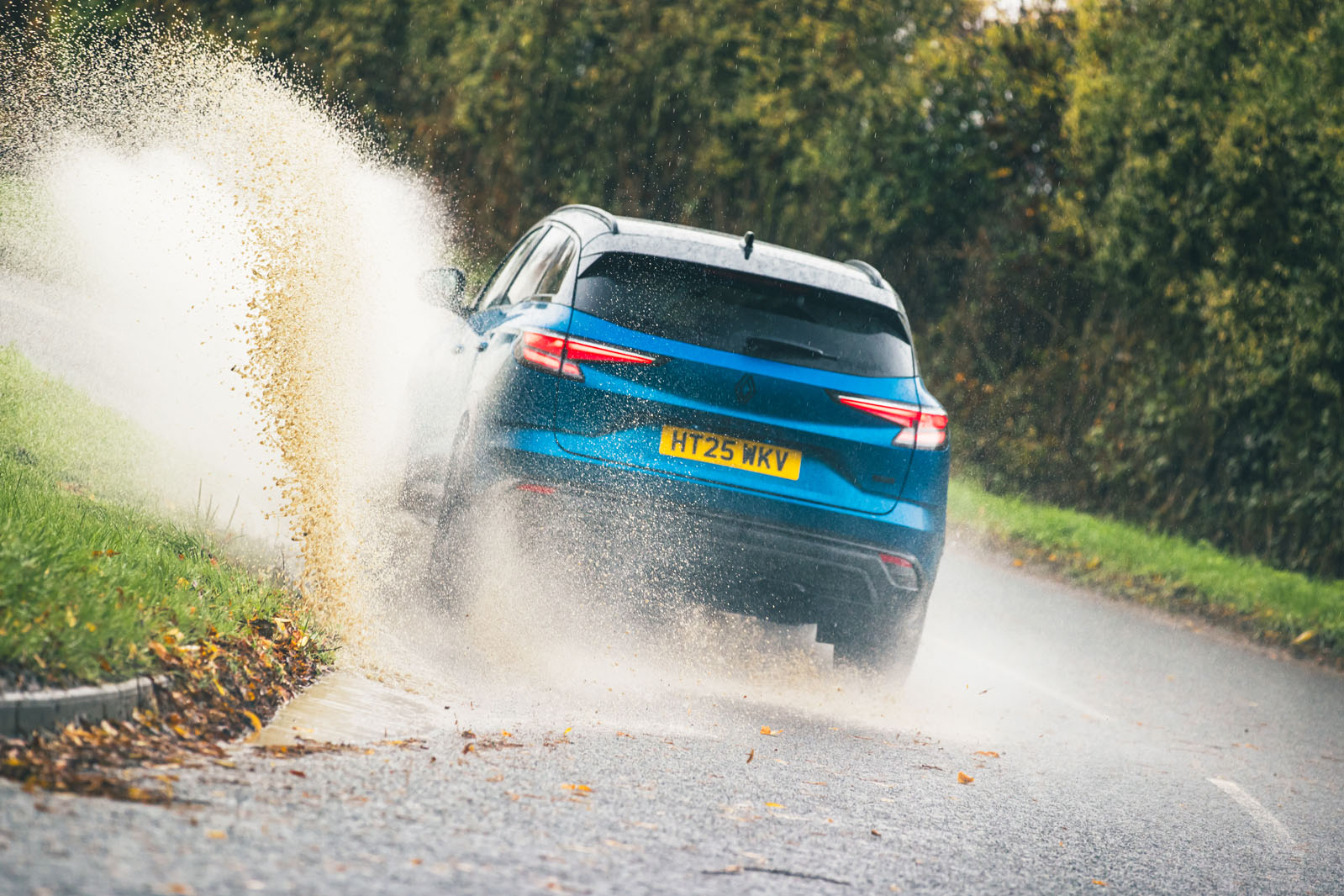
For the 2025 facelift, the 4Control system has been ditched for all Australs, along with the multi-link suspension. All now ride on passive struts in the front and a torsion beam in the back. This sounds like a downgrade on paper, but in this case, de-contenting has made the Austral a better car. The steering is now nicely progressive and well-matched to this tallish SUV. It even weights up as you load up the chassis in corners, giving you some sense of what’s happening under the front wheels. There isn’t much body roll and, with meaty 235-section tyres, you’re rarely short of grip. It’s still a front-wheel-drive hybrid SUV, so you wouldn’t call it fun to drive, but there’s more satisfaction to be had from guiding the Austral down a twisty road than you might expect.

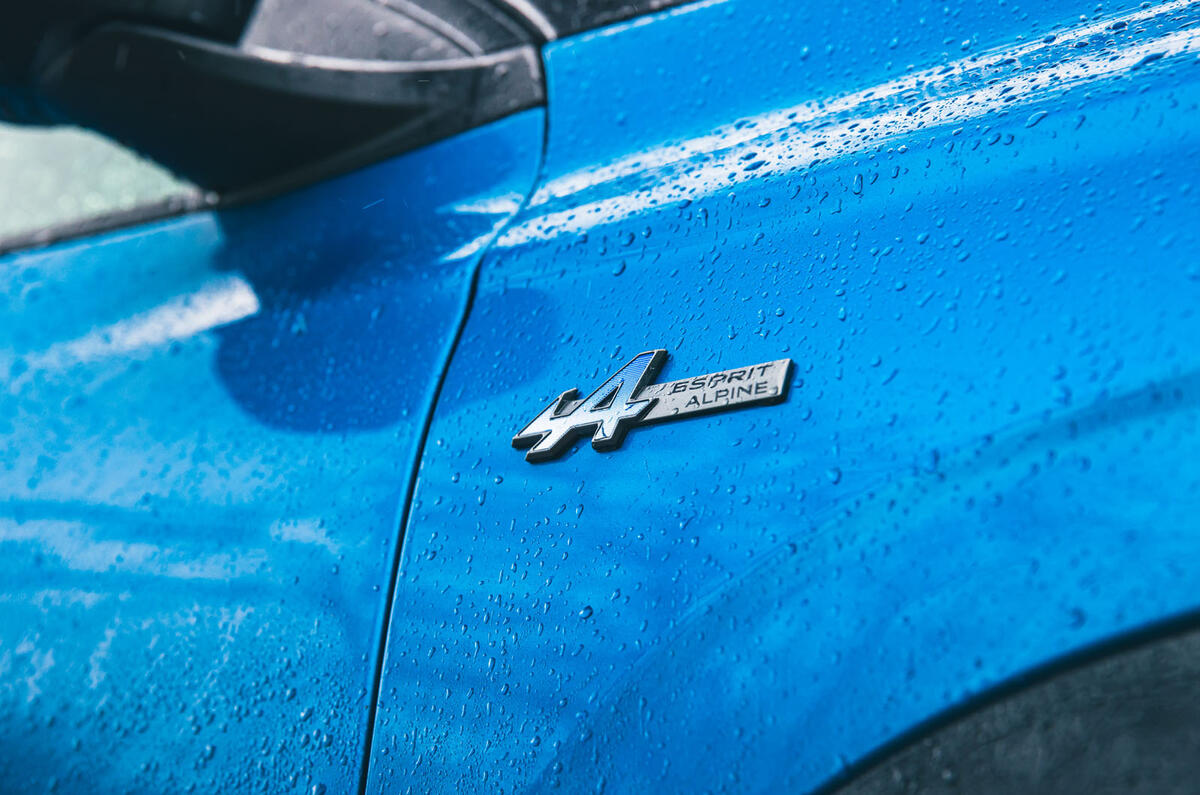
The ride is still an issue, however. It was firm and wooden on the multi-link and it still is on the torsion beam. You could probably live with it, but it’s unnecessarily irksome. Even the entry-level Techno model rides on 19in wheels (the Techno Esprit Alpine and Iconic Esprit Alpine trims bring 20s), so going for the base model is unlikely to make a transformative difference.

Our noise measurements were taken on a pre-facelift car. For the update, Renault has added additional sound deadening, which should take the cruising noise down a bit, although not spectacularly. In any case, the Austral is refined enough at a cruise.

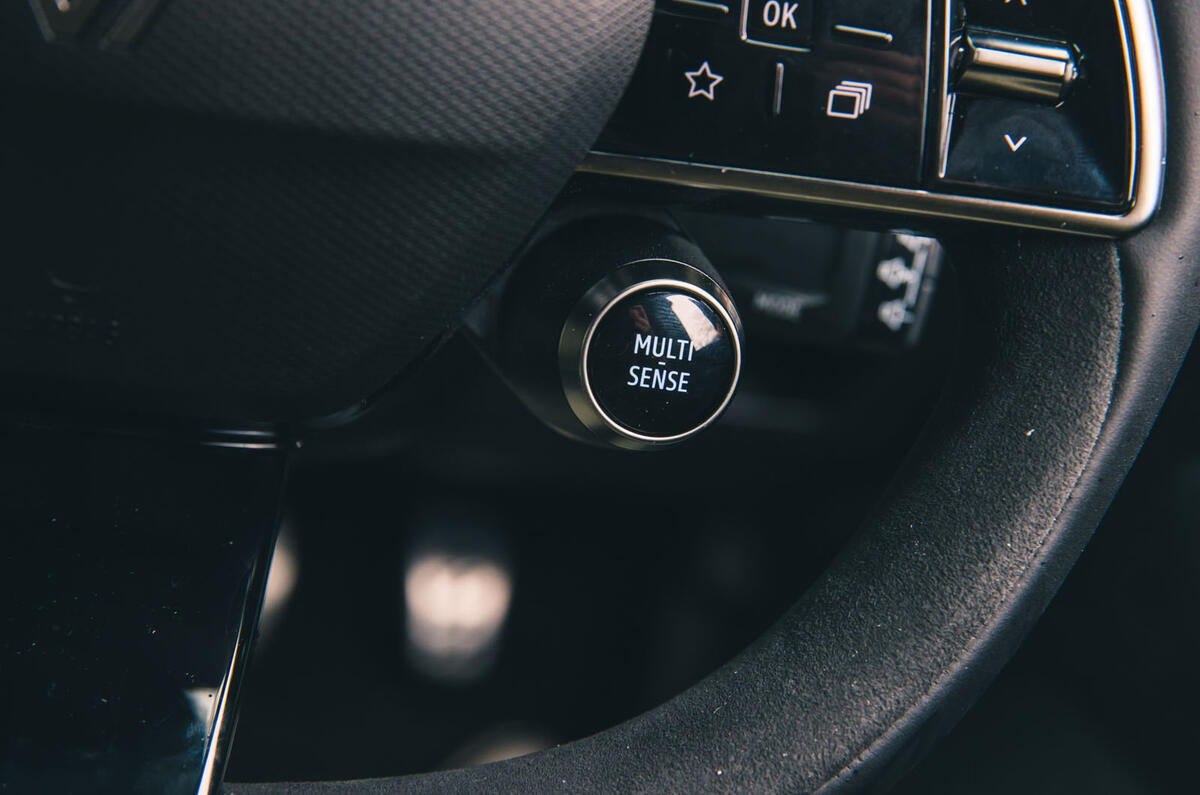
The Austral gets the same magic button as other Renaults that lets you activate a custom configuration for the ADAS with two presses. In practice, that means the overspeed warning and lane keep assist are very quick to disable. When left on, they actually work moderately well. Even the entry-level Austral comes with adaptive cruise control as standard. We wish it didn’t, because it’s not the smoothest or most responsive system, and it can’t be switched to standard cruise control.

MPG & RUNNING COSTS

9
Renault Austral review 2026 025

The Austral’s pricing starts from £34,695 in Techno trim. Being a hybrid and fairly well equipped as standard, it’s no surprise that it’s quite a bit more expensive than rivals in their entry-level specifications. For instance, you could have a Seat Ateca or Kia Sportage for about £30,000. However, compared like for like with hybrid rivals, the Austral is the most affordable of the bunch. A range-topping Iconic Esprit Alpine costs £38,695, and the sole options are special paint colours and a temporary spare wheel. The equivalent hybrid Nissan Qashqai Tekna+, Hyundai Tucson N Line S, Kia Sportage GT-Line S and Honda ZR-V Advance are all more expensive.

In addition, the Austral scores with impressive fuel economy. Over the course of a week, our test car returned over 50mpg, which is similar to the Qashqai and considerably better than the Sportage. Like a lot of hybrids, it prefers gentle suburban motoring, where it can shut off the engine as much as possible. However, it copes with extended motorway use better than most.

VERDICT

Renault Austral review 2026 054

The medium SUV class is a slightly frustrating one, because, although immensely popular, it contains no real standout players that tick all the boxes.

In facelifted form, the Austral gets closer than most. Its hybrid powertrain is smooth and economical, the cabin is roomy, practical and feels upmarket, and the tech works well. It’s one of the cheapest in its class and handles well for what it is. Only the very wooden ride lets it down, and it’s unfortunate that the cheaper mild-hybrid version isn’t offered in the UK.

The Austral certainly now deserves to get closer to the Sportage’s sales numbers.

Illya Verpraet

Illya Verpraet Road Tester Autocar
Title: Road Tester

As a road tester, Illya drives everything from superminis to supercars, and writes reviews and comparison tests, while also managing the magazine’s Drives section. Much of his time is spent wrangling the data logger and wielding the tape measure to gather the data for Autocar’s in-depth instrumented road tests.

He loves cars that are fun and usable on the road – whether piston-powered or electric – or just cars that are very fit for purpose. When not in test cars, he drives an R53-generation Mini Cooper S or a 1990 BMW 325i Touring.