

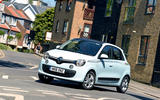


Conventionally fuelled superminis and city cars have long been tipped to become early casualties of the shift to all-out electrification.
Their waning profit margins, near-incompatibility with hybridisation and negative impact on fleet emissions figures mean larger, more costly and increasingly electrified cars have been the priority for most major manufacturers in recent years.
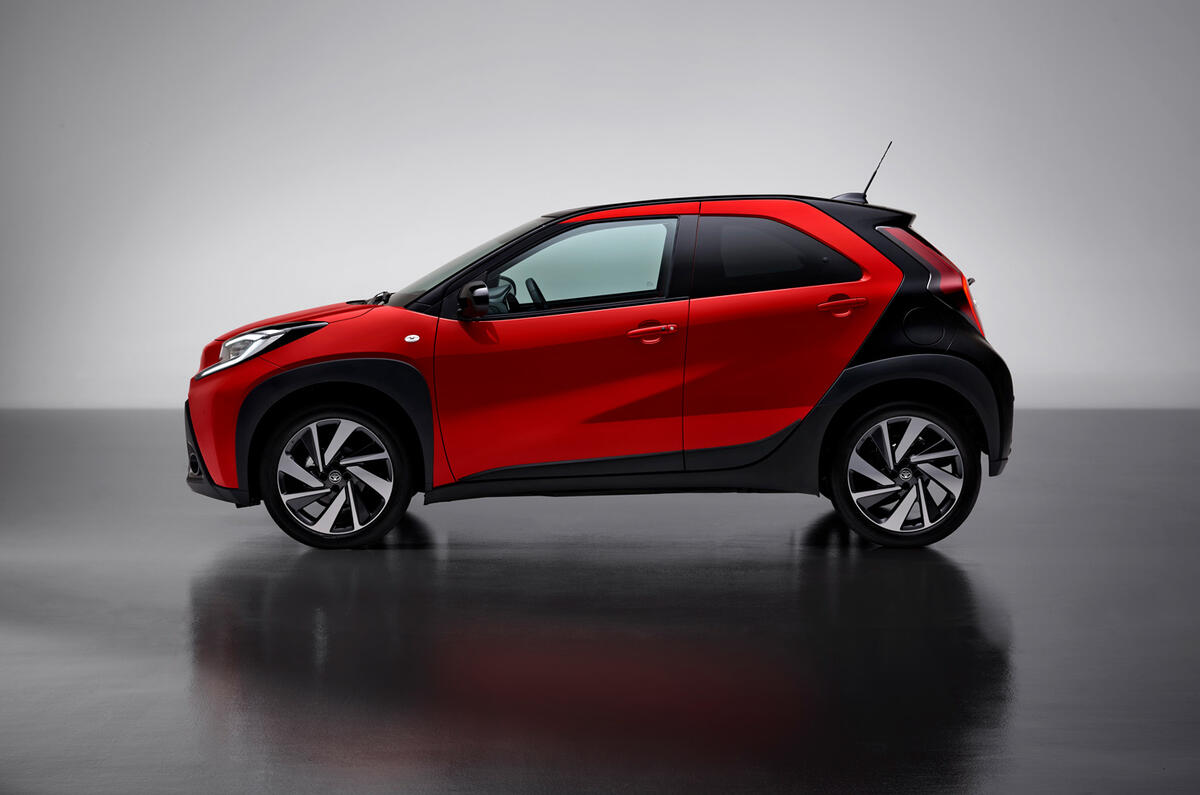
But Toyota has bucked the trend by introducing the new Toyota Aygo X, a higher-riding but still diminutive third-generation version of its consistently strong-selling city car. Although it has grown slightly, at 3700mm long and 1740mm wide, it will still be comfortably one of the smallest combustion cars on sale and it serves as proof that Toyota views the city car as a viable revenue stream for at least one more model cycle.
Toyota Europe vice-president Andrea Carlucci is confident that the Japanese firm can sustain an offering in this endangered segment. He told Autocar that the “strong equity we have built over the last 15 years with two generations of the previous vehicle” cements the Aygo nameplate as a front runner.
Carlucci also highlighted, in particular, “the great job our UK colleagues have been doing. It’s by far one of the most successful markets – if not the most successful – in Europe.” Indeed, the Aygo has outsold the larger Toyota Yaris in the UK every year since 2015, and in the first nine months of 2021 – the current car’s final full year on sale – it was only slightly behind the much newer Toyota Corolla and Toyota C-HR in terms of outright UK sales, with 15,009 Aygos sold.
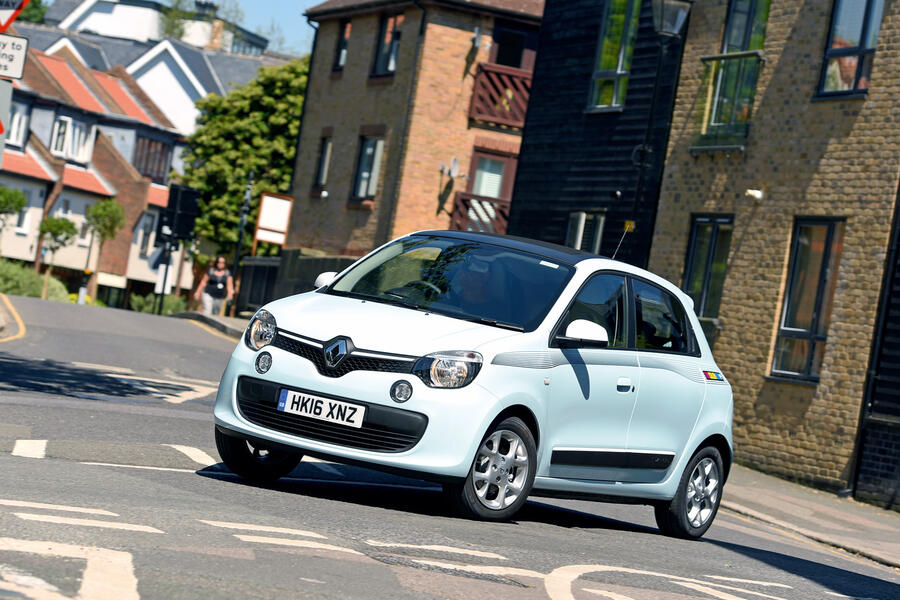
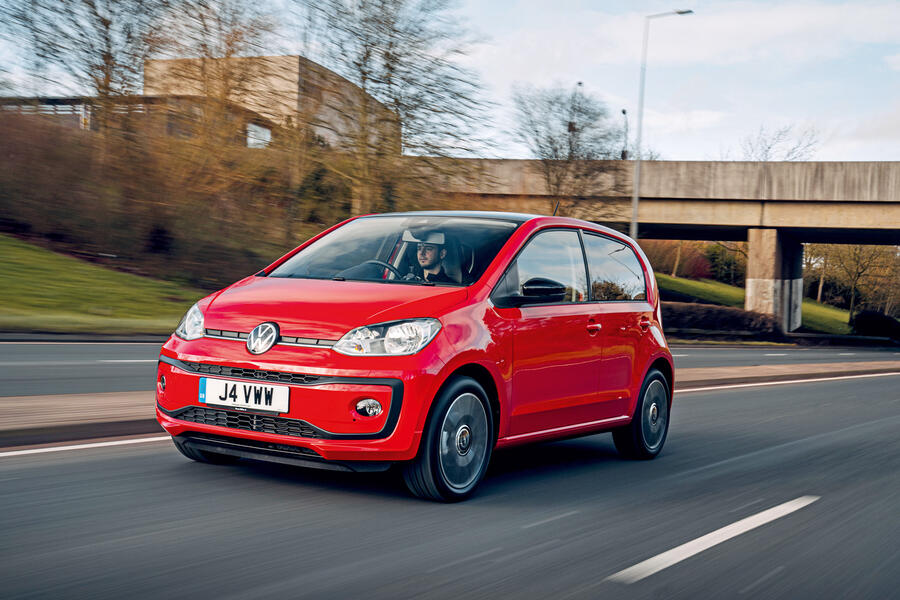
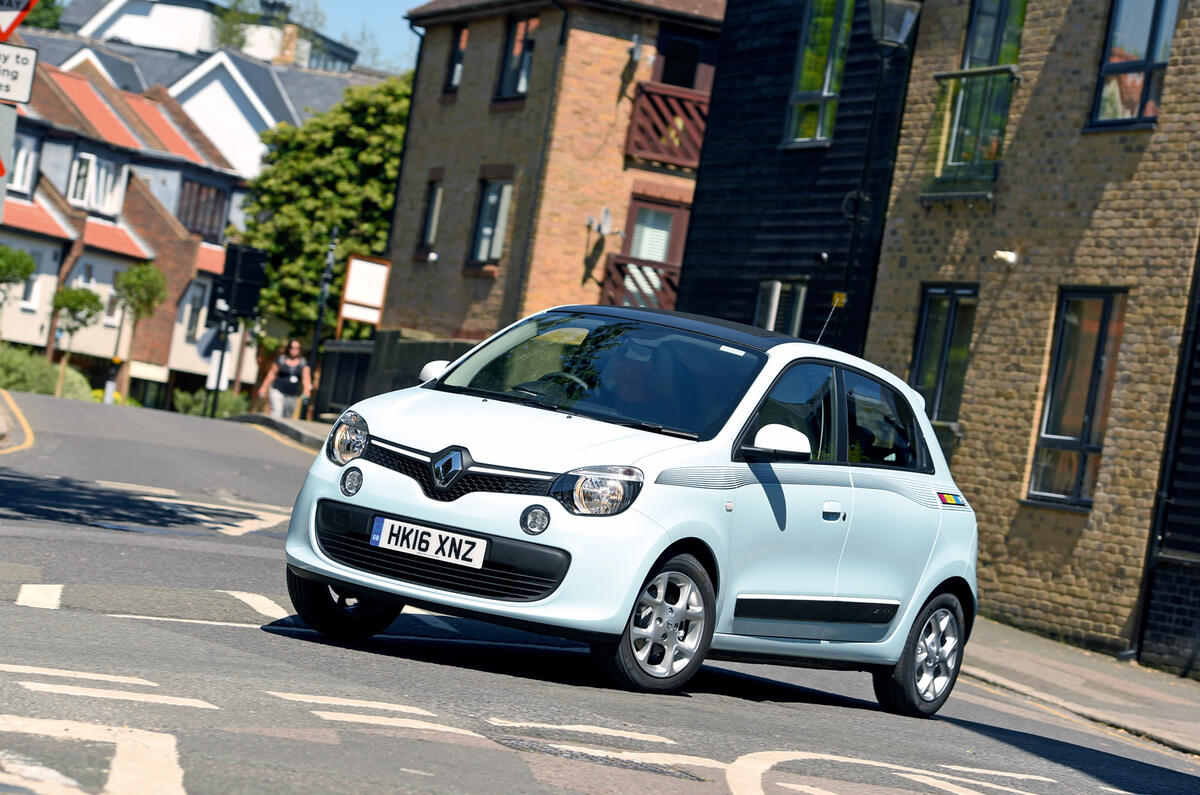
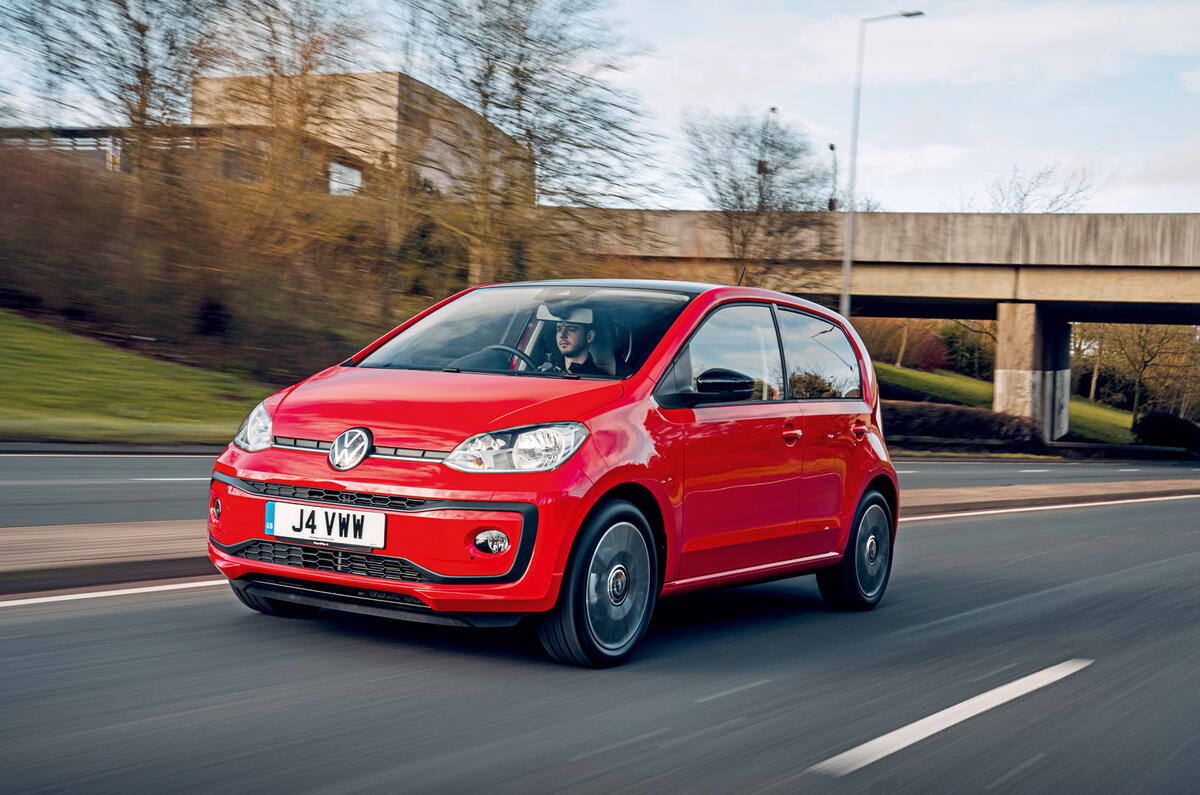
The Aygo X will not go up against the same array of competitors faced by its predecessor at launch in 2014. Seat and Skoda made their identical Mii and Citigo EV-only in 2019 before withdrawing them from production altogether; Renault’s rear-engined Twingo is now EV-only and unavailable in the UK; and ex-production partners Citroën and Peugeot will no longer build the Citroen C1 and Peugeot 108 alongside the Toyota Aygo in Kolín, Czech Republic.

Carlucci suggested the reasons behind other manufacturers’ withdrawal from the petrol city car market in recent years: “It’s a segment that traditionally is not that profitable and, if not fully electrified, tends to be a ‘bad boy’.”
The emissions produced by a pure-combustion motor incur hefty penalties for car makers because of a recently imposed 95g/km average on CO2 emissions across a manufacturer’s line-up. So Toyota will have to balance the pure-petrol Aygo X’s impact with sales of statistically cleaner hybrid and upcoming pure-electric models.