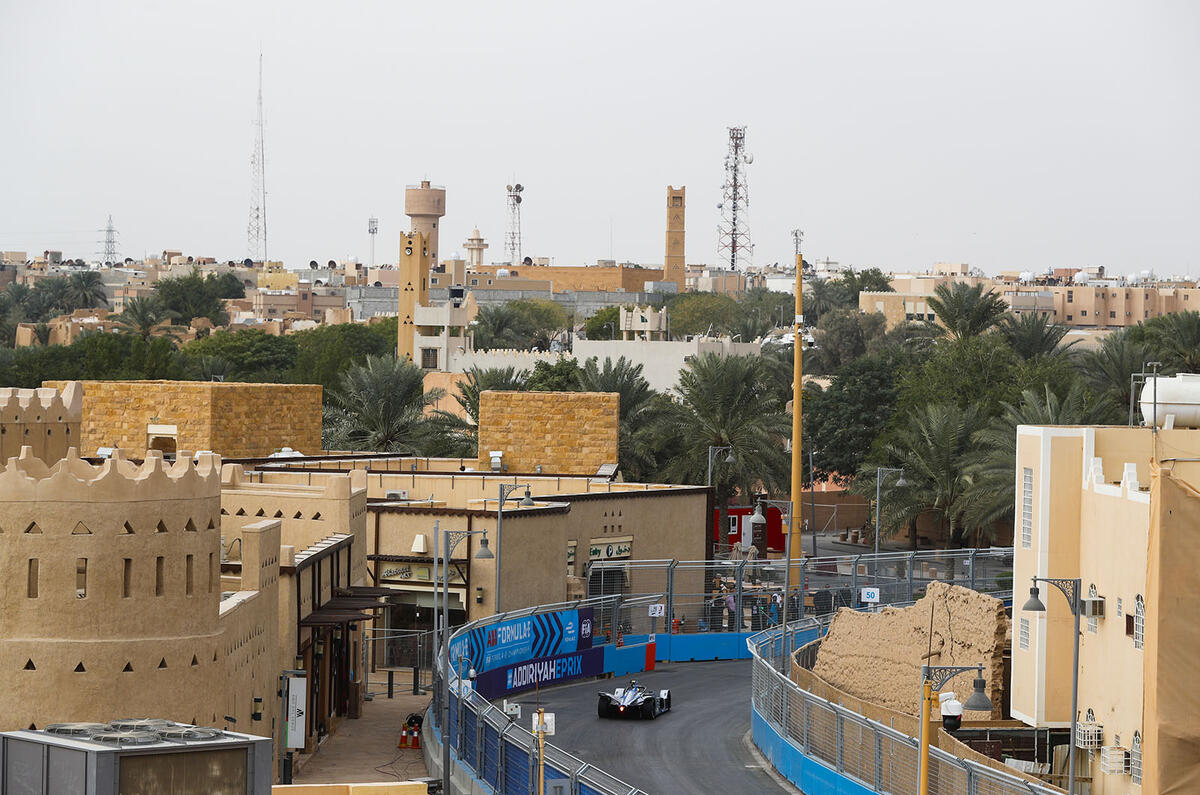


The fifth season of Formula E starts this weekend in Riyadh, Saudi Arabia – but it really marks a new beginning for the electric single-seater championship.
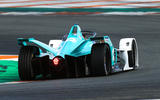
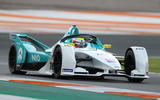
That’s due to the arrival of the new Gen2 race car, which is more powerful and features a larger battery, increasing speeds and allowing cars to complete an entire race without pitstops.
Here’s what to watch for this season.
Technical changes: Formula E’s new Gen2 race car
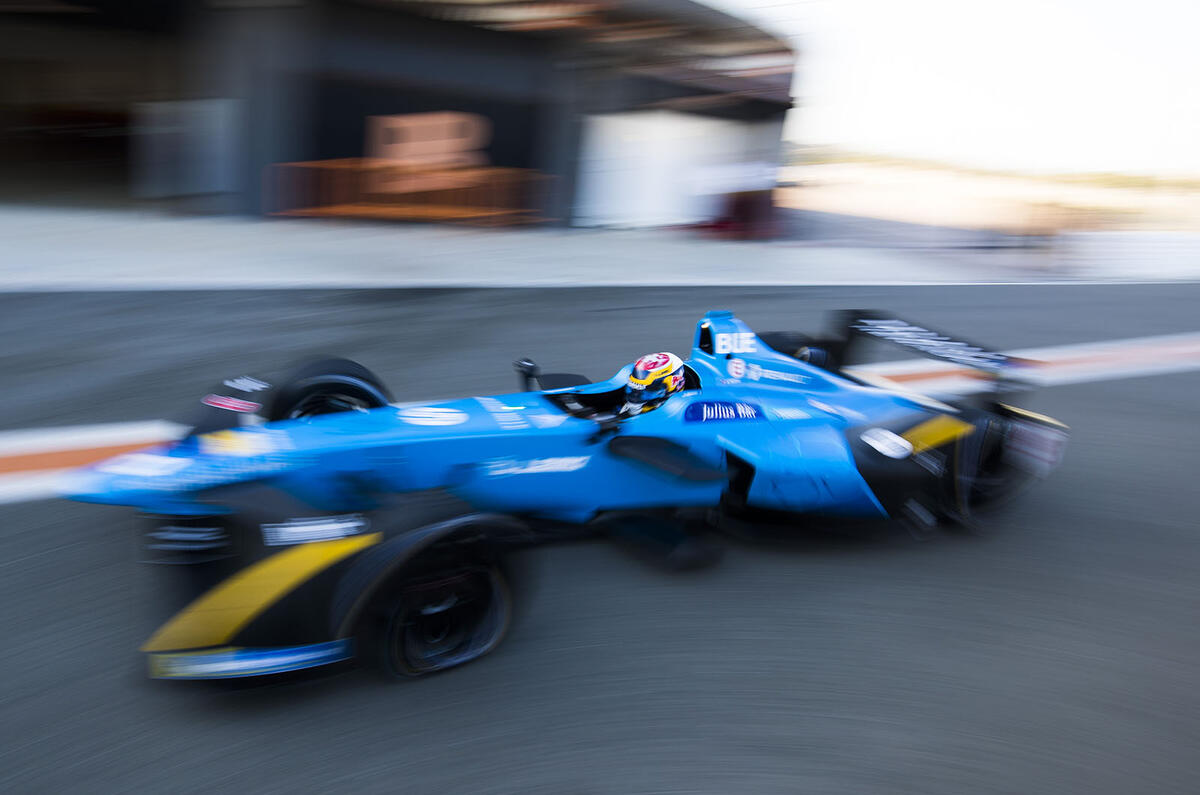
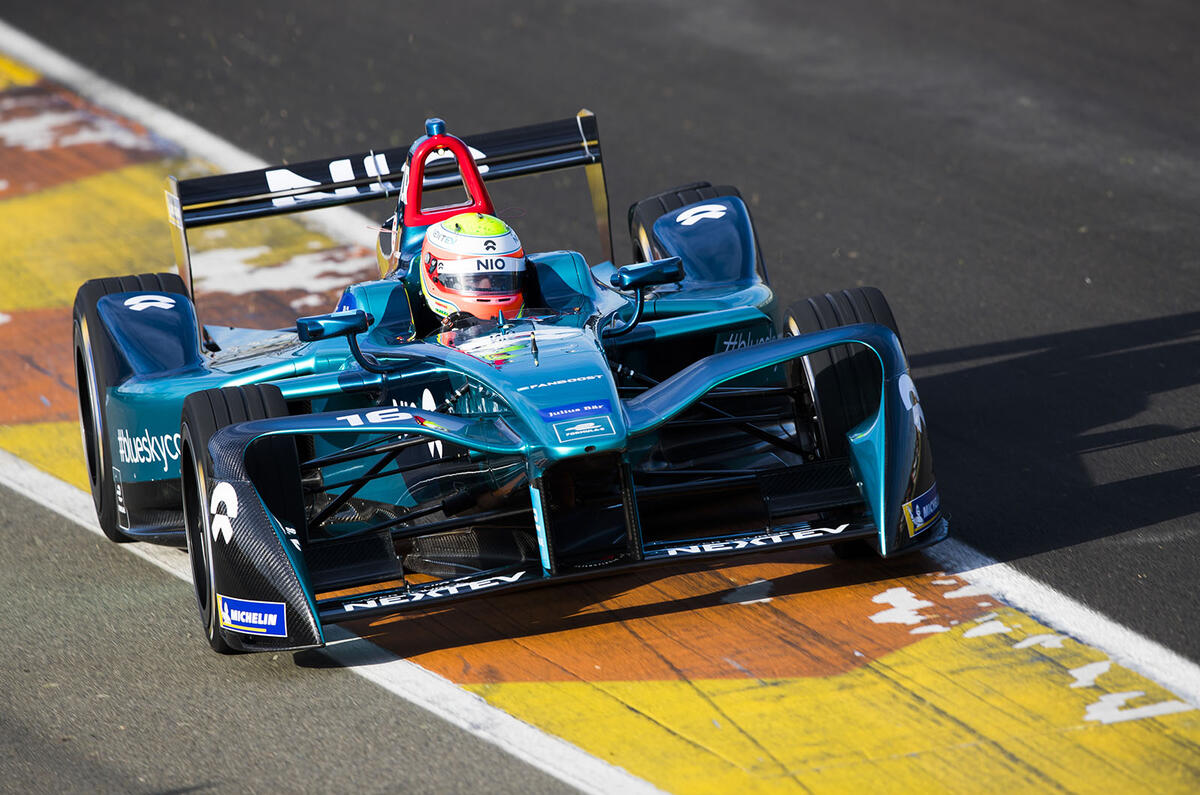
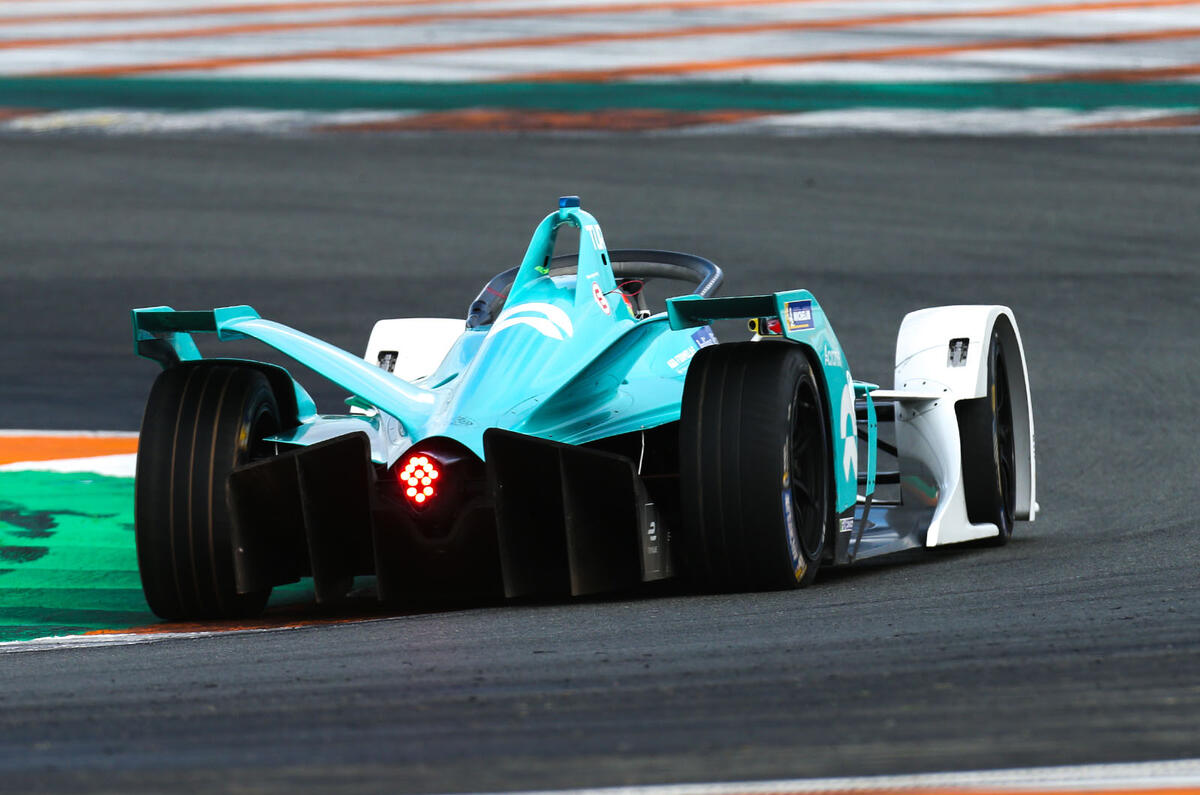
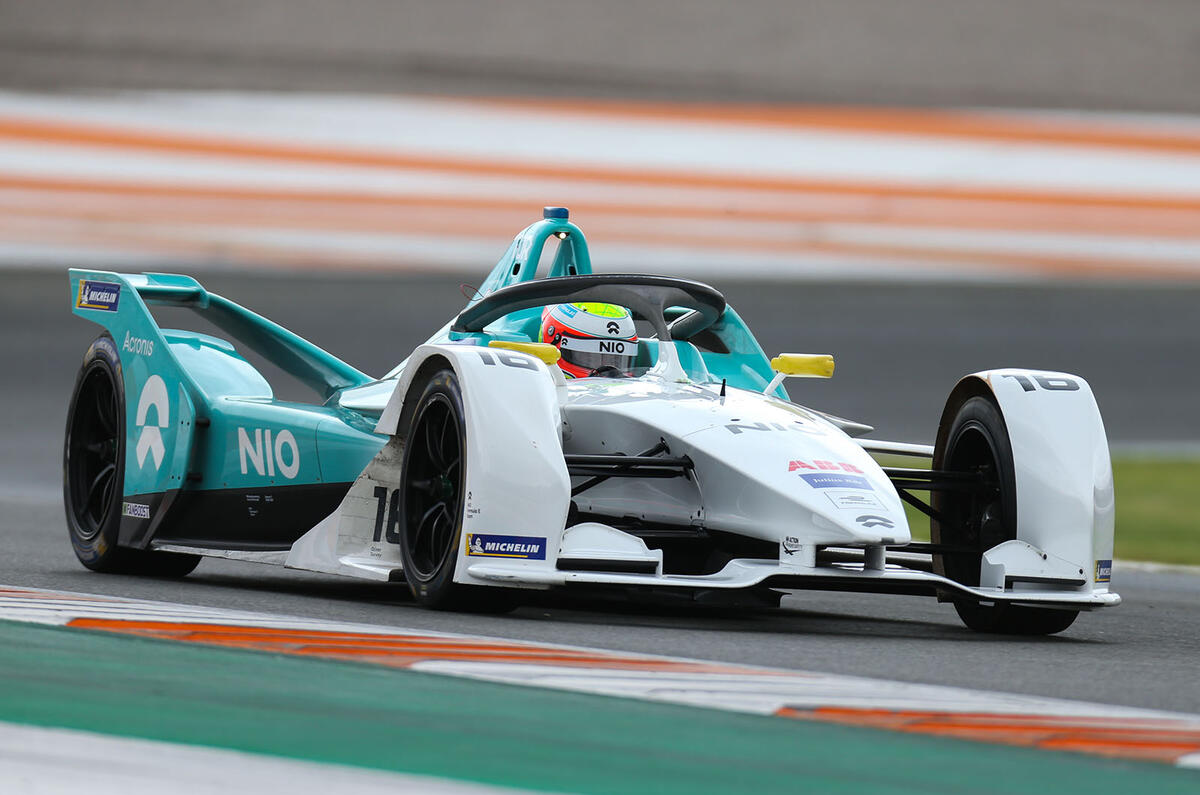
The ABB FIA Formula E Championship's new Gen2 car, officially called the Spark SRT05E, replaces the Spark SRT_01E that has been in use since the inaugural season in 2014-15.
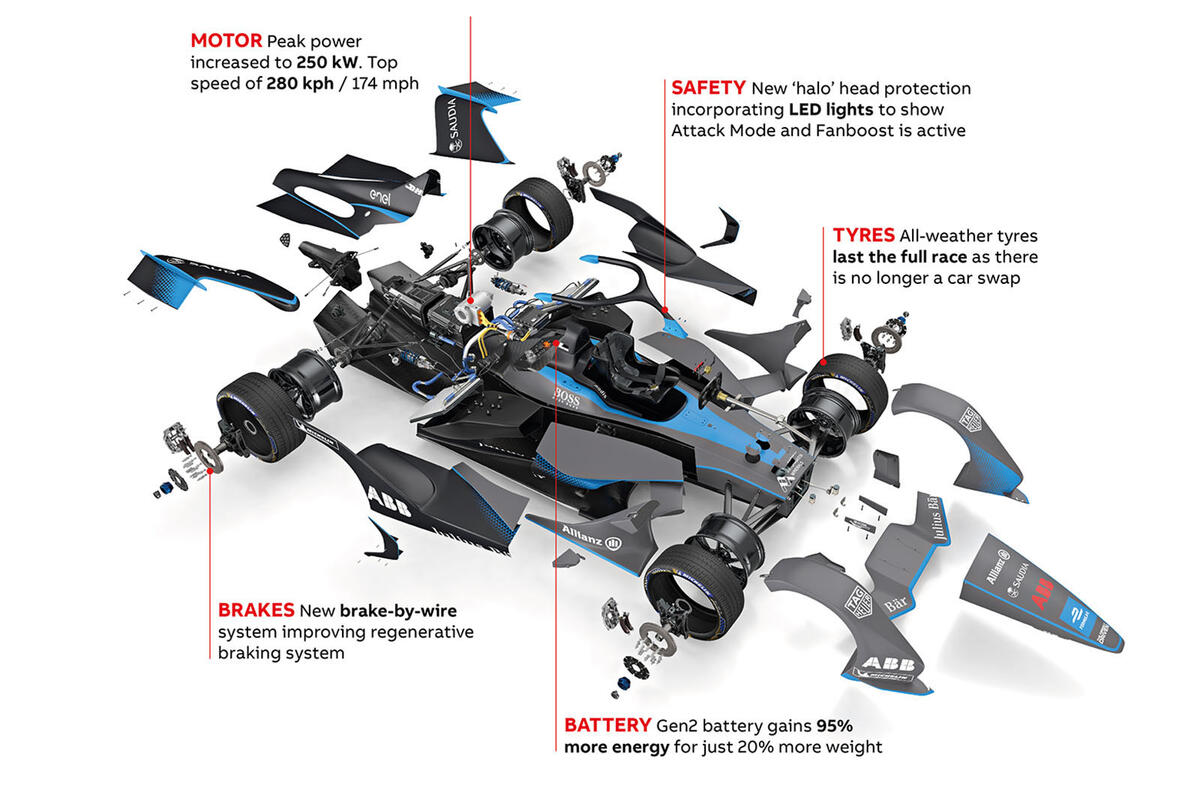
Aside from new styling, aerodynamics and safety systems (including a halo cockpit protection device), the most notable change is that the cars will be more powerful.
Since Formula E’s second season, teams have been allowed to build their own powertrain with a maximum of 180bhp (240bhp in boost mode), but for the new car that has been increased to 250bhp (335bhp in boost mode).
The extra power will increase top speeds from 140mph to 174mph and trim 0-62mph times by 0.2sec down to 2.8sec.
The Gen2 also features a new McLaren Applied Technologies-built 54kWh battery, replacing the 28kWh unit in the old car. The extra power means that cars can now last for the entire race, ending the need for mid-race car swaps. The Gen2 machine also gets a new brake-by-wire system that improves regenerative braking.
The new battery weighs 385kg, compared to 320kg previously, but with weight savings made elsewhere, the minimum weight of the cars has been increased by only 20kg, to a total of 900kg.
The new machines run 18in Michelin Pilot Sport All-Weather tyres, which are designed to last for an entire race weekend.
Rule changes: Formula E’s new boost mode
For Formula E’s first four seasons, the length of each race varied. With the bigger batteries ensuring that drivers no longer need to switch cars mid-race, events will now last for 45 minutes plus one lap.
Races will also feature a new Attack Mode, partly inspired by console racing games such as Super Mario Kart.
To use it, racers must drive through a special ‘activation zone’ marked on the track off the usual racing line. They then receive an extra 34bhp of power. The duration of that boost mode and the number of times it can be used each race will differ for each track.
The Fanboost system, in which drivers receive extra power based on the results of an online vote, will be expanded. Five drivers rather than three will now receive the boost, giving them an extra 34bhp for a limited period.
New manufacturers: who’s on the 2018-19 Formula E grid
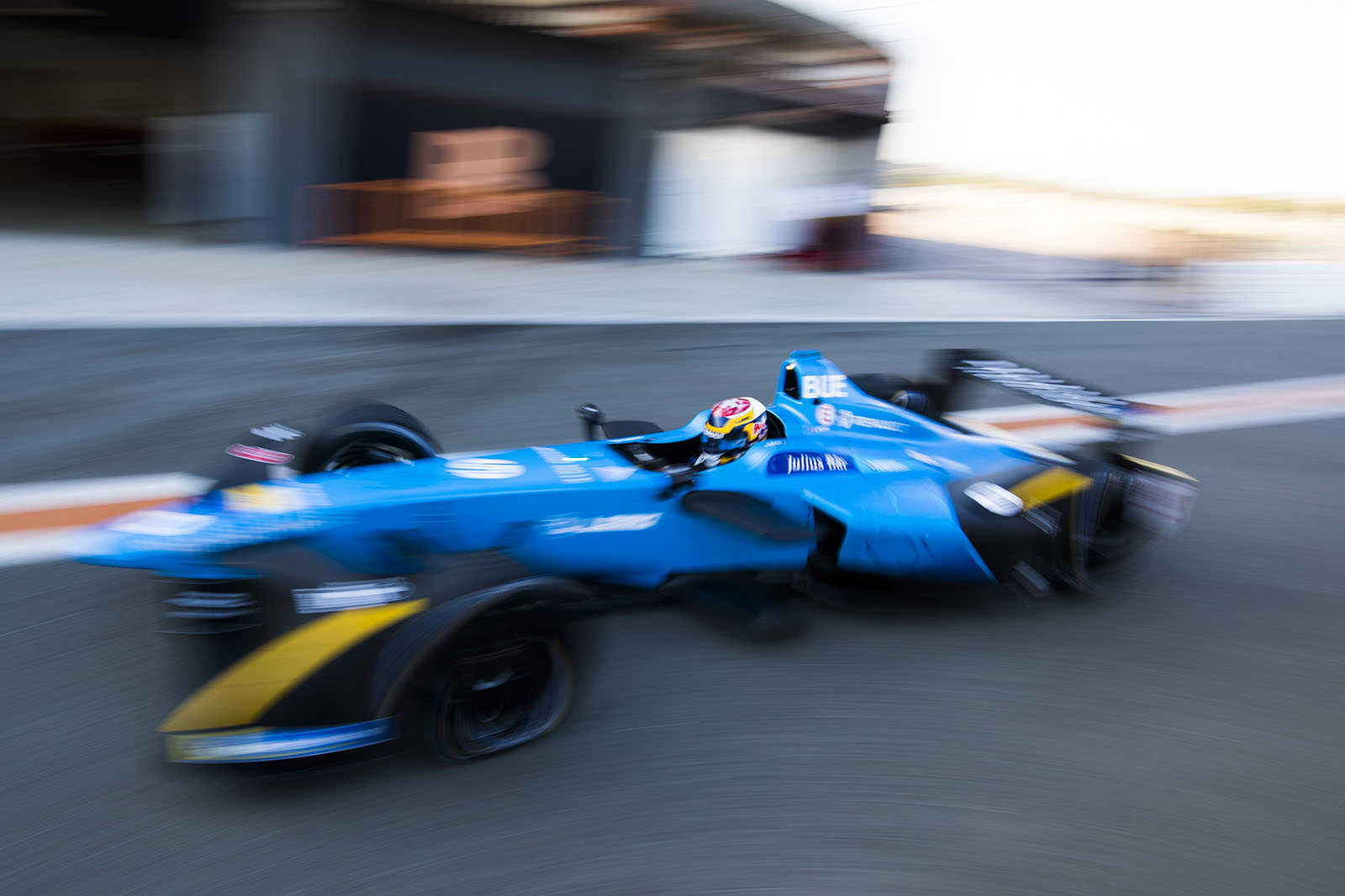
The arrival of the new Gen2 chassis and the ever-increasing focus on electric road cars has prompted a number of cars firms to enter the championship, joining existing manufacturers Audi, DS, Jaguar, Mahindra, Nio and Venturi.
BMW (taking over at Andretti Autosport) and Nissan (taking over the e.dams squad from partner Renault) will both run full manufacturer teams. Ahead of Mercedes entering a manufacturer team in 2019-20 (when it'll be joined by Porsche), its long-time motorsport affiliate HWA will enter, using Venturi powertrains.
There have been a couple of other changes: Virgin Racing will switch from DS to Audi powertrains, with Techeetah becoming DS’s partner.
Penske-powered American team Dragon Racing will go unchanged.
Formula E drivers to watch
Techeetah racer Jean-Éric Vergne claimed the championship last season, despite a strong late-season challenge from works Audi driver Lucas di Grassi. Having used Renault powertrains last year, Vergne will have to adjust to the DS unit.
Di Grassi’s late push helped Audi to claim the teams’ championship, despite a number of clashes with team-mate Daniel Abt. Both will be worth watching this year, especially with Audi determined to fend off rival BMW.
For its first season, BMW’s line-up is rapid British racer Alexander Sims and Formula E race winner António Félix da Costa, while HWA has recruited Brit Gary Paffett and ex-McLaren F1 racer Stoffel Vandoorne.
Another ex-F1 racer, Felipe Massa, will debut in the championship with Venturi, while Nissan has signed young Brit Oliver Rowland to join former champion Sébastien Buemi in its squad.
Jaguar I-Pace eTrophy: new support series
For the first time, Formula E is getting a support championship: the Jaguar I-Pace eTrophy.
The one-make series will feature a grid of up to 20 examples of the British firm's electric SUV, running in largely standard form aside from race car requirements such as a roll cage. The machines will use the standard Jaguar I-Pace's motors, which offer 394bhp and 512lb ft.
Behind the wheel of a Jaguar I-Pace eTrophy racing car
Formula E 2018-19 calendar
In the UK, Formula E races will be screened on the BBC Red Button service and its website, BT Sport and British Eurosport.
15 December 2018 Riyadh, Saudi Arabia
12 January 2019 Marrakesh, Morocco
26 January Santiago, Chile
16 February Mexico City, Mexico
10 March Hong Kong
23 March Sanya, China
13 April Rome, Italy
27 April Paris, France
11 May Monte Carlo, Monaco
25 May Berlin, Germany
22 June Bern, Switzerland
13/14 July Brooklyn, US (double-header)
Read more
Autocar drives a Formula E race car
BMW partners with Andretti for Formula E entry
1180bhp Schaeffler 4ePrix uses Formula E tech to out-accelerate Ferrari 488 Pista