
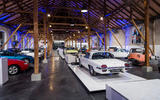
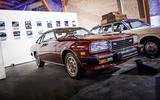
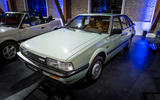
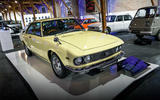
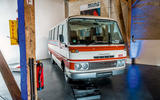
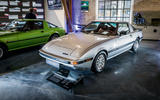
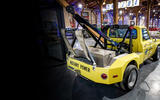

If you’re going to celebrate 100 years of Mazda, surely a trip to Japan is just the ticket? Erm, actually, it turns out that it’s not. Hiroshima has been home to the company for a century, but to truly immerse yourself in its history, you actually have to head to the city of Augsburg in Germany.
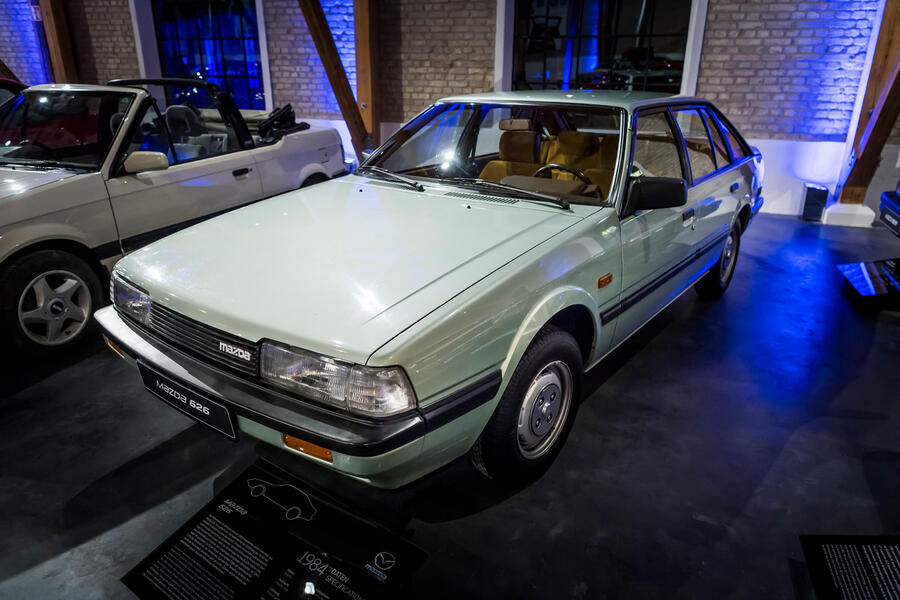
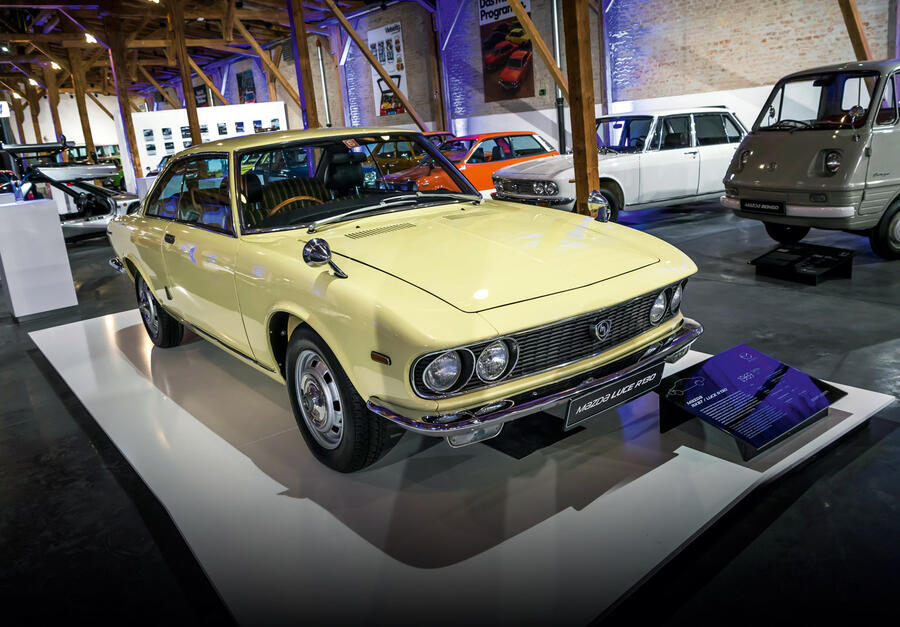
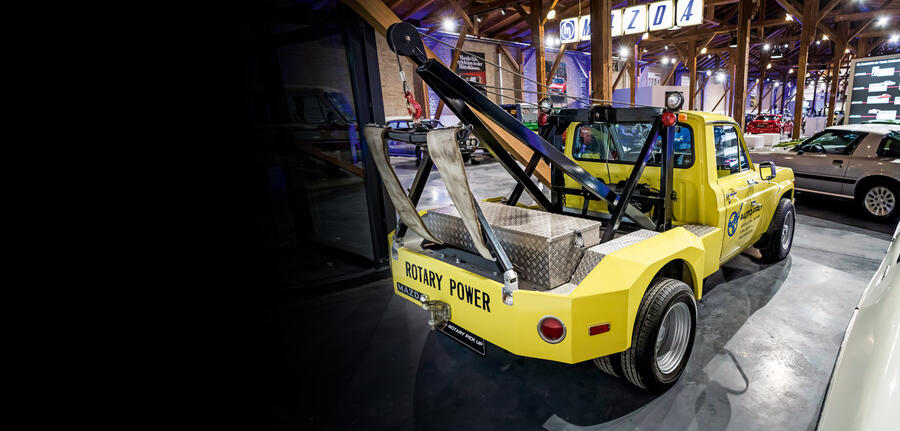
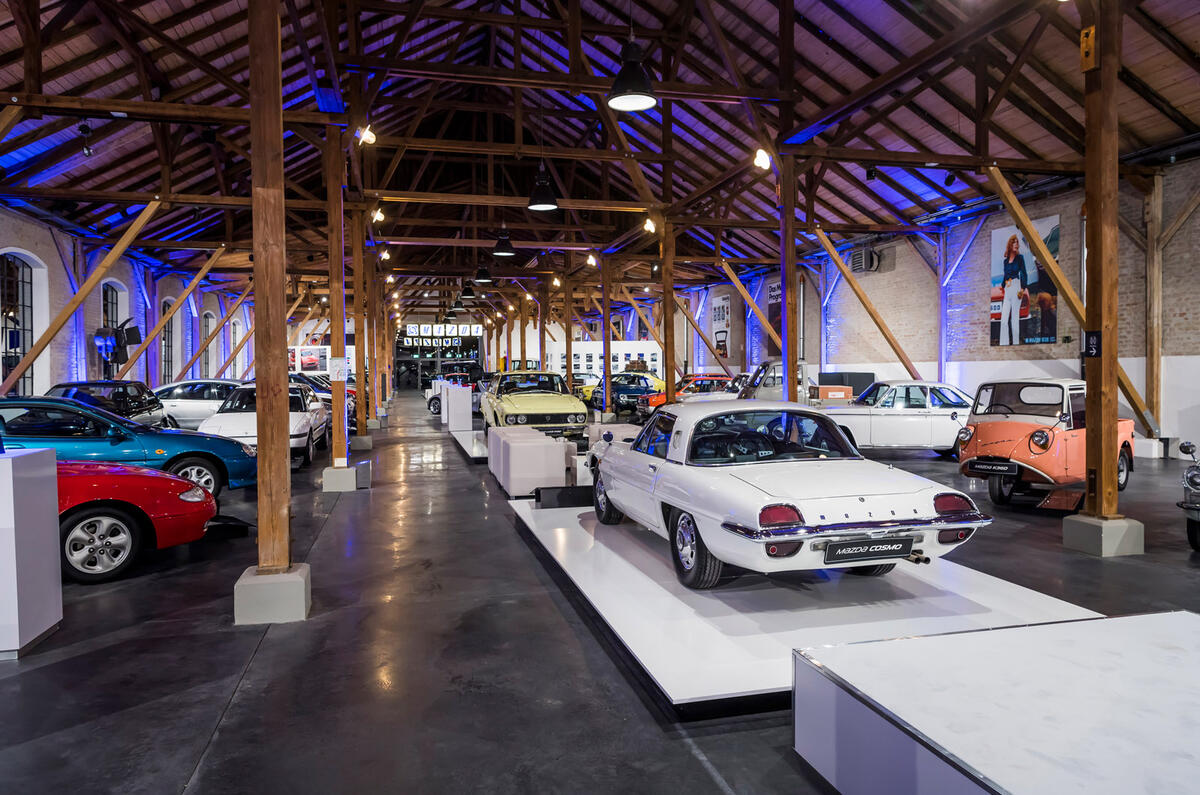
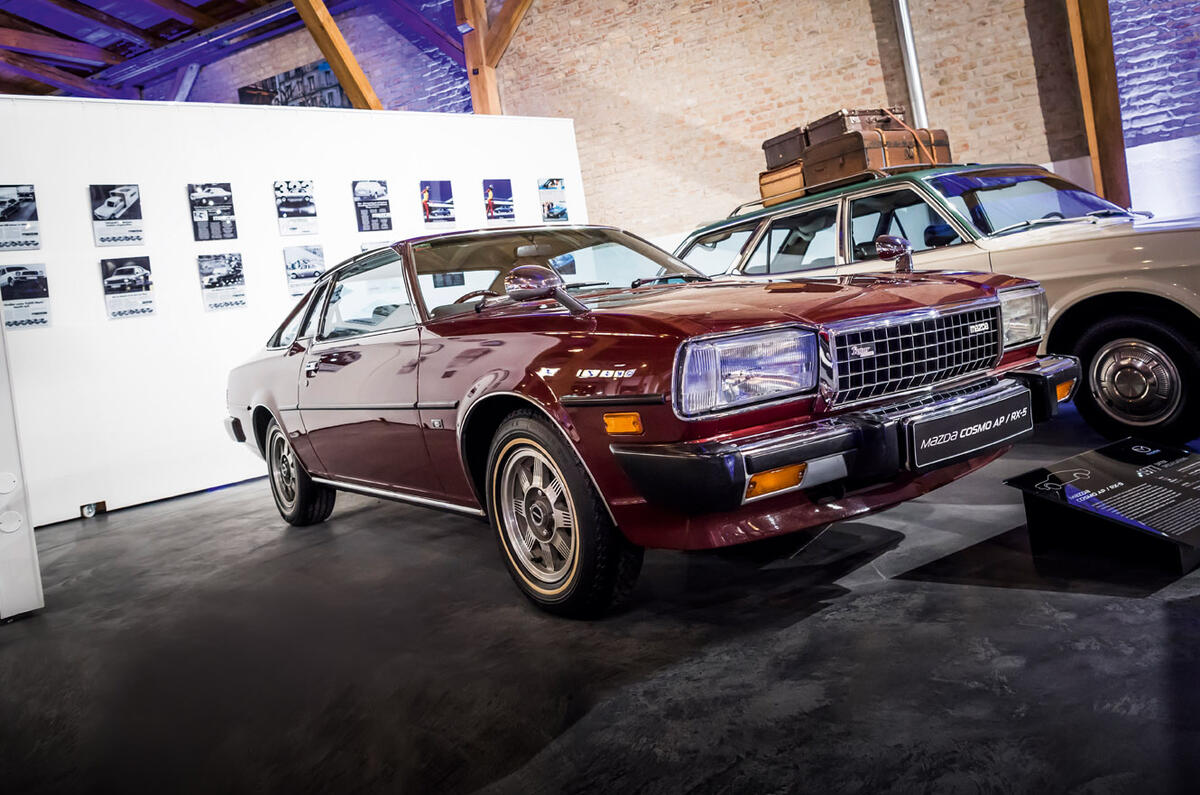
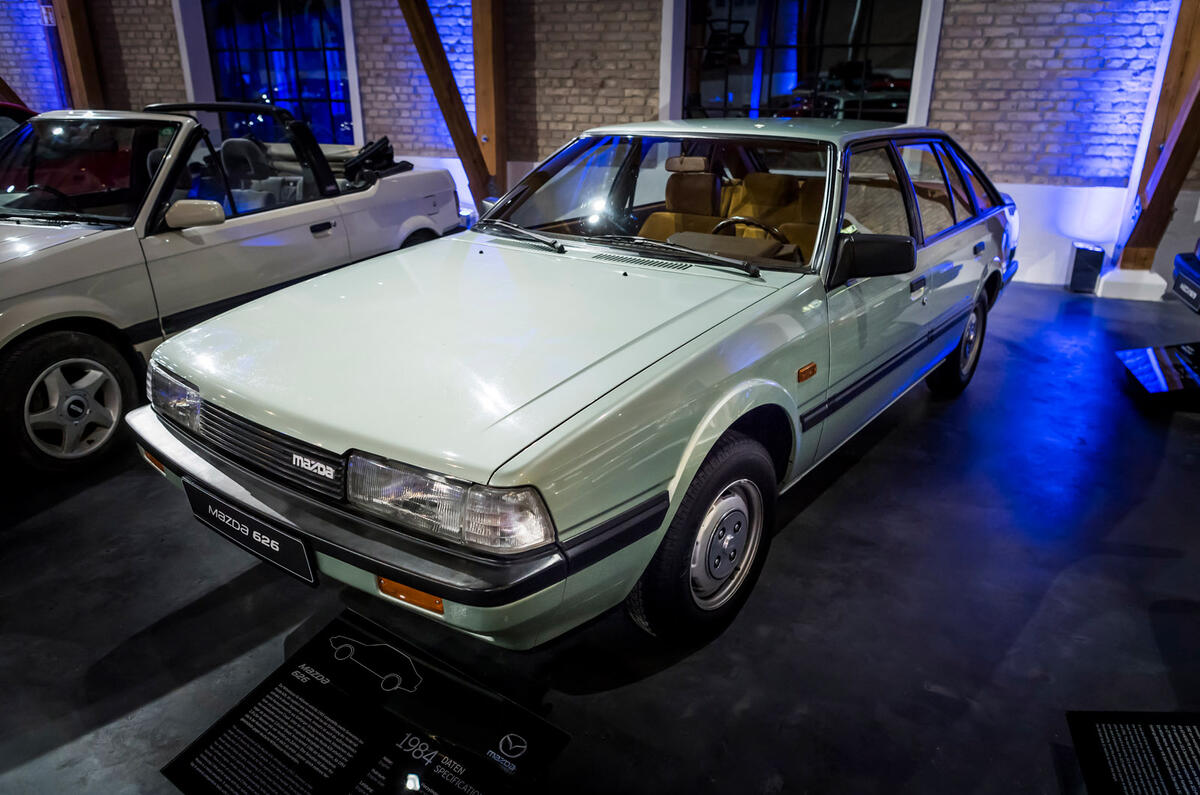
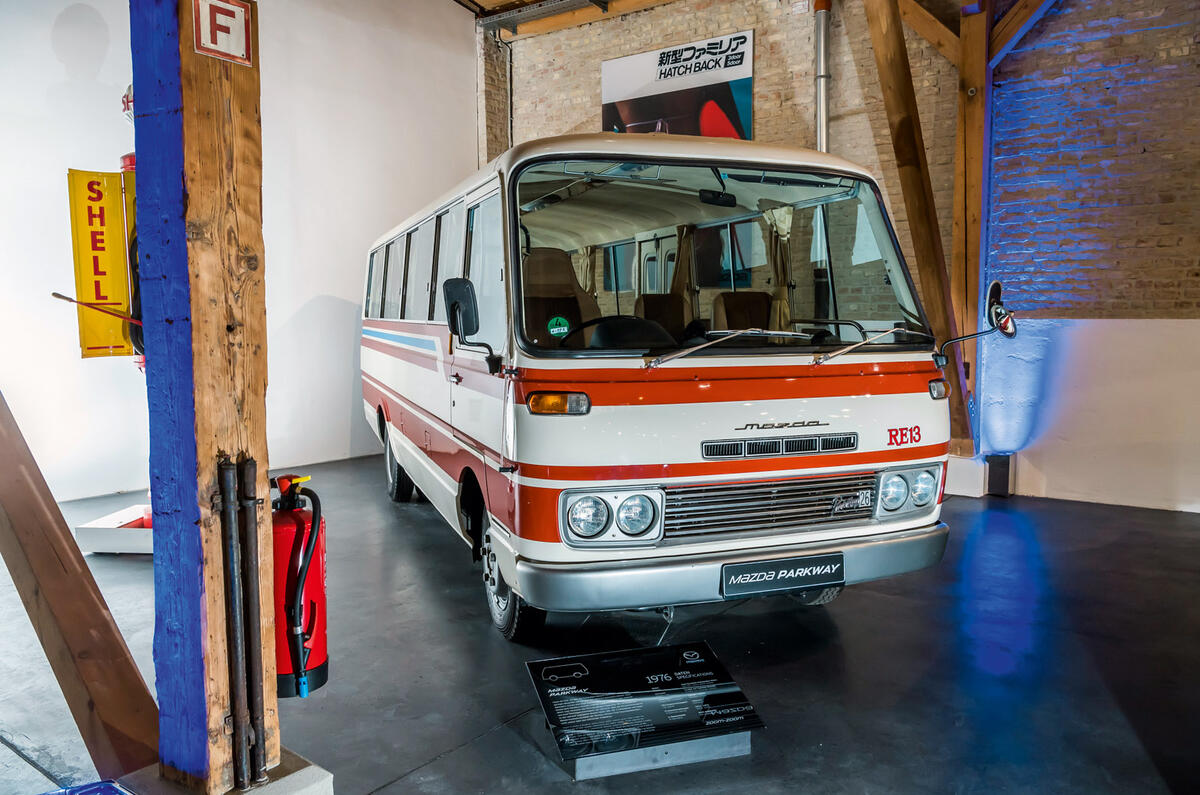
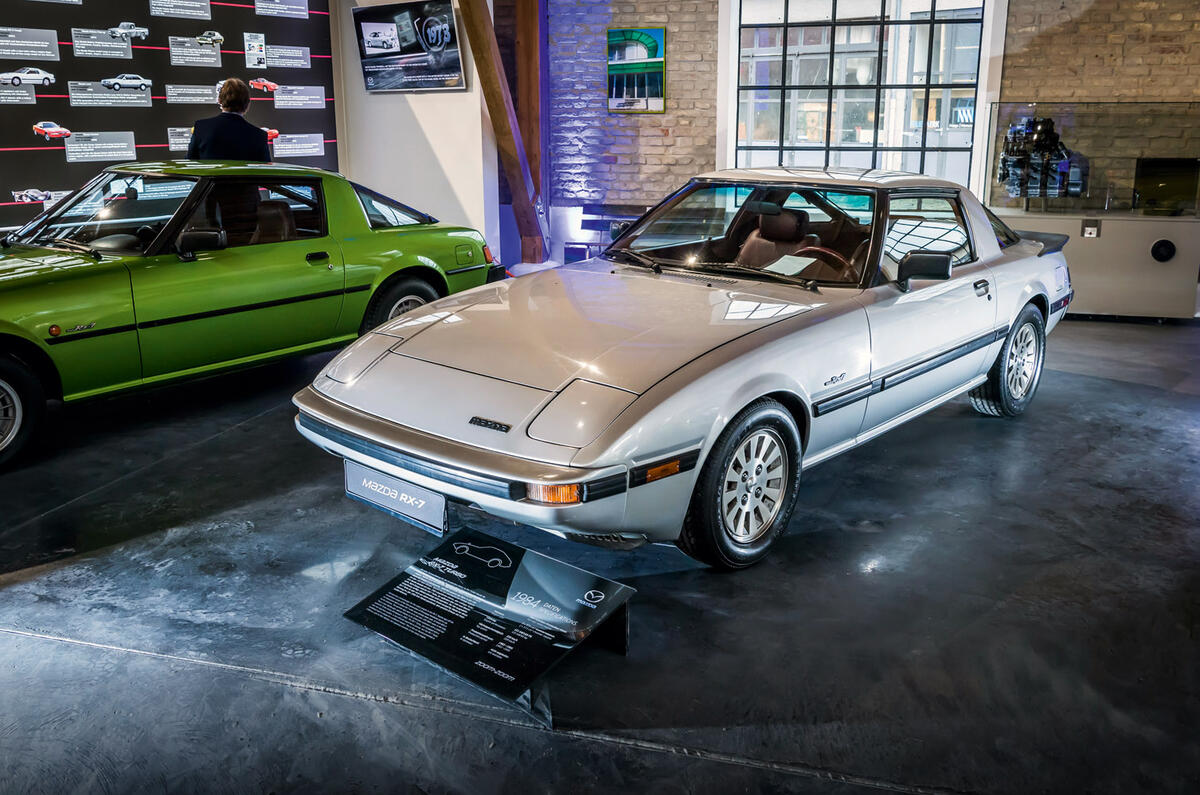
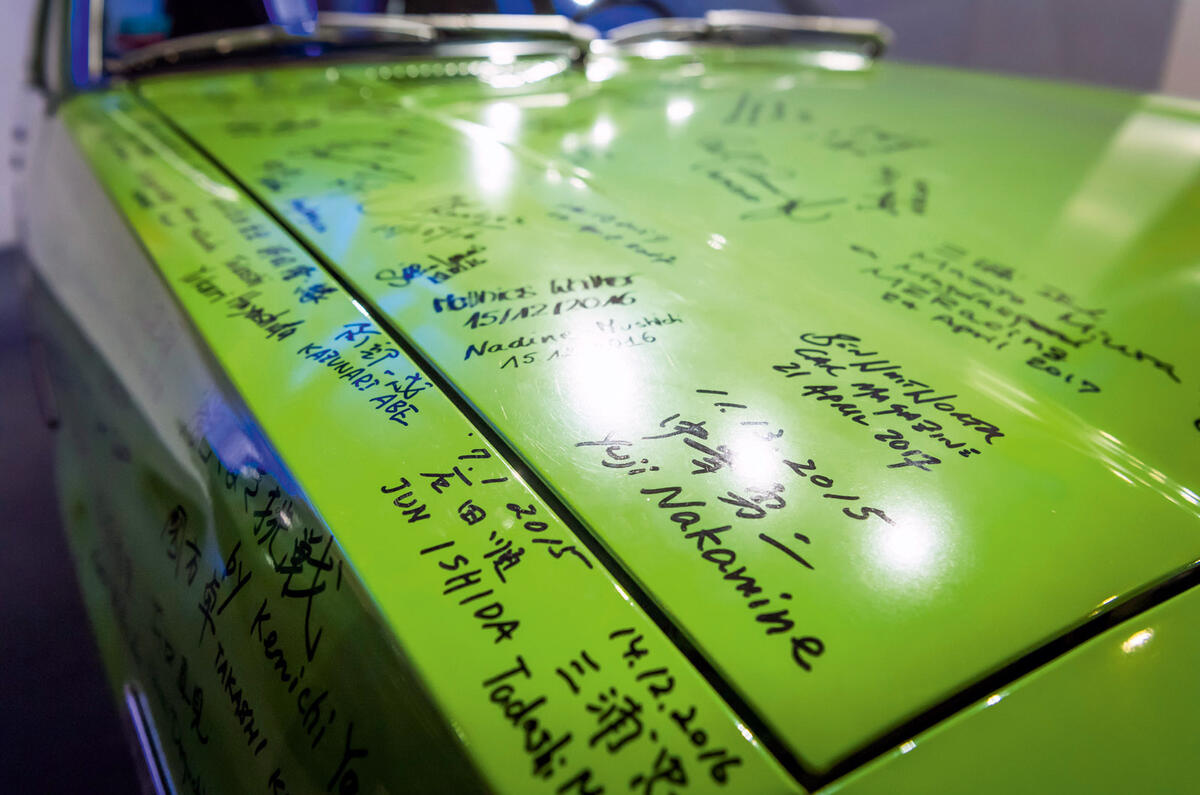
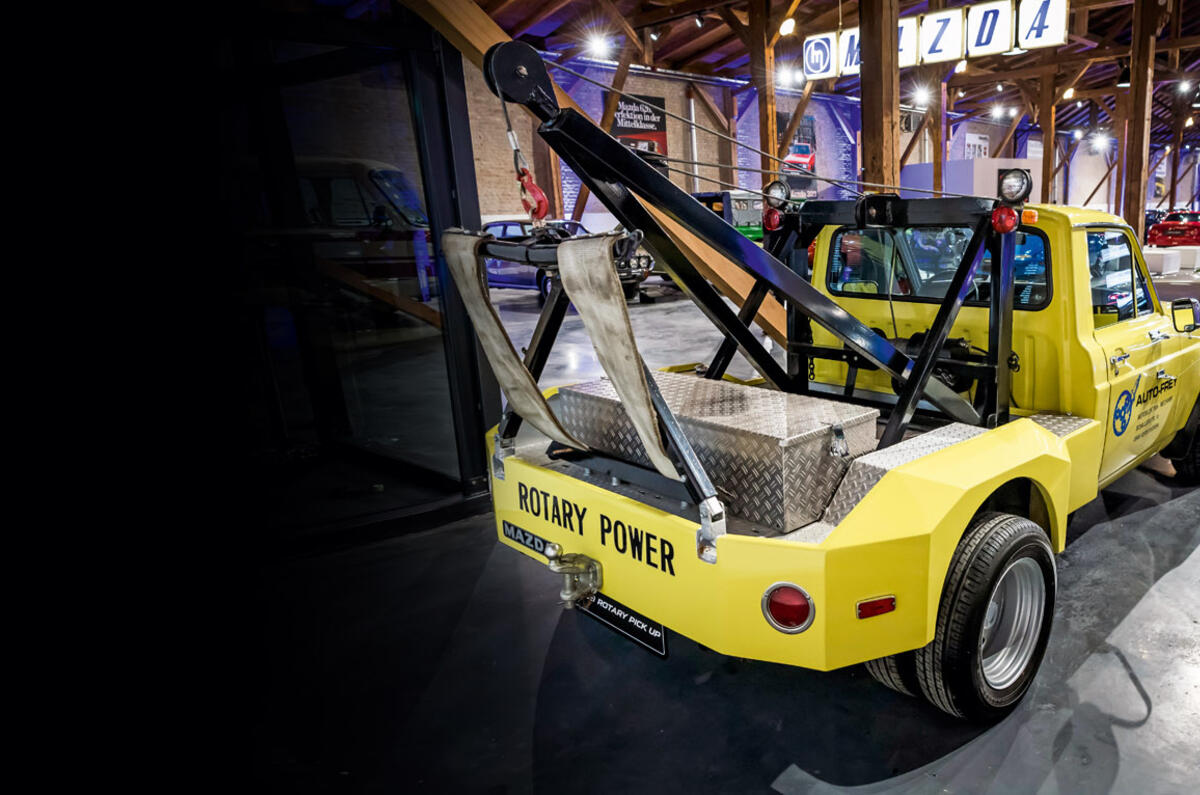
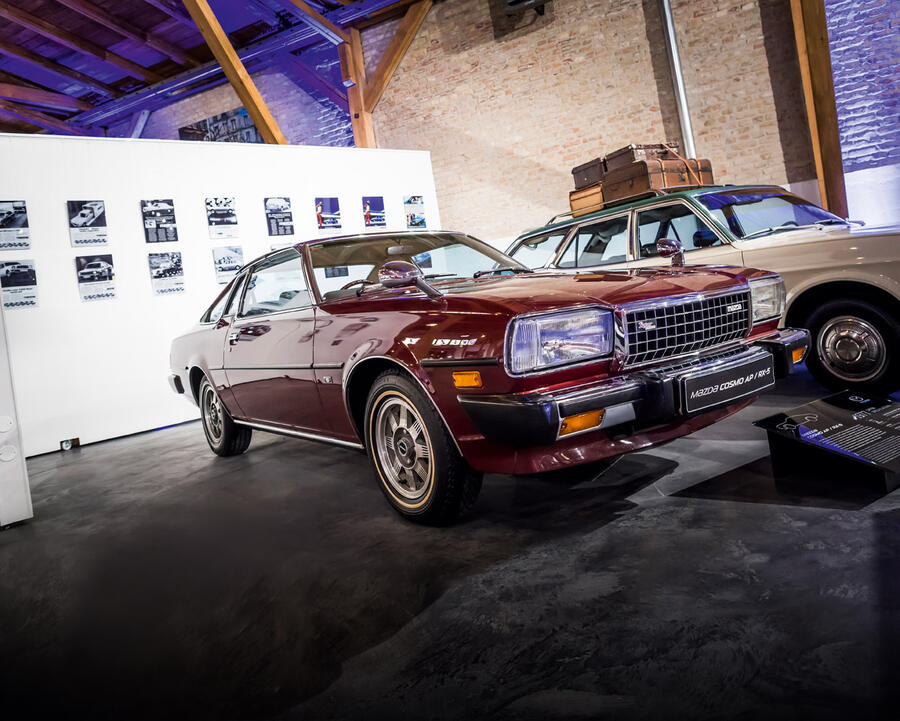
This is where you will find the Frey Museum, home to the largest and finest collections of Mazdas anywhere in the world. With more than 50 cars on display and perhaps another 100 in storage, all of which run and are used, this unrivalled treasure trove of everything Mazda is the perfect place to delve deep into the brand’s car-making heritage.
Yet it all started with cork rather than cars. In 1920, the Toyo Cork Kogyo Company Limited was formed by Jujiro Matsuda in Hiroshima, producing synthetic cork to be used as a sealant in numerous industries. After a year or so, Matsuda moved into making machine tools and soon dropped Cork from his firm’s name.
In 1930 came its first vehicle and the first use of the Mazda name. The Mazda Go was a three-wheel commercial truck – essentially a mash-up of a motorcycle and pick-up. There’s a later (1950) example in the Frey Museum, and it’s one of two exhibits – along with the RX-7 Group B rally car replica – that rarely run, because its deafening exhaust rouses the neighbours into angry calls to the council at the first blip of the throttle.
Such was the domestic success of the Go that Mazda began work on its first car, a small two-door saloon that first ran in 1940. Japan’s entry into World War II, however, meant that this never made it past the prototype stage before the factory was turned over to making munitions. It would be another two decades before Mazda launched its next car.
Hiroshima was, of course, the target of the first of the two atomic bombs that the US dropped on Japan in August 1945, effectively bringing the war to an end. Mazda’s factory was extensively damaged, and what workshops remained were turned into makeshift field hospitals. Yet production of the Go restarted by the end of the year, and in 1949 Mazda started exporting for the first time.
Over the next 15 years, the firm grew as a manufacturer of commercial vehicles, and towards the end of the 1950s it had around 30 different types of pick-ups and vans on its books. Then in 1960 came the R360, the kei car that was its first passenger vehicle. The little 2+2 coupé was an instant hit, and before long Mazda was the biggest player in Japan’s tiny car class.
A year after the R360’s debut, Mazda acquired a licence from German manufacturer NSU to build a Wankel rotary engine. It spent years developing the unit before eventually putting it into production in 1967 in its glorious Cosmo 110S coupé.