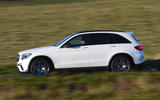

Around 2.3 million new cars were sold throughout the UK last year (final figures are still to be announced). To the uninitiated, that figure may sound remarkably high, but it actually represents something of a dissapointment, being 2.8% down on the year prior and 14.6% of the all time peak – 2.7m – set in 2016.
Myriad factors are to blame, ranging from powertrain confusion and WLTP-related production restrictions to Brexit uncertainty. Nevertheless, the marketplace remains vibrant, filled with innovation and exciting, high-quality products.
And as the decade ends, it's an interesting exercise to see how different things were in this country half a century ago, another point at which the future seemed to be full of uncertainty. Could the brewing social and political troubles at home be remedied? What consequences would a potential entry into the European Common Market bring? And could we boost our global automotive exports?
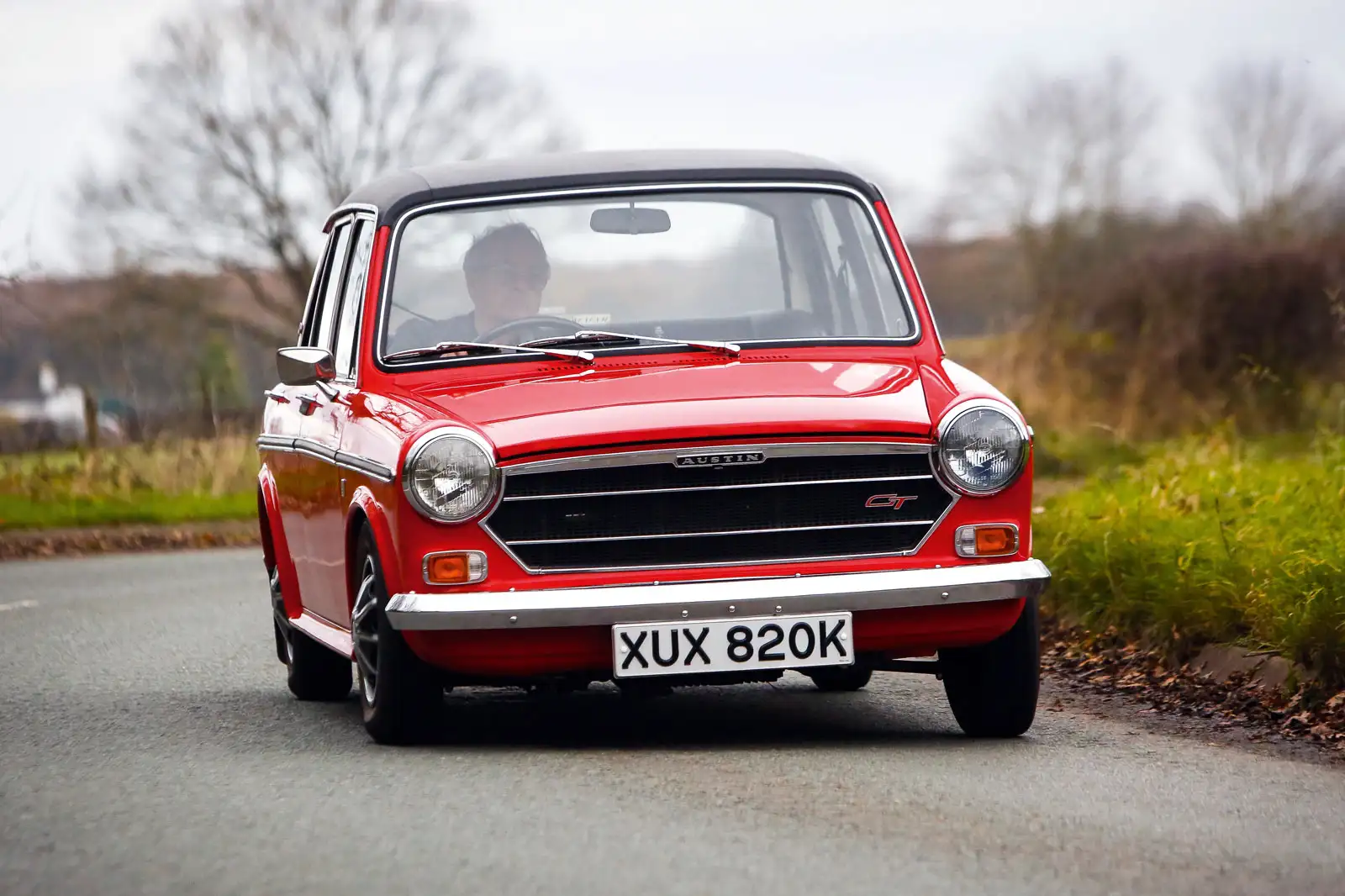 In 1969, Brits bought a total of 965,410 new cars. Even accounting for the enormous, uncontrolled population growth that has occured since then, that's a far smaller market than today; it meant about 1.7% of the population had taken delivery of a car that year, as opposed to 3.4% in 2019. And glory be, not an SUV in sight!
Most striking about the figures, though, is the domination of Britain's home manufacturers. It's almost inconceivable for younger generations that British companies could dominate in this field, seeing as our mainstream domestic industry today comprises Indian-owned Jaguar Land Rover alone.
Who would have thought that possible at the start of the 1970s, when 89.6% of cars sold here were Britsh? Today, it's just 14.9% – although it should be noted that some of these were built abroad, and a decent number of foreign-brand cars were built here.
Appearing on the podium in 2019 were Ford (10.23%), Volkswagen (8.61%) and Mercedes-Benz (7.50%). In 1969, it was British Leyland (40.25%), Ford (27.35%) and strike-hit Vauxhall (11.67%).
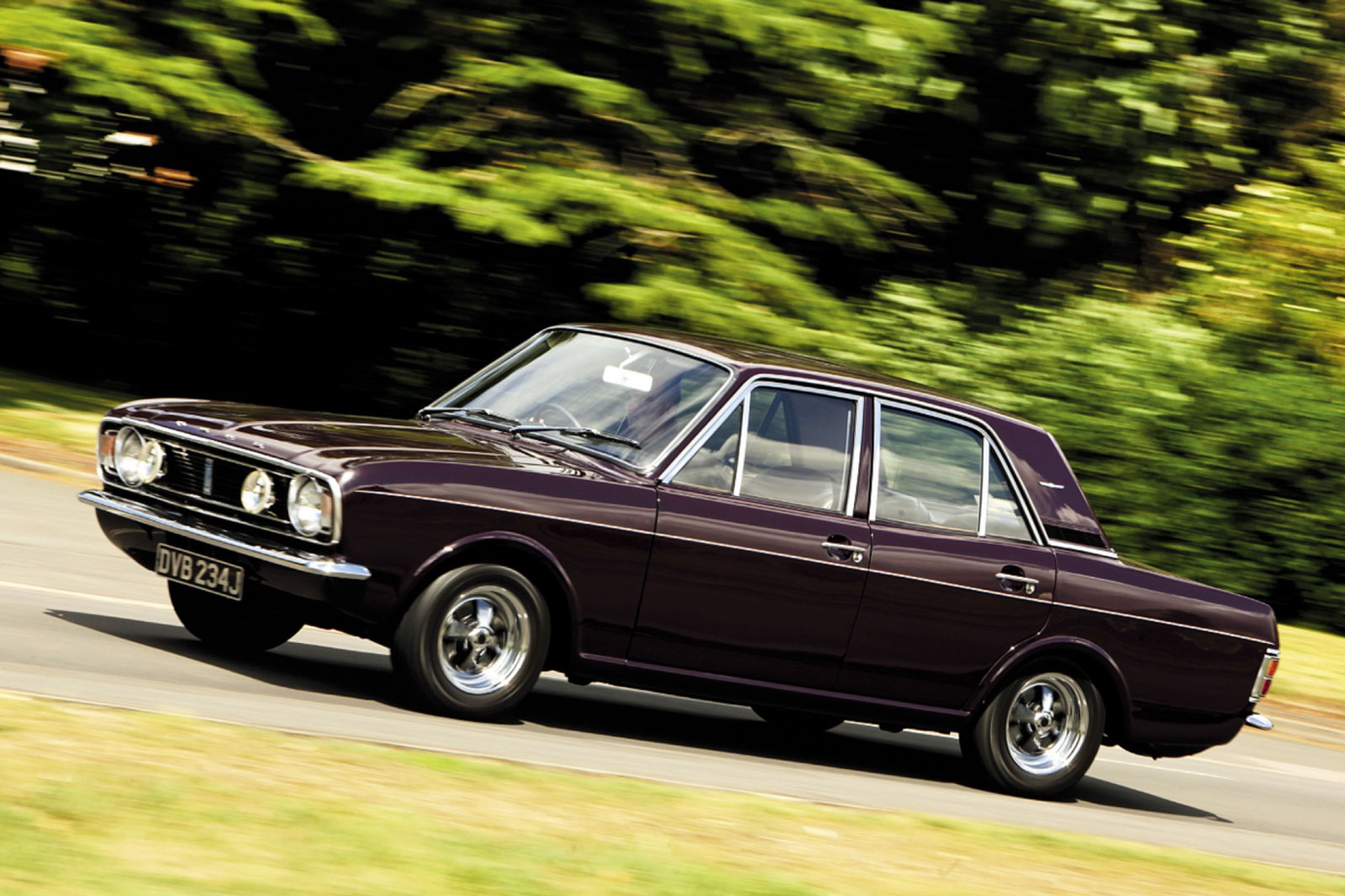 This most likely means Ford was the true leading brand 50 years ago, because Leyland was in fact a newly created group comprising a melange of brands: Austin, Daimler, Jaguar, Land Rover, MG, Mini, Morris, Riley, Rover, Triumph, Vanden Plas and Wolseley.