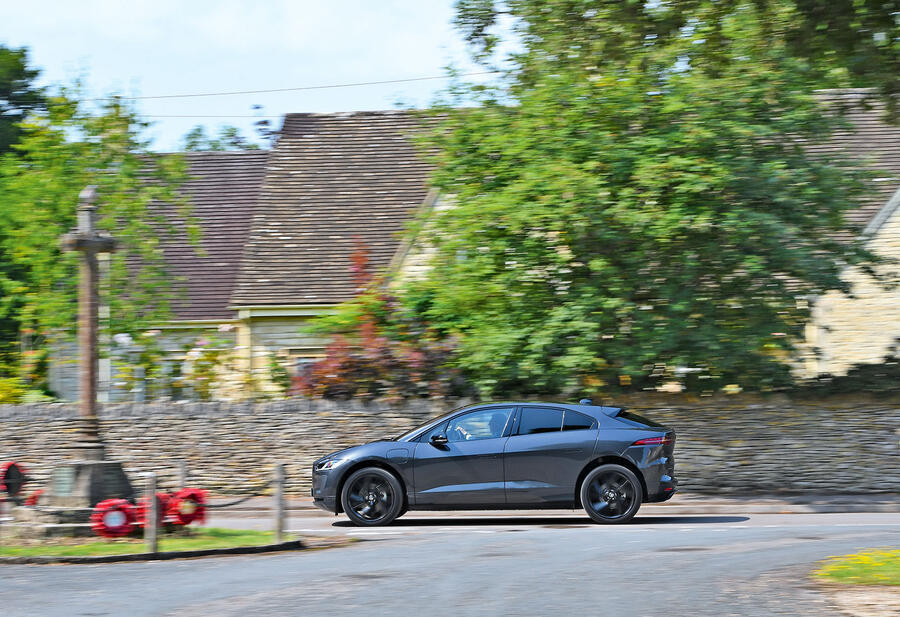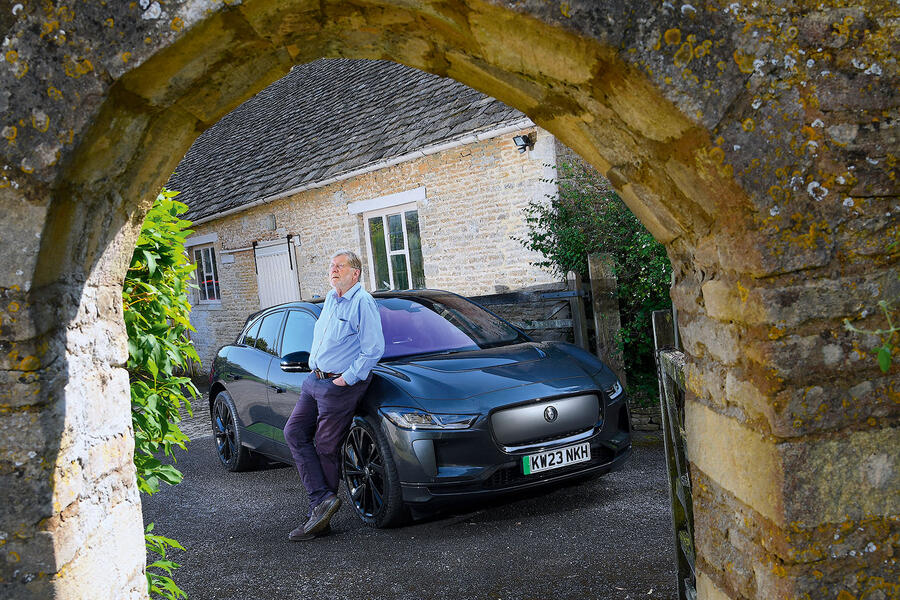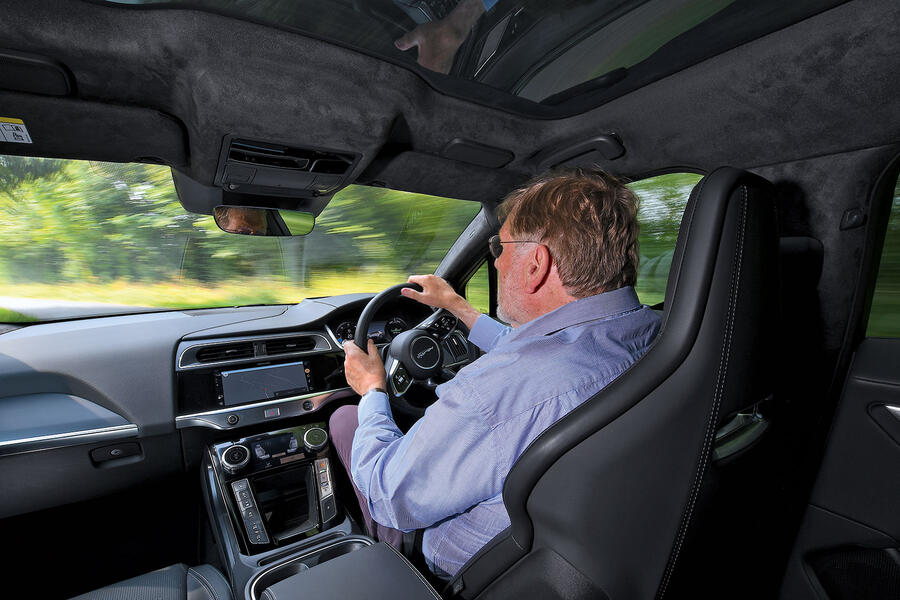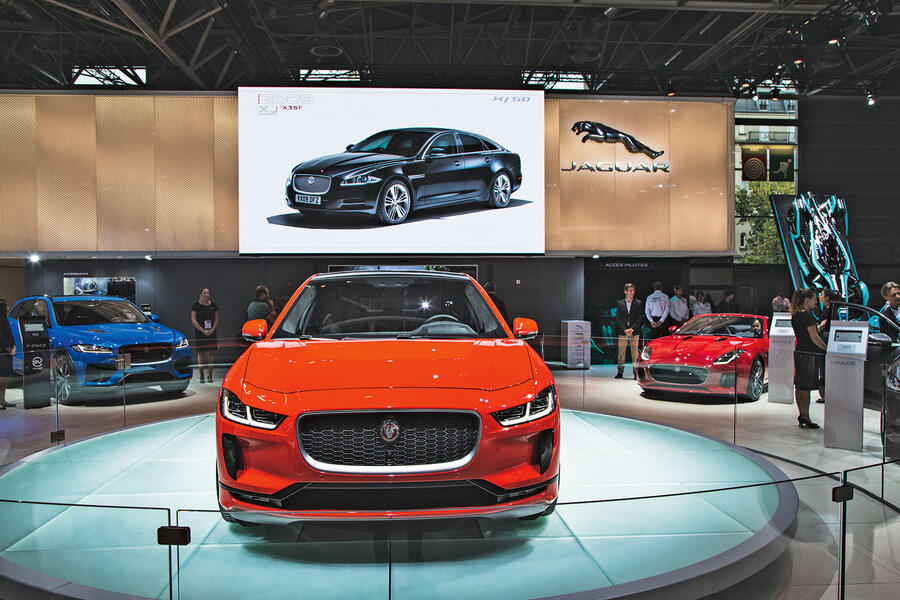
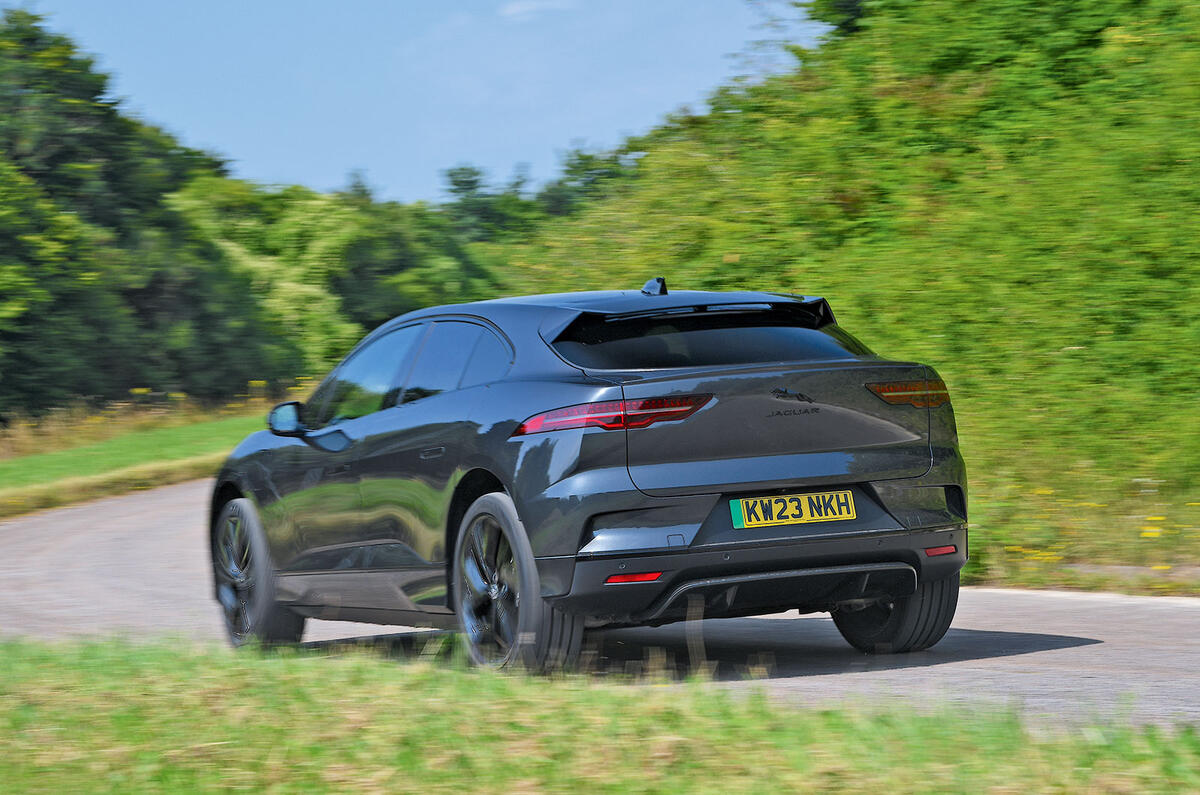
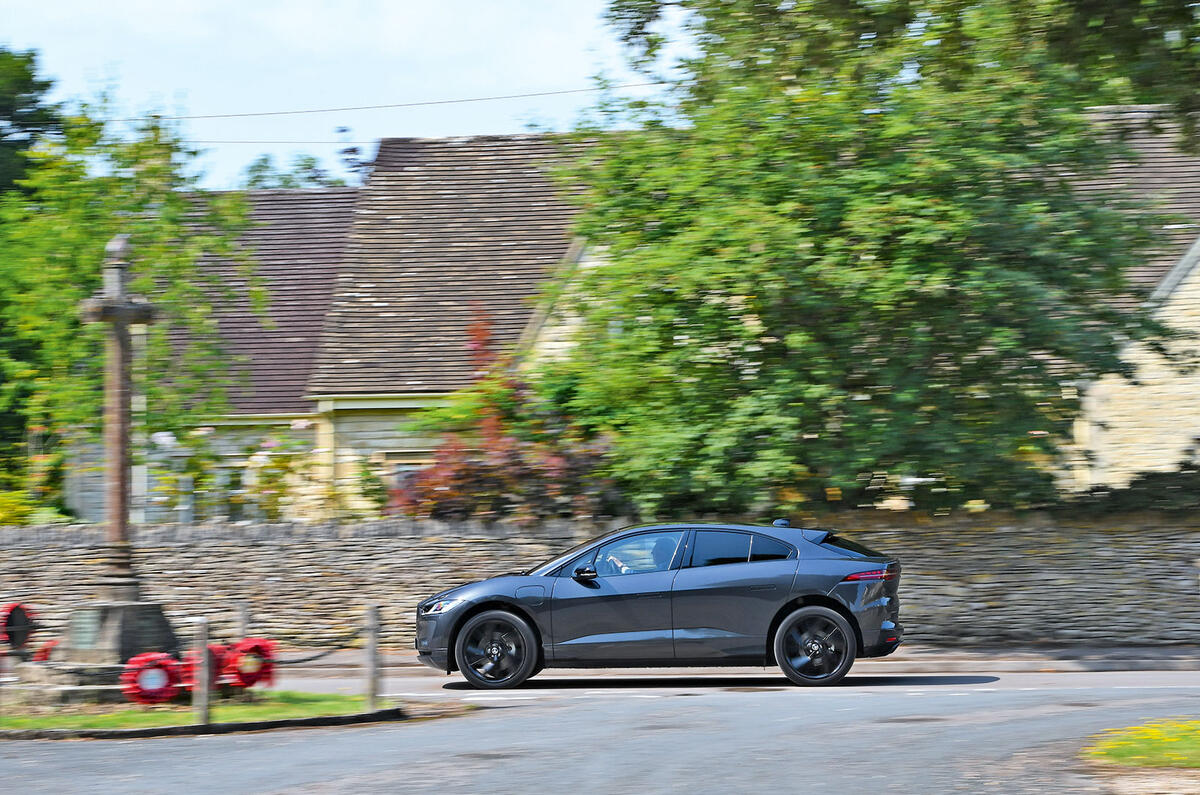
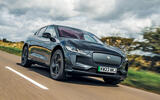









When Jaguar launched the I-Pace back in 2018, with lots of hoopla at a launch event at the then healthy Geneva motor show, the British nation’s collective chest swelled with pride.
However, it was a controlled kind of chest swelling, not quite on the level of the Rule Britannia, front-page excitement that greeted the BMC Mini back in 1959, the Jaguar XJ in 1968 or the original Range Rover in 1970.
By 2018, in many people’s view, premium cars had already been evil for decades.
Still, this was Britain’s first significant electric car, it was a Jaguar and best of all it was a rare example of us beating the top German makers to the punch – something the I-Pace’s two biggest advocates, Sir Ralf Speth (JLR’s ex-BMW CEO, a consummate engineer) and Sir Ratan Tata (the long-time Jaguar-loving head of JLR’s Indian owner, Tata) valued enormously.
Better yet, the I-Pace went down really well with everyone else who counted: the car testing community loved the way it looked and drove, owners enjoyed seeing their brand doing something progressive and corporate/financial denizens saw this as a plausible route for Jaguar to take towards a profitable future.
Profits had been elusive for the Leaping Cat since founder Sir William Lyons led the company – and he departed the top job in 1972.
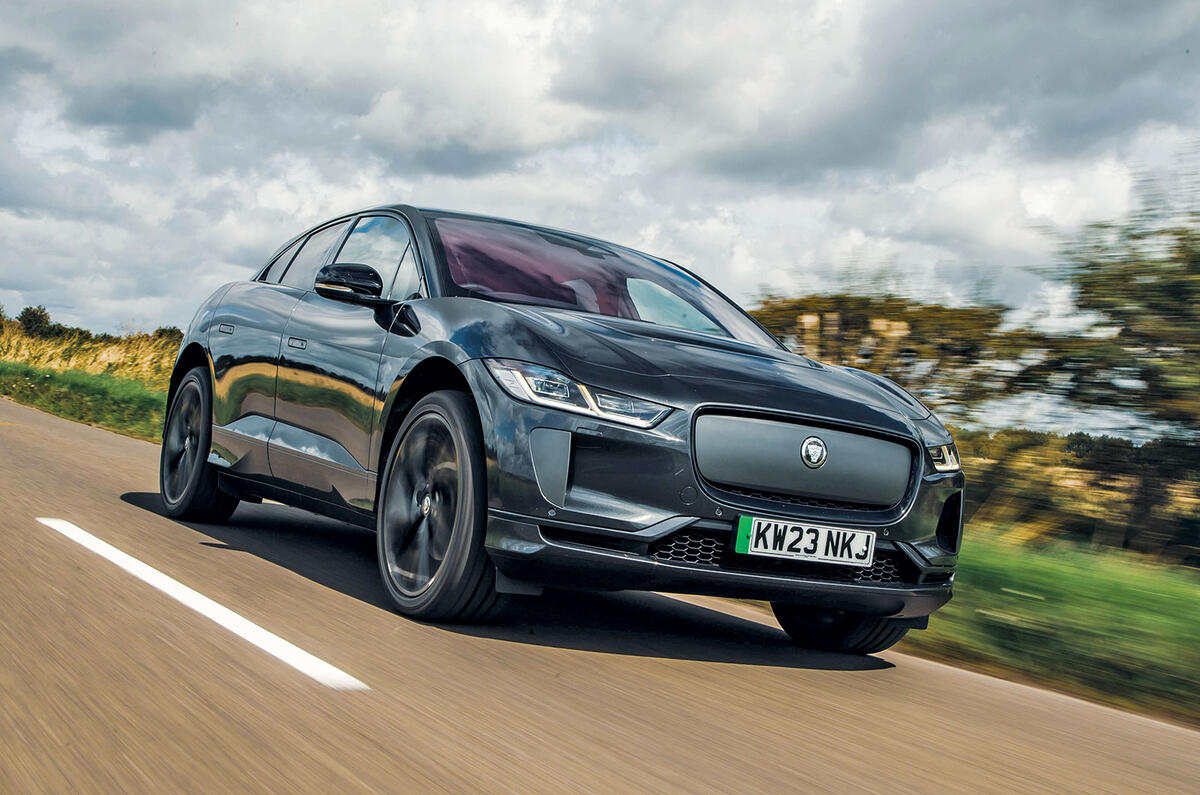
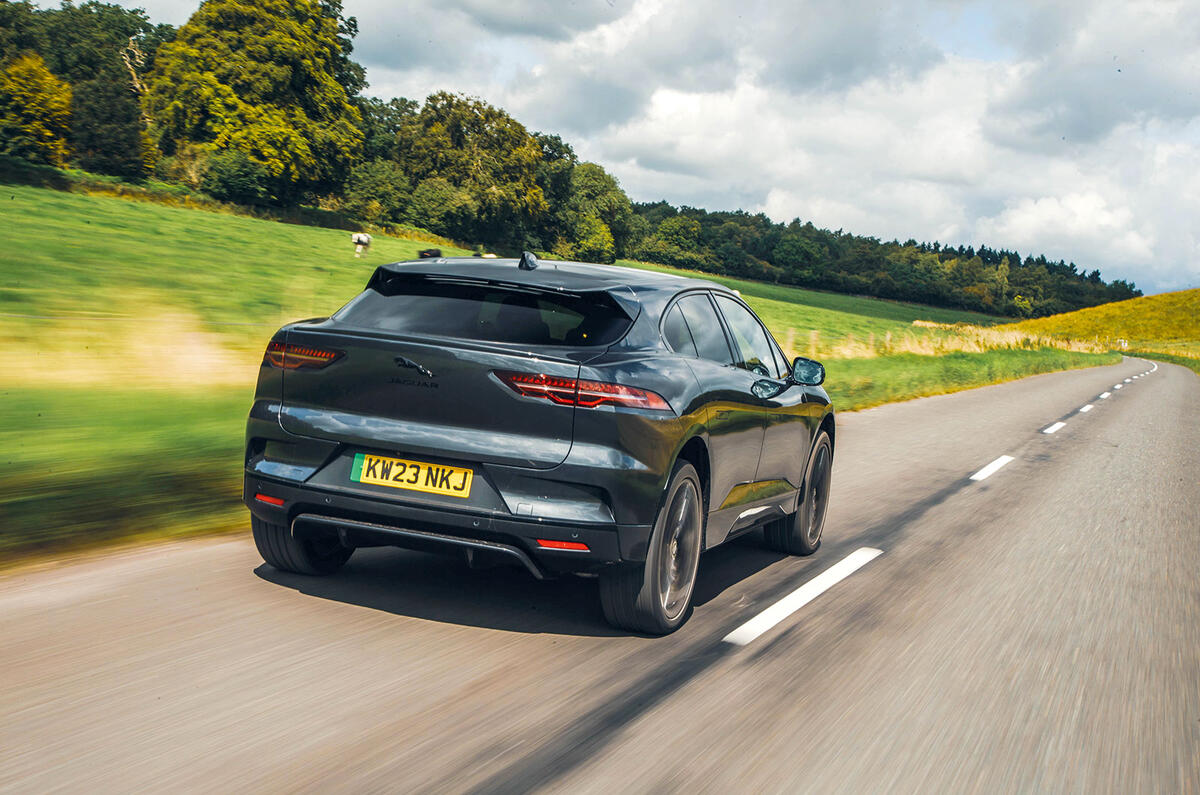
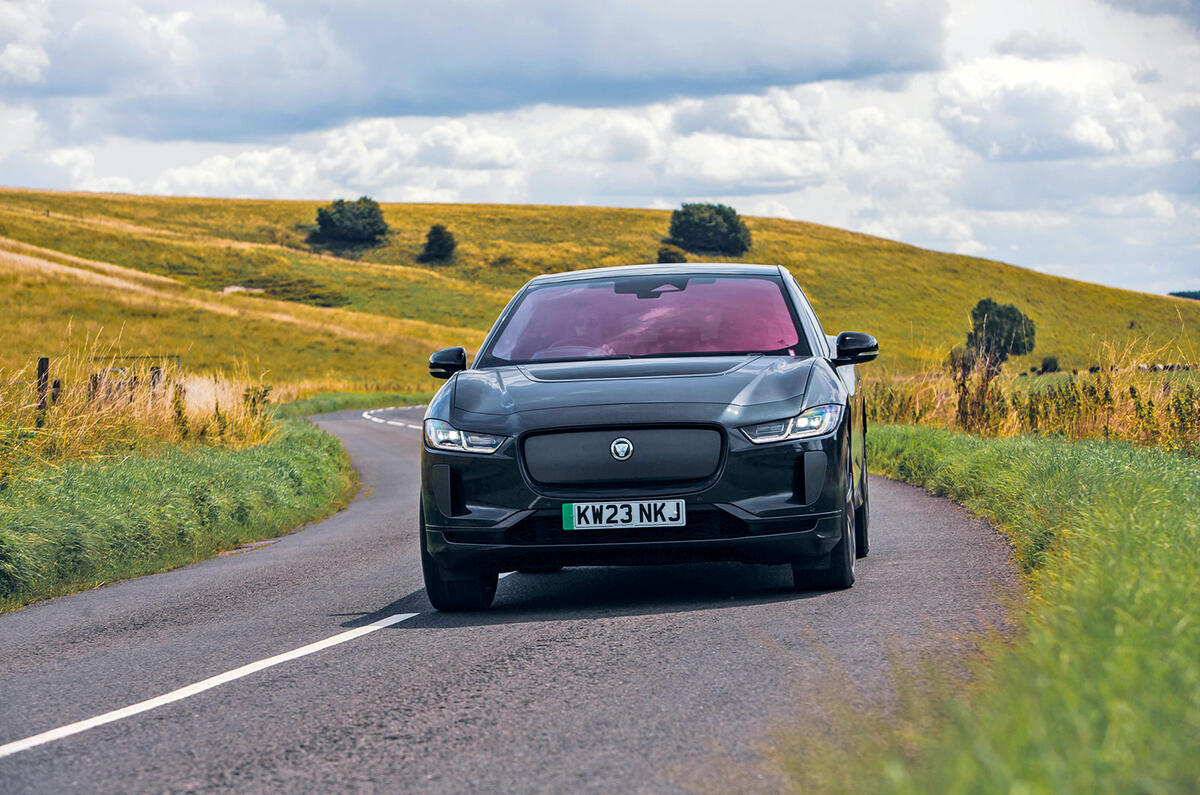
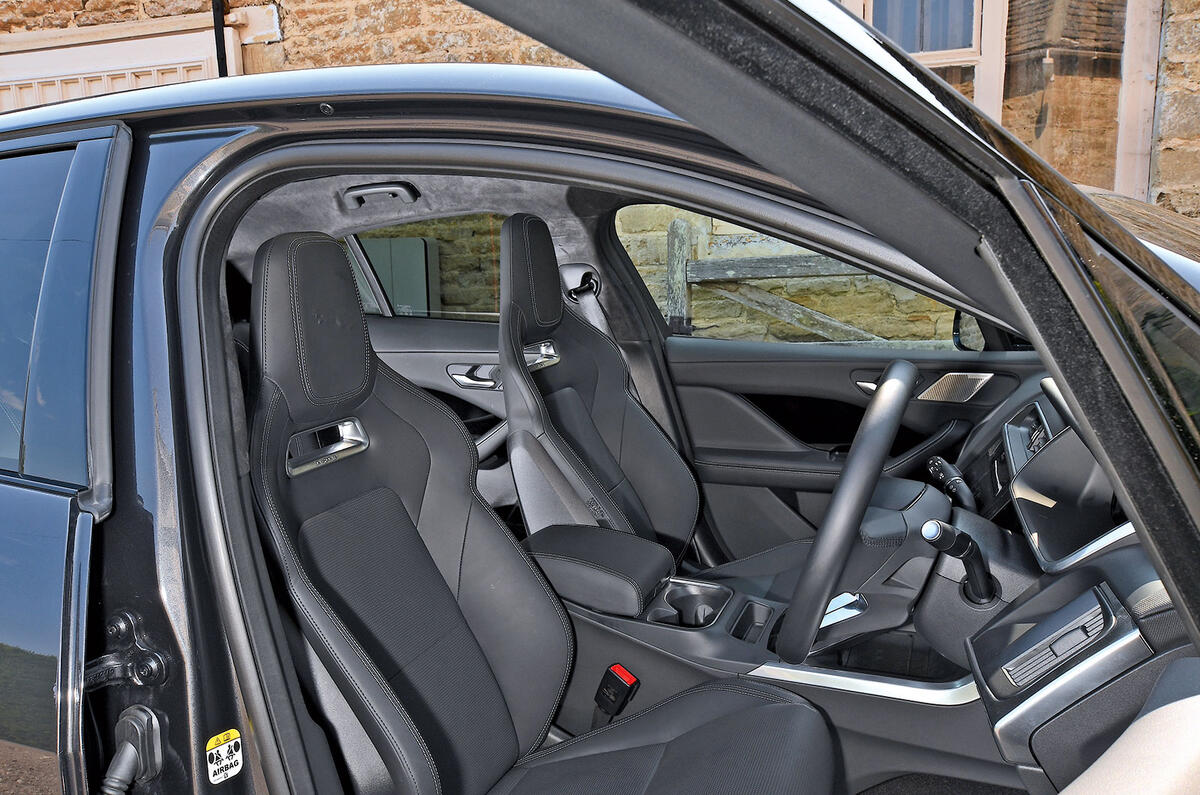
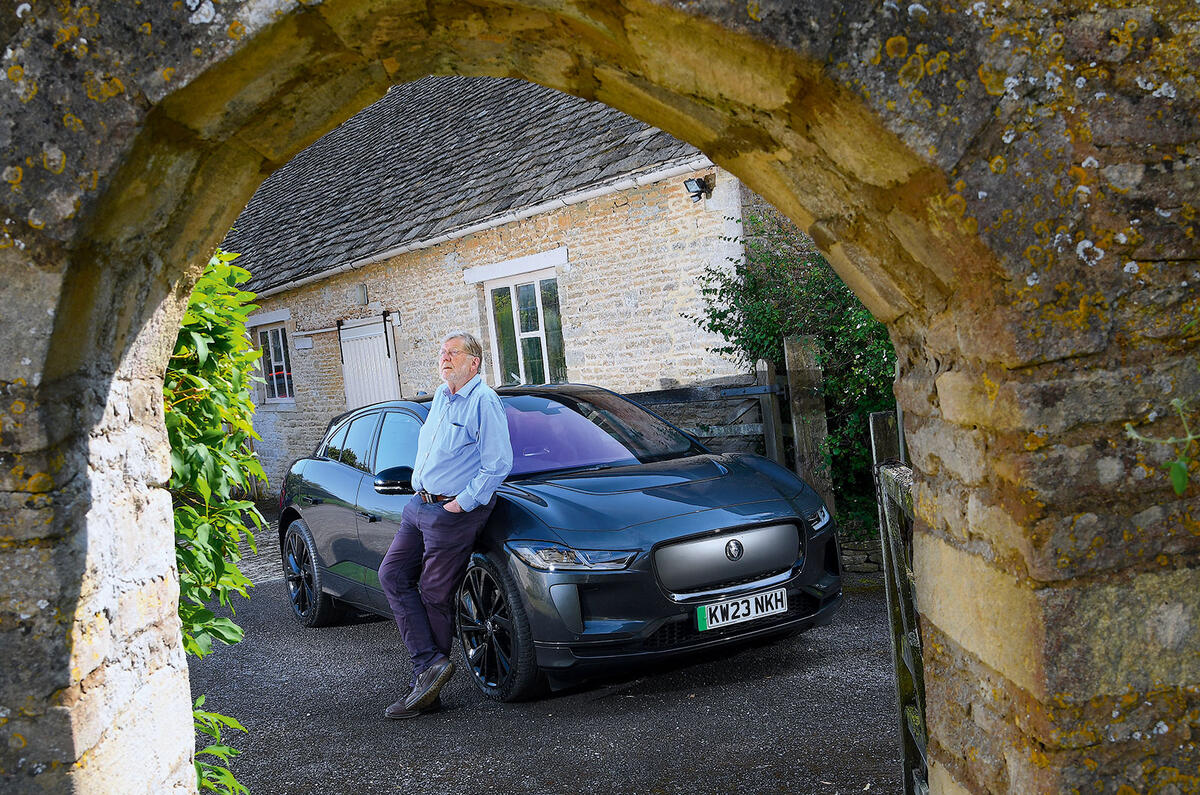
Despite the I-Pace’s unhelpful height, short nose and cab-forward design (all very foreign proportions in Jaguar history), design chief Ian Callum and his team brilliantly adapted Jaguar’s bumps, curves and an extreme windscreen rake to the new proportions and created a car that seemed (and still seems) almost too sleek to be called an SUV/crossover, although its spacious cabin and boot clearly showed that it did indeed belong to that generic group.
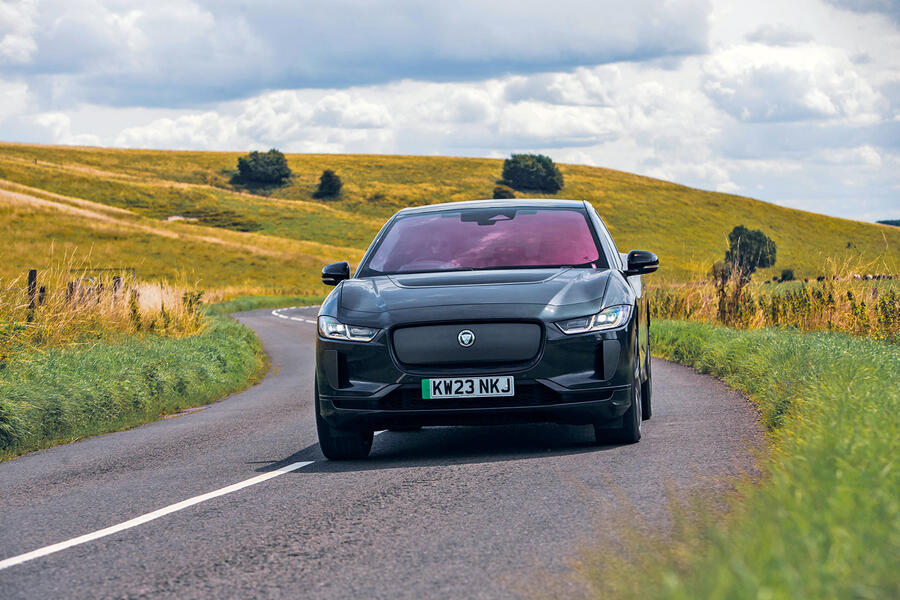
The I-Pace immediately set about collecting global awards – 62 in all, including Car of the Year – like they were going out of fashion, and the company did a lot of initial boasting about them.
The presumption was that the basic I-Pace, helped with judicious updates as battery tech advanced, would last a couple of generations, like other new cars: 12 to 14 years for the major underbits with a pause halfway for a reskin and mid-cycle refreshes to punctuate progress every three years or so.
When in 2021 new JLR CEO Thierry Bolloré launched his all-bets-are-off Reimagine plan to rebuild Jaguar as an all-EV company by 2025, the I-Pace was slated as a survivor, a model to build a bridge between the old and new.