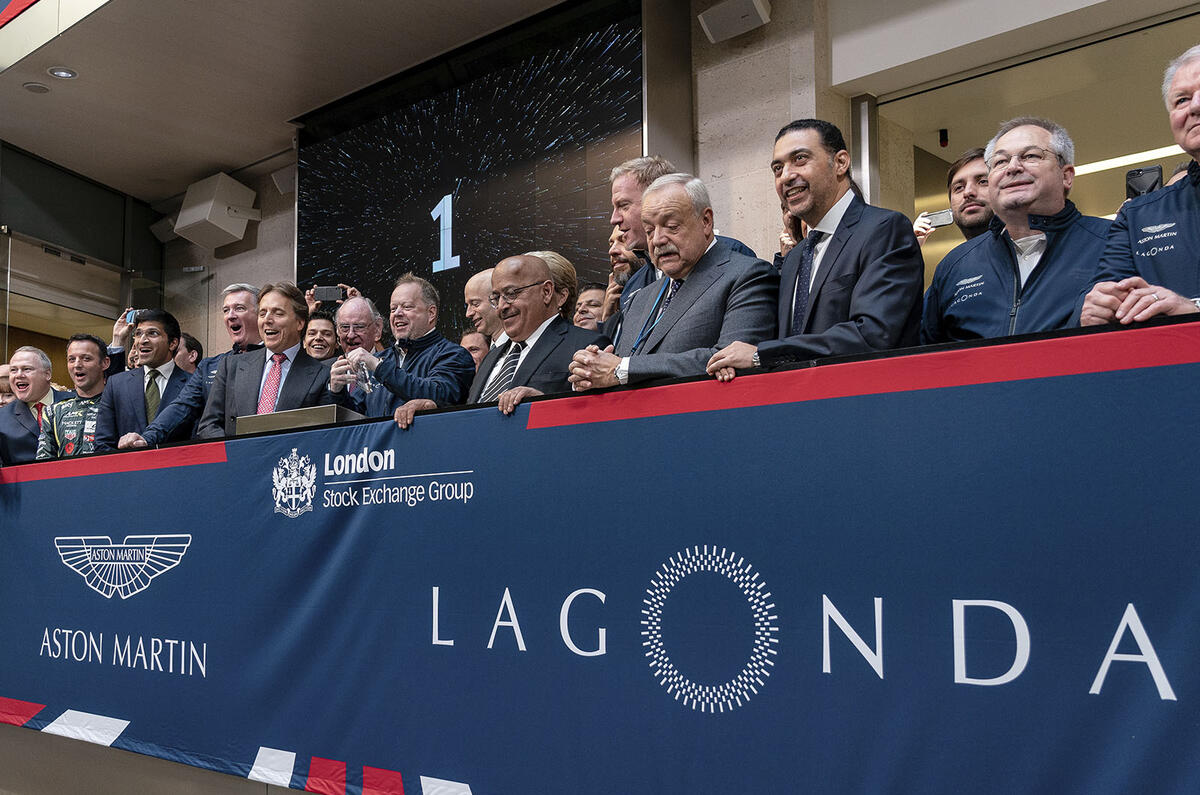


Aston Martin has released its entire share capital onto the London Stock Exchange main market, following its initial floatation on 3 October.
The amount of available shares totals 228,002,890, up from the initial 57,000,723 share offering that represented 25% of the company. An initial offer price of £19 per share valued the British car maker at £4.33bn, although early trading saw that amount drop almost 5% on the first day of trading. It has continued a downward slide, with shares trading at £16.06 at the time of writing.
Based on the initial share price valuation, Aston fell just short of being eligible for inclusion in the FTSE 100 index (for the companies listed on the London Stock exchange with the highest valuation).
The company is now trading on the LSE under the ticker 'AML'.
Before the flotation, Aston has revealed a guide price of between £17.50 and £22.50 per ordinary share. Eligible Aston Martin employees, customers and owners' club members based in the UK benefit from a specific share offer. Daimler retains its 4.9% share, locked in for 12 months, while Investindustrial's stake will be locked in for 180 days.
Earlier this year, Aston also published its half-year financial results that show a 14% increase in revenue to just below £450 million, with pre-tax profits rising from £20.1m to £20.8m. At the initial valuation given for the company's shares, it stands a good chance of becoming part of the FTSE 100 as the value increases.
The British supercar maker is currently owned by Italian and Kuwaiti shareholders, alongside other minority investors. Investindustrial took a 37.5% stake in Aston in 2012, with Daimler also owning a 4.9% share. With interest globally, there was debate about whether the company should float its shares in London or New York.
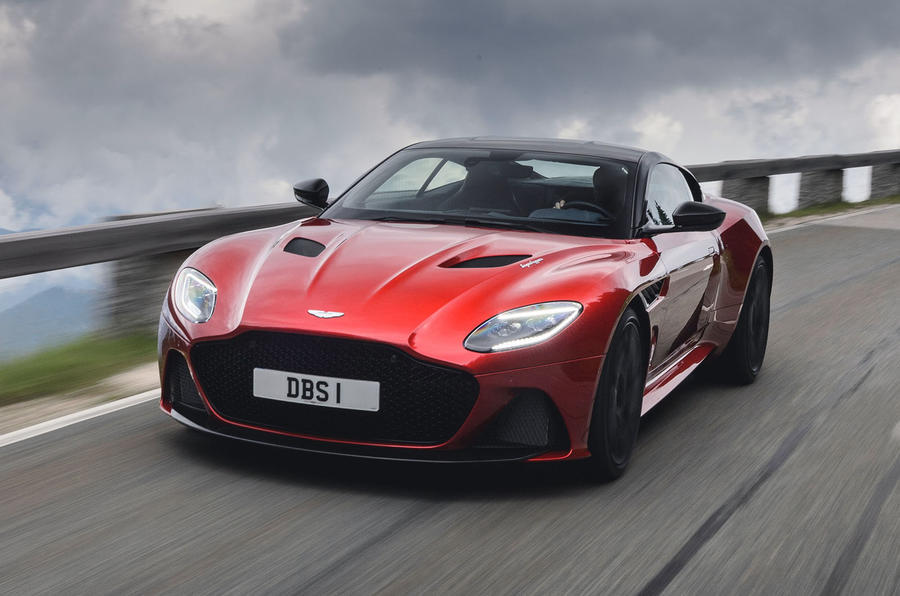
The decision to float Aston has been long been mooted as sales continue to grow, with new products such as the Aston Martin DB11 and Aston Martin Vantage ensuring the company’s financial outlook is strong.
There is more to come, with the Gaydon-based car maker's 'Second Century' plan seeing one new 'core' model launched every year until 2022, such as the DBX SUV and an all-new Lagonda saloon. Each model will have a seven-year life cycle before being replaced.
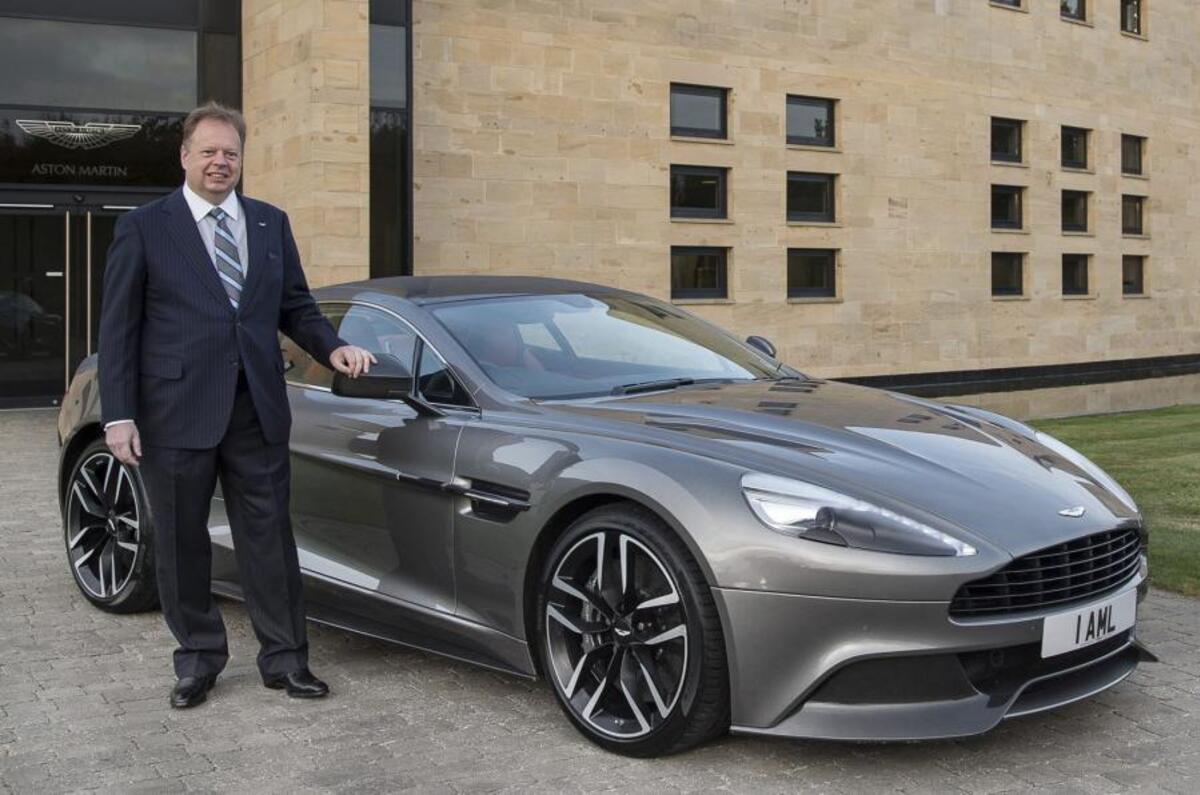
The most recent financial results show seven consecutive quarters of profitability, with CEO Andy Palmer leading a turnaround that marks an end to a tumultuous period in the brand's 105-year history. Aston spent years losing money, with the threat of bankruptcy recurring several times. Last year, it turned its first profit since 2010. Palmer called the IPO a "key milestone" in Aston's history.