1.8 E-TECH techno SUV 5dr Petrol Hybrid Auto Euro 6 (s/s) (160 ps)
Submitted by dev_editor on
Submitted by dev_editor on
Submitted by dev_editor on
Submitted by dev_editor on
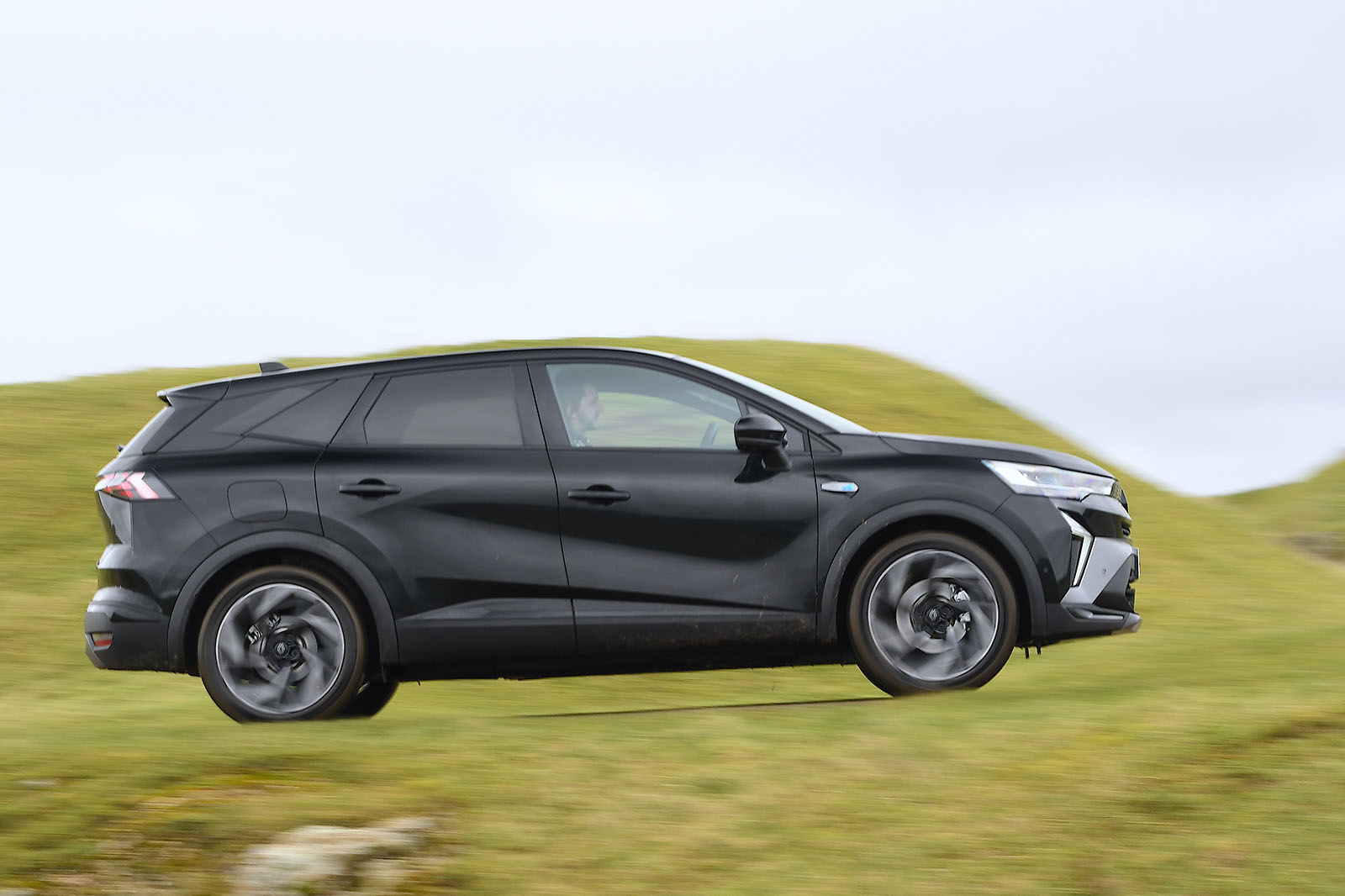
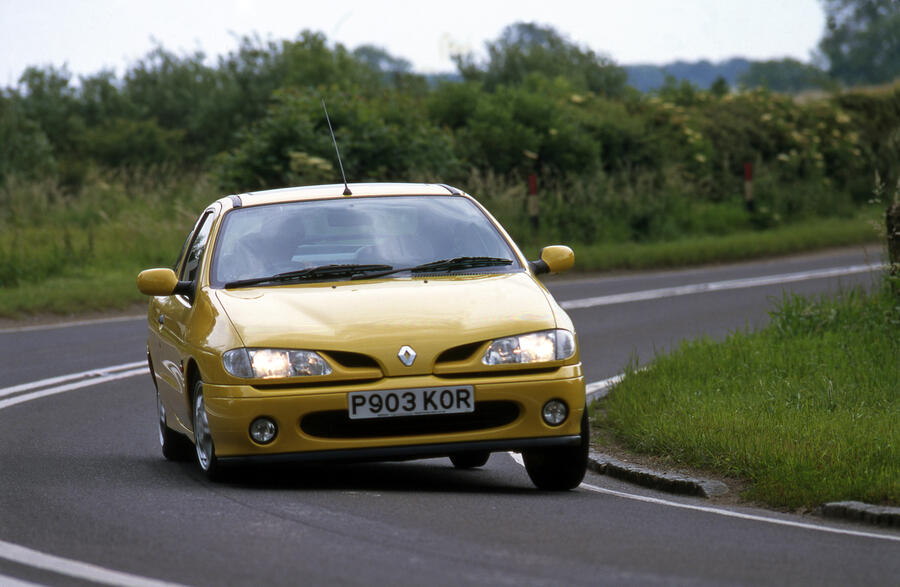
A not quite beautiful little car, the Megane Coupé was nevertheless pleasing enough on the eye, and the wallet, to sell in surprising numbers for a machine of compromised practicality.
The compromise was a boot as usable as the darker recesses of an understair cupboard, but, the two-door Megane cost little more than the five-door and for this you got a distinctive, well-kitted car that looked decidedly more glamorous. And being a derivative of one of Renault’s best-sellers, it didn’t cost any more to run or insure.
Such practicalities matter, and were a major reason why there were once so many of these coupes on the road in the early 2000s, many of them in yellow. In fact, one of them belonged to your reporter, an acquisition that garnered me a fair bit of stick from surprised colleagues.
My defence was this: I wanted the least uninteresting, nearly new car I could buy for my budget, a car with a warranty and a car that was unlikely to go wrong. At the time that ruled out almost everything apart from the hot new Ford Puma, which was too expensive.
And as a freshly starting freelancer I’d managed to suppress the cravings for something older and more exciting on the grounds that I needed to be sure of getting to point B from point A.
The surprise at my choice stemmed from the not-so-hidden truth about this Megane and the many affordable coupes that have come before it.
Which is that they’re all heavily based on ordinary family machinery for reasons of manufacturing cost – that’s what made them affordable – and that few delivered the dynamic excitement implied by their rakish looks, at least in standard form.
Still, the Megane was in good company with the Ford Mustang, Ford Capri, Vauxhall Calibra, Toyota Celica and heaps of others, the fine mannered, Fiesta-based Ford Puma a rare exception.
In the Renault’s case, then, you got croque monsieur mechanicals in a Patrick Le Quement wrap. Le Quement, in case you’re suddenly referencing French fashion designers, was Renault’s chief designer from 1987 to 2009.
He joined Renault on the condition that he reported directly to the boss, and that design would no longer be subservient to engineering.
He got his way, which was how Renault switched from being the makers of some of Europe’s dullest cars – the 19, 21 and Safrane will be among those that you have forgotten – to some of its most intriguing.
These include the first Twingo, the Scenic, Laguna, the Vel Satis (I said intriguing, not beautiful) and the ultra-bold Avantime. Against this array the Megane looked relatively conventional, if a load fresher than many of its contemporaries.
The disappointment came with the driving. The Megane’s slightly odd driving position didn’t help, the steering wheel angled too far off the vertical for real comfort, but mostly, it was the sheer averageness of everything it did that left you feeling numbly frustrated.
Its 1.4 and 1.6 so-called Energy engines delivered quite good go, quite good economy, and quite good refinement. The handling was quite good too, and so was the steering. The ride was upsetting if you knew anything of Renault’s once super-supple saloons, however.
So this was a car that did the job, but a car only capable of firing desire through design, from pertly clipped rump to intriguingly split grille and the (slight) raciness of its shortened wheelbase.
It was good value, too, especially in lower-powered, lower-priced form. Most versions delivered you alloys, remote central locking and electric motors to power not only the front windows but also the hinged rear side glazing.
Glance over your shoulder and you’d see a rear seat sportily sculpted to seat two in knee-pinching semi-comfort, your posterior enjoying part-leather upholstery, the view ahead brightened by funky white-faced instruments.
All of which helped the lesser Megane coupe to a popularity that the powerful 16-valve, a flawed version that must be close to extinct, never enjoyed. Shockingly, extinction appears to beckon for the lesser models too, a brief trawl netting less than a handful.
This is a car that deserves to be preserved for its look, and right now I’m genuinely regretting not succumbing to the allure of the 22,000-mile £1500 version I saw a few months ago. In yellow, of course.
We could wait no longer. When we found out the latest addition to our fleet, a new Renault 5, had been built at the firm's Douai plant in France and was en route to the UK, we had to get our hands on it as soon as humanly possible. So we decided to intercept the ship.
Our 5 arrived in the UK, like thousands of cars do every day, at Royal Portbury Dock in Avonmouth near Bristol - and, helpfully for logistics, 15 minutes from my mum's house. Which made me the ideal collection driver after we learned the ship containing our car would dock very early on a Monday morning.
And while our 5 has been earmarked for Steve Cropley, I'd yet to try one so happily volunteered.
Once you clear security and enter the port, it is a car spotter's paradise akin to Kensington in London. Except that while Kensington is wall-to-wall supercars, everywhere you look within the port are random unregistered new cars, many SUVs from Chinese firms you've barely heard of.
Renault has a dedicated processing facility run by BCA and it's surrounded by a vast car park that on my arrival was largely empty. It wouldn't be that way for long, because a massive transporter had just arrived and several minibuses of stevedores were en route to drive cars off it.
Time is money in the port business, especially because the tidal nature of Royal Portbury Dock meant that if the ship wasn't unloaded (of cars arriving in the UK) and then loaded (with cars and vans being exported) in time for the high tide, it might be stuck there for another day. So I was informed I couldn't mess around.
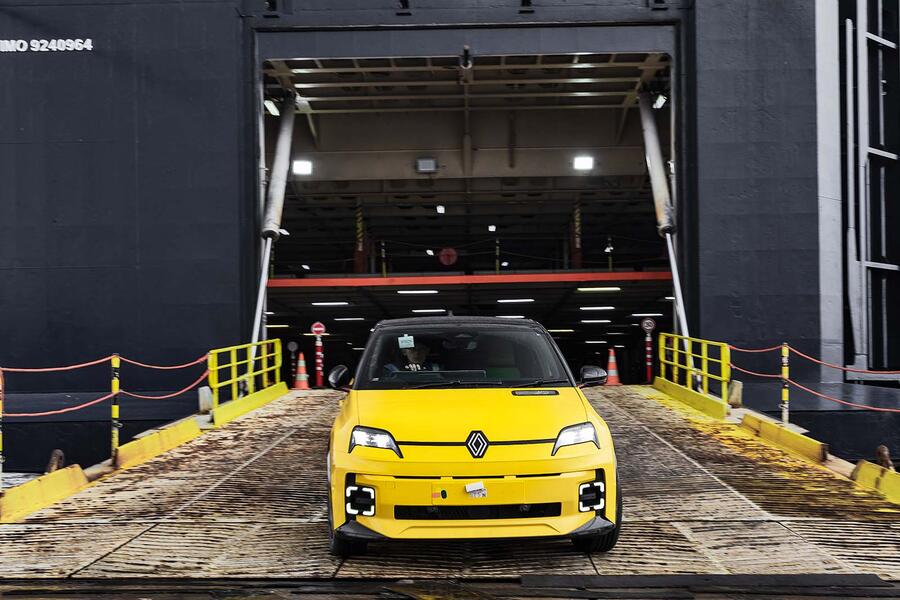
By the time I walked through the ship's massive cargo door, several of the vast transporter's six decks had been cleared, but on the down ramp ahead of me were a row of 5s. And ours was right at the front of it.
Our 5 was simple to spec: we went for top-level Iconic trim, which has pretty much all the kit you would want, such as climate control, colour-changing interior lights, synthetic leather seats and a heated steering wheel. Selecting the Comfort Range model gave us the 201bhp motor and largest, 52kWh (usable) battery, all for £28,995. We also added Pop Yellow paint for £1200, because it looks fantastic.
While I'd identified our car already, the stevedores who empty car transporters simply jump out of a minibus that's driven onto the deck and get in the first car in the line. On this day, the massive ship had nearly 1600 cars on board, with plenty of 5s and Dacia Springs, and a decent number of Volvo EX90s - although it was hard to recognise the Volvos since they were covered in an abundance of protective wrap.
Every available bit of room is used. Cars are bolted into place and parked 10cm bumper to bumper, which is just enough space to keep them apart in rough seas. The rows are split by 30cm on one side but there's a slightly bigger gap on the other for a driver to squeeze in.
Each driver does a four-point check on the car before they drive it off the ship so any obvious damage can be addressed and then they drive it to the relevant car firm's facility, jump back in a minibus and get another car.
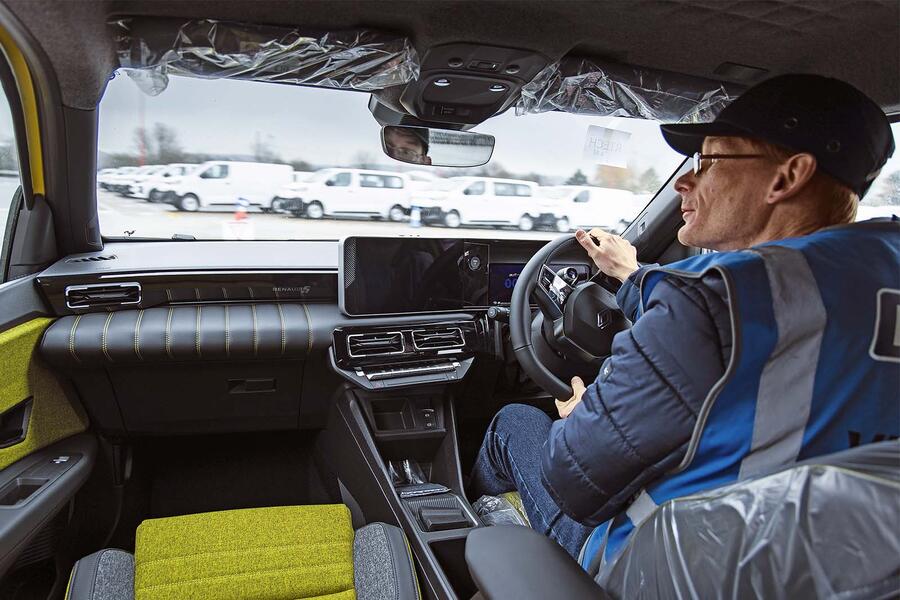
Our 5 seemed in good order, although it was hard to check out much of the interior due to the various protective wraps over some of the dash and seats. That and the fact that I had to squeeze in without taking off my protective hard hat.
Even nervously driving one off a ship, with heavy-duty protective shoes blunting my throttle modulation, my early impressions of the 5's driving dynamics were positive. Our road testers had raved about its fun and lively handling, and I could feel that as I powered down the ramp and took a sharp turn onto the docks. Although I then had to slow sharply because a big forklift was passing.
It was a short trip to the Renault collection facility, so I was excited to get some more miles in on the way to Cropley's house. Except that it turns out you can't actually drive a car off a ship and onto the road.
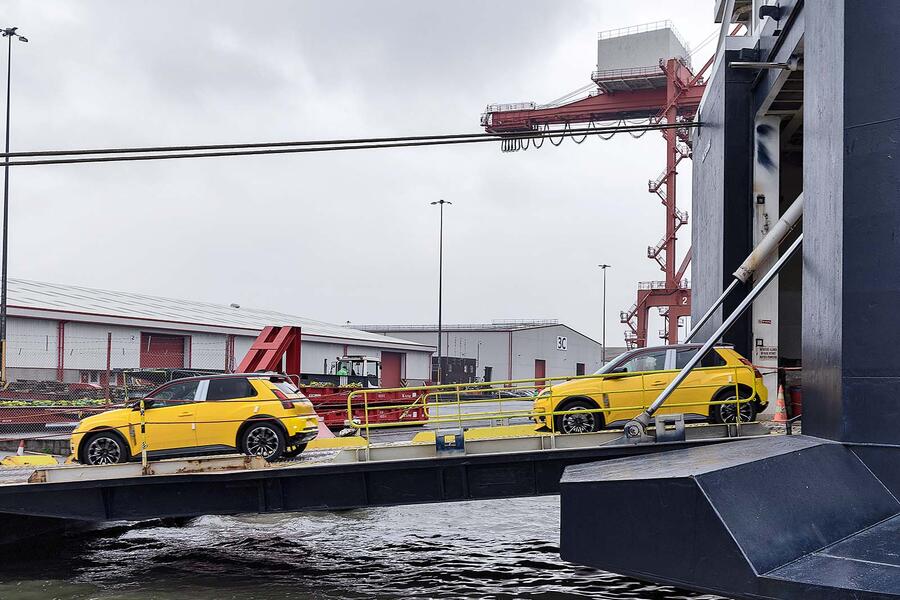
Instead, all the vehicles are parked up in Renault's compound and the BCA team conduct a multi-point inspection, before the cars are moved to a preparation facility to be cleaned, and where accessories such as car mats and boot liners are added per the order. If required, the vehicle can be taken into a workshop – some of the 5s have decals that need adding - and then they're ready to be collected and delivered to dealerships.
Still, the wait was worth it when I picked up the 5 a short time later. It really does have a pleasing pep and is genuinely enjoyable. It had me wondering if I could tell Cropley the 5 was stuck in an import pound and keep the keys.
Alas, he's just as excited as me to try it out, so I've reluctantly handed it on. Meanwhile, I'm dreaming of a new life as a stevedore…
By James Attwood
There's been so much hoopla (justified) about the new Renault 5 that it's almost a relief to start using our Iconic version as a car, as opposed to a rolling exhibit and a constant conversation piece.
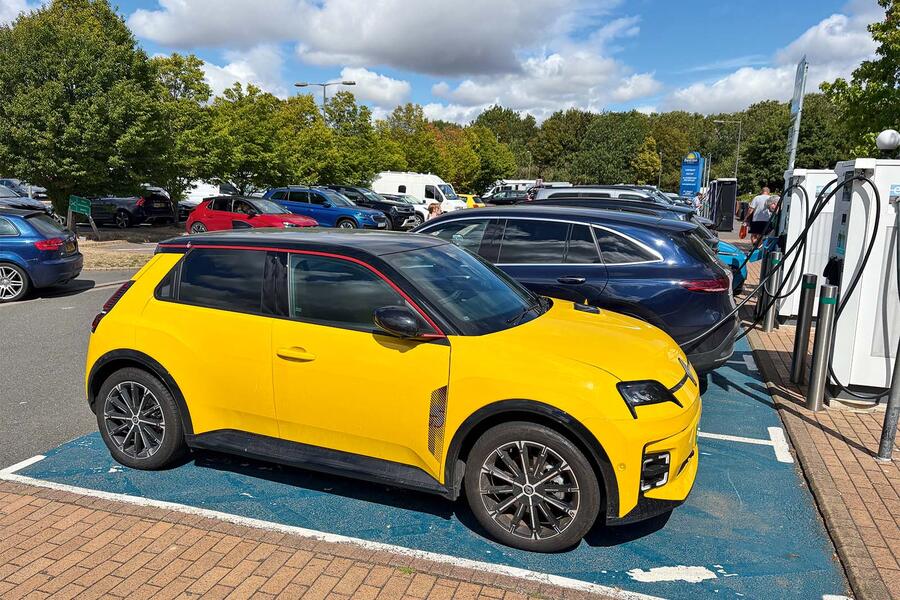
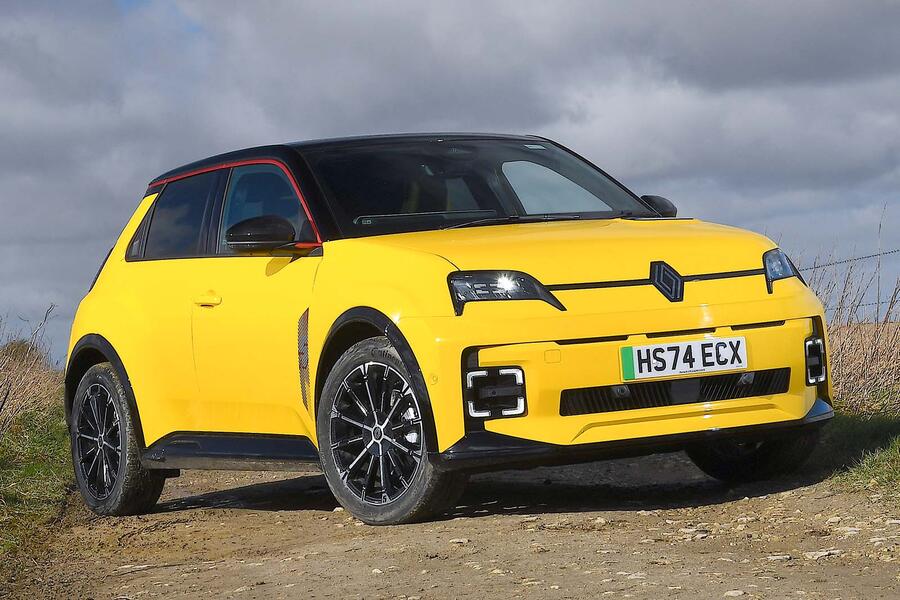
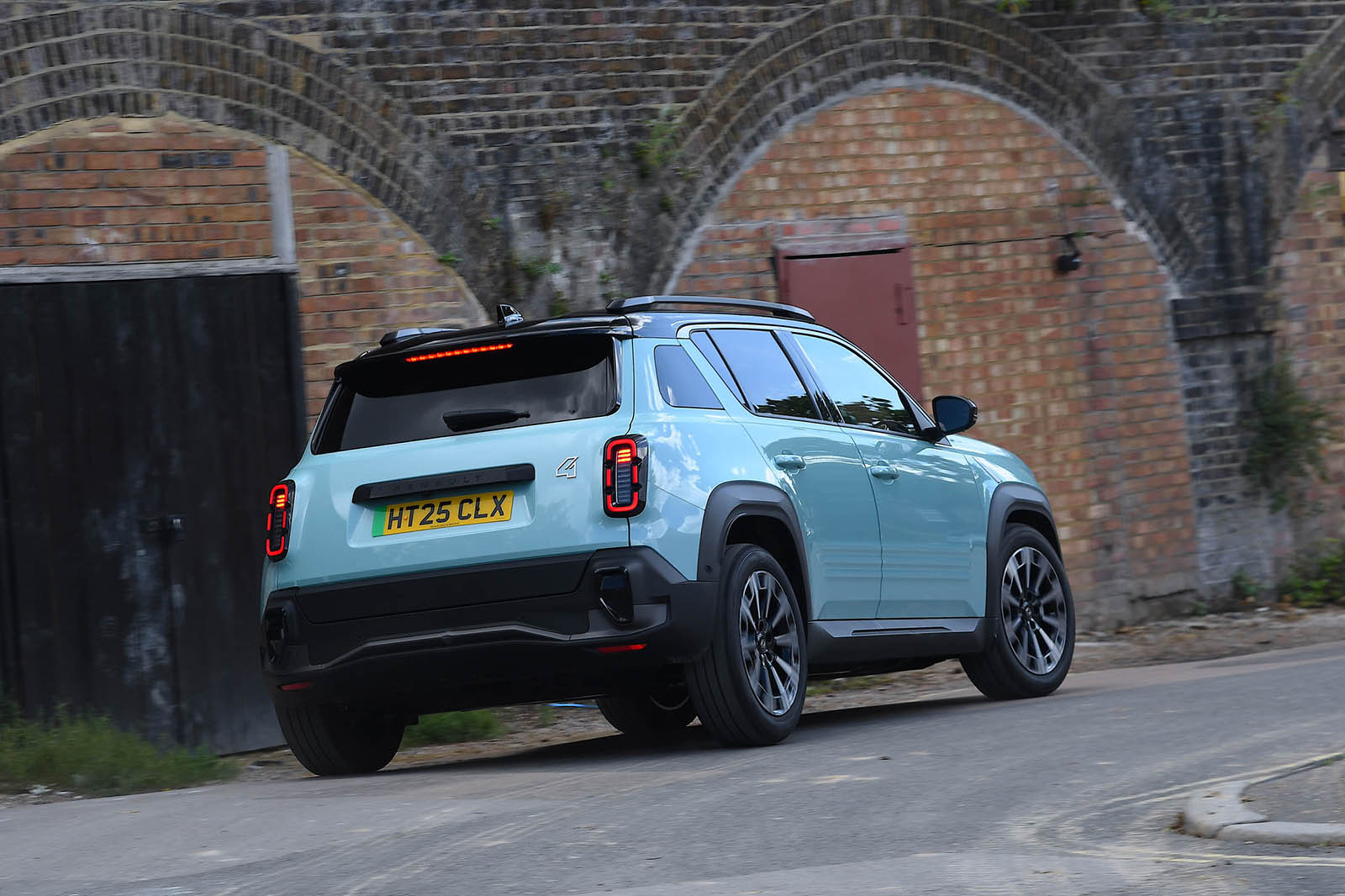
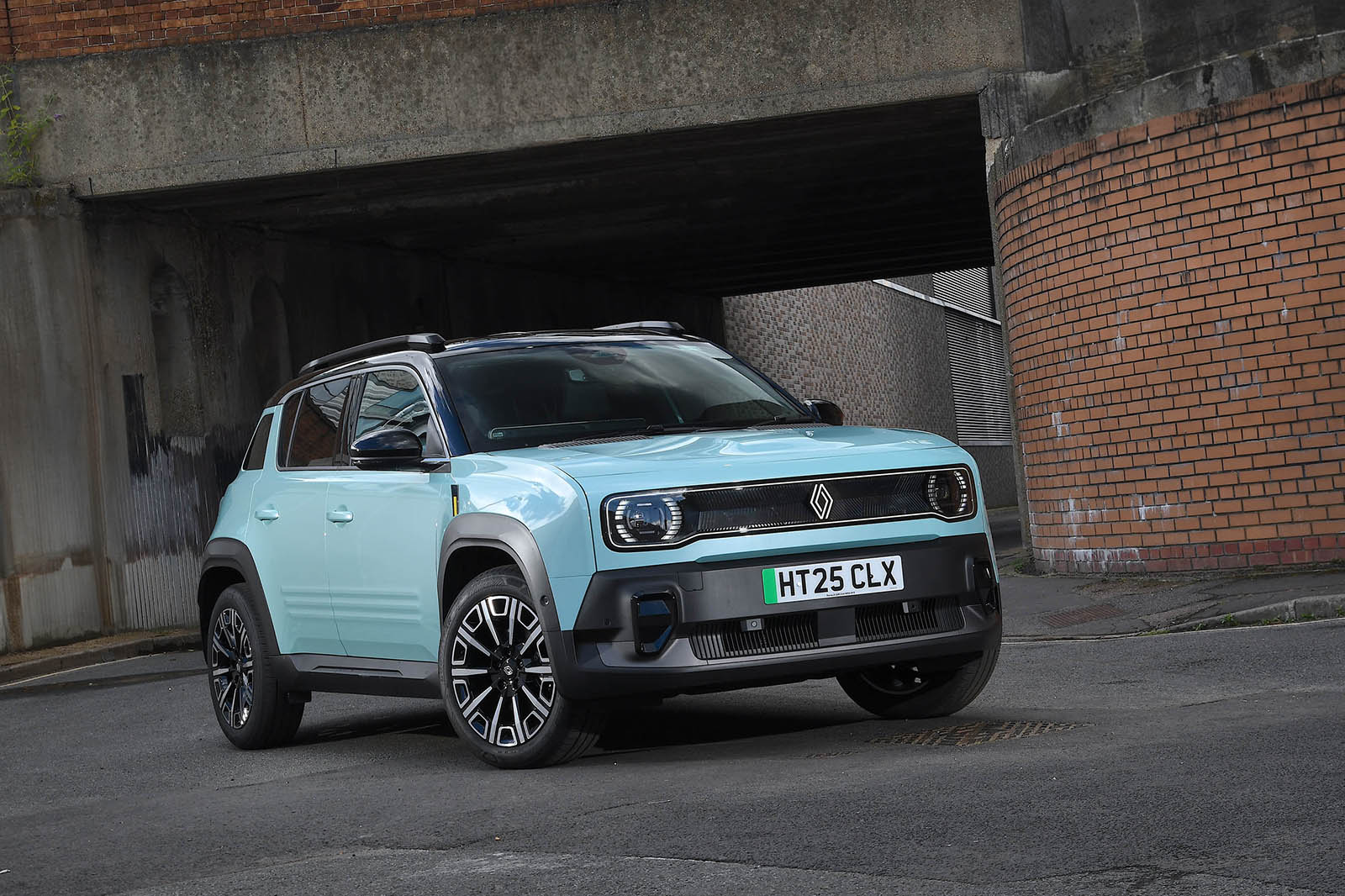
Mind you, part of that exhibit thing is our own fault. We're the ones who specified this pretty little car in Pop Yellow - the yellowest metallic yellow you'll ever see, made all the more vivid by its contrast with a black roof.
You'll note I've called the 5 a little car: opinions vary on that. Being an EV, it's taller than your old-school Fiesta or Clio because there's a great big battery beneath. And with the mirrors extended it's just over 2.0m wide, which makes it about an inch wider than the current petrol Clio.
But in the dimension that matters most to size when you're driving, it's only 3922mm long, a dimension that actually undercuts many ICE superminis and makes a nice change from the general direction of EV progress, which is towards structures that are both much bigger and much heavier.
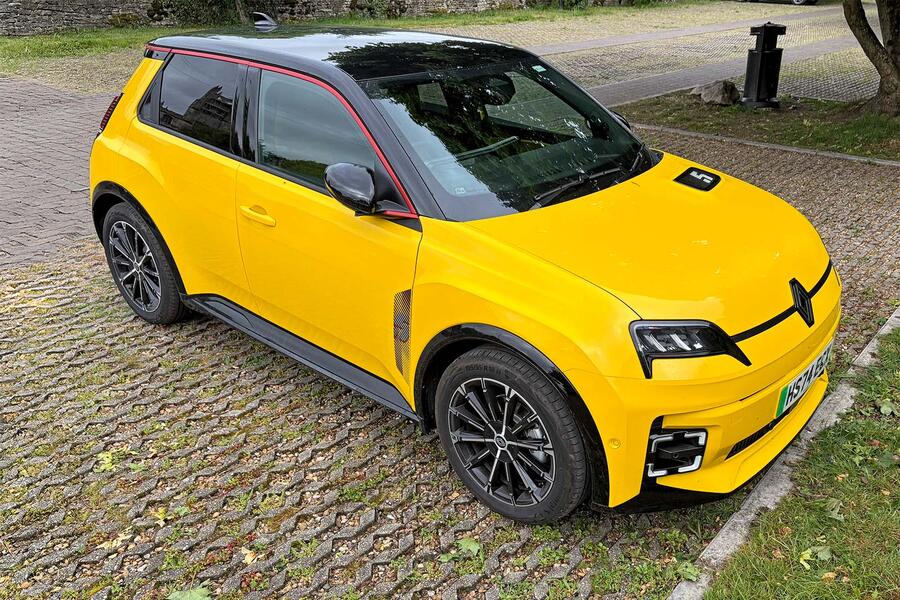
Even the 5's kerb weight of 1450kg, admittedly shocking against an original Clio's 935kg, isn't so bad when you consider that well over one-third of that mass comprises battery cells. It still seems fair to call this a little car.
The driving position plays along. We've all become used to the idea that battery height under the car means you tend to sit on, not in, a smallish EV, yet because of the 5's seat design and fascia mounting height, you get the feeling you're in a sporty, bum-on-floor kind of car, a feeling that endures even if you do 200 miles, straight off the bat.
Which you can. At this time of the year, our bigger-motor, bigger-battery 5 delivers 230-240 miles of range pretty faithfully in give-and-take conditions on the open road. At a 70mph motorway cruise, it would be 170 miles, still okay in this era of improving charging infrastructure.
When you start to drive, the sporty impression stays. The 5 rides on big (18in) wheels and tyres and has them at each corner, Mini-style, so there's that genuine roller-skate feel to the handling. The car grips and points very well and hardly rolls. You're best to use a wet road to investigate the on-limit handling, which is nice, safe, mild understeer. Nobody's going to habitually hang the tail in one of these.
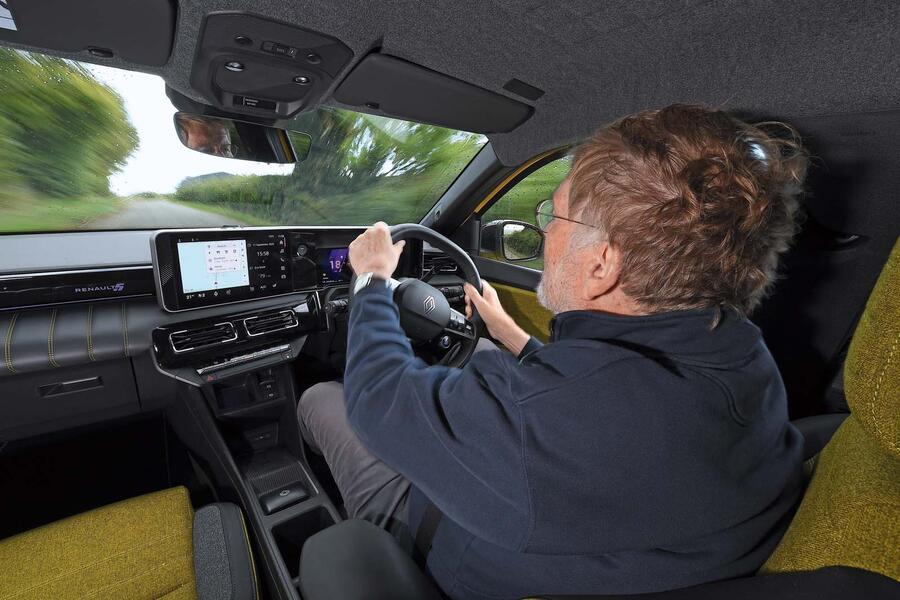
One surprise is the refinement. The ride may be towards the firmer side of supple but it is impressively quiet over bumps and generates only well-controlled road noise. That goes with low wind noise, too, and the impressive overall economy so far of 4.6mpkWh, even if you use the very decent acceleration regularly for joining fast-flowing traffic on motorways and A-roads.
All of this leaves you with the impression of a city car that's actually capable and comfortable out of town. My most surprising impression so far? Maturity. This new car feels durable, well built and ready for a long life. Although the 5 EV's ancient ancestors had many virtues, these were not among them.
If you're lucky enough to have a Renault 5 at present, prepare for even more attention than you're getting already. The government has decided to play into the willing hands of Europe's car makers by subsidising the purchase costs of EVs just like mine, which seems to have upped the interest of onlookers and passers-by even more.
Of all the cars you could drive to catch other folks' eyes at present, Bentley or Lamborghini included, a Pop Yellow 5 creates the most interest. Maybe a passing Ferrari F40 would excite some people more, but the 5 attracts all classes. I'm becoming quite used to returning to my car in the street, getting it started, then pausing because somebody has cantered across the road and tapped on the window, wanting to know more.
Maybe it won't last. After all, 5.5 million original 5s were sold even before the Supercinq took over in 1985. The new baby EVs will surely become an awfully common sight, especially if backed by Westminster. But for now, it's everyone's darling. I feel quite sorry for anyone driving a Peugeot e-208, which has been on the market for years now
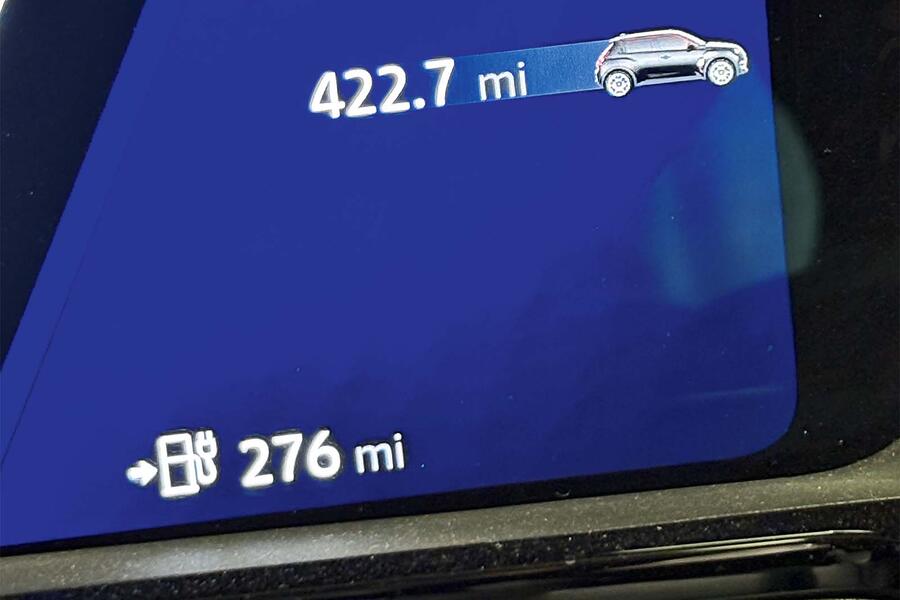
The odometer has been spinning merrily since we picked up our 5 on the dockside some time ago. It's for all the right reasons: the 5 is genuinely compact (shorter than the Renault Clio), it's fun to drive (I keep pitching it into corners knowing those fat 185/55 Continentals will look after me) and because the dependable range, at least during this part of the year, is well into the 230-mile area.
Remember how so-called experts and zealots were queueing up, not so long ago, to tell us that range anxiety was outmoded? Well, they were wrong. This Renault has just enough range for my needs and my comfort provided that I don't hurry (a 65-70mph cruise is quite enough), but I can still get rather close to its limits if I press on. Roll on the 5 with a 500-mile range.
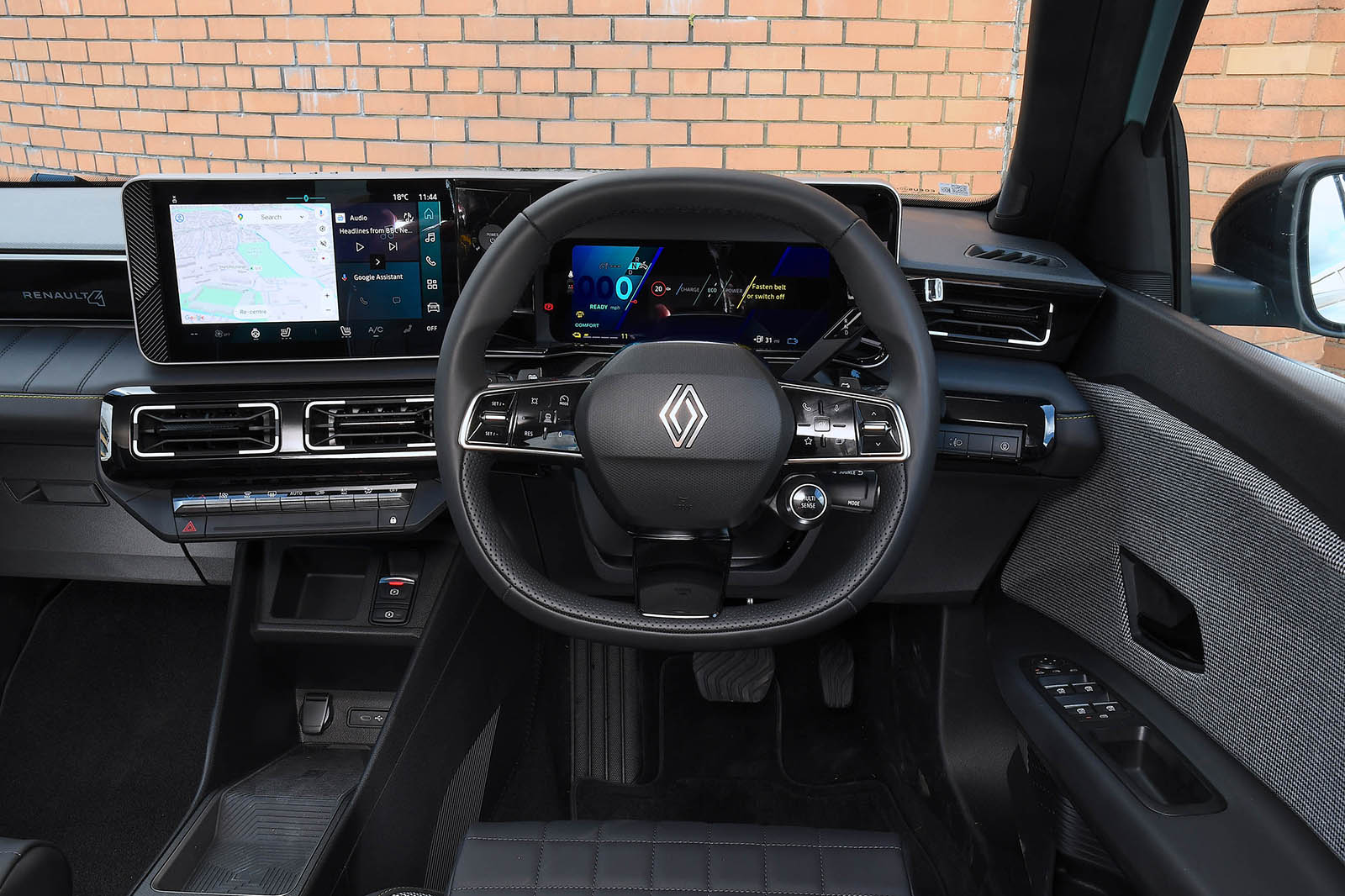
When digital interfaces have quite a lot of options, like this one does, it takes me a while to decide my preferences. There are three main driving modes, accessible via an inviting steering wheel button (might be nice if it just read 'Modes' rather than 'Multi-sense'), named Comfort, Sport and Eco, plus a configurable mode called Perso that lets you set your own combination of response, steering weight and so on. My choice is Sport everything, except I prefer the light steering setting that isn't too light and just feels a bit more delicate - like the car itself.
The finest thing, now spread over most Renaults, is a little button at the right-hand fascia extremity with a car symbol surrounded by a circle. It opens a setting called My Safety Perso that allows you to choose which of the many ADAS features you like and loathe.
Like everyone I know, my twin hates are the bong that tells you you're allegedly doing 40mph in a 40mph zone (when the more accurate speed recorder on Waze knows it's only 36-37mph) and the lane departure warning and/or lane keeping assistance.
Every time I experience one of the latter, I go straight to my handy mind-picture I have of the mule-headed jobsworth who has insisted on my car having this stuff, regardless of my own abilities and preferences. I'm convinced that many more cars will have been driven off roads while their drivers scrabble to disable ADAS features than were ever saved by them.
The 5's economy has been excellent. My previous claimed average of 4.6mpkWh would be better quoted at 4.8mpkWh, at least at this time of year, and that's without adopting anything more than elementary energy-saving driving techniques. Driving smoothly in town, you're hard-pressed to use significant amounts of energy at all.
Faults? There probably are some, but I can't be bothered to look.
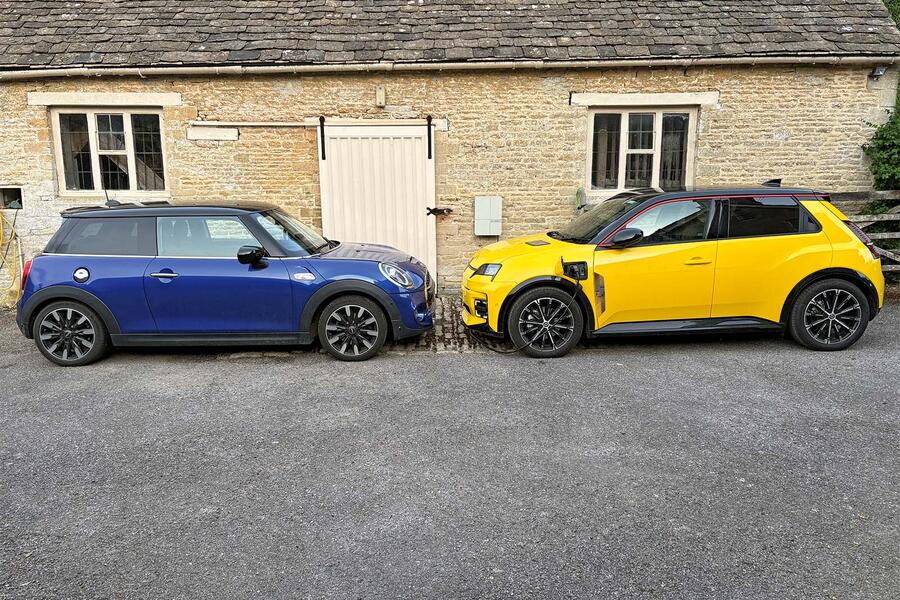
I dropped into my local BMW-Mini dealership the other day, and the dealer principal was keen to take a close look at my Renault 5, given that it's currently providing pretty solid competition for his electric Mini Cooper hatch.
In fact, he marshalled his Mini staff for a viewing of their best rival product (as I sipped a flat white in one of this emporium's welcoming coffee bars).
The upshot? They were all impressed. The 5 was undoubtedly an appealing and thoroughly modern product, they reckoned, although pretty tight on boot space and rear room. Like the Cooper. It also lacked, they felt, the last few per cent of materials quality that has always been impressive in Minis. But they could definitely see why the 5 is selling so well.
The same continues to go for me. When pressed recently to name an EV-era fun car, the 5 was the best option I could think of, given the handling balance, the bum-near-floor driving position (particularly important to me in a car I'm going to chuck about a bit), the accurate steering with adjustable effort and decently high levels of grip.
One caveat concerning this last point: it's so long since I've driven the Renault on a wet road that I've almost forgotten what happens when you give it plenty in a roundabout. But I'm sure we will be in for a drenching autumn, so I should find out quickly enough.
In the enduring dry, it continues to be a pleasure to jump into and go, not least because the controls are so simple and convenient. Every single day I praise Renault's My Safety Perso function, which allows me to swerve two infuriating 5 habits that would otherwise have to be reset every time: wildly over-zealous lane keeping assistance and a bong that boxes your ears if you stray even 1mph over the limit.
The fact that said bonging starts a couple of MPH lower than the actual legislated speed (because speedo error is built in) is even more irritating. My Safety Perso, available via a fascia switch, lets you configure the entire suite of ADAS as you want (I keep most working).
Compared with rivals, it's bliss. You get into the 5 and the proximity of the key card in your pocket tells the car you're present so the dashboard comes alive. I like that. You thumb the power switch, tap the My Safety Perso switch twice, select forward or reverse with the transmission stalk and you're away.
This is not to suggest that I go about thwarting speed limits. The 5 keeps you well informed about those, and I like the way it glides at low speeds in near silence. It becomes an interesting driving test to anticipate how much forward motion you will need for any upcoming obstacle (an intersection, say) and glide up to it with just the right amount of regeneration and no foolish waste of energy.
Because I enjoy both the sense and execution of this, the result has been efficiency of 5.1mpkWh. The overall average for the entire 7900-odd miles we have covered so far has risen again to an exemplary 4.8mpkWh. The range readout often shows 250 miles (warm weather, don't forget) and I've come to rely on 240 miles, which is impressive.
Here I go again, full of nothing but praise for the 5, and now we are out of space. I had intended to summarise its (few) faults, but that will have to wait until next time.
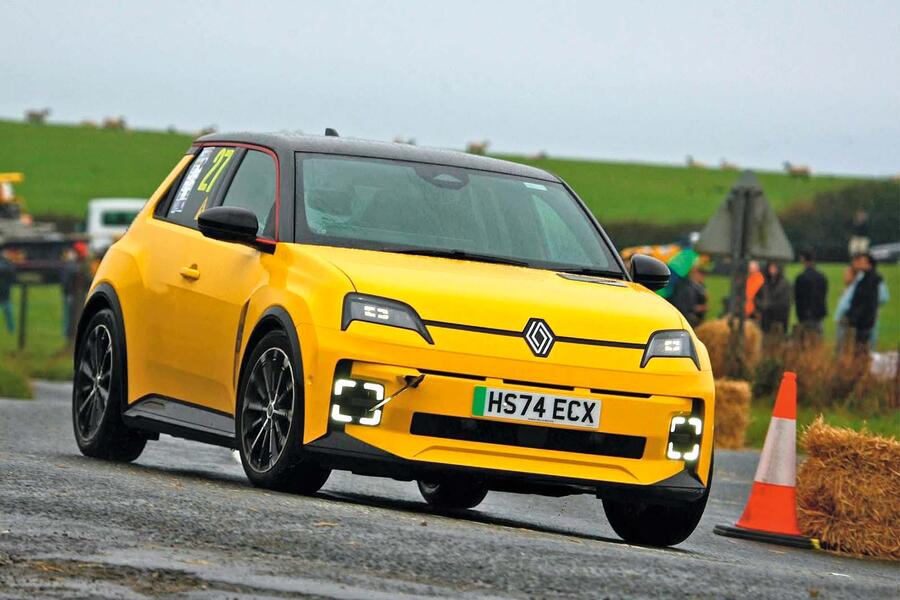
Entering a hill climb in an electric supermini isn’t the most sensible thing I’ve ever done, but the Watergate Bay Sprint in Cornwall seemed like the ideal event to test my Renault 5 long-termer’s sporting credentials.
I mean, how well could an entry-level baby EV do in a Motorsport UK-approved event against a cohort of conventional cars, many of them developed over years specifically for hill climbing?
It's not quite curtains for our Renault 5 yet, but its departure from our long-term fleet is fast approaching. It's therefore definitely time we started talking about what worked and why, rather than conveying too much further excitement about its arrival (even if privately I still have such feelings).
Two things continue to stand out about this rule-changing Renault, and I suspect they would still be highlights in a year's time, were it to remain on our fleet. One is the car's sheer, enduring star quality; the other is the maturity of its development, especially given that it was rushed into production from a standing start.
The story of the 5's rapid journey from an idea to the showroom, having been spotted as a static concept in the design studio by the arriving (and now departed) Renault Group chief Luca de Meo in July 2020, will always be part of Renault folklore. Given this, the car's well-honed, all-round functionality continues to surprise; I've found no major flaws even after six months' no-nonsense daily use.
The 5's star quality never even looks like waning. Even though it has been on sale in the UK for nearly a year and it has spent most of those months near the top of the EV charts, people still react with remarkable enthusiasm to its arrival anywhere, even at events like Goodwood or Bicester Heritage meetings, which are stuffed with high-tone vehicles. You get used to smiling people rushing at you in shopping centre car parks, begging a chance to peep into the cabin, and you're always the star at charging stations.
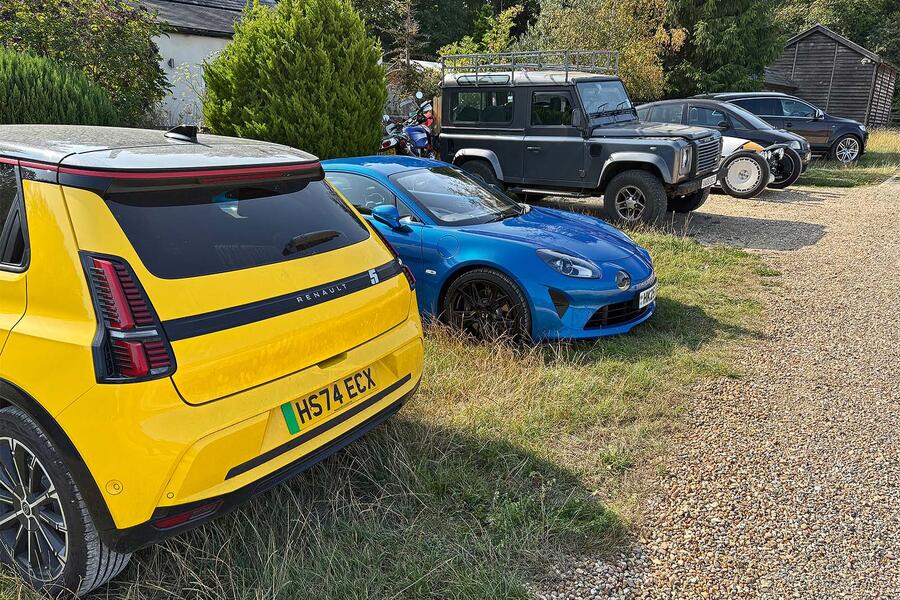
Our particular 5's ultra-bright yellow metallic paint job undoubtedly helps the attention, but as anyone who has ever owned a yellow car knows, the underlying model needs a funk, a shape to justify such a bright set of clothes.
Were I specifying one of these for my own use, I would choose an Ultimate model (as that trim gets you Iconic Yellow upholstery) with Pop Yellow paint and the Diamond Black roof option in a heartbeat, although I could probably be persuaded into the Arctic White as well, so long as it came with that same black roof with red edging.
It's hard to see a case for the lower-powered (118bhp, rather than 148bhp) motor, since it always comes with the smaller (40kWh against 52kWh) Urban Range battery. The punchier motor gives the 5 very impressive step-off acceleration and the bigger Comfort Range battery gives you a reliable range of 190-200 miles at this time of the year, whereas the small one, even driving a less powerful motor, is only good for 150-160 miles. Spend the extra would be my advice.
Having talked economy, I have to confess that I've encountered a wide disparity in the miles-per-kilowatt-hour figures while driving our car. In gentle town running or consistent low rural speeds, you can drive it over 5.0mpkWh, a very impressive figure. When tooling about on A- and B-roads, you can keep it well into the 4.3-4.5 range, again a good performance.
But there are also times when it sticks stubbornly in the mid-threes, and I can't seem to do much about it. I'm one of those fetishists who chase good figures, so overall I've managed to keep our average economy in the early fours. A less obsessed driver would return 3.6 and be happy.
If you consistently do 2000 miles a month in any car, you pretty soon form an accurate idea of the maturity and durability of its controls and switchgear, and this is where, in my book, the 5 really deserves plaudits. It's easy to operate, there's zero evidence of flimsiness (a 5 flaw from the olden days) and when you get the car valeted (which is what our photographers like) it comes up showroom-fresh.
That overriding impression of durability informs my whole 12,600-mile life with our 5. From what I now know, these cars are going to last a long time, both as leading EV market offerings and, once sold, as individuals.
In the end, the burning question my family and I had to answer about the tasty little Renault 5 EV we've been driving for the past few months was whether or not to buy it once its time on Autocar's long-term test fleet was up.
This might sound self-indulgent, given that wider questions still surround this attention-grabbing supermini, which made its debut at the Geneva motor show two years ago and officially arrived in the UK last February. But my excuse is that if we were potential buyers, we would need the same answers to burning questions like anyone else.
Our buy-or-not decision is predicated on three things. First, while kicking around at Autocar for longer than most, I've developed the oddball habit of falling in love with various long-termers and buying them for personal use (Ford Ka, Citroën Berlingo, Dacia Duster, Alpine A110, Ford Ranger Raptor).
Second, I really hit it off with the 5 from its first moment in my clutches, more than 15,000 miles ago, to the extent that I didn't even get around to listing a fault or foible on these pages until well into my stewardship of the car. Third, our household fleet includes a 70,000-mile, 69-plate Mini Cooper S that's starting to cost us money, and its never-very-good, six-year-old infotainment system feels really prehistoric. The 5 looks like its ideal replacement and could lead us into owning our first EV.
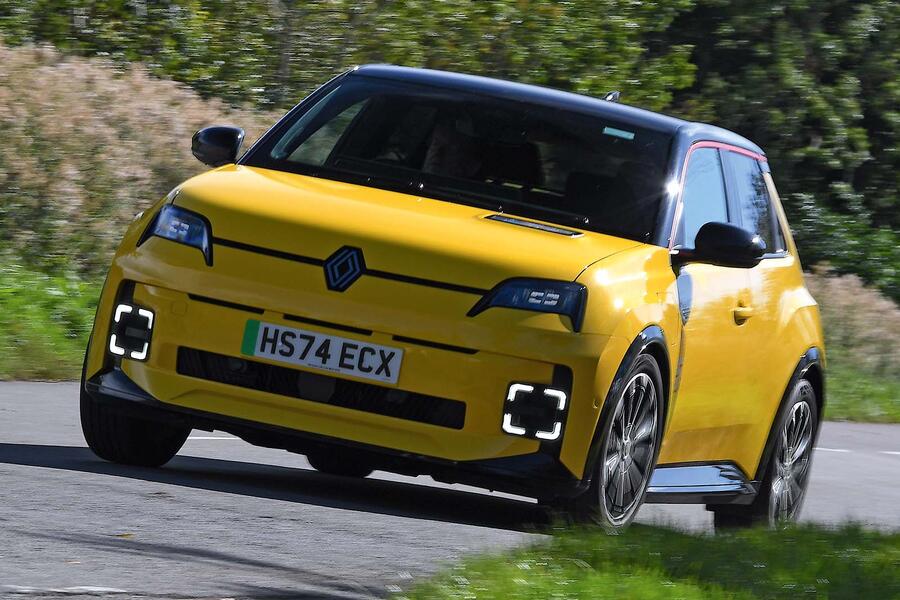
Everyone knows by now about the launch success of the electric 5. When it started to appear in public, its outstanding cuteness truly stopped the traffic, aided by standout colour options.
This was Renault's modern interpretation of design cues that began with the original R5 of 1972 and was amplified in the second-generation 'Supercinq' of 1984 - and it worked more effectively than any other 'retro-modern' car of recent times. In fact, the scheme has worked so spectacularly that you have to feel sorry for the likes of Fiat, Peugeot and Citroën.
This trio was already well established at making small EVs in Europe, but because this come-lately 5 was such an eye-catcher, many people viewed it as the class pioneer. If you need proof that terrific styling sells cars, here's the perfect modern example.
After all these months, I can report that the appeal of the styling has not declined one jot. I've lost count of the number of times, as I've returned to the car, some interested party wearing a tentative grin has crossed the road and tapped on my window to enquire: "What's it like?".
My answer is in the mileage. There are five other cars in my life at home and a passing parade of them at work, yet I've still amassed 15,566 miles in the 5 during its time with us, simply because it has been so good at all kinds of motoring. I even ran it without being disgraced in a 2025 motorsport event, the Watergate Bay Sprint, held on closed public roads just north of Newquay in Cornwall.
What makes it so good? I won't deny that it's fun to drive an eye-catching car, especially a model whose notoriety isn't associated with high-priced exclusivity. Onlookers enjoy it as much as you.
Next comes the size: at 3.9m long, it's compact enough to turn tightly in cities and fit neatly into supermarket car parks, a capability that feeds your subconscious view of it as 'handy' so you reach for it every time. Actually, it's not the narrowest car going, and the rear room isn't the best in class either, but you only notice that later.
It's refined and rides very well. The powertrain offers the usual EV smoothness and near-silence, but the 5 surprises by being quiet over bumps and generating relatively little road noise for a small car running reasonably big 195/55 R18 tyres. It is taut but never hard-riding and the generous rubber makes it feels chuckable, despite its considerable kerb weight (for cars like this one with the more powerful 148bhp motor and larger 52kWh battery) of just under 1.5 tonnes. Performance is such that it rarely occurs to you to wish for more.
You're greatly helped by the tendency of clutchless EVs, whose generous maximum torque is available from standstill, to leave the mark more quickly than ICE cars with the same nominal output. In fact, this feeling of zip and the well-chosen suspension rates make life hard for the 5's stablemate, the Alpine A290, whose extra poke and grip come at the cost of a rougher ride and a shorter range.
Our bigger-battery, higher-power 5 sits in the sweet spot of the entire range- made sweeter by the fact that it now attracts the full £3750 Electric Car Grant offered by the government. What about range? Renault quotes a WLTP figure of 248 miles, but if you drive with normal verve it's closer to 200. That seems okay.
So did we buy the 5 after 15,800 miles? We didn't, even though we probably should have. I believe it would work perfectly at our place, and we even rate the local Renault dealer.
But one member of our household still feels spooked by a shortish range, barely half of the mileage promised when we fill our Mini. Yet it's clear that the day of our change to a home EV is approaching, and when we reach it, a 5 will probably be our choice.
Renault 5 Comfort Range Iconic
Prices: List price new £28,995 List price now £25,945 (Iconic Five+, after Electric Car Grant) Price as tested £30,195
Options: Pop Yellow paint with Diamond Black roof £1200
Tech highlights: 0-62mph 7.9sec Top speed 93mph Engine Synchronous motor Max power 148bhp Max torque 181lb ft Gearbox 1-spd reduction gear, FWD Boot 277-959 litres Wheels 6.5Jx18in, alloy Tyres 195/55 R18, Continental EcoContact 6Q R Kerb weight 1449kg
Service and running costs: Contract hire rate £255 pcm CO₂ Og/km Service costs None Other costs None Fuel costs £1455 Running costs including fuel £1455 Cost per mile 9 pence Faults None

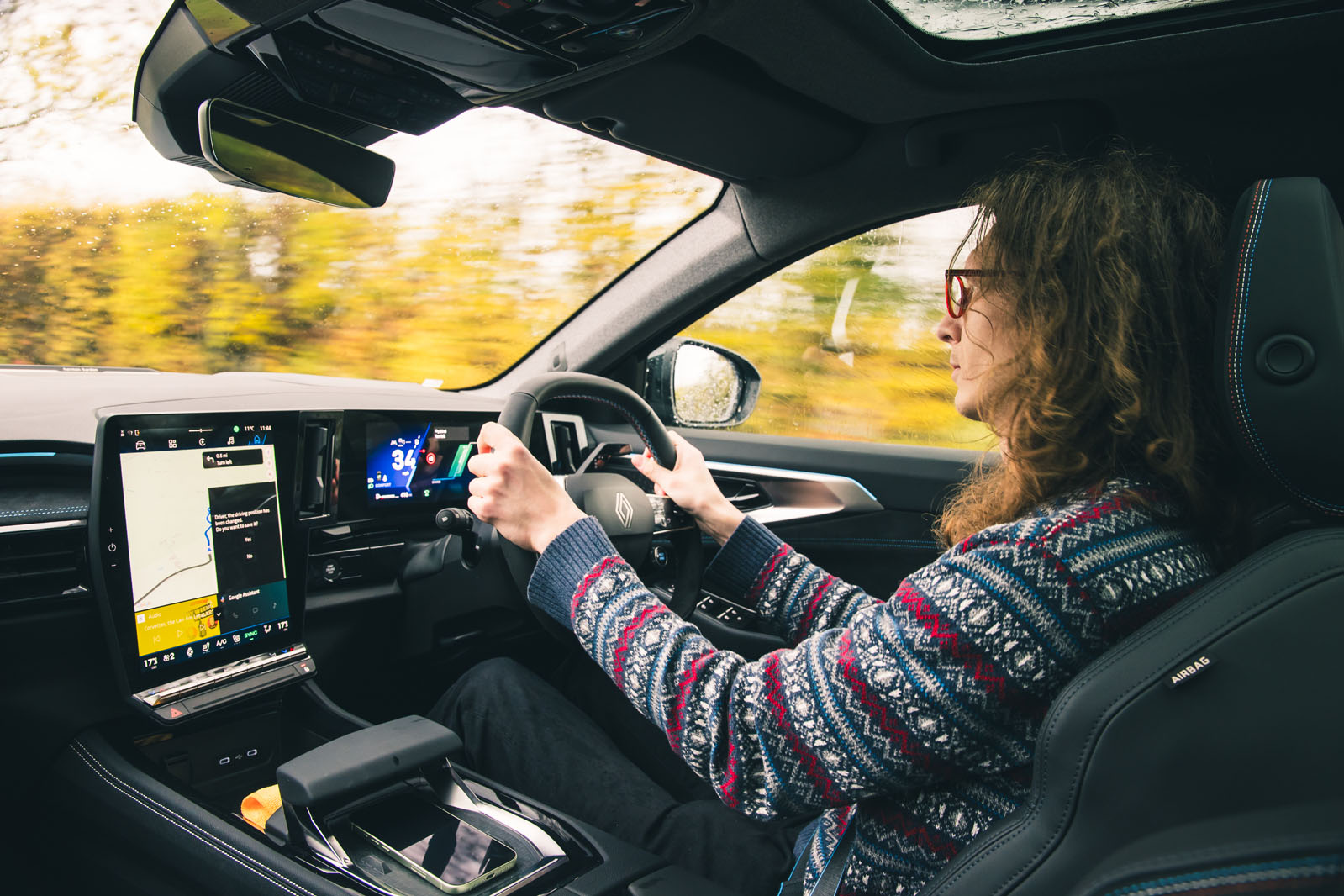
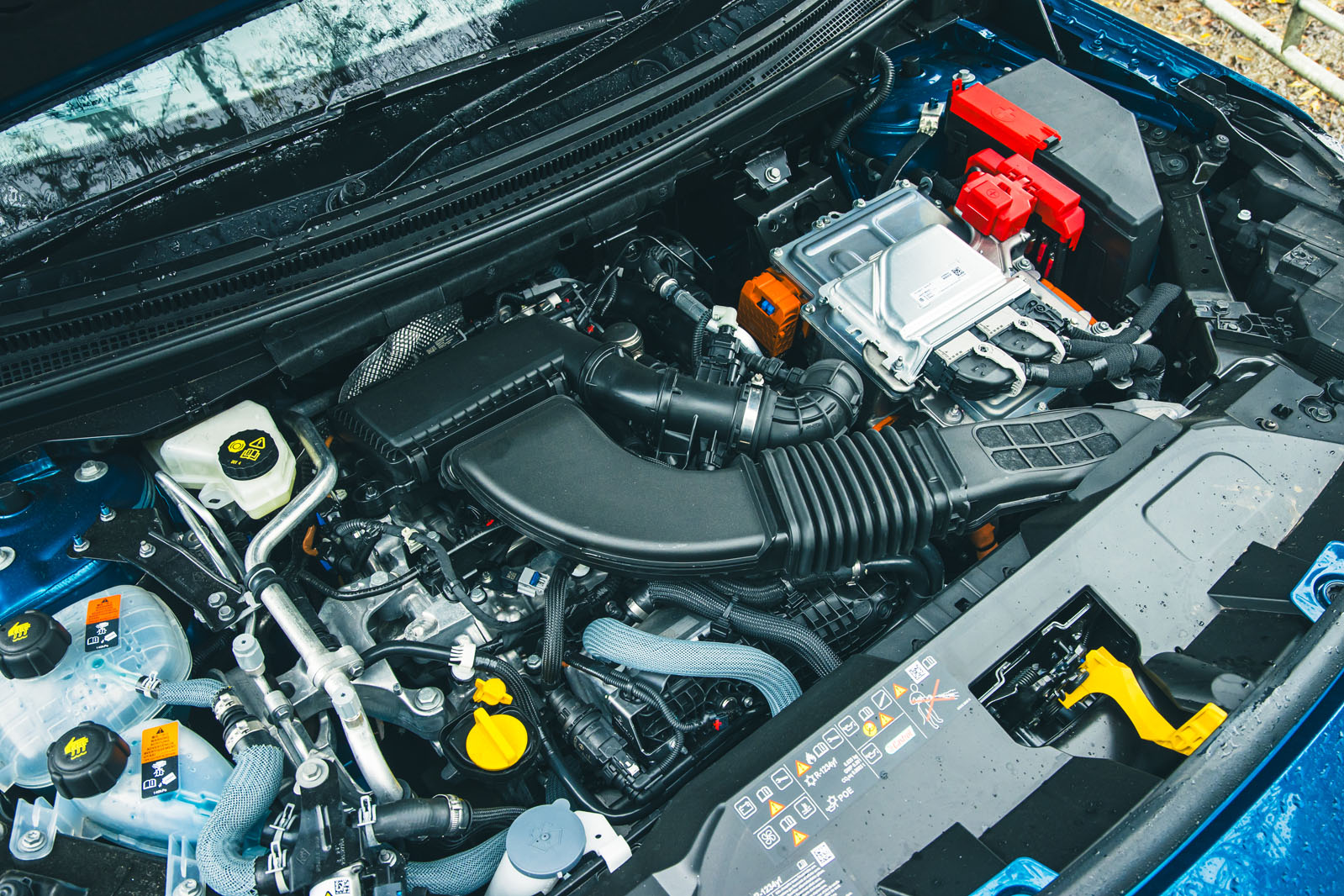
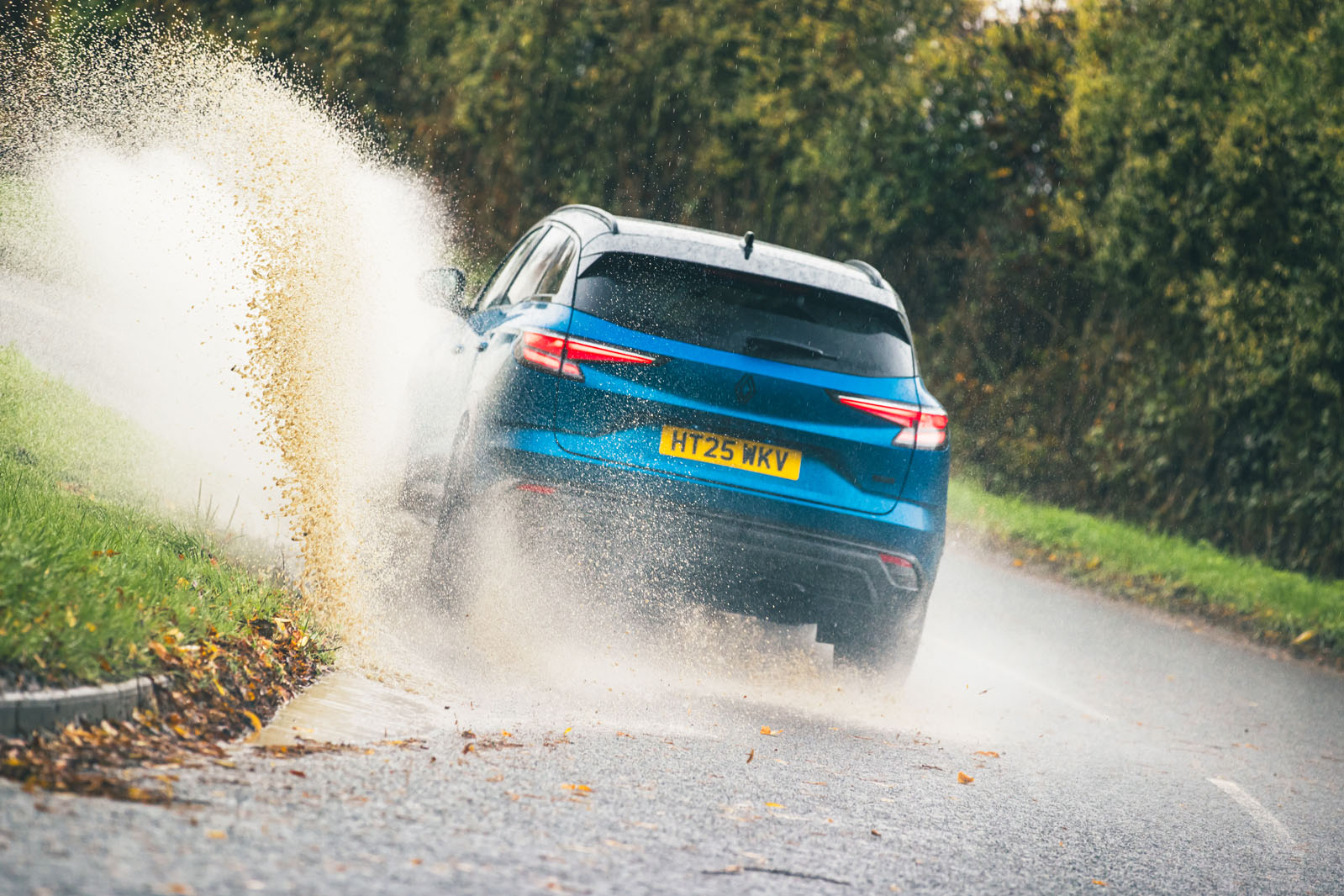
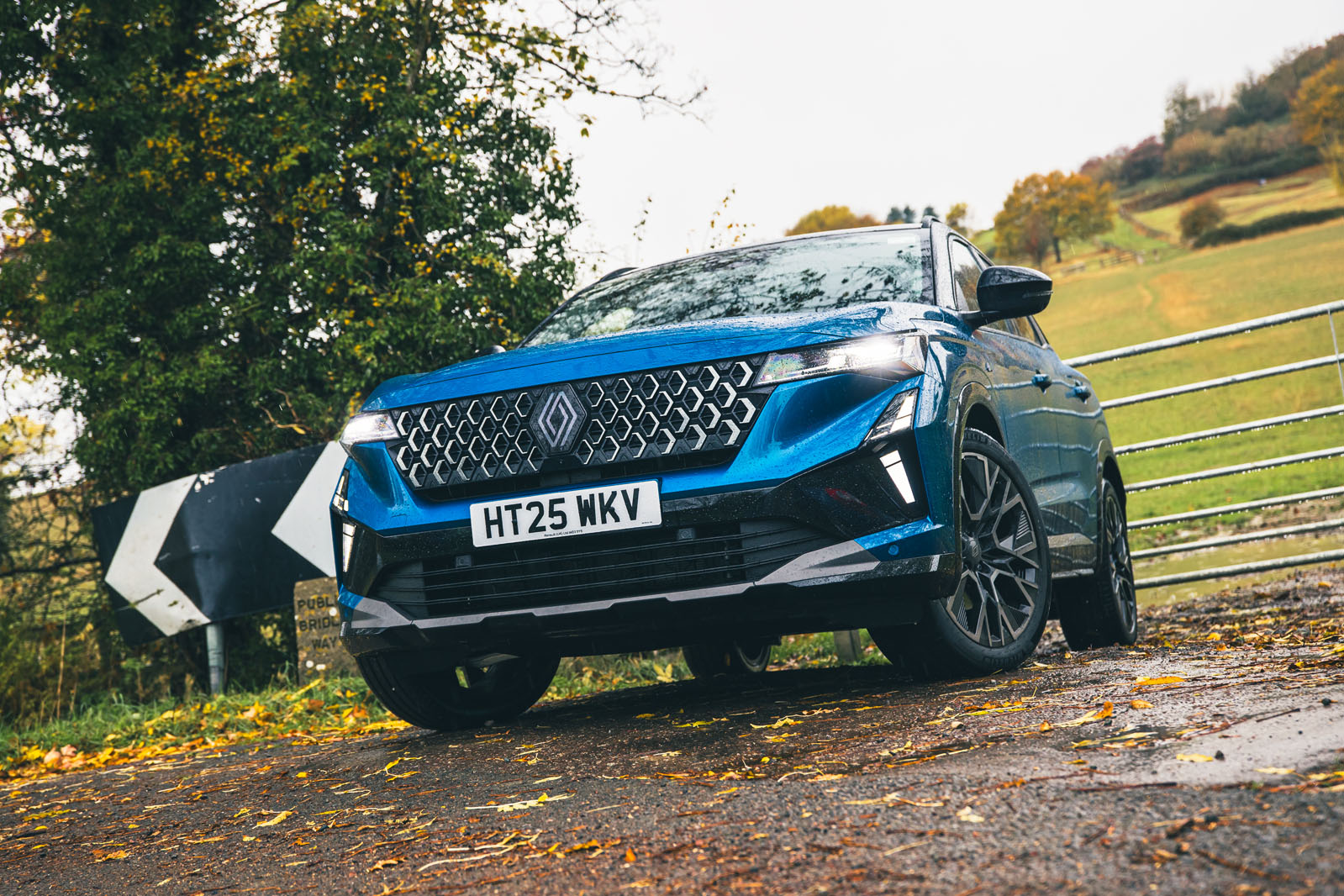
It wasn't the most sensible or logical thing I've ever done, entering my Renault 5 long-termer in the Watergate Bay Sprint, a Cornish motorsport event on a closed public road between Newquay and Watergate Bay, about a month ago.
I mean, how well could a brand-new, bog-standard baby EV be expected to do in a proper, Motorsport UK-approved competitive event against 70-odd conventional cars, many of them developed over years for this very purpose?
Three reasons. First, this is the big-battery, 148bhp version. Its acceleration off the mark is much more impressive than that of a similar-power petrol car, because its generous maximum torque of 181lb ft is available from step-off.
As well as being invaluable in the traffic, such grunt is ideal for rapid start-line departures and for slingshotting you off start lines and out of slow corners and chicanes (of which Watergate Bay's 930-yard course has three).
Second, I reckoned the Renault's small size would help in a September sprint when the weather might be iffy (it was). And third, I figured the Pop Yellow colour would look great in photos (it did).
Debacles aren't often fun, but this event was one of the exceptions. The weather - rain and high winds - combined to make our clifftop perch about as exposed as it could be.
Extreme wet, mud on the track and an early competitor's accident (including a very big oil spill) combined to limit our number of runs to three (one practice, two timed) for the day, instead of the half dozen we had hoped for. Yet the car was terrific.
It ran a best time of 39 seconds - nothing special but no disgrace. It felt safe and quick, with positive steering and total wet-road stability. Even with rivers of water running down the middle of the track, I felt it could easily have used more power.
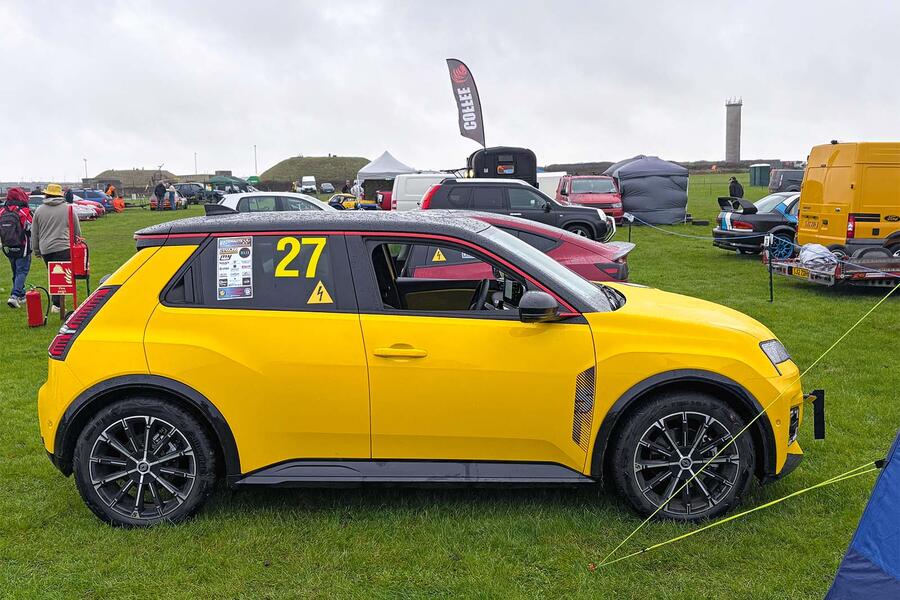
In our little EV class, I was easily beaten into third by a pair of Tesla Model 3 Performance entries, but I beat a game local entrant in a Nissan Leaf. On a dry track with a more capable driver than me, the 5 could have sliced five seconds off my best time, and a 5-based Alpine A290 a couple more, but the main thing was that I had fun.
Perhaps our little group's biggest win was that of all the clifftop tents competitors were using to protect their gear from the awful weather, ours was the very last in the paddock to blow away...
The whole exploit didn't prove much else, except that it's perfectly easy to drive a 5 from London to Cornwall with one stop (the same number you would choose in a petrol car), relying on a range of 180 miles if you cruise at 65-70mph. You will get around 4.0mpkWh if you do, which is impressive.
My 5 has now passed 11,000 miles in a few months, because it brilliantly combines fun, practicality, park-anywhere compactness and sprightly performance in town or outside. Even though the 5 has been on sale in the UK for more than nine months and is becoming a reasonably common sight, people still stop me in the street after I've just parked to enquire what it's really like.
It's a long time since I've had a mainstream car with universal eye appeal. It must be galling for those who sell or own the Citroën ë-C3 or the Peugeot e-208 (two clear 5 competitors) to see how imperceptibly their cars slip into the mainstream traffic.
In fact, if you're looking for proof that really great styling can make a massive difference to car appeal and consequent sales, the success of the 5 must surely be the best example for many years.