










Your family owns a slice of a European car company that makes a couple of million cars a year. Your name is on the hubcaps, literally, so the way your family firm does business is as important as its success. What kind of person do you want to run it, to safeguard its future and to make it pre-eminent in an arena where distinctiveness matters?
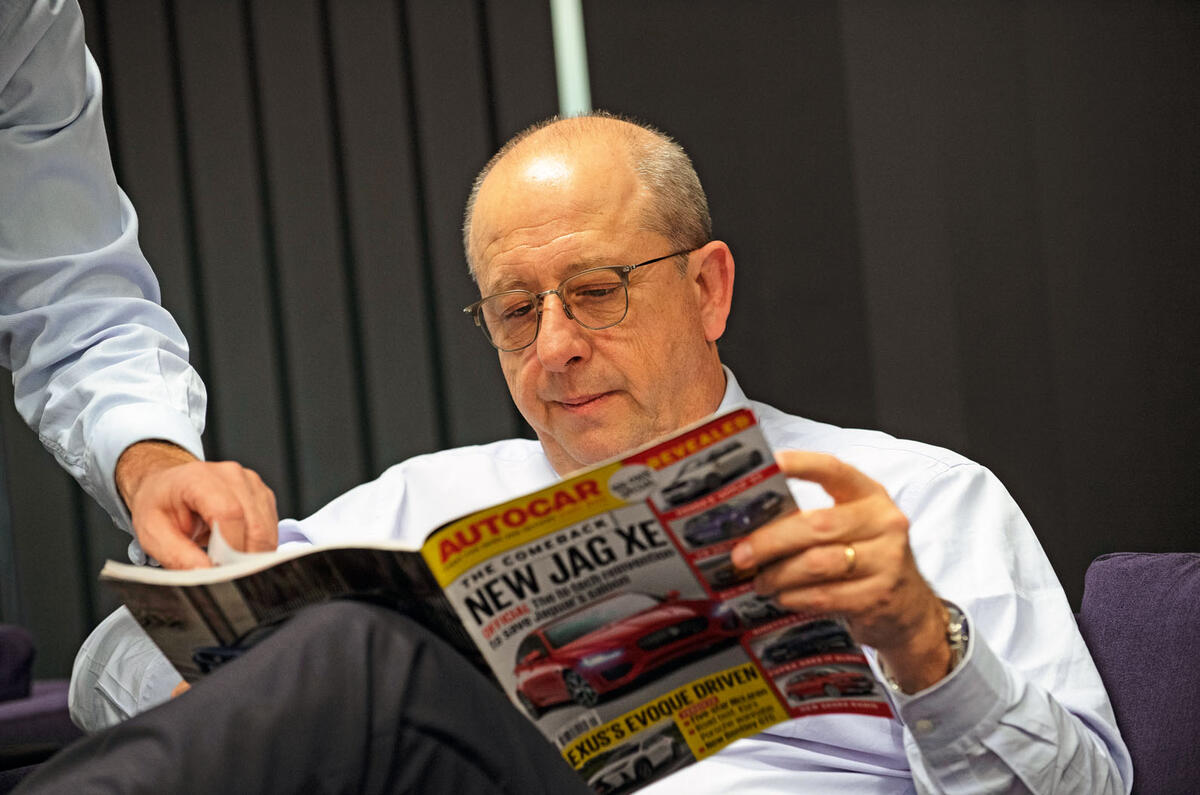
These questions run through my mind as we walk through PSA’s glassy out-of-town Parisian HQ towards the corner office of 52-year-old Jean-Philippe Imparato, Peugeot’s CEO this past two and a half years. We’ve not met before but his reputation precedes him. Imparato is PSA chief Carlos Tavares’ (and the Peugeot family’s) choice to devise, orchestrate and extend the historic recovery of Peugeot’s carmaking business, a remarkable climb from near-bankruptcy in 2013 to record profits and sales in 2017-18. Everyone who knows him says Imparato is very different from your usual chief executive.
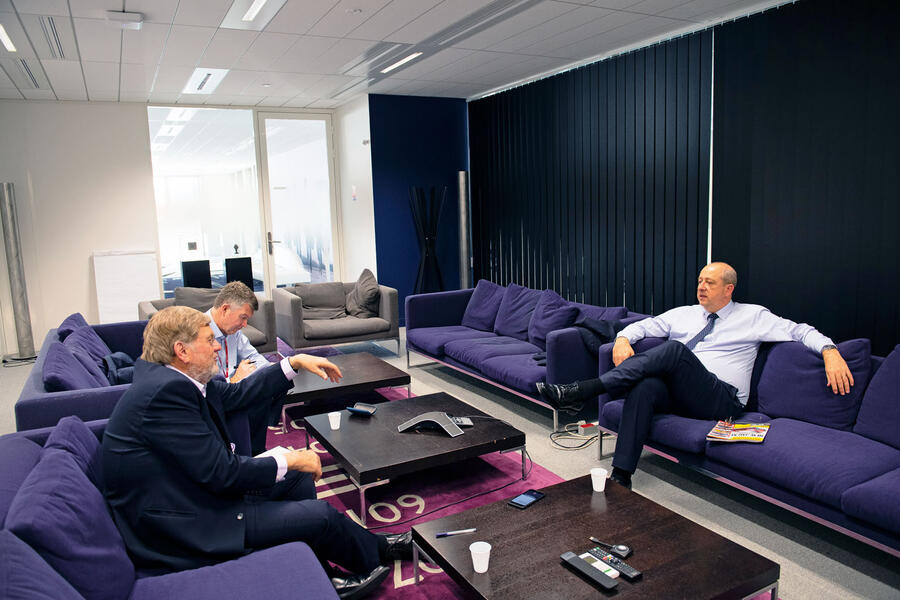
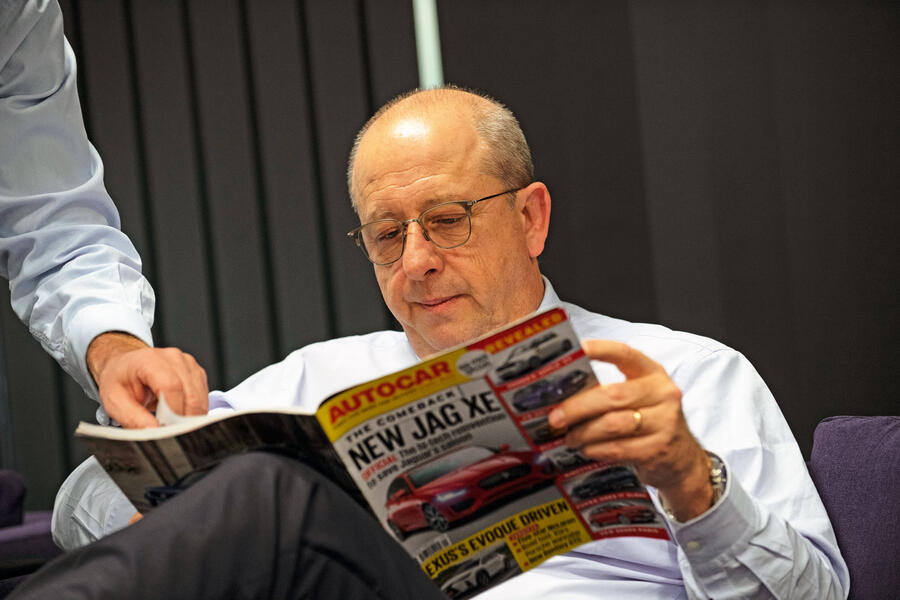
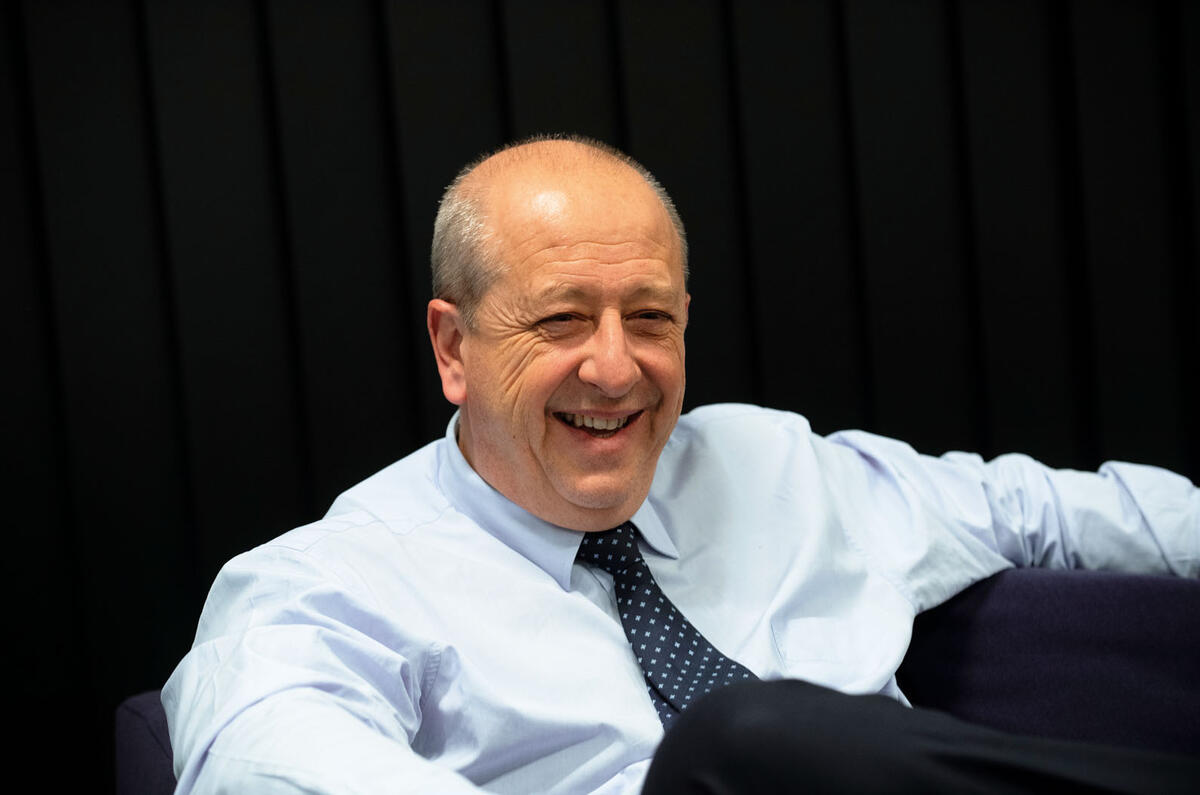
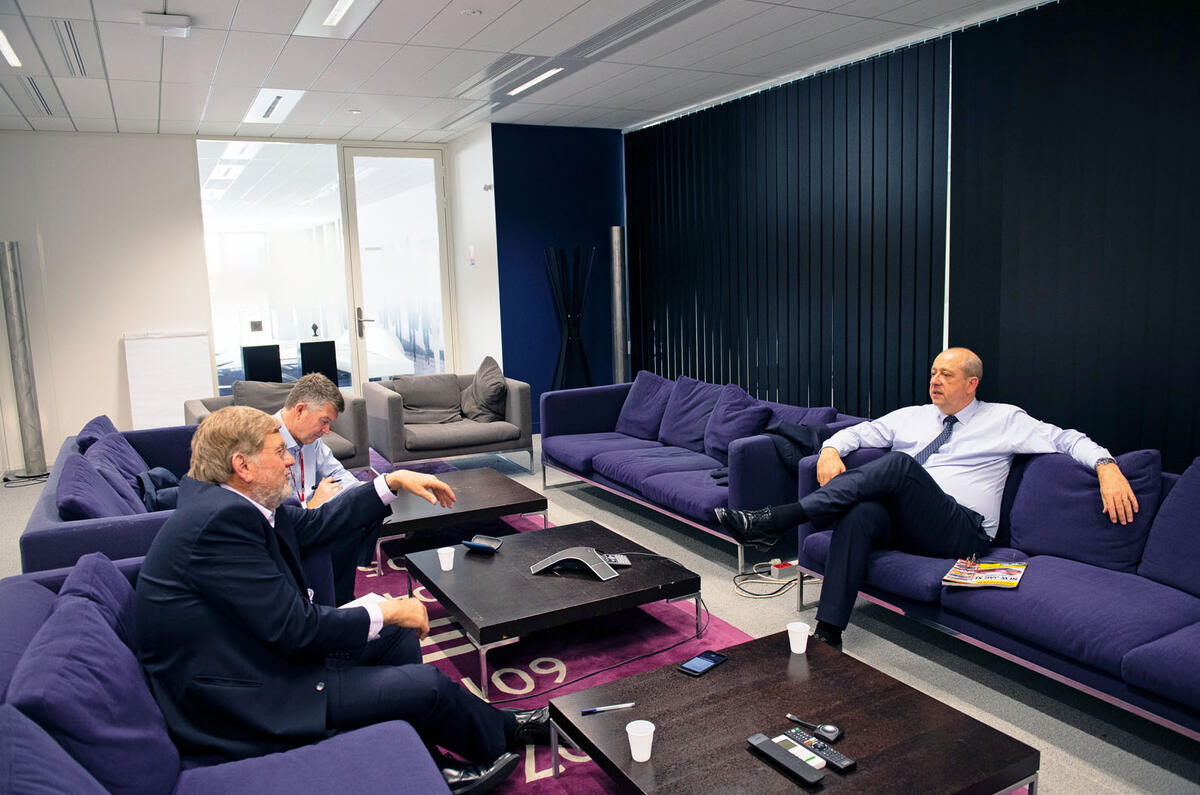
Five minutes in and it’s clear how right they are. Different is the least of it. Even ‘larger than life’ is a grievous understatement. Imparato is tall, imposing and instinctively friendly. He talks loudly, smiles quickly, waves his arms for emphasis in huge, uninhibited gestures and seems positively to enjoy answering questions without the warm-up others need. His feet rest naturally on the coffee table (because it’s comfortable) and he’s a jacket-off man. Start talking Peugeot business and he’s instantly brilliant.

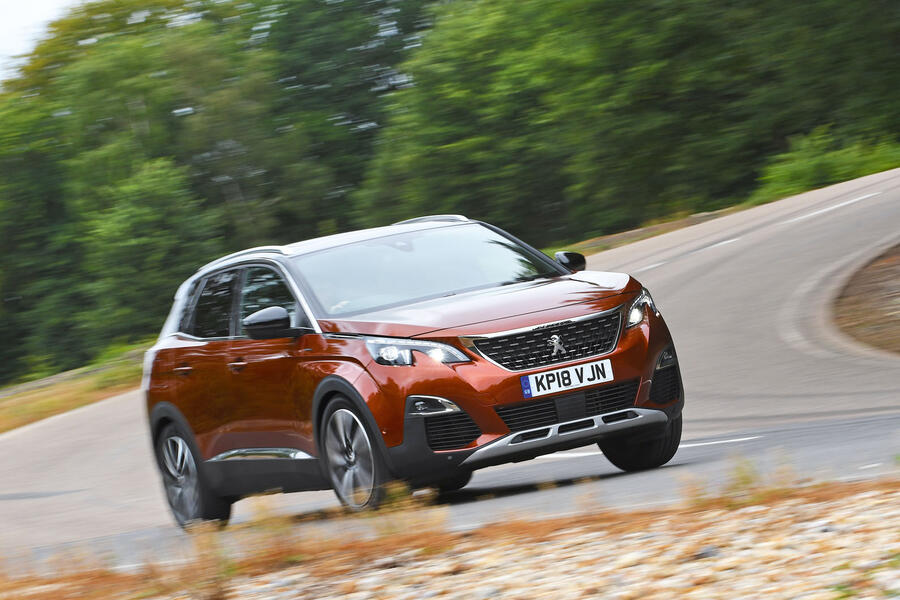
Egged on by my probing, Imparato talks first about his childhood in southern France as part of an Alfa-loving, motorbike-mad family (“I am more or less Italian. It’s a long story”) and how the focus of his car love changed completely after an encounter with a black Peugeot 205 GTi just as he was lining up his first proper job after university and national service. Listening to Imparato talk is like riding a roller coaster: he skates over unimportant details, ignores grammar and delivers concentrated fragments of meaning faster than you’d have thought possible. Every sentence arrives as if there’s something even more important just waiting to be verbalised.
The Peugeot CEO’s brief history is that he was schooled in Sète, graduated in business in Grenoble, spent time in the army and had his black 205 encounter in 1990, just as he was sending out CVs to prospective employers, including PSA, which offered him a job. “It was simple,” he says. “I had to be in the car industry.”
Imparato was soon on the fast track that large companies reserve for promising recruits. Starting at Peugeot, he joined Citroën in various South American roles, returned to Peugeot’s quality department and progressed through other jobs across the group, spent time with Citroën in China and then took over its Italian operations from 2008 to 2010. By 2013, he was running PSA’s global retail business, a seriously big job. “I’m not a star,” he insists, “just a guy who loves business and has tried to learn as fast as possible. I’ve discovered it’s important to do many jobs. You must learn to speak to designers and engineers to explain the needs of customers.”