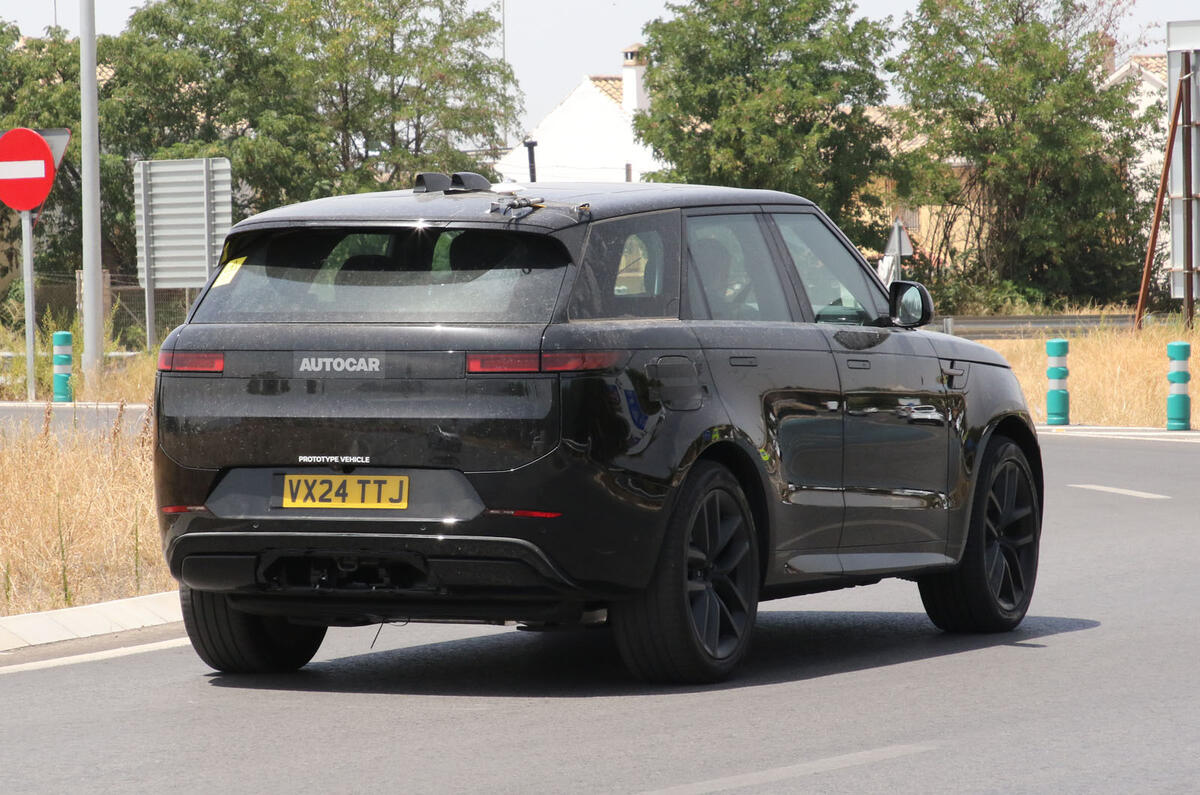
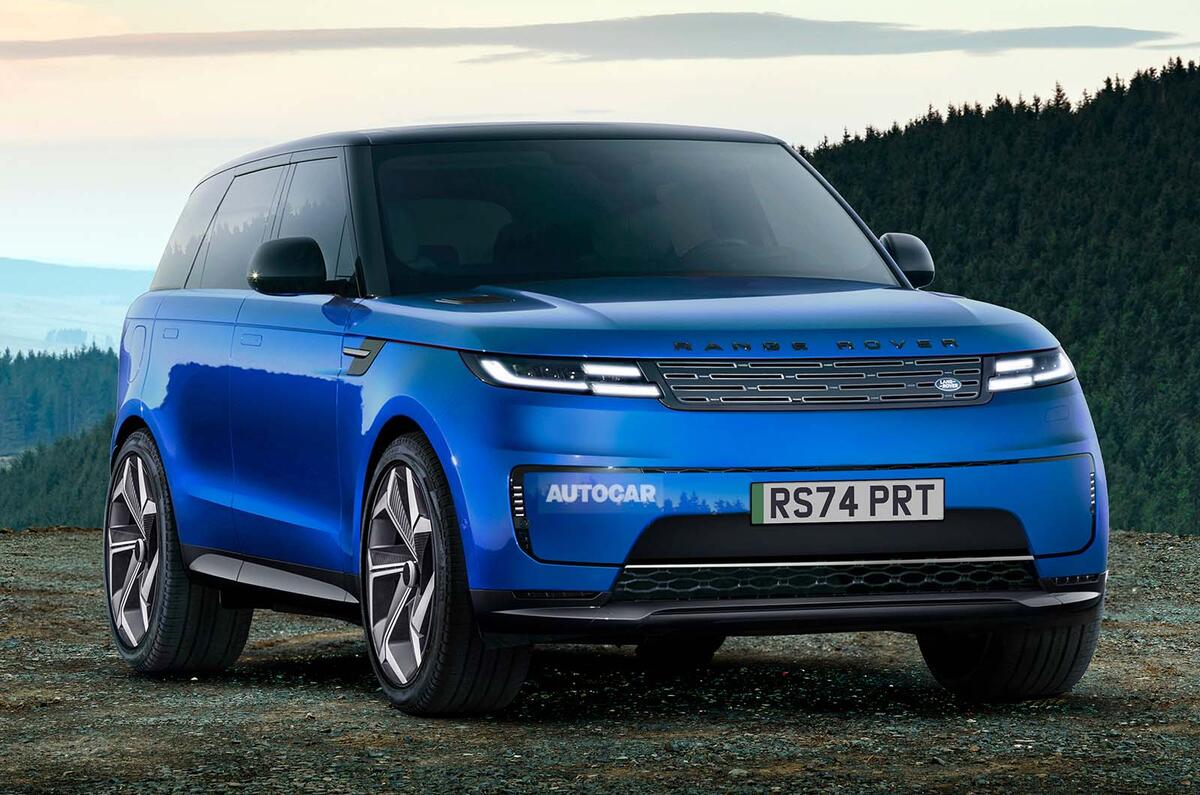
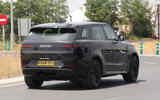
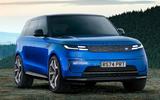

The electric version of the Range Rover Sport is being readied as a high-powered rival to the likes of the Lotus Eletre and Porsche Cayenne EV.
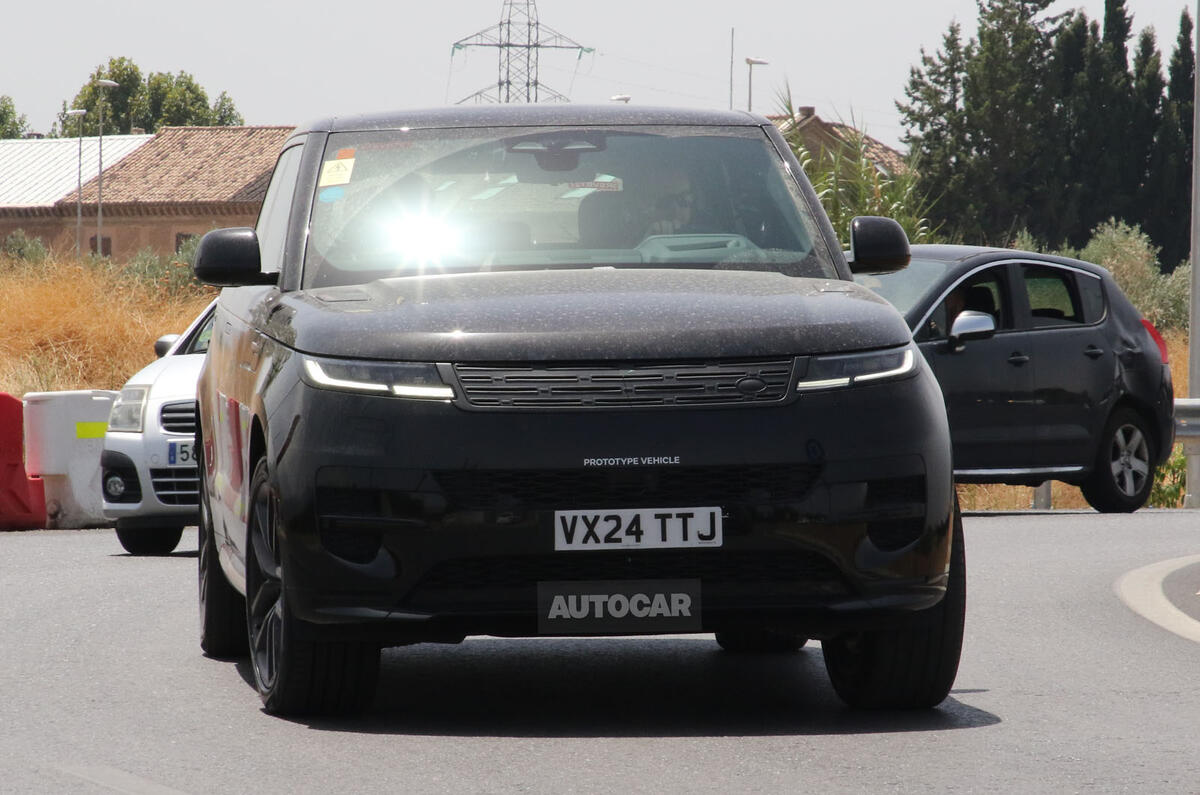
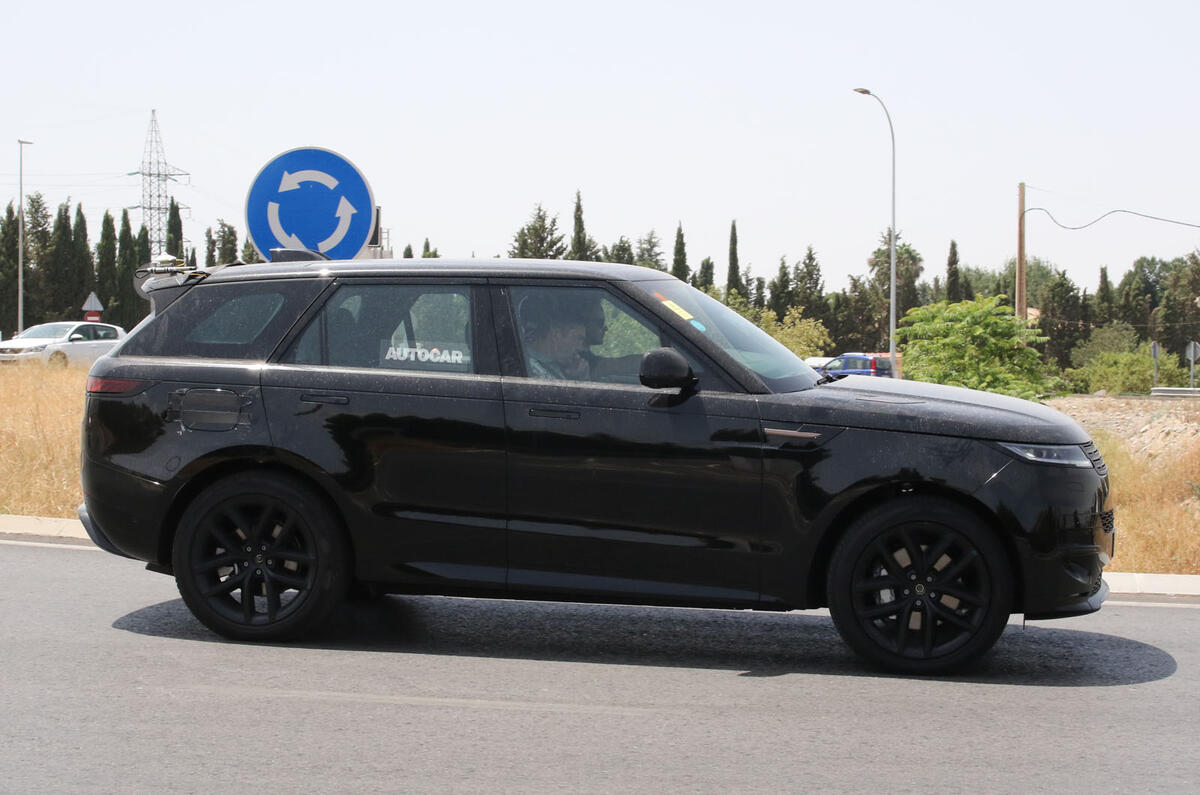
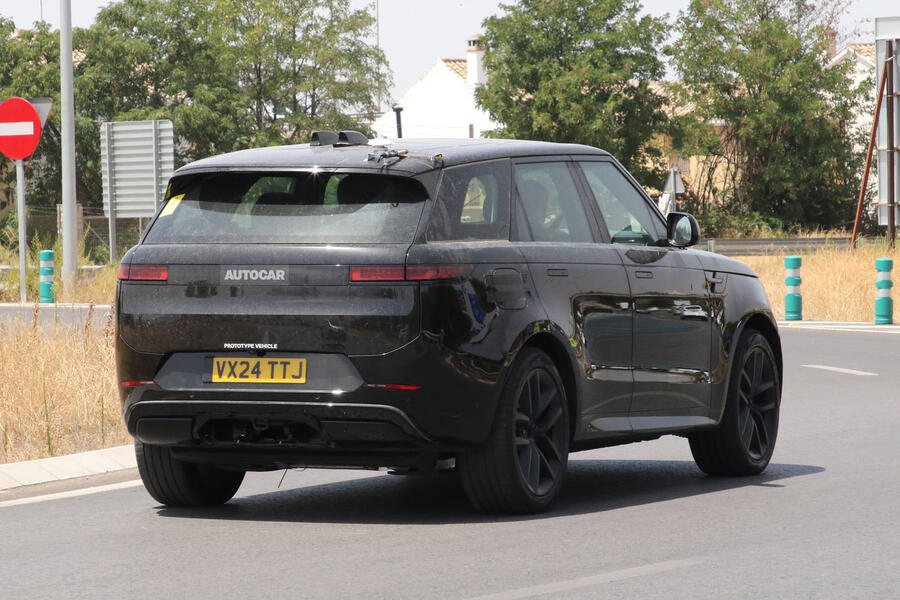
One of six electric cars that JLR plans to launch by 2026 across the Land Rover and Jaguar line-ups, it has now been spotted testing in Spain, in prototype form.
The prototype wears several key changes over the petrol-engined Range Rover Sport, including a blanked-off grille (its pattern being the inverse of that on the regular version) and covers for the regular version's exhaust pipes.
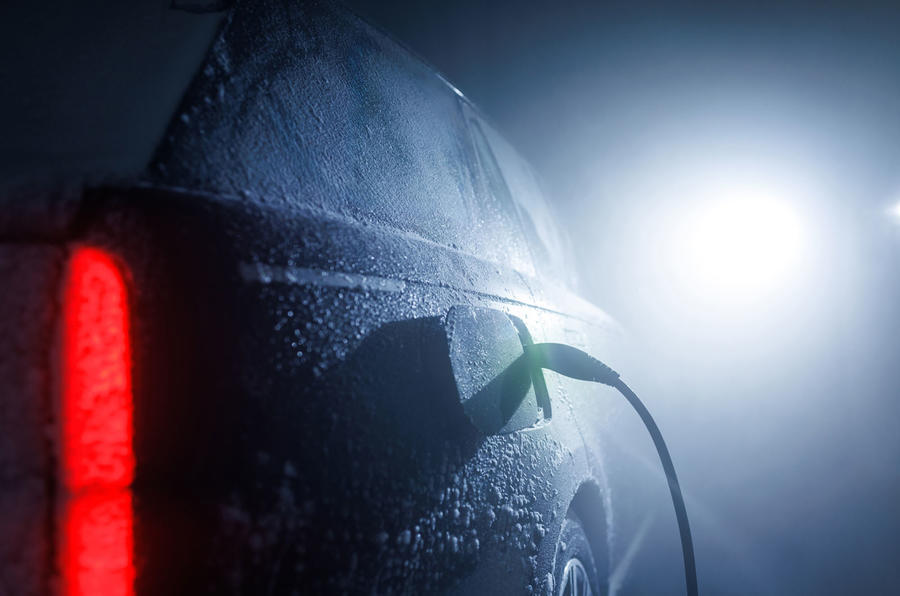
Its battery pack can be seen set between the front and rear axles, and the charging port is expected to lie behind the conventional fuel filler cap, as it does on the more luxurious Range Rover Electric.
It comes as JLR adjusts its electrification plan slightly to enable additional development time and cater to shifting consumer demand.
When former JLR CEO Thierry Bolloré presented the company’s radical Reimagine transformation strategy exactly three years ago, the plan was to launch six Land Rover EVs and at least one Jaguar EV by that point.
Current CEO Adrian Mardell told reporters earlier this year that slowing down will ensure the new cars arrive on the market in the best form possible.
He said: “We talked about six Land Rovers by 2026. The reality is we’re likely to have six JLR products by 2026. We’re taking our time to make sure we put the best vehicles we’ve ever developed into the marketplace with that new technology.”
According to Mardell, the EV delays will not have a significant impact on JLR’s operations.
He said: “We’re a little slower than we said three years ago. That really isn’t a business challenge for us today, for those other dynamics in the marketplace, and we’re fully committed to the macro schedule: every product will be electrified by the end of the decade.”
Under the revised plans, the four Land Rover EVs being launched by 2026 will be the electric Range Rover and Range Rover Sport – both based on the versatile MLA platform that underpins the current combustion models – and two smaller SUVs based on the new EMA platform, thought to be replacements for the Range Rover Evoque and Range Rover Velar.
The flagship Range Rover EVs will be built in Solihull, while their more compact siblings will come from Halewood, where work has begun to prepare for EV production by the end of the year.