

The recent announcement by the UK government of an additional £106 million investment in low emission vehicle technology and development is a welcome boost to a section of the industry that is finally starting to thrive.
But let’s not kid ourselves into thinking that cash injection alone will somehow turn us into the “world leader” in green vehicle tech – especially since that £106milion is a mere 0.1% of the projected final bill for the ‘HS2’ rail development.
It’s a drop in the ocean compared to what will need to be spent in the long-term, then, but alongside previous government investments the foundations are being laid. You only have to take a look at the ‘Electric Nation’ supplement included with this week’s Autocar print magazine (in Britain) to see how many UK companies are leading the way with innovations in green vehicle tech and infrastructure.
Even Aston Martin, historically more of an old-school, ‘tweed jacket and a pint of bitter’ British sports car brand, has been thrust into the 21st century, with its first full EV, the Rapide E, entering limited production early next year. And that’s just the start, with a new “home of electrification” plant in St Athan, Wales, and the launching of the Lagonda luxury brand with an all-electric lineup. And, of course, there's also the Jaguar I-Pace, the electric SUV that launched ahead of efforts by the firm's various German rivals.
A quick walk around this year’s bigger and busier-than-ever Cenex Low Carbon Vehicle event demonstrates just how many businesses, from every area of the industry, are keen and ready to hop on board the upcoming green vehicle gravy train - labelled by one EV expert as ‘the second industrial revolution”.
Perhaps the government’s recent rhetoric on diesel vehicles was an intentional ploy, then. They saw how many carmakers relied on the fuel, and thought (correctly) that threats of higher taxation and city bans would gradually drive consumers away, forcing those brands to accelerate their long-mooted EV and hybrid strategies.
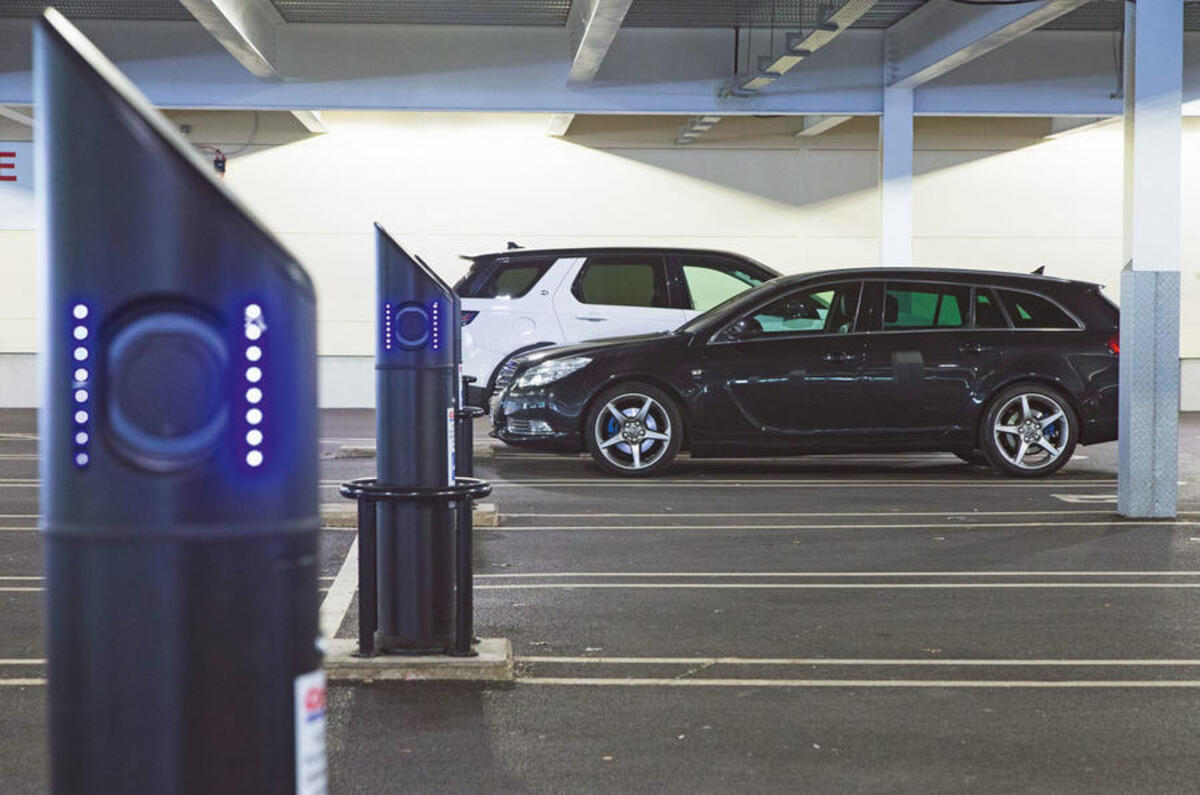
We’ve said this time and time again, but what is sorely needed now is a reliable, standardised national charging network to remove the obstacles and doubts many buyers still have about electric cars, alongside a renewed focus on company fleets. Then the industry won’t need to rely on handouts from Number 10.
Read more
Aston Martin Rapide E: tech details of 155mph EV
Government plans to turn UK into EV tech leader
Opinion: why green number plates could be a sign of progress


