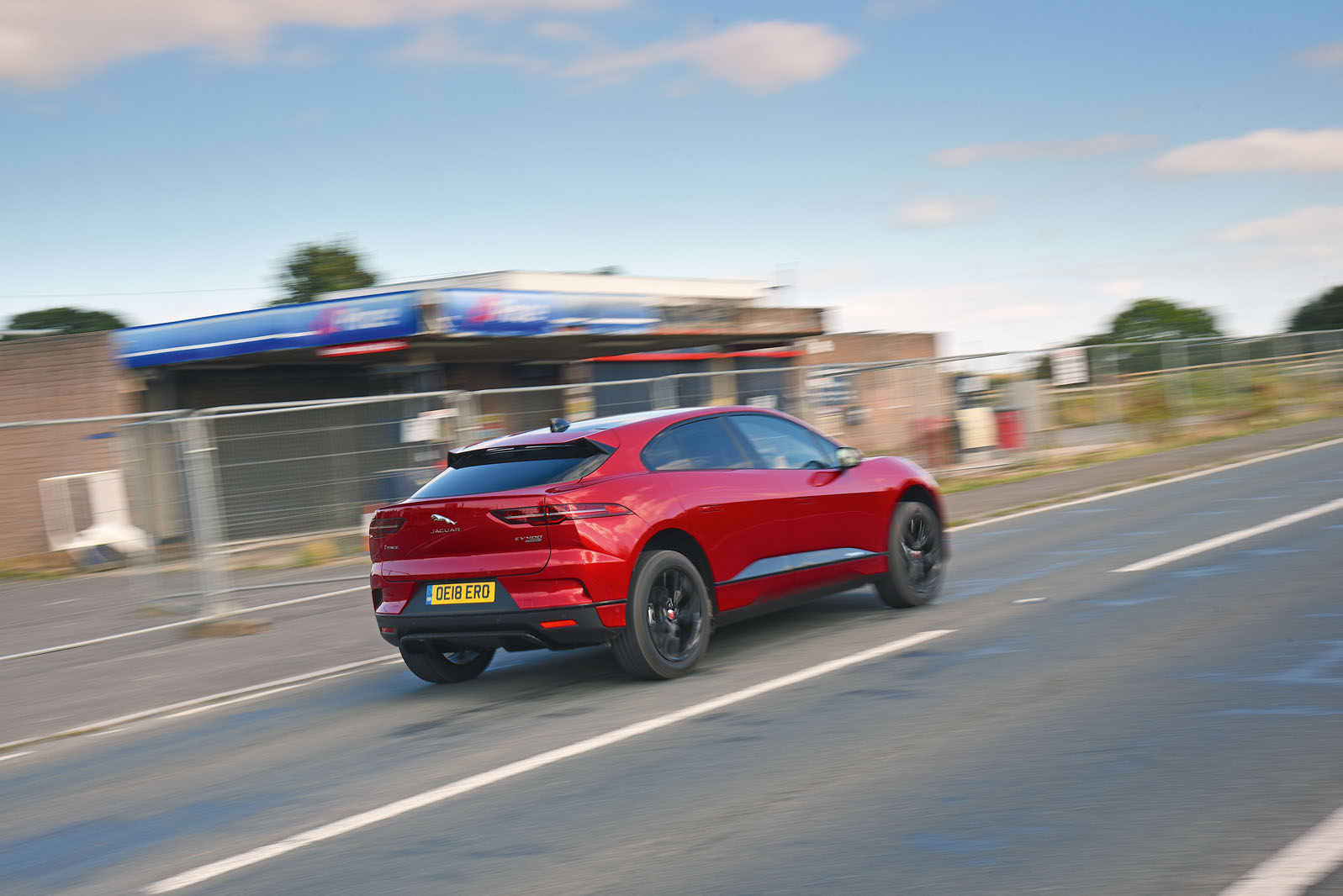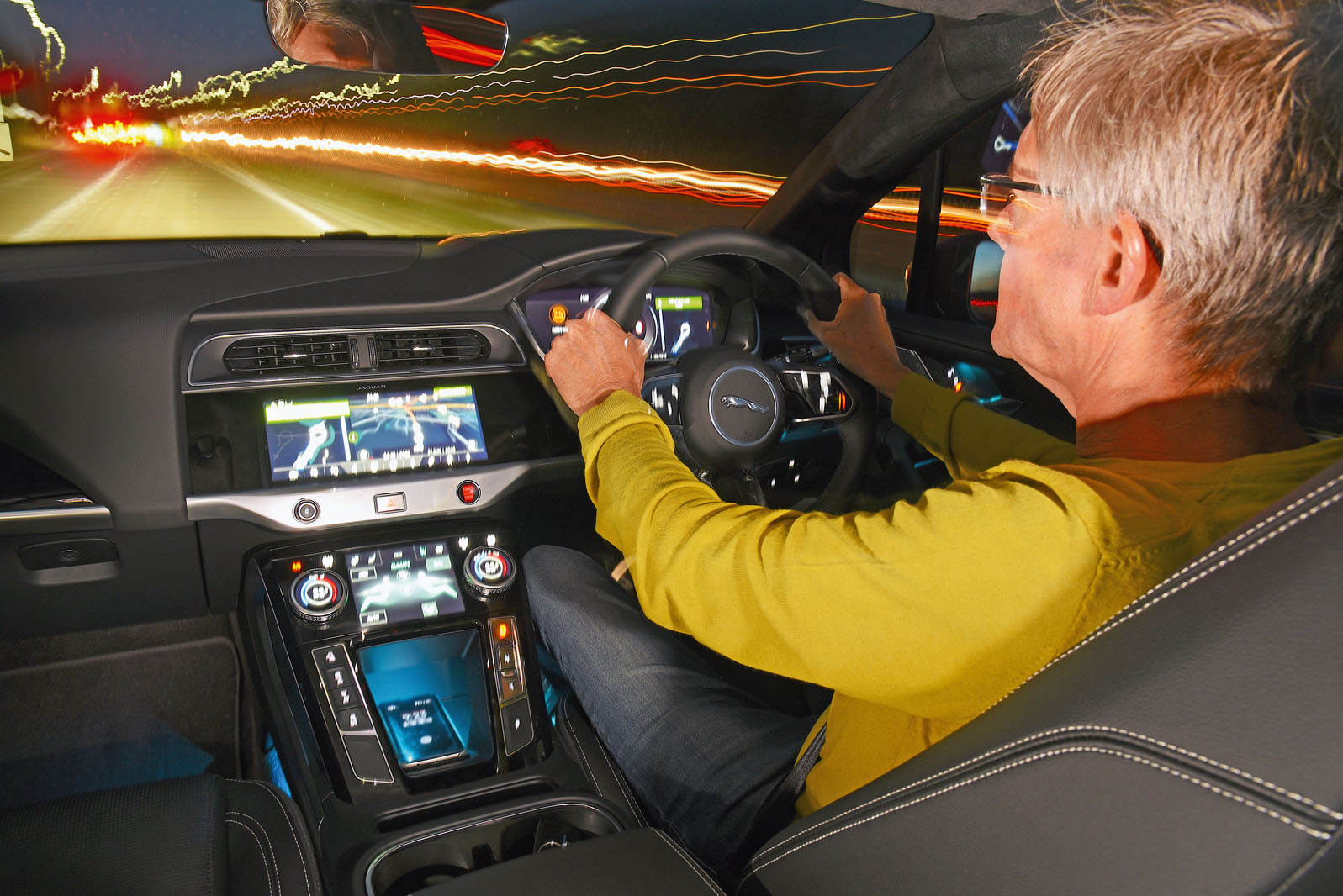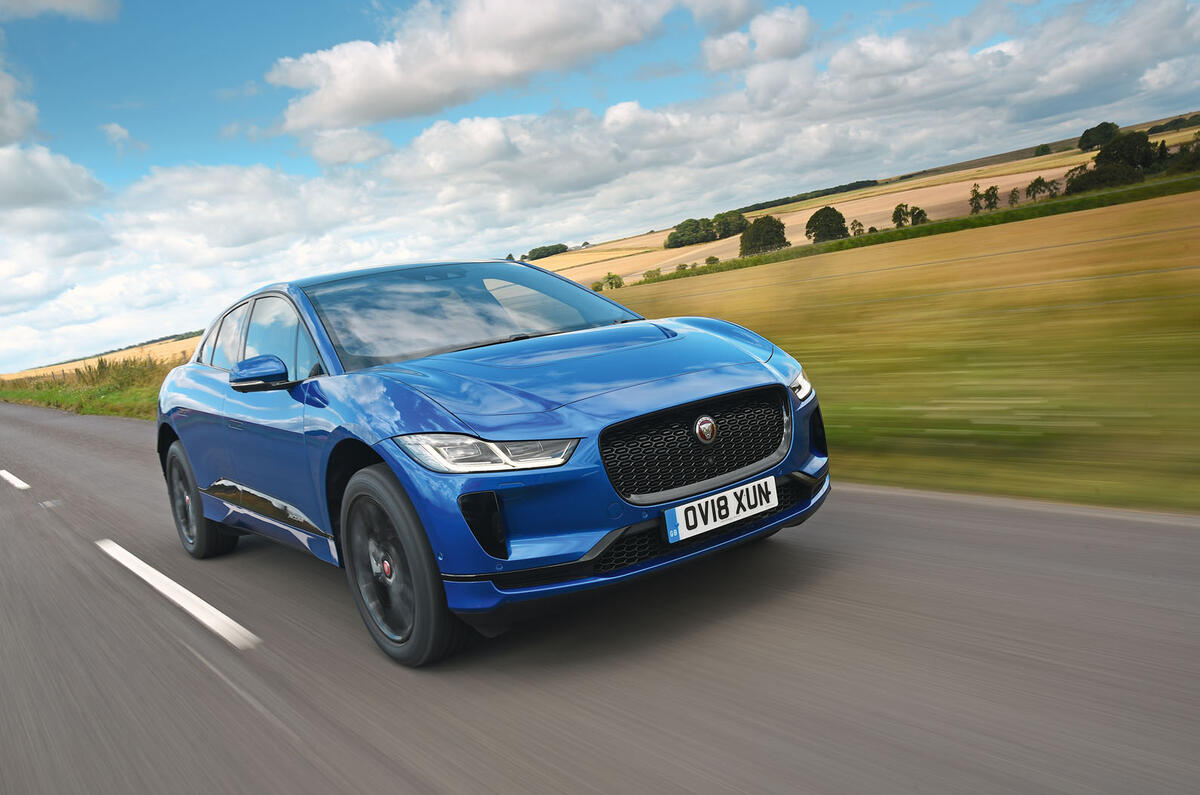
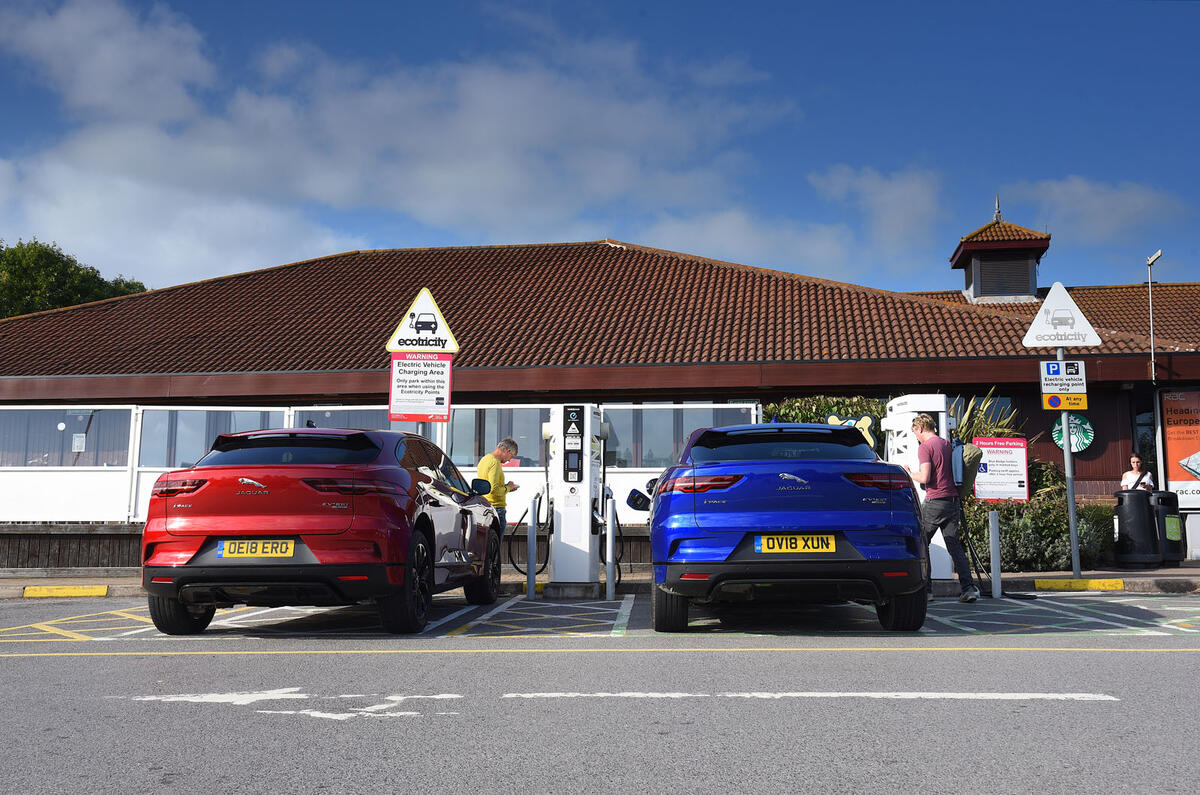
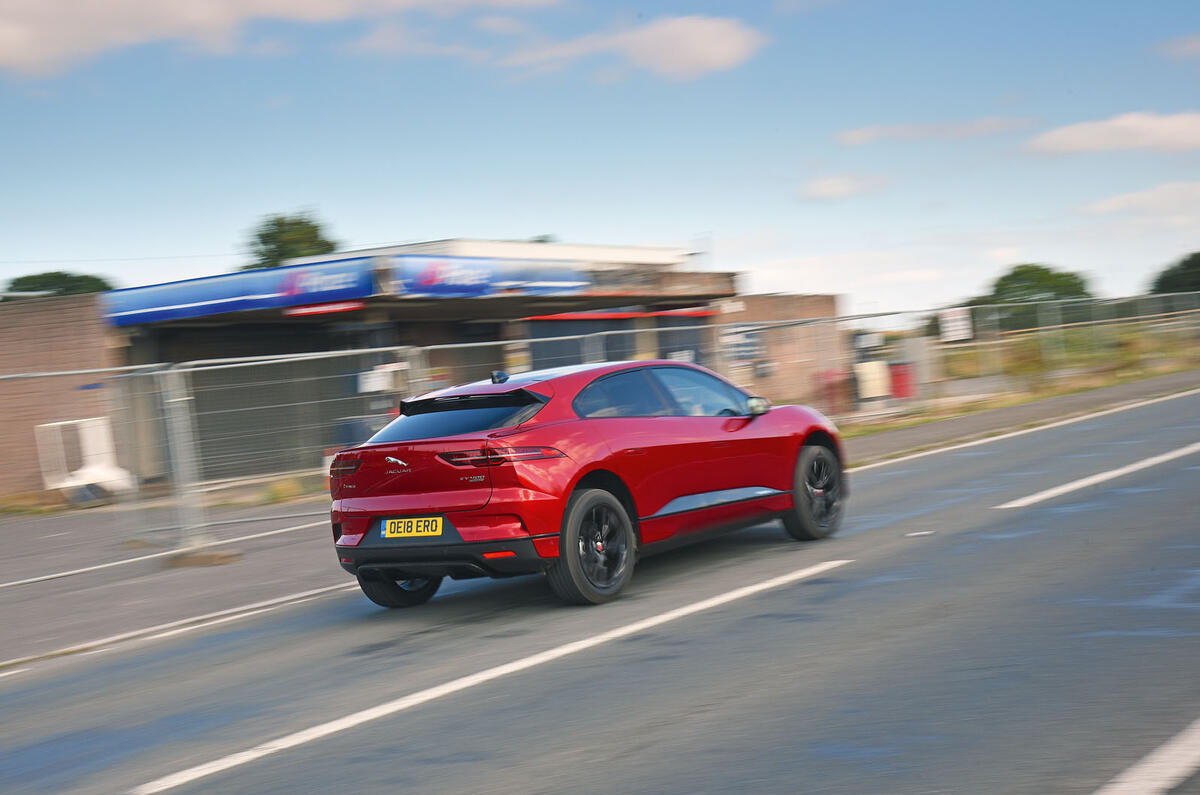
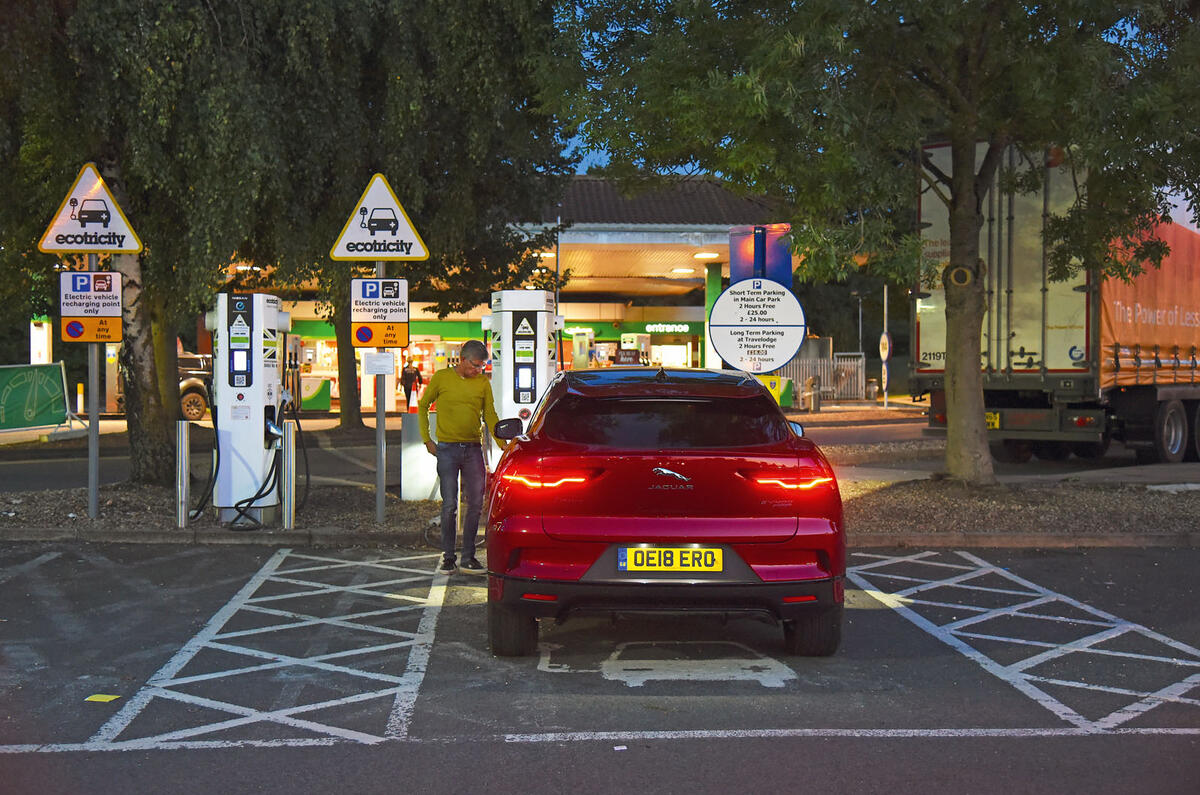










It’s hard to hold back. Here you are, driving a car with 395bhp and 513lb ft, but you need to drive it in a not-in-a-hurry kind of way.
That isn’t because this is an electric car with a range minimal enough to send you into fretful anxiety within half an hour of getting in it, but because we’re conducting an experiment. Not a strictly empirical experiment, but one intended to find out how far you can go in an Jaguar I-Pace if you drive it in a reasonable, speed-limit-observing manner, and how far you can go in one if, say, you’re cutting it a bit fine for a meeting.
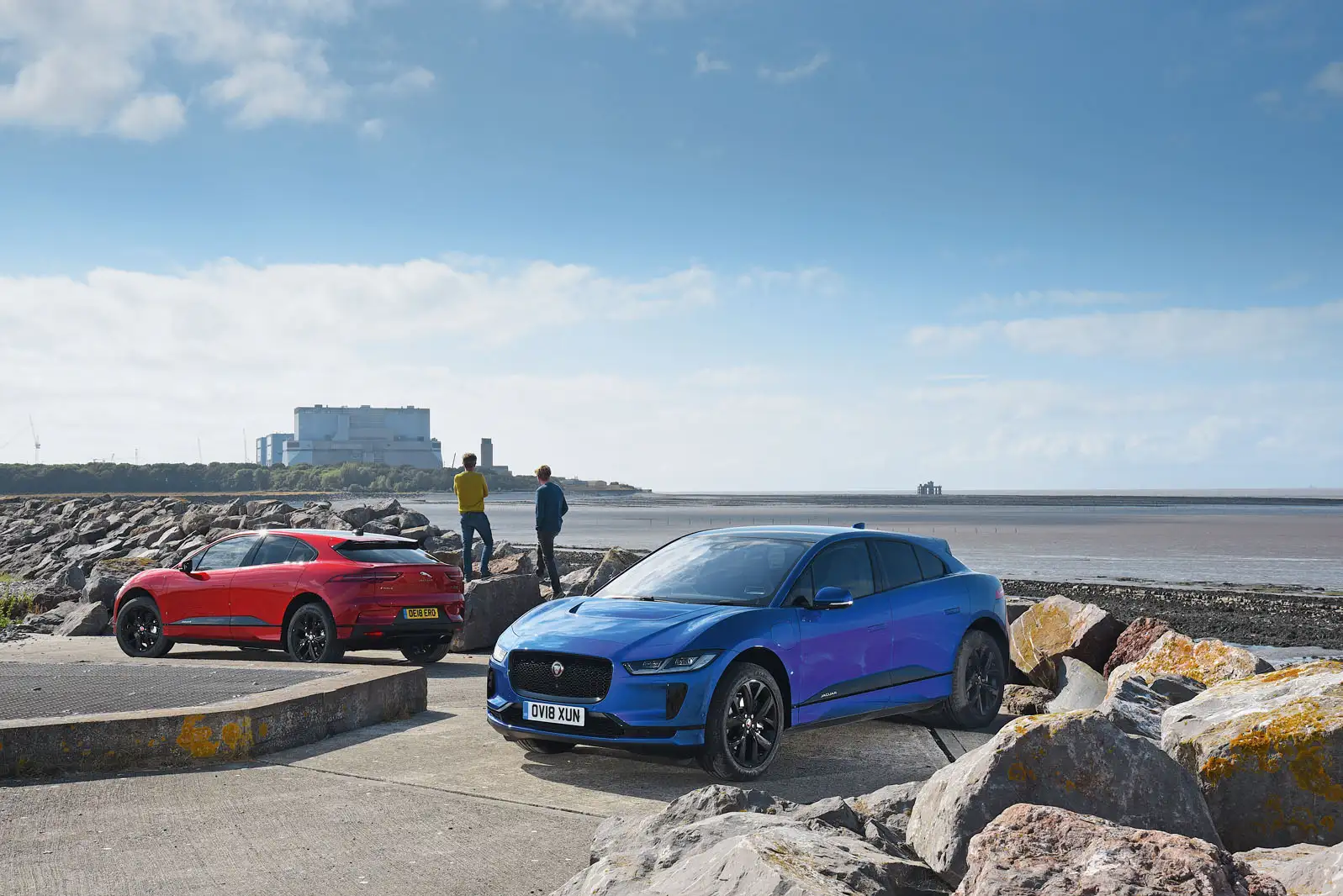
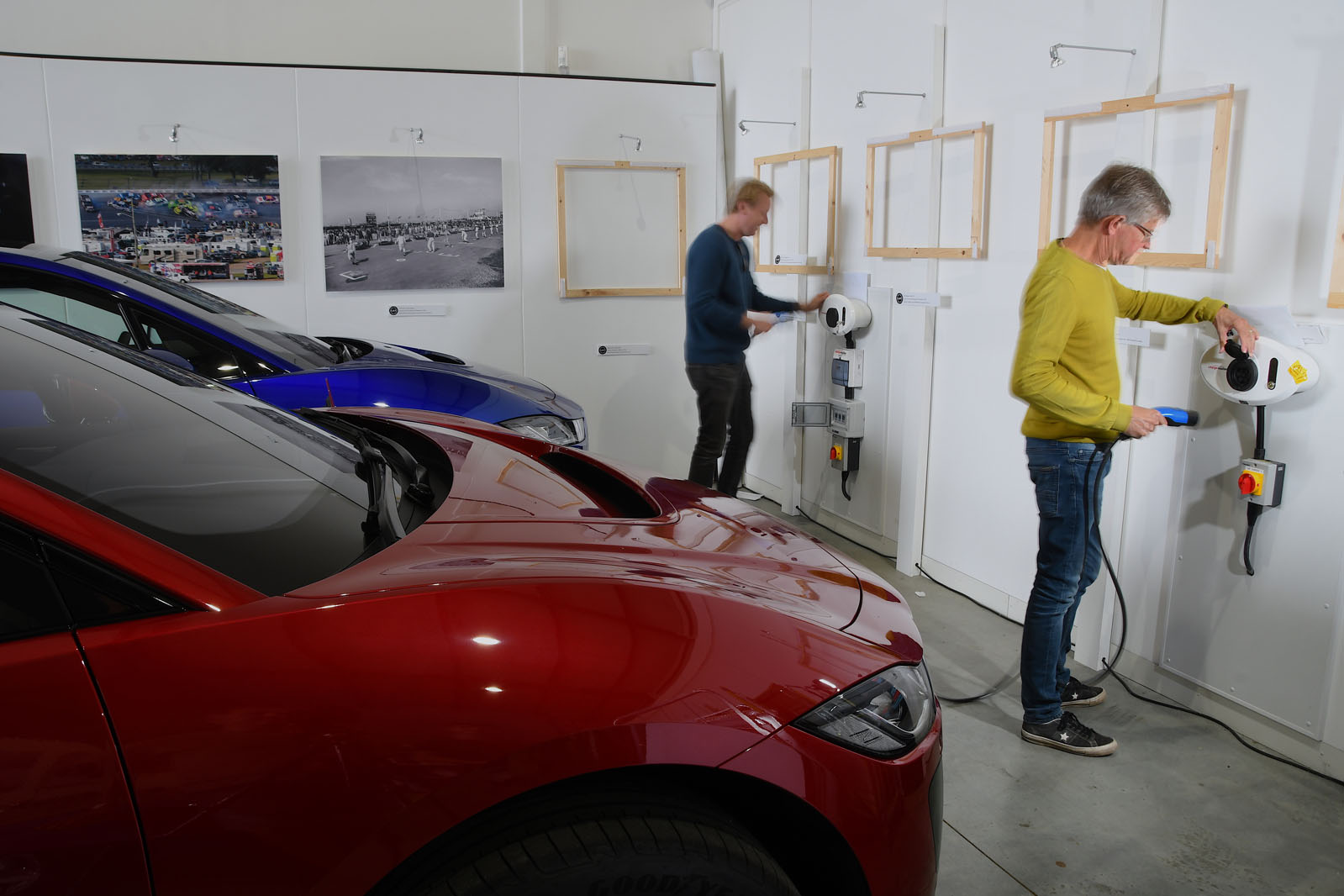
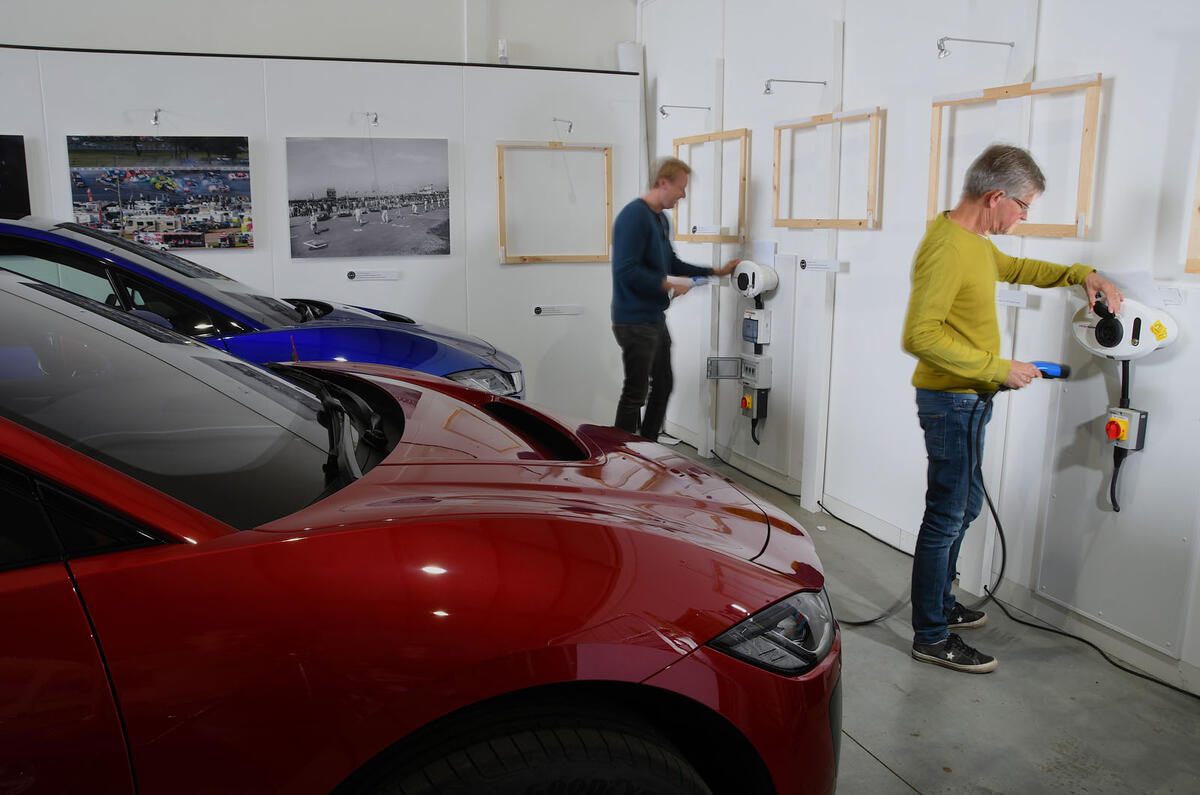
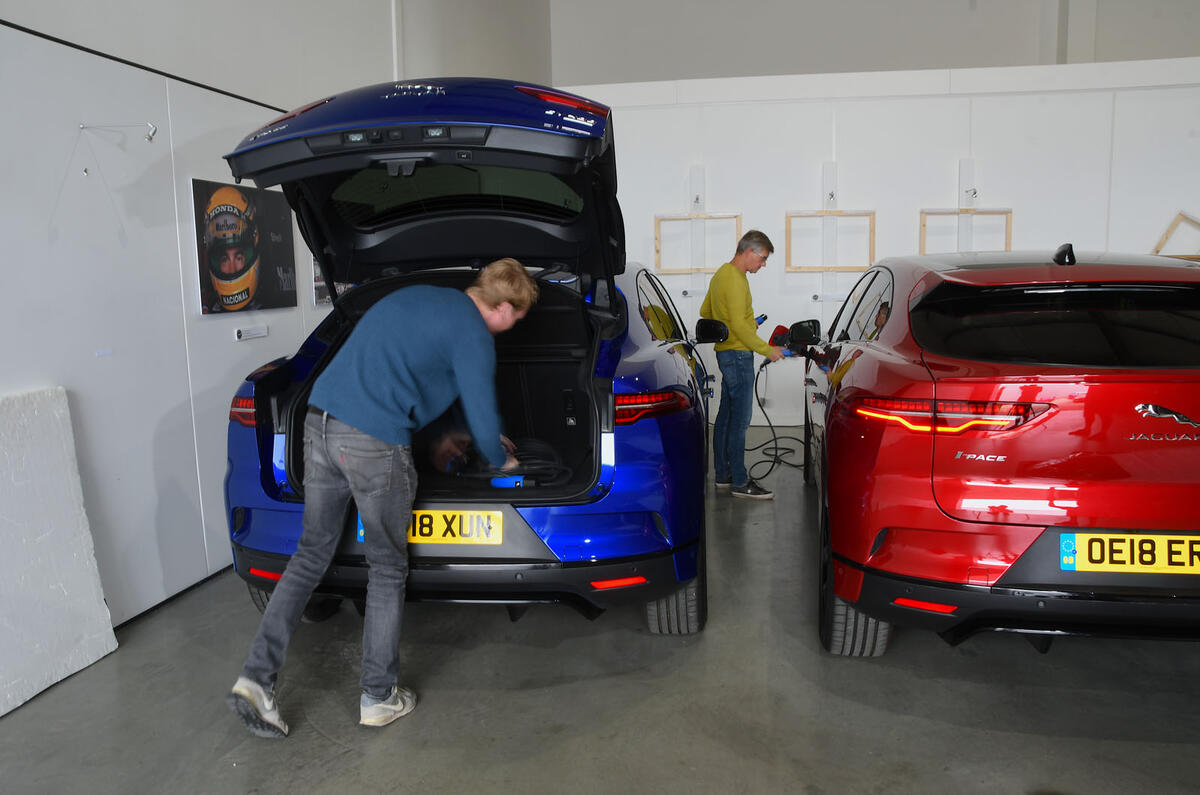
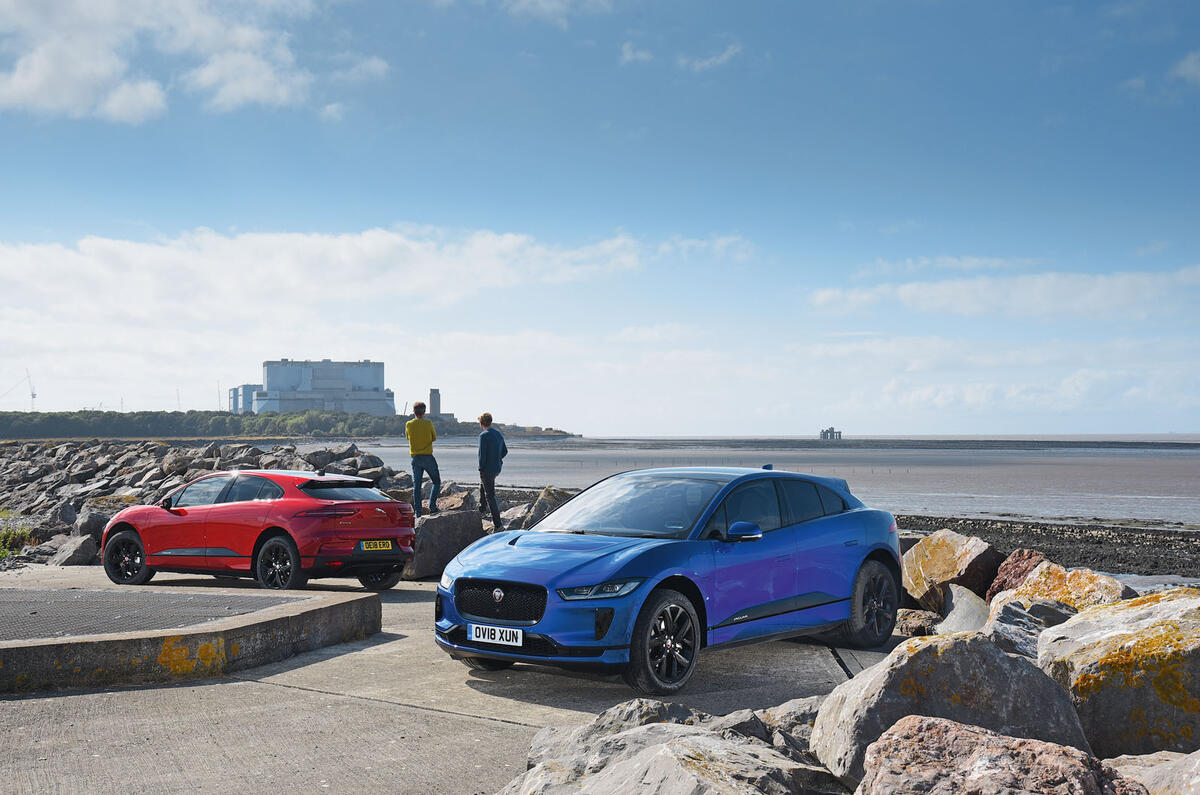
Some real-world driving, then, and we have two I-Paces for the purpose. Both are ready to set out from Autocar’s satellite HQ in Feltham, Middlesex. Both have been on charge overnight, both are indoors and enjoying the same mild ambient temperature (more on this later) and both have the same destination. Which is Hinkley Point, in Somerset, the site not only of an existing nuclear power station, but also of a completely new (and controversial) nuclear power station that’s currently under construction.
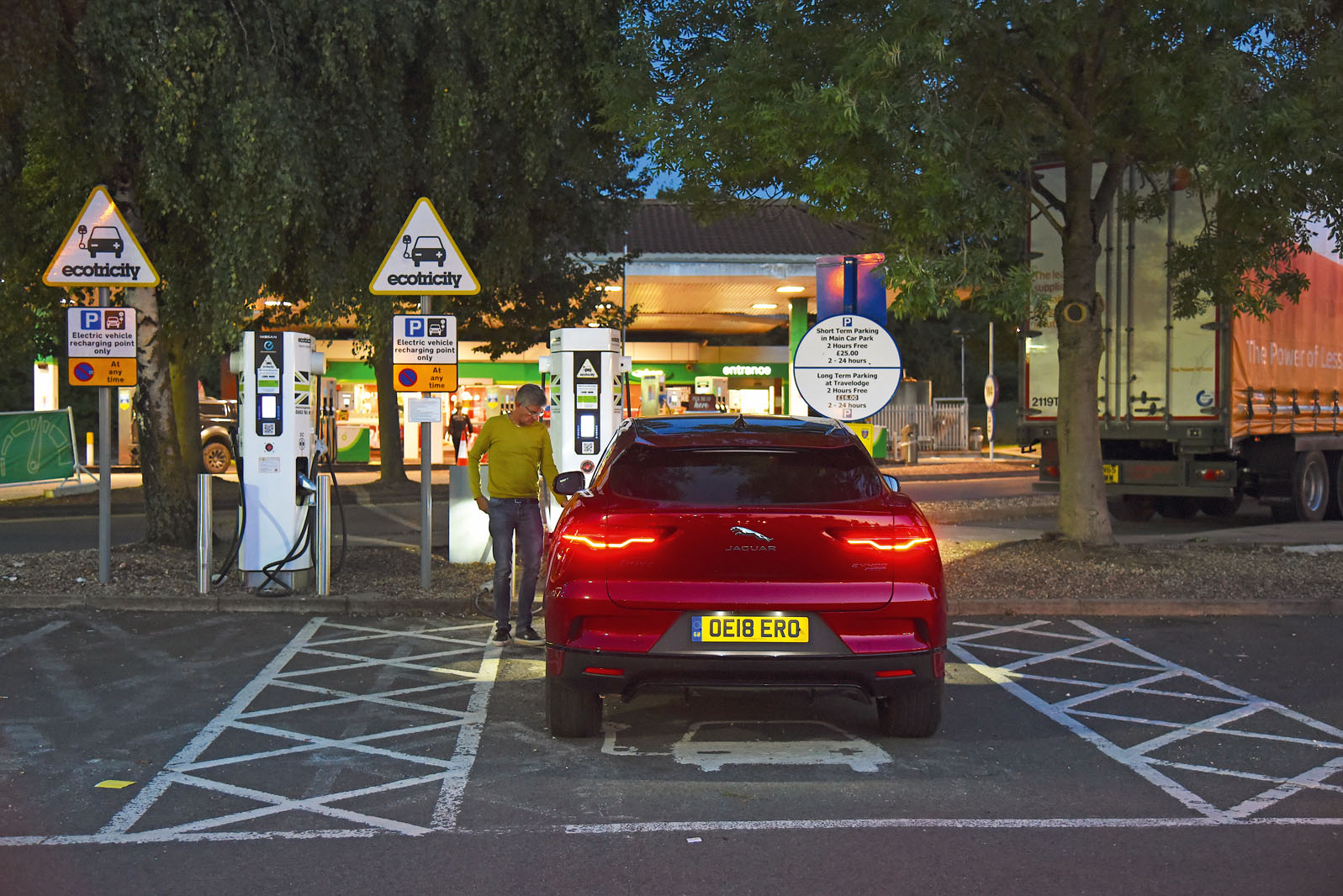
The relevance, of course, is that some of the electricity generated by both these plants will be used to power, among other things, the rising numbers of EVs Hinkley Point also provides us with a realistic target. According to Zap-Map, a charger location smartphone app recommended by Jaguar, we have a choice of three routes.
The most interesting takes in motorways, A-roads, urban traffic and country lanes. This trip amounts to 139 miles, which on the face of it should be well within the I-Pace’s official WLTP driving range claim of 292 miles. Mind you, along the way we’ll be making a few diversions for photography, which will further eat into our available range.
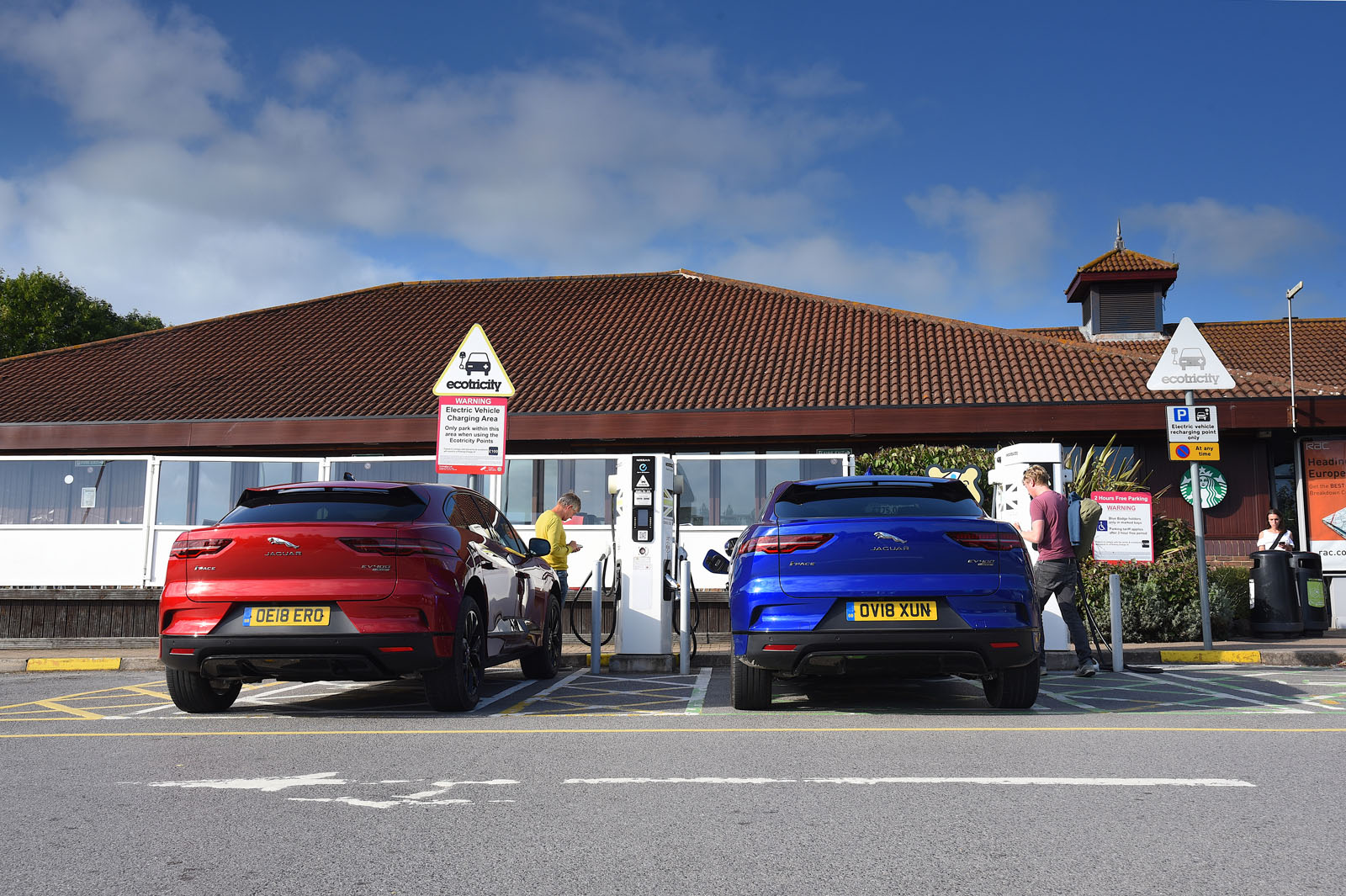
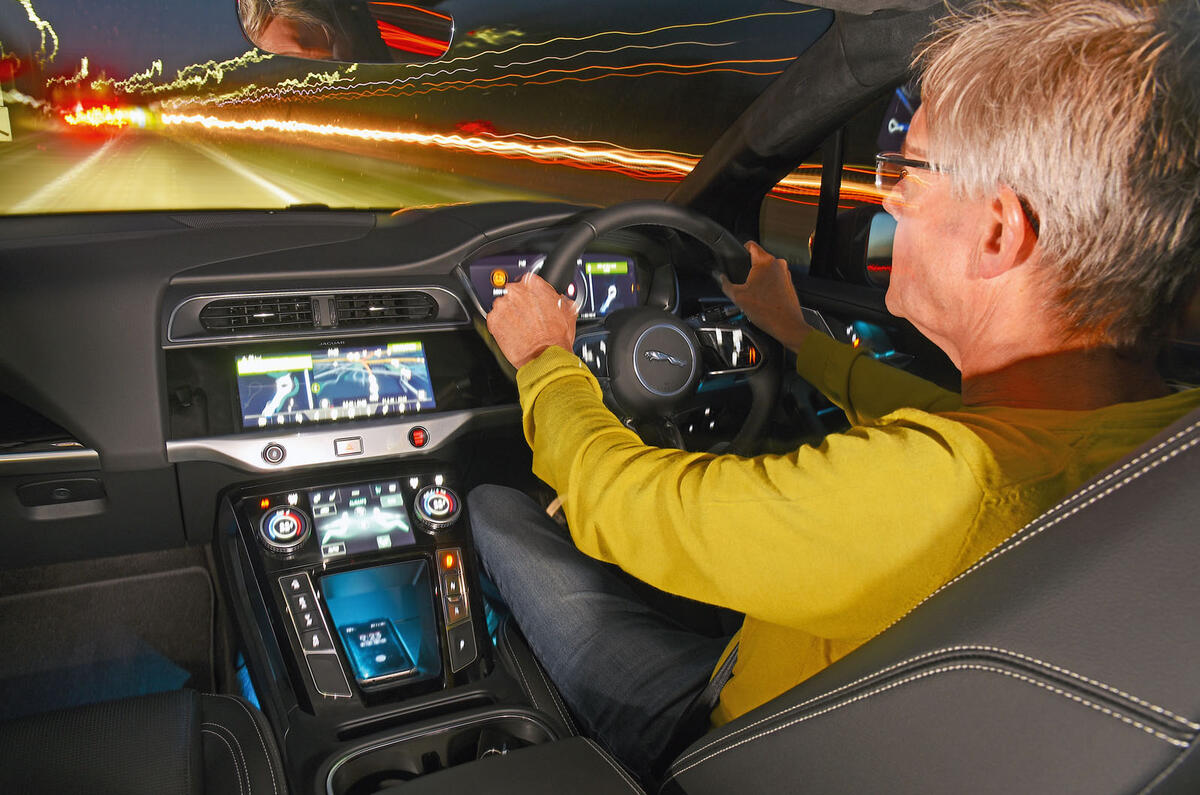
Nevertheless, your reporter should be in for an anxiety-free drive behind the wheel of the red car. The idea is to drive the car normally but with energy saving very much in mind.
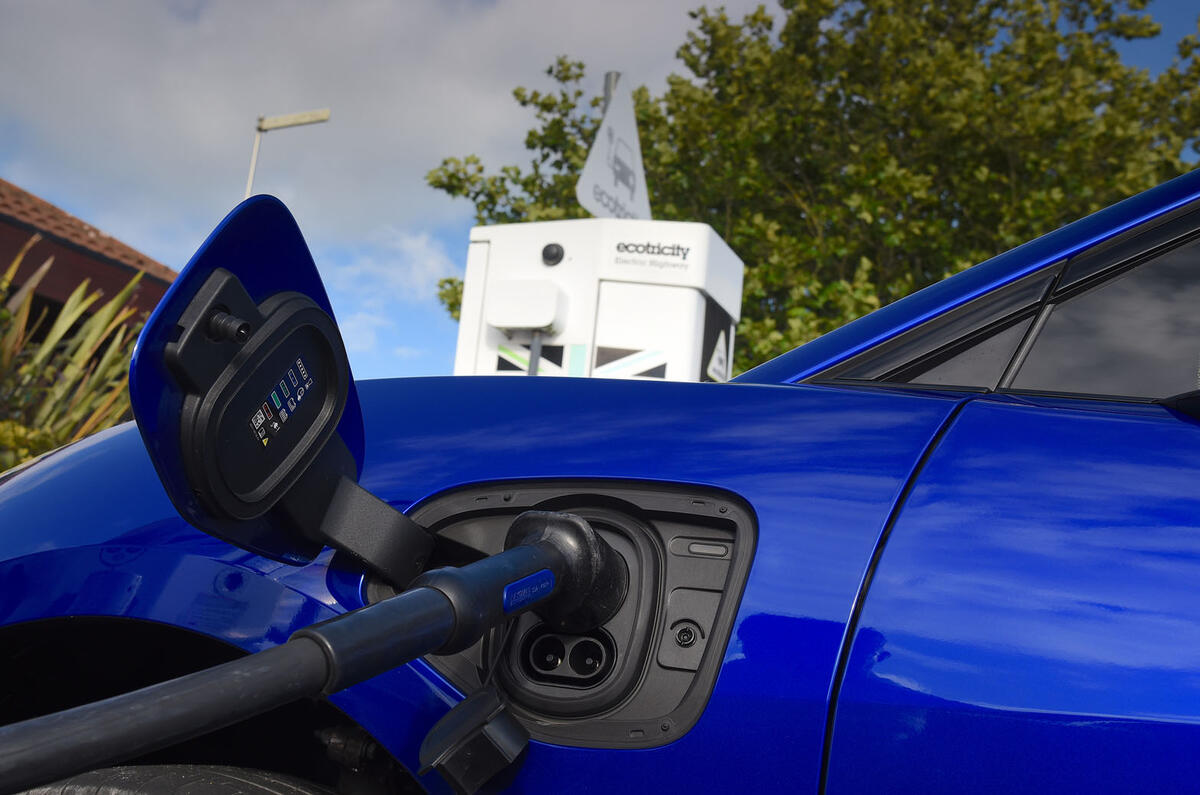
Eco-driving won’t be foremost in the mind of the man at the wheel of the blue I-Pace. This is the car that’s going to be driven by road tester Richard Lane, who will enjoy some of its considerable performance on his way to our seaside rendezvous.
Before we set off, I speak to James Matthews, the I-Pace’s vehicle integration manager, to better understand the art of maximising its range. He says: “An EV is similar to an internal combustion engine car [in that its] efficiency is quite temperature dependent. The temperature affects how much you can store and also how much you have available. Batteries are like human beings. They like to be in the 20-25deg C range before they’ll operate happily.”