





Before you splash your cash on that luxury SUV, pause, I pray you, to consider the worth of a good old-fashioned estate car based on a premium luxury saloon.
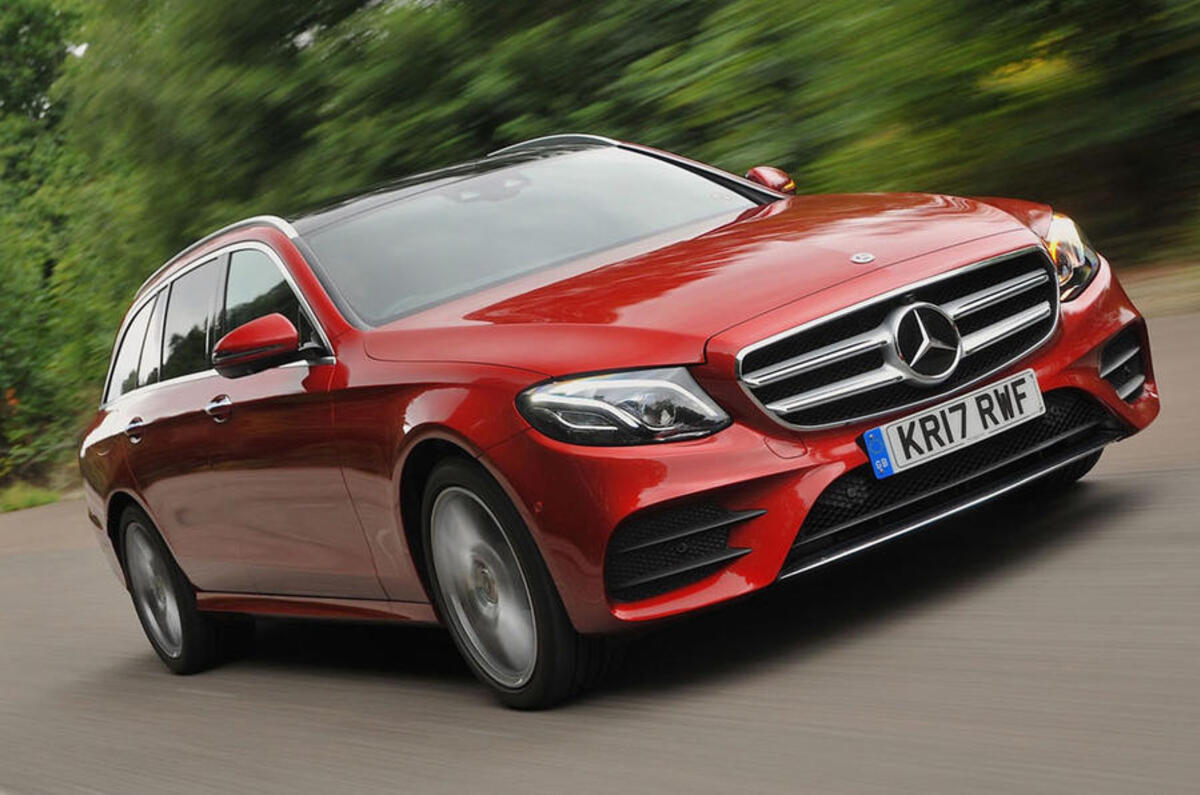
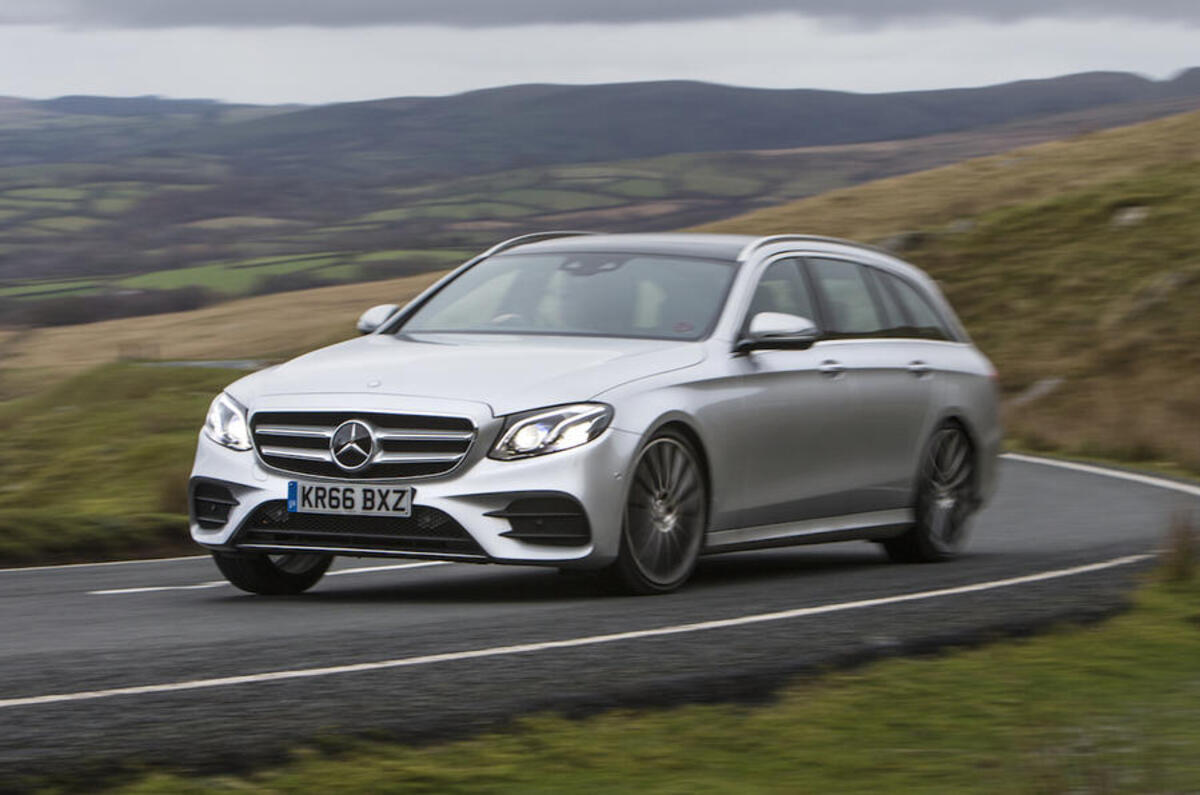
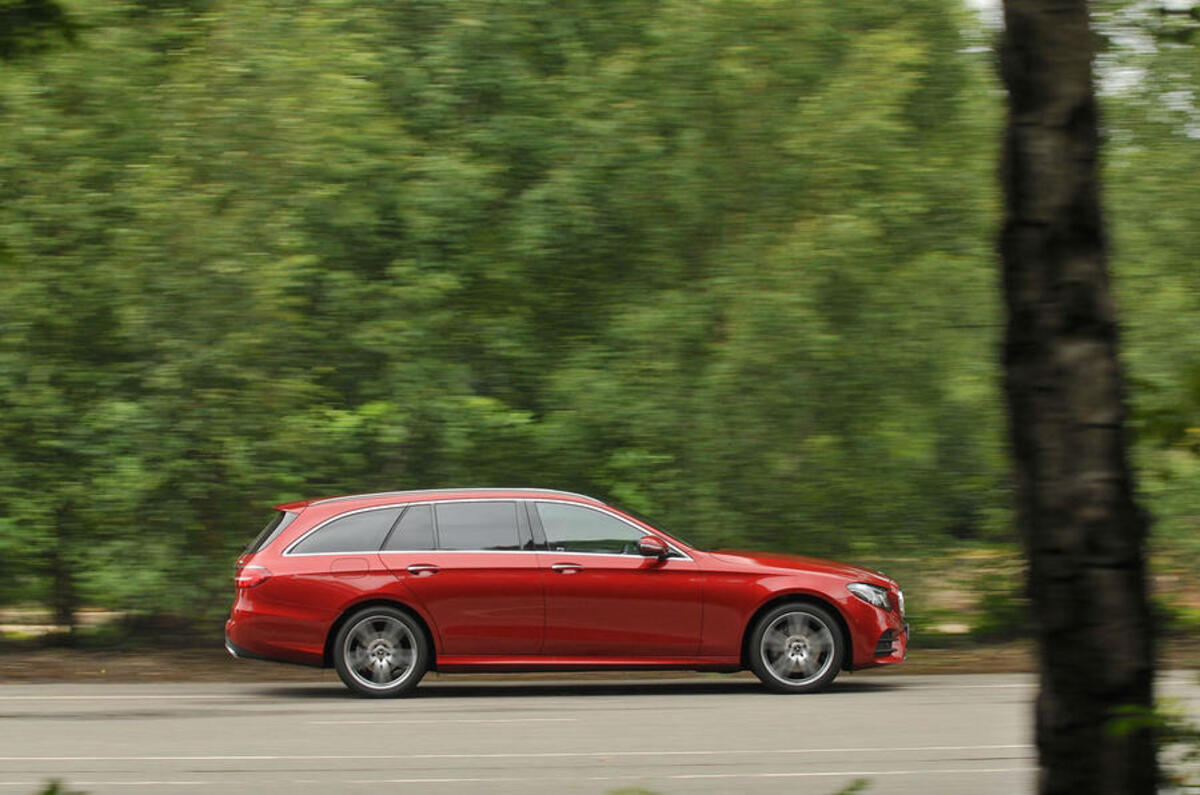
Of these, the Mercedes-Benz E-Class Estate is one of the longest-lived and most impressive. As with all the previous incarnations, this 2016-onwards pantechnicon blends a capacious and high-quality interior and a boot the size of Belgium with elegant styling and a comfortable ride. It’s great value when used, too.
There were initially three diesel options: two different versions of the 2.0-litre four-cylinder engine (the short-lived E200d and impressive E220d) and a V6 in the E350d.
Post-2018 cars added the diesel-electric plug-in hybrid E 300 de for terrific potential fuel economy and the punchy E400d straight-six diesel.
The petrols included the four-pot E200 and the very lively E43 and Mercedes-AMG E 63 models from AMG, which both had four-wheel drive and were powered by dynamite and spitting shrapnel. The E43 was later superseded by the mild-hybrid E53.
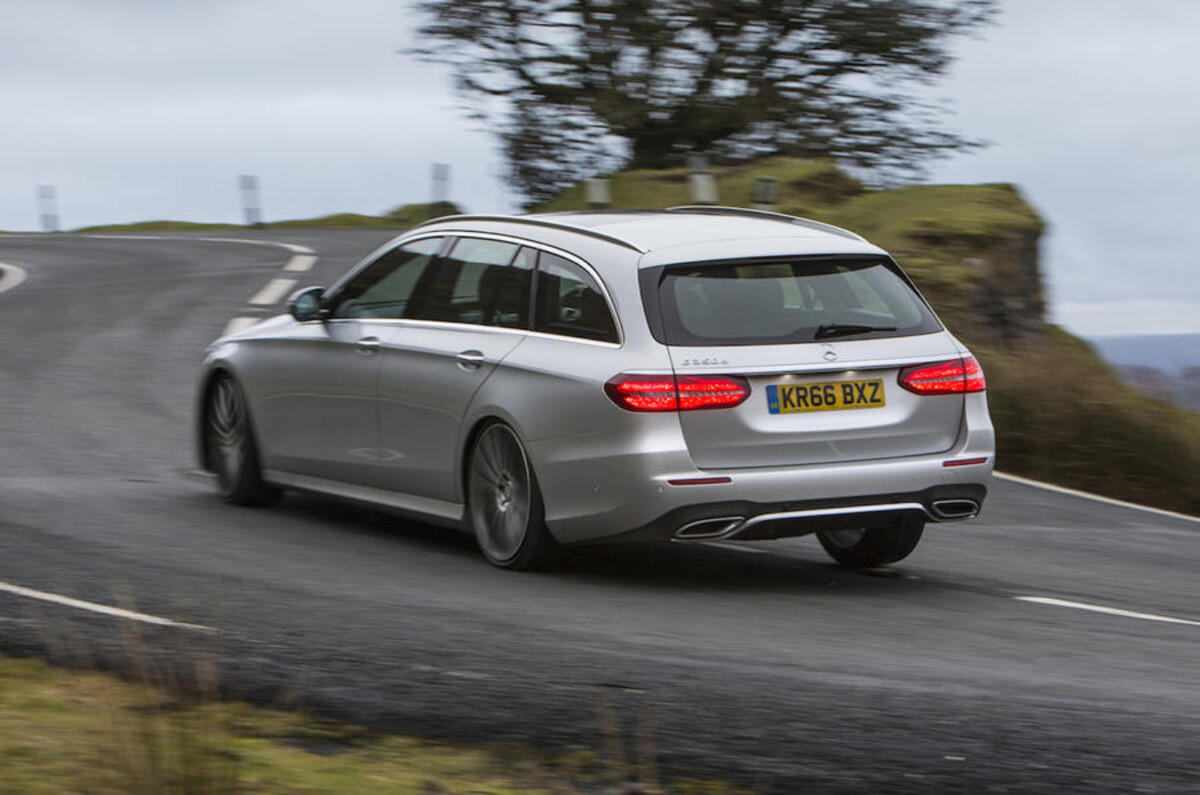
The ordinary, everyday E-Class Estate rides well, even better on its optional air suspension, and its handling is tidy. There is a little shake and shimmy from the standard steel-sprung cars over rougher roads at lower speeds, but it’s not enough to distract from the general comfort of the car.
Where the E-Class Estate really scores highly is in its high-speed refinement. Having nine ratios in the automatic gearbox means the engine ticks away quietly at 70mph, while wind noise is well suppressed. Only a bit of rumble from the tyres stops it beating the peace and quiet served up by the rival BMW 5 Series Touring at cruising speeds.
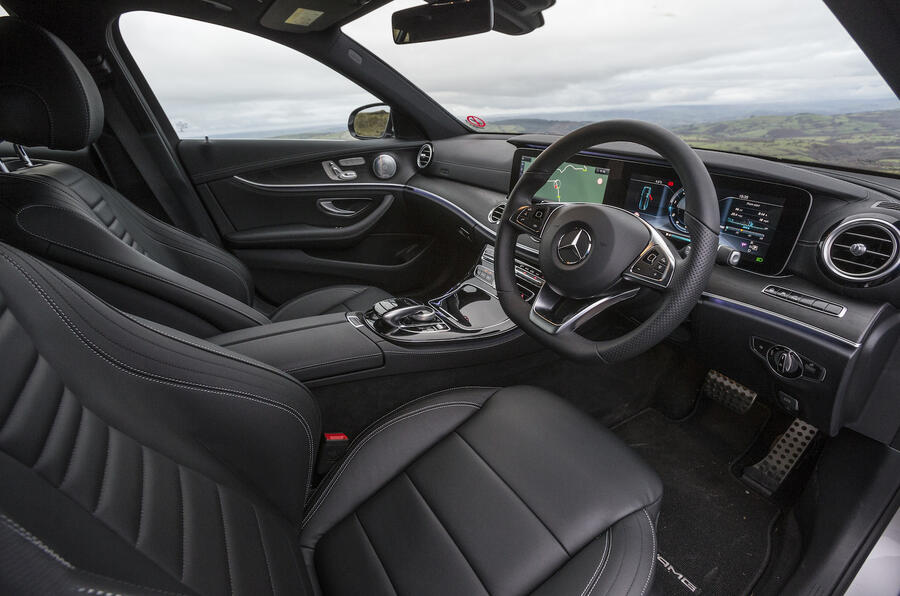
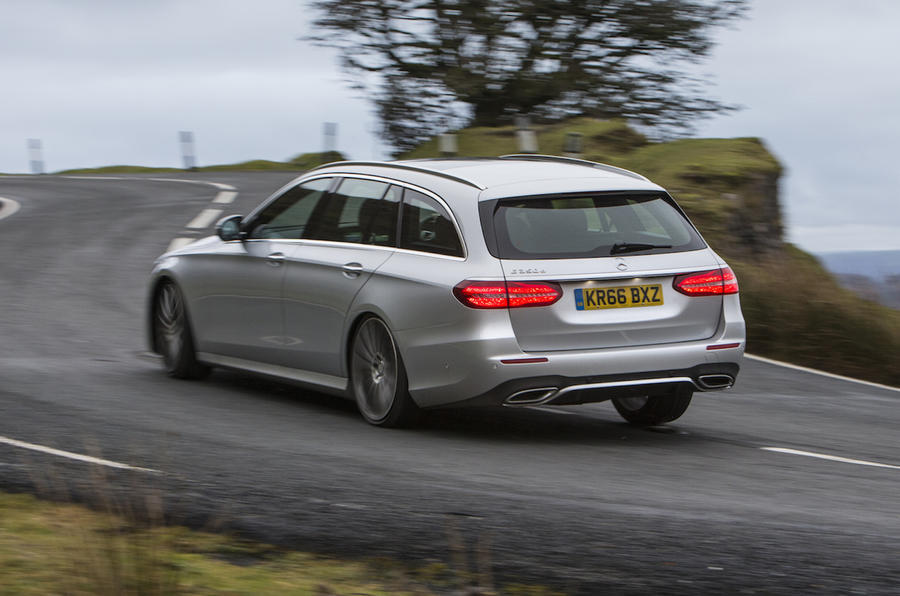
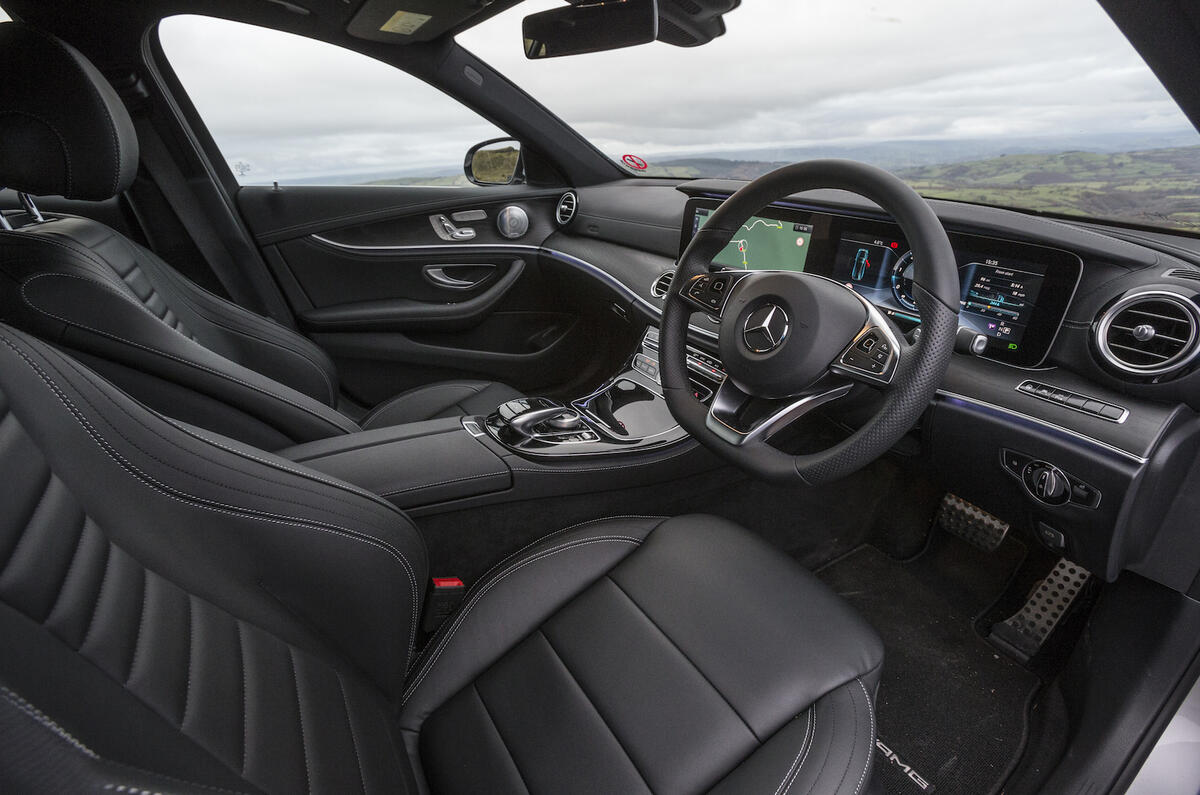
The spacious interior is one of rare class, with a distinctive dashboard. There’s a neat rotary controller for the comprehensive infotainment system, too, so no touchscreen trouble, and all of the materials and plastics look and feel of a good quality. The raison d’être of this car is the boot, though, which has masses of room with the rear seats up and a phenomenal amount with them folded down. There was even the option of pull-up seats in the boot, turning the E-Class Estate into a seven-seater.
Last year, the E-Class family was treated to a substantial facelift, gaining increased equipment levels and radically updated styling that further boosted the Estate’s appeal.
Around £17,000 is a starting point for an E-Class Estate of this generation. Considering the amount of car you get for your money, and its obvious quality, this seems like a very good deal indeed. Budget between £20,000 and £25,000 for a 2018 or 2019 model, or £25,000 and £35,000 on higher-trim 2019 cars or lower-trim, pre-facelift 2020 cars.