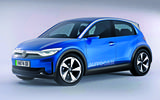
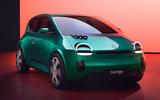

The Volkswagen Group is seeking a partner for the joint development of a circa-£17,000 electric car, according to a new report, which cites Renault as one potential collaborator.
German trade publication Handelsblatt reported that Volkswagen was in “very early” talks with Renault on the subject, citing sources said to be familiar with the matter.
Volkswagen and its partner firm – which is yet to be decided – could produce a combined 200,000-250,000 cars per year, added the newspaper.
Spokespeople for Renault and the Volkswagen Group declined to comment.
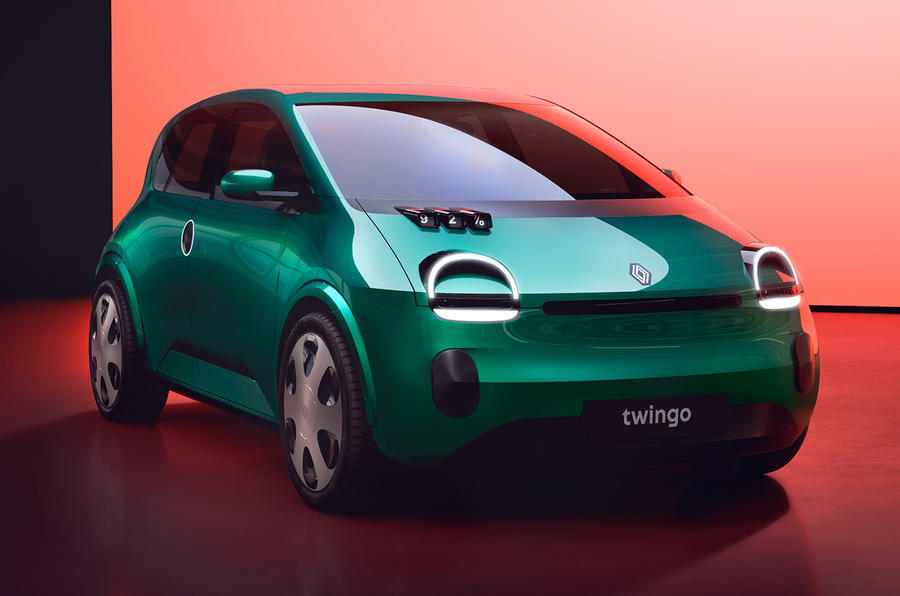
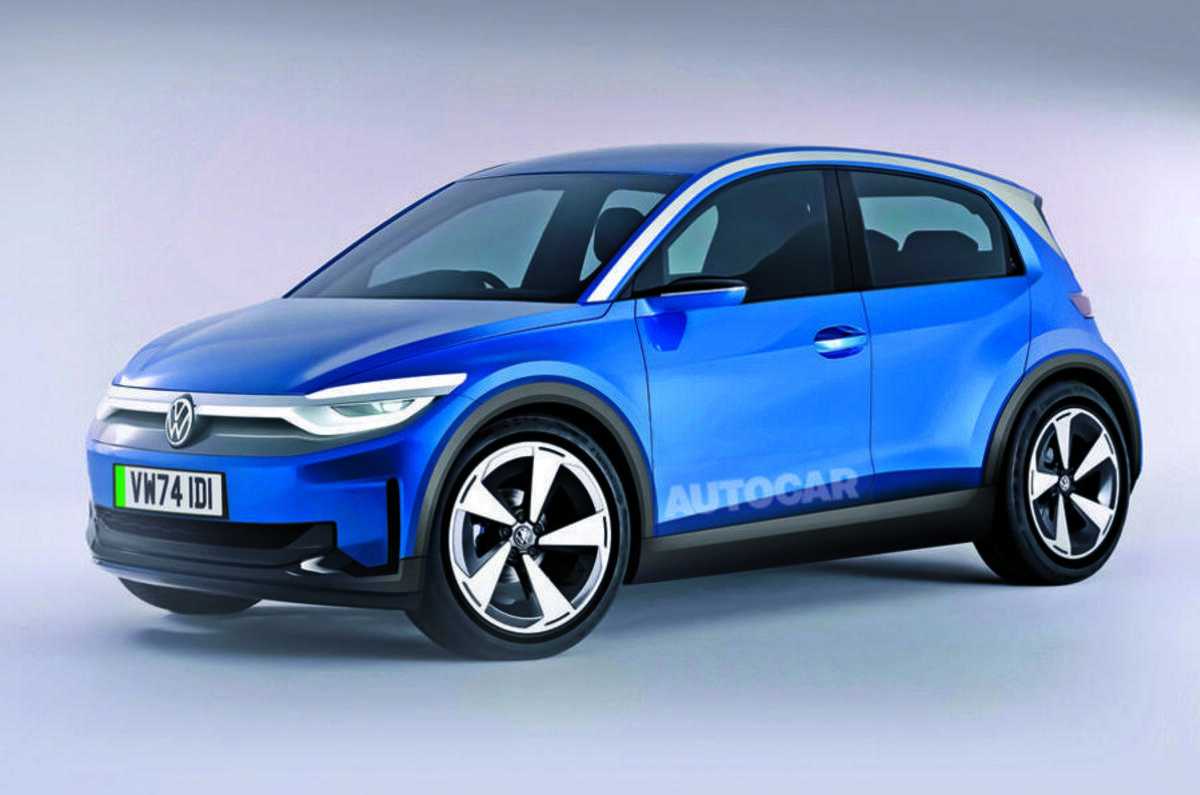
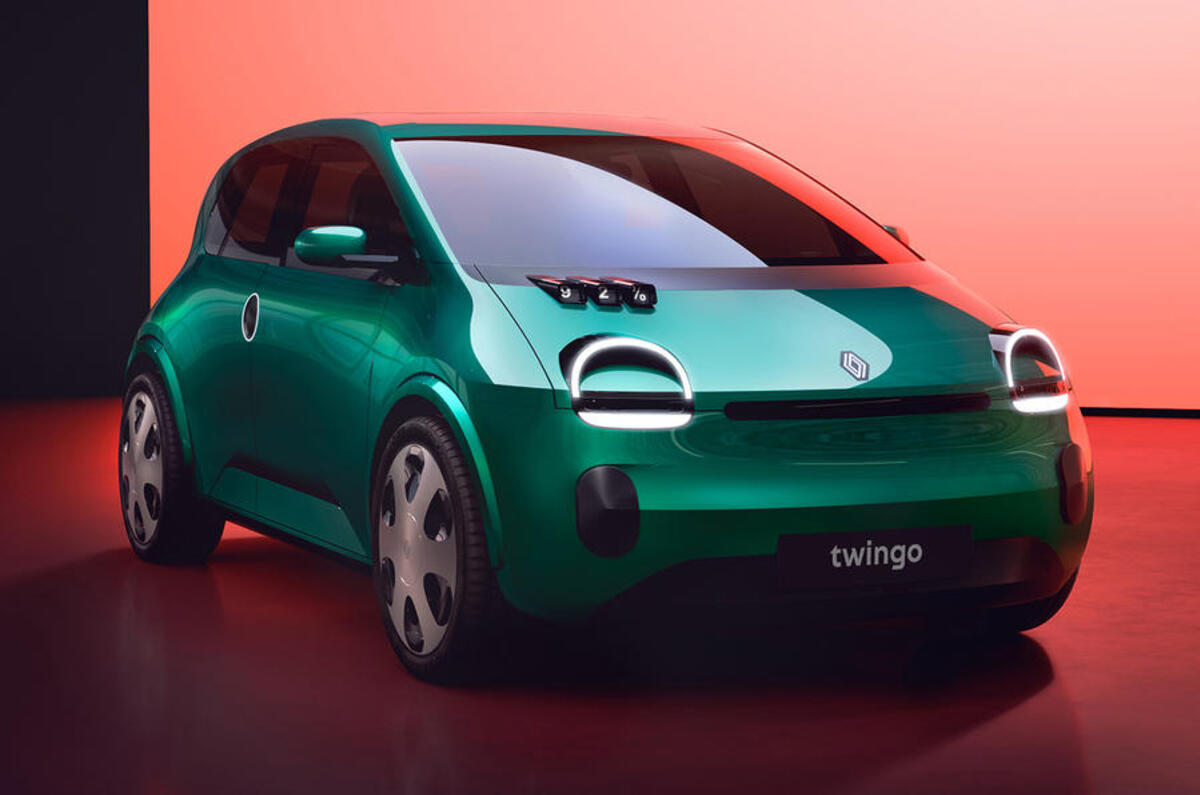
Each firm has already detailed its own plans to produce an affordable, mass-market EV, with Volkswagen looking to launch the ID 1 in the coming years and Renault developing a production version of the reborn Twingo concept.
Volkswagen Group chief financial officer Arno Antlitz said in June that the German giant was working “full steam ahead” to develop an EV priced at around €20,000 (£17,000).

Speaking on the larger, €25,000 (£22,500) ID 2, Antlitz added that raw material costs would be key.
He said: “[We have also seen a slight] improvement or relief on the raw material cost. Look at lithium: it came down. Nickel came down. So from this perspective, we’re quite confident that we can achieve that €25,000 target and, at the same time, have a decent margin.”
The ID 1 was planned to use an all-new architecture, with Skoda understood to be playing a key role in this platform’s development, but little detail is yet known.
The future of the ID 1 project has more recently faced uncertainty. In November, Volkswagen Group CEO Oliver Blume told a conference in Berlin that he believed it would be possible to produce a €20,000 EV by the second half of the decade but that VW had yet to make a final decision on the project.
The firm is currently undergoing a wide-reaching cost-cutting initiative: Volkswagen brand boss Thomas Schäfer is reported to have announced a three-year programme to save €10 billion (£8.6bn), with measures including job cuts.
It followed Schäfer’s July proclamations that “the roof is on fire” and that the brand was “letting the costs run too high in many areas”.