1.7 110 CDI Pure Panel Van 5dr Diesel Manual FWD L3 Euro 6 (s/s) (102 ps)
Submitted by dev_editor on
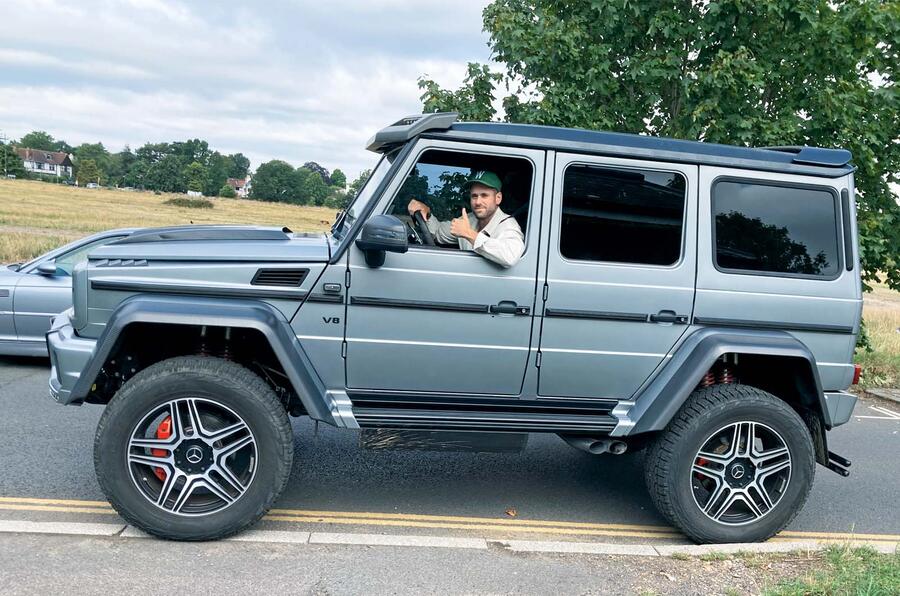
"I could drive it to the moon and back and run over everything on the way,” says Tom Exton about his Brabus Mercedes G500 4x4², also known as the G500 Squared. I don’t doubt it.
In addition to the ‘regular’ Squared’s gains over the standard G500 (more than twice the ground clearance, thanks to the fitment of portal axles, a wider body, deeper wading capability, larger 22in wheels and steeper approach and departure angles), its Brabus-tweaked bi-turbo 4.0-litre petrol V8 produces 493bhp, up from 416bhp.
Not that Tom claims to care much about any of this. Instead, for him, that it can conquer almost any terrain is sufficient reason to own it: “You can drive up and down flights of stairs, through lakes and all sorts of useful stuff – although I’ve yet to experience any of that driving around Wimbledon Common.”
He bought his G-Wagen almost three years ago but, despite its ability to go anywhere, has covered just 1000 miles: “It’s atrocious to drive and not something you want to do long drives in. The steering doesn’t really do anything and you’re never sure where the corners are; you’re just up there guessing. It keeps you on your toes.

"Also, it’s not air-sprung, so it doesn’t waft along. Instead, the suspension is coil-sprung and is horrendous; you feel pretty much every bump. It’s very uncomfortable. There is a Comfort mode and a Sport mode, but I can’t for the life of me detect any difference between them. Both feel awful.”
Tom isn’t exactly selling it, but then suddenly he remembers why he still owns it: “I’ve driven almost everything under the sun and there are very few cars I get in and which make me smile; this does. It’s an experience and makes me smile every time. Of course, not everyone smiles when they see it.
Some do, but some get cheesed off by it. It depends where I’m driving it. It towers over everything and can easily block a country lane. People who encounter it in the countryside are either terrified or angry.”
Tom first came across the big Brabus when it was part of a private collection: “The owner was a rich man, and when he went for a drive in his Pagani Zonda, his security team followed behind him in this. When it came up for sale, I just had to buy it.”
Tom reckons that it cost around £400,000 when new in 2016, but says he paid “less than £200,000” for it in 2022: “I don’t regret buying it. Mercedes is hardly likely to make anything quite like it again.”
The purchase price was one thing, but the running costs are quite another. “There is an economy mode but regardless it gets through petrol like there’s a hole in the fuel tank,” says Tom.
Servicing is expensive too. For example, the geared hubs require regular oil changes to prevent them falling apart. At least Tom doesn’t have to travel far: his local Mercedes dealer has a Brabus department that looks after it.
In spite of its uncommunicative steering, awful ride, lane-filling dimensions and heroic thirst, Tom can’t imagine himself ever parting with it: “It should last forever, so if I can afford to, I’ll keep it.”
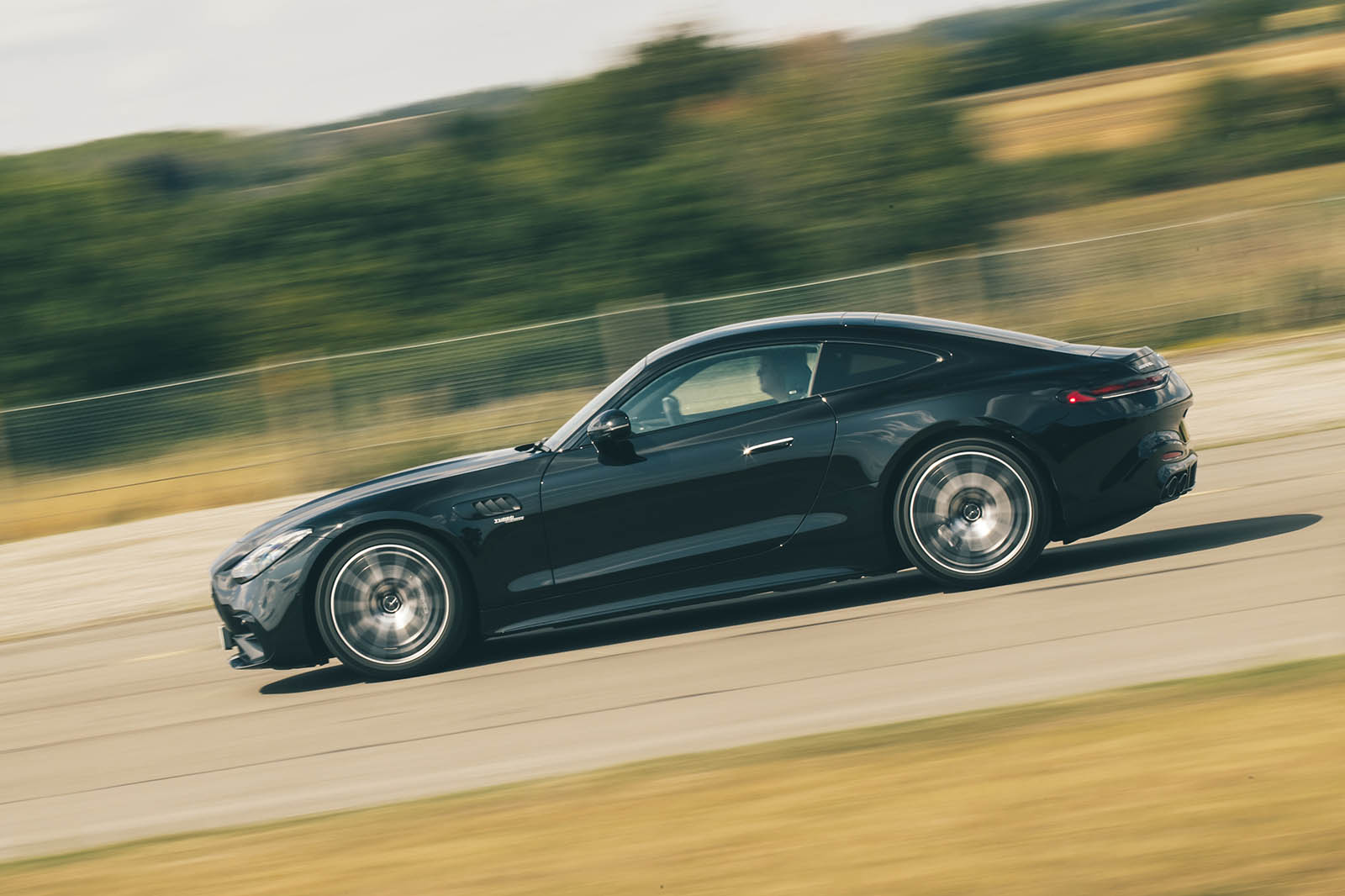
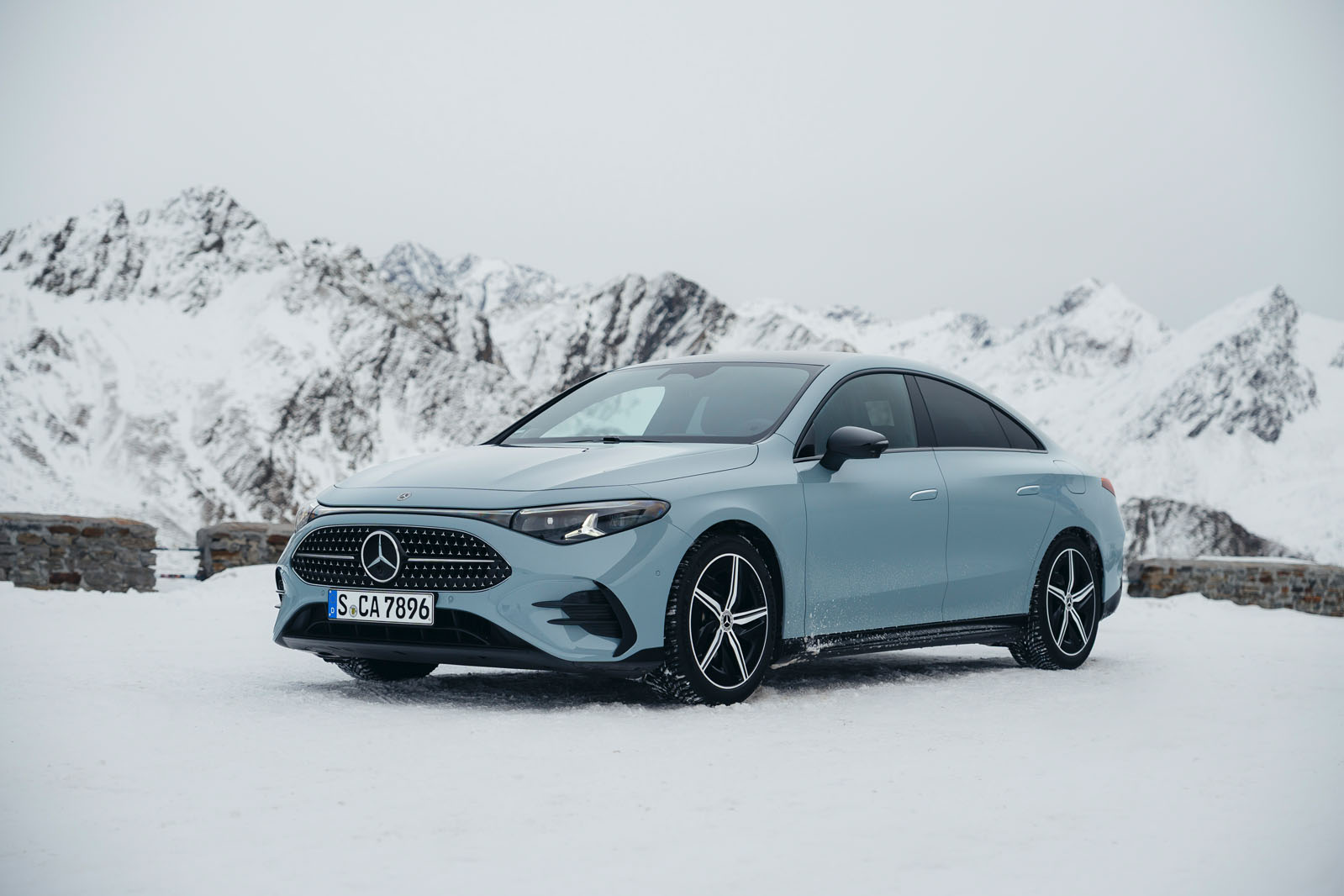
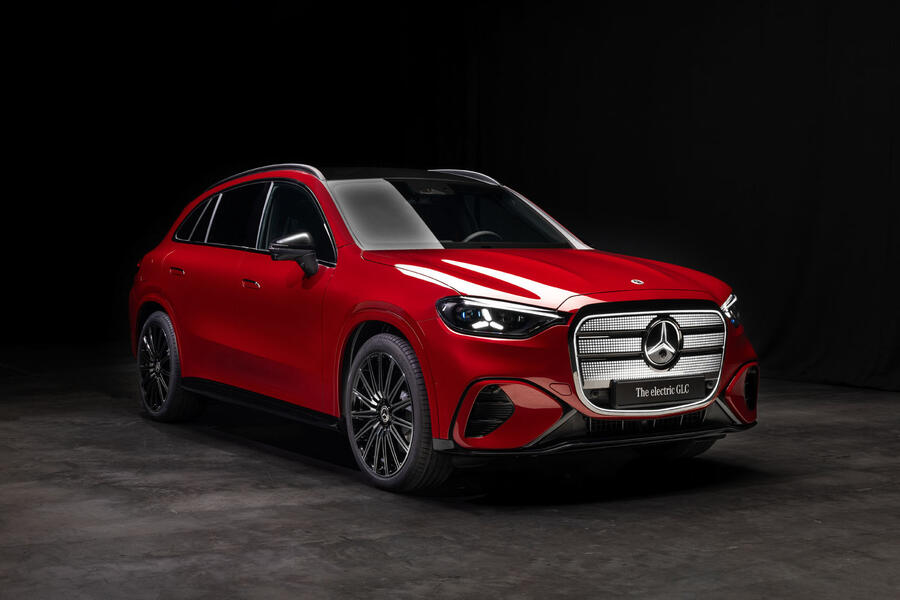
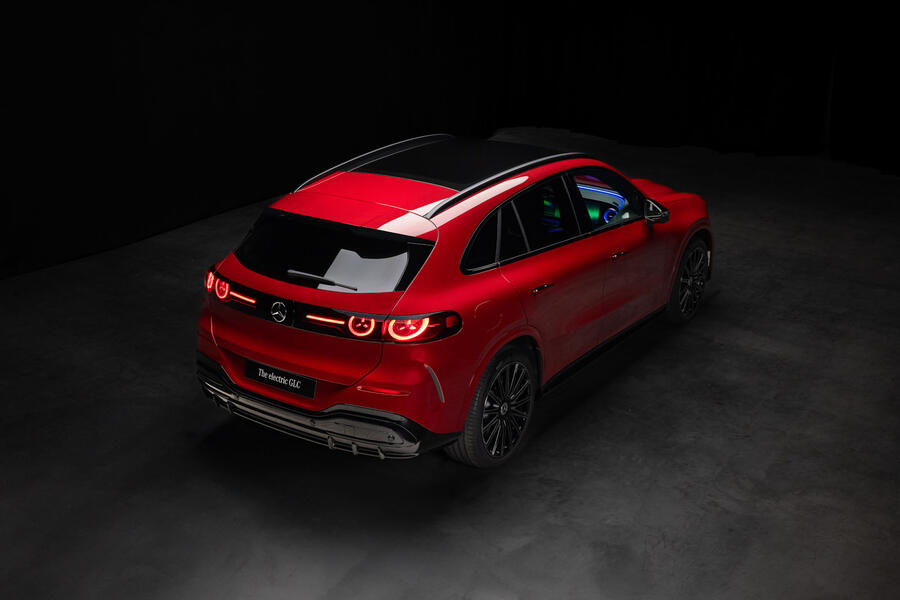
The new electric Mercedes-Benz GLC is now available to order in the UK, starting from £60,350 - around 10% more than the ICE version, but cheaper
Stuttgart's rival for the incoming BMW iX3 will launch in GLC 400 4Matic guise, with a twin-motor powertrain giving 482bhp for 0-62mph in 4.3secs, and a 94kWh battery that's good for 406 miles of range and can charge at 330kW.
It will come in five different trim levels, ranging from entry-level Sport through AMG Line, AMG Line Premium, AMG Line Premium Plus and top-spec Premier Edition - priced at £73,350.
Eventually, Mercedes will offer the GLC with five different power outputs – the most efficient of which will return 435 miles of range – but has not confirmed plans for a single-motor derivative.
The electric GLC is the spearhead for what Mercedes CEO Ola Källenius has called “the biggest product offensive” in the company’s history.
Named the GLC with EQ Technology, the SUV is effectively a successor to the EQC. While that car was given its own name and styling, the new EV shares its title and general design language with the existing combustion-engined GLC, although the two models use different platforms.
The GLC is Mercedes’ best-selling car and sits in the premium SUV segment that Källenius sees as “the most important” to the firm.
The electric version uses the new MB.EA bespoke EV platform, which is designed for medium to large cars and has an 800V electrical architecture that allows for fast charging.
It also runs the latest version of the firm’s MB.OS infotainment software.
While the GLC EQ is all-new, it’s designed to closely resemble the existing GLC, explained Källenius: “If you were told this was the next-gen combustion GLC, you would say ‘yes, it’s the next logical step: it looks like a GLC’.”
The front is dominated by Mercedes’ new electric-only ‘Iconic Grille’, which is a larger and more upright design than on previous EVs.
The GLC EQ is broadly the same length as the ICE GLC, but its 2972mm wheelbase is 80mm longer – and nearly 100mm longer than the old EQC’s.
Källenius said the decision to stretch the wheelbase was taken “because we can”, adding: “You do it because you get extra space inside for free.
Compared with the ICE GLC, it has more leg room in the front and rear and increased head room, plus it offers a 570-litre boot and large 128-litre frunk.
It also uses a two-speed gearbox, featuring gears with 11:1 and 5:1 ratios to maximise both acceleration and efficiency.
Källenius said that the rear bias of the powertrain is “desirable for any car that is somewhat focused on performance, and you get that for free with an EV”.
Because of the 800V system, the battery can be charged at speeds of up to 330kW. As with the new CLA EQ, a DC converter will be offered “on a country-specific basis” to allow use of 400V public chargers – the most common type.
The suspension is a multi-link set-up both front and rear. Optional air suspension can lower the car on faster roads to reduce drag and consequently boost range, while optional rear-wheel steering reduces the car’s turning circle of 11.2m.
Another development is a new ‘one-box’ brake system that integrates energy regeneration and friction braking into a single system.
Four levels of regen are available, with the most aggressive able to recuperate around 300kW.
A suite of driver assistance systems will also be offered, including a ‘transparent bonnet’ function for off-roading.
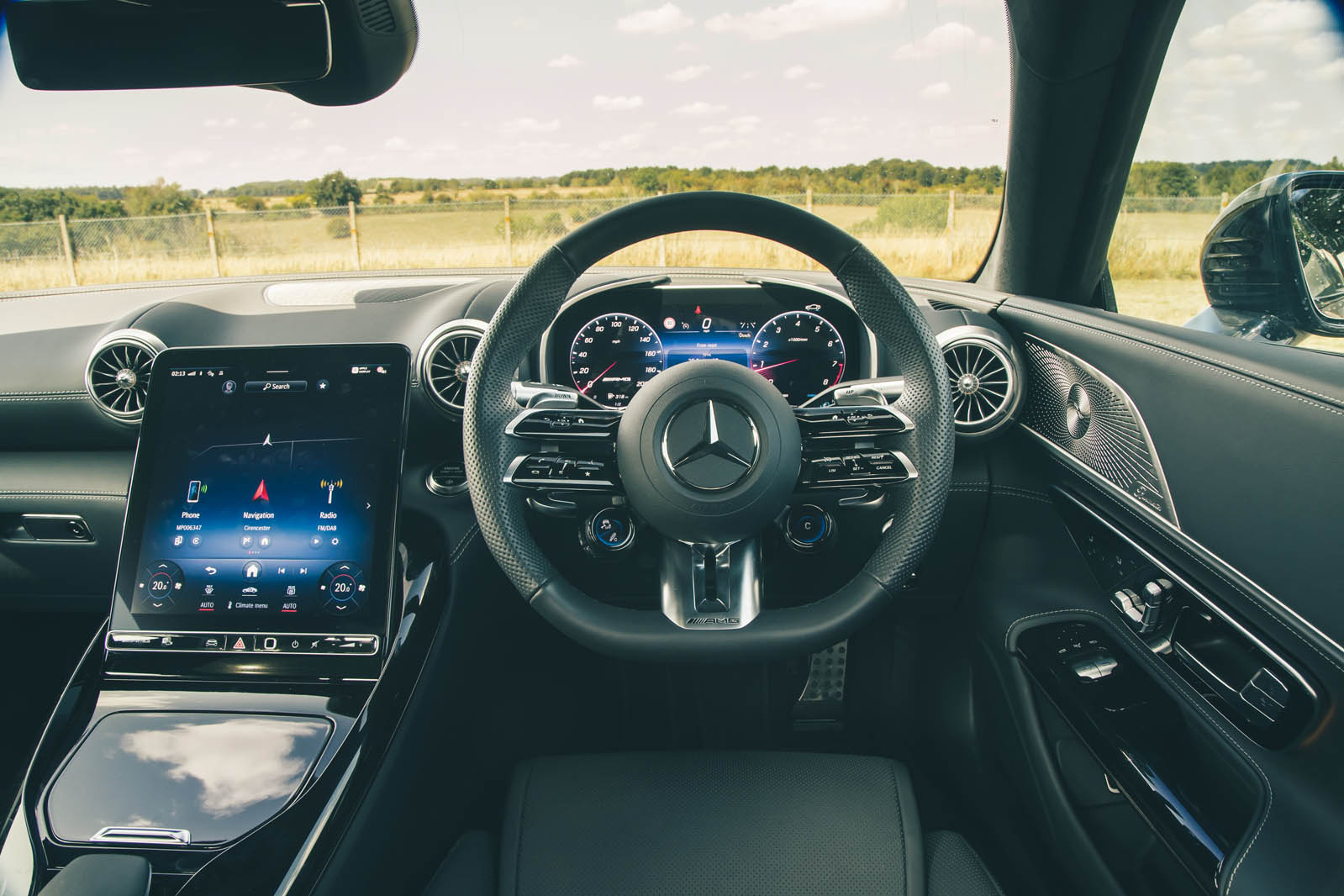
Intended to fuse “analogue luxury” with “digital elegance”, the GLC EQ’s interior features a large centre console that merges into the instrument panel and revamped air vent and speaker grille designs.
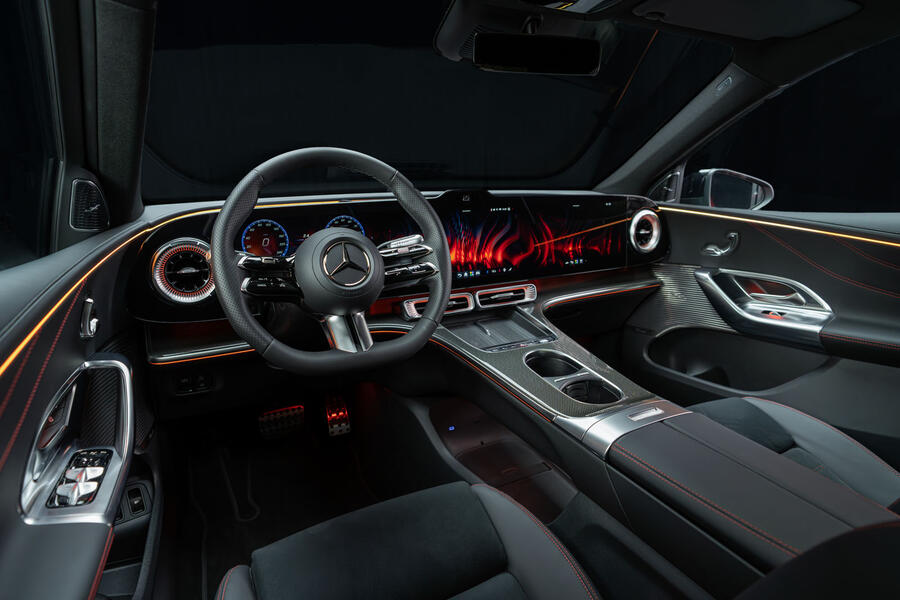
It can be optioned with the largest seamless digital screen yet offered in a Mercedes model. It measures 39.1in, prompting Källenius to quip that “we’ve run out of words to name the screen” – although Mercedes has settled on Hyperscreen.
An optional Vegan Package is claimed to be the fi rst in which all the soft-touch materials are certified by the Vegan Society.
The GLC EQ and other future EVs based on the MB.EA platform will be built at Mercedes’ plant in Bremen, Germany, with additional production in Hungary and China.
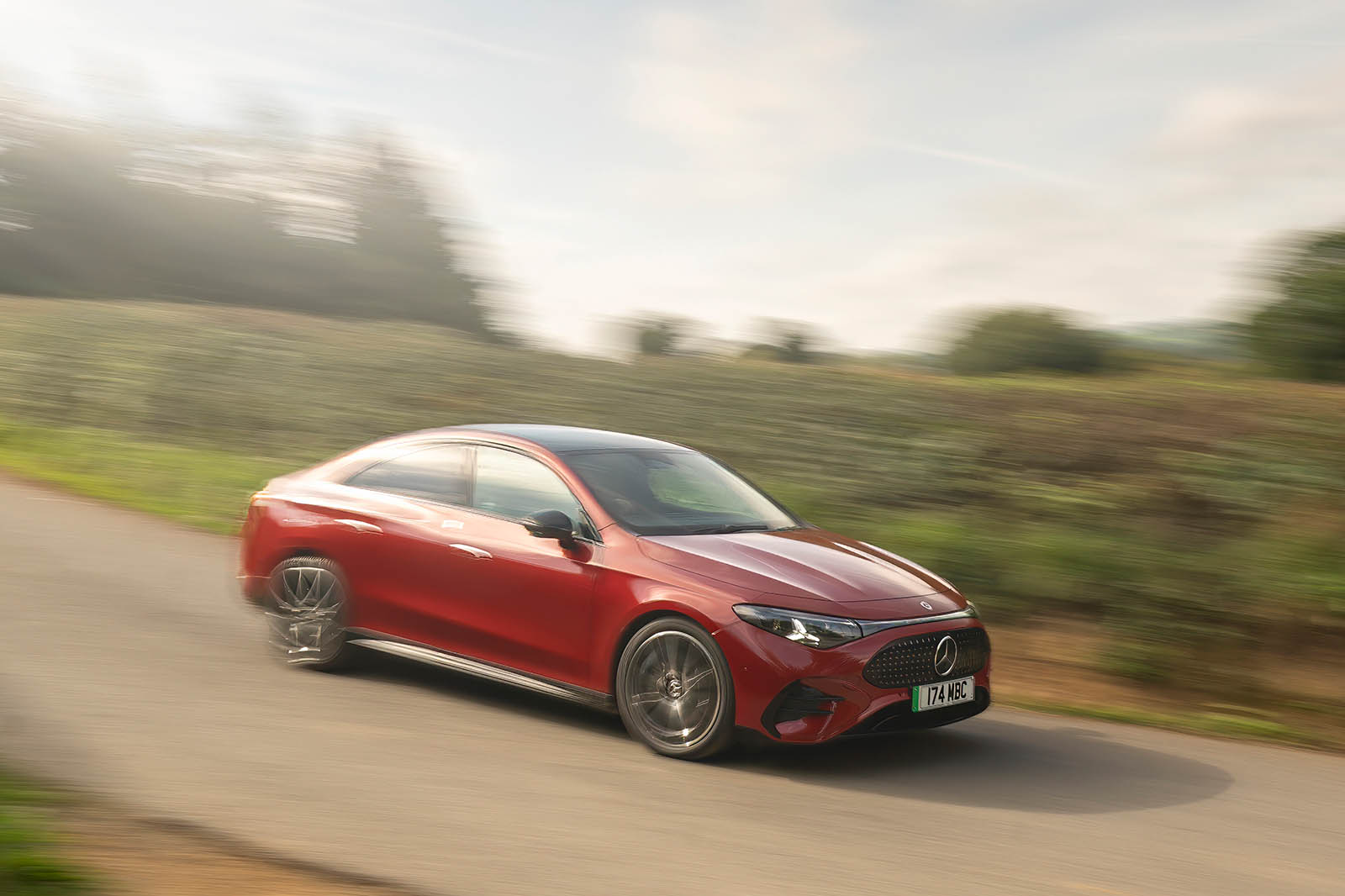
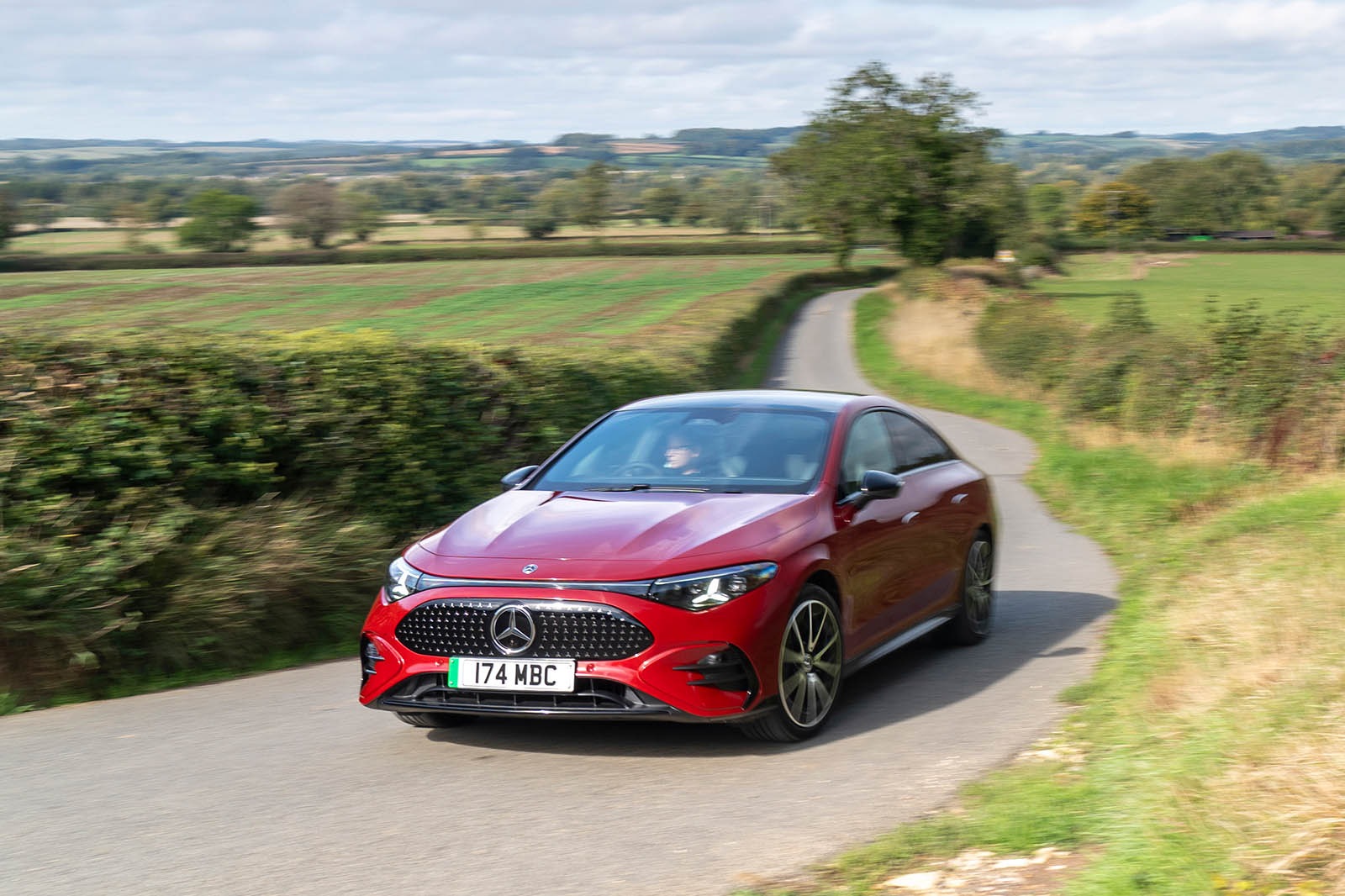
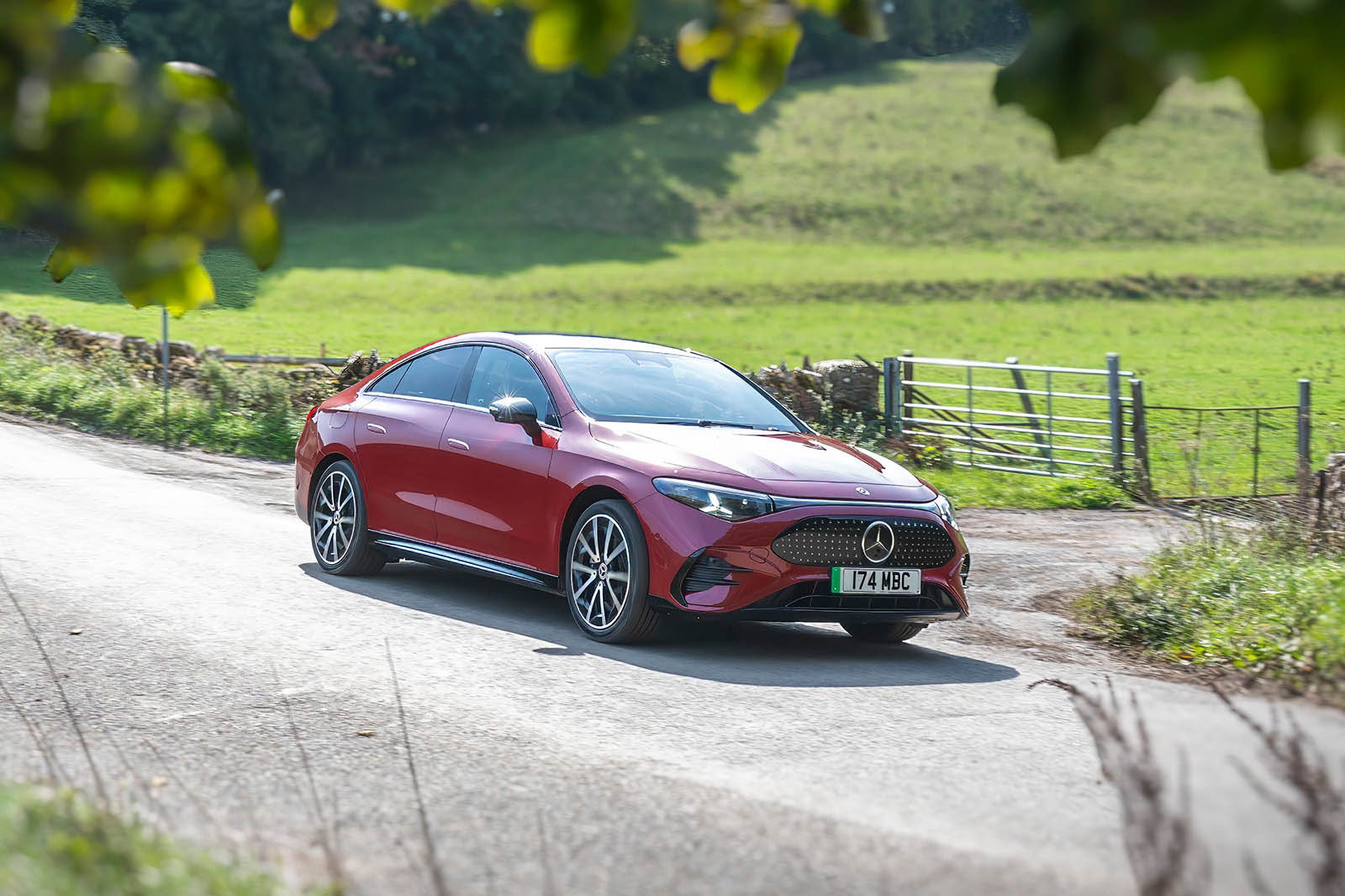
A Mercedes-Benz EQS fitted with a prototype solid-state battery has been driven 749 miles without stopping to recharge, marking a milestone in the development of the technology.
Mercedes engineers drove the modified saloon from the firm’s home town of Stuttgart, Germany, to Malmö, Sweden. It claims to have finished the trip with 85 miles of range left in reserve.
Although the route between the two cities would typically measure around 630 miles in length, the engineers plotted an alternate course accounting for the landscape and traffic conditions, while avoiding ferry crossings. That extended the drive by more than 100 miles.
The car’s solid-state battery uses cells from US firm Factorial Energy while the pack was designed in collaboration with Mercedes’ F1 base in Brixworth, Northamptonshire. Its weight and footprint are said to be “comparable” to a standard EQS’s lithium-ion pack – which yields up to 481 miles of range – but its energy capacity is said to be improved by 25%.
The battery pack uses a floating cell case with pneumatic actuators that help to manage the expansion and contraction of the cells in operation, to improve their stability and longevity.
Mercedes had previously expected the new pack to improve the car’s range to around 620 miles.
Chief technology officer Markus Schäfer hailed the technology as a “gamechanger”, saying the successful test drive shows how it can deliver “a new level of range and comfort”.
Schäfer added that Mercedes is aiming to bring solid-state batteries – which have long been considered a major breakthrough for electric cars, but which have faced decades of delays – to market this decade.
That matches the timeline quoted by the rival Volkswagen Group, which has unveiled its solid-state prototype at the Munich motor show. Rather than testing the technology in cars, however, it has opted to use a motorbike built by Audi-owned brand Ducati.
Mercedes-Benz will launch the third-generation GLA crossover late next year, chairman Ola Källenius has confirmed.
The smallest member of the brand’s MMA-based compact car family will be sold in both electric and hybrid forms, replacing the first-generation EQA EV and the second-generation ICE GLA.
The entry-level EV is seen as a key model for the German firm to compete with some of the best selling compact electric cars on the market, such as the Volkswagen ID 3 and MG4. The petrol model will take on the Volkswagen Golf.
Speaking at the launch of the new Mercedes GLC EQ ahead of the Munich motor show, Källenius said the GLA "will be coming by the end of next year". "We will continue to offer it as an entry point into Mercedes's brand," he added.
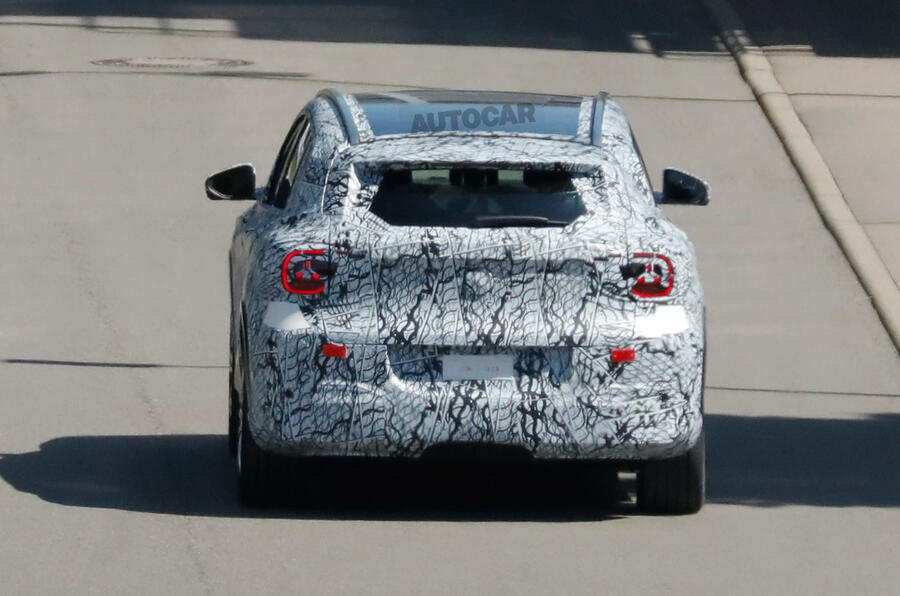
Pictures of the new GLA testing reveal that it will have a sportier, more coupé-like silhouette than today’s model, with a distinctive front end featuring Mercedes' new 'Iconic Grille' which was debutted by the GLC.
Autocar understands the car is expected to grow in size to just over 4500mm in length, allowing for a more spacious interior. For comparison, the current GLA is 4410mm and EQA is 4463mm.
Although pictures have yet to be taken of the new GLA’s cabin, i'is expected to mirror the designs of the recently revealed CLA saloon and incoming GLB crossover.
They feature a free-standing full width display, AI-supported infotainment functions and more upmarket materials than today’s model – all of which aims to outclass rivals in the segment.
The electric version will also receive a frunk, something not present on today’s EQA.
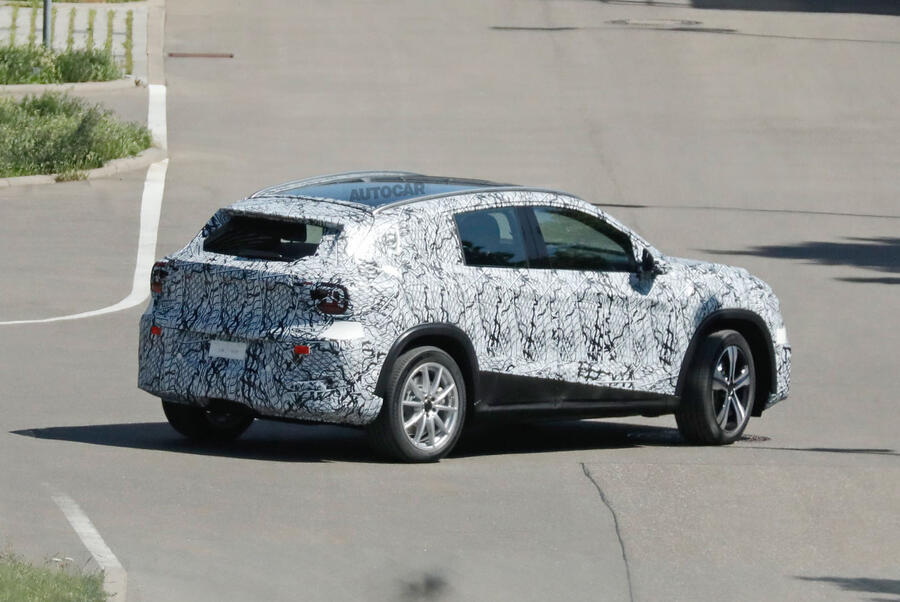
Underneath, the electric GLA will use the same 800V electrical architecture as the new CLA.
That car is offered with either a 58.5kWh LFP or 85kWh NMC battery and a top-end range of 484 miles.
Drive comes from either a single-motor or dual-motor powertrain, which deliver 268bhp and 349bhp respectively.
As with its MMA siblings, the GLA is planned to receive at least two AMG performance models featuring axial flux motors from British firm Yasa in 2027.
ICE versions of the GLA will also draw directly from the new CLA, using a hybridised 1.5-litre four-cylinder turbo petrol engine with 134bhp, 161bhp or 188bhp, mated to an eight-speed dual-clutch automatic gearbox.
Production will take place alongside the CLA saloon at Mercedes' recently refitted Rastatt plant in Germany.
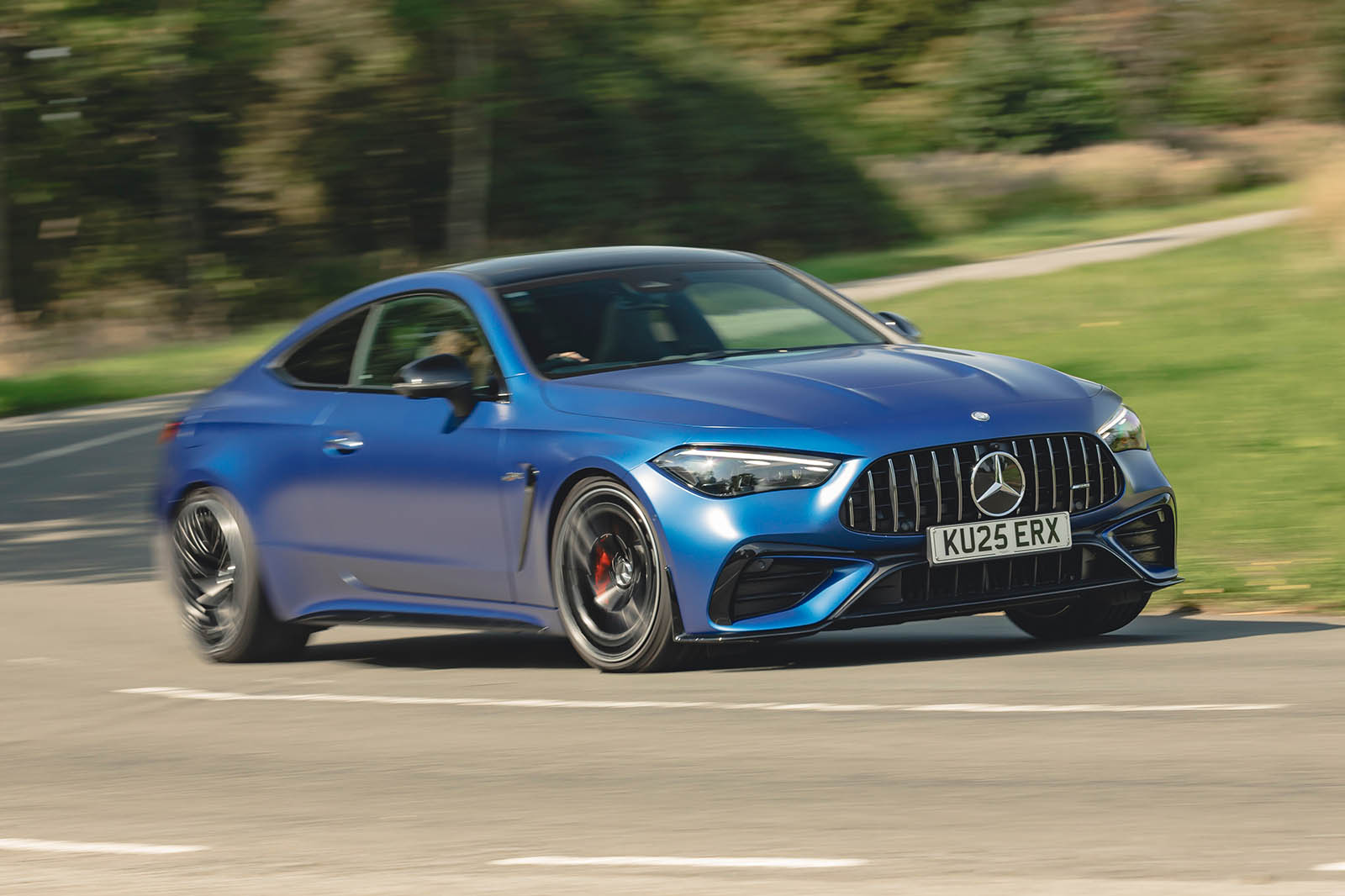
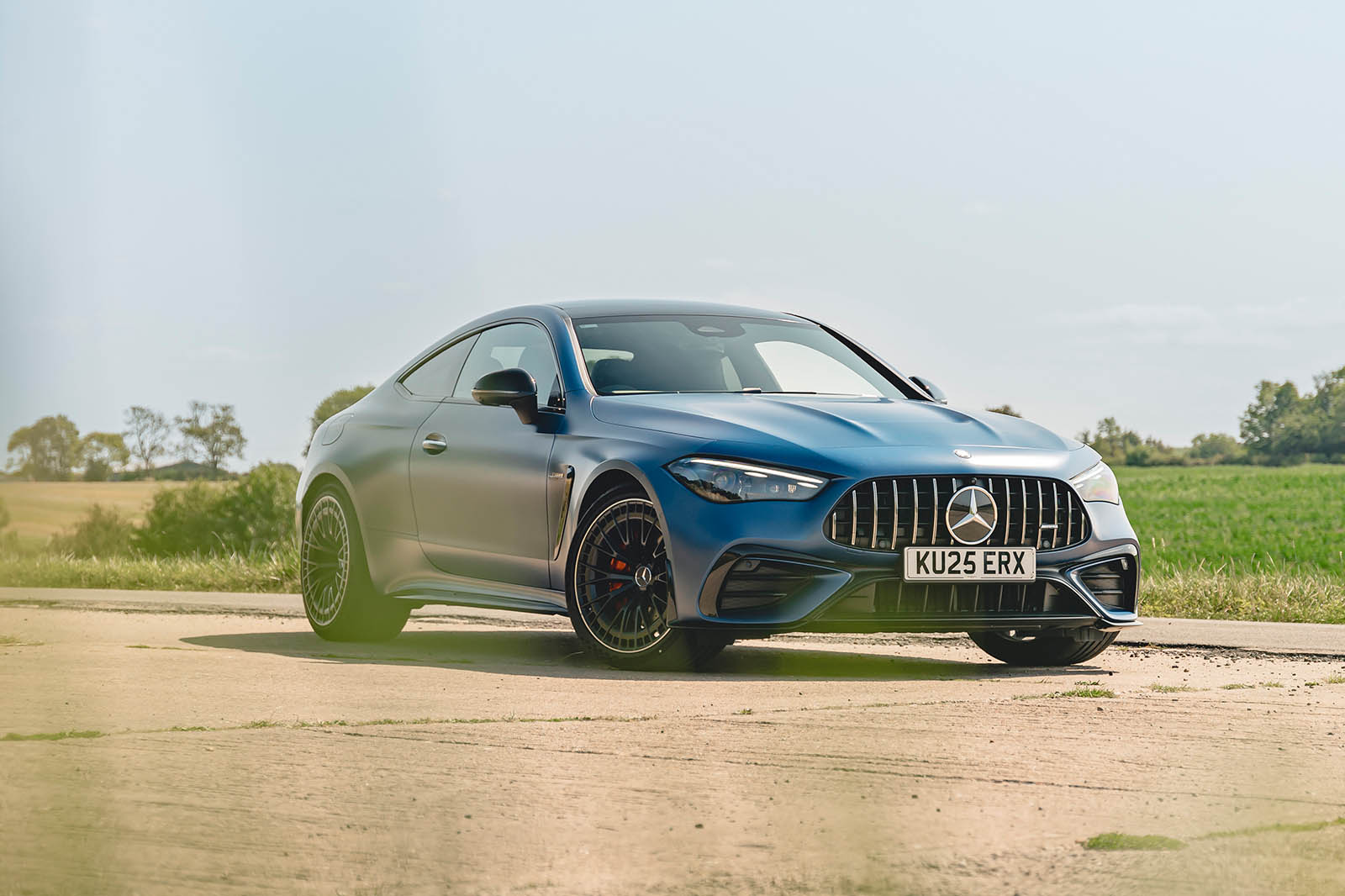
There are at least three ways in which you can enjoy the original 1996 Mercedes SLK as a classic. One is to admire its svelte lines, from the contrast between its long bonnet and pert boot to the neatness of its glasshouse and the promising stance implied by its athletically wide track.
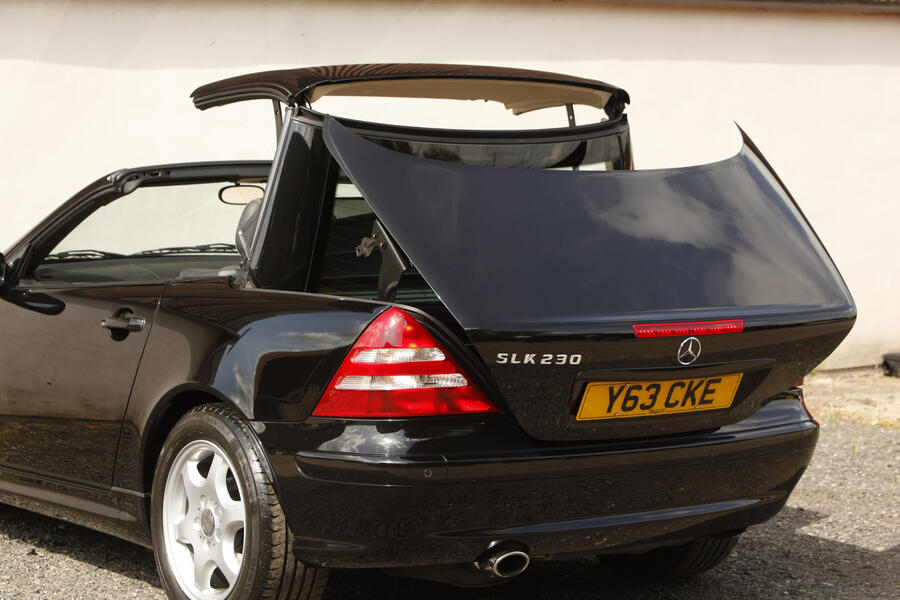
Another is to marvel at the mechanical Houdini that is its roof mechanism, this hard-bodied defence against the elements folding within itself before diving beneath a gaping rear deck-lid. And a further, decidedly authentic classic car experience is to deploy a wire brush and welder to its underside in an effort to combat its ferrous crumblings.
Driving an SLK, however, is not really a classic experience. This supposed sports car is only slightly more exciting than listening to the hum of your fridge. Even by Mercedes’ own ‘sensible trousers’ standards the SLK was a disappointment, this car dull enough to provide its driver with the metaphorical subdued shirt and shoes to match.
The problem was the SLK’s C-Class saloon bloodline. The premium minicab was the core source for the suspension, engines and heaps of other entertainment-critical hardware. There was nothing wrong in principle with the W202 saloon as a starting point, but the enlivening retune you’d expect for a car whose Sports Licht Kurz initials means ‘shortened lightweight sports’ didn’t really happen.
The suspension was nevertheless stiffened and the tyres fattened to the point that the SLK rode hard and cornered harder, but without doing anything to invigorate its occupants besides rattle their keys.
Despite its promise-laden name, this car was a cruiser, and was best bought with the 194bhp 230 Kompressor engine and five-speed automatic that most were indeed equipped with. Viewed in this way you were less likely to be disappointed, especially as the supercharger provided decent surges of performance, and the roof was a joy. It’s still mildly spectacular today, but when the SLK appeared in 1996 it was a tour de force of electro-mechanical magic, if not the first of its kind.
You could enjoy the SLK’s performance in quite a bold-looking cabin if it had been ordered with black and red leather upholstery, the red extending to sections of the facia and the doors to produce a pleasing aura of night-clubbish glamour. As owners of these now ageing SLKs are discovering, some of this effect was achieved with paint now eroded past its best, but it can be restored.
However, that will be the least of an SLK preserver’s problems if their machine has rust. These cars were built during Mercedes’ peak rust era (boss Dieter Zetsche once admitted that ‘we turned too many dials at once’ of the corrosion prevention process, although he didn’t mention that one of these was the cash dial) and while the auburn scourge doesn’t afflict every SLK, those cursed can deliver a whole suite of nasty surprises that browning front wings will only hint at.
Removing the side repeater light can provide a more chilling clue, as can probing the rear subframe and just about every other orifice, crevice and ledge, many an SLK’s nether regions now decayed to the consistency of meringue in a shower. So don’t let yourself be swayed by the sexy twin power blisters on the bonnet, nor the excitement of a transformation to rooflessness in 25 seconds. Ramp time, and screwdriver prodding are vital when buying, although the owner may get agitated when you introduce daylight to assorted SLK box-sections.
As it ages, the R170-era SLK will increasingly be associated with decay, but that shouldn’t overshadow what a great piece of Murat Günak design it was, and how brilliant its roof was.
Submitted by dev_editor on