



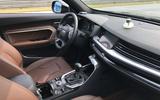
A year ago, I came to the Guangzhou motor show and drove some domestic-market Chinese cars. What was notable from the show was how much the design and branding of Chinese cars had progressed in recent years to the point where some (not all) models had genuine export appeal, yet from the drives the day after it was clear the dynamic front had some way to go. 

If a week is a long time in politics, a year is about what the Chinese automotive industry counts as its equivalent. This week, I’m back in Guangzhou (or rather a ‘small’ satellite city nearby, with just the five million or so people living here…) for the 2018 show, and this time drive some cars beforehand.
Img 0430

And what a difference a year makes. While yesterday’s drives of the top 10 bestselling Chinese market saloons were filled with Volkswagens from various VW Group parts bins from around the world, old and new, today’s focus was on SUVs, and it’s here where the domestic car makers are doing their most interesting work.

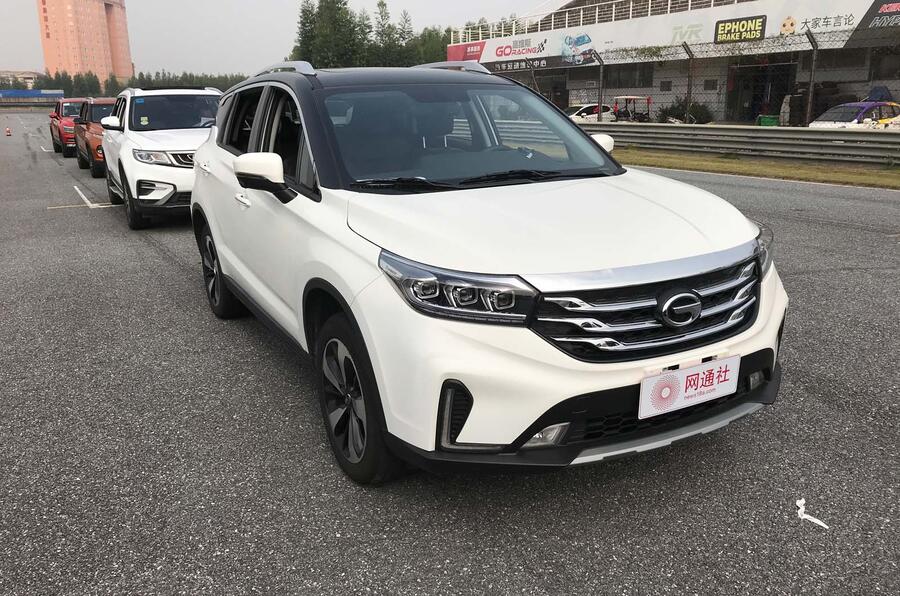
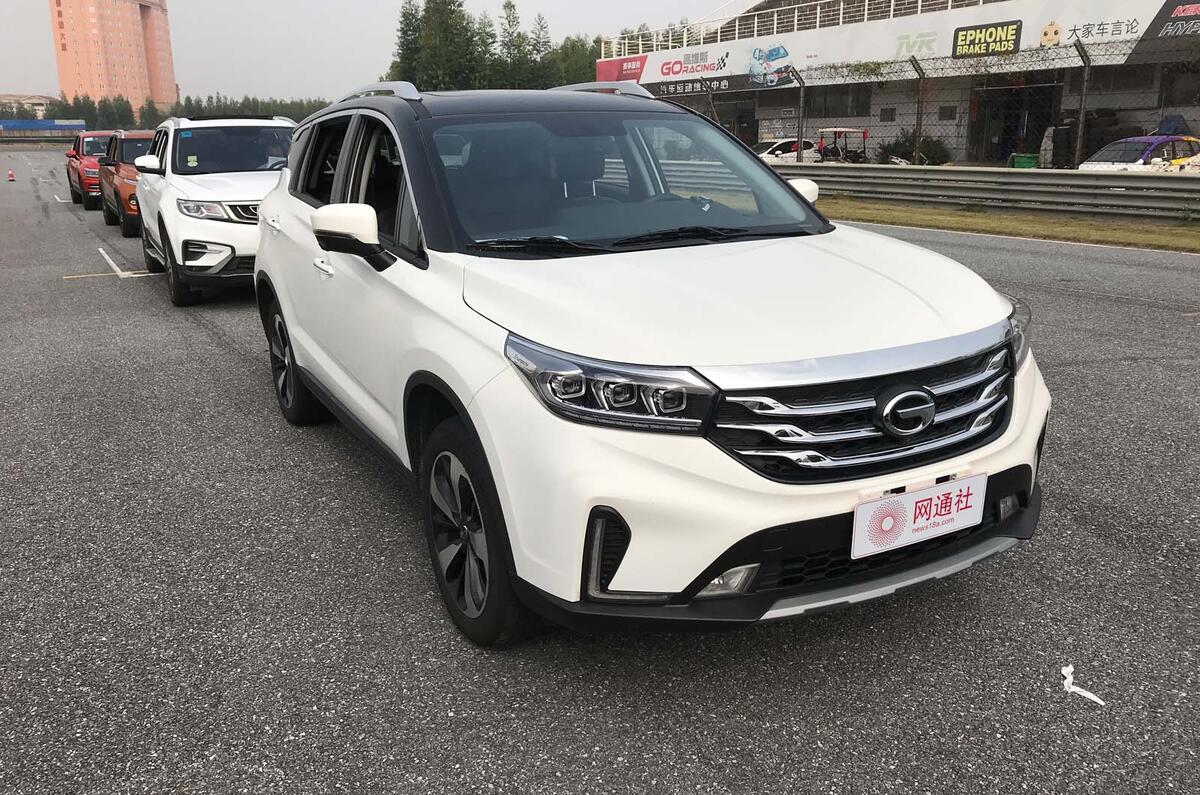
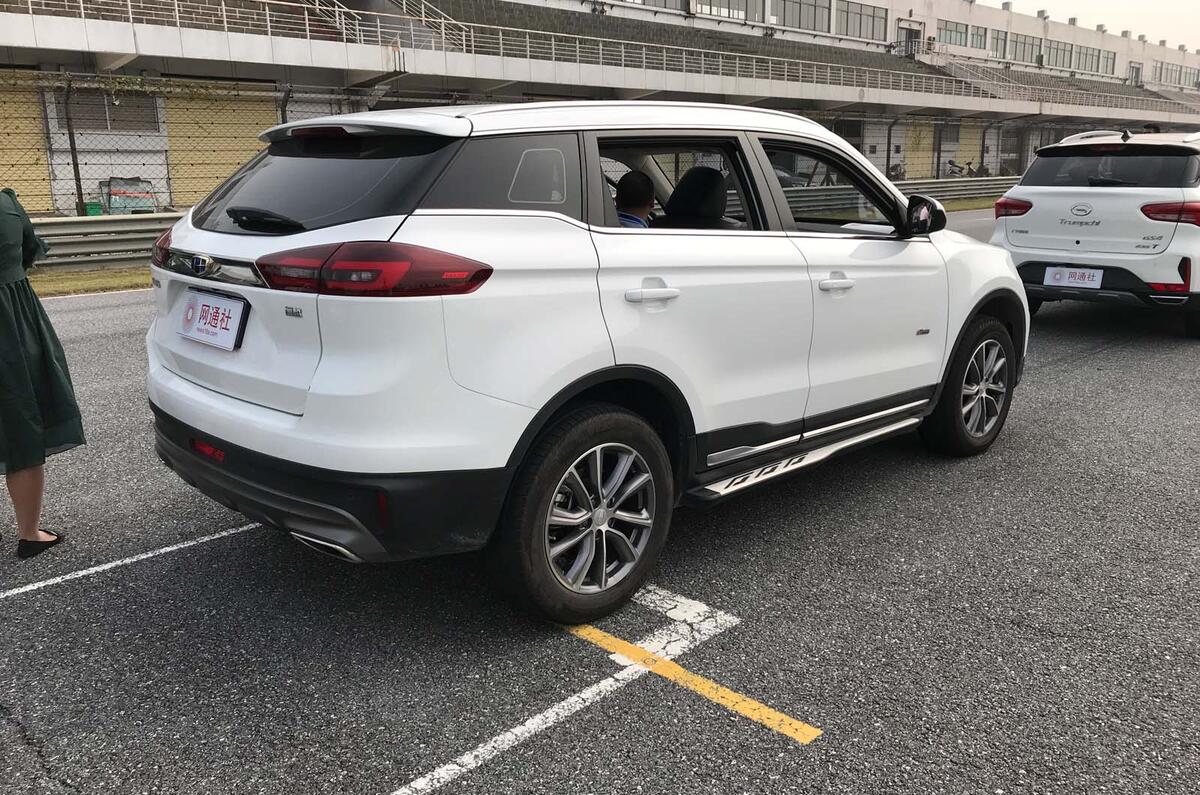
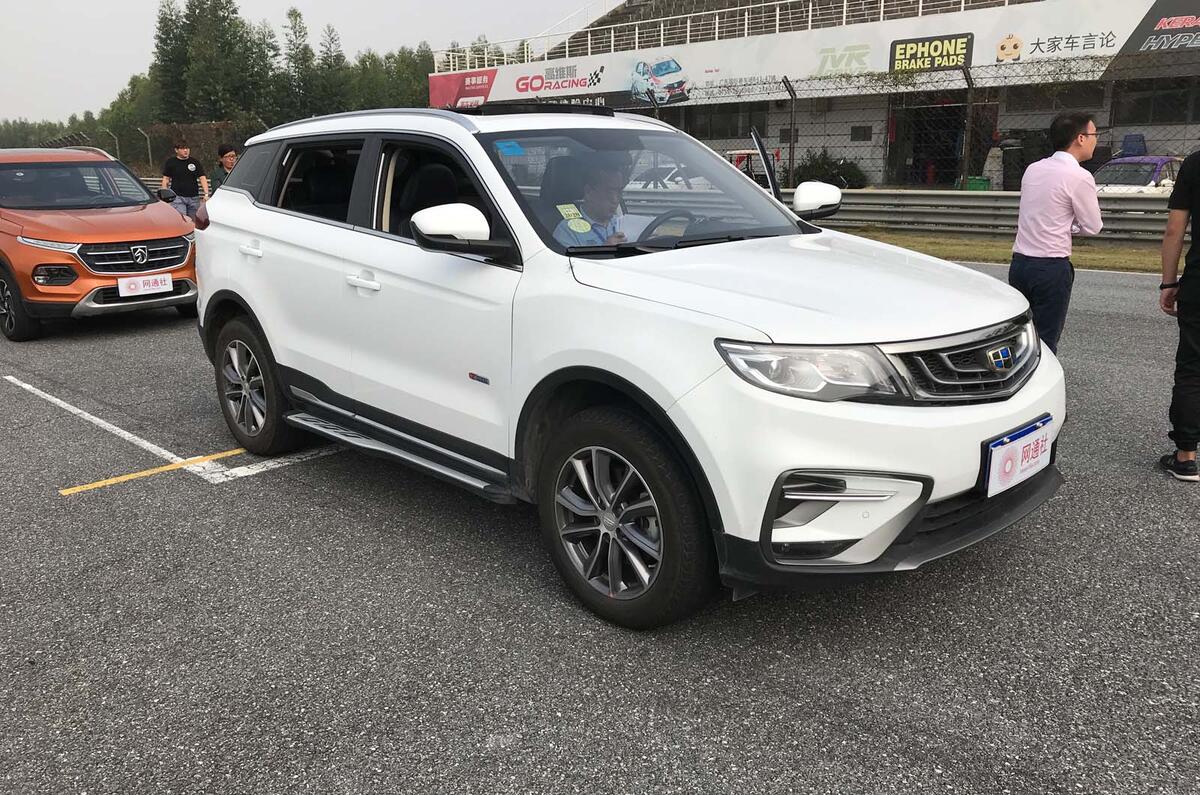
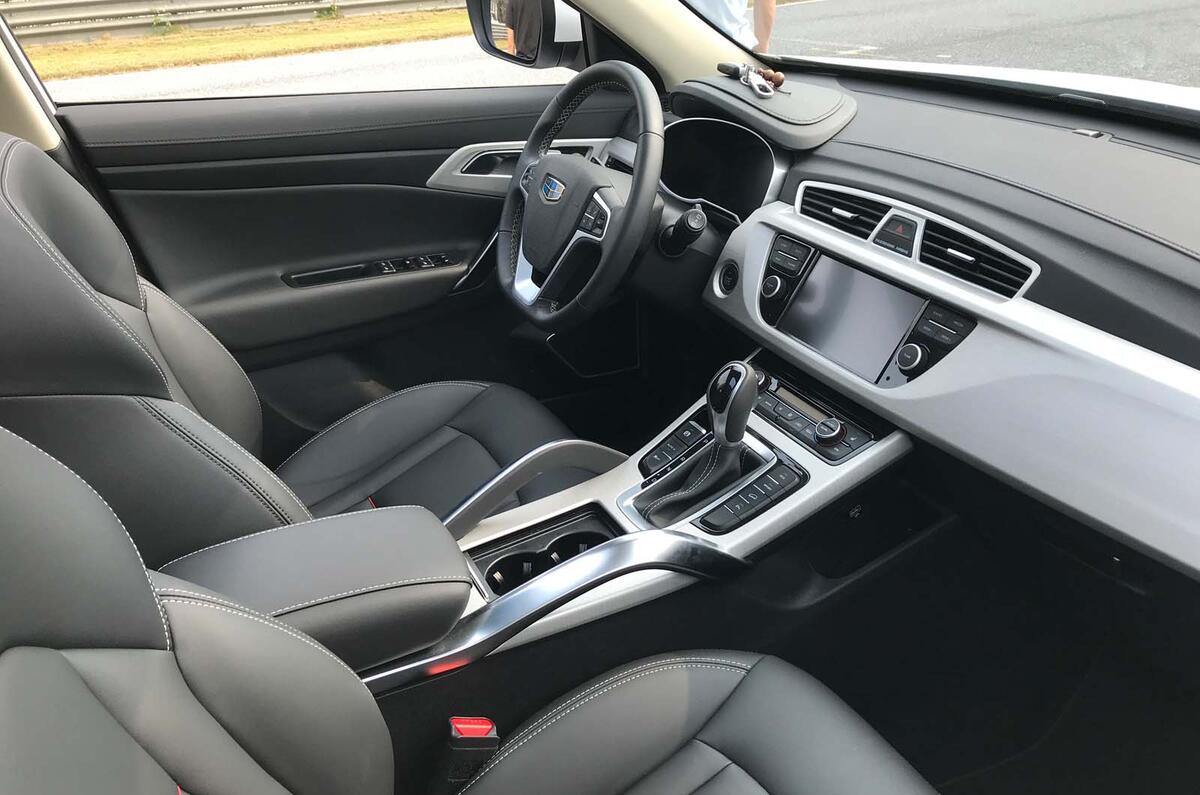
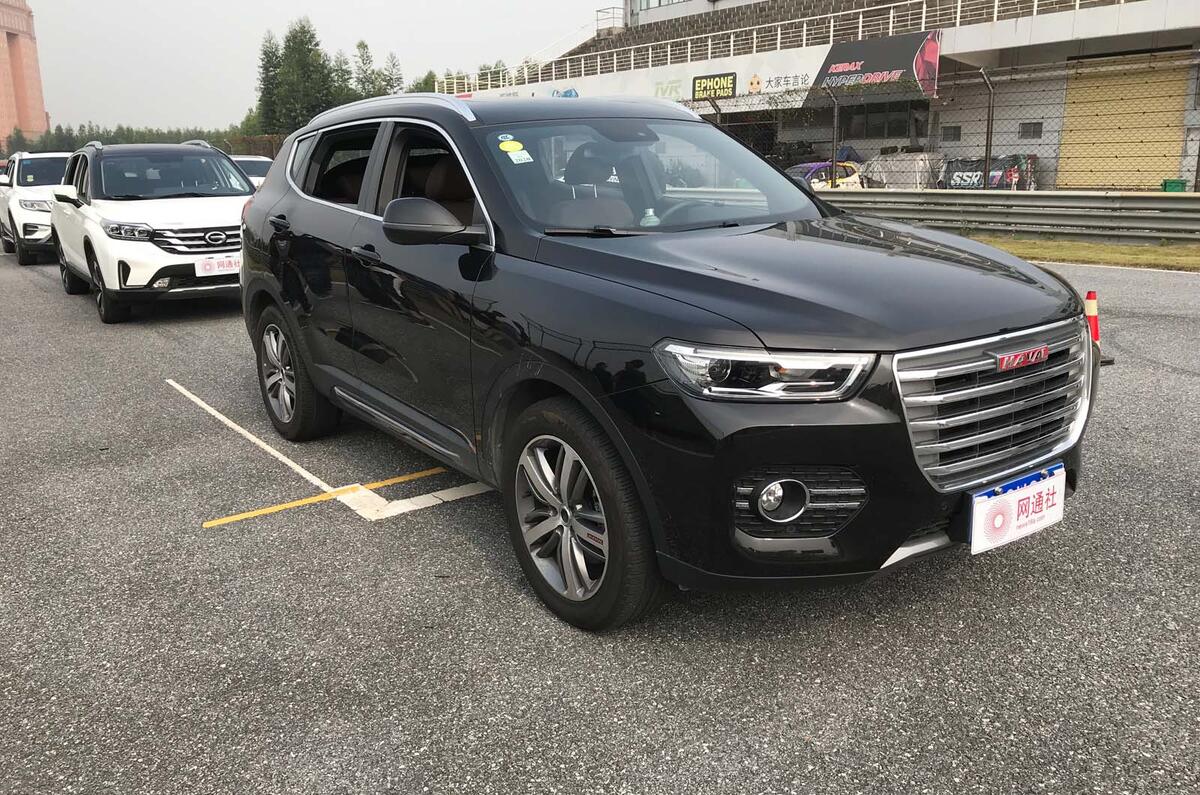
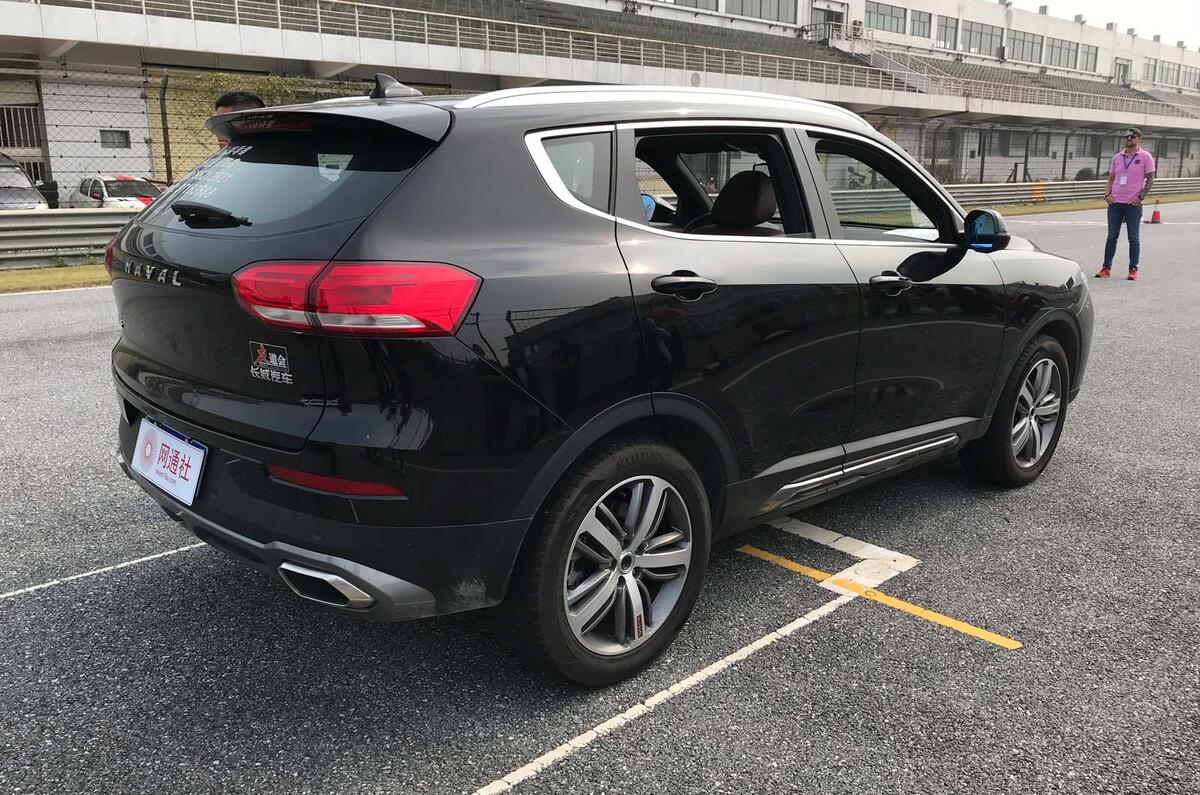
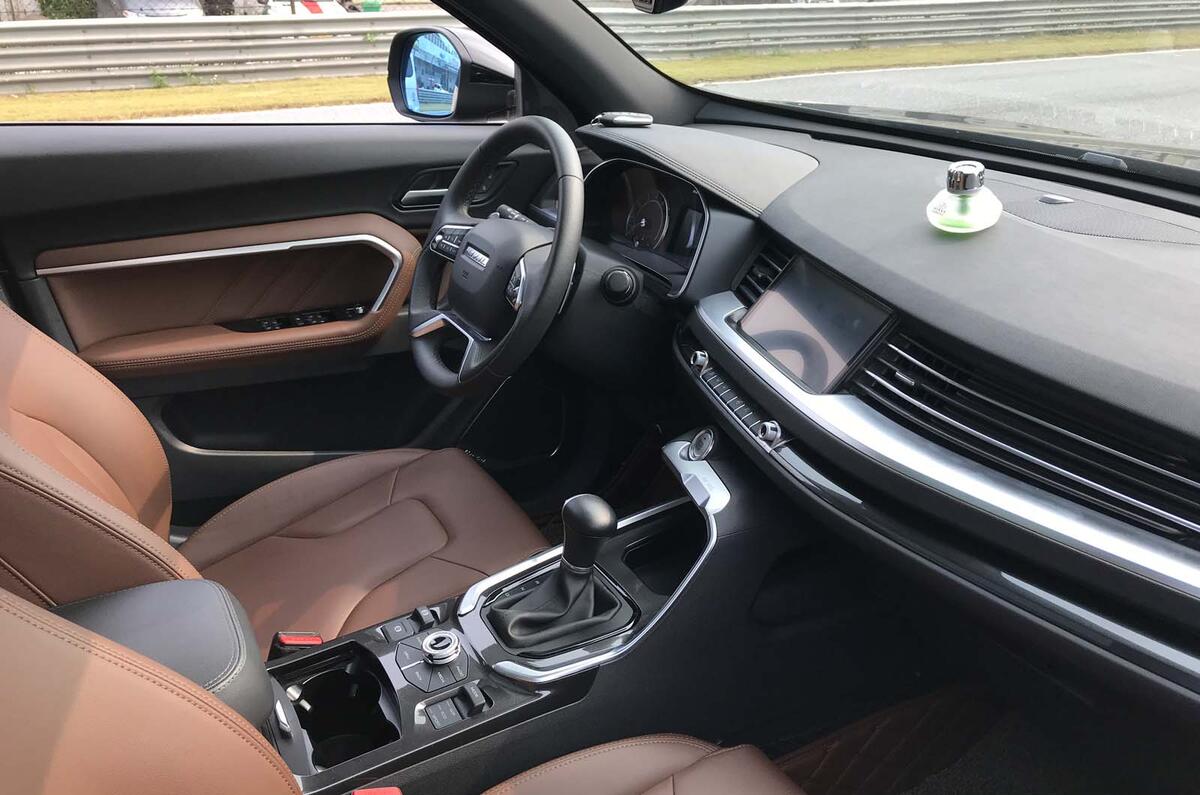
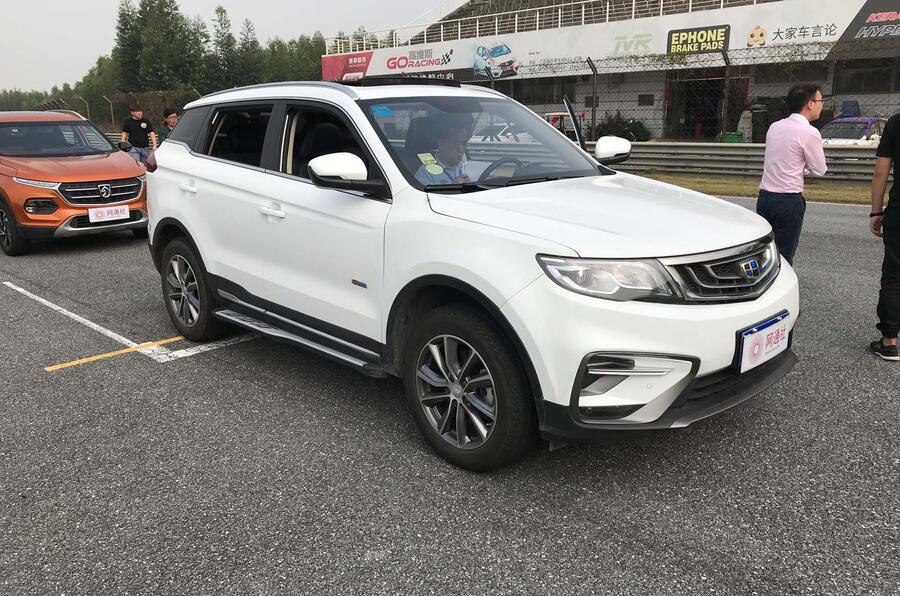
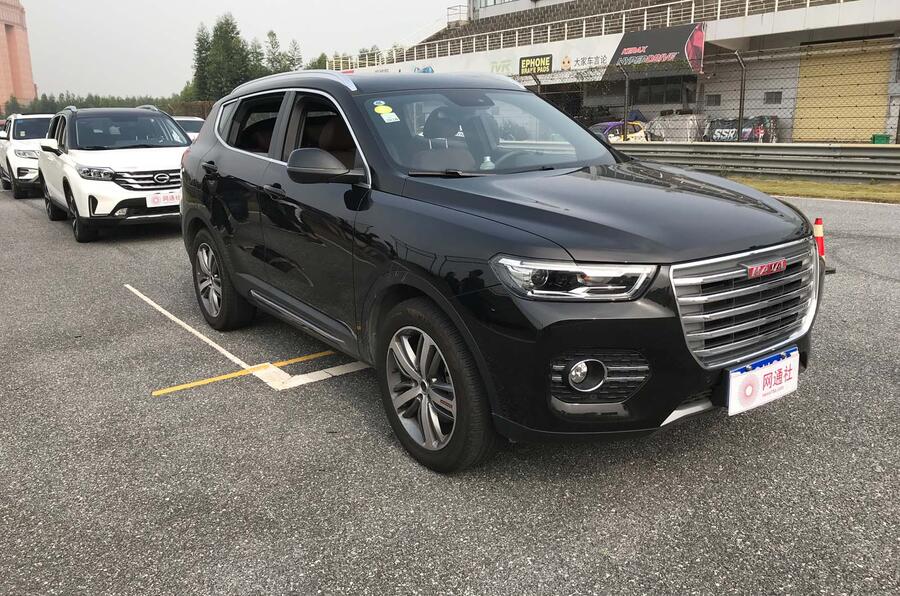
Three in particular stood out: the Trumpchi GS4, the Geely Boyue and the Haval H6, China’s bestselling car.

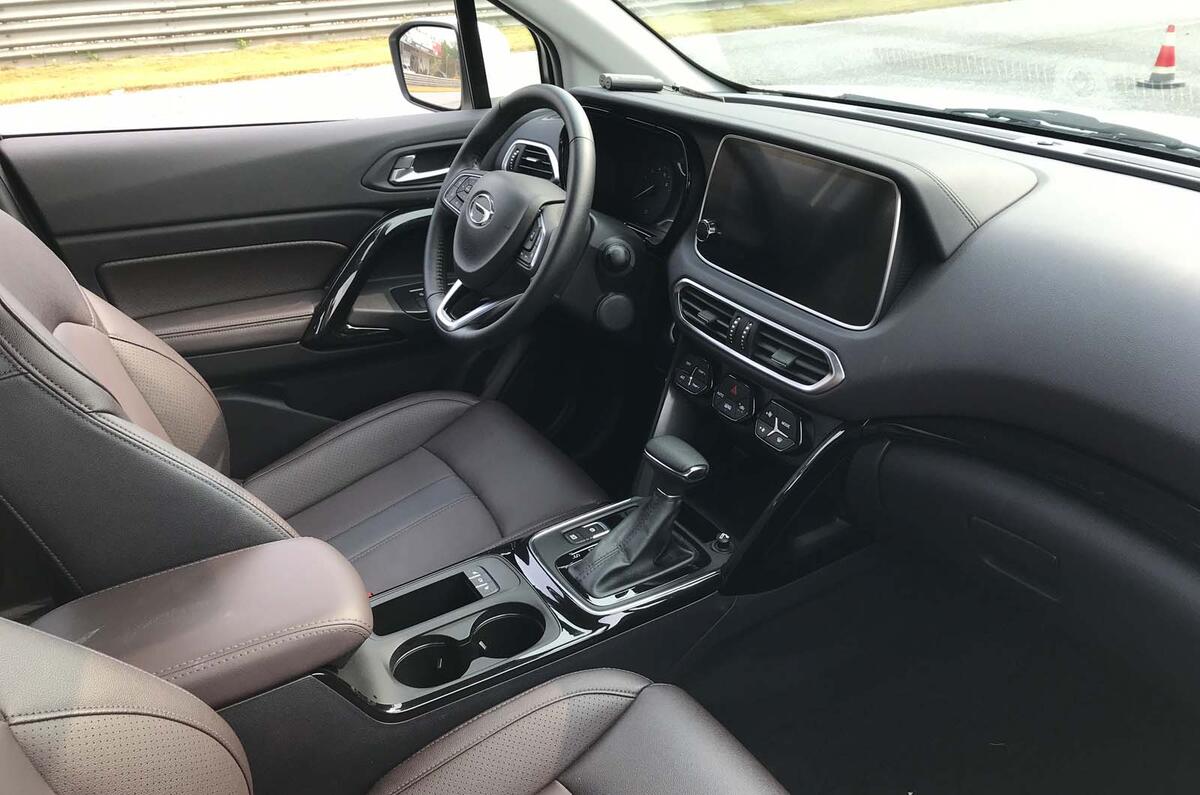
Why so? For not only how contemporary their overall packages were, but for genuinely how decent they were to drive. Cover the badges on the Trumpchi, and you could be in any one of a number of mid-sized, mass-market European family SUVs, in what is far from the most inspiring class of car. Ditto the Geely, even if it wasn’t quite at the Trumpchi’s level. 
Img 0432

The pair wouldn’t top the class – far from it – but I doubt they’d bottom it either, especially when the value factor comes into play. But unlike before, they’d not be immediately discounted for the way they drove. That’s huge progress.  

The Haval feels far more suited to the US, in offering a softer drive than a hell of a lot of US-market SUVs do. You can picture it working there. 

It’s no coincidence, then, that the makers of all three of those cars are creeping onto the global stage. Trumpchi’s owner is Guangzhou-based GAC, which has shown cars at the Detroit motor show in the past, as well as launched its new GS5 (minus the Trumpchi badge) at the recent Paris motor show, with the statement that it expects that car to be seen on the streets of Europe in the future.

Geely is the best-known of all Chinese car makers in Europe, perhaps MG excluded, for its ownership of Volvo and now Lotus. It will launch its Lynk&Co sub-brand in Europe in 2020, and revealed a very contemporary-looking and Geely-badged concept car at the Beijing motor show in April. Geely is ambitious. 

Img 0428

Haval is owned by Great Wall, which already has a UK presence of sorts with its pick-up trucks. Havals are sold in some export markets, including Australia and South Africa. Great Wall last year launched a more premium SUV brand called Wey, which aims to bring the best of Haval into a more export-friendly package. 

To succeed in the US and in particular Europe, the Chinese car makers must get compelling cars and branding together, and then win on price, following a strategy previously sneered at that brands such as Kia, Hyundai, Skoda and Dacia have successfully employed. 

If a car’s good to look at, good to drive and cheap to own, the buyers will come. Chinese car makers are ticking more and more of those boxes by the day. 

Read more

Insight: 11 Volkswagen saloons you've never heard of​

Geely plans £1.5 billion investment in Lotus

Guangzhou motor show news