24 February 2021





Early adopter of electric power has been refined rather than reinvented

Public charging woes remain a concern - 18 November 2020
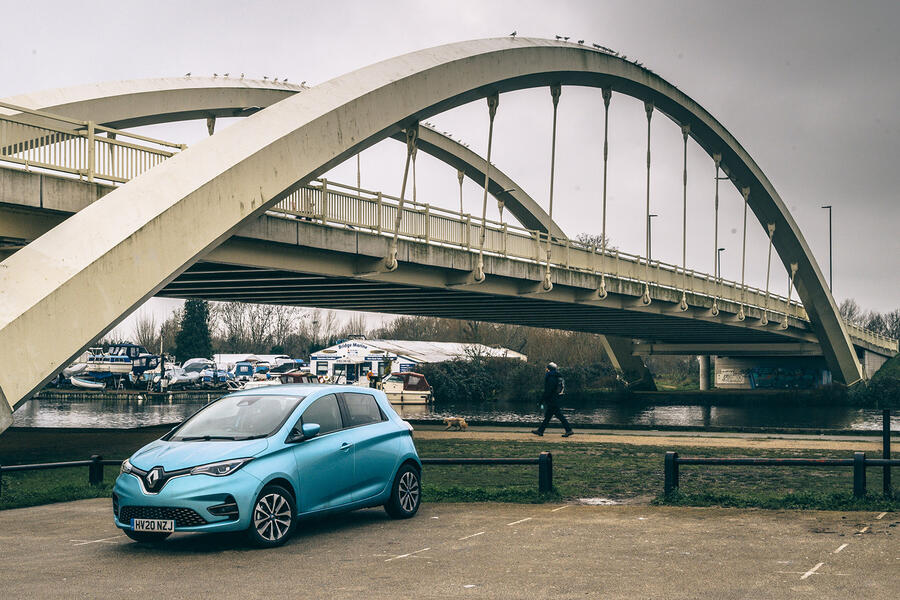
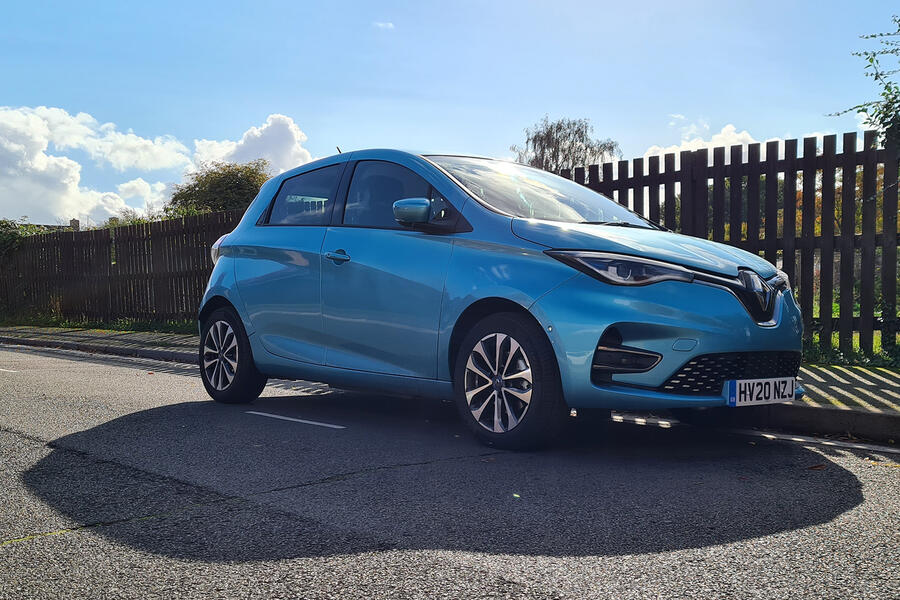
Poor form from Podpoint this week, with one broken public charger and a second one reporting an unoccupied 50kW connection, despite it being hooked up to an Audi E-tron. Luckily, I could use the slower (but still far better than a domestic socket) 22kW option. The Zoe now reports a more optimistic 205 miles on full charge – and coincidentally recommends me Polar chargers almost exclusively.
Mileage: 361
Renault’s take on electrification has its positives and negatives - 4 November 2020
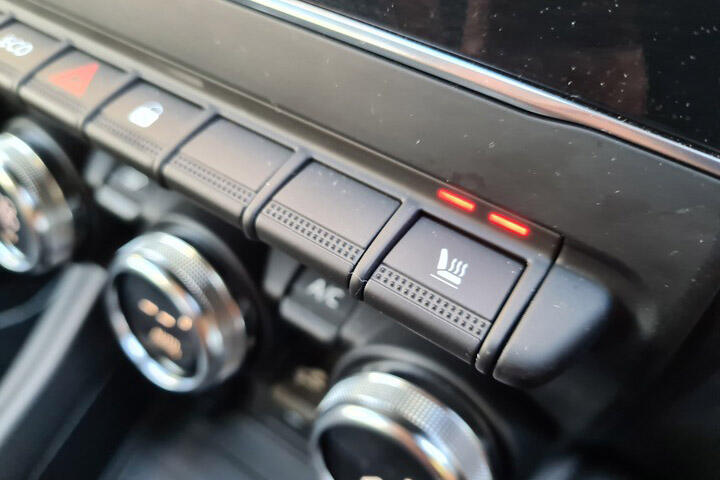
The recent spate of colder mornings has had me reaching for the Zoe’s climate controls, then telling myself off and turning on the heated seats instead – although this already feels like an outdated approach to electric car ownership.
The Zoe is proving impressively efficient when you crank up the temperature, even if warming the whole cabin is technically a ‘waste’ of battery power. The predicted range of the MG ZS EV that I ran at the start of this year would plummet by 10 or 20 miles if I just turned on the fans, but here I’m able to stay balmy without an alarming drop in range flashing up on the dashboard.
Admittedly, this would be less of a concern if the Zoe wasn’t so choosy about which functions it keeps enabled between trips. The energy-saving, acceleration-blunting Eco driving mode? Absolutely – but seeing how the icon on the dashboard is so small, you will spend a good few minutes of the next journey wondering why the throttle feels limper than a lettuce leaf.
The heated seats and steering wheel, though? Oh no, sir/madam: if you want toasty buns, you will have to activate those every time you get back in the car. Quite why the steering wheel heating button needs to be to the right of the dashboard next to the driver assistance controls is also beyond me, seeing as there are several blanks right next to the driver’s seat heating switch. I’m not ashamed to admit it took a few trips before I even realised it was there.
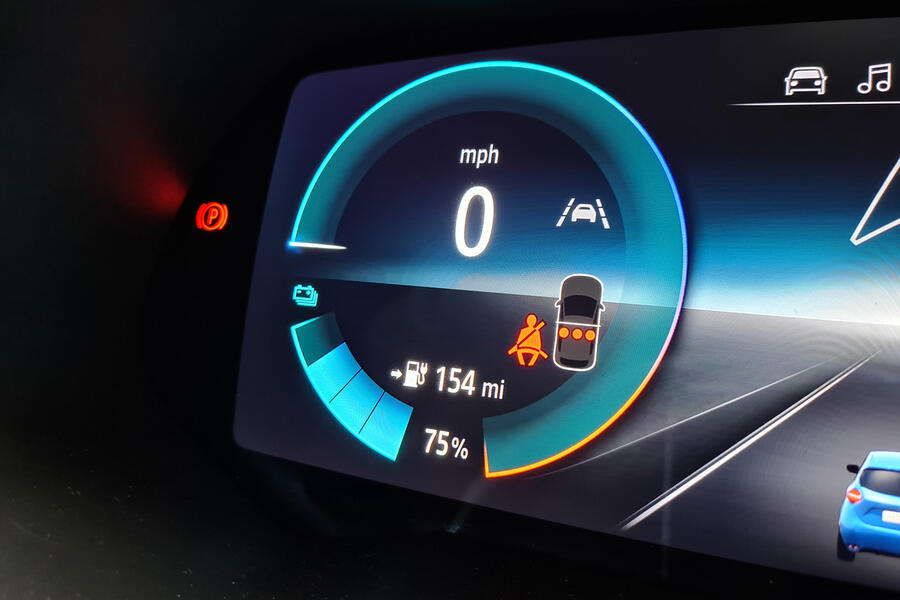
How accurate the Zoe is at predicting its remaining range is up for debate, too. I’ve been finding it rather conservative, especially for town and city driving with lots of opportunities for brake regeneration, but I could be being influenced by the view that I’ve picked for the digital dashboard (which makes the range bar look huge). It’s purely psychological, but it still goes a long way to eliminating my range anxiety.
Even so, after a week with editor Mark Tisshaw, the Zoe’s instrument cluster is now showing a maximum of 190 miles on a full charge – a long way from its WLTP-certified 238. That can largely be chalked up to different journey lengths, rather than driving style, because the Zoe has accumulated a great deal more motorway miles since its last appearance on these pages.
A surprisingly mature ride and the relative silence that comes with an electric powertrain makes driving the Zoe at speed a relaxing experience, and although its accelerative efforts at motorway pace are less impressive than from a standstill, you could hardly call overtaking a chore.
A brief spell in a Kia e-Niro has also highlighted Renault’s take-it-or-leave-it approach to brake regeneration. Paddles behind the steering wheel in the e-Niro let you quickly toggle between three different strengths of regeneration, or you can hold it down for maximum effect, where the car brings you to a smooth stop in traffic without you needing to touch the brake pedal.
In the Zoe, regeneration strength is tied to the driving modes you pick with the gear selector, and there are only two. I prefer the more aggressive B, as the effect is greatly diminished while in D. Using the former with a mostly full battery puts an annoying warning on the dashboard, though, reminding you that its usefulness is limited at higher states of charge. Neither mode is strong enough for true one-pedal driving, either.
Love it:
Data-centric dash The digital instrument cluster isn’t huge, but its different display modes let you see what is useful and hide what isn’t.
Loathe it:
Aggressive eco mode Eco mode saps all responsiveness from the throttle, making the Zoe sluggish even in city traffic. It’s not worth the potential range savings.
Mileage: 298
Fast charging worth paying for - 14 October 2020
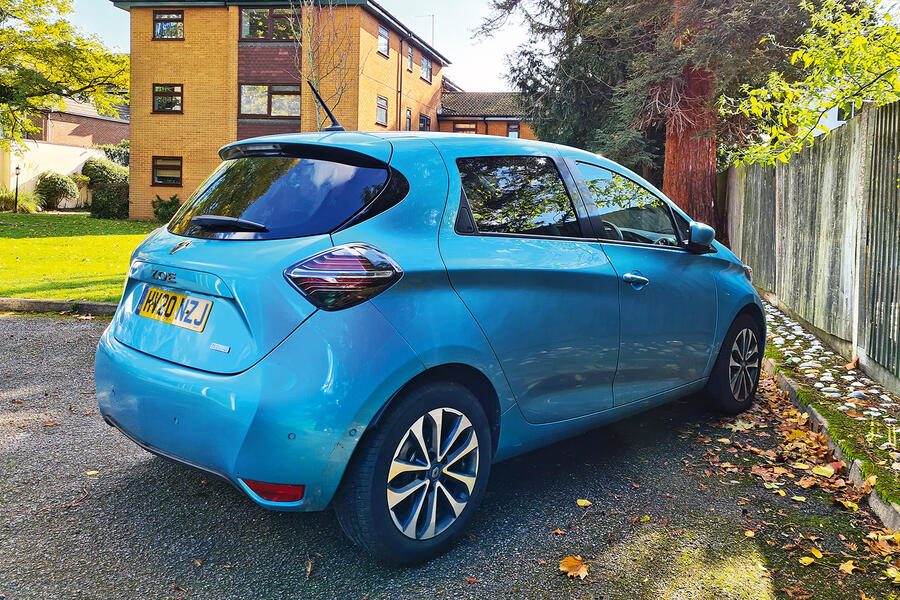
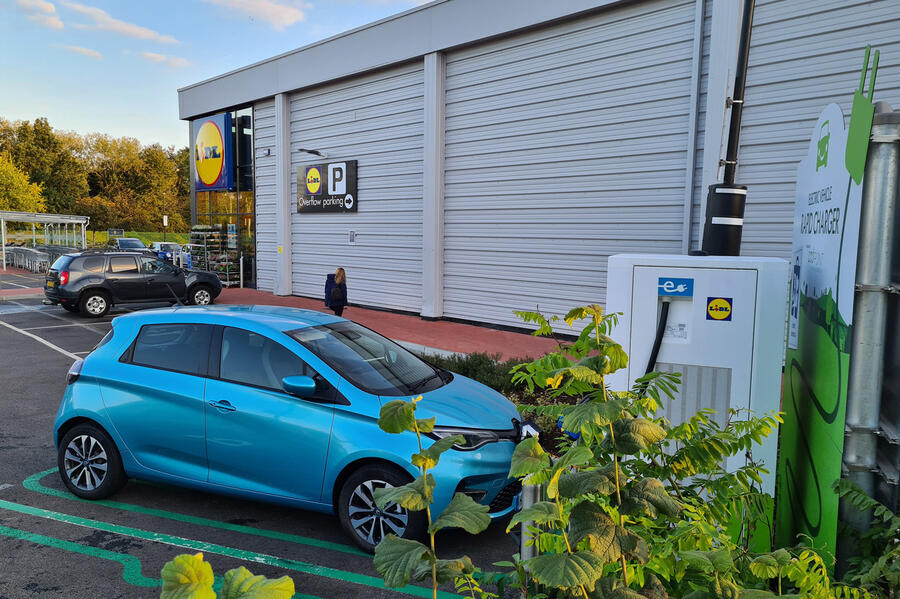
I’m grateful our Zoe supports rapid charging (a £1000 option that’s well worth it if you can’t plug in at home) and that I’m well served by 50kW public chargers. An hour of 7kW at my local Tesco added less than 30 miles, but a Pod Point station at Lidl was good for more than 100 miles in half an hour. I know where I’ll be shopping for the foreseeable.
Mileage: 158
Time to swap petrol for electrons and see how Renault’s two superminis compare - 30 September 2020
When you find yourself really clicking with a car, the day you have to hand back the keys seems to come around that much faster. This has proven doubly true for me with the latest Clio, which has slotted so seamlessly into my life, even if the effects of lockdown meant it accrued relatively few miles.
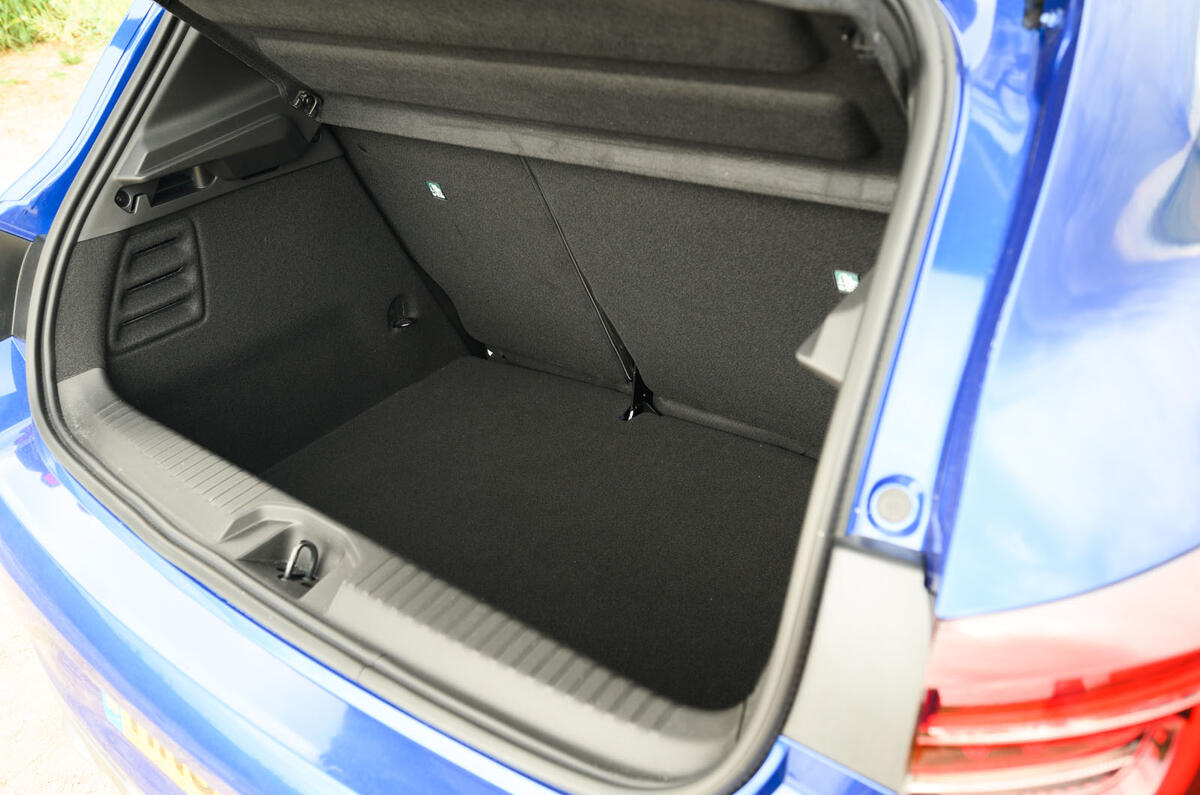
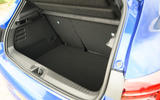
I chalk this up partly to matching the typical supermini owner profile: young(ish), with a small family, modest budget and fairly short commute. Or, at the moment, no commute at all. The kind of driver who appreciates how easy a small car is to park (particularly with a crystal-clear rear-view camera and sensors) and rarely fills the boot with more than shopping bags (it’ll swallow two supermarket trolleys’ worth).
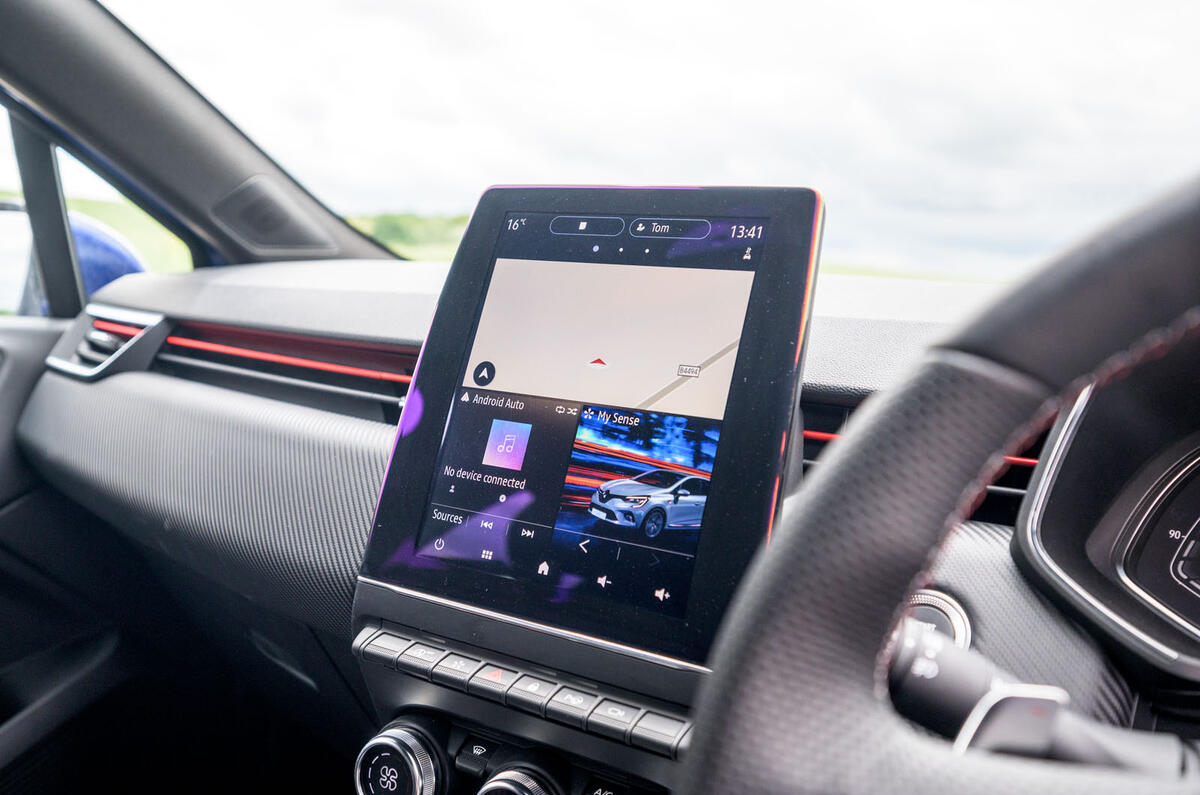
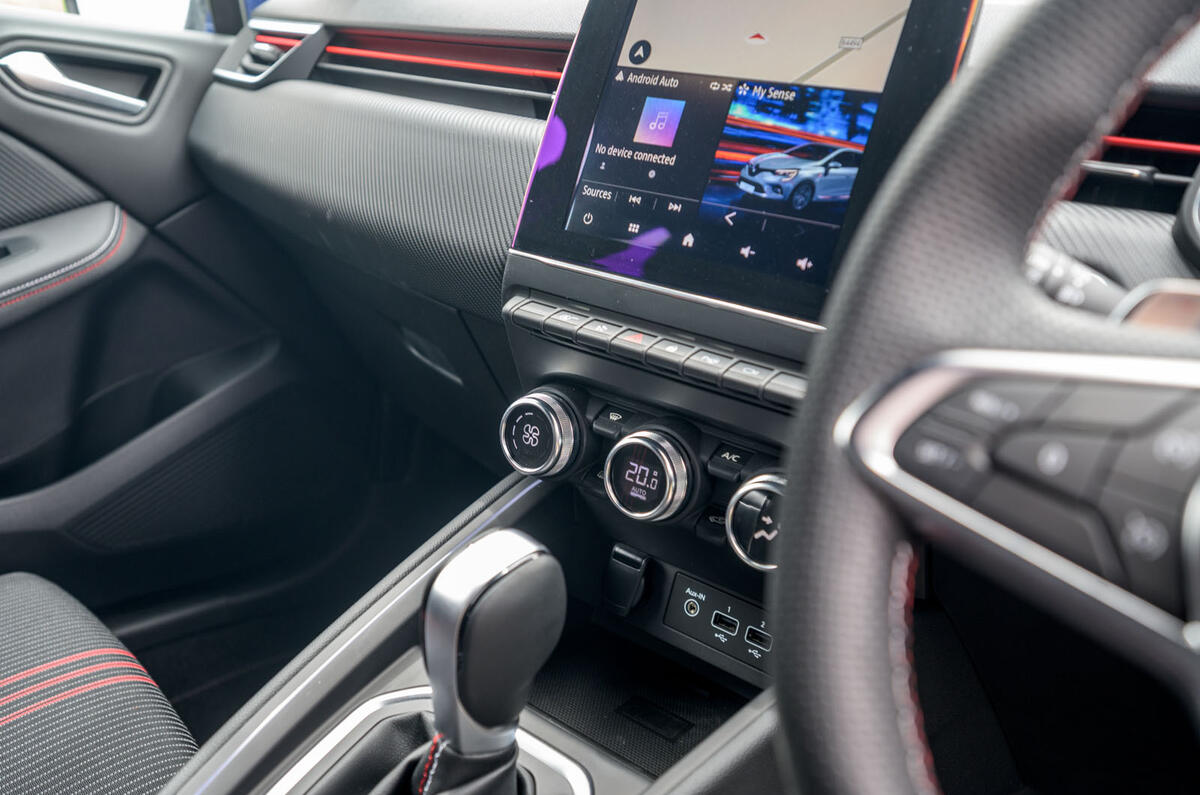
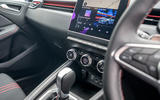
I’m also a big fan of the cabin, with its emphasis on technology, smartphone mirroring and, yes, even ambient lighting. Which isn’t tacky in the slightest – honest. But a lot has to be said for how much fun I had behind the wheel.
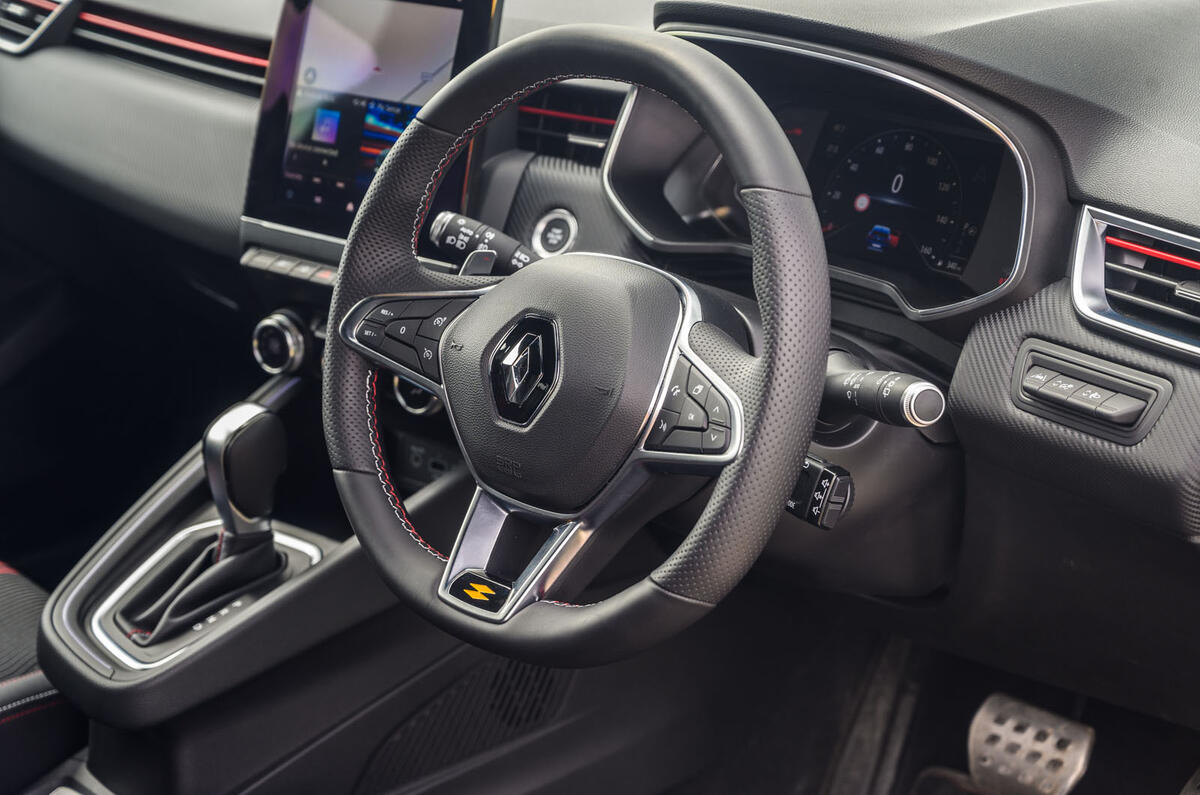
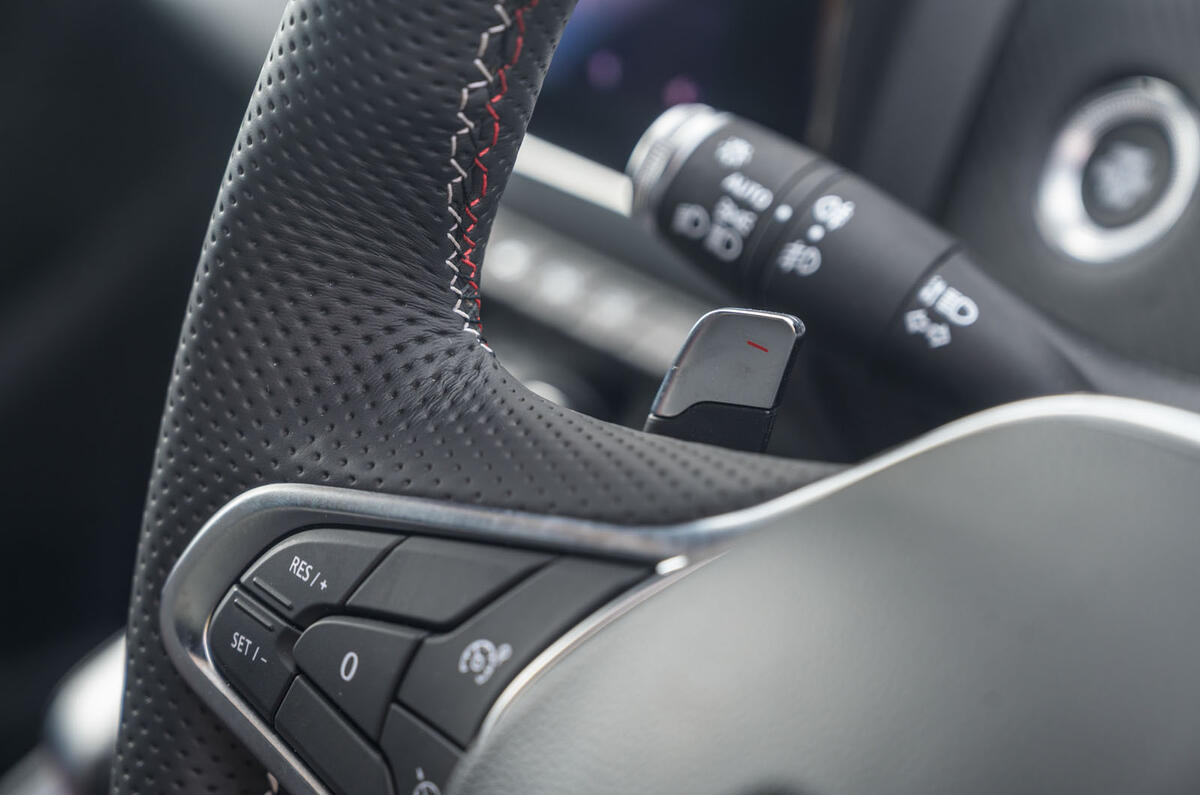
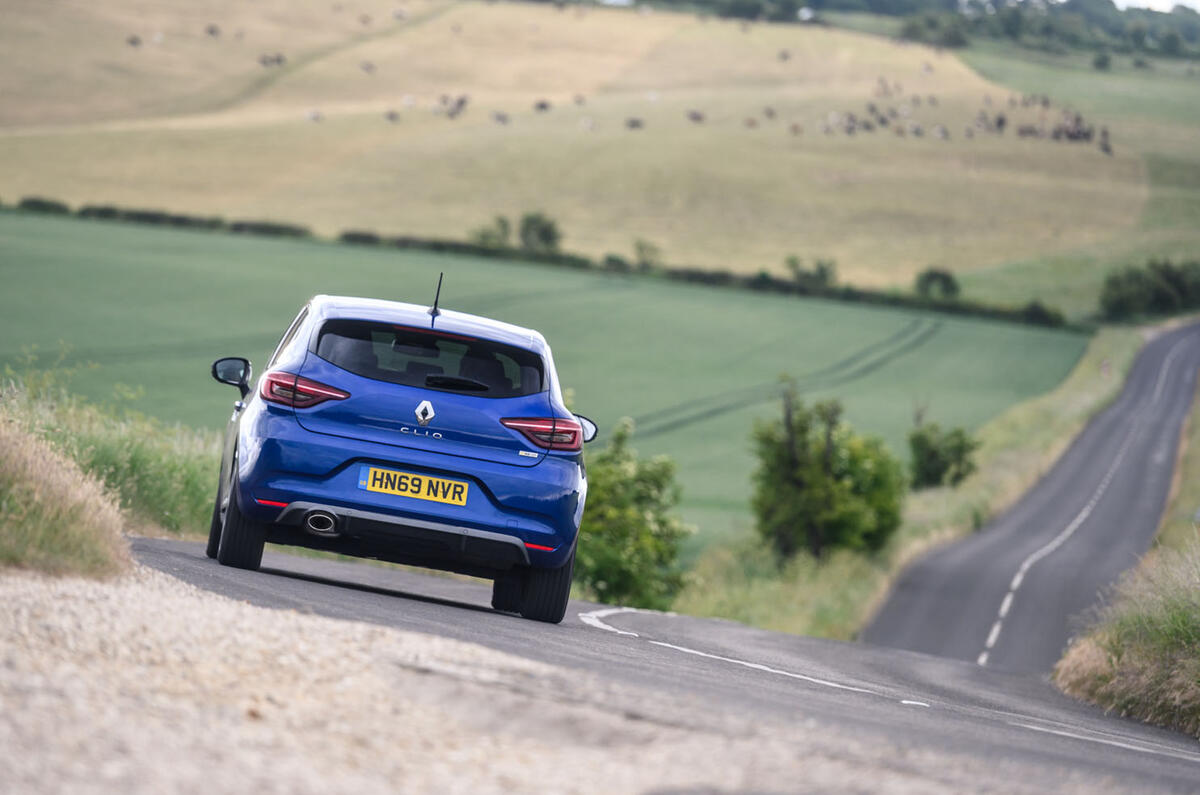
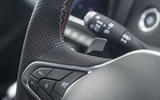
The wheel-mounted paddle shifters, low-slung seating position and giant rev counter on the digital instrument cluster all create a delightfully sporty feel. This is no hot hatch, the 130bhp turbo four-pot being as spicy as small Renaults get right now, but it still proved nimble and responsive on twisting country roads. Its agility and dynamism are, to my eyes, up there with the very best of the class when driven briskly.
When the car arrived, I was convinced I’d rather have a manual gearbox, but while I did use the paddles a fair amount for daily driving, leaving the cogs to their own devices usually meant much better fuel economy. I never did quite manage 50mpg, but 400 miles between refuelling stops was still respectable, given a heavy right foot.
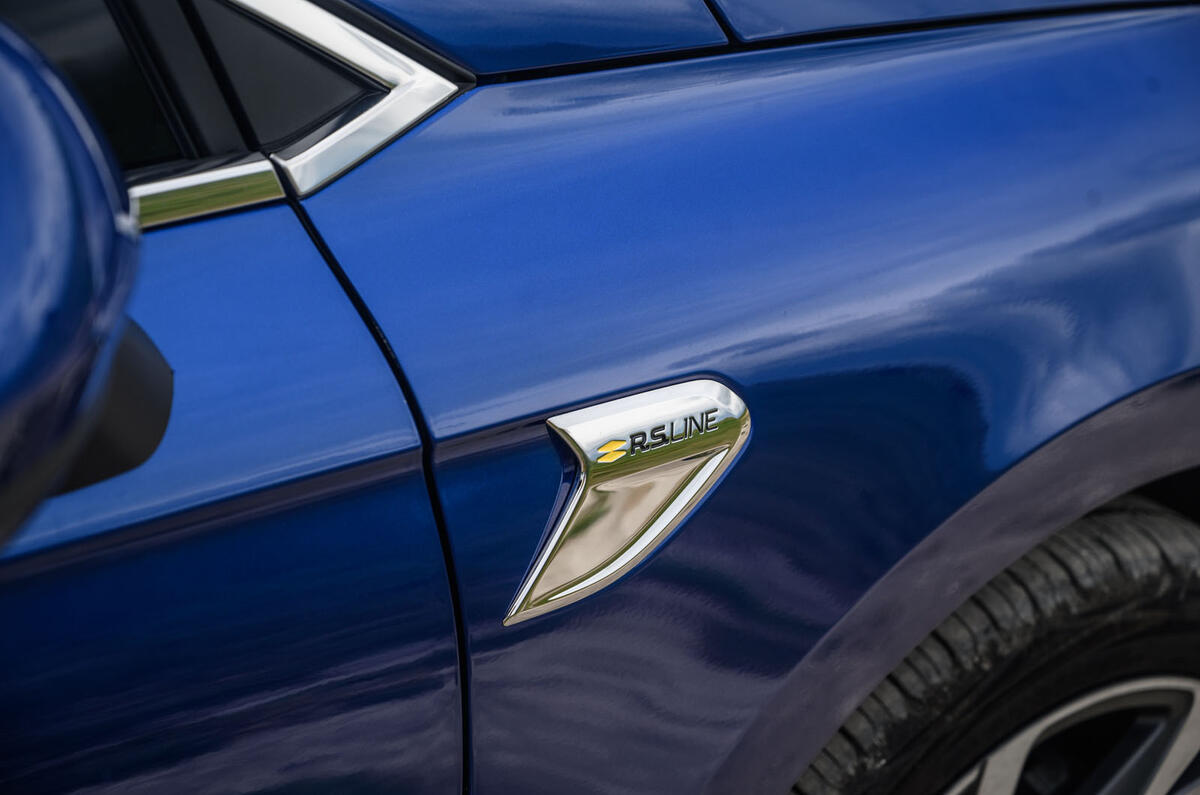
It was just about entertaining enough to earn that RS Line badge, then, and without the insurance group premium that comes with a true hot supermini like the Fiesta ST – even if the retail price gets perilously close to Ford’s pocket rocket.
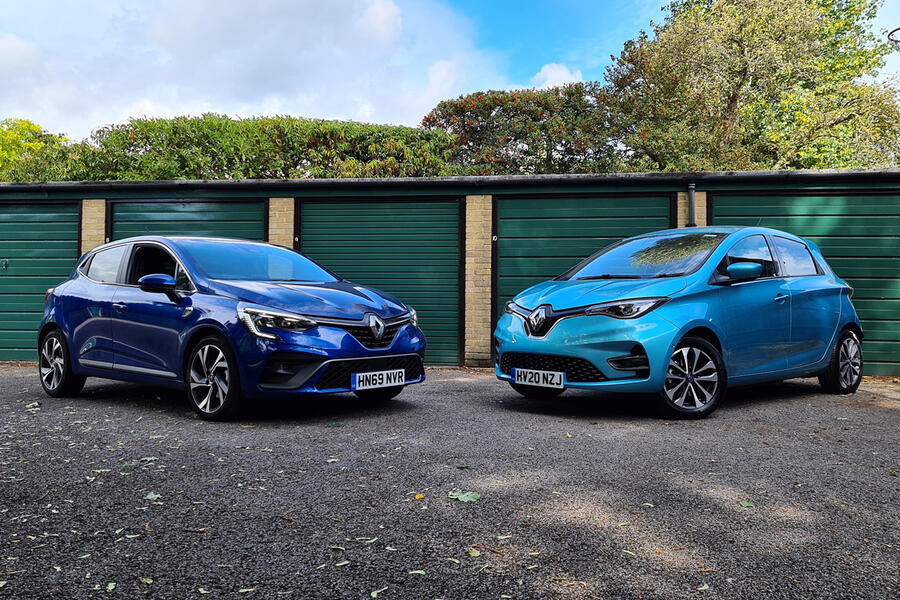
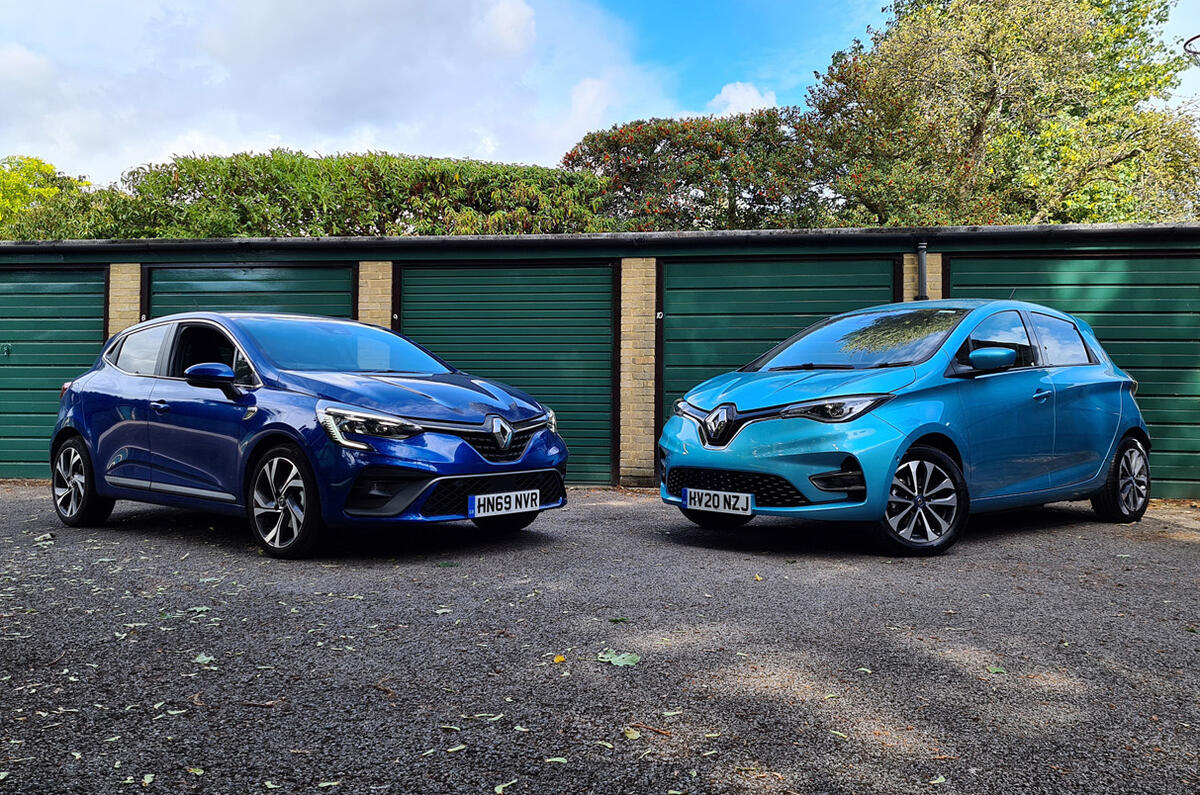
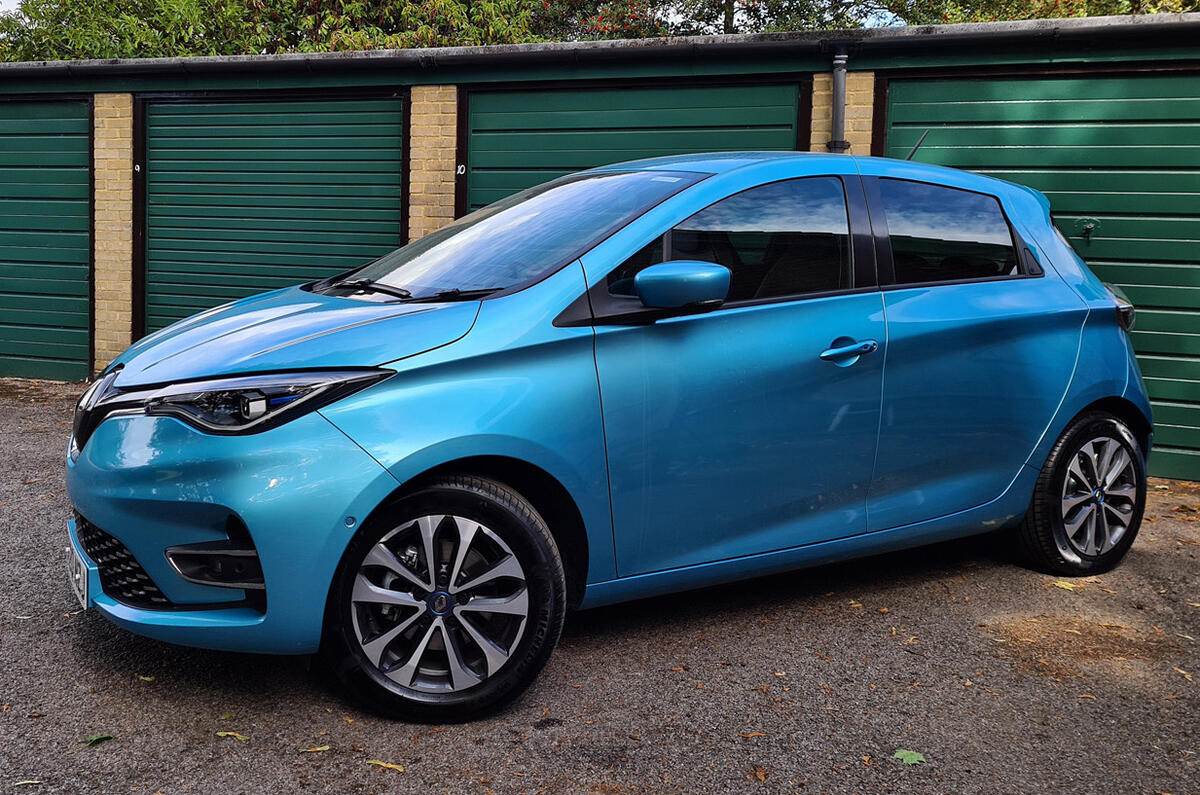
The bigger quandary, and the one I plan to answer over the next few months, is whether to go down the petrol route at all. That’s why I’ve swapped the Clio for a Renault Zoe – the other half of Renault’s supermini story.
Whether customers are cross-shopping the two is up for debate – given the near £10,000 gulf in price even once you take the government electric car grant into account – but now this second-generation model has a WLTP-certified 238-mile range between charges, it can no longer be relegated to ‘second car’ status.
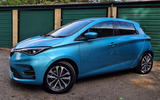
Our Zoe is a top-spec R135 GT Line, the most popular trim among UK buyers. It’s the Rapid Charge version, which carries a £1000 premium, so allows for 50kW recharging – something I’ll be taking frequent advantage of given I’m a renter and there is nowhere suitable to install the free BP Chargemaster wallbox Renault is offering Zoe customers. Luckily, there are several public fast chargers a mile or two from home.
The car arrived showing 100% charge and 200 miles of range, so we’ll have to see if that improves with careful driving – or if it plummets as we head into the winter months. We specified the optional Winter Pack and its heated steering wheel, but otherwise GT Line models come fully equipped as standard, with a 9.3in touchscreen, rear-view camera, cruise control and the same brilliant hands-free entry keycard as the Clio.
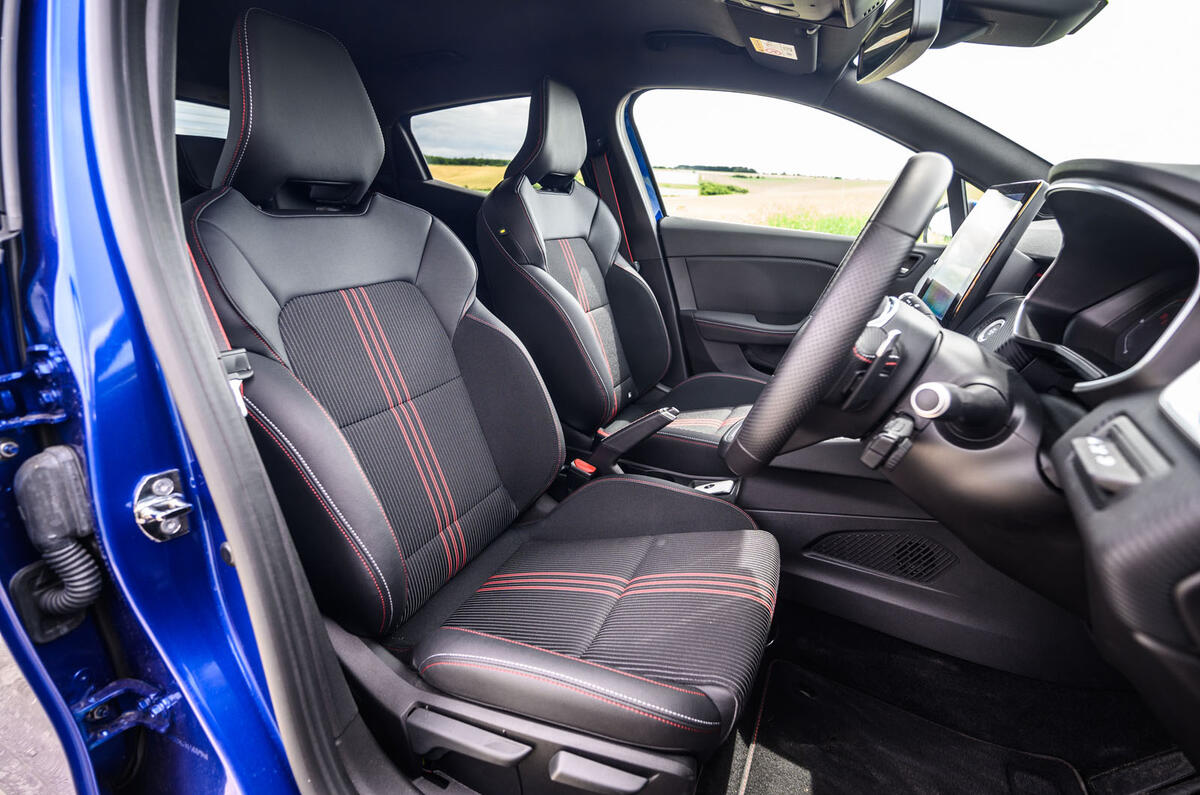
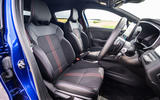
First impressions? It’s all so similar and yet so different, with a much higher driving position because of the underfloor batteries. I’m of the opinion that the more bolstered a driver’s seat the better, but my other half (who wears a glucose monitor on her arm and was constantly knocking it loose in the Clio) much prefers the Zoe’s less cocoon-like chairs. They still give plenty of support and the half-leather, half-fabric design looks the business, too. Lighter materials all round make the cabin feel more spacious than the Clio, even if it’s not physically any larger.
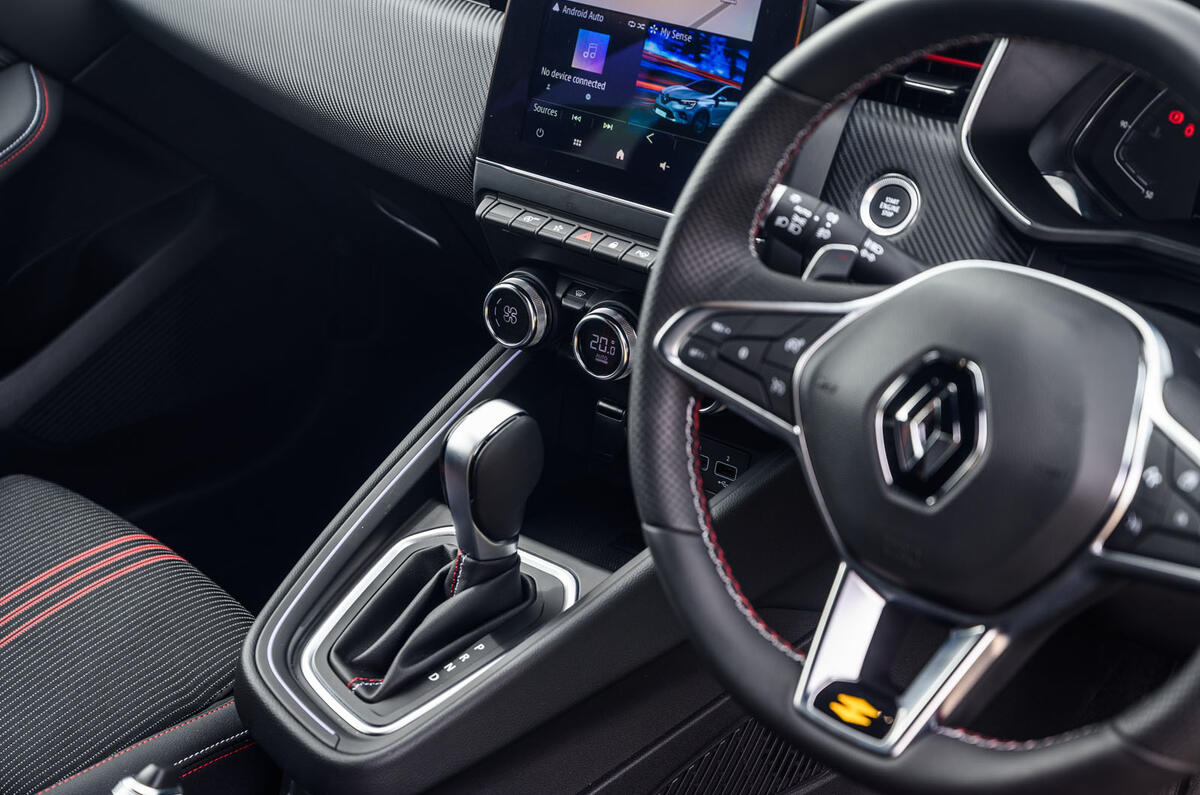
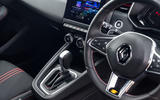
Despite their weight difference, the Zoe and Clio are closely matched on performance, with the heavier EV needing half a second longer to reach 60mph. Instant off-the-line acceleration makes it feel quicker, though, even if the stopwatch says otherwise. The oddly mechanical gear selector isn’t a patch on the Clio’s substantial shifter, mind.
After a few short journeys, I’m already wondering whether the all-digital dash will feel up to par once I get a turn in editor Mark Tisshaw’s Honda E, and how well it will perform in the corners. The Clio has set the bar surprisingly high.
Second Opinion
Good on Tom for jumping straight from the Clio to the Zoe. I imagine there are many buyers out there who would not be so willing – even if the EV comes with a 238-mile range. For those people, the just-launched hybrid Clio E-Tech could make for an appealing stepping stone.
Simon Davis
Final mileage: 1413
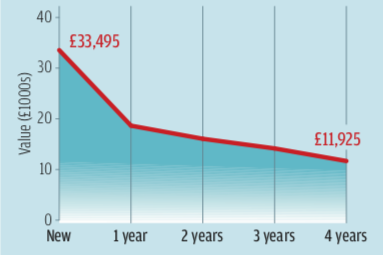
Prices: List price new £20,295 List price now £21,395 Price as tested £21,655 Dealer value now £16,330 Private value now £13,950 Trade value now £11,450 (part exchange)
Options:Iron Blue paint £660, Techno Pack £500, spare wheel £200
Fuel consumption and range: Claimed economy 49.6mpg Fuel tank 42 litres Test average 45.5mpg Test best 49.1mpg Test worst 43.0mpg Real-world range 420 miles
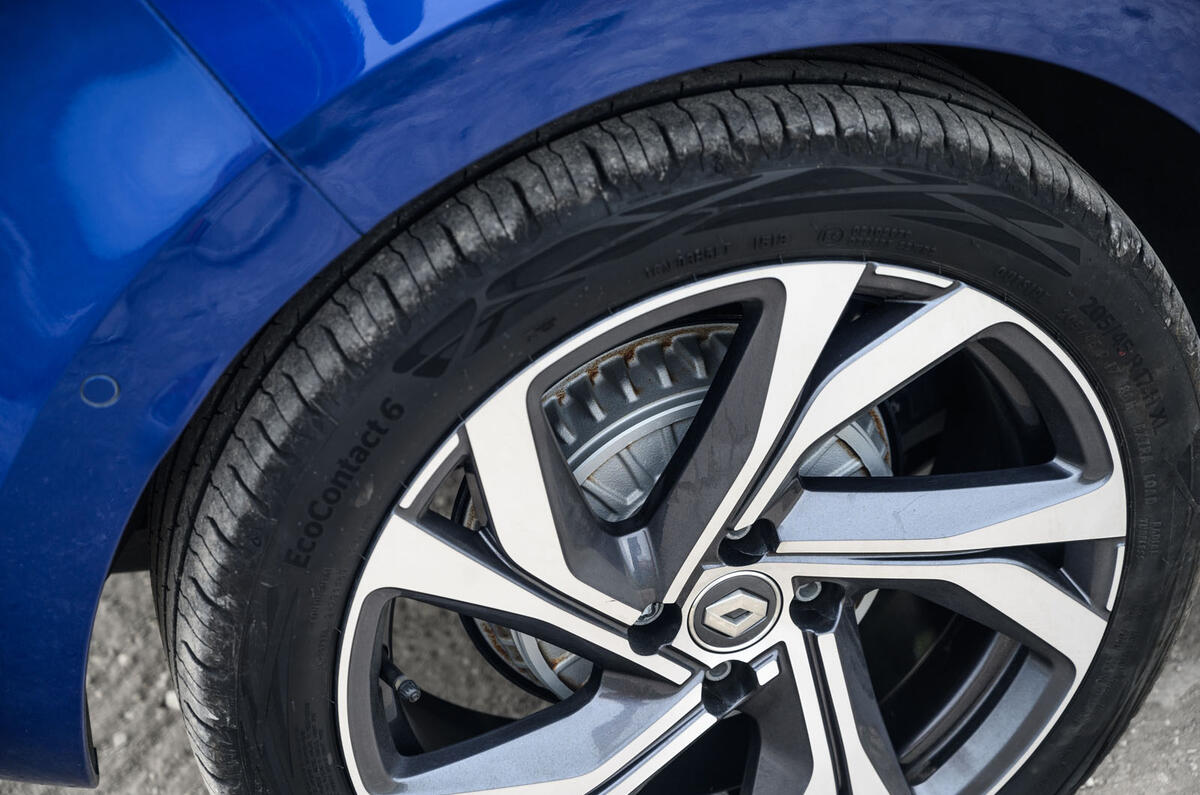
Tech highlights: 0-62mph 9.0sec Top speed xxxmph Engine 4 cyls, 1330cc, turbo, petrol Max power 129bhp at 5000rpm Max torque 177lb ft at 1600rpm Transmission 7-spd dual-clutch automatic Boot capacity 300-1146 litres Wheels 17in, alloy Tyres 205/45 R17 Kerb weight 1248kg
Service and running costs: Contract hire rate £187 ppm CO2 131g/km Service costs none Other costs none Fuel costs £137.80 Running costs inc fuel £137.80 Cost per mile 9 pence Depreciation £8845 Cost per mile inc dep’n £6.36 Faults none
Battery saving a little too keen - 9 September 2020
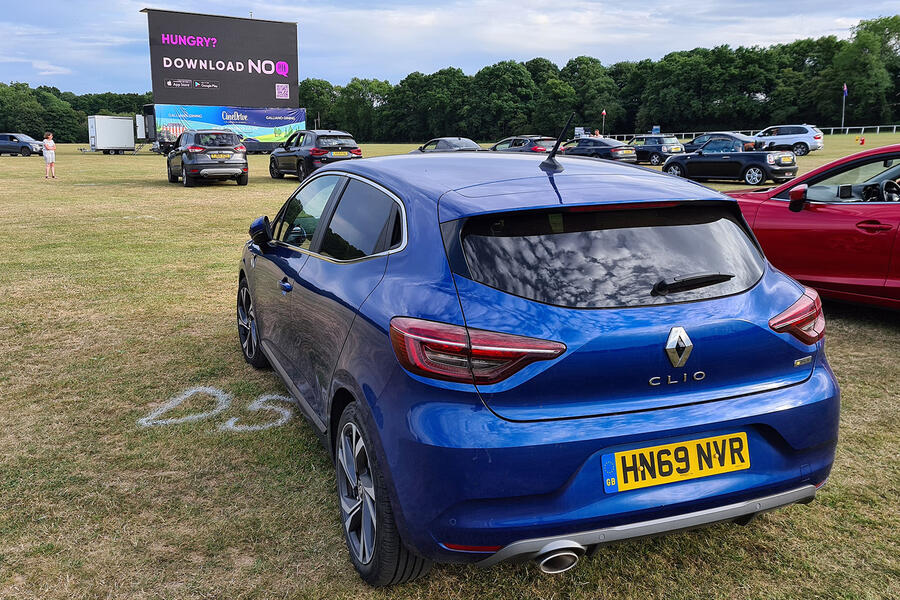
It sounded like the ideal socially distanced activity, but our Clio wasn’t prepared for the 2020 resurgence of the drive-in movie theatre. Aggressive battery saving turns off the ignition, and therefore the radio, after barely five minutes. Cue an engine-on restart, and lots of annoyed tutting from nearby cinema-goers, each time it happened.
Mileage: 1284
As secure as you like - 12 August 2020
I’m a fan of Renault’s hands-free key, but not everyone I’ve spoken to would trust their car to lock itself as they walk away – even with the beep that confirms it’s secure. Thankfully, the Clio’s key menu lets you keep the functions you like and turn off the ones you don’t for added peace of mind. Besides, if you go three days between drives, walk-up unlocking is automatically turned off.
Mileage: 836

A week away reveals our supermini’s practical side - 29 July 2020
As lockdown restrictions began to ease and the concept of social bubbles was introduced in early July, my fiancée and I seized the opportunity to visit her mother and spend a week on the south coast. Since it arrived six weeks ago, ‘my’ Clio hadn’t spent a single night away from home, so this would be a chance to fill its boot with something other than the weekly supermarket shop.
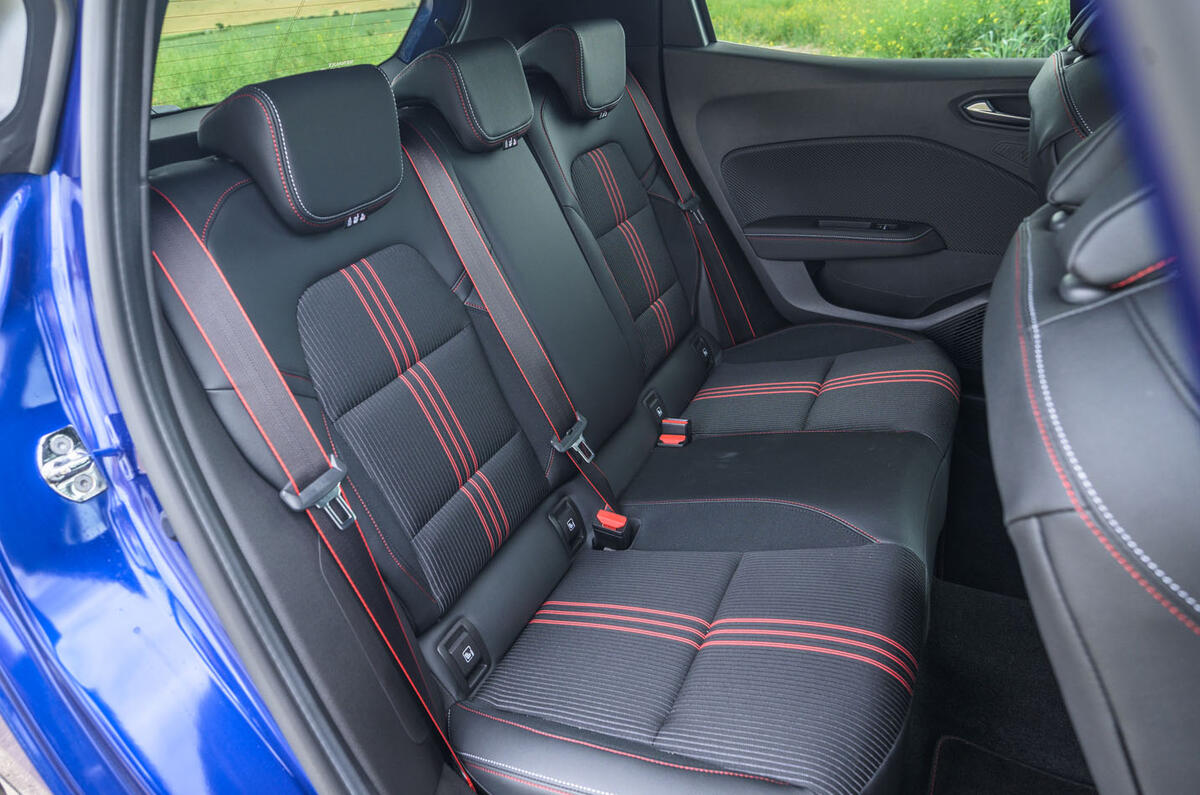
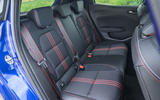
Renault’s decision to give up a bit of rear leg room makes sense when you don’t have any children to squeeze into the back seats, because it means you get one of the largest-capacity boots in the class. Its 391 litres may be more than you’ll find in several rivals from the class above, but expecting the boot to swallow a pair of bicycles along with our luggage was more than a little ambitious – even if one of them was the folding kind.
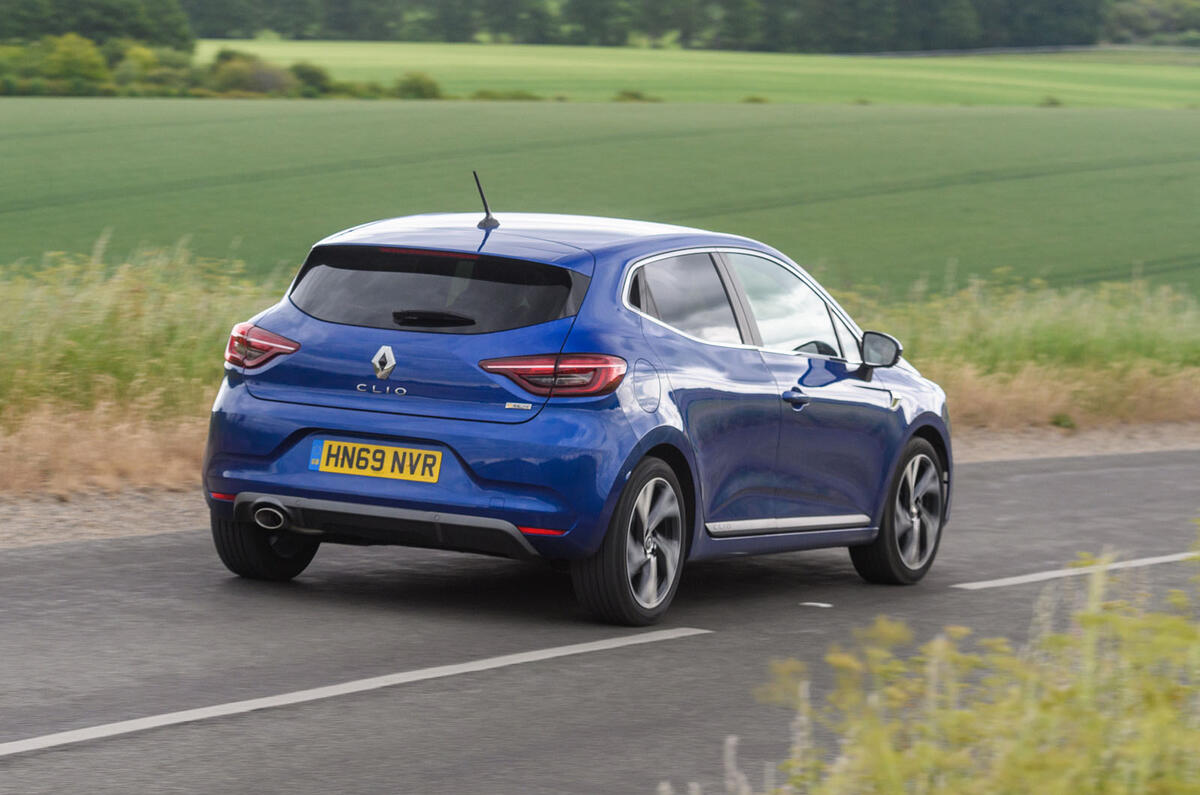
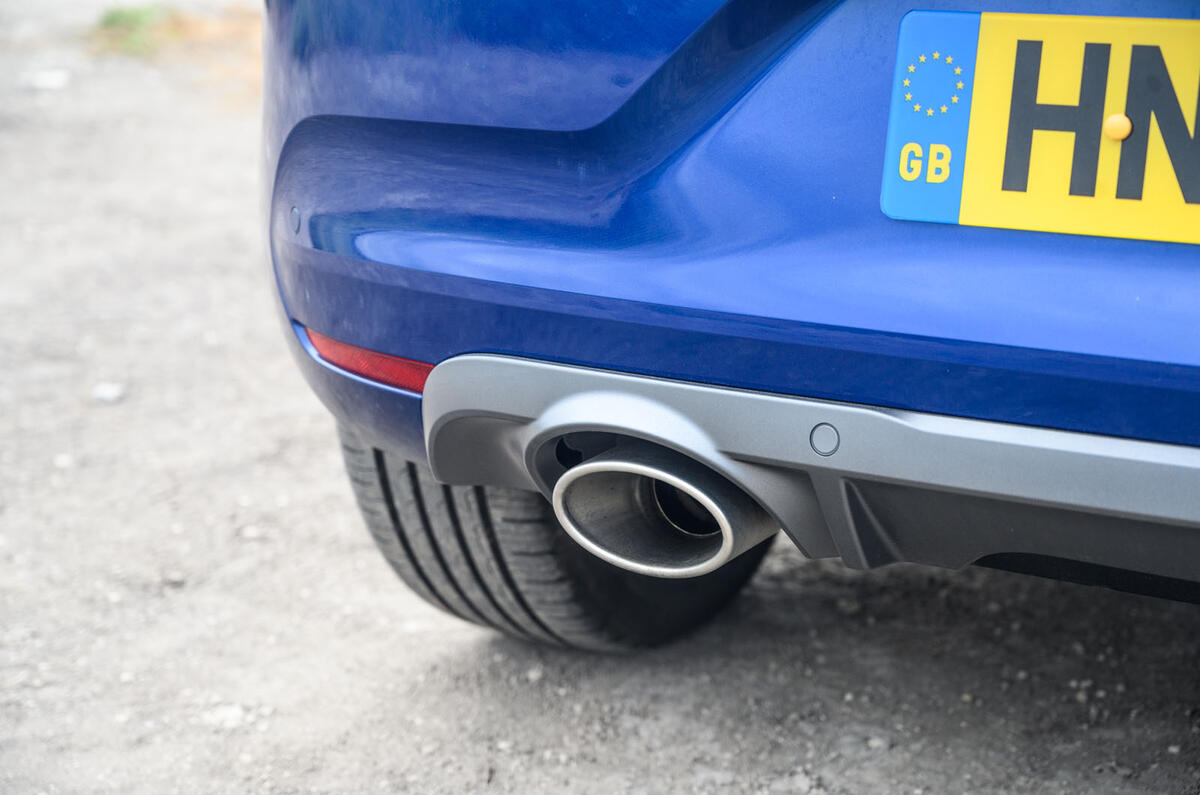
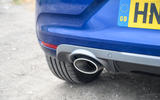
I decided against flipping down the rear seats and detaching my bike’s wheels (if only to avoid having to vacuum out the inevitable post-ride mess afterwards), instead picking up a fairly basic bike rack. The RS Line’s faux rear diffuser doesn’t leave any space for a towbar, but at least the hatch-mounted rack I went for doesn’t obscure the rear lights or numberplate, so I didn’t need a lighting board to go with it. The over/ under mounting mechanism restricts the rear windscreen wiper, and it effectively blocks off boot access until you remove it, but at least the minor hit I was expecting to the fuel economy never materialised. Even with my bike’s wheels acting like tiny sails, the Clio is still averaging near-50mpg motorway runs.
I know this is hardly a regular use case for a supermini, but it would have been nice if there was a setting to disable the rear parking sensors while using a bike rack: with mine fitted, the car threw a fairly ominous dashboard error message when trying to park. Happily it disappeared by itself once the bike was removed.
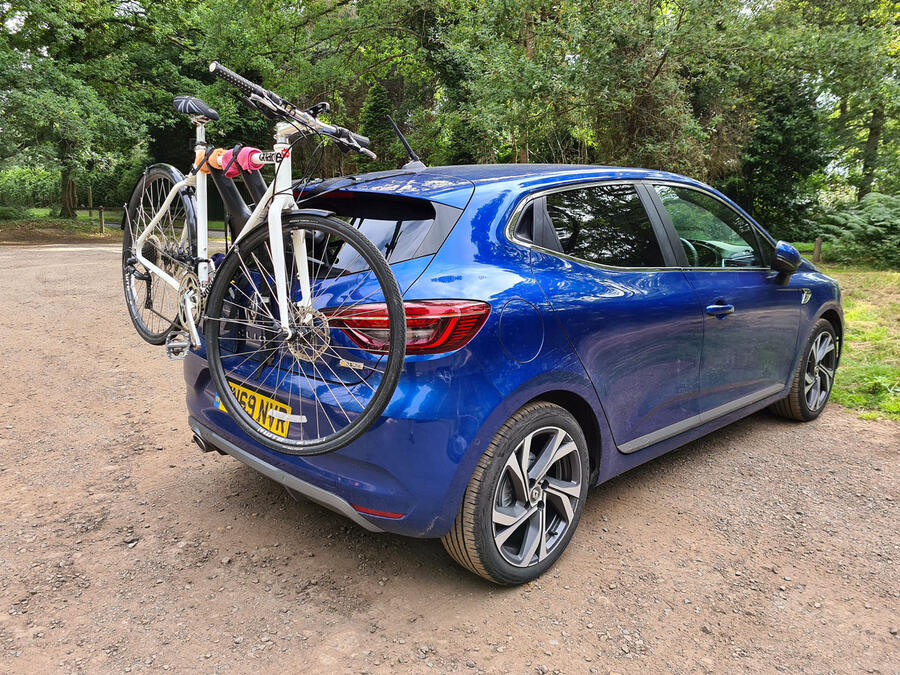
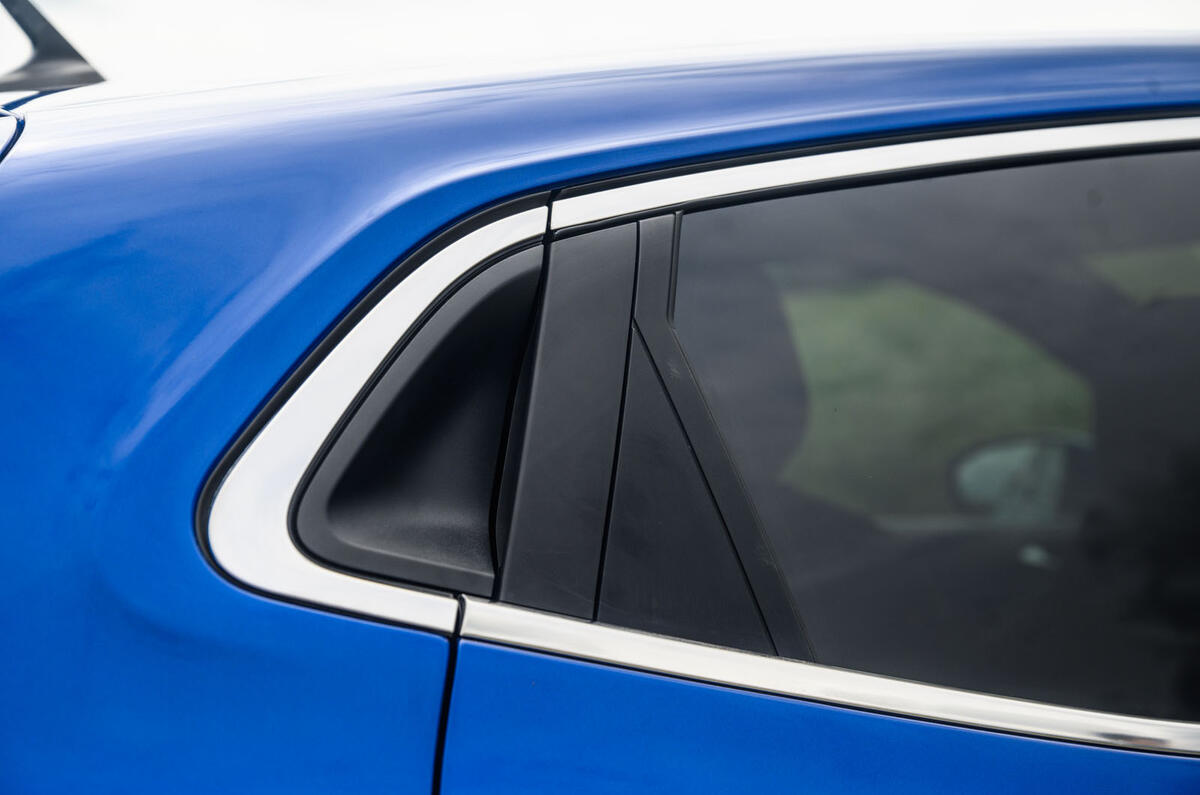
Parking sensors aren’t available on the entry-level Clio Play, and while mid-spec Iconic cars get rear sensors as standard, adding front ones and a reversing camera is a £400 option. The small rear windscreen and fairly prominent C-pillars mean rear visibility isn’t all that great, so I’d consider the combination a must-have for anyone ordering a new Clio.
Love it:
RS looks I think our car has a lot more presence than lesser-spec Clios but is more subtle than, say, an ST-Line Ford Fiesta.
Loathe it:
Mystery rattle Something appears to have come loose around the passenger air vents and now makes an irritating racket at low speeds.
Mileage: 717
Making sense of it all - 22 July 2020
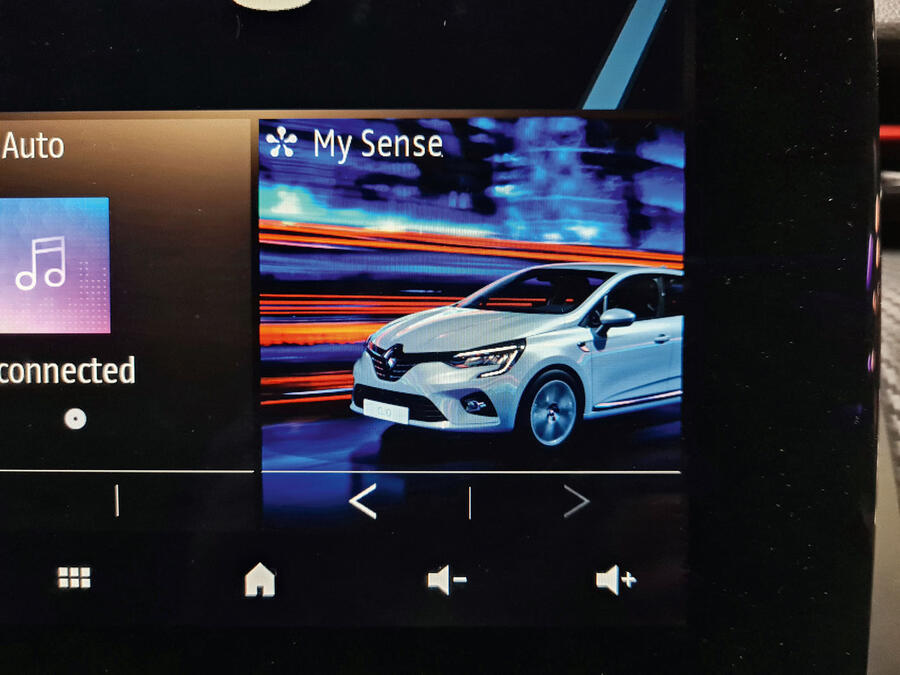
Renault’s My Sense driving modes are a mixed bag: Eco blunts throttle response without a major boost to fuel consumption and the way Sport tightens up the steering isn’t always to the Clio’s benefit. At least you can mix and match. That includes picking the ambient lighting, which stays on the right side of tasteful even if you opt for a more lurid colour.
Mileage: 663
Let’s get digital - 15 July 2020
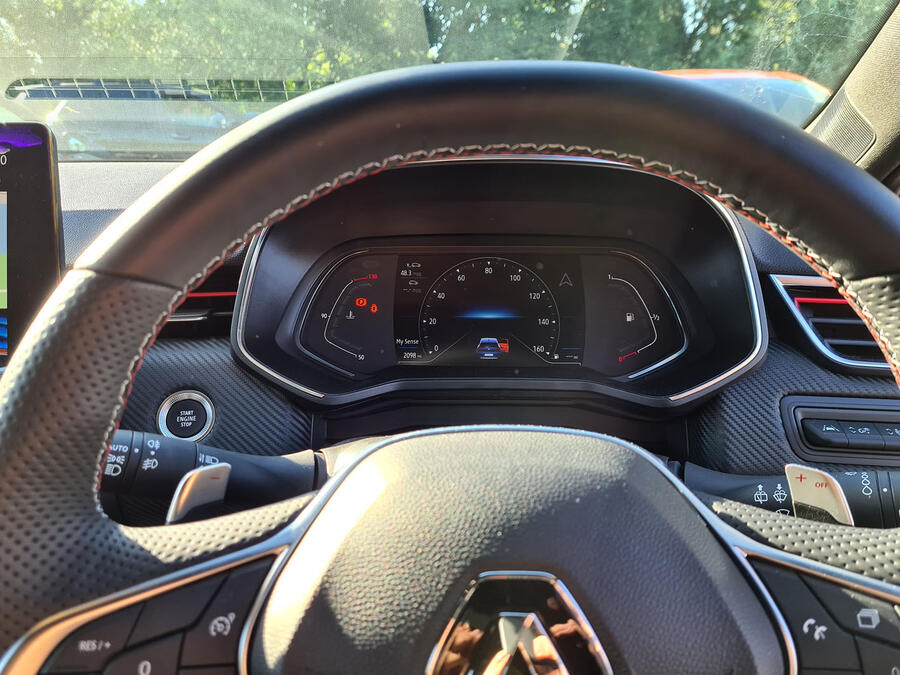
Lexus famously used a digital dash in the LFA supercar because an analogue tacho wasn’t fast enough for the engine. If you can believe it, the Clio has a similar issue: the on-screen readout can’t keep up with the throttle, skipping digits as it displays your speed. It could be a second before you notice a heavy right foot at traffic lights has landed you north of the speed limit.
Mileage: 551
Great drives start with a great driving position, which our Clio finally gets right - 8 July 2020
Of the handful of Clios I’ve tried in the past, I can’t think of one that didn’t divide opinions with its driving position. Depending on the generation, there wasn’t enough adjustment in the seat, or the pedals were awkwardly offset, or you perched too high over the steering wheel. I’m not especially tall, either, yet I always struggled to get comfy.
Renault seems to have got everything just right this time around, and it makes the Clio’s cabin a delightfully pleasant place to be. The driver’s seat lets you get nice and low, with a headrest that doesn’t feel like it’s constantly forcing your neck forward. I have no complaints with the pedals and, even if our car’s automatic transmission means there are only two to account for, they at least feel like they’re naturally placed.
That also means the raised centre console is a little lost on me, though I’m sure it will please anyone who opts for a manual car – the gearstick should be within easier reach now.
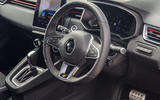
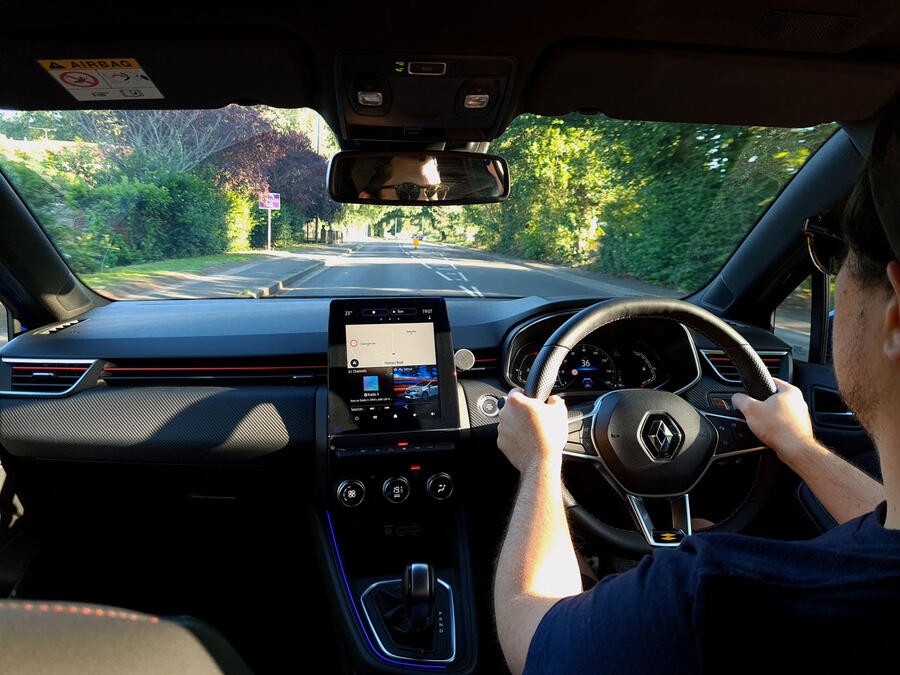
The steering column has plenty of reach and rake, meaning it’s all but impossible to find a position where the wheel obscures your view of the digital dash, which itself is a big improvement over the outgoing analogue instrument cluster. There’s not much in the way of customisation, but it does have different display settings based on what driving mode you’re in: Eco prioritises smooth and steady driving, while Sport enlarges the rev counter and turns everything a mean shade of red. It might not be a fully fledged Renault Sport model, but it does a great impression of one.
A weekend spent in the road test team’s Volkswagen T-Roc R (arriving on these pages in a few weeks’ time) highlighted just how much progress Renault has made in the technology department. VW’s digital dash might be more detailed but, to these eyes, the French supermini has the higher-resolution reversing camera. The T-Roc’s three-button key fob also feels positively antiquated when the Clio gets keyless entry and exit with its credit card-style remote control.
I was expecting the T-Roc’s EA888 engine to put the more modest TCe 130 firmly in the shade, but it’s actually done the opposite: you can use more of the Clio’s power more of the time, which means there’s more fun to be had at road-legal speeds. I’m a lot happier with the Clio’s indicated economy, too – I think 50mpg should be achievable with little effort.
Love it:
Hands-free lockdown No need to fish in your pocket to secure the doors, just step away and the Clio locks down securely
Loathe it:
Volume relegated to a stalk Infotainment controls are out of view and fiddly to adjust – but still better than touchscreen buttons.

Mileage: 374
Welcoming the Clio to the fleet - 1st July 2020
Renault’s most popular model has been a sales success across Europe for four generations now, although it hasn’t managed to claim the supermini top spot here in the UK for quite some time. We Brits just can’t seem to shake our love for the Ford Fiesta – which is a shame for Renault, because the Clio’s claim to the throne has never looked stronger than at the start of its fifth generation.
In a group test back in the spring, the new Clio proved that it could rub shoulders with both the Fiesta and the Volkswagen Polo as one of the best superminis on sale. At the time, we said that we could easily recommend it without needing to add any caveats – something that arguably wasn’t the case with the previous Clio. So what has changed?
The familiar styling might suggest a relatively modest upgrade, but this Clio now sits on the Renault-Nissan-Mitsubishi Alliance’s all-new CMF-B platform, which also underpins the latest Renault Captur and Nissan Juke crossovers. When we road tested a mid-range Clio last year, it revealed a new-found level of dynamism that was up among the best in the class, along with a more driver-friendly cabin, a vastly improved level of perceived quality and upgraded technology and safety systems that made it seem like fantastic value for money.
The question now is whether that’s true across the board. To find out, we’ve added a more expensive derivative to our long-term fleet for a longer stint behind the wheel.
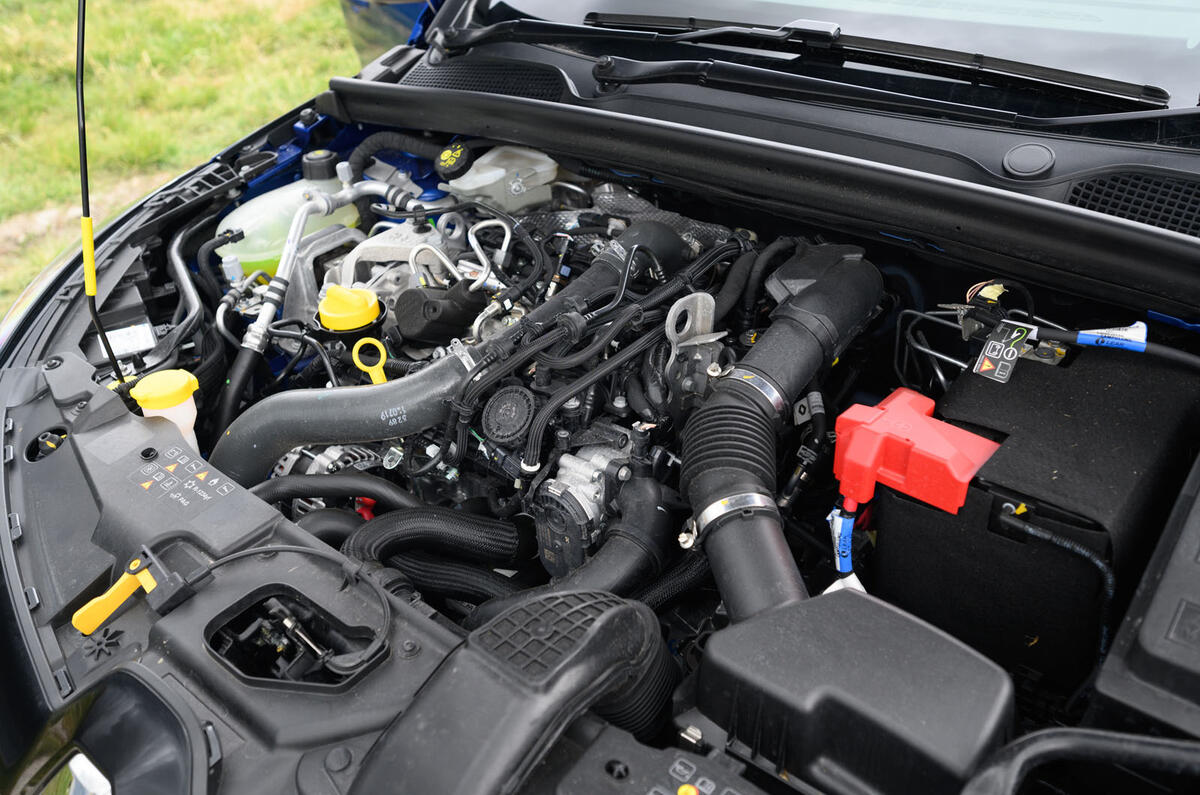
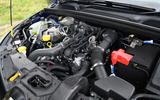
The TCe 130 we’ve chosen is currently the most potent petrol on offer, with its 1.3-litre turbocharged four-cylinder engine producing 128bhp and a healthy 177lb ft of torque from just 1600rpm. That puts it ahead of the equivalent Polo in the performance stakes and on an even keel with the three-cylinder Peugeot 208 and Vauxhall Corsa but behind the more powerful mild-hybrid 1.0-litre Fiesta that was introduced last month.
A 0-62mph sprint of 9.0sec isn’t to be sniffed at for a mainstream supermini, though, and hopefully the WLTP-tested fuel economy figure of almost 50mpg will translate closely into real-world driving.
This is an engine that’s also offered by the Captur, Mégane and Renault Scenic, but here it comes mated exclusively to a seven-speed dual-clutch automatic gearbox. I appreciate the inclusion of paddle shifters for taking manual control, but I’m expecting the next few months to reveal whether an auto can justify its added expense or I would have been better off opting for a lower-powered manual. It will also be the first non-electric car I’ve run in almost a year and, as much as I’m going to miss being able to charge for free at the office, I’ll be glad to completely forget my range anxiety.
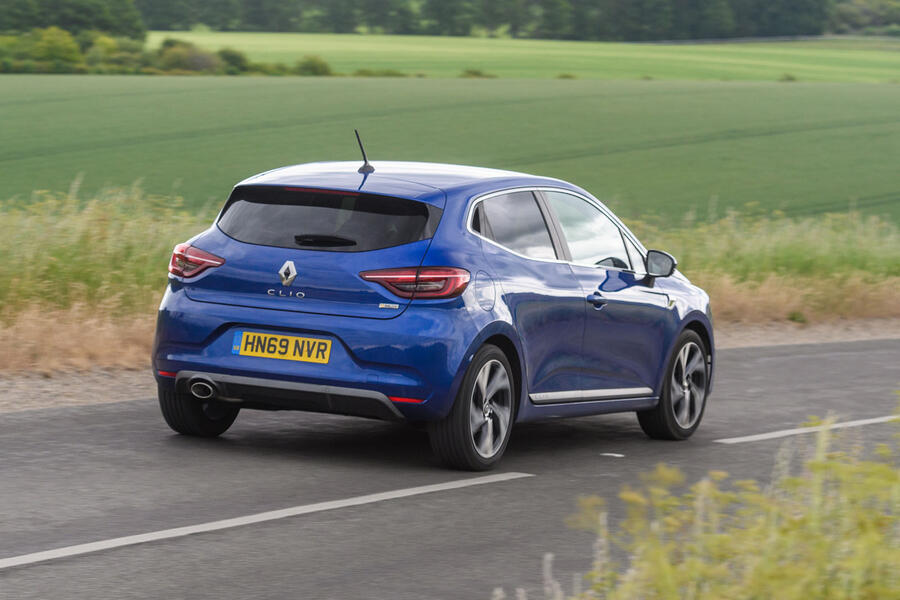
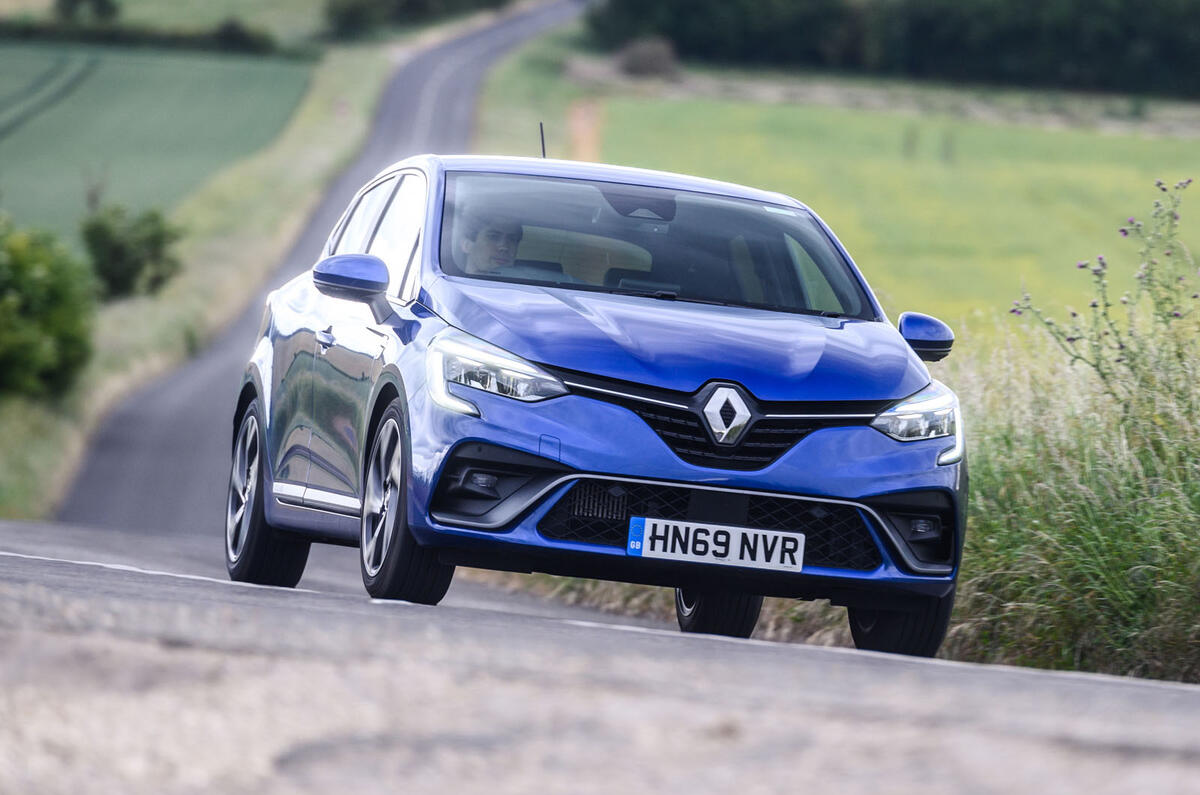
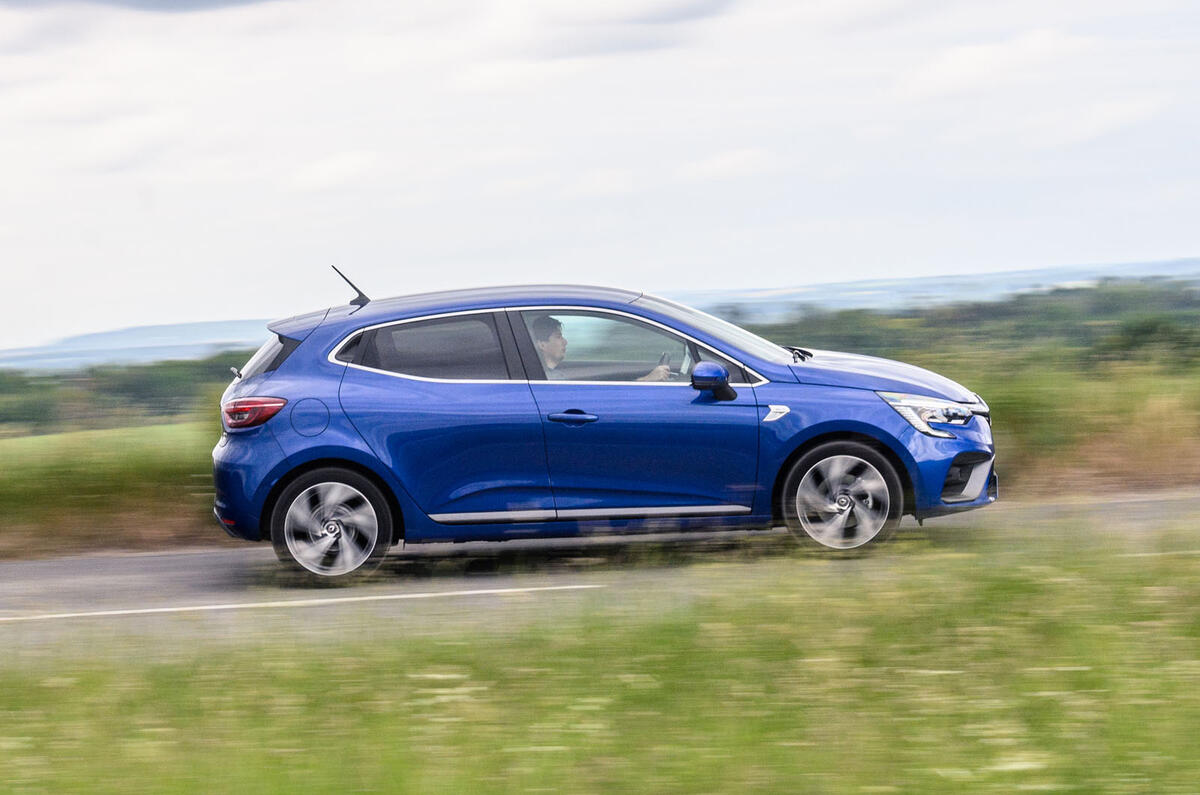
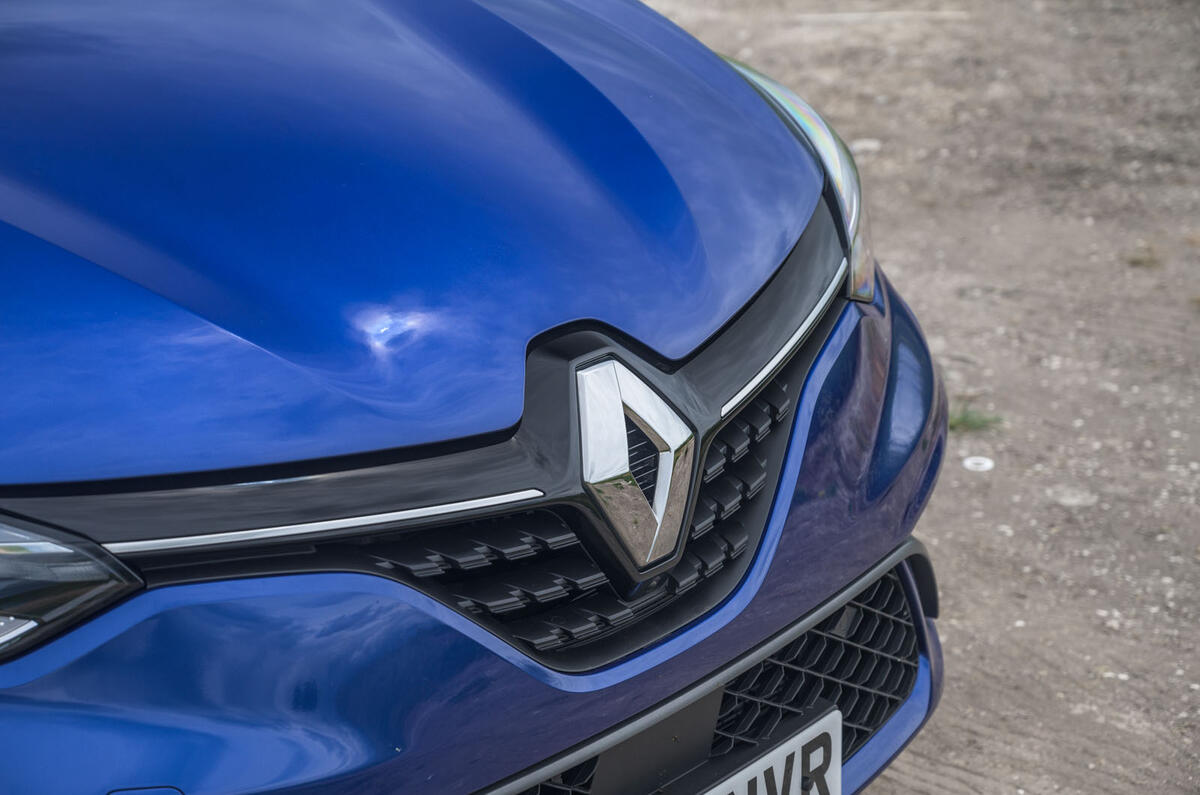
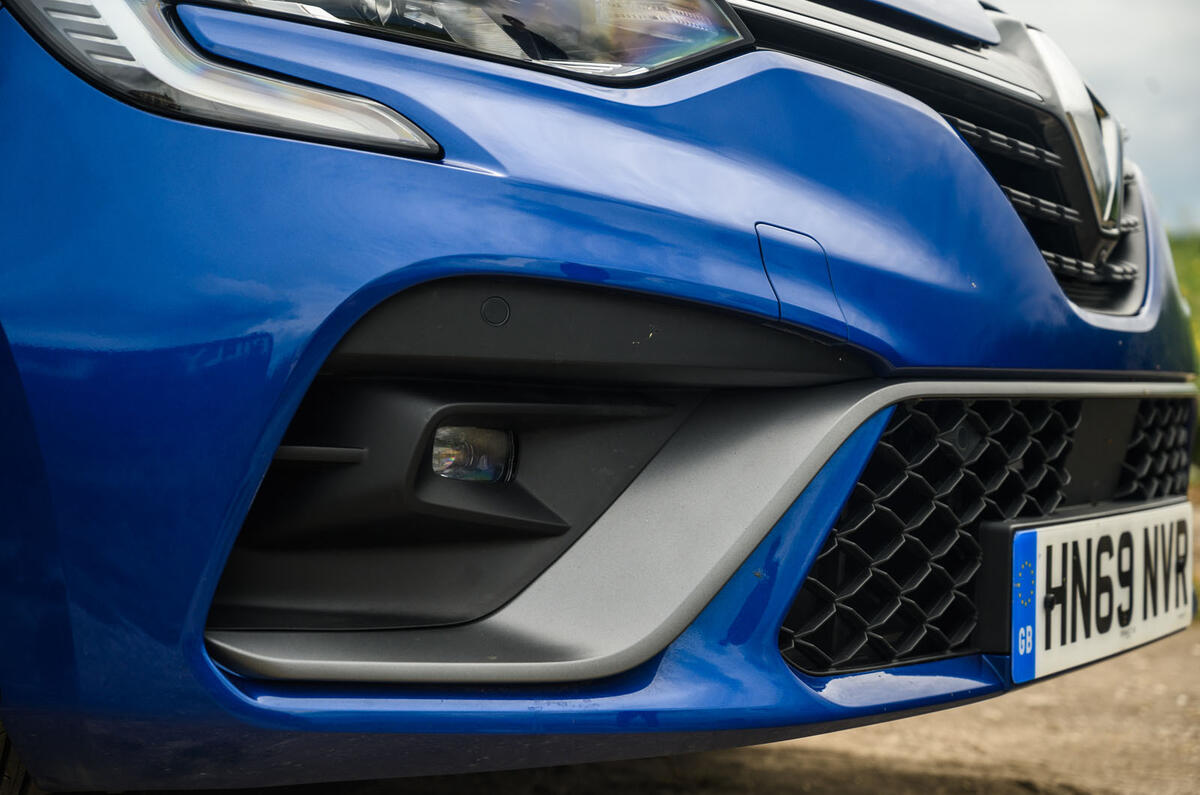
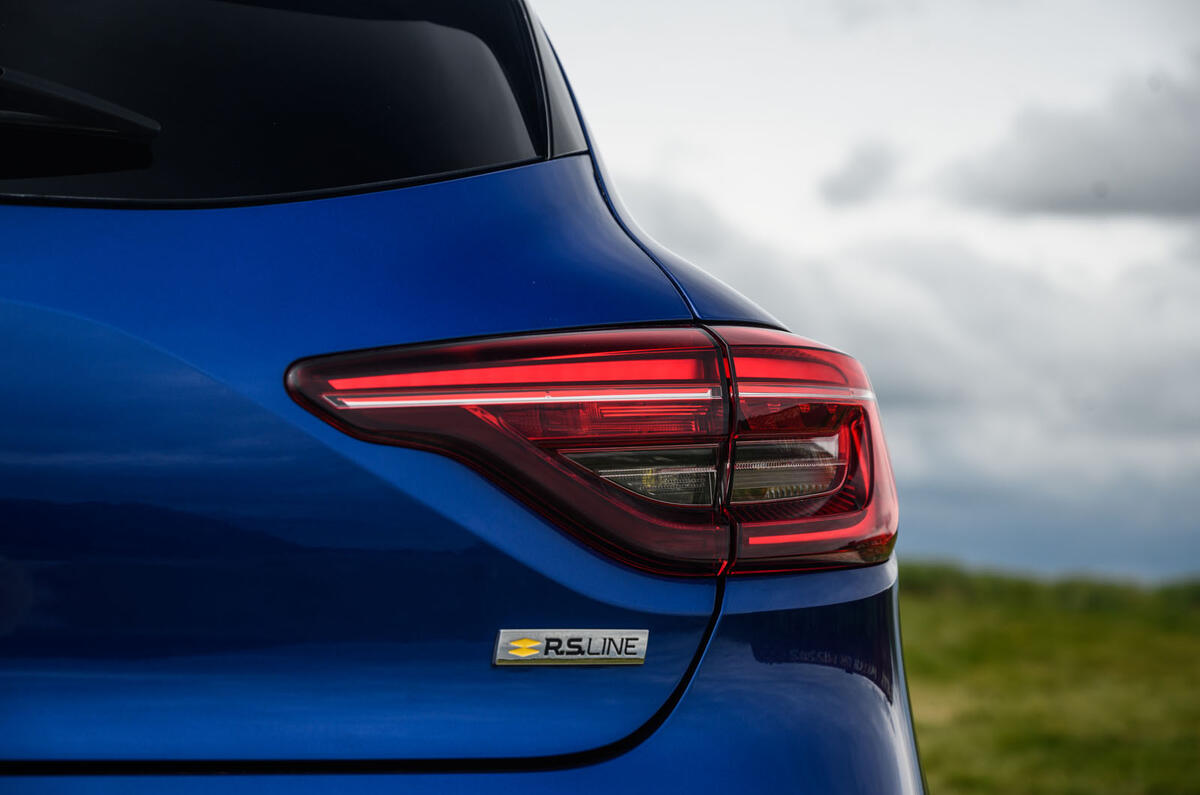
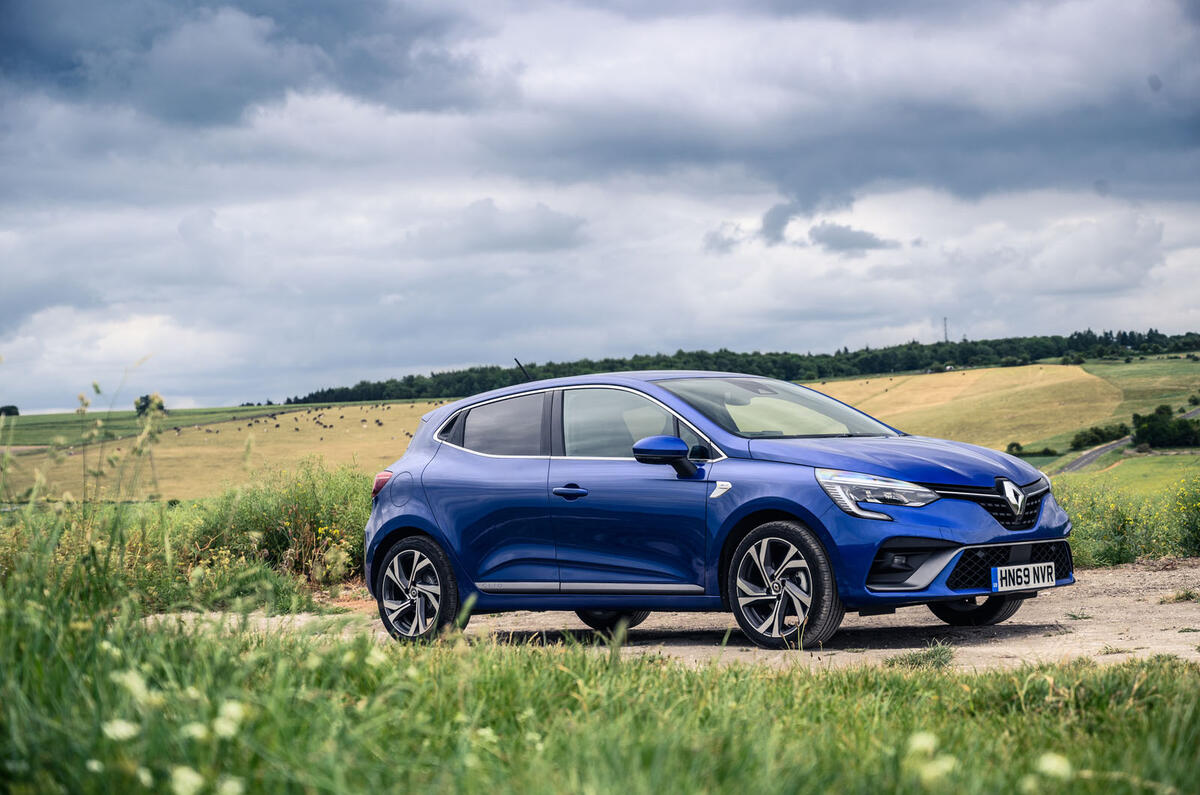
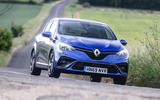
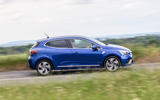
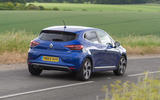
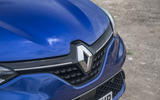
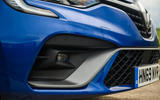
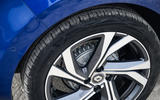
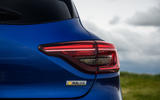
Our Clio is in top-spec RS Line trim, which is inspired by the Renault Sport range – even if there isn’t actually a Clio RS for it to borrow any design elements from. Not yet, anyway. A wider, more aggressive front grille and a faux rear diffuser are purely for visual effect, and the bespoke alloy wheels are no larger than the ones you’ll find on cheaper S Edition trim. The RS Line has the same chassis and suspension set-up as the rest of the Clio line-up, with MacPherson struts up front and a torsion beam at the rear, and the rear drum brakes are another reminder that, slightly peppier engine aside, this is no hot supermini.
RS Line cars are well equipped, though, with a rear-view camera, front and rear parking sensors, a 9.3in touchscreen infotainment system with Android and Apple connectivity and a digital instrument display as standard. The interior also gets a few red trim highlights, some customisable ambient lighting and a leather steering wheel, complete with those shifters. But while Renault says rear leg room has been improved over the previous Clio, it remains lacking compared with the class leaders.
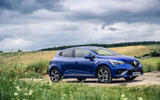
Options fitted include the vibrant Iron Blue paint (it should be a rule that superminis must come in bright hues) and the Techno Pack, which adds a 360deg parking camera, Multi-Sense configurable driving modes, wireless phone charging and a hands-free parking system. The biggest question will be if this Clio can justify its £21,655 list price, which puts it directly up against the entry-level Ford Fiesta ST. Renault’s tempting PCP finance deals mean Ford’s miniature hot hatch is likely to set you back around £100 more per month, but given the RS badges, I’m hoping there’s at least a little driver engagement to be found here.
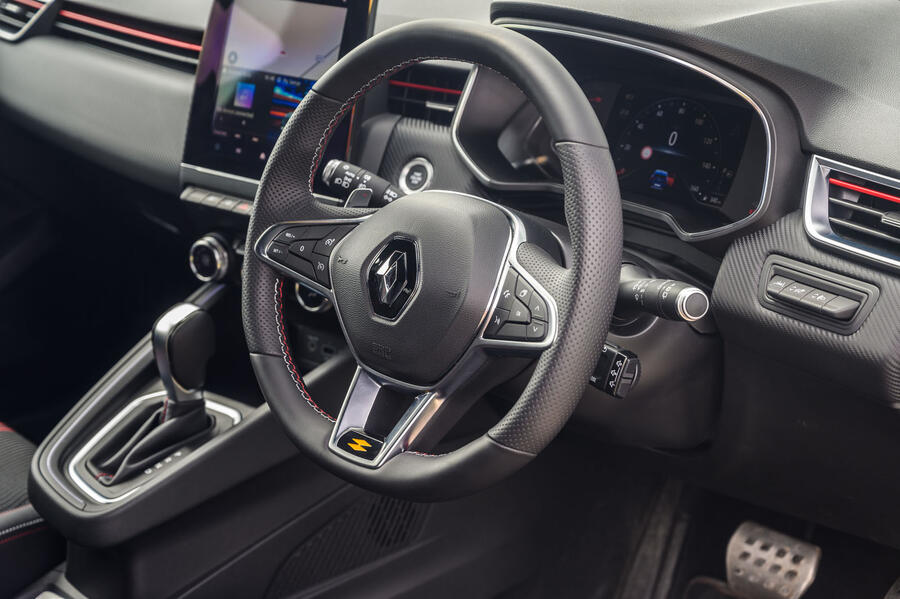
Since taking delivery, I’ve managed only a handful of journeys, although thankfully the gradual relaxing of lockdown restrictions meant these could be for more than just going to my local supermarket.
I’m already appreciating the Clio’s overhauled interior, with soft-touch plastics and the much-improved front seating position making it an all-round nicer place to be, and all-round drivability has so far proved perfectly enjoyable.
Will the rather restricted rear seat space and the automatic gearbox prove to be sticking points? I’ll be sure to report on that once there are a few more miles on the clock.
Second Opinion
Last year’s road test of the Clio Mk5 exposed a supermini that wasn’t quite as idiosyncratically ‘French’ as its predecessors. The previously soft-edged ride has been traded for a more mature set of road manners, while its handling responses are sharper and more direct than ever. The result is a car that’s perhaps not quite as distinctive as it once was but is immediately more well-rounded and, potentially, marketable.
Simon Davis