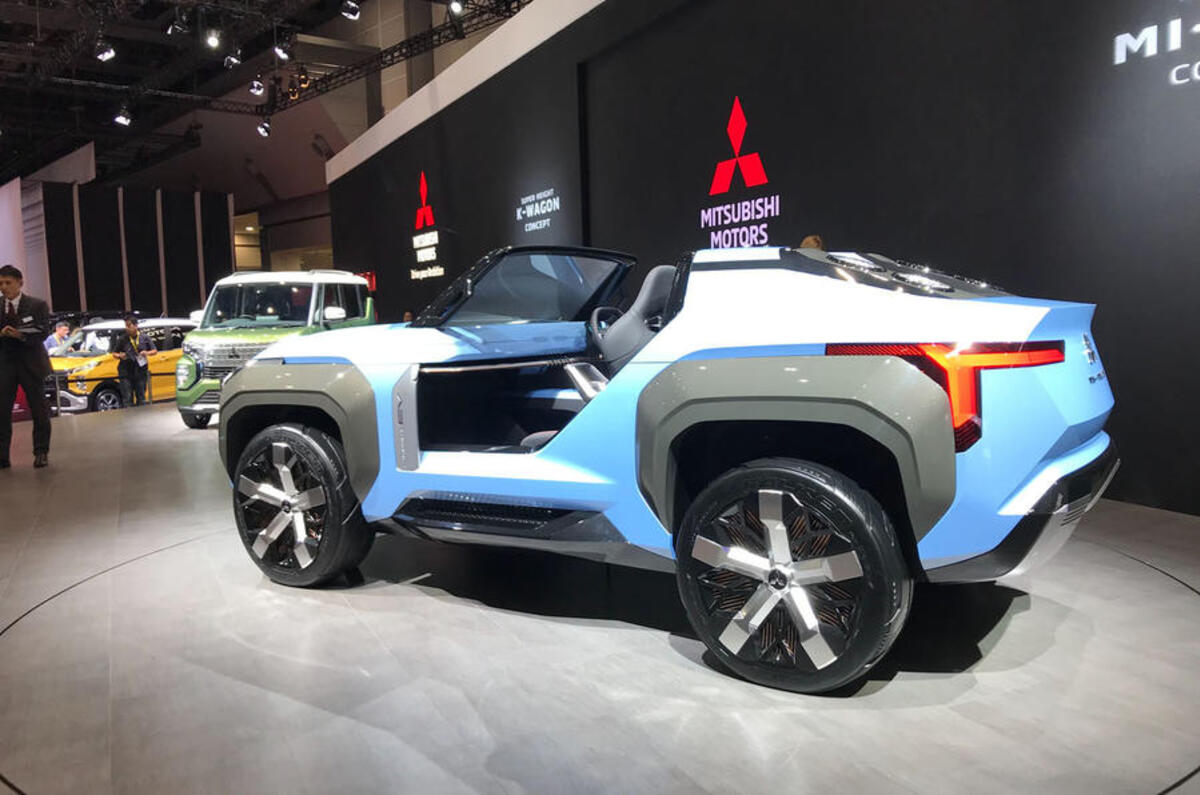








The gas-turbine technology in the Mitsubishi Mi-Tech concept is a bit of a red herring. The company admits it has only been looking at it for a short time, and is well aware of all the technological limitations (heat management, reliability, maintenance) that have always prevented it from entering production when it gets mooted every decade or so.
Instead, of much more interest is the concept’s powerful four-motor electric technology the gas turbine works alongside. Two motors sit on each axle, giving each wheel individual control. The performance is quite staggering, the company claims, and this technology is feasible for production even if it remains some way from getting there.
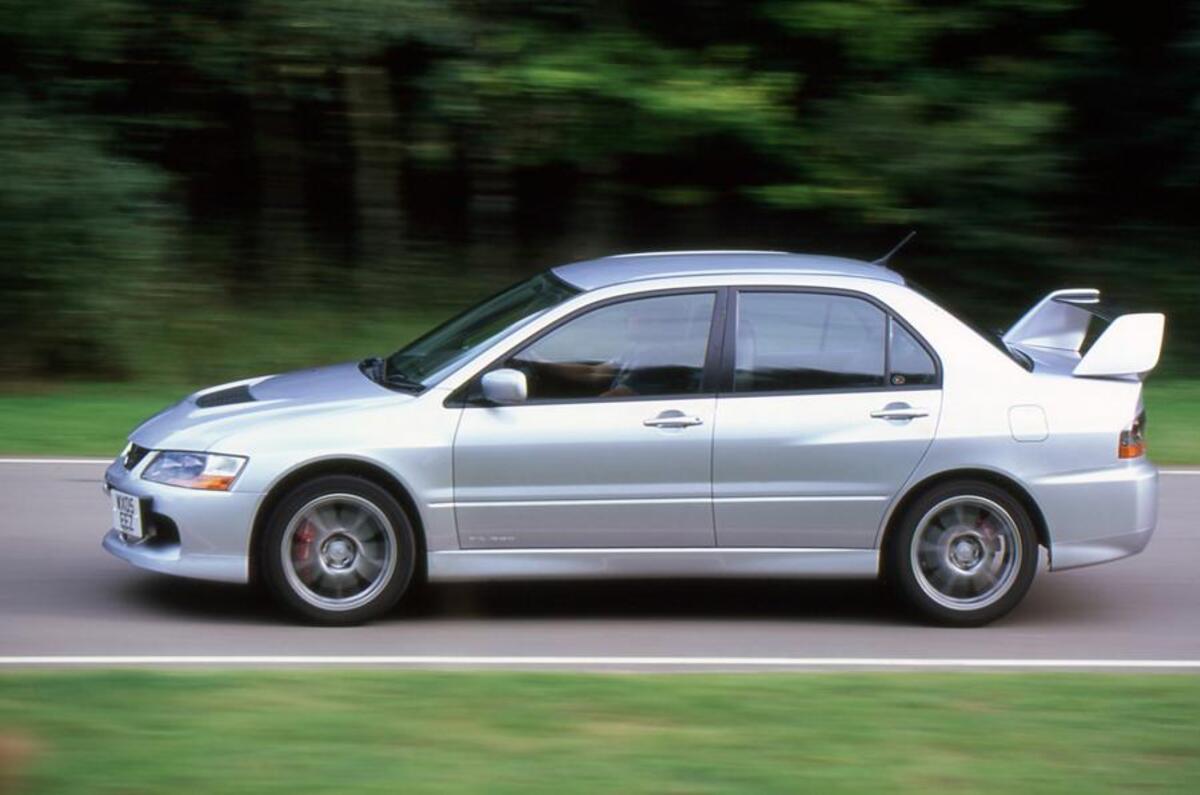
Which all sounds like it would be ideal as a way of powering a reborn and reinvented modern-day Evo if Mitsubishi was serious about doing so as it once seemed to be. Two years ago, in fact, it was doing just that, in showing its e-Evolution concept – which made do with just three electric motors to the Mi-Tech’s four.
Back in 2017 when the e-Evolution concept was launched, Mitsubishi was in its honeymoon period at the Renault-Nissan Alliance (now Renault-Nissan-Mitsubishi Alliance), and the concept showed just what could be possible. There was new management, who were well aware of the asset and cachet it had with the Evo name.
The use of that famous Evolution name and its new high-performance drivetrain raised hopes that a return for the Evo as a stand-alone electric crossover was very much on Mitsubishi’s agenda.
It may have been then, but it isn’t any more. Even if the Mi-Tech concept has an even higher performance four-motor electric drivetrain to the e-Evolution’s three, the Evo name is now nowhere to be seen, and any executive you speak to confirms the Evo still doesn’t have a pulse.

Now the role of Mitsubishi has been more clearly defined, with a laser focus on four-wheel-drive electrified SUVs (a new Outlander PHEV, new electric Mitsubishi ASX and plug-in hybrid Eclipse Cross all in development), there isn’t the capacity for anything else.