From £108,4359

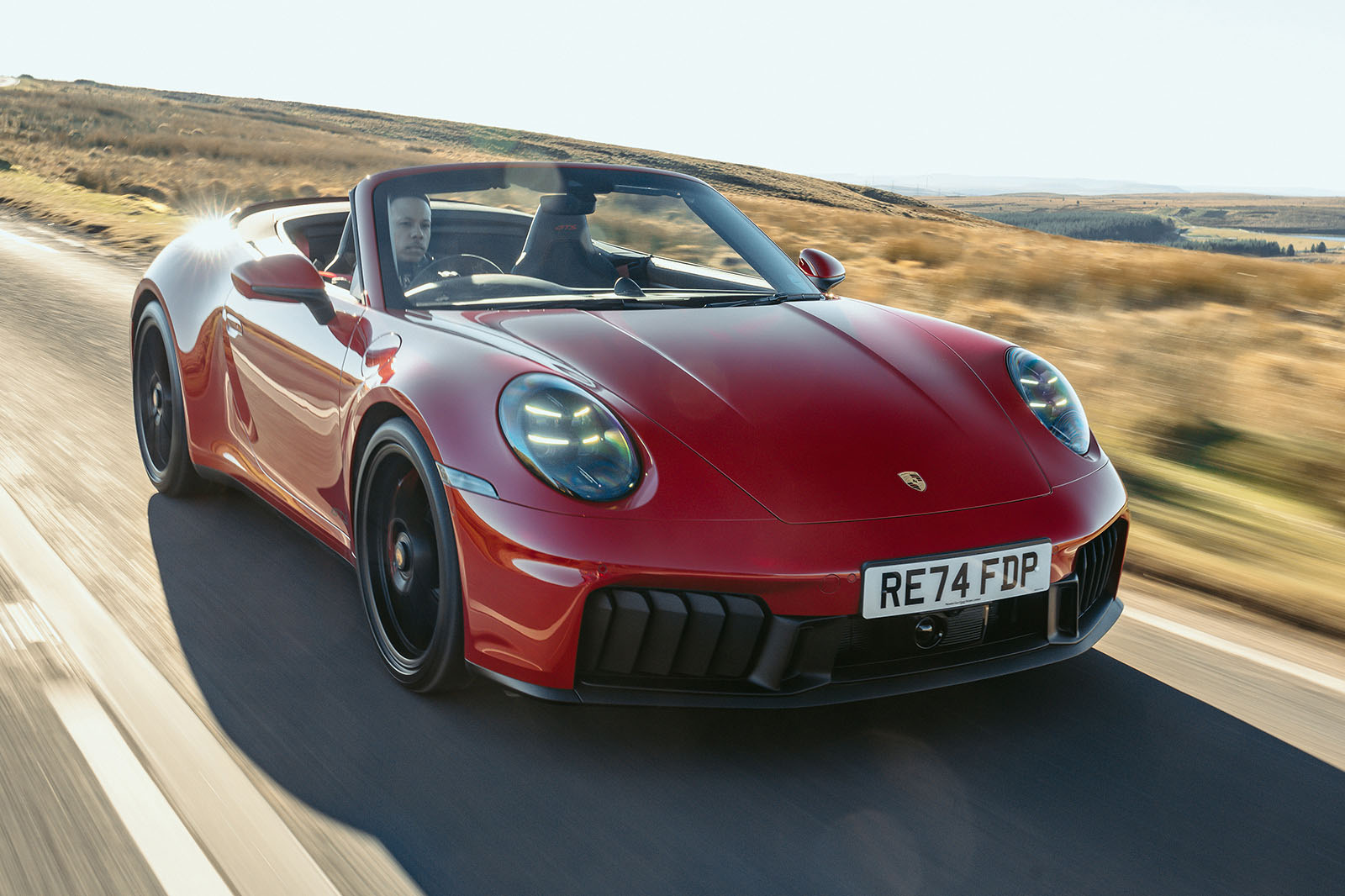
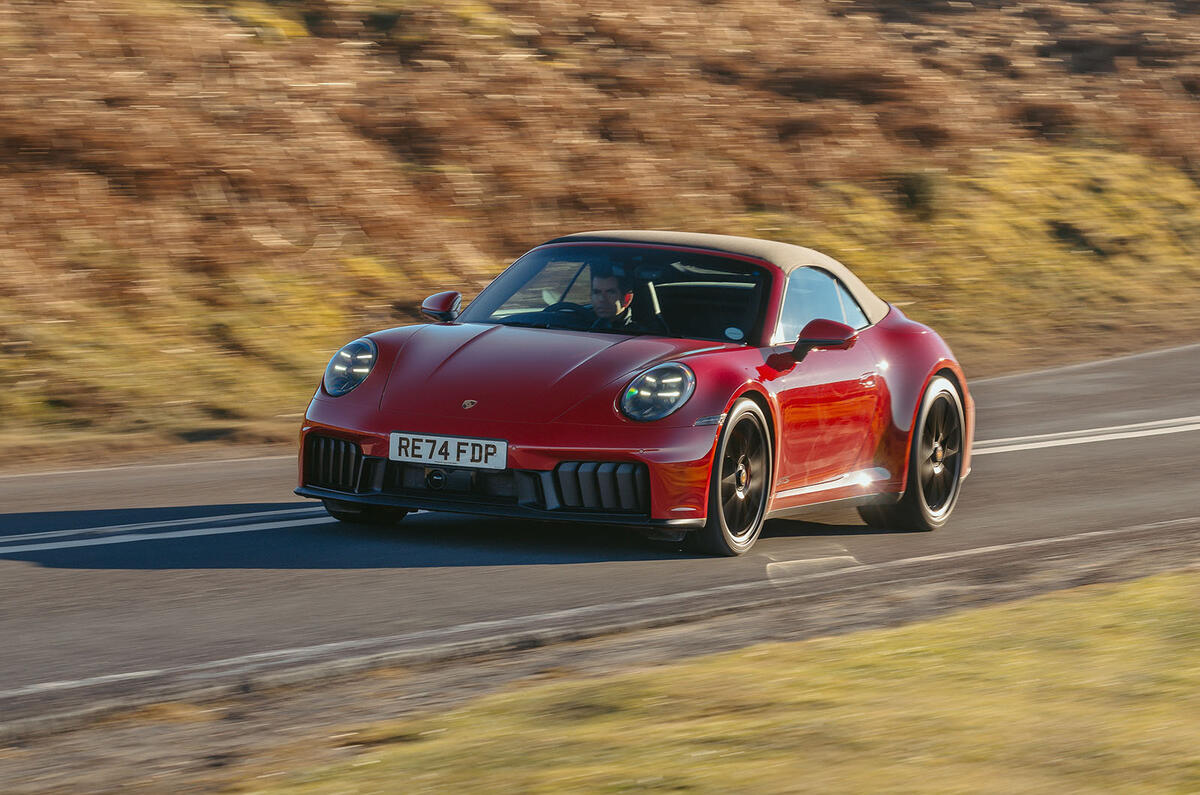
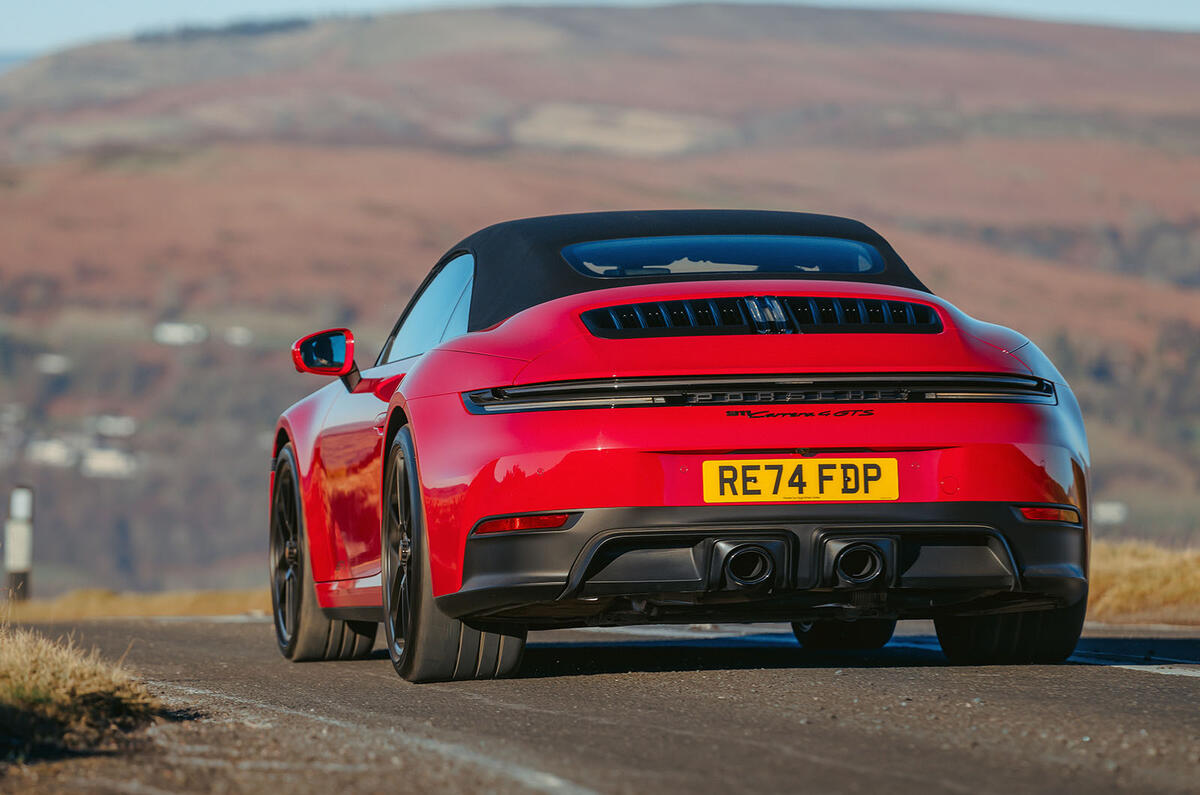
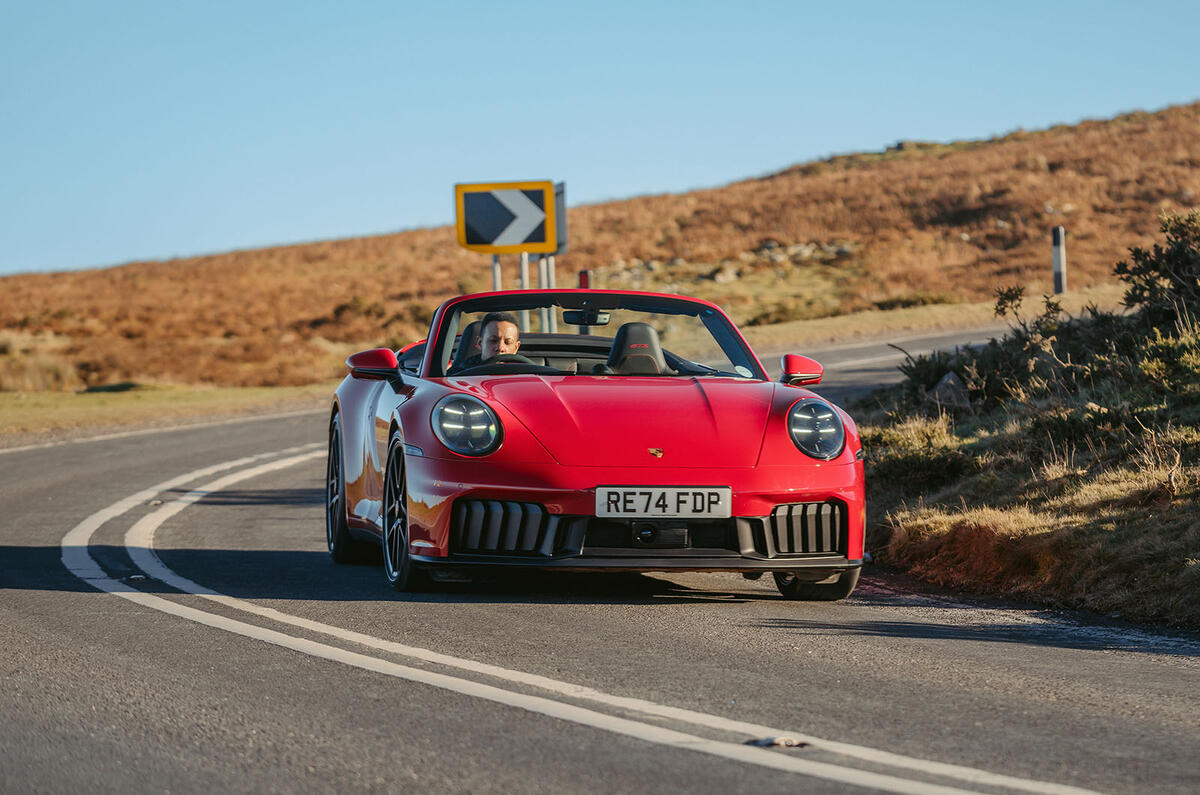
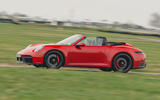
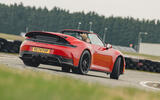
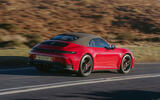
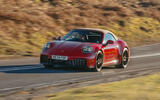
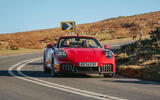
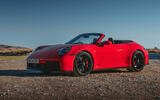
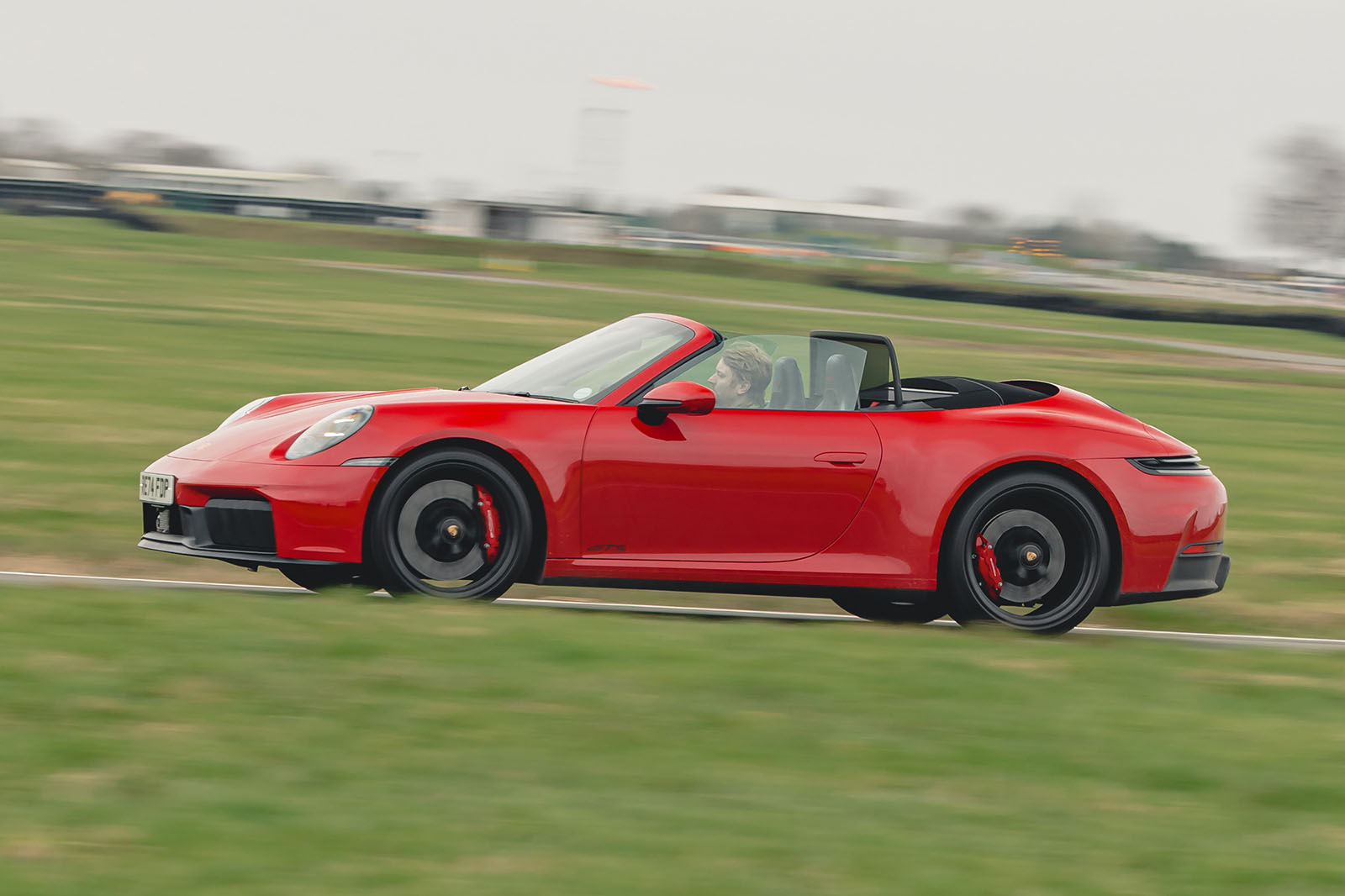
The 911 coupe gets plenty of attention so here we focus on the cab – in 534bhp, four-wheel drive GTS form

Not often, in the realm of full Autocar road tests, do we focus our attention on the convertible version of a performance car. On the weighbridge these derivatives are invariably heavier, against the clock they are guaranteed to be slower and in subjective handling terms they will almost always be less rewarding.

In short, it’s better to test the coupé if you want to know what a car is really capable of. This explains why it has been 12 years since we last tested a convertible Porsche 911, and even that is stretching the reality of the matter, because that 2014-model-year test car was not even a Cabriolet but a Targa.

So why now focus our attention on the new 911 Carrera 4 GTS Cabriolet? First, the popular Cabriolet makes up a significant proportion of annual 911 sales worldwide, so it demands attention from, ahem, a public interest standpoint. Also, we have yet to affix our VBox telemetry gear to any four-wheel-drive variant of the eighth-generation 911, which is another oversight given the popularity of the format in the UK.

Third, we are curious to see what the humble 911 Carrera is like when shorn of its roof and taken to extremes of performance and grip. Convertible 911s today are not like those of the 1980s and 1990s, and the compromises made in comparison to the coupé have shrunk over the years. Is it now the case that you can buy the 911 Cabriolet safe in the knowledge that there are no discernible dynamic drawbacks when you want to enjoy a great stretch of road? Even if that car has comfortably more than 500bhp and also the traction to deploy it?
Advertisement

DESIGN & STYLING

9
Porsche 911 GTS Cabriolet review 2026 002

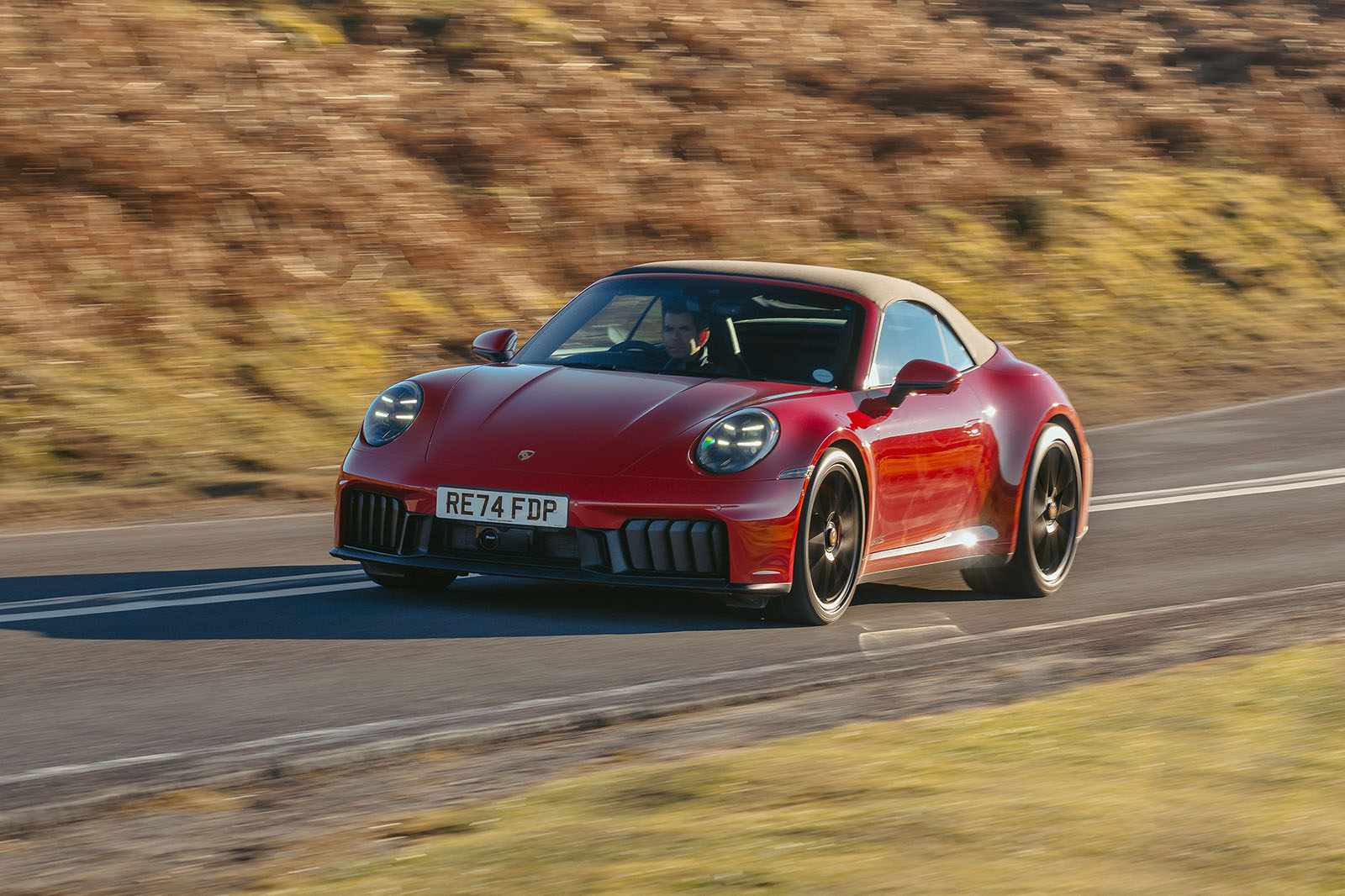
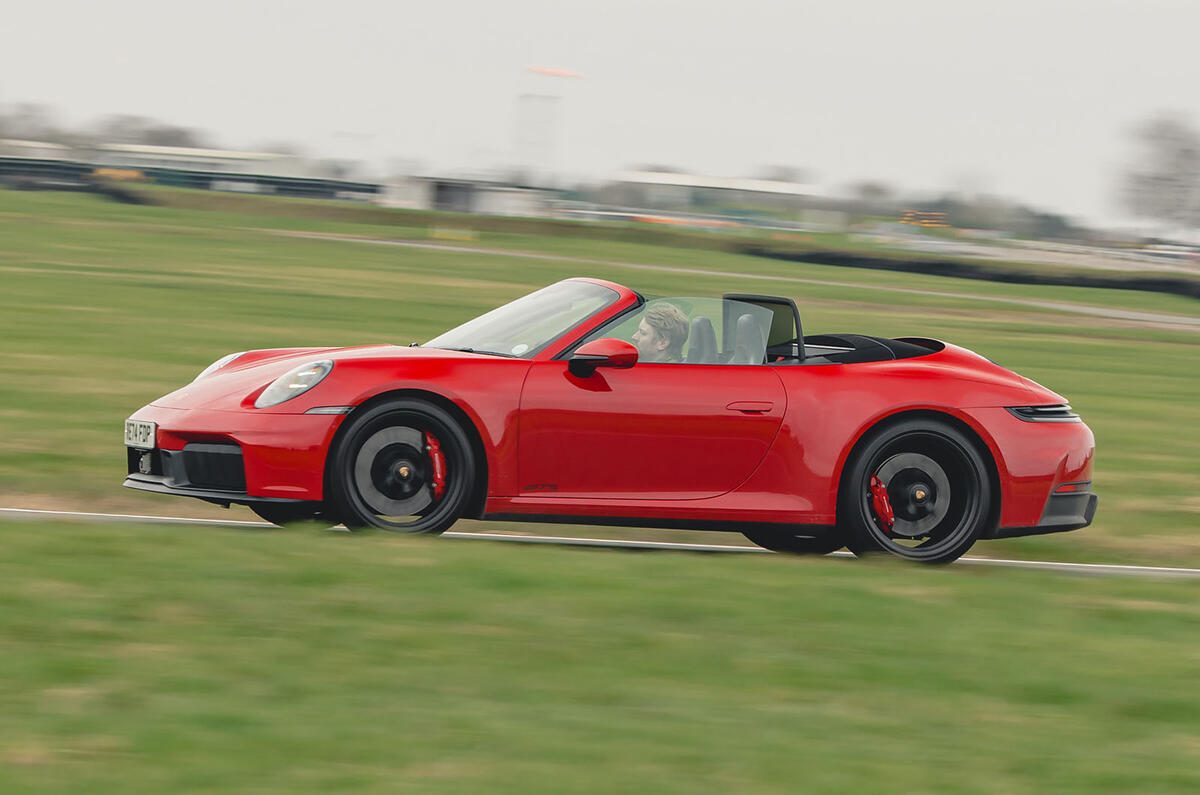
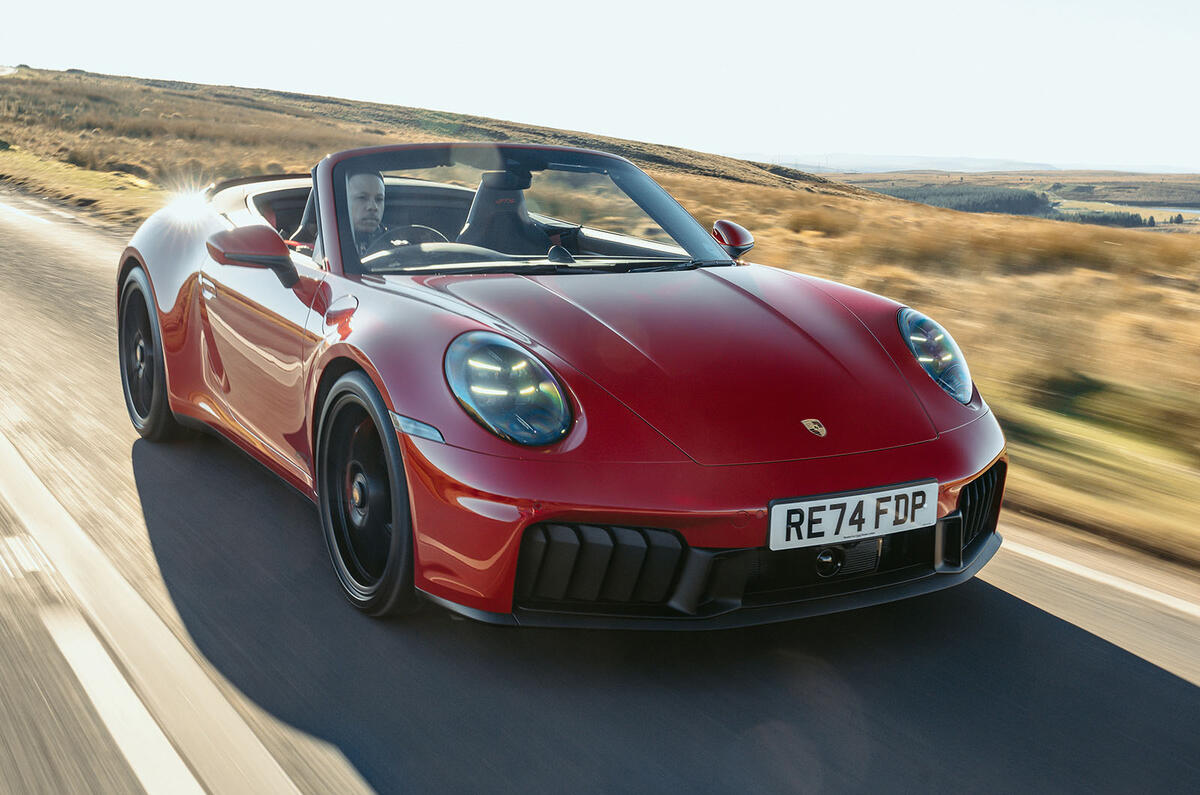
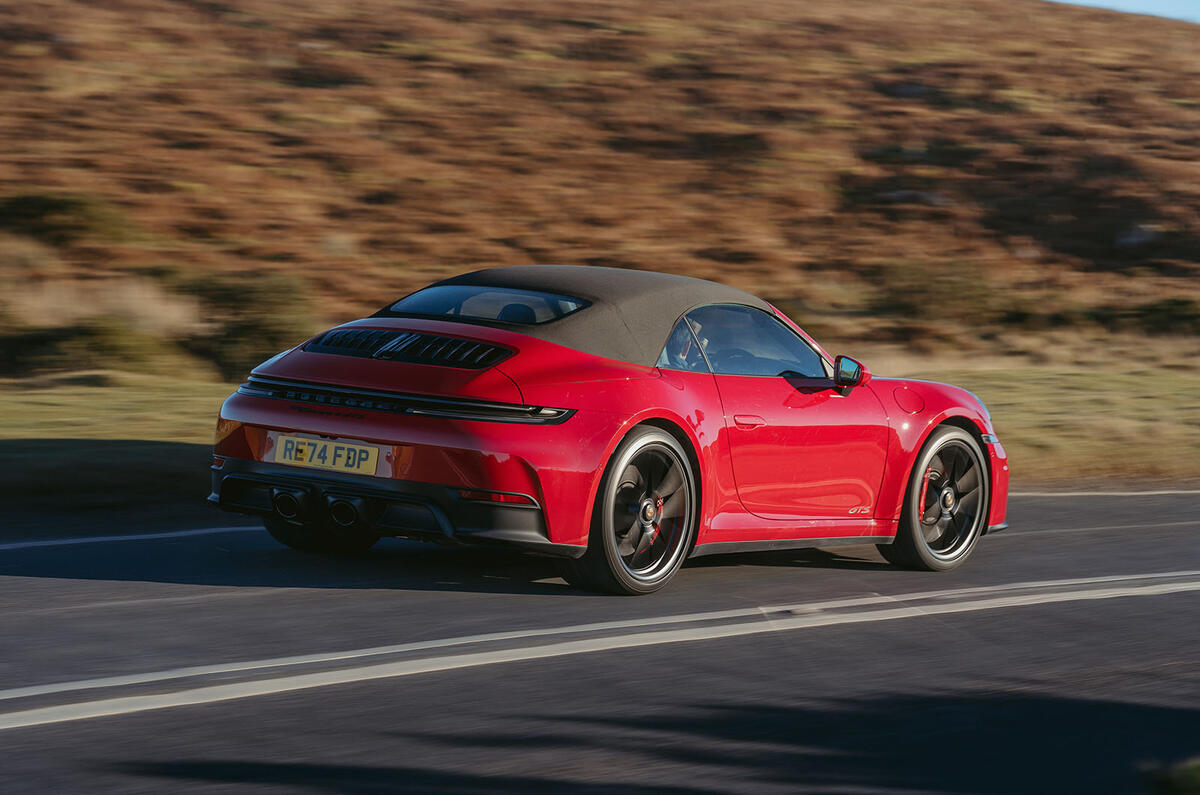
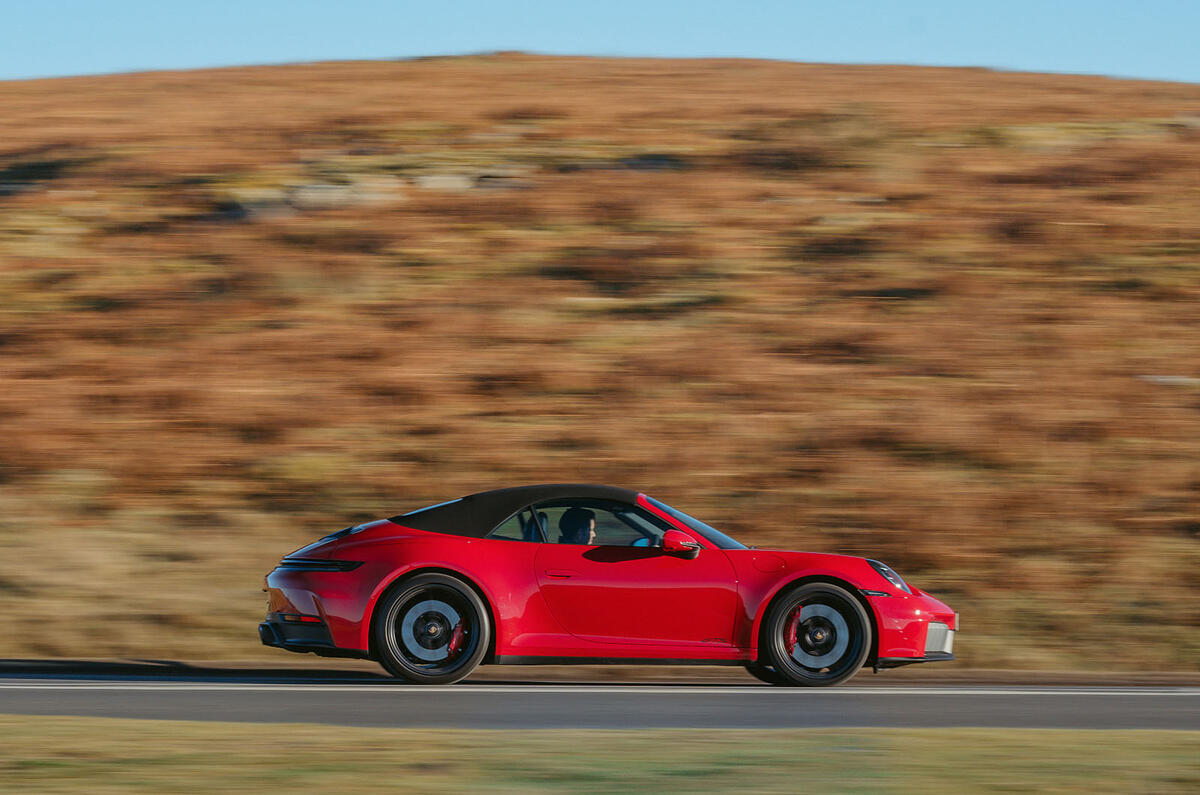
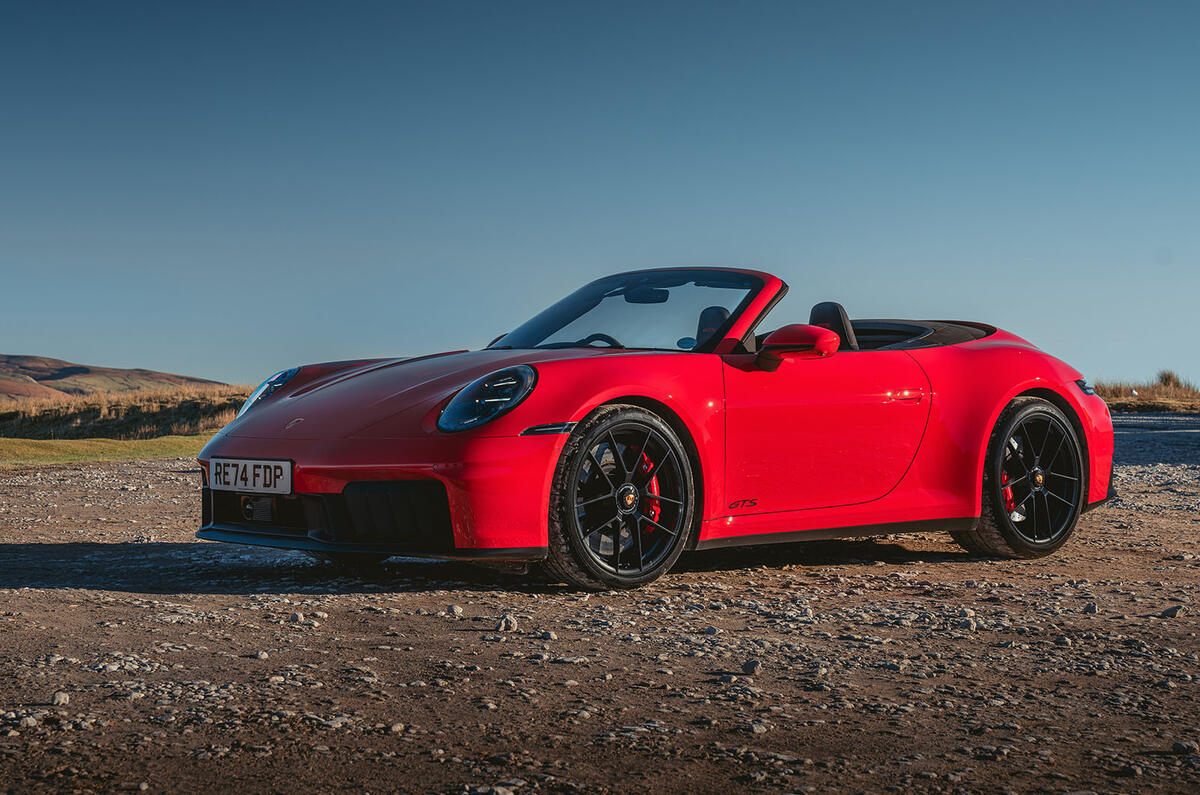
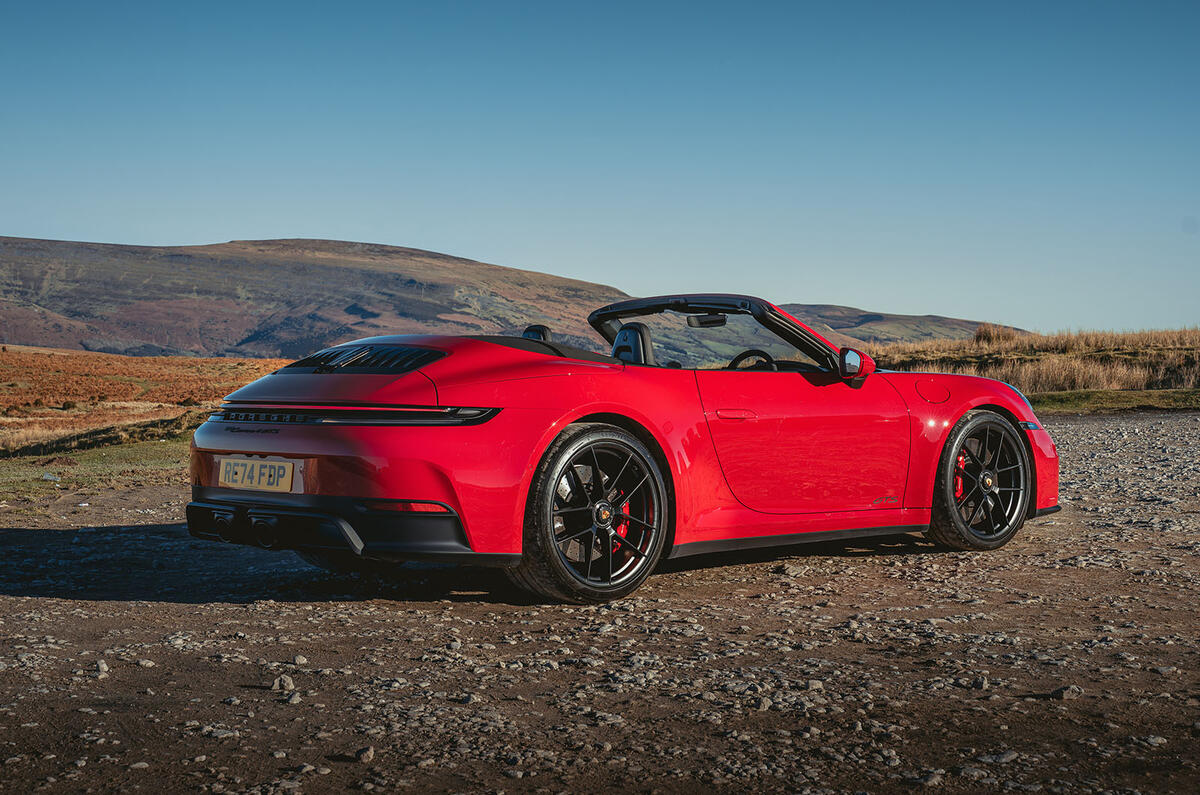
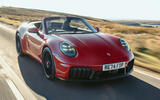
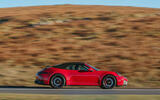
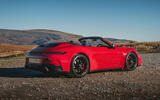
There was a time when the 911 Cabriolet had a hunchbacked silhouette, but since the 991 generation the car’s insulated fabric roof has flowed neatly into the bodywork above the engine, such that there’s little difference to tell it apart from the elegant coupé in profile. How the next 911 – due in 2028 and rumoured to be designated 994 – fares in this respect will be down to Tobias Sühlmann. Sühlmann recently replaced head of design Michael Mauer, who retires this year and whose first major project at Porsche was, in fact, the attractive 991 of 2012.

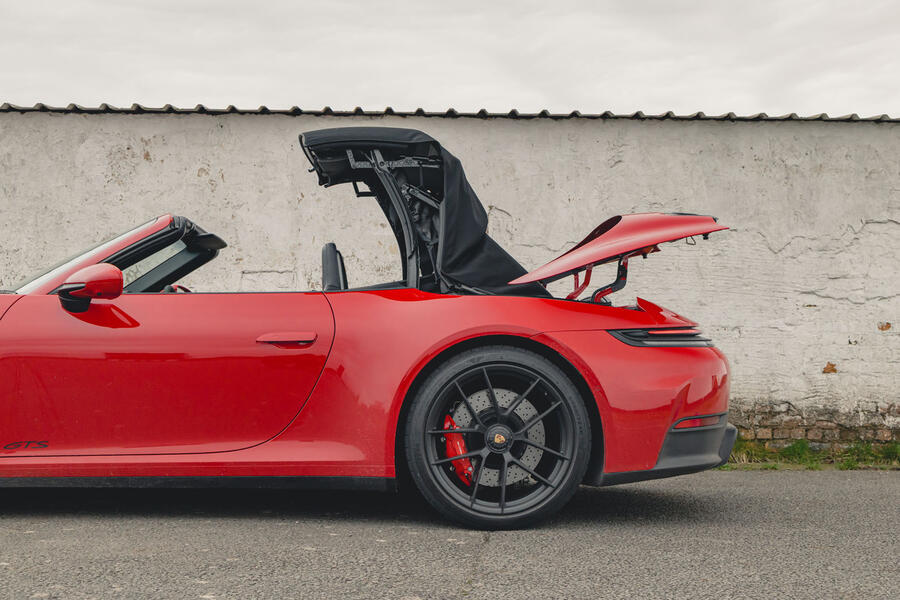
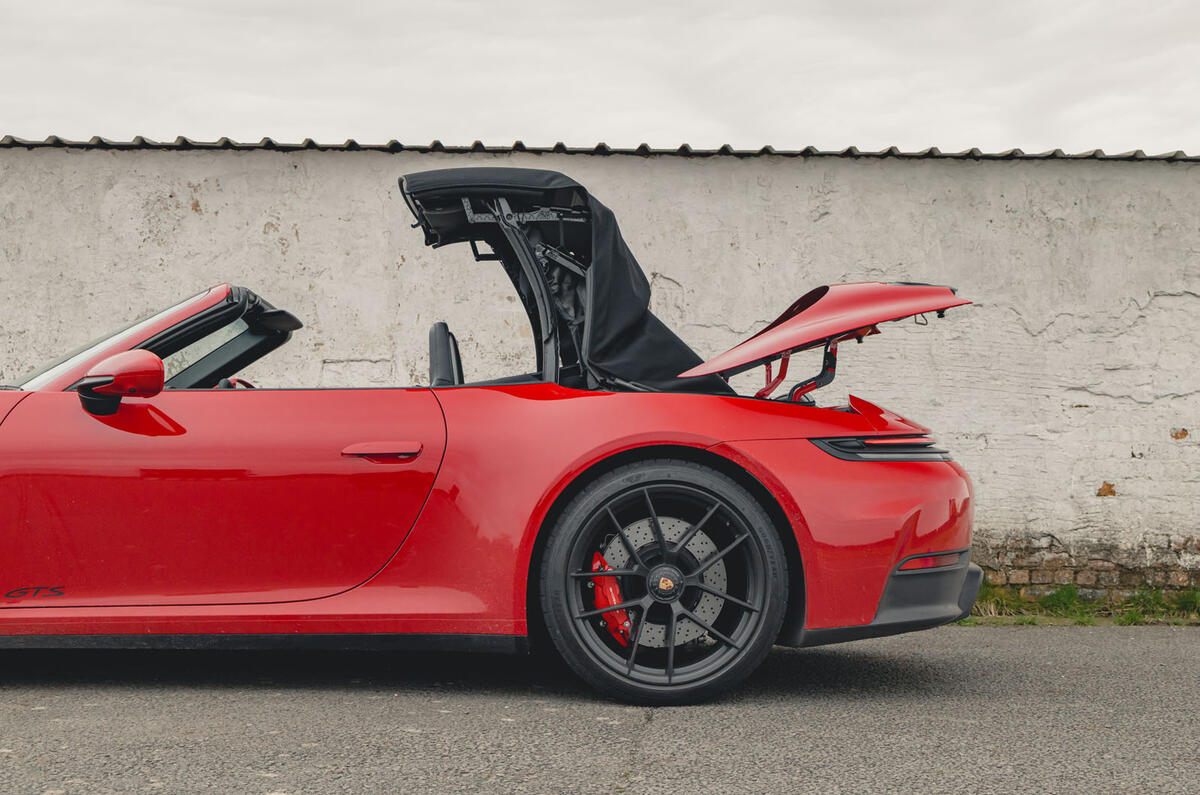
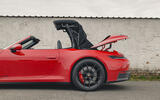
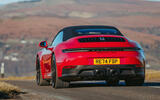
Porsche’s cabriolets are built on the same line as the coupé in Zuffenhausen. As a proportion of the monocoque, they use a little less extruded aluminium than the coupé and a bit more aluminium plate, and the A-pillars are reinforced with a plastic composite (including ‘structural foam’) that not only saves three kilos or so compared with the previous generation but is also stronger. The hydraulically powered folding roof has a glass window and magnesium bows that are stacked into a space just 55cm long and 23cm high when stored.

These bows – leaves, you could say – are what give the roof its shape and prevent the fabric from ballooning at speed. Hopefully you will never see them but there are also two cassette modules behind the rear seats. They carry carbide metal pins that, if the car’s gyroscopes sense imminent rollover, are fired pyrotechnically and burst through the rear screen to act as roll hoops and protect passengers.

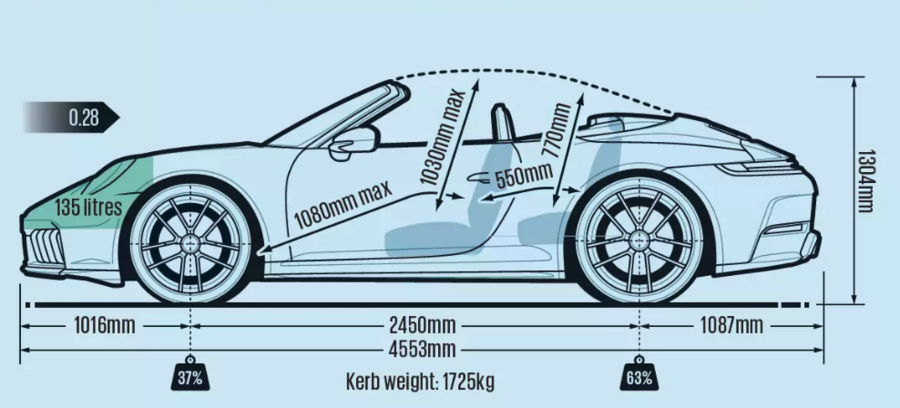
Naturally all this carries a weight penalty, which for the 911 has generally been 75kg or so over the coupé (for the 993 generation of the 1990s it dropped to an all-time low of 50kg). For the 992, the price you pay for the cabriolet is 80kg. Meanwhile, adding front driveshafts contributes another 50kg beyond what a purely rear-driven 911 weighs. It gives our Carrera 4 GTS Cabriolet test car an official kerb weight of 1725kg, versus the 1595kg of the Carrera GTS we tested last year. In real life, our car weighed slightly more than that, at 1760kg with its 63-litre tank full.

Interestingly the weight distribution of the two cars was identical at 37:63 front to rear – evidence that a driven front axle is balanced by the cabriolet’s roof-related hardware. More broadly, 1760kg is competitive and perhaps class-leading. We weighed Mercedes-AMG’s SL 63 (another four-wheel-drive convertible) at 1939kg, and Aston Martin’s Vantage Roadster is a claimed 1730kg, though we have reason to believe that, on the road, it would be a lot closer to 1800kg.

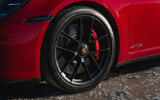
The four-wheel drive system – Porsche Traction Management, as it’s known – mounts an electronically controlled multi-plate clutch to the side of the eight-speed dual-clutch automatic gearbox. For the 992 generation, with its ever-rising power outputs, this unit is water-cooled, and can direct as much as half of available torque to the front axle, which then flows through an open differential designed to keep the steering as uncorrupted as possible. The system is heavily rear-biased, to the extent that, whichever model in the current 911 range you choose, the front and rear tyres are the same tread width whether the car is rear- or four-wheel drive. For the GTS, the front figure is 245mm – promisingly moderate if you’re the kind of driver who prioritises poise and adjustability over sheer grip.

INTERIOR

8
Porsche 911 GTS Cabriolet review 2026 010

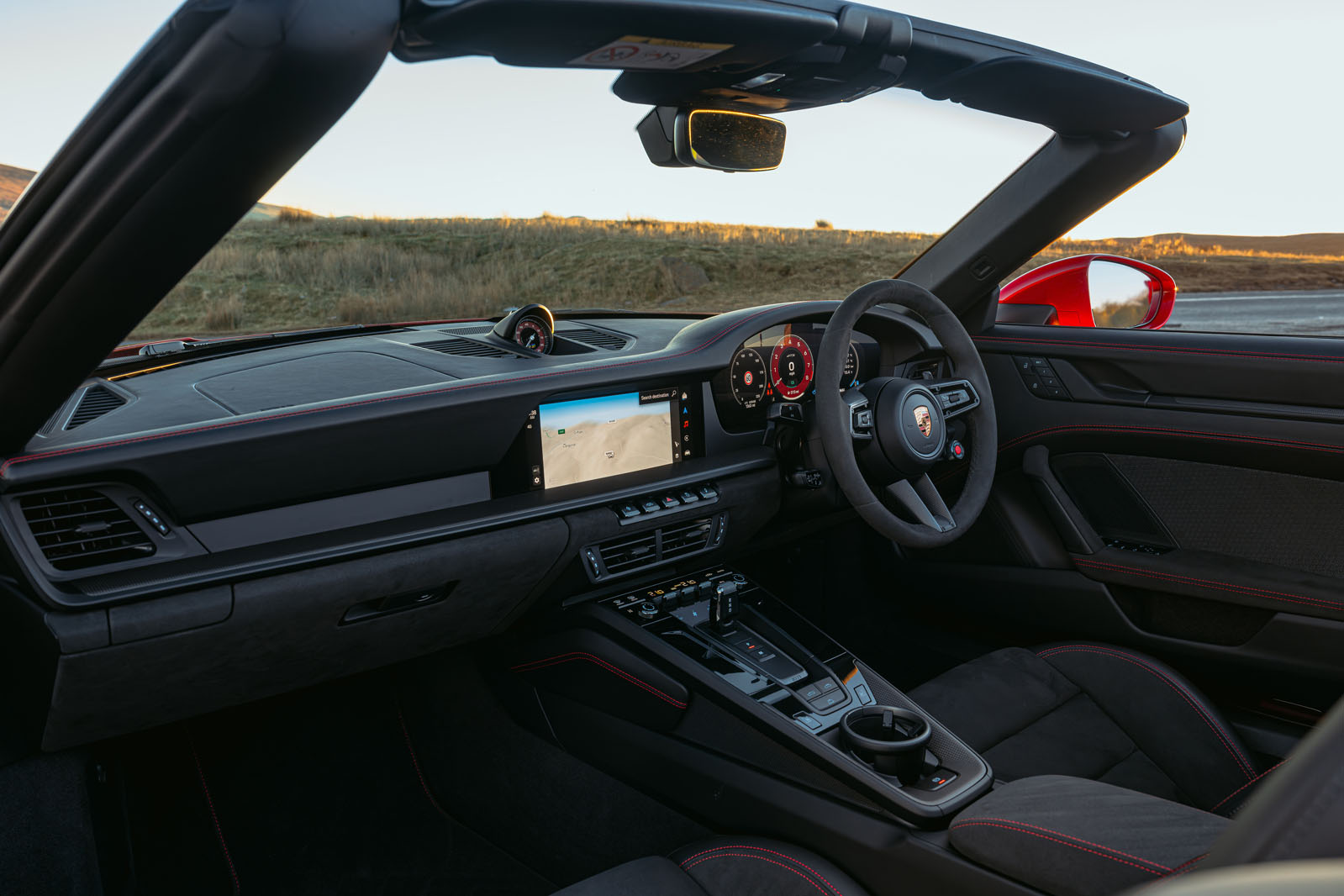
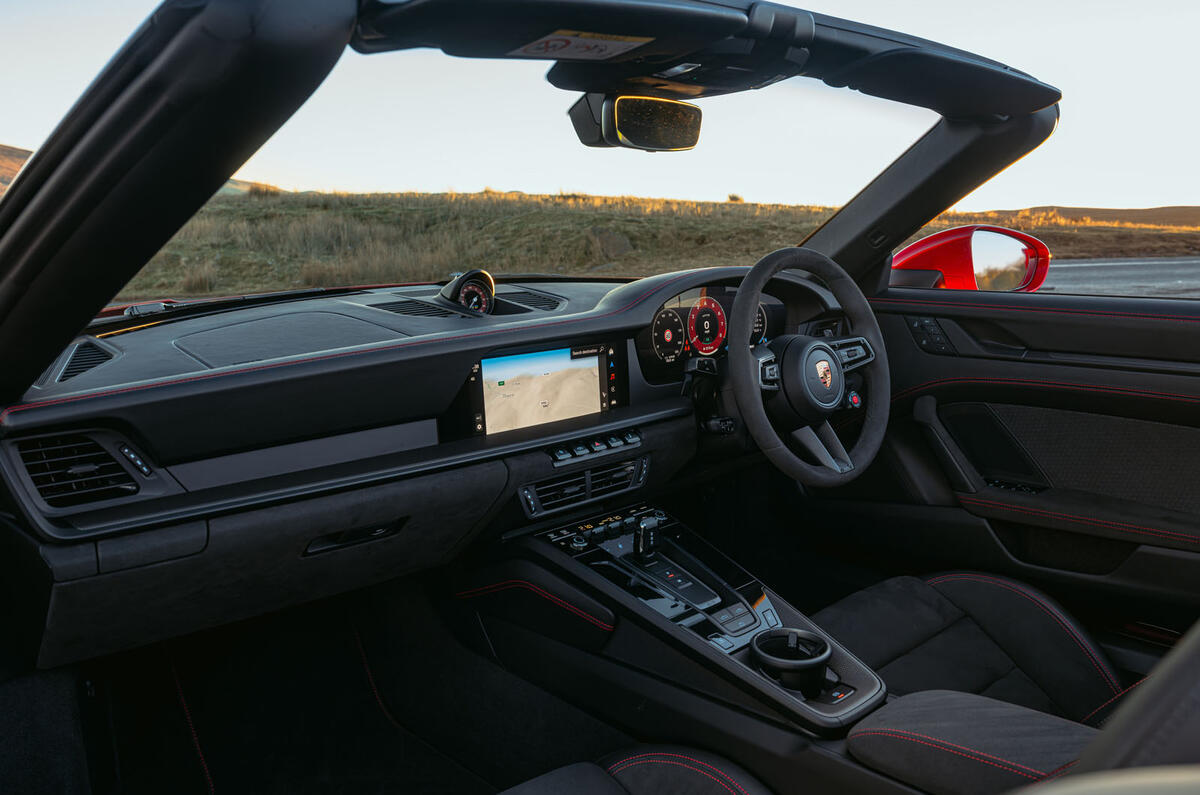
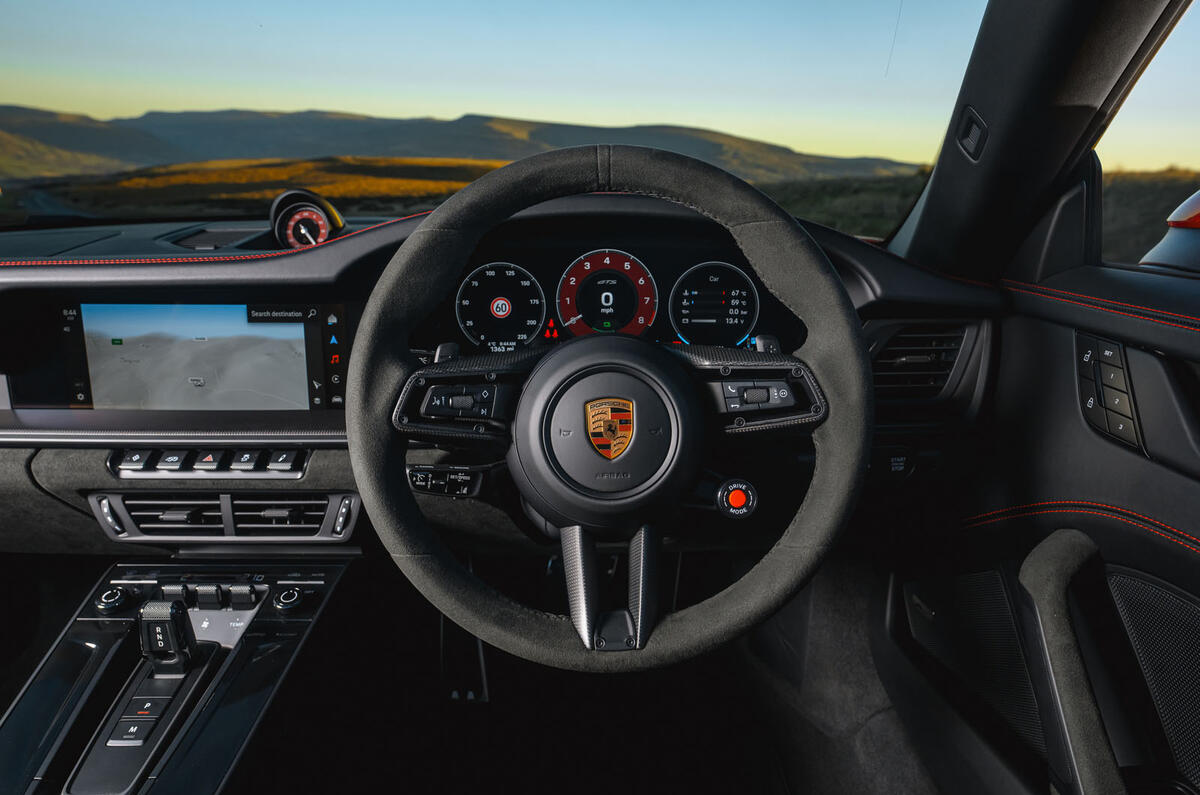
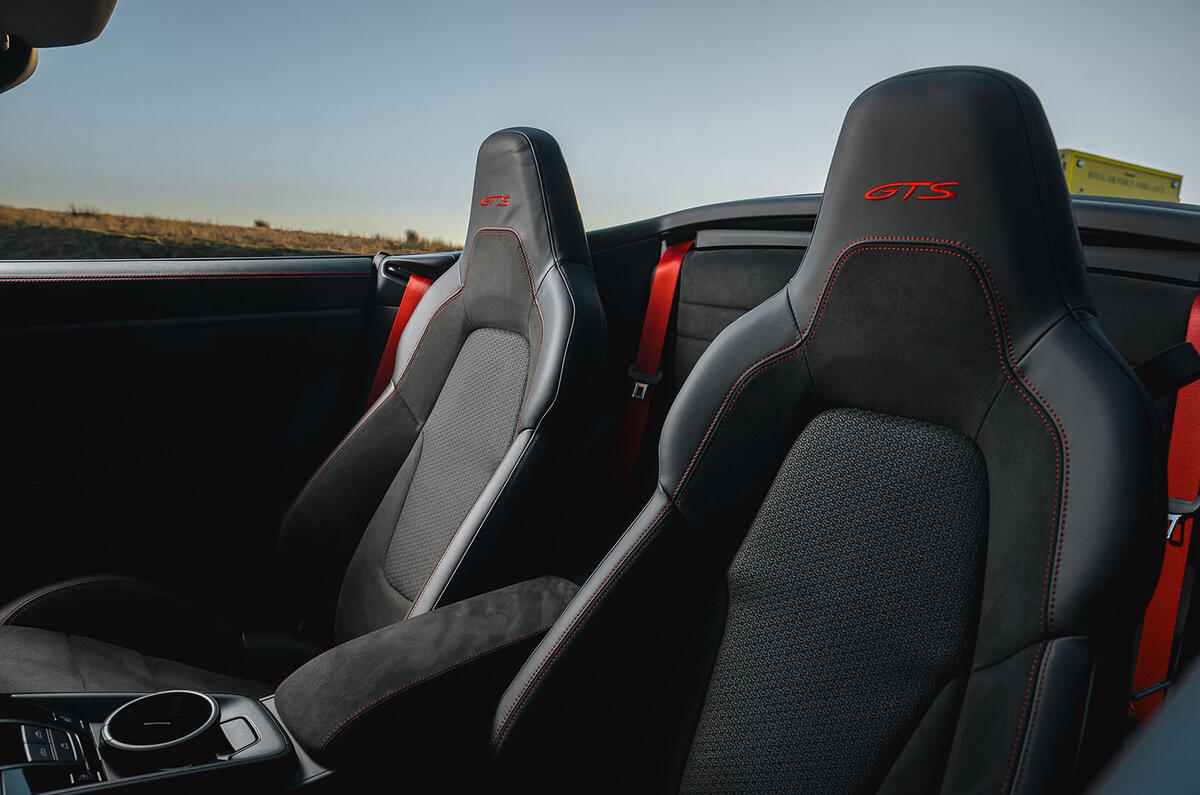
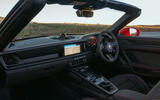
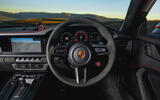
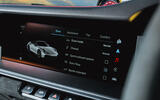
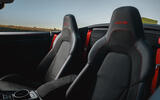
We shan’t dwell here long. The cabin of the GTS Cabriolet is as per that of the coupé, with the strong caveat that rear visibility – traditionally a 911 strength – is dramatically reduced by the shape of the roof in the region where the C-pillar would normally be. The heated rear window is also reduced to supercar compactness, which makes the space behind you gloomier than usual. The trade-off, of course, is that with the roof down you have all the visibility, and sense of light and space, it is possible to have in a modern performance car.

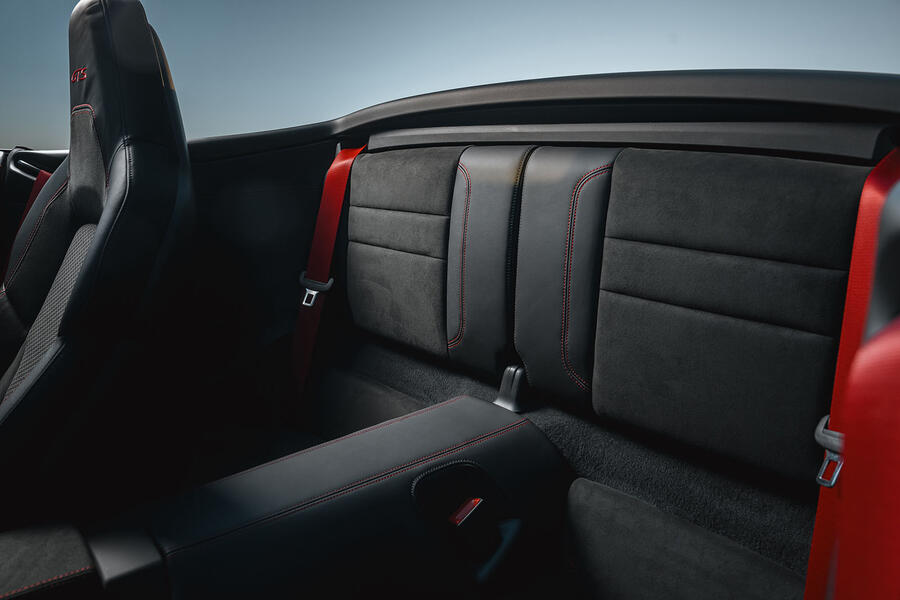
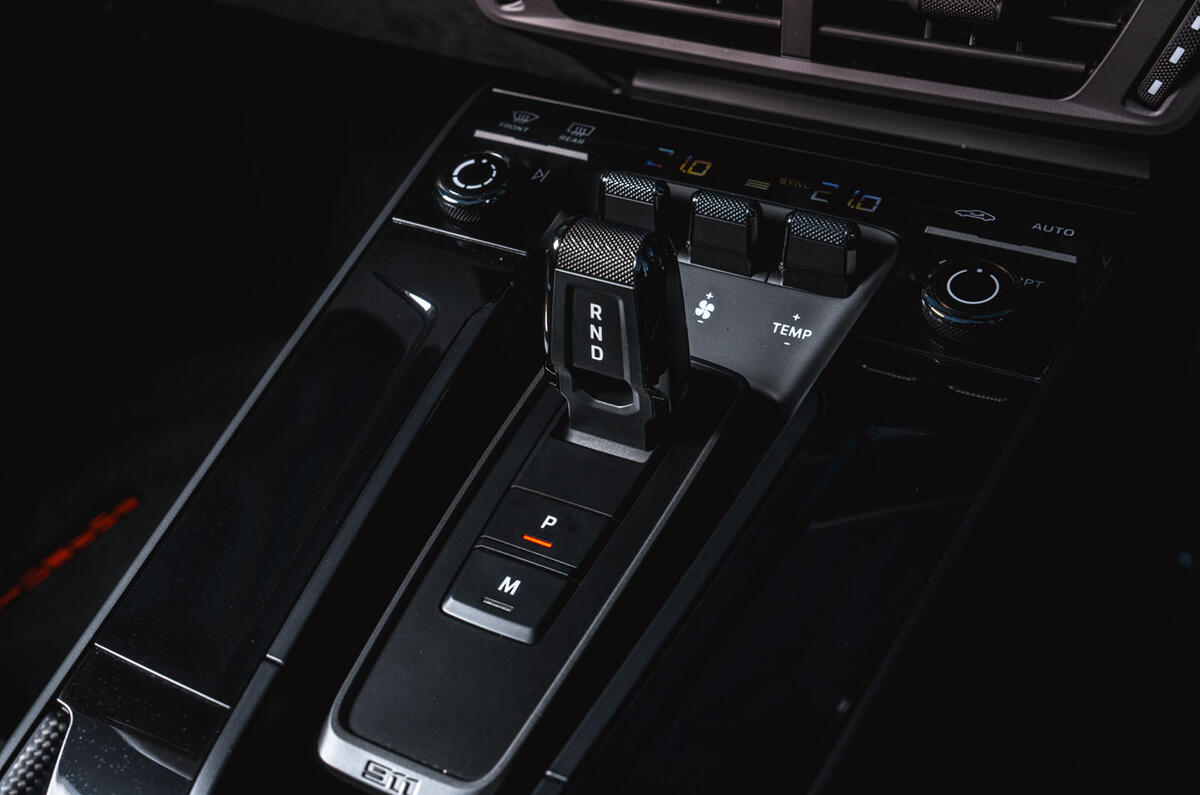
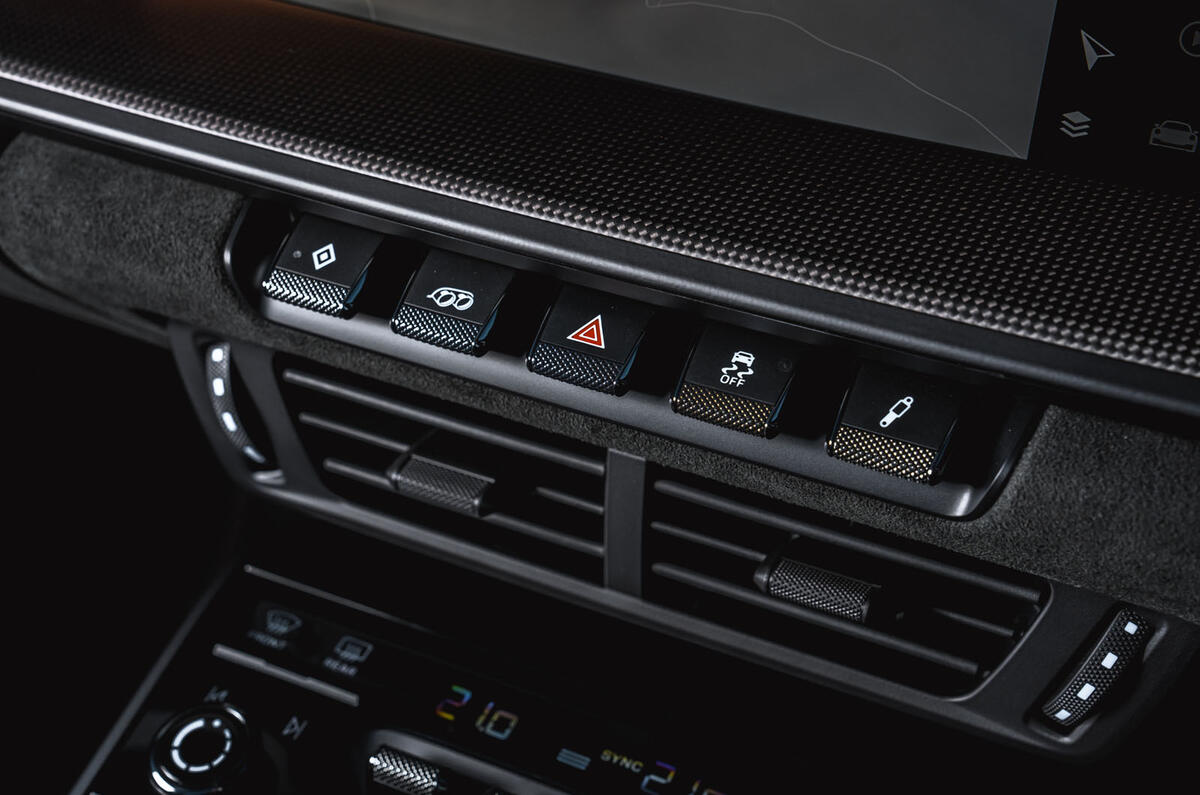
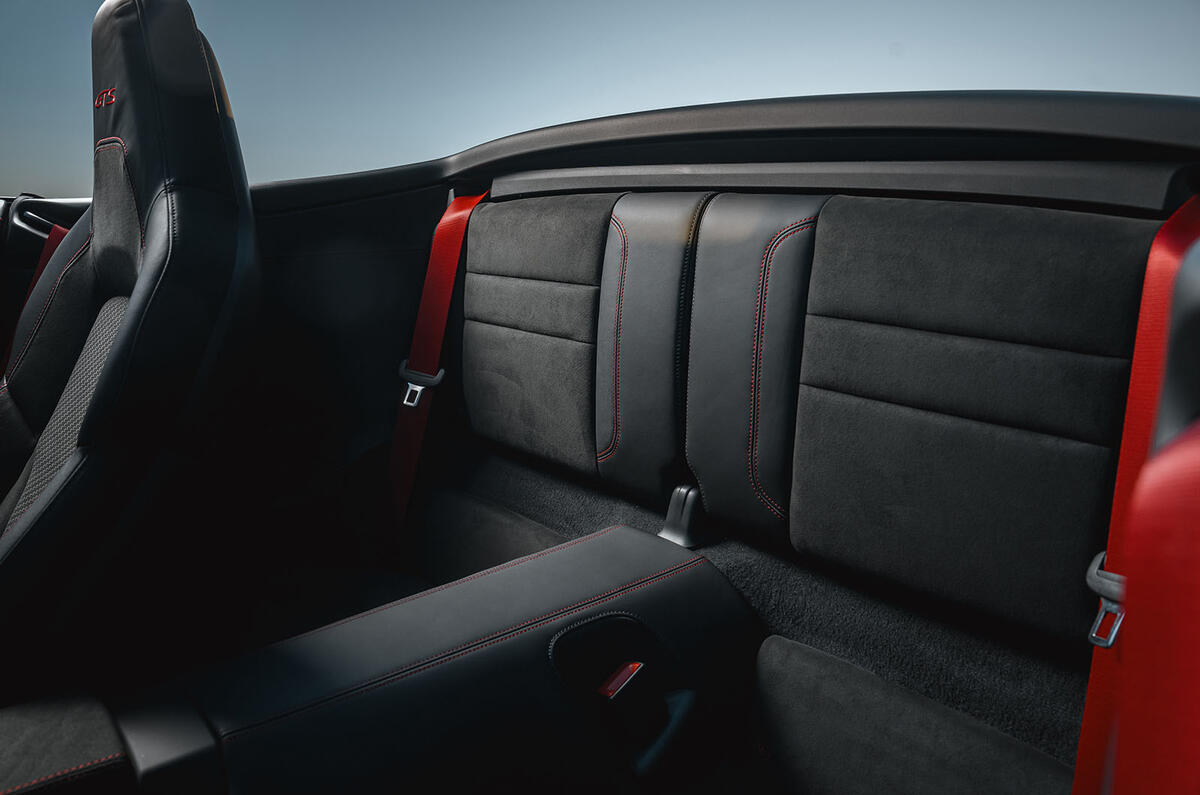
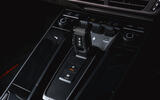
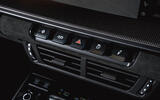
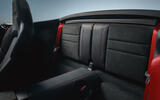
Among the switches on the transmission tunnel that raise or lower the roof sits another for the wind deflector. It deploys electrically (unlike, remarkably, its manual counterpart in the more expensive Mercedes-AMG SL 63) and quickly, and we found it does a fair job of ameliorating wind buffeting at speed, especially if you also have the side windows up. As ever, though, it can’t be used if you have passengers in the rear. Those passengers (most likely children) will find that the backrests are slightly more upright than in the coupé, and can be folded forwards to create a luggage deck, as in the coupé. Meanwhile, head room in both rows, with the roof in place, is as per the coupé.

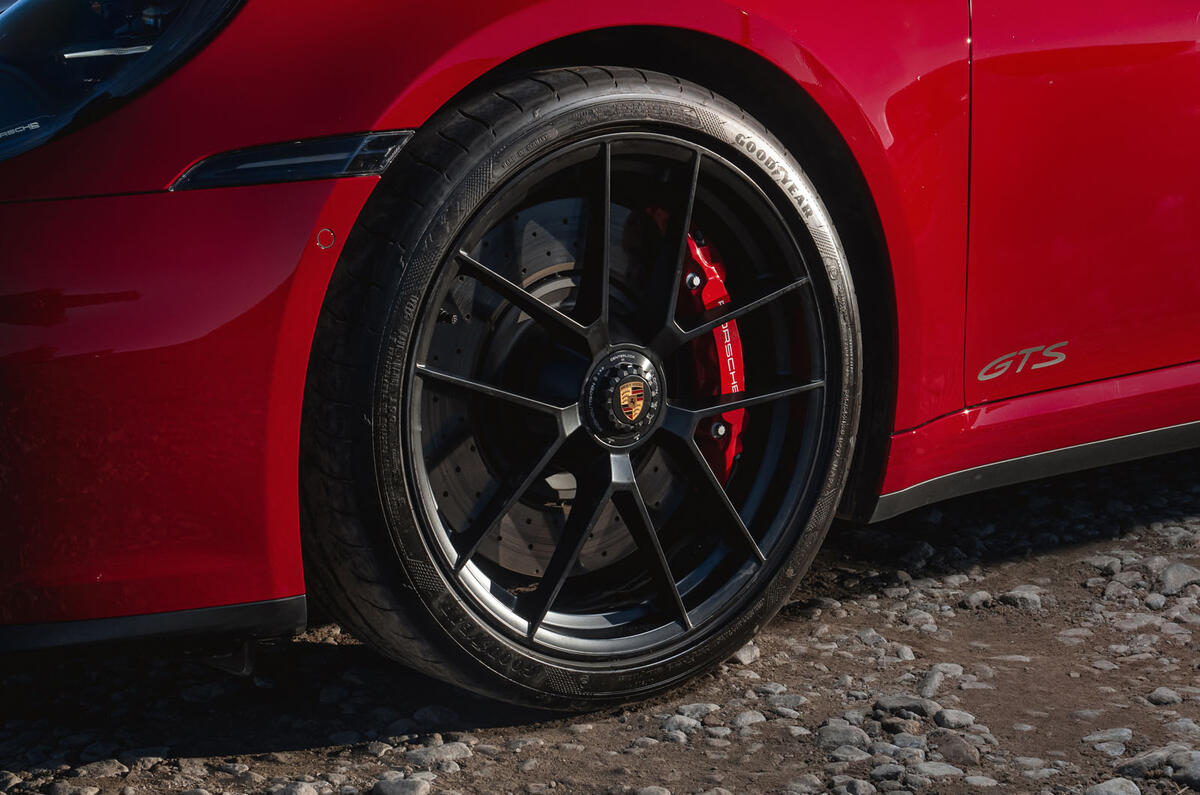
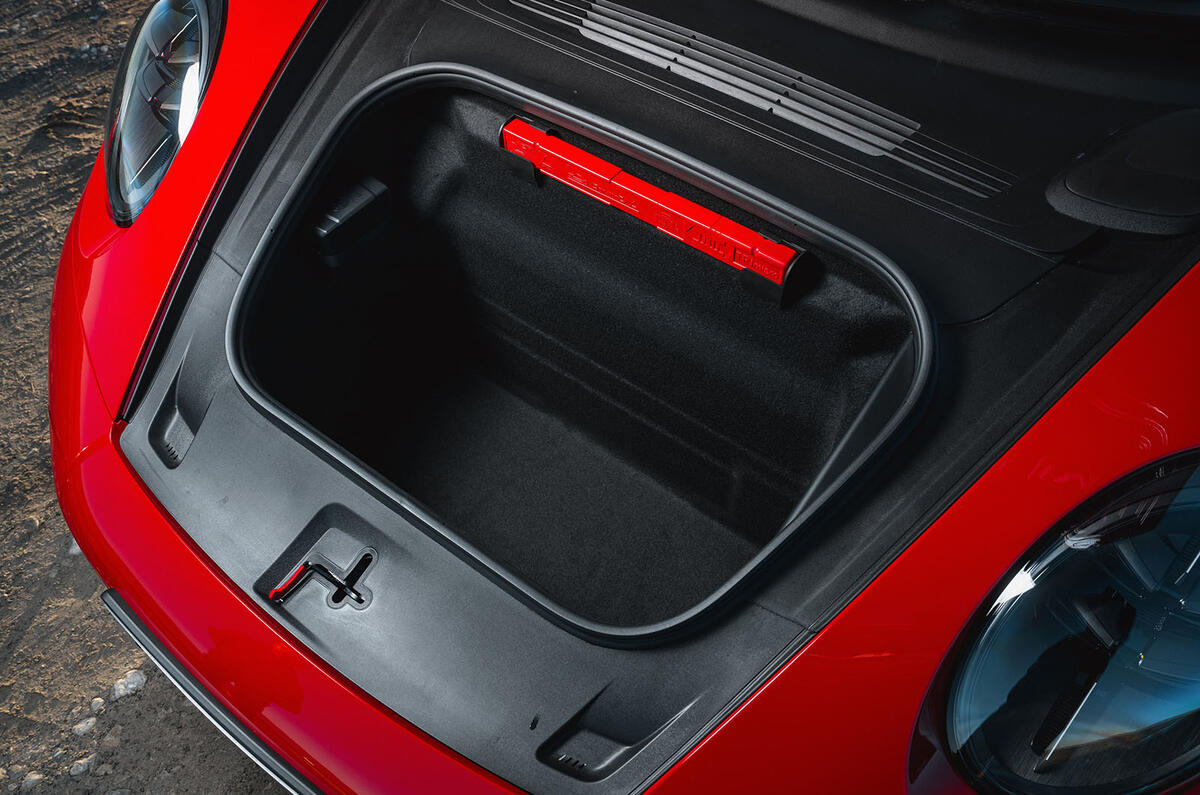
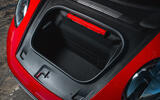
Unsurprisingly the removable roof does nothing to dent the 992’s 135 litres of storage in its deep frunk cavity. However, the same is also true of the four-wheel drive system and the T-Hybrid battery pack. Our test car, despite being outfitted with so much hardware, retains the same capacity as a basic Carrera. And very useful space it is, too.

ENGINES & PERFORMANCE

10
Porsche 911 GTS Cabriolet review 2026 021

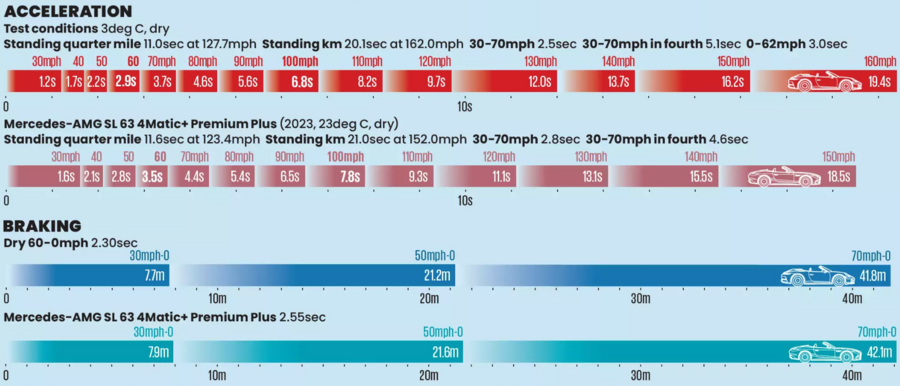
On the day of its test, last year’s rear-drive Carrera GTS coupé weighed 1607kg on our scales, with a power-to-weight ratio of 332bhp per tonne. In this 4WD cabriolet, that figure is reduced to 303bhp per tonne as tested, though this hardly mattered in the explosive context of the car’s standing starts. The convertible hit 60mph from rest in 2.9sec – just one tenth behind its lighter, rear-driven coupé counterpart.

You might be wondering how, with the benefit of front-axle traction, the 4 GTS Cabriolet wasn’t in fact quicker than the coupé, even with its weight disadvantage. Ambient temperature plays a part, for sure: 3deg C was cooler than the 8deg C on the day of the coupé’s test. The 4WD car was also more consistent, rattling off sub-3.0sec times back to back. The coupé’s sensational 2.8sec effort was more of an outlier, the rear axle hooking up beautifully on that run. Lastly, an as-tested weight delta of 163kg certainly isn’t nothing, being about two passengers’ worth.

From there, the Cabriolet ran a 11.0sec quarter mile, versus 11.6sec for the Mercedes-AMG SL 63, which makes it quicker than the Carrera GT we tested in 2004. And the GTS Cabriolet has far better wind insulation than the famous V10 supercar of the 2000s ever did. Nor could you dependably (safely, even) unleash the Carrera GT’s potential on its Michelins below 8deg C, according to the factory.

So the Carrera 4 GTS Cabriolet is supercar-fast. More subjectively, this T-Hybrid powertrain, where a 1.9kWh 400V battery behind the frunk spools the car’s single turbocharger, as well as powering a slim drive motor inside the gearbox, remains good fun to interact with.

Aided by its e-turbo, the gruff new 3.6 (slightly less gruff than it was in the first year of production, Porsche having dialled down the muscle car synthetic enhancements) picks up with real alacrity and builds force in naturally aspirated fashion. The electric element is in effect indiscernible, which has in the past led us to wonder what the real benefit of it is. But if it allows for a more vocal engine, heightens responsiveness by 5% and paves the way for the equally subtle future hybrid integration in the 911, we have no complaints.

Meanwhile, the Carrera 4 GTS stops predictably well, if not with quite the same haste as the rear-wheel-drive coupé. Its 41.8m distance from 70mph beats the Aston Martin Vantage coupé.

RIDE & HANDLING

9
Porsche 911 GTS Cabriolet review 2026 023

Outfitting a Carrera with four-wheel drive used to have a far greater bearing on the dynamic character of the car than it does today. For the 992 generation you’ll notice heavier steering in the 4WD model if you drive it back to back with a RWD car, but apart from that there is precious little difference in terms of handling balance when you’re enjoying the kind of fast, flowing country roads that 911s devour.

With the exception of a touch more heave on account of the additional weight, the same is broadly true regarding the loss of the coupé’s fixed roof panel. It is genuinely remarkable how rigid and assured the cabriolet feels, even when wound up to the supercar-baiting level of the 4 GTS. There is precision and feel in those incipient degrees of steering motion to satisfy anybody’s standards, and if not, then you need to find yourself a used Lotus Elise.

Porsche is about to reveal the latest 911 Speedster, based on the GT3. The 991-generation Speedster was pretty fantastic from a dynamic standpoint and the upcoming 992 will surely be better still, on this evidence. Don’t expect change from £250k, though

The car’s 4WD system is on demand, in that it doesn’t drive the front axle by default. What exactly ‘on demand’ means has changed over the years. Where activation of the front axle used to depend on the traction control sending a signal to the driveline for reinforcements, today Porsche’s system is more predictive, relying on steering angle and g-sensors to prime response. It is evidently an expertly tuned system – of similar calibre to that in the latest cadre of BMW M3 and M4 variants, if not superior.

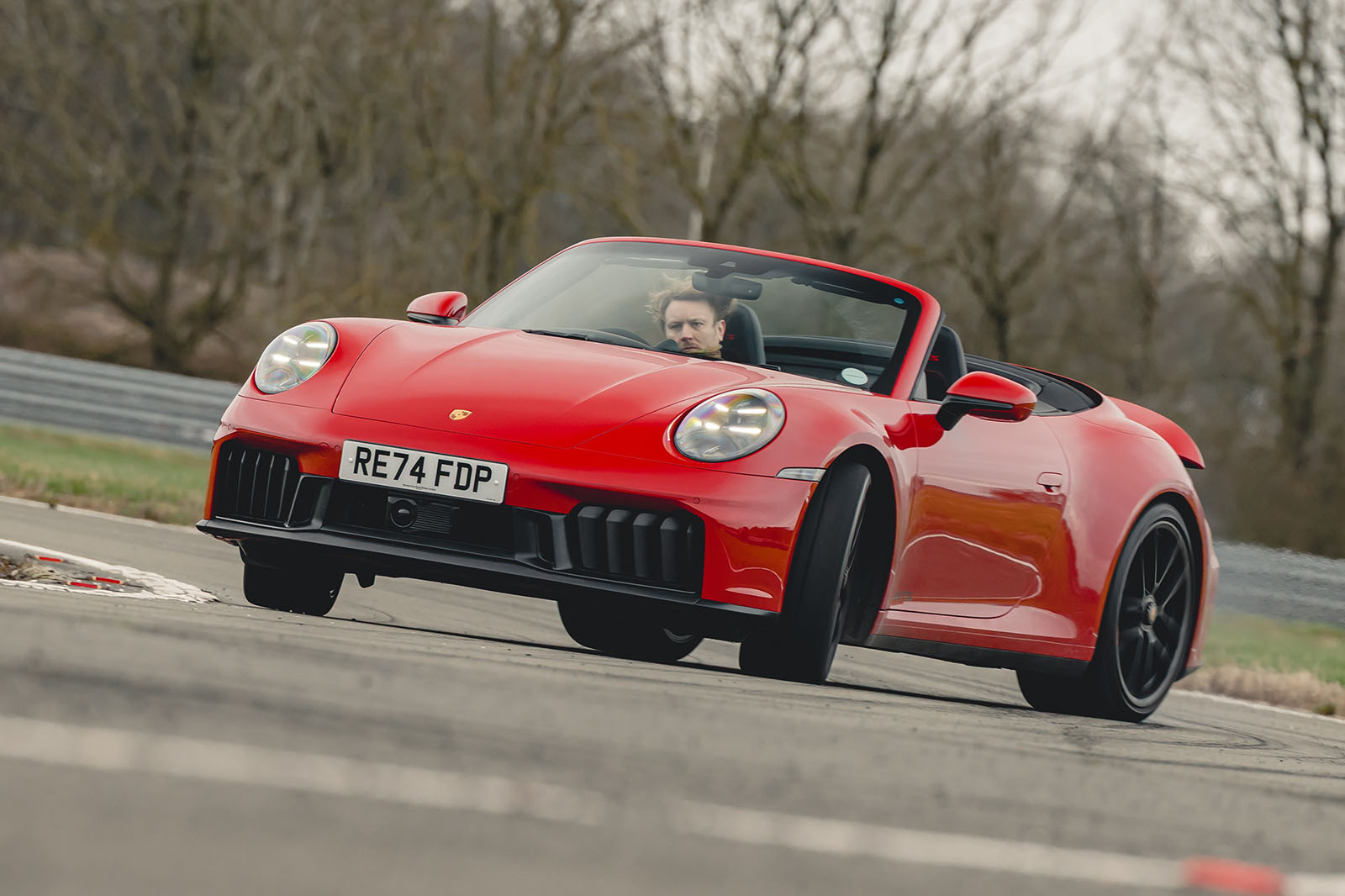
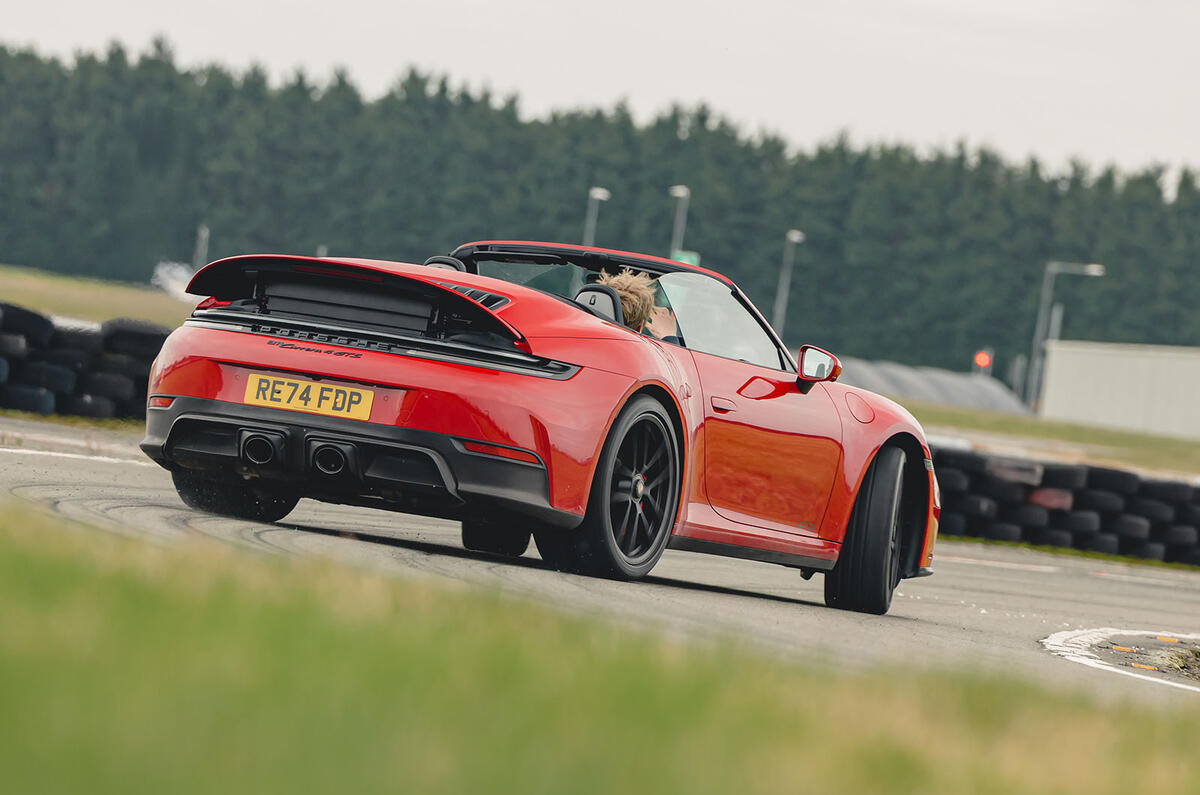
It does not disrupt the cornering balance under power, and neither in terms of limit-handling on track does it sully the 911’s instinctive need to rotate on a trailing throttle and then carry a slither of yaw through the exit. It is all very polished indeed, with the net effect being a 911 with marginally enhanced traction and a habit of gently pulling itself straighter, earlier, but an entertaining, pedigree- handling 911 all the same.

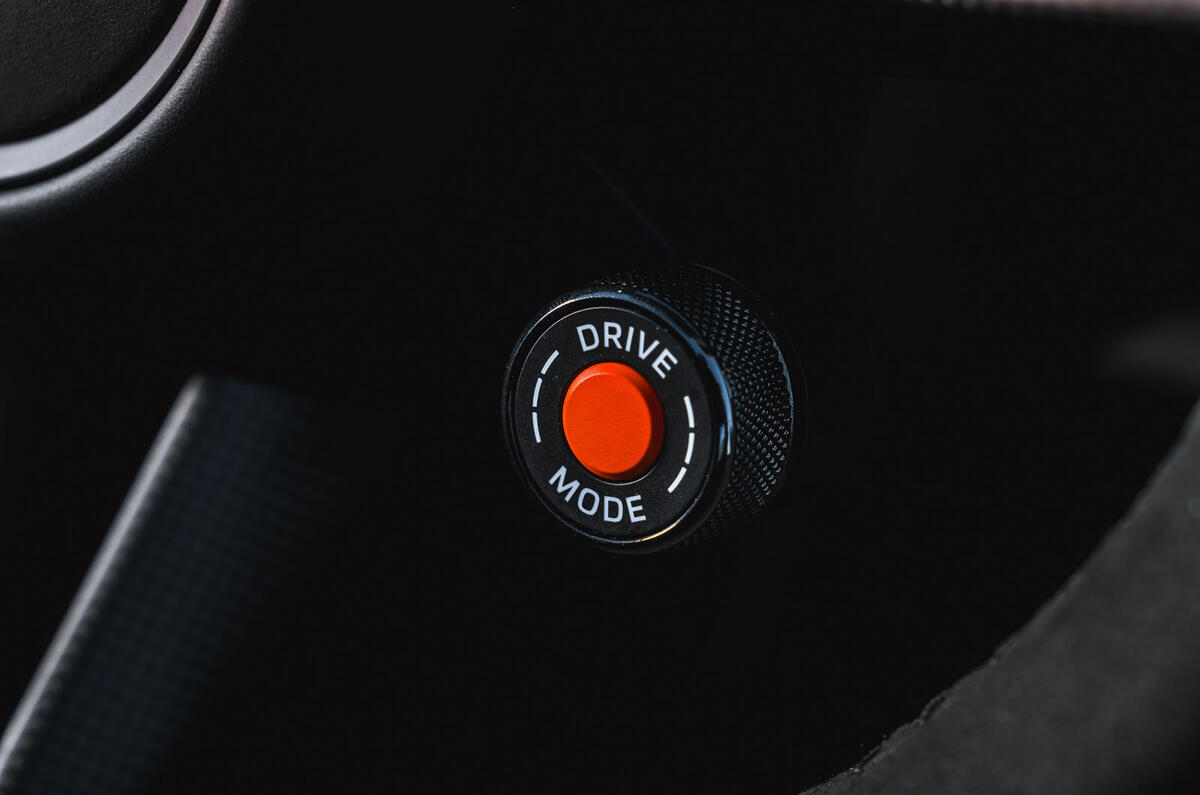
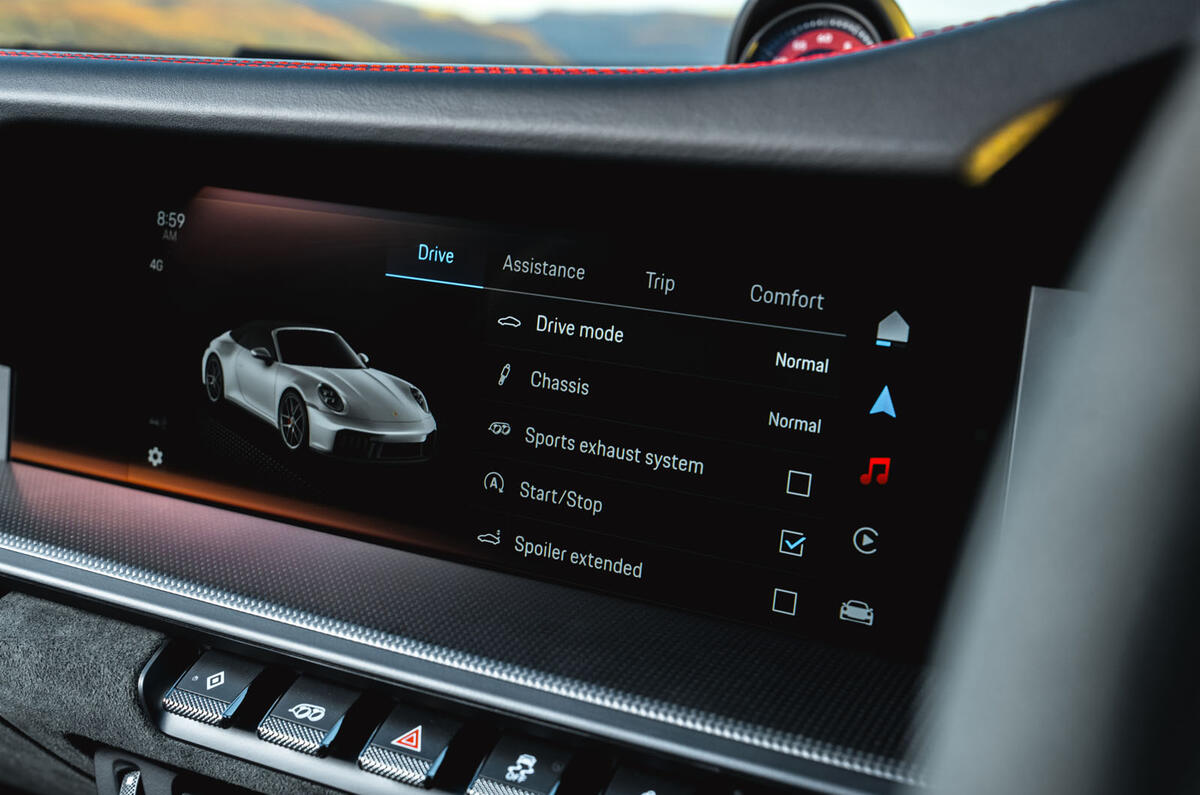
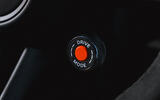
At the other end of the spectrum there is Wet mode, accessible via the mode-select roundel on the steering wheel. In this setting the driveline will dramatically increase front-axle intervention, as well as clamping down early with ESP/traction control intervention. The by-wire throttle response is also deadened a touch. In our experience, Wet mode is not particularly necessary – grip and composure are inherently excellent in the GTS. However, it’s useful to have in conditions where aquaplaning is a real risk, and in generally damp conditions the setting will succeed in giving some drivers a degree of additional confidence.

Comfort & Isolation

Nobody would ever pretend that, in the realm of £150,000-plus drop-top coupés, a hardcore 911 derivative would lead the field in matters of isolation. High rear spring rates and wide, booming tyres, which also have a habit of flicking stones into the arch-liners, are usually to blame with 911s and this is again the case with the 4 GTS Cabriolet. However, our microphones showed that it was in general no louder than the coupé (unless you have the roof down), and in the context of a performance car capable of melding GT duties with genuine sports car thrills, 68dBA at 50mph and 70dBA at 70mph is something owners should, we think, be willing to accept.

The same is true to an extent of the car’s reactive low-speed ride on its 21in rear wheels. GTS coupé owners in search of GT3-lite will be fine with this as a matter of course, although it sits less happily with the convertible’s raison d’être. As a fair-weather cruiser with serious sporting DNA, there are better – and smoother-riding – options in the range than the GTS.

MPG & RUNNING COSTS

7
Porsche 911 GTS Cabriolet review 2026 001

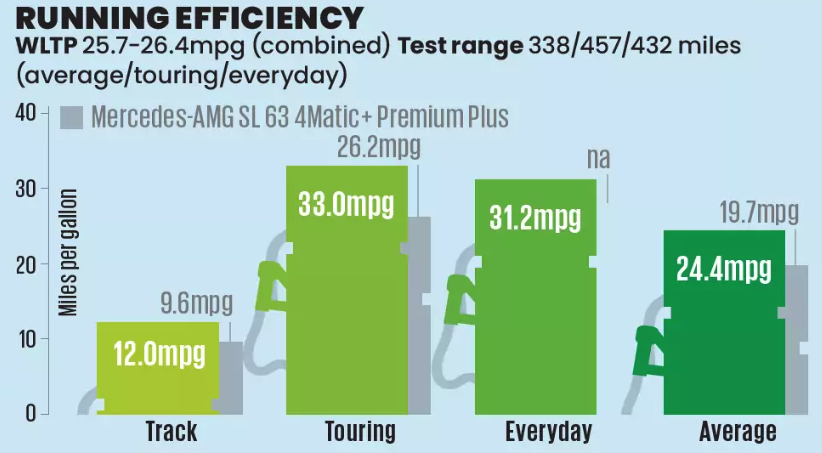
Relative to their performance, Porsche 911s are not generally expensive cars in use. This one returned a very creditable 33.0mpg in our motorway economy test, and that would give you a range of around 460 miles. It’s a little less than a purely rear-driven GTS would manage but comfortably superior to the 26.2mpg achieved by the V8-engined Mercedes-AMG SL 63.

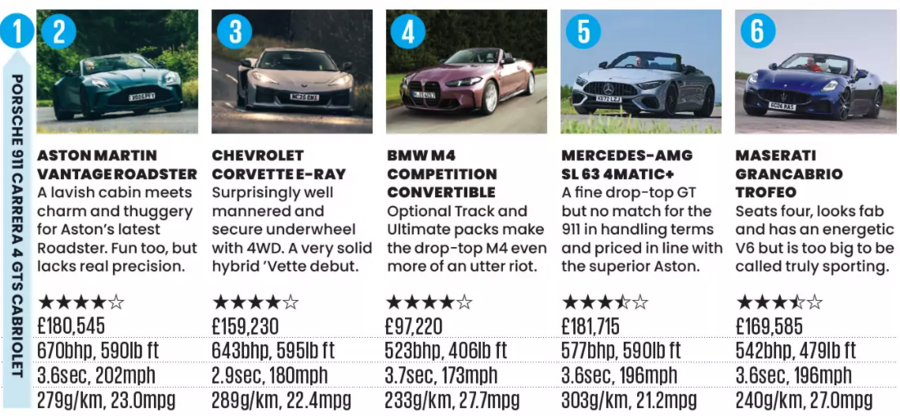
Prices for the Carrera 4 GTS Cabriolet start at £154,400, and this car was optioned to a monumental £169,613. In the world of drop-top 911s only the recent Turbo S Cabriolet, at £209,100, costs more. That said, you will see on p37 that among its leading rivals the 4 GTS Cabriolet undercuts all of them.

And, as ever, it’s possible to scratch the open-air 911 itch for considerably less. A basic 911 Carrera Cabriolet costs just under £114,000, but in 90% of circumstances will give you 90% of the satisfaction the wild GTS does. You might also consider the Carrera T – the strain of Carrera aimed at the purists – which is also available as a cabriolet for the usual £10,000 premium you pay for losing the roof. 

In our opinion, the pick of the 911 cabriolet line-up would be the Carrera S at £130,000. We would leave out the PASM Sport suspension (you don’t especially need the 10mm drop in ride height it brings), as well as the rear-axle steering. Yes, it’s still an expensive car, but with the Audi R8 Spyder and Jaguar F-Type convertible consigned to the history books, there’s no direct competition.

VERDICT

9
Porsche 911 GTS Cabriolet review 2026 028

You can question the philosophy of bestowing convertible status – and perhaps also four-wheel drive – on the GT3 understudy that is the latest Carrera GTS. What you cannot argue against is the efficacy of the final result when it comes to rampant speed, handling thrills and usability.

It’s a hallmark of the 992 generation that the dynamic drawbacks normally associated with going roofless are so minimised as to be non-existent. The GTS Cabriolet – the most driver-focused open-air Carrera Porsche currently makes, and therefore the one with the most to lose – offers incontrovertible proof of this fact. In all but the most extreme circumstances, it has the dexterity and poise of the coupé. The roof mechanism also doesn’t impinge unduly on luggage space, comfort or refinement either. It is very, very hard to beat.

Richard Lane

Richard Lane
Title: Deputy road test editor

Richard is Autocar's deputy road test editor. He previously worked at Evo magazine. His role involves travelling far and wide to be among the first to drive new cars. That or heading up to Nuneaton, to fix telemetry gear to test cars at MIRA proving ground and see how faithfully they meet their makers' claims. 

He's also a feature-writer for the magazine, a columnist, and can be often found on Autocar's YouTube channel. 

Highlights at Autocar include a class win while driving a Bowler Defender in the British Cross Country Championship, riding shotgun with a flat-out Walter Röhrl, and setting the magazine's fastest road-test lap-time to date at the wheel of a Ferrari 296 GTB. Nursing a stricken Jeep up 2950ft to the top of a deserted Grossglockner Pass is also in the mix.