

Porsche has officially ended production of all current diesel vehicles in the face of changing consumer demand and upcoming stricter emissions tests.
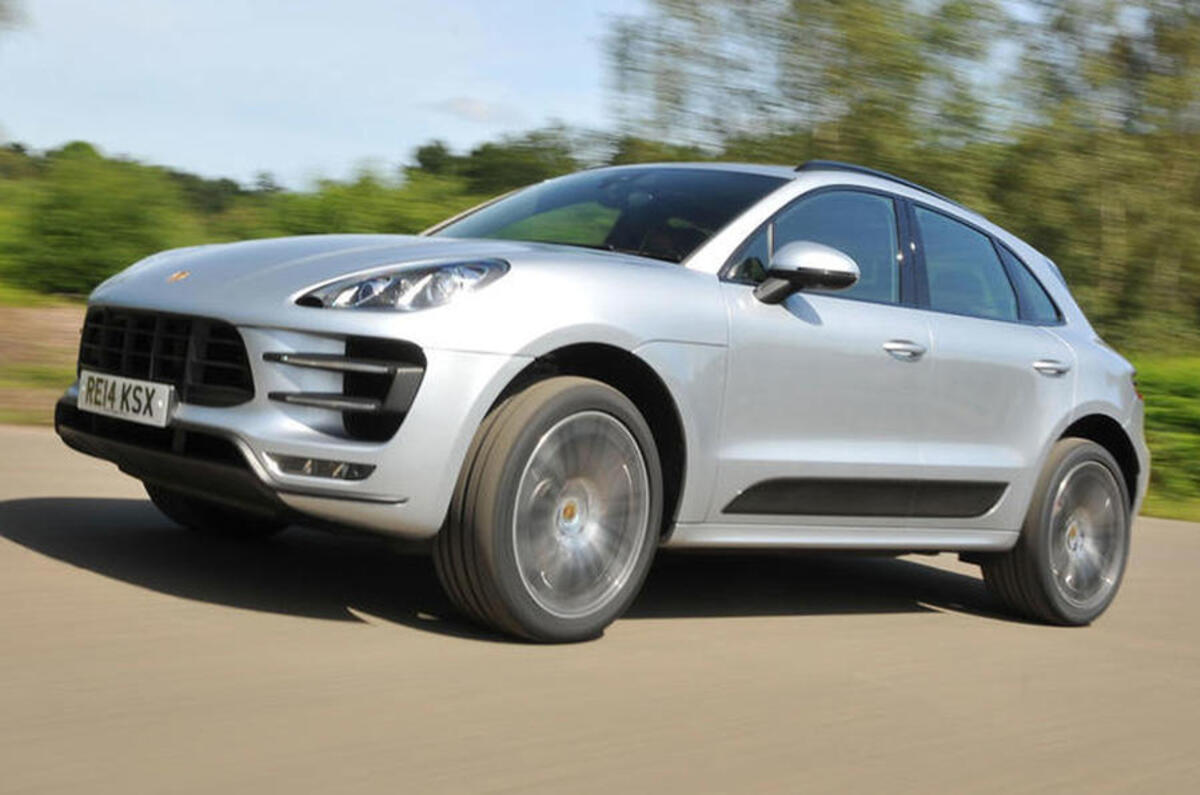
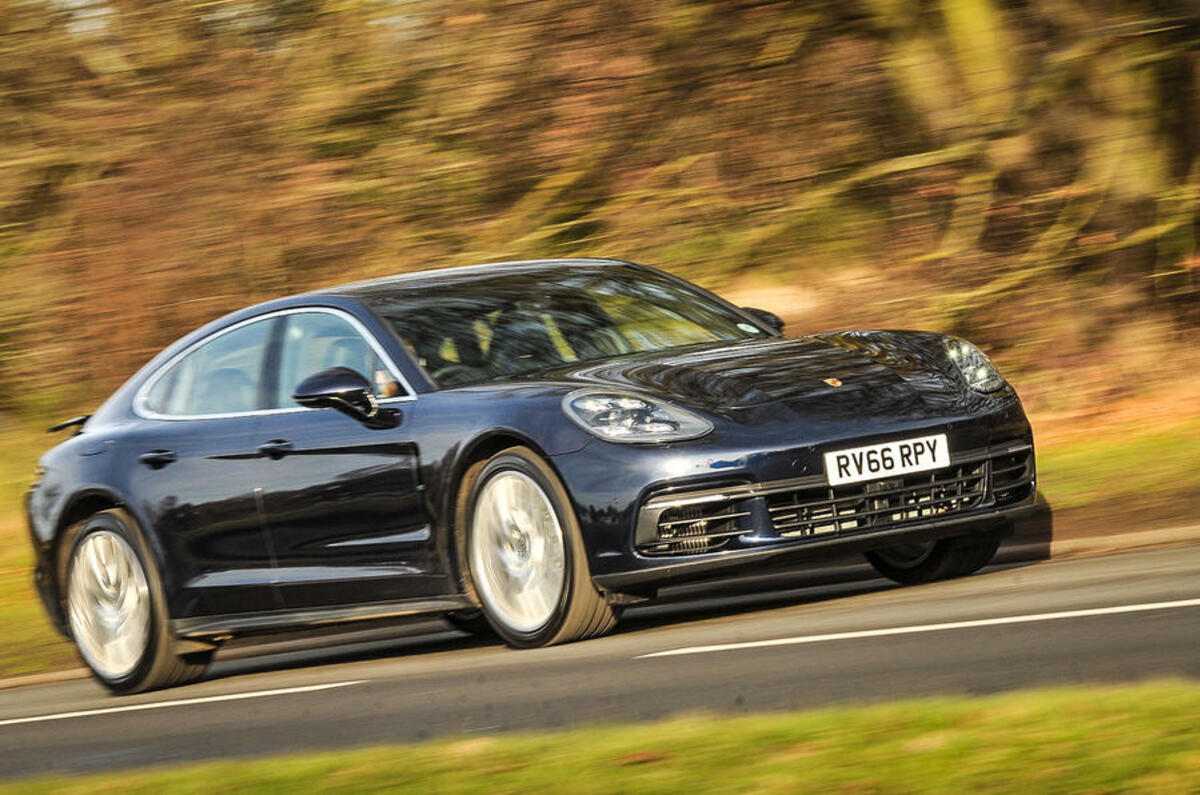
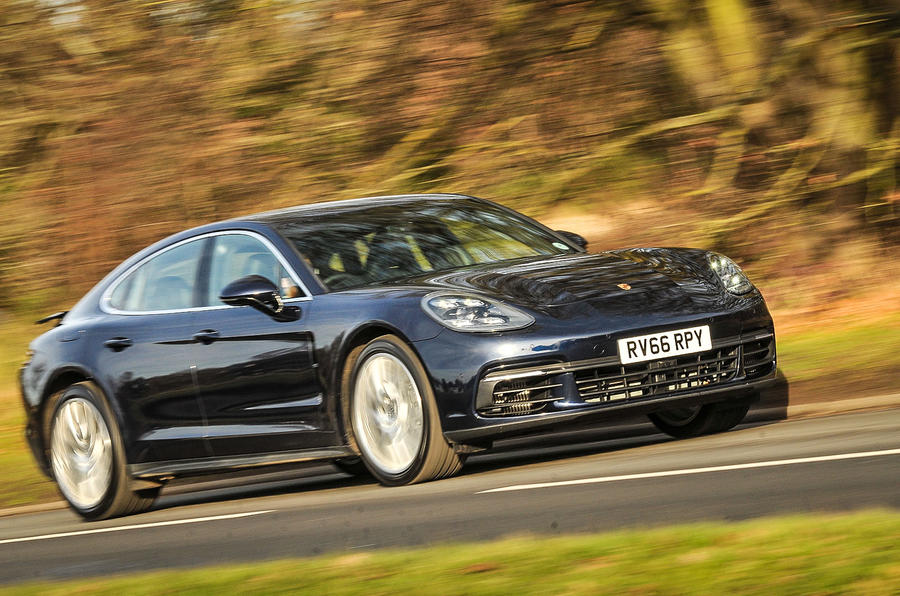
In a move that a Porsche spokesman said mirrors the “cultural shift” of the brand's customers, the German manufacturer has discontinued its only two current diesel models, the Porsche Macan S Diesel and Porsche Panamera 4S Diesel (pictured below), just nine years after its first oil-burner hit the market.
Opinion: why Porsche's diesel hiatus was well-timed
The original Cayenne was the first Porsche to offer diesel power back in 2009. Porsche was originally reported to be launching the new Cayenne with only petrol and petrol-electric hybrid powertrains, but has now announced that a diesel variant is on the way.
In an official statement, Porsche said that the Macan S Diesel, the only such version of the brand’s Range Rover Velar rival, has been “taken out of the production programme” as buyer demand moves towards petrol and hybrid versions.
The brand revealed that the diesel’s removal was also linked to “another software update” that has been subject to an “ongoing consultation with the authorities”. While not directly confirming it, this suggests that like with BMW and its F80 M3, Porsche has decided against re-engineering the Macan S Diesel to conform to the new Worldwide Harmonised Light Vehicles Test Procedure (WLTP) standards.
Such a move highlights the shrinking demand for the model, which a Porsche UK spokesman said represented a small portion of the SUV’s 97,000 global sales from 2017. The Macan is also due to be facelifted in April.
The same justification was given for the demise of the Panamera 4S Diesel, which was removed from Porsche’s ranks during the luxury car's range update at the start of the year.
Porsche said the change was linked to falling demand for the variant, which accounted for 15% of the Panamera’s 11,000 global sales in 2017. Petrol versions accounted for 35%, while the Panamera 4 E-Hybrid accounted for 50%.
An inside source told Autocar that the current lack of diesel cars in its range doesn't "mean Porsche has decided to stop all diesel models" forever. But Porsche boss Oliver Blume revealed to Autocar last year that “diesel is not so important for Porsche”, adding that diesel sales made up just 15% of Porsche’s total worldwide sales, mostly in Europe.


