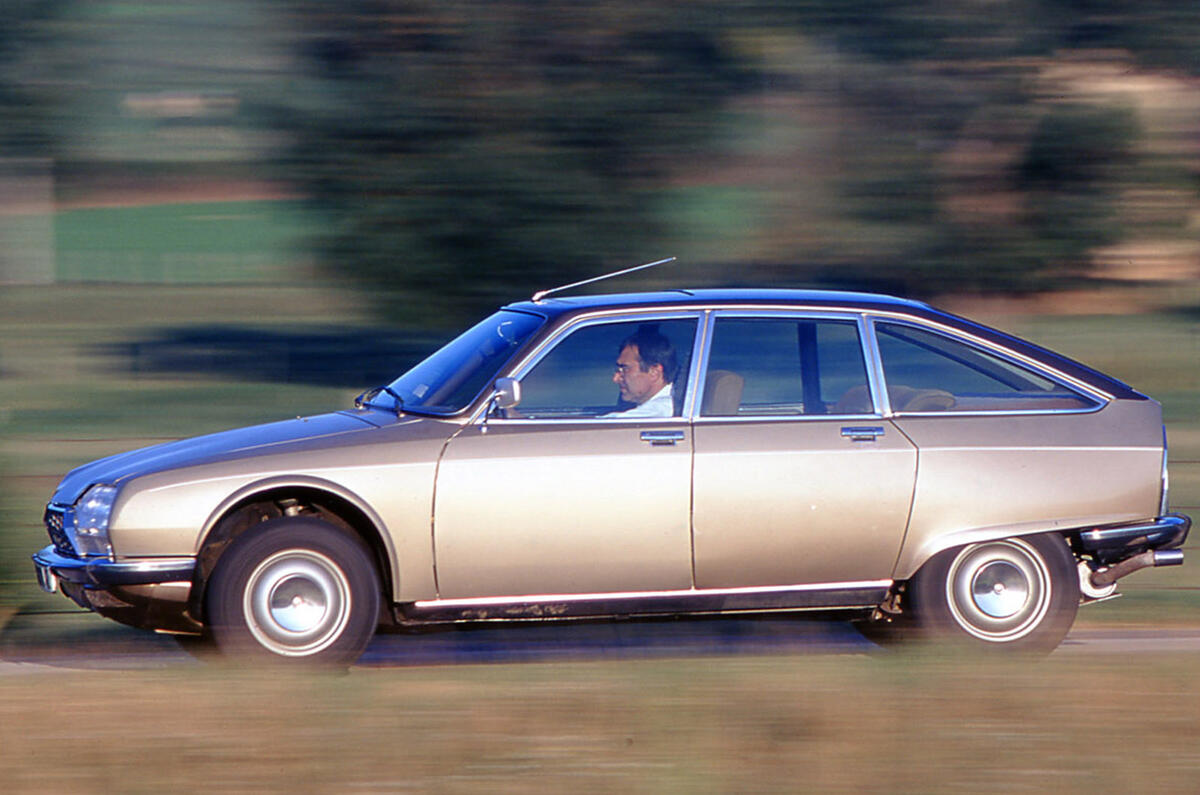
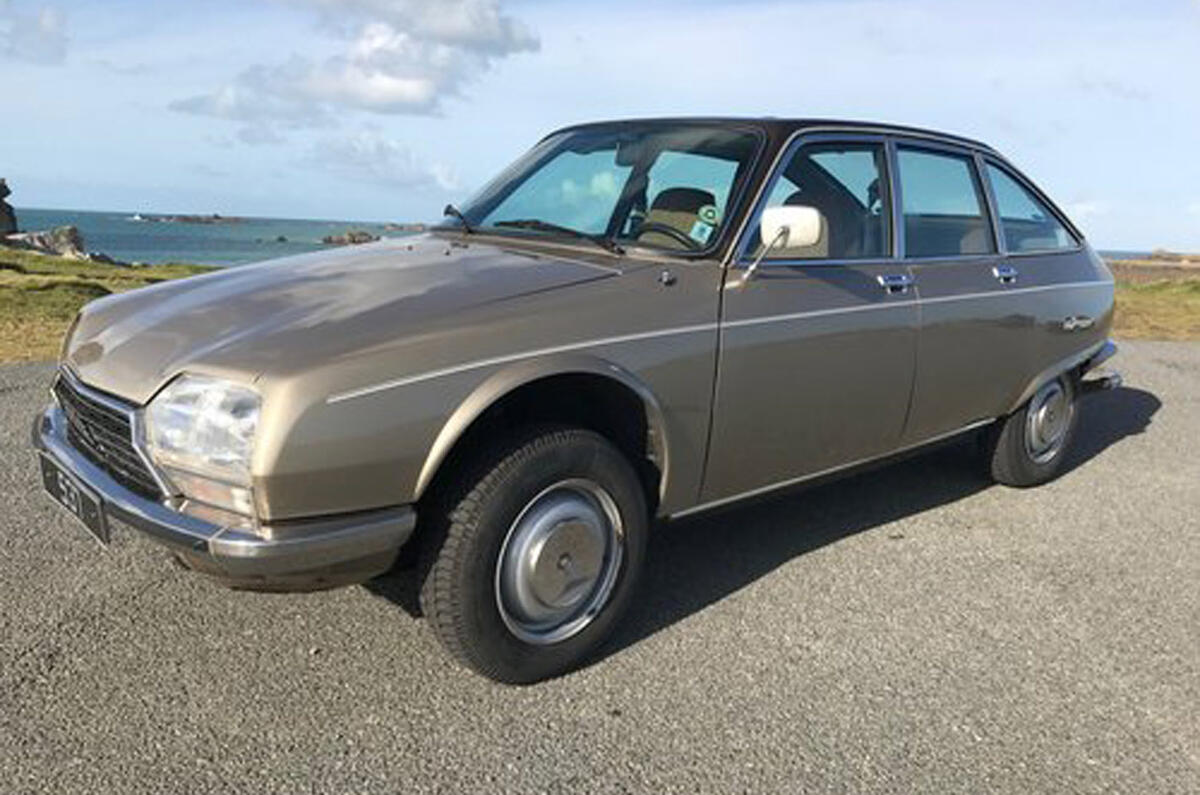









Believe it or not, the Citroën GS hits 50 this year. Launched in 1970, it became European Car of the Year in 1971 thanks largely to its sophistication, with supple hydropneumatic suspension that gave this small car the luxurious ride expected of something far bigger.
The car was perfect for the imperfect roads of rural France, where it proved popular, but wasn’t as successful in Britain. Complicated mechanics scared buyers off.
And therein lies the first problem with the GS, because it takes the enthusiasm of a certain type of person to maintain one. Someone who’ll put up with its complications along with the usual issue related to old cars: rust. Okay, an MGB will also rot, but it has the mechanical sophistication of a barn door, so is relatively pain free to look after.
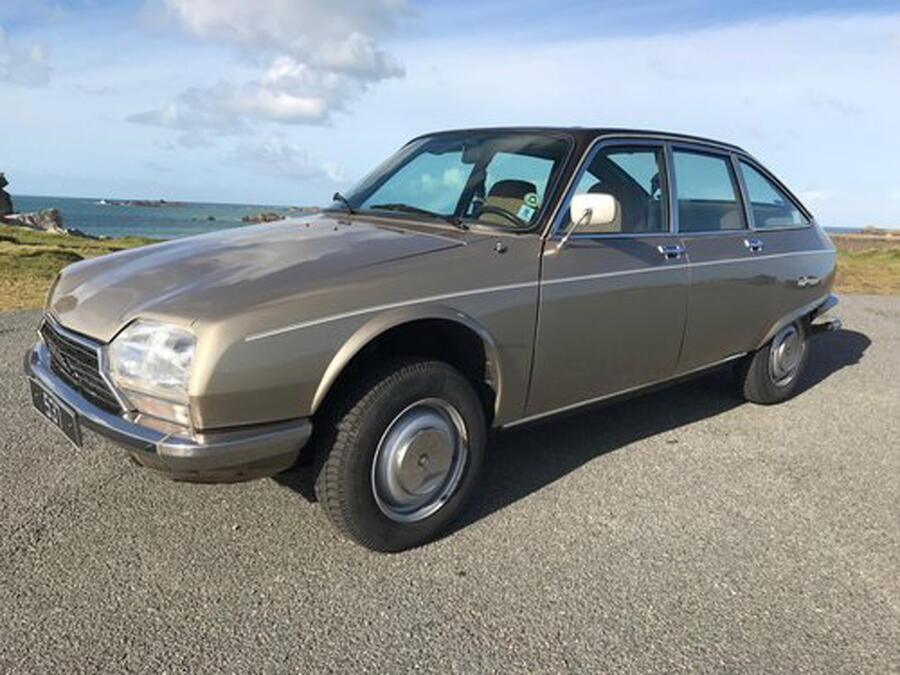
The second issue is the GS is undervalued, and you’ll never get your money back from a full restoration. Unless it happens to be a Birotor – a curious motor that came about through a partnership with NSU that made this model the first (and only) mass-produced Citroën with a rotary engine.
NSU was bankrupted by warranty claims related to worn-out rotor tips with its Ro80, and the same almost happened to Citroën. Only 847 GS Birotors were sold, most being bought back by the company and destroyed to avoid the costs of supplying parts to keep them going.
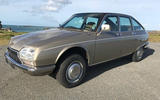
The Birotor we found is a rare survivor in original condition; the sort of state collectors lust after, which is perhaps why it’s up for £25k. However, it’s a fine example of a highly significant car that’s about to celebrate a huge milestone. And compared with that other softly sprung Citroën, the DS, this Birotor seems a bit of a bargain.