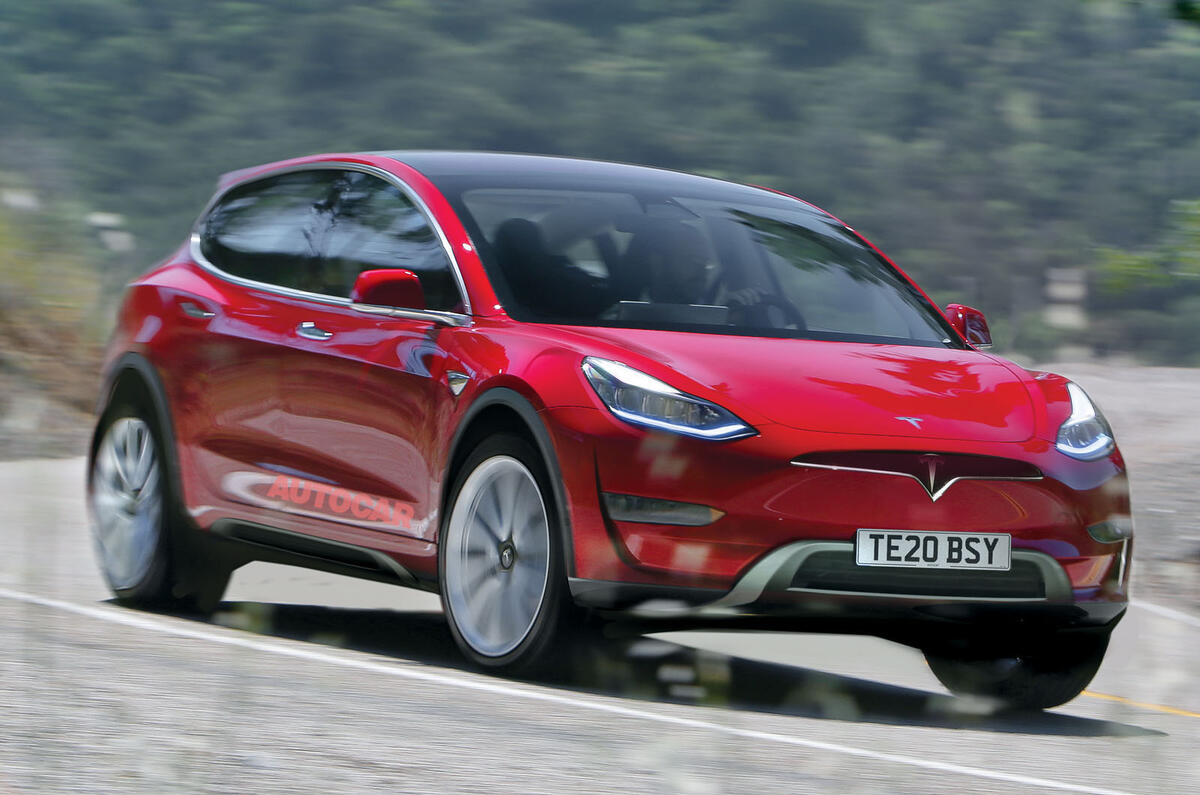





Tesla will unveil its crucial Model Y SUV tonight (14 March) – and the company is hoping lessons learned from the Model 3’s “production hell” can help it capitalise on the “massive” opportunity presented by its most important new model yet.
UPDATE: The Tesla Model Y has been officially revealed - read the full story here
The Model Y is due to go on sale in late 2020, with the company recently finalising production plans for the new car. Boss Elon Musk has confirmed the imminent launch of the model, having given an 'estimate' of 15 March on Twitter last year. Musk said that detailed pricing and specs would be revealed at the event, along with demo rides in prototype machines.
Tesla Model 3 Performance review 2019: EV saloon driven in Europe
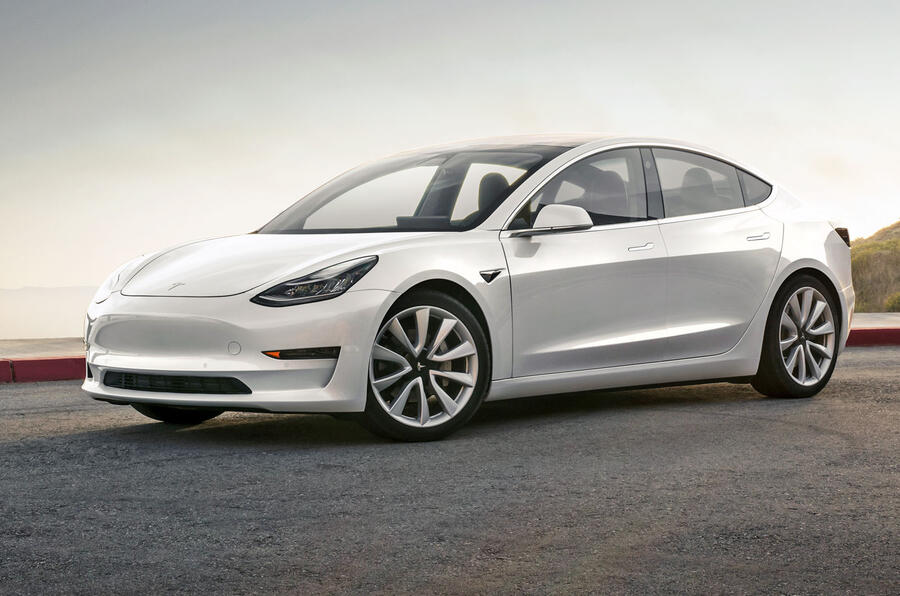
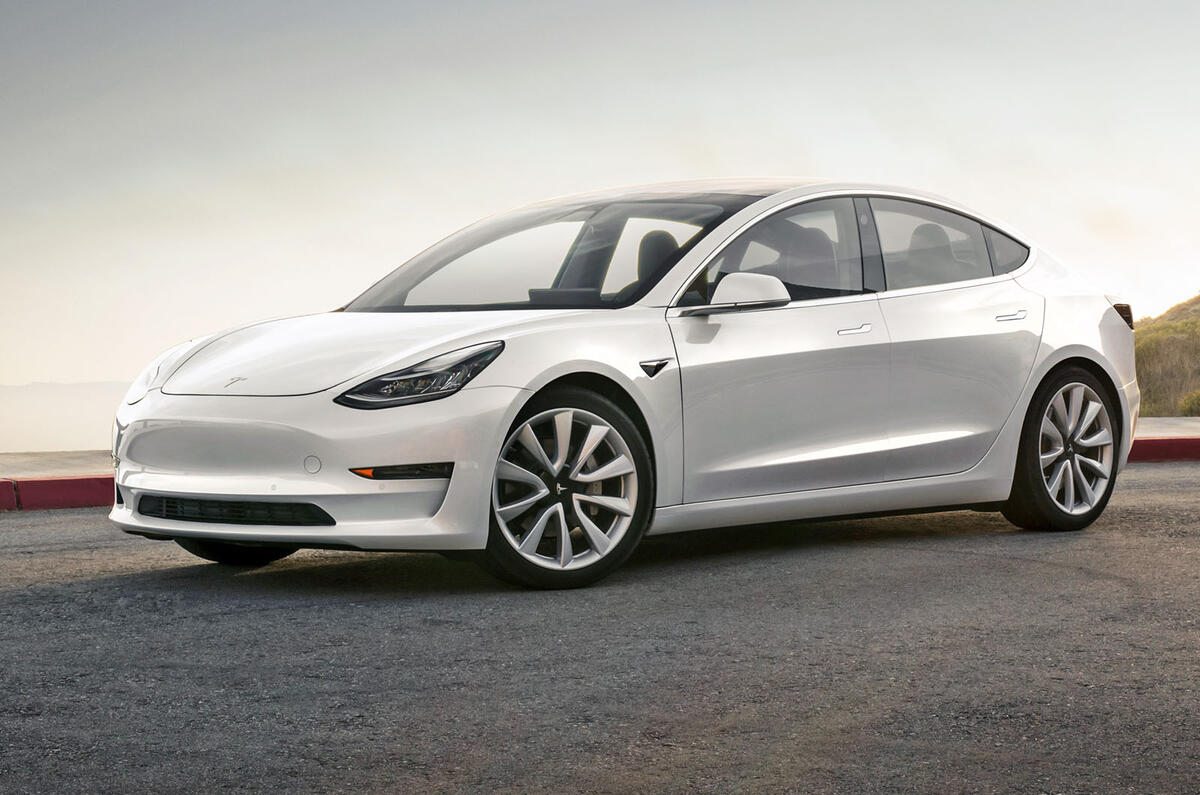
The confirmation of the Model Y launch follows soon after Tesla's entry-level Standard Model 3 model went on sale, priced in the US at $35,000 (£26,000). The car features a 220-mile range, compared with 325 in the range-topping Long Range Model 3.
Musk said that, since the Model Y was around 10% bigger than the Model 3, it would cost about 10% more. If the Model Y is offered in a similar entry-level Standard model, that would suggest a starting price of around $38,500 (£29,000). That is before recent price rises for Tesla's range, barring the new $35,000 entry-level Model 3, were revealed.
Tesla sold more than 120,000 examples of its Model 3 last year, making it the world’s top-selling electric car. The Model 3 was also the best-selling saloon car in the US, although its sales were still dwarfed by those of pick-up trucks and SUVs. For comparison, Ford sold more than 900,000 of the F-Series truck and the Toyota RAV4 topped SUV charts with 427,170 sales.
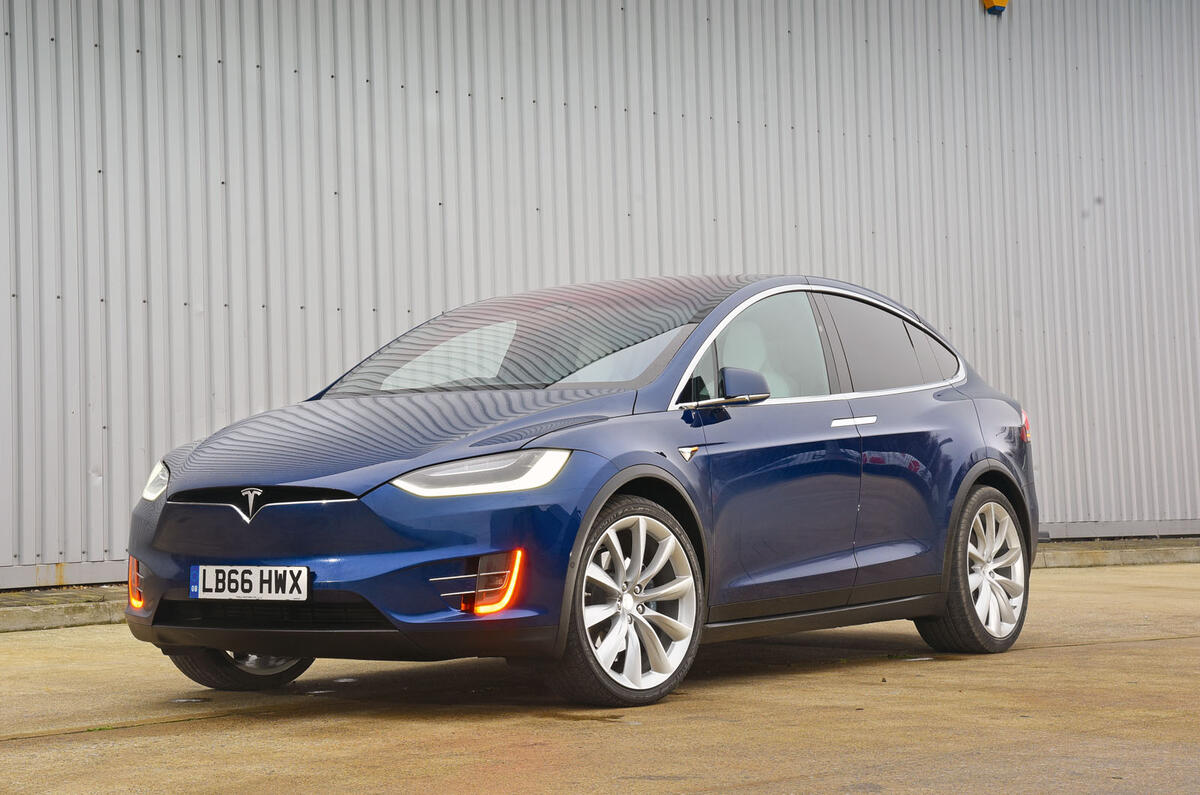
The continued shift of the market from saloons to SUVs is why Musk says the Model Y presents “massive” growth opportunities for the firm. Tesla currently produces the Model X large SUV, but the high cost and complexity of that model limit its volume.

Musk recently told investors: “The demand for Model Y will be maybe 50% higher than Model 3; could be even double.”
The Model 3 has never suffered from a lack of demand: Tesla’s problems have been about supply, as it struggled to scale up production. It is currently producing around 1000 Model 3s a week and says it expects to be able to build 7000 a week on a sustained basis by the end of the year.