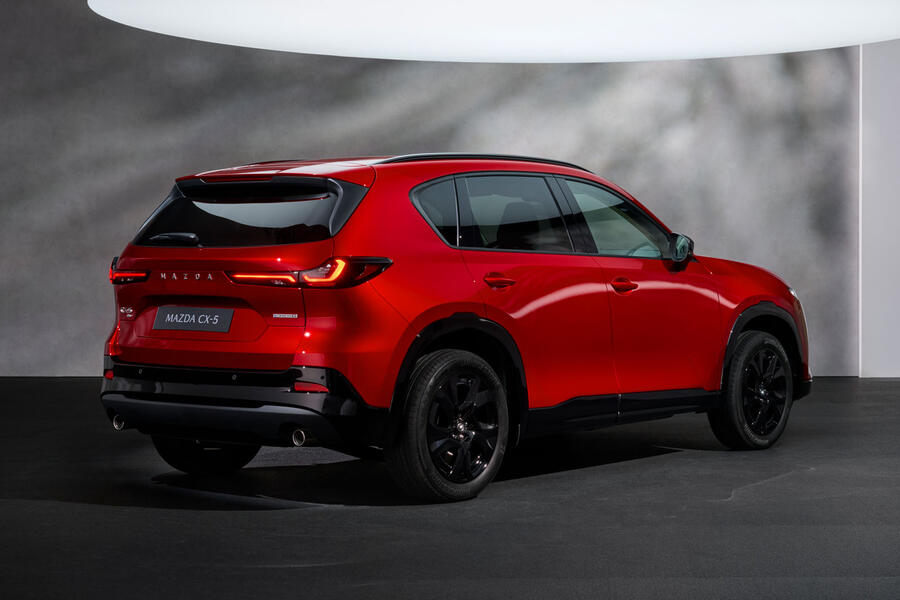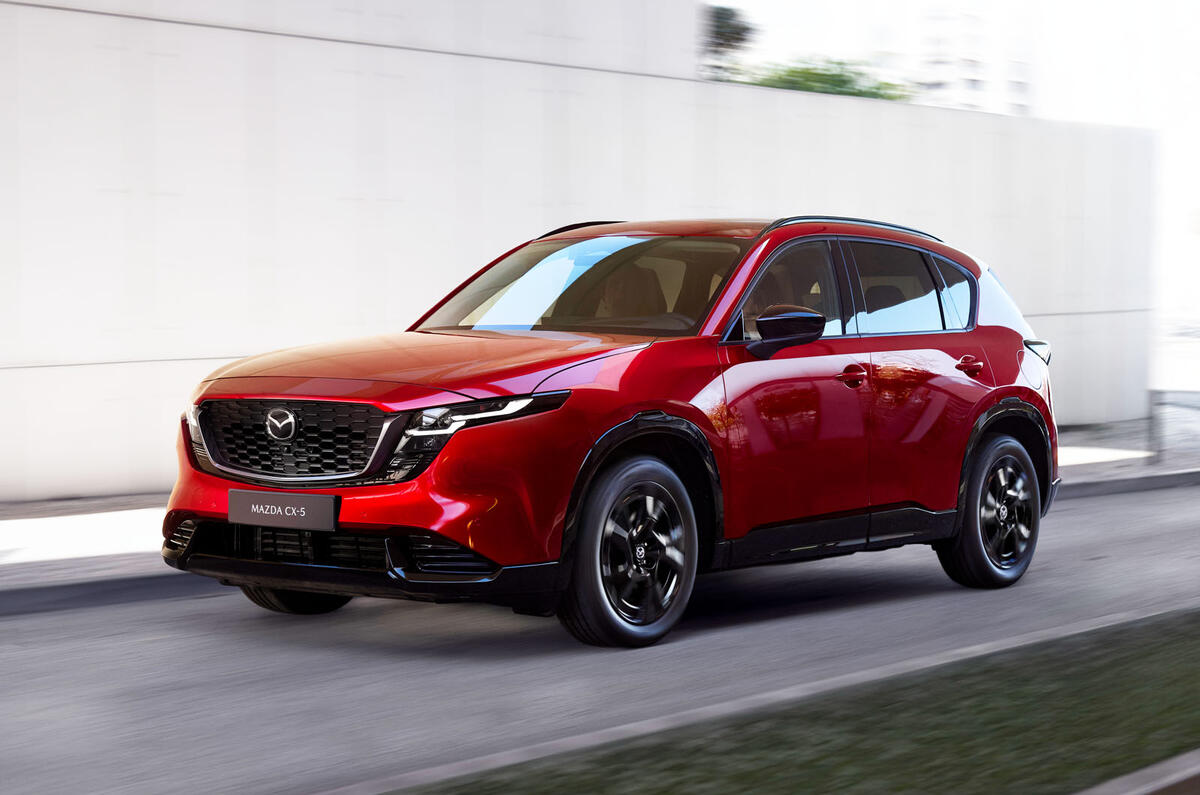
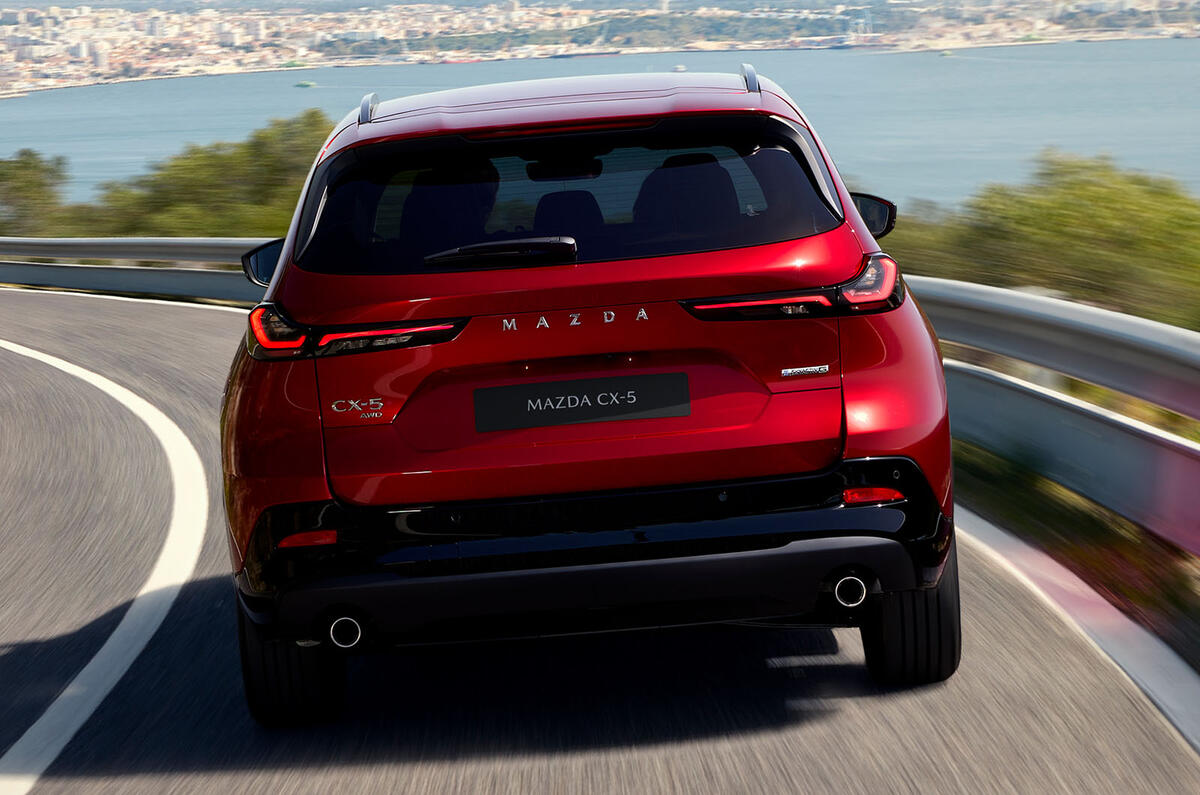
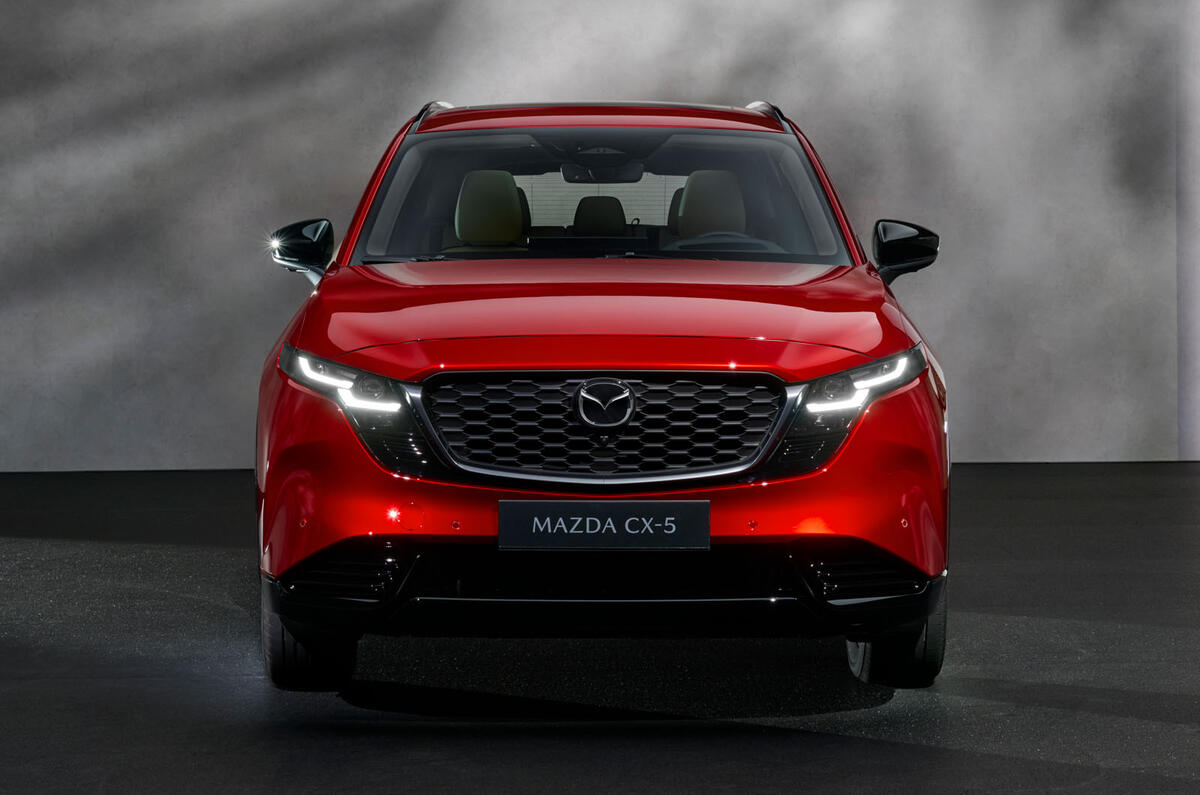
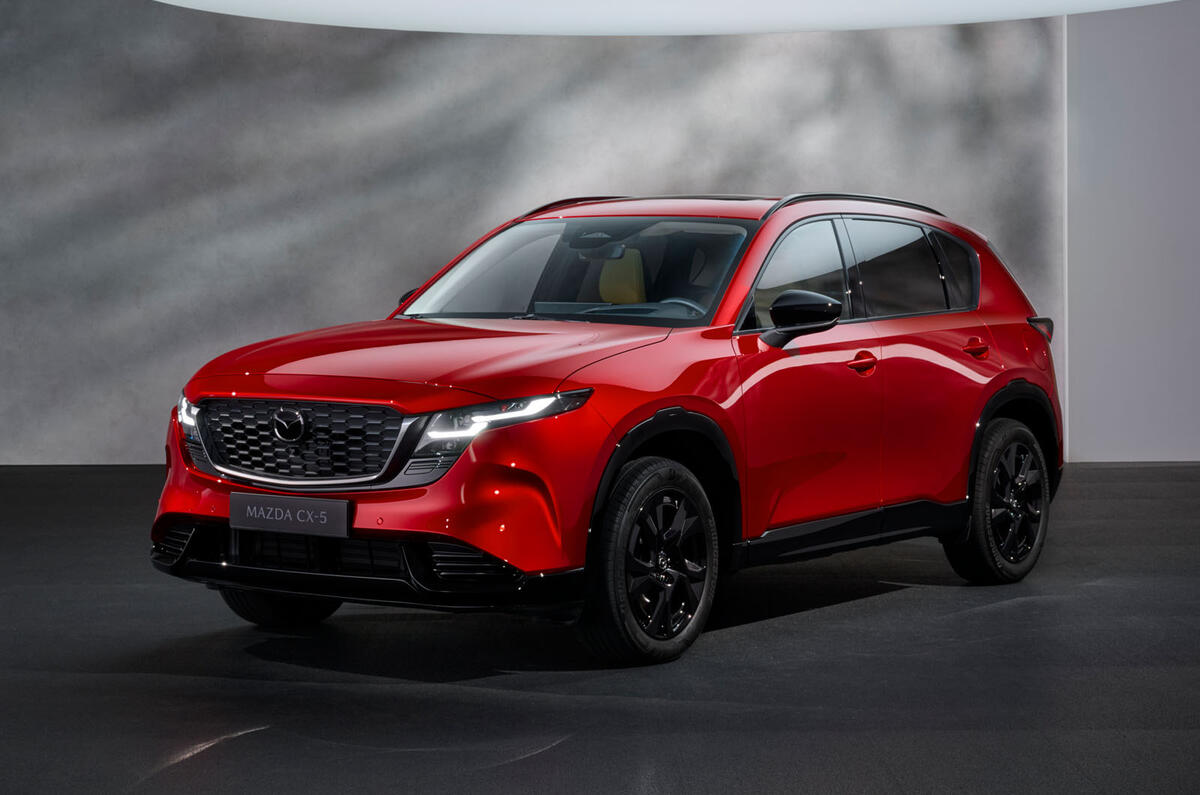
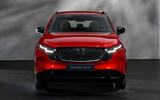
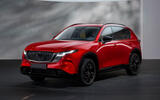
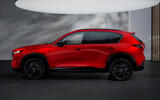
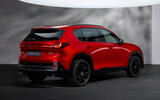
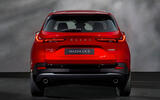
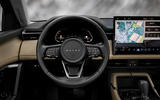

The Mazda CX-5 has grown for its third generation, bringing more space and new family-focused elements and introducing an array of features that are set to be rolled out across the rest of the Japanese firm’s line-up.
The CX-5 remains a chunky SUV aimed squarely at young families, but Mazda has tweaked the design and slightly increased the size of its self-branded “most important global model” (with more than 4.7 million examples shipping since its 2011 launch) in a bid to further widen the SUV's appeal and make it an easier vehicle to live with.
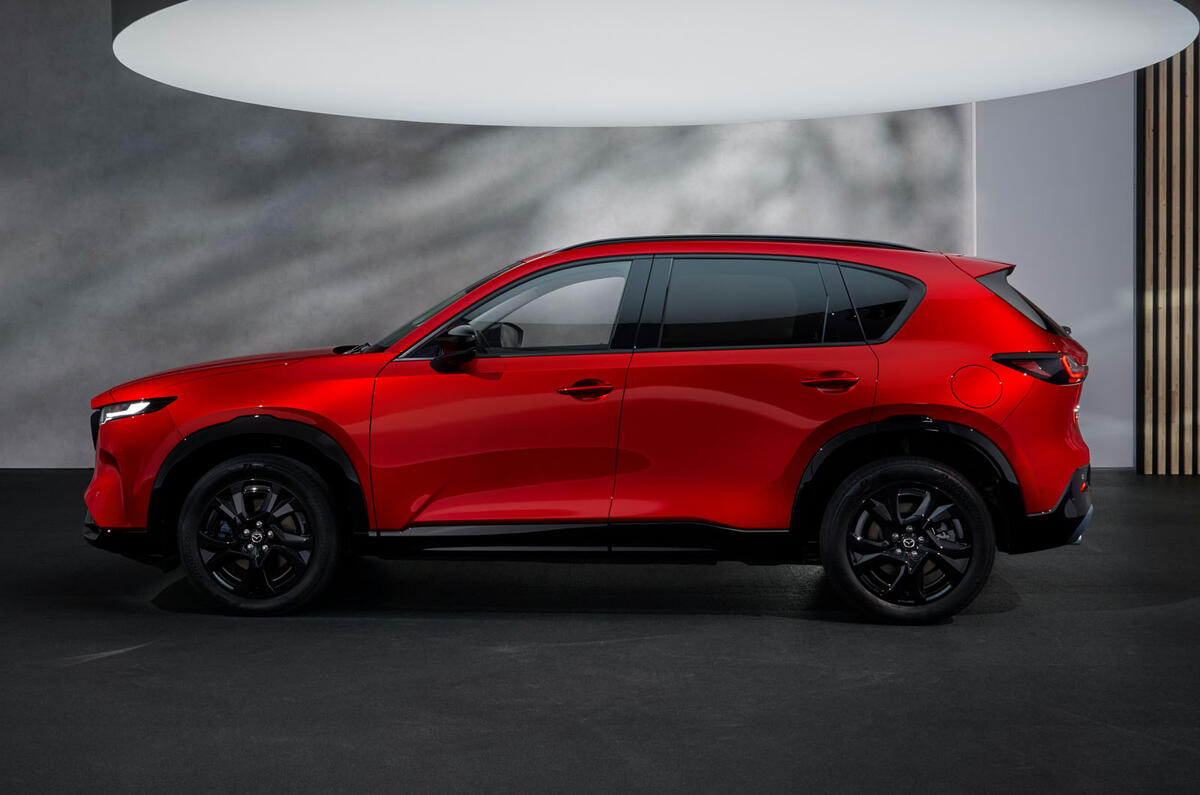
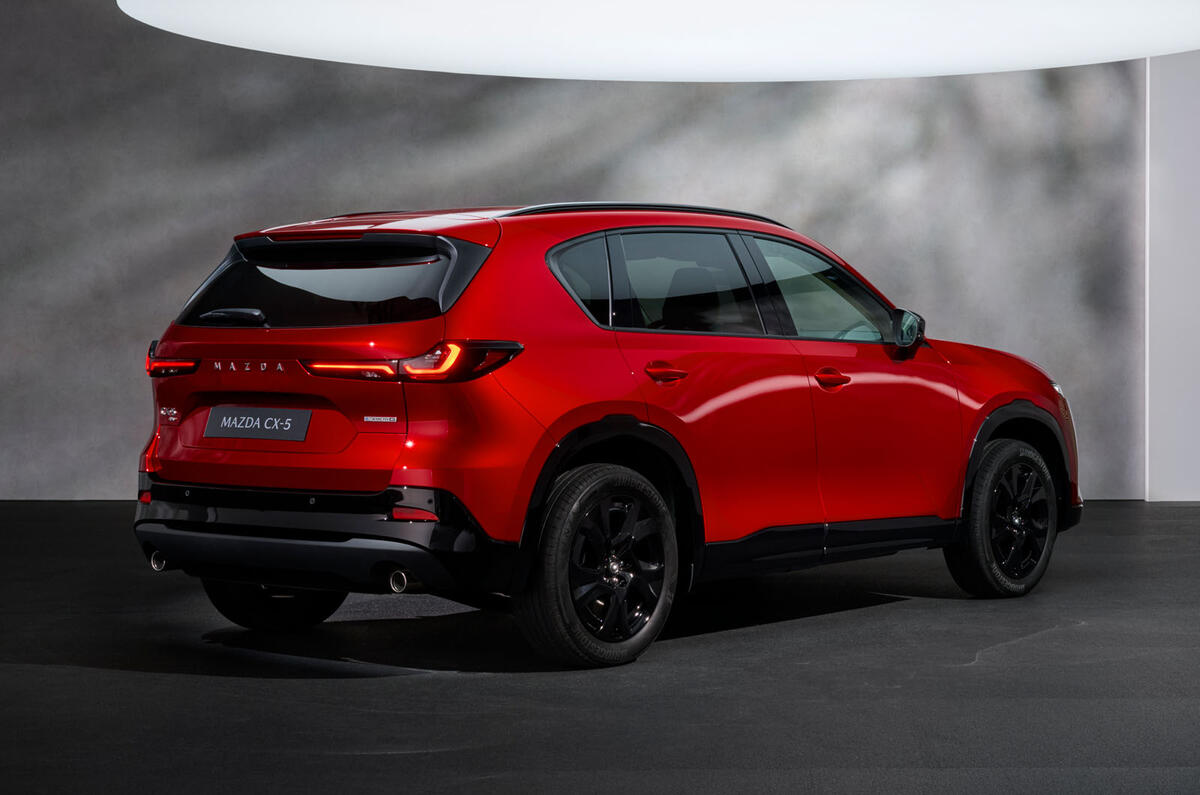
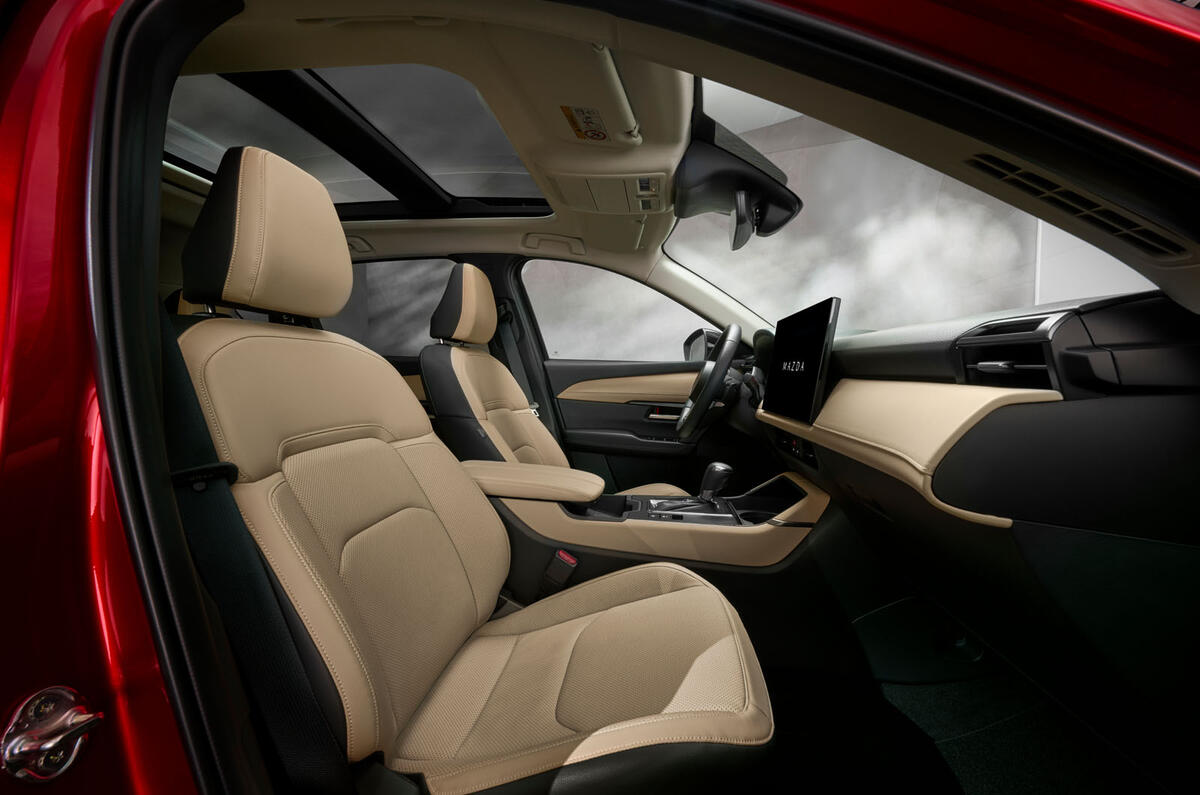
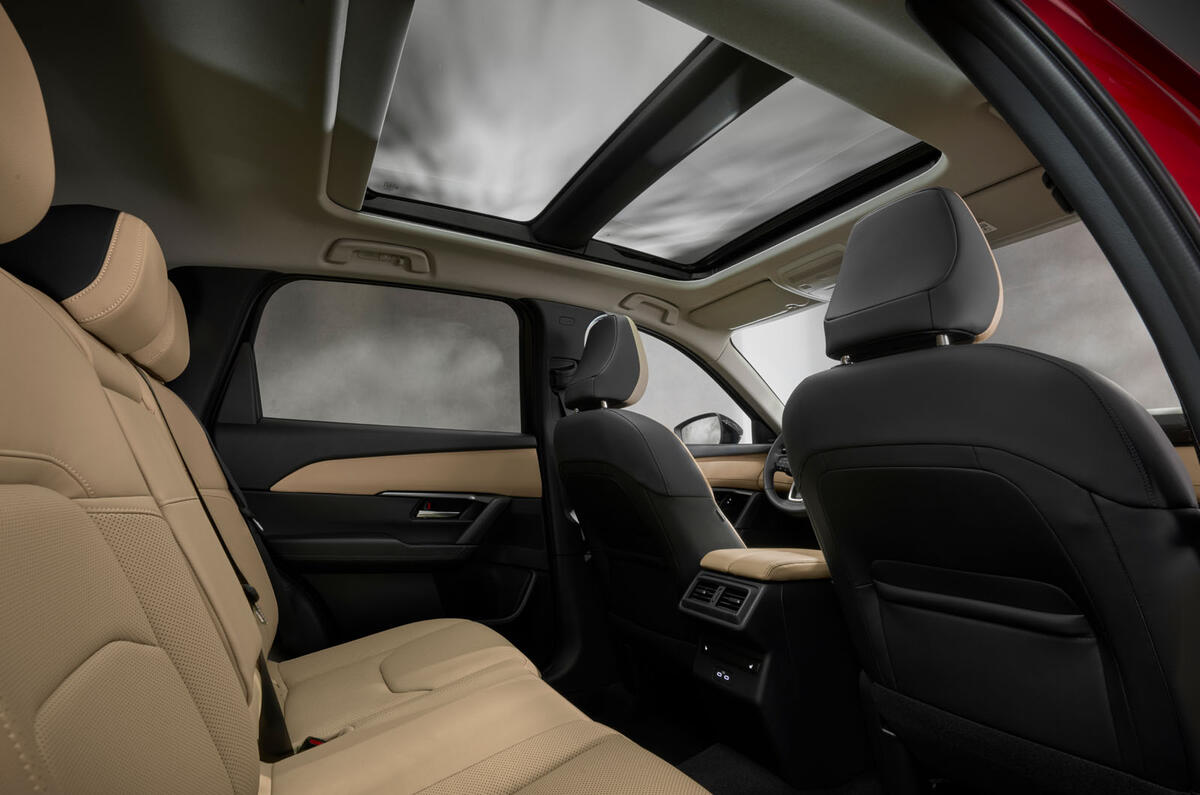
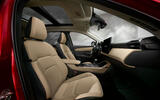
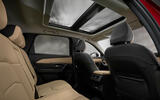
The new CX-5 is 4690mm long, 1860mm wide and 1695mm tall, making it marginally larger than the car it replaces – and closing the size gap between the CX-5 and the premium CX-60 in the line-up. But it's the 115mm increase in wheelbase that is said to vastly improve the car’s roominess, especially in the back, end where shoulder, leg and head room have all increased.
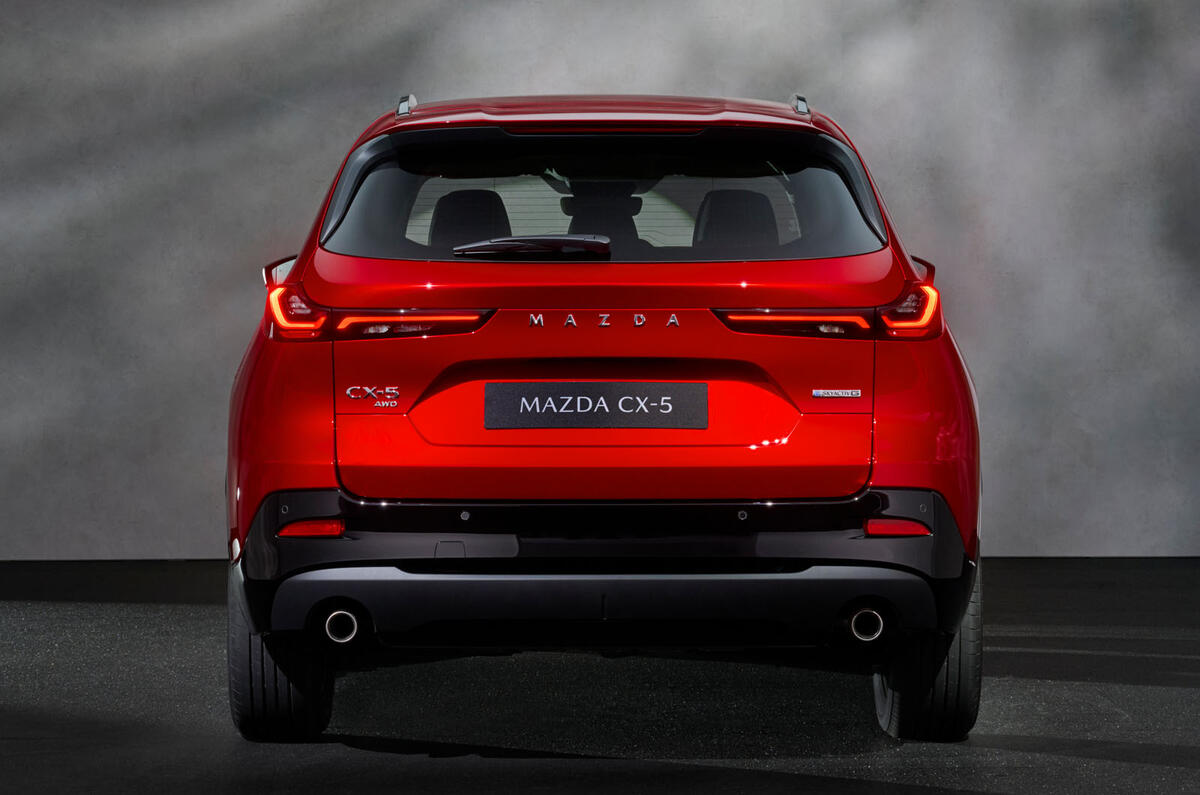
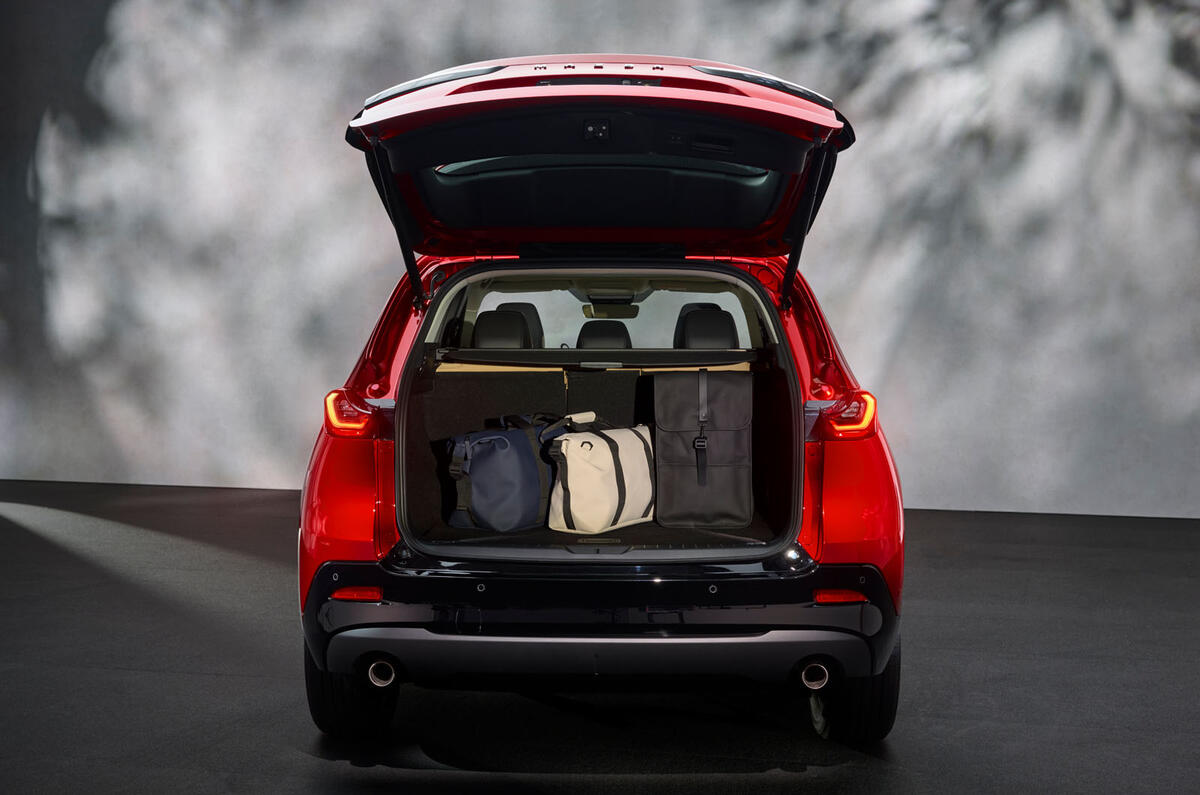
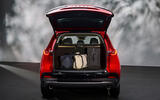
That usability push can also be found in clever packaging tweaks. The rear doors have been rehinged so they can now be opened wider as part of a focus on making it easier to fit child car seats and buckle in the kids, while the boot lid lifts higher and the loading lip is lower so bigger and heavier items are easier to get in and out. Boot space, too, has increased by 61 litres to 583 litres – a change that takes the CX-5 above popular rivals such as the Honda CR-V (579 litres) and much closer to others such as the new Kia Sportage (587 litres).
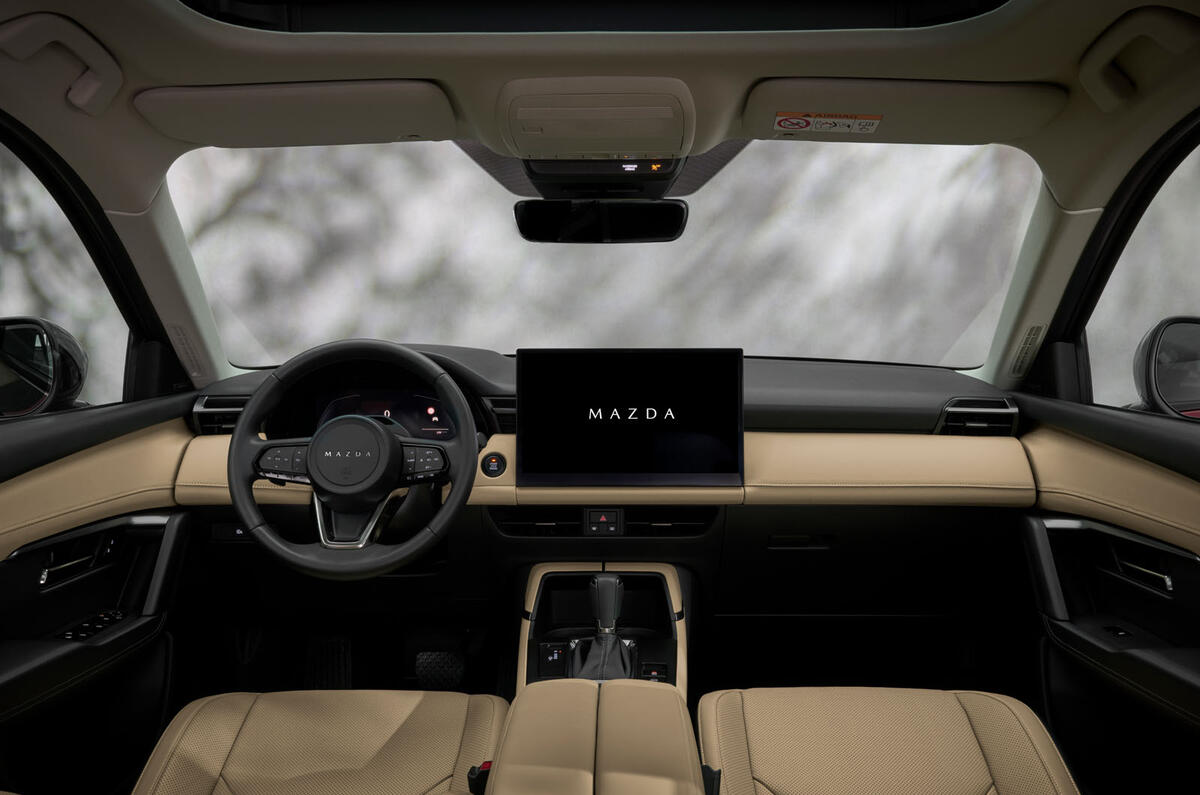
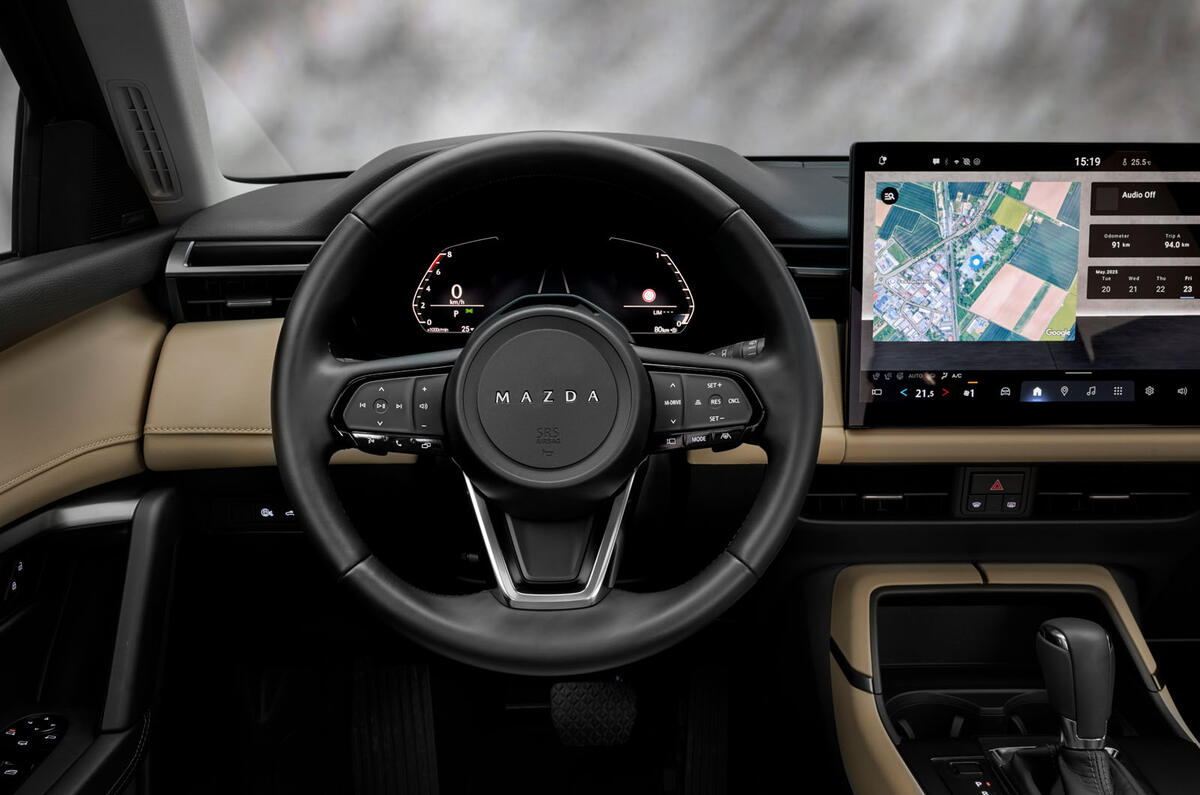
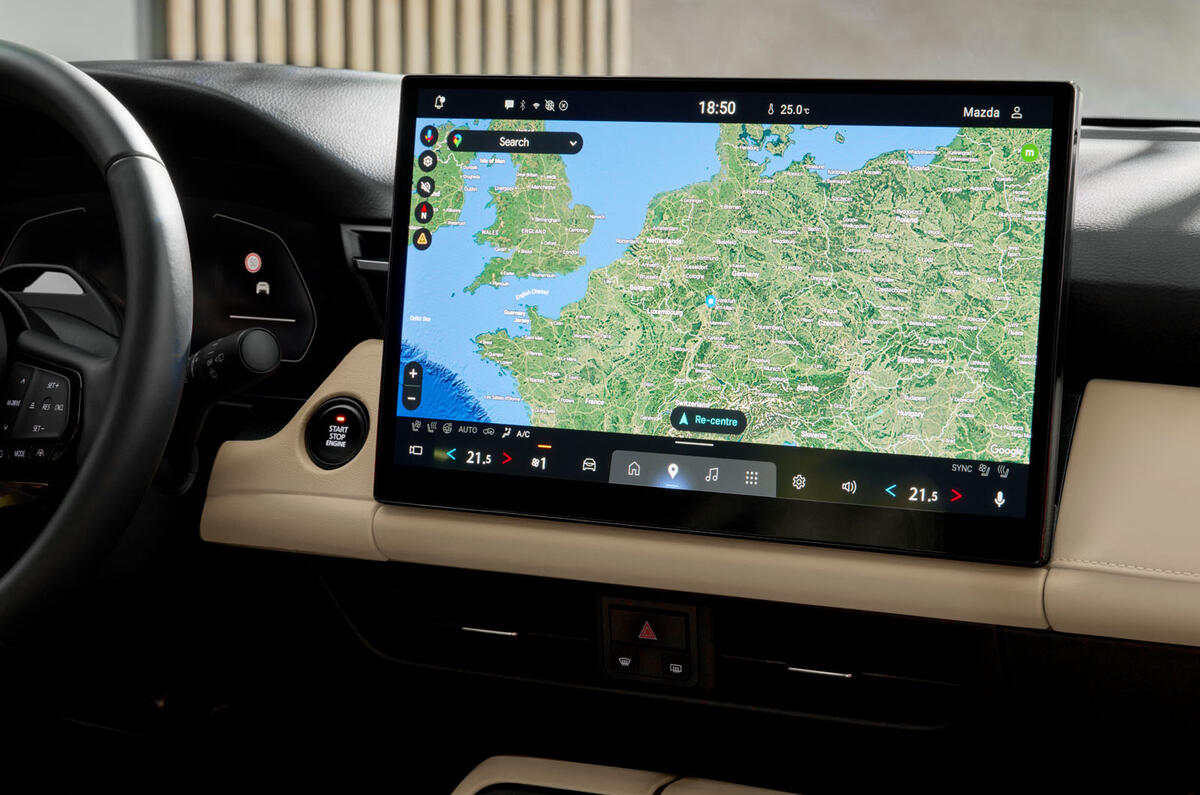
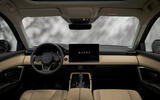
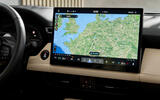
One of its biggest introductions is in the front, where the CX-5 features a new, 15.6in Google-powered infotainment touchscreen (a smaller 12.9inch screen is used in base trims). Most notably, the new set-up means Mazda has done away with physical climate controls and removed the long-standing selection dial.
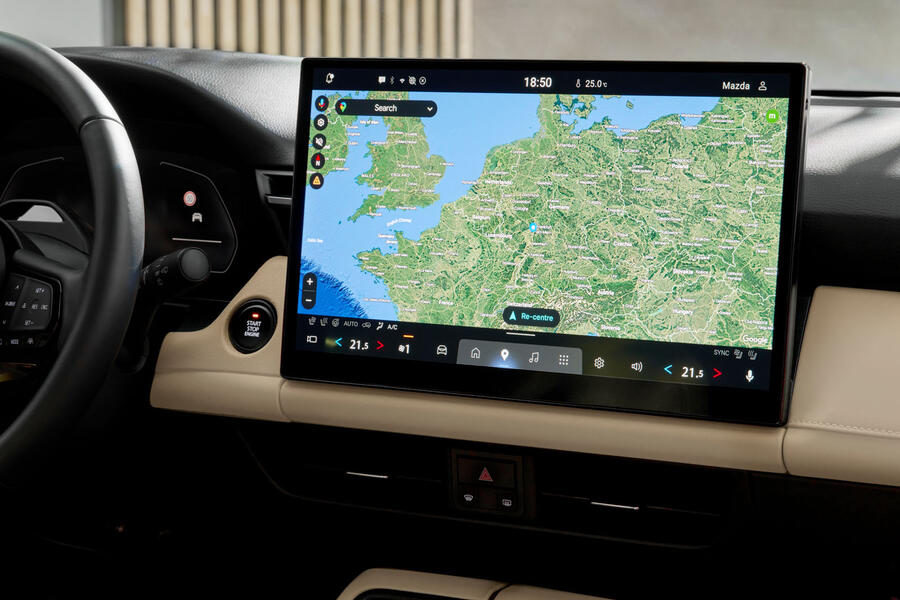
This change was requested by owners, technology research boss Christian Schultze said, and is a “big improvement” over what Mazda currently offers.
“The dial offered limited functionality,” he said. “It was good for volume and simple functions but was harder when more complex operations were called for.”
He added that customisation – for example, the ability to add widgets to the homescreen – was another reason for the change and another key request by owners. “Customers are crazy for that,” said Schultze.
The first Mazda screen to be powered by Google – the system is already used by Renault, Volvo and Polestar among others – features maps and apps similar to those users will find on Pixel phones, and the screen can run wireless Android Auto and Apple CarPlay. This is paired with a 10.25in driver’s display that can also run some Google apps, such as Maps.