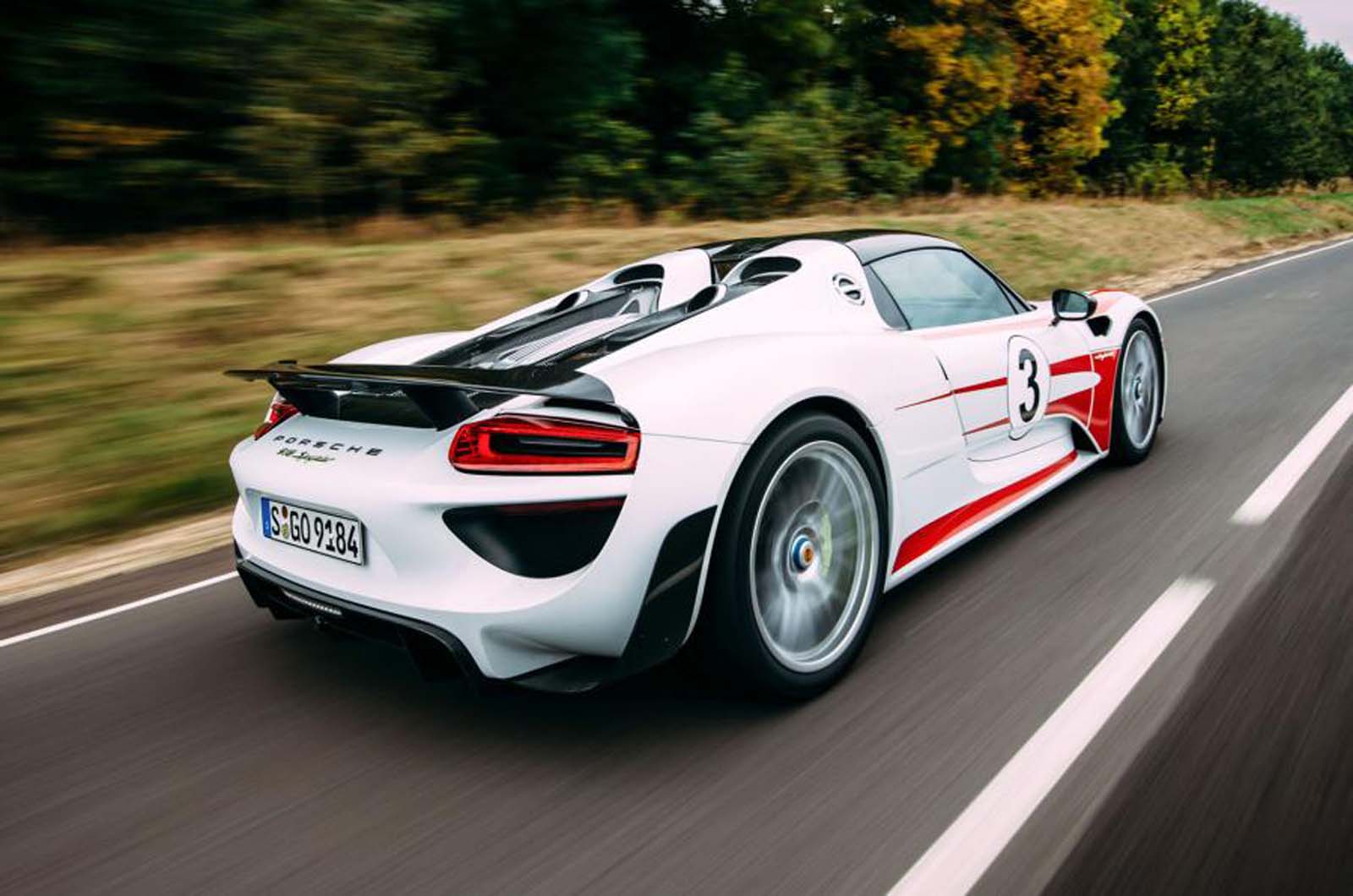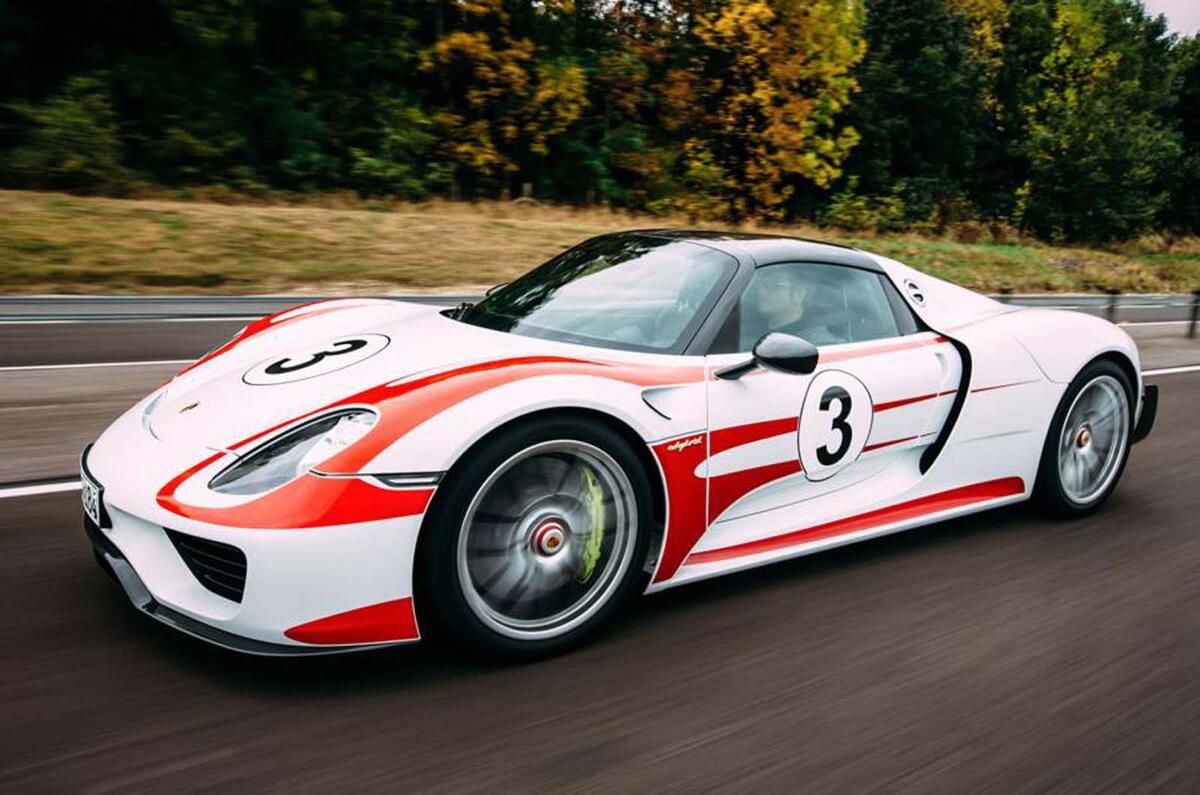
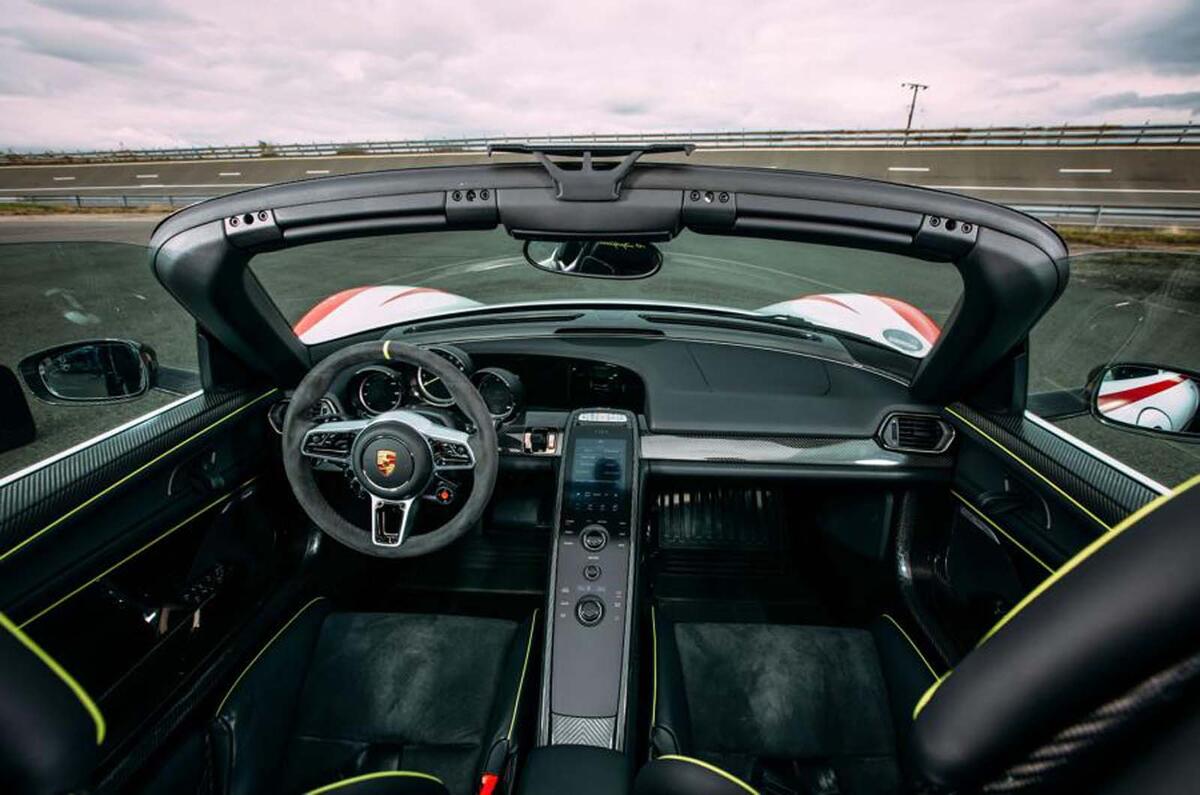
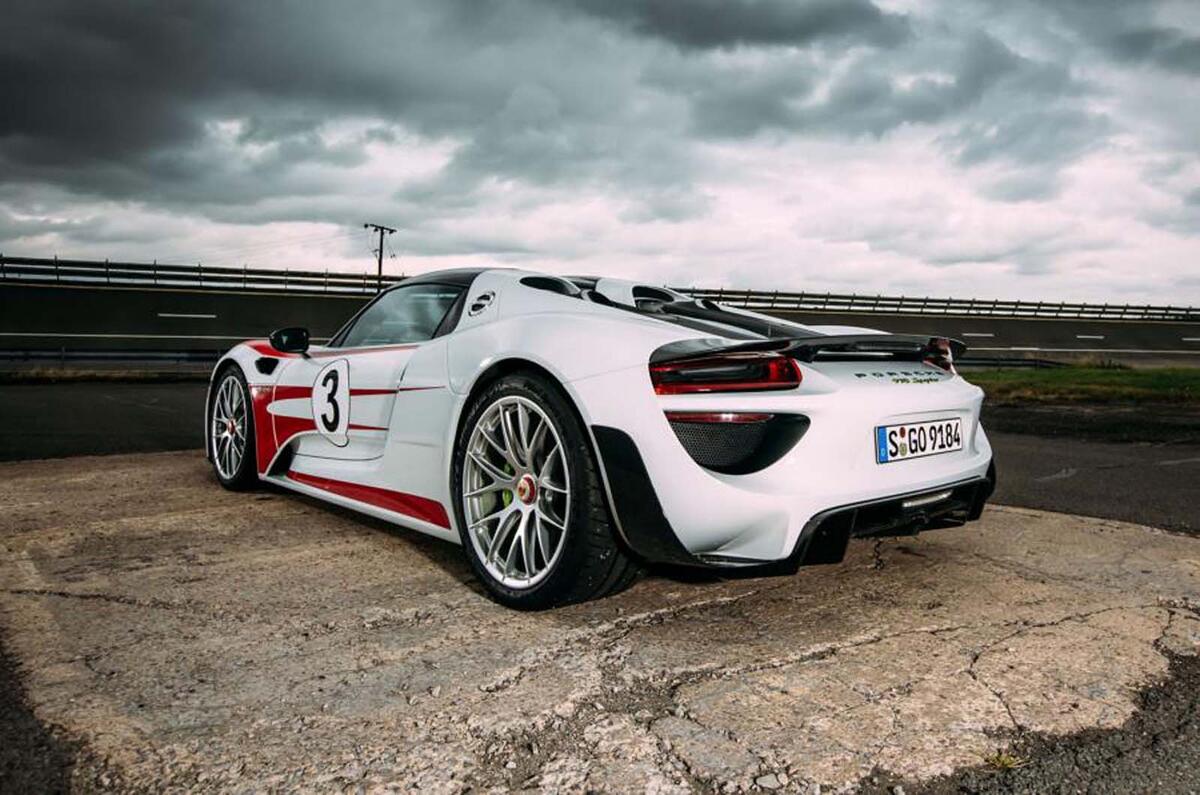
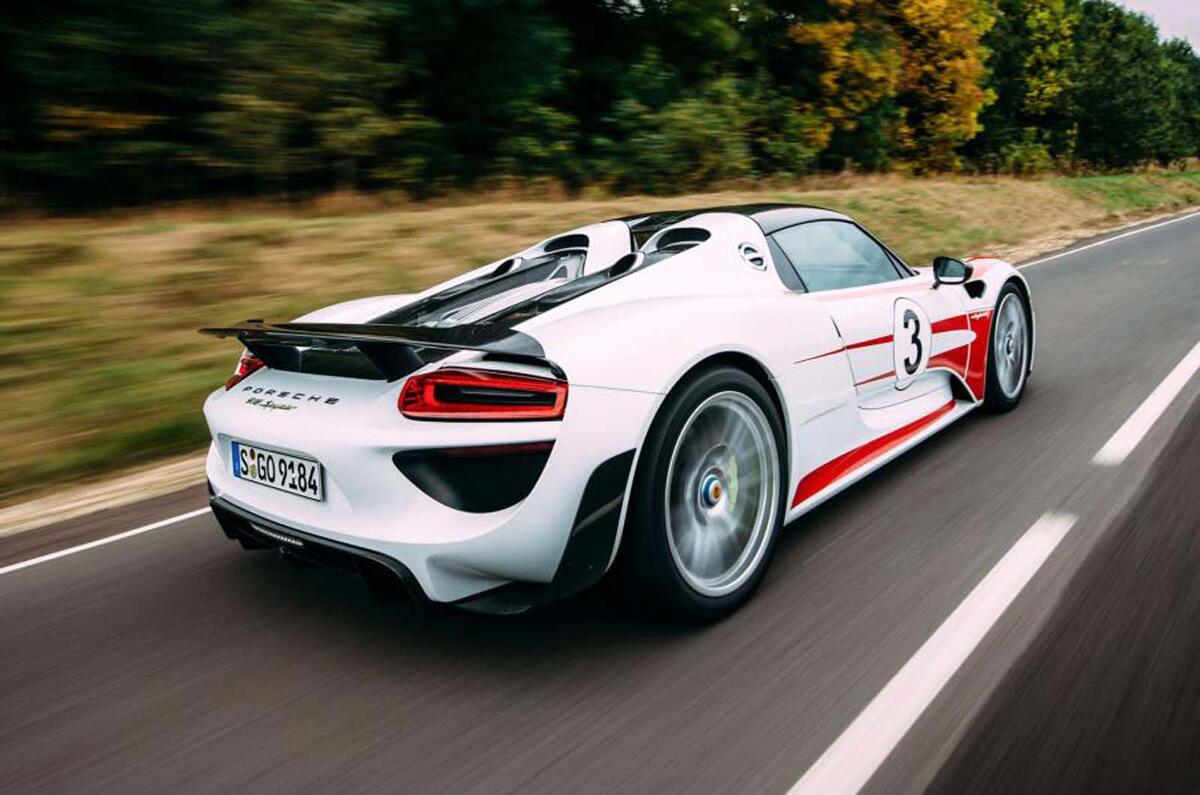


Porsche is waiting for a technology breakthrough before launching a successor to the 210mph 918 Spyder - and will only go-ahead if the resulting car is faster than its predecessor.
The obvious next-step for a Porsche ‘super-sports’ is an all-electric powertrain, but company engineers have warned that the high weight of today’s batteries makes such a car unlikely in the near future.
Frankfurt motor show 2017 - full report, video and gallery
“A future super-sports is a matter of technology. If we were to do it now, it would be a hybrid. But we have already done that with the 918,” said R&D boss Michael Steiner.
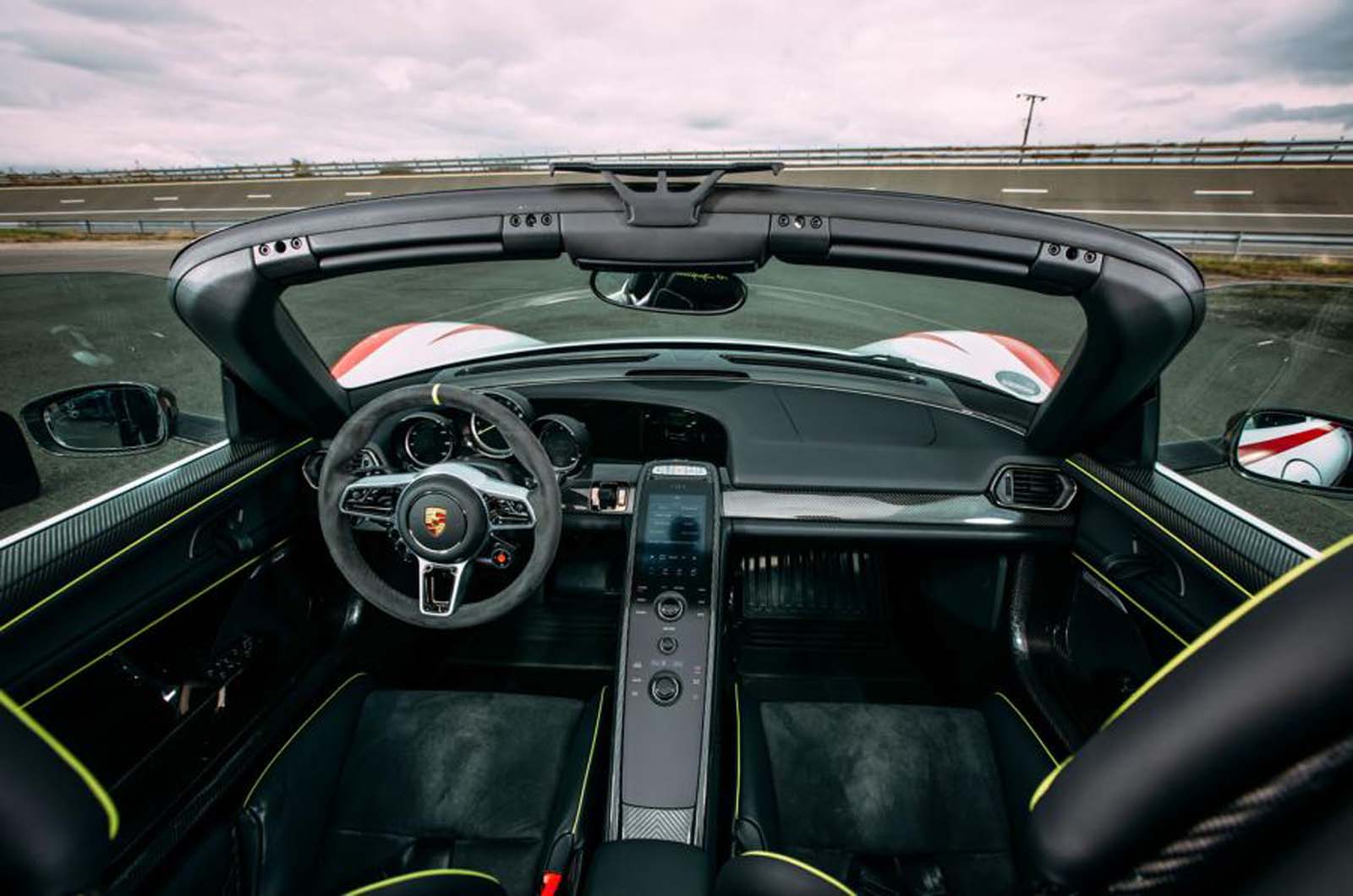
An all-electric supercar could produce acceleration times that would fit Porsche’s performance criteria, but the car would also have to beat the 918 Spyder’s lap time around the Nuburgring Nordschleife.
Volkswagen Group brands to offer electrified version of every model by 2030
While that might be possible with an all electric car, Steiner warned that the rate at which charge would have to be drawn from a supercar’s batteries is likely to lead to cell damage, cutting the working life of the battery.
“And I don’t think our customers are ready to treat the battery as a replaceable item, yet,” said Steiner.
Electric Porsche 911 and Boxster to use solid-state batteries
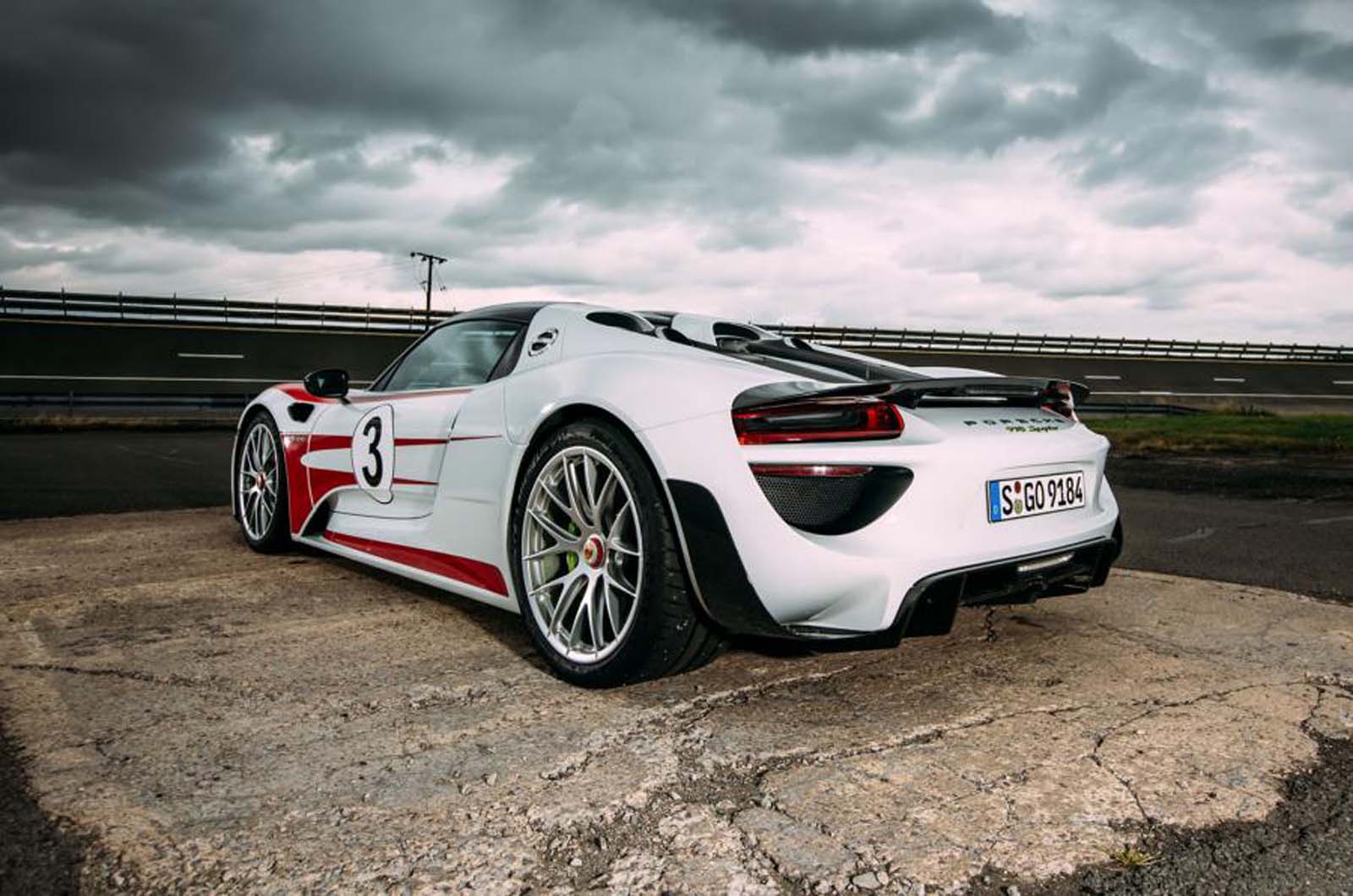
Another consideration with an all-electric supercar is the extra weight, which would put the tyres, brakes and steering under excessive strain at the cornering and stopping speeds that are common on the Nurburgring.