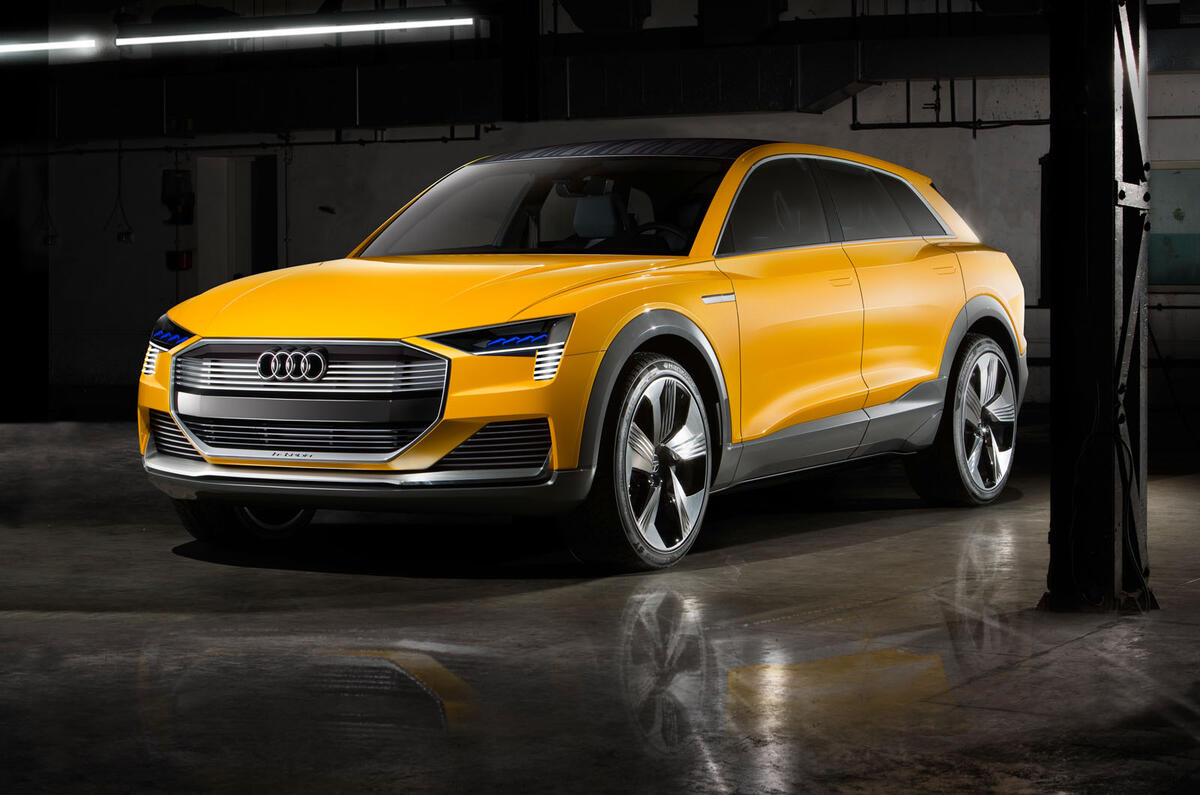
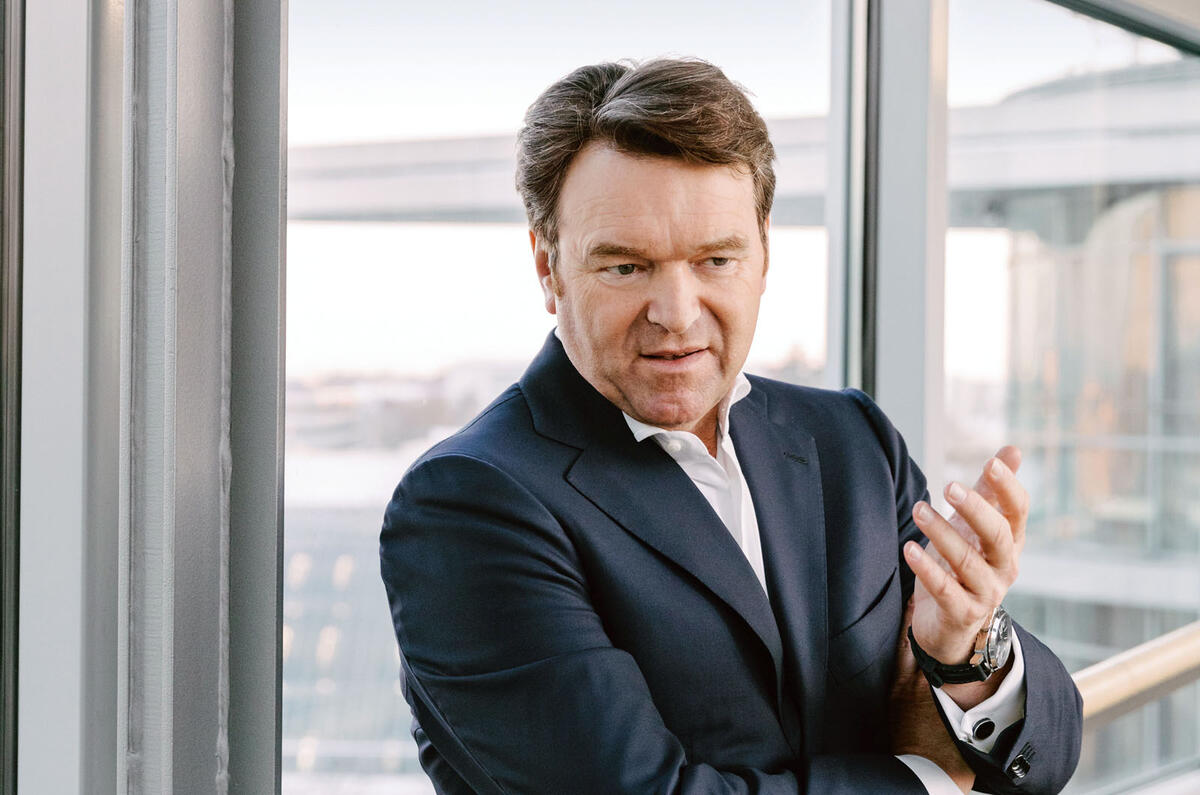
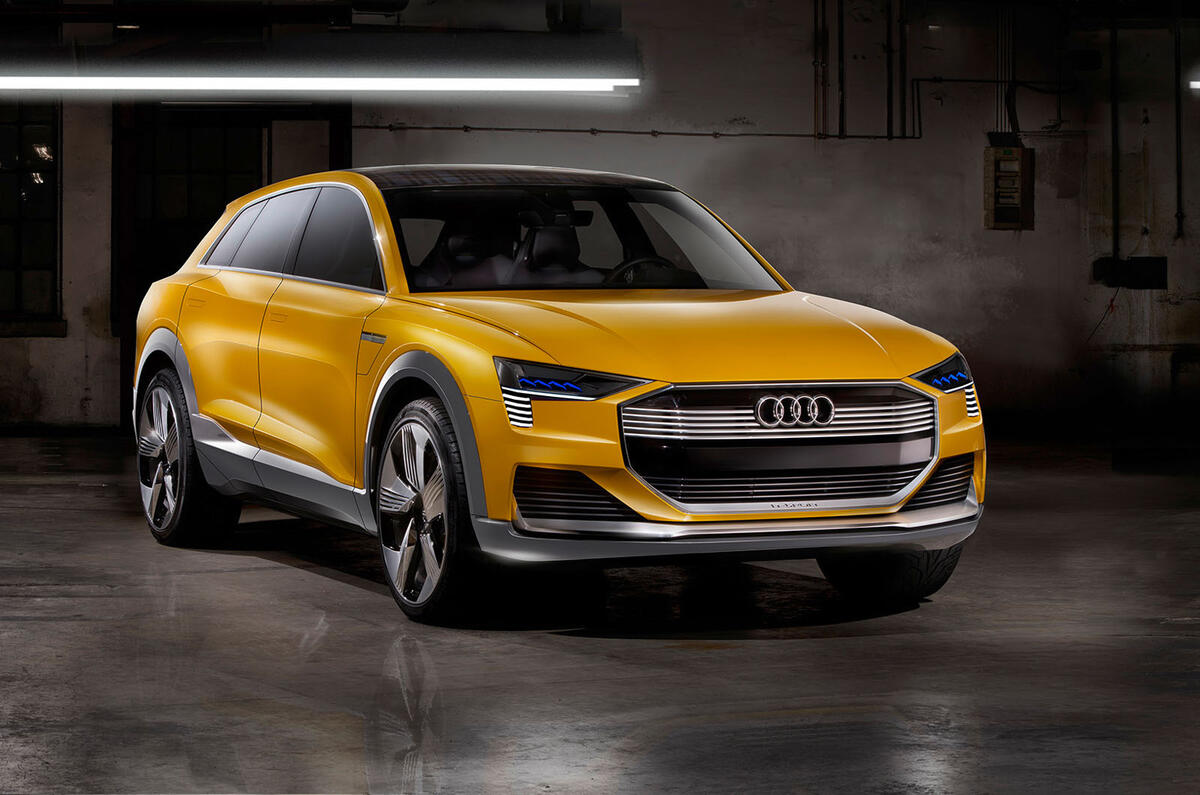


Audi is set to intensify its development of hydrogen fuel cell technology, according to a public announcement by chairman Bram Schot.
The reasons behind the move include concerns over the sourcing of natural resources for battery production and doubts over electric cars being able to deliver on ever-more-demanding customer expectations.
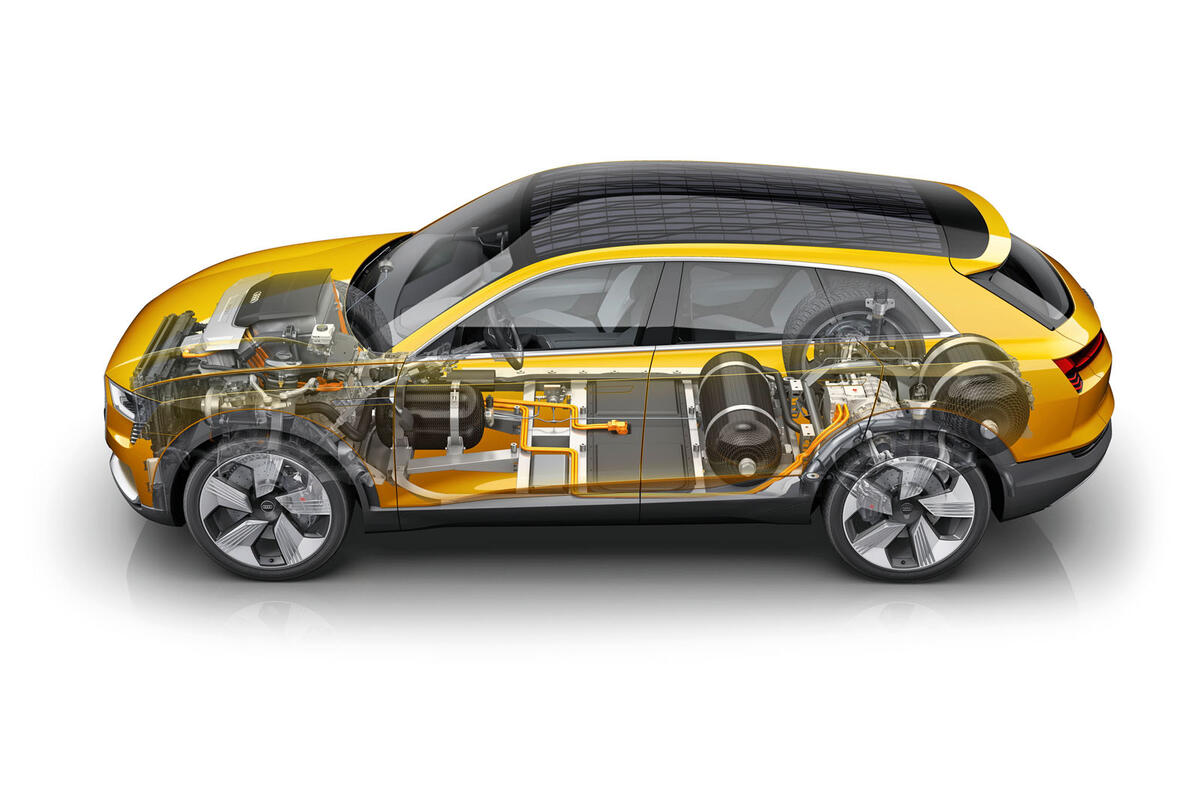
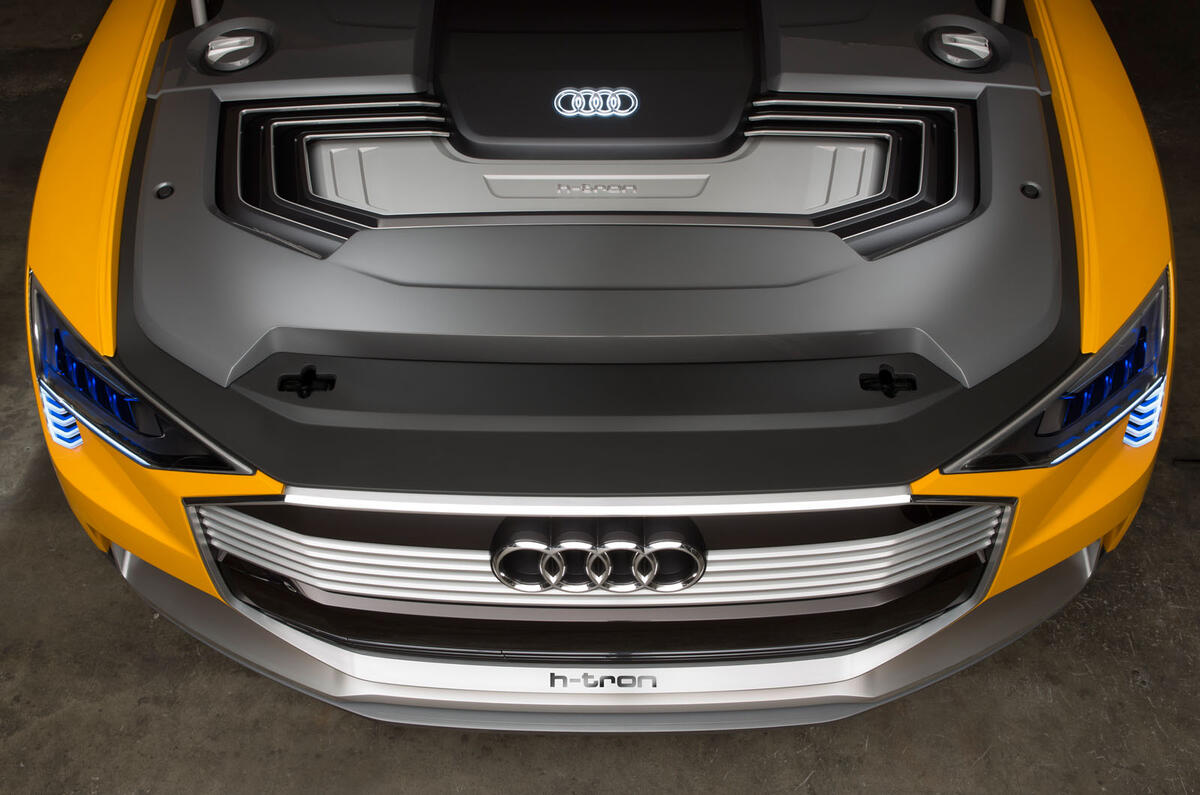
As a result, the German car maker will re-establish its h-tron programme in a move planned to make it the centre of competence for hydrogen fuel cell technology within the Volkswagen Group.
“We really want to speed it up,” Schot said. “We are going to put more priority into hydrogen fuel cells – more money, more capacity of people and more confidence.”
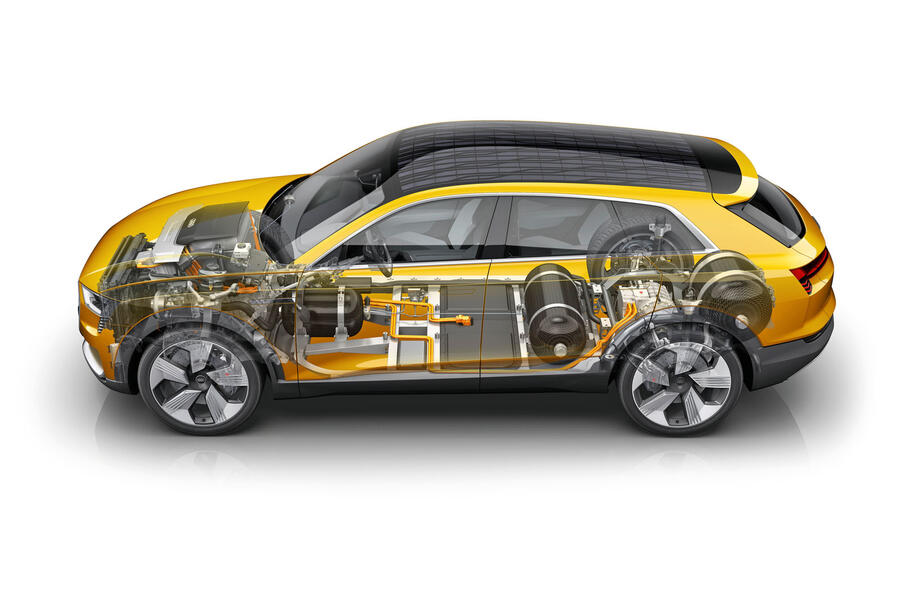
Schot confirmed a new sixth-generation hydrogen fuel cell prototype will be revealed later this year. He added that a limited-volume pilot production Audi FCEV (fuel cell electric vehicle) model could be offered to customers as part of a lease programme by 2021. It is expected to be produced on a dedicated line at Audi’s Neckarsulm plant in Germany – a site that presently produces the Audi A6, Audi A7 and Audi A8.
Schot tells Autocar about Audi's future
A timescale for volume production of Audi FCEV models has yet to be decided, but Schot is confident this could occur during the second half of the next decade. The new fuel cell technology is developed from a cross-licensing agreement with Hyundai, which already sells the Nexo SUV. The two car makers announced they were joining forces on FCEV development in June last year.
At the 2016 unveiling of the h-tron fuel cell concept, Audi claimed a range of up to 600km (373 miles). Crucially, it also promised a refuelling time of just four minutes.
The decision to push ahead with fuel cell development comes in the middle of a broader £12 billion offensive in which Audi will launch up to 12 pure-electric battery-driven models by 2025.
Schot, who succeeded Rupert Stadler as Audi chairman in January, pointed to the scarcity of materials and subsequent doubts over the high-volume supply of batteries as just two concerns facing car makers.