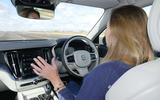
Thatcham Research has released evidence suggesting drivers are being given “dangerous” false impressions of what the latest automated driver assist systems are capable of.
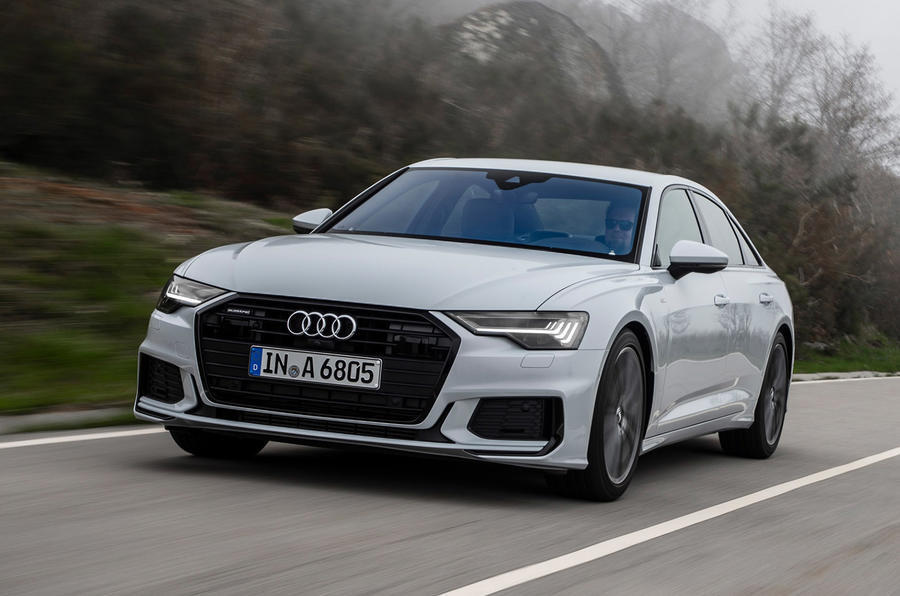
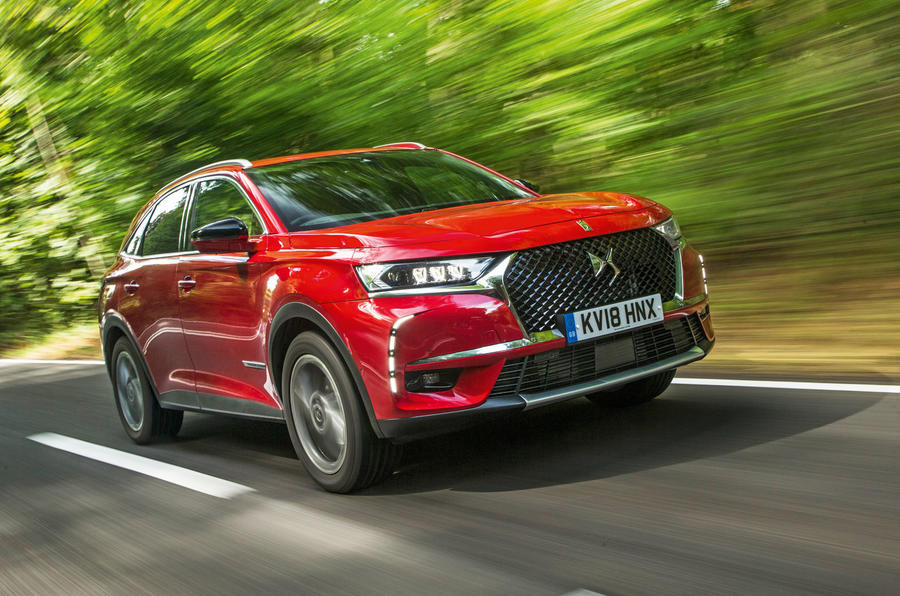
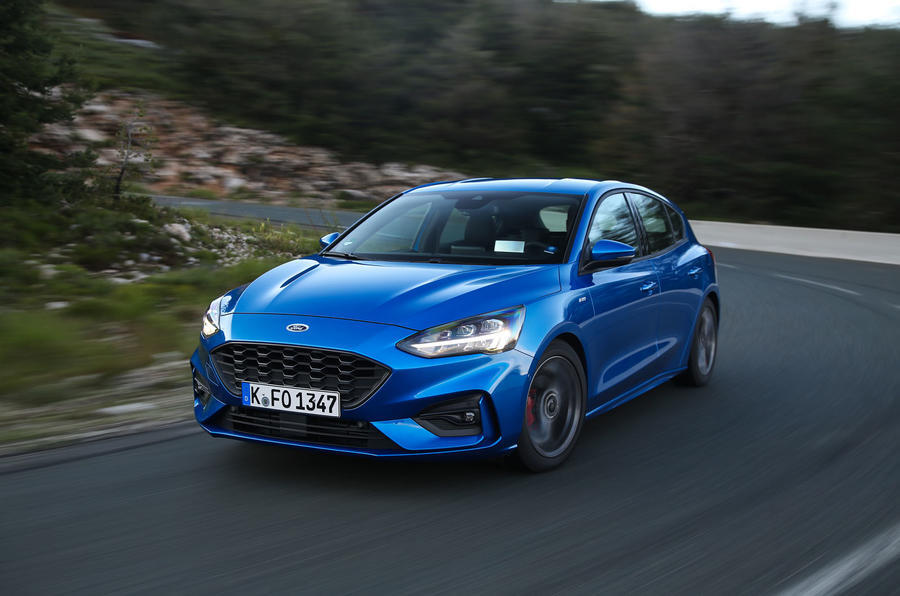
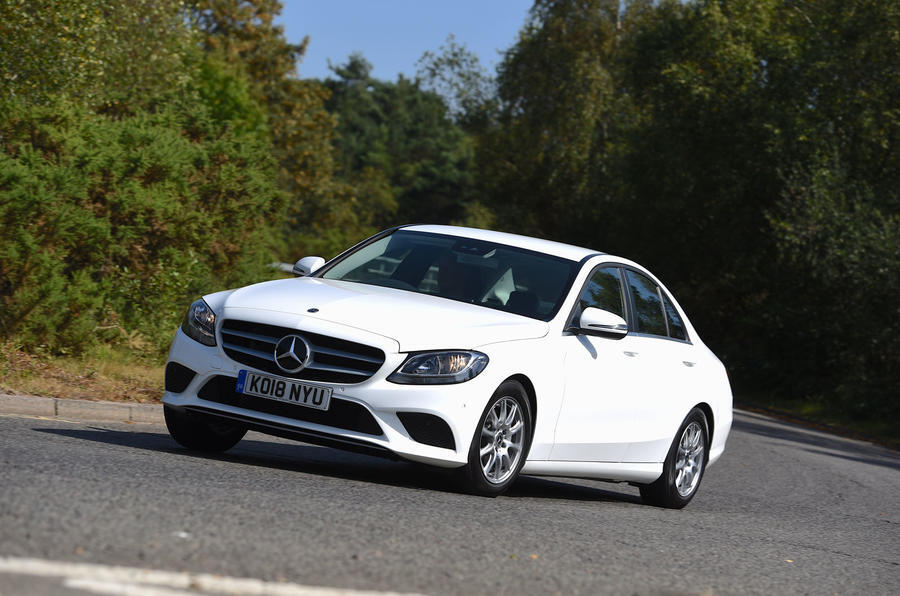
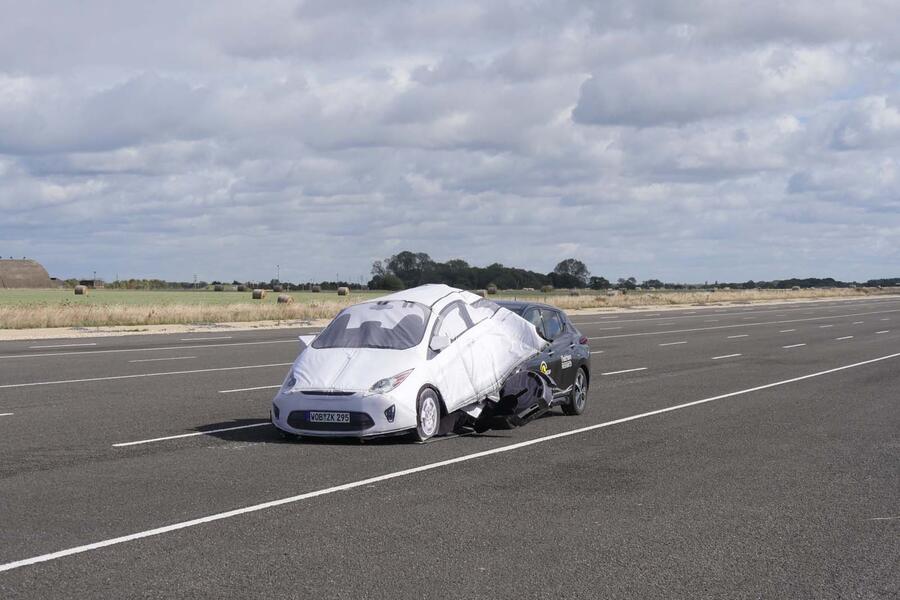
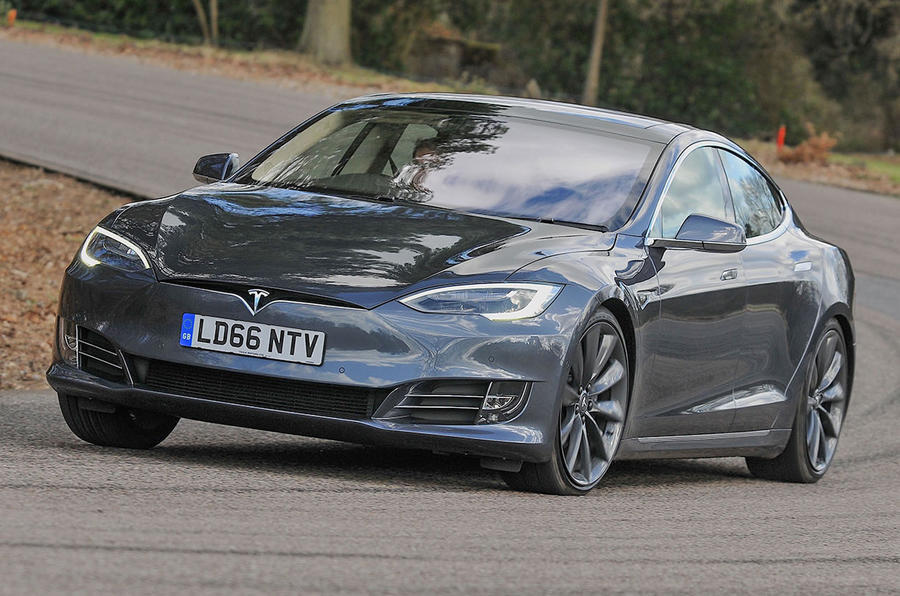
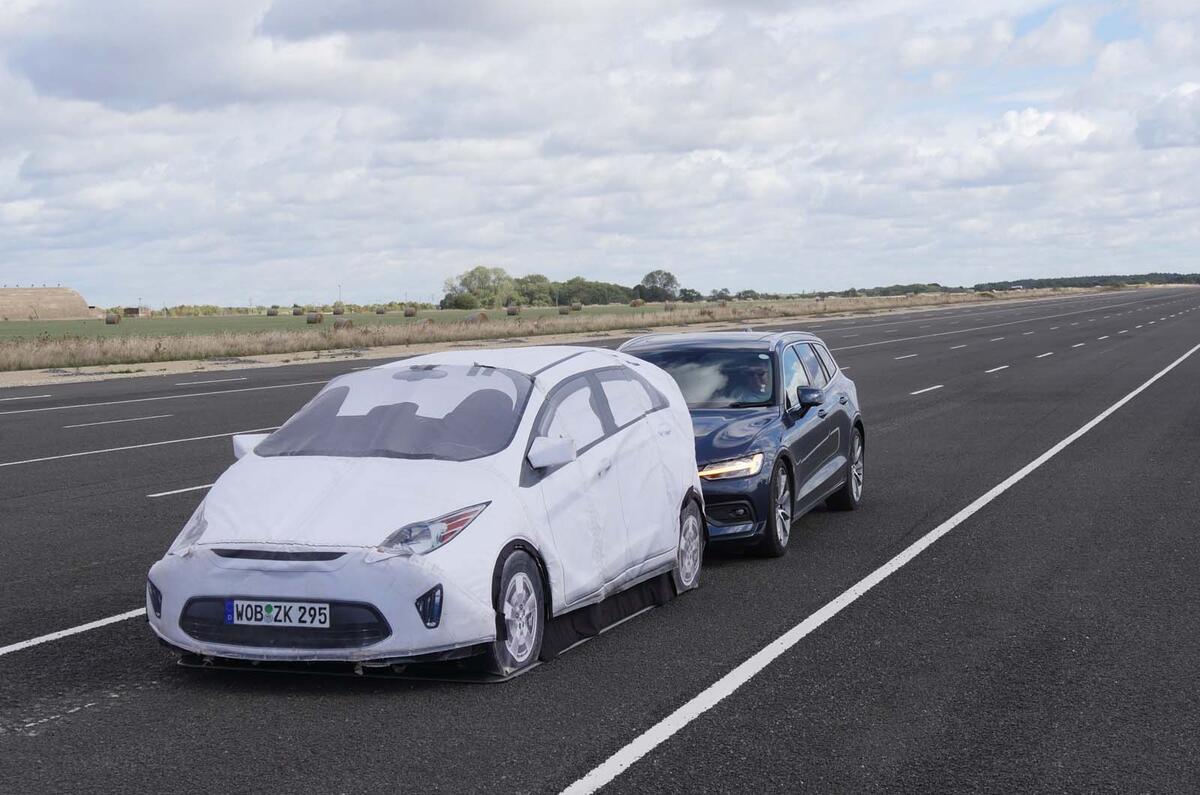
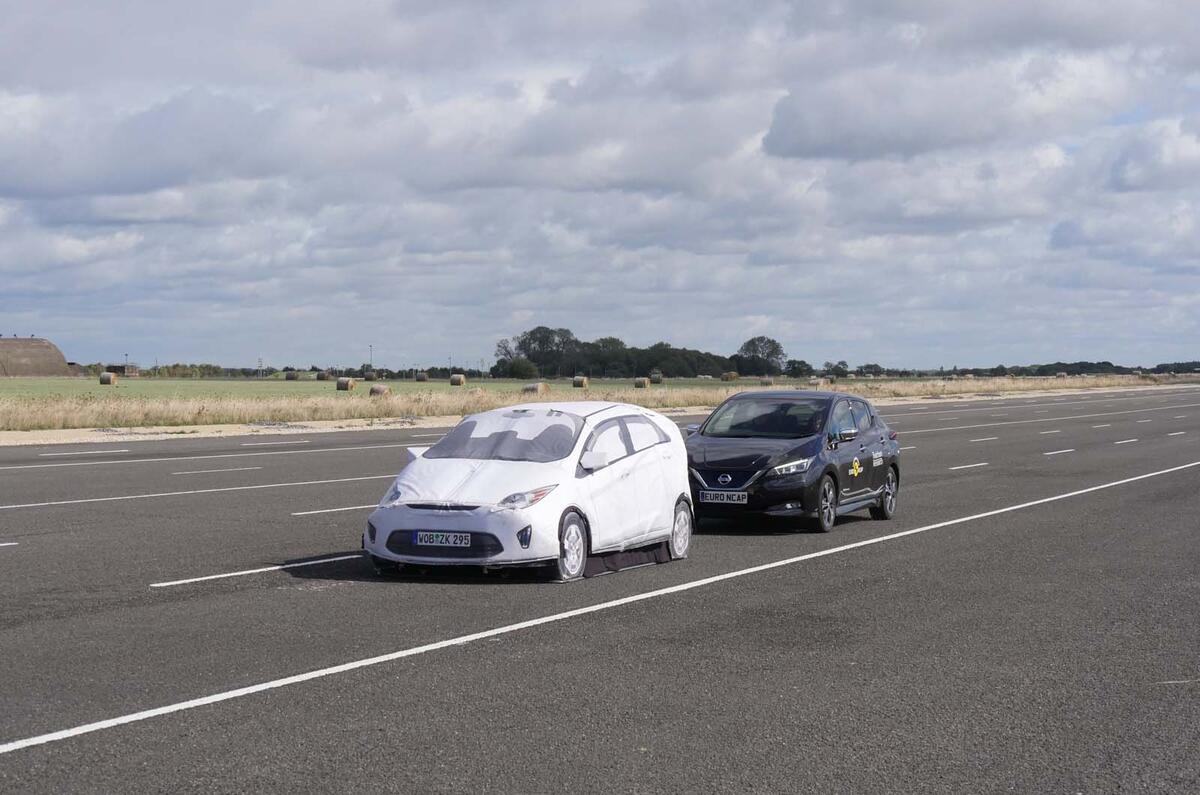
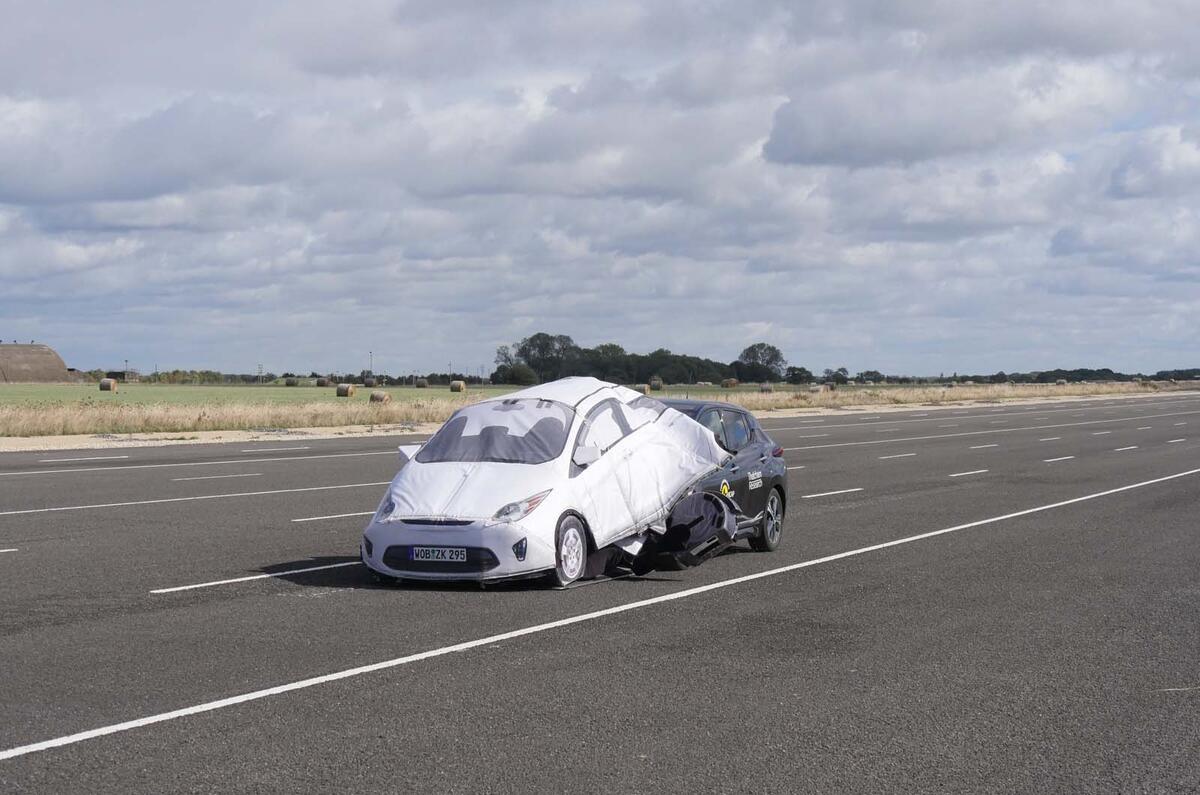
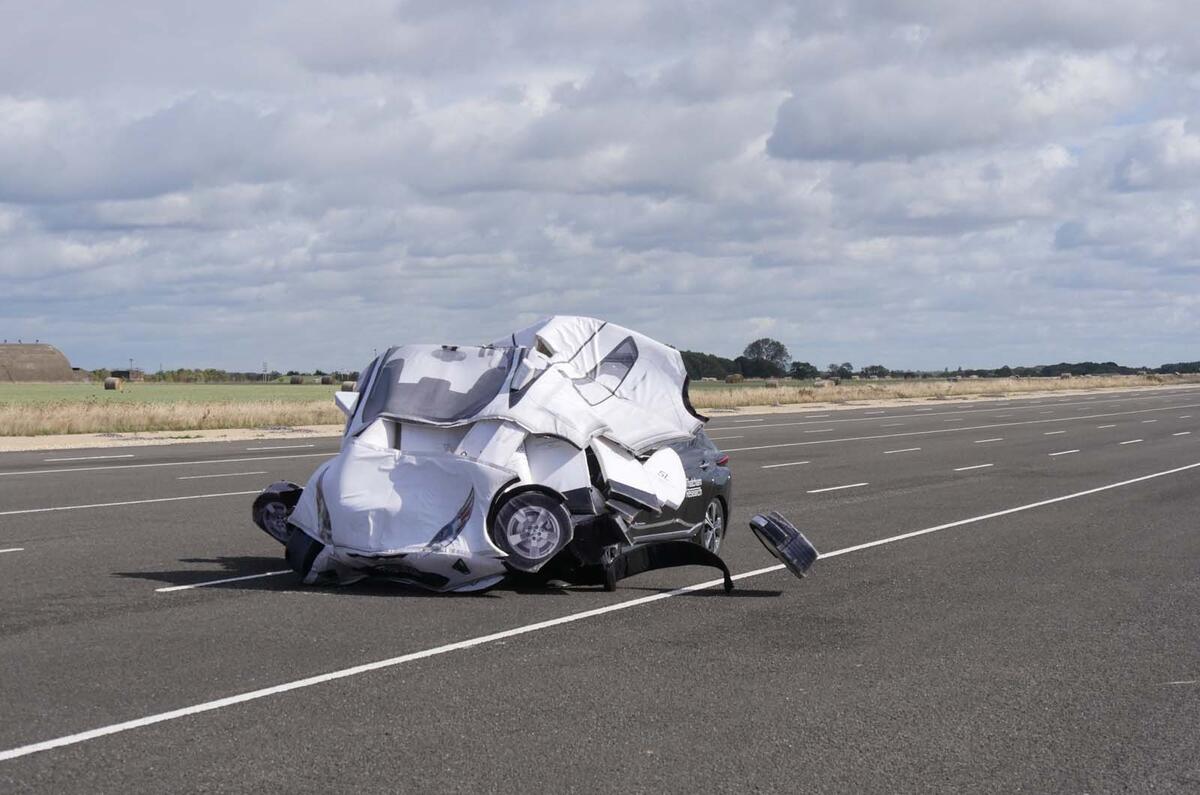
The British safety and crash testing body has also teamed up with Euro NCAP to test 10 cars fitted with common systems made standard on many cars today, including autonomous emergency braking and lane keep assist.
Both organisations have identified confusion among motorists over what these technologies are capable of, with a study claiming 71% of drivers globally and 53% of drivers in the UK believe you can purchase a fully self-driving car today. Thatcham believes that improper marketing by car makers, using terminology such as “semi-autonomous” or “self-driving”, is fuelling the misinformation.
Matthew Avery, director of research at Thatcham, said: “Some car makers are designing and marketing vehicles in such a way that drivers believe they can relinquish control. Car makers want to gain a competitive edge by referring to ‘self-driving’ or ‘semi-autonomous’ capability in their marketing, but it is fuelling consumer confusion. This is exacerbated by some systems doing too much for the driver, who ends up disengaged”.
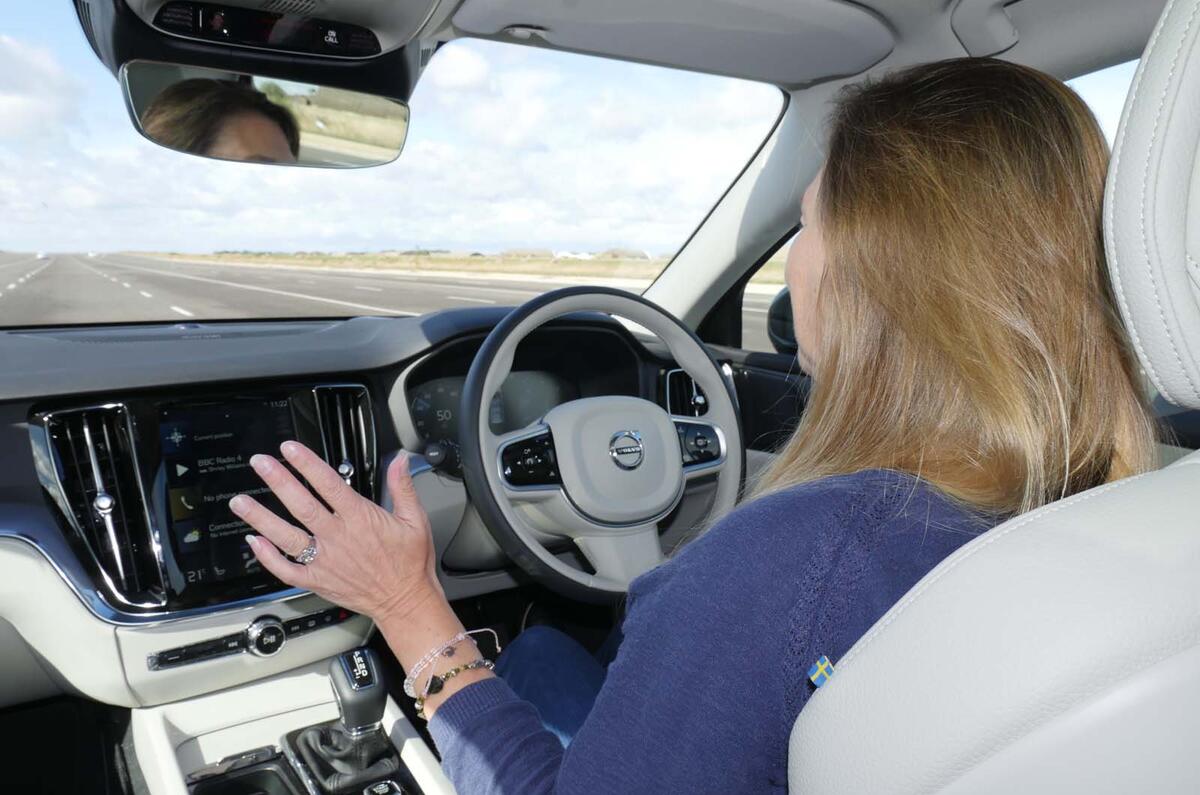
“Our message is that today’s technology supports the driver. It is not automated driving and it is not to be relied upon at the expense of driver attentiveness. The driver is in control and must always remain alert. If used correctly Highway Assist systems will improve road safety and reduce fatalities, but they won’t if naming and marketing convinces drivers that the car can take care of itself.”
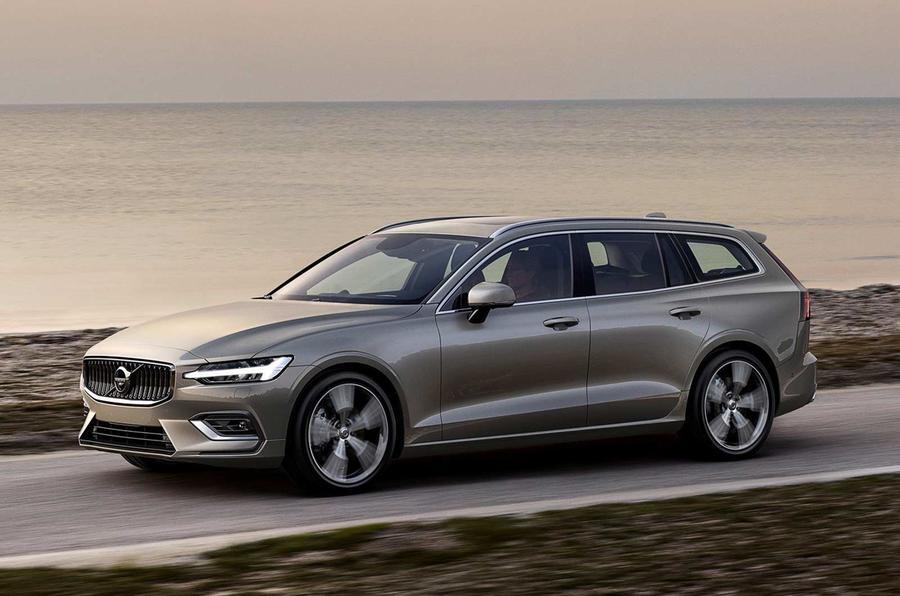
Since the study has been released, Nissan has confirmed to the company that it will start calling these features “assist systems” and will stop using the words “autonomous” or “automated” in its literature. Volvo has also said it will stop using the phrase “semi-autonomous” in its marketing, admitting there is room for confusion.
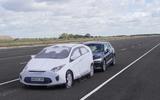
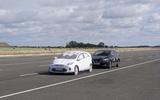
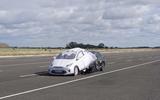
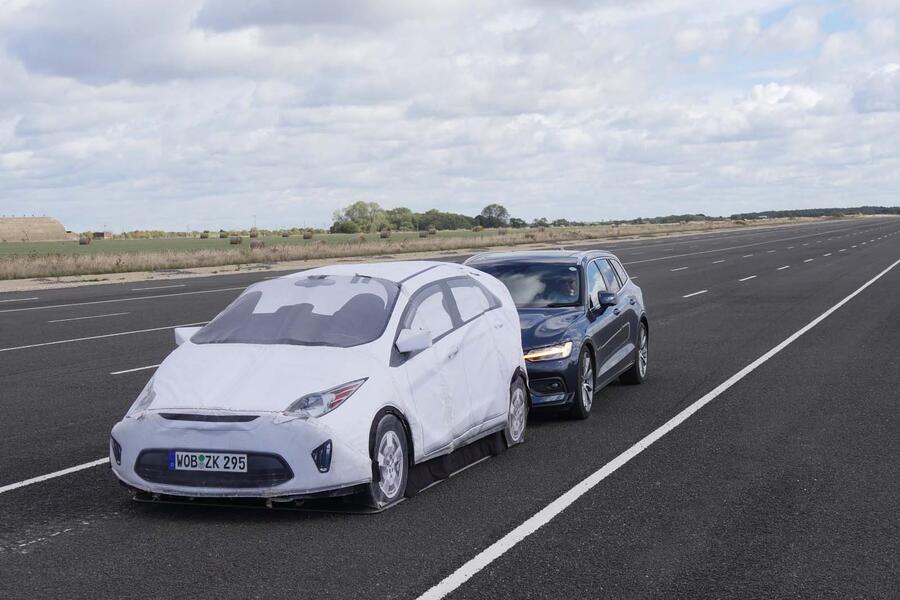
Thatcham’s testing (below) also revealed that cars supposedly using the same features were inconsistent in their responses, with one not responding at all. Euro NCAP has announced that it will be grading the technology by 2020 as part of its overall safety rating for new cars.
Q&A with Matthew Avery, director of research at Thatcham
What is your main concern about today’s driver assist systems?