

Traditionally at this time of year, the automotive industry congregates in Geneva for the world’s most important motor show – but to our great sadness, last year’s event was the last there will ever be.
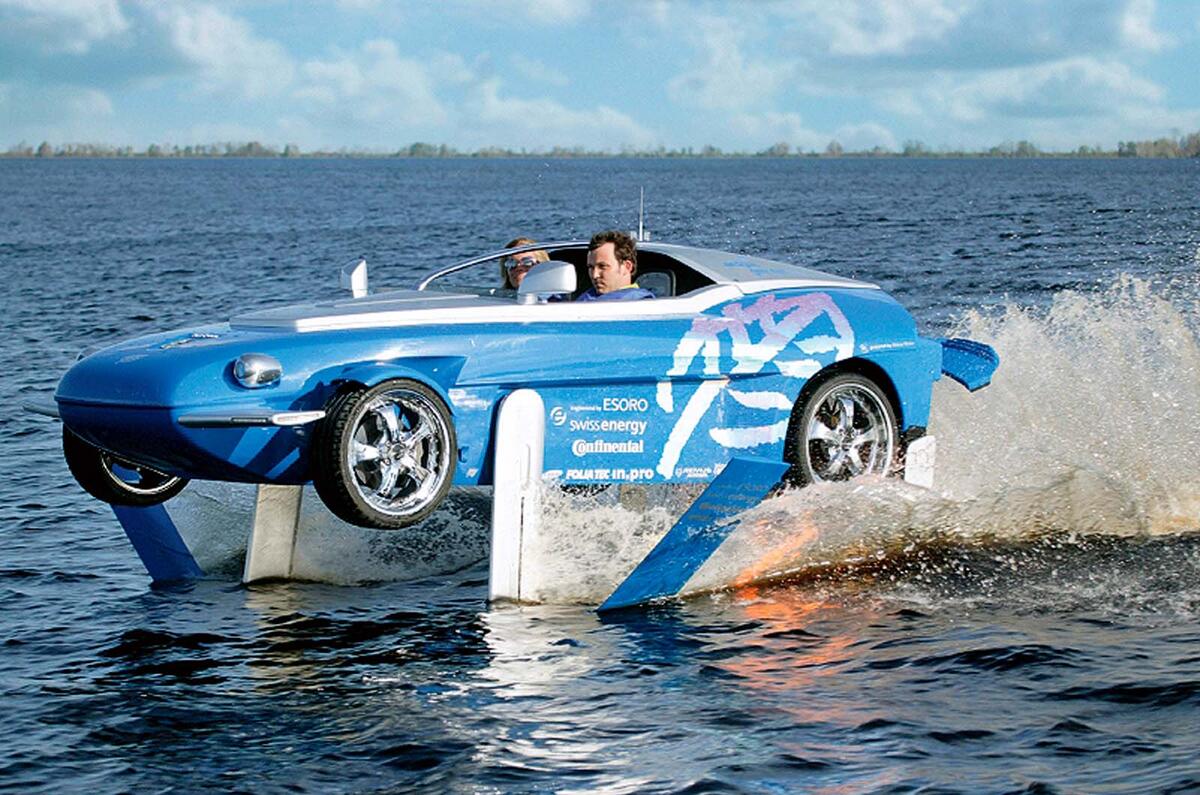
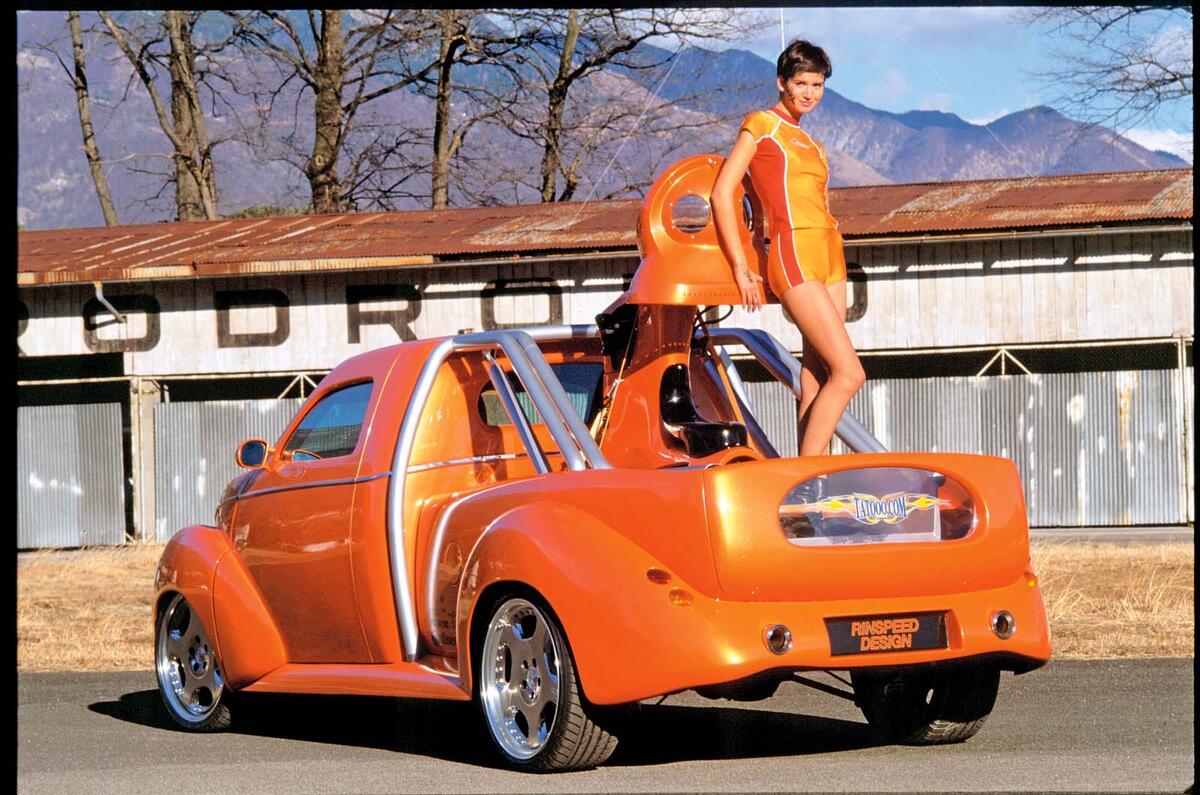
A sad corollary of this is that we won’t get to enjoy our semi-regular laughs at concepts unveiled by Swiss design houses – or should we say mad houses? – Sbarro and Rinspeed.
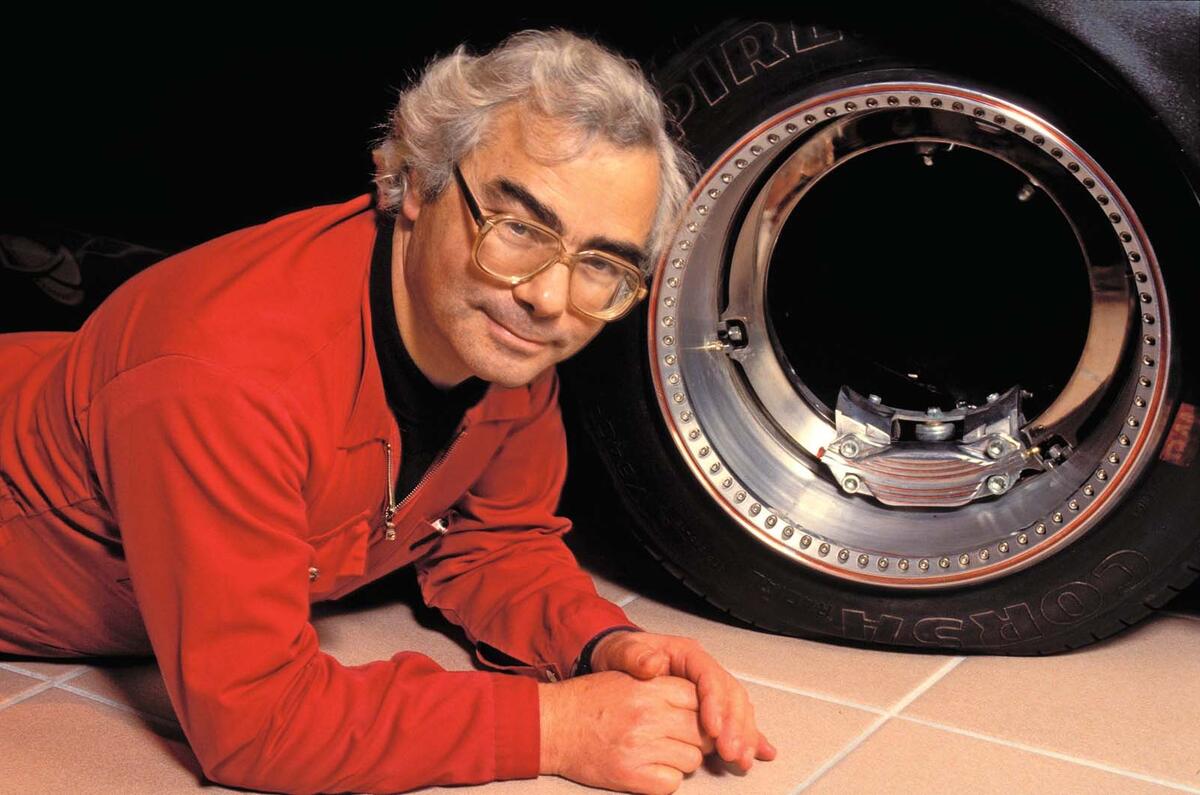
Italian-born Franco Sbarro began his career as a mechanic, then set up his eponymous firm in 1968 – with zero interest in conventionality.
Sbarro first caught our attention at Geneva in 1973 with the SV1, an attractive sports coupé composed of NSU, Porsche and Volkswagen components – most prominently, two Ro80 rotary engines mounted side by side behind the rear seats!
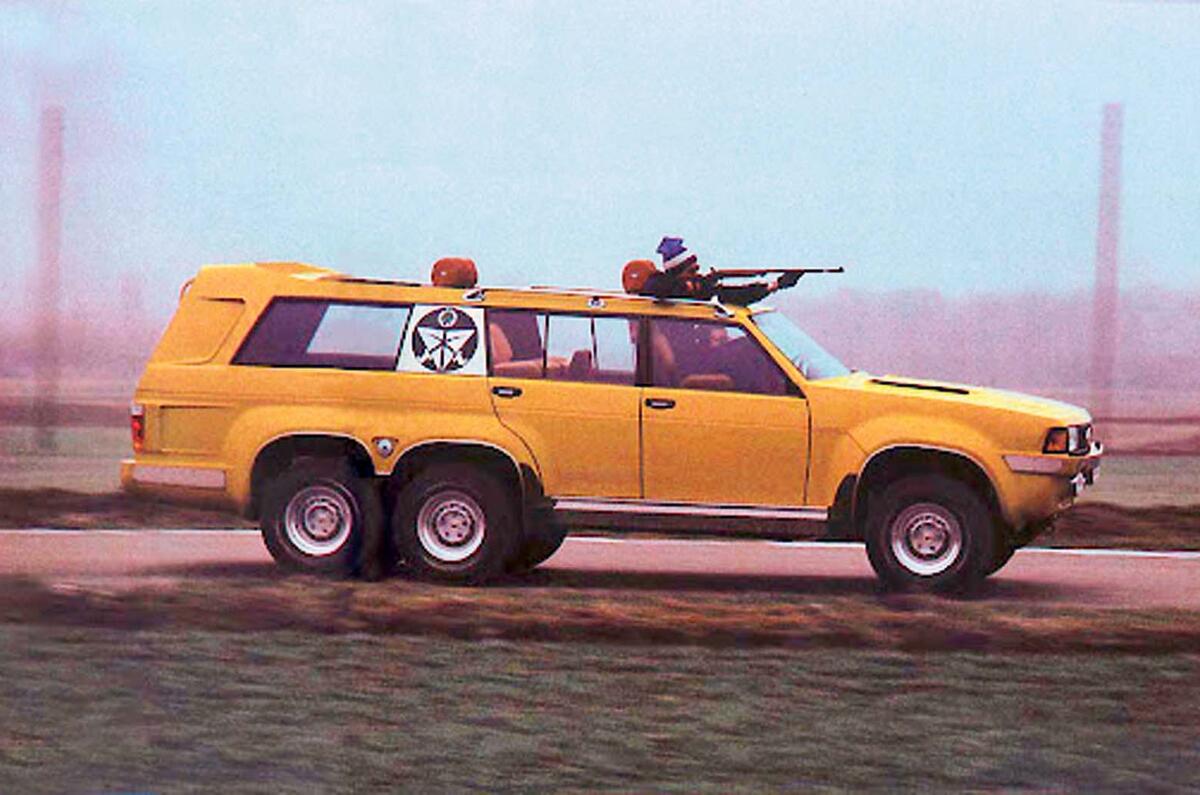
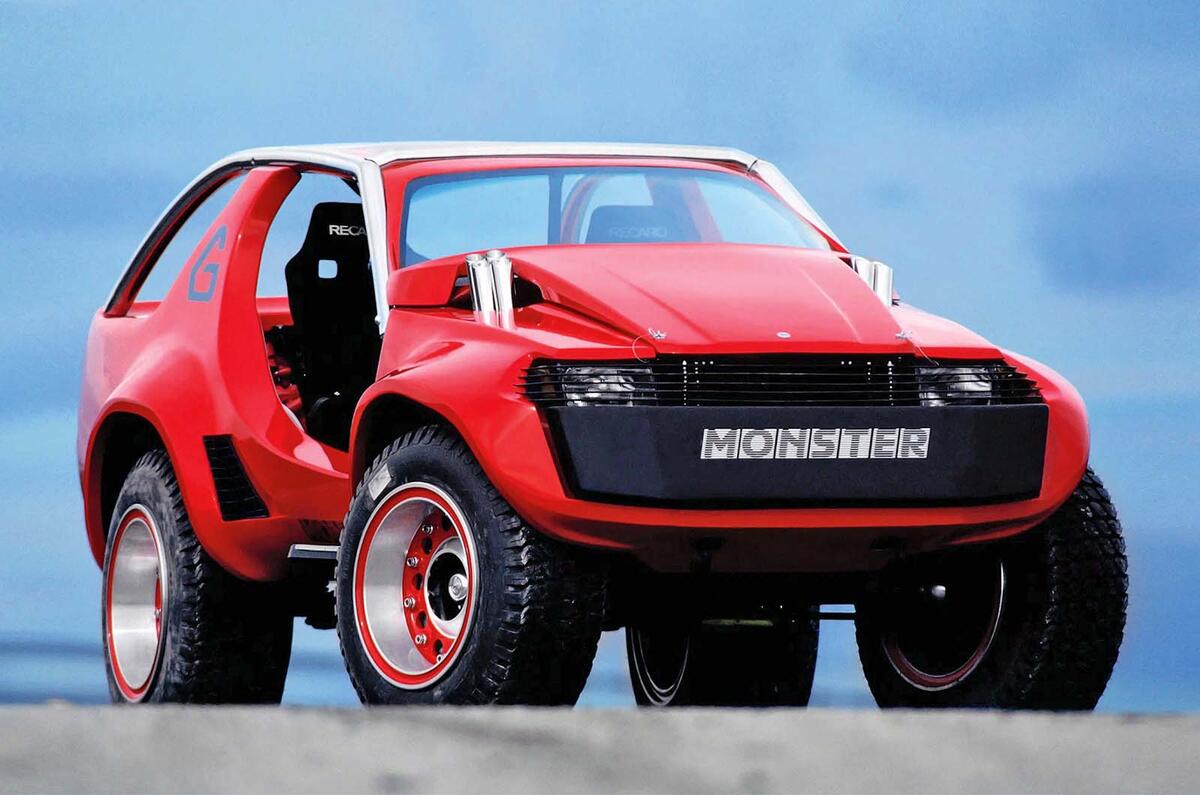
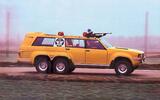
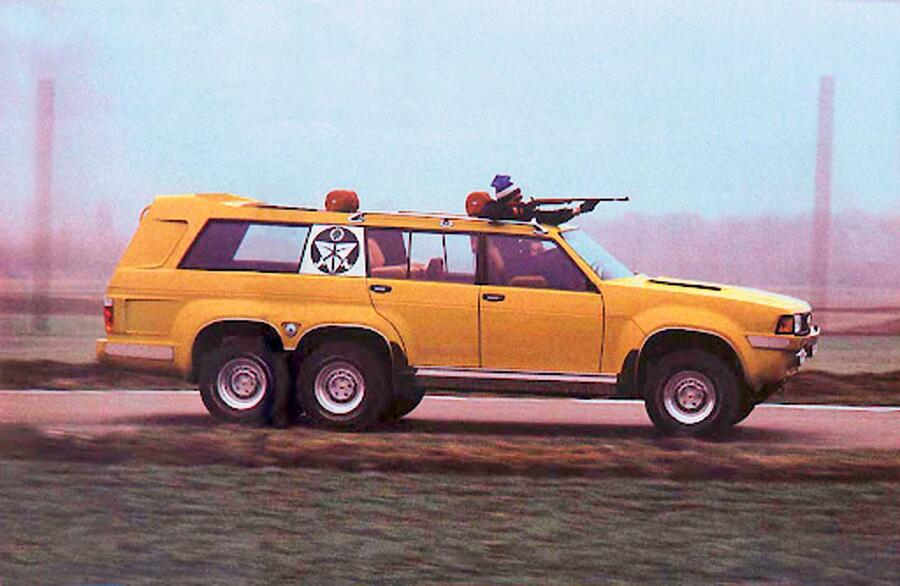
In 1978, it combined a Fiat four-wheel drive system with a BMW engine in the shell of an “avant-garde cross-country vehicle” – then two years later took this format to a wild extreme, matching a G-Wagen chassis with the 450SE’s V8 engine and adding a third axle.
The Wind Hawk was, unsurprisingly, destined for the Middle East – just like the AMG G63 6x6 that Mercedes itself would produce 35 years later.
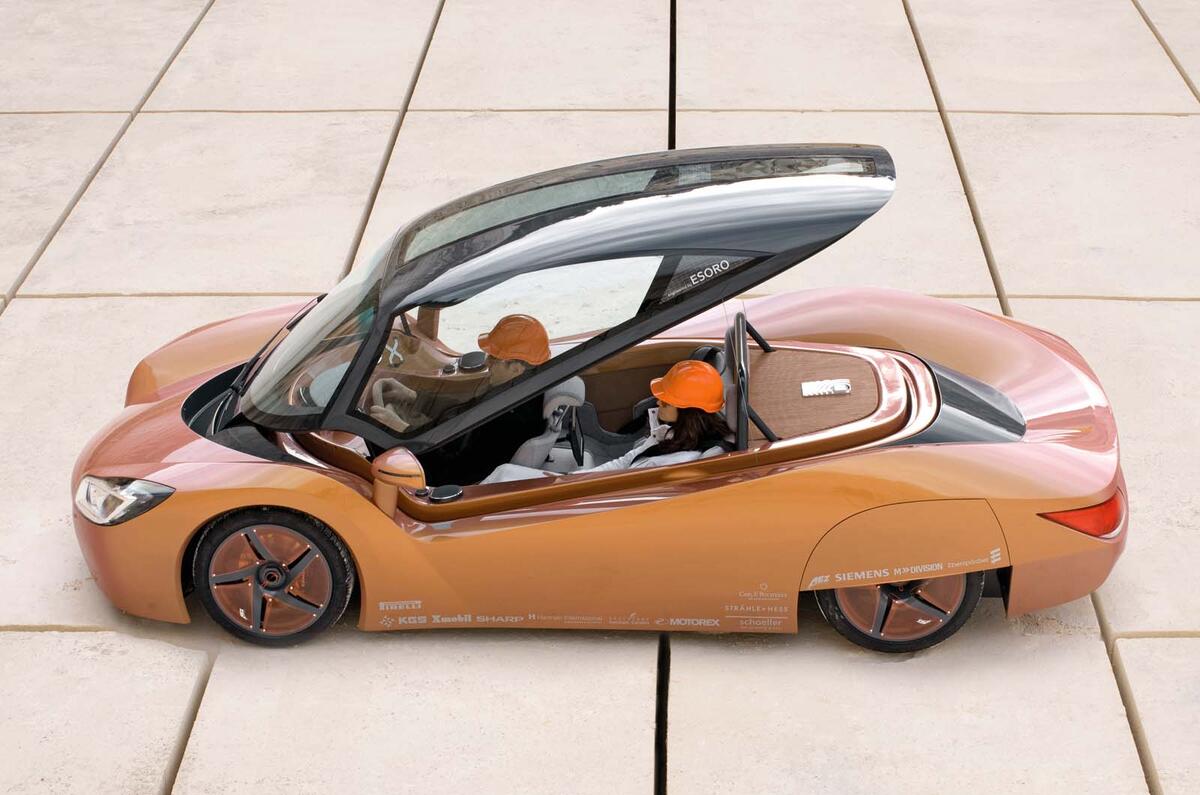
That 1980 show also introduced Autocar to Frank Rinderknecht’s Rinspeed, starting fairly sensibly with a small car for disabled drivers featuring a mechanism that hoisted one’s wheelchair out, up and into a roof-mounted box.
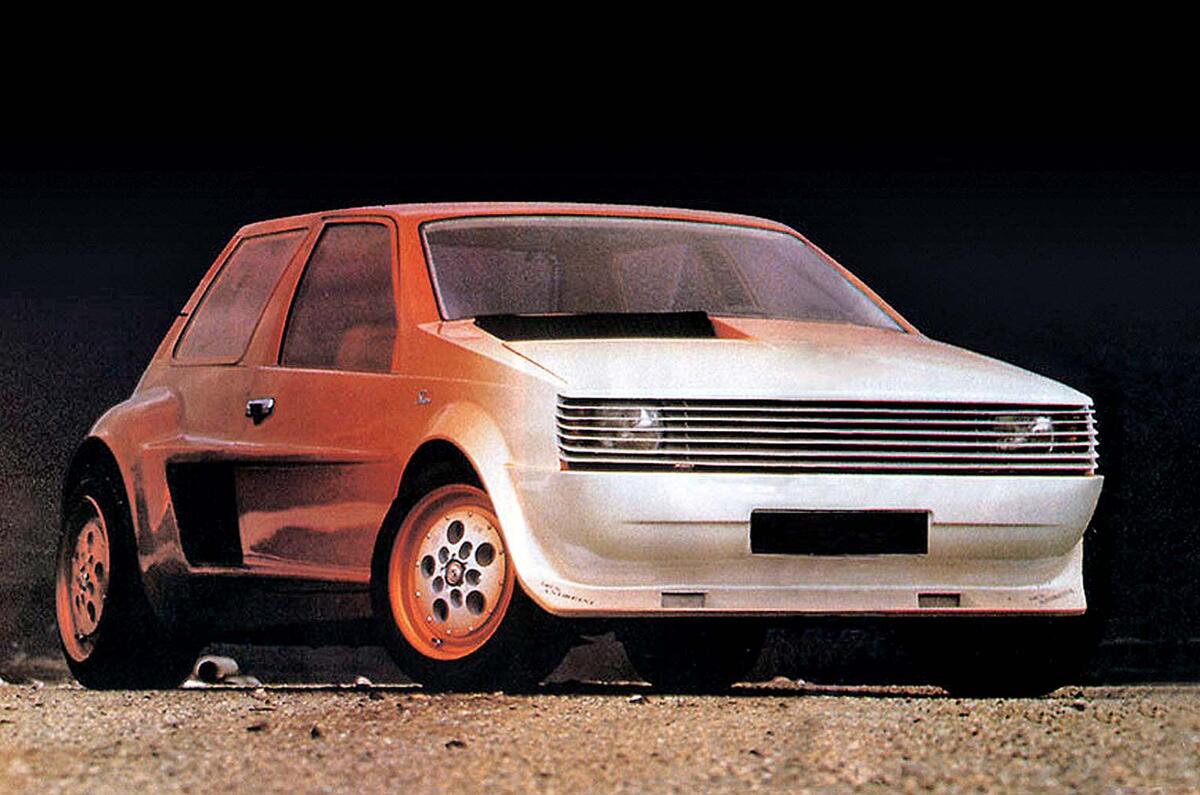
Perhaps the coolest thing at the 1982 show was Sbarro’s Super Twelve, a straight-12 hot hatch. Yes, really: the engine was two Kawasaki motorcycle sixes conjoined, making 240bhp. With a tubular chassis and a fibreglass body, it weighed 800kg – resulting in a better power-to-weight ratio than Lamborghini’s Countach.
Two years later, it produced an evolution, the Super Eight, with a Ferrari 308 GTB chassis and V8. This one-off came up for auction in 2024 but fell short of its reserve at $160k.
Enjoy full access to the complete Autocar archive at the magazineshop.com
Sbarro’s next show-stealer was the 1985 Challenge, a supercar of truly bizarre proportions with four-wheel drive, a centrally mounted 5.0-litre Mercedes V8, a retractable windscreen and… inflatable seats.
We actually sampled one of six road-registered examples a decade later. It had lost a pair of cylinders but none of the visual impact, and naturally it was “a disappointment to drive, failing to meet your expectations even in a straight line”.