
A new report commissioned by a number of car firms has questioned the UK government’s decision to ban new petrol and diesel vehicles from 2030, calling for a broader approach to achieve net zero carbon emissions by 2050.
Commissioned by manufacturers as diverse as Honda, McLaren and Bosch, ‘Decarbonising Road Transport: There is no silver bullet 2020’ contains a number of recommendations, from decarbonising the legacy fleet to greater transparency on the part of OEMs with regard to their whole vehicle CO2 output.
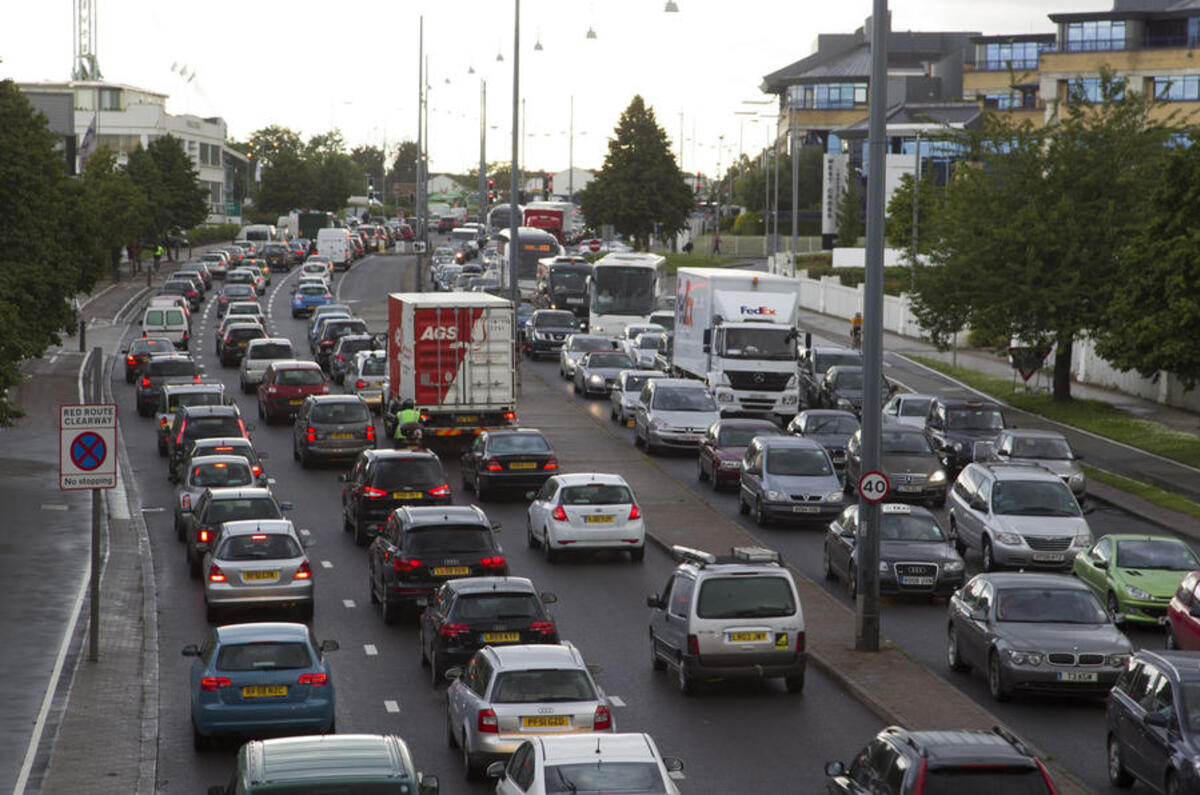
It stresses that a one-size-fits-all approach is unlikely to work. With 40 million vehicles on the road at an average age of 8.3 years, it flags up a concern that the emissions from the UK’s huge legacy fleet will need to be addressed in order to achieve net zero by 2050.
While it acknowledges that tailpipe emissions are part of the problem, the report's authors from Decarbonising Road Transport suggest that the government should focus on the wider aspect of ‘well to wheel’ in order to deliver a zero carbon transport network. It states that recent research shows that the process of manufacturing electric cars produces 63% more CO2 emissions than a petrol or diesel equivalent.
Polestar and Volkswagen come in for praise for their recent honesty. Both firms have published figures as to how much carbon is generated in the process of building their electric cars and then how much is saved by driving them. In the case of the Polestar 2, depending on energy mix it could need to drive for over 48,000 miles before its carbon footprint dropped below that of a Volvo XC40.
That figure has been questioned by some, with analysis by EV advocate Auke Hoekstra putting the 'crossover' point at which an electric vehicle's carbon footprint drops below a regular one as low as 20,000 miles. The broad range of estimates is based, in part, on assumptions about the carbon used both in vehicle and energy production.
Decarbonising Road Transport is calling for all manufacturers to follow the lead of Polestar in releasing details of crabon created in their vehicle production. “We need to do more than just electrify the fleet,” said Andy Eastlake, managing director of the Low Carbon Vehicle Partnership. “We are still selling diesel and petrol cars, the engines of which could play out until 2050, so we have to look at decarbonising fuel.”
Synthetic fuels and hydrogen feature as potential solutions, especially when it comes to both the legacy fleet and also HGVs. The latter has grown by 12.6% over the past year and, while the latest Euro 6 diesel engines emit 95% less NOx than a Euro 5 equivalent, the weight of batteries means electric lorries aren’t a practical solution as current technology stands.
The report also suggests that synthetic fuels offer a solution for the comparatively small number of sports cars, something that companies such as Porsche are already investing heavily in.
The overarching theme is that industry should be allowed to take the lead with support from the government, allowing countries’ innovators to design and develop the way to a cleaner future for transport. The report calls this a “technology-neutral approach”. Because no one size fits all with regards to transport, it believes the government shouldn’t be focused on a single solution to the problem. Matt Western, chair of the All Party Parliamentary Motor Group and one of the contributors to the report, said: “The UK is home to some incredibly innovative companies and research institutions. We should foster their creativity by taking a technology-neutral approach to our emissions-reduction ambitions, allowing the industry to do what it does best: innovate.”