

It’s hard to imagine the car industry has ever trodden a finer line between being financially astute and utterly tone deaf – a statement brought all the sharper into focus because the line will get substantially finer still in the months and years ahead.
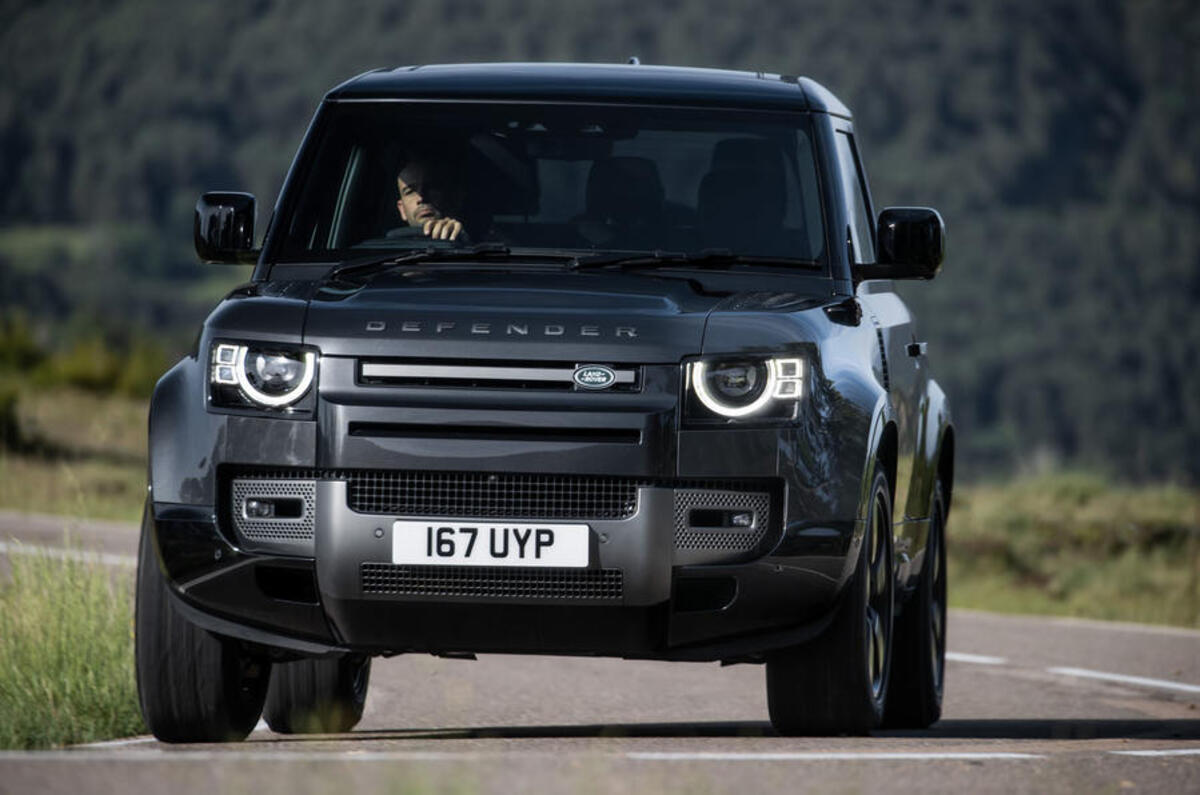
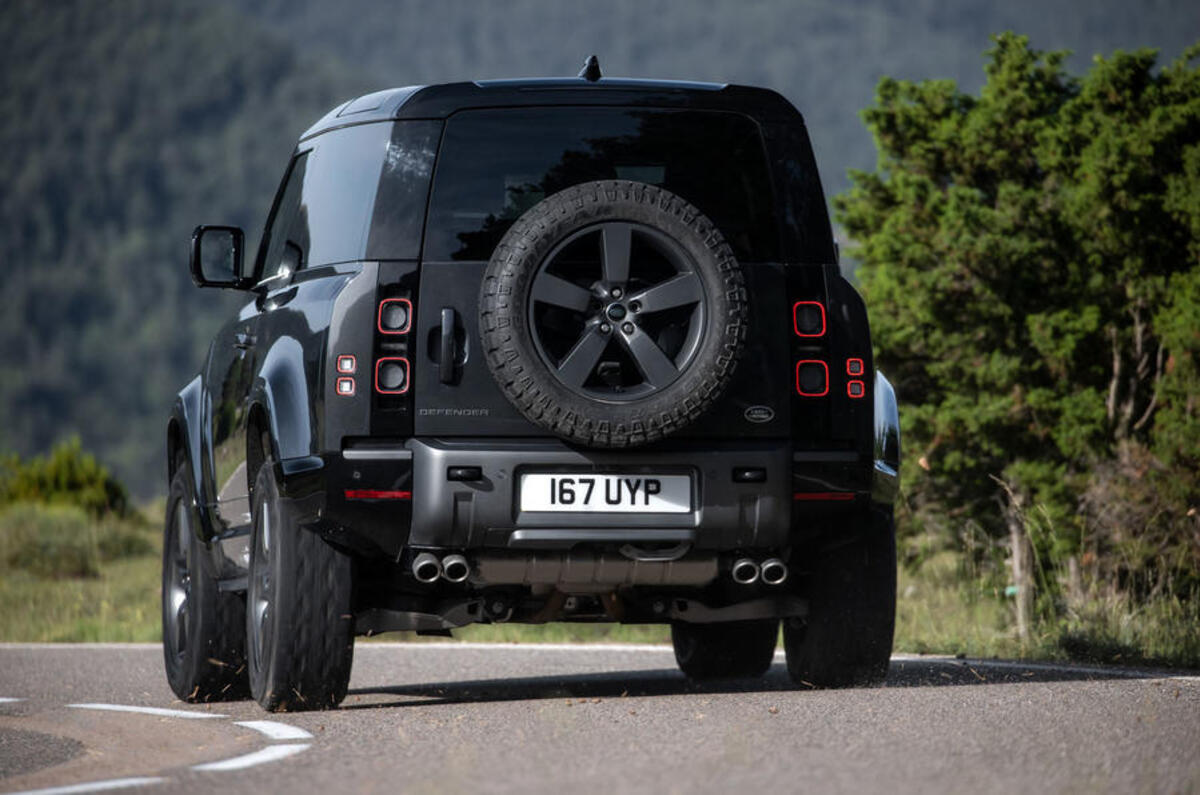
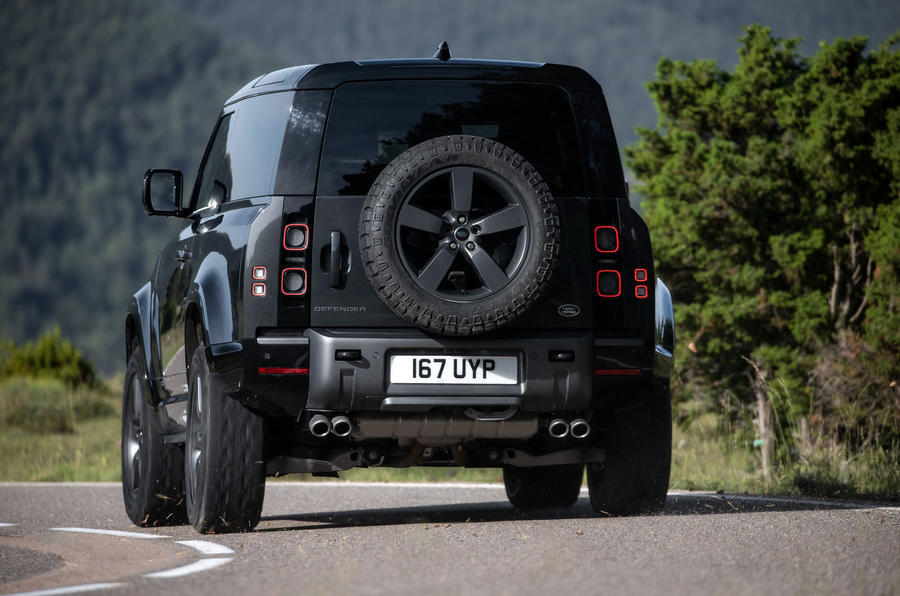
A Land Rover Defender V8? Phwoar: 518bhp, 461lb ft and 0-60mph in 4.9sec. Give me and – judging by the reaction to its appearance on our front cover – you some of that. Even at just north of £100k, it is fast filling up the international order banks.
Any yet… that same Defender also averages 19.5mpg and emits 327g/km of CO2, assuming you drive it to the conventions of an ordinary everyday test cycle. In an era of zero emissions and carbon neutrality goals, isn’t that a little gross? Or, if you want to be a bit more conciliatory, contradictory?
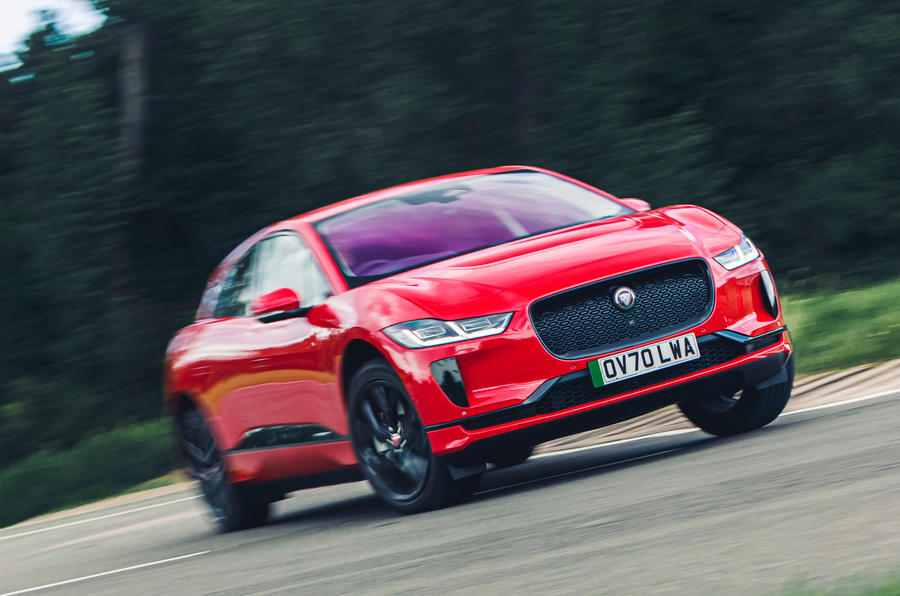
To be clear, this is not an anti-Land Rover statement. Pretty much every high-end brand is at it, meeting their emissions obligations while – quite reasonably – trying to maximise profits by launching hugely desirable, high-margin cars, much of which income will then be spent on R&D for the next generation of (hopefully) lower-emission vehicles.
It bears repeating that the transition to electric will cost car makers many hundreds of billions. But how long the established brands can hope to get away with ‘meeting their emissions obligations’ is a moot point. While they may not be breaking any rules, even if they have to jump into emission pools with the likes of Tesla in order to do so (as Jaguar Land Rover and Honda recently did in Europe), the lens through which such actions is viewed may be tightening faster than the regulations.
‘Woke’ such a statement may be but, as we’ve seen in so many different ways across society in recent times, if public sentiment swings one way or the other, it matters not a jot if you have been following the letter of the rules and rather more that you are meeting the expectations of a large tranche of society – a growing number of whom are increasingly environmentally aware, not least as they are being asked to pay for more of the transition.


