82kWh 85 SE L SUV 5dr Electric Auto (286 ps)
Submitted by dev_editor on
Submitted by dev_editor on
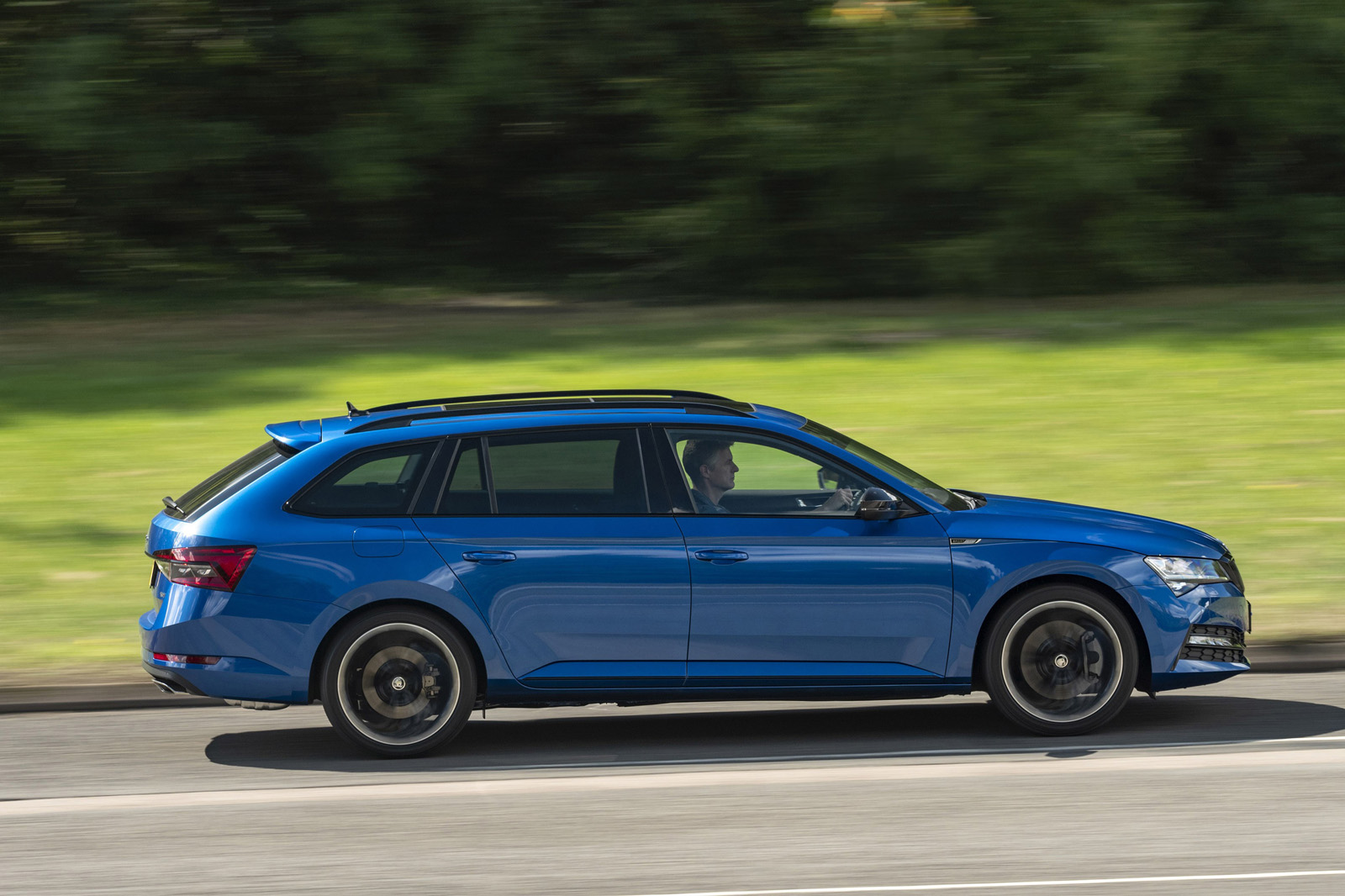
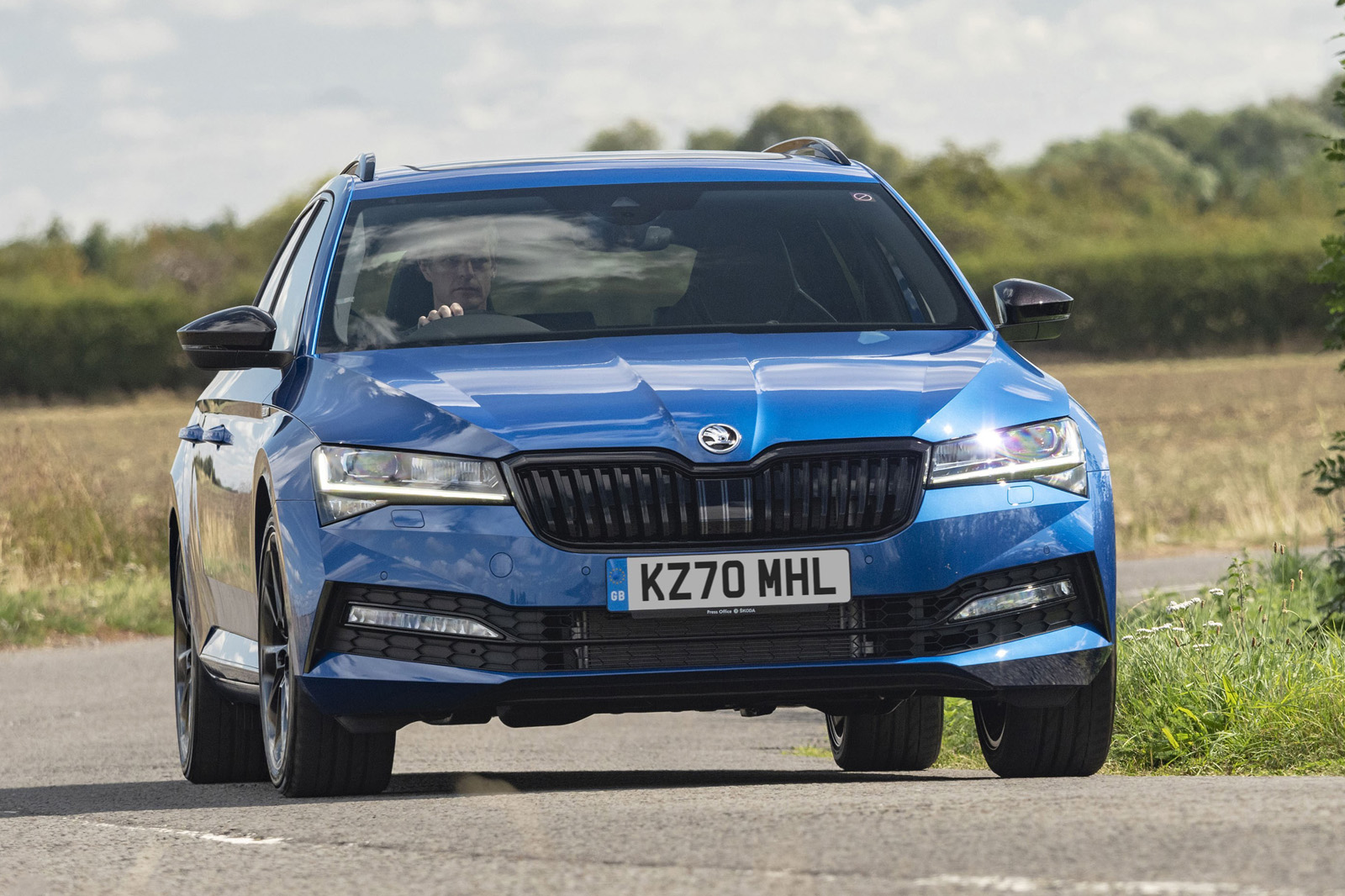
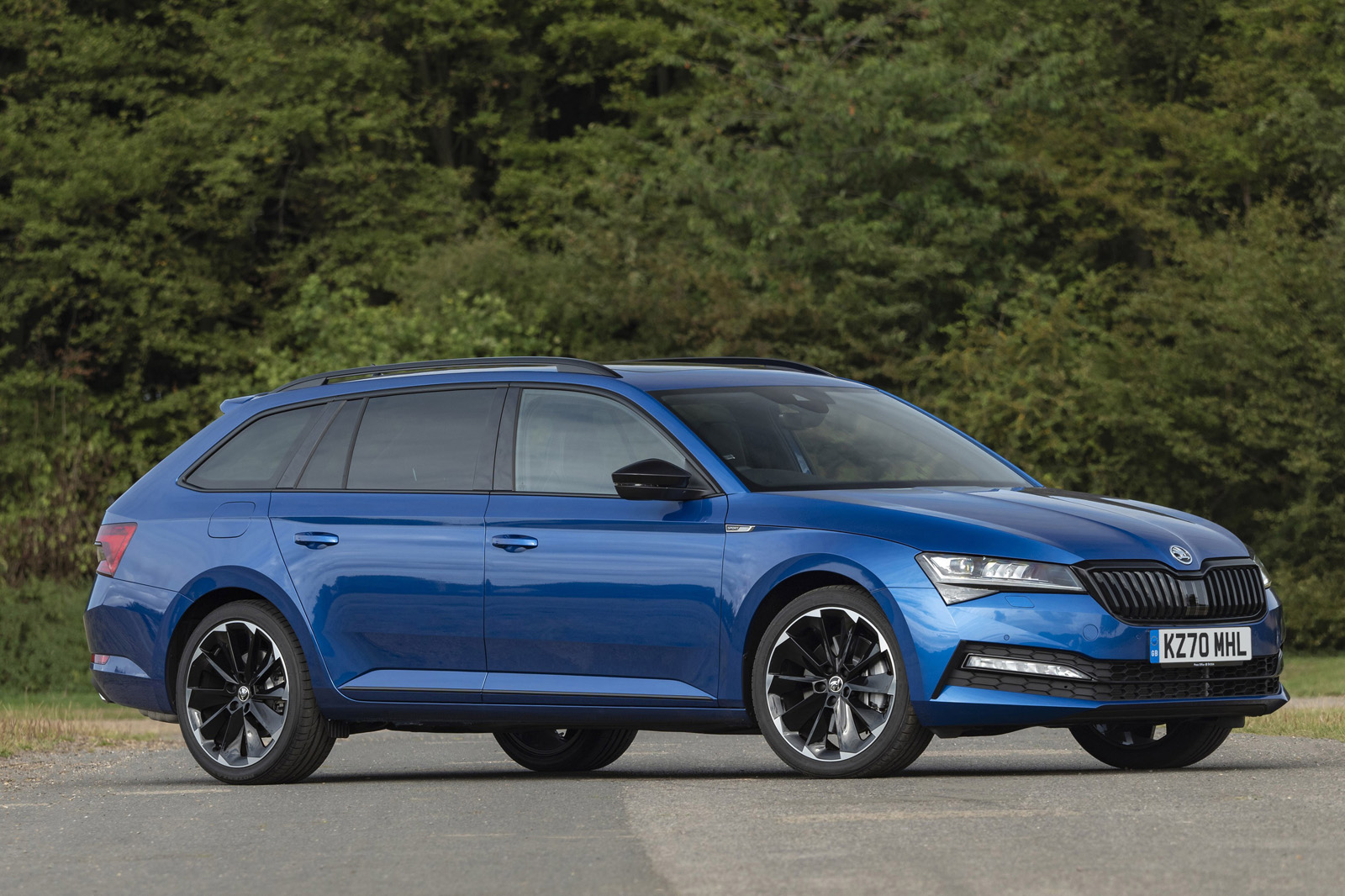
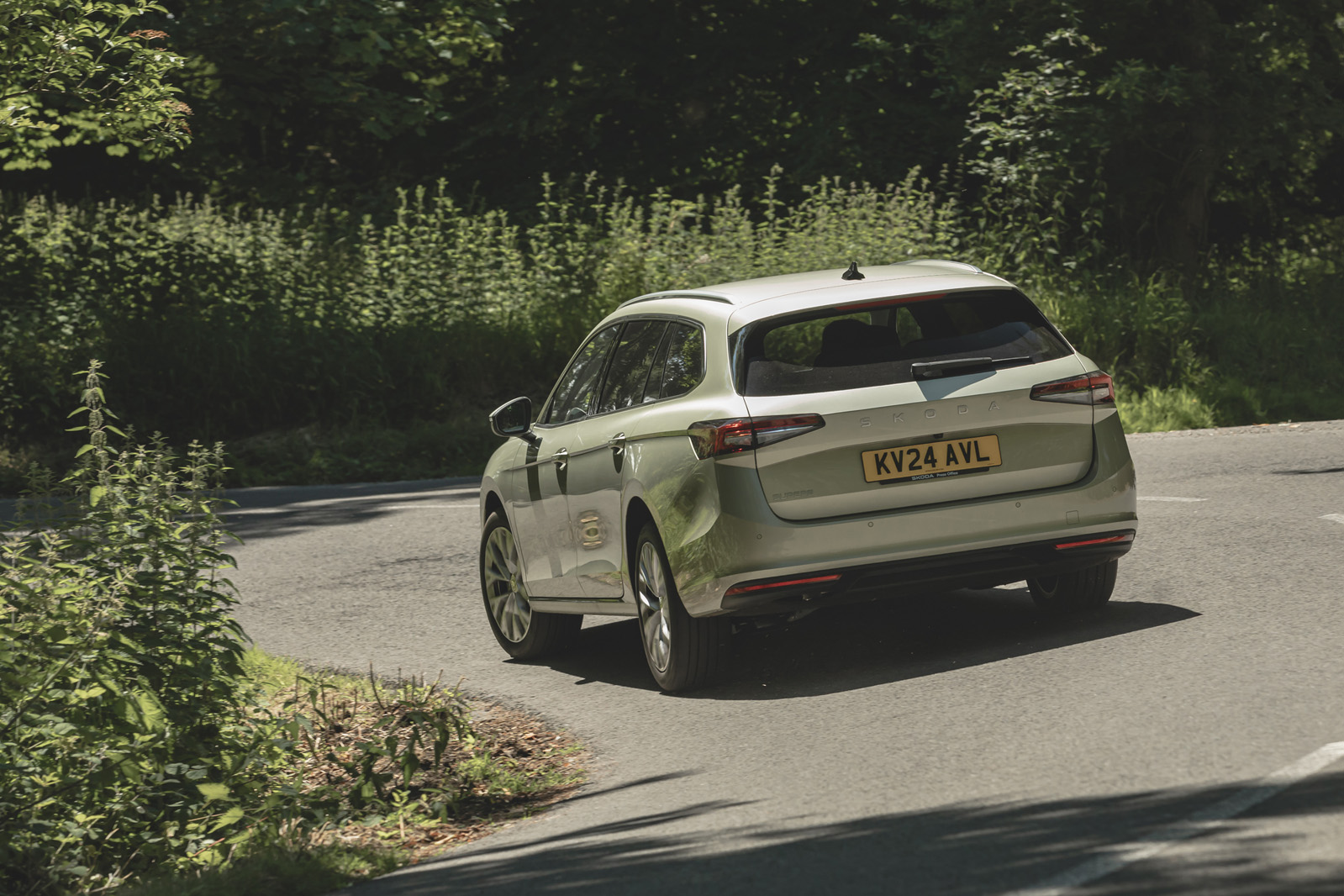
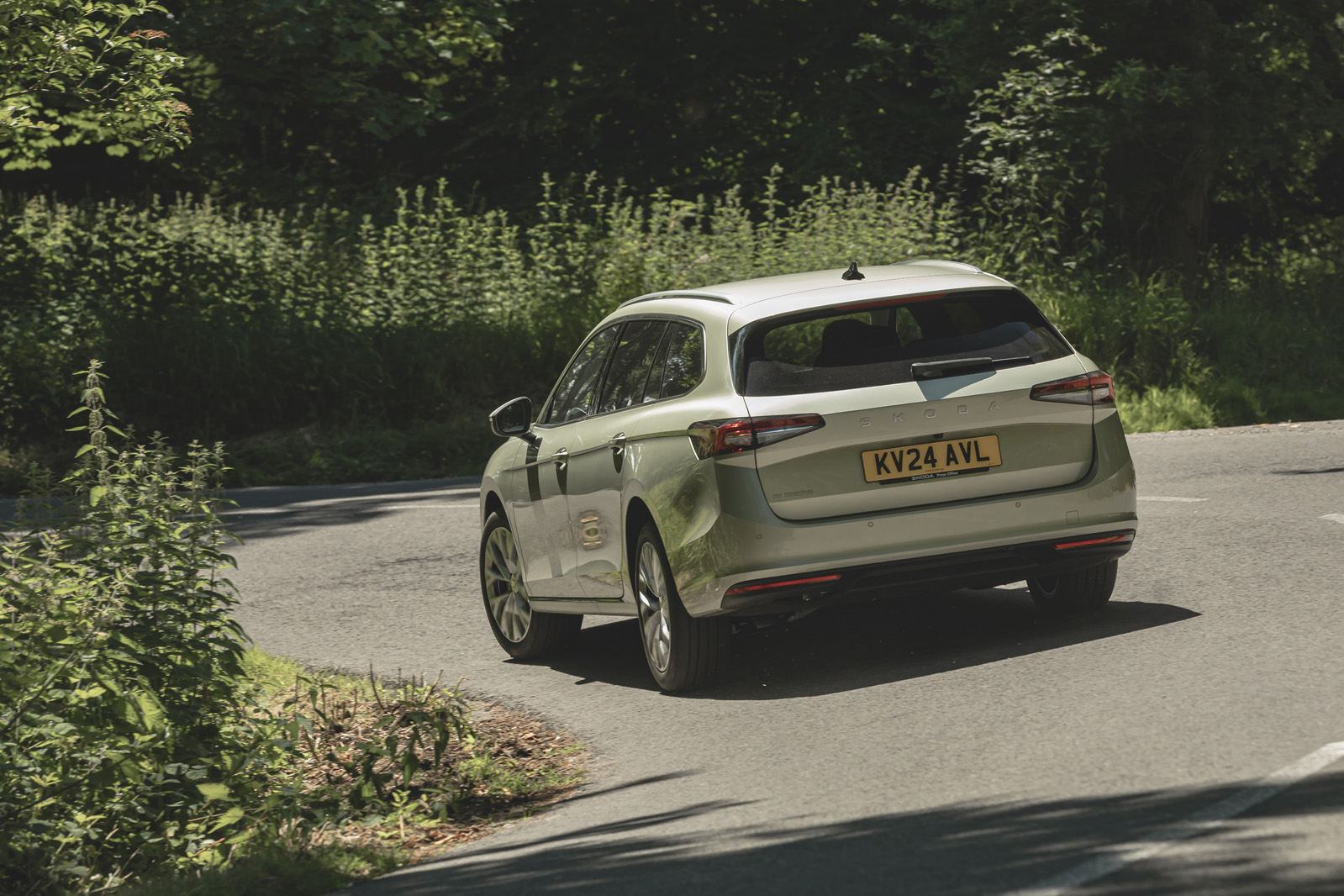
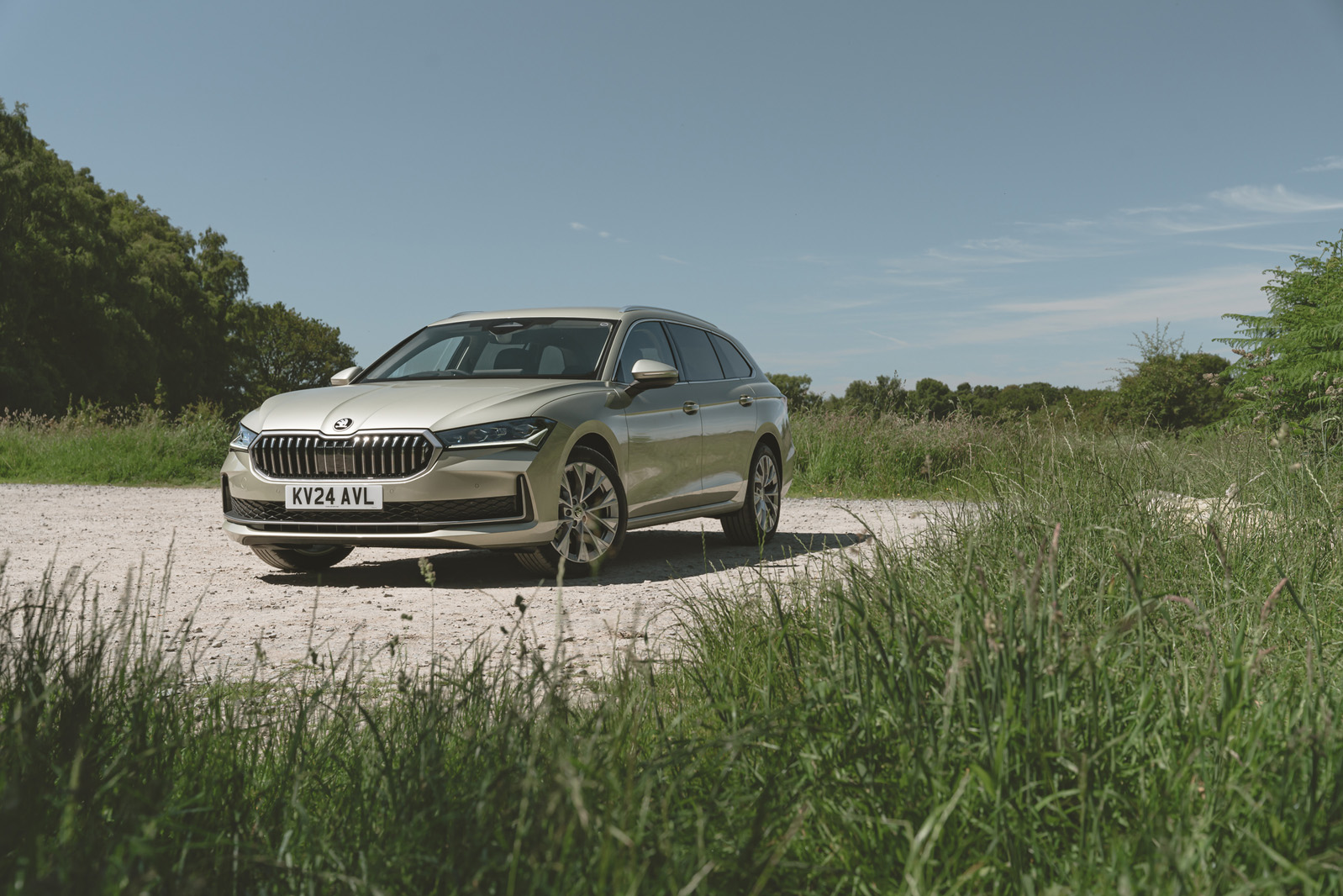
In 2024, the fourth-gen Skoda Superb scored a rare five-star road test verdict.
It was one of just three cars to achieve the feat during that year, along with the Porsche 911 S/T and Hyundai Ioniq 5 N. Not a bad three-car garage, that. Anyway, it shows just how recommendable the latest Superb is.
Trouble is, despite being the most affordable car in its class, it's priced from £38,000, so not quite the 'everyman exec' it once was.
But if we wind the clock back and look at the previous-gen Superb, we can save a shedload but sacrifice little in terms of tech, space or refinement.
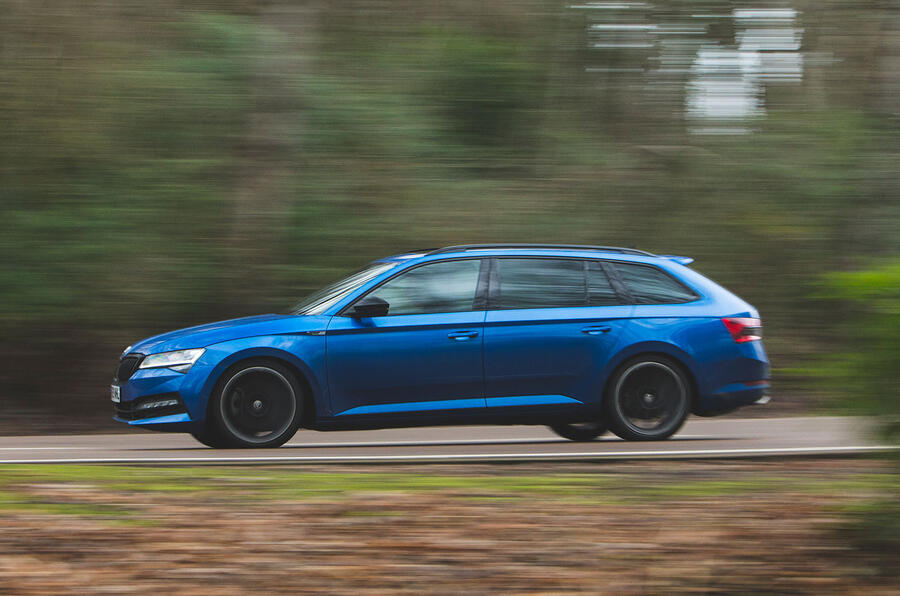
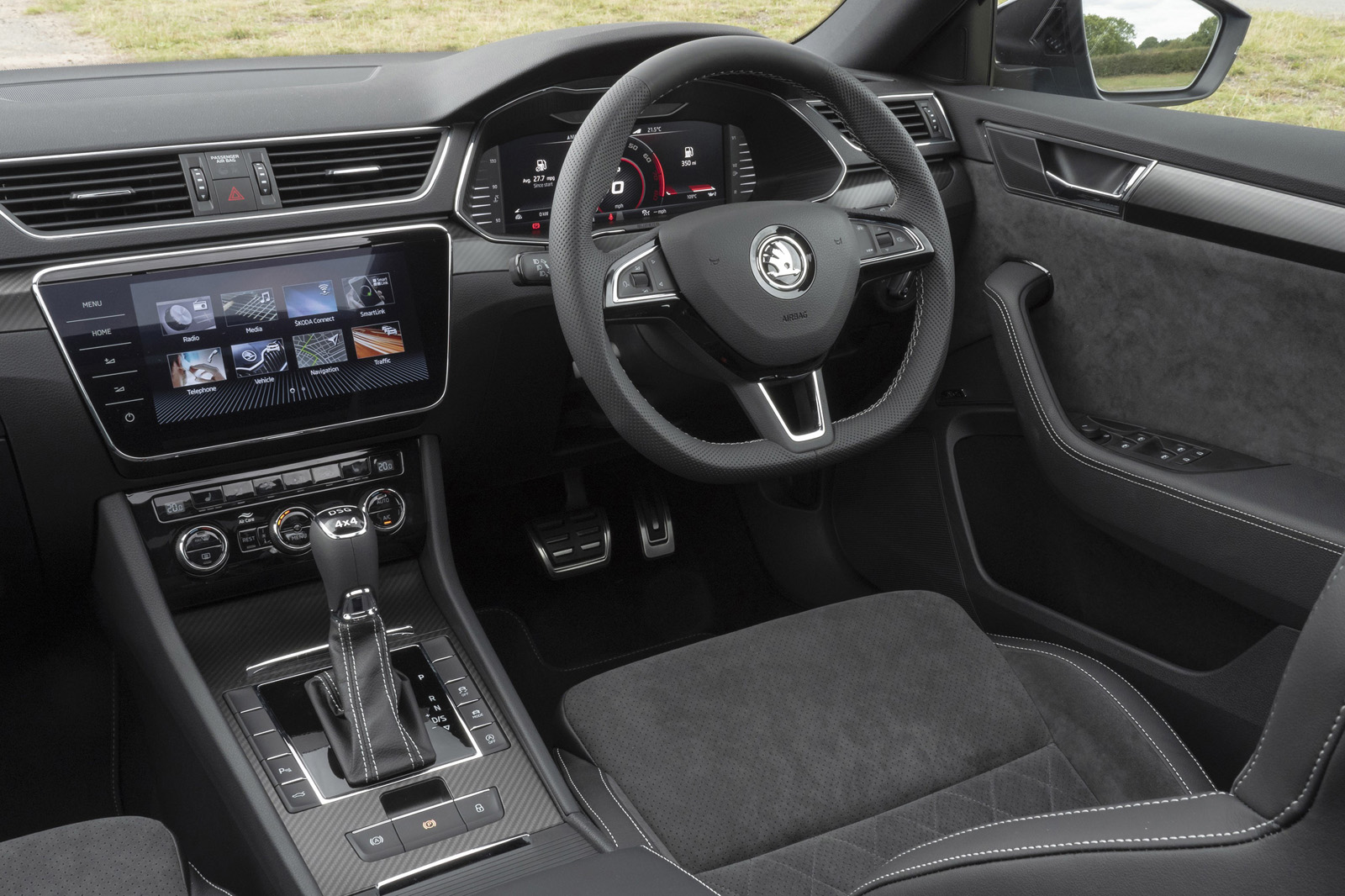
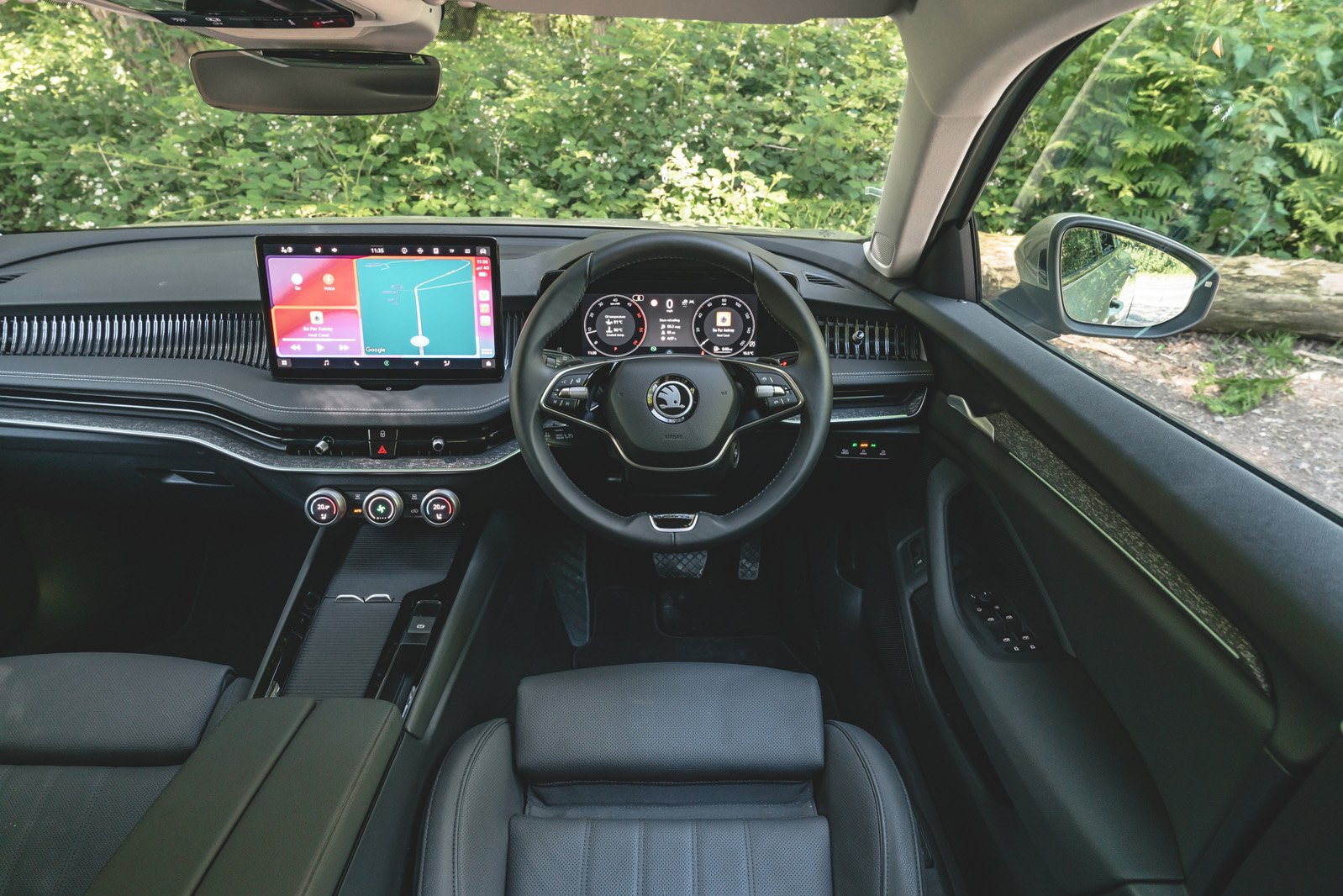
In fact, the Mk3 does some things better than the Mk4: it has a higher-quality interior, more powerful engine options and more buttons to play with.
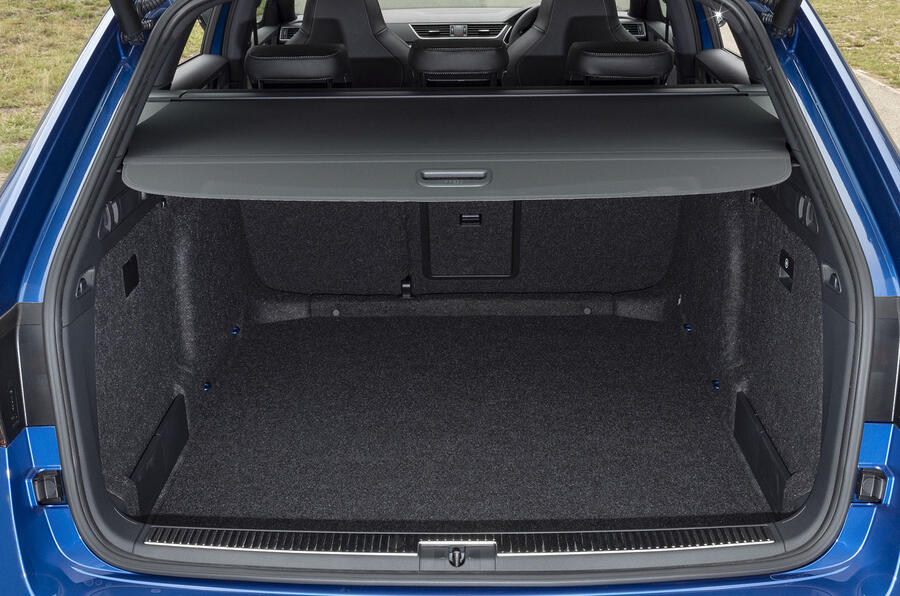
We will start, though, with the Superb's party piece: its Goliath boot. The estate can hold 660 litres, or 2000 litres with the rear seats folded, while the saloon-shaped hatch swallows a seats-up 625 litres. Not even a Mercedes-Benz E-Class can beat that, never mind the majority of family SUVs.
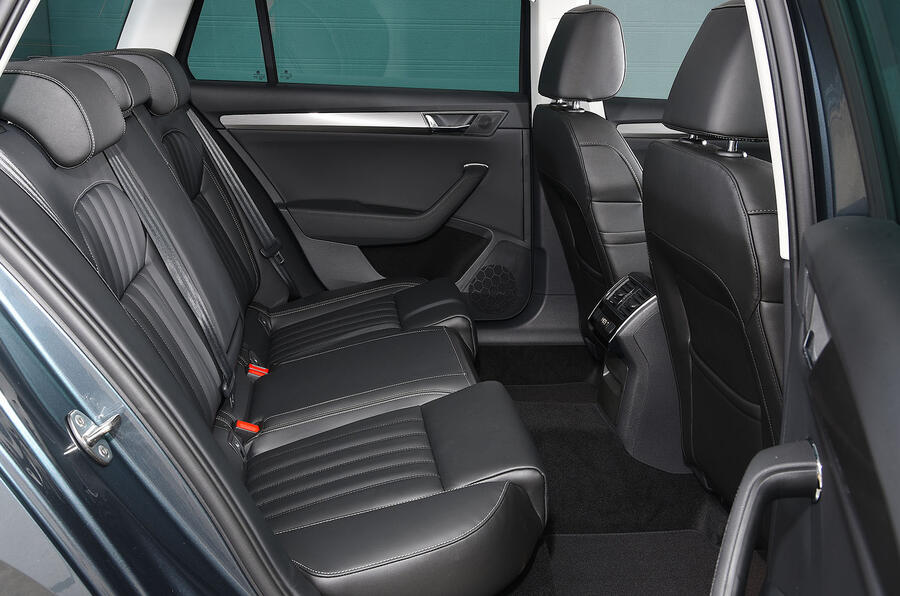
The rear seats are similarly accommodating – kids can stick their legs out straight in front of them and there are Isofix points on the outer rear seats, plus enough width in the body for three booster seats across the back.
The Superb is just under 4.9m long and a shade under 2m wide and can feel a little unwieldy to manoeuvre. All-round parking sensors are standard, though, and top-spec Laurin & Klement cars have a reversing camera to help keep those bumpers box-fresh.
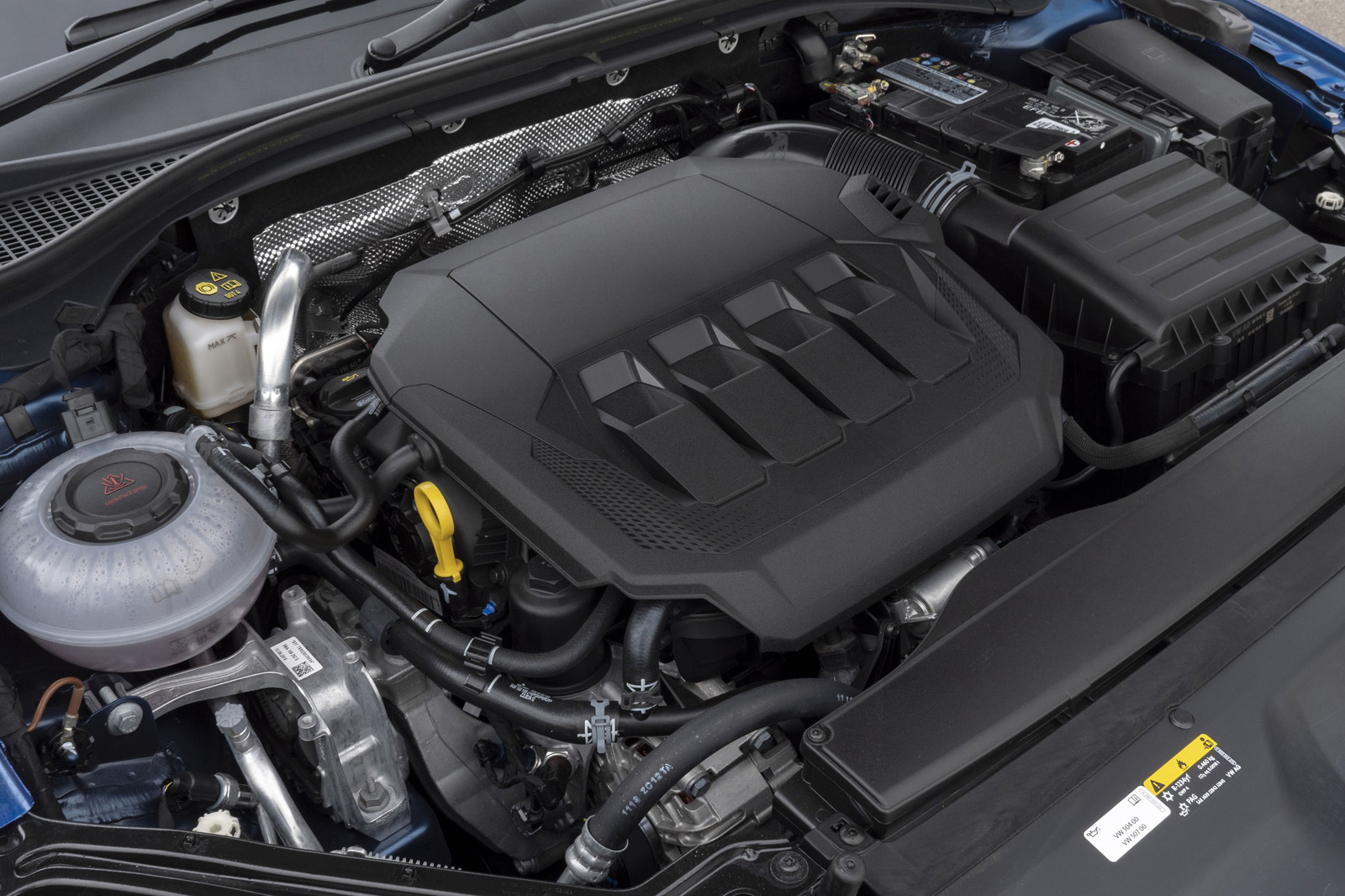
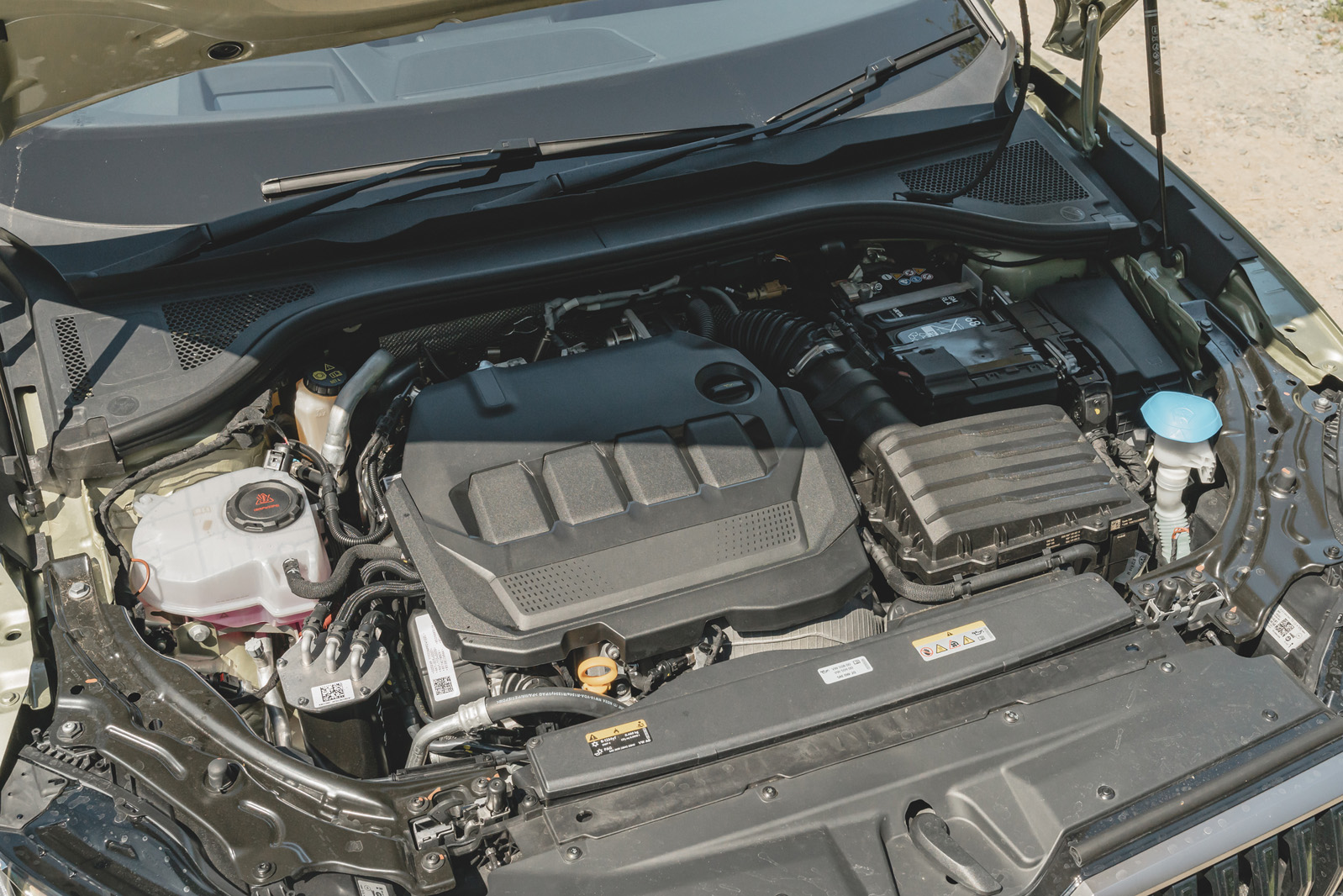
Most Mk3s are equipped with the Volkswagen Group's familiar 2.0-litre TDI with 148bhp. It's a willing unit with a useful amount of torque and decent refinement; the 1.6-litre diesel and 1.4-litre petrol both lack muscle for a car of this size.
For more punch, the near-200bhp 2.0-litre diesel and 217-276bhp 2.0-litre petrols are where it's at – they're favourites with the police and capable all-weather performers in four-wheel-drive form. Higher-powered diesels are rated to tow 2200kg, and they do so effortlessly.
With the 2019 facelift came a plug-in hybrid, the iV. Real-world electric range is around 30 miles, and while the batteries add weight and rob boot space, its 215bhp makes it a strong performer, and it doesn't cost a lot more as a used buy.
The standard six-speed manual gearbox is easy to use, and while the optional six- or seven-speed DSG dual-clutch autos are mostly fine, they can dither and are more expensive to fix if there's a fault.
The Superb could be optioned with adaptive dampers (look for ads that mention Dynamic Chassis Control or DCC), which boost suppleness in Comfort mode and firmness in Sport, but in all cases a Ford Mondeo of the same vintage has the edge when it comes to rounding out battered roads.
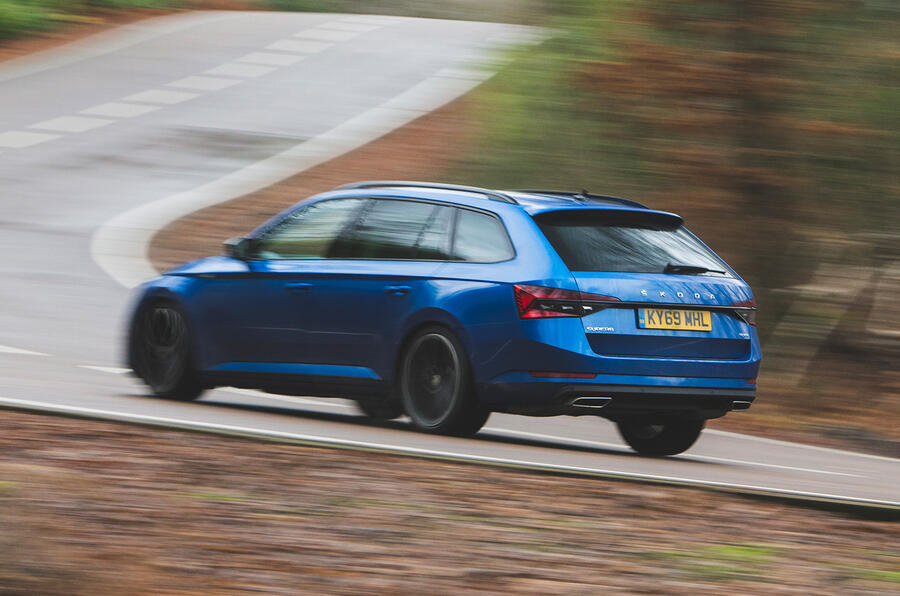
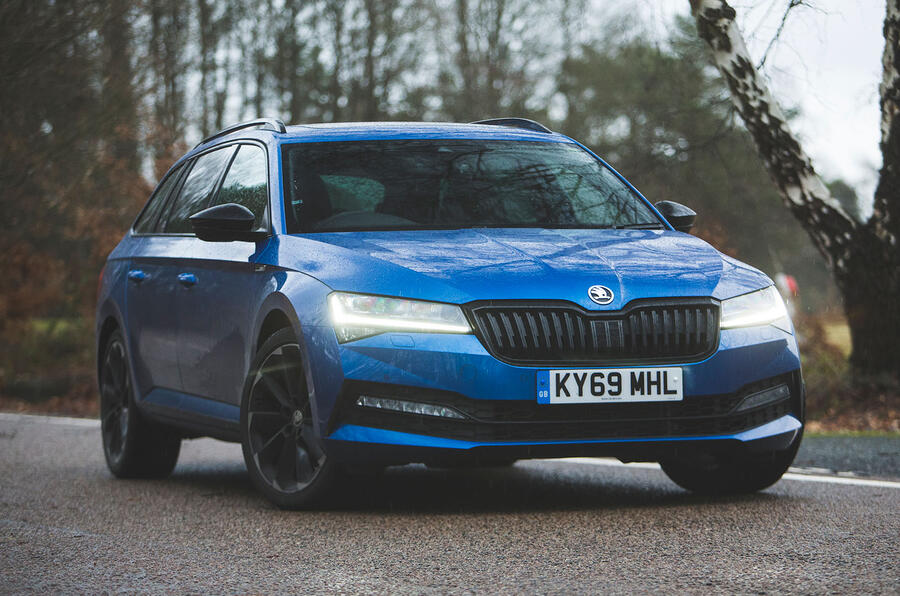
The Superb isn't exactly 'fun' to drive, but it's perfectly pleasant to smoke around in. On smaller wheels, refinement is on a par with premium rivals. We would avoid the Sportline with its 15mm suspension drop and 19in alloys unless you really can't forgo the kerb appeal.
Despite costing less than rivals such as the Vauxhall Insignia when new, used examples are now worth more on a like-for-like basis than even the Superb's posher cousin, the Volkswagen Passat. Don't let that put you off, though, because residual values should remain strong.
Gearbox: Three main versions of the DSG gearbox were used in the Superb: a six-speed wet clutch, a seven-speed wet clutch and a seven-speed dry clutch. The dry-clutch unit – the DQ200 – is the one to avoid, typically fitted to lower-powered models, but double-check using the VIN (you might have to pay for this). Listen out for a metallic squeal as the gearbox changes up from first through to third. Even the other 'boxes should be serviced more regularly than VW suggests (some owners suggest 20,000 miles). Or buy a manual-equipped Superb for peace of mind.
Electrics: Check there are no messages about the Front Assist collision warning system, which can need recalibrating – expensively. The electric tailgate is also known to fail.
Tyres: Economy-oriented Greenline versions of the Superb have standard-fit stop/start ignition and brake energy recovery, along with longer gear ratios. Their low-rolling-resistance tyres are pricey, and used examples are unlikely to still be wearing them.
Haldex system: Replace the fluid and filter every three years/30,000 miles. At this age, the need for a new pump and O-rings is likely.
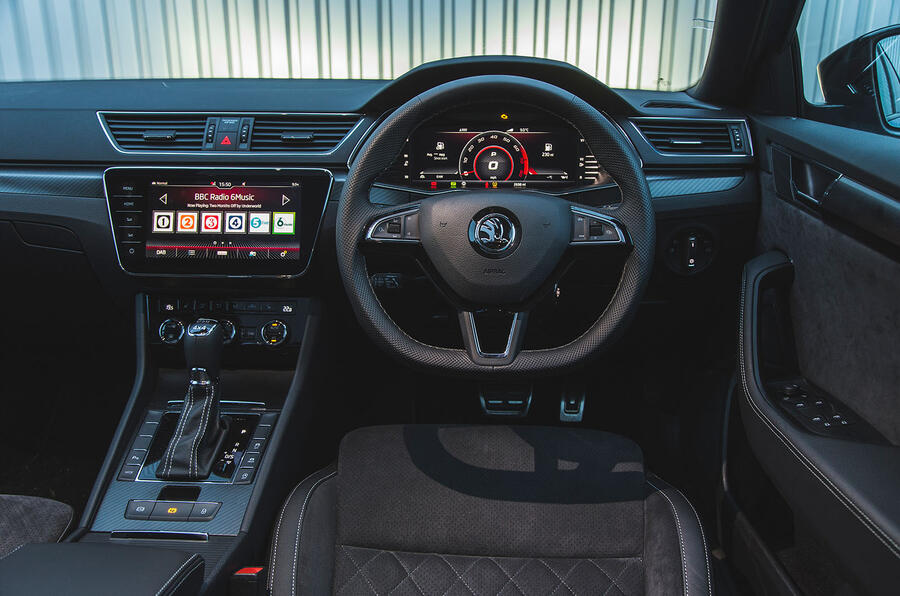
Entry-level S models look quite plain, with cloth seats, a small screen for the radio and a rather humdrum appearance. But the quality of the cabin materials is agreeable and you still get a good level of equipment (DAB radio, Bluetooth, air-con and cruise control). As you work your way up through SE, SEL, Sportline and finally L&K at the top, the Superb begins to feel like a true luxury car.
Higher-spec cars can be found with suede or leather seats (in black, brown or beige), adaptive cruise control, Dynamic Chassis Control, a panoramic sunroof and a 9.2in infotainment screen, all of which makes them feel almost on a par with the newer Superb in raw functionality and equipment terms.
Peter Pratt: "We owned our 2015 Superb SE L estate for a few mostly happy years. Having bought it with 75,000 miles, we added only another 10,000 because it had a couple of faults with the cooling system, despite having had a new water pump. It was enough to send us back to a Honda Accord. We did love the Superb's boot space and rear leg room, but the refinement wasn't particularly impressive (ours was on 19in wheels, however). It was a compelling all-round package, though, and I can see myself trying another soon."
£2500-£4999: Looking a bit leggy at this price point, but the fact that some are showing over 200,000 miles is perhaps a good sign in general.
£5000-£9999: Lots of choice here, with mileages between 80,000 and 150,000. Many look well cared for, though.
£10,000-£19,999: The bulk of the market here, with a good selection of average-mileage cars, in all specifications and both body shapes, including facelifts.
£20,000-£32,000: Everything from low-mileage, low-spec facelifts to the very last almost new cars.
The Skoda Vision O concept, unveiled at the Munich motor show earlier this year, has taken a further step towards reality with the debut of a fully functioning prototype.
The electric estate remains some distance from showrooms, however, and senior Skoda executives say that any production version is at least five years away.
Tipped to morph into a successor to the Skoda Octavia (it's sized between the current Octavia and Superb), the production Vision O is likely to offer a mix of plug-in hybrid and pure-electric powertrains rather than be a pure EV.
It also previews the Czech brand’s next-generation design language and serves as a test bed for the next wave of its ‘Simply Clever’ features, notably a removable Bluetooth speaker, modular boot storage and four door-mounted umbrellas.
I had a brief drive in the prototype, which is a full concept that has been draped over the top of a Superb PHEV, with only the battery being used as a means of propulsion.
The conceptness is obvious from the start, as the doors aren't fully synced up to the disappearing door handles. The drive selector too isn't fully operational, so a makeshift rocker is instead used.
My drive is restricted to 15kph, so I'm not able to learn too much about how the car will feel in the real world. But I do find that the unassisted steering is actually pretty heavy and true, while the seating position feels like you’re perched on top of something.
Inside, there's a tonne of physical buttons, which makes selecting features on the move easier, while the new Horizon Display – a full-width digital screen stretching across the dashboard and a portrait-format infotainment screen below it – shows a lot of information.

The boss's people are worrying that the library in Loucen Castle looks too stuffy for a company whose design language is as modern as Skoda's.
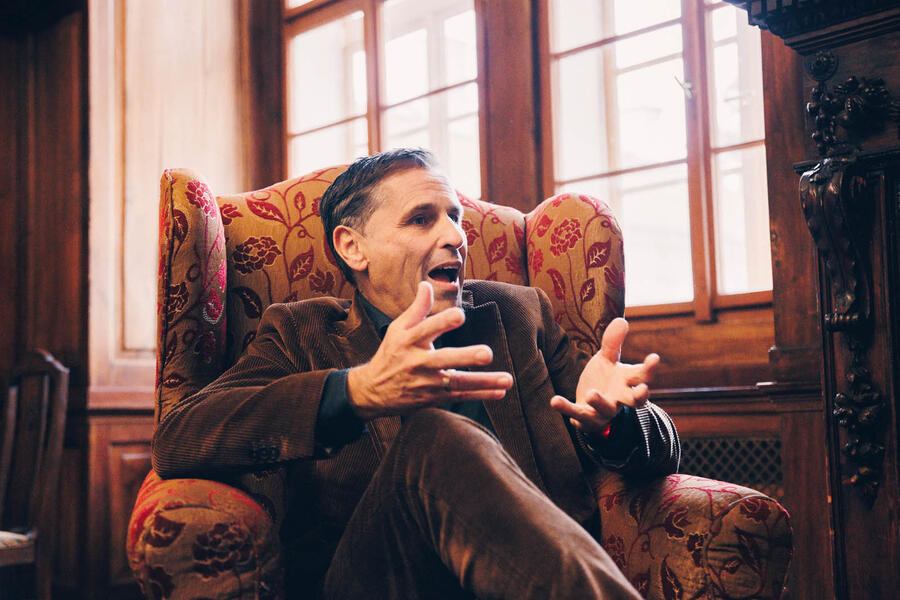
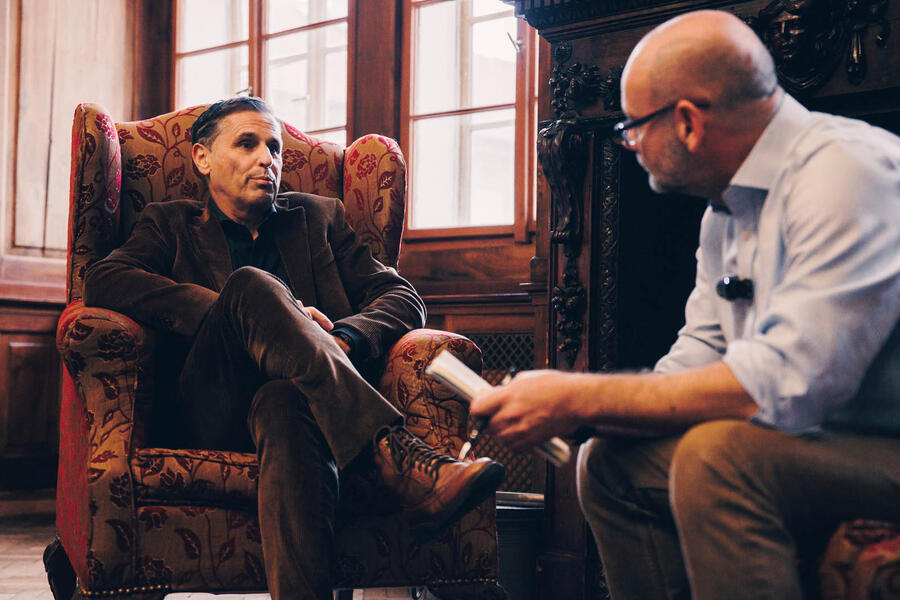
But it's a wonderfully atmospheric old room and the acoustic is lovely. And given I'm recording my talk with Skoda's CEO Klaus Zellmer, into the library's comfortable armchairs we settle.
It's almost a given that big company CEOs are straight-talkers, but Zellmer brings a warm approachability, too. Maybe it's the brown corduroy suit and wing-backed chair combo, or the incongruity of a castle tour going on just outside the door-a party of pensioners ascend the stairs with hushed voices and wearing soft over-slippers. We're a mere half hour from Skoda's vast industrial complex in Mladá Boleslav, but with an open fire, wood panelling and a legion of hardback books, that all feels a world away. Skoda's oldest cars would look totally in place around here. One is outside, in fact. It's a good place to talk heritage.
One hundred and thirty years, then, Klaus? "It puts us in the top three most historic car brands in the world," acknowledges Zellmer. "The only two above us would be Peugeot and Daimler-Benz. The legacy is really important, whenever you look at the product line-up. Whenever I go into the museum, or we call it the vault-which is where we store cars that are not perfectly restored or are yet to be restored - there's nothing that Skoda has not done yet, be it a pick-up truck, be it convertibles, be it air-cooled engines, all the motorcycles. There's such rich heritage you can discover wandering around the museum and the back offices and archives. And of course this is an obligation for us as the management to make sure that Skoda has a future for another 130 years."
Skoda goes into the next century and a bit in pretty good health. Zellmer, previous stints at Porsche and within the Volkswagen Group plus studying in Swansea behind him, has overseen a continued uptick in the company's fortunes since being appointed CEO in 2022. Skoda is now the third-best-selling brand in Europe.
"Coming from 2022 when we were 10th [in Europe , this is a long way," he explains. "As you know we had to give up on Russia, which was a very important market for us, so we needed to compensate for that. So our focus outside lies on India and the ASEAN region [the 11 member states of the Association of Southeast Asian Nations], while China is actually not on our top list any more in activities and investment. So despite that, being number three in Europe is something we can be proud of ."
In 2023 Skoda was given the responsibility for managing the VW Group's sales in ASEAN countries, and it doubled its sales in India last year, for which it designs cars and builds them there. And yet in Europe, too, its sales are increasing. The UK is its third-biggest global market: it sold 78,000 cars here last year.
Skoda will make around one million cars this year, but while it's one thing to sell a lot of them, it's another to turn a profit. Multiple firms, especially those in the budget or mainstream area, have found themselves making cars but no money. Skoda returns 8% operating profits and isn't ashamed to say it. How is it possible?
Zellmer says: "To start with, we are producing most of our cars in the Czech Republic, where factor costs are lower: personnel costs, costs of energy. And we have less bureaucracy, which is something that burdens other parts of Europe massively. The Czech Republic remains outside the eurozone, and while Skoda's factory employees are among the best-paid manual workers in that country, it remains an affordable place to be."
"So we benefit from that, but that's just one side of it," he continues. "The other side is that we of course have an efficiency programme where we lift a cost efficiency of €1 billion [£881 million] every year, in a running system. When I talk to my colleagues, I always talk about a sports team that has won a title, with 8%, and successful sports teams want to defend a championship. What do they do? They train harder, and that's what Skoda has embedded into the culture."
Still, Skoda is not a luxury car manufacturer, and some of those don't return these kinds of profits. Skoda is no longer a maker of 'cheap' cars, but if it were a UK consumer, perhaps we would refer to it as 'the squeezed middle'. That it continues to be a tremendous success in the face of new budget entrants, particularly Chinese ones, is particularly impressive.
"Some of those brands might stay, some of them not," says Zellmer. "As a brand that has been around for 130 years, we are not on everybody's shopping list, but the awareness is there, and that is a starting point It's relevant. New entrants need to make up for not having a legacy; they have to prove they're here to stay, and that's something you connect with Skoda: we're here to stay, we're here to connect with our customers, we are here to consult with our customers, to help if something goes wrong, to help if they have questions."
A personal touch? From a £25 billion company? Zellmer says it like he means it, and the company does routinely score highly in customer satisfaction surveys. "Very recently I missed my connecting flight to Prague," says Zellmer, with some exasperation, "and I had to talk to machines, trying to find out how I'm going to arrive where I need to be. It's wonderful to have human beings who will take you seriously and put some effort behind it, and this is where we are with the Skoda dealer network. It's human beings helping human beings, and this is an important part of the Skoda brand."
I like the phrase 'the dealer network'. Where so many companies talk 'outlets', 'centres' or some other synonym to make things sound less transactional, there's a straightforwardness to the notion of a dealer network: it implies people talking to customers. Maybe it's a cliché, but when Zellmer says "we always put our customers in the forefront", it feels genuine. "Our portfolio needs to be wide for an audience that wants to be responsible for their own decisions," he says. "We are not the ones that in an almost ideological way talk about battery-electric vehicles; we just build really good ones, and if consumers like them, they buy them."
While Skoda doesn't have individual models offered in both battery-electric and combustion-engined form, combustion and electric cars roll down the same production lines as each other, so the company retains a lot of flexibility in how many of each are made. The short of it is that, while Skoda's EVs are doing well, EVs in general are not selling as quickly as some companies hoped or, notably, legislators wanted.
"It is an evolution," says Zellmer. "We respect customers' preferences and cater for customer preferences, not an ideology. Of course we need to stay CO2 - it's a regulation we will adhere to, and we are on a good trajectory to meet CO2 compliance in the EU.
But he adds: "When in 2019 the forecasts were fixed on what the trajectory to a CO2 neutral automotive industry had to be, I think we were too ambitious. I hear a lot about the responsibility being on car manufacturers. However, at the end of the day consumers make their choices, so if you look at the trajectory we have achieved so far, to stay with 2035 as the stop for ICE technology in new cars, it's probably over-ambitious. And if you see something you have got wrong in your forecast then you have to correct it, and this is what we ask for as a car industry, and as VW Group. We need to revisit assumptions about when an end to combustion technology in new cars is still reachable ." Zellmer isn't the first car boss to say this, but when the company is this successful it carries more weight.
Also on the future, there is a subject close to the heart, one suspects, of the UK reader and enthusiast: the estate car. Skoda is an SUV/crossover builder as much as the next car maker, but still, it has form. "We have had many people asking us about the future of the sedan, limousine, combi [estate] segment," says Zellmer, "especially from the UK.
"This is a situation that is very specific for Skoda, because since 2016, despite the fact that the typical limousine/estate/sedan-shaped cars are actually on a downward trend [many car makers have ditched their large estates , we are on an upward trend with Octavia, especially combis, and the Superb combi. Actually since the most recent generation, we have sold over three million Octavia combis and over 600,000 Superb combis. We are the most relevant player in the segment, and these cars make up 20% of our overall sales volume."
Skoda most recently made headlines with the Vision O concept estate car. "That's clearly an evolutionary step of our Modern Solid design language, a car that is clearly identifiable with that kind of segment," says Zellmer. But its path to production won't be straightforward.
"We have a challenge there, because the typical range of combi drivers, mostly commercially engaged with these cars, is 30,000-40,000km a year," he explains. "So with the Vision O we have got to go onto the platform after the MEB platform, and that new platform will then of course offer electrified drivetrains, which could be purely electrified, but they could also be any other shape or form: PHEV, range extender or whatever.
"We're going to keep that platform open for long-range driving. Yes, battery charging times they will go down, but for the foreseeable future they will not be where you are able to refuel your car at the petrol station in a matter of two, three or four minutes. So we need to put emphasis on the fact that people require a long range with those cars, and that's why we're looking at the beginning of the 2030s for the Vision O to be on sale."
The car, then, will come. "We own that segment," notes Zellmer. And if Skoda carries on listening to its customers like it has been doing recently, it will keep making what they want for the next 130 years.
One hundred and thirty years: by any measure it’s a fair stretch. Beyond any single human’s existence, it’s a passage of time that’s hard to get your head around.
It’s almost ancient history. So any company, organisation or institution that makes it this far deserves a pat on the back. For two to get to the same milestone at more or less the same time demands nothing less than a celebration, which is why we’re here today.
You see, back in 1895, in a small town called Mladá Boleslav, located in what is now the Czech Republic, an enterprising bookshop owner called Václav Klement teamed up with meticulous engineer Václav Laurin to set up a factory making bicycles.
If their surnames seem familiar, it’s because they’re now used to identify the flagship models of the car company that quickly grew out of this fledgling pushbike arm: Skoda.
At the same time as the Václavs were bolting together their first bikes, over here in the UK the very first issue of The Autocar appeared hot off the presses. Like Laurin & Klement’s formative years, this magazine owes its existence to the bicycle, as its founding owners, Illife, Sons and Sturmey, made their name as publishers of The Cyclist.
Spotting the potential of the new-fangled four-wheeled horseless carriage, they joined forces with automotive entrepreneur Harry Lawson to launch a periodical dedicated to the new transportation technology.
Fast forward 130 years and both concerns are still going strong and are bigger and better than their early owners could ever have imagined. So what better way to celebrate than with a road trip? But where shall we go? A trip from Skoda’s home in Mladá Boleslav to Autocar Towers in Twickenham would be the obvious choice, but instead we’re heading from central London to Coventry. Why?
Well, as we will see, both of these locations played a significant role in our birthday pair’s history. While Laurin & Klement started out making bicycles, by 1898 it had turned its attention to the internal combustion engine and motorcycles.
Seven years later, it launched its first car, a small two-seater called the Voiturette A. Powered by a 7bhp 1.0-litre twin-cylinder engine, it set the company on a path to becoming the biggest car manufacturer in the Austro-Hungarian Empire.
In fact, by 1908 Laurin & Klement had become successful enough that it started to establish overseas sales offices, including one in the UK (there were also outlets in New Zealand, Russia and Japan), which is why we have started our journey on a busy Monday morning on bustling Tottenham Court Road in the centre of the capital.
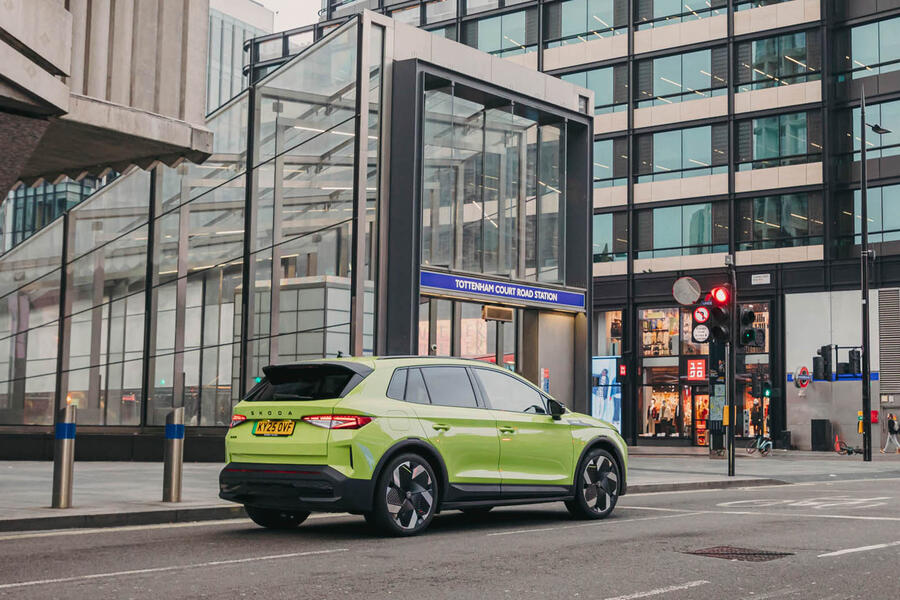
It was here in 1909 that The Autocar’s testers visited the Bohemian brand’s depot and sampled three of its new models, concluding that “the Laurin & Klement car will soon increase rapidly in popularity”. Of course, when we arrive today, there’s no trace of the company’s pioneering showroom (255 Tottenham Court Road is now a branch of health food retailer Holland & Barrett).
More to the point, we can’t even get near the old site in a car, because camera-controlled traffic restrictions mean only buses, cabs and bicycles are welcome on this stretch of road after 8am.
With commuter traffic building, we satisfy ourselves with some pictures outside the tube station before turning our noses north. The traffic is now moving with all the speed of treacle through a straw, as cars, buses and black cabs jostle with pushbikes and pedestrians for increasingly limited space.
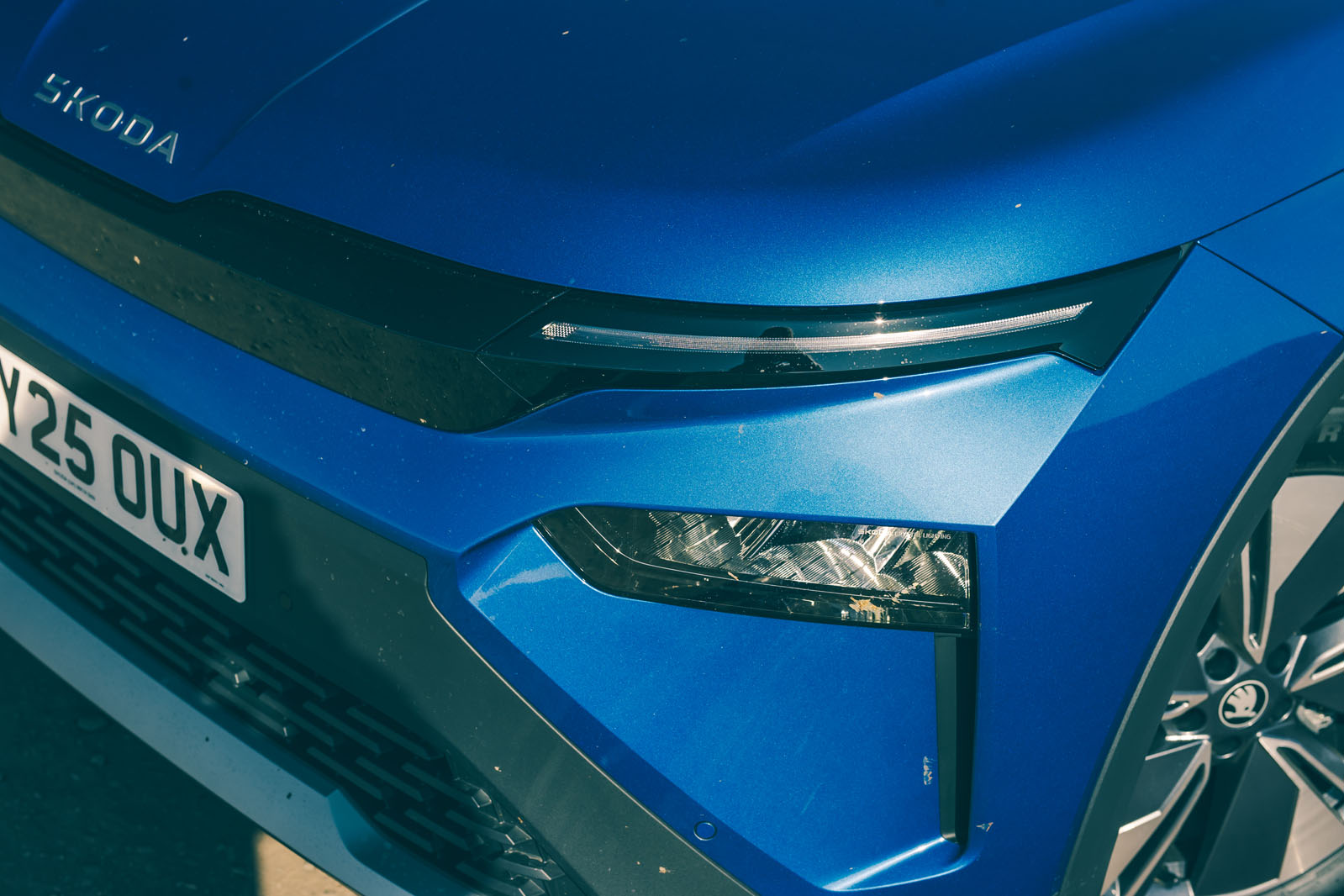
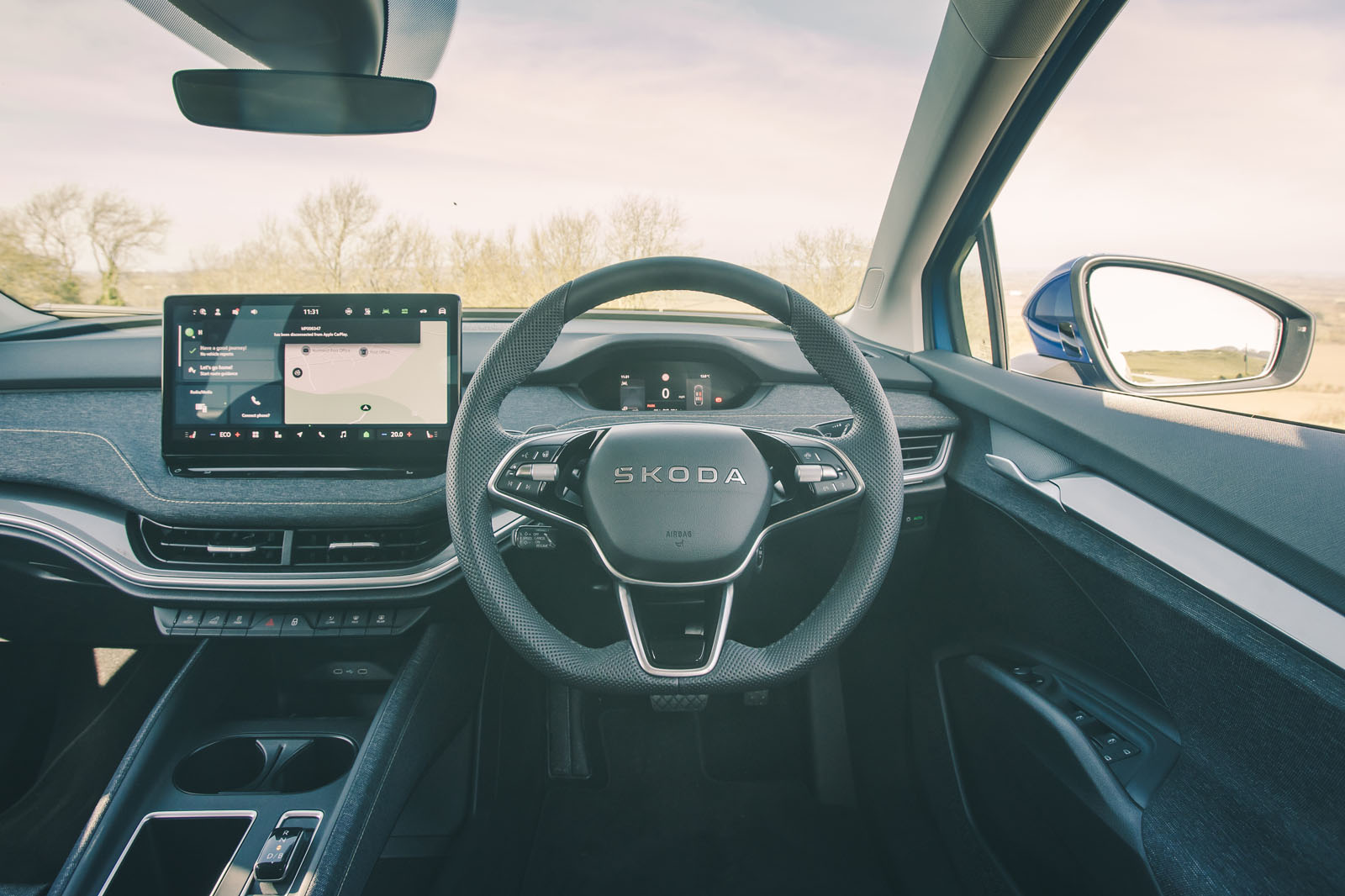
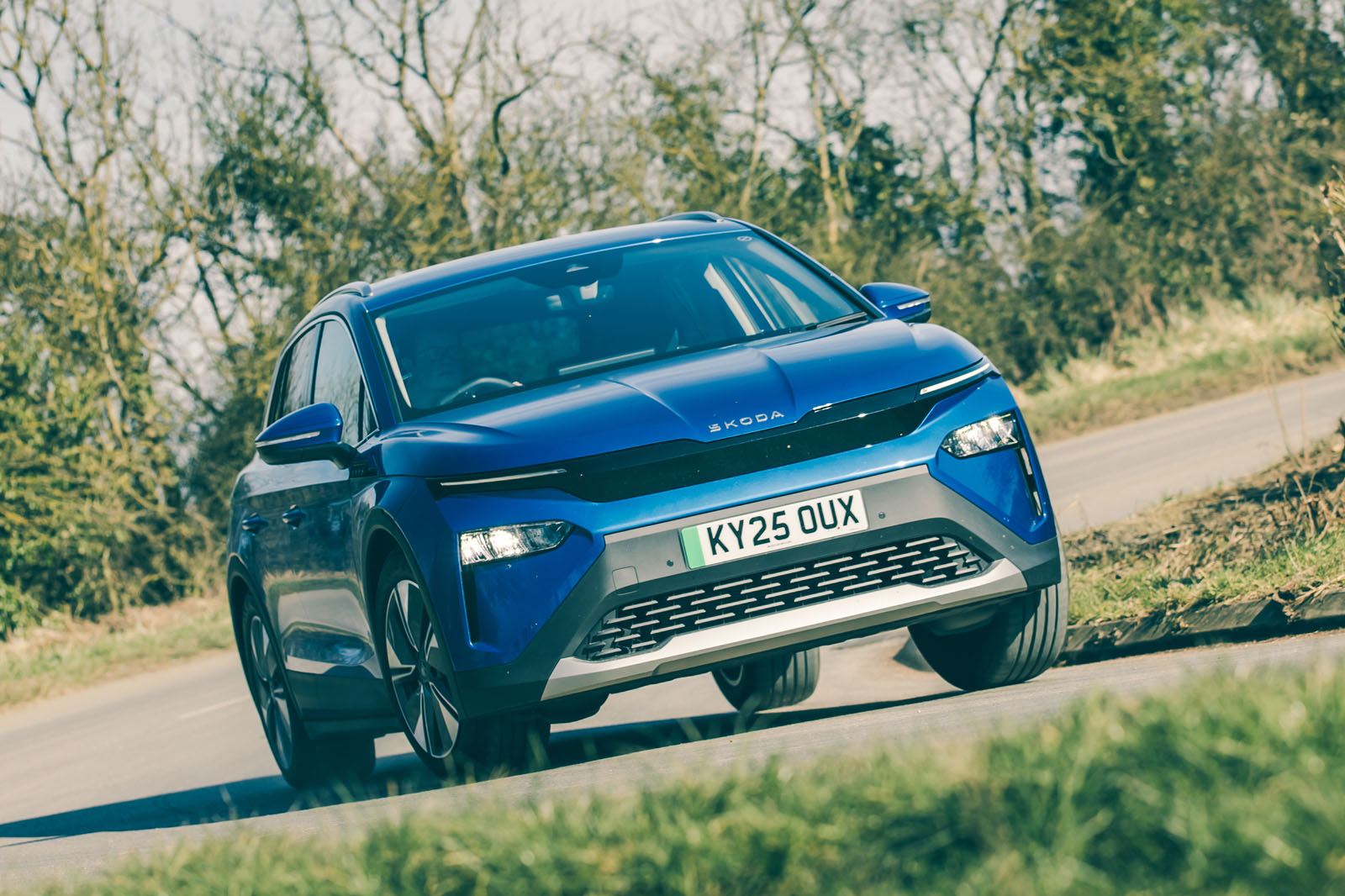
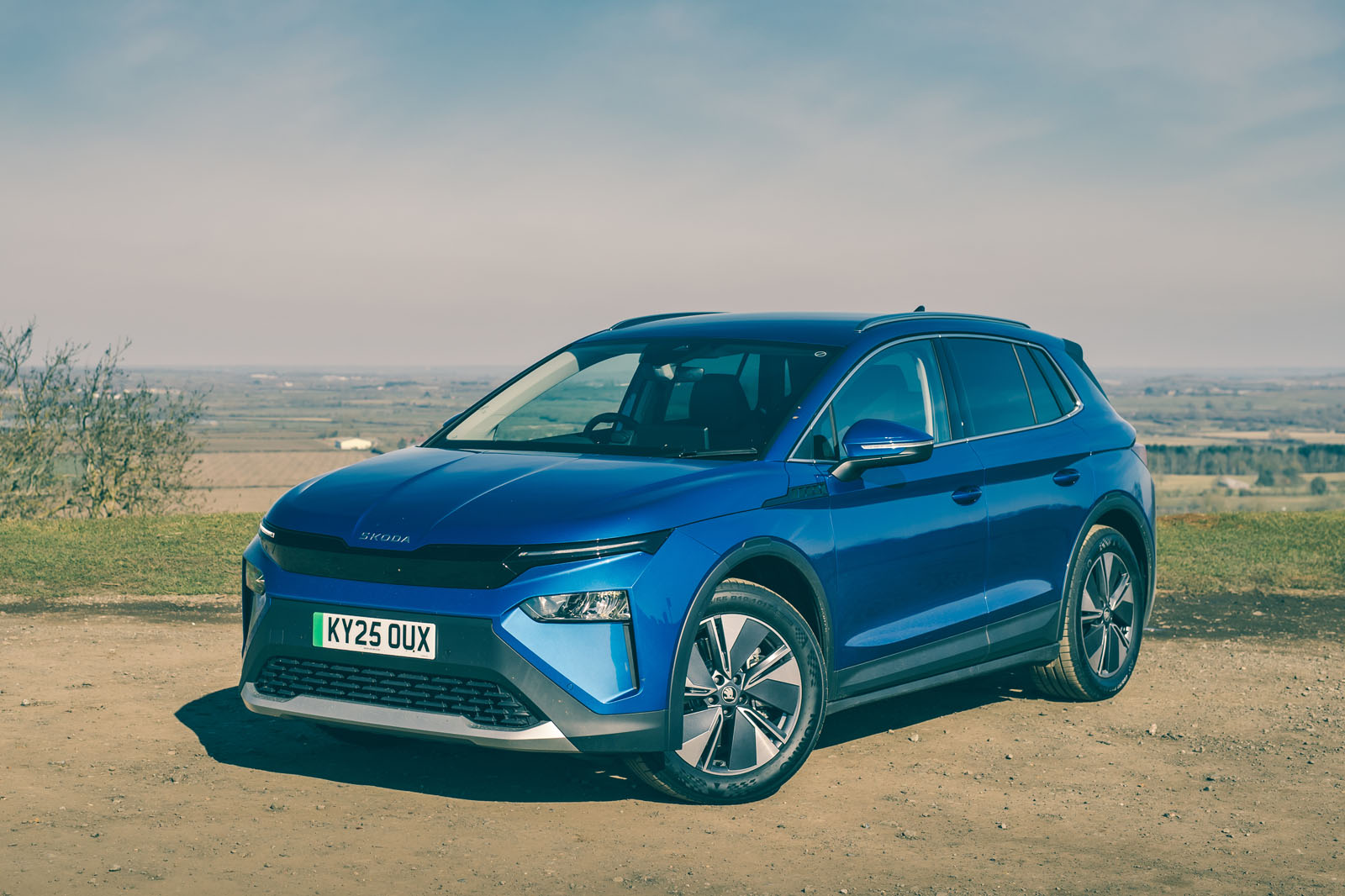
It’s the sort of situation that should spike blood pressure and fray tempers, but the cabin of our electric Elroq vRS is actually an oasis of calm. With 335bhp, the vividly coloured crossover is Skoda’s most potent offering ever, yet with its smooth and silent power delivery, supple adaptive dampers and subtly elevated driving position, it’s making our stuttering progress far more bearable.
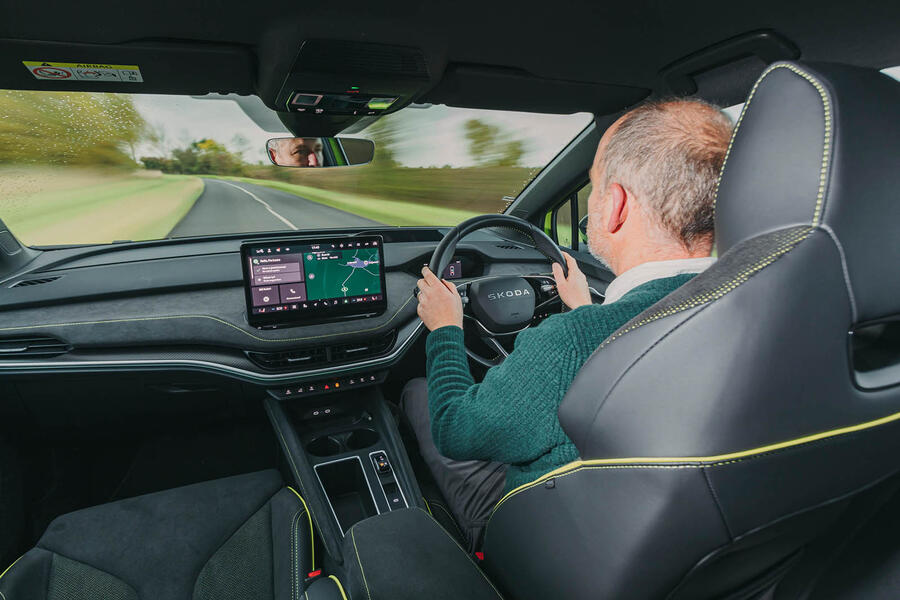
As we make slow progress out of London and towards the M1, it gives us more time to ponder the car maker’s remarkable story. For the next decade or so, Laurin & Klement continued evolving its cars, sticking to the same principle of producing high-quality but fairly traditional saloons.
The onset of the First World War meant it diversified into military vehicles and agricultural equipment. Then in 1925 the founding partners struck a deal with the Skoda Works, and at the following year’s Prague motor show the new ‘Skoda’ brand was unveiled, with the Type 150 roadster being the first bespoke model to proudly wear the winged-arrow logo.
Just under a decade later, some familiar names started to appear in the form of the Rapid and Superb, part of a family of cars alongside the aptly monikered Popular that featured a relatively light and strong tube-frame chassis and OHV engines.
Yet just as Skoda was getting into its stride, the outbreak of the Second World War meant Mladá Boleslav was once again commandeered for military work.
When hostilities ended in 1945, Czechoslovakia became part of the post-war communist bloc and Skoda was effectively taken under state control. Largely cut out from the rest of Europe, the company continued to make cars and, despite being isolated in engineering terms, models such as the Octavia and Felicia carried on Skoda’s tradition for quality and style.
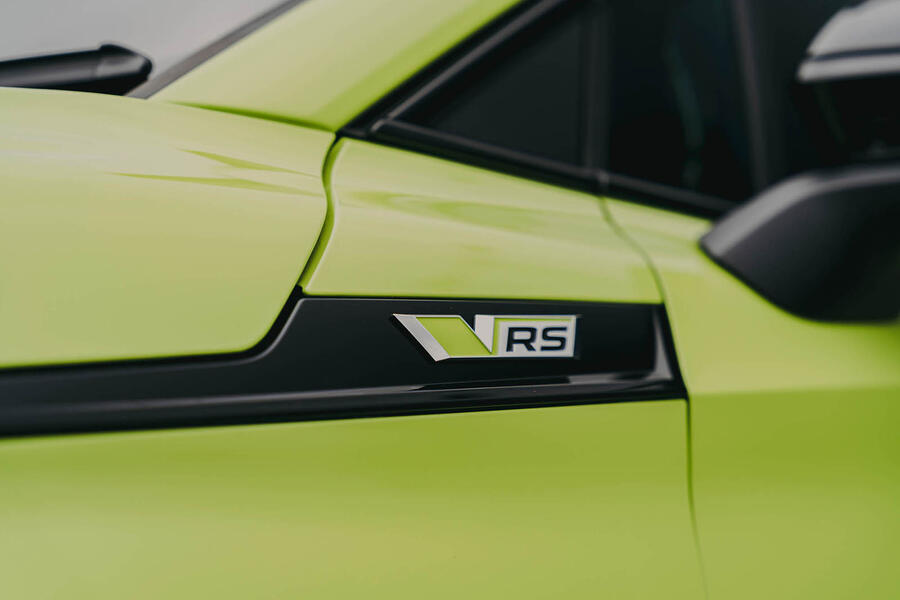
We have managed to fight our way to Staples Corner and the bottom of the M1, and as we get to the head of the queue at the traffic lights, the motorway’s entry slip road stretches temptingly before us. Finally, we get the green signal and the Elroq vRS is unleashed, the dual-motor four-wheel drive system catapulting us away from rest with real neck-straining energy. With a 5.4sec 0-62mph time, this is the fastest-accelerating machine Mladá Boleslav has ever bolted together.
Once up to speed, it’s the refinement that strikes you, and the loping ride. The large, 21in alloys can cause a little crashiness over sharper imperfections, but with the dampers set to their plushest and the figure-hugging seat supporting you in all the right places, the Elroq vRS does a remarkably fine impression of an executive express.
Construction of this southern stretch of the M1 started in the mid-1960s, by which time this magazine had lost its definite article to become simply Autocar. Our industry-leading road tests had also been a weekly staple for more than three decades, with quite a few Skodas being subjected to the testers’ timing gear and tape measures. Even so, Mladá Boleslav’s motors remained a niche choice for buyers, who preferred their wheels to come from established brands this side of the Iron Curtain.
Then, in 1964, Skoda launched the 1000MB, a quirky, rear-engined family saloon that caught the imagination of budget-conscious overseas buyers. When we ran the rule over the car in June 1965, we declared it comfortable, “unusually well equipped” and offering “good economy”.
However, that rear-engined layout and swing-axle rear suspension meant that on-limit oversteer was also the order of the day. Still, the most important thing was that the 1000MB became Skoda’s first car to hit a million sales, encouraging the firm to follow this template for future models over the next two decades.
Moreover, it marked Skoda out as an eastern European brand that did things differently. While fellow state-run manufacturers such as Lada (of the USSR) FSO (Poland) and Yugo (Yugoslavia) raided the Fiat back catalogue, the men and women of Mladá Boleslav followed their own path.
By the 1970s, Skoda had almost entirely gone the rear-engined route, refining the concept into the stylish 110R coupé and then the all-new Type 742. On the showroom floor, these were known as the 105 (1.0-litre) and 120 (1.2-litre). Here in the UK, they were christened the Estelle.
Much more modern in looks and with the handling tamed, they offered the reliability, quality and warranty of a new car but at the price of a smaller second-hand machine.
Of course, for many this era of Skoda is defined by the jokes. As the excess-all-areas, aspirational 1980s took hold, these cheerful Czechoslovakian offerings became the punchline for comedians looking for a cheap laugh.
Yet for those who actually drove the cars, the reality was rather different. Sure, they couldn’t match the best in the West for ultimate sophistication and comfort, but they were solidly built, packed a decent haul of kit and had genuine space for the family.
Towards the end of their life, they were even entertaining to drive. Really. In 1988, we went as far as placing a 136 Rapid Coupé on the cover under the bold headline: “What handles like a Porsche, costs only £4200 and is more fun than a GTI?” Words very much unminced. That year was significant for other reasons too. For starters, Haymarket, Autocar’s publisher since 1984, made a winning bid for weekly archrival Motor, creating the slightly clunkily titled Autocar & Motor (surprisingly, the name stuck until September 1994).
Over in Mladá Boleslav, there was also a radical change in direction. After decades of slavishly sticking to its outrigger engine philosophy, Skoda joined the rest of the world in launching a bang-up-to-date, front-wheel-drive, five-door family hatchback. More to the point, it called on a few influential Western names to give its new creation a fighting chance in its determined effort to join the mainstream. Called the Favorit, it featured crisp Bertone lines, an all-new, all-alloy 1.3-litre engine and, incredibly, suspension honed by Porsche.
The result was a remarkably capable machine that offered family car space and versatility at a supermini price.
When we put the Favorit through its road testing paces in 1989, we concluded that the new Skoda was “a well-balanced car with a thoroughly competent chassis and a willing engine. The Favorit represents a big step forward.”
We have peeled off the M1 and hooked up with the A5 as we set a course for Milton Keynes, Skoda’s UK home. There’s symbolic value in this destination, because the Czech firm shares its HQ with other members of its parent company, the Volkswagen Group.
You see, Autocar wasn’t the only institution to sit up and take notice of the impressive Favorit at the end of the 1980s: the suits at Wolfsburg were eyeing the new car appreciatively too. With the collapse of the Berlin Wall and the opening up of eastern Europe, the Czechoslovakian government saw an opportunity to sell off some state-owned assets, including Skoda, in return for some much-needed cash.
In return, Western firms got access to new markets and a skilled but lowercost workforce. Initially six European arms showed an interest in taking a stake in Skoda, but in the end Volkswagen came out on top.
Vowing to preserve the name, invest heavily and retain design, engineering and production at Mladá Boleslav, at the end of 1990 Volkswagen was offered a 30% stake in Skoda, with an option to increase it over the next decade. By the end of 1995 the German company owned 70% of its Czech mate, finally taking full control five years later. Moreover, it had made good on its promises – and then some – as Skoda began to thrive under its new custodian.
The first fruit of this partnership was the Felicia, which was essentially a heavily facelifted Favorit that had plenty of Volkswagen input in terms of both its design and construction. Offering a big increase in levels of kit, safety equipment and perceived quality but with the same Skoda value, it was a big hit with buyers, who appreciated its mix of durability and pennypinching running costs. It was followed by the Octavia in 1996, the first clean-sheet design to appear from the minds of Mladá Boleslav.
Based on the ‘PQ34’ platform that underpinned the first-generation Audi A3 and the Mk4 Volkswagen Golf, it delivered levels of sophistication never before seen on a Skoda, while its combination of space, practical design touches and attractive pricing set the brand on a path that it has not deviated from since.
As we said in the Octavia’s four-star 1998 road test: “There will be some who will never buy a Skoda instead of a VW or a Ford, come what may. But on the basis of this car, that will be their loss.” Nevertheless, even Skoda’s most ardent fans wouldn’t have imagined the evolution from that original Octavia to the Elroq vRS.
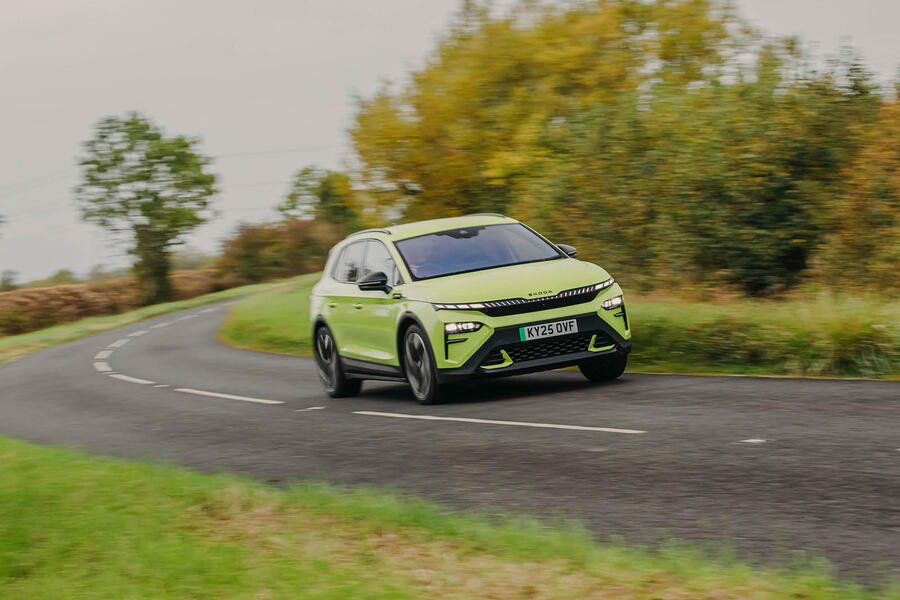
As we head away from Milton Keynes towards Coventry, this arresting-looking crossover has the chops to go head to head with some seriously premium competition – a fact that’s backed up by an asking price closing in on £50,000. Still, you get a lot of car for your money.
The spacious interior oozes upmarket appeal, and when we seek out some twisty Tarmac for our pictures, it lives up to its ‘Victory Rally Sport’ billing. Yes, it’s a two-tonne-plus EV, but with the dampers set to their tautest, the Elroq vRS can string together a series of corners with real poise. It’s not laugh-out-loud fun, but the precise steering, strong grip and blistering turn of speed mean this car is a devastatingly effective point-to-point practitioner. Enough fooling around: we need to get back on track.
Leaving the A5, we head for the M45 and then the A45, plotting a direct course for the heart of Coventry. Why here? Well, when Autocar started out 130 years ago, this was the site of our first offices. At the time it was the crucible of the British bicycle industry, and it would soon become the nation’s very own motor city, home to brands such as Alvis, Armstrong Siddeley, Daimler, Humber, Jaguar, Riley, Rover, Singer, Standard, Swift and Triumph.
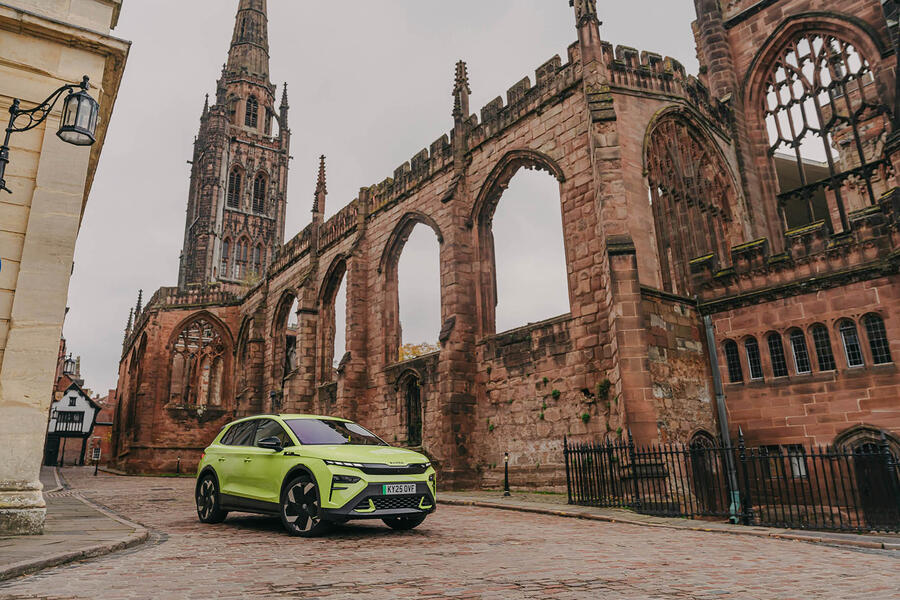
As we approach modern-day ‘Cov’, the concrete ribbon of its elevated ring roads and the brutalist bent of its post-war architecture mean it looks much like you would imagine the cities of Czechoslovakia would have at the height of the Cold War. Obviously, like Skoda’s original London base, Autocar’s old offices on Hertford Street have long gone, so we head for the city’s most enduring landmark: the old cathedral.
Sitting in the shadow of this poignant building, we reflect on how both our birthday subjects have grown way beyond their founders’ wildest dreams. Skoda’s line-up is unmatched in depth, variety and talent; the current Superb is among the few cars to have earned one of our coveted five-star road test verdicts.
And while Autocar continues to publish a magazine every week, there’s now the website, Autocar Business, podcasts and videos, although our mission remains as it was in 1895: to inform and report on the latest news in the car industry.
And while the automotive world is currently going through a period of unprecedented change, the future for both Skoda and Autocar looks bright. How bright? Hopefully as dazzling as the Hyper Green paintwork of our Elroq vRS.
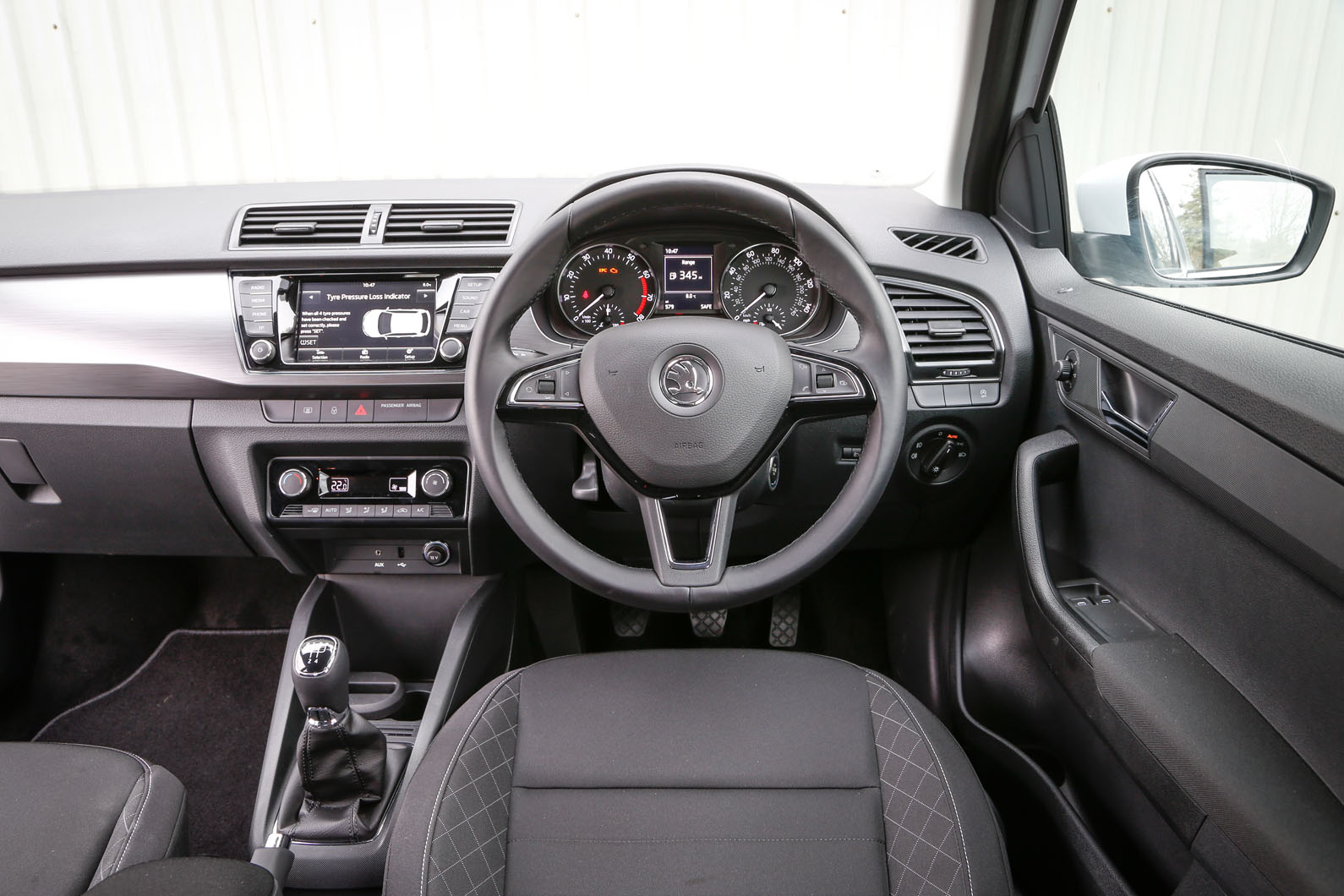
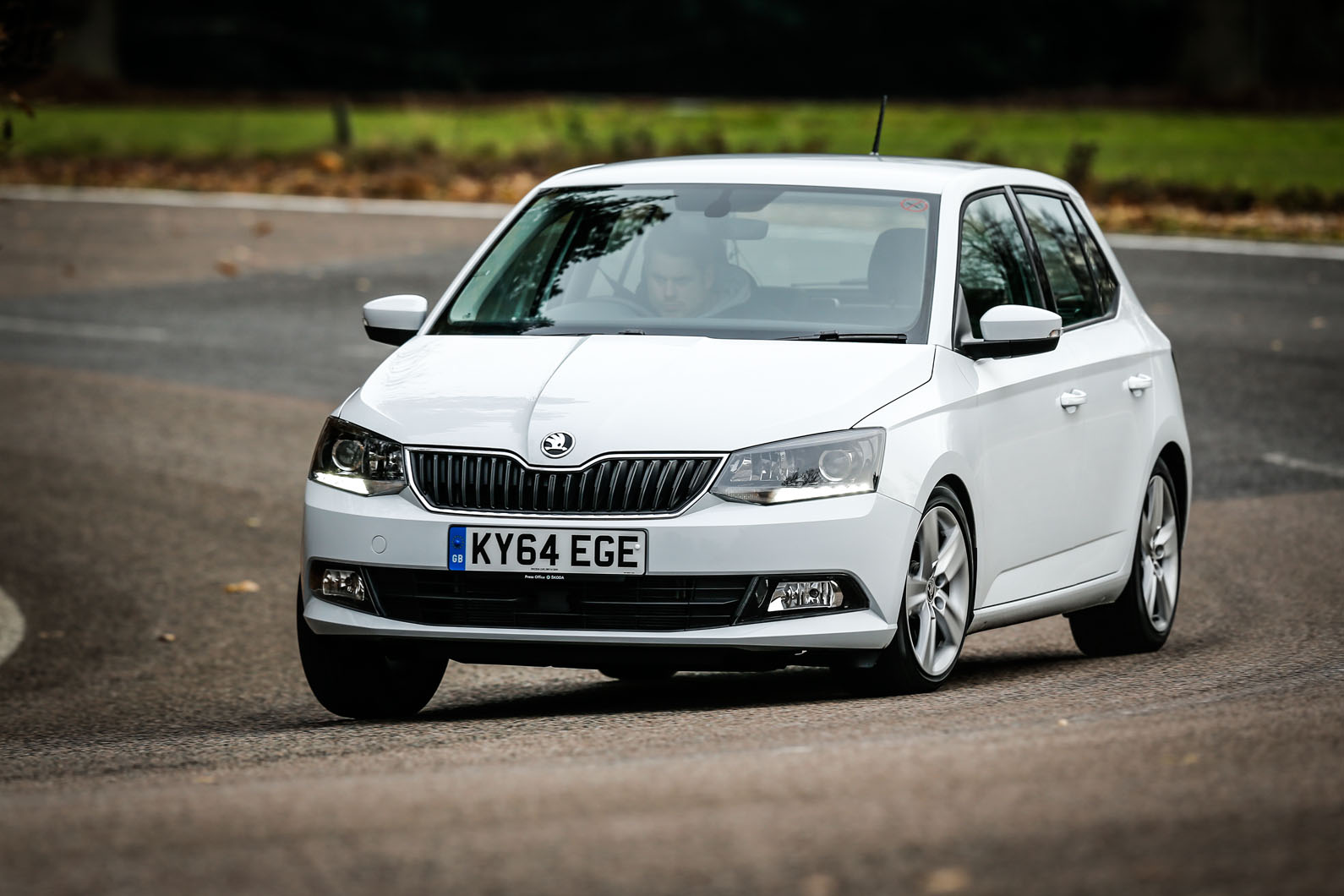
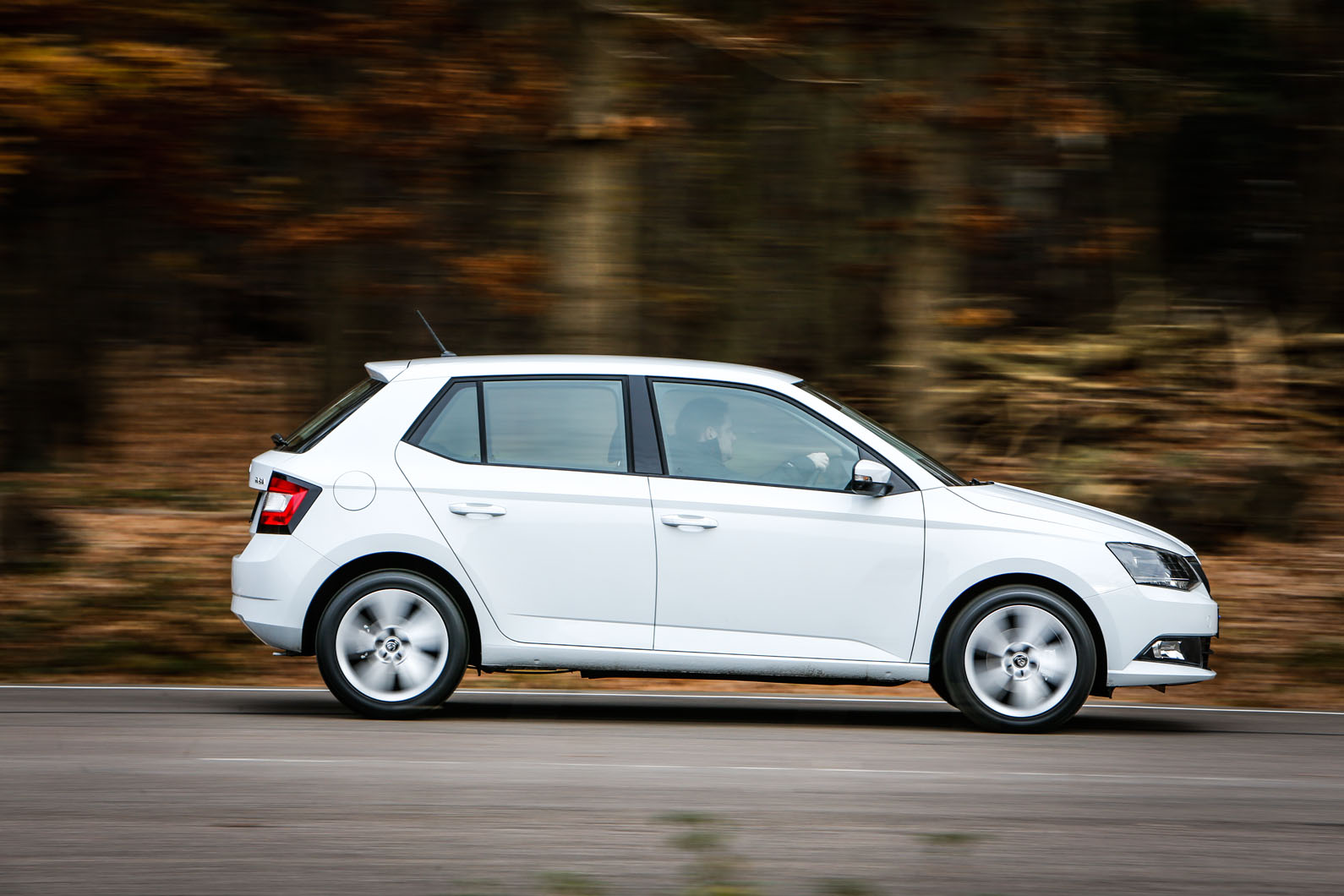
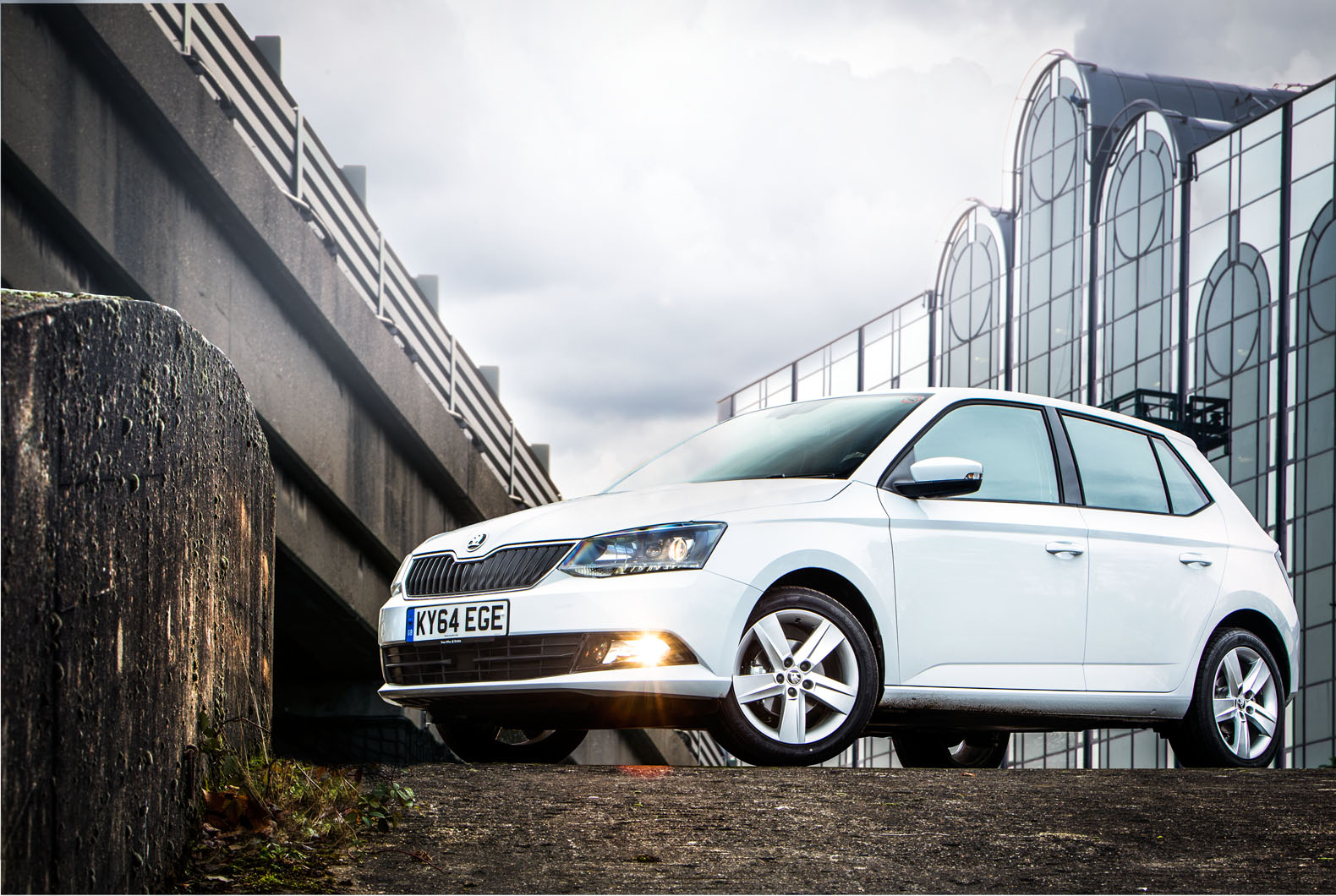
Mark Torok says his love affair with Skodas has, at times, got a little out of hand.
“There was a stage in my life when I was buying Skodas like other people buy groceries,” he admits.
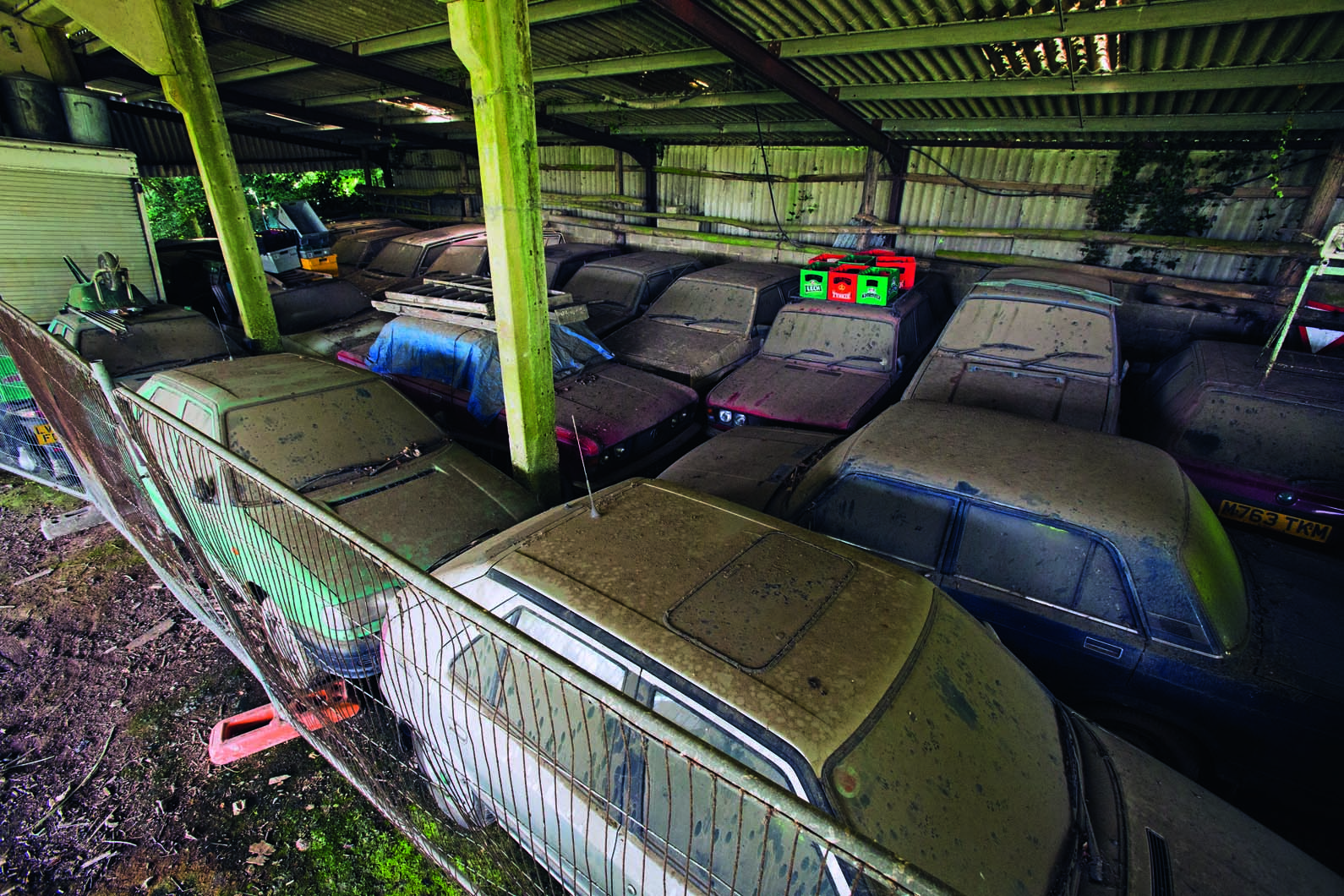
The Skoda enthusiast has amassed a collection of more than 70 cars for what he calls his ‘Skoda orphanage’, many of them dating from the company’s transition period in the 1990s.
The oldest is a 1973 S110 DeLuxe that Mark rescued from a scrapyard in the Czech Republic. The newest is a 2006 Skoda Superb V6 that he saved from re-export to eastern Europe. His favourite is an original ‘stretched Passat’ Superb of 2002.
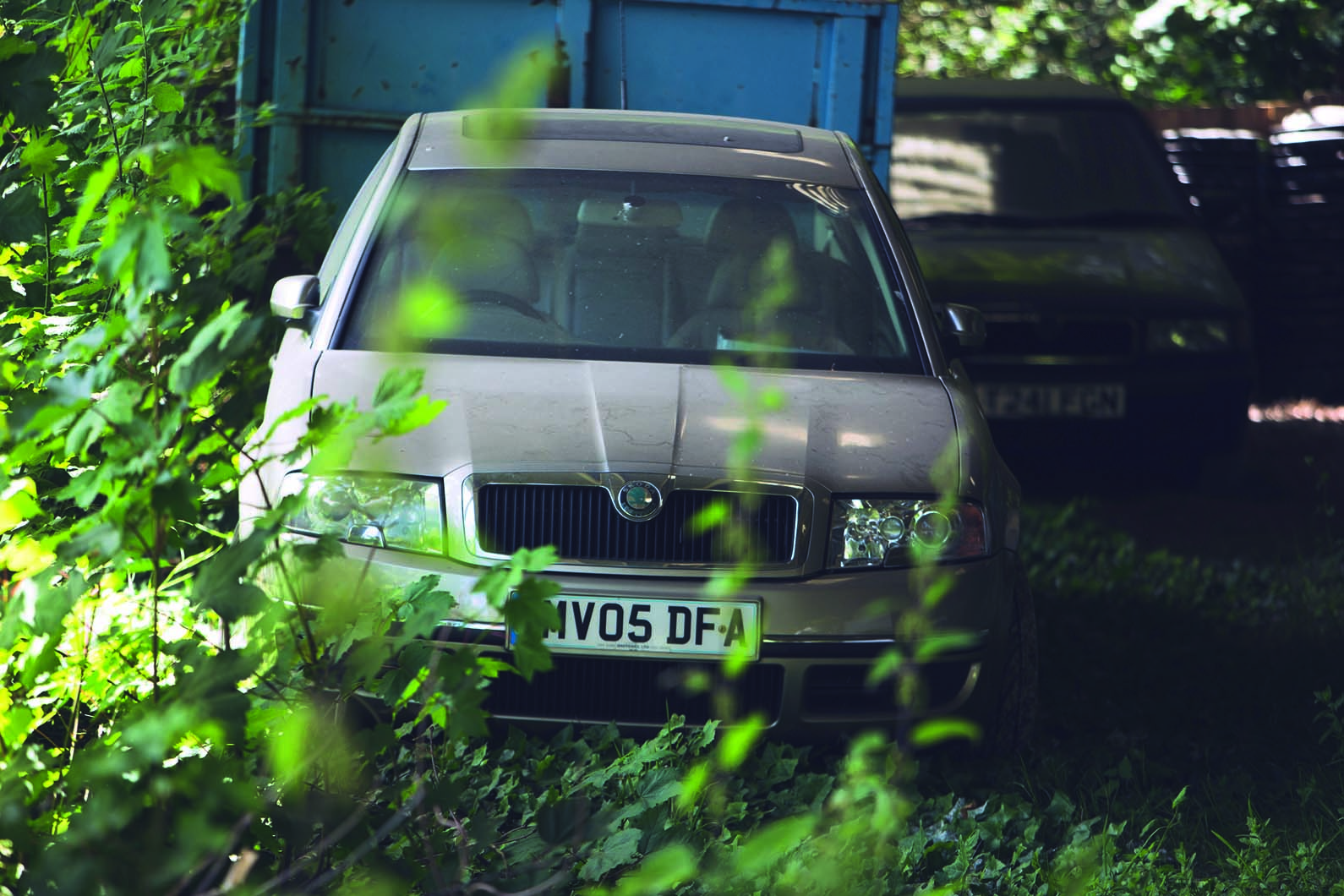
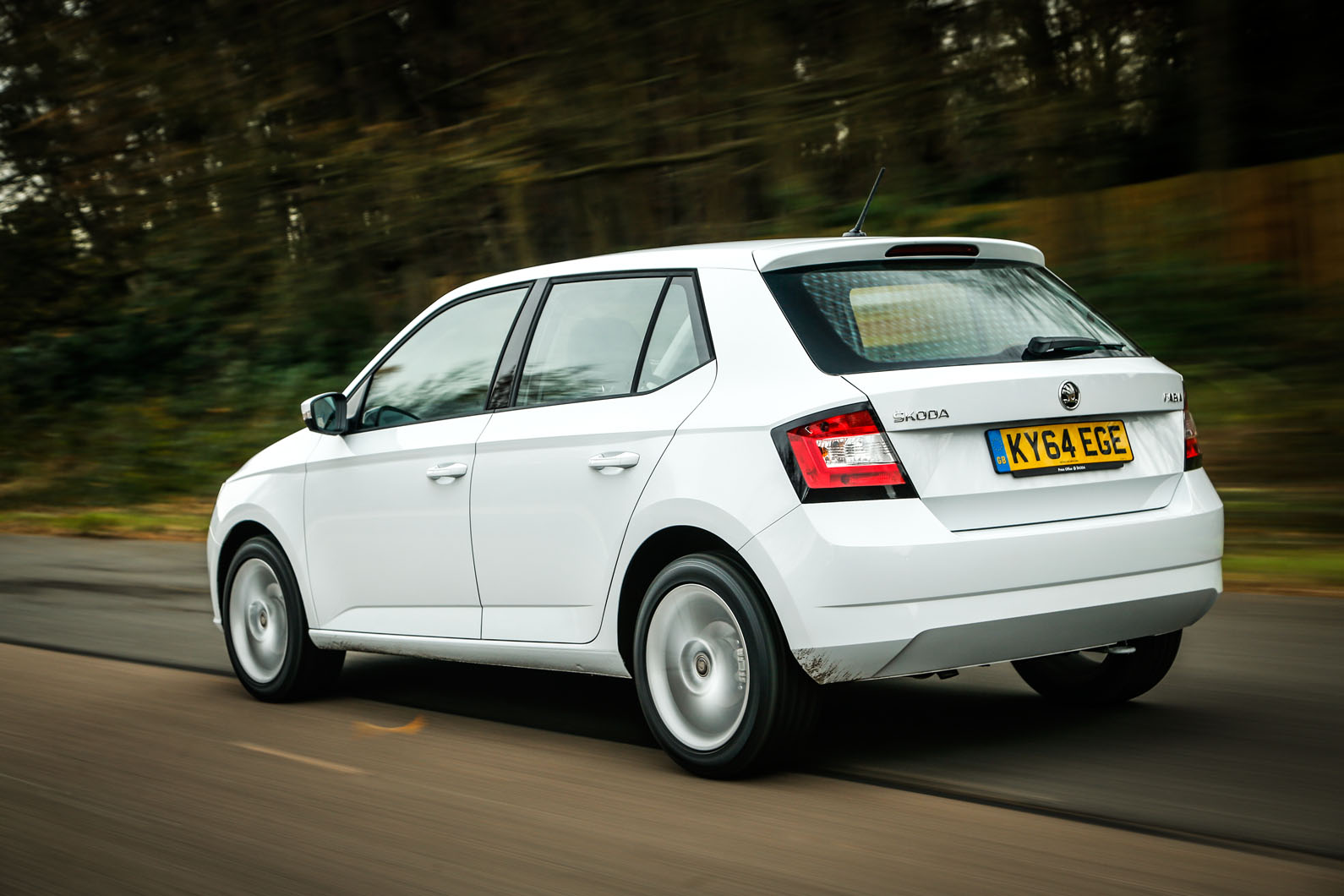
Mark says: “In the UK, people’s interest in Skodas stops at the Estelle and starts again with the Skoda Fabia and Skoda Octavia of the 2000s. Sadly, the Favorit and Felicia in between are trapped in that no man’s land of obscurity. That’s where I come in.”
Mark’s Skodas live barn-find style in assorted farm buildings but his aim is to get them together under one roof. For the time being, the main thing is that they are safely hidden away from the scrapyard.
Remarkably, most of them require just basic recommissioning and a good wash. Skoda can trace its origins to 1895 when it was founded as Laurin & Klement. It made its first car in 1905 and was renamed Skoda in the 1920s. A succession of well-regarded models followed until progress was interrupted by World War II. The firm barely recovered under communism and, by the 1980s, ‘Skoda’ was a byword for unreliability.
With the fall of communism and the arrival of new partner Volkswagen, things began to improve and a succession of impressive new models including the Favorit, Felicia and Skoda Fabia helped prepare the ground for the brand’s revival.
“My grandfather was the biggest Skoda fan going and got me hooked on the company,” says Mark. “It’s been fascinating seeing the firm develop and grow. I often wonder what he would make of it all now.” He says the UK scraps and wastes cars far too quickly and believes there’s never been a more important time to secure vehicles such as his Skodas for preservation: “People say I am wasting my time but my girlfriend Victoria says they are not thinking in the fourth dimension, as Doc Brown does in Back to the Future. She says I am creating a treasure trove that will delight future fans of the Skoda marque.
“The doors to my orphanage will always be open to any unwanted Skoda. I will be to Skoda what the Schlumpf brothers were to Bugatti!”