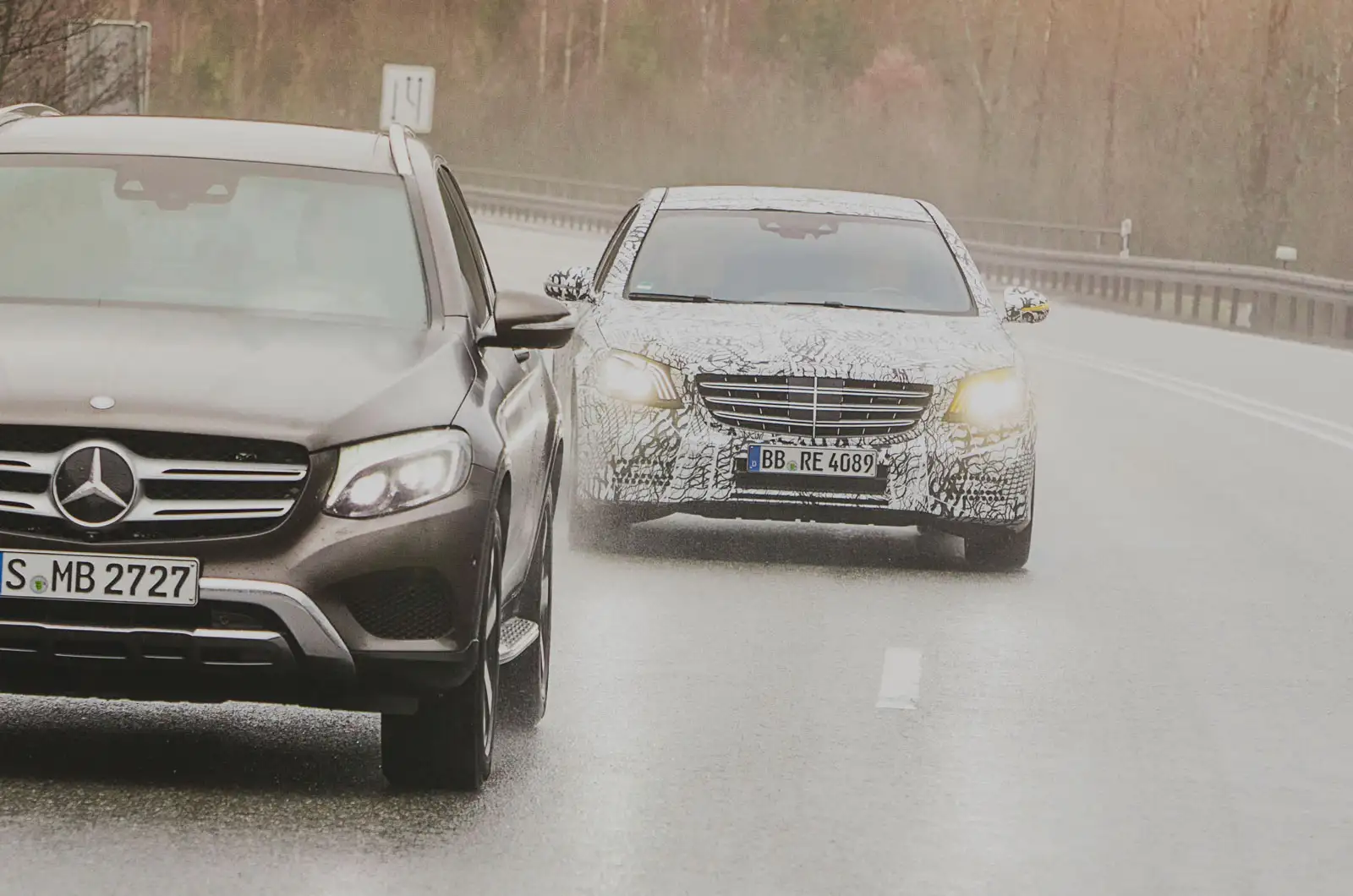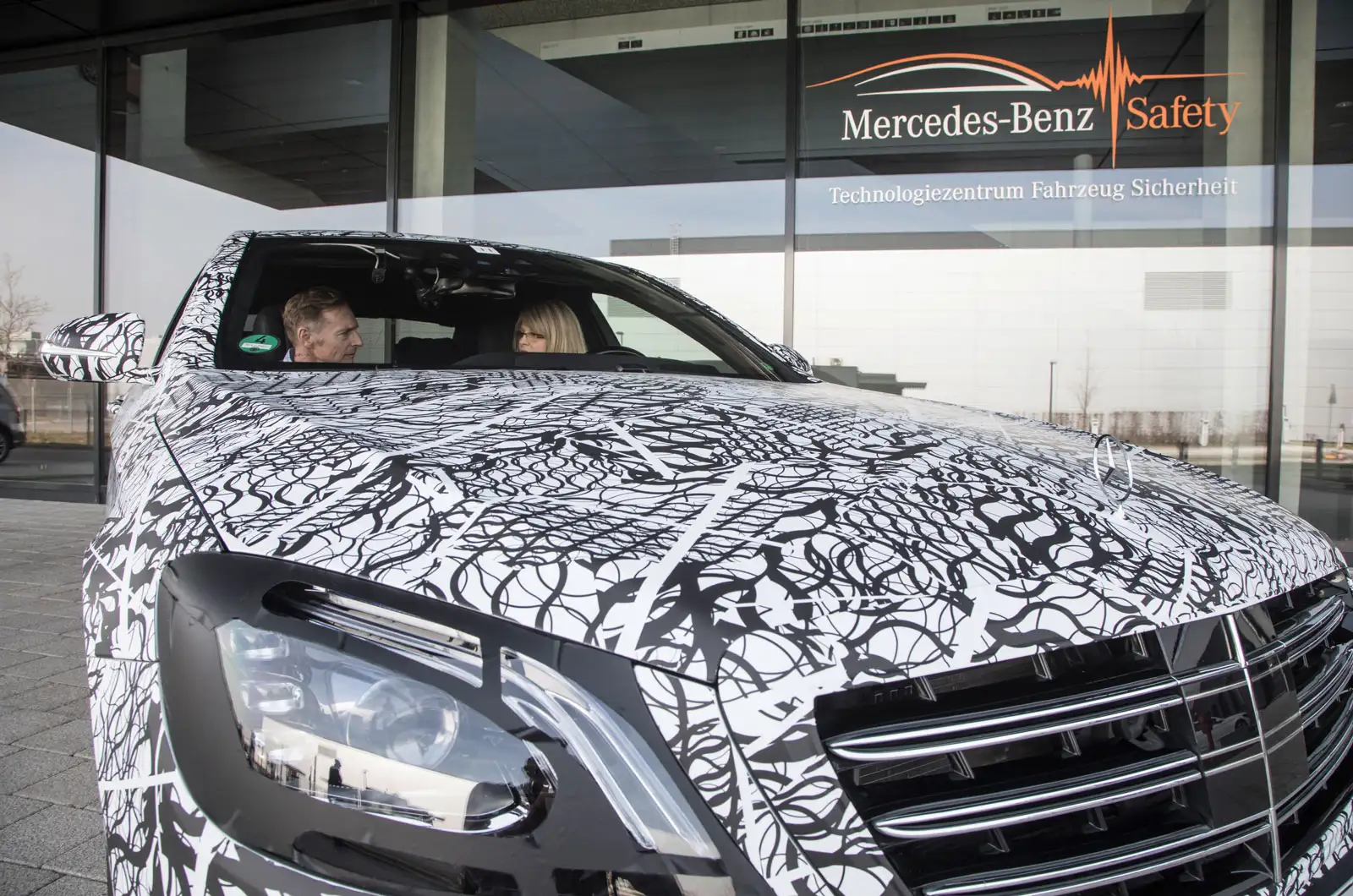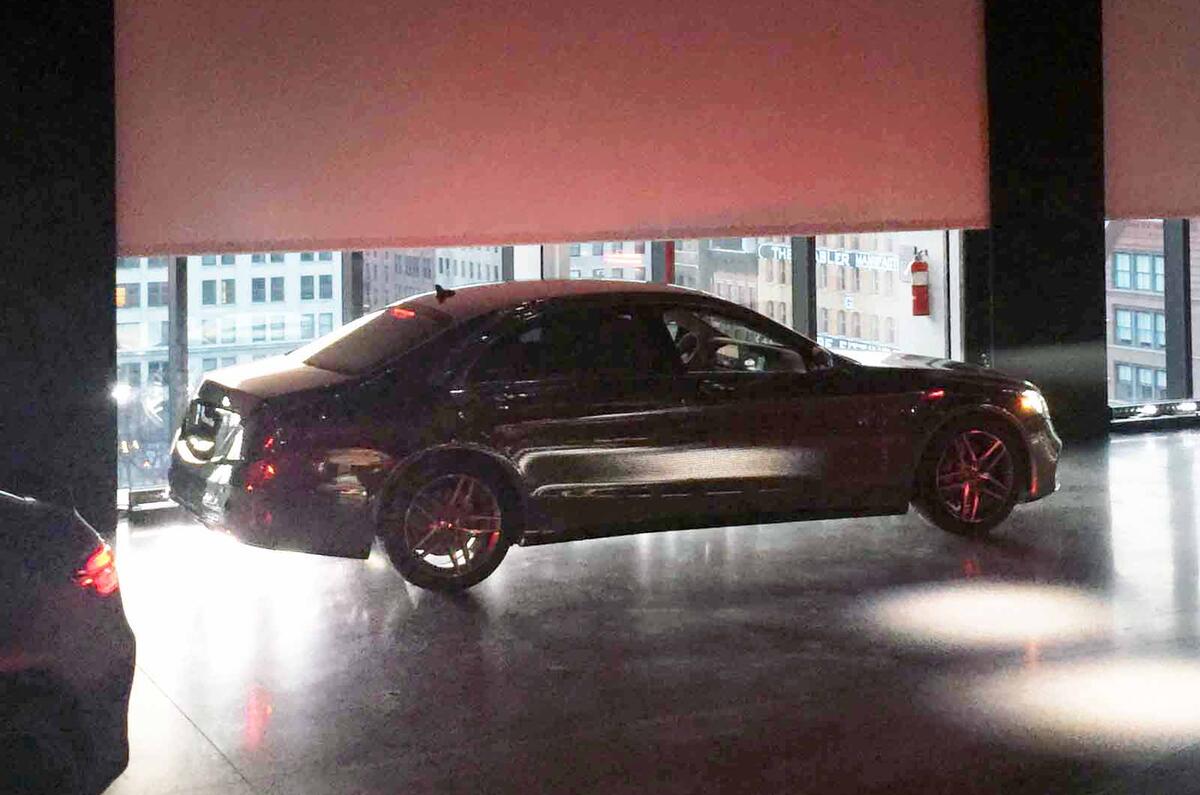
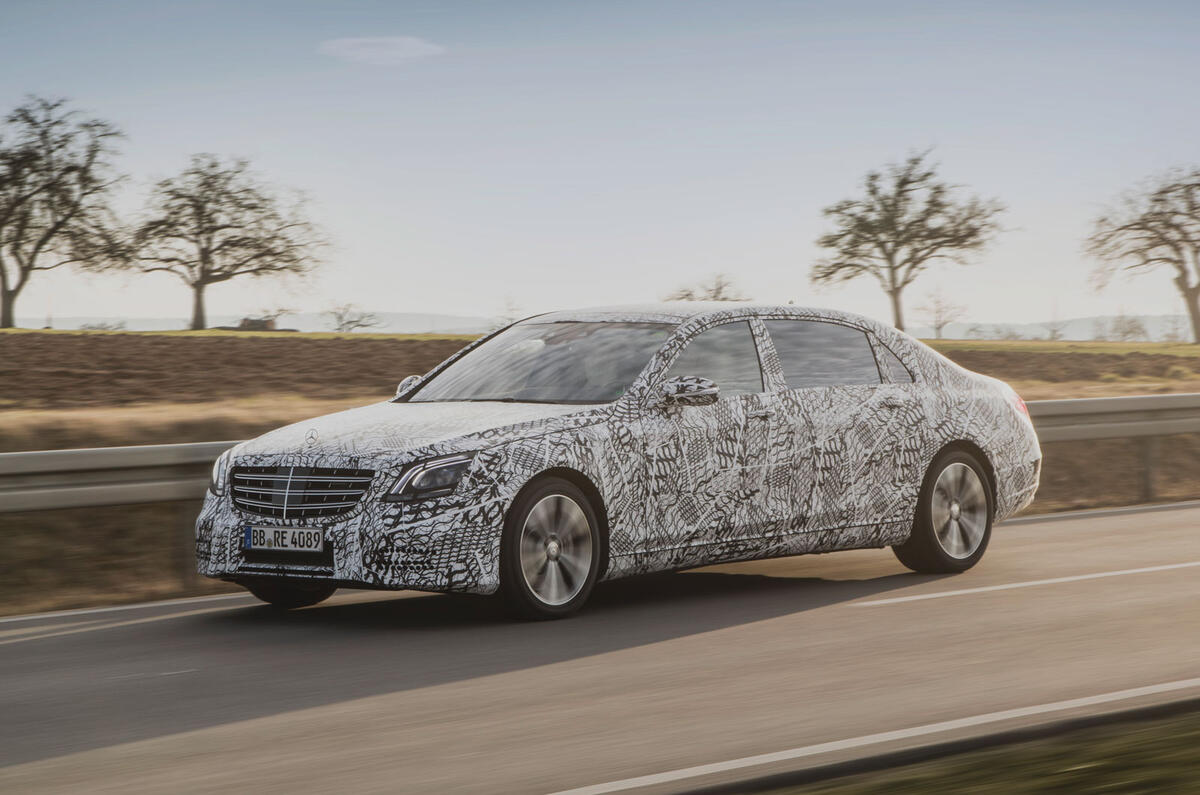
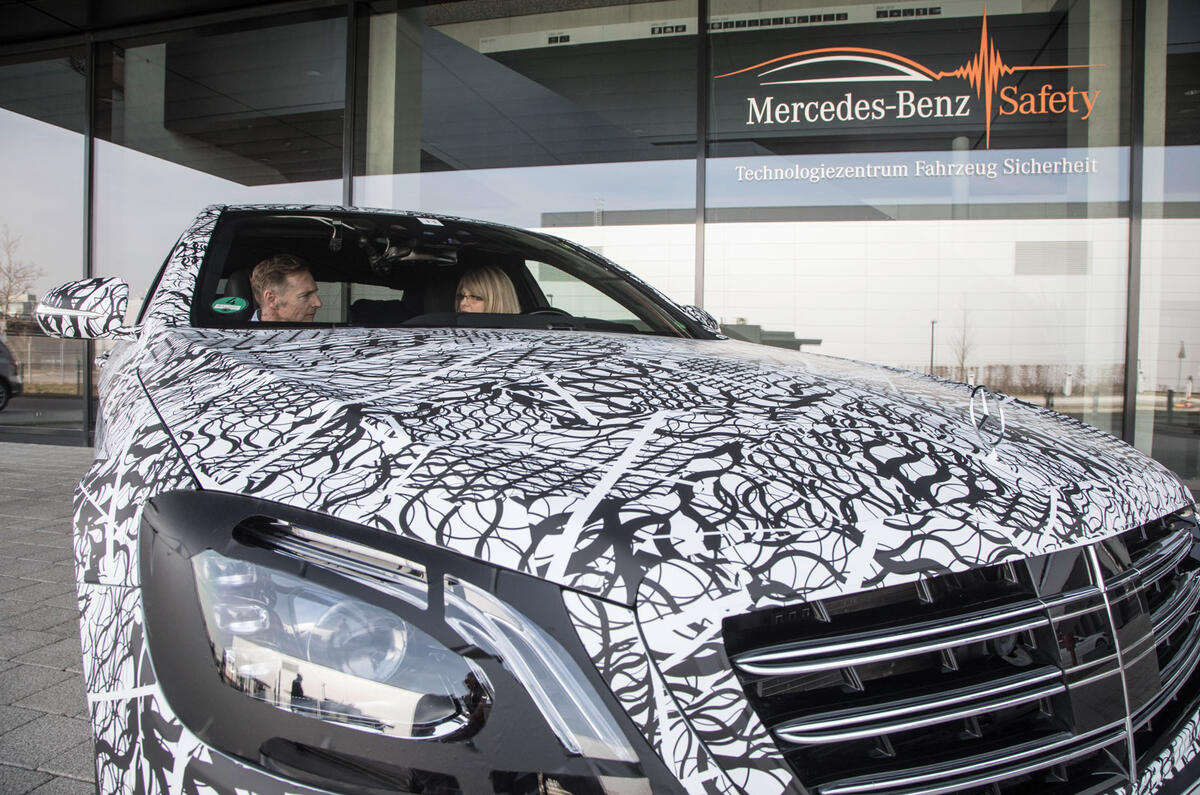
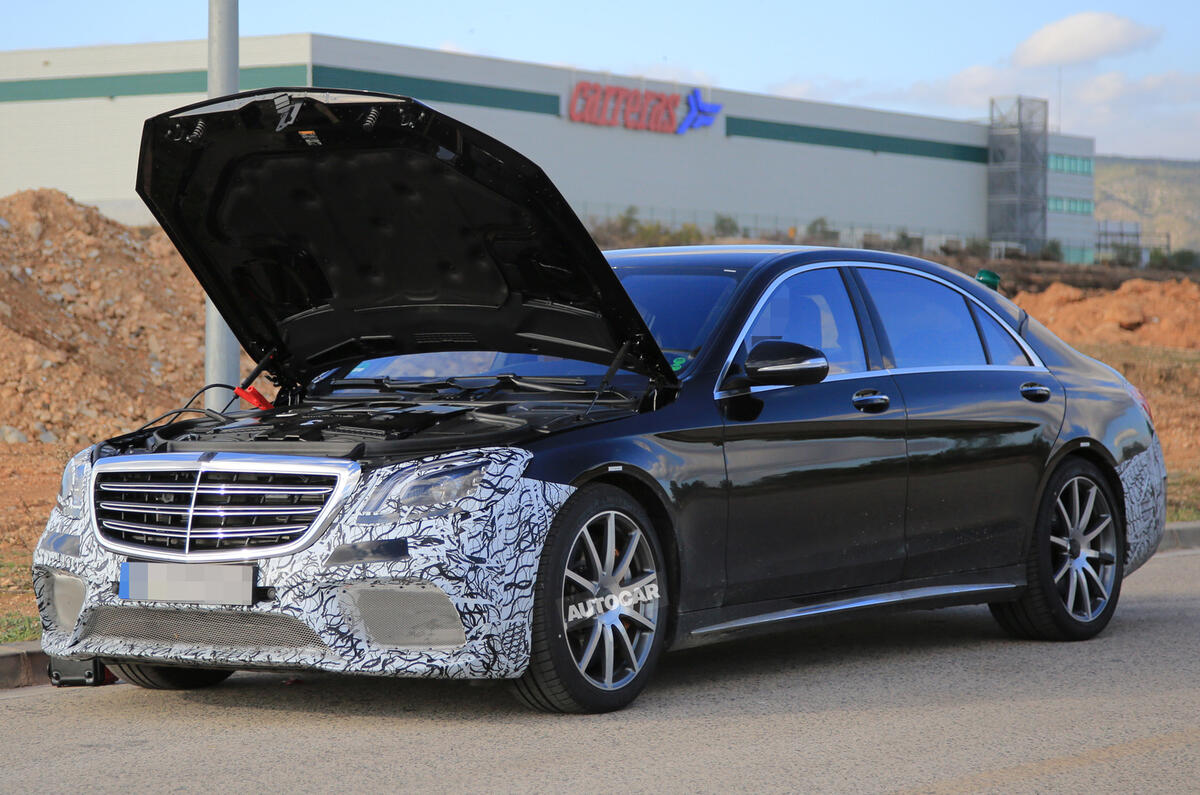
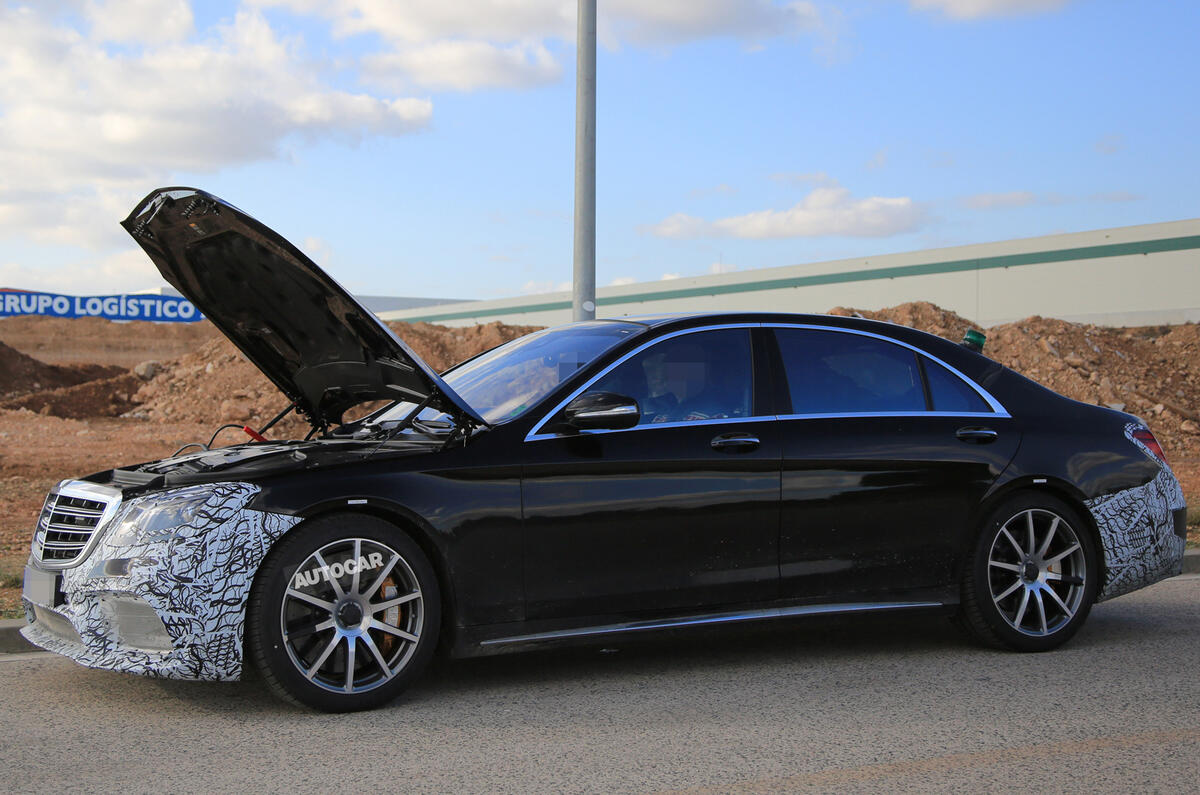
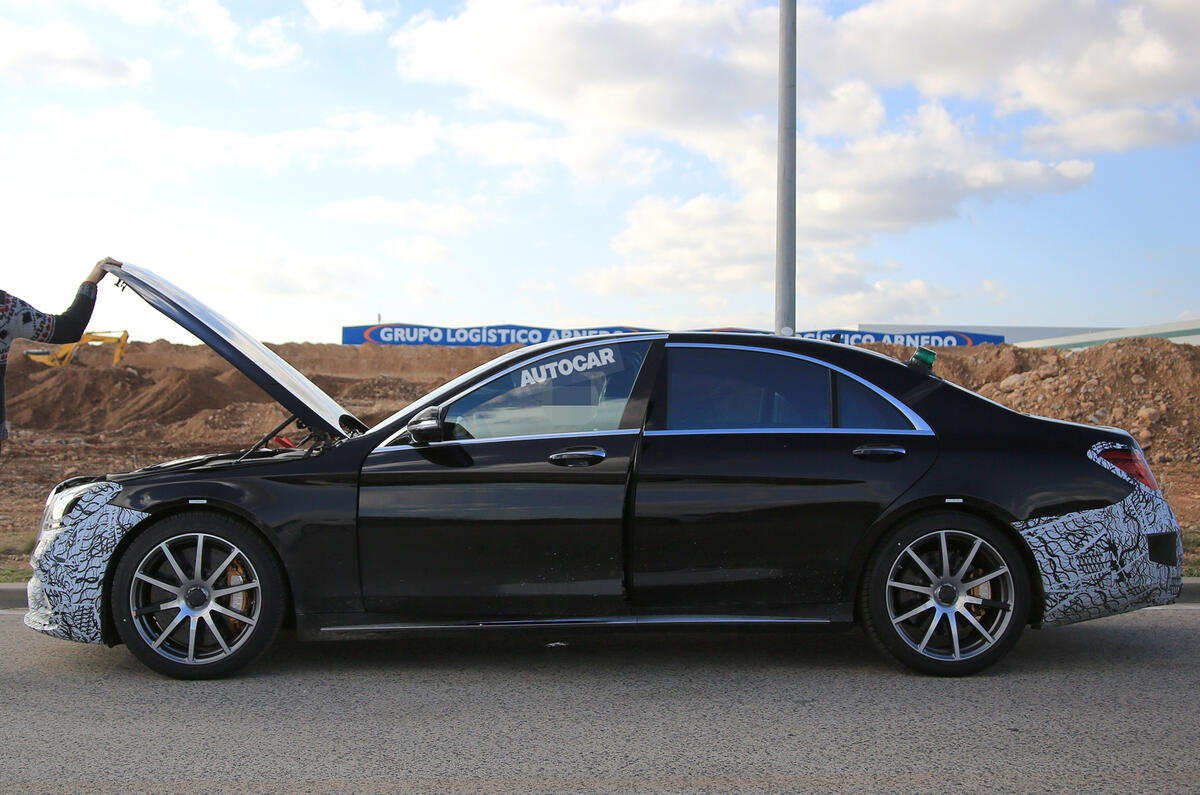
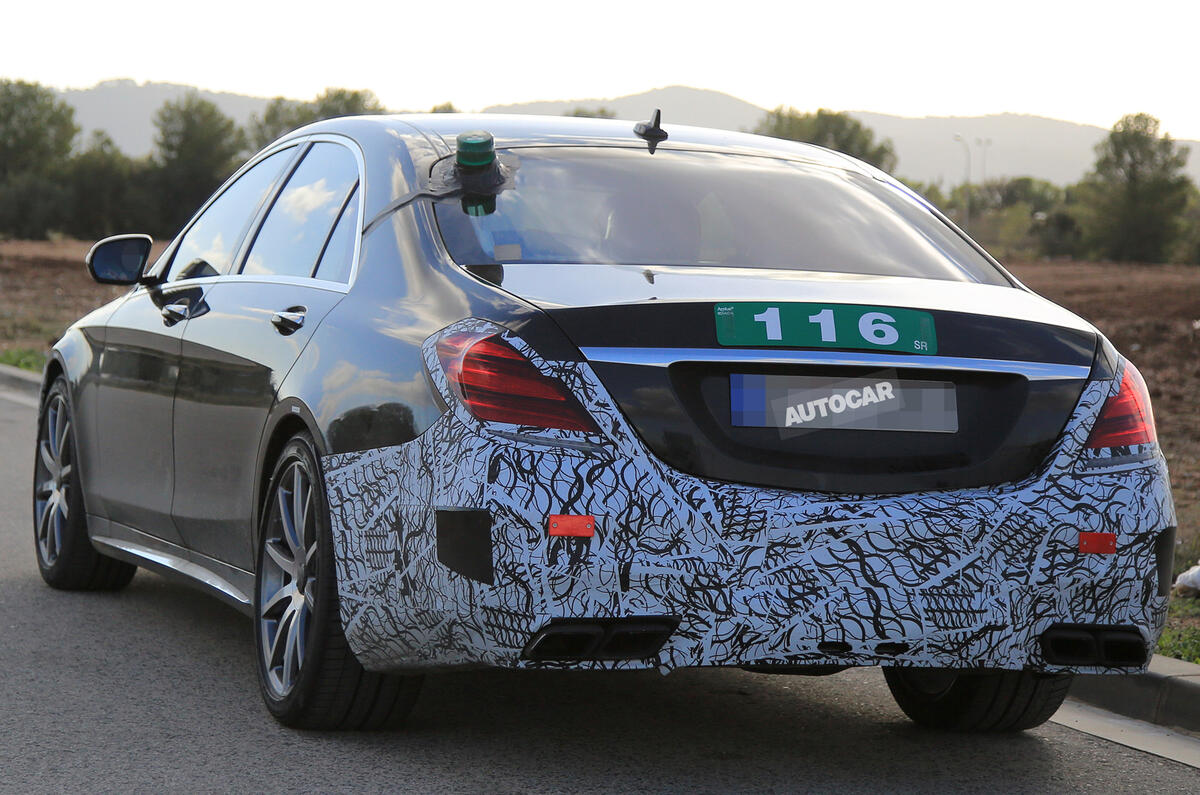
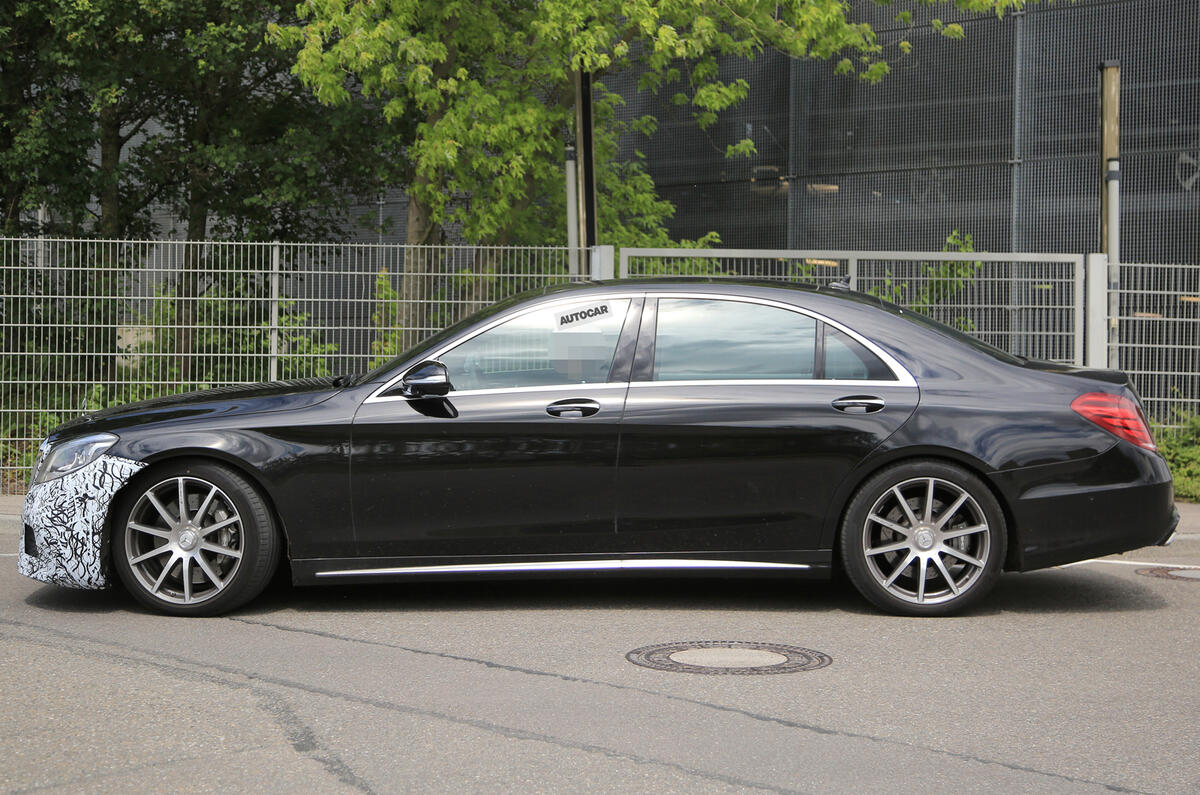
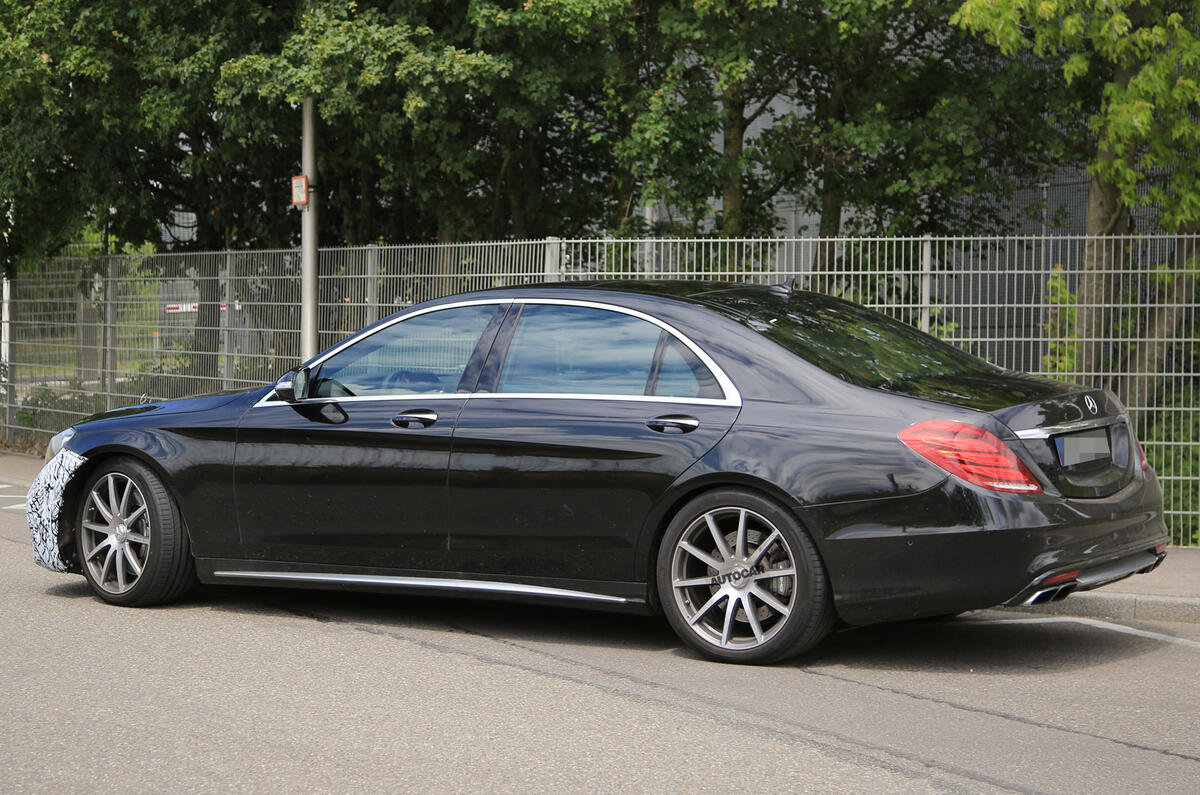
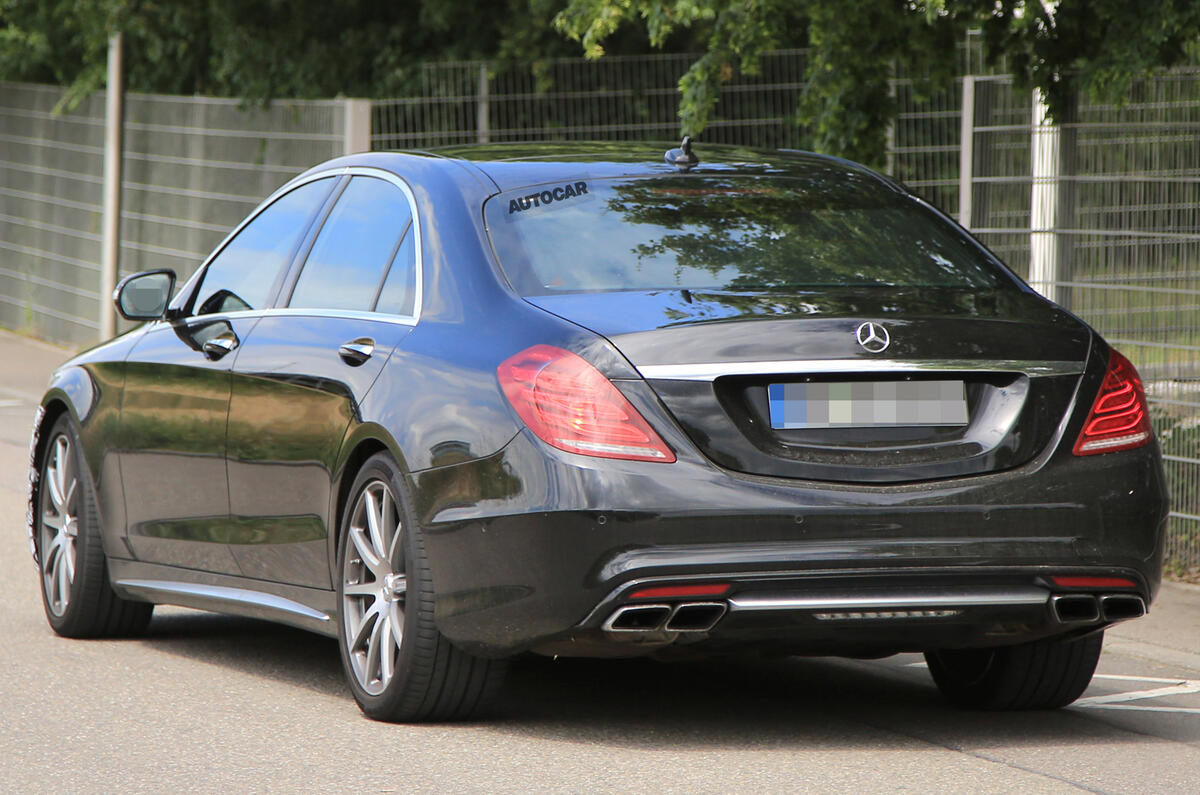
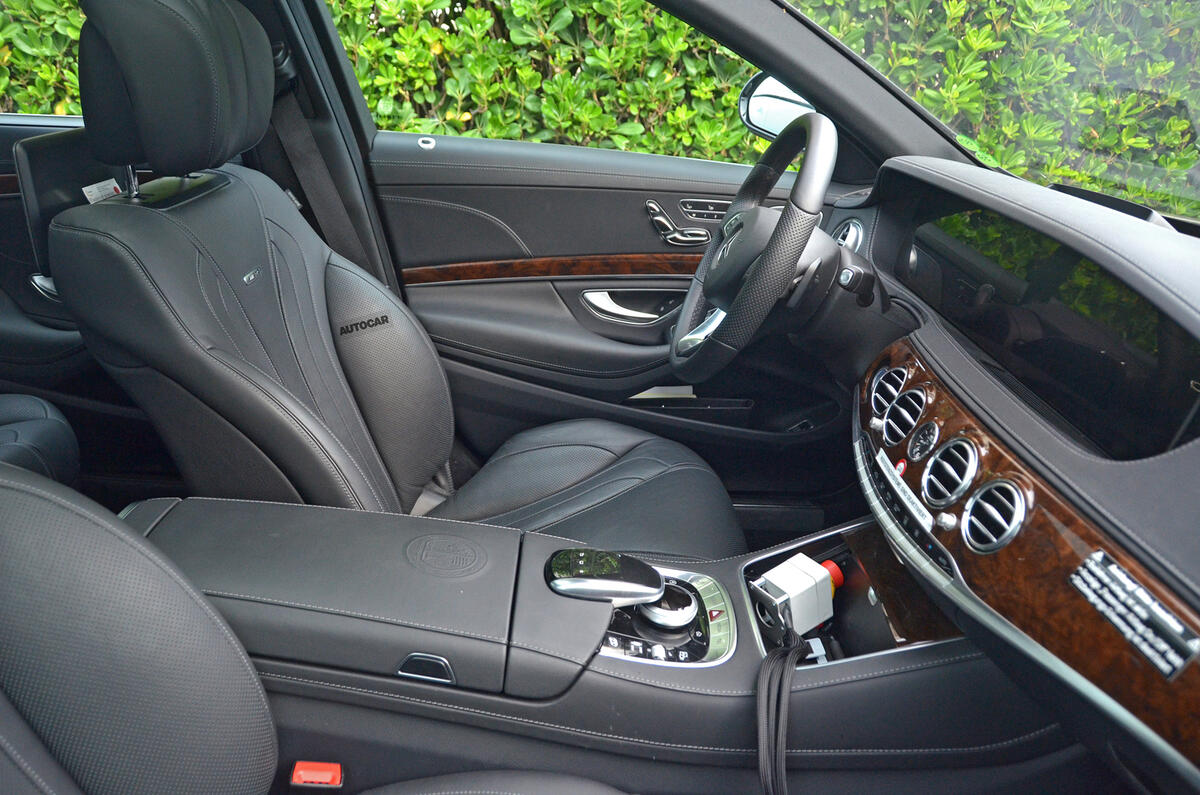
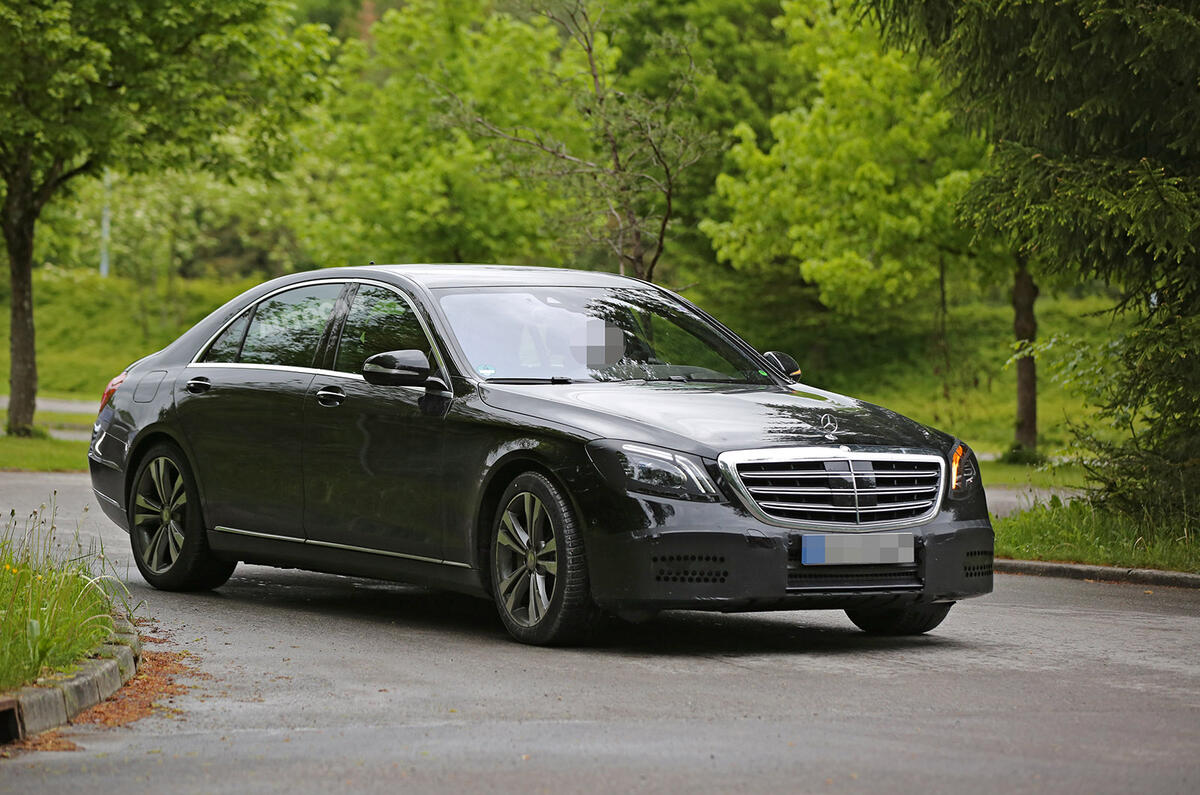
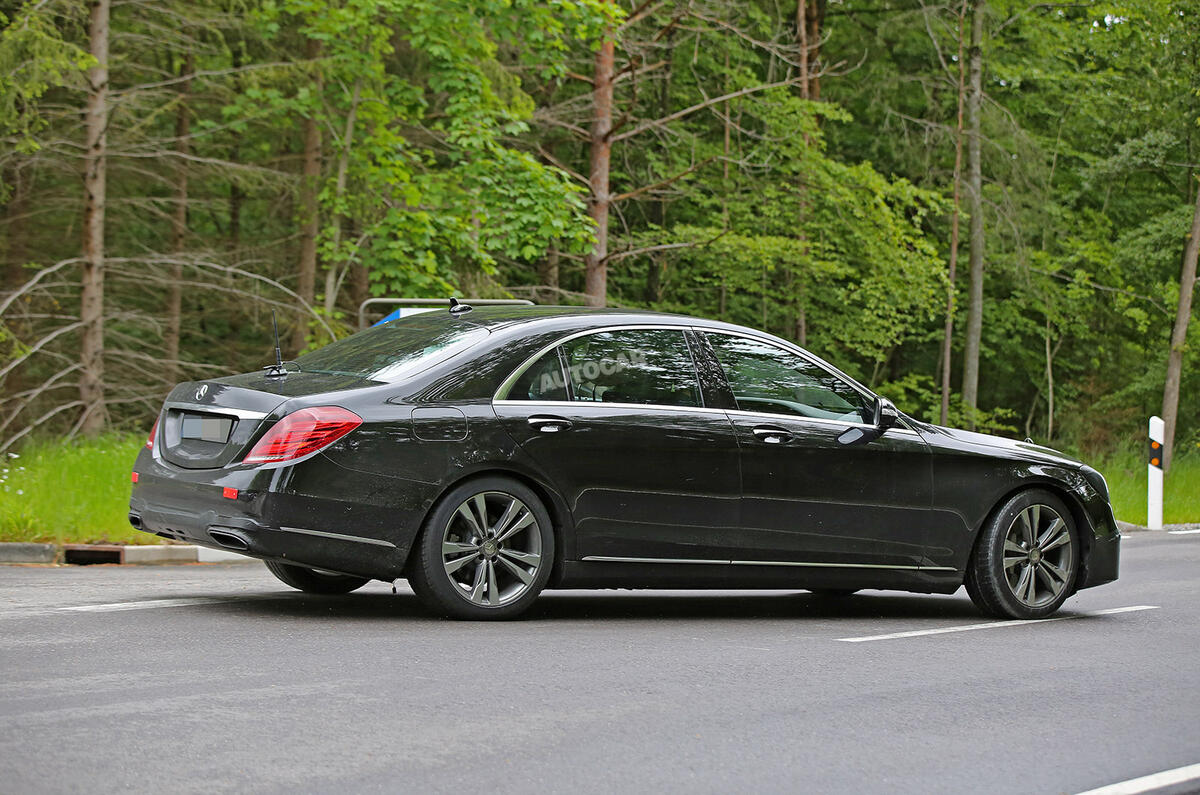
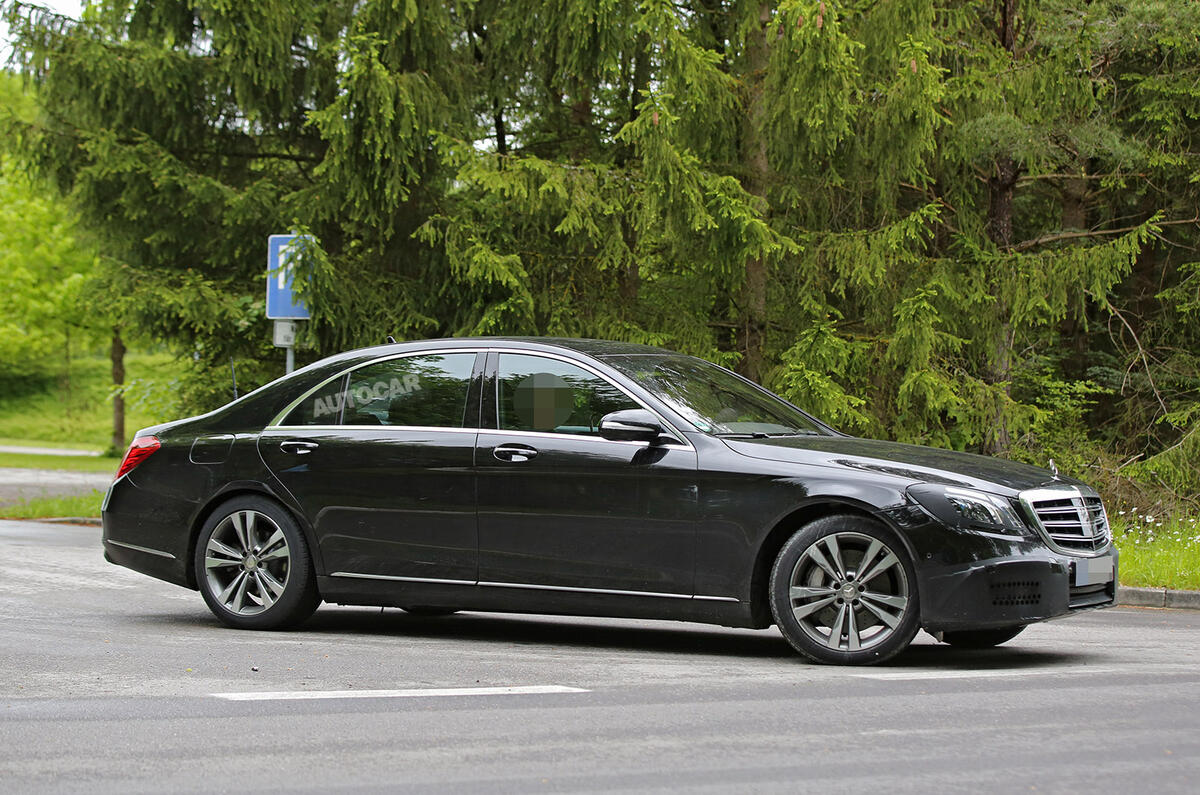
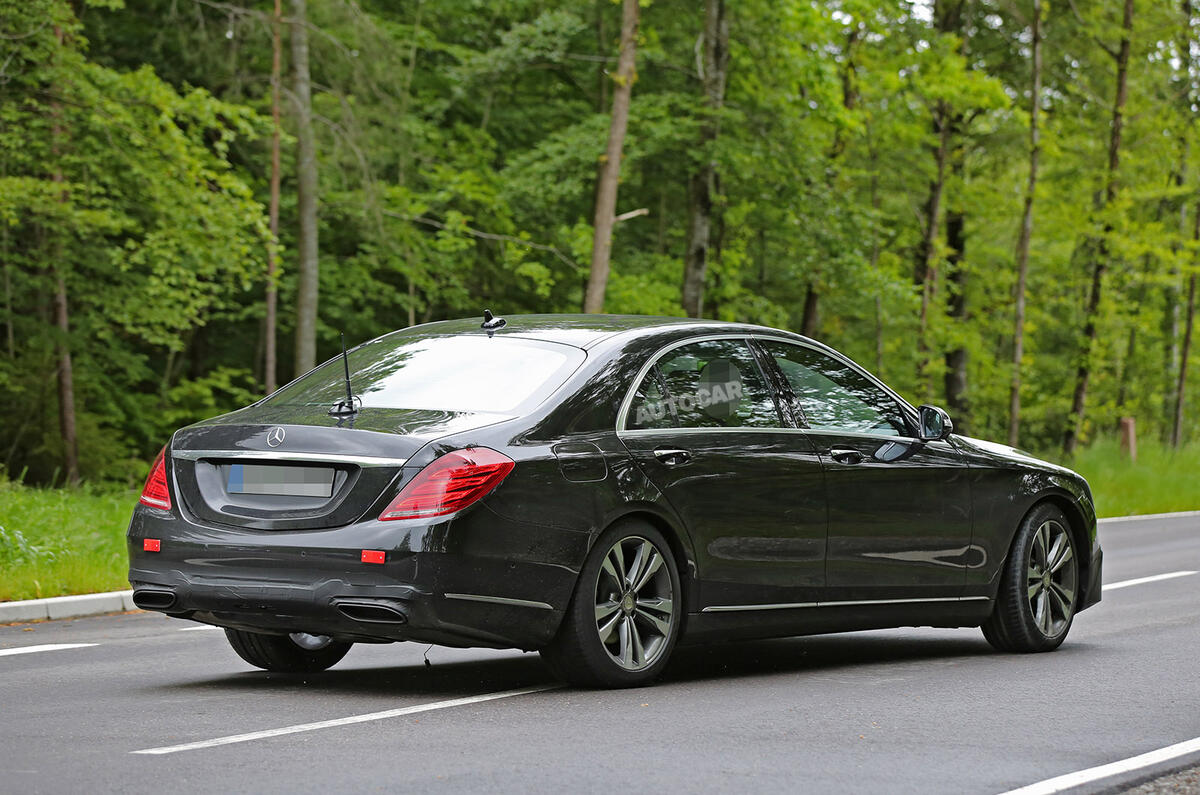
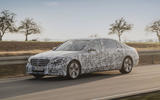
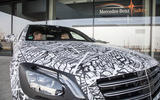
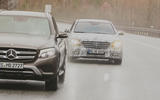
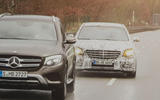

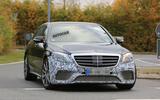
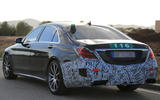
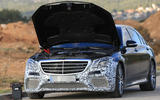
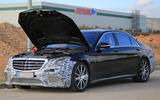
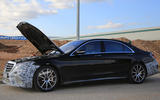
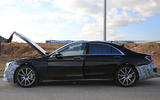
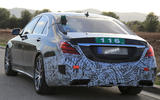
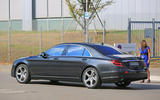
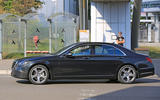
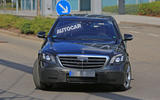
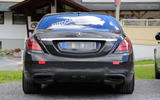
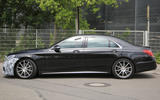
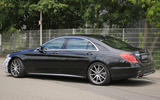
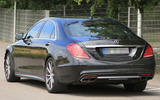
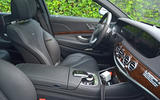
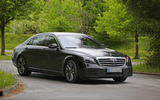
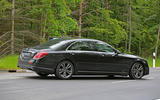
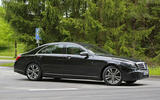
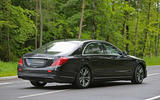
The revised Mercedes-Benz S-Class will be the most advanced autonomous model on sale when it arrives in autumn this year.
The car has now been revealed. Click here for more
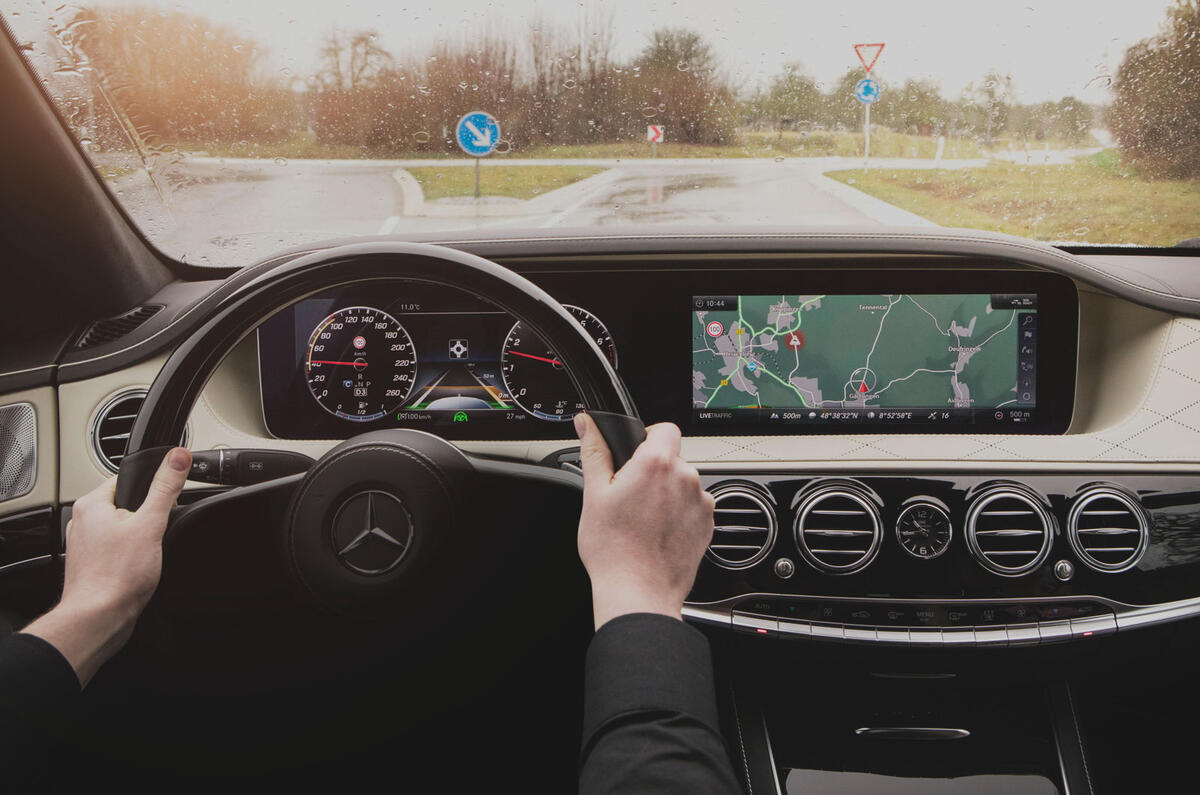
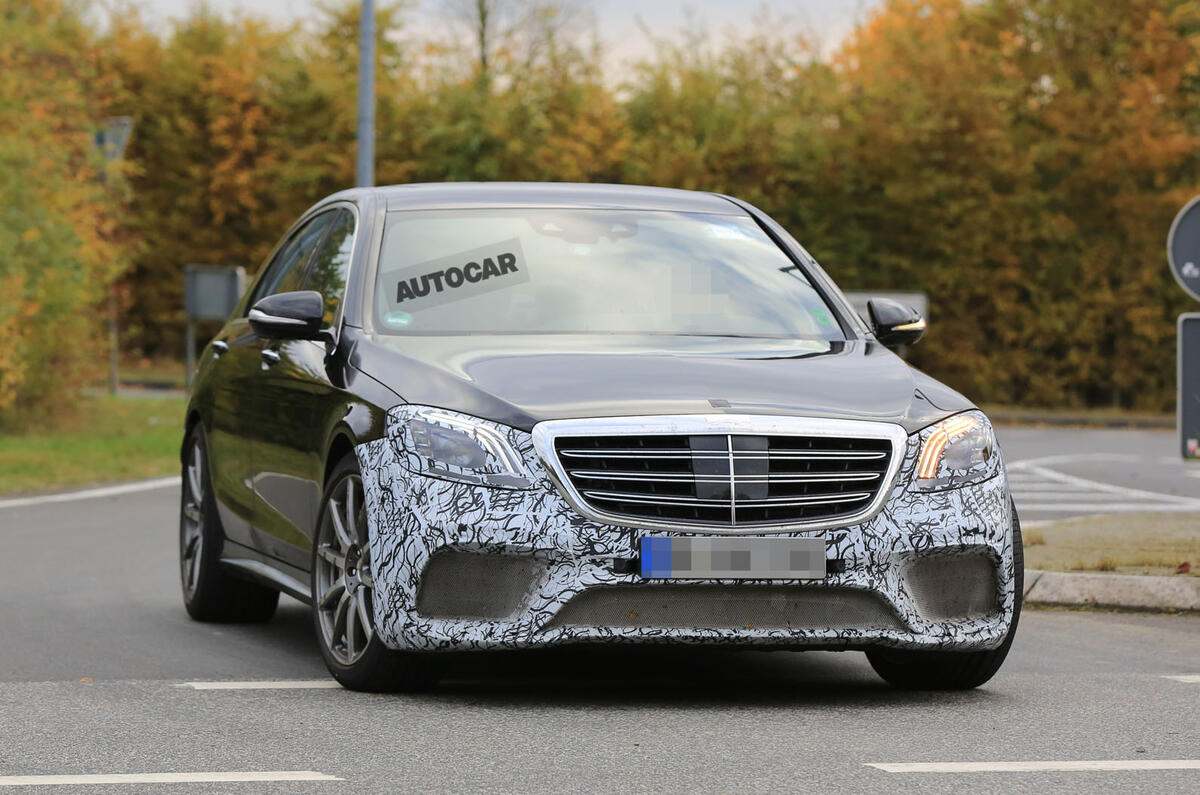
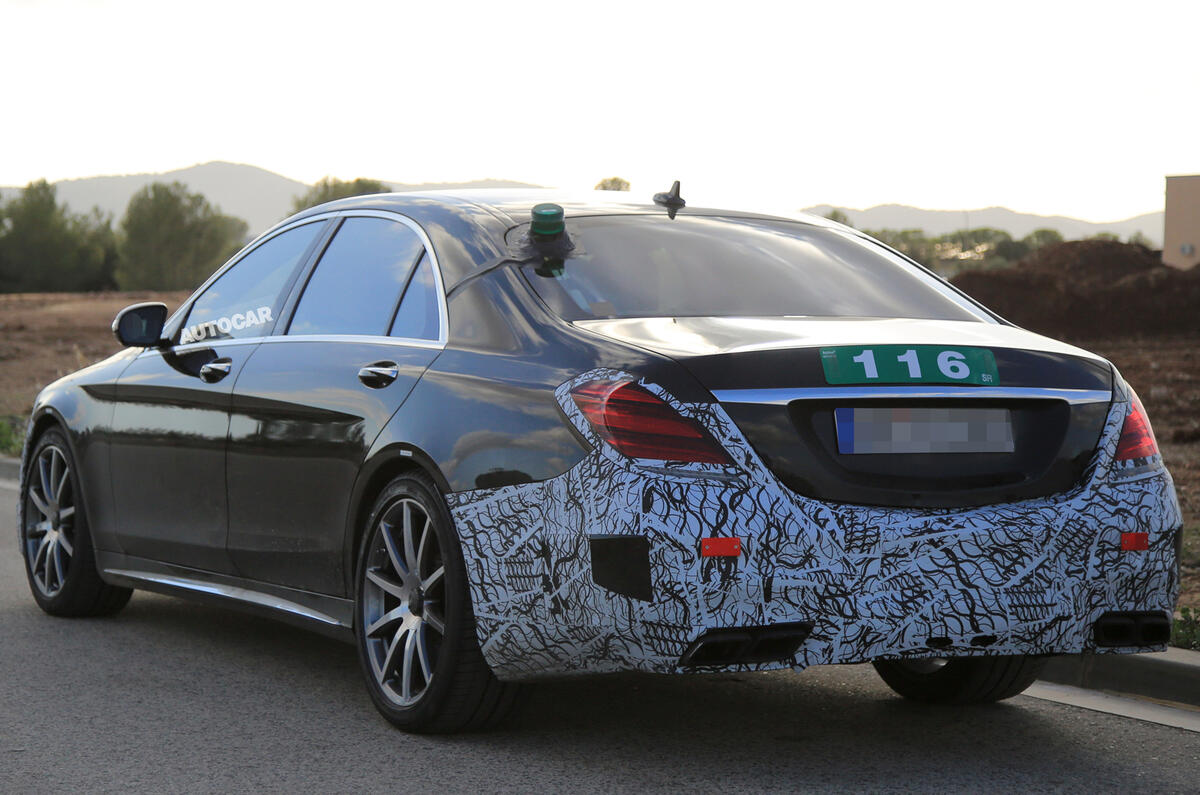
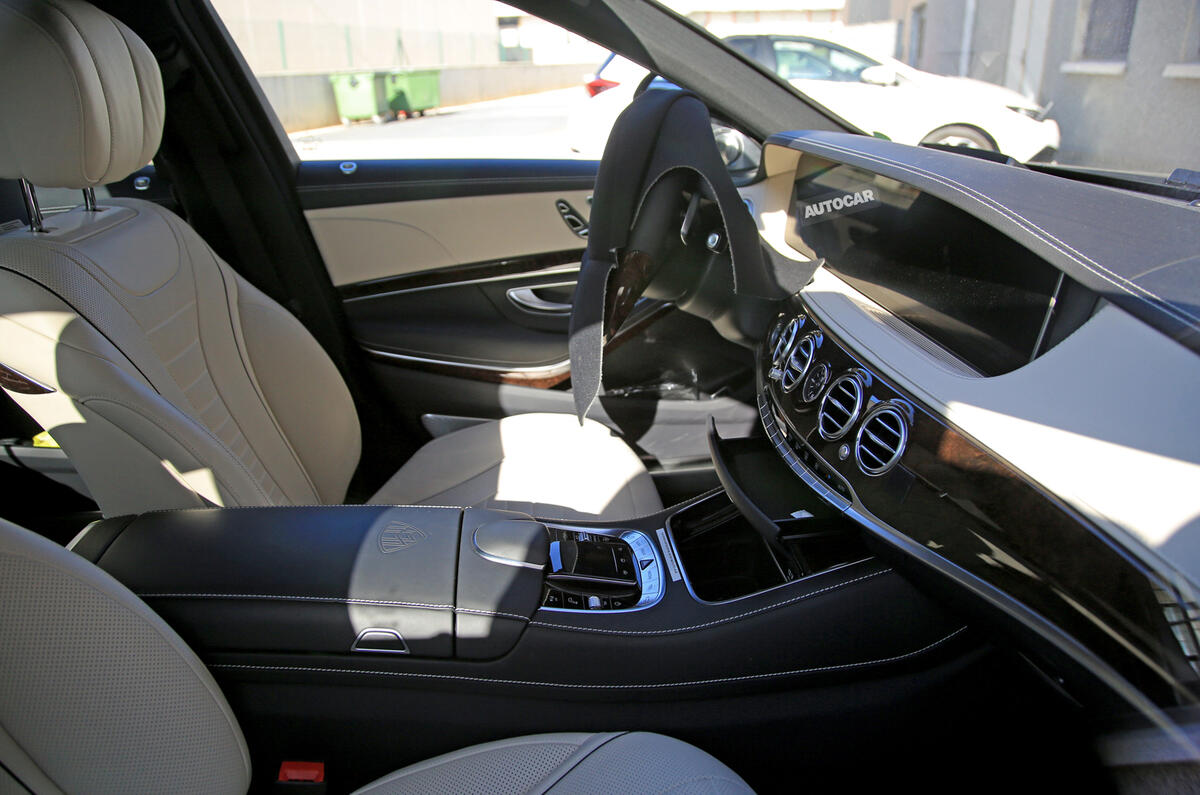
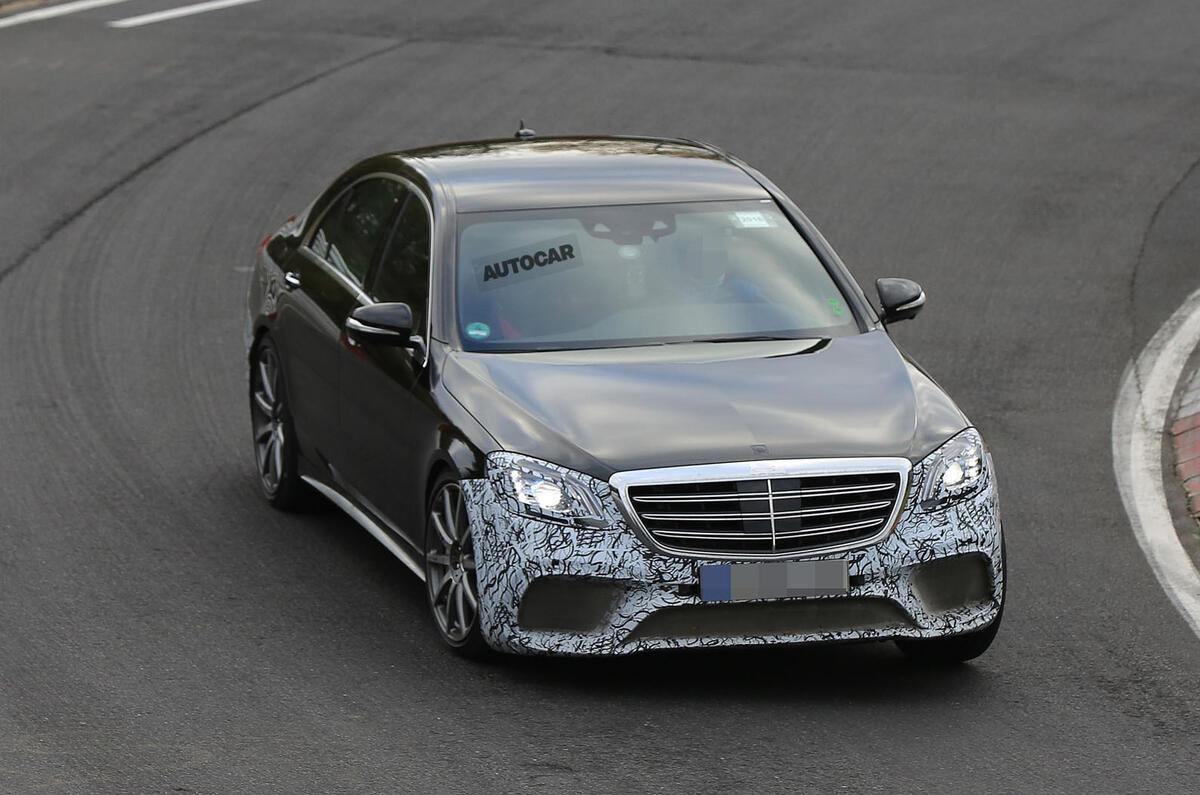
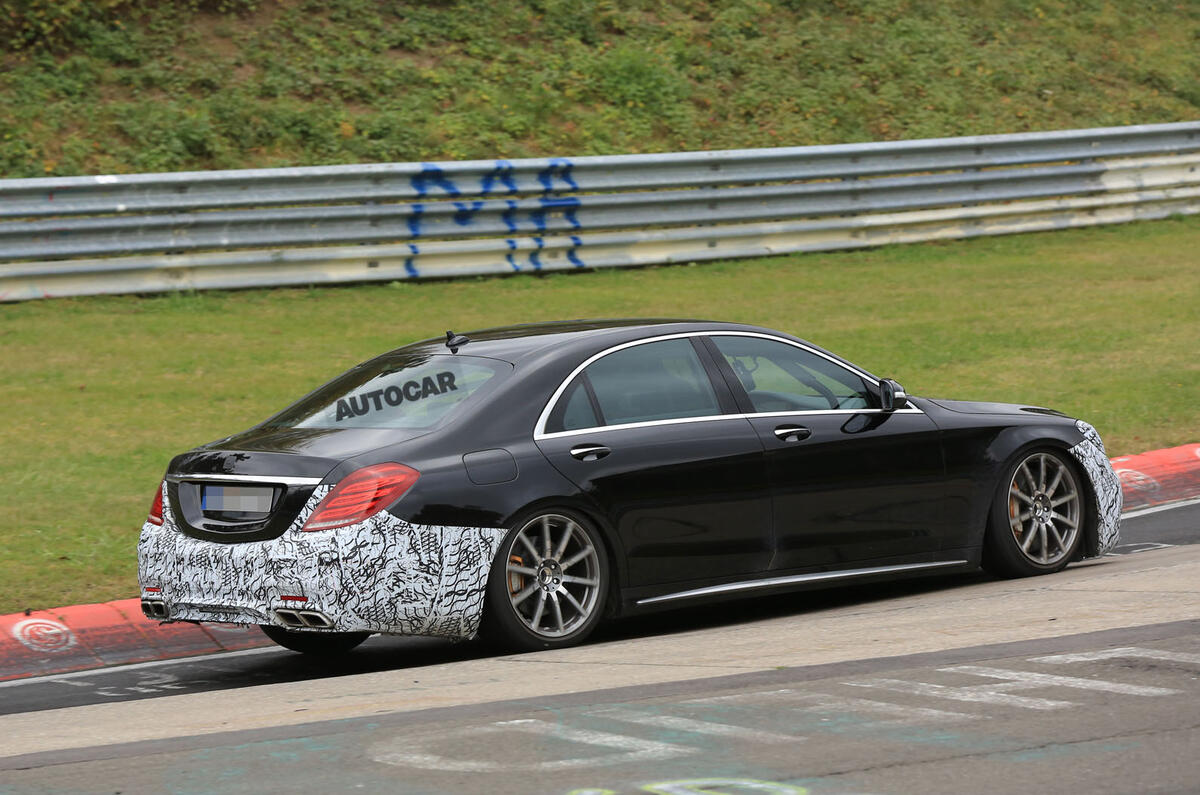
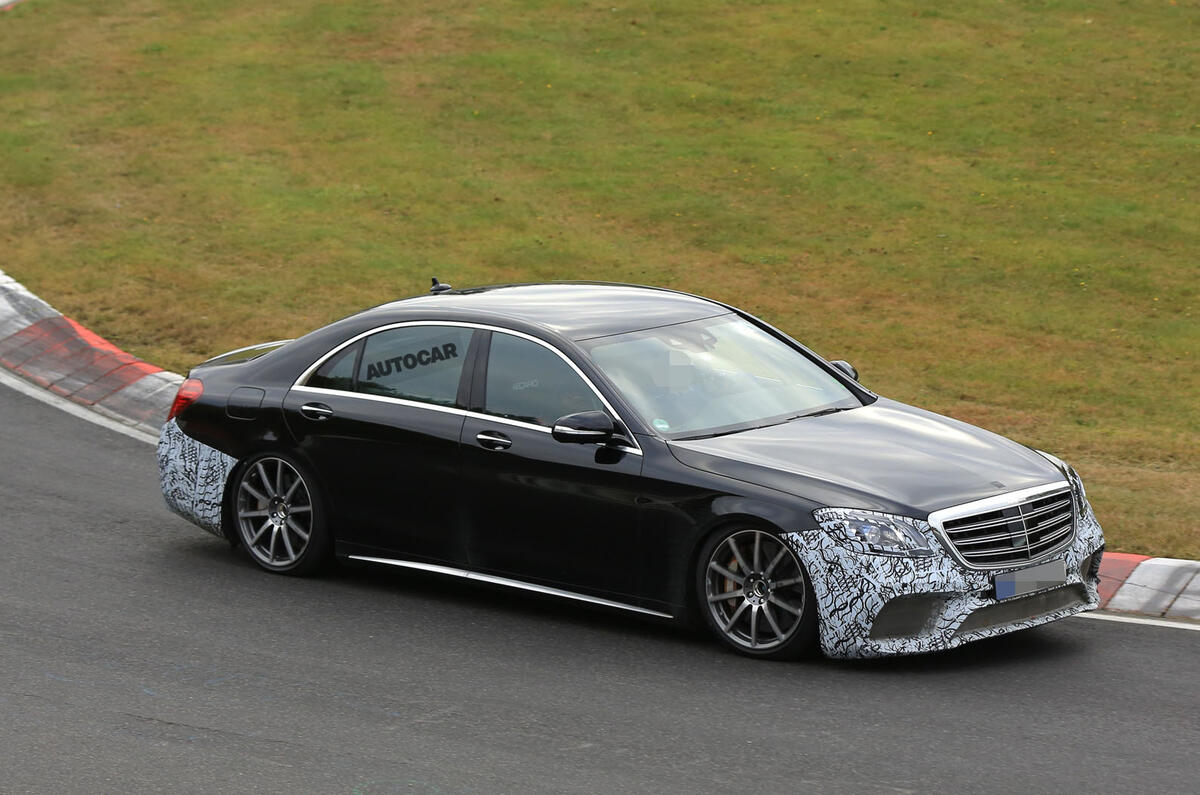
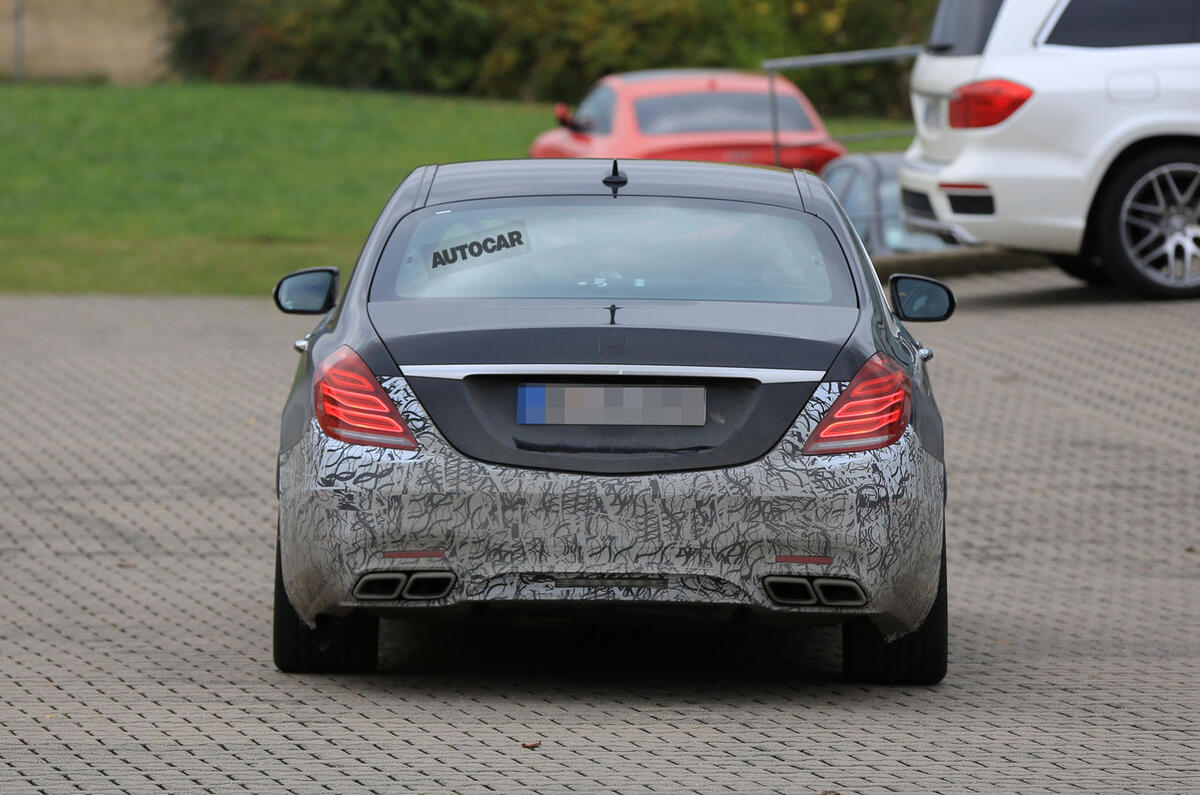
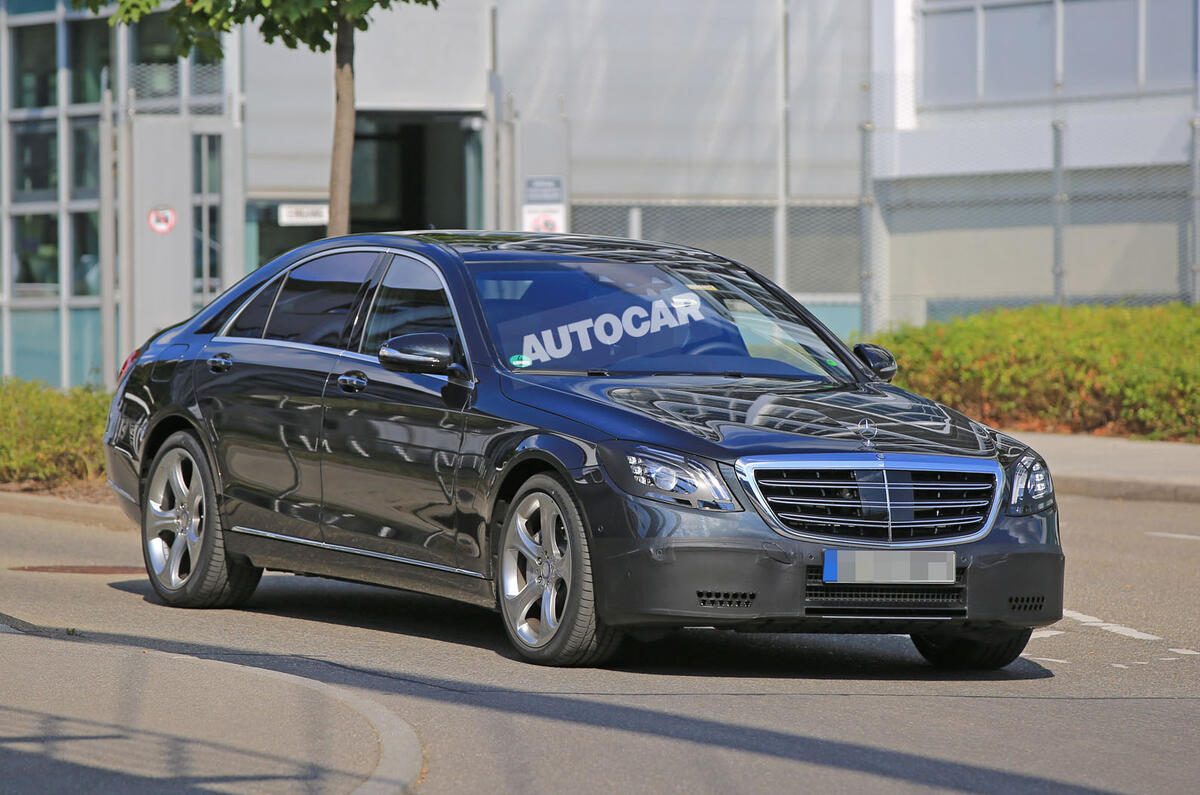
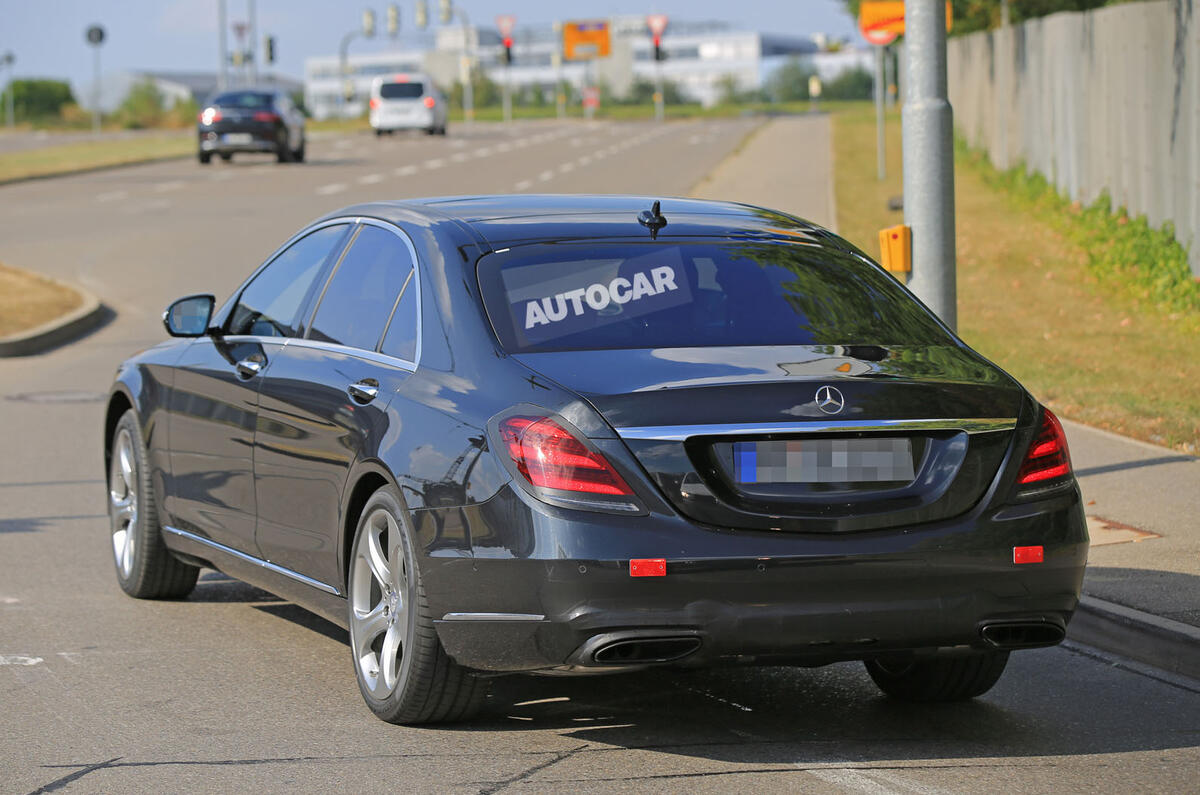
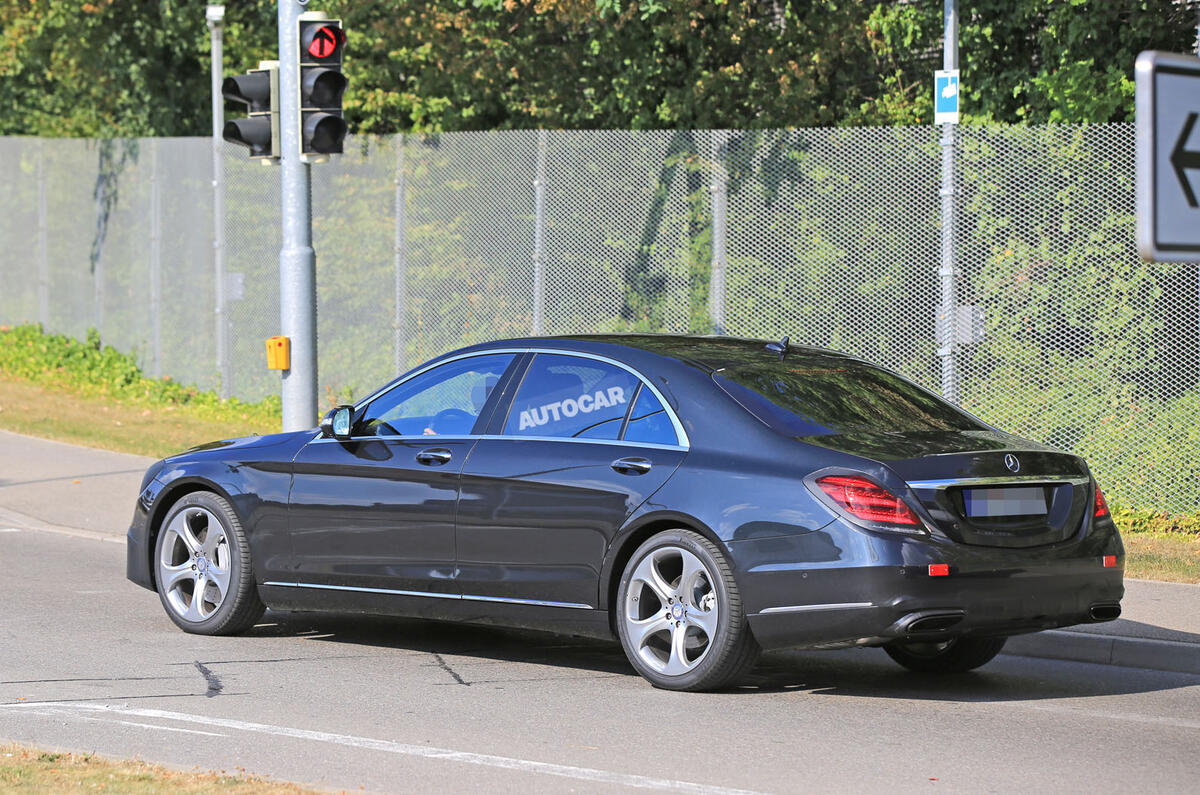
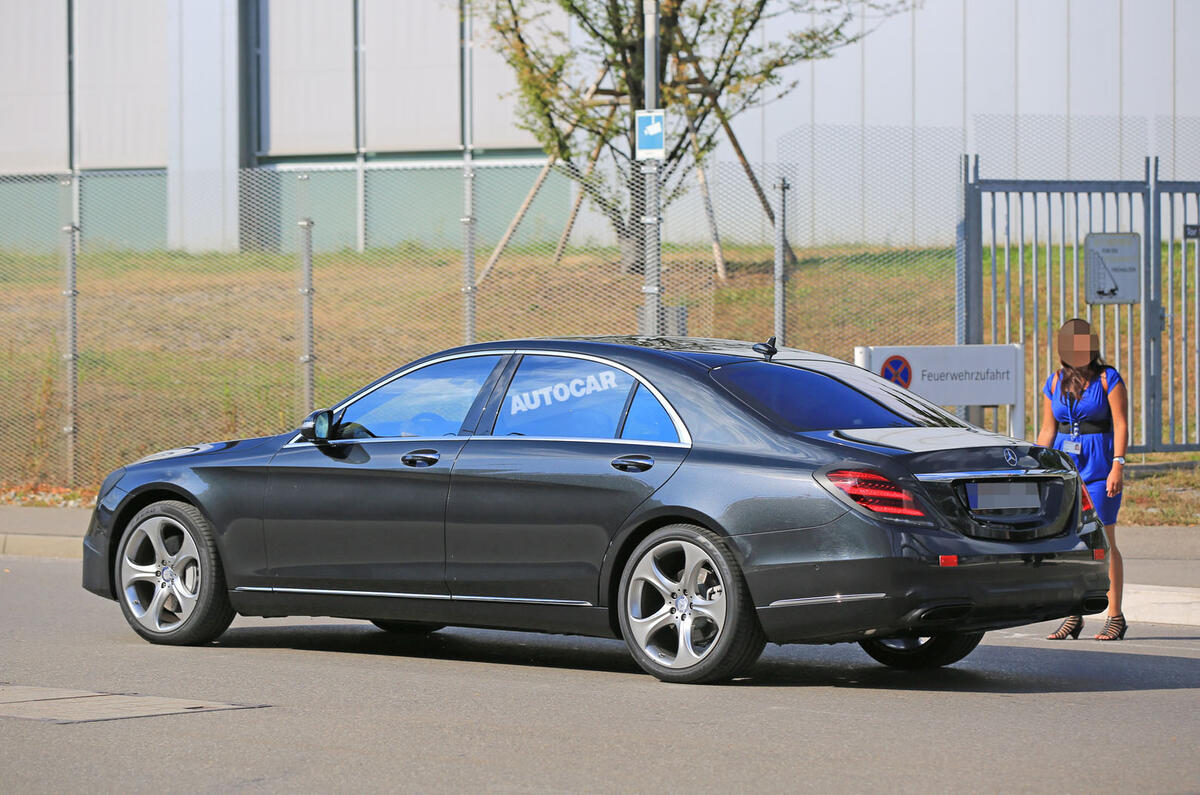
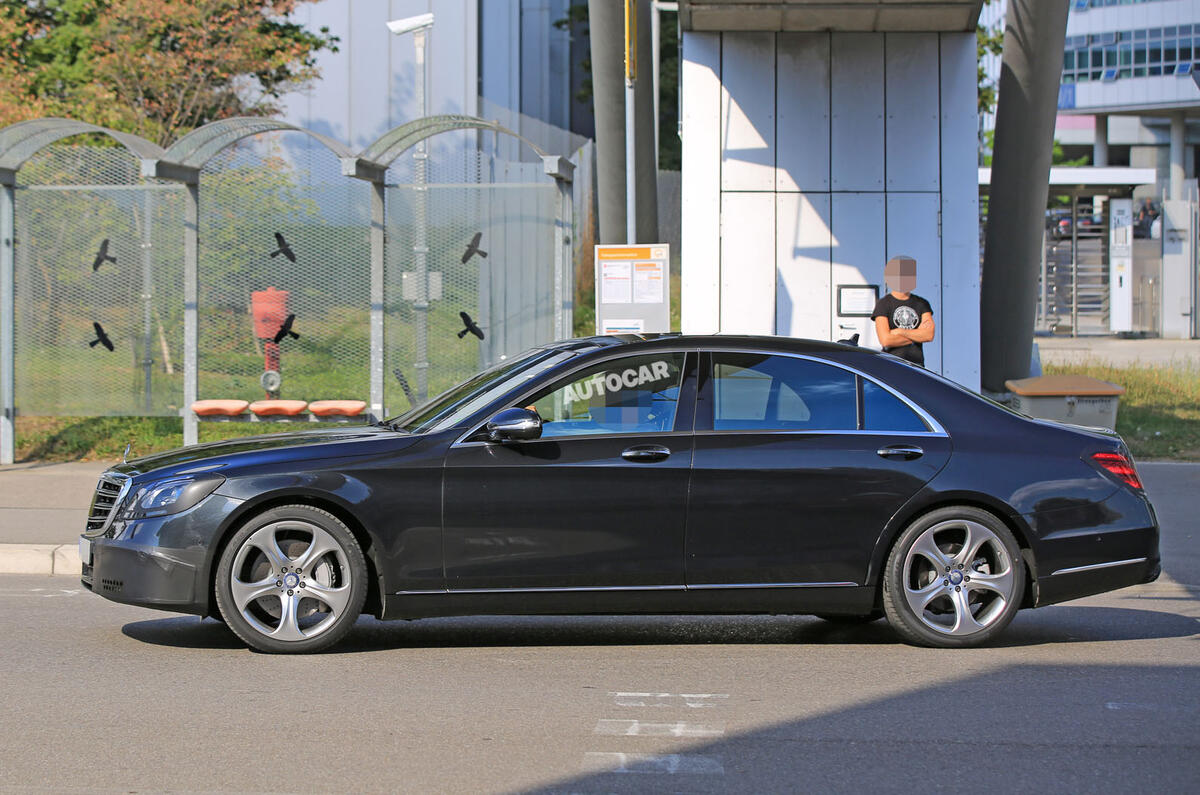
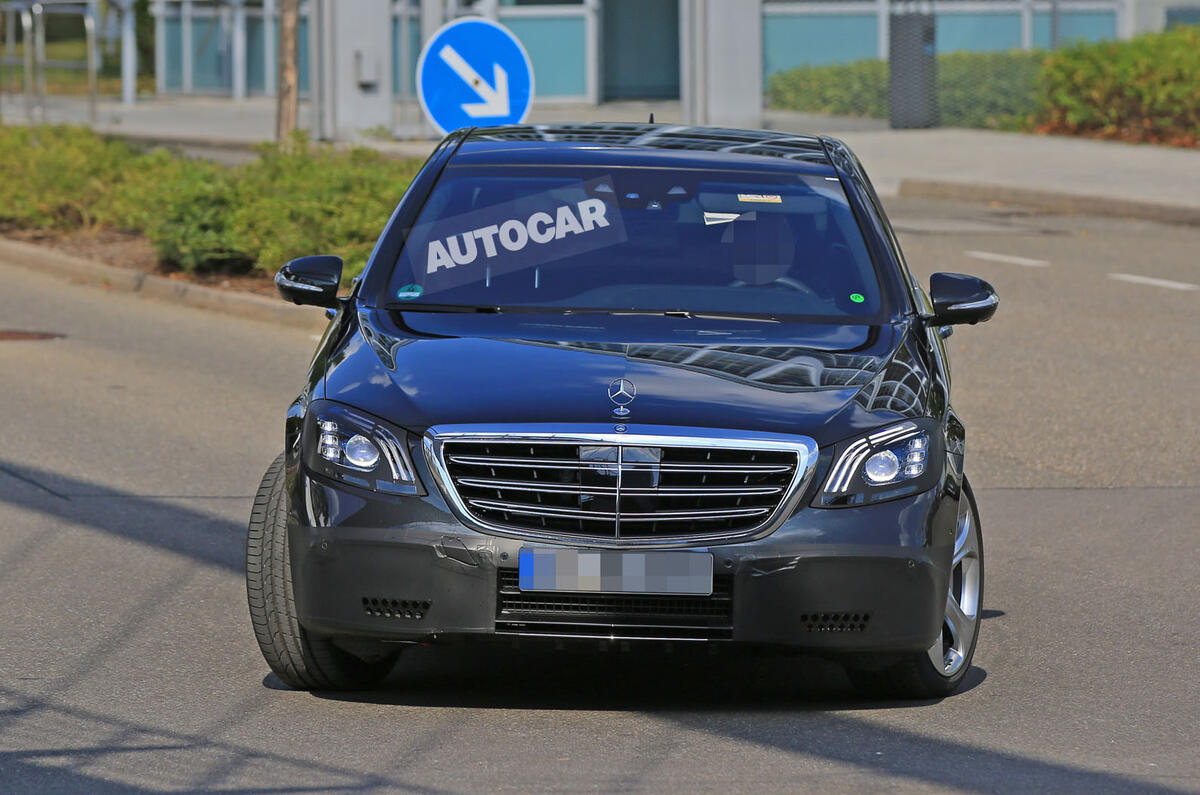
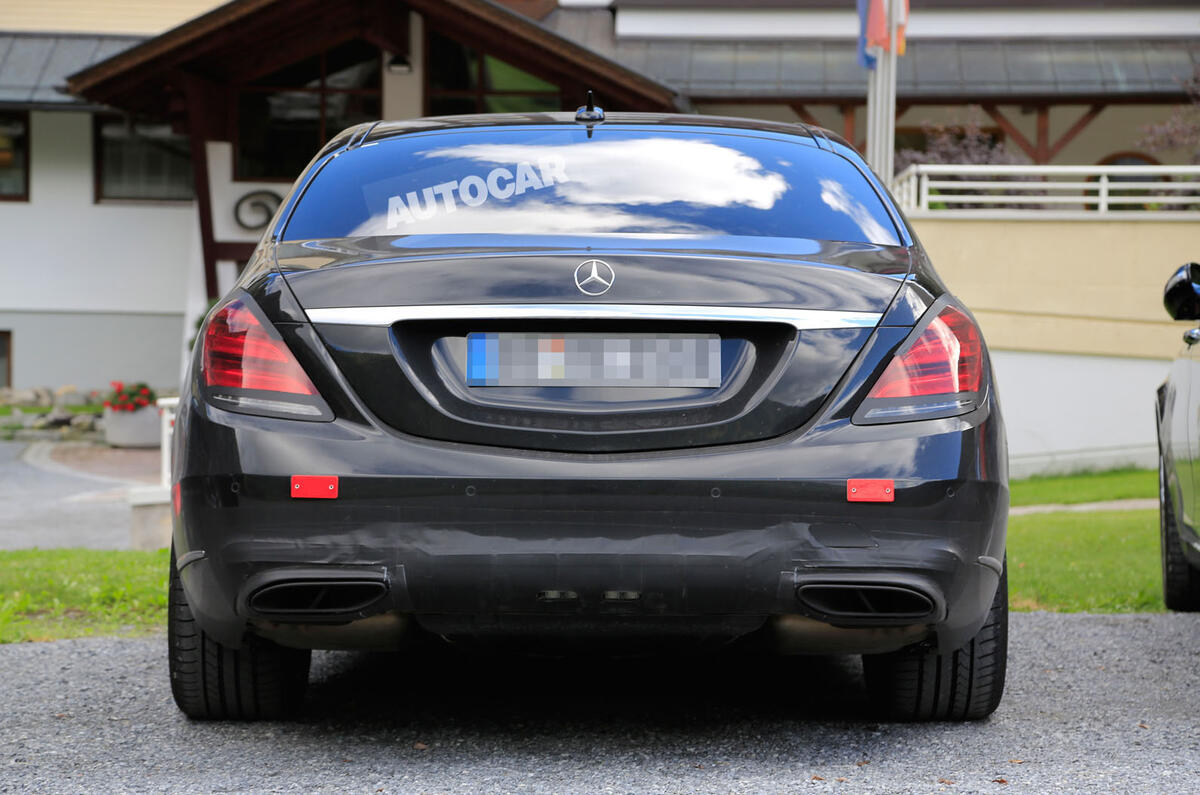
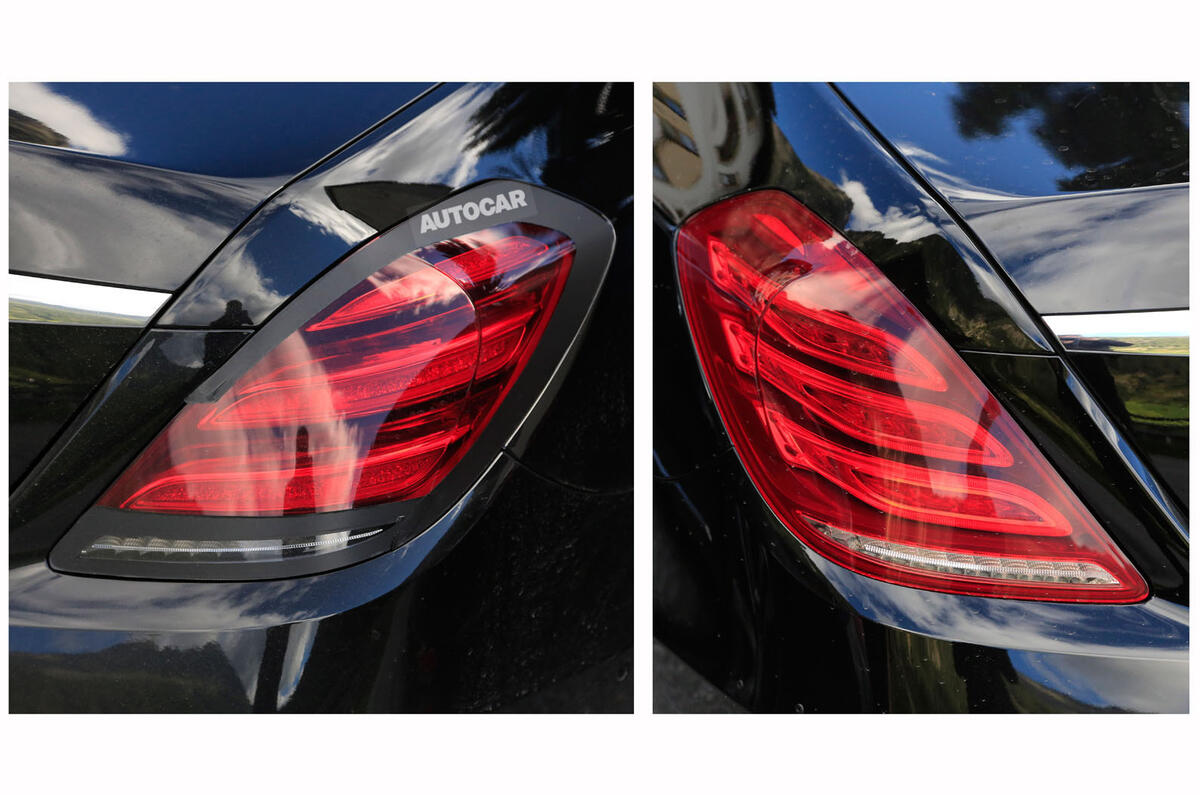
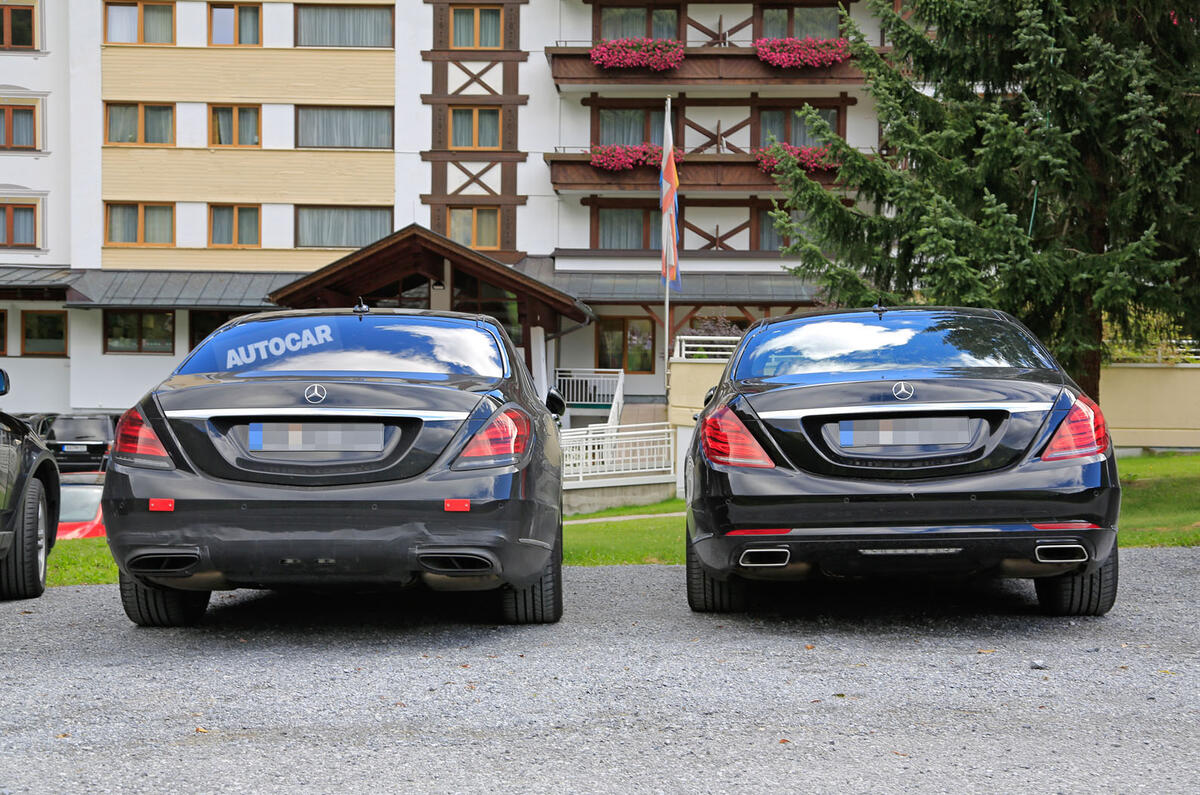
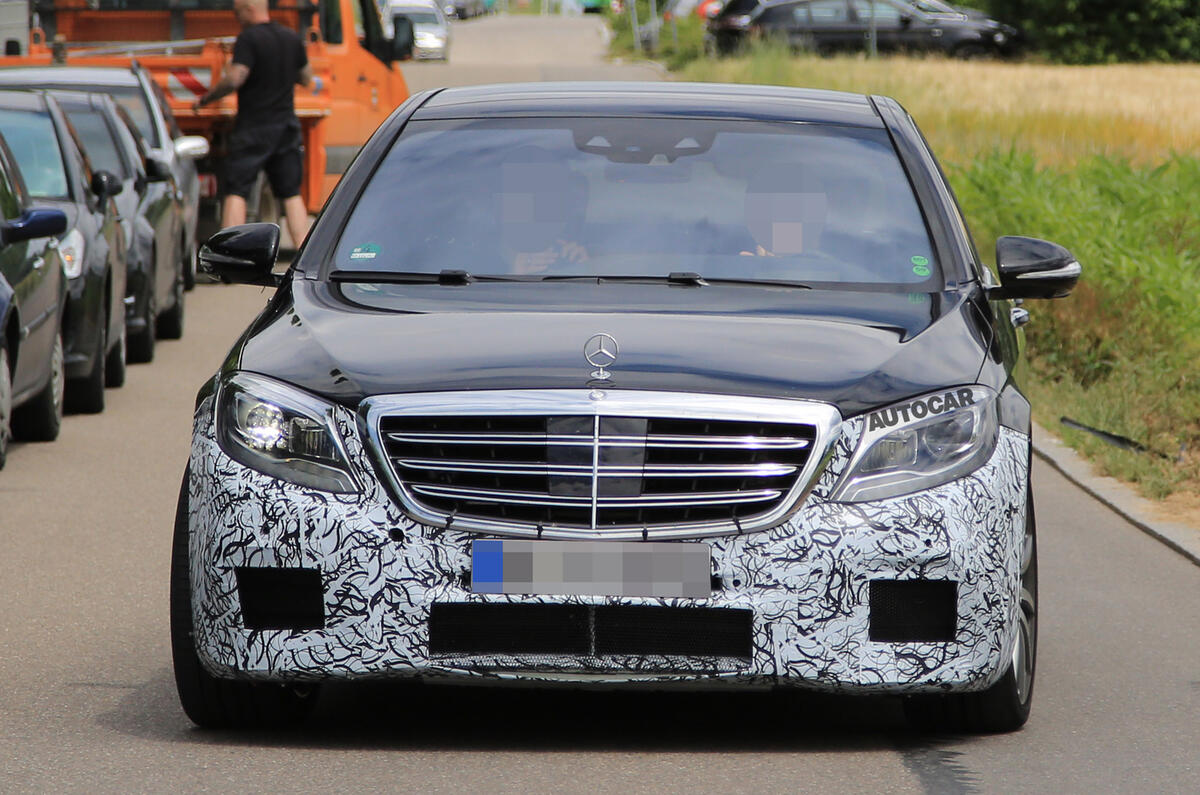
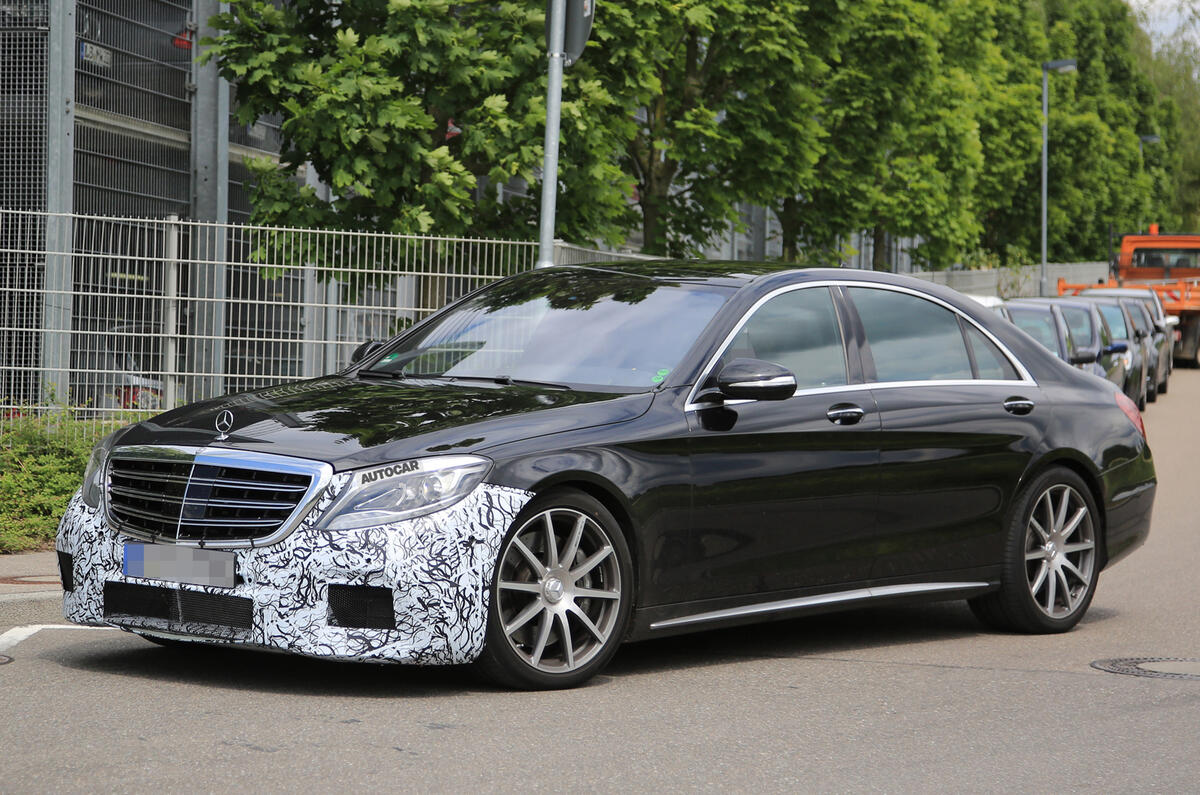
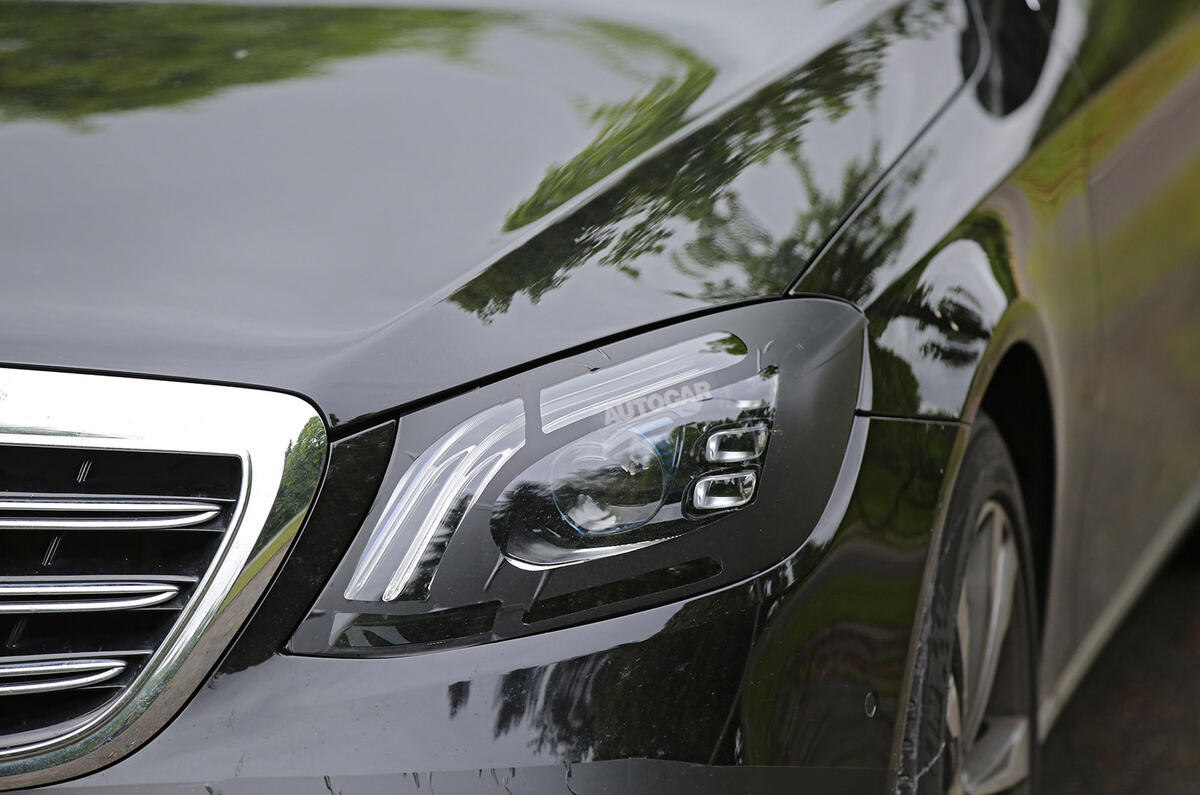
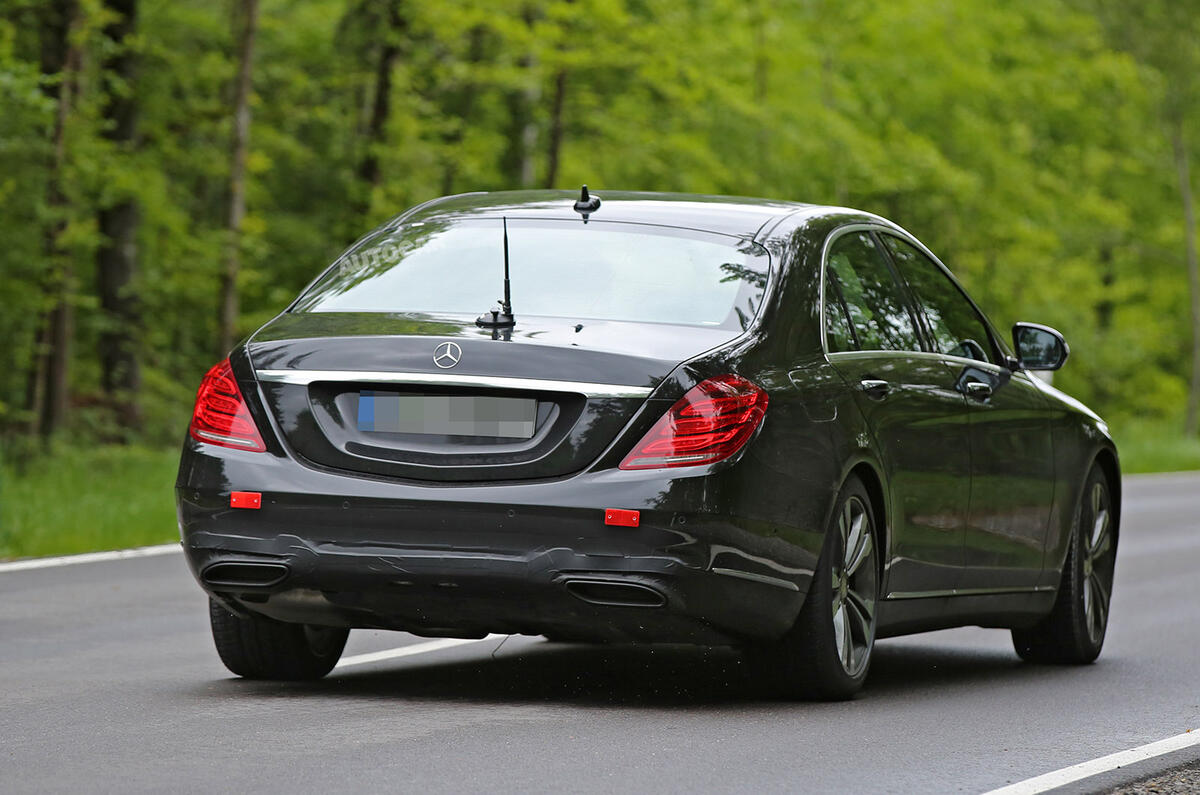
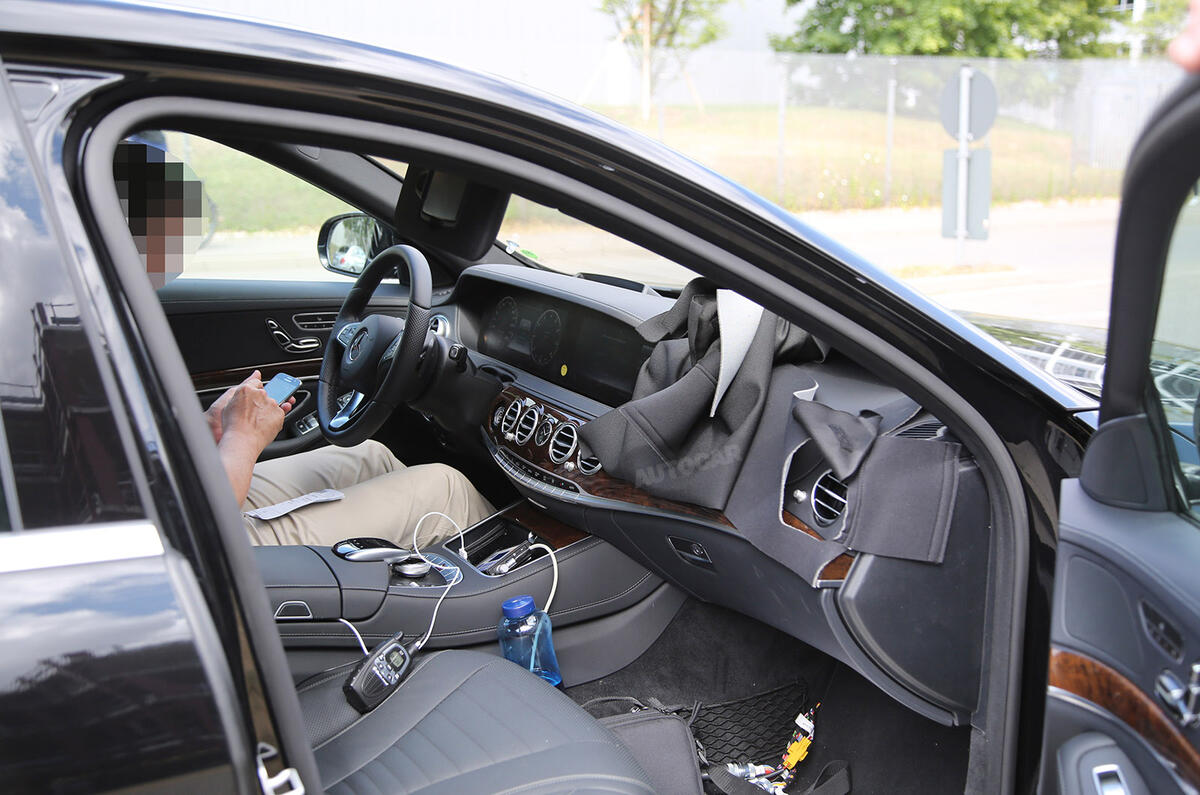
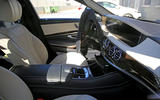
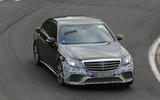
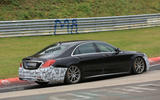
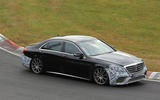
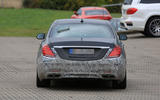
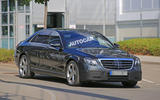
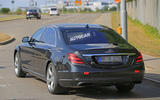
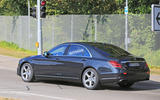
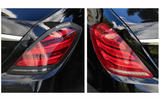
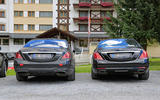
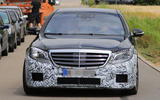
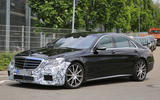
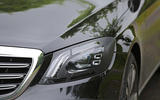
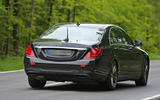
Due to make its appearance at the Shanghai motor show next week, Autocar has been given a sneak peek of the car which confirms that aesthetic changes are only minor and include new front and rear bumpers and headlights. There is also a new grille design, integrated exhausts and ultra-range LEDS. Inside, the car features fully bonded optic glass across two 12.3-inch display screens.
Mercedes-Benz S400d 4Matic review
According to Kirk Petzer, S-Class product boss, the subtle design changes were done “wisely and sensitively” following customer feedback on the existing model.
The most notable developments to the S-Class surround its driver assistance systems, particularly those which facilitate advanced autonomous capabilities.
The systems include a newly developed Active Distance function that provides fully autonomous acceleration and braking over any given journey programmed into its sat-nav, in conjunction with an updated Active Speed Limit Assist system.
A revised Distronic cruise control system, which Mercedes says will eventually filter down into all of its future models, offers a new autonomous driving function that promises improved safety as well as a set-and-forget speed limit function which strictly adheres to both posted and temporary speed limits, whether in town, country roads or on the motorway.
Crucially, it is able to autonomously adjust the speed according to the route, braking for corners, decelerating when approaching motorway exits and stopping when the driver indicates to turn across the path of oncoming traffic.
Supporting the Distronic system is a new series of graphics, both within the instrument cluster and within the optional head up display unit.
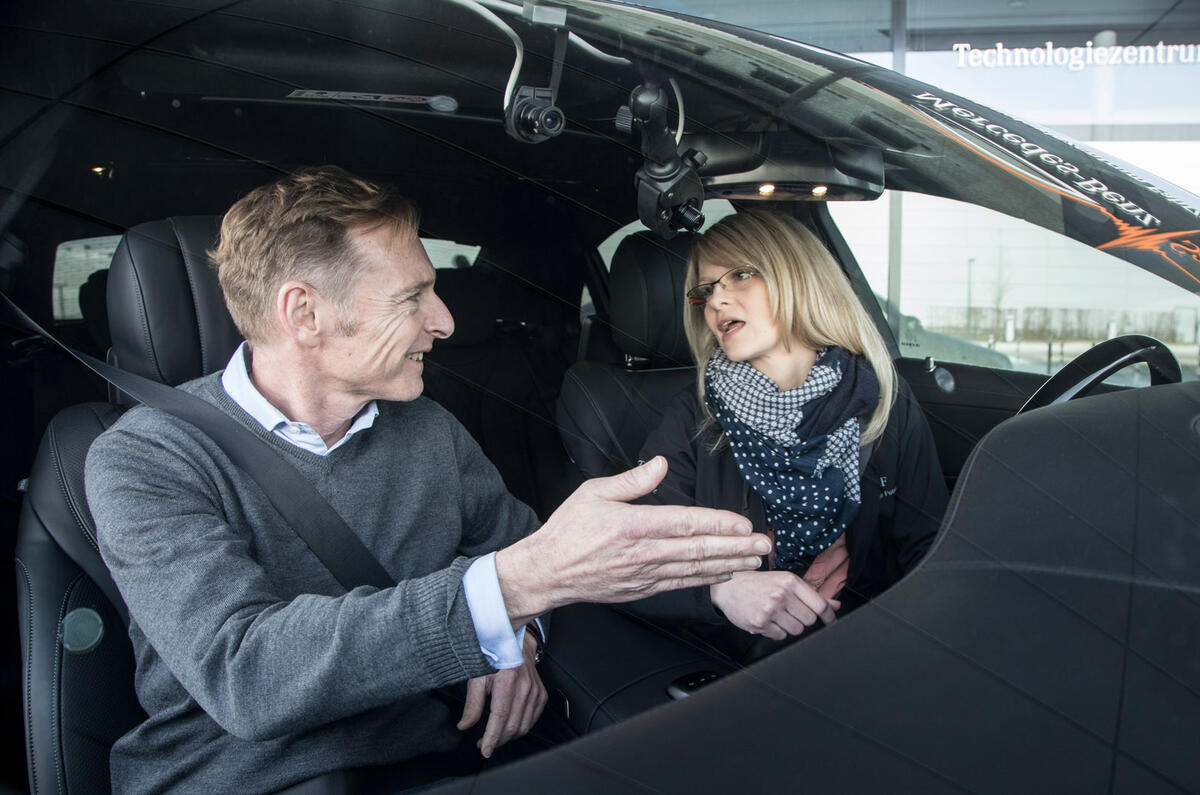
The new optional driver assistance system, which is accessed via buttons on a newly designed multi-function steering wheel rather than Mercedes-Benz’s traditional cruise control stalk, relies on an upgraded stereo camera mounted within the windscreen, with the two lenses moved further apart for improved definition, to scan road signs. It also uses an improved long-range radar system capable of operating at up to 250 metres in front of the car to support the driver and autonomously stop the S-Class if it detects an obstacle.
It's also able to provide anticipatory adjustments in speed on the basis of digital mapping data in the upgraded Comand Online 5.5 sat-nav and infotainment system. The mapping data, provided by the Here joint venture, which is owned by Audi, BMW and Mercedes-Benz, is described by Michael Hafner, the head of automated driving and active safety at Mercedes-Benz, as being “significantly more intelligent” than that of previous systems.
It is this data which allows the Active Distance function to reduce speeds at bends, roundabout and tollbooths, for example.
The character of the autonomous functions can be altered in three modes via the S-Class’s Dynamic Select system: Eco provides a conservative driving style for maximum fuel savings, Comfort aims for more serene progress and Sport is programmed to maximum accelerative potential while providing later and more severe braking. Cornering speeds are also varied between the three modes.
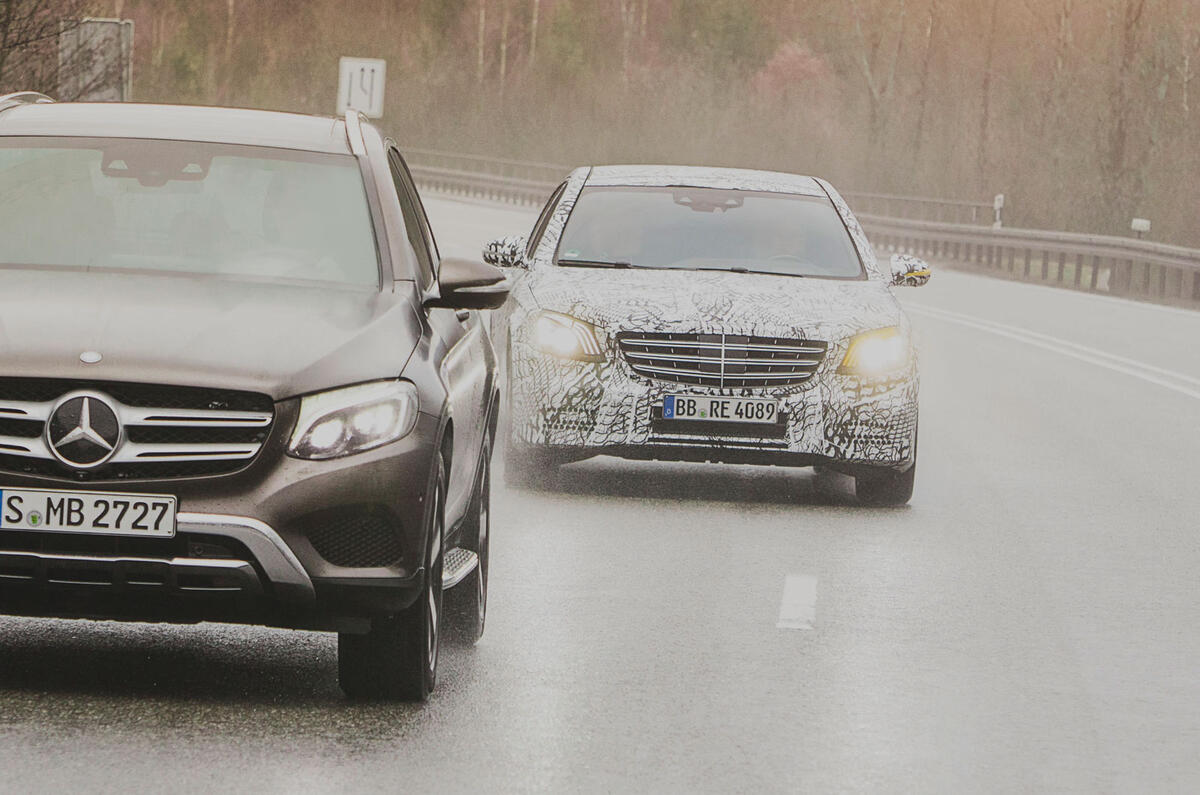
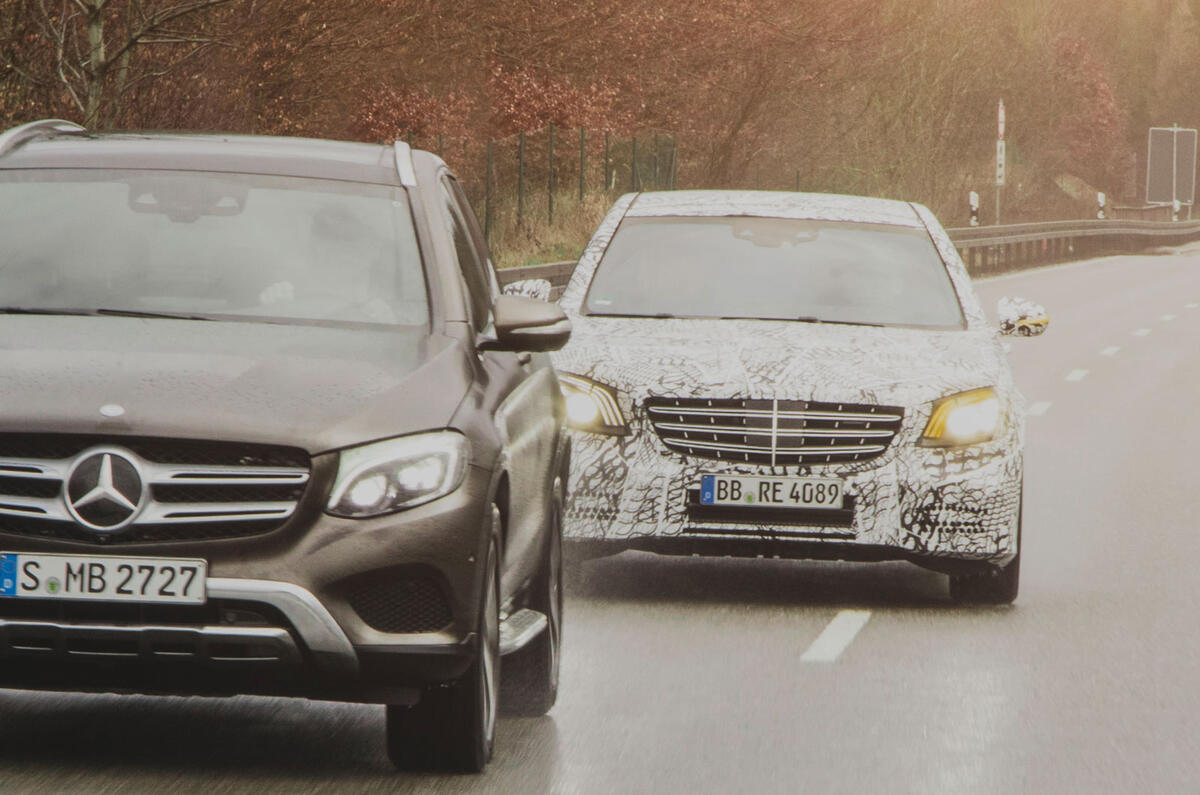
Mercedes-Benz’s latest autonomous cruise control function also controls the following distance to other vehicles within a speed range between 0 and 131mph. To maximise fuel economy in Eco mode, it also engages the coasting function during periods of trailing throttle, taking into account the speed limit and autonomously braking to ensure you remain within it.
Coupled with a revised Active Steering Assist function, the Active Distance function offered on the facelifted S-Class also provides autonomous steering for periods of up to 30sec. Hafner says the software controlling the autonomous steering function has been extensively reworked, providing it with greater accuracy and improved fluidity.
Further driver assistant systems set to be adopted by the facelifted S-Class include the Active Lane Change Assist, Active Emergency Stop Assist, Active Brake Assist and remote Parking Assist functions already offered on the E-class.

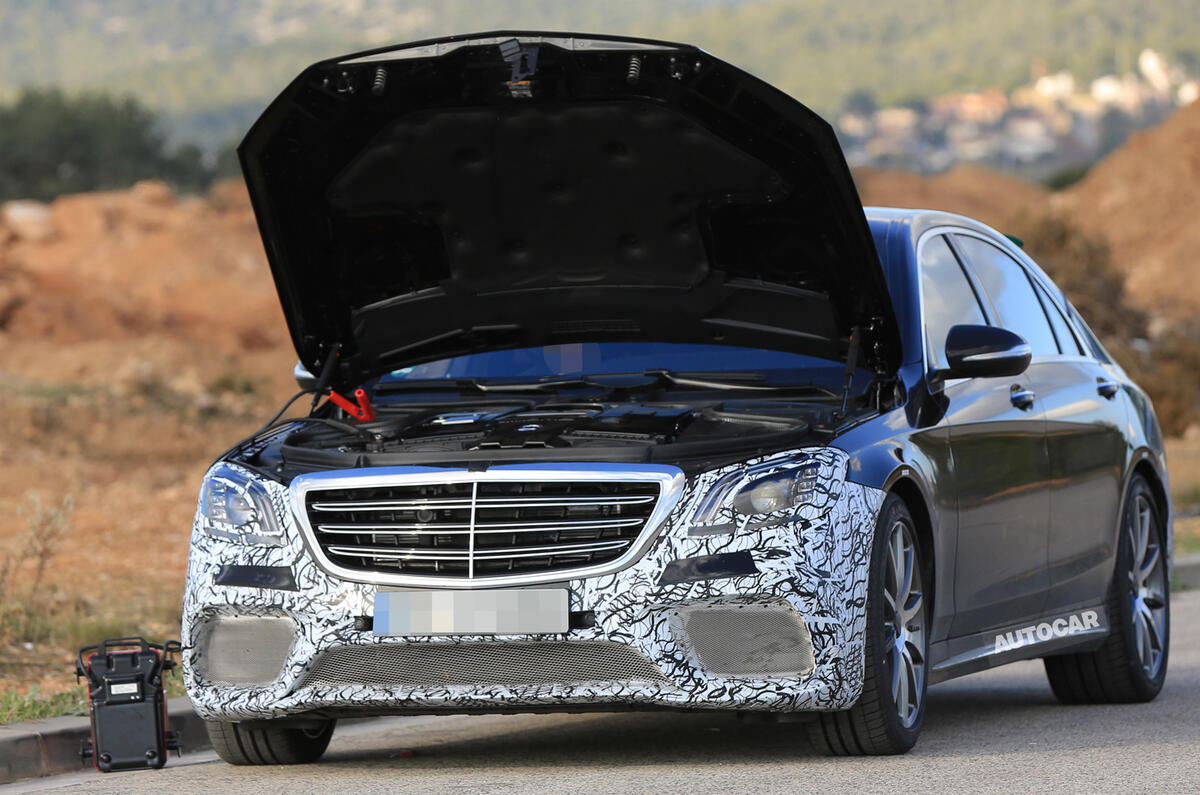
While Mercedes won’t confirm details of the car’s engine line-up until next week, the units are likely to be carried over in their entirety but with minor improvements to fuel economy and CO2 emissions figures.
We do know that the car maker’s straight-line 3.0-litre six-cylinder petrol unit will replace the V6, while a plug-in hybrid is also under development which will offer an all-electric range of “more than 50km” (31 miles), according to Fetzer.
He also confirmed the introduction of the 48-volt mild-hybrid system, as reported by Autocar last year, describing it as one of “the biggest refreshments” for the car. While he said it would not be used across all engines in the S-Class’ line-up, it will be used in the new straight-six unit. It uses an electrical motor attached directly to the crankshaft. This can act as both an alternator and a starter – allowing the engine to fire up in just a fraction of a second – but it will also be able to add assistance and harvest electricity through regenerative braking.
Ketzer confirmed that both AMG 63 and AMG 65 models would remain in the range, but said a warm AMG 43 variant – which are proving popular in other AMG models – is not currently under consideration for the S-Class. “We don’t currently foresee the 43 for the S-Class,” he said, adding that the AMG 63 and AMG 65 do “extremely well for us in the S-Class”. The AMG 63 model's current power is expected to increase from 577bhp.
With S-Class customers keen for performance and luxury, the Maybach variant will also continue in the revised line-up, confirmed Ketzer, while regular and long-wheel base varieties will stay too.
Pricing has not yet been announced, but expect a small increase over the current model which starts from £70,425 and rises to £195,875 for the AMG S 65 variant.
First ride in the revised S-Class
As we set off in the facelifted S-Class with all its various driving assistant systems switched on for the first time, the overriding impression is just how far Mercedes has come to delivering on the promise of equipping its future models with fully autonomous driving capability.
While Mercedes is yet to provide its upper luxury saloon with a full-time autonomous steering function due to such a system's illegality on European roads, the combination of its new Active Distance Assist and Active Speed Limit Assist functions nevertheless represent a significant step toward endowing the S-Class with the driverless mobile lounge-like qualities touted by recent future-focused concepts such as the F015 Luxury In Motion.
With a route programmed into its updated Command Online navigation system, the updated S-Class gets under way with a nudge of the throttle from the driver. From there, it autonomously accelerates and brakes its way out of Mercedes' technical centre on the outskirts of Stuttgart.
Using information gathered by its newly engineered stereo camera, long-distance radar and digital mapping data from the navigation system, we spend almost an hour heading along a section of a six-lane autobahn, winding country roads and urban streets. Impressively, the only action required by the driver is an occasional tweak on the new multi-function steering wheel.
With the new Mercedes able to accelerate and brake on its own, stress on its driver is clearly reduced. As a further advantage, the car's speed never rises above the legal limit.

What really impresses is the predictive element Mercedes has engineered into its latest Distronic system. As we exit an autobahn, the S-Class autonomously applies braking force within the exit lane, recognising the corner ahead and adjusting our speed accordingly. When we reach the corner, sufficient speed has been wiped off to enable the driver to confidently turn in before the car accelerates itself back up to the 70km/h limit without the driver’s foot coming anywhere near the throttle.
In another example of the predictive capability, the new Distronic system applies braking force while on the entry to towns, ensuring the speed of the car is perfectly matched to the limit right at the appearance of the town sign.
What it also does well is easily identify temporary speed limits in construction zones, even on signs that are partly obscured.
But while representing a big advance on the former Distronic system, the Active Distance Assist and Active Speed limit Assist systems are not quite perfect. The sign scanning software cannot yet differentiate between varying speed limits where the sign denotes a certain time of day for one limit and then a second time of day for another limit. “We’re working on it”, says Hafner. “But the complexities are enormous and these things simply take time.”
We also noticed that the car failed to come off the throttle and adjust speed when we passed a temporary sign warning of an oil spillage.
The Mercedes-AMG S 63 will also be facelifted. Click here for the latest on that car
Additional reporting by Mike Duff and Darren Moss

Join the debate
Add your comment
Russian Roulette
@MarkII - opposite for me
@Deputy - Engineering Limitations
Speed Limit + 10%
Used nightmare