
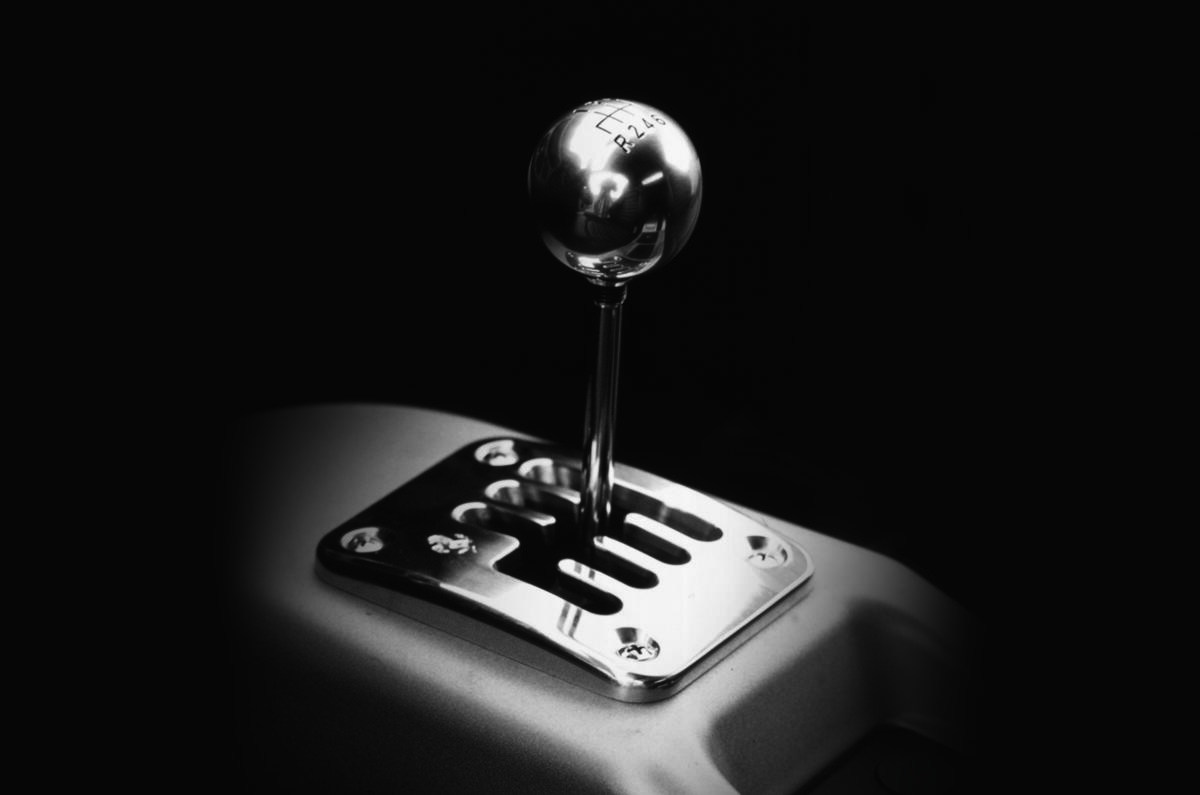
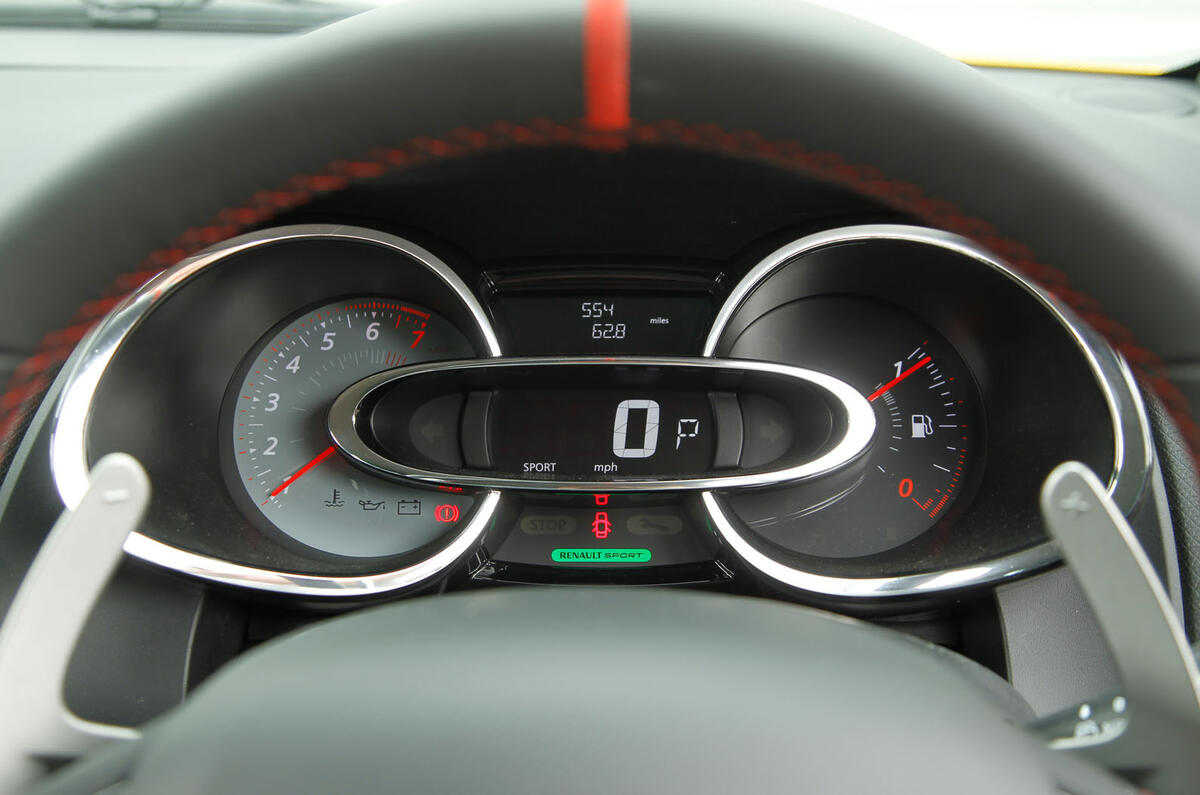
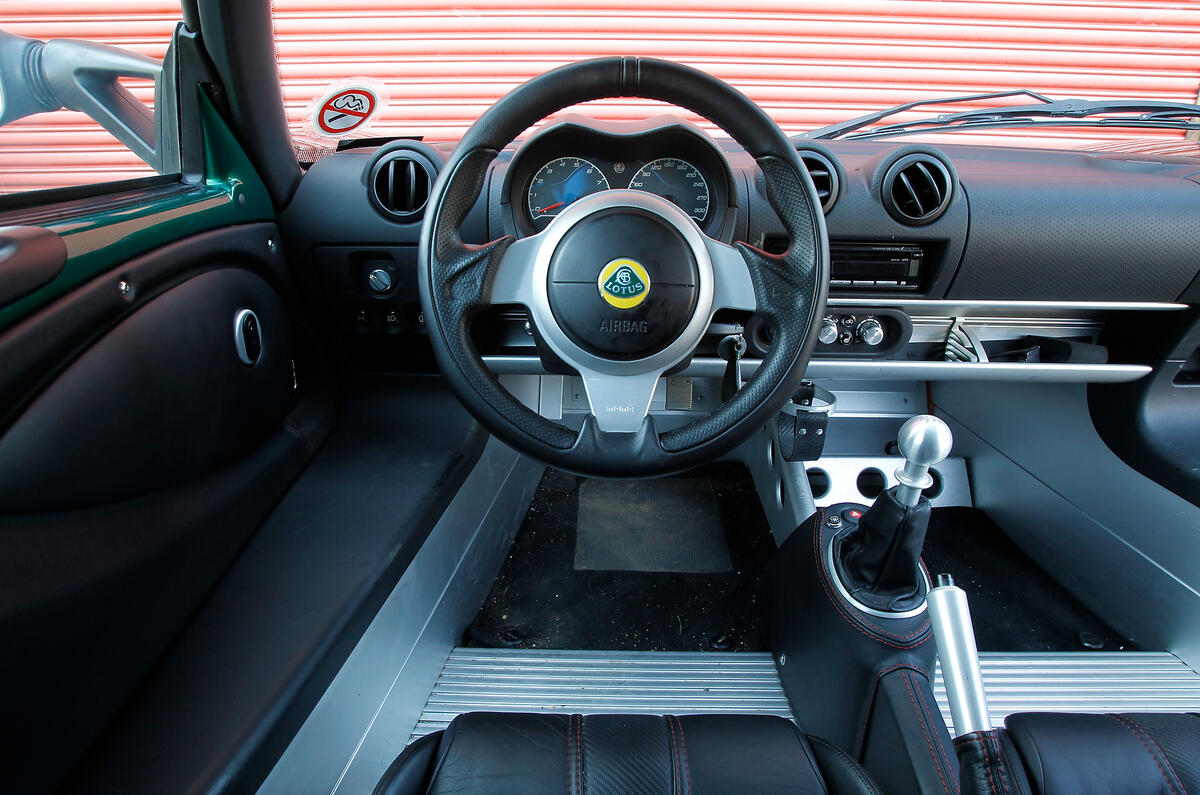
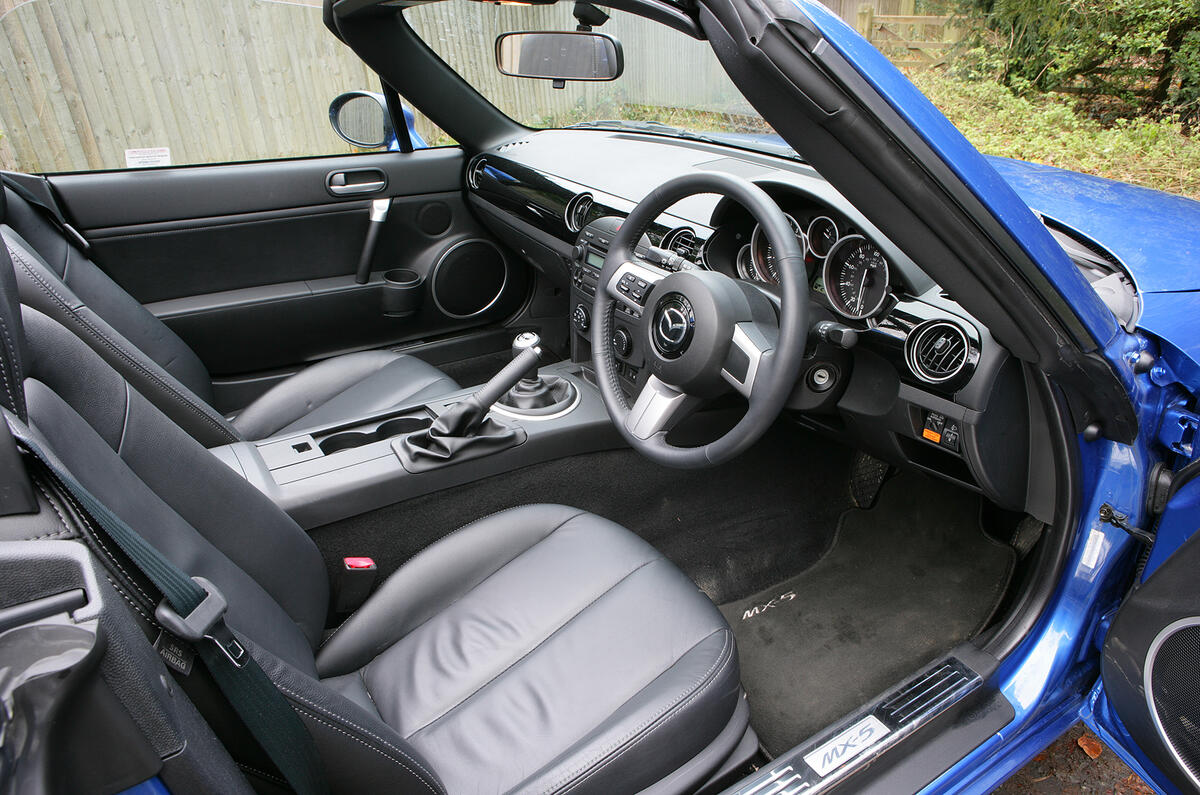
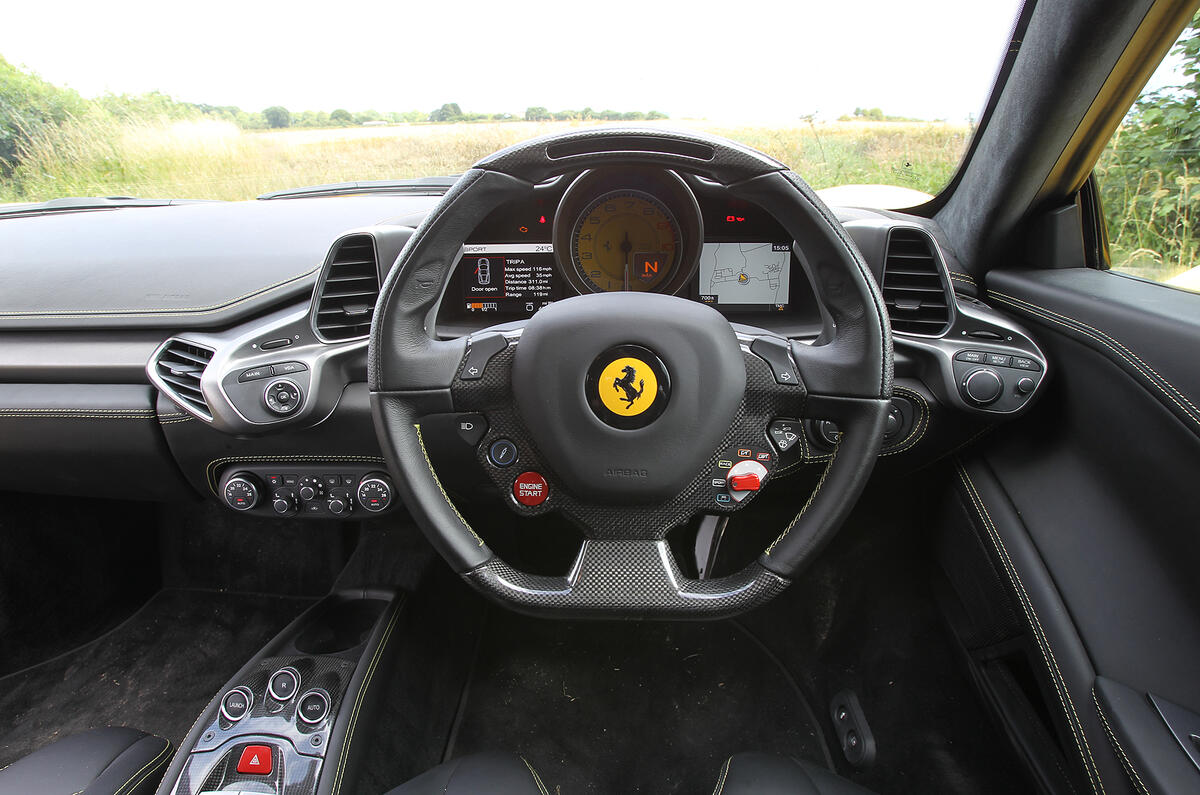
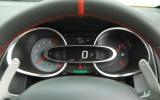
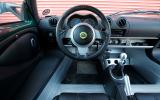
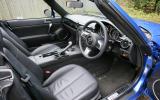
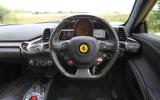

Like it or not, 2013 was the year in which the manual gearbox all but rolled over and died.
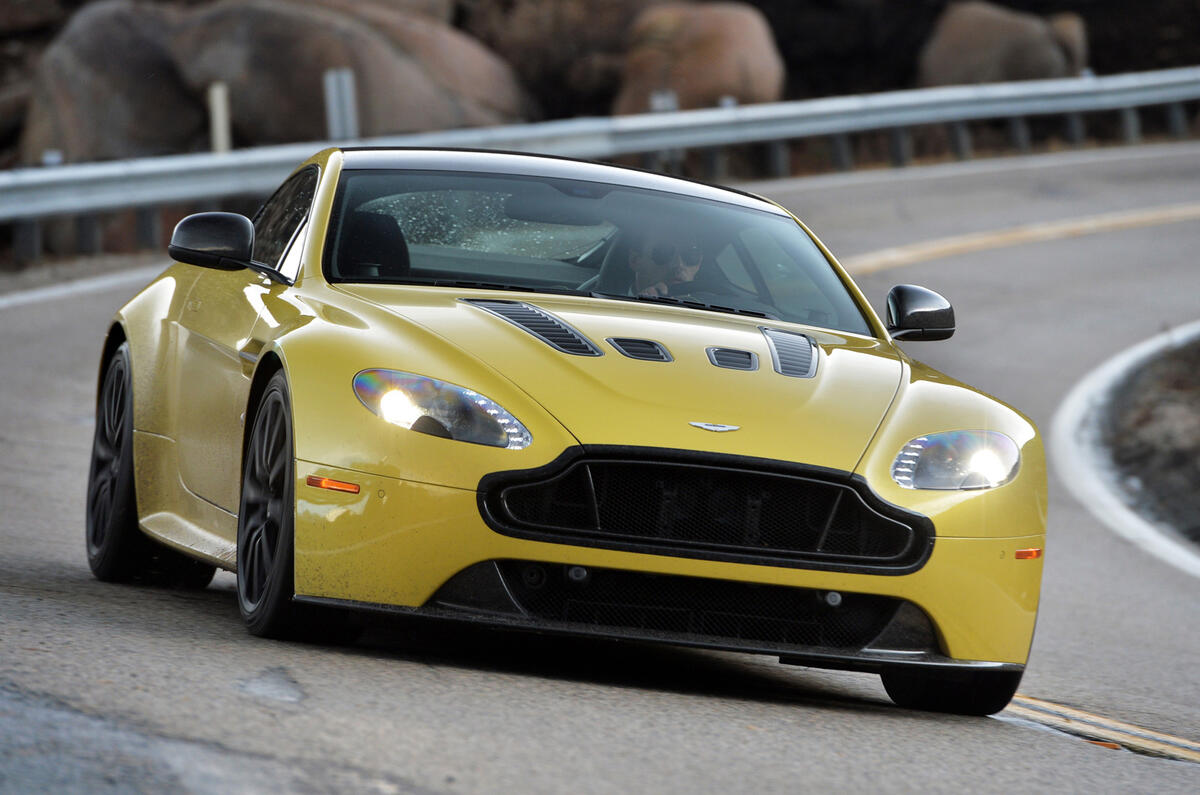
The list of so-called enthusiast’s cars that were replaced this year without the option of a manual gearbox is long and, in some instances, quite shocking. Take a bow the new Porsche 911 GT3 and 911 Turbo, Renault’s new Clio RS 200 Turbo, Aston Martin’s latest V12 Vantage S and all of Lamborghini’s new supercars, to name but a few.
What this proves, beyond all reasonable argument, is that the manual gearbox, or the stick shift, as they refer to it across the pond, will soon be a thing of the past, certainly among new cars at any rate. Or will it?
In the UK, and despite the hype surrounding the supposed death of the manual transmission and the inexorable rise of the flappy-paddle gearbox, some 75 per cent of the 1.8 million new cars that were bought before 20 October this year had, yes, a manual ’box. In other words, only a quarter of new cars sold in the UK this year were automatics, and by no means all of those have flappy paddles and even fewer are full-blown dual-clutch autos.
Looking at the overall sales figues since 2004, the popularity of the manual gearbox has dropped slightly, true, but nowhere near at the rate that you might think. In 2004, 17.6 per cent of the 2.55 million new cars sold had an automatic gearbox, which means a rise in popularity of just 7.6 per cent during the past decade. Which is hardly what you’d call a fatality for the manual gearbox, even if a mere seven per cent of new cars sold in the US this year had a stick shift.
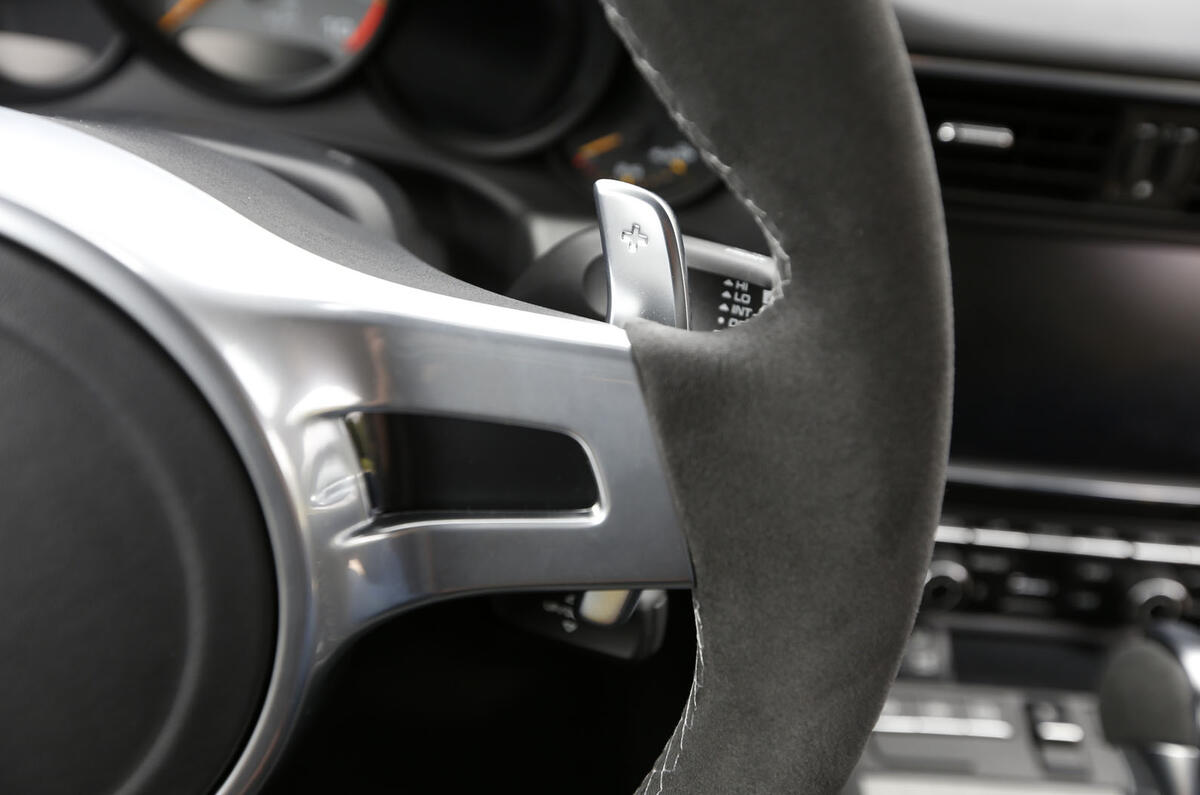
Even so, manufacturers such as Ferrari and Jaguar realised long ago that developing high-end sporting cars with manual gearboxes is pointless, because their customers are no longer interested in buying them. But it’s the increasing popularity of flappy-paddle gearboxes among more humble cars, such as next year’s new Vauxhall Corsa – to be offered with the option of a dual-clutch auto – that is arguably more indicative of the direction in which the overall market is heading. Which poses one or two intriguing new questions.
What happens, for example, if you take your driving test in a car with a dual-clutch gearbox and then buy a secondhand car that’s manual? Would you be allowed to drive a manual car, having passed your test in a dual-clutch auto BSM Corsa?
And why is it that the dual-clutch auto in particular – expensive to engineer and traditionally heavier than its manual equivalent – has become the transmission of choice of late, especially among cars aimed squarely at the enthusiast?
So here we ask several key engineers from some of the more high-profile sports car companies why, and indeed if, they believe that the manual gearbox became a thing of the past in 2013.
Aston Martin
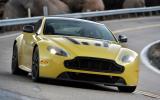
Director of product development at Aston Martin Ian Minards explains why the new V12 Vantage S – one of the rawest, manliest sports cars that money could buy at one time – swapped from manual to paddle shift this year.
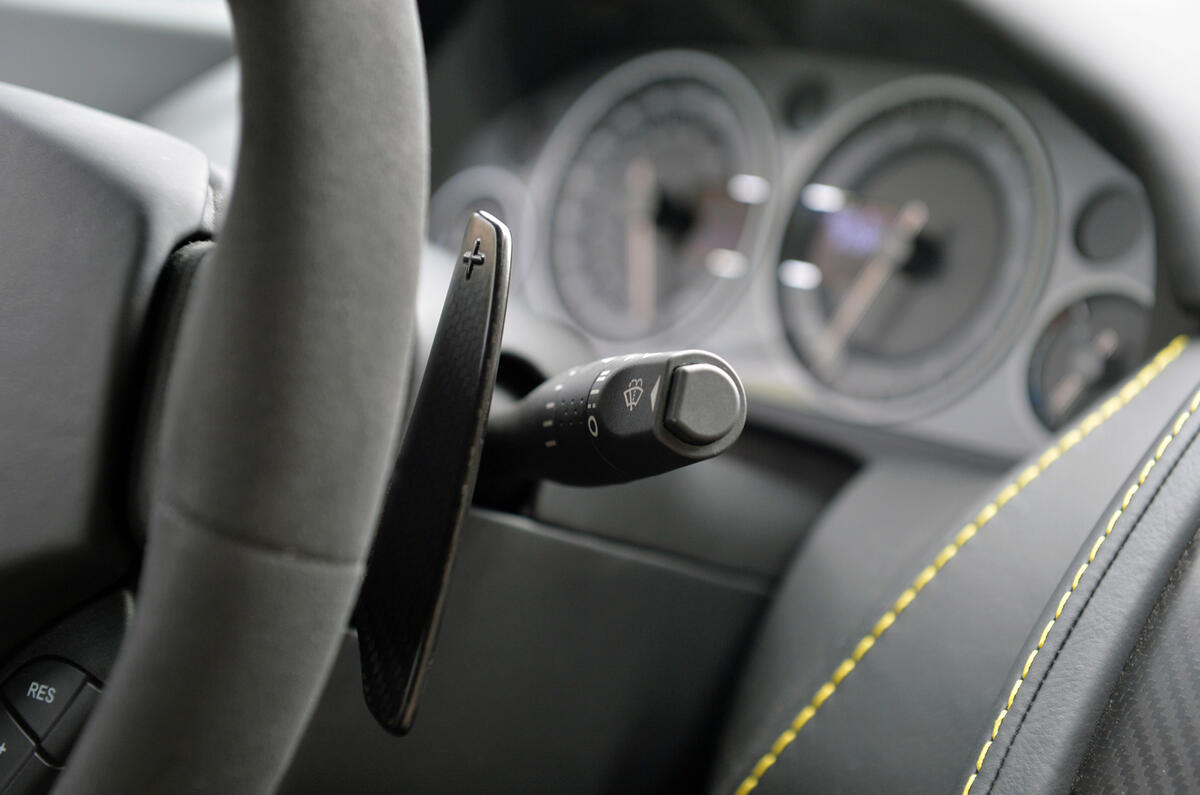
“The V12 Vantage S uses the new iteration of our automated manual transmission, Sportshift III, for very good reason,” he says. “Aside from the considerable weight saving – it’s 20kg lighter than an equivalent manual – this gearbox not only broadens the appeal of Vantage S in markets where there is little or no appetite for a manual, but it also delivers the kind of motorsport-derived performance that is simply unachievable with a conventional stick shift.


