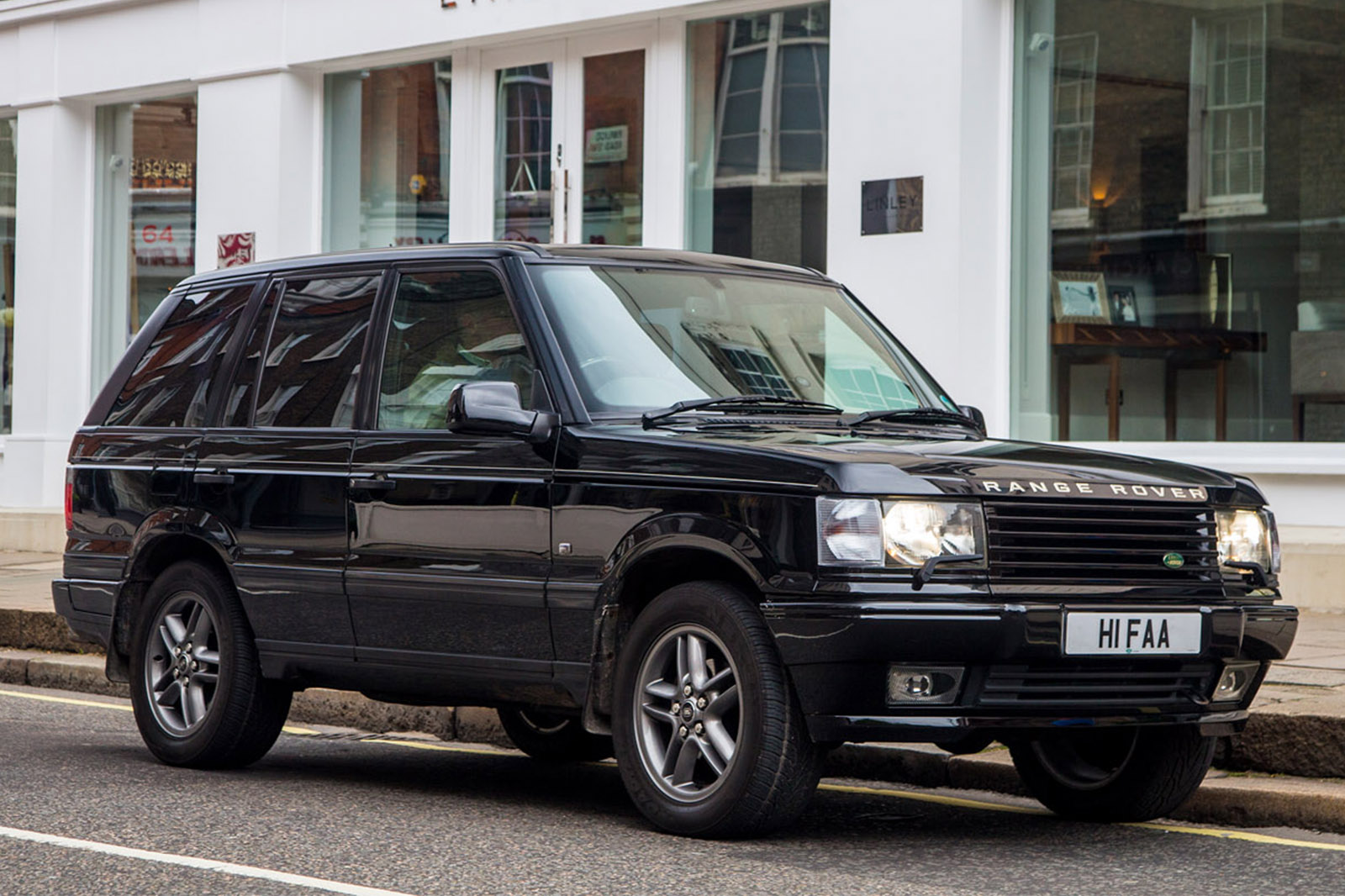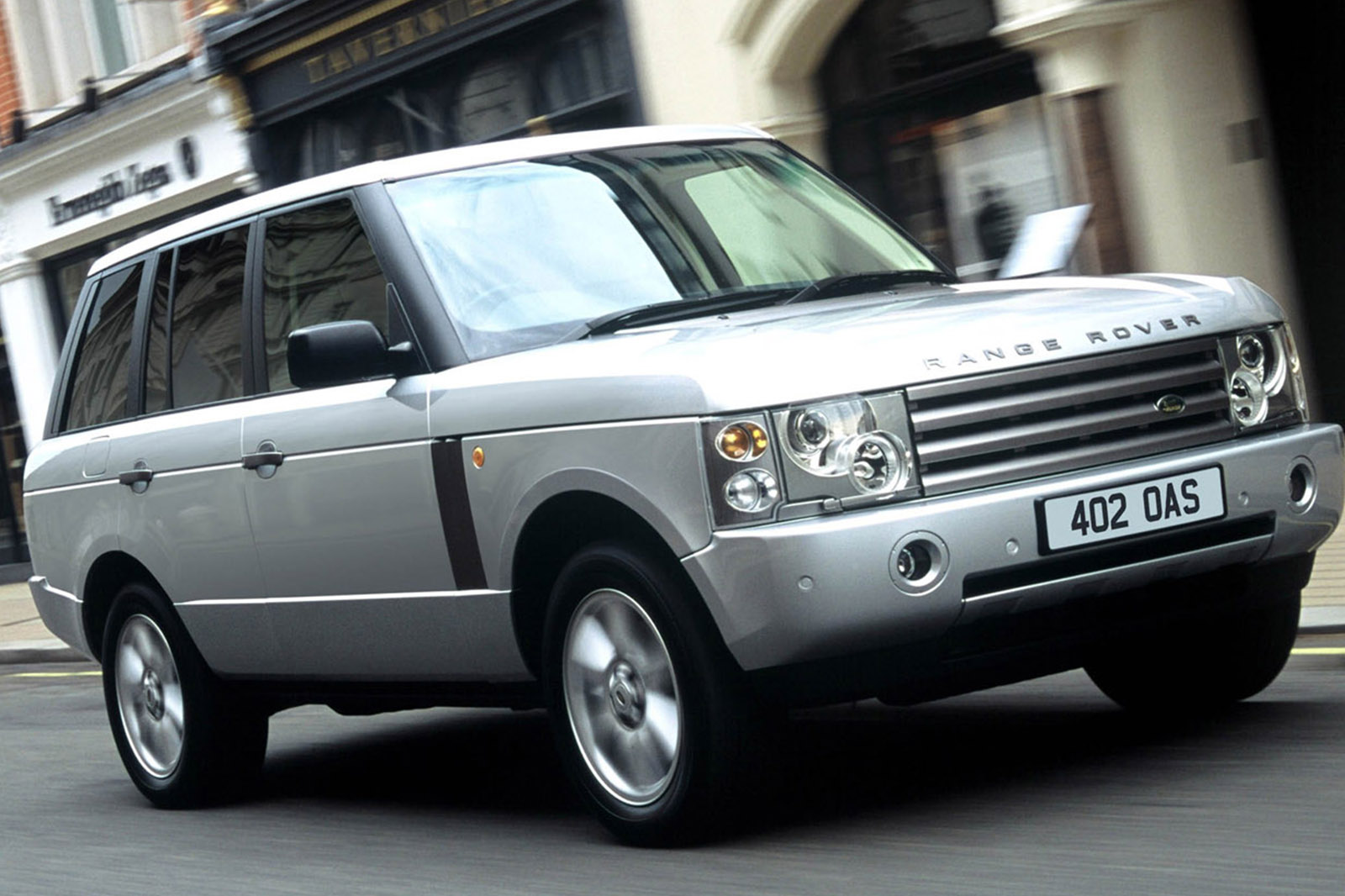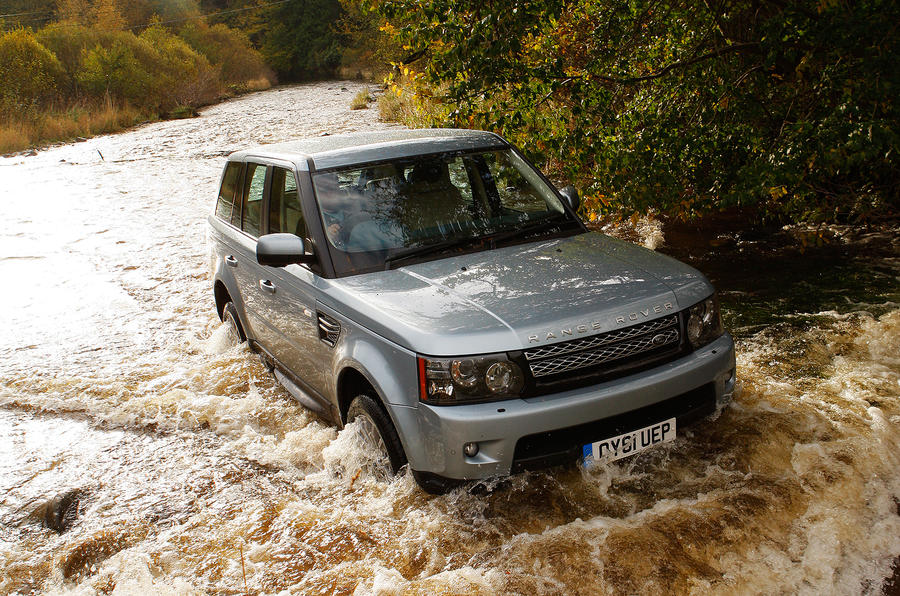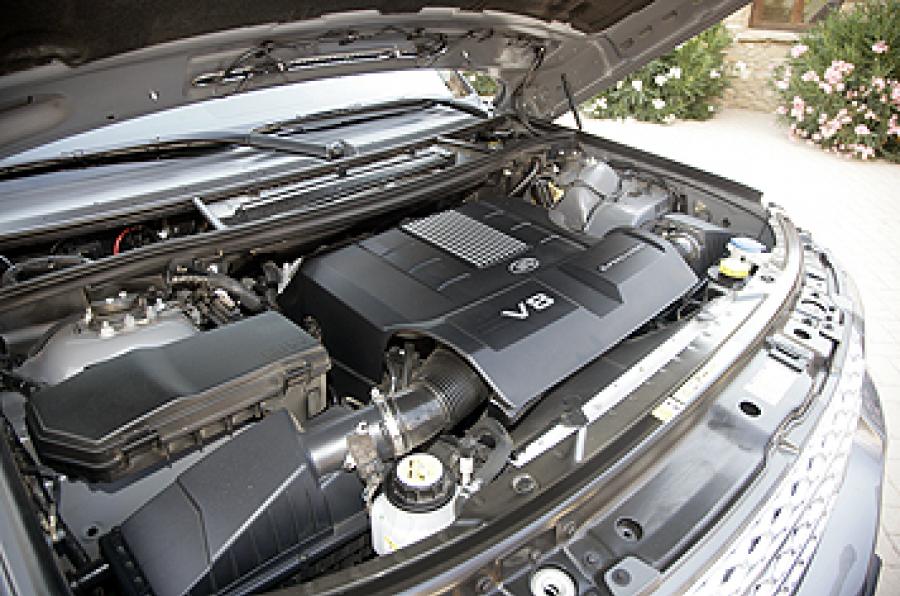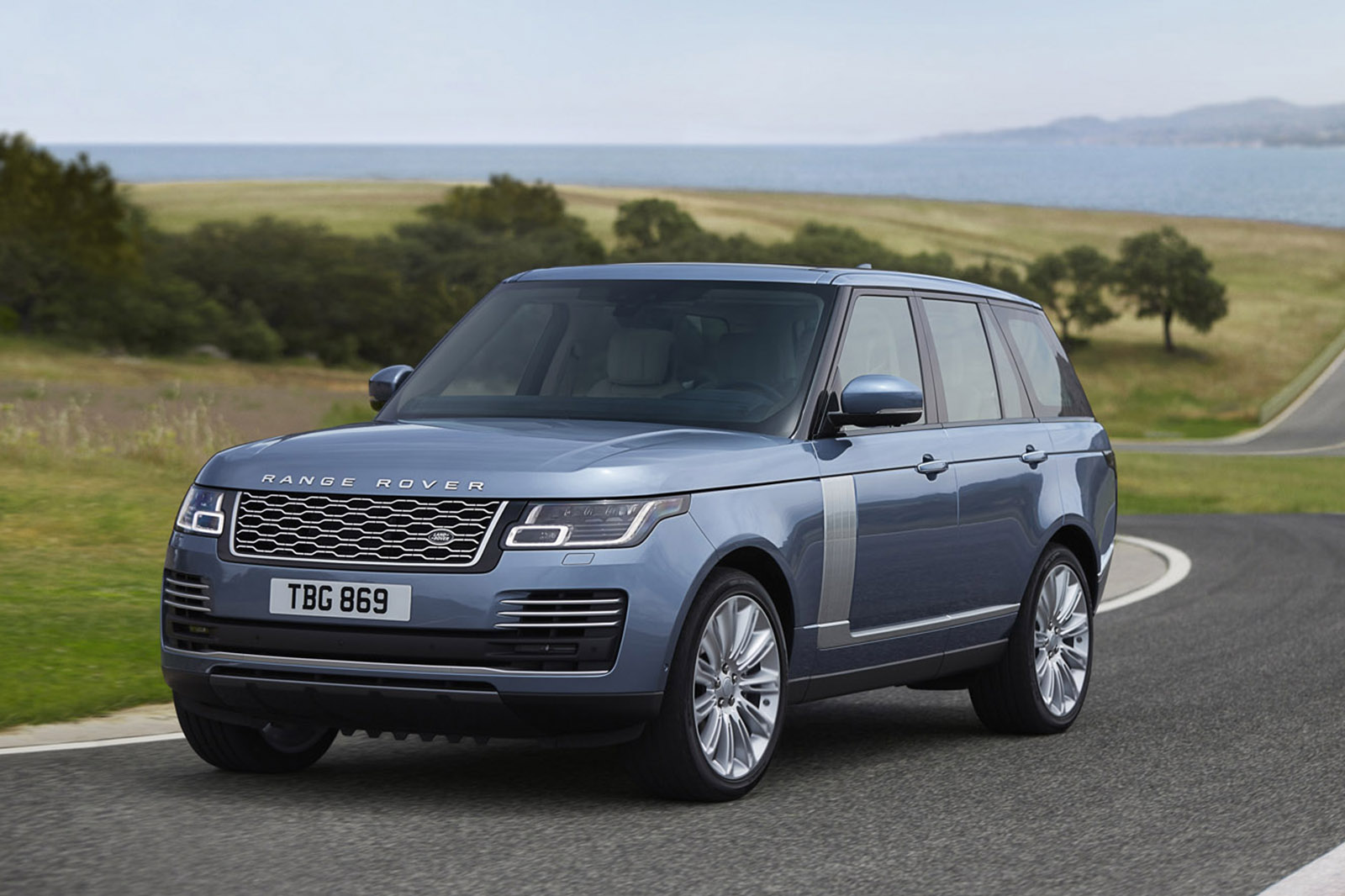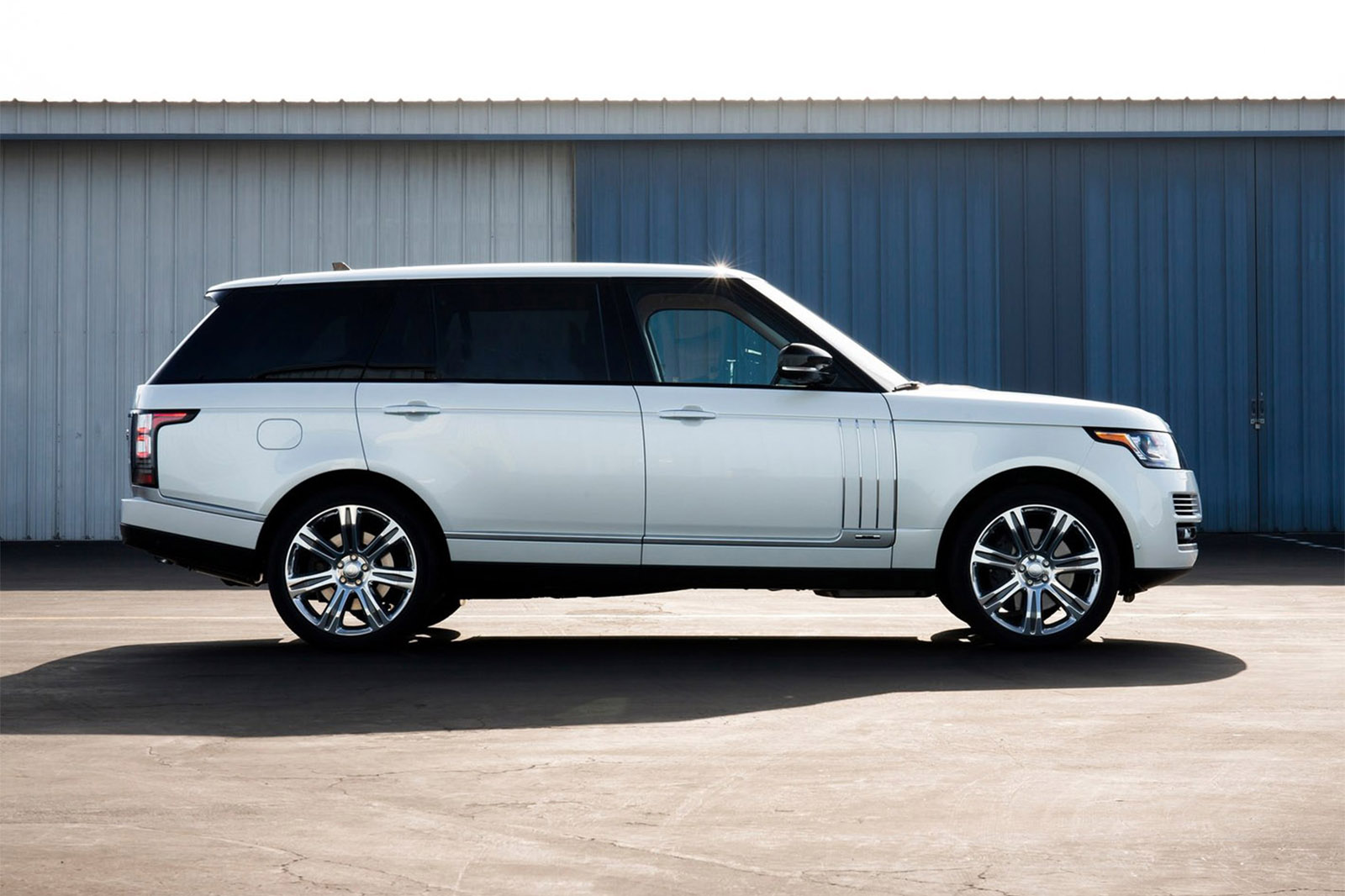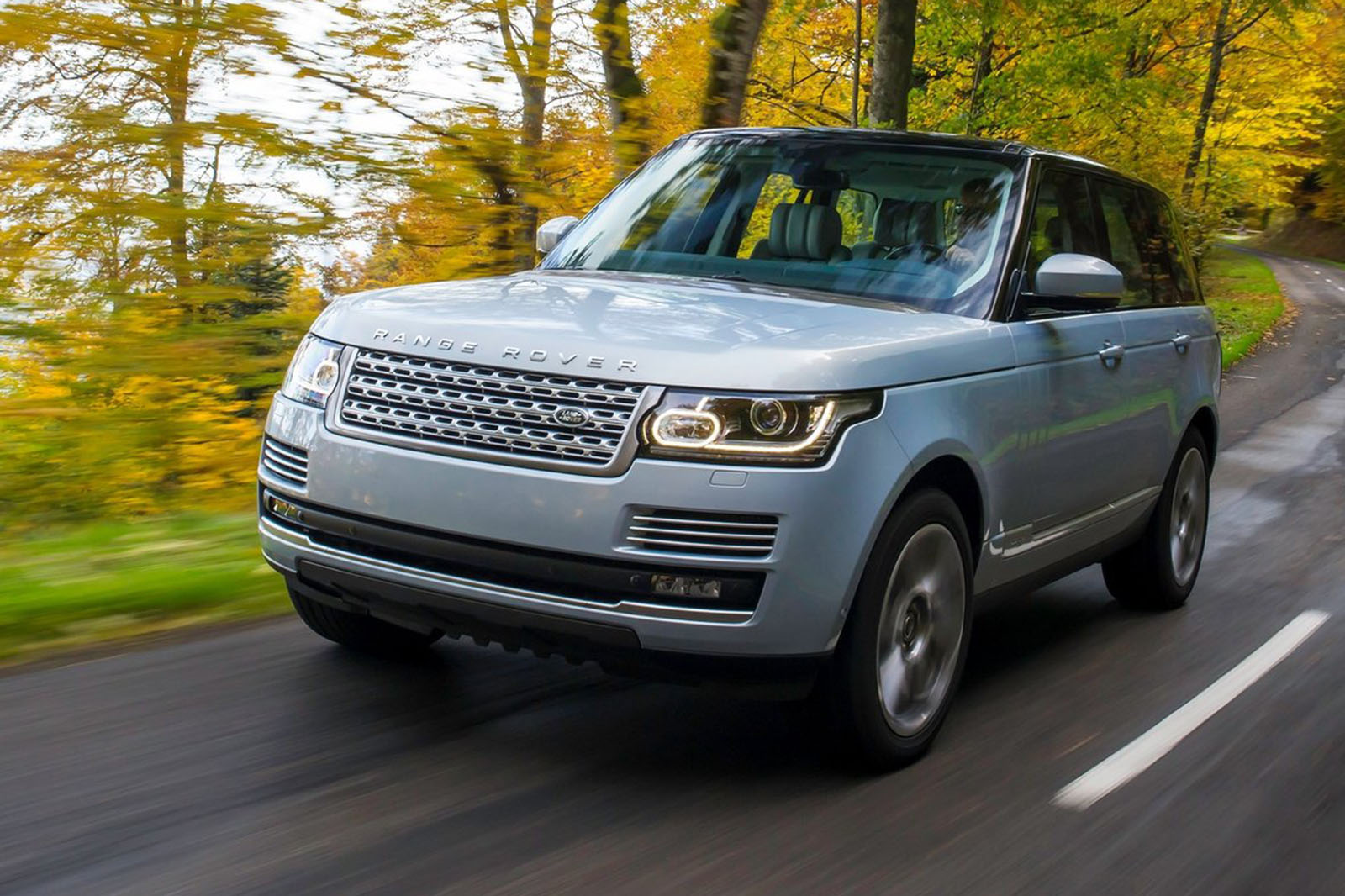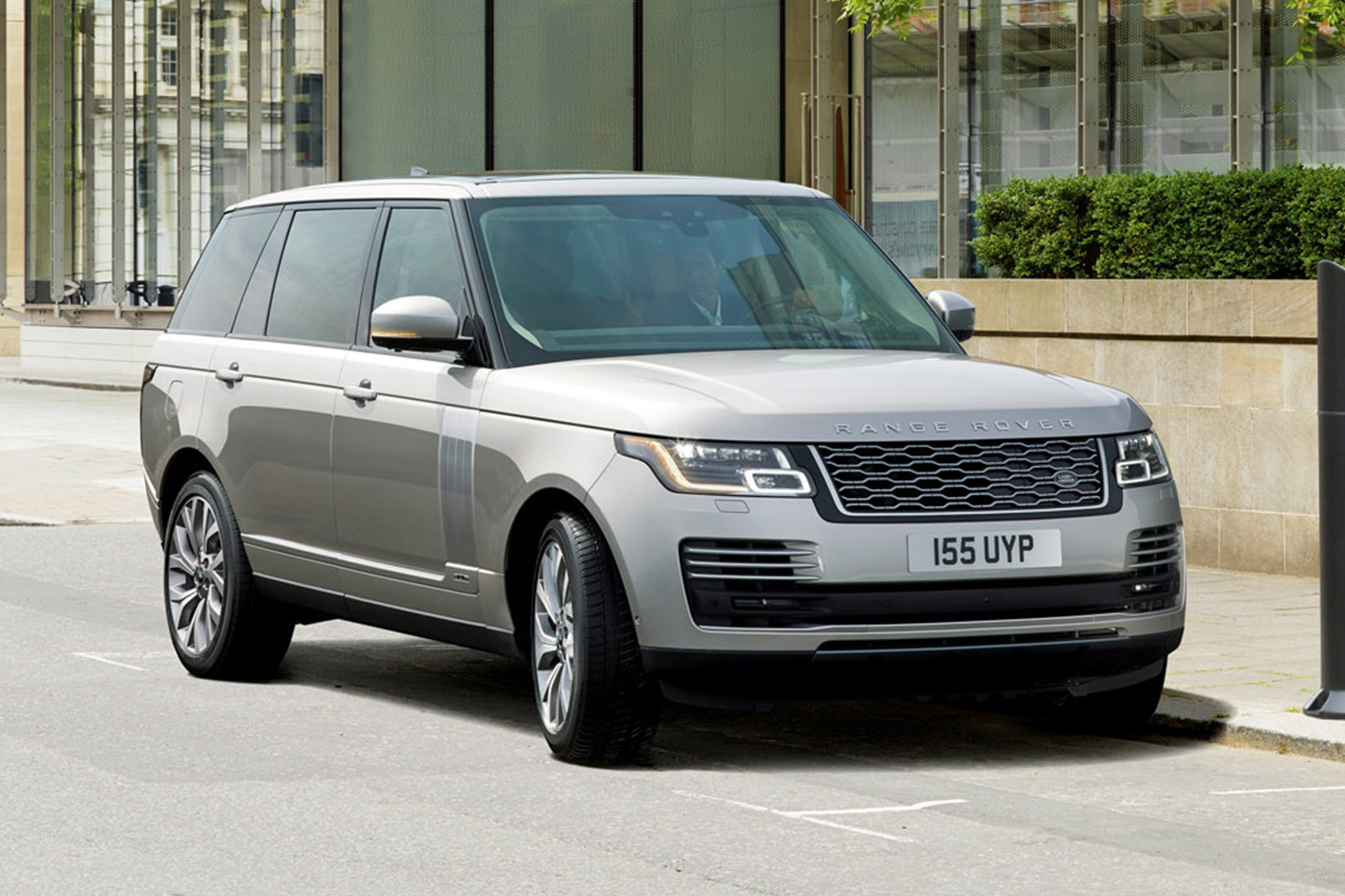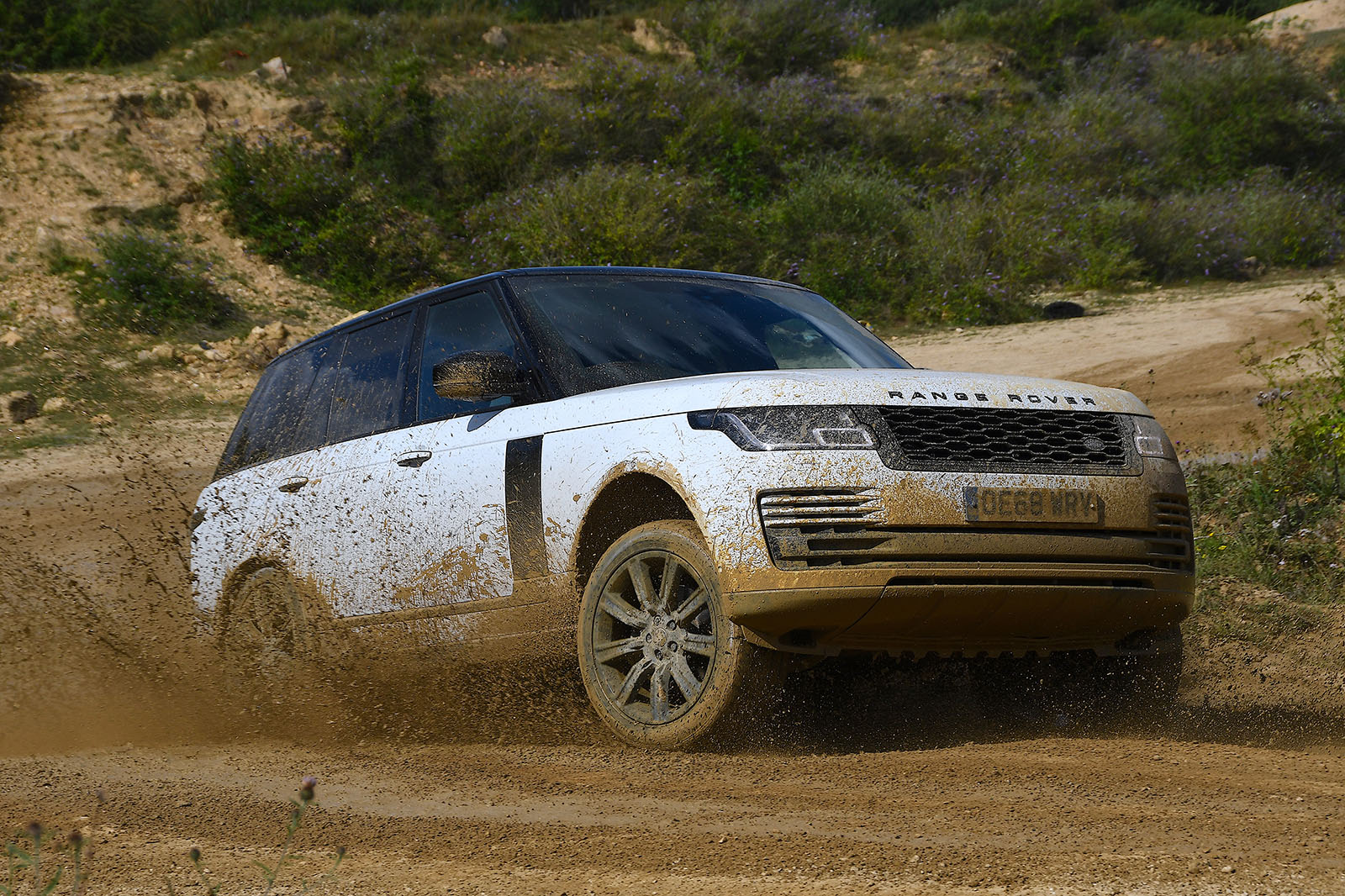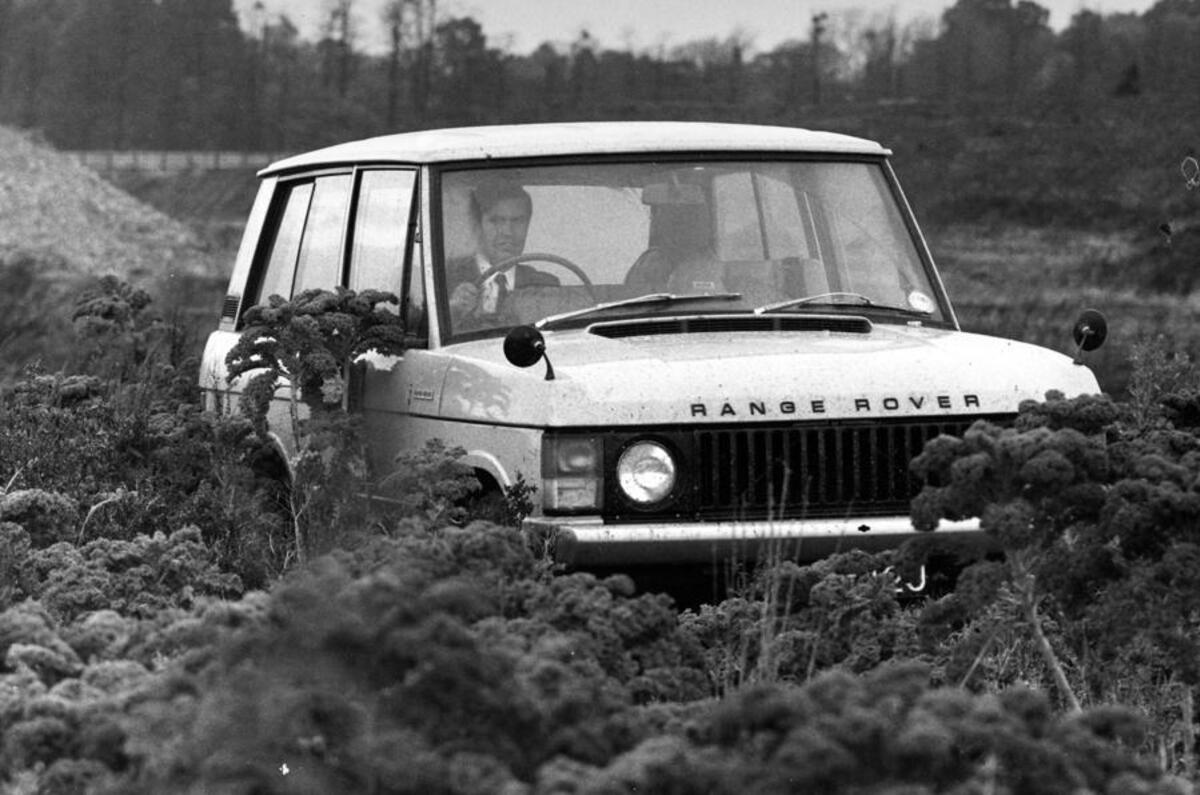

2020 marks 50 years of the Range Rover.
Land Rover’s seminal 4x4 arrived in 1970 and would go on to define the premium off-road class. But where did the story start, and how did three engineers working out of hours create the outline of what would become the Rover Company’s all-new model?
1965 - Origins of the lifestyle Land Rover
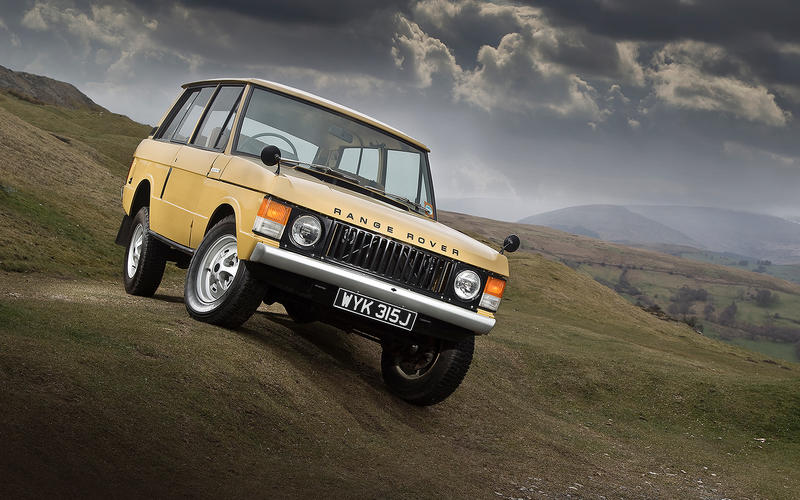
The Range Rover story begins in 1965, when the concept of a lifestyle Land Rover was first mooted. The company had recently begun producing Land Rovers designed for the road in the form of the imaginatively named Road Rovers; however, it would be another few years before anything recognisably Range Rover-like would emerge from the Gaydon pipeline.
1967 - Concept becomes prototype
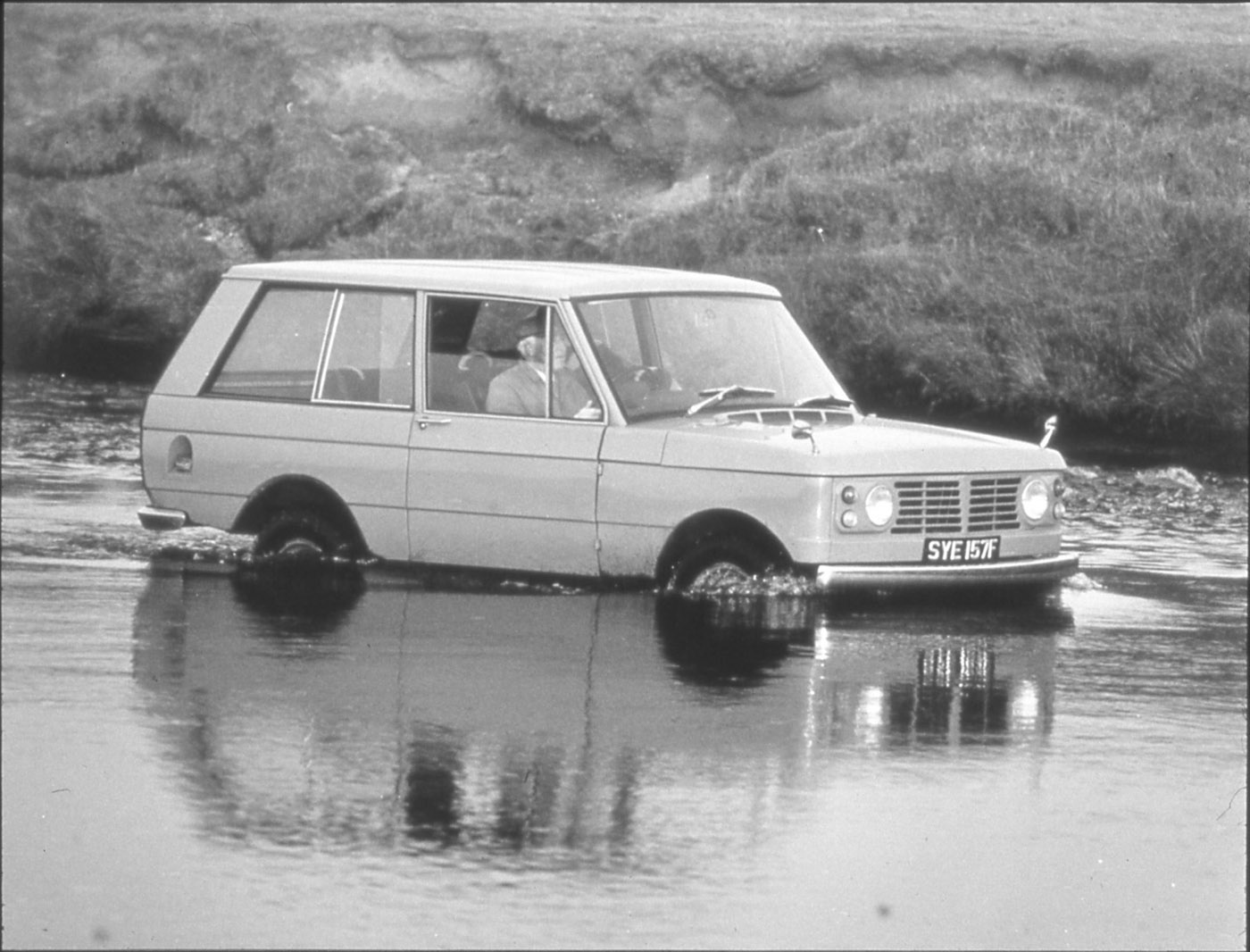
The first real forerunner to the modern Range Rover was designed in 1966 and brought to fruition within two years. It’s name - variously ‘Alternative Station Wagon’, ‘100-inch Station Wagon’ and ‘Concept Oyster’ - wasn’t the catchiest of things. Thank goodness, they settled on Range Rover.
The first prototype emerged in 1967. Although it’s outline was recognisably Range Rovery, the inside consisted mostly of Land Rover hardware such as axles, selectable four-wheel drive and drum brakes all cribbed from the extant 4x4.
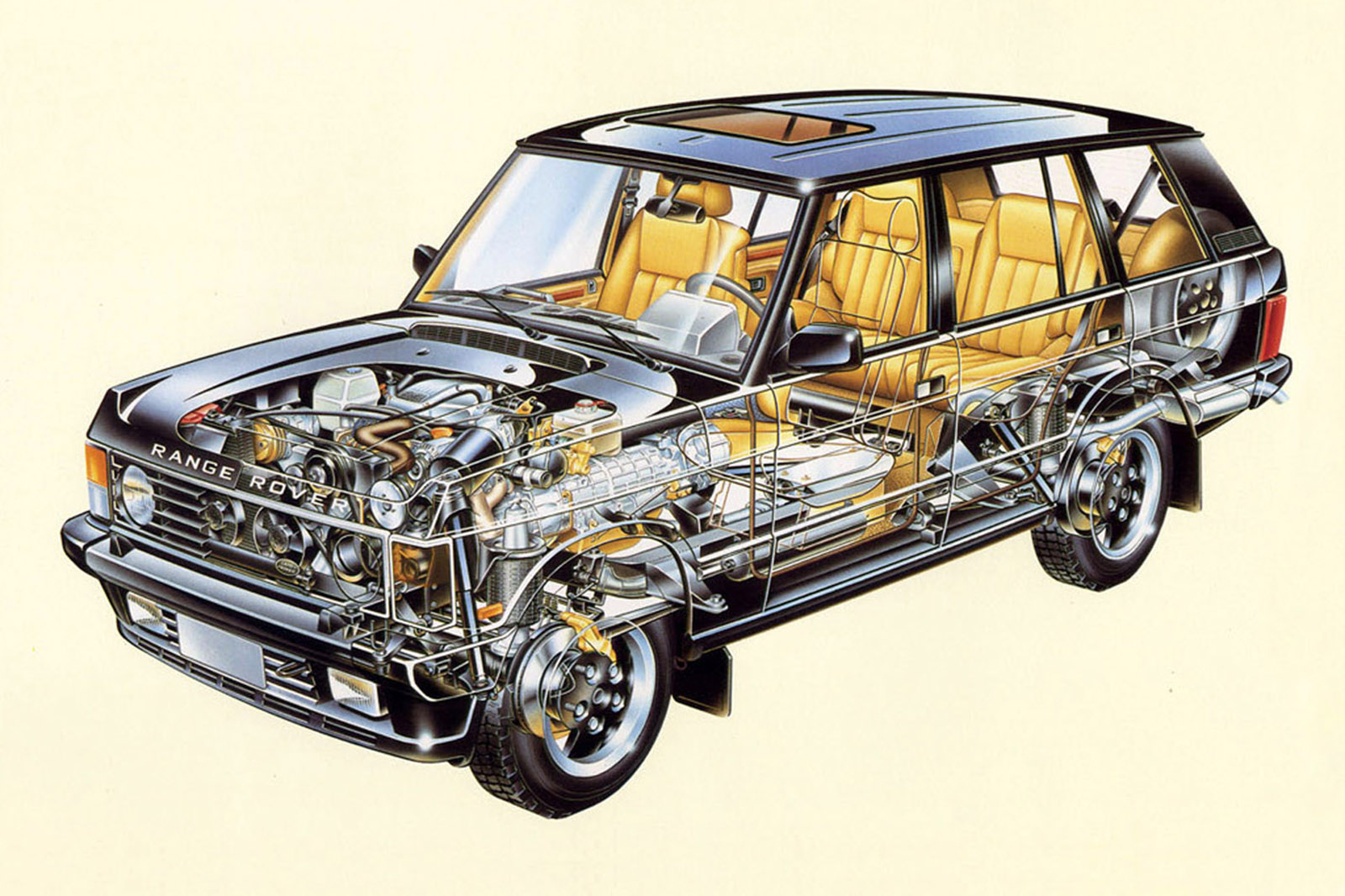
That all changed with the second prototype, however. This car featured prototype full-time four-wheel drive and a Boge Hydromat self-levelling strut to maintain ride height at the back, all of which would be transferred into future production cars.
1970 - Mk1 Range Rover is launched
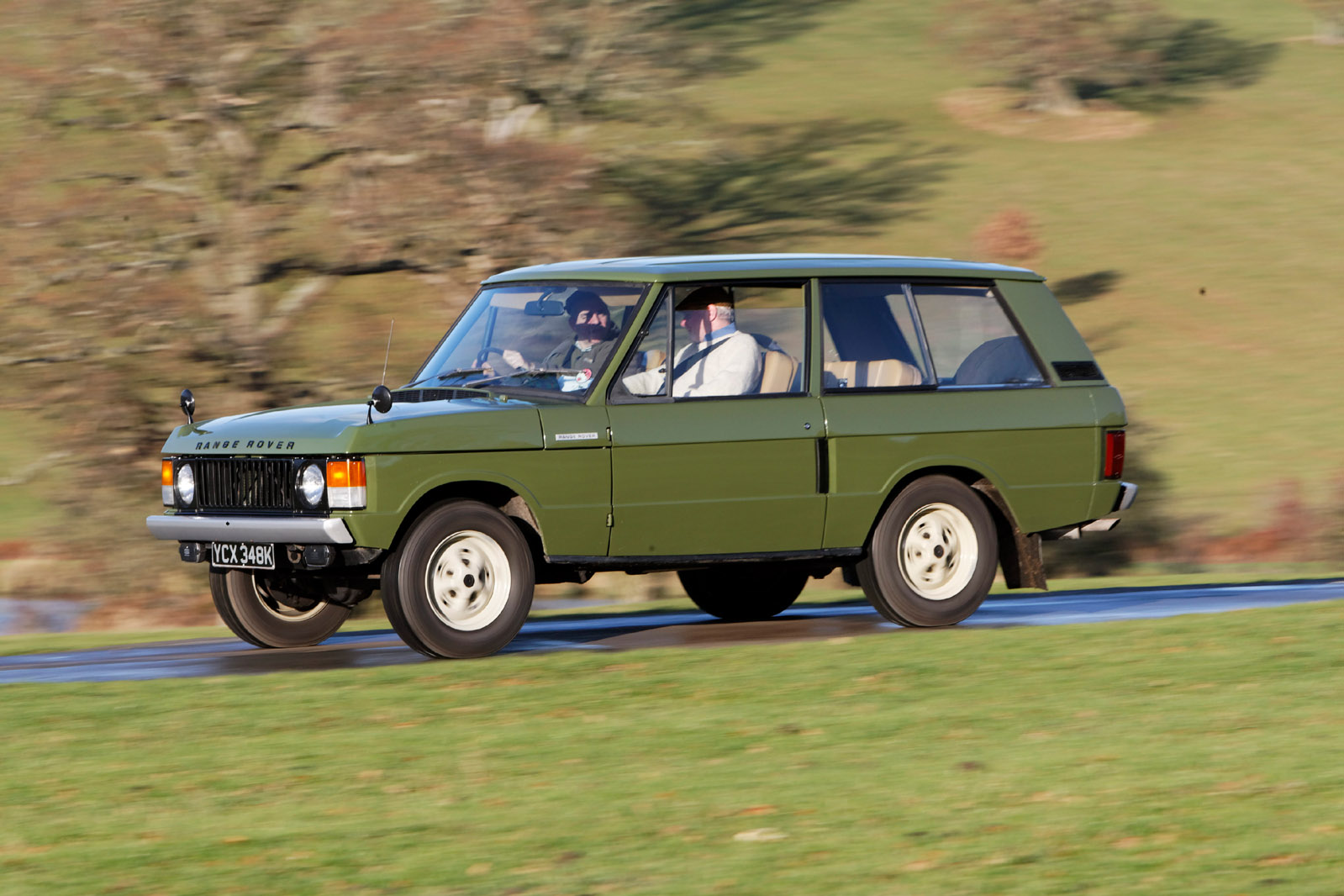
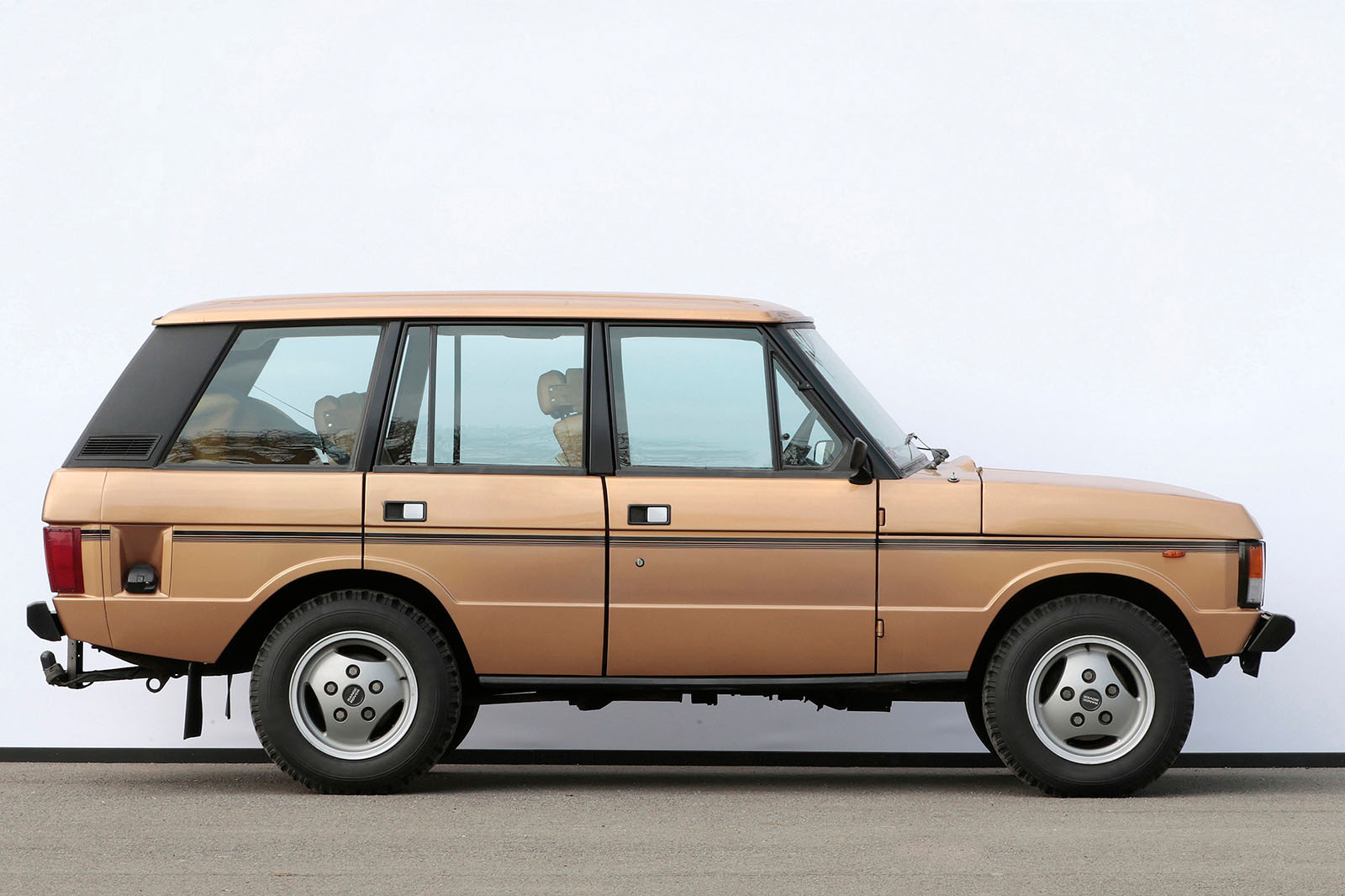
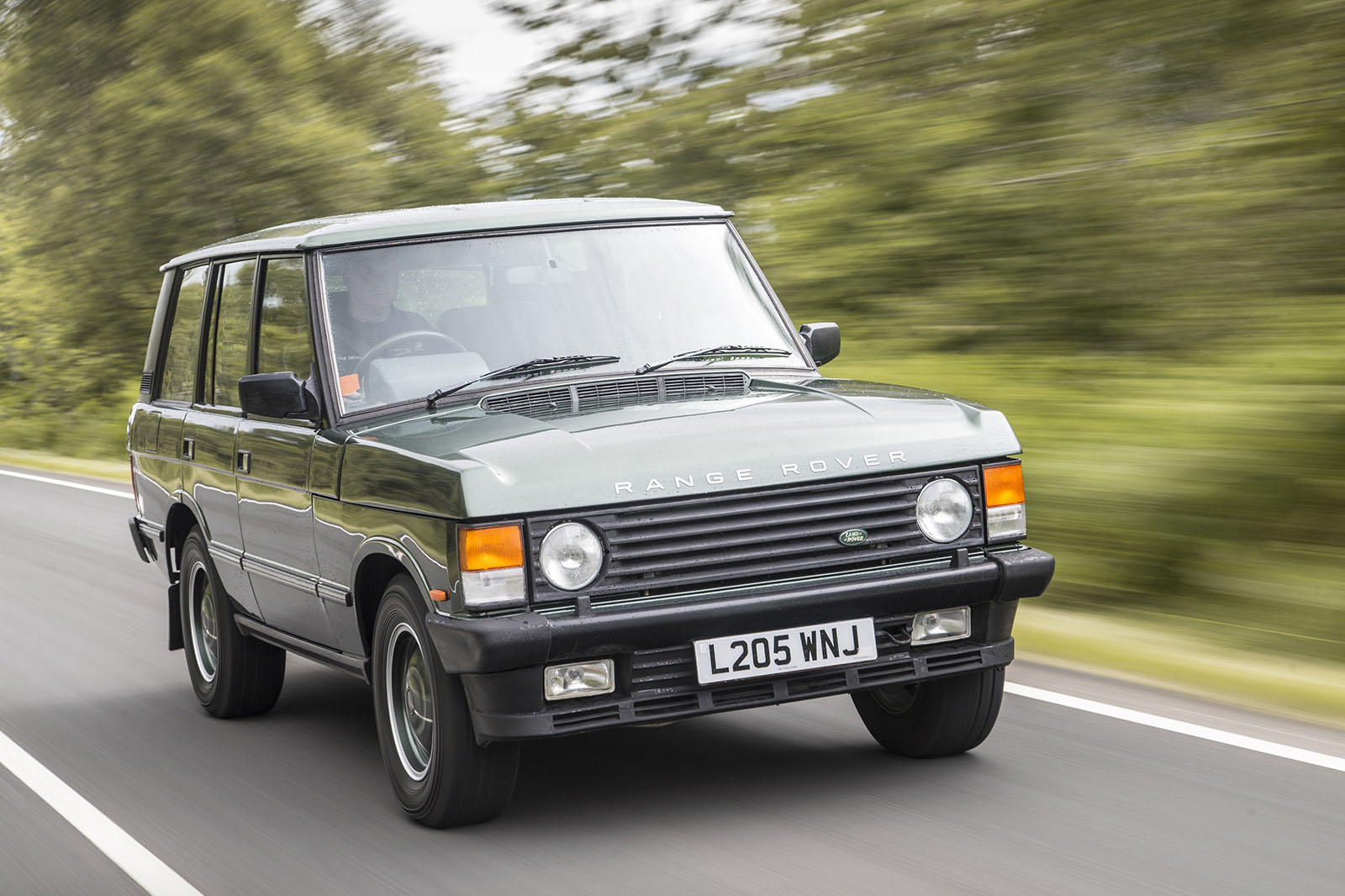
The first generation Range Rover was launched to the world in 1970, and the world loved it. It was a truly modern, airy design, while at the same time respectful of its humbler ancestor, and exuded self-confidence. It was fitted with a 130bhp engine, and featured a body-on-frame design with box-section chassis.
When Autocar first tested it, we said that we were “tremendously impressed by the Range Rover, and feel it is even more deserving of resounding success than the Land-Rover.”
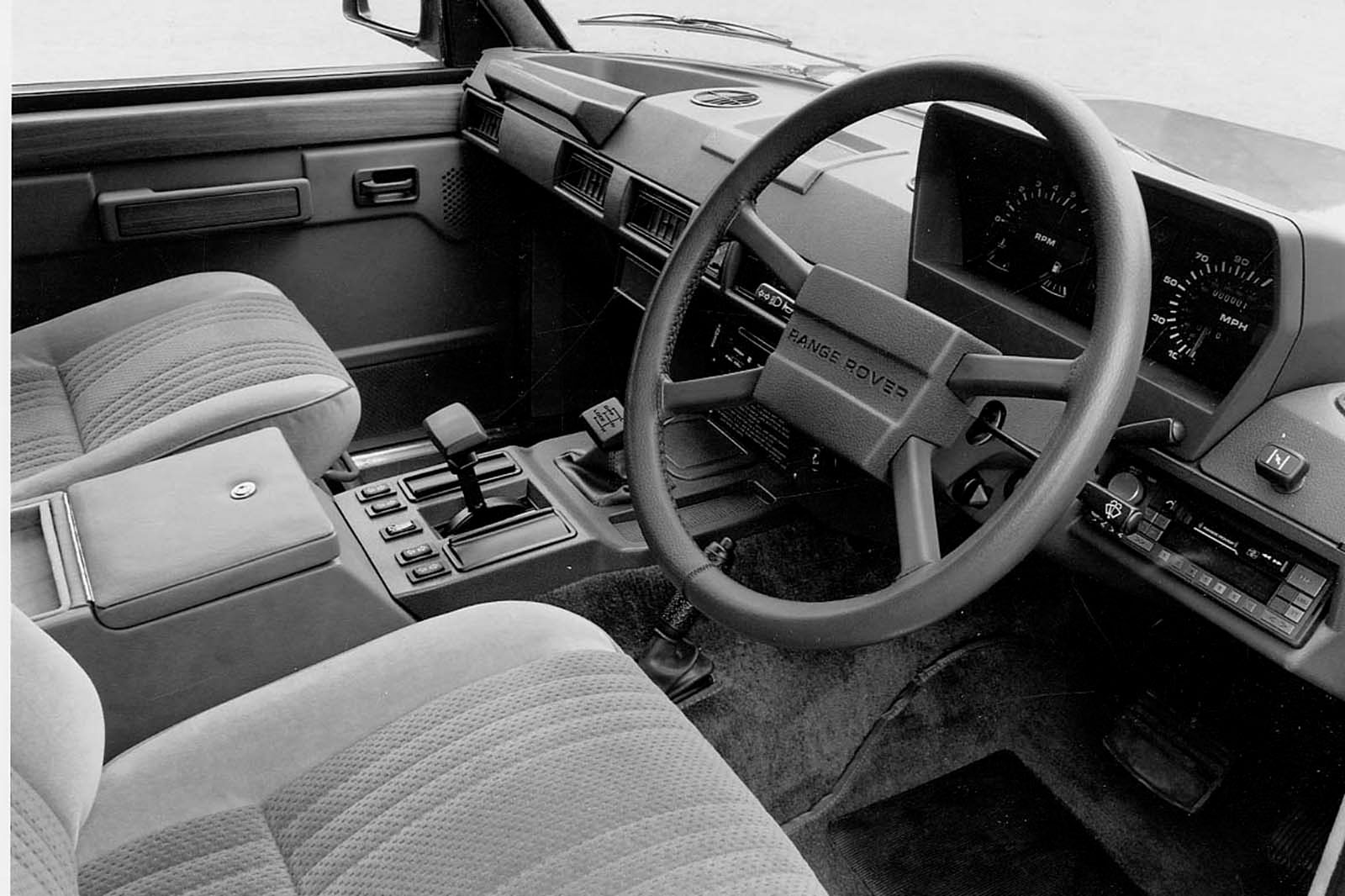
It was not designed as a luxury car – just one that was more comfortable and had better road-manners than the Land Rover. It featured vinyl seats and plastic floors, designed so that they could easily be hosed out. The luxuriousness that Range Rover is famous for today would arrive incrementally, triggered by customer demand.
1973 - Power steering made driving a Range Rover that bit easier
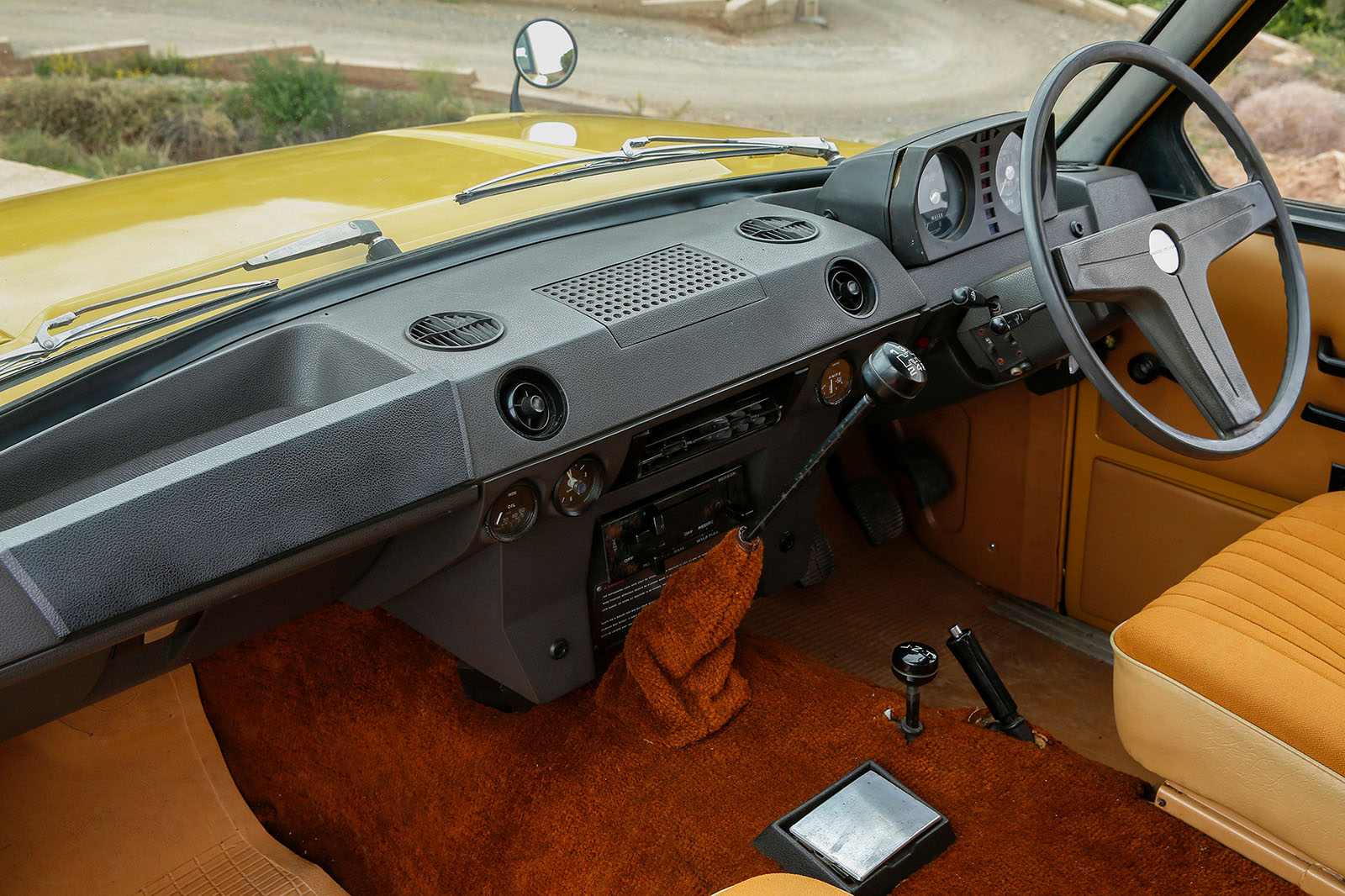
In 1973, the Range Rover gained hydraulic power steering, enhancing drivability considerably and taking Land Rover’s soon-to-be flagship car to another level.
1981 - Land Rover breaks out on its own
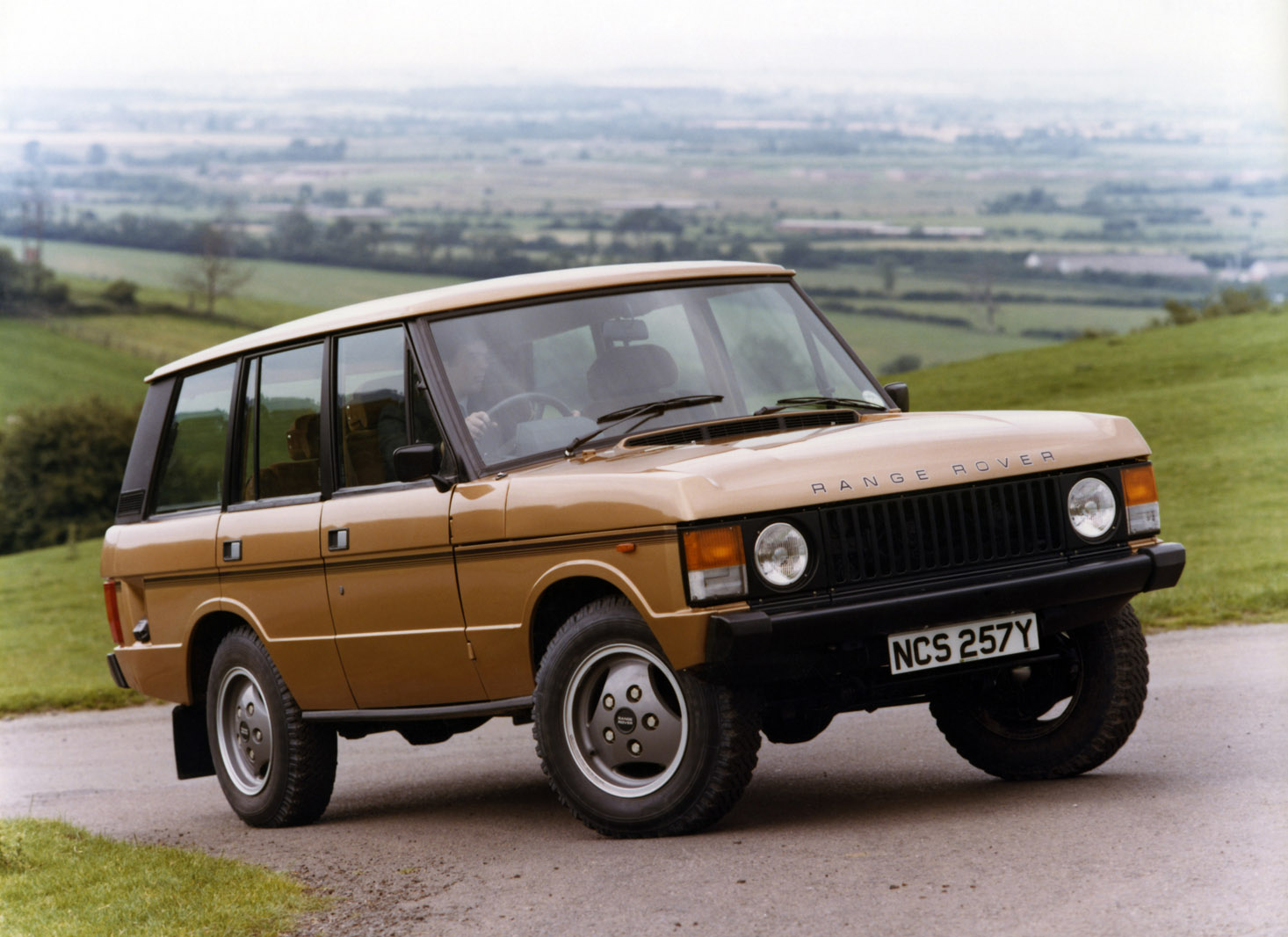
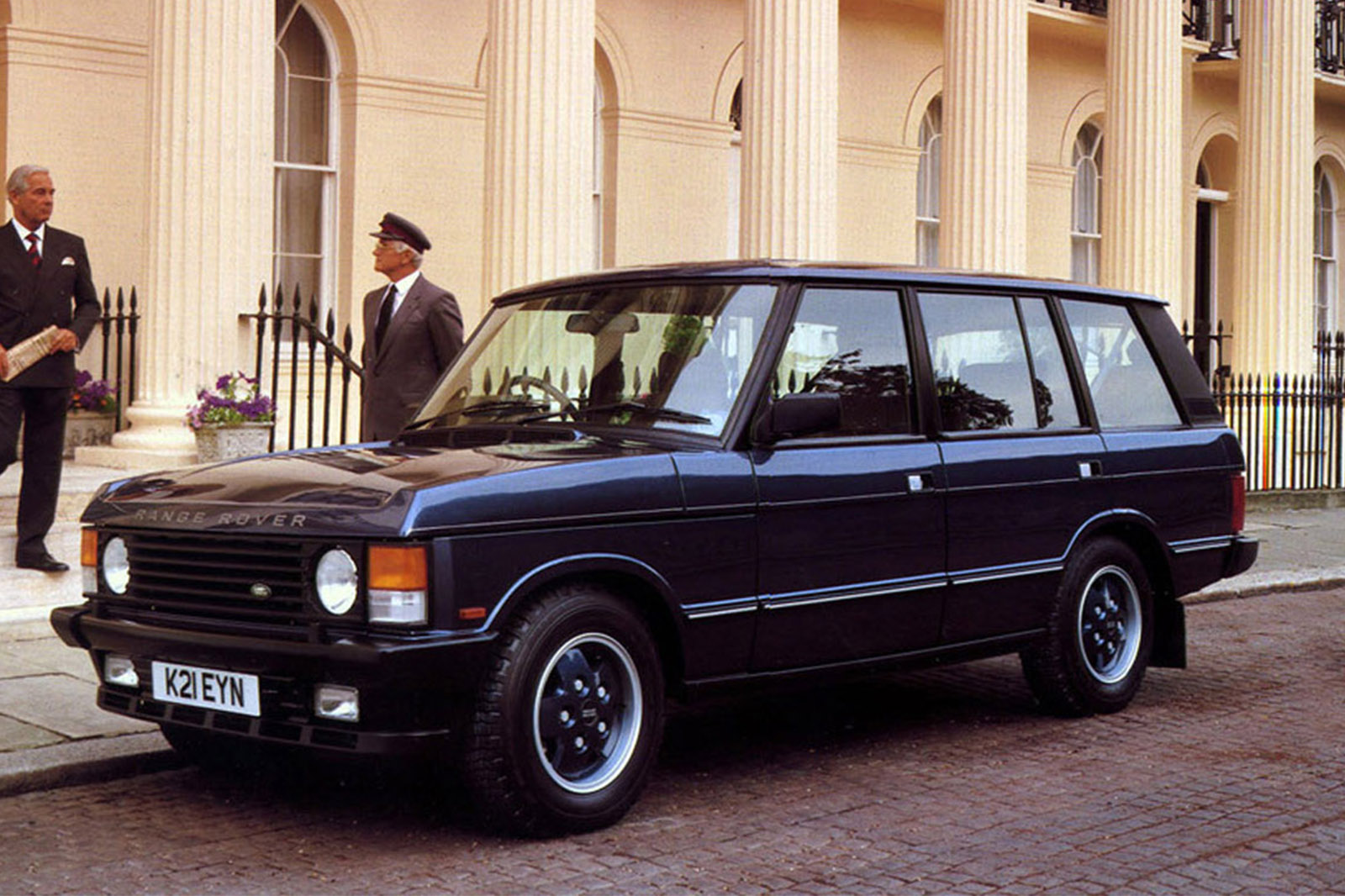
In 1980, British Leyland was now under new management and it made Land Rover a stand-alone entity within the wider group. This gave it more freedom to exploit opportunities, as shown by the new four-door Range Rover of 1981.
In the same year, Land Rover emphasised the Range Rover’s credentials as a luxury vehicle by launching a limited edition ‘In Vogue’ version. The name isn’t coincidental, for the In Vogue Rangie debuted in Vogue magazine, claiming an 8-page spread in the March 1981 issue of the famous fashion mag. The Range Rover was moving up in the world.