Hyundai's entry-level electric hatchback is designed and engineered to crack the European market. Will it?

Find Hyundai Ioniq 3 prototype deals
Other Services
Sell your car
84% get more money with

Ceci n’est pas un hatchback. According to its maker, at least.

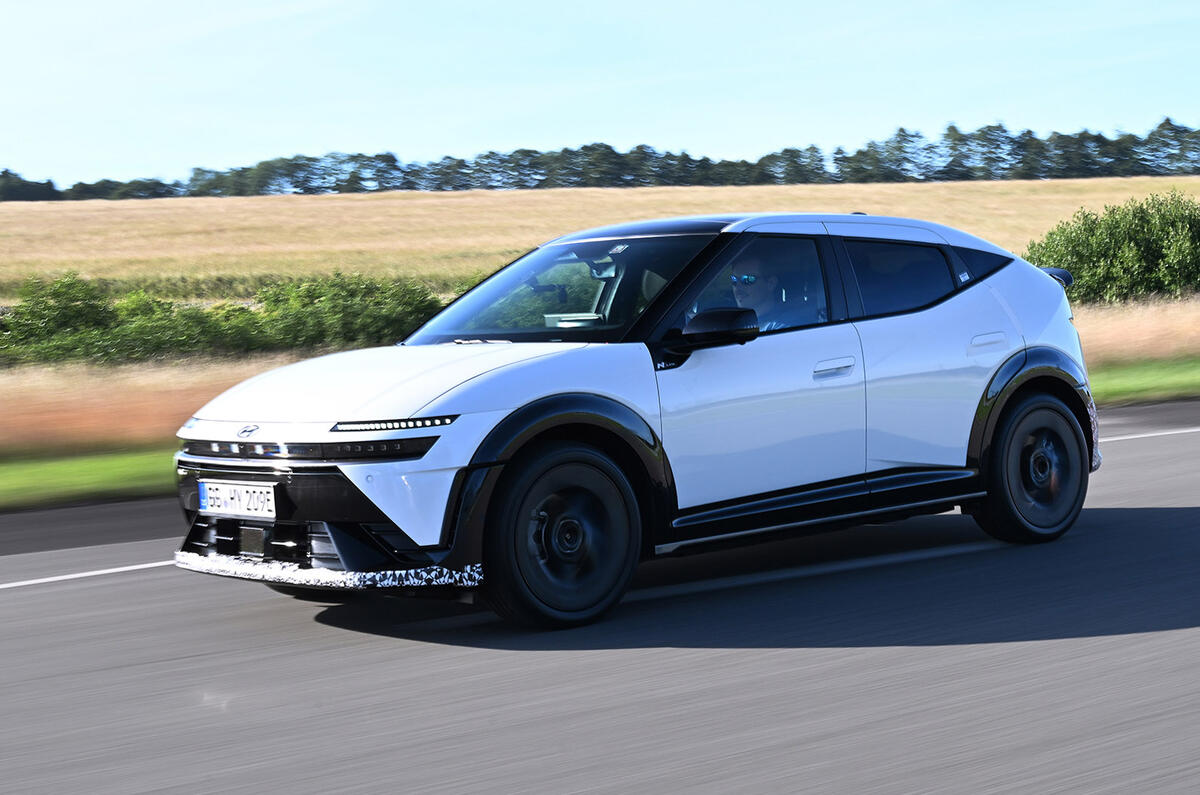
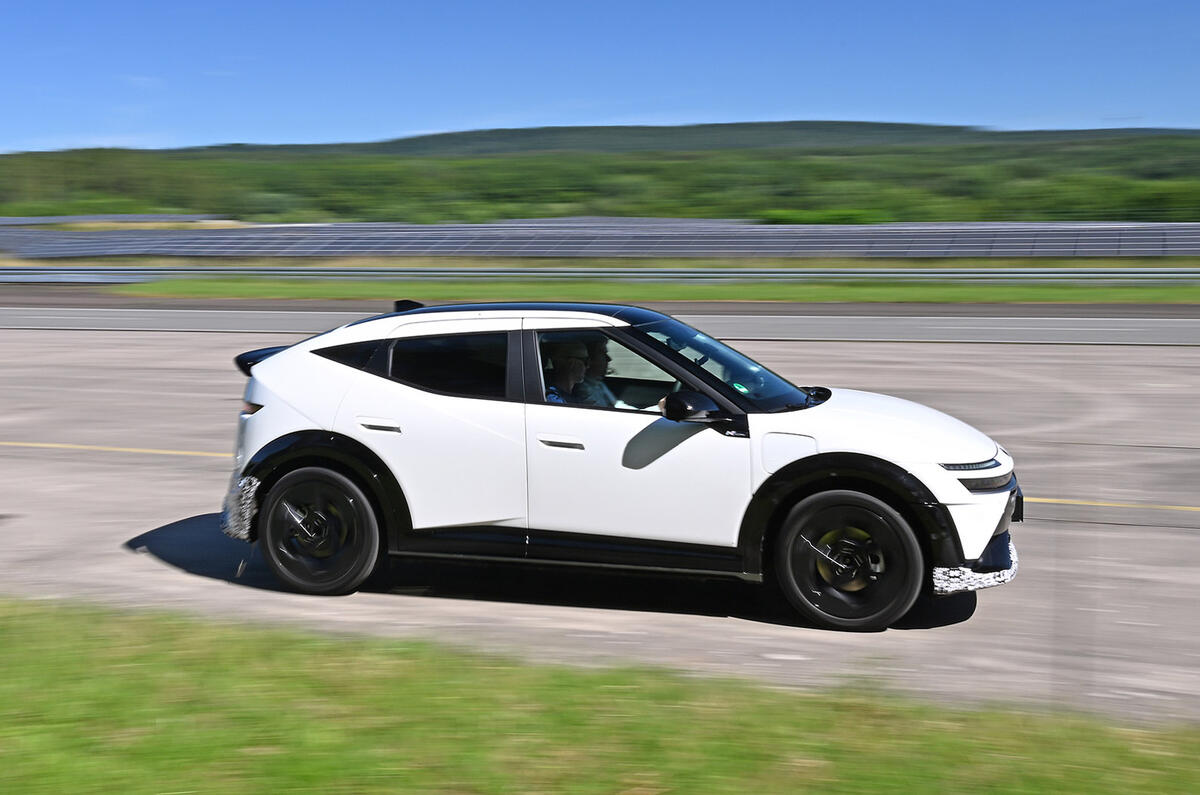
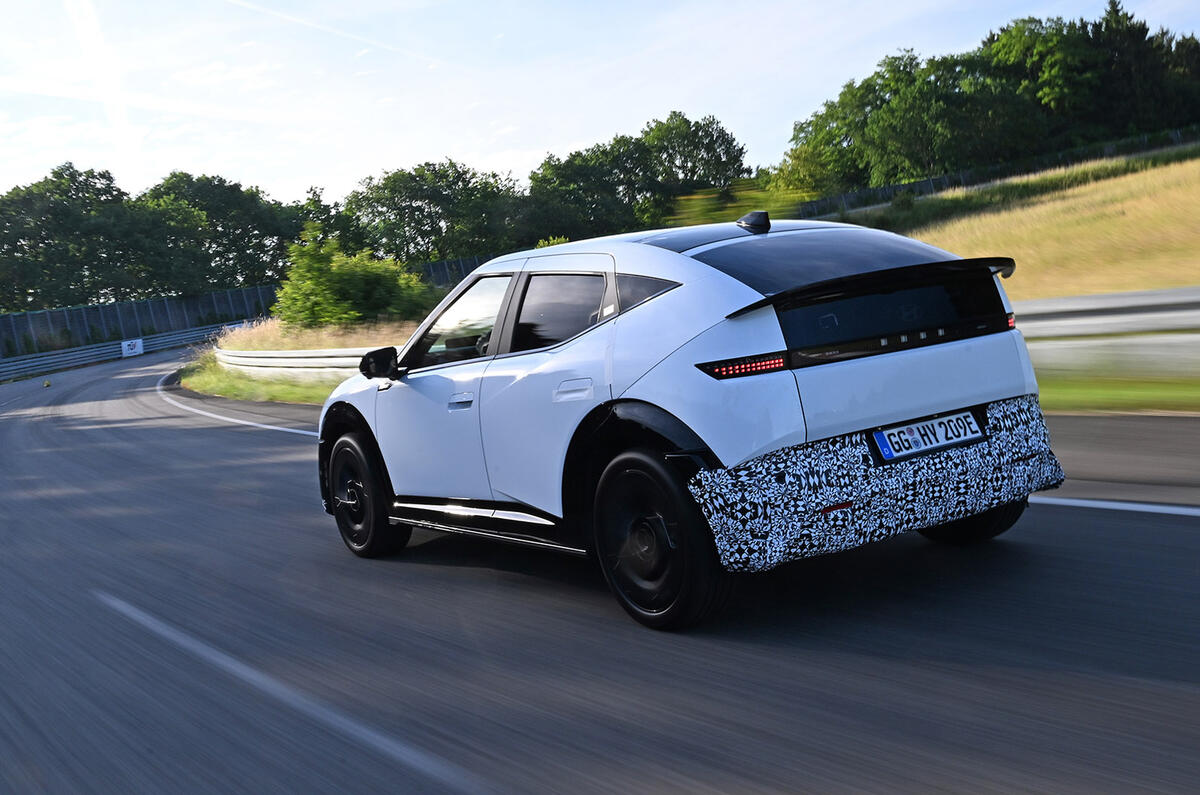
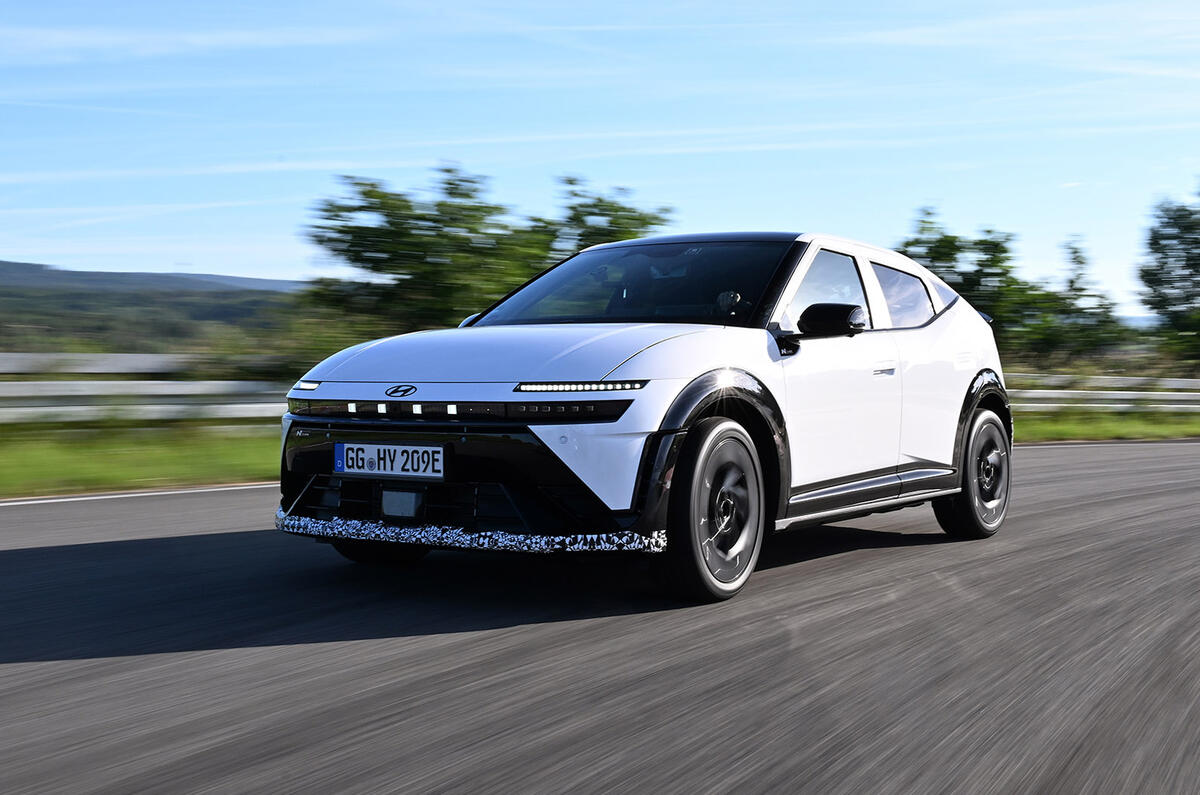
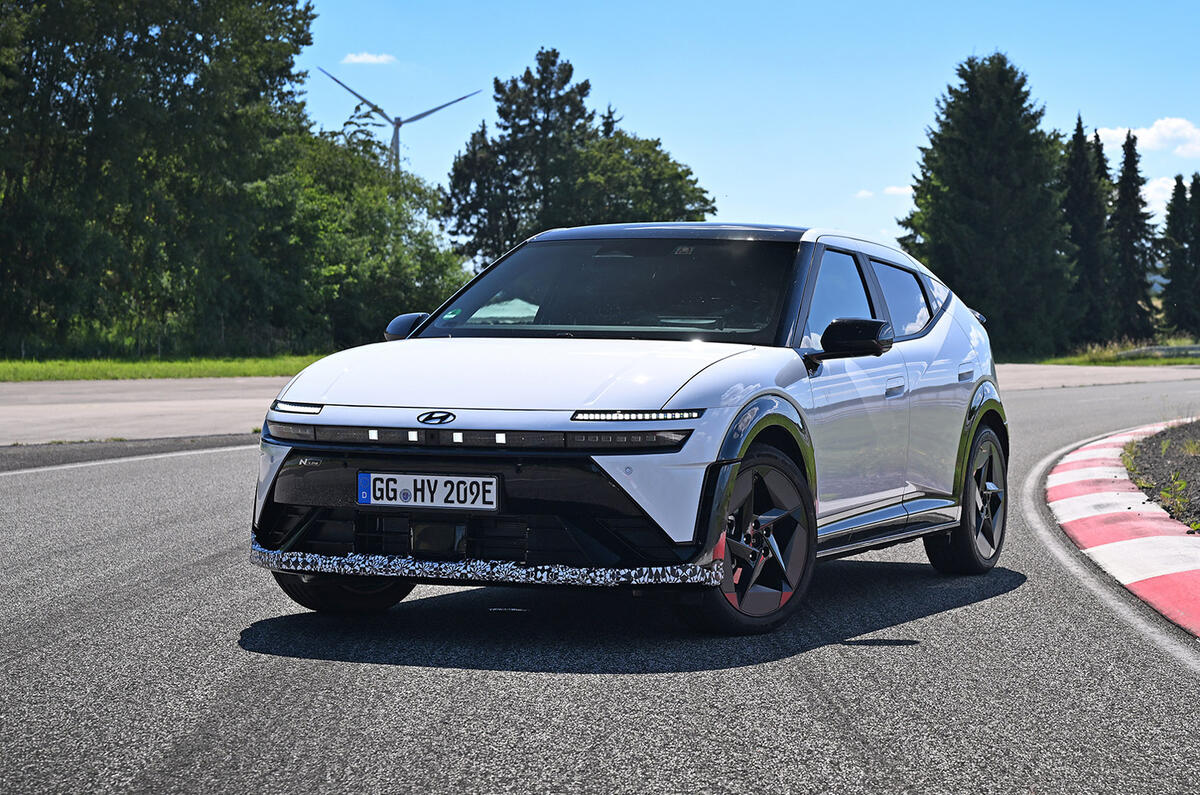
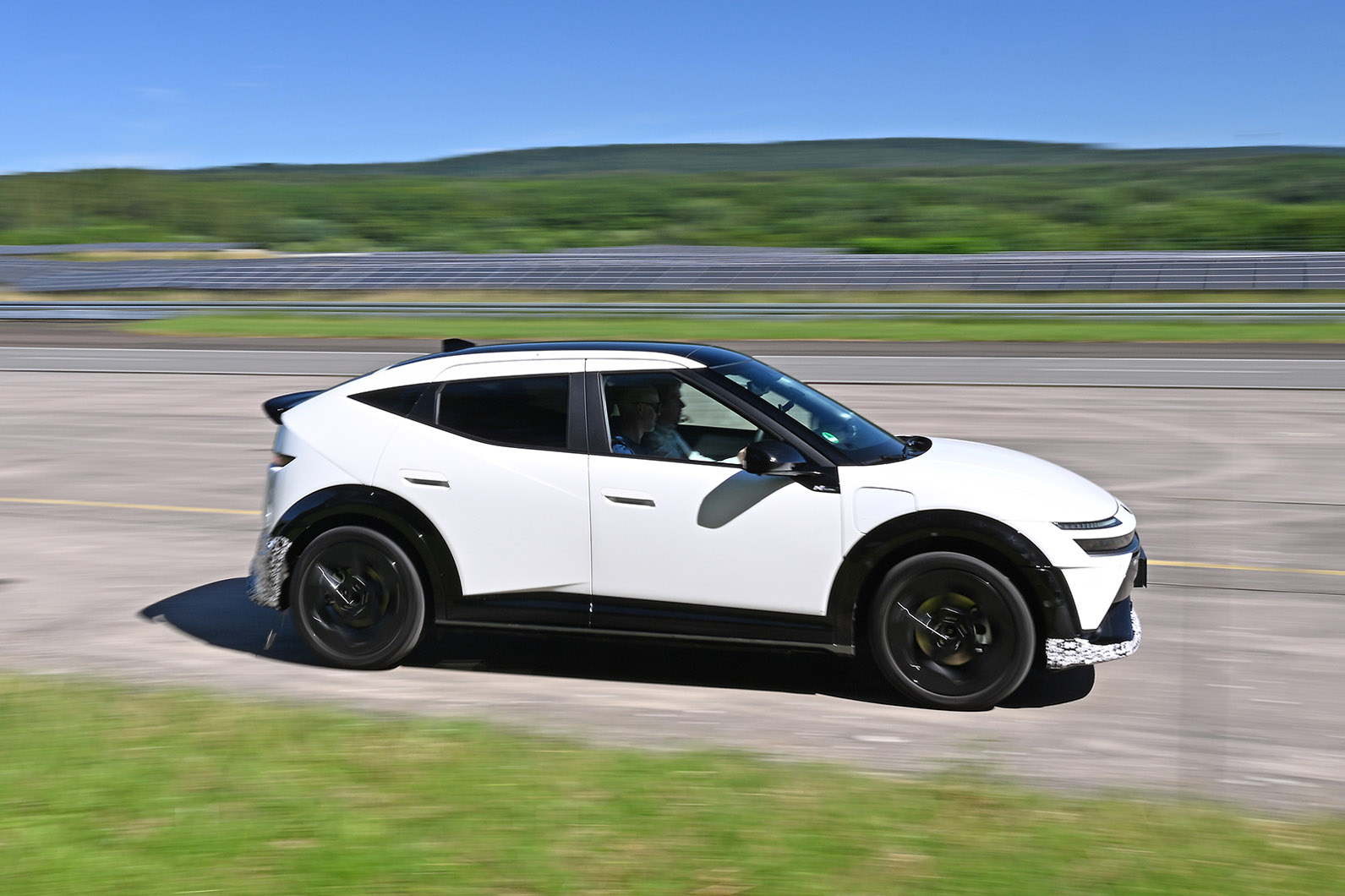
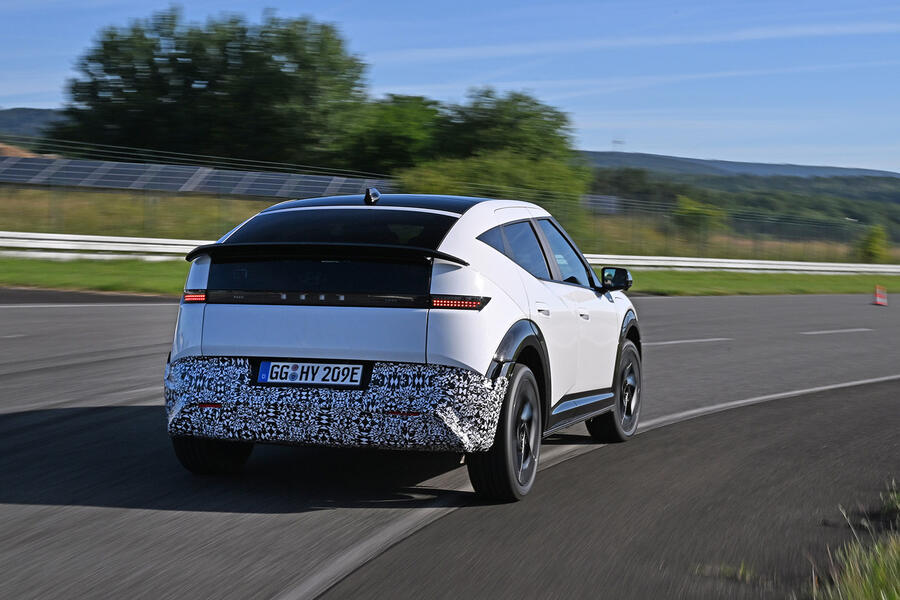
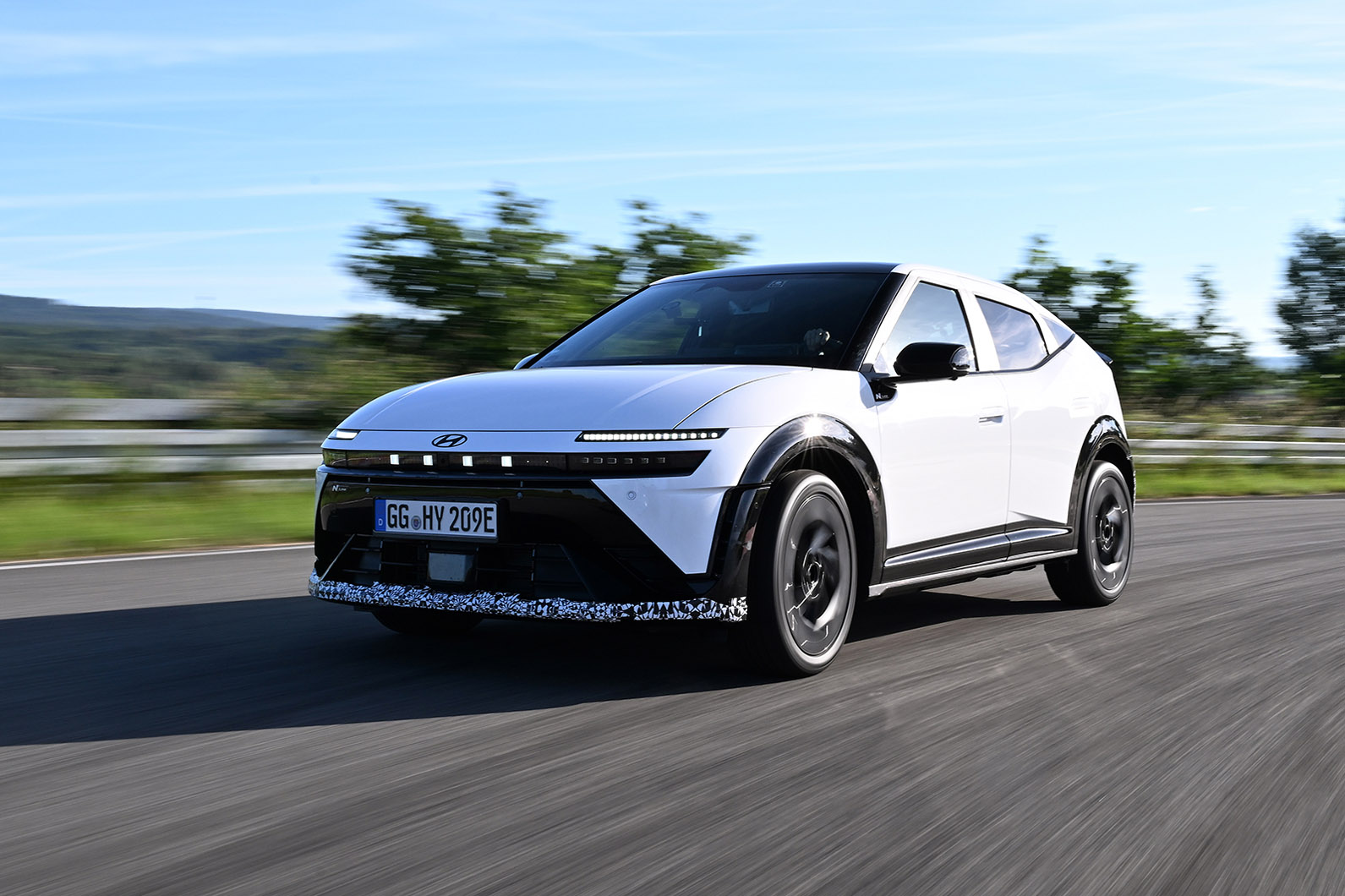
The Hyundai Ioniq 3 is also not a traditional supermini, nor a tiny crossover, but rather an ‘aero hatch’, which is to say it’s a low-slung, compact family runaround in the vein of the i20 but with a rakish, wedgy design that seeks to spear through the air as cleanly as possible for maximum cruising efficiency. 

The latest entrant into Hyundai’s growing family of bespoke electric cars – slotting in below the Ioniq 5, Ioniq 6 and Ioniq 9 – is also its smallest yet, and in many respects the harbinger of a completely new approach for EVs, setting the tone for a new design language, user interface and interior treatment that will ultimately be rolled out across the line-up.

It's most easily thought of as an electric alternative to the piston-powered i20 supermini, though the inherent packaging benefits of an EV skateboard platform mean its interior space is more on a par with the larger i30. 

Advertisement

DESIGN & STYLING

Hyundai Ioniq 3 prototype 2026 02

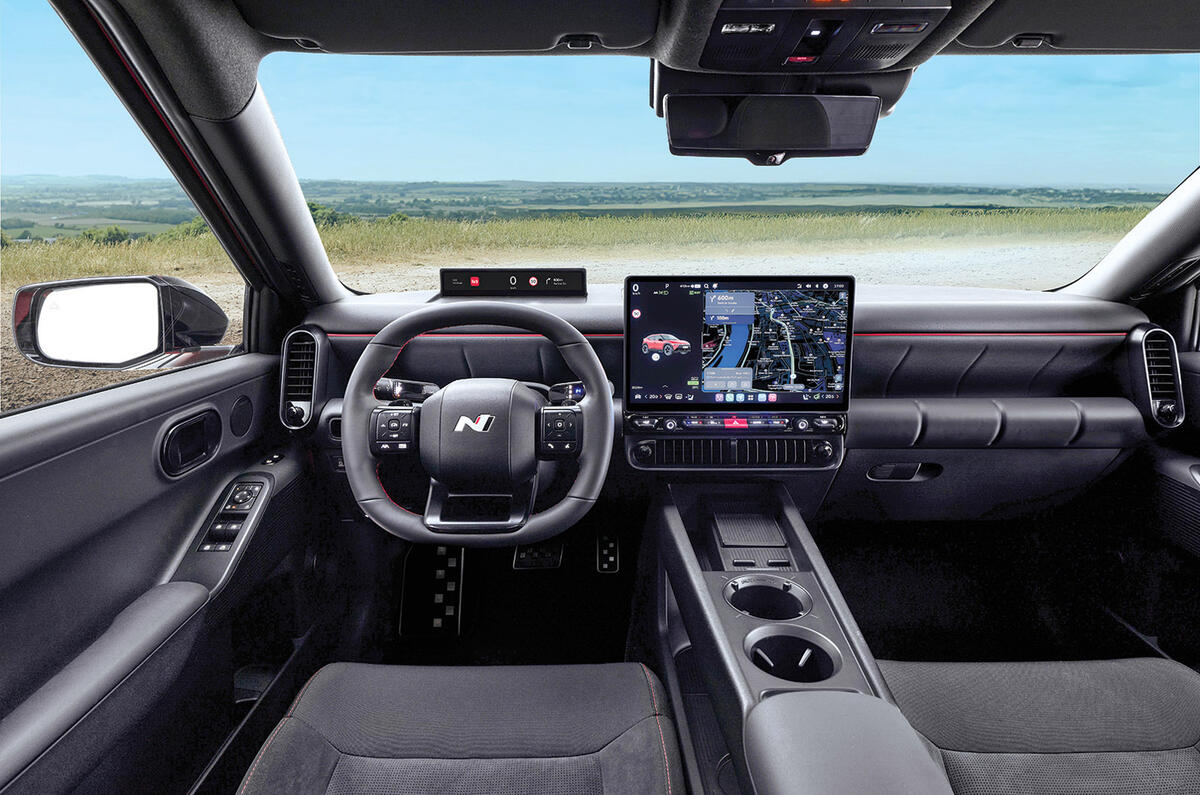
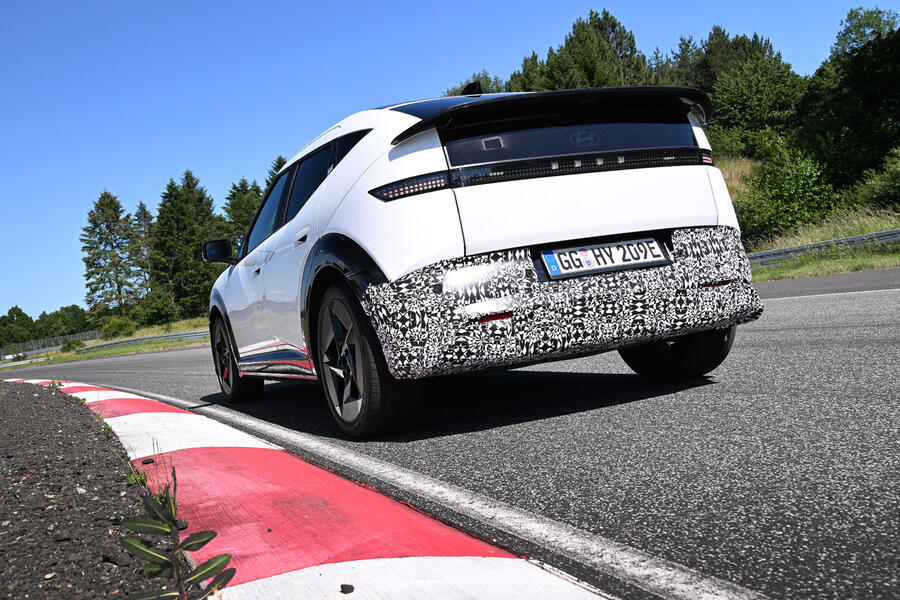
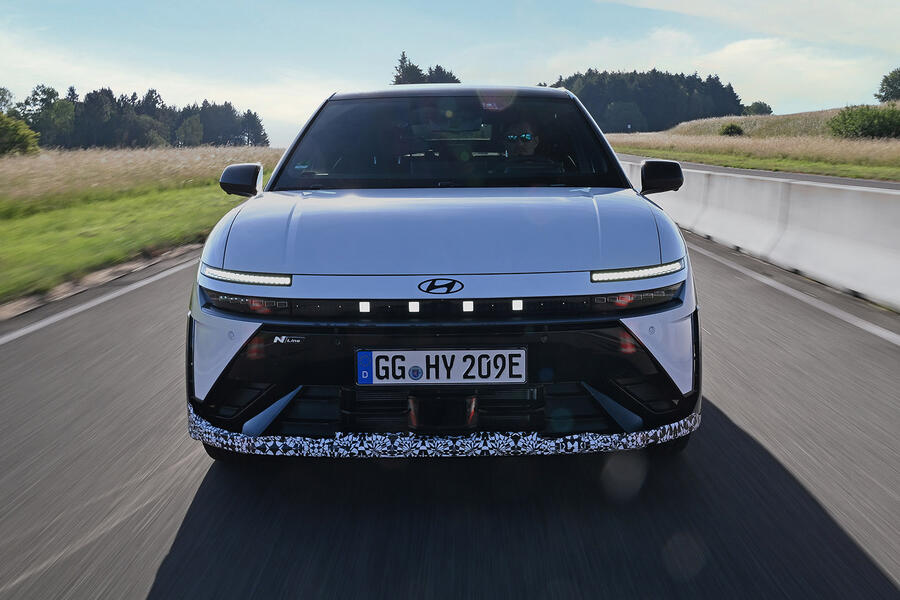
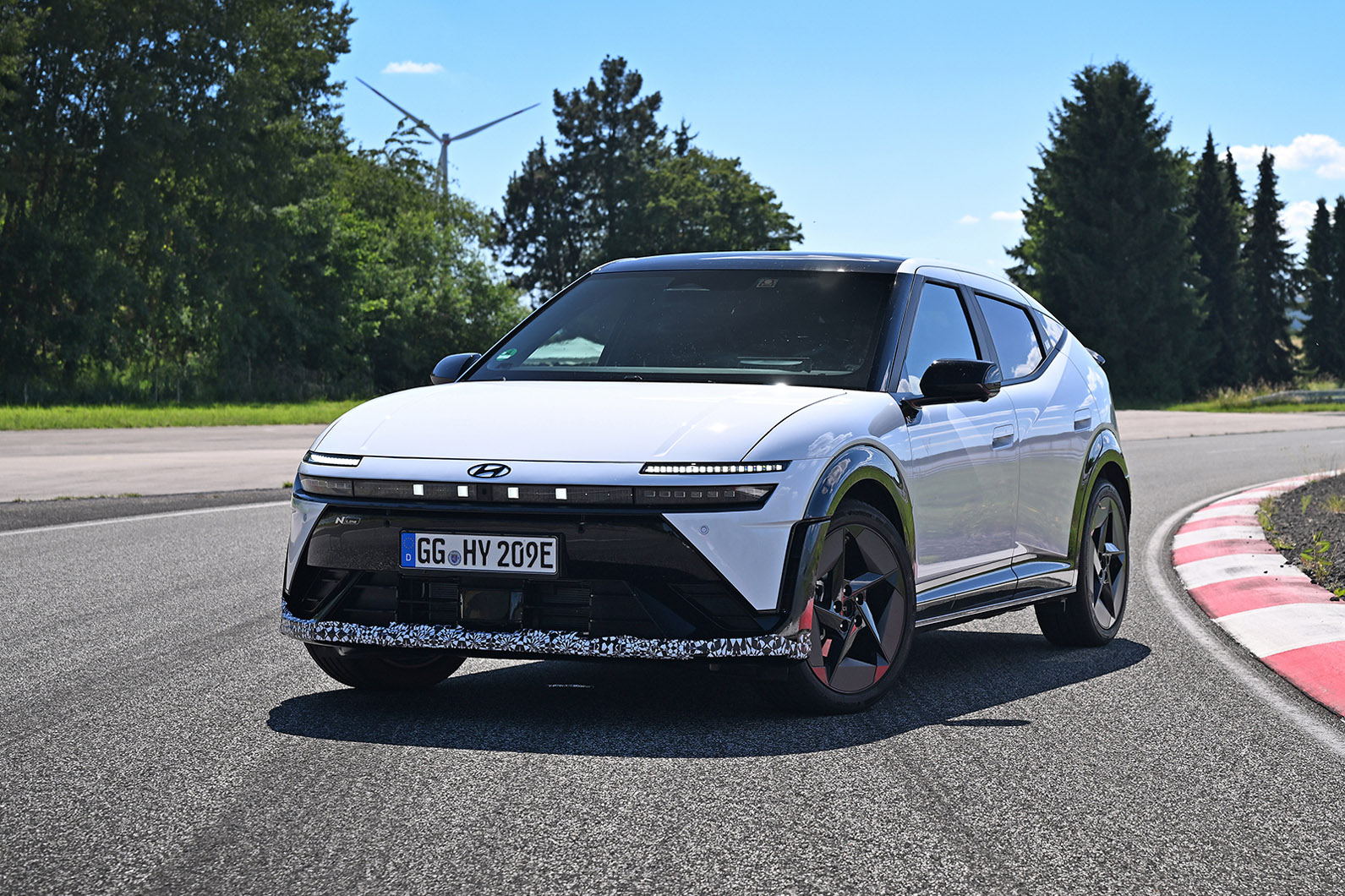
The Ioniq 3's sharp, purposeful silhouette and minimalist styling are calling cards of a bold new design language dubbed ‘Art of Steel’, which makes its debut here before being rolled out across the line-up, while the plushly appointed cockpit introduces a new interior design language that’s inspired by home furnishings and seeks to establish anew a cohesive balance between digital controls and buttons. 

At 4155m long and 1505mm tall, the Ioniq 3 slots neatly into the gap between electric superminis like the Renault 5 and Kia EV2 and larger hatchbacks like the Mégane and EV3.

It will be priced somewhere in the middle, too, with the entry-level, smaller-batteried variant set to land somewhere in the mid-high-£20,000s and the racy-looking N-Line car with the longest range coming in at around £35,000. 

The Ioniq 3 rides on the same fundamental E-GMP underpinnings as the larger Ioniq 5, albeit shortened and with a twist-beam axle at the rear, rather than a more complex and costly multi-link arrangement - plus its own dampers, anti-roll bars, springs and bespoke Hankook tyres.

A core focus of the development process was in making sure the chassis was tuned to meet European customer requirements, which is to say offering a blend of high-speed stability, rough-road composure and driver engagement - which is why Hyundai’s German development centre played a much more central role in the process than it has with previous Ioniq models. We will discuss the results of that shift in thinking in the ride and handling section later. 

INTERIOR

Hyundai Ioniq 3 prototype 2026 04

It is tangibly roomier inside than the likes of the 5, with what Hyundai claims is a C-segment-sized interior in a B-segment footprint.

It has 100mm more metal between the wheels than the Renault, for example, and a more cab-forward stance affording a longer cabin that’s much more comfortable for second-row passengers; I’m roughly average height and had no problem sitting behind my own driving position for a short stint.
The roofline is actually a fair bit flatter than it looks in pictures, too, so head room isn’t impacted as drastically as you might expect to look at its coupé-esque silhouette, but the hockey-stick window line does shrink the back windows and make the rear feel a little dark. 

It has an impressively massive boot, too, at 441 litres – a fair bit bigger than that of the Volkswagen Golf – with about a quarter of that concealed under a false floor in what Hyundai loftily calls the ‘Megabox’, where you can stow grubby charging cables and welly boots without fear of squashing the shopping. 

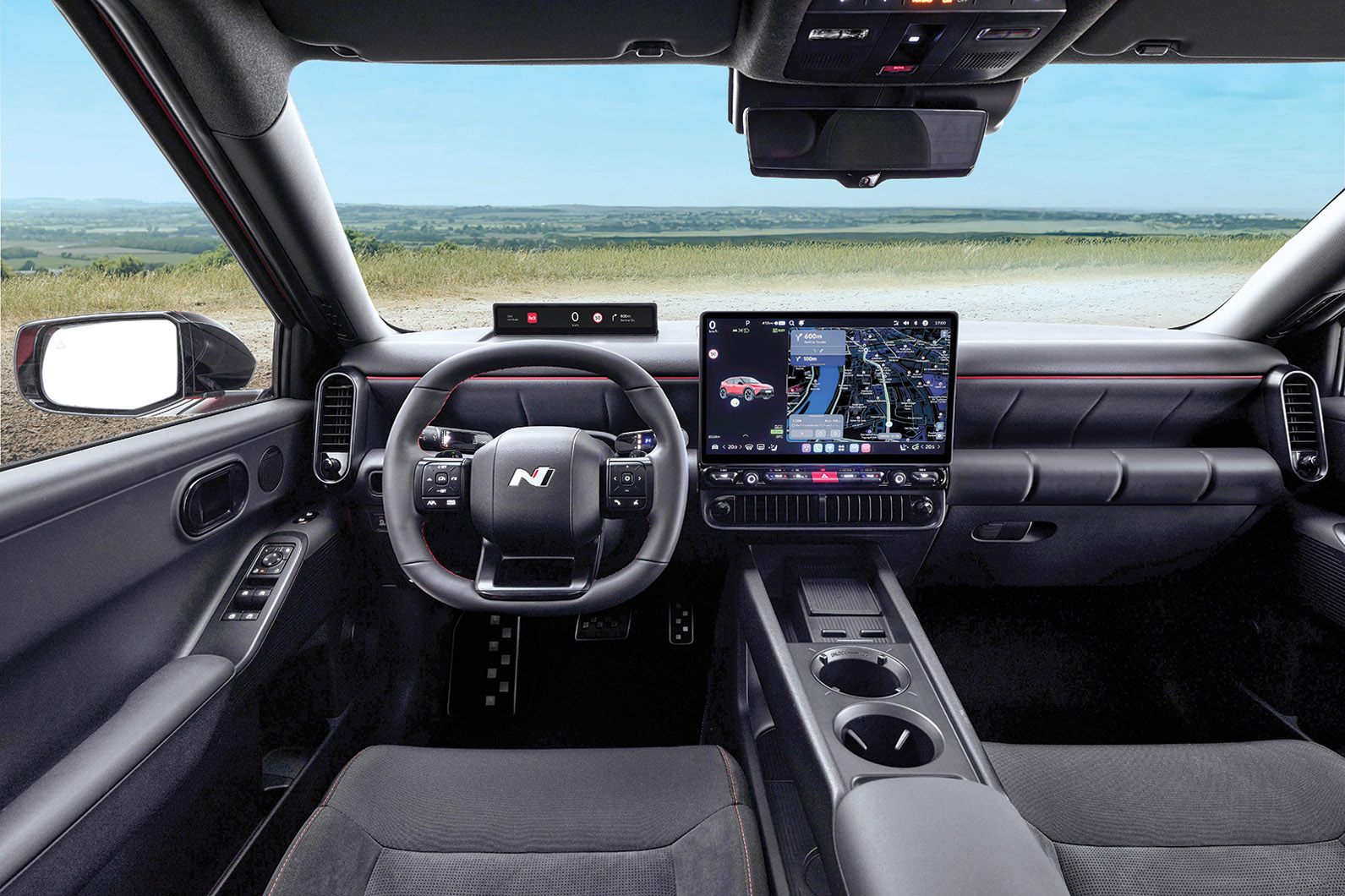
The whopping touchscreen looks especially domineering in this context, where it might not in an Audi or BMW, but feels like it will be easy to rub along with after a bit of exposure. The Ioniq 3 is the first car in Europe to run Hyundai's new Pleos Connect infotainment system, which features a streamlined and simplified menu structure – designed to prioritise your most used apps and controls – and features a fully customisable task bar to give immediate access to your preferred icons without needing to delve into menus. 

It worked well in our brief exposure – crisp, clear and quick – although we didn't have the chance to try out the new real-time route guidance function which uses data from other connected cars to warn you of traffic and hazards and plan the best route to your destination, which sounds like it might render third-party navigation apps all but redundant. 

In any case, the screen is far from omnipotent, despite its unignorable presence. A priority for Hyundai's new-gen interiors is to establish a balance between physical and digital controls, and the Ioniq 3 does it marvellously: the steering wheel has a healthy smattering of logically arranged and clearly labelled buttons for the audio and cruise controls; there are nice twiddly knobs for the volume and air flow; and the chunky drive selector and regen paddles behind the steering wheel have a pleasing tactility to them, which augments the general feel of quality and purpose. 

ENGINES & PERFORMANCE

Hyundai Ioniq 3 prototype 2026 03

There is a choice of two powertrains: the Standard Range car has a 145bhp motor on the front axle and a 42.2kWh battery (gross) giving 213 miles between charges, while the Long Range version drops a negligible 13bhp and switches to a 61kWh pack for 308 miles - decently competitive for a car of this size.

Maximum charging speed is pegged at 115kWh, which is hardly mind-blowingly fast, but engineers say they've focused on being able to reliably sustain high speeds for longer, rather than being able to hit a headline-baiting kW figure for just a few seconds in ideal conditions.

I drove the longer-range car and quickly determined that it should be well worth the inevitable premium it will command over the shorter-legged variant. 

You might notice the tiny power deficit in a back-to-back comparison between the two (and if you do, it's probably because the more potent car also has a lighter battery), but even with the more sedate set-up the Ioniq 3 is agreeably punchy.

It certainly feels as lively off the mark as the 5 (even if, whisper it, it’s officially slower to 62mph than an Ineos Grenadier) and every bit as mature and well-rounded in its power delivery characteristics and stability at speed - even if we didn’t get much above 60mph in this early test. 

RIDE & HANDLING

Hyundai Ioniq 3 prototype 2026 05

Manfred Harrer, who heads up global R&D across all model lines at Hyundai’s Korean HQ, told us that making the Ioniq 3 as agile and fun to drive as its contemporaries was a fundamental tenet of the European-led development programme - and emphasised the steering feel as a particular element that gives it an edge in this competitive class.

“Steering feel is the most important thing: a precise centre, linear torque increase and it must be really well matched with the car's behaviour; rolling on the yaw gain must be really composed.” 

Perfecting this formula was “a lot of work”, but the end result, Harrer says, is a steering feel that "brings the beauty to the car" - no small claim, but one that sounds especially convincing coming from the man celebrated for his work in engineering a feelsome electric steering system for none other than the Porsche 911 in a previous job.

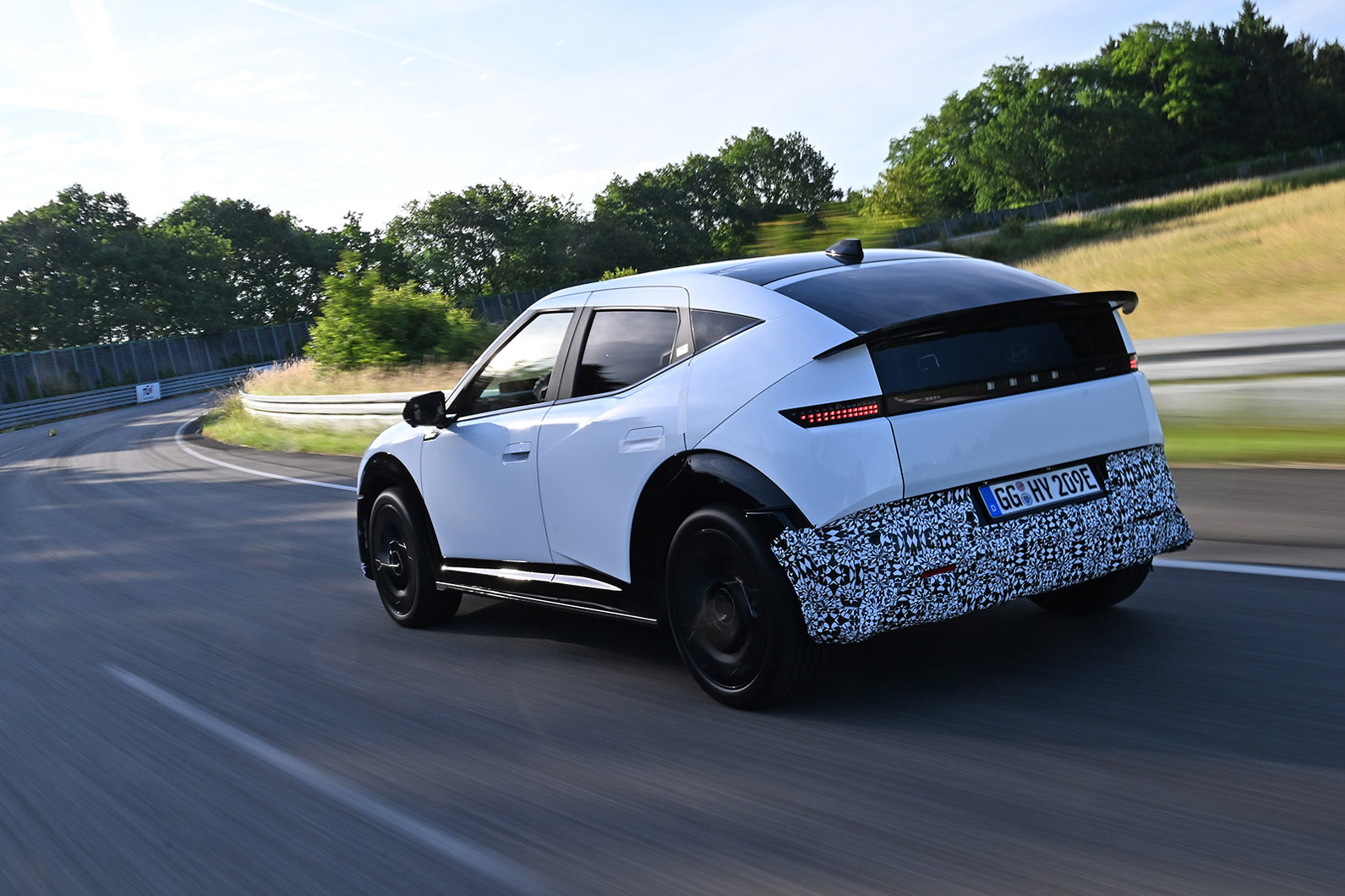
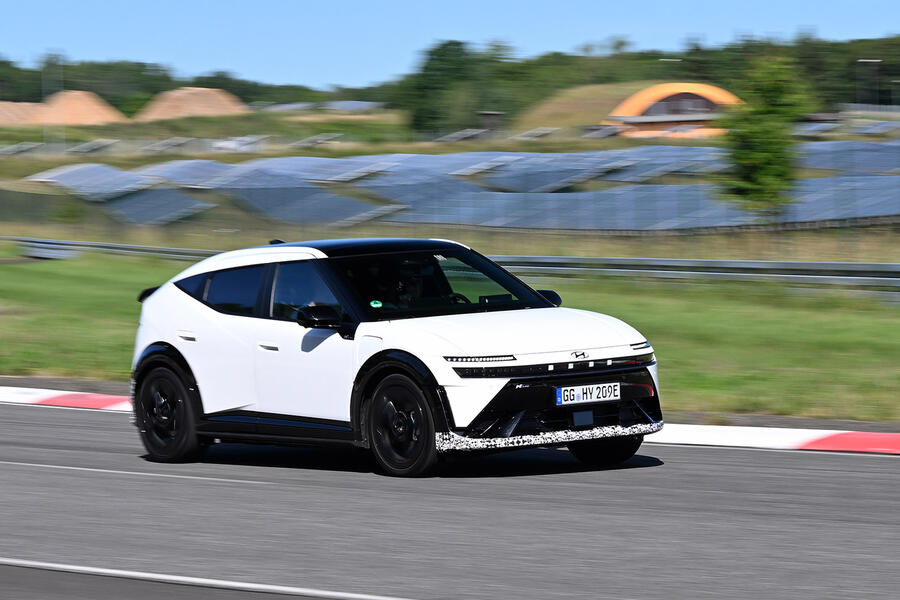
And it bears up: we only had a few laps of a tight handling circuit to probe the limits of the Ioniq 3’s dynamic make-up, but that was enough to convince us of its propensity to rival the 5 for grin-inducing chuckability. It feels a little more prone to roll in quick manoeuvres than the Renault, by dint of its slightly loftier stature (our glass-smooth test track didn’t afford any opportunity to check if that more languid gait translates into a less fussy low-speed ride) but no less poised nor responsive.

Hyundai laid on a slalom, a couple of chicanes and a few quick hairpins, and the Ioniq 3 handled them all with aplomb, turning in quickly and keenly and holding its line without getting too screechy and out of shape. 

There’s a pleasing heft off-centre to the steering which helps to create a real sense of mechanical connection between your hands and the front wheels, and the rack is geared just quickly enough to lend a bit of dartiness without verging on the frenetic. Plus, because the overhangs are short, the wheelbase relatively compact and the driver’s seat closer to the front axle than it might be in a combustion equivalent, there’s a pleasing sense of the wheels being right out in the corners and you being slap bang in the centre - which boosts not just stability but perceived rotatability. 

Comparisons with the likes of the Ford Fiesta and Seat Ibiza are more than warranted, so tangible is the influence of Hyundai’s European team in cultivating a real sense of charisma.

It’s a shame there are no immediate plans for a hot-blooded N variant with meatier suspension and a trick limited-slip differential, but the signs are that even the standard Ioniq 3 has just enough pace and poise to keep you amused when conditions allow, without the usual trade-off of an overly uncompromising secondary ride.

It remains to be seen, though, how it fares on rougher roads (which we will be able to evaluate when we get behind the wheel of a showroom-spec car in less forgiving conditions later this summer), but the fact that prototypes were tested at length on pothole-blighted UK roads is reassuring. 

VERDICT

Hyundai Ioniq 3 prototype 2026 11

Beyond the obvious (and numerous) rational reasons to look forward to the Ioniq 3 – its low cost, impressive range, dramatic styling and pleasant interior among them – it also merits recognition for bucking the trend of homogeneity that many feel is increasingly defining the modern automotive landscape.

Here stands an attractive, sensibly packaged and technically competitive new car that would be more than competitive against rivals on paper even before you consider the pleasing sense of character and individualism that’s been baked at great cost into its styling and dynamics. 

It’s no stretch to say that Renault proved a fun electric supermini was possible with the 5, and now it seems Hyundai could do the same for the common-or-garden hatchback. Whoops, I mean aero hatch. Either way, if you’re in the market for a small EV, I’d keep your powder dry until after the summer.

Felix Page

Felix Page
Title: Deputy editor

Felix is Autocar's deputy editor, responsible for leading the brand's agenda-shaping coverage across all facets of the global automotive industry - both in print and online.

He has interviewed the most powerful and widely respected people in motoring, covered the reveals and launches of today's most important cars, and broken some of the biggest automotive stories of the last few years.