
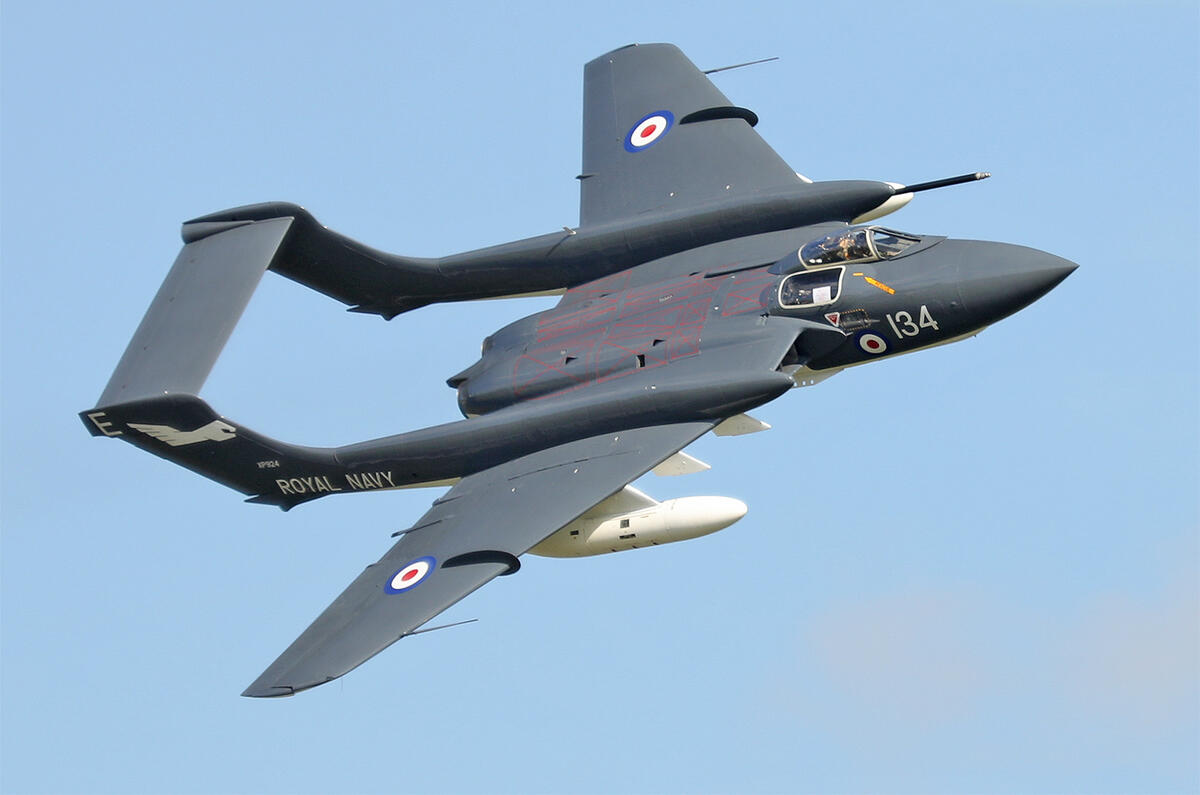

Rule Britannia? Not always.
Considering they invented the aircraft carrier, Britain’s Royal Navy has really pulled out the stops ever since to field as many aircraft as possible that were too slow, too dangerous, too late, too expensive or sometimes all four.
Not content with producing their own obsolescent death traps, the Senior Service also took on cast-offs from the RAF and bought in the occasional American dud to swell the numbers of inadequate aircraft crowding the decks of their too-small carriers. Narrowing down this underwhelming armada to a flotilla of merely ten was a daunting and difficult task.
10: Parnall Peto

The Peto was, in its way, an excellent little aircraft but it was the realisation of a terrible idea if not a terrible flying machine. Tragically a single airframe (of two built) directly resulted in the deaths of 60 Royal Navy personnel.
The Peto was designed for a seemingly foolish purpose, to serve as a scout aircraft for a submarine, in this case, the Royal Navy’s largest, the M-class. The concept was also toyed with by the French, German, US and Japanese navies but only Japan pursued it with any seriousness or success.
10: Parnall Peto
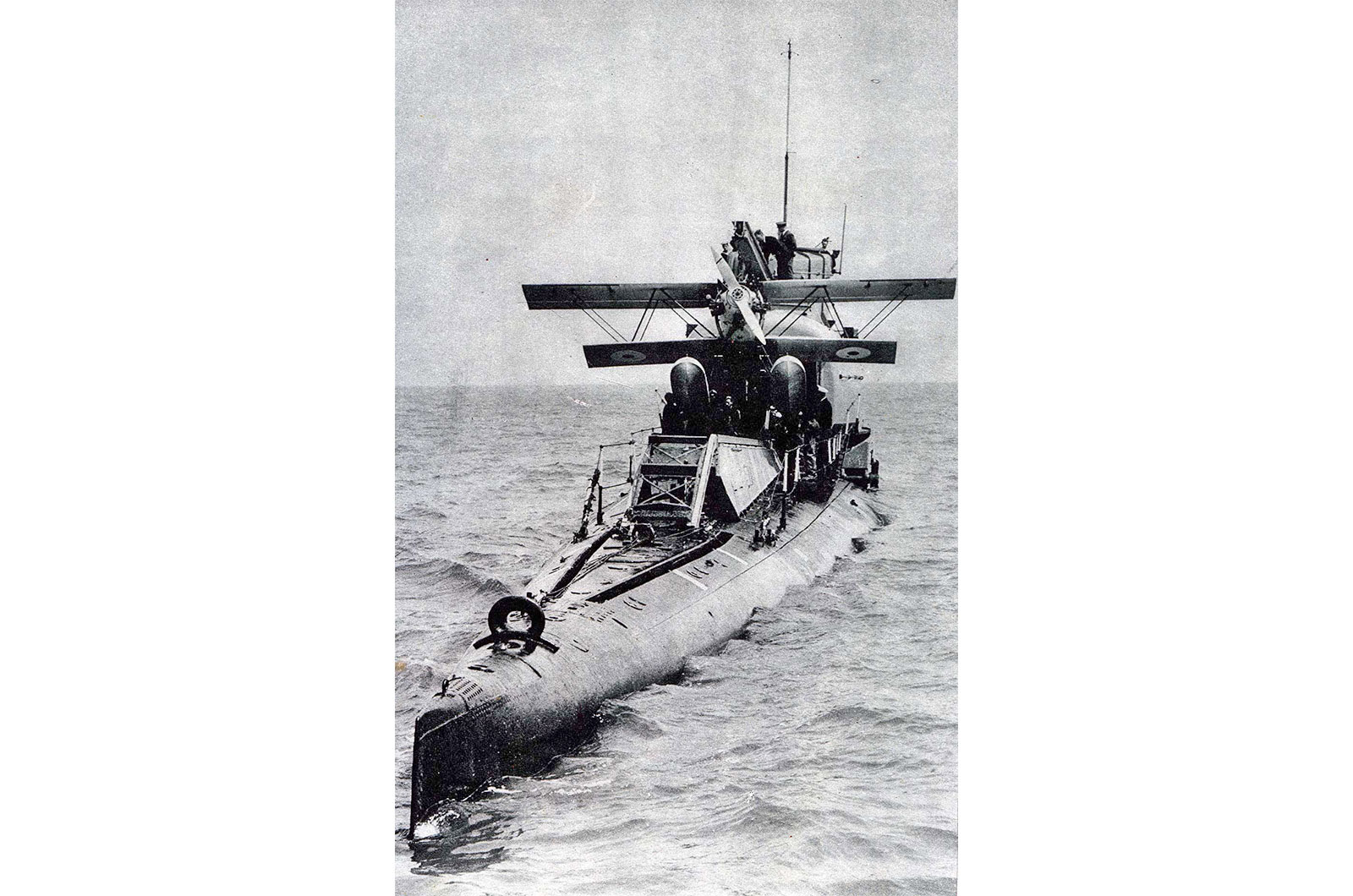
A small machine for obvious reasons, the Peto had folding wings and was housed in a watertight hangar immediately ahead of the conning tower. The crew of the M2 were zealous in their attempts to launch the aircraft in the shortest possible time after surfacing.
Probably a little too zealous as it turns out, witnesses on a passing ship, unaware that anything was amiss, saw M2 briefly surface, then submerge forever. When the wreck was discovered the hangar doors were found to be open: in their haste to launch the Peto the doors has been opened too early and the hangar flooded, dragging the M2, the Peto and sixty sailors to the bottom of the sea.
9: Curtiss Seamew
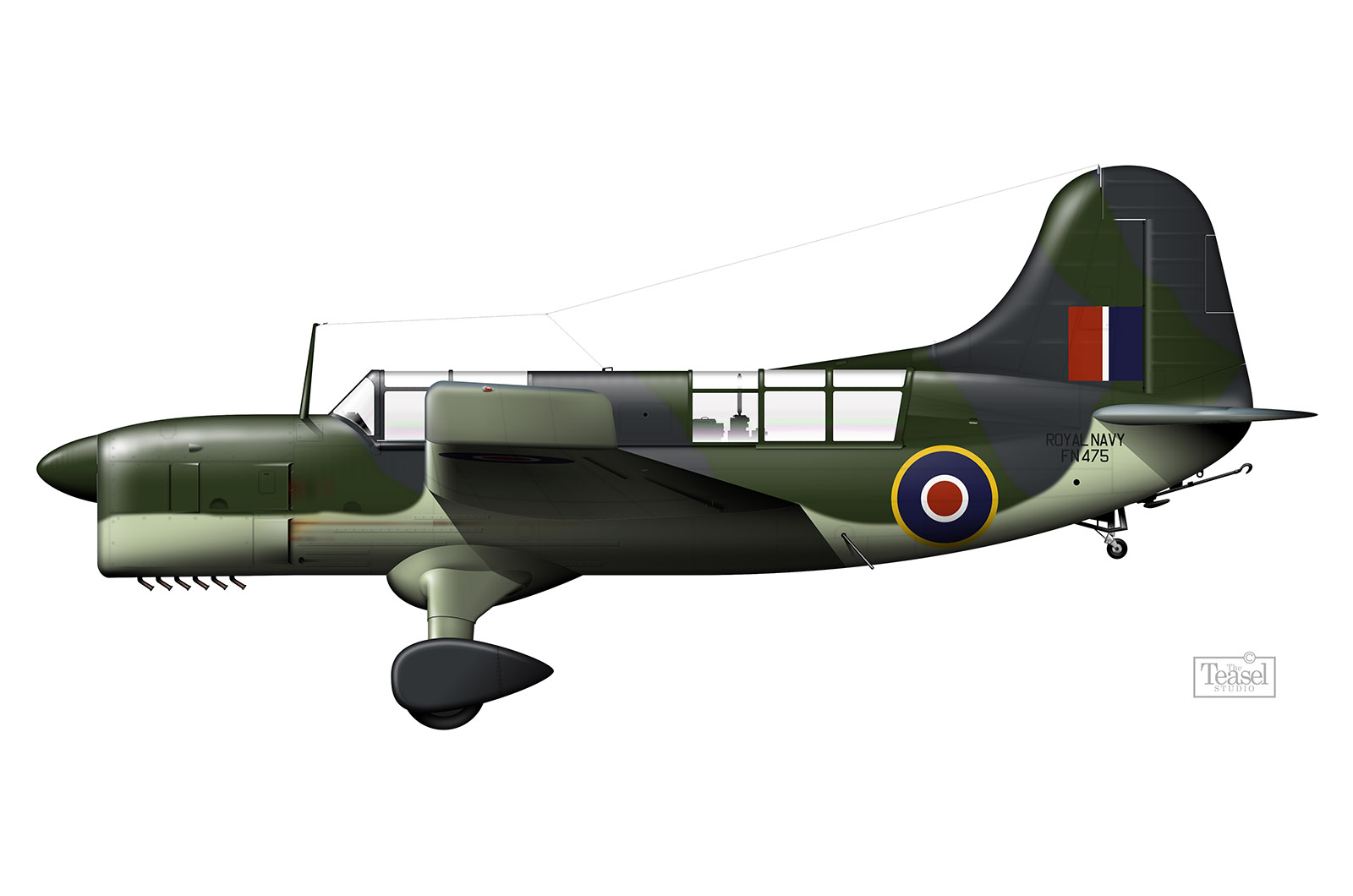
Most of the best aircraft operated by the Royal Navy during the Second World War were of American origin and types such as the Wildcat, Corsair and Avenger dominated Fleet Air Arm (FAA) flight decks for most of the conflict. There were, however, exceptions to this rule and chief amongst them was the appalling Curtiss Seamew.
250 were allocated for British use but only 100 were delivered before the Royal Navy refused to take any more and sensibly demanded Vought Kingfishers instead. It’s not entirely surprising that the USN had tried to offload as many Seamews as possible onto their allies; the Seamew didn’t even win the competition that selected it for service.








Add your comment