
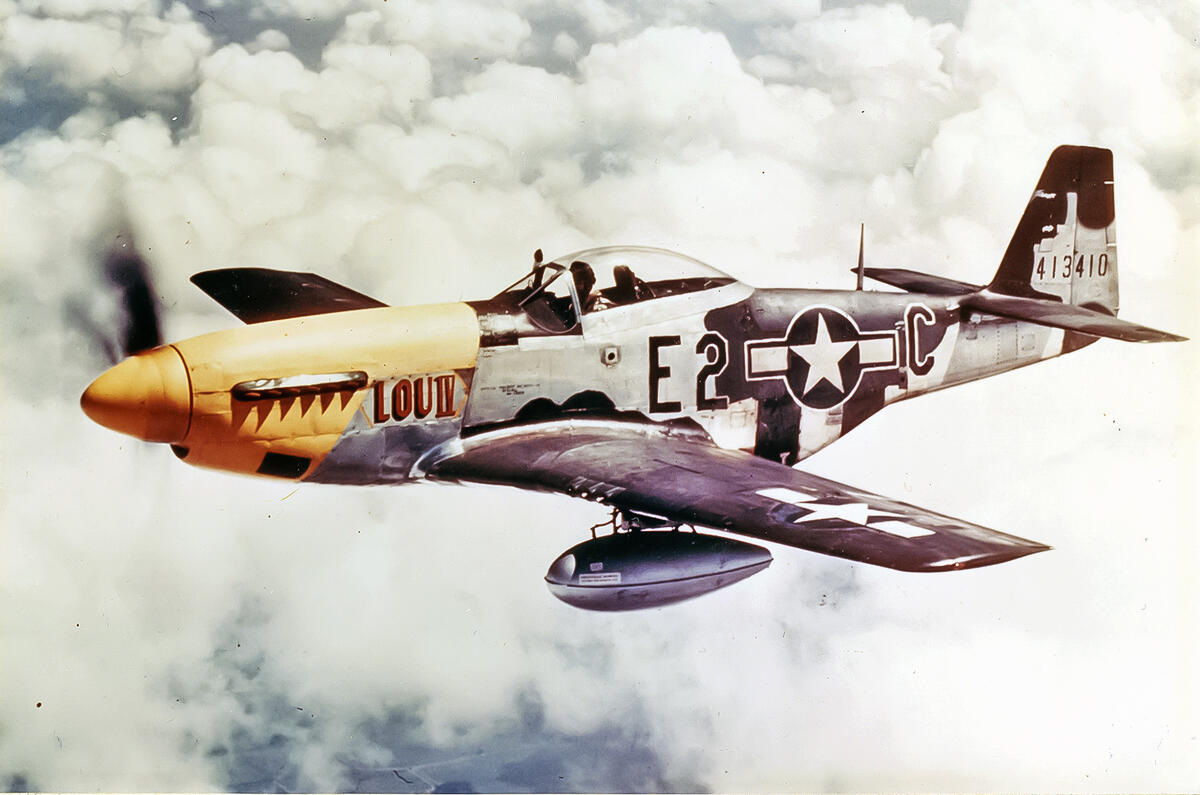

Despite some strong contenders, I keep coming back to the Mustang.
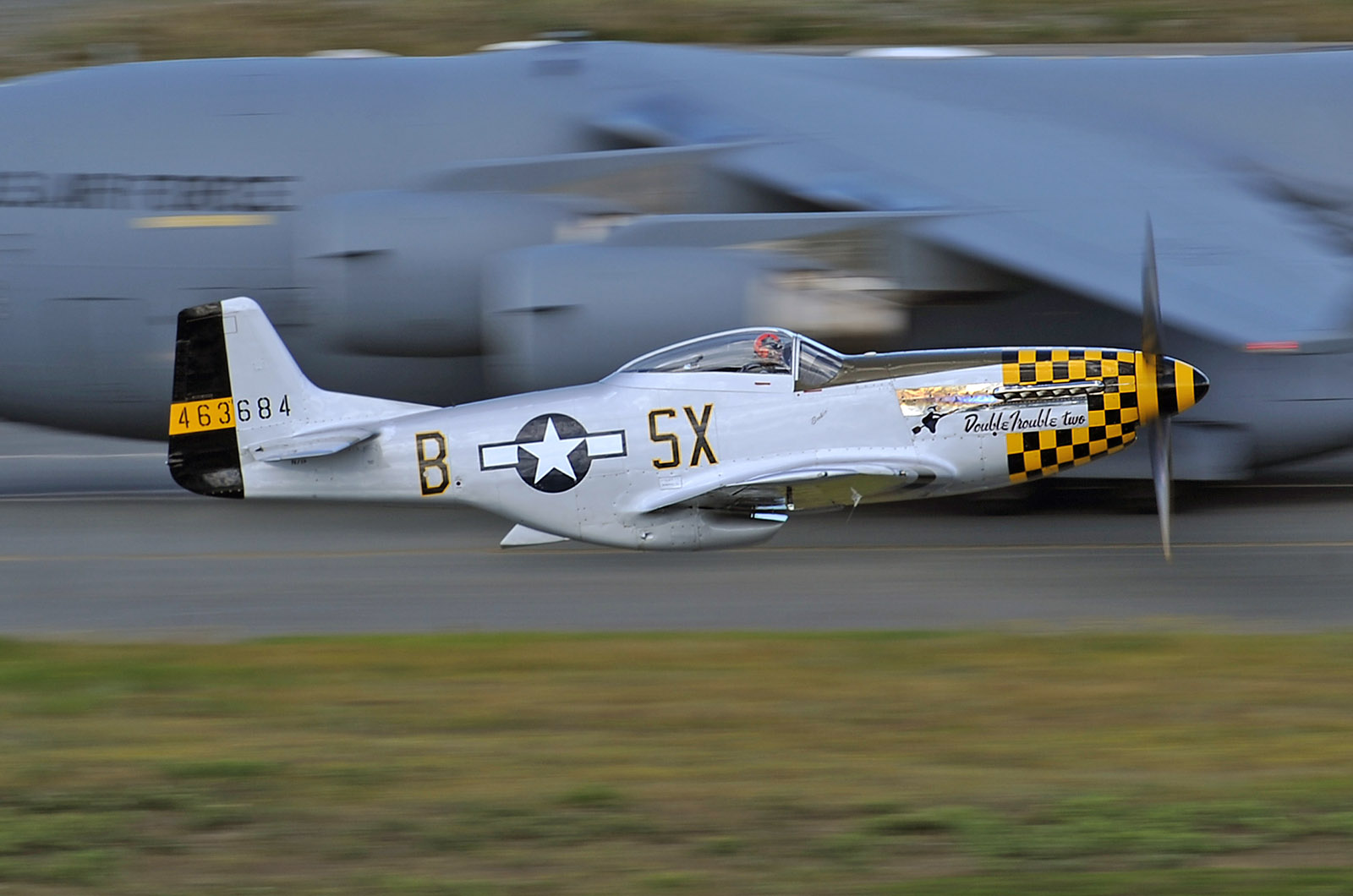
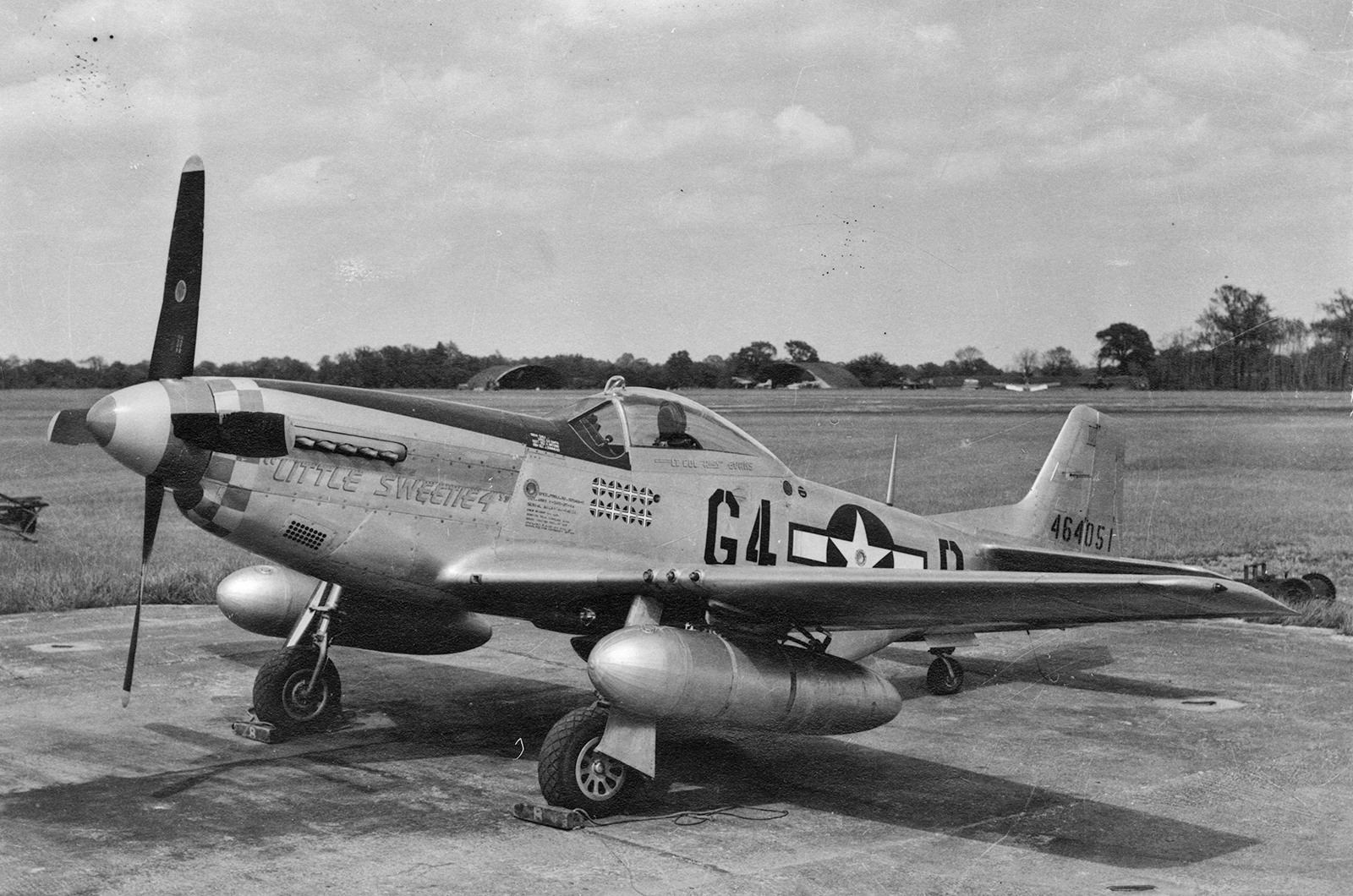
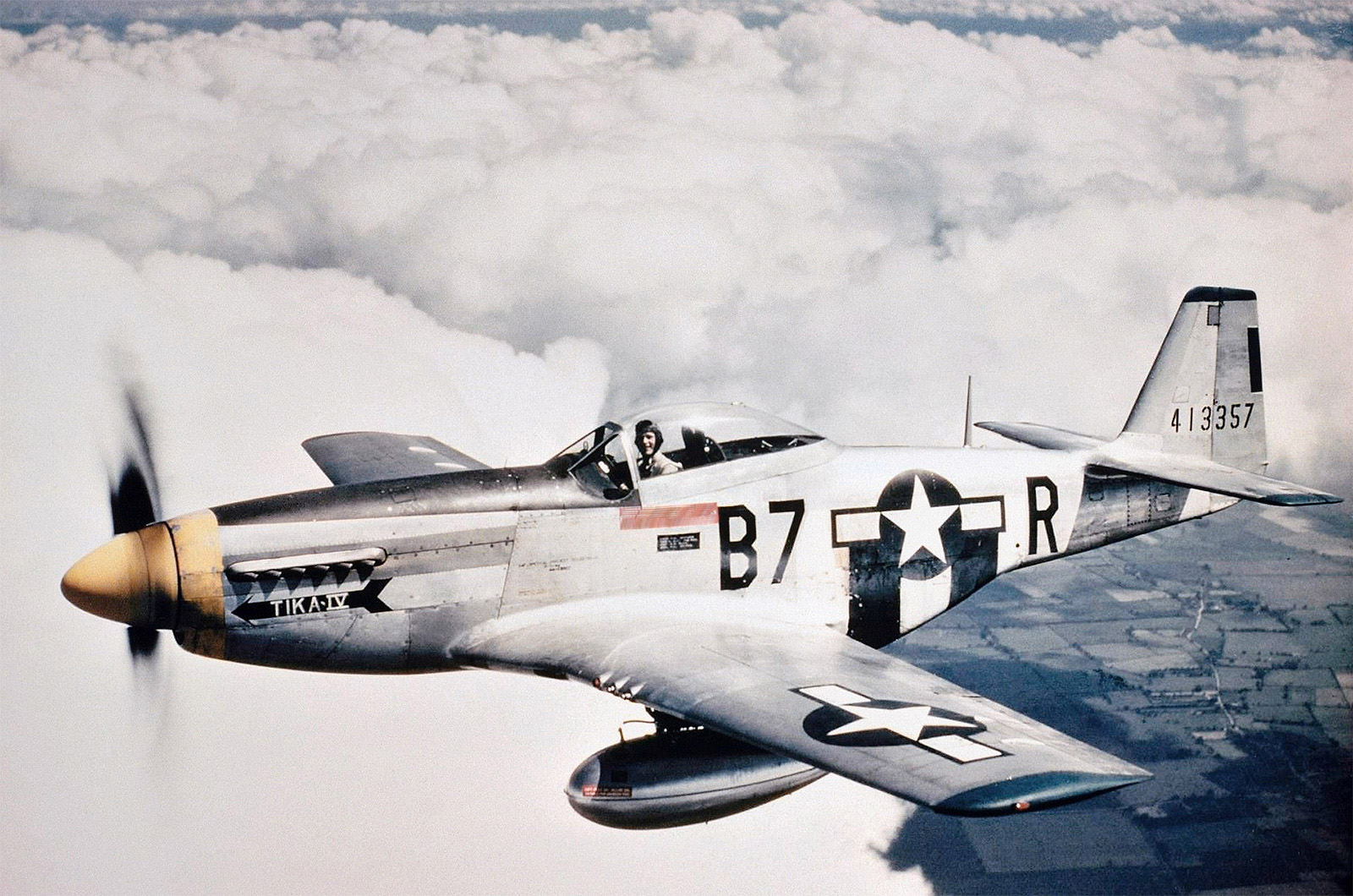
The Mustang is the Jimmy Stewart of airplanes. Both are solid performers with dashing good looks, and few have a negative comment for either one. The Mustang’s graceful curves draw you in. The performance and technical details are what keep me coming back. It’s the best of both worlds: a stunning piece of art and a technical marvel. While the art claim is incontestable, let’s dive a little deeper into the technical claim.
10: The Wing is the thing
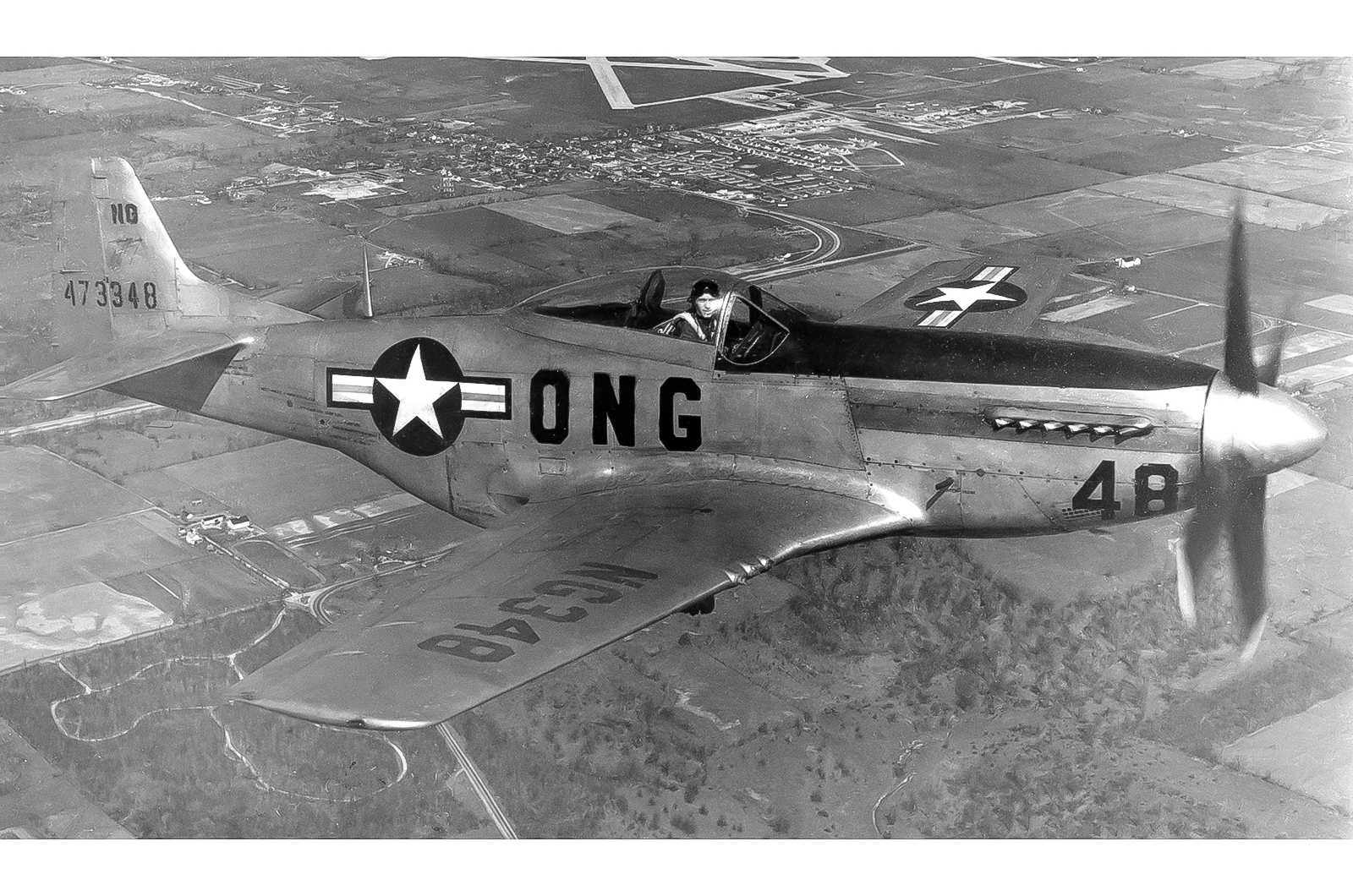
Because of its mid-war development timing, the Mustang was the first aircraft to implement a new aerodynamic theory called “laminar flow”. This effect, contrasted with turbulent flow, is an elusive condition that is possible with the right wing shaping and attention to detail. All wings have a small amount of laminar flow at their leading edges (the front of the wing). A laminar flow design extends this region to a majority of the wing surface and can reduce the wing drag by an incredible 25%-50%.
Unfortunately, the practical application usually falls short of the theoretical promise. Manufacturing flaws, battle damage, and bug guts alter the surface of a wing, and the laminar flow benefits fade away when the shape is not pristine.
10: The Wing is the thing
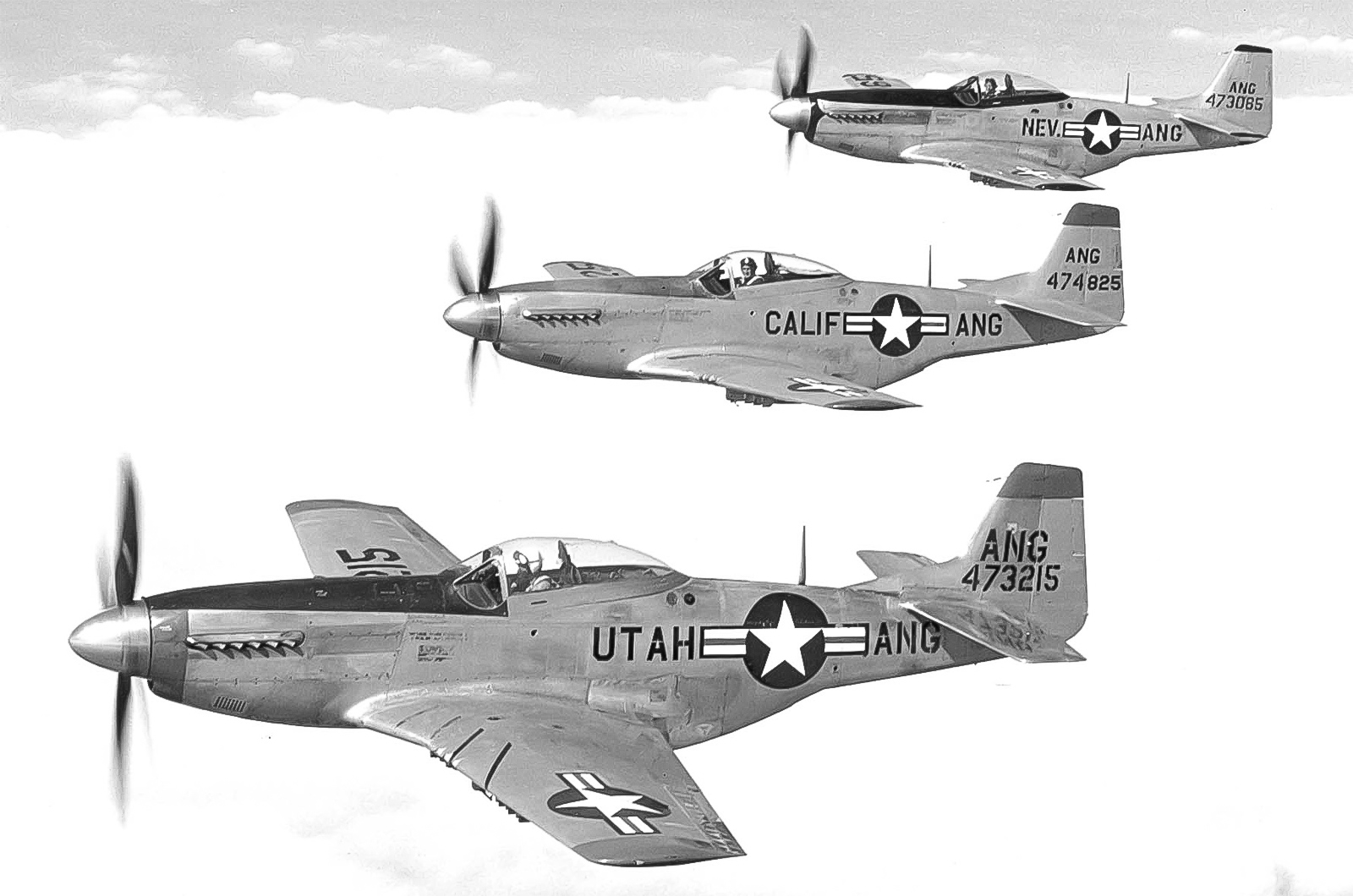
By complete serendipity, the shaping of a laminar flow aerofoil (the cross section of the wing) is also very good for low drag at high speeds. The airflow over a wing accelerates even faster than the airspeed of the aircraft. At high enough aircraft speed, this local wing airflow will exceed the speed of sound. When this happens, drag increases to really high levels, really fast. To keep accelerating you need a lot more engine power.
The shaping of the Mustang wing lessened this airflow acceleration and allowed it to fly a little faster before this drag started its dramatic rise. In modern terminology, the Mustang had a great transonic wing. This effect was not fully understood in the early 1940s, but the science quickly followed up.
9: Low drag
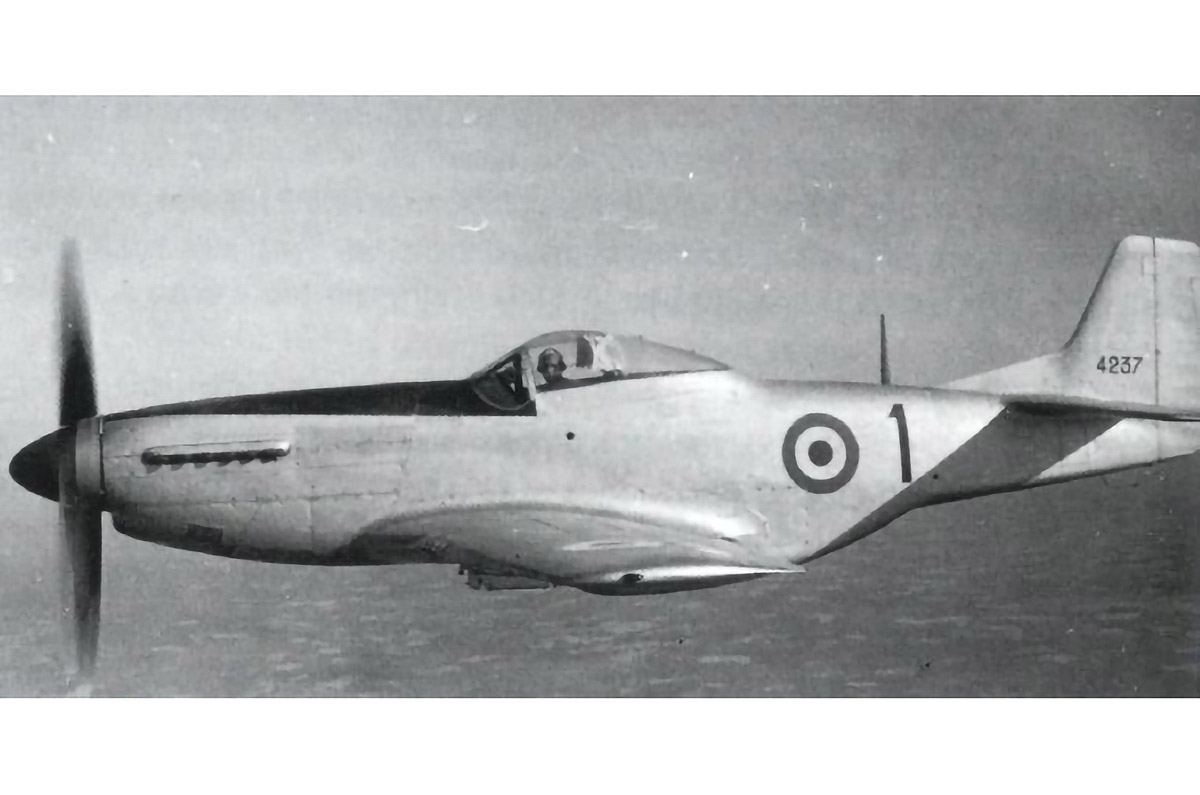
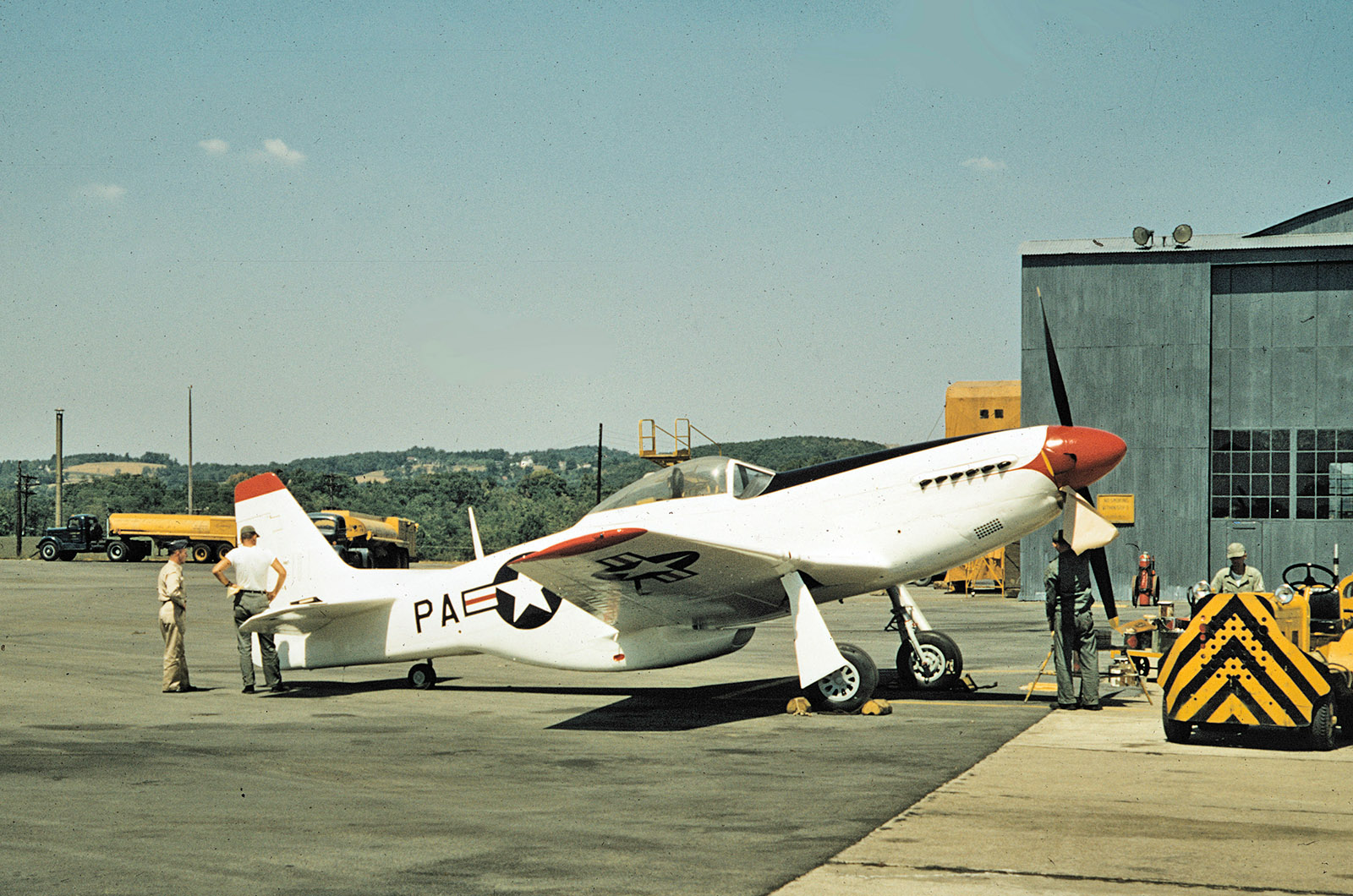
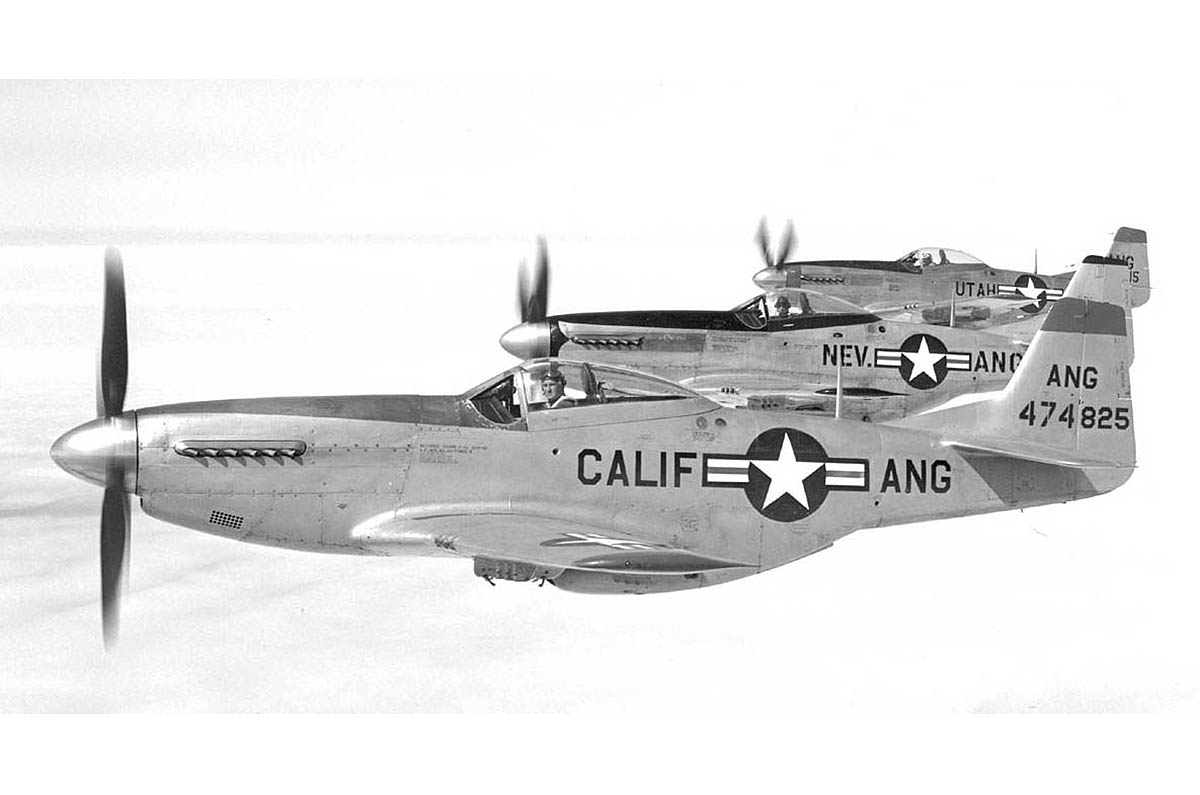
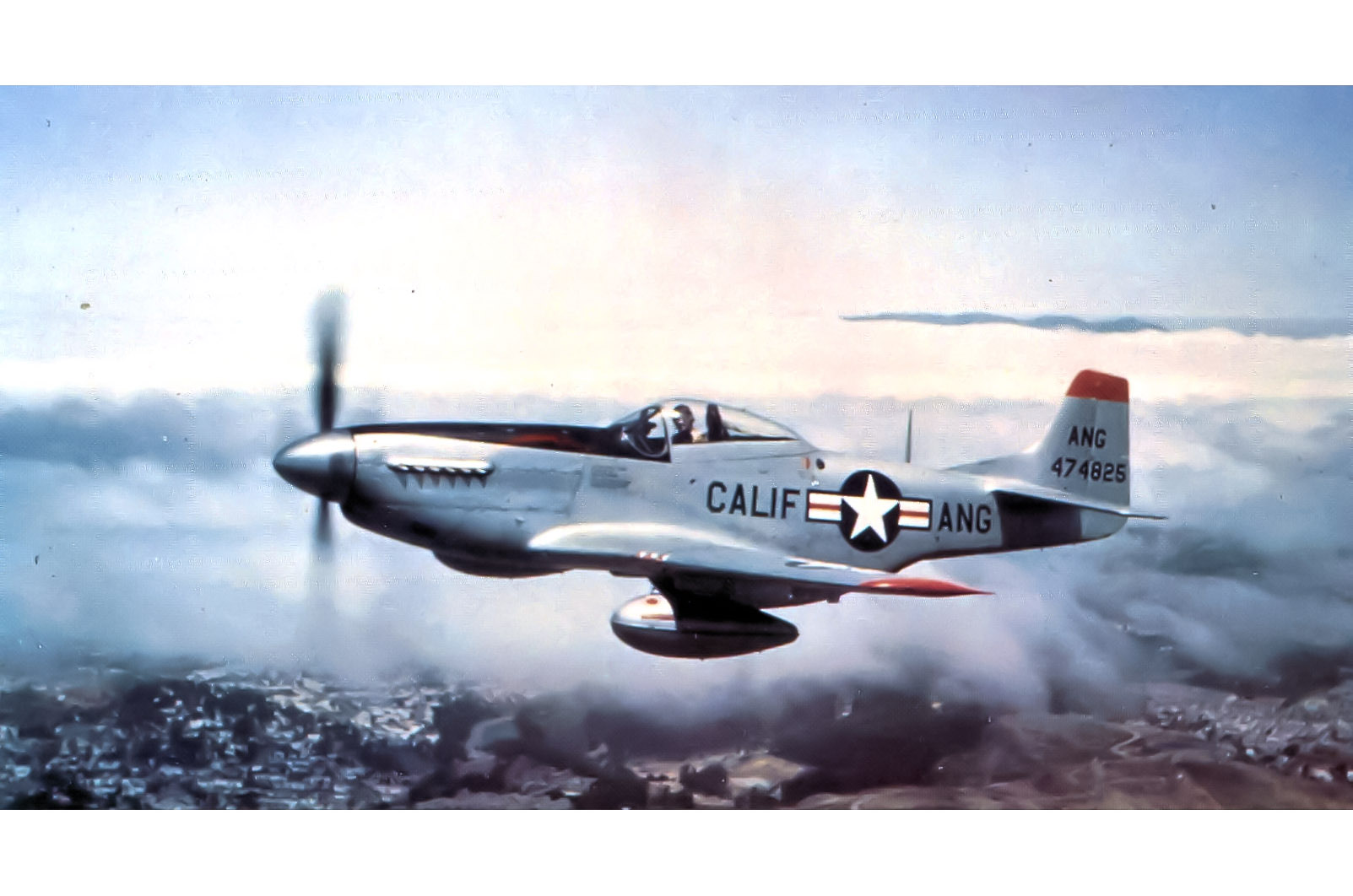
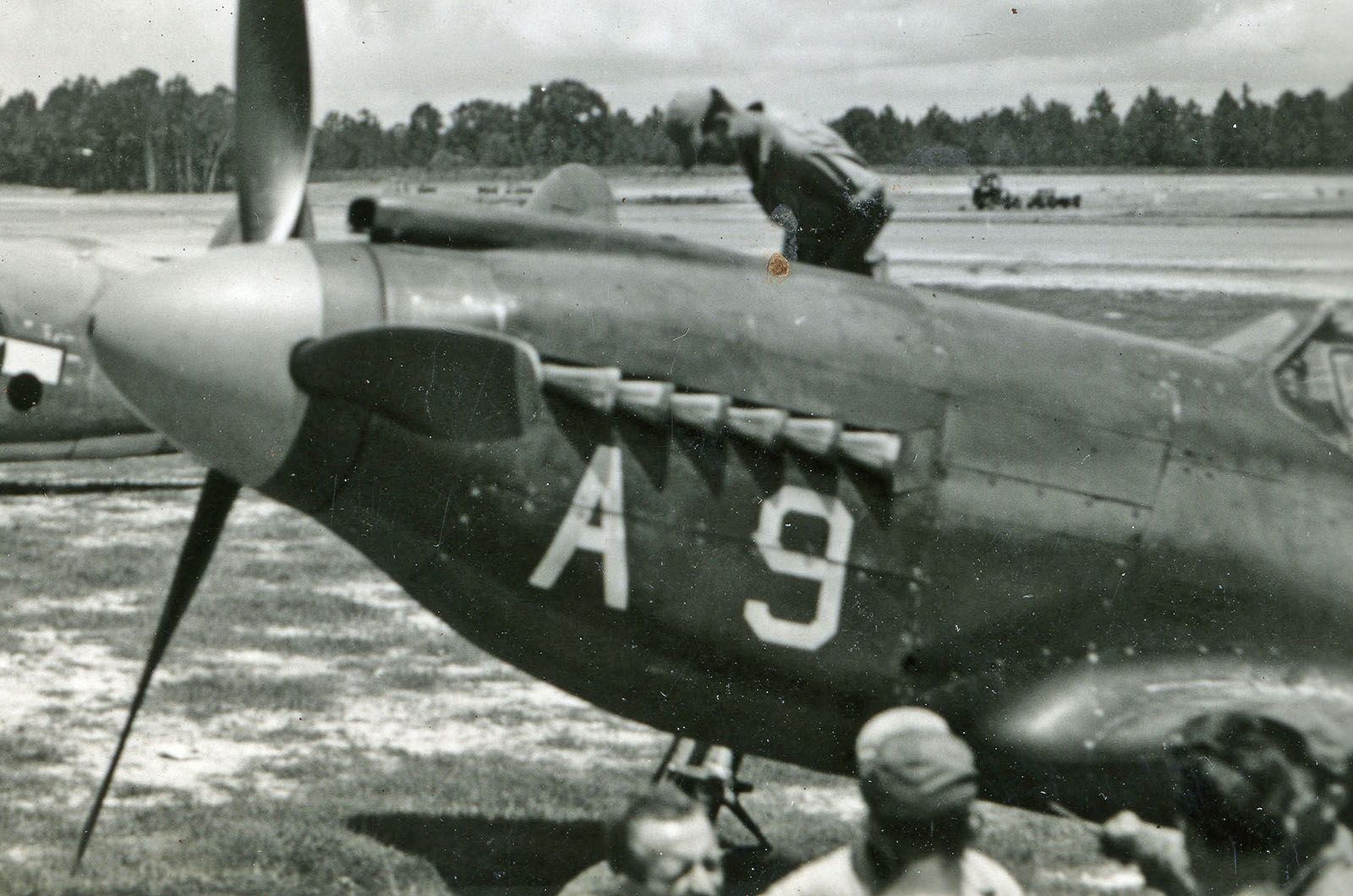
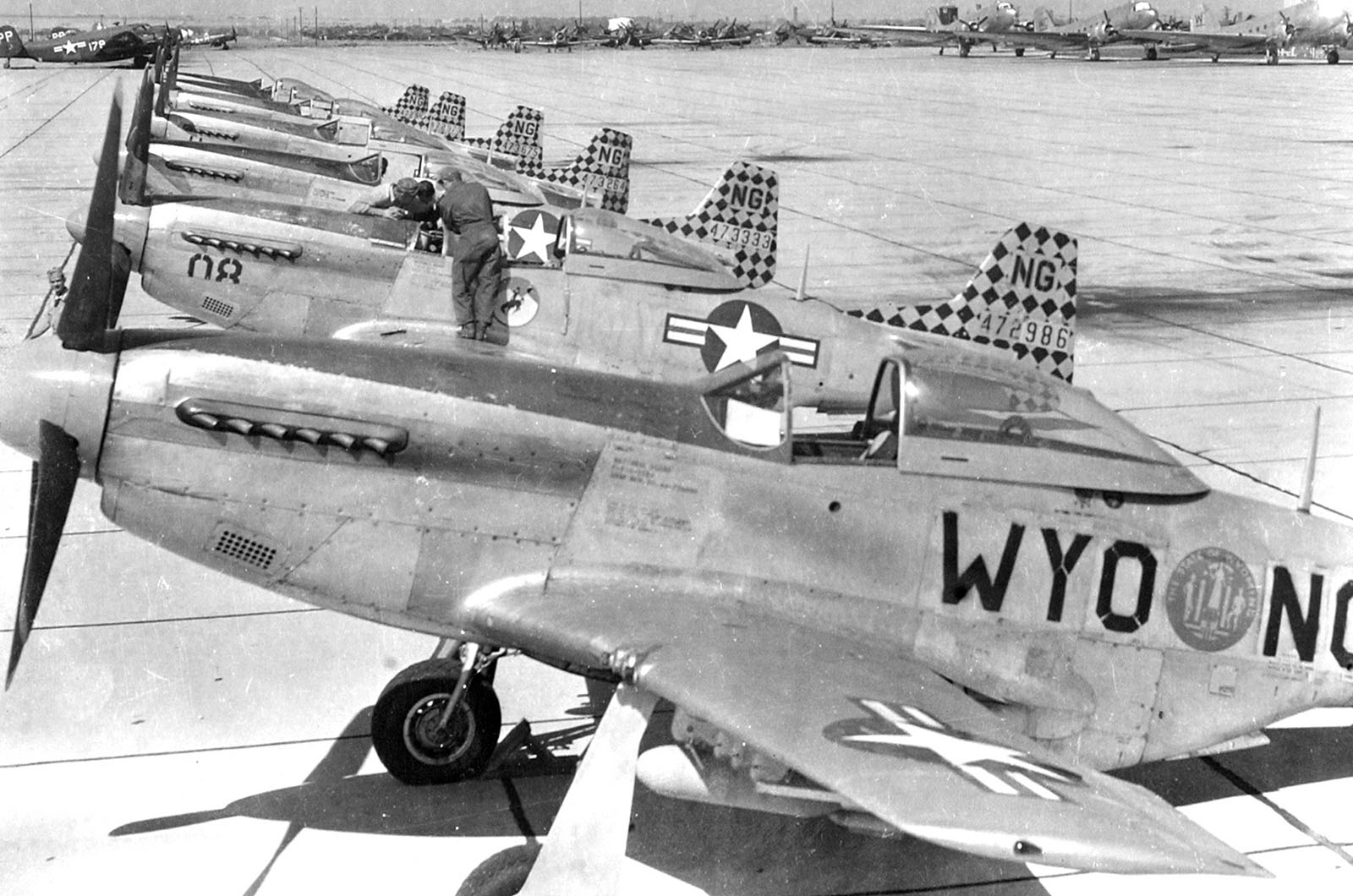
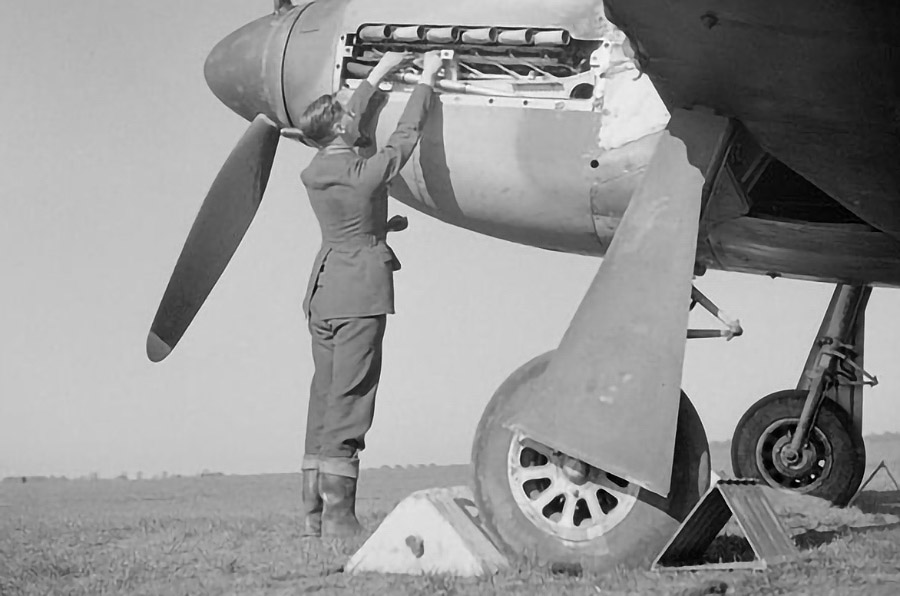
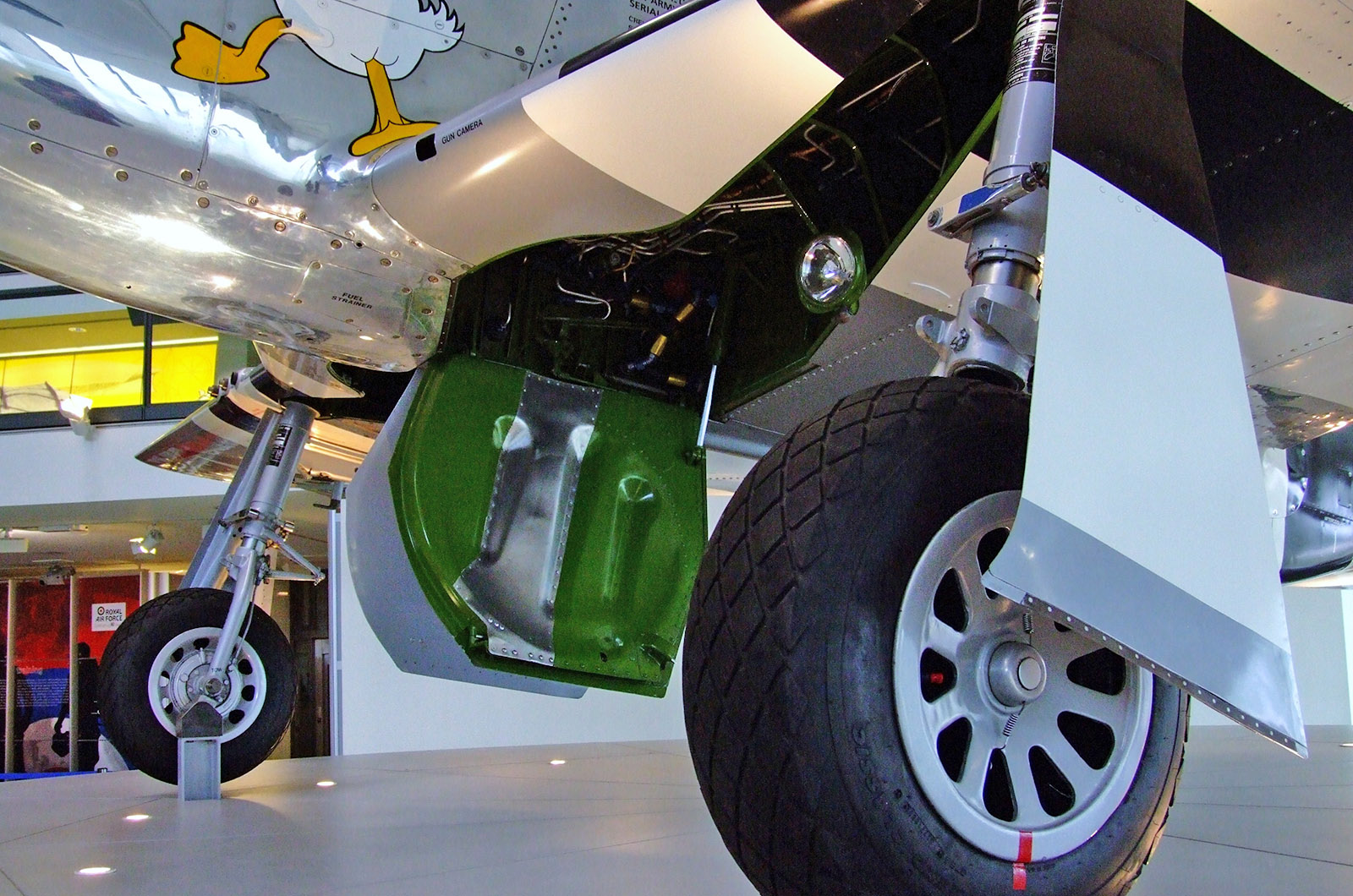
In addition to the great wing design, the Mustang also had a remarkably low overall drag. The performance of the airplane is the summation of many little things and a close attention to detail. A close inspection of the Mustang will show its remarkable cleanliness. There are virtually no bumps, bulges, or inlet scoops anywhere on the plane. Most other planes of the era have a multitude of these to address various cooling or system details.







Add your comment