
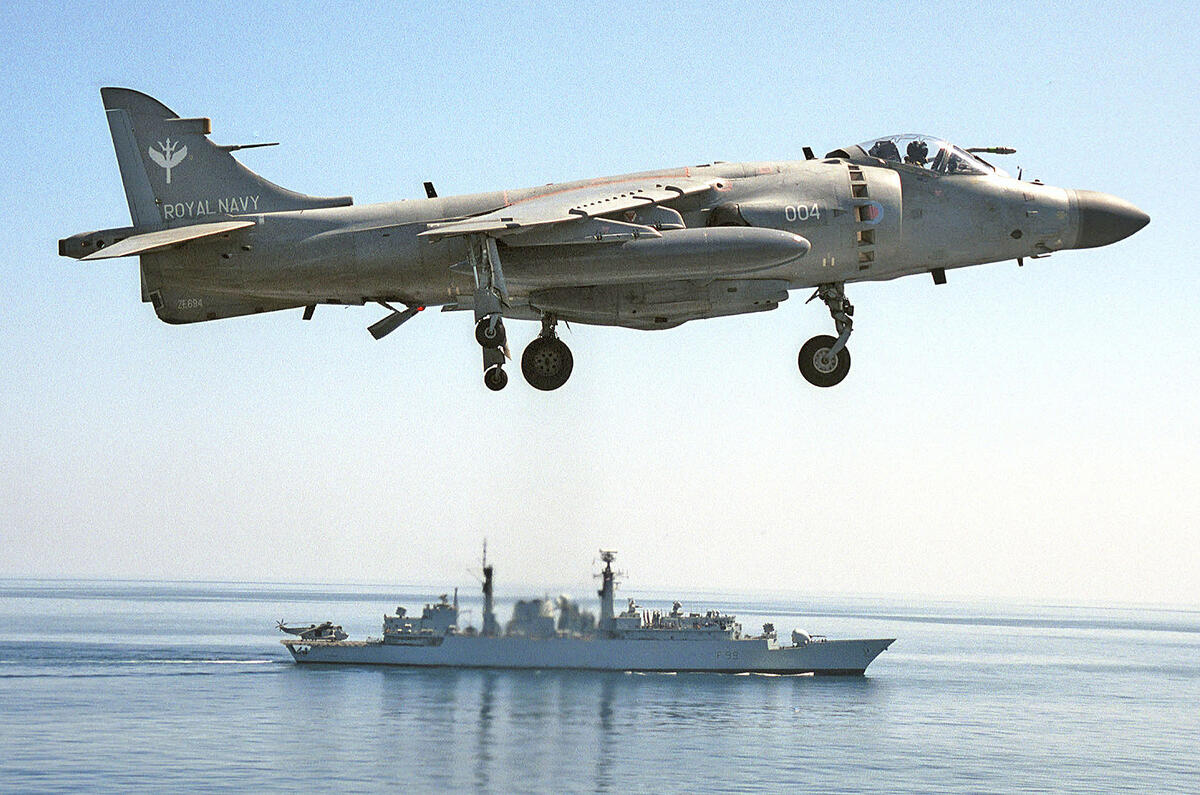

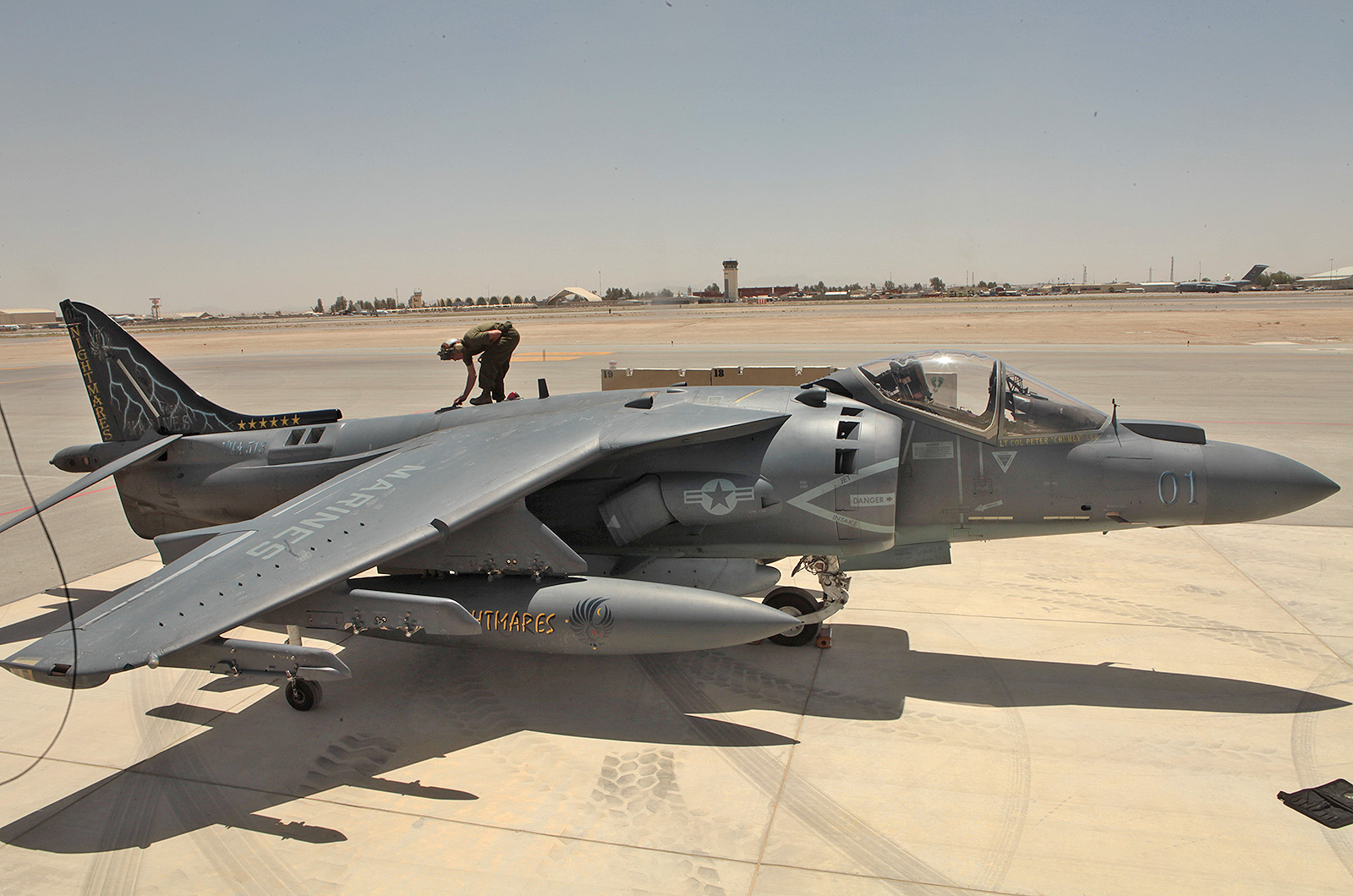
We spoke to former Harrier pilot Paul Tremelling to find out the deal with the Harrier ‘Jump-jet’. Over to Paul:
The trouble you have when describing the Harrier is that people immediately assume that you are trying to mount a defence of an icon based on heartfelt fondness, and not hard facts. The battle lines are pretty rigid. Harrier fans and critics never seem to agree. To bridge this divide, I write today to argue a rarely argued point: the Harrier was brilliantly adequate:
10: Being there
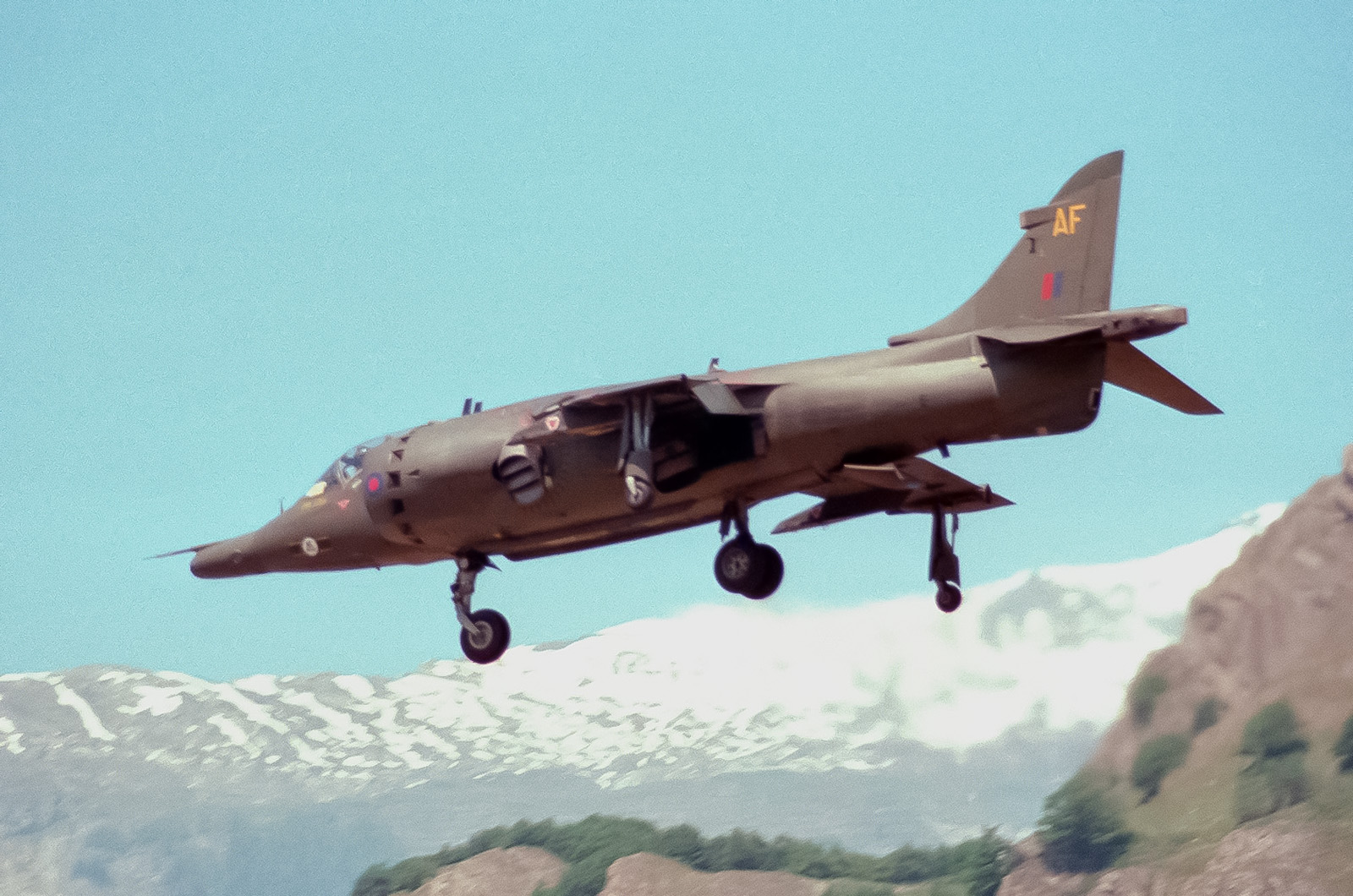
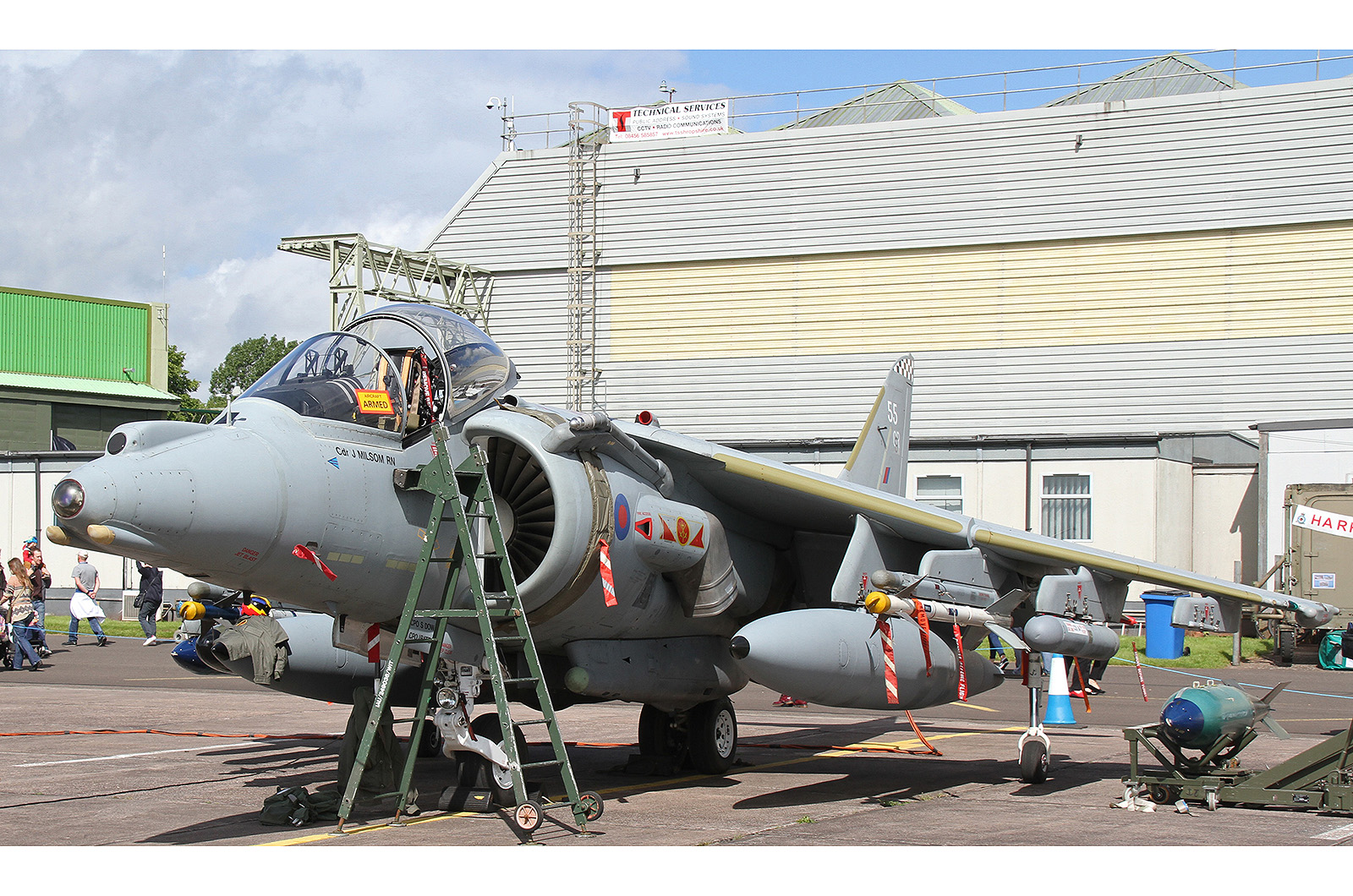
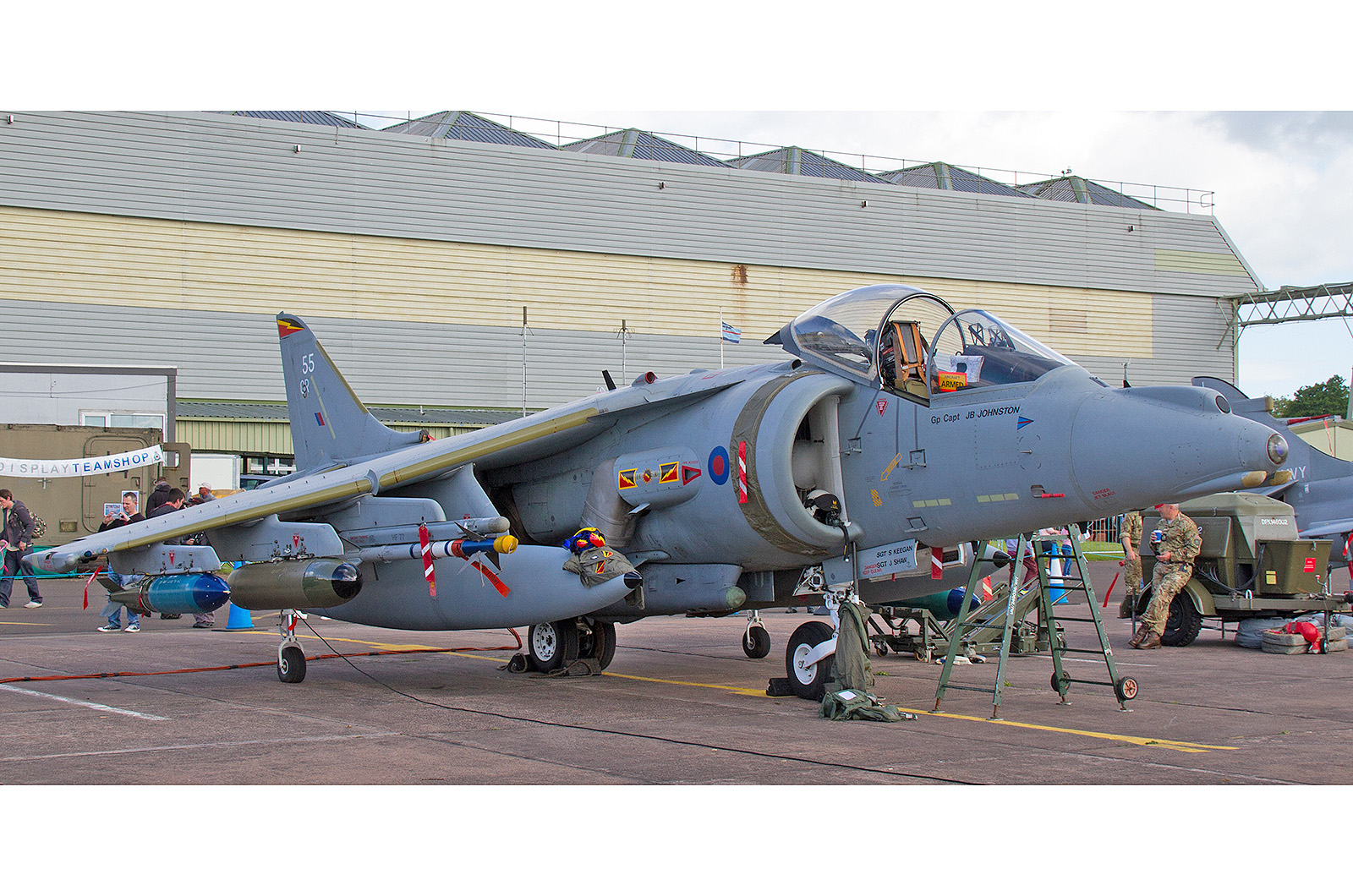
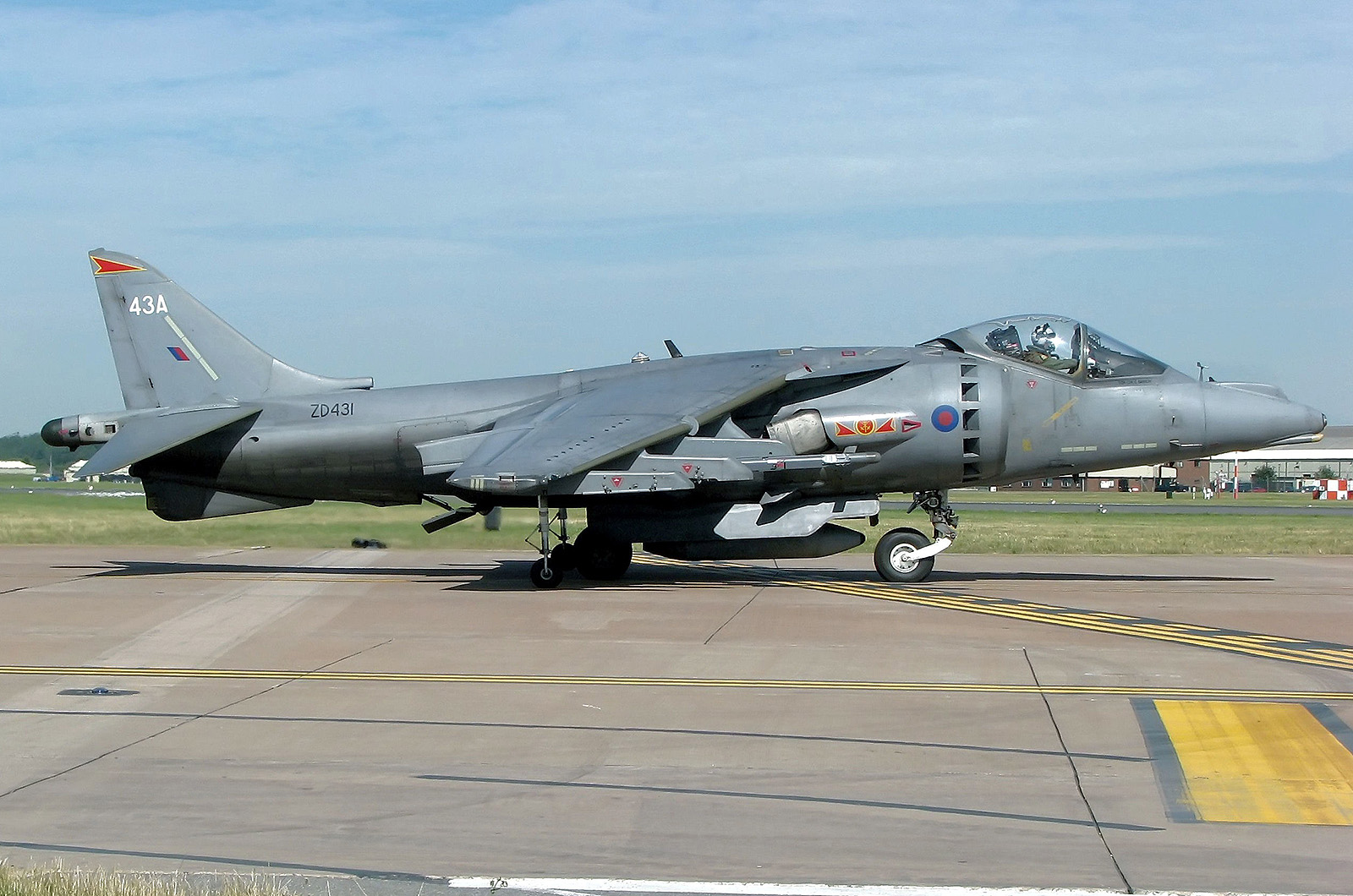
Sometimes, something is much better than nothing, and, as the Harrier GR3 and its FRS Mk 1 Sea Harrier stablemate proved in Britain’s Falklands crisis in 1982 – you can be the best at what you do if you’re the only show in town. The Harrier was pretty good at being there.
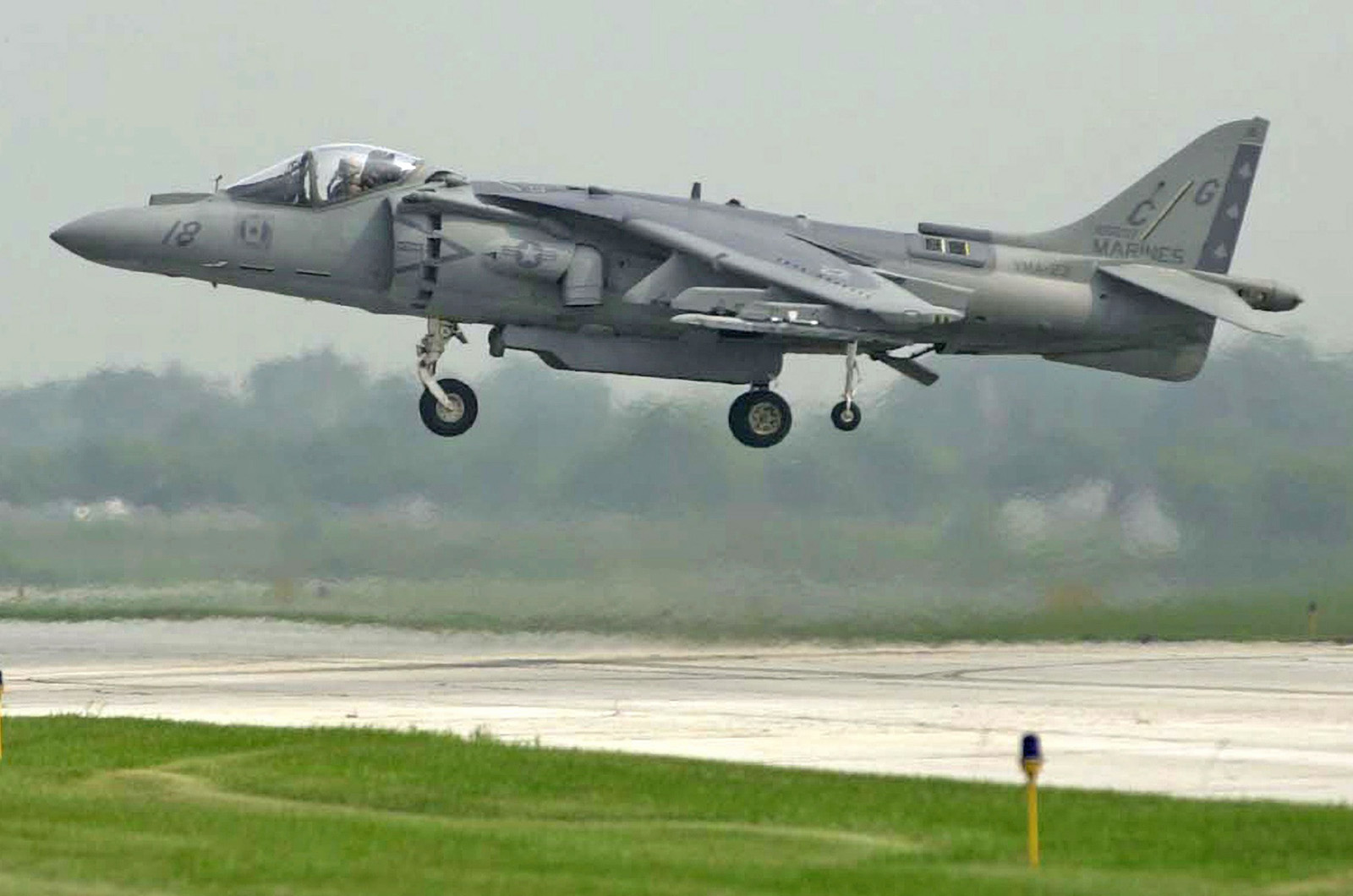
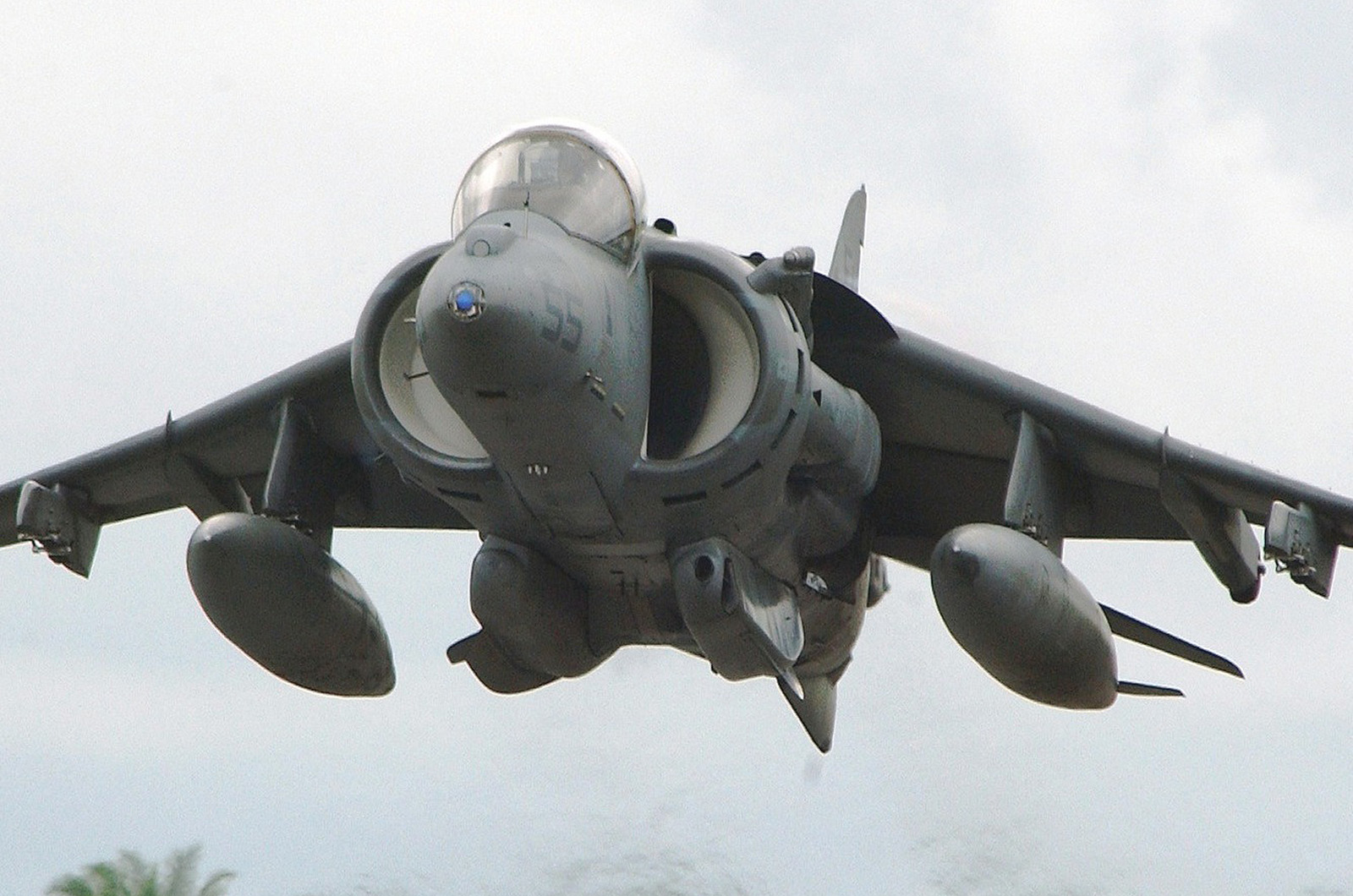
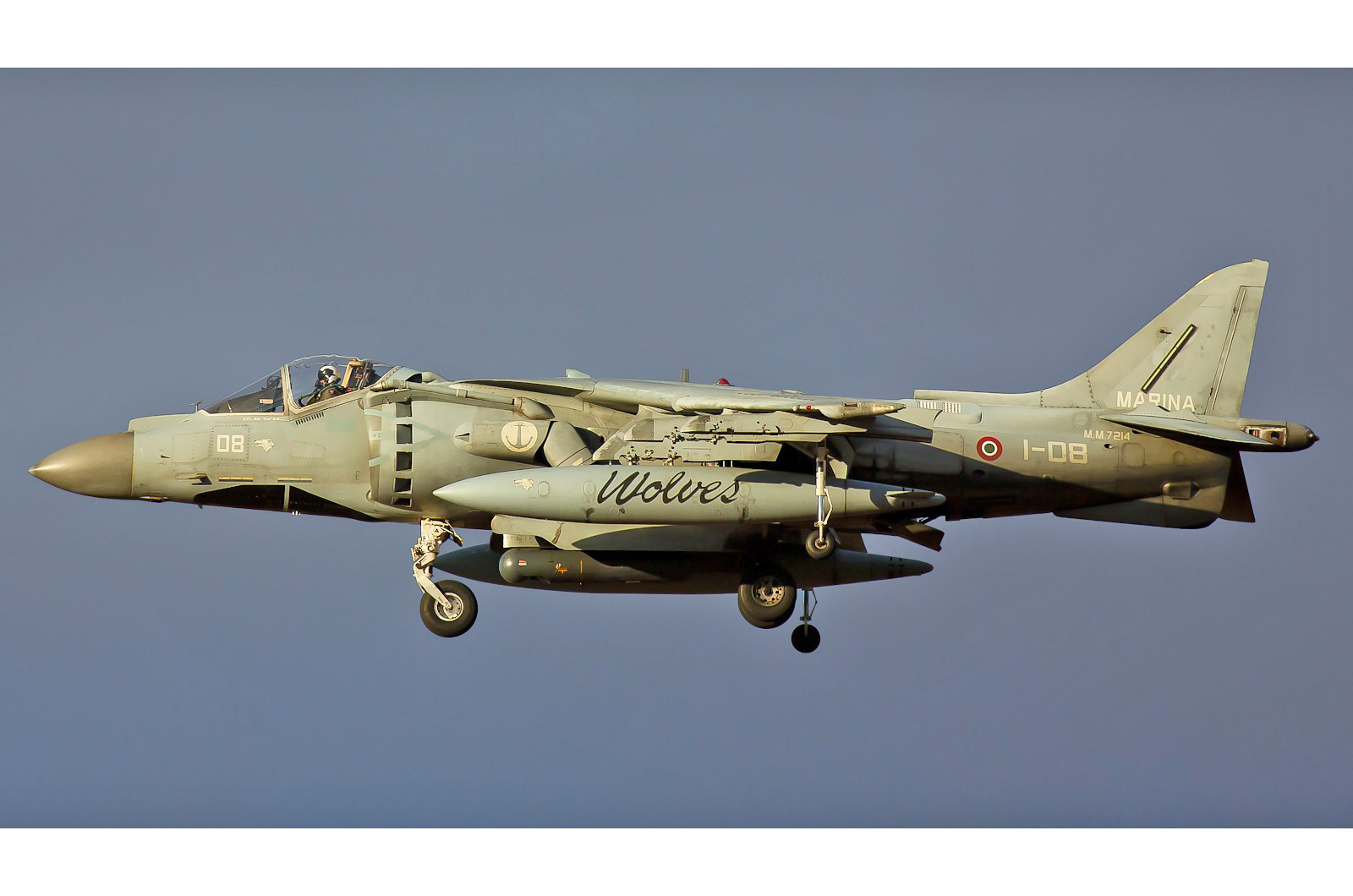
With an engine designed to hover and it could use short runways to operate from. That meant it could do dispersed operations, and austere and sea-based operations.
10: Being there
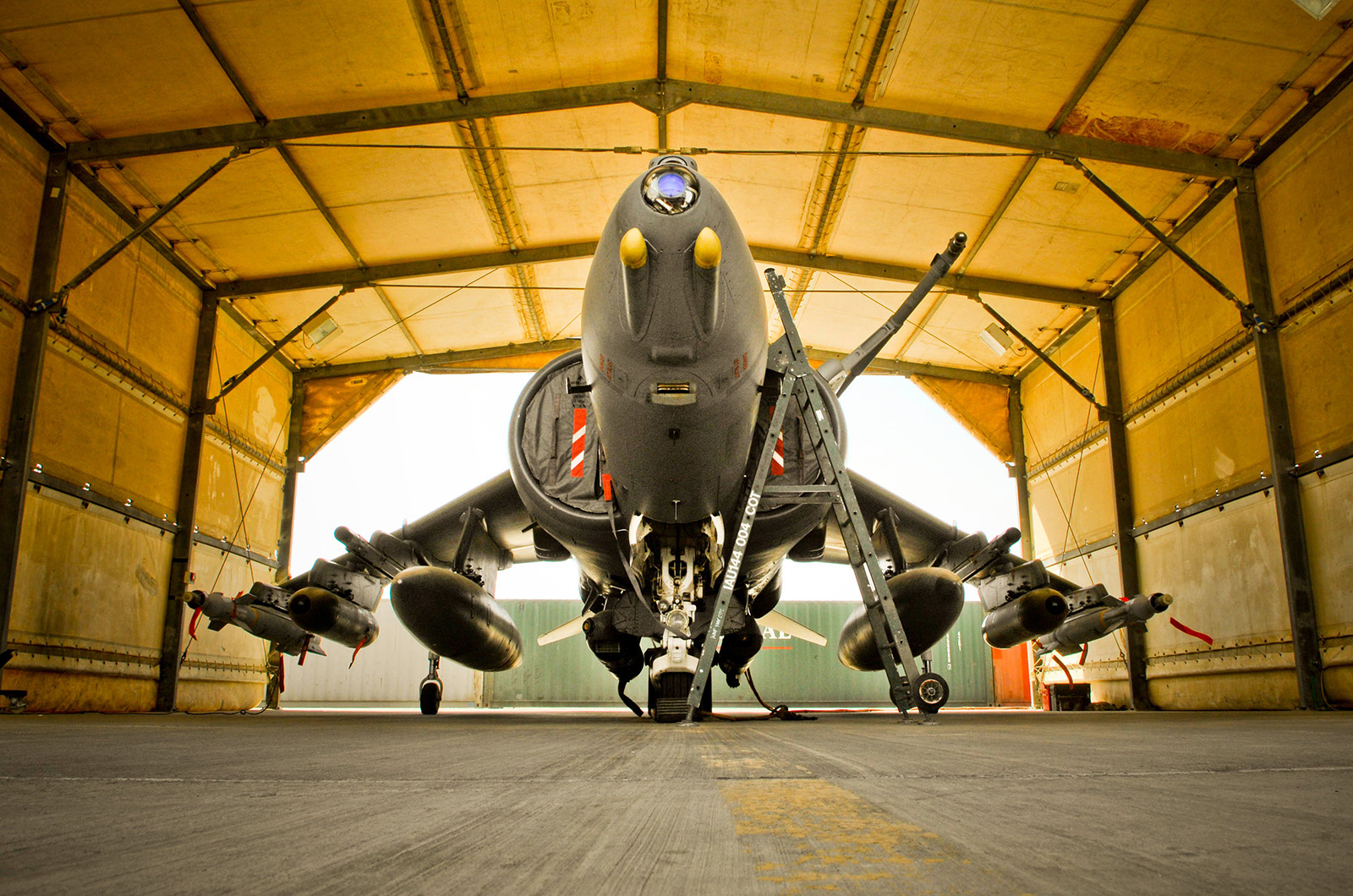
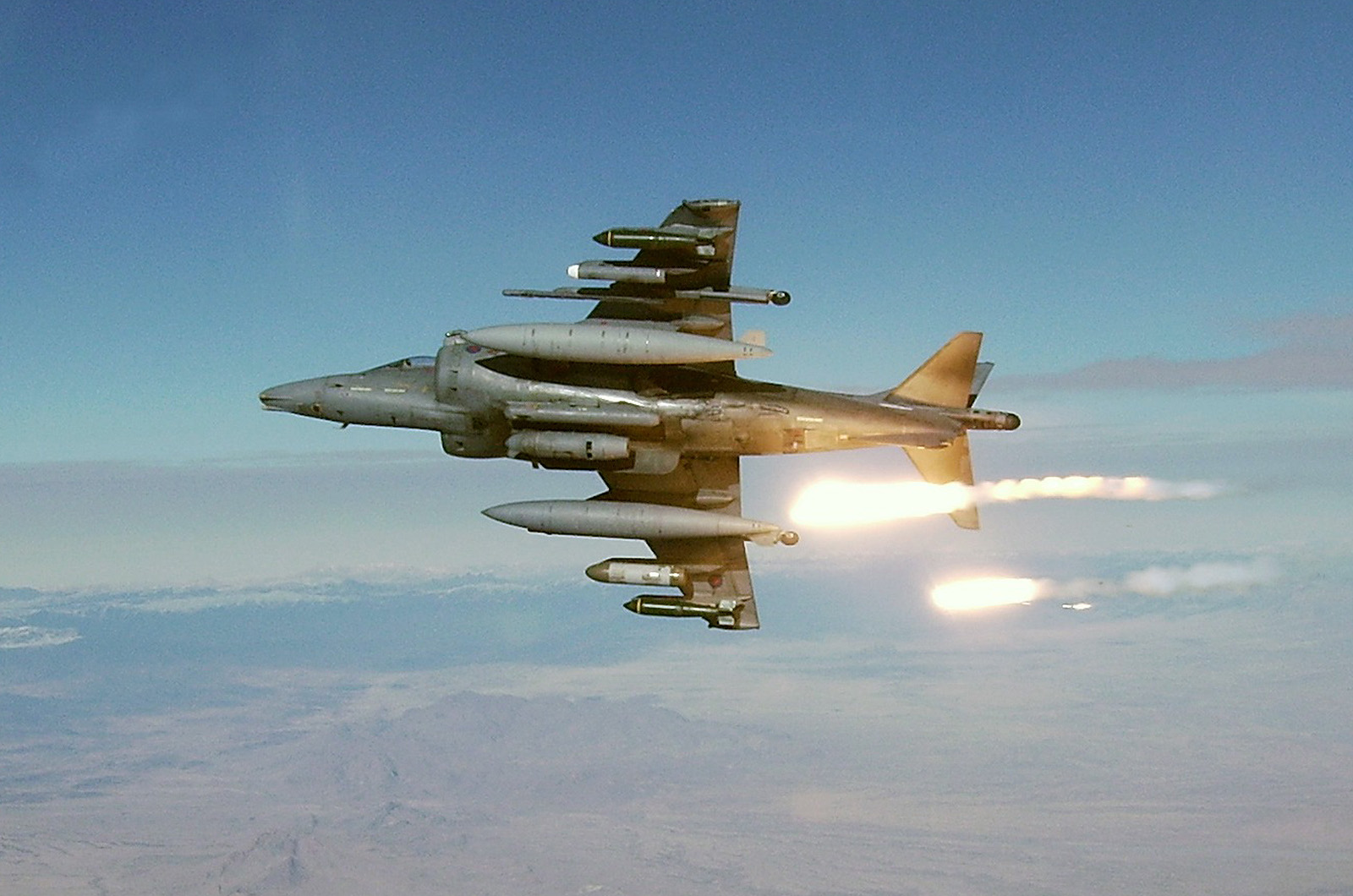
I cannot speak for the customer, but a JTAC or a ground commander would probably be very glad indeed to have Close Air Support (CAS) aircraft at hand in some out-of-the-way locations (Belize, the Falklands, and Kandahar amongst others) whilst someone else worked out how to get the best in class to the fight, let alone into it.
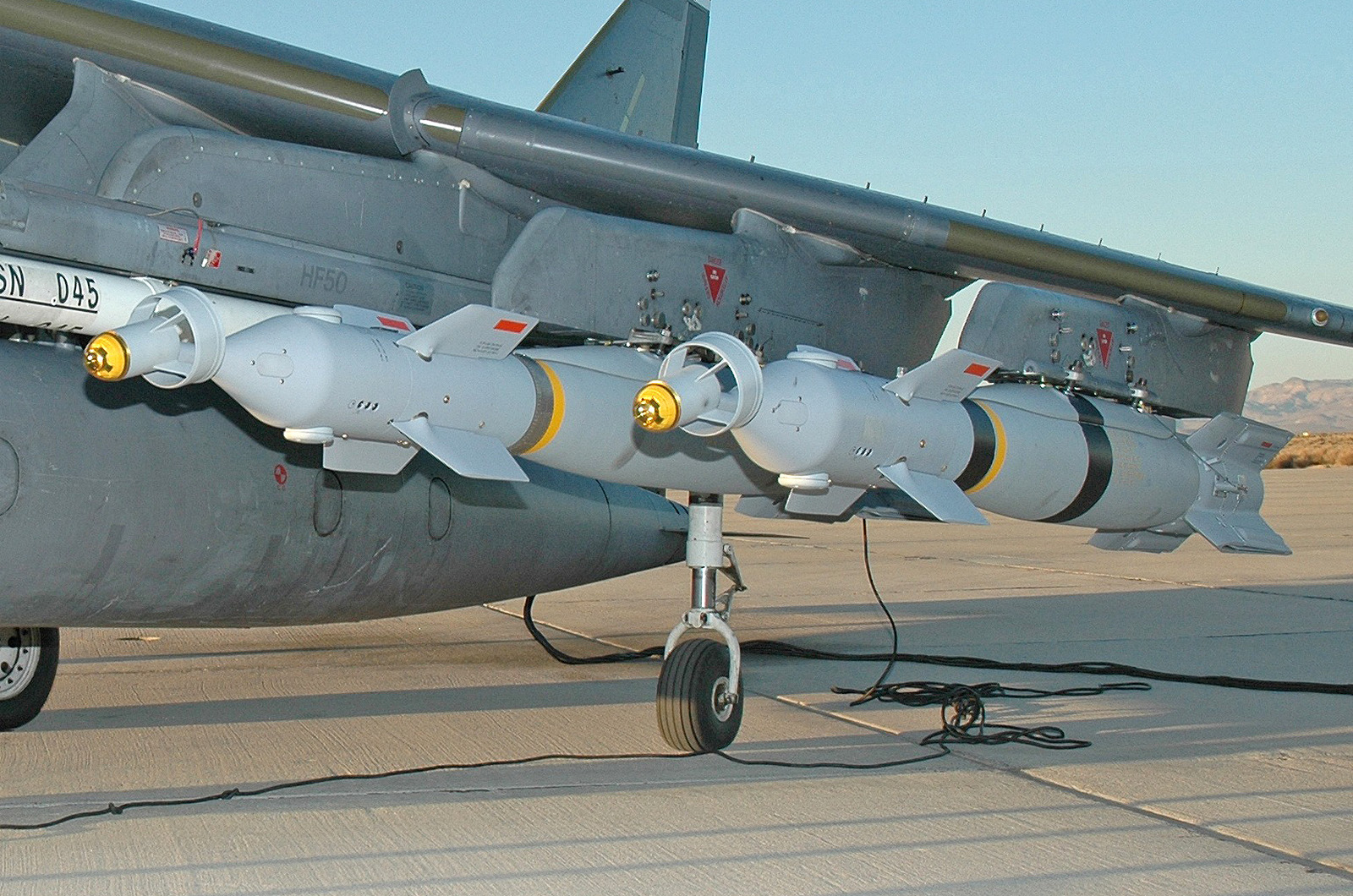
Short strips and small regional runways do not equal large weapon loads, but on the other hand – rapid turn rounds at austere locations can give you ‘belt-fed’ CAS if you’re good at it. There are other considerations, such as it being possible to base yourself a little too close to the enemy, but, by and large, the Harrier’s ability to be there probably takes us into adequate, maybe even beyond.
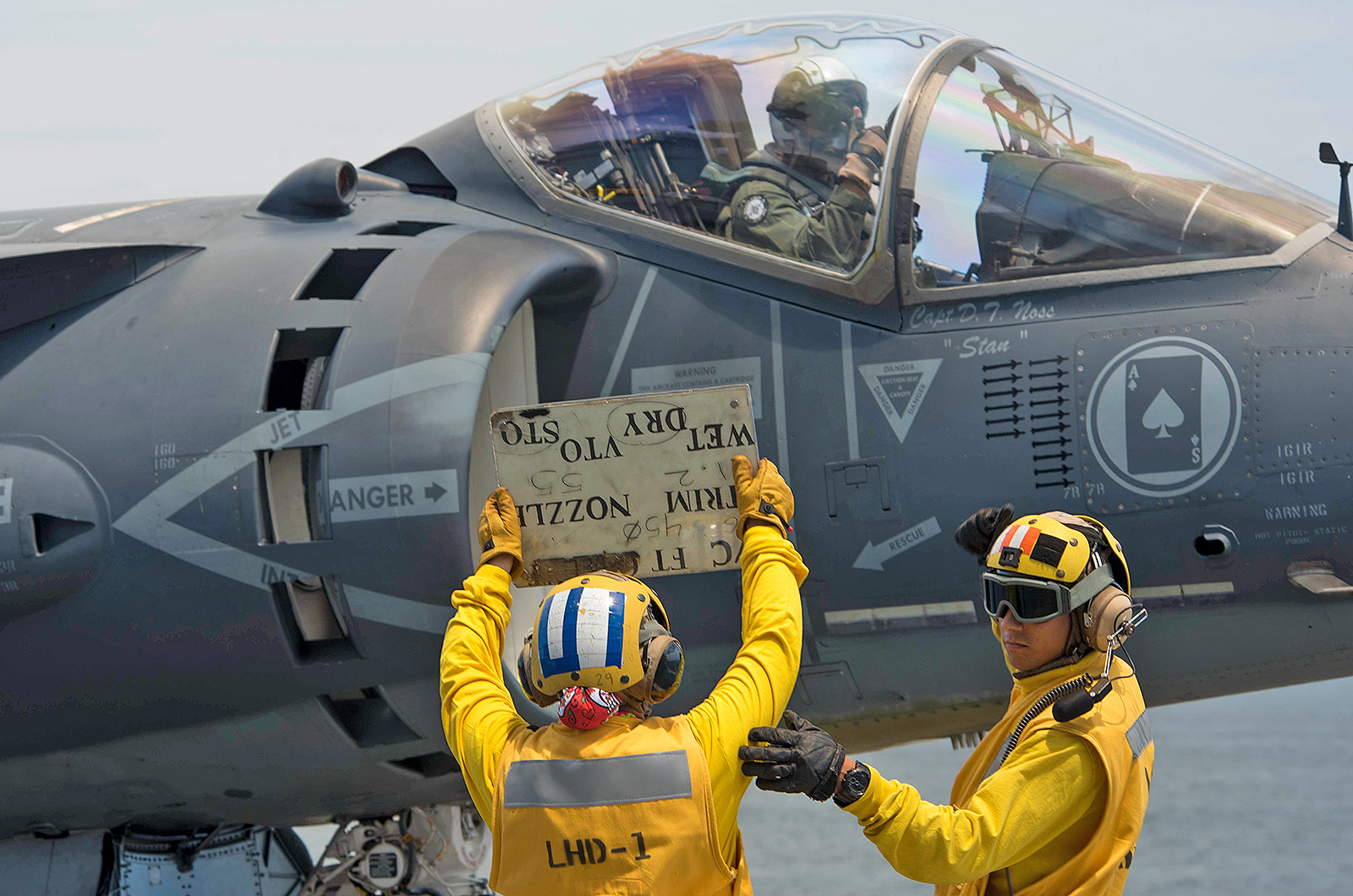
9: The boat
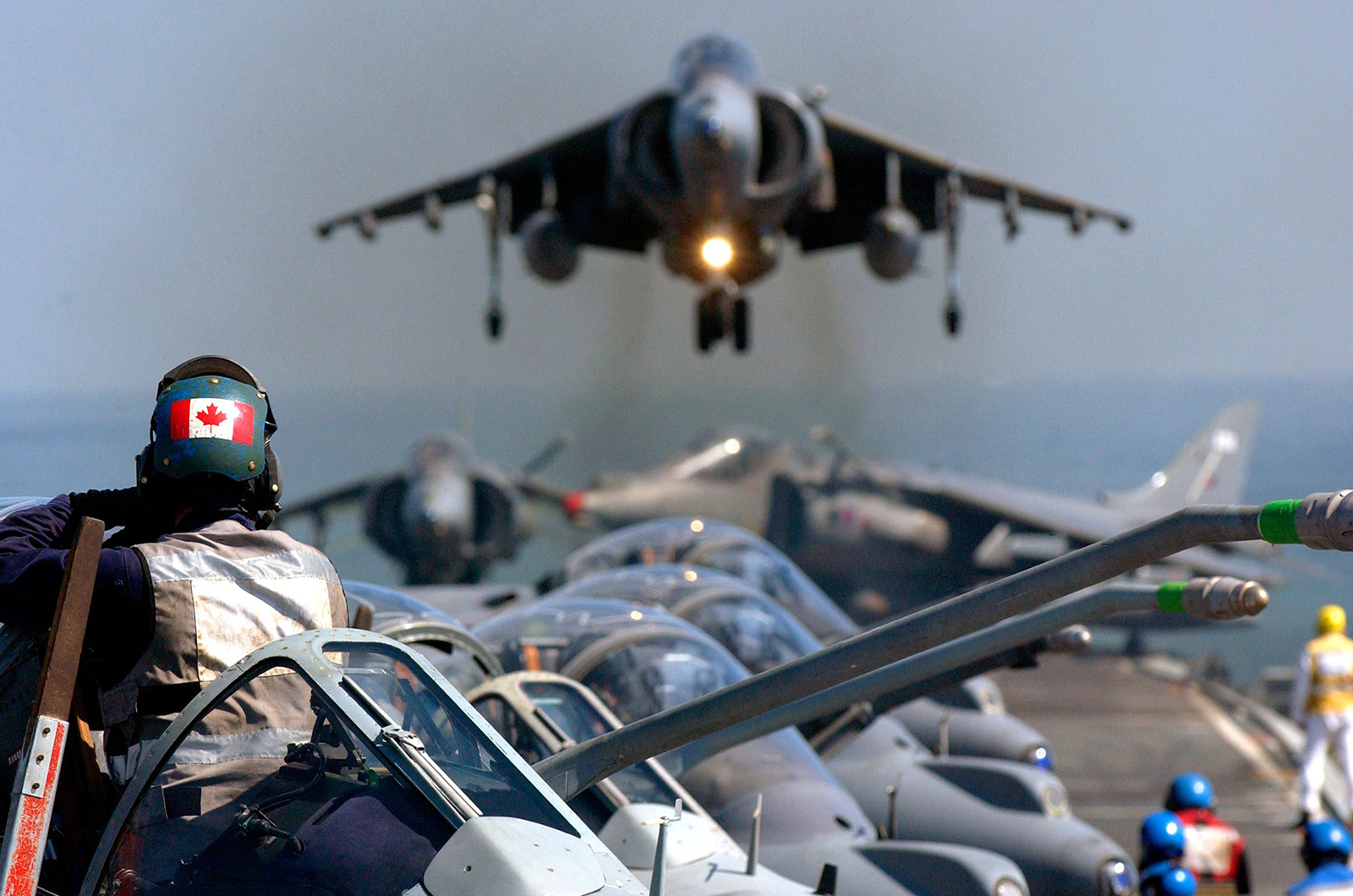
There are a lot of odd things written about being based at sea. On the one hand, it’s argued that aircraft carriers are far too vulnerable to be viable, and on the other hand, only carriers can give you worldwide freedom of manoeuvre. Neither is true.
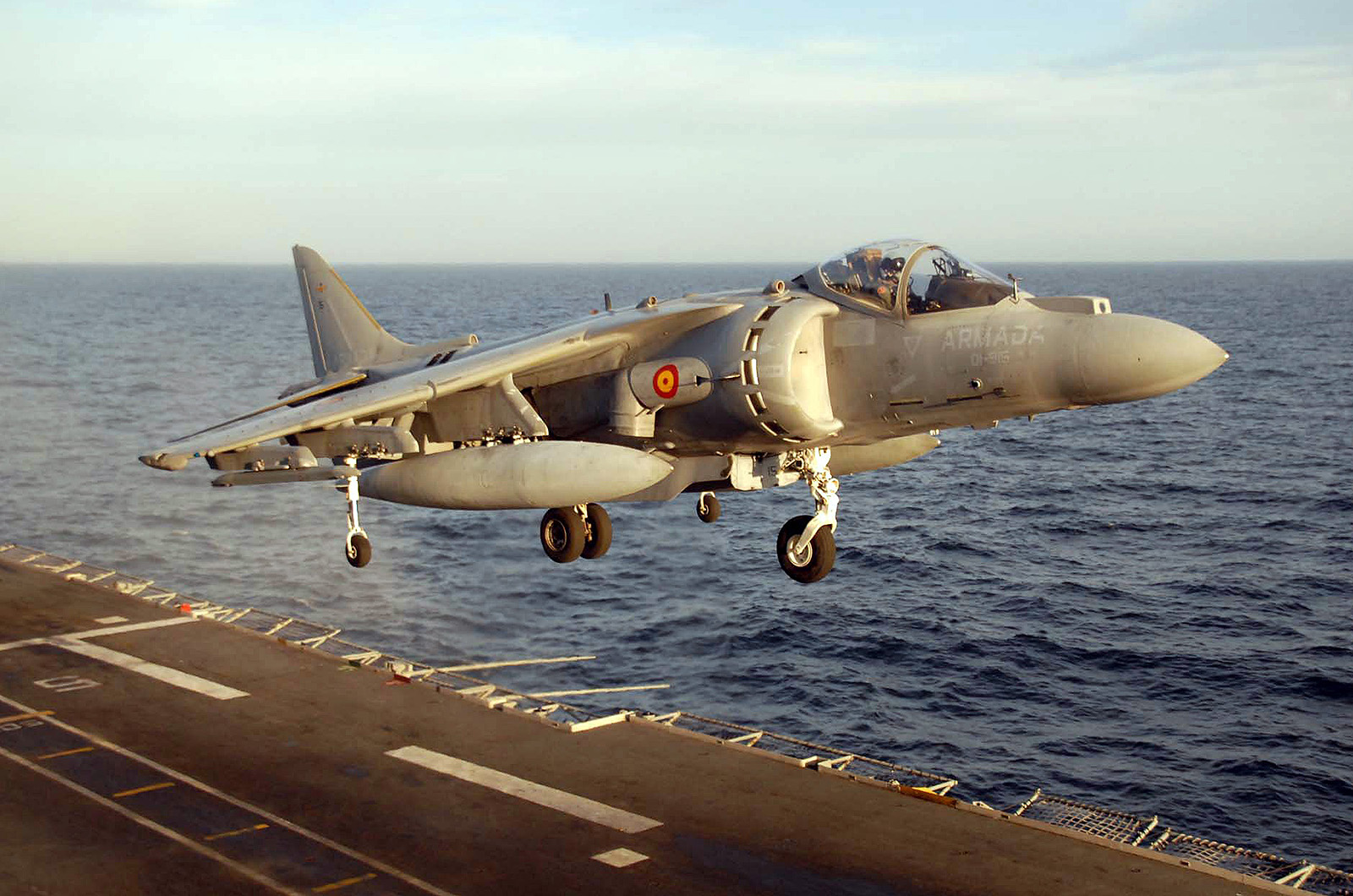
The ability to base a V/STOL fighter at sea and move it around gives you some flexibility in the direction you may appear from, and surprise, in war, is worth achieving. Even better, moving around could allow you to attack someone without asking a third party’s permission to overfly or, indeed, base yourself there for the fight.
9: The boat
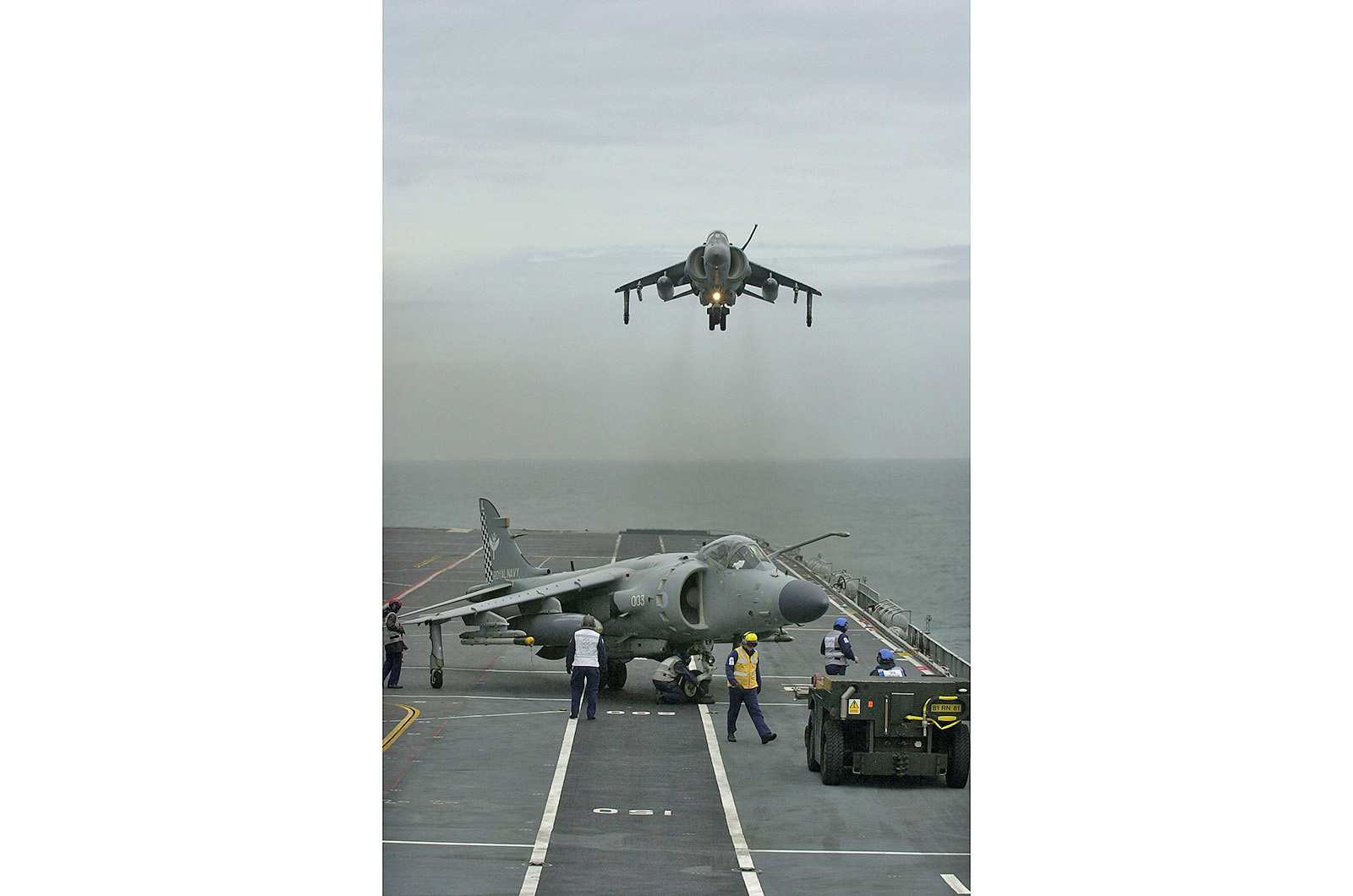
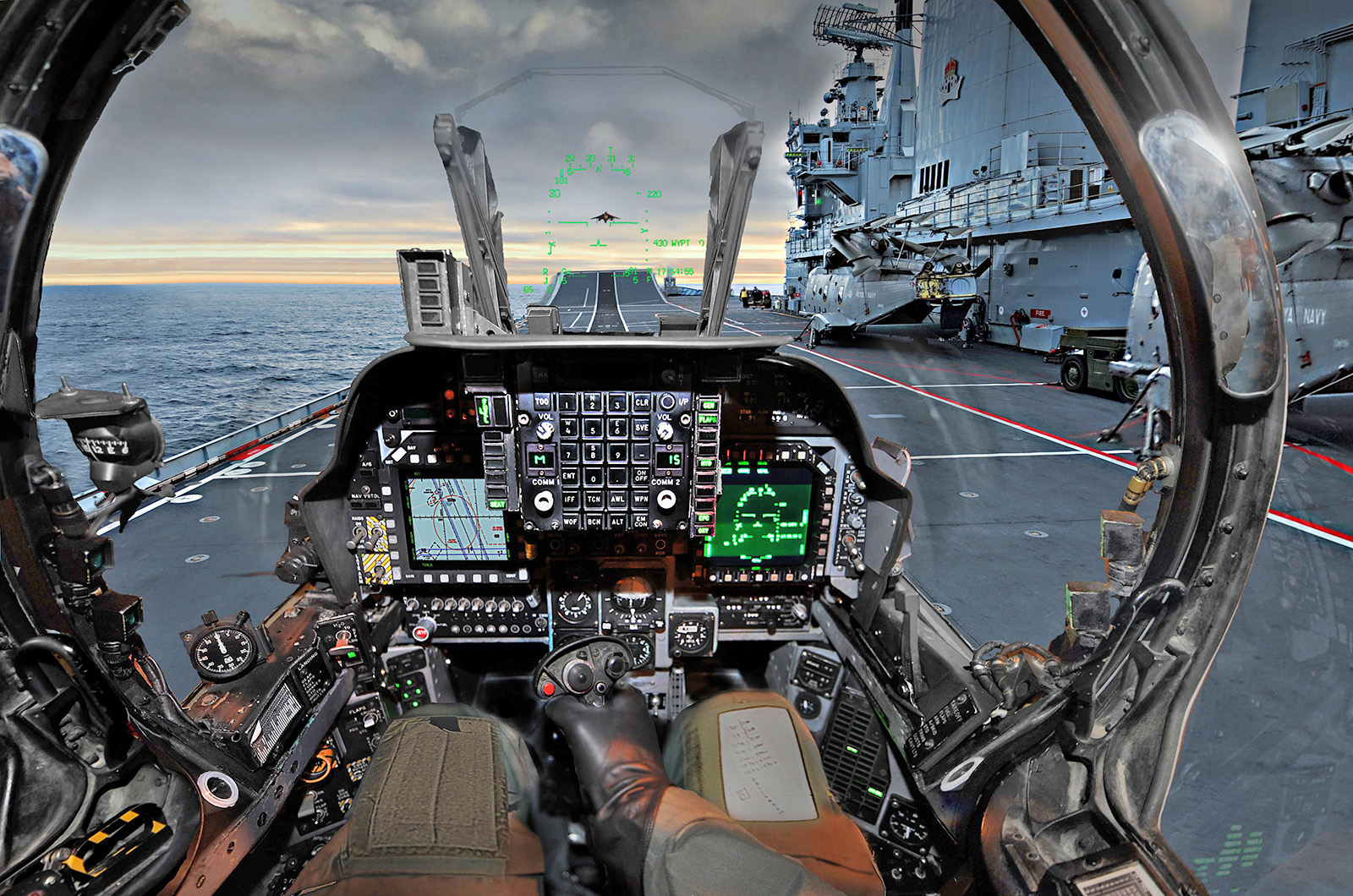
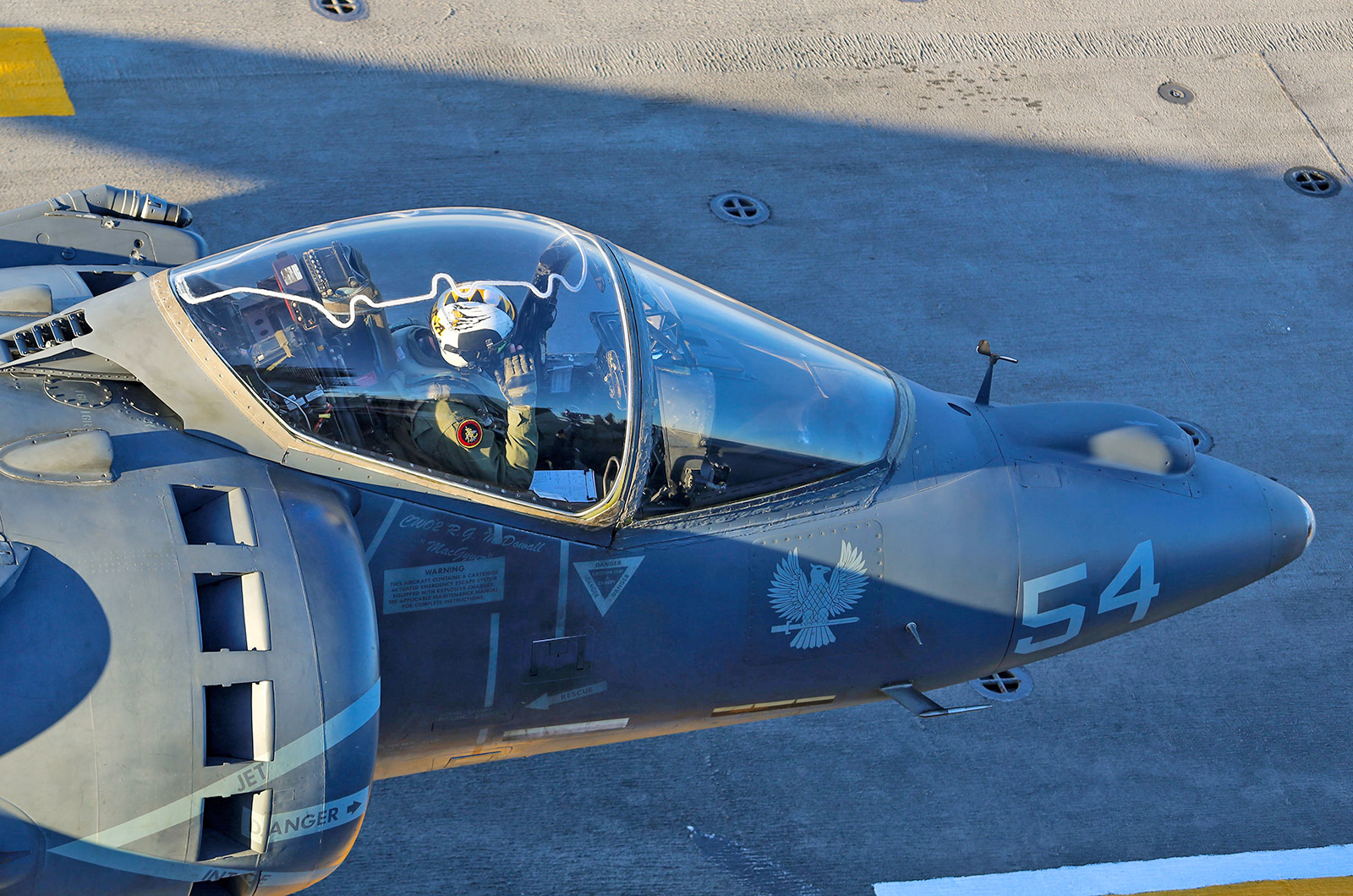
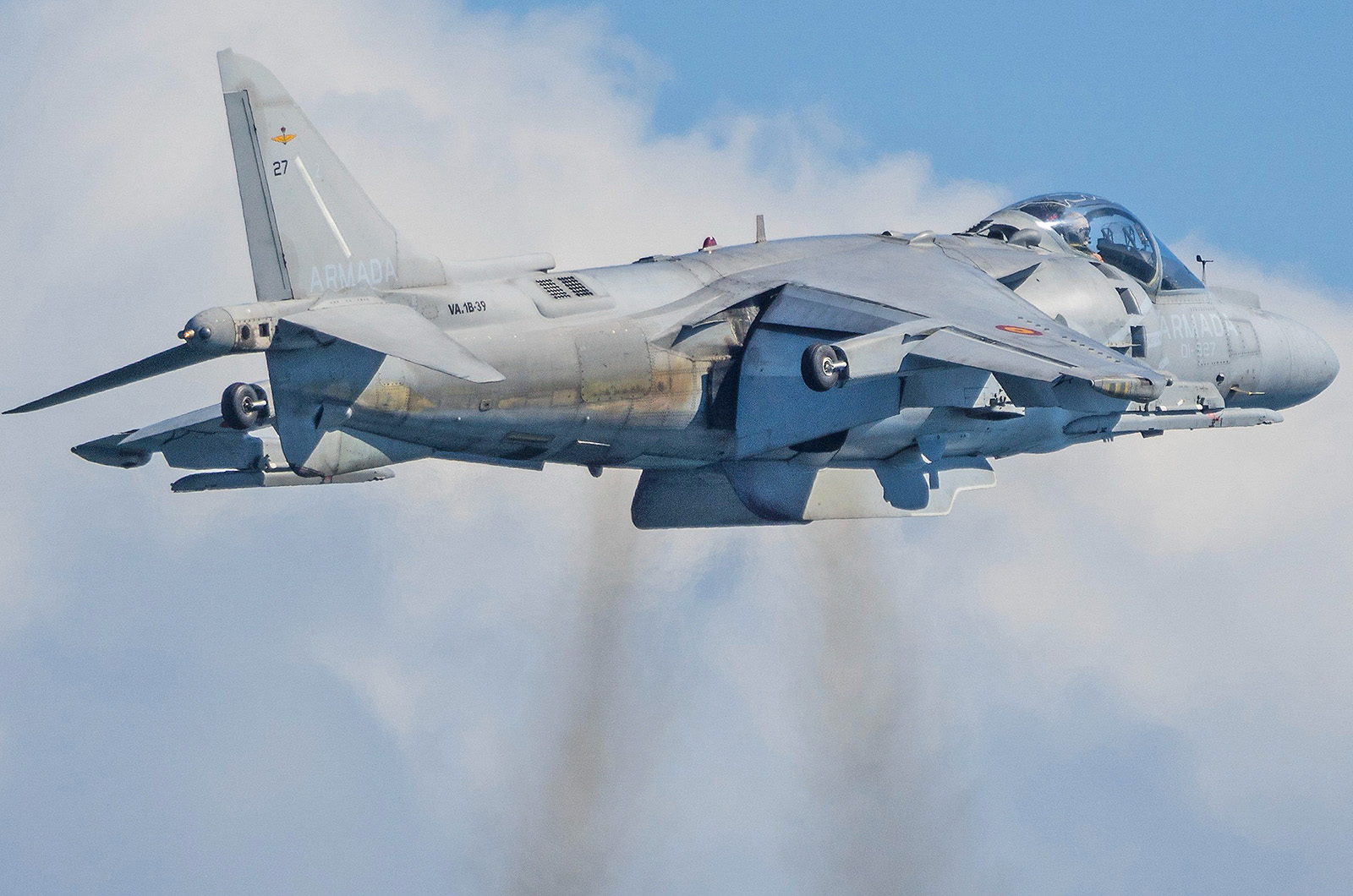
Sea-basing is a bad idea if the aircraft isn’t designed for it, or the crews and maintainers aren’t trained. But with a V/STOL aircraft, you probably have a sea-baseable aircraft, and you may roam the high seas looking for trouble. And you can roam the oceans, land on the land, and patrol the skies.




Add your comment