
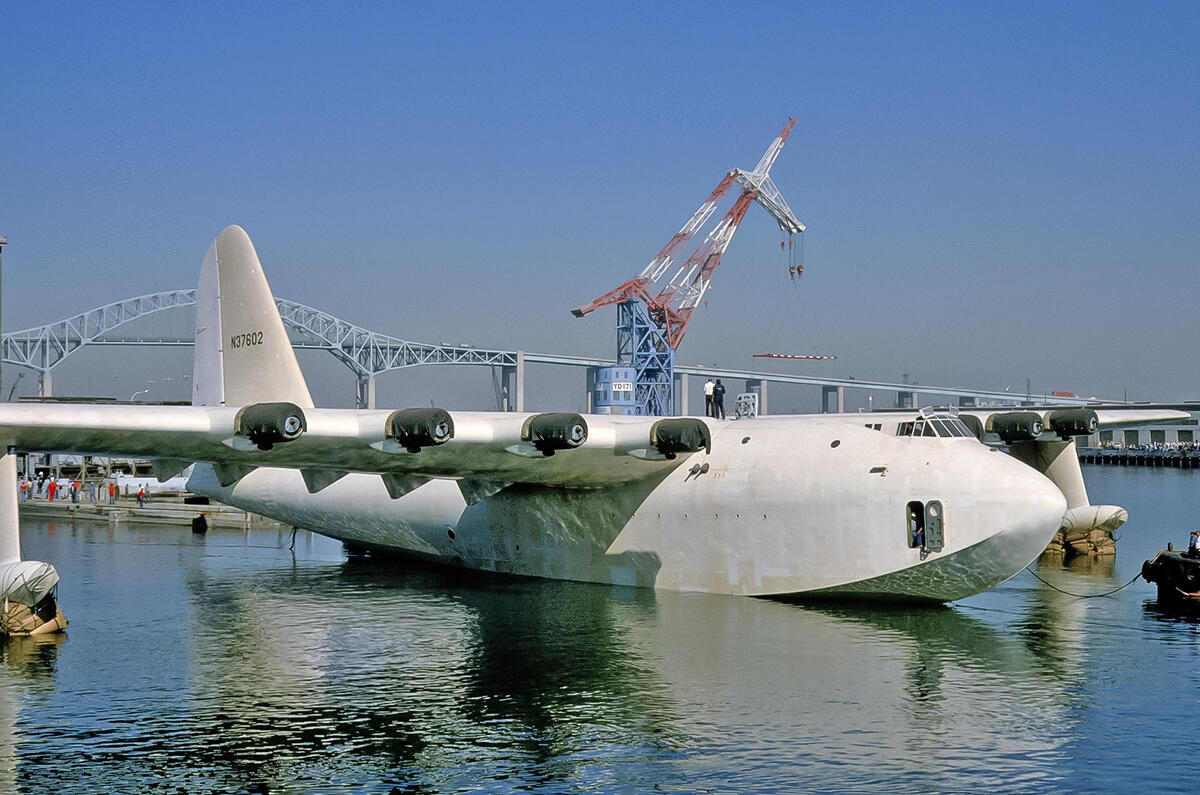

Rarity has a value of its own, making the aircraft we’re looking at today particularly special.
For one of several reasons only a solitary example of each of these remarkable aeroplanes flew. In the case of experimental or technology-tested aircraft, the limited number was intentional. For others, it was a sign that something went very wrong indeed. Whatever the reason, each of these aeroplanes has a fascinating story:
10: MiG 1.44
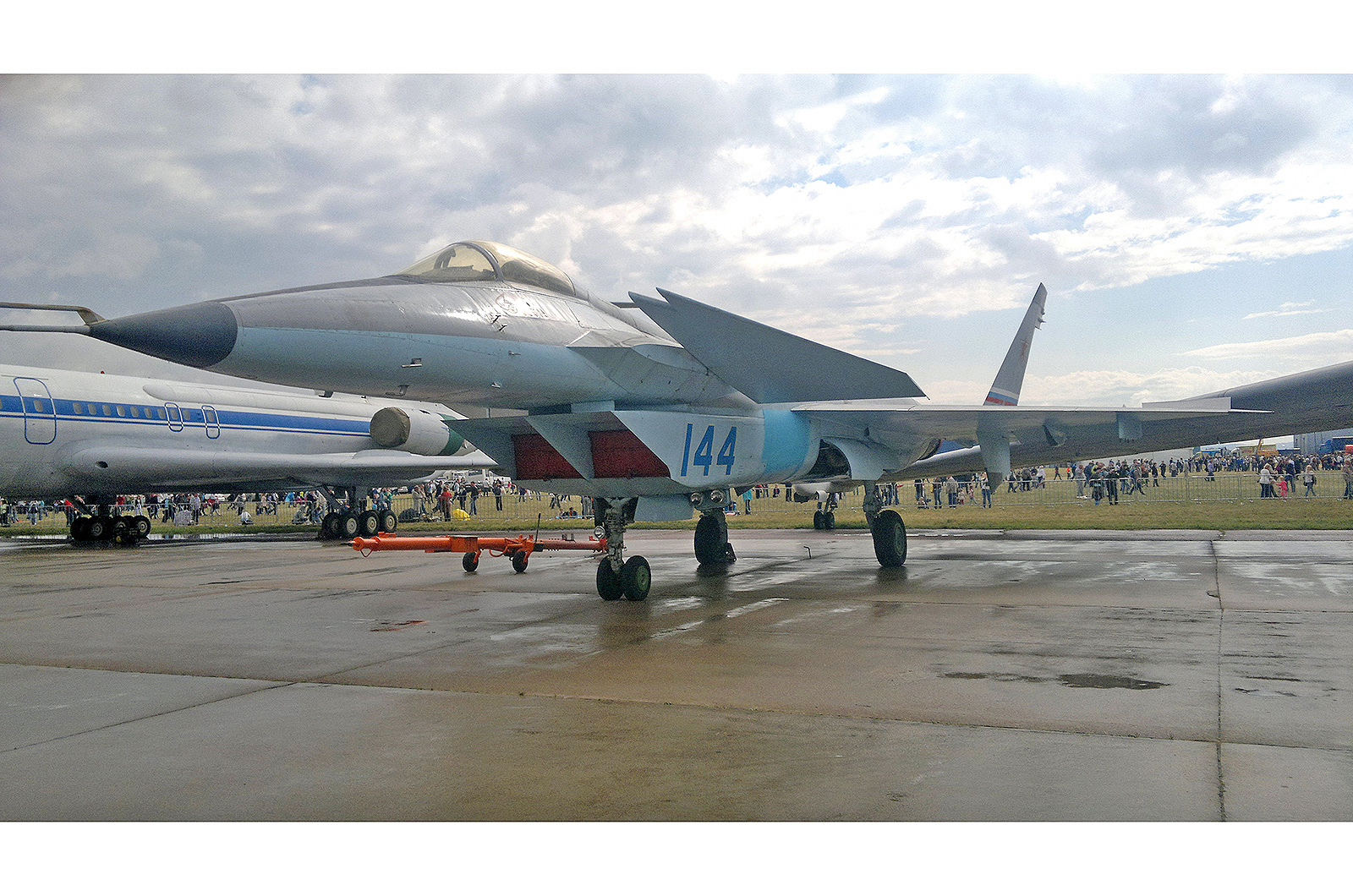
In the 1982 movie Firefox, Clint Eastwood plays a pilot with a bold mission deep in the Soviet Union to find and steal an advanced Soviet fighter aircraft. The ‘Firefox’ was not real, but its nearest real-world equivalent was the exotic Mikoyan Project 1.44.
The aircraft was of the canard delta (tail-first) configuration with twin tailfins. A shark-like nose sat atop a vast ramp-like air intake. The aircraft had a formidably muscular appearance. It was expected to be able to reach speeds of Mach 2.35 and supercruise at Mach 1.5. The definitive fighter version, the 1.42, would carry an arsenal of advanced air-to-air missiles in its internal bay.
10: MiG 1.44
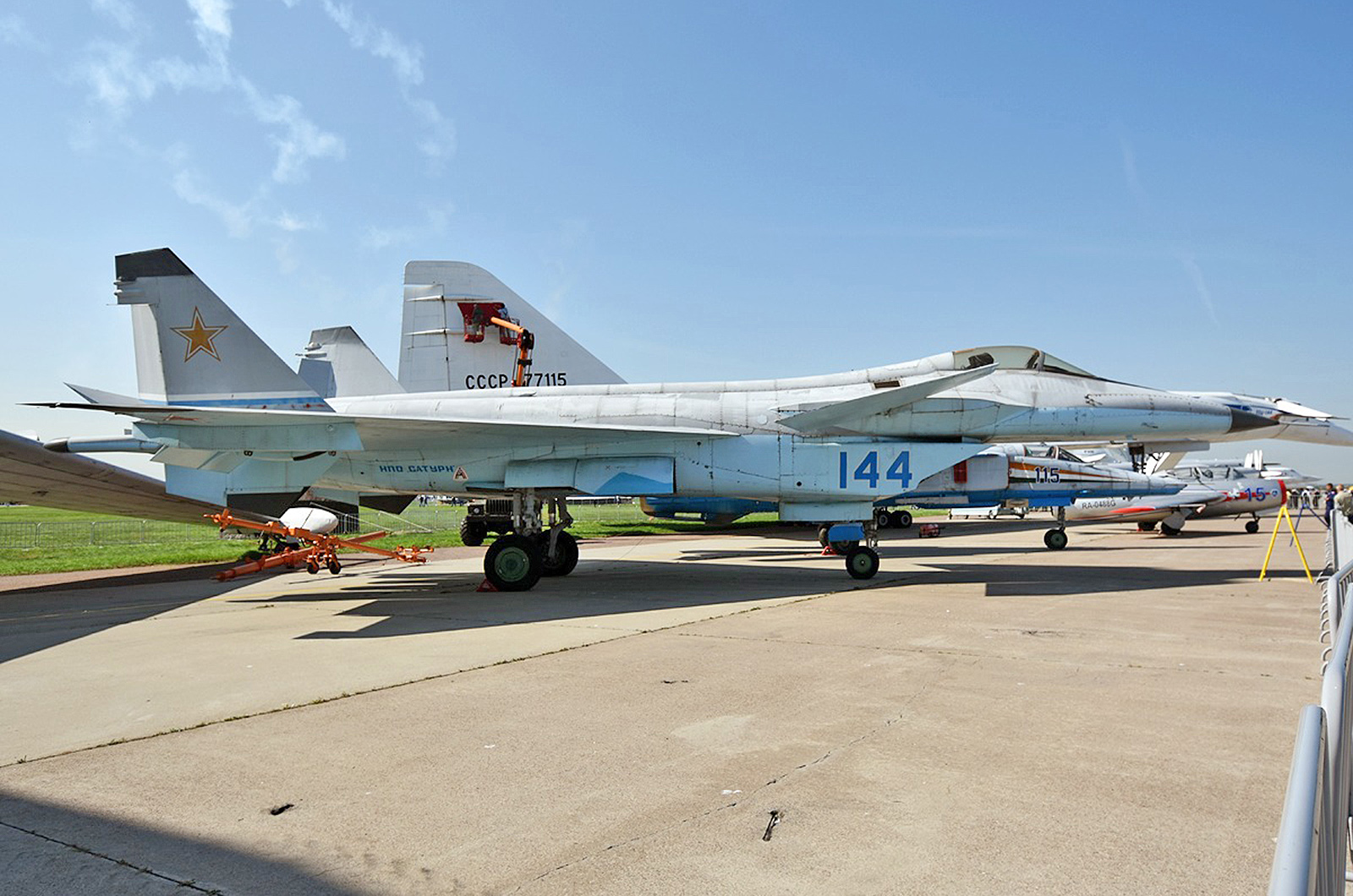
The MiG was intended to prove technologies for an advanced heavyweight tactical fighter version. But by the time the 1.44 had flown in 2000, the USSR was no more. The new nation of Russia had endured terrible economic hardship in the 1990s and couldn’t afford such a project, and there were big questions of whether it was still relevant.
The project was cancelled, and the single example of the aircraft was destined to fly only twice. The first flight was 18 minutes, the second 22 minutes, meaning the vast design effort resulted in only 40 minutes of flying time.
9: Sukhoi Su-47 (S-37)
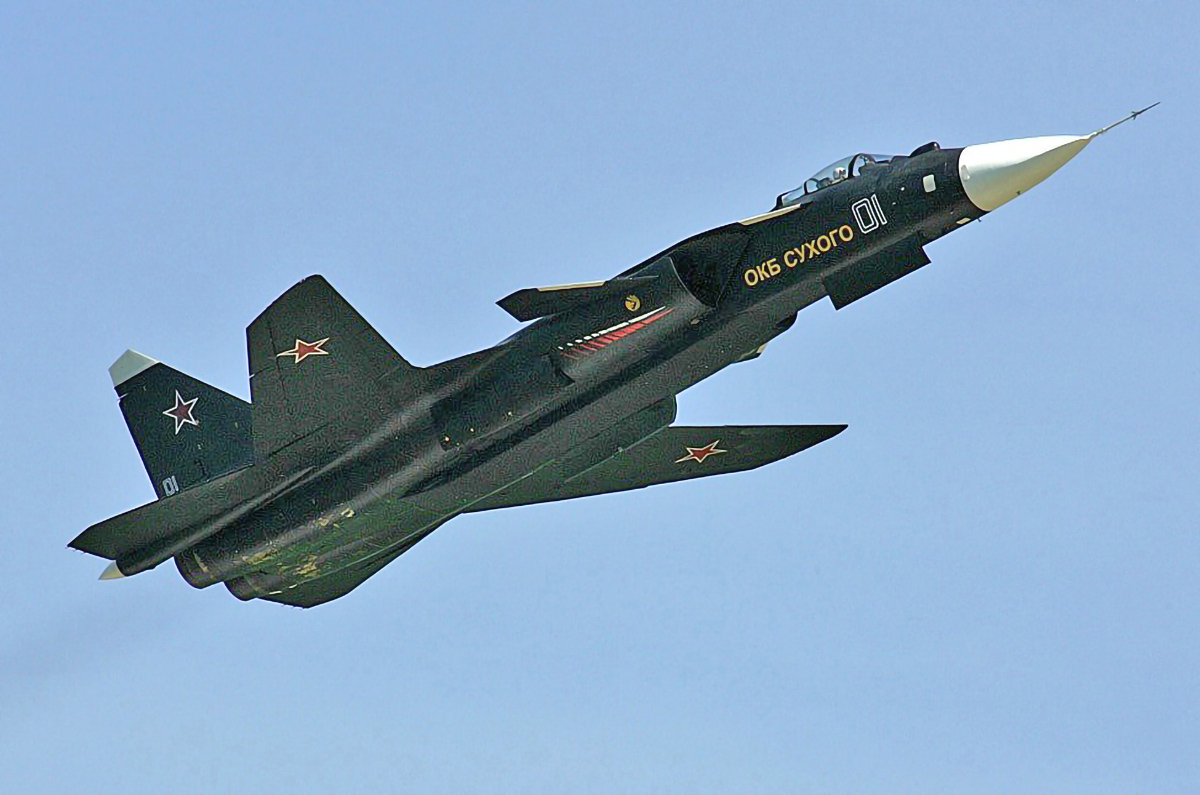
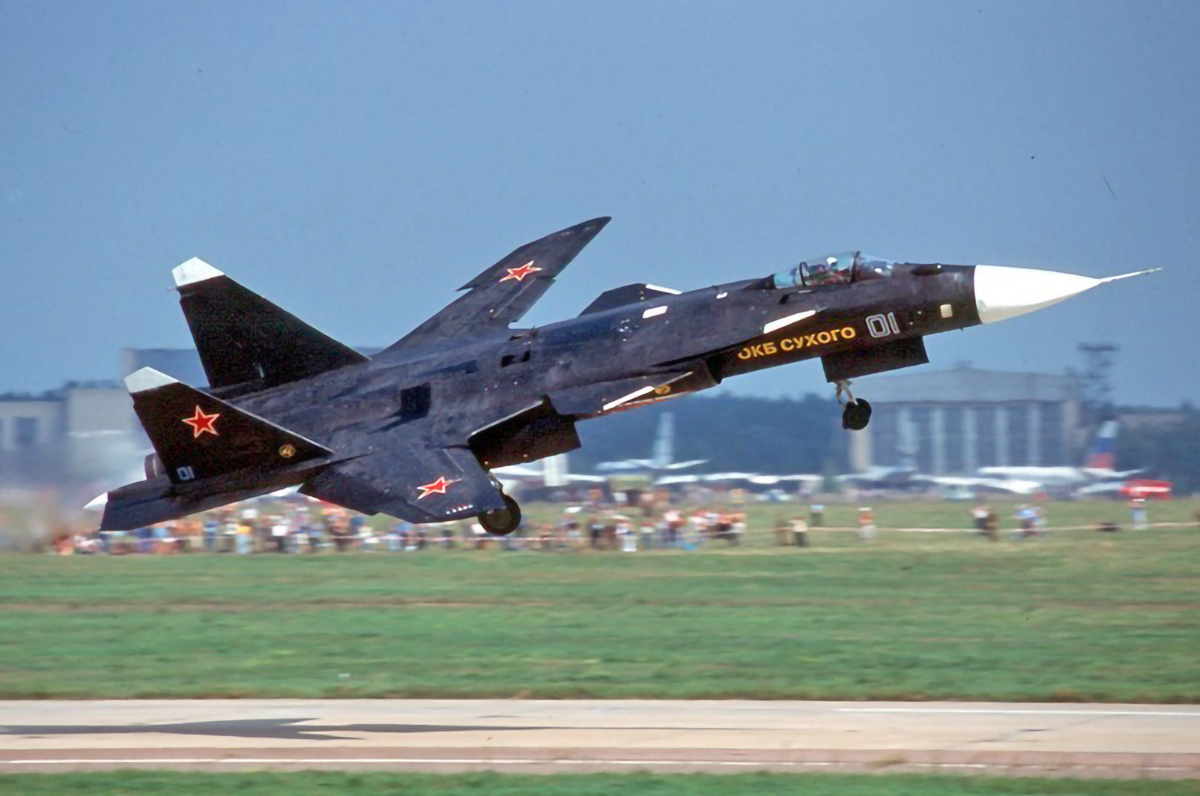
Though the 1.44 was exotic in appearance, the Sukhoi S-37 was even more so, appearing utterly sinister with its black paint scheme and bizarrely forward-swept wing. Whereas the MiG 1.44 had endured poor publicity, with the state seemingly quite embarrassed about the aircraft, the S-37 was something of a ‘rockstar’ and enjoyed far more exposure and popularity with the Russian public.
The USSR had been considering forward-swept wings for many years. Swept forward wings offered many benefits, aiding manoeuvrability, and made the aircraft virtually ‘spin-proof’. They also made it easier to design in an internal weapons bay, something that the fighter version of the S-37 (later dubbed Su-47 Berkut), with improved stealth characteristics, would carry.




Add your comment