When you think of Second World War fighters, the sleekly compact Spitfire and petite Zero come to mind.
But some of the war's most awe-inspiring machines were vast, often ugly, flying juggernauts of death. Here were massive fighters that traded agility for range, toughness and firepower. Bristling with guns, these murderous behemoths brought heavyweight fury to the skies. Here are the 10 largest Fighter Aircraft of the Second World War:
10: Lockheed P-38 Lightning
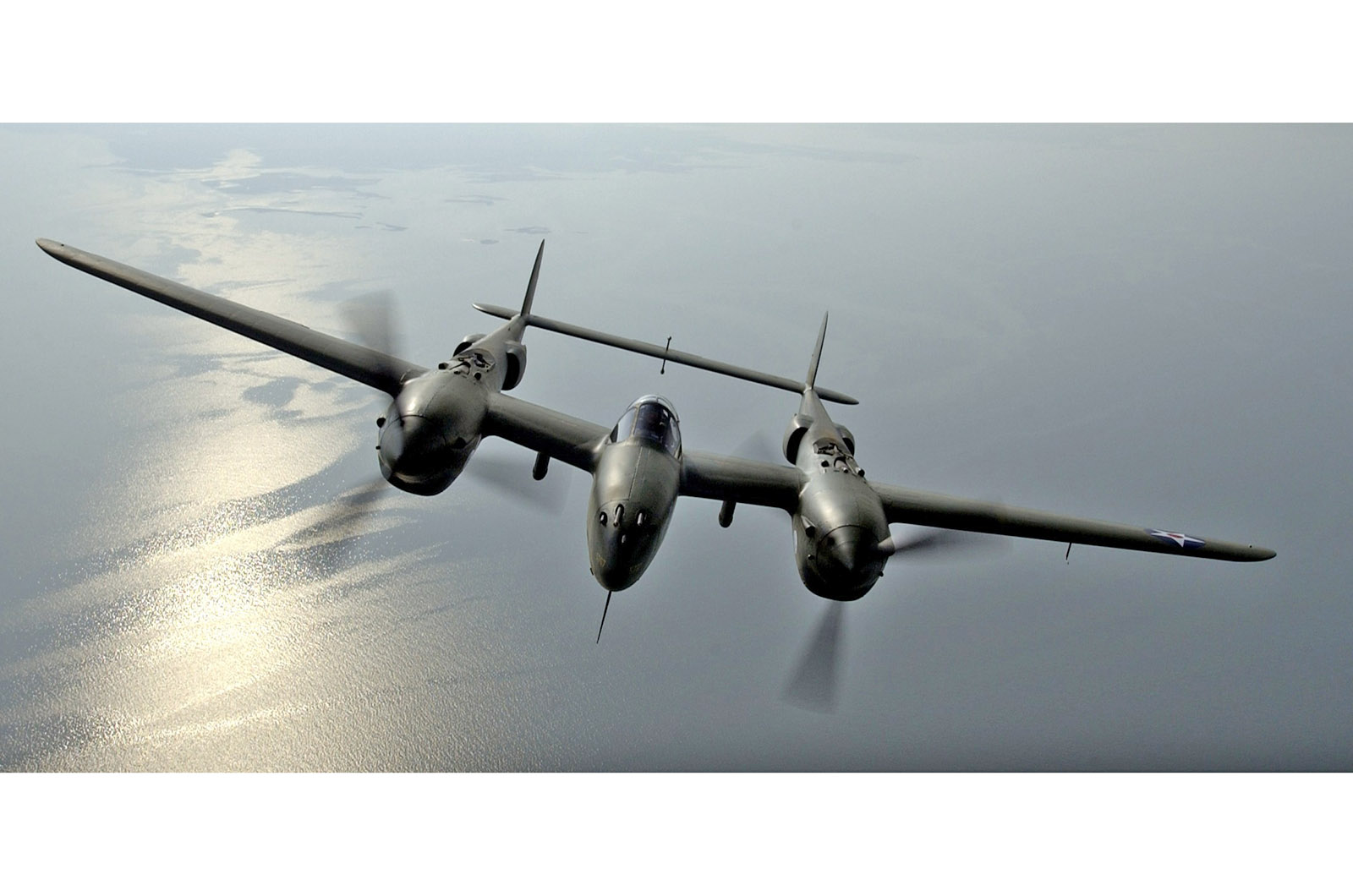
Large, heavy, twin-engine fighter designs were very much in vogue worldwide in the late 1930s, and the Lightning was one of the more radical examples of this trend. It was believed that speed, range, and heavy armament would outweigh the lack of manoeuvrability that a larger fighter would possess.
This would prove to be partly true. Over Europe, although some pilots did well with it, the P-38 regularly suffered severe losses to German fighters. However, the Lightning did make history in March 1944 when its distinctive shape appeared over Berlin, becoming the first Allied fighter to reach the German capital.
10: Lockheed P-38 Lightning
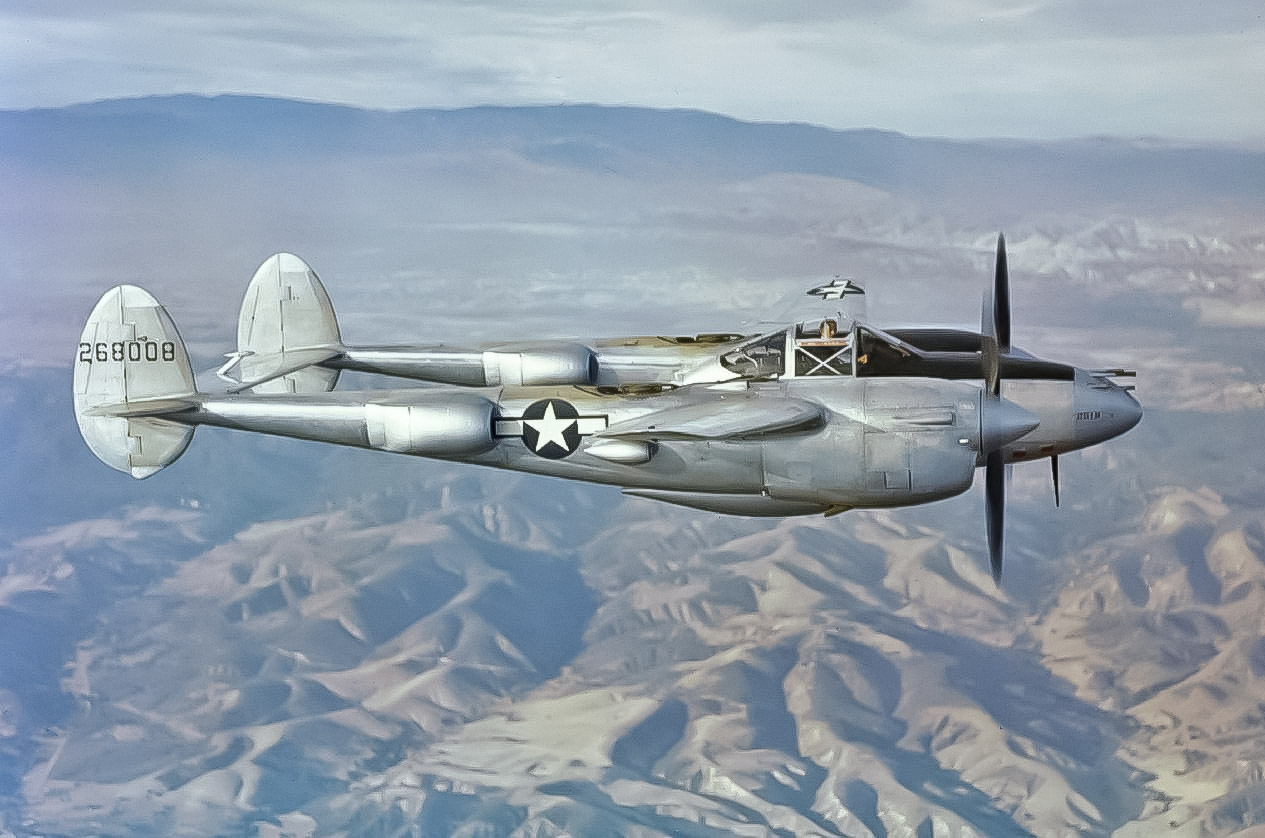
In the Pacific, it was a different story. The Lightning’s excellent range, power, devastating firepower and surprisingly good manoeuvrability (except in rate of roll) saw it excel against Japanese aircraft. The two most successful US fighter aces of the war both flew P-38s in the Pacific.
Despite its obvious heft, the P-38L, weighing in at a maximum 21,600 lb (9798 kg), the Lightning is only slightly heavier than a late-war P-47N, which tipped the scales at an incredible 20,700lb (9389 kg), making it the heaviest single-engine fighter of the conflict—much of this bulk derived from the P-47N’s ludicrous 1266 US-gallon (4792 litres) fuel capacity.
9: Dornier Do 335 Pfeil
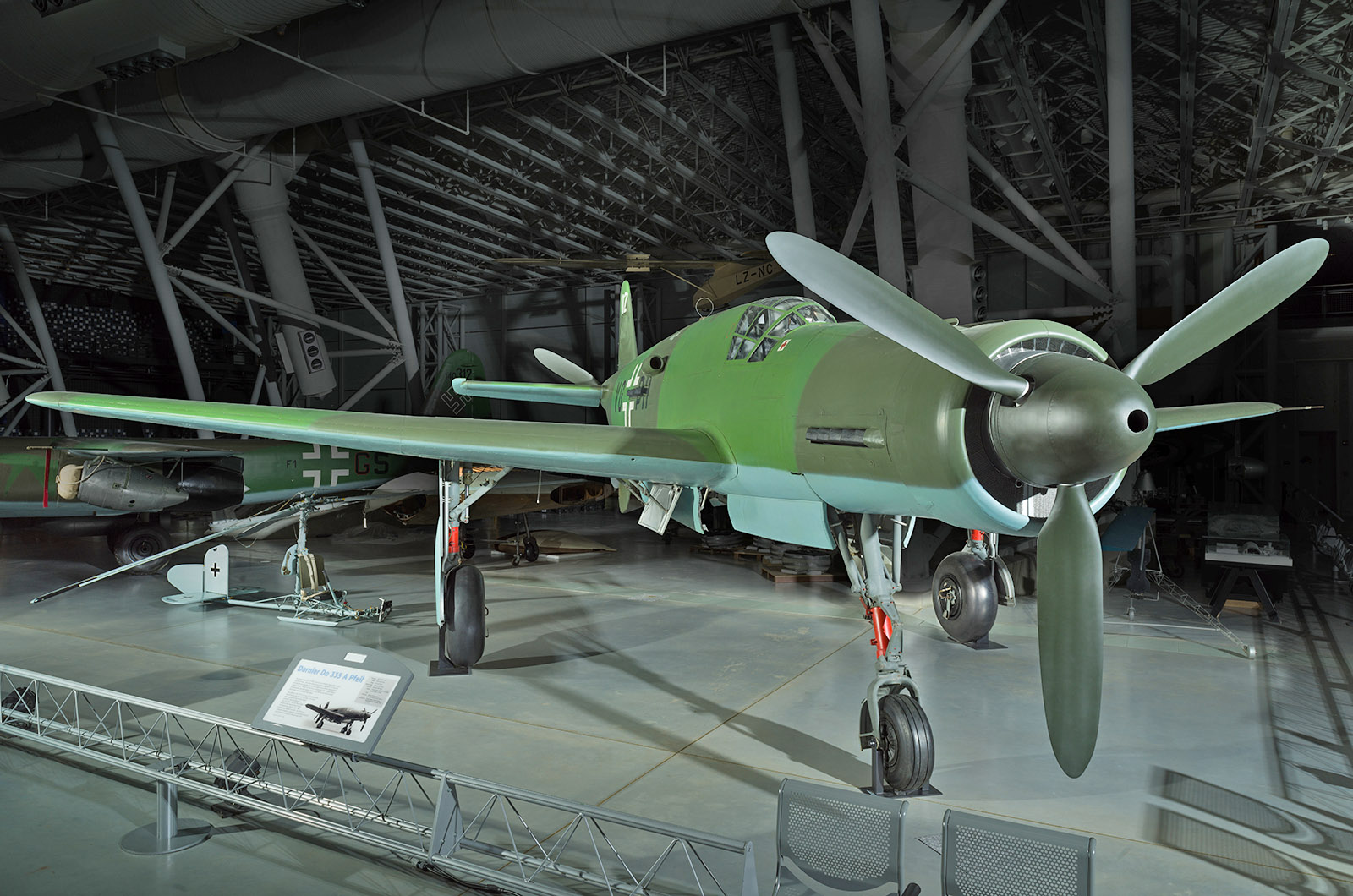
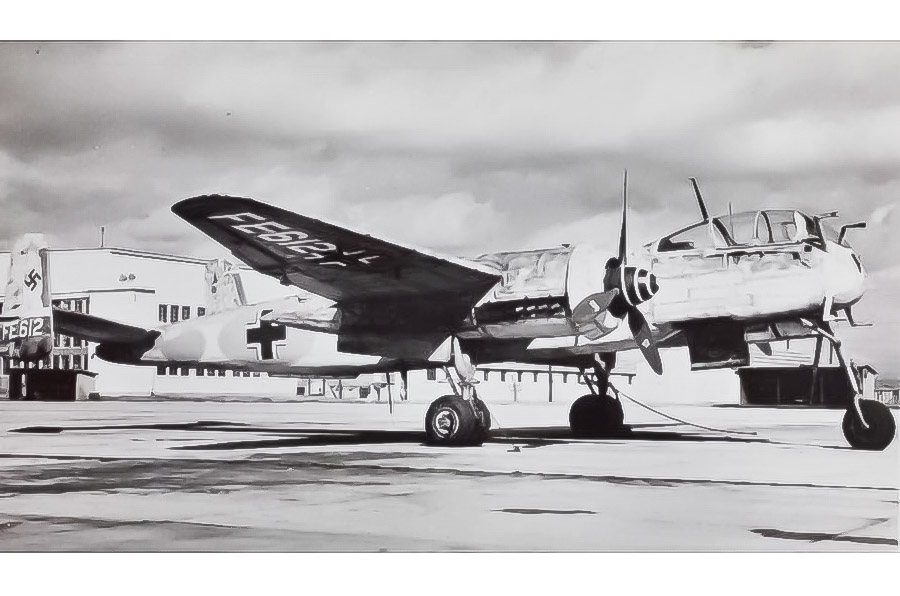
Featuring a radical push-pull configuration for its two engines, the Dornier Do 335 is most famous today for its absurdly impressive performance, likely the fastest piston engine fighter of the war to see operational service, bar none. However, for its time, the mighty Pfeil was also an absolutely massive fighter.
Placing both engines in tandem within the impressively large fuselage reduced drag, improved rate of roll and minimised control issues if one engine should fail. However, the position of the rear propeller made escaping the aircraft problematic, and the Do 335 was one of the first aircraft fitted with an ejection seat.
9: Dornier Do 335 Pfeil
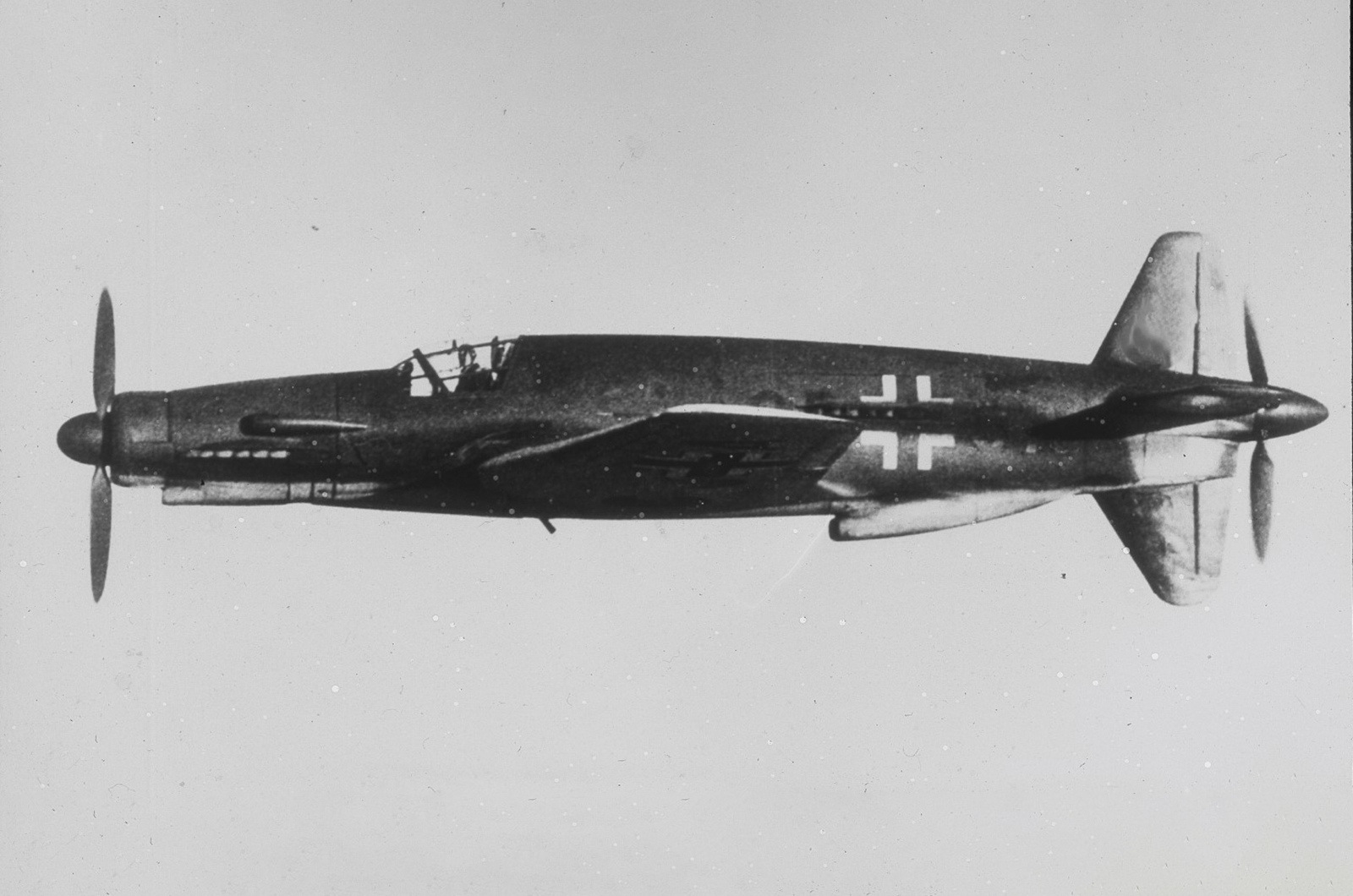
The Do 335 Pfeil made its first flight on 26 October 1943. Tests revealed it possessed exceptional performance. Unfortunately for the Luftwaffe, teething issues, the most serious being a propensity for the rear engine to overheat and catch fire, delayed service entry of the big Dornier.
Although reconnaissance missions were flown as early as May 1944 by pre-production examples, deliveries of the Do 335A-1 fighter-bomber variant only began in January 1945, and fewer than 15 had been built by the end of the war. The lack of German records from this period means their operational use remains obscure.
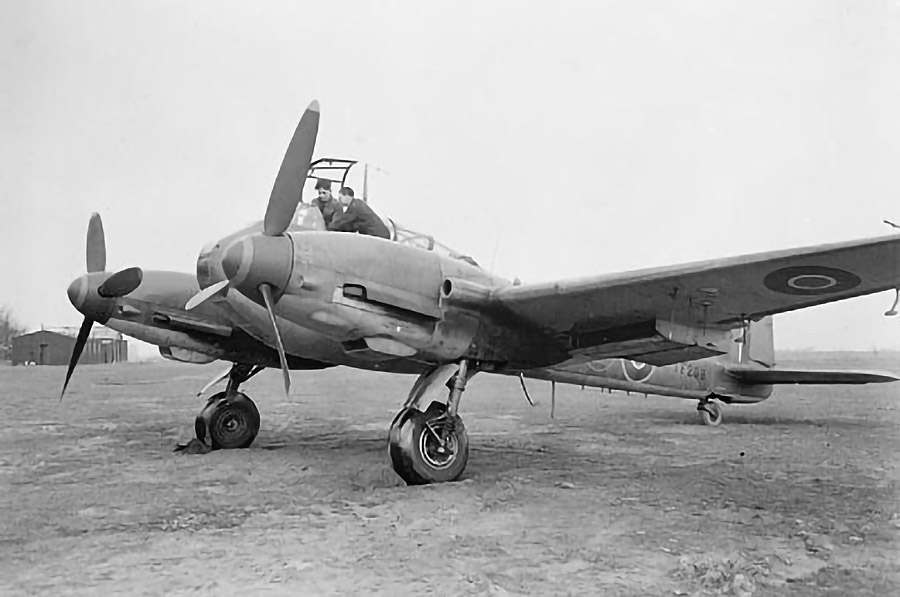
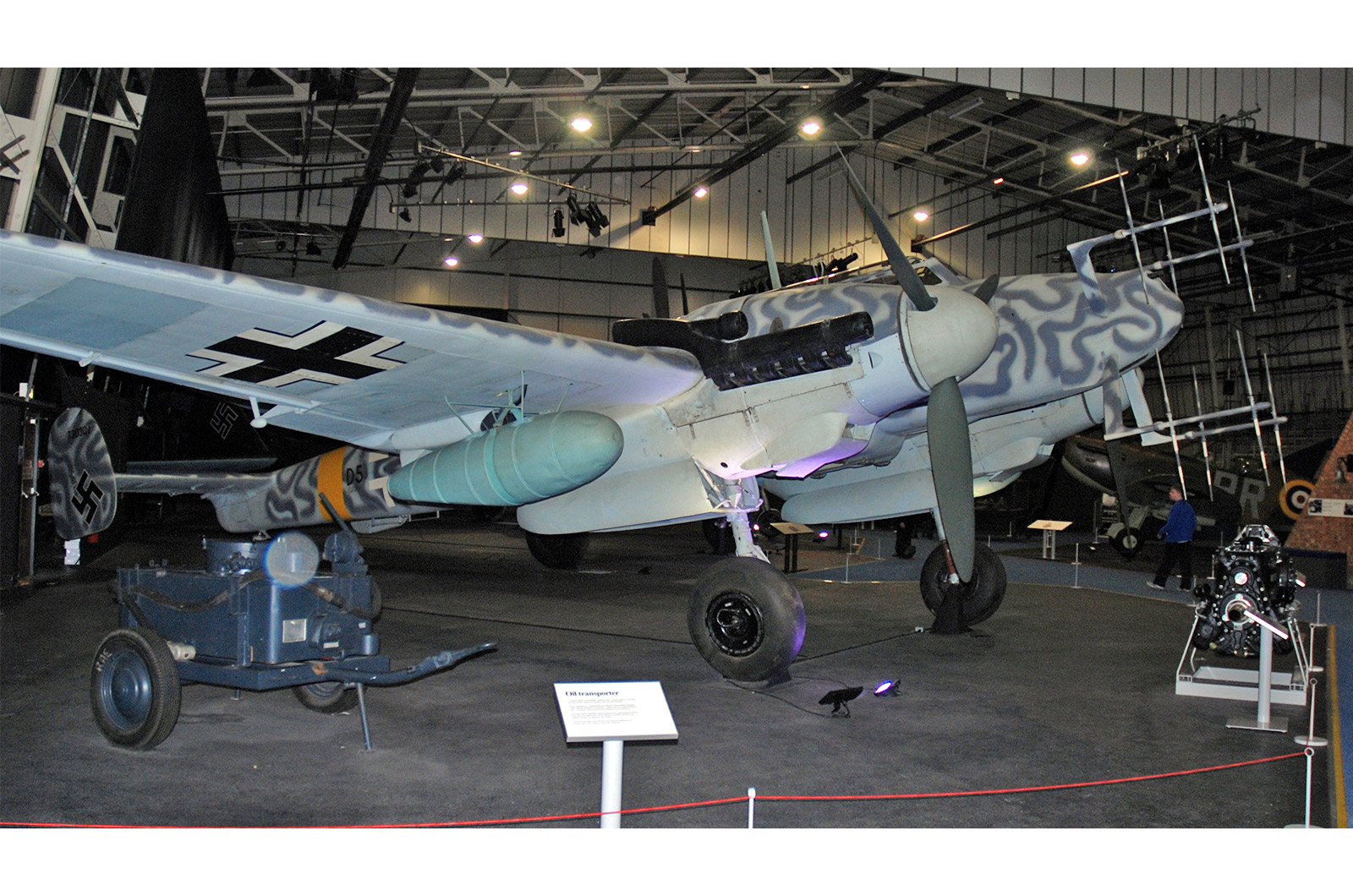
8: Messerschmitt Me 410 Hornisse
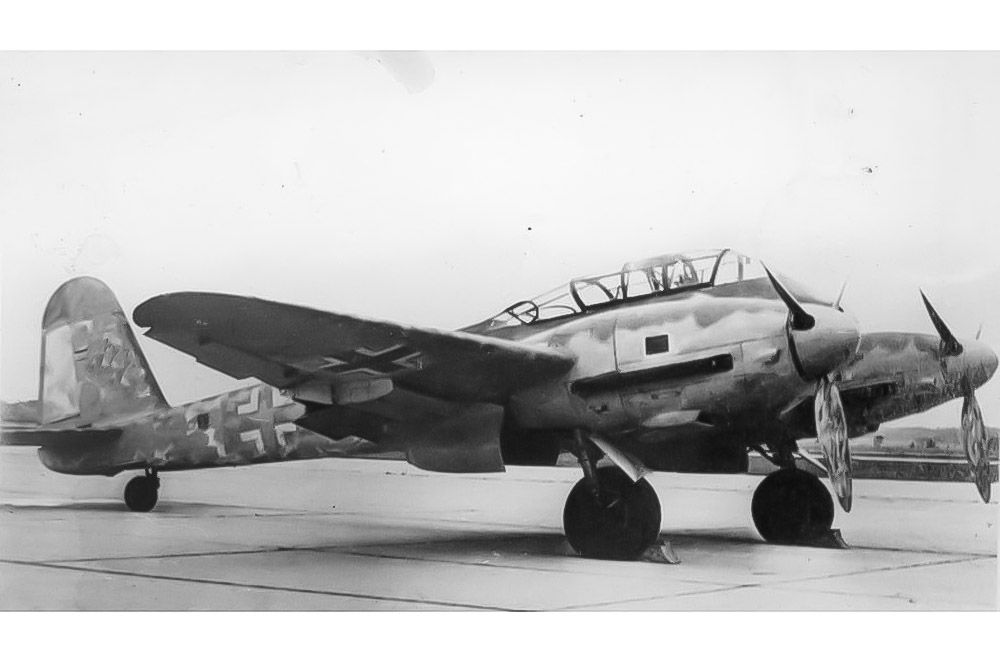
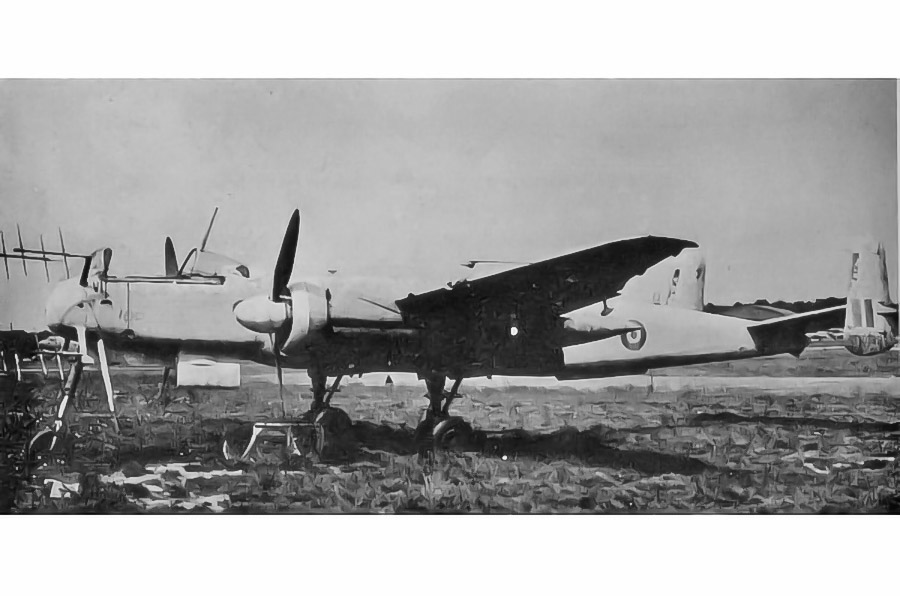
The Me 410 was a thoroughly workmanlike aircraft that appeared too late. Essentially, it was an improved Me 210, the designation being changed to try to distance the aircraft from the absolutely disastrous service of the earlier aircraft, which was underpowered and suffered from dangerously poor handling.
As well as being fast, it was also large. German planners loved the concept of the Zerstörer (‘Destroyer’) class of large, heavy fighters exemplified by the Messerschmitt Bf 110. The later Me 410 boasted more powerful engines, better armament and increased bomb and internal fuel load, all of which led to increased weight.
8: Messerschmitt Me 410 Hornisse

In service, the Me 410 was fast and powerfully armed and initially successful in bringing down American bombers, but struggled when faced with escort fighters. The large Messerschmitt lacked the manoeuvrability to cope with single-engined fighters, particularly the P-51 Mustang, which was appearing in large numbers over Germany by early 1944.
By contrast, it proved to be an excellent fighter-bomber, proving successful in attacks against targets in the heavily defended south of England. However, the Me 410 did not offer a sufficient increase in effectiveness over the older and cheaper Messerschmitt Bf 110 and production was terminated in September 1944.
PHOTO: Me 410 captured by the British
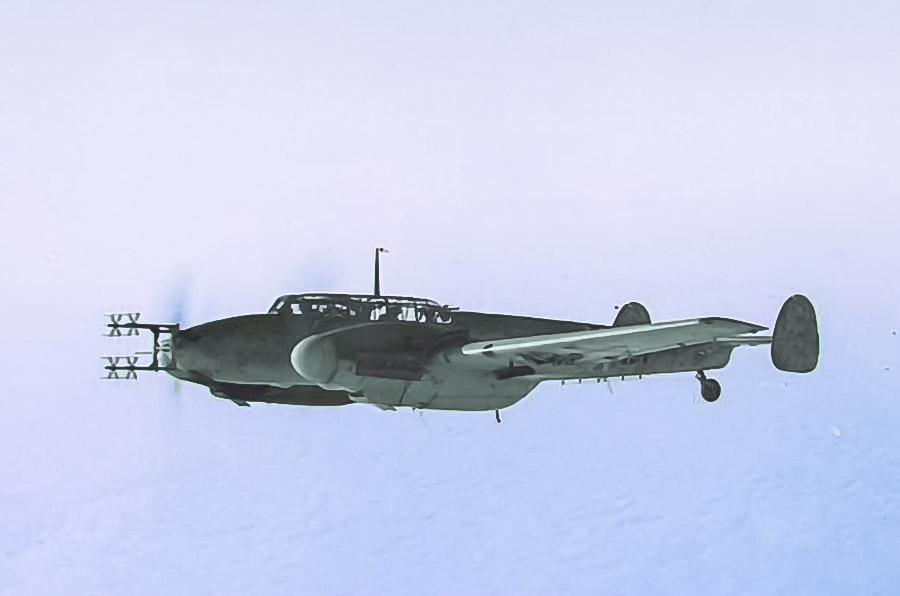
7: Messerschmitt Bf 110G

Earlier variants of the large but slender Bf 110 were comparatively lightweight, but by the time the G model appeared, the Messerschmitt twin was primarily used for night fighting, requiring vast amounts of fuel to be carried for maximum loiter times as well as a heavier armament.
Combined with this, the aircraft was now carrying bulky electronic equipment, including more than one type of radar, and this resulted in a notably more corpulent machine than the svelte ‘zerstörer’ of 1940. The Bf 110G had swelled to exceed the mass of its supposed replacement, the Me 410.
7: Messerschmitt Bf 110G

Both possessed roughly the same wingspan, but the Bf 110 was longer and now heavier. Without a significant increase in engine power, the Bf 110 was not a very fast aircraft, but this was of limited concern for an aircraft intended to intercept lumbering heavy bombers by night, and it proved highly effective.
So effective, in fact, that the top German night fighter pilot, Heinz-Wolfgang Schnaufer, shot down all 121 of his victories in the Bf 110. However, once the superlative de Havilland Mosquito night fighter began to appear in numbers in the bomber stream, the overweight and slow Bf 110 was profoundly vulnerable if detected.
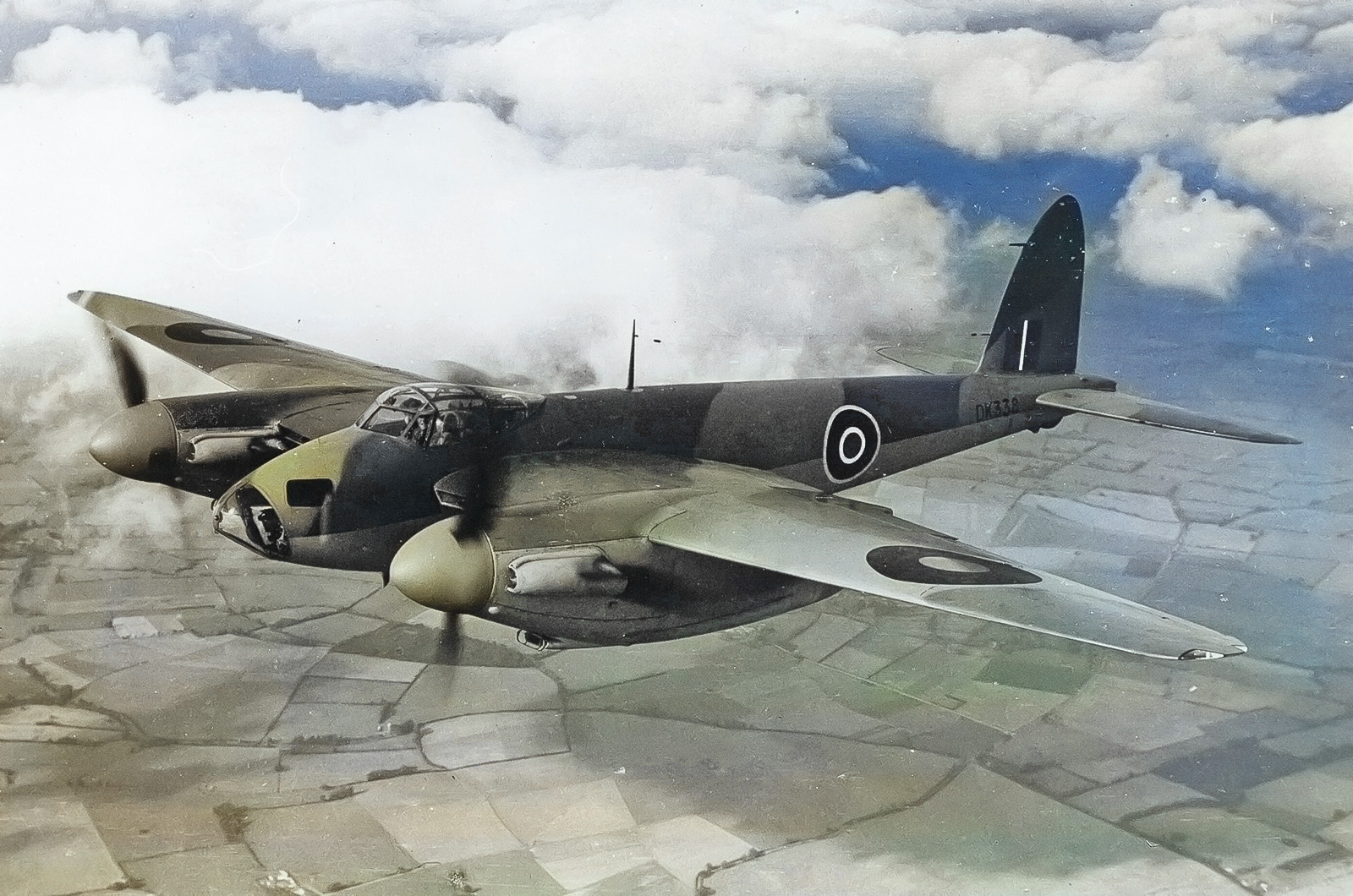
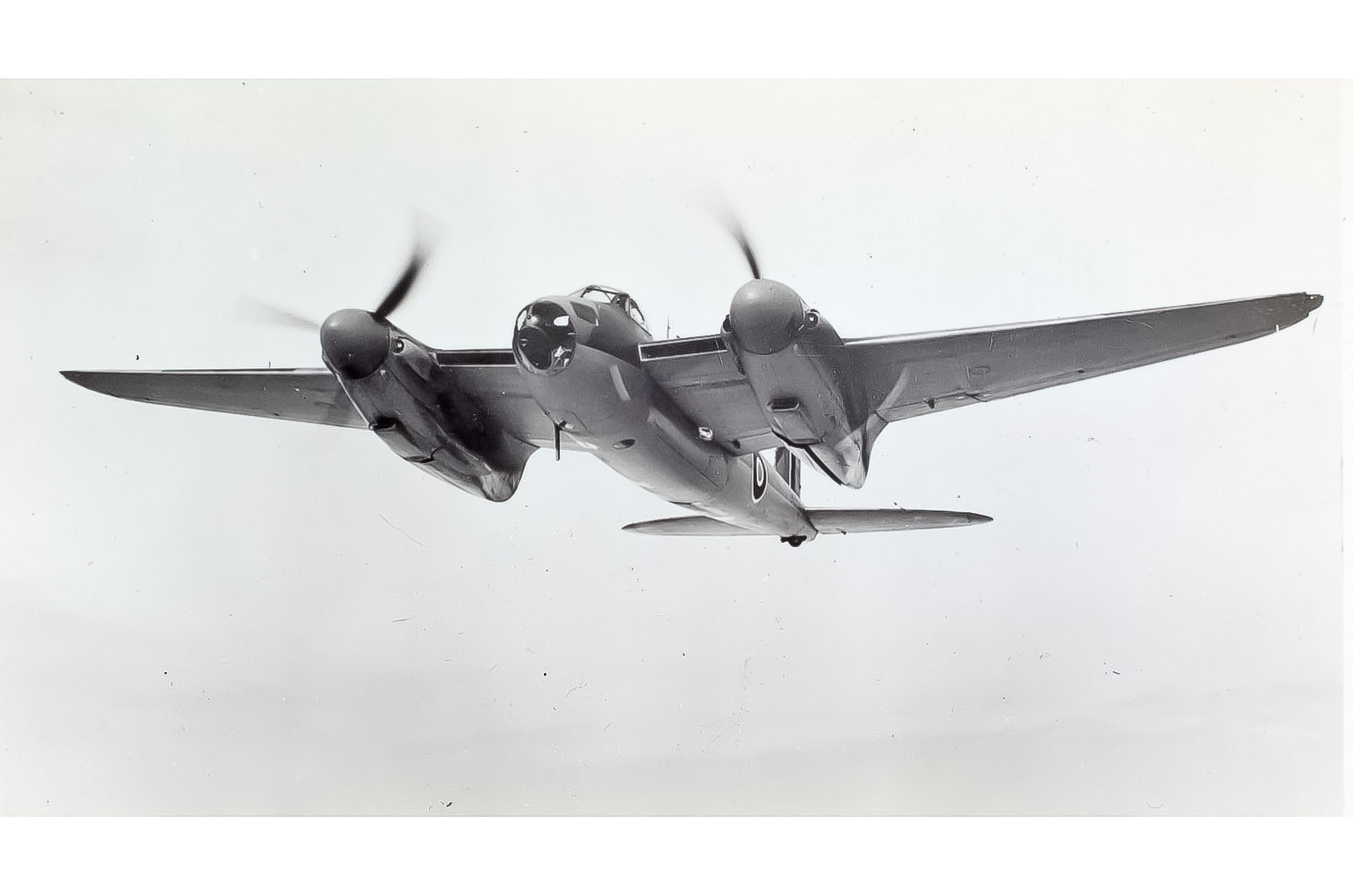
6: de Havilland Mosquito

Several bombers were converted into fighters during the war, though none with the success of the Mosquito. Partly, this was due to its astonishing performance, but the possibility of the aircraft being used as a fighter had, in fact, been envisaged from the very beginning of the design process.
The Mosquito was famously conceived as a bomber of wooden construction, fast enough to dispense with a defensive gun armament. However, provision for an offensive armament of four cannon had been provided in the forward fuselage. This, combined with four machine guns in the nose, made for a potent armament.
6: de Havilland Mosquito

Although justly renowned for its performance, the Mosquito was also, by dint of its bomber origins, one of the war’s largest fighters. It was also one of the most effective, becoming the RAF’s fourth most successful fighter of the war despite operating only for the last three years of the conflict.
Most of its victories were achieved at night, and the Mosquito’s considerable size allowed for a succession of ever more effective airborne radar sets to be carried. At this early stage of development, radar equipment was bulky, heavy, and required a large aircraft. The Mosquito combined size with previously unattainable performance.
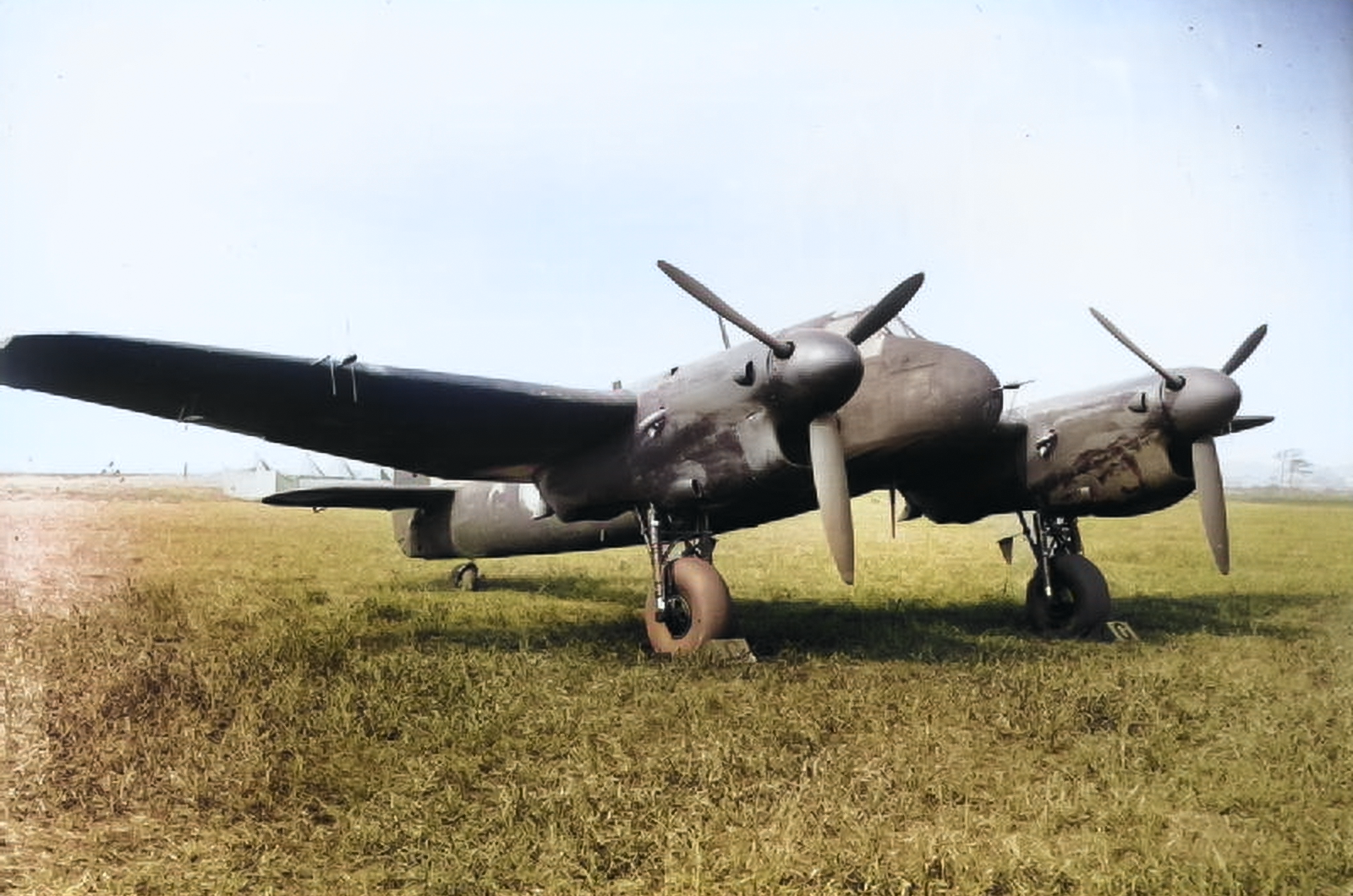
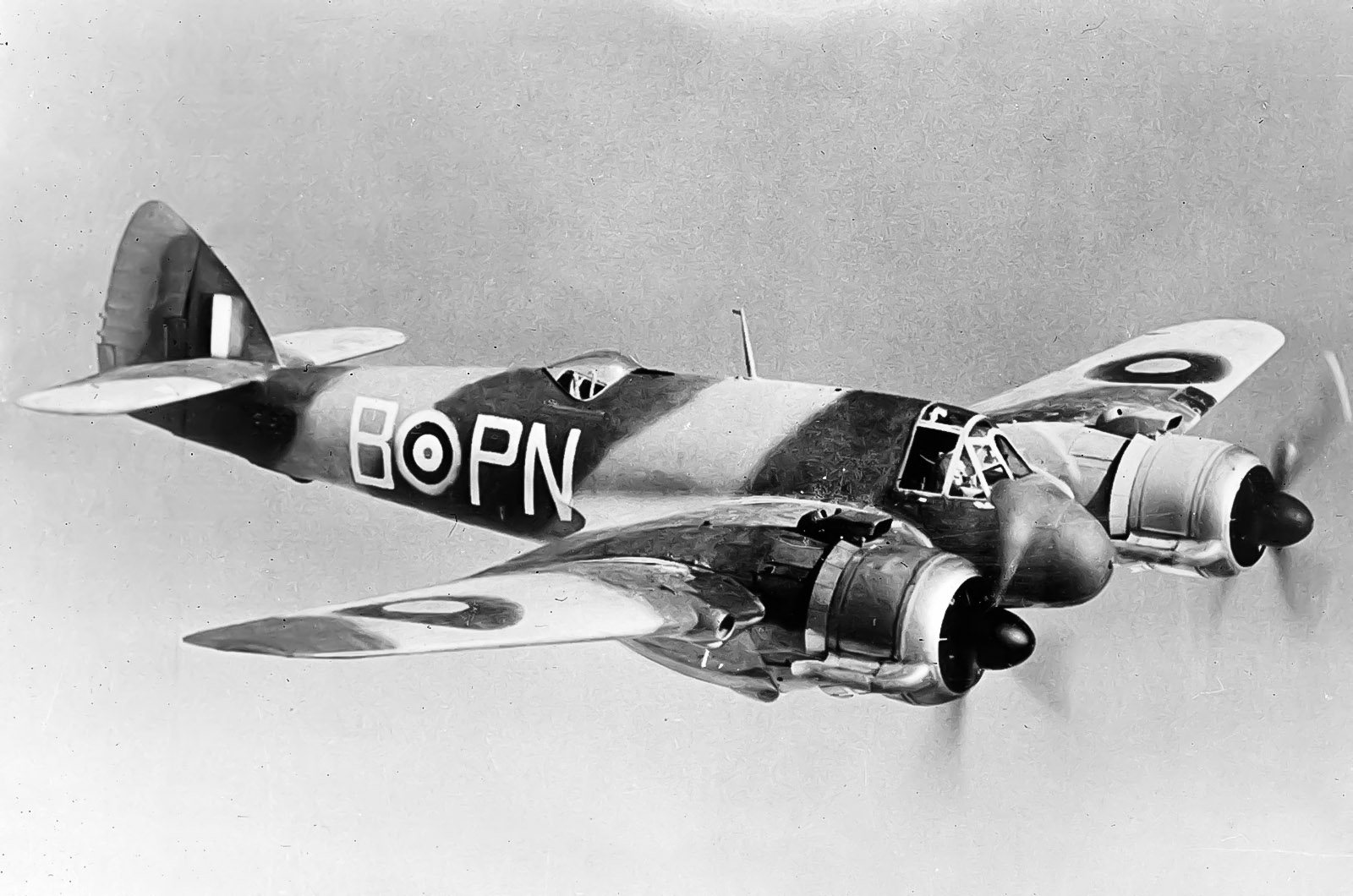
5: Bristol Beaufighter

The Bristol Beaufighter originated as a heavy fighter adaptation of the Beaufort torpedo bomber. Developed quickly in response to the need for long-range fighters, it first flew in 1939. Its rugged twin-engine design, heavy armament and crew of two made it a good fit for night fighting, ground attack, and anti-shipping.
Where the de Havilland Mosquito dazzled with its high speed, the Beaufighter impressed with brute strength. It was slower and heavier, but offered heavier firepower and a great deal more ammunition. Equipped with four 20mm Hispano cannons and six machine guns, it could unleash devastating firepower and endure damage that would cripple lighter aircraft.
5: Bristol Beaufighter

It was a favourite in ground-attack roles, especially in the Mediterranean and Pacific. Coastal Command used it to hunt U-boats and attack Axis shipping, where its cannon could shred enemy vessels. The Beaufighter’s ability to carry rockets or torpedoes added other destructive options. As a fighter, it achieved close to 1000 air-to-air victories, and it proved particularly effective at knocking out larger bombers and transport aircraft.
Pilots respected the Beaufighter’s durability and firepower, often calling it "Beau" for short. Though less glamorous than the Mosquito, it was a dependable and effective platform across varied theatres. Its solid design, payload capacity, and multi-role flexibility helped it serve from early in the war right through to 1945 with distinction.
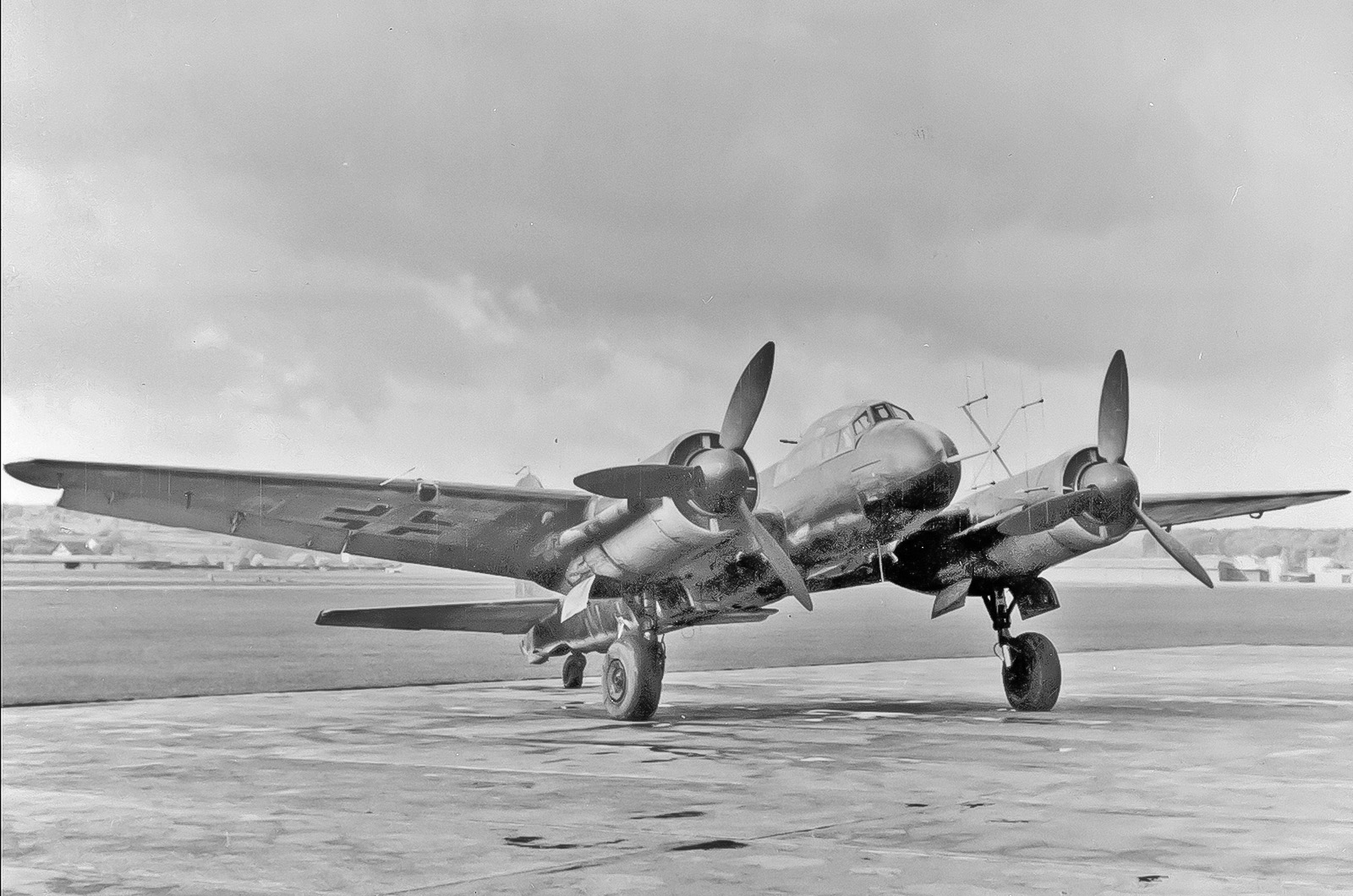
4: Junkers Ju 88 fighter variants

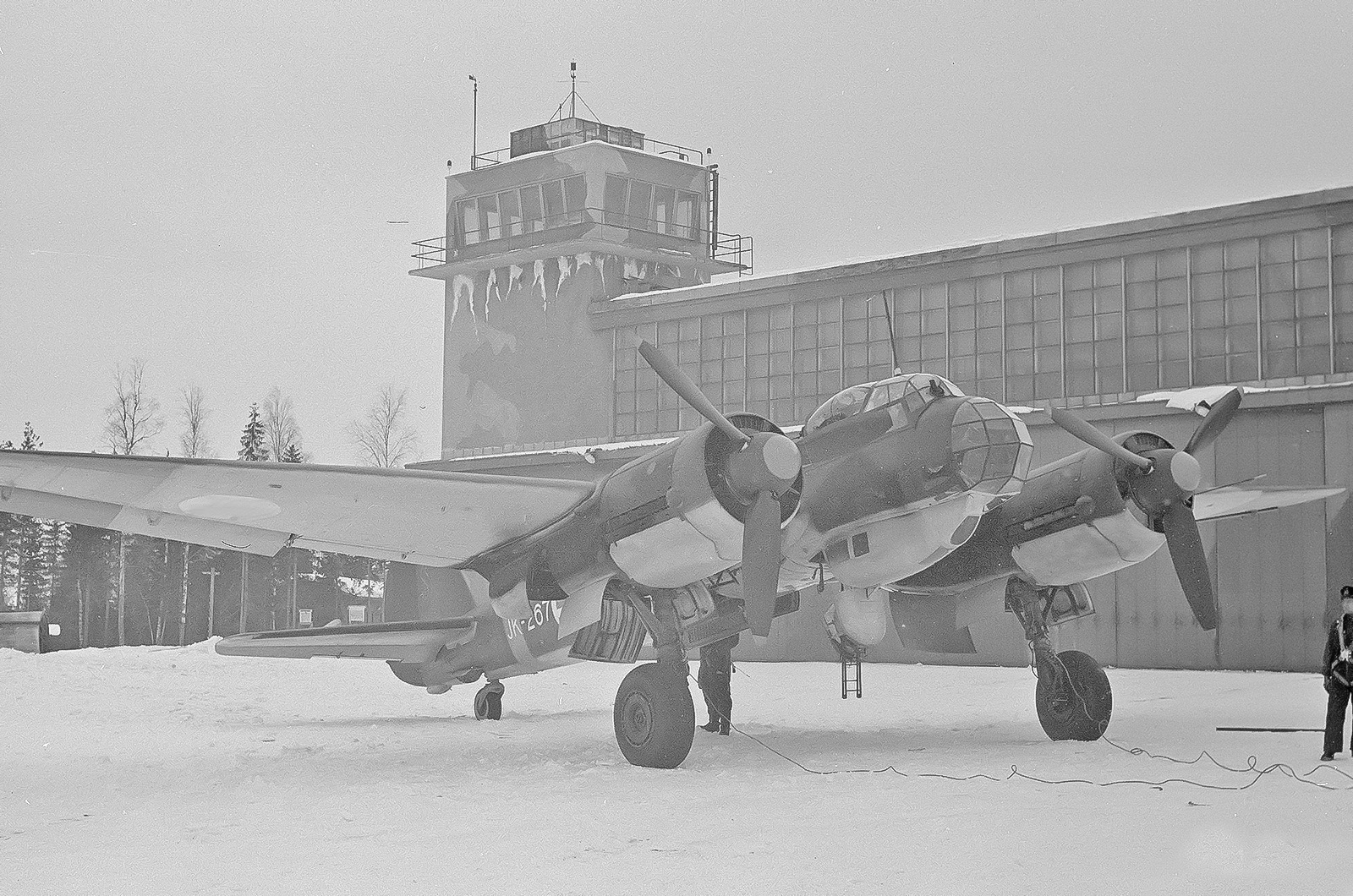
The Junkers Ju 88 is so versatile that it seems contractually obligated to appear in every "Top 10 Second World War Aircraft" article ever written. Whether bombing or reconnoitring, or forced into some less likely role, the Ju 88 was seemingly everywhere, doing almost everything.
The Ju 88C was the ‘Zerstörer’ heavy fighter variant, and the nocturnal Ju 88G series was generally considered the best night fighter fielded in substantial numbers by the Luftwaffe. Big, heavy, and imposing with a wingspan of 65 feet and a maximum take-off weight of around 30,000 pounds (13,636 kg), the Ju 88 wasn’t built for dogfights.
4: Junkers Ju 88 fighter variants

Yet it was easy to fly, and with its arsenal of machine guns and cannon, and reasonable performance, the Ju 88 could and did act as an effective fighter. By night, the Ju 88G used radar and upward-firing "Schräge Musik" guns to ambush RAF bombers from below with great success.
By day, although too large to turn quickly, and too slow to chase or evade single-engine fighters, the Ju 88 was instead used for bigger quarry. Ju 88s based in France took such a toll of Allied patrol aircraft that some RAF Mosquito units were explicitly tasked with hunting down Ju 88 fighters.
3: Heinkel He 219 Uhu

The Heinkel He 219 Uhu (Eagle-Owl) was a massive and extremely heavy night-fighter for its time. With a wingspan over 60 feet and a loaded weight exceeding 30,000 pounds (16,636 kg), it dwarfed many contemporary aircraft. It was designed for speed, endurance, and heavy firepower.
Technologically, the He 219 was remarkably advanced. It was the first operational aircraft designed to feature ejection seats (the cancelled Heinkel 280 was also designed with one) and carried a sophisticated Lichtenstein SN-2 radar for night interceptions. Further advanced features included a tricycle landing gear, pressurised cockpit, and remote-controlled gun barbettes.
3: Heinkel He 219 Uhu

The Uhu could carry a devastating array of weaponry, also including Schräge Musik upward-firing cannons. It proved effective against RAF bombers, notably the Lancaster. Pilots praised the He 219 as a stable gun platform, with radar capabilities and firepower, which made it a formidable night fighter.
Despite its potency, production was limited by political interference and resource shortages. Only about 300 were built, too few to alter the air war. Still, the He 219 left a strong impression on those who flew it and those who faced it, marking it as a standout design in late-war Luftwaffe aviation.
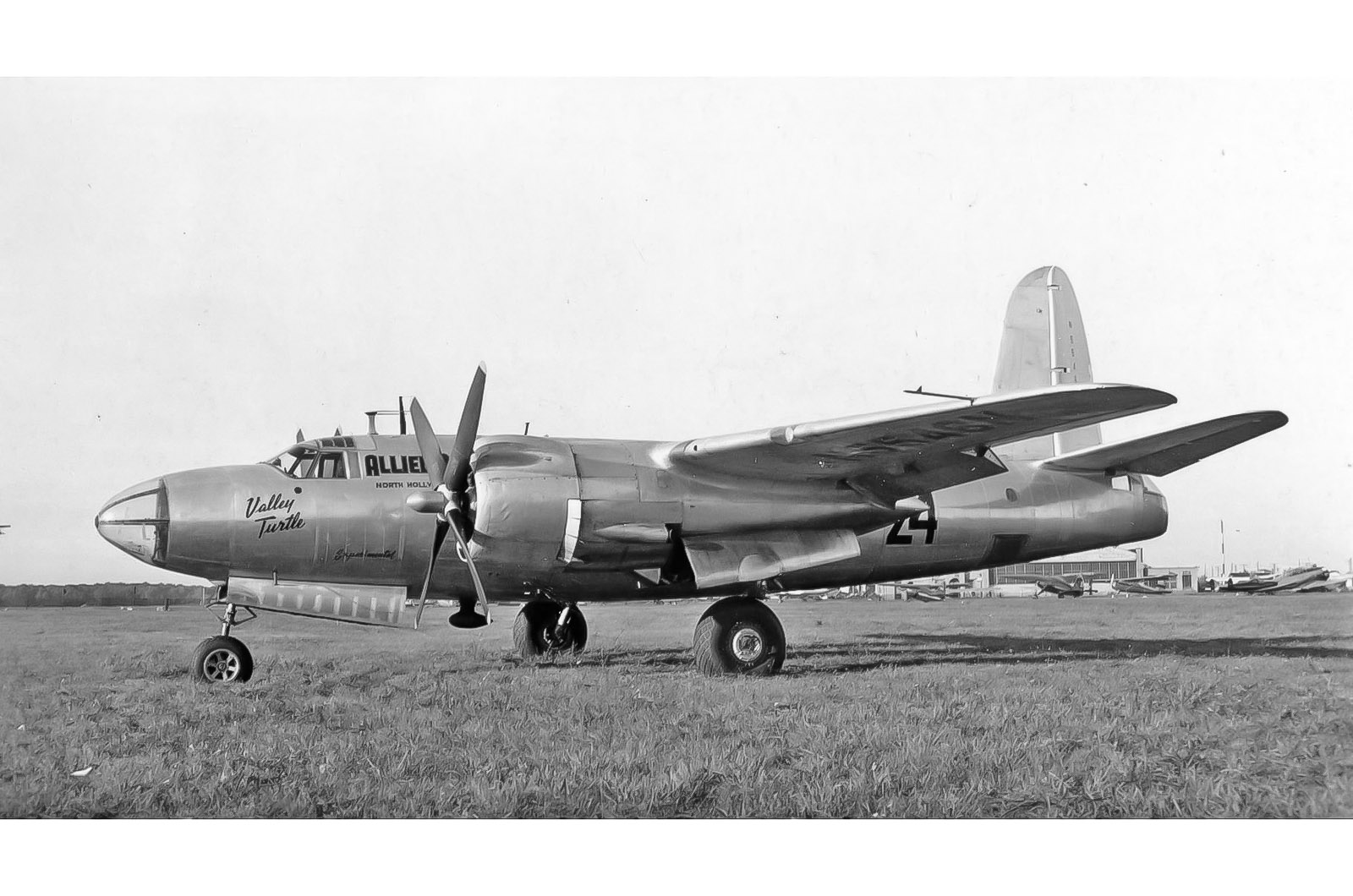
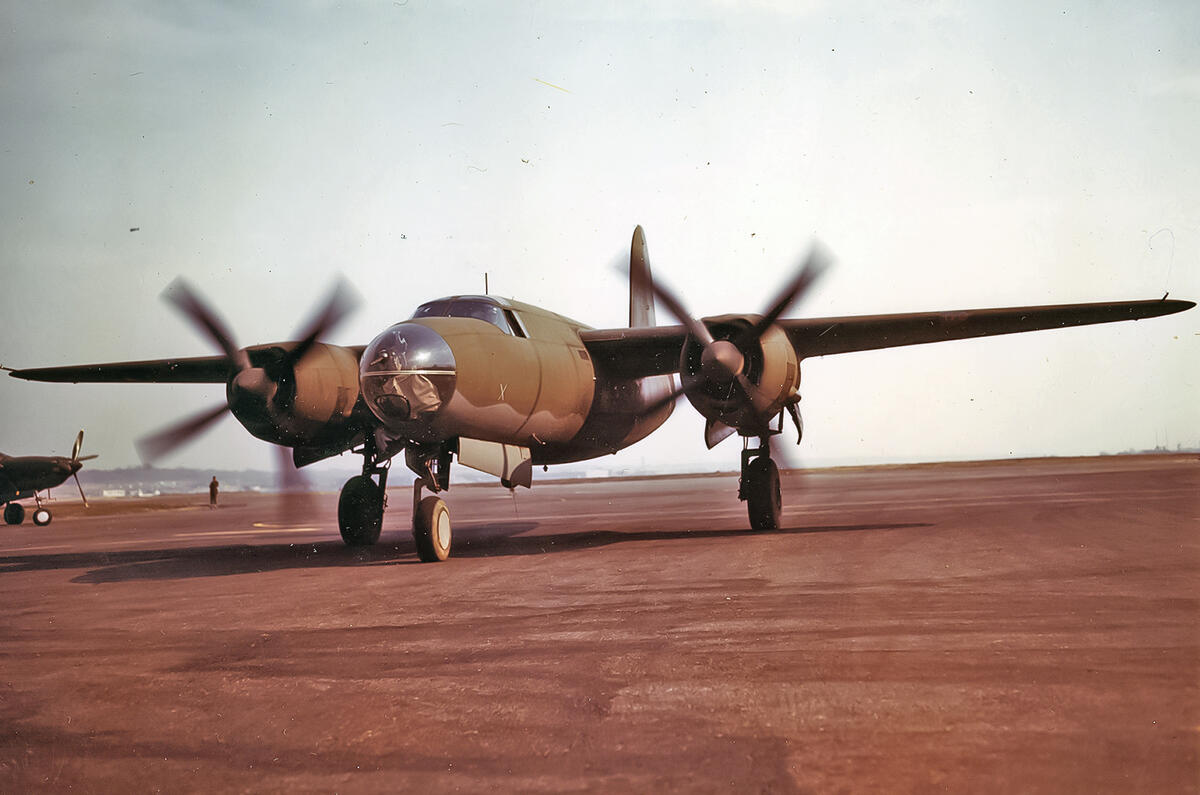
2: Martin B-26 Marauder (fighter roles)

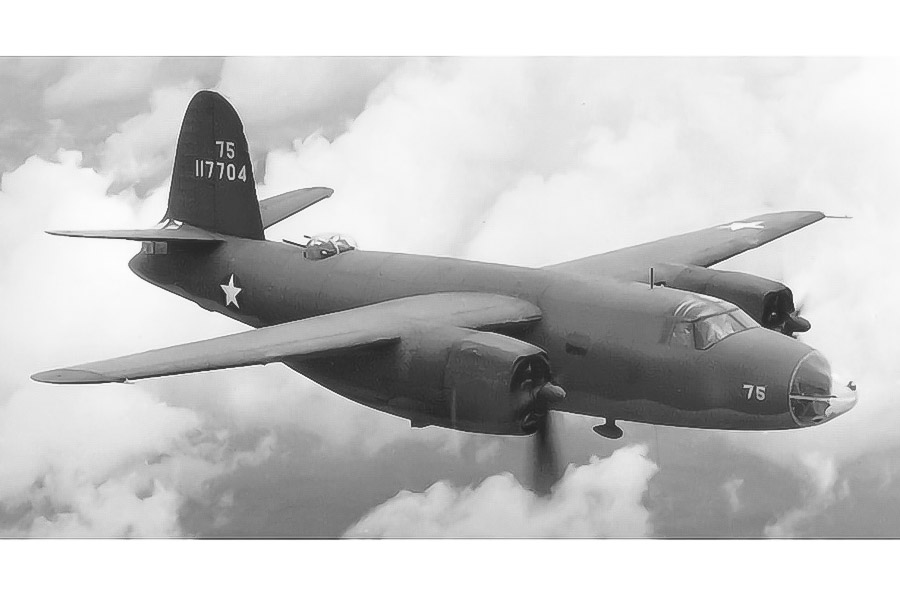
The oft-maligned Martin B-26 Marauder medium bomber was sufficiently fast and well armed to result in a 1943 proposal to use it to escort heavy bombers. Similar in concept to the YB-40, an up-gunned B-17 intended for bomber escort duties, the Marauder conversion also featured six fixed forward-firing machine guns.
This would allow it to operate as a conventional fighter and is not as absurd as it sounds, as Colonel Vincent Burnett had flown a B-26 in mock-combat with an F4U Corsair (flown by Marine ace Joe Foss) in which neither aircraft could outmanoeuvre the other, resulting in a draw.
2: Martin B-26 Marauder (fighter roles)

The escort B-26 was eventually dropped, but the Marauder would be operated as a strike fighter of sorts by the RAF. 14 Squadron in the Mediterranean Theatre used the Marauder in the same manner as local Beaufighter units, flying anti-shipping and long-range patrol missions as well as conventional bombing attacks.
British Marauders also engaged in aerial combat and scored several victories, including downing several huge Me 323 transports. In one engagement off the Algerian coast, Wing Commander Maydwell downed multiple transports, and other 14 Squadron pilots destroyed additional enemy aircraft, including SM.82s, and Ju 52s. One pilot even claimed a Bf 109 fighter.
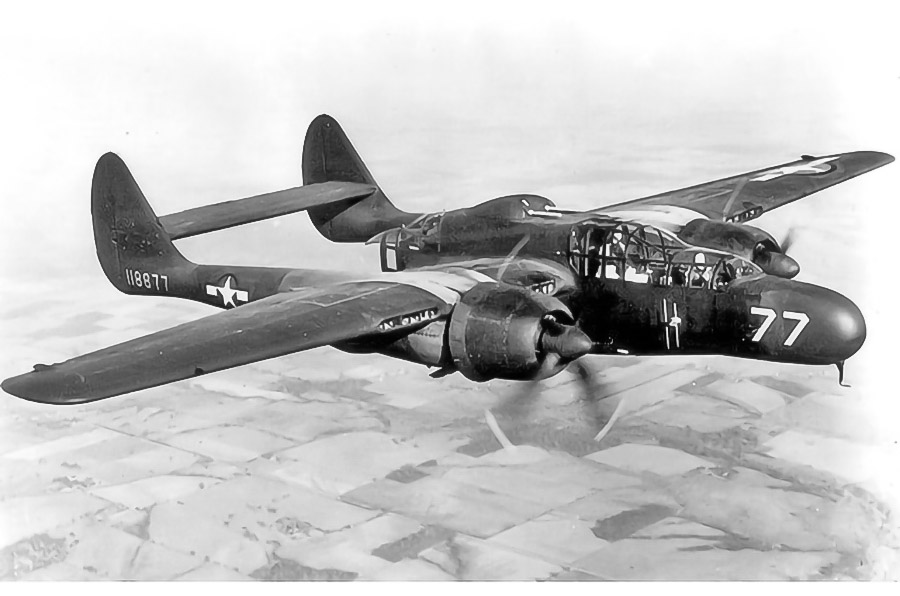
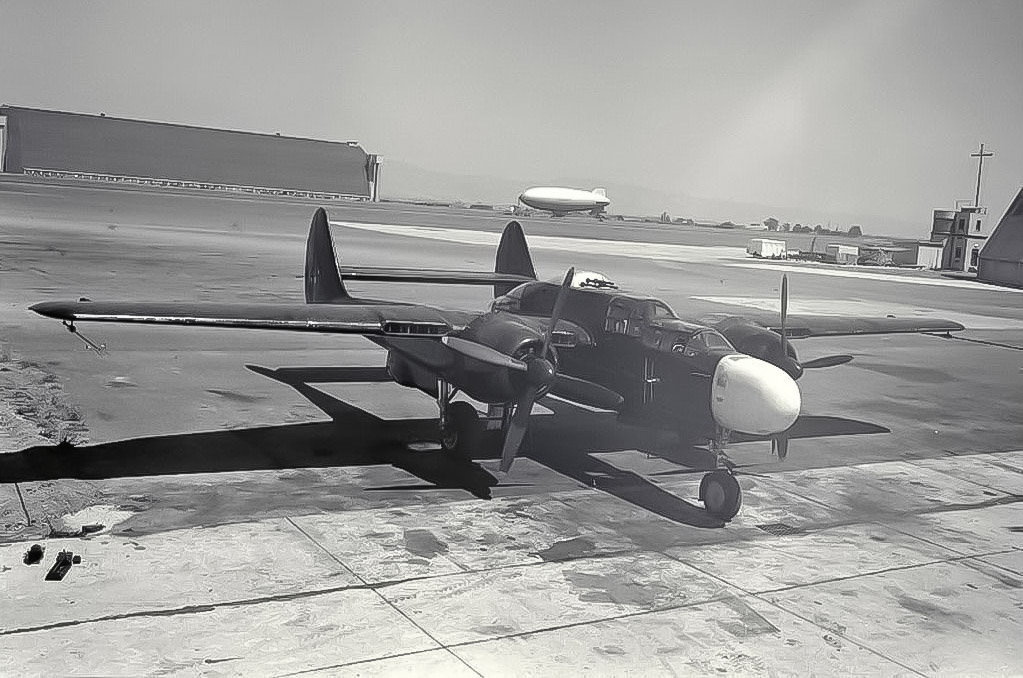
1: Northrop P-61 Black Widow

The massive and sinister Northrop P-61 Black Widow was a ferocious machine. It was the first purpose-designed night interceptor to enter operational service. The forward-looking requirement that led to the aircraft was issued as early as 2 October 1940. Like the P-38 and others, the P-61 was of the twin-boom configuration.
Pioneering British efforts with radar-equipped fighters had impressed US military planners. Using a first-generation airborne radar effectively required a large aircraft with a dedicated second crew member for its operation. The Black Widow started as a 13,459 kg beast when loaded; by the end of its career, it was a bulky 18,000 kg…
1: Northrop P-61 Black Widow

To put this in perspective, it was around the same weight as seven fully loaded Spitfire Mk Is. Finding the target with a radar was one thing, but destroying it effectively required firepower; the P-61 boasted four fixed 20-mm cannons in the belly. The first 37 P-61As, the final 250 P-61Bs and all the P-61Cs also had an electric dorsal turret with four heavy machine guns. In addition to being heavily armed, the P-61 had its armament concentrated on its centreline, rather than in the wings, making it more accurate and destructive.
On August 14, 1945, a P-61 Black Widow named Lady in the Dark scored the final aerial victory of the war. Without firing a shot, it forced a Japanese Ki-44 into a fatal crash near Okinawa. The biggest fighter of the war closed the greatest air war in history. (The even bigger McDonnell XP-67 ‘Moonbat’ first flew on 6 January 1944, but neither fought in the war, nor even entered service.)
Follow Joe Coles and his thrilling Hush-Kit aviation world on Substack and X
If you enjoyed this story, please click the Follow button above to see more like it from Autocar
Photo Licence: https://creativecommons.org/licenses/by/4.0/deed.en

Add your comment