
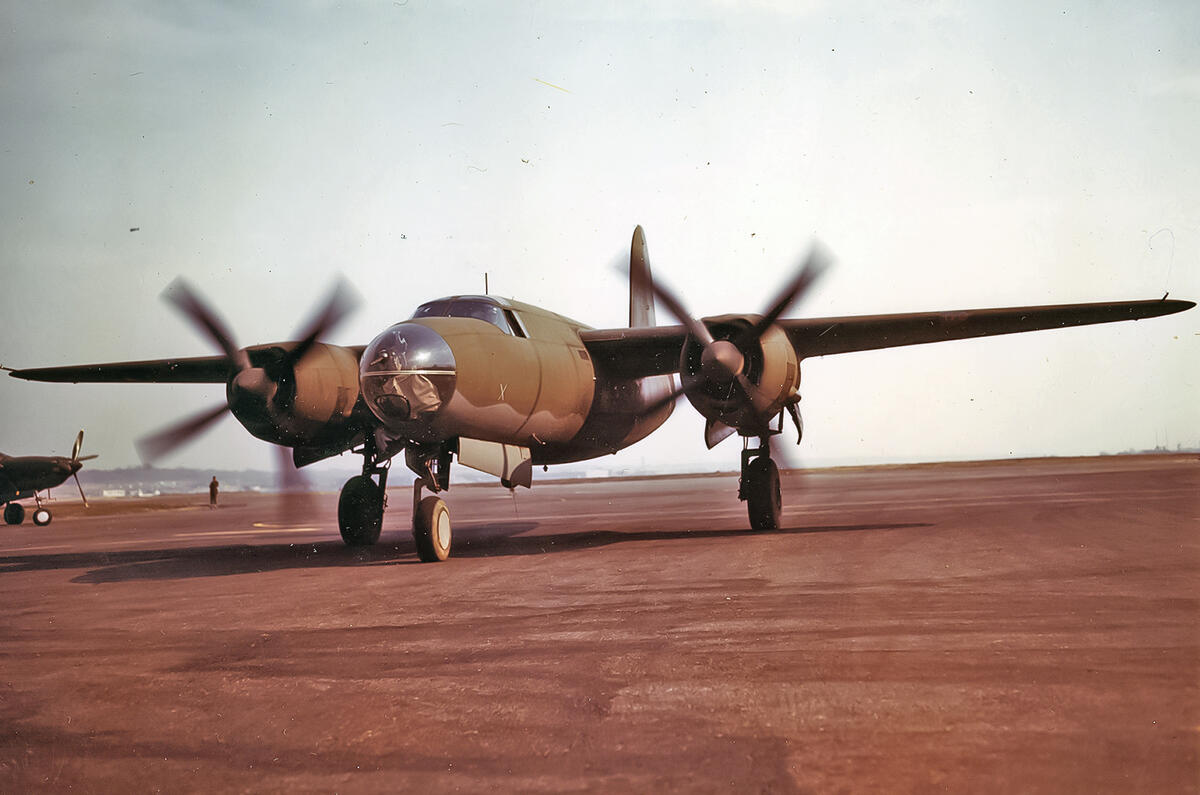

When you think of Second World War fighters, the sleekly compact Spitfire and petite Zero come to mind.
But some of the war's most awe-inspiring machines were vast, often ugly, flying juggernauts of death. Here were massive fighters that traded agility for range, toughness and firepower. Bristling with guns, these murderous behemoths brought heavyweight fury to the skies. Here are the 10 largest Fighter Aircraft of the Second World War:
10: Lockheed P-38 Lightning
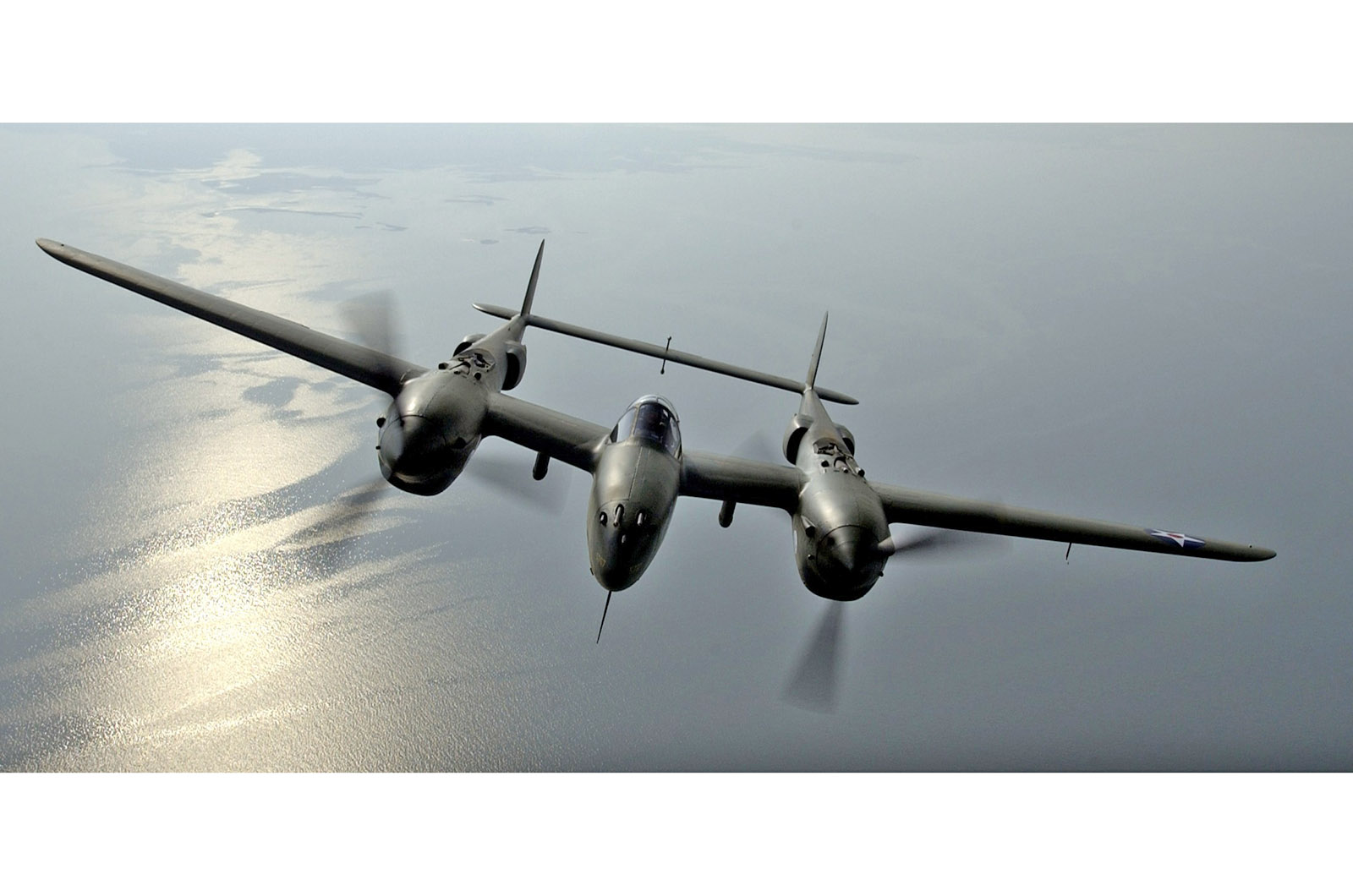
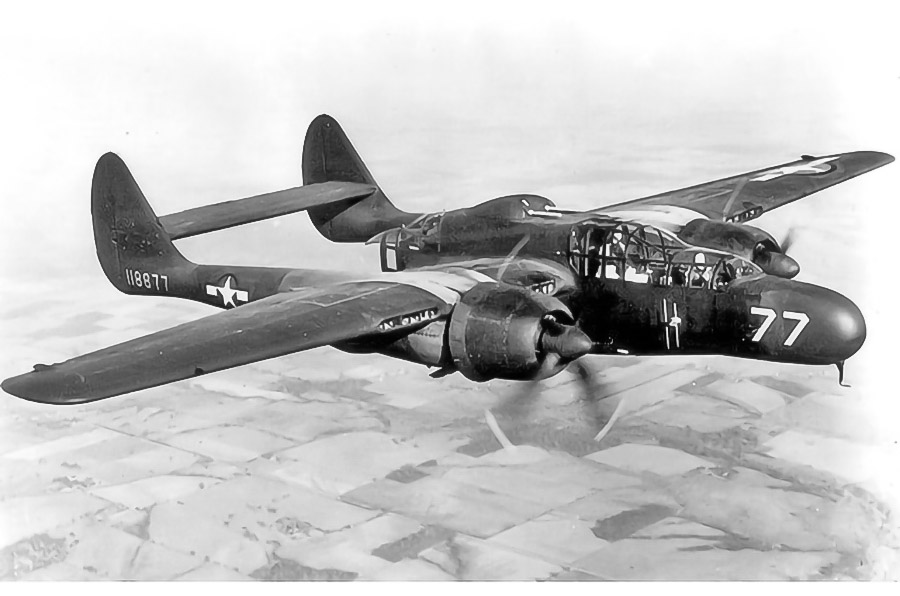
Large, heavy, twin-engine fighter designs were very much in vogue worldwide in the late 1930s, and the Lightning was one of the more radical examples of this trend. It was believed that speed, range, and heavy armament would outweigh the lack of manoeuvrability that a larger fighter would possess.
This would prove to be partly true. Over Europe, although some pilots did well with it, the P-38 regularly suffered severe losses to German fighters. However, the Lightning did make history in March 1944 when its distinctive shape appeared over Berlin, becoming the first Allied fighter to reach the German capital.
10: Lockheed P-38 Lightning
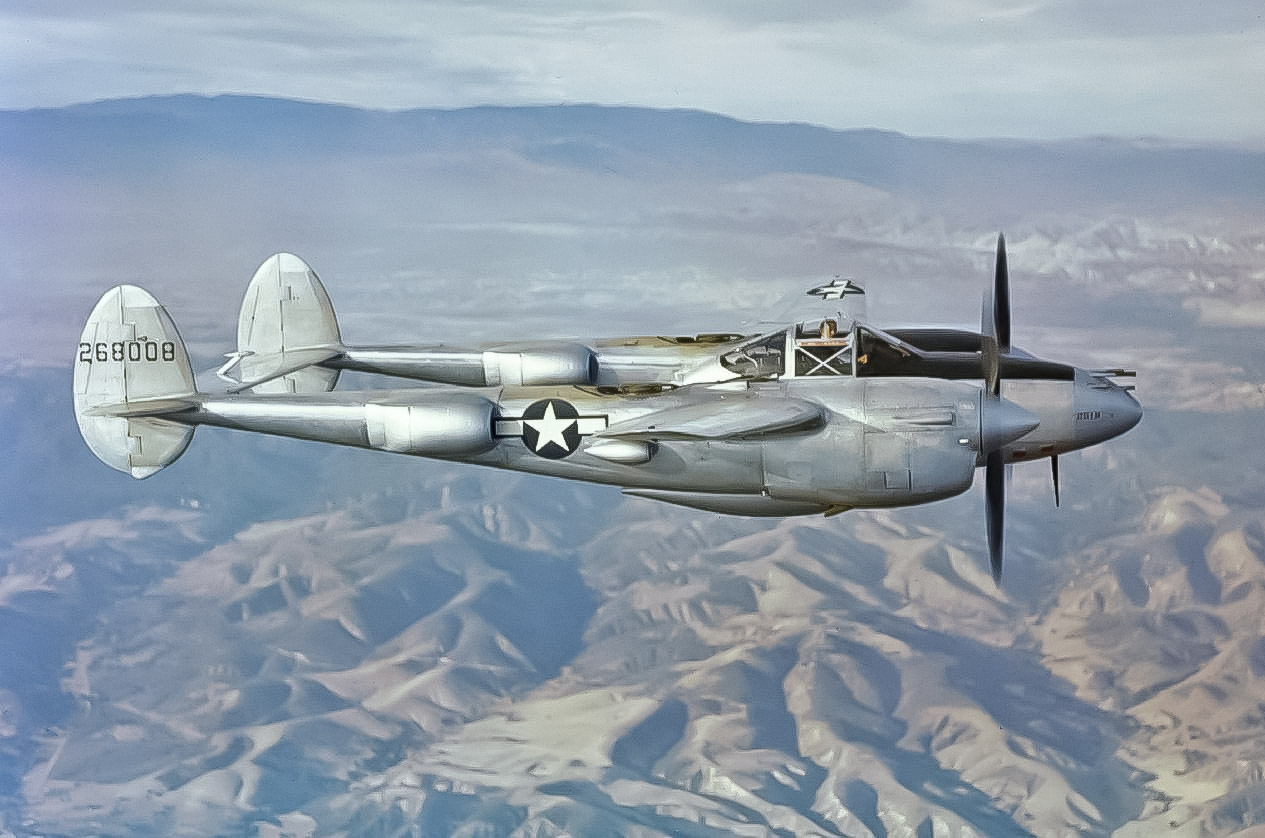
In the Pacific, it was a different story. The Lightning’s excellent range, power, devastating firepower and surprisingly good manoeuvrability (except in rate of roll) saw it excel against Japanese aircraft. The two most successful US fighter aces of the war both flew P-38s in the Pacific.
Despite its obvious heft, the P-38L, weighing in at a maximum 21,600 lb (9798 kg), the Lightning is only slightly heavier than a late-war P-47N, which tipped the scales at an incredible 20,700lb (9389 kg), making it the heaviest single-engine fighter of the conflict—much of this bulk derived from the P-47N’s ludicrous 1266 US-gallon (4792 litres) fuel capacity.
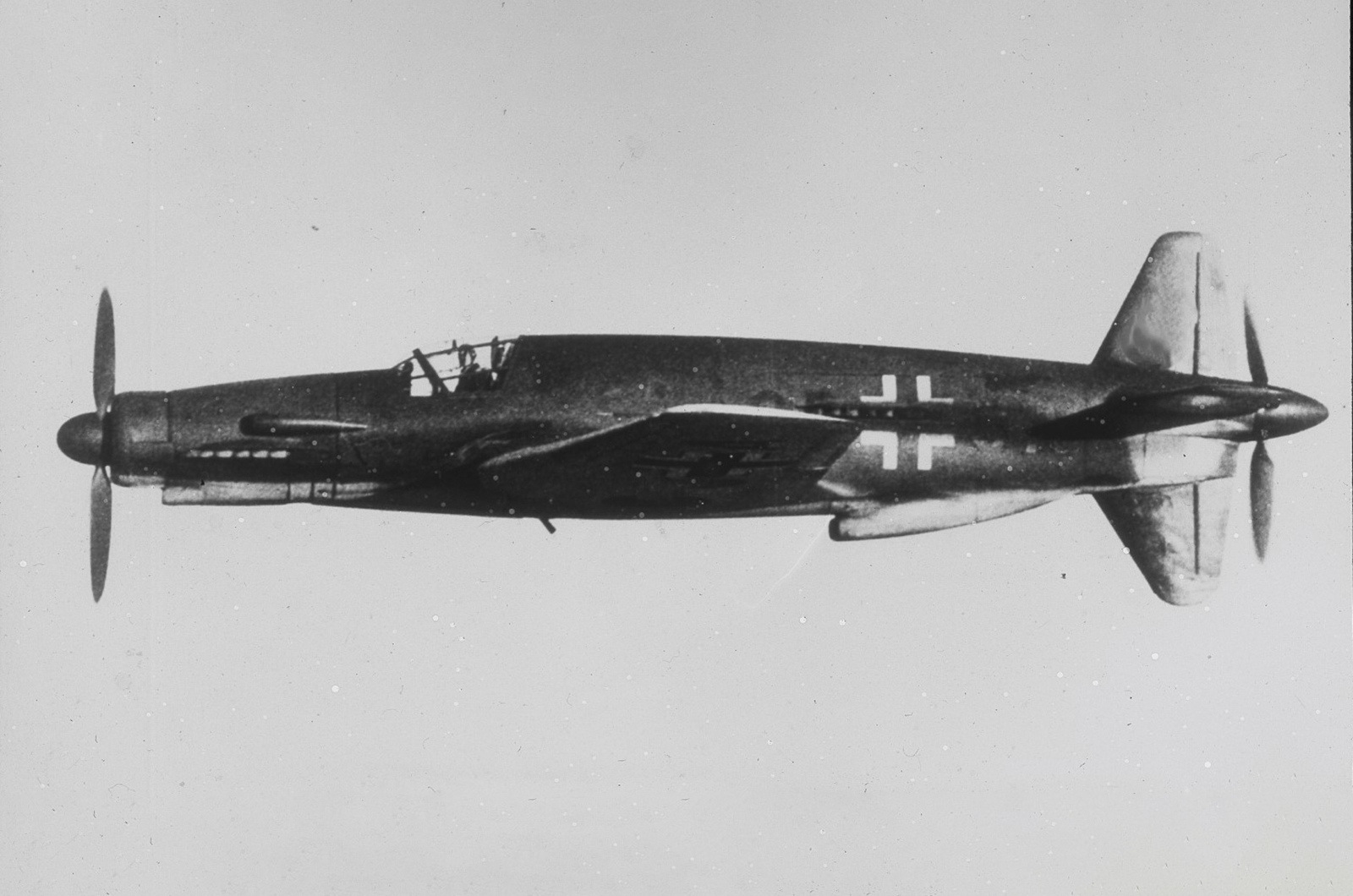
9: Dornier Do 335 Pfeil
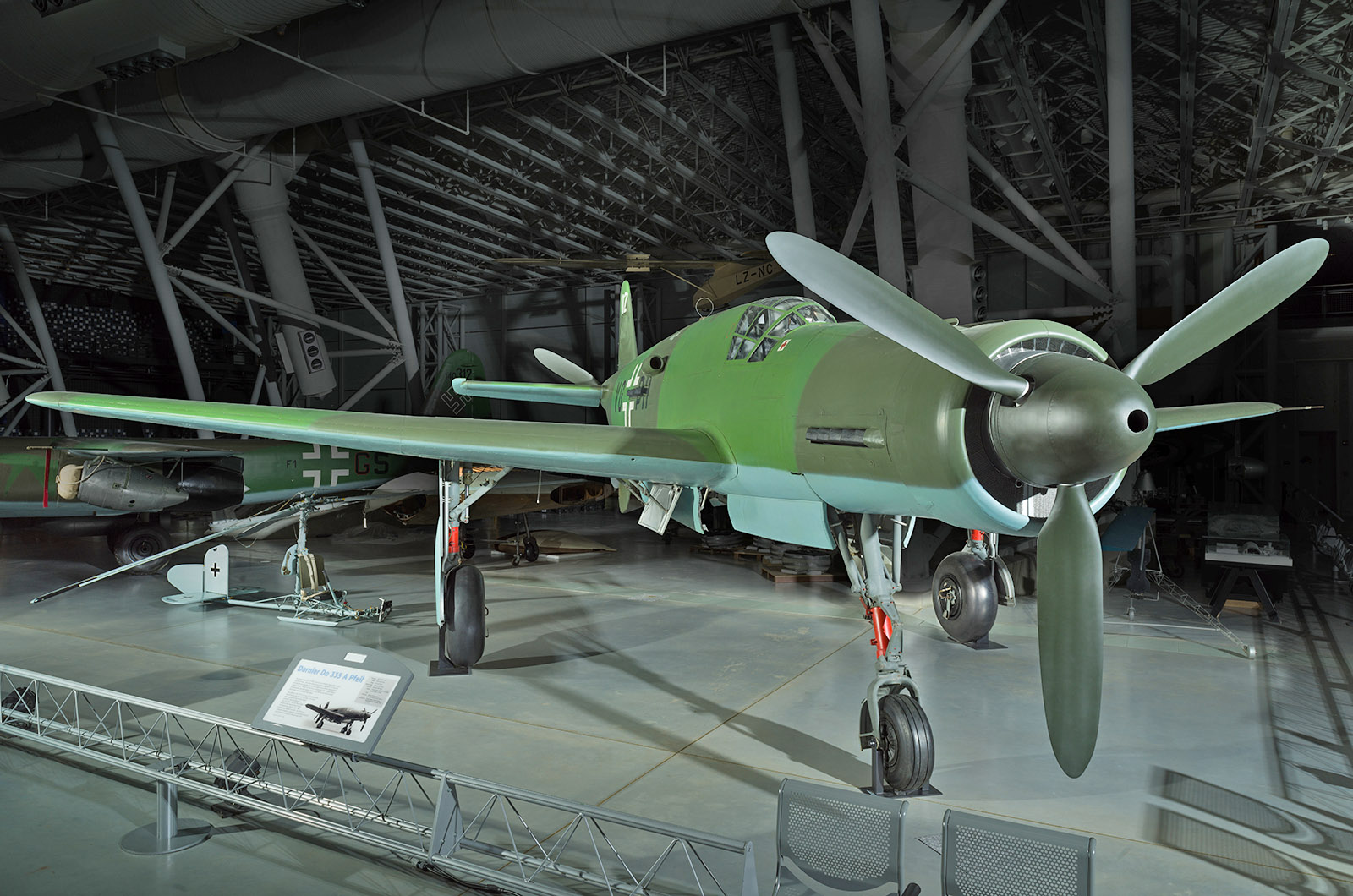
Featuring a radical push-pull configuration for its two engines, the Dornier Do 335 is most famous today for its absurdly impressive performance, likely the fastest piston engine fighter of the war to see operational service, bar none. However, for its time, the mighty Pfeil was also an absolutely massive fighter.
Placing both engines in tandem within the impressively large fuselage reduced drag, improved rate of roll and minimised control issues if one engine should fail. However, the position of the rear propeller made escaping the aircraft problematic, and the Do 335 was one of the first aircraft fitted with an ejection seat.




Add your comment