

Currently reading: Matt Prior: are robots intuitive enough to drive my car?

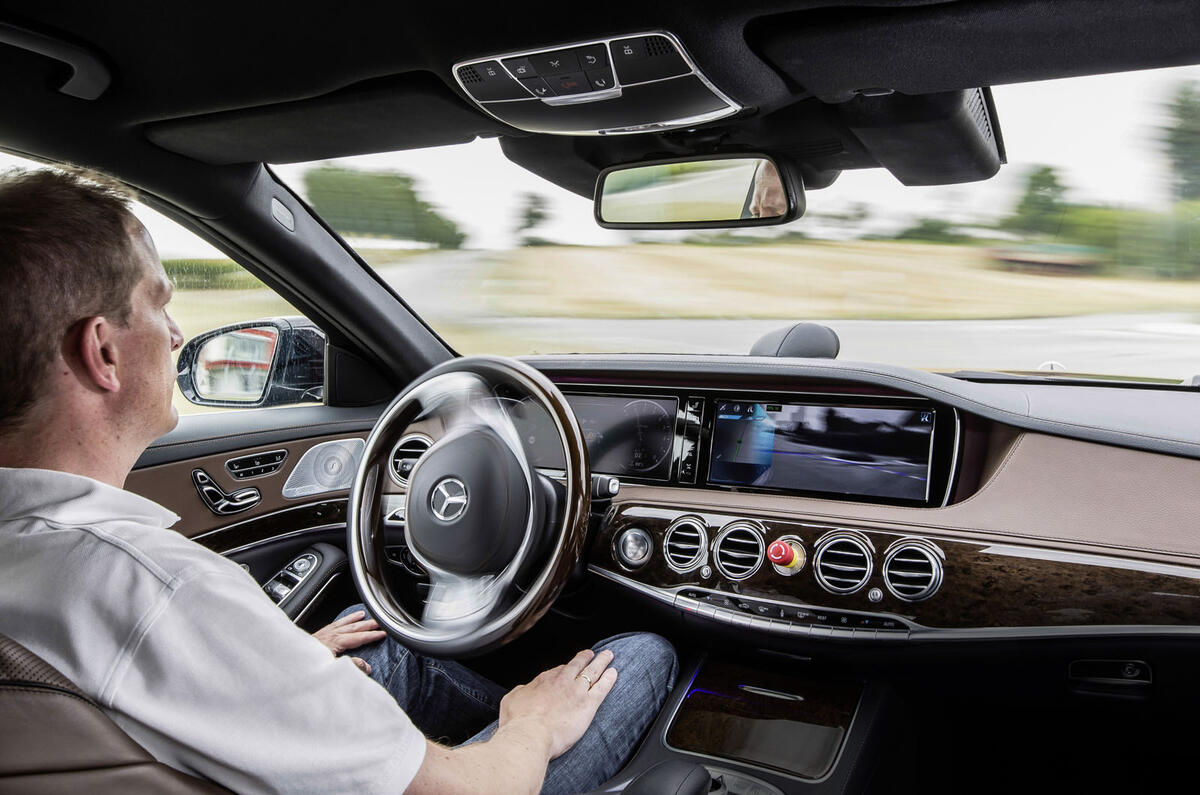
Autonomous technology will soon mean your car can drive for you, but probably not as naturally as you

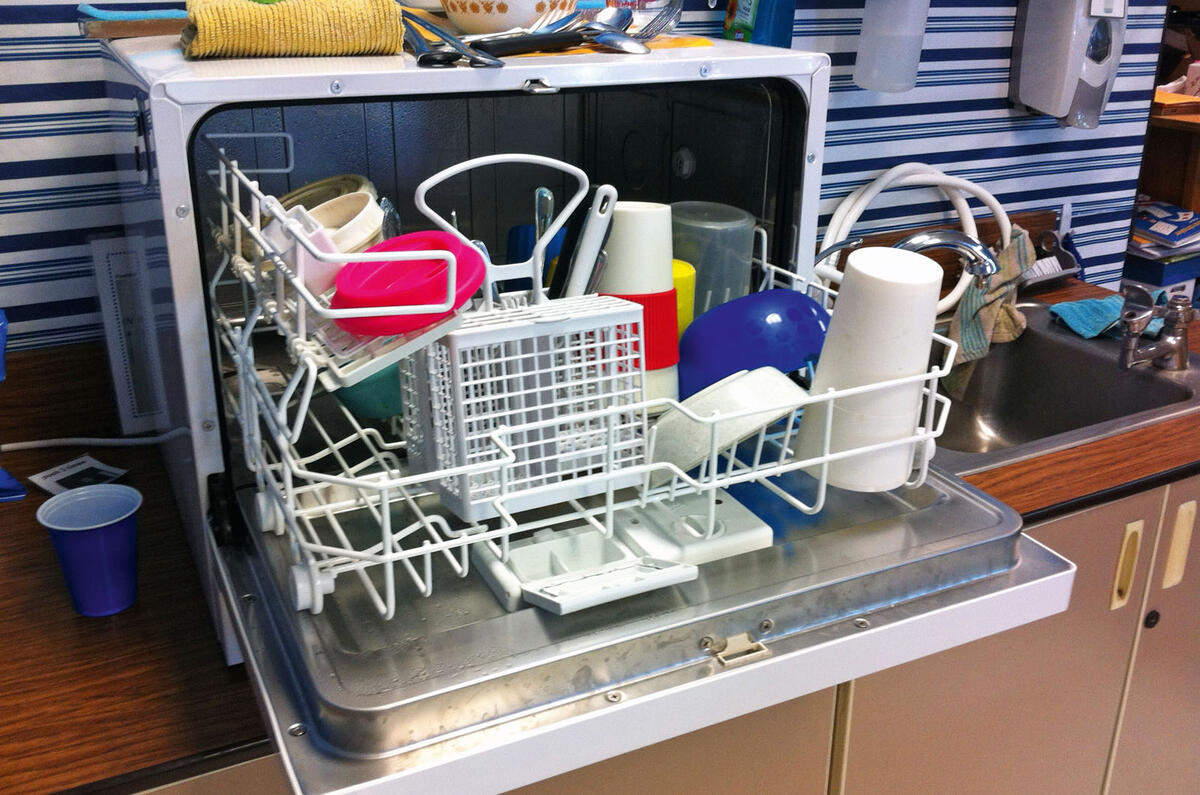
My dishwasher is not brilliant at washing dishes. Stack the plates in the bottom, bowls (top), masher (anywhere, it’ll come out much the same as it went in), cutlery (pointy end up) and wait an hour. 

And then? It’s fine and everything, quite passable really, and no better or worse than most other dishwashers as far as I can tell. But, still, not quite as effective as doing it yourself. 

You’d think that this was a major failing but it’s not, because I don’t care enough. Good enough is, in this case, good enough, because I’ve saved valuable time. Labour-saving device saves labour: hooray. But as we ask machines to do more and more for us, who will define what’s ‘good enough’? 

I know the dishwasher is not a complex machine: opposable thumbs, vision, intuition – it lacks them all. But cleaning dishes is not exactly the most complex task we’ll ever want automated. 

Even so, like most chores, with cleaning there is no substitute for of going Edwardian motoring.” practice and skill. Cooking, ironing, mowing, driving… you can automate some elements somewhere along the process, and increasingly will do in future. But with craft and practice and care, I’ll wager you’ll still easily be able to outdo them yourself. 

Writer and ex-Olympic ping-ponger Matthew Syed defines sport as requiring “skill in movement”, where machine thinking lags way behind human thinking, even though – or perhaps because – such thinking is often subconscious or intuitive. So a super-computer will beat you at chess, but probably not darts. (Yes, it’s a sport, get over it.) 

Autonomous cars 271

Which brings me to driving. Quite a complex business, but there’s a logical process to it; there are road laws to be obeyed, mostly predictable physics, and with the right cameras and lidar and processors, eventually automation will get there. 

Maybe not all the way to driving for you at all times, but that’ll be down to risk assessment as much as anything. As one engineer told me, imagine driving in a Swedish winter, where you might be doing 40mph on a snowy road, aware that if a moose sprinted out of the trees, you might not be able to stop in time. No machine would allow itself to drive that quickly in those conditions, because no company could accept the liability of that kind of collision. By the same rationale, I break more crockery than my dishwasher. 
Autonomous 0421a

Back to top

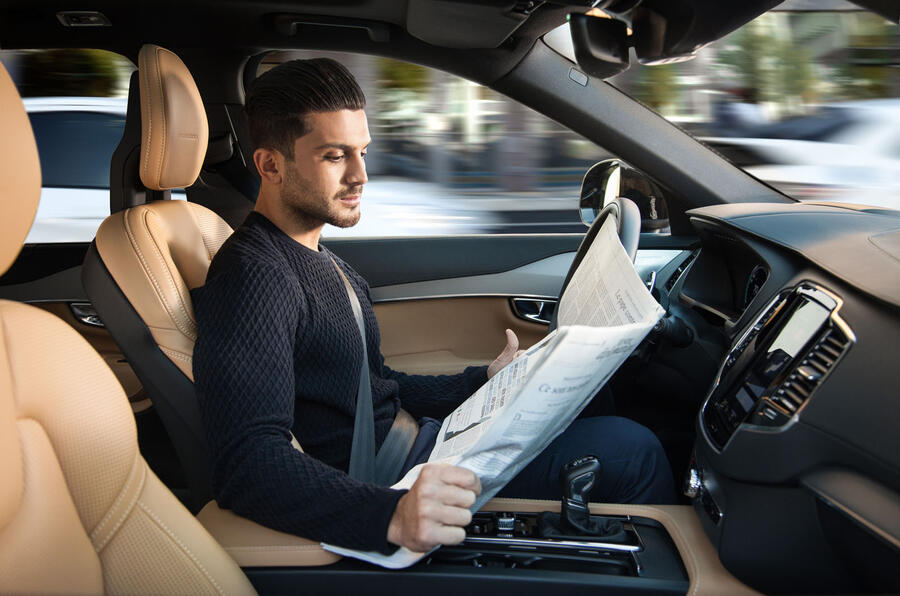
But there will be times when we’ll all cede some kind of control to the car. And that’s where the ‘good enough’ question will become relevant again, because cars require skill in movement to do it well. All the time, in fact: initiating a turn, smoothing gearchanges, slowing to a halt, stepping off from stationary, easing around a pothole, backing off when we see gravel or puddles; there are myriad things we do intuitively every time we drive a car. 

The more hardware a car is equipped with, I suppose, the better it’ll be able to employ its own skill in motion. But given all of that kit is expensive, cars will likely only get what’s deemed ‘good enough’ to be effective and safe. There are times – Friday-night M25 sort of times – when I’m quite looking forward to taking that back seat. But I’m not convinced the ride will ever be as smooth as doing it yourself.

Read more

Opinion: Why autonomy won't kill off driving as we know it​

BMW lifts lid on its self-driving vehicle tech​

Is the public ready to share the roads with self-driving cars?​

Join our WhatsApp community and be the first to read about the latest news and reviews wowing the car world. Our community is the best, easiest and most direct place to tap into the minds of Autocar, and if you join you’ll also be treated to unique WhatsApp content. You can leave at any time after joining - check our full privacy policy here.

Matt Prior

Matt Prior
Title: Editor-at-large

Matt is Autocar’s lead features writer and presenter, is the main face of Autocar’s YouTube channel, presents the My Week In Cars podcast and has written his weekly column, Tester’s Notes, since 2013.

Matt is an automotive engineer who has been writing and talking about cars since 1997. He joined Autocar in 2005 as deputy road test editor, prior to which he was road test editor and world rally editor for Channel 4’s automotive website, 4Car. 

Into all things engineering and automotive from any era, Matt is as comfortable regularly contributing to sibling titles Move Electric and Classic & Sports Car as he is writing for Autocar. He has a racing licence, and some malfunctioning classic cars and motorbikes.