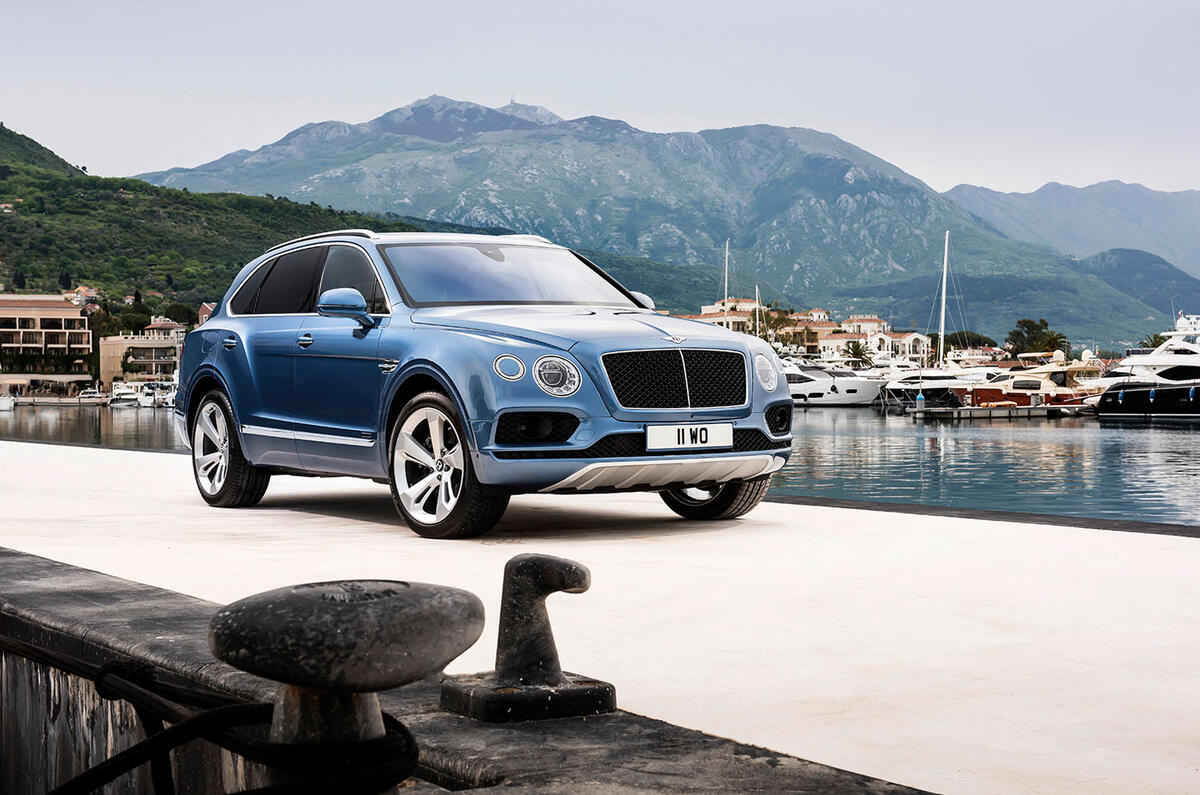
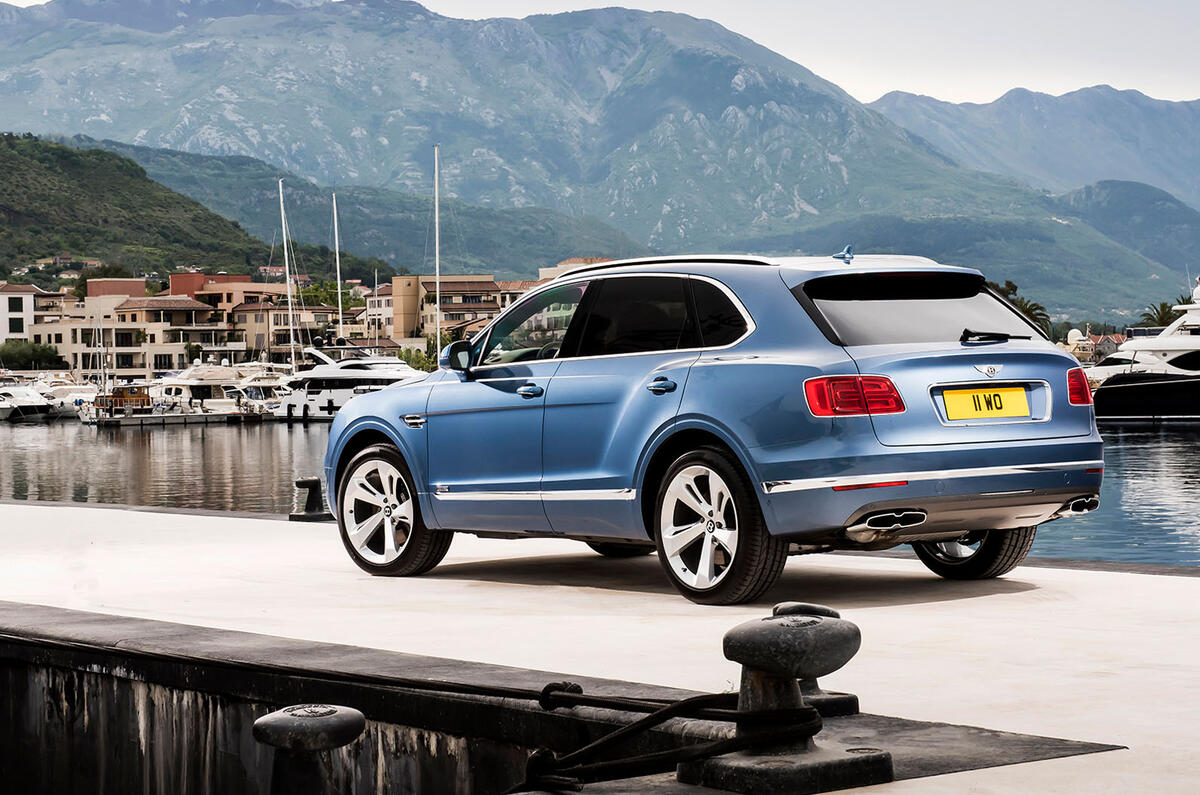
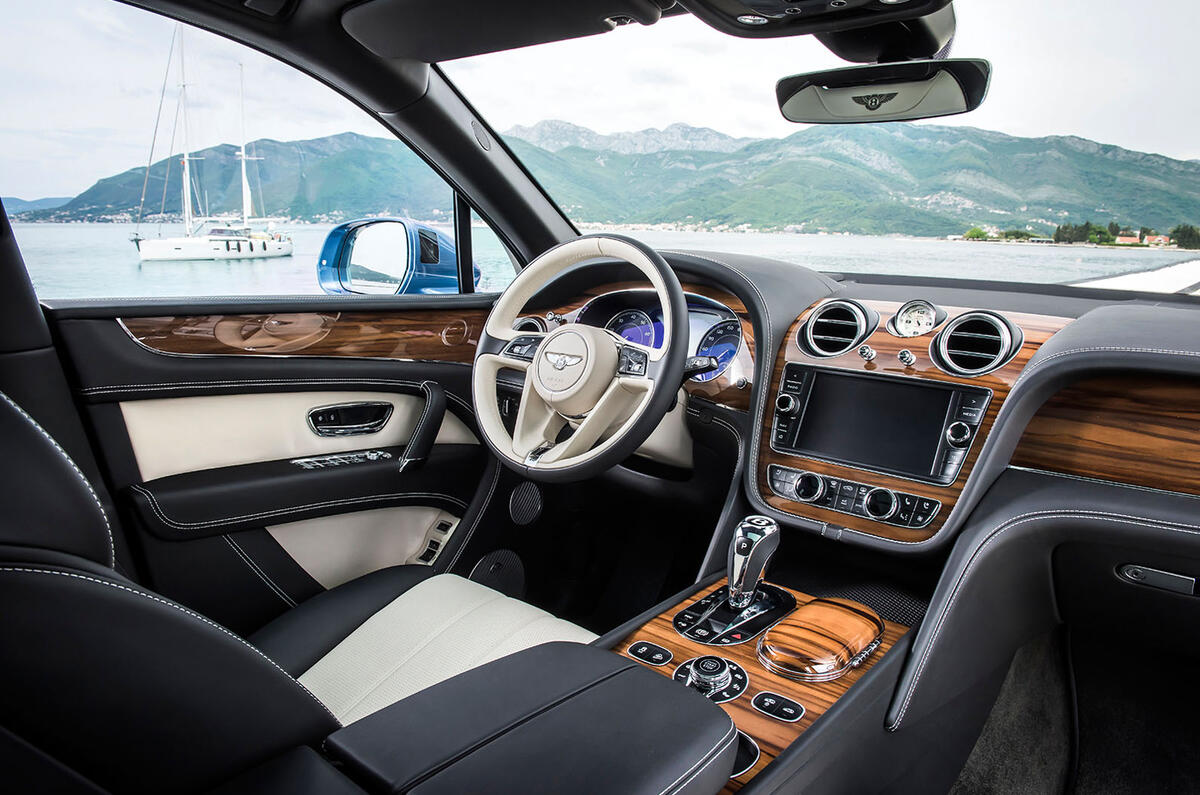
Technical specifications for the 2017 Bentley Bentley Bentayga Diesel have been revealed ahead of the model's launch next January.
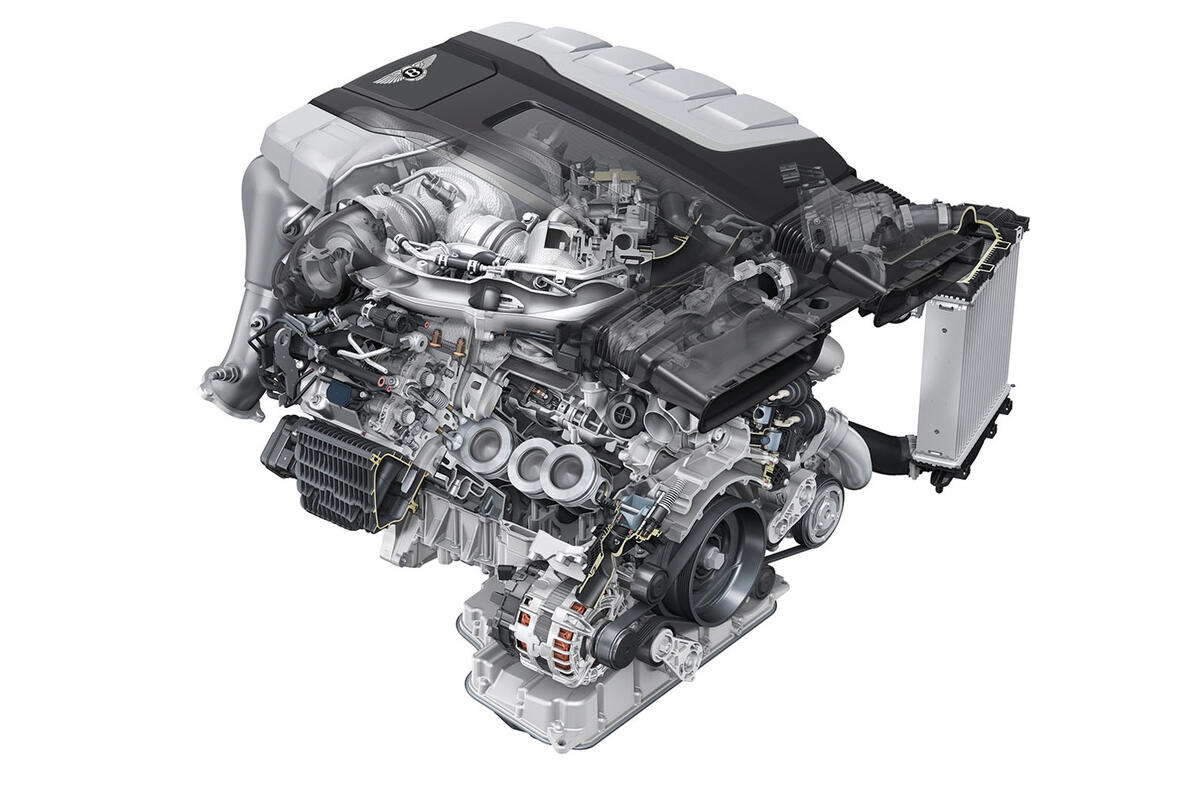
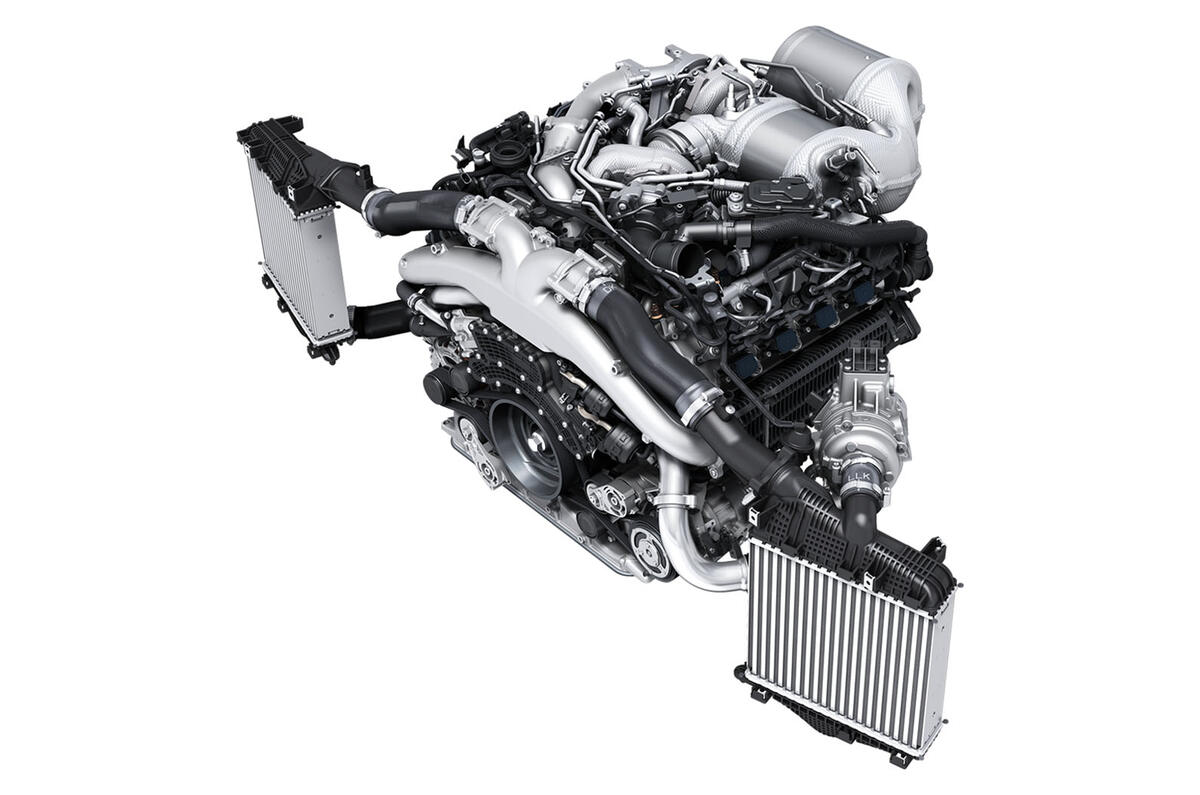
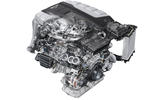
The Bentayga Diesel is Bentley's first diesel-powered production car, making use of a triple-charged 4.0-litre V8 diesel engine, which has been co-developed with Audi and uses two twin-scroll turbochargers supplemented by an electrically driven supercharger.
Read our full review of the Bentley Bentayga diesel
It develops 429bhp and the same peak torque as the Bentayga’s twin-turbo 6.0-litre petrol W12, although the diesel’s 664lb ft extends from just 1000rpm to 3250rpm.
That’s enough to launch the Bentayga Diesel from 0-62mph in 4.8sec and on to 168mph. According to Bentley’s head of engineering, Rolf Frech, its acceleration from 25mph to 75mph “is much the same as the W12’s, but the W12 gets a second wind at higher speeds”.
Fuel economy for the £135,800 luxury SUV is quoted at 35.8mpg combined and its CO2 emissions are 210g/km.
The Bentayga’s product manager, Peter Guest, said: “We would only do this when it was right. It had to be the right car and the right engine.”
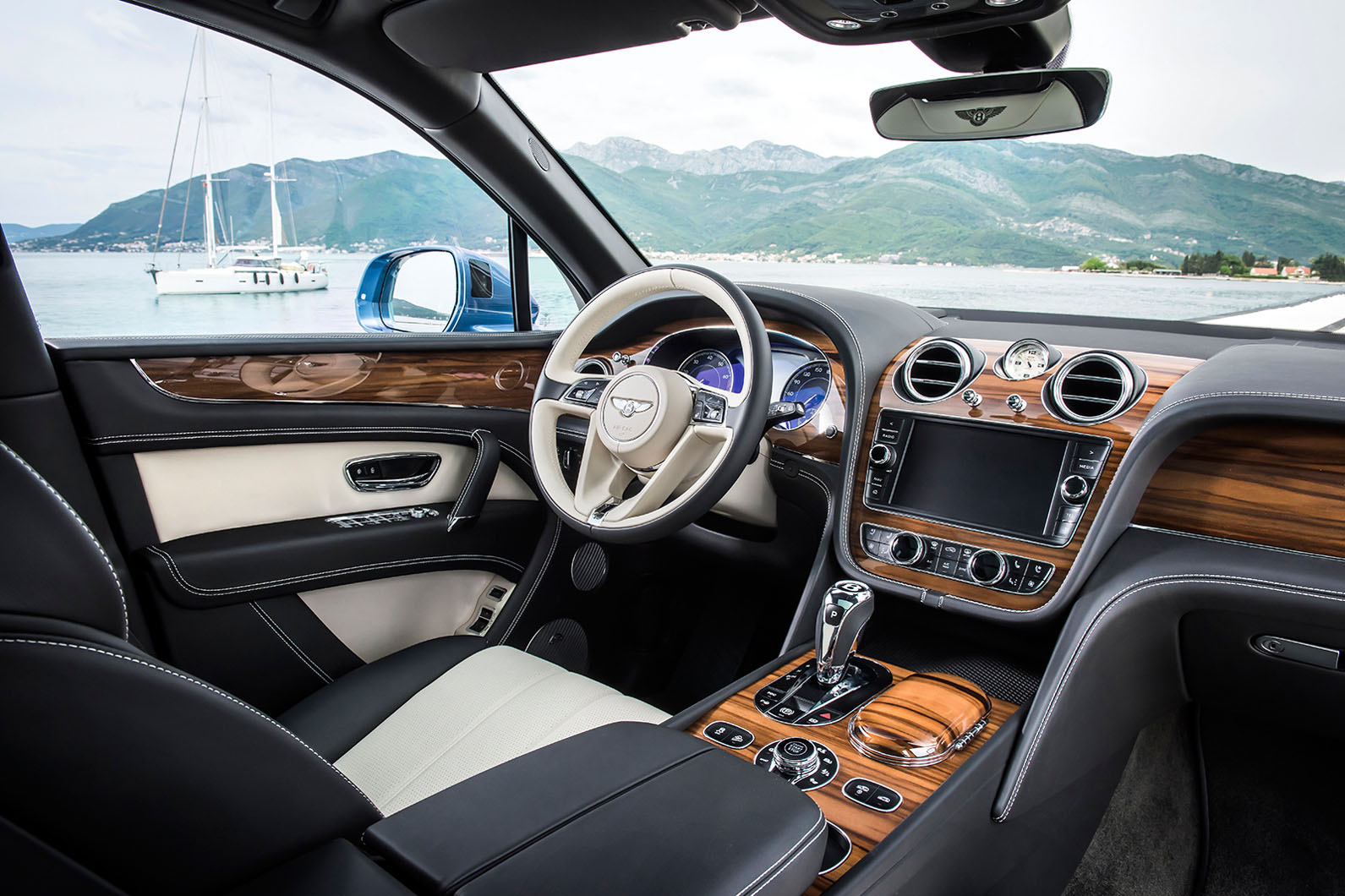
Installing a potentially coarse diesel in a Bentley is a risk, even if this powerplant’s instant low-rev torque provides the stream of effortless thrust required. The brief, said Guest, was to deliver the Bentley driving experience with the trademark combination of performance and luxury, and no compromise in refinement. It also had to be “the fastest diesel SUV in the world”.
Bentley powertrain development boss Paul Williams said the three technologies that have enabled the firm to offer a diesel worthy of the brand are the engine’s triple-charging system, the 48V supplementary electrical system used to power the electric supercharger, and a sophisticated exhaust cleansing system.
The triple-charging system, previously seen in the Audi SQ7, which uses the same engine, provides boost at low revs from the near-instantly reacting supercharger.
This so-called e-booster also primes the first of two twin-scroll turbochargers. This first turbo amplifies midrange thrust, then a second twin-scroll turbo provides extra shove at mid to high revs when the e-booster is dormant.
The effectiveness of the e-booster is heightened by a valve shut-off system, whereby an exhaust valve disengages to provide faster combustion pressure build-up. The exhaust gases are dealt with by using a selective catalytic reduction system, an AdBlue urea fuel supplement and an additional catalyst. Williams said the system is “state of the art and meets all current and future legislation”.
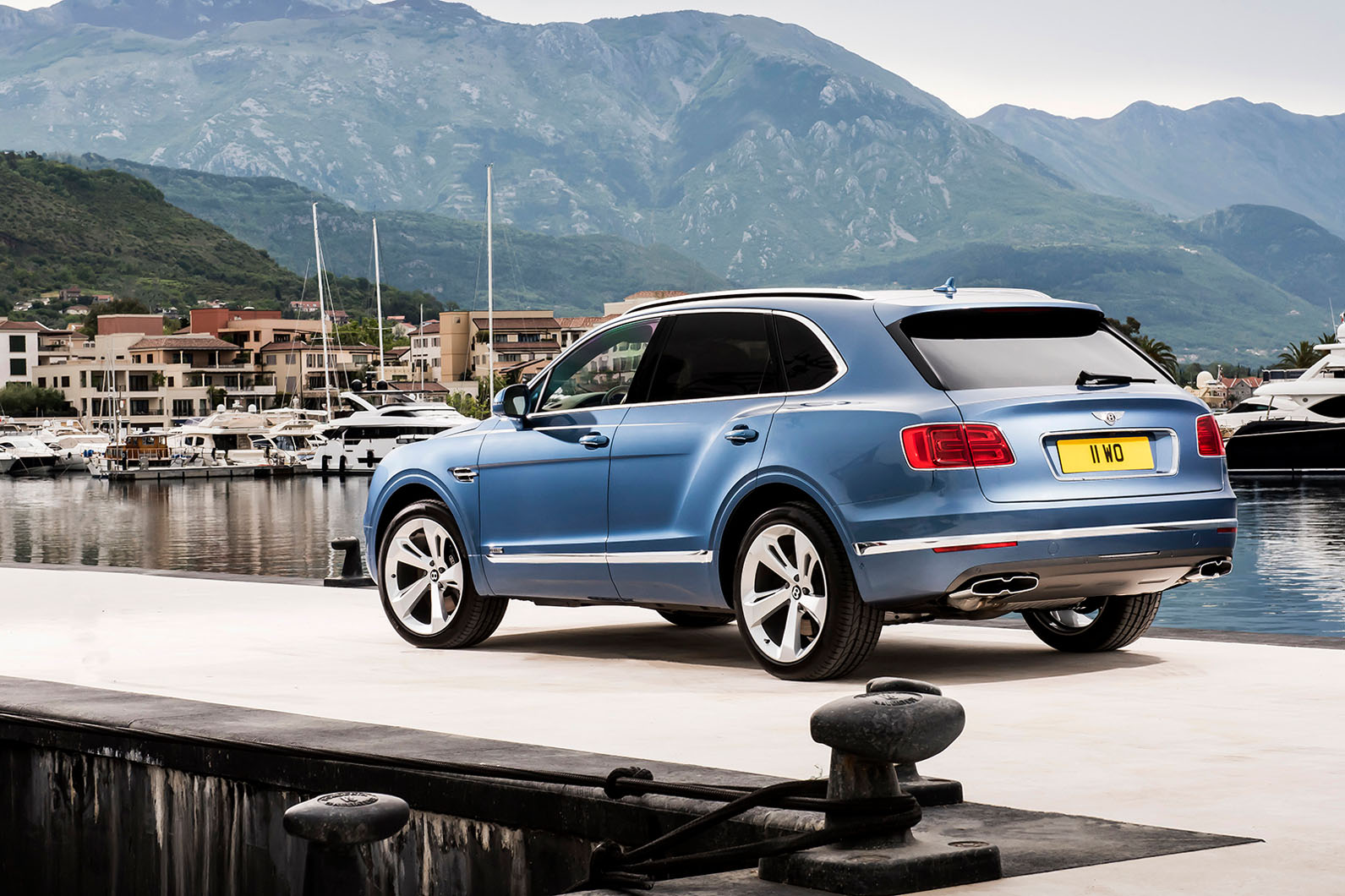
The Bentayga has been acoustically engineered for the V8 diesel from the start and changes to the rest of the car are minor. The exhaust system has been modified — without artificial enhancement — and there are minor tuning changes to the suspension to cater for the weight redistribution caused by the 23-litre AdBlue tank.
The V8 diesel engine itself weighs only 3kg more than the W12. Black radiator mesh, ‘twin quad’ tailpipes and badges identify the Bentayga Diesel.
Technical highlights
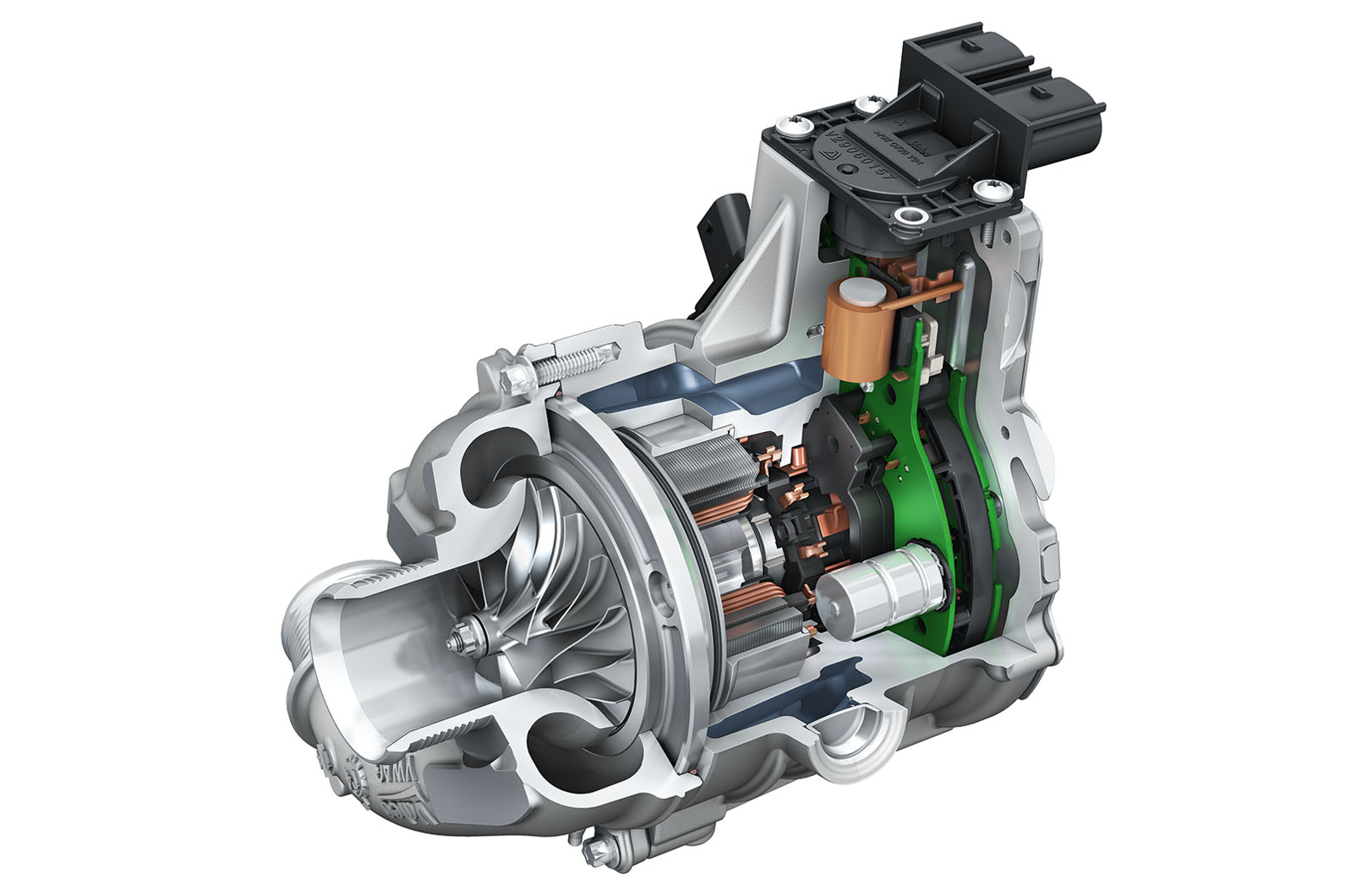
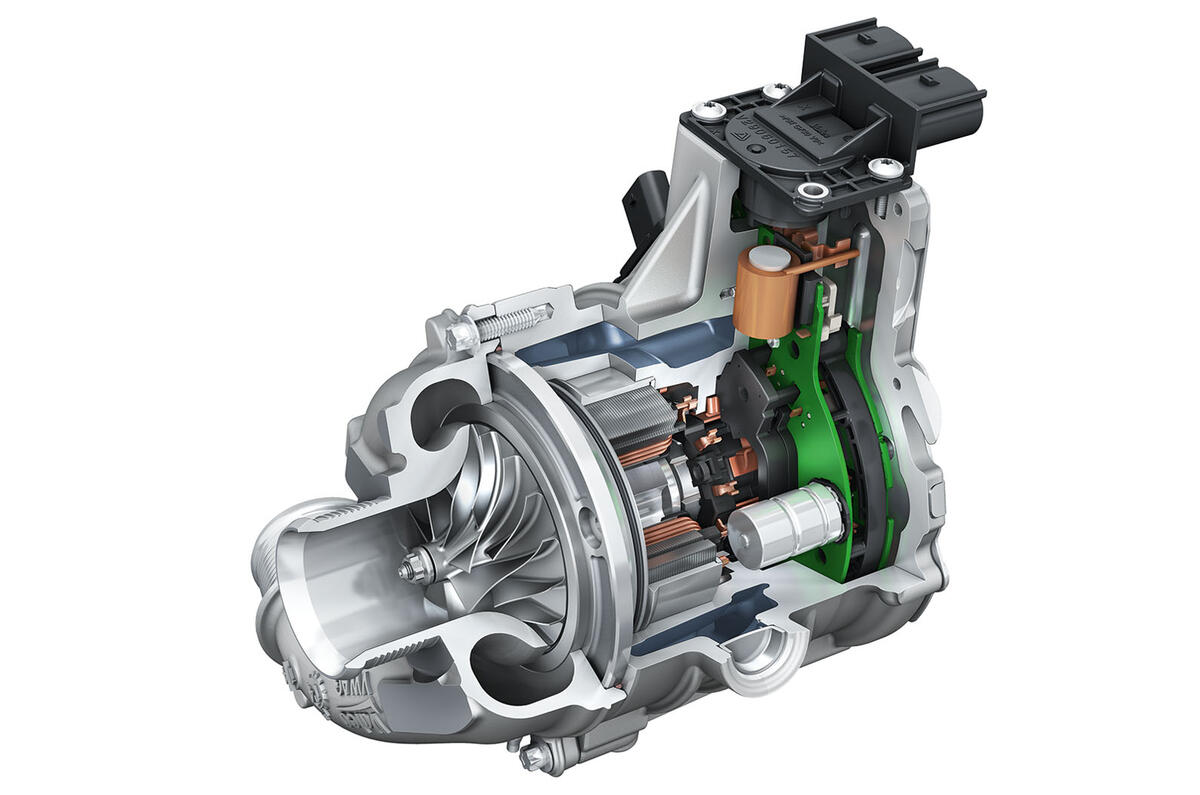
E-BOOSTER

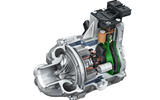
Electric supercharger requires 48V to power its 7kW motor, enabling it to spin from idle to 70,000rpm in only 250 milliseconds. The result is maximum torque of 664lb ft from only 1000rpm and superb motorway on-ramp acceleration.
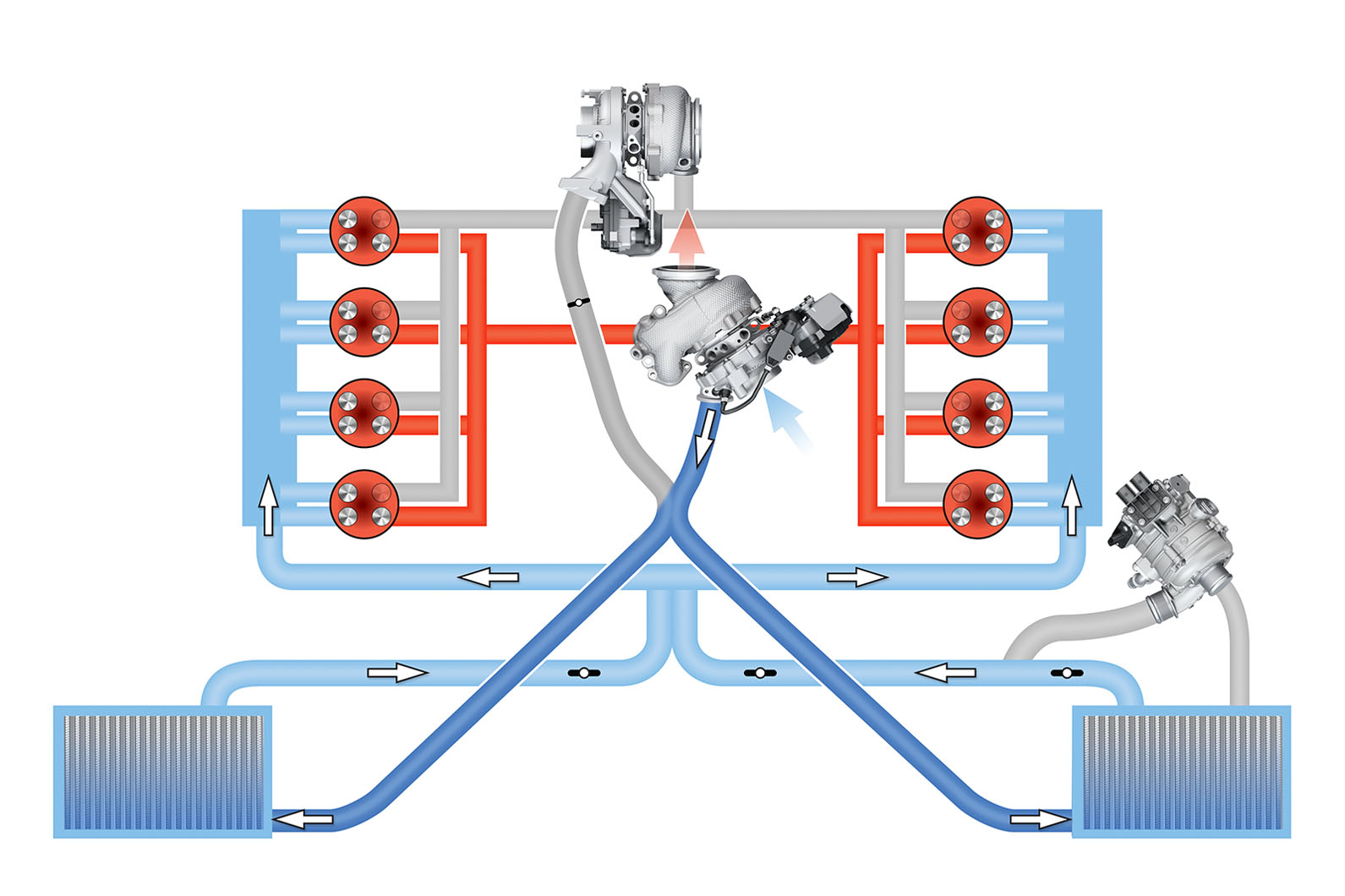
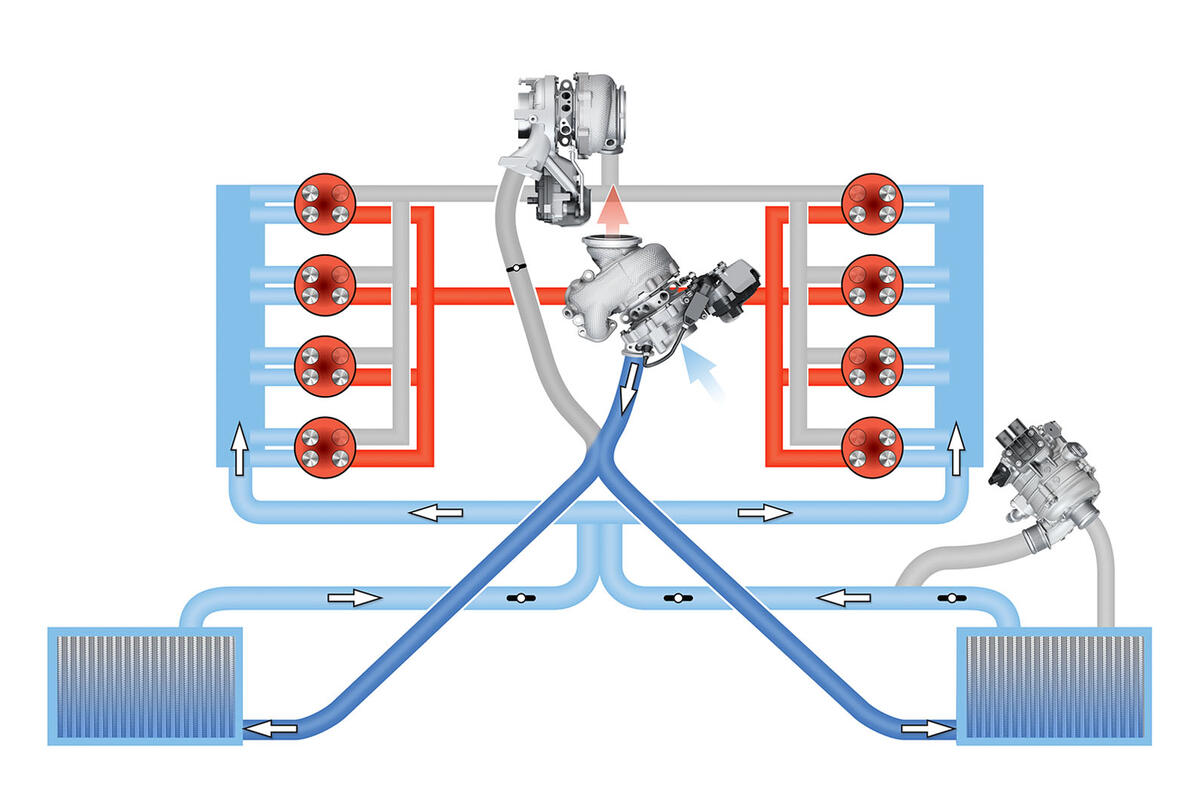
TRIPLE-CHARGER

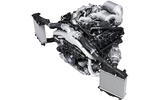
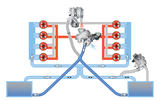
The electric supercharger (on the bottom right) feeds the cylinders at low revs for near-instant torque. One exhaust valve is closed to intensify the boost, while the exhaust gases prime the second turbo (in the centre). All three chargers feed all eight cylinders and the turbos are twin-scroll.
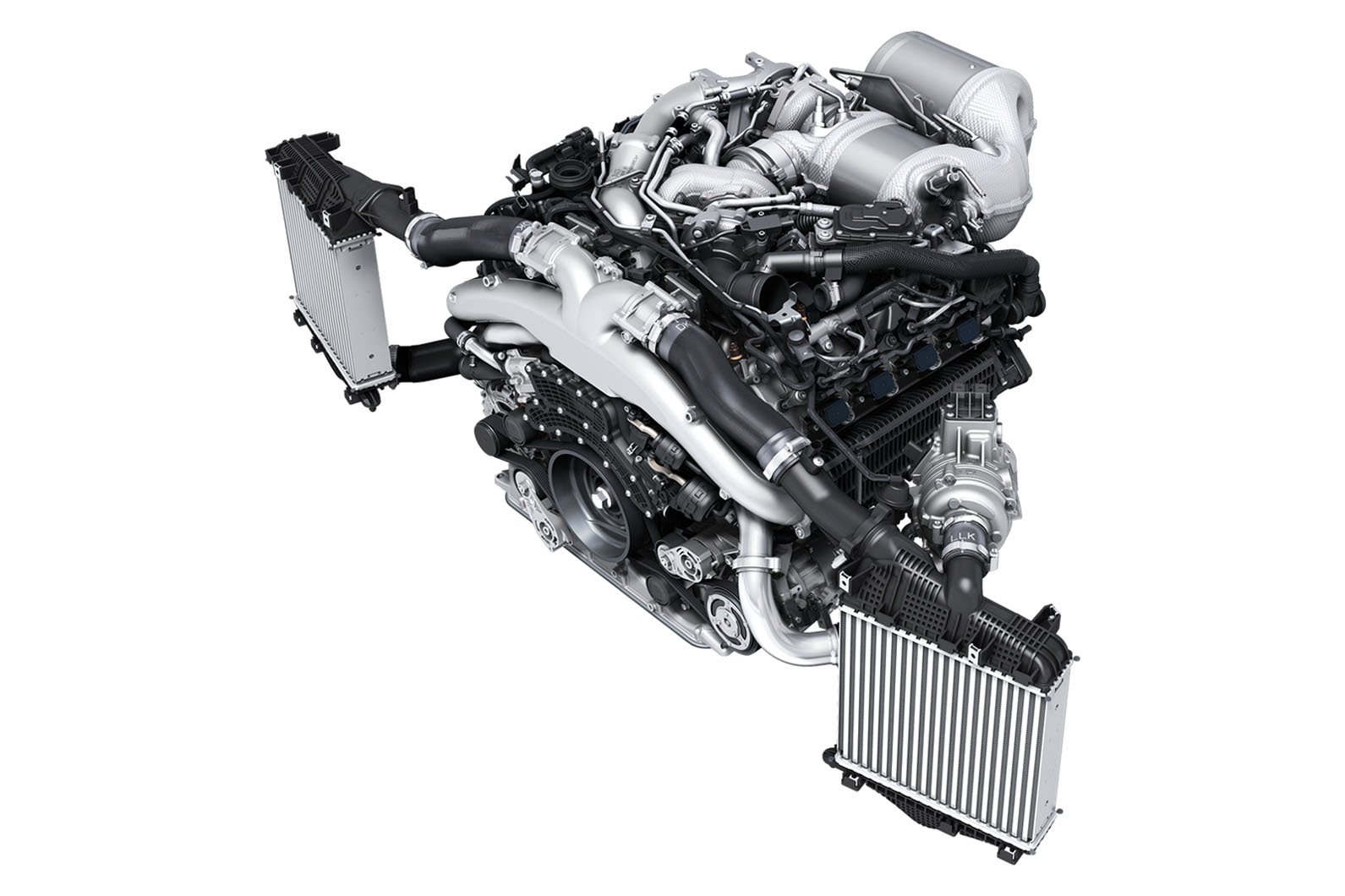
PACKAGING

Three turbos are located in the vee of the engine and the electric supercharger is remotely mounted. A sliding cam deactivates one exhaust valve when the supercharger operates. The sub-assembly is part of the cooling system.

Join the debate
Add your comment
Now he's got me completely
Another obvious truth
Nonsense
Nonsense
Nonsense
275not599 wrote:
Indeed! It doesn't make any sense does it? Yet it's an argument you seen on these comments sections time and time again, especially in regard to VWAG products. That because cars have parts commonality, they are the same. In any other domain, it would be immediately absurd. No one would say, oh, my 3 bed house in Carshalton is made of the same brick, has the same windows and boiler as that 3 bed house in Mayfair, that they even share the same square footage, the people who buy in Mayfair are mugs for paying 10 times more! Or call a person who flys by private jet a fool because can get a lot more space and pay less flying commercial. Or say a person buying a tailored suit for £2000 is a mug because you can pick one up made from the same materials in Primark for £80. Yet apparently, Skoda, Seat, VW, Audi are all the same car, the ONLY differential being some nice materials and the badge. It really beggars belief.
The truth is very, very