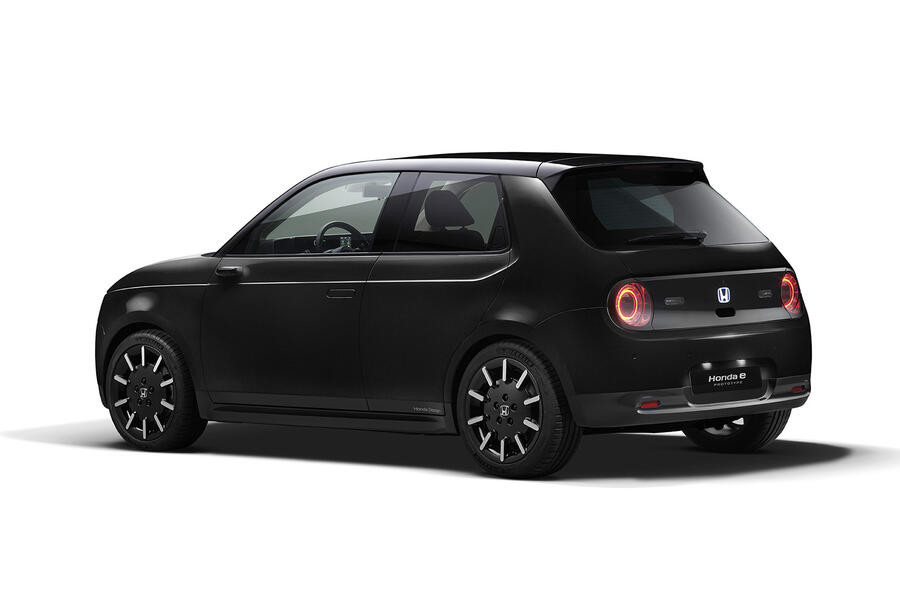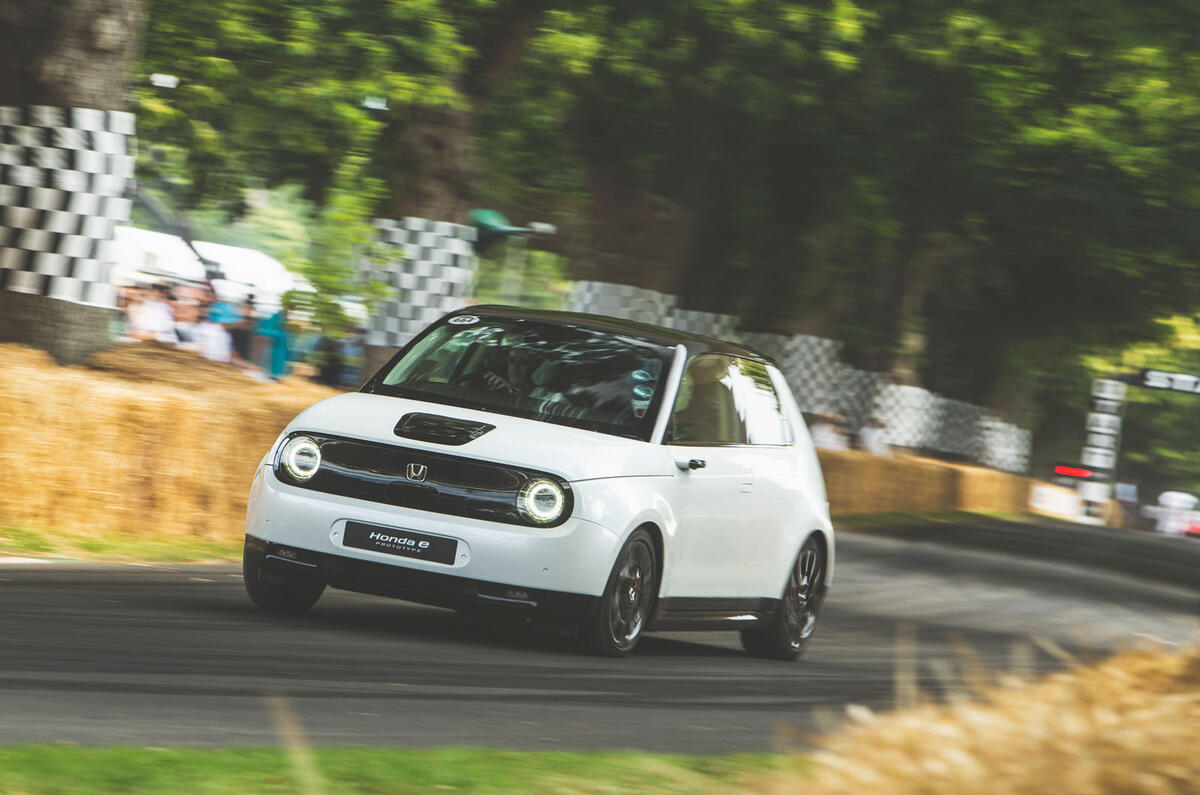
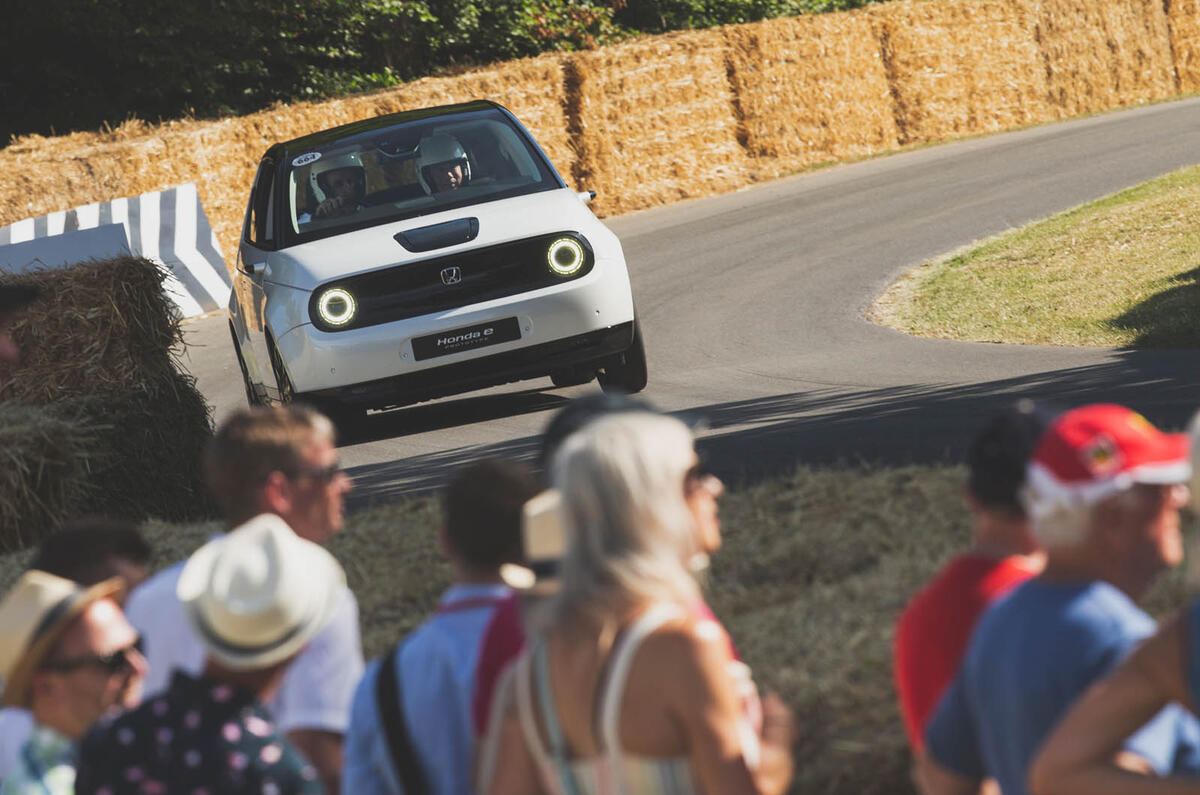
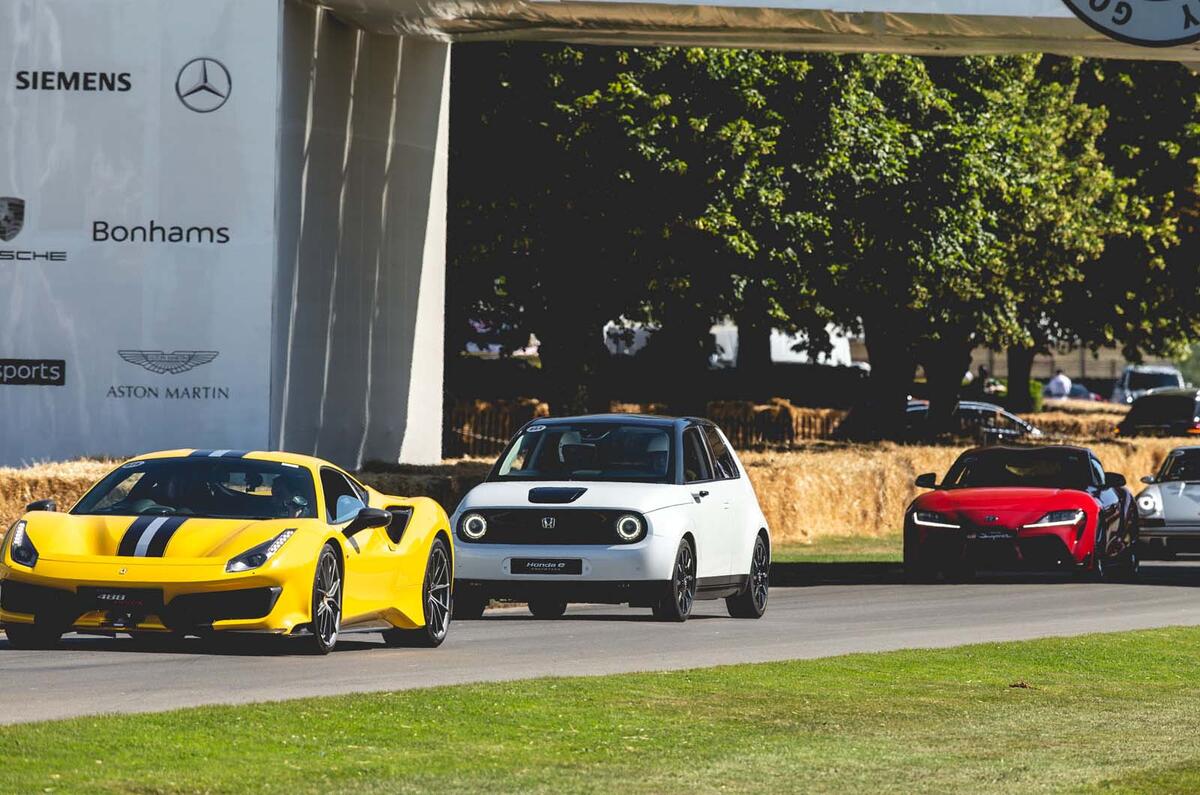
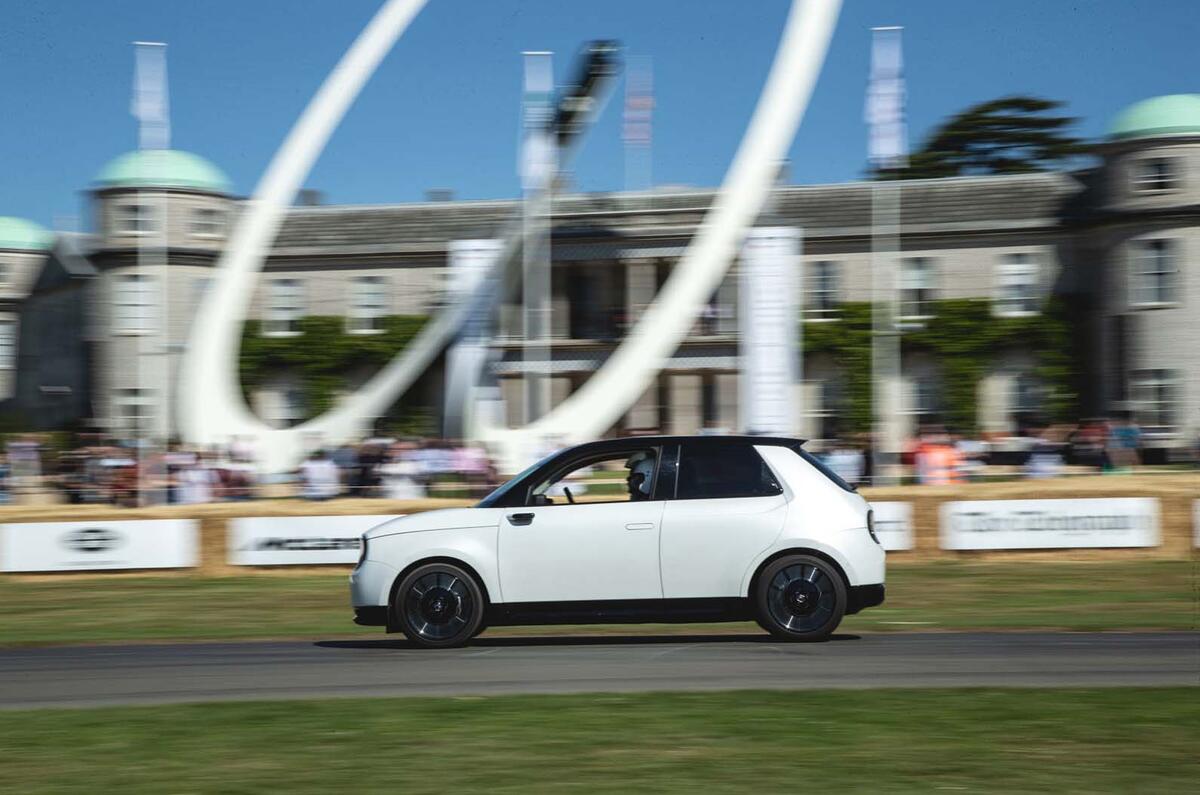
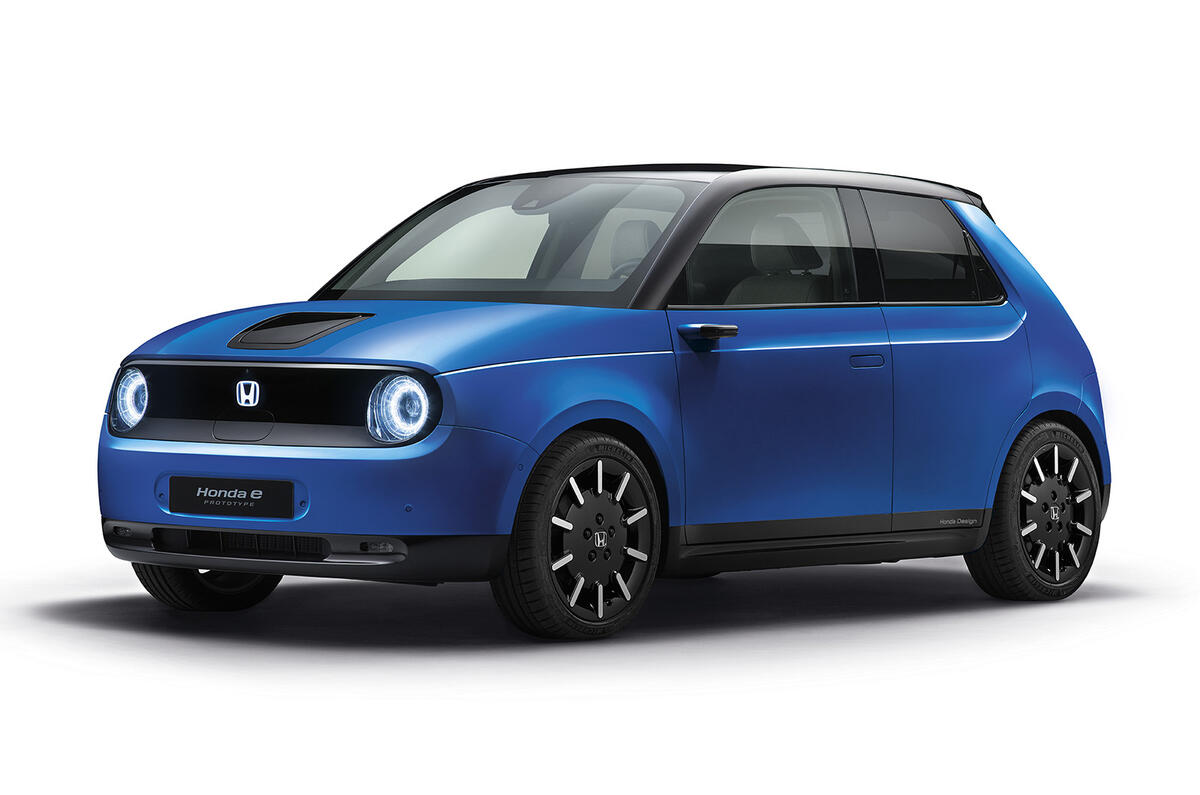
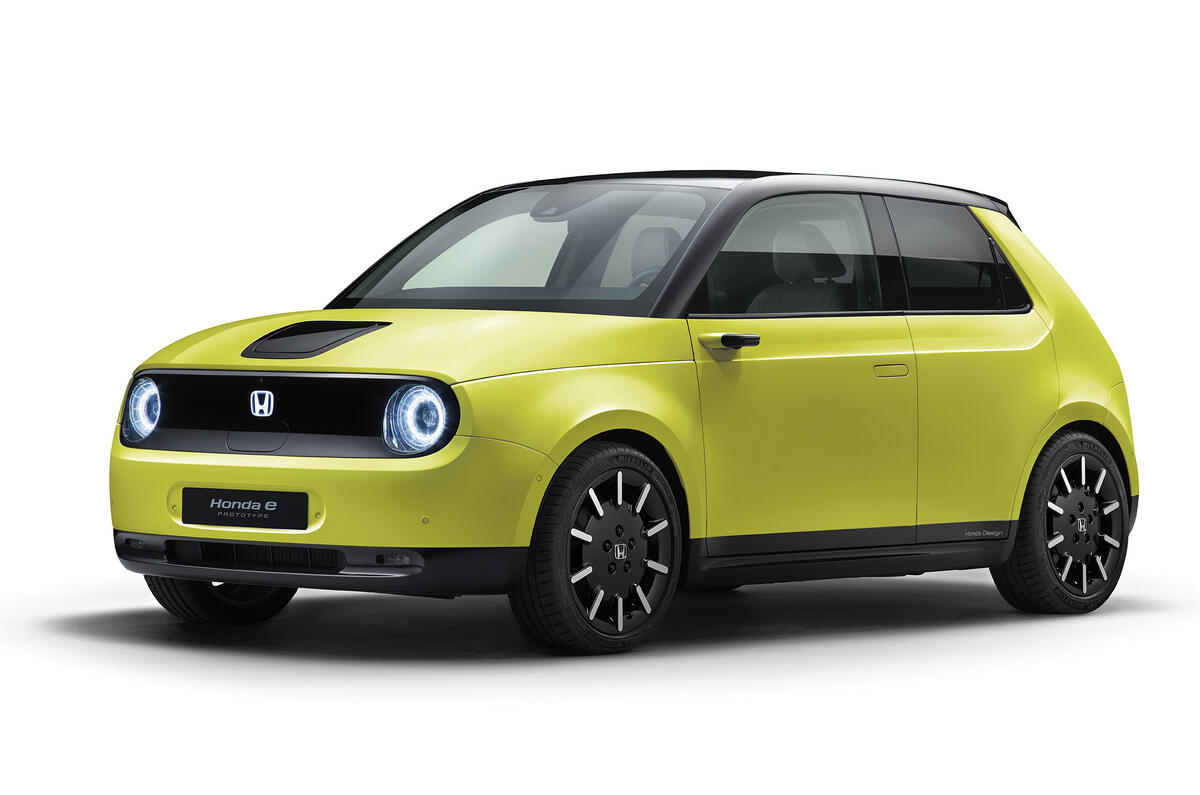
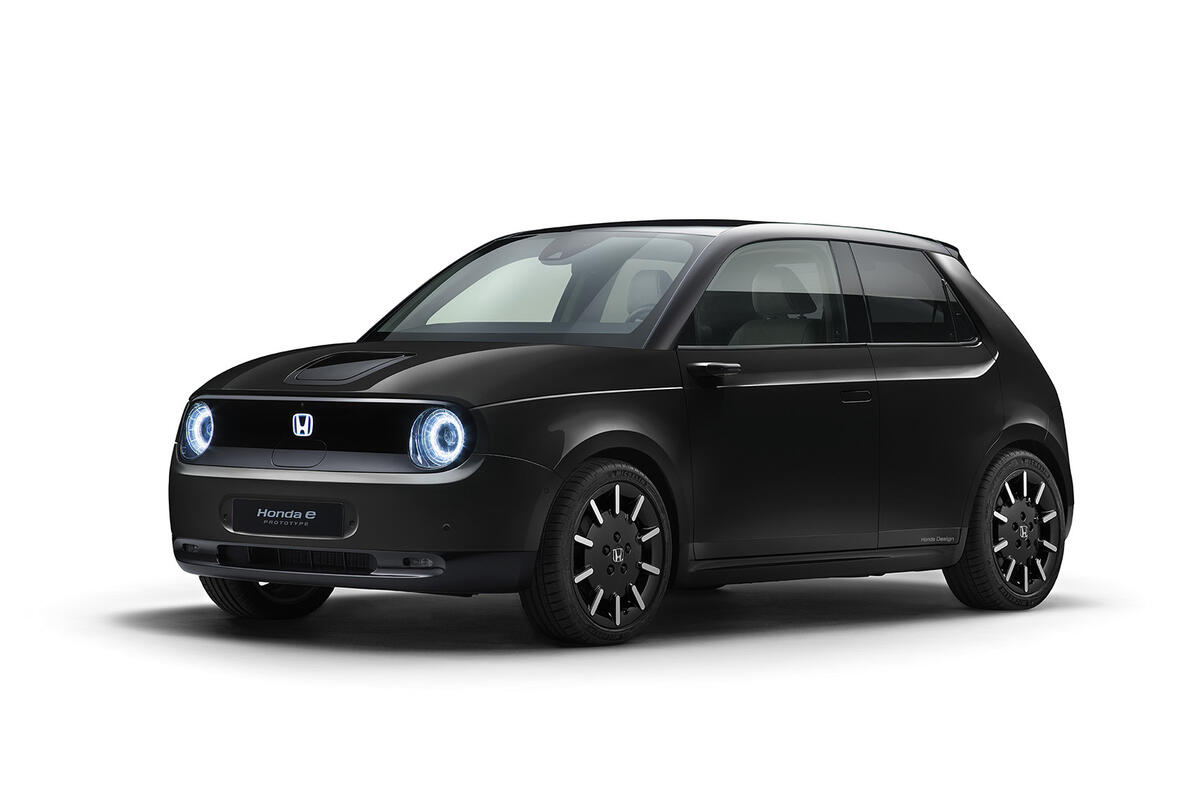
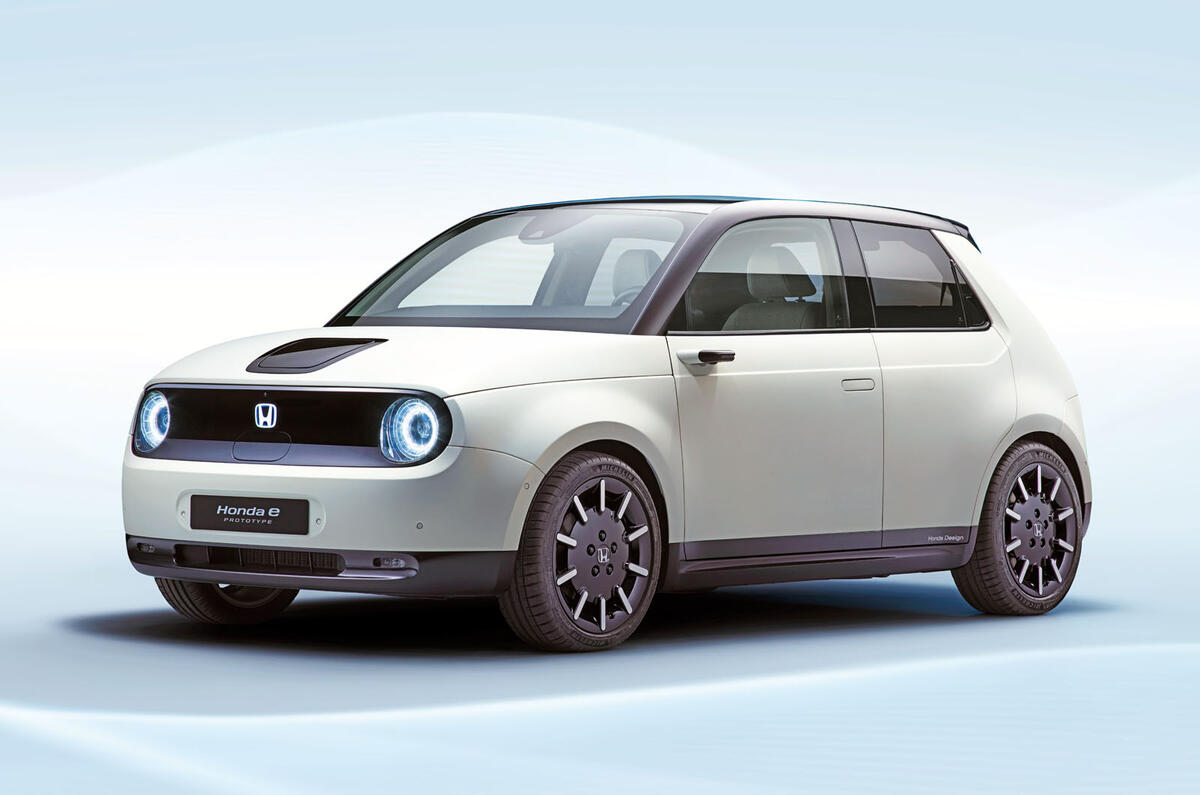
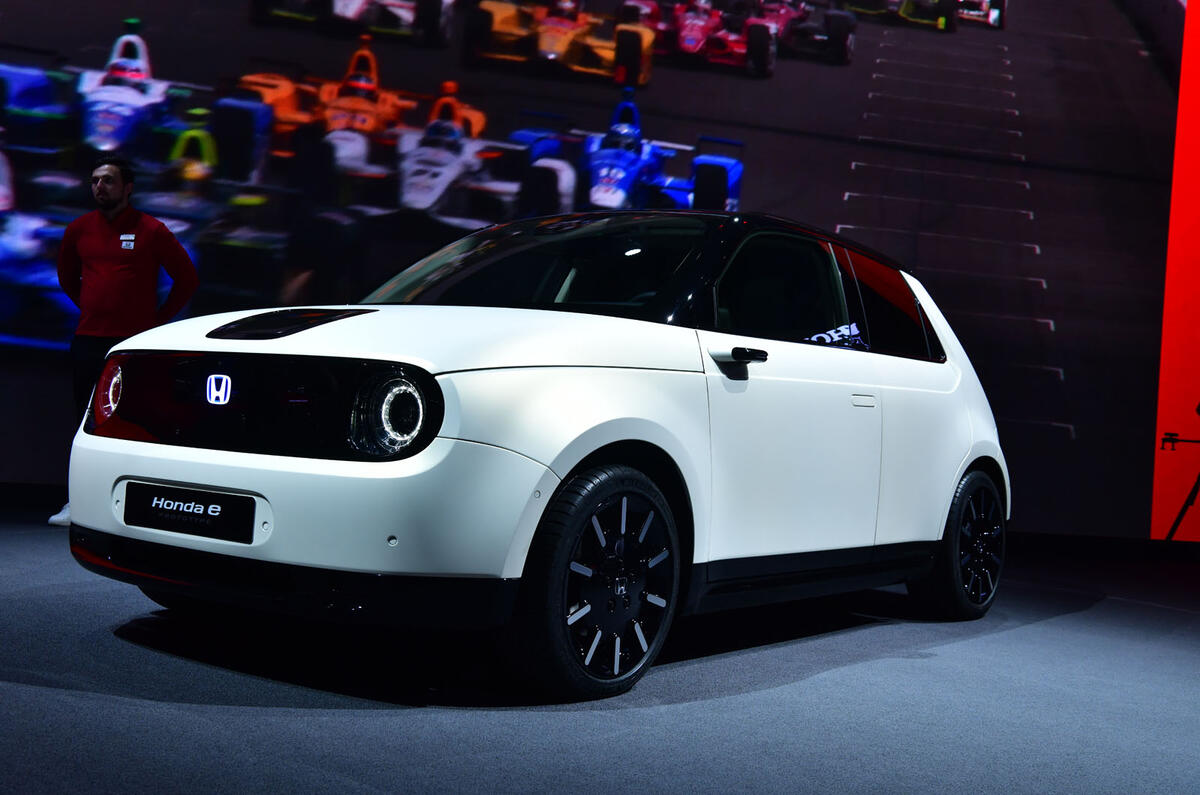
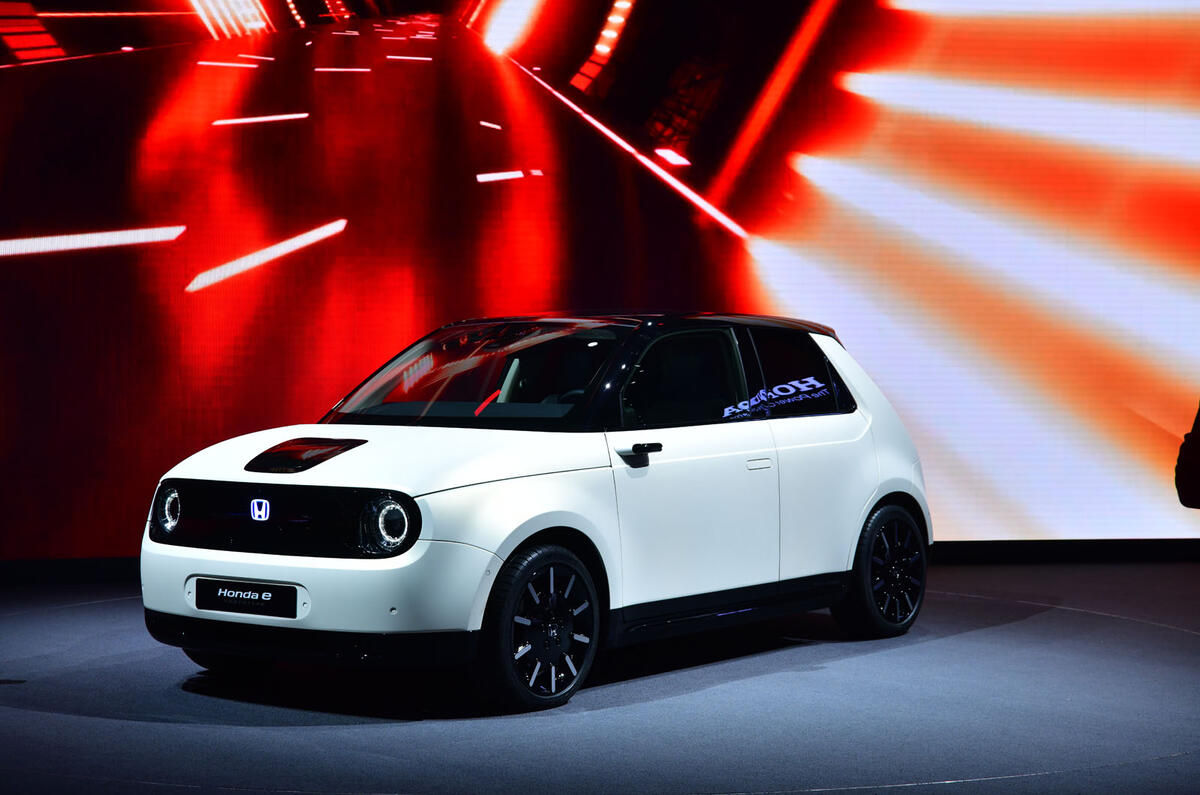
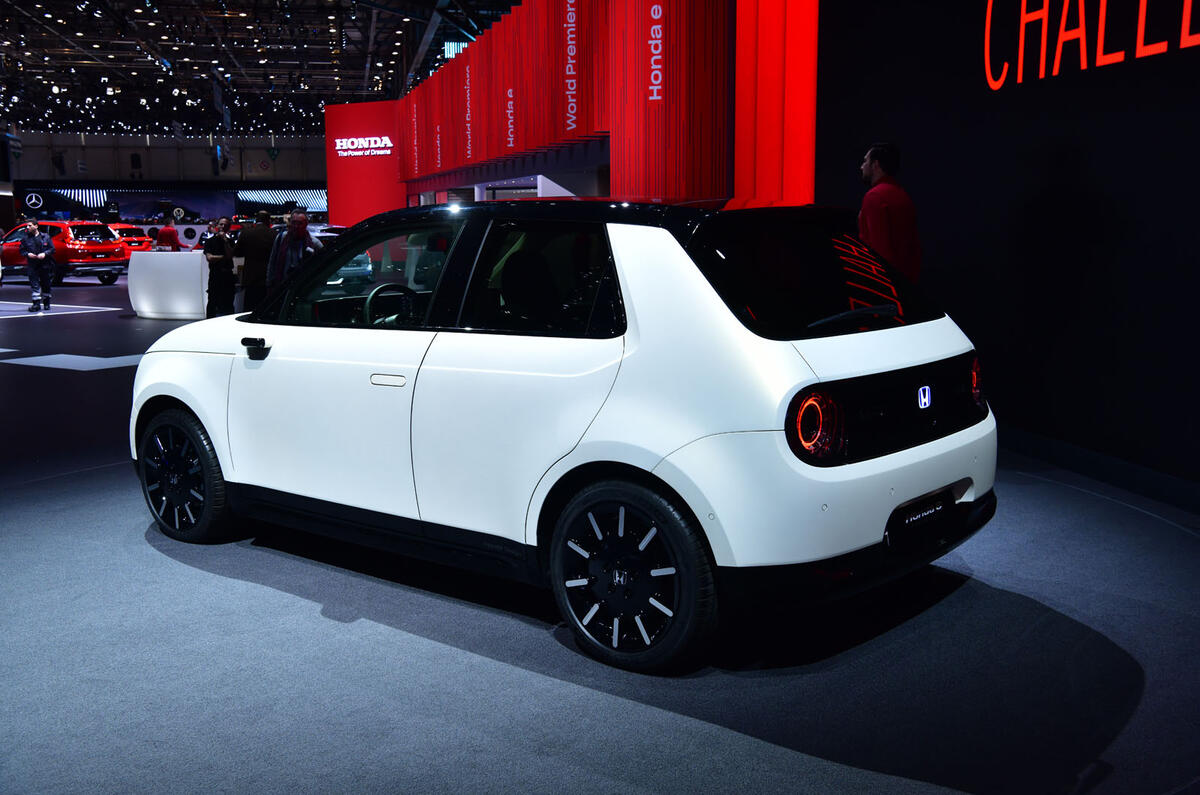
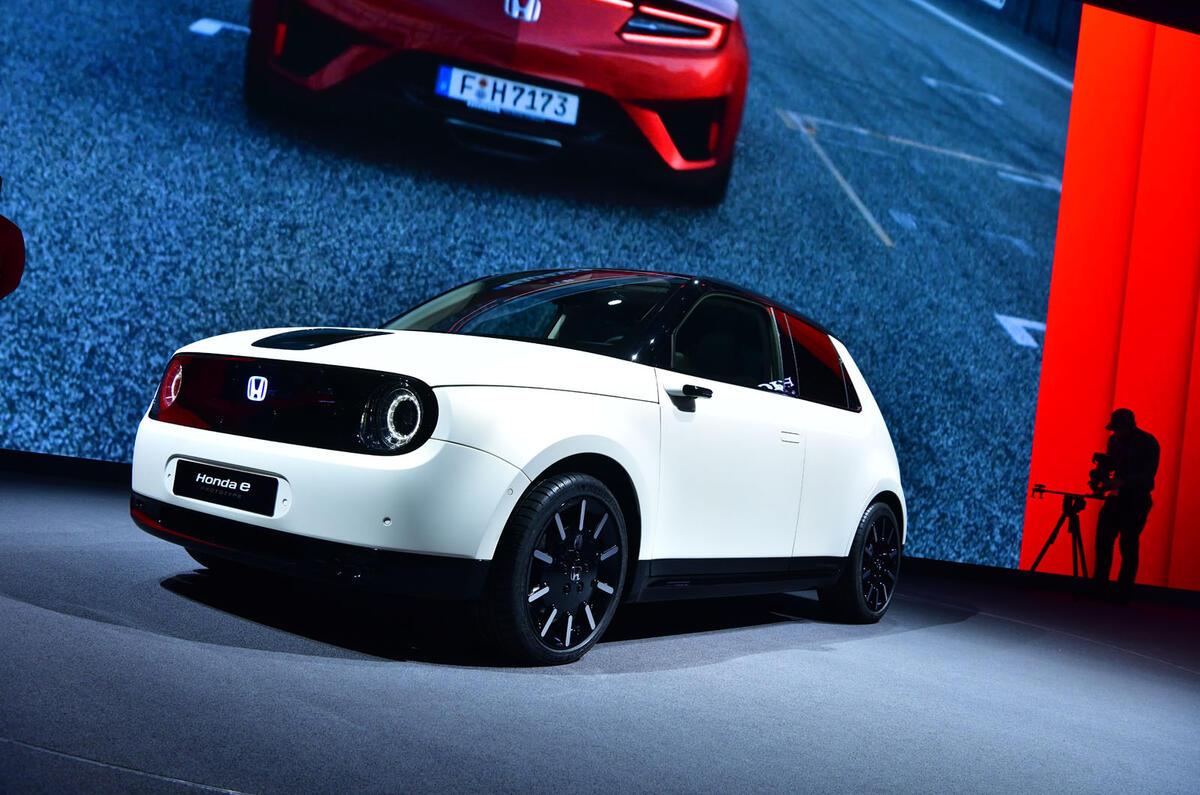
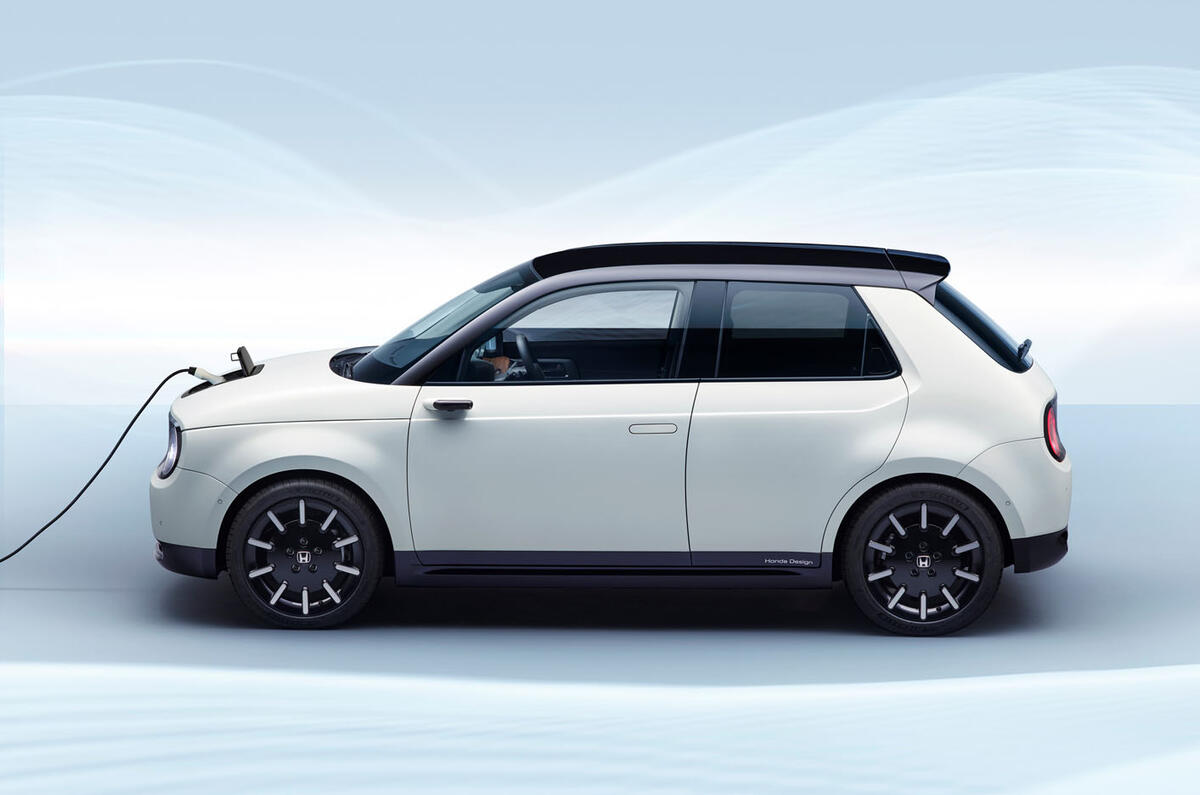
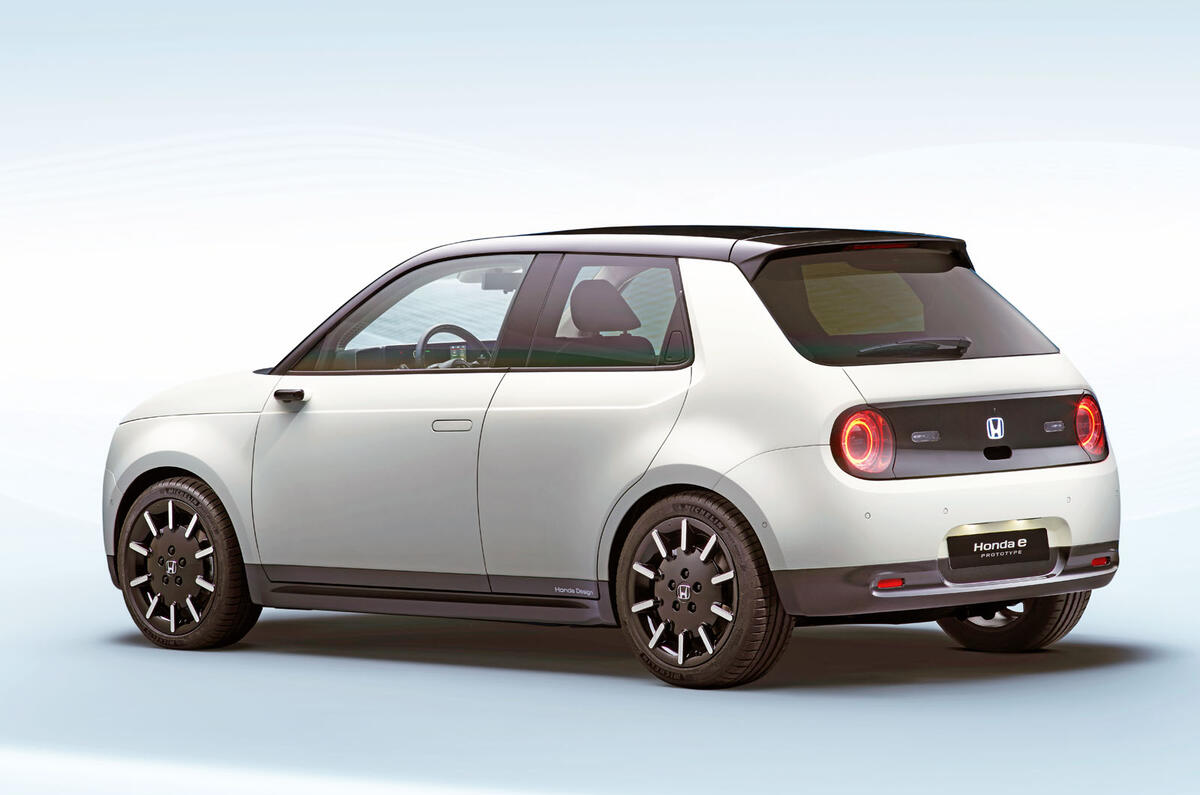
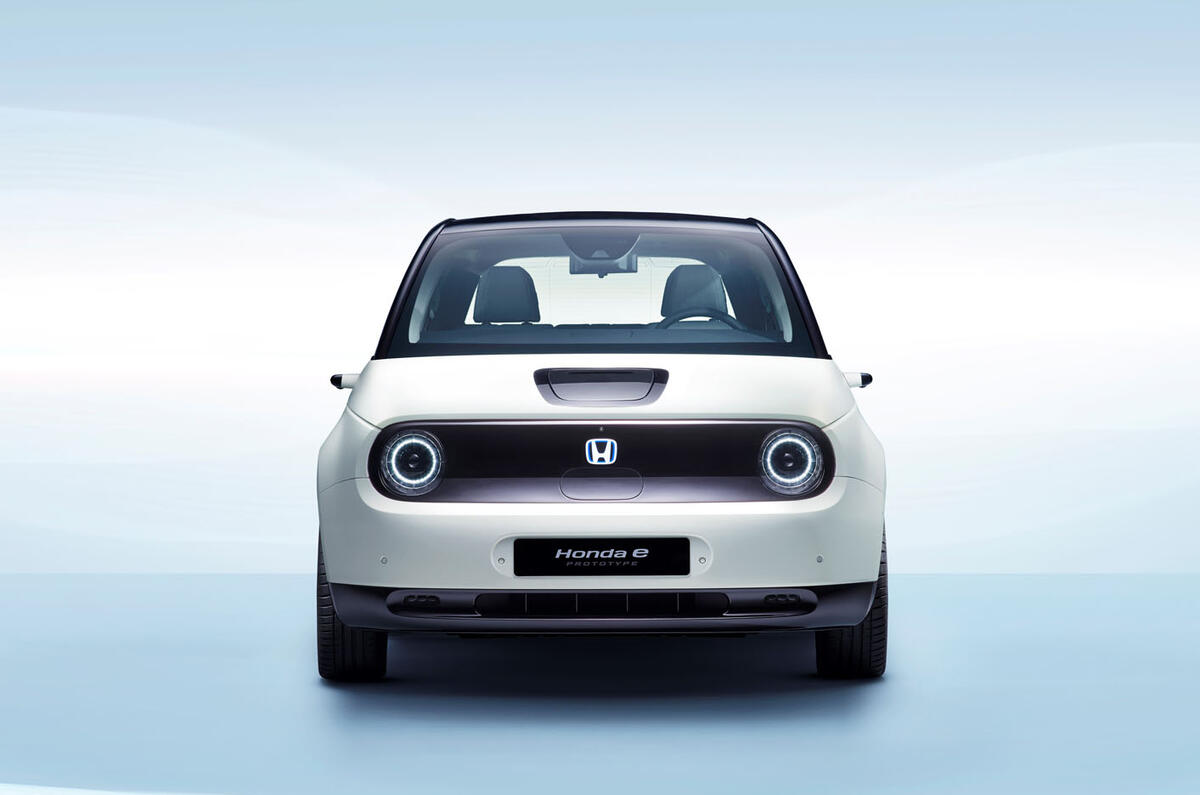
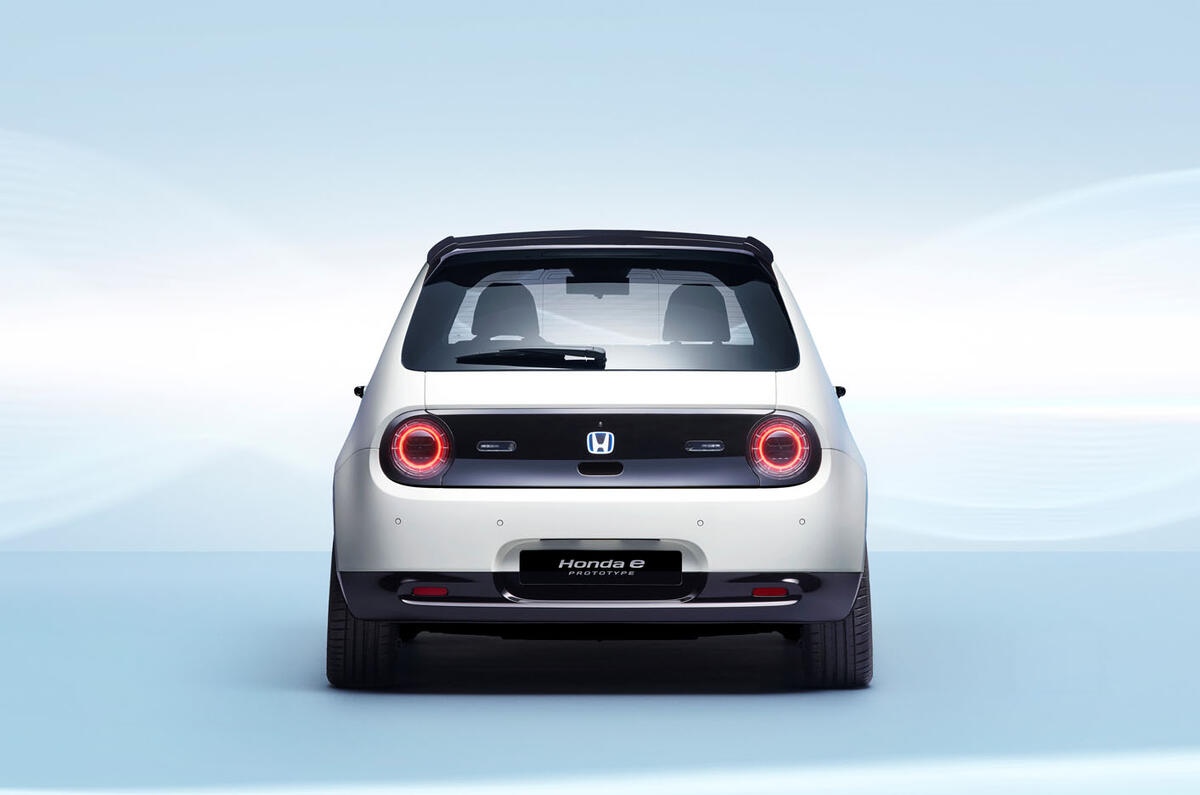
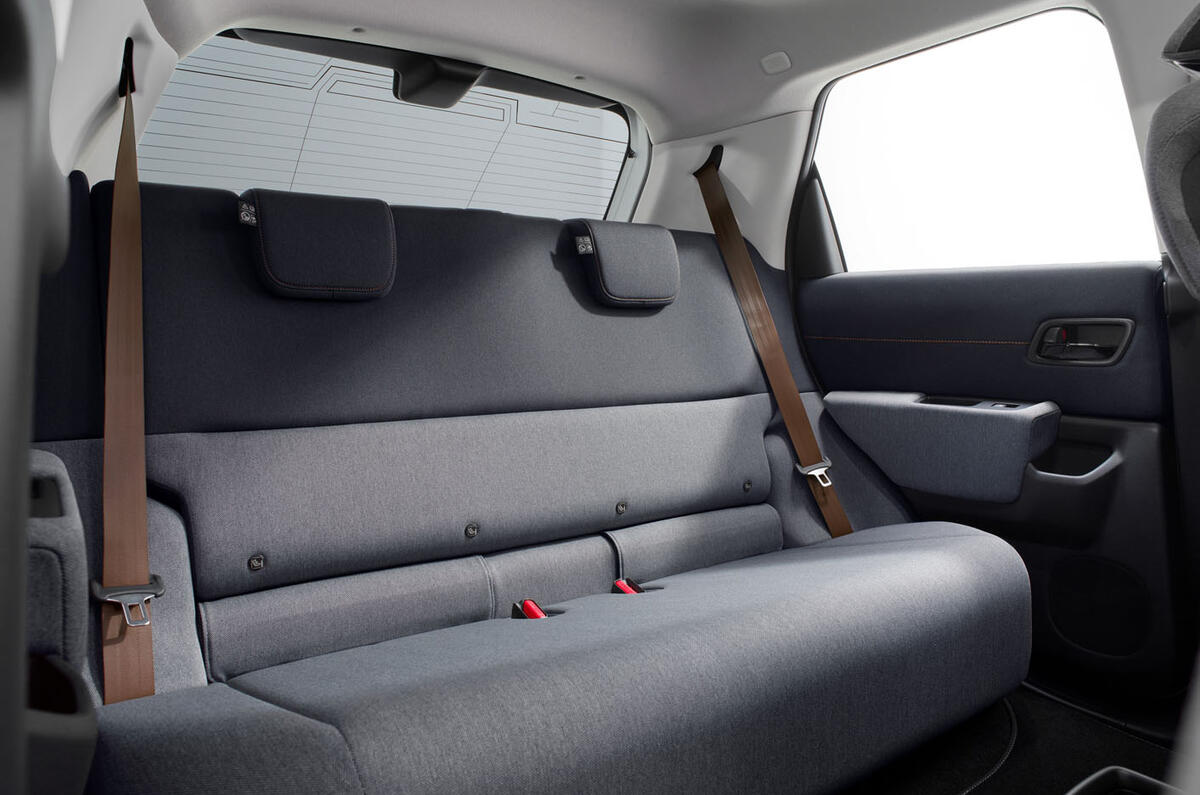


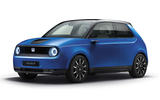
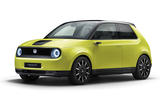
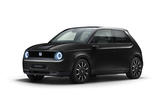

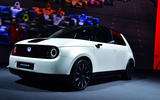
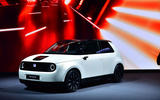
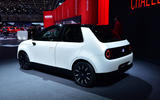
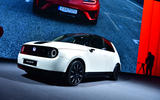

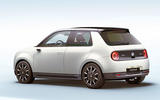
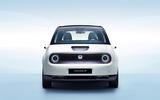
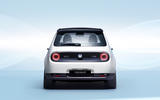
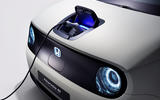
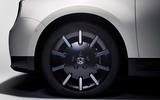
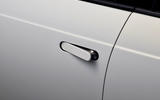
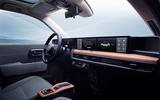
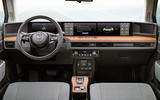
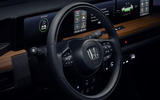

The new Honda E electric city car has made its UK debut at the Goodwood Festival of Speed.
A running prototype has taken to the event's hillclimb course, with another on display on the Honda stand, flanked by the latest version of Honda's Honda NSX sports car. Honda says the E appearing at Goodwood is "95% true" to the production version.
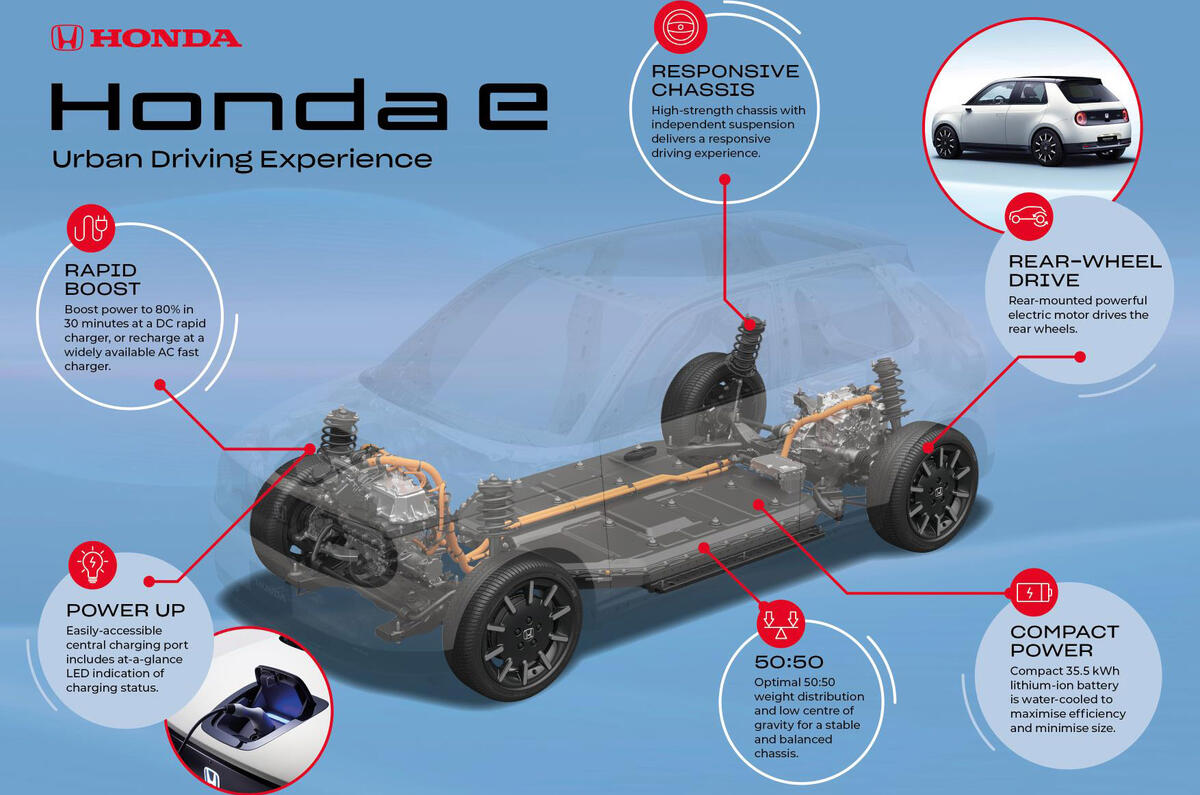
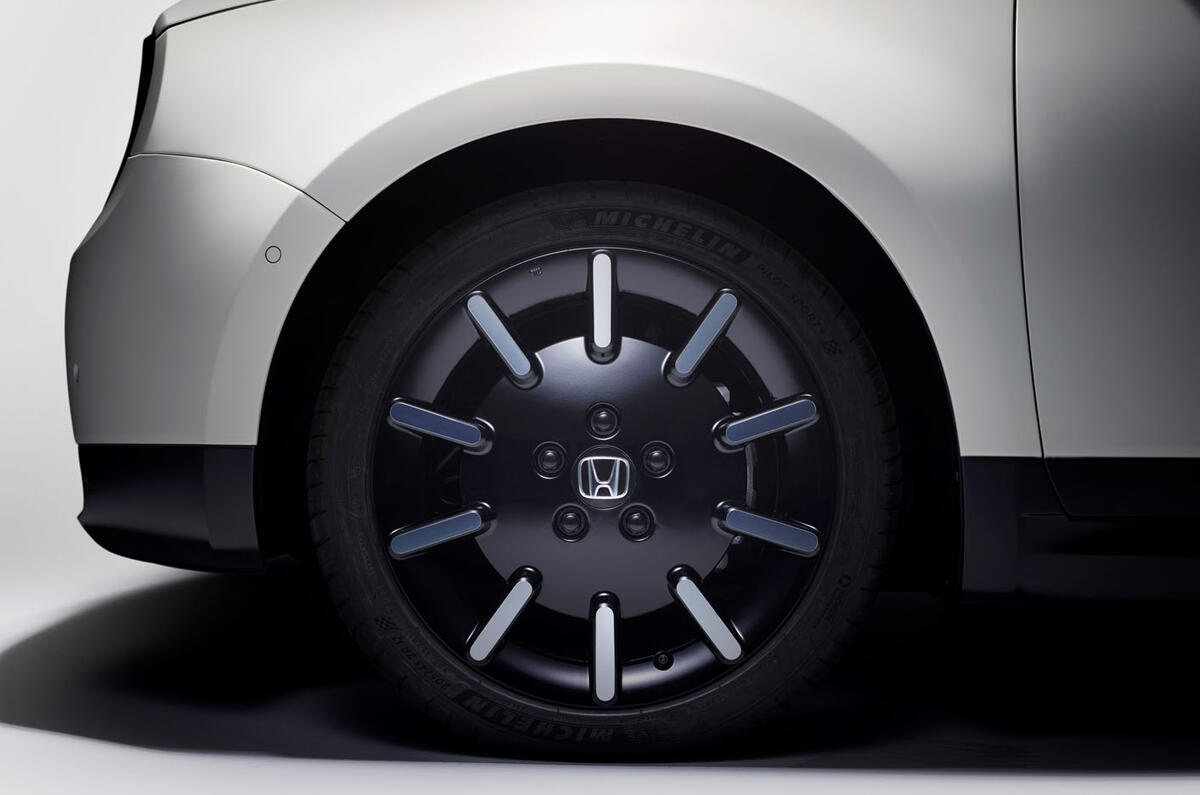
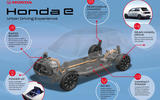
The new machine, which is available to order before deliveries commence in 2020, boasts a 50:50 weight distribution and a low centre of gravity, thanks to the placement of its batteries low within its wheelbase. Power is sent through the rear wheels, and the car rides on four-wheel independent suspension.
Goodwood Festival of Speed news and updates
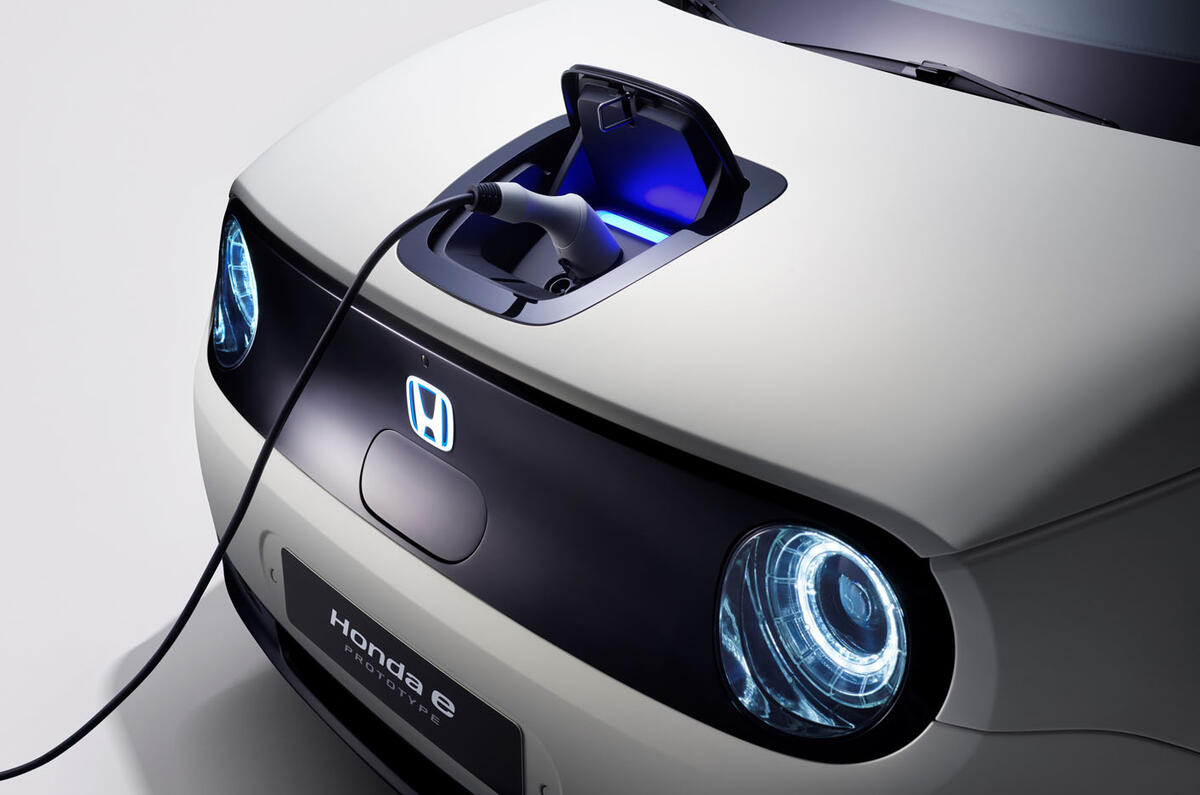
The E uses a liquid-cooled 35.5kWh battery that Honda claims should deliver more than 125 miles of range. Rapid-charging should allow for an 80% charge in less than 30 minutes, although Honda has yet to reveal the exact maximum charging capacity of the car.
While the estimated range is substantially lower than that offered by rival EVs such as the 282-mile Kia e-Niro and 193-mile BMW i3, Honda e project manager Kohei Hitomi explained that this was necessary to keep the batteries small to fulfil its city car role.
“We believe the range is sufficient for this segment of car,” said Hitomi. “Some potential customers might not be satisfied, but when you think about bigger range and a bigger battery, it has drawbacks in terms of packaging. It’s a balance.”

First drive: Honda E 2019 prototype
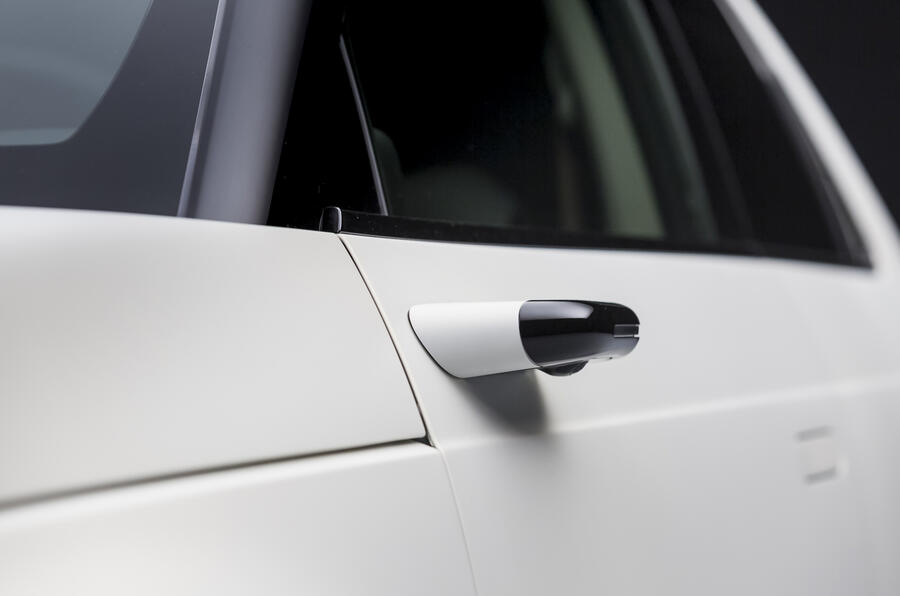
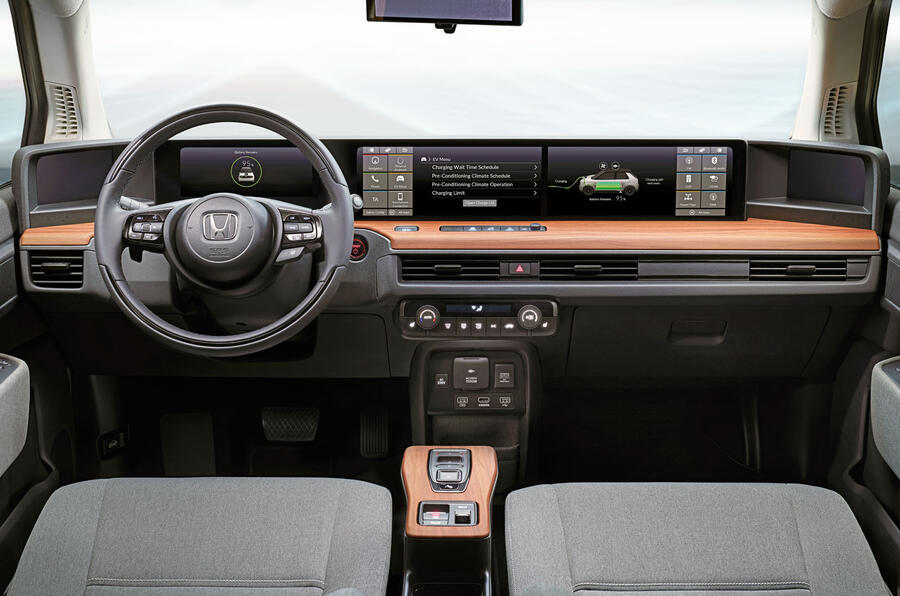
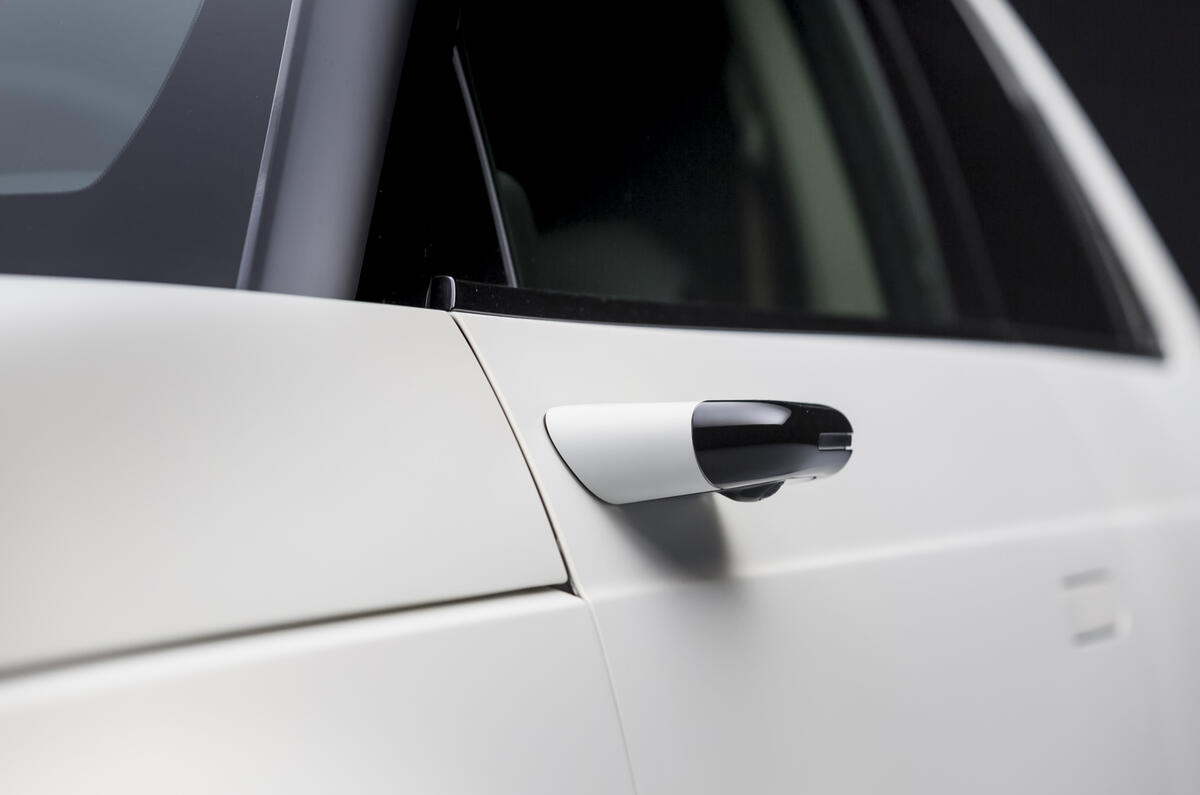
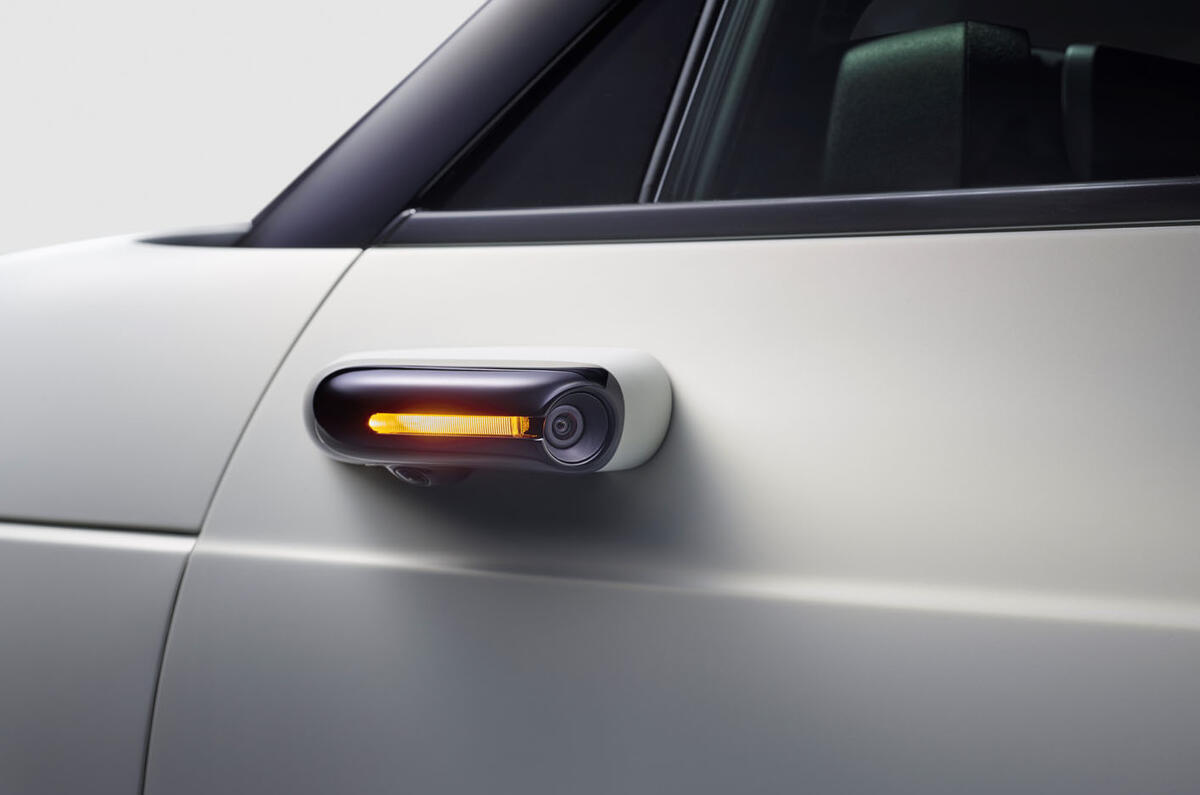
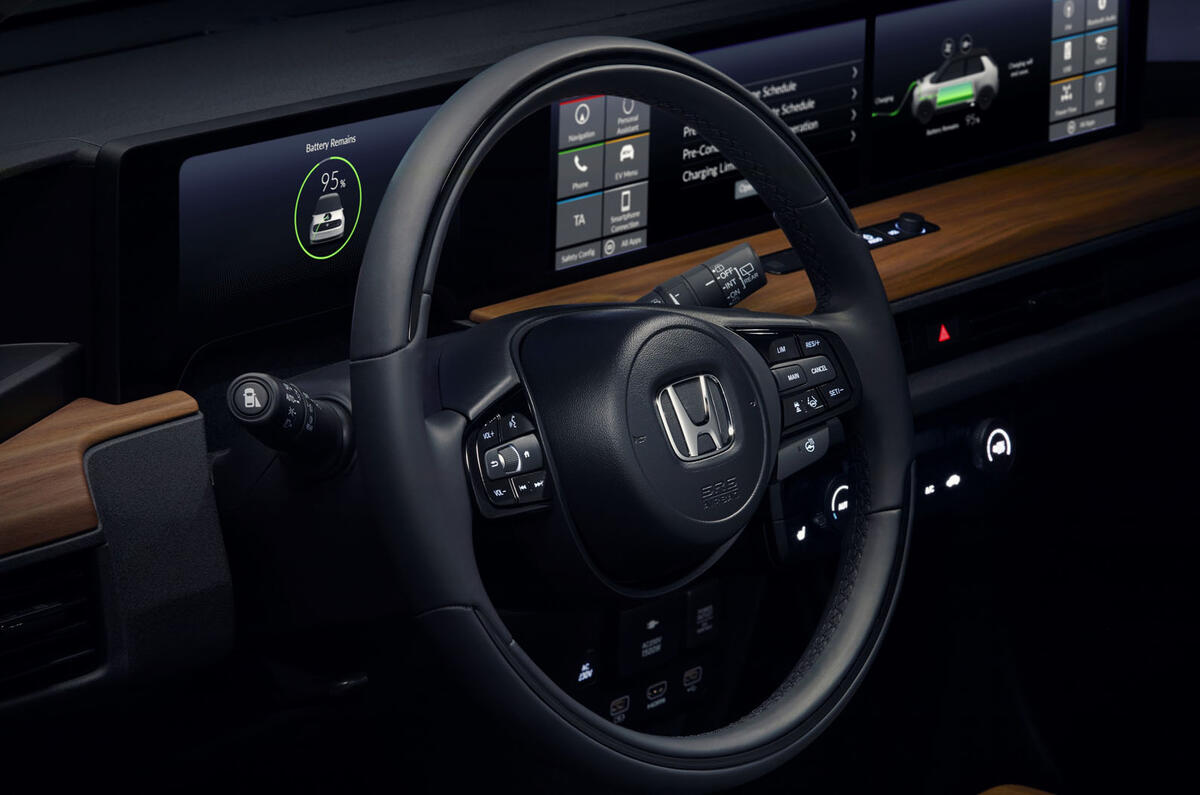
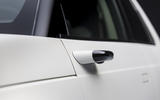
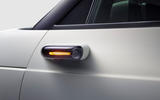
The E is the production version of the Urban EV concept, which was revealed at the 2017 Frankfurt motor show, and Honda has confirmed that many of that car's features will reach the final model as standard. These will include the camera wing mirror system, which Honda claims reduces aerodynamic drag by around 90%. That is said to improve the efficicency of the entire vehicle by 3.8%, playing a significant role in maximising range.
The camera system will feature two modes: a normal mode and a wide mode with an extended field of view, and Honda claims they reduce blindspots by at least 10% compared to mirrors. A special water-repellent coating will be used to stop water obscuring the driver's vision.